The Odometer Tells Only Half The Story
A rare classic with astonishingly low mileage can feel like the ultimate find, especially when the seats, steering wheel, and engine bay look almost untouched. But then comes the catch: it hasn't actually been driven since the 1990s. When an old car has spent decades sitting still, fewer miles don't automatically mean fewer headaches.
Low Mileage Can Absolutely Make A Classic More Desirable
Original low-mileage cars can carry a premium because they may preserve factory upholstery, paint, trim, mechanical components, and other details that have disappeared from heavily restored examples. For rare or historically important vehicles, that originality can matter enormously to collectors. But there's an important distinction between a car that's been carefully preserved and one that's simply been sitting untouched for decades, and overlooking it could turn a prized discovery into an expensive mistake.
Sitting Still Isn't The Same As Being Preserved
Cars are full of rubber, fluids, seals, lubricated components, electrical connections, and mechanical parts designed to move. Consumer Reports notes that vehicles left sitting can develop problems including rusted brakes, leaking seals, dead batteries, and rodent damage. Hagerty makes the same point about classics: extremely low mileage can coexist with an enormous recommissioning bill.
How It Was Stored May Matter More Than The Mileage
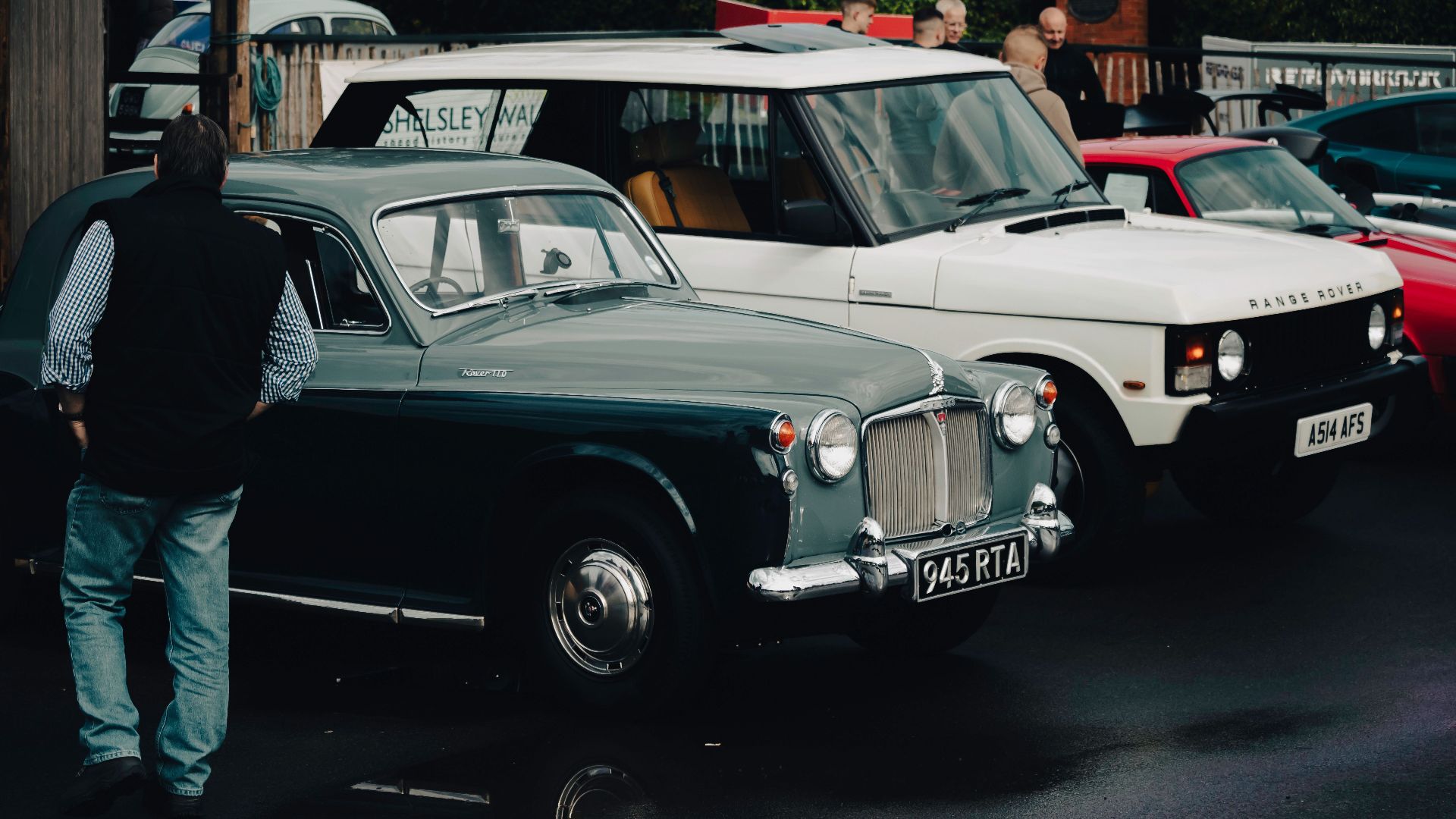
A 10,000-mile car kept in a climate-controlled garage is very different from a 10,000-mile car abandoned in a damp barn. Ask where the vehicle spent those decades, whether the building was heated or humid, whether the floor was concrete or dirt, whether rodents could enter, and whether anyone periodically maintained the car. The storage history may tell you more than the odometer does.
A Regularly Driven Classic Has One Big Advantage
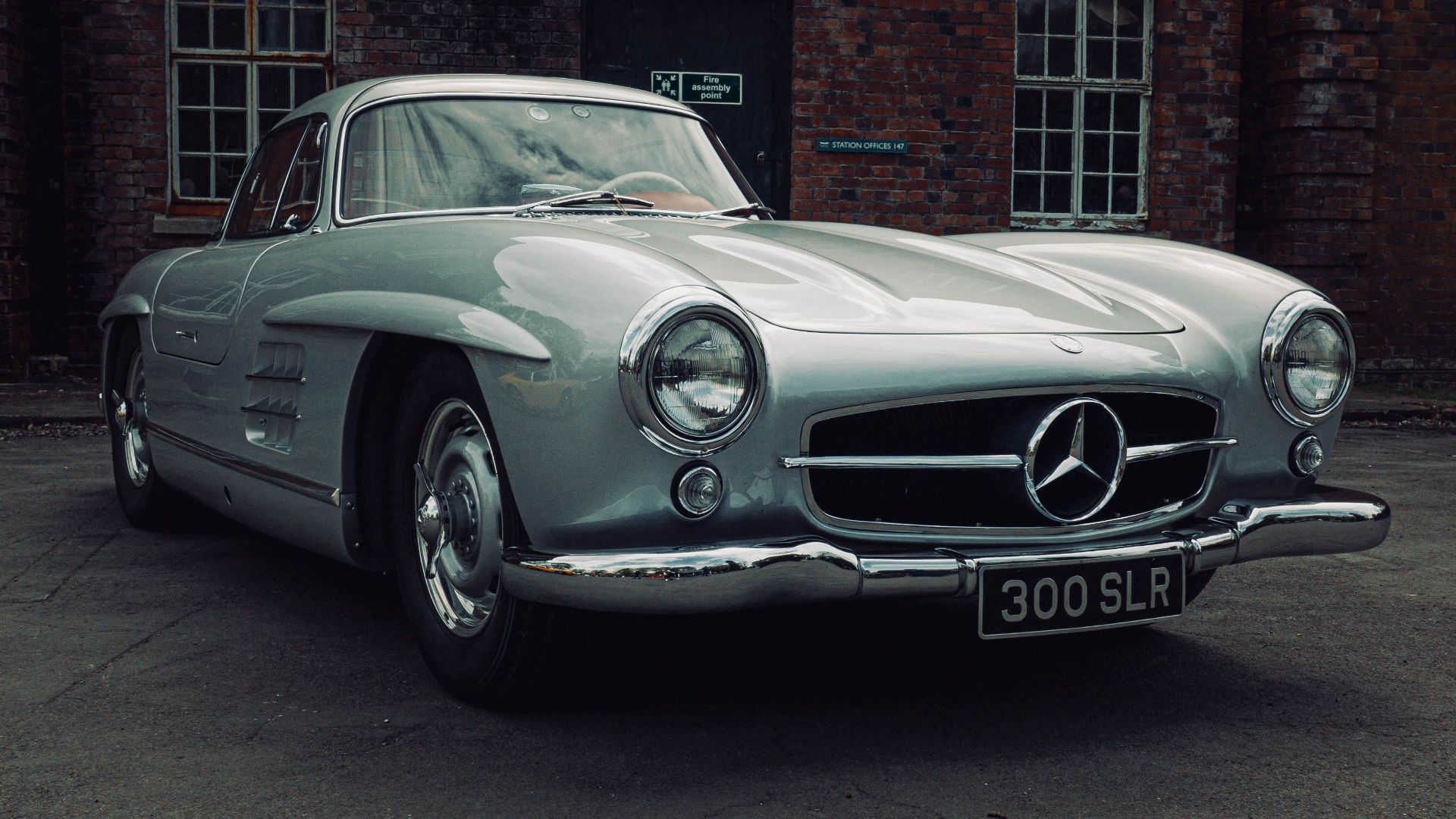
Cars that are periodically driven get fluids circulating, seals moving, brakes operating, bearings turning, and engines reaching operating temperature. That doesn't guarantee good condition, especially if maintenance was neglected, but it can prevent some of the deterioration associated with prolonged inactivity. A well-maintained 60,000-mile classic may therefore need considerably less mechanical work than a 6,000-mile one that hasn't moved in 25 years.
Verify That The Tiny Mileage Is Real
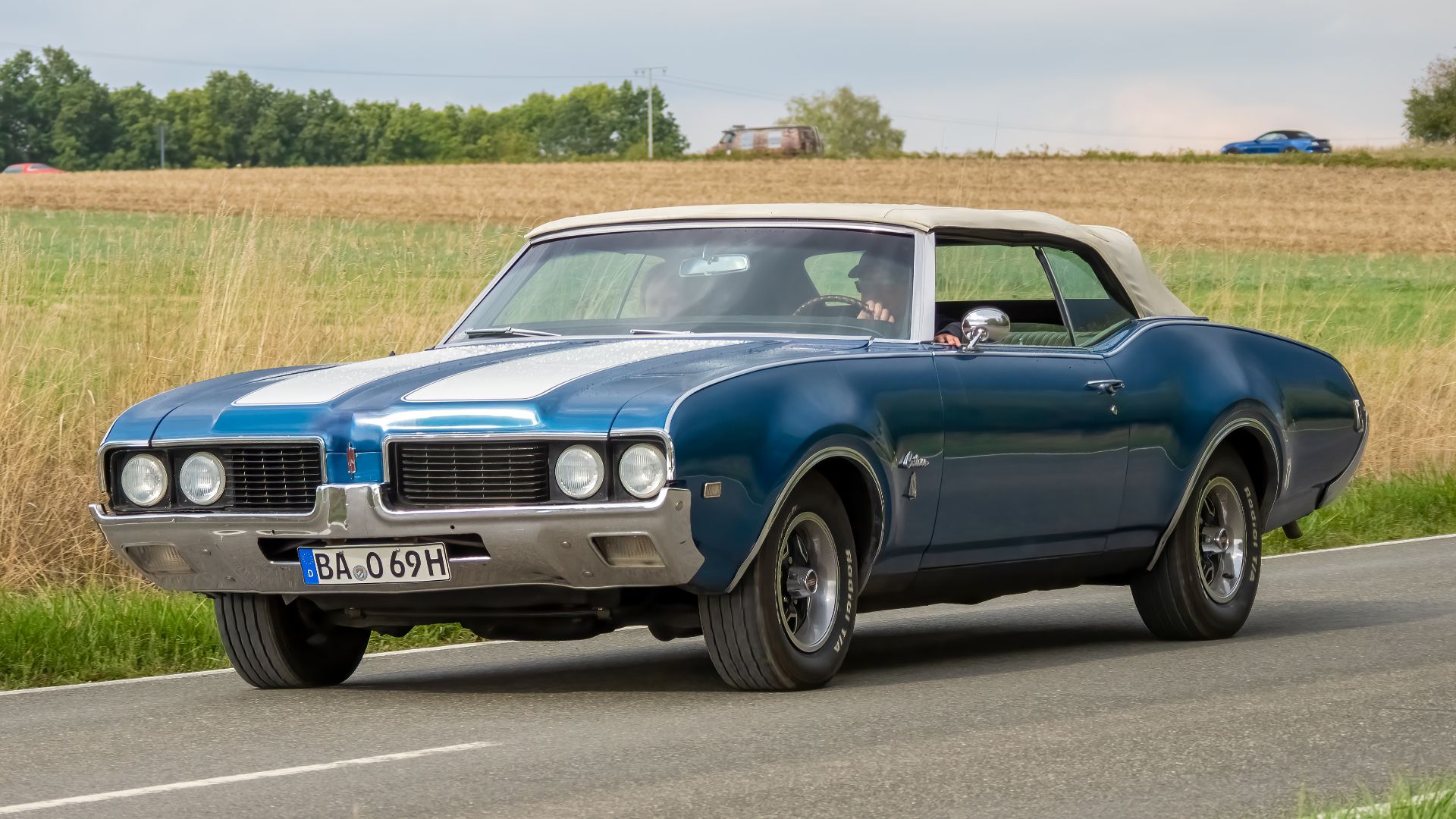
An extraordinary odometer reading deserves extraordinary documentation. Older mechanical odometers can roll over, be replaced, or simply stop functioning, and records can disappear across multiple owners. Look for service documents, inspection records, registrations, old photographs, ownership history, and wear on pedals, seats, steering wheels, and controls. Low mileage is worth paying extra for only if you're reasonably confident it's legitimate.
Originality Can Be Valuable Even When Parts Are No Longer Usable
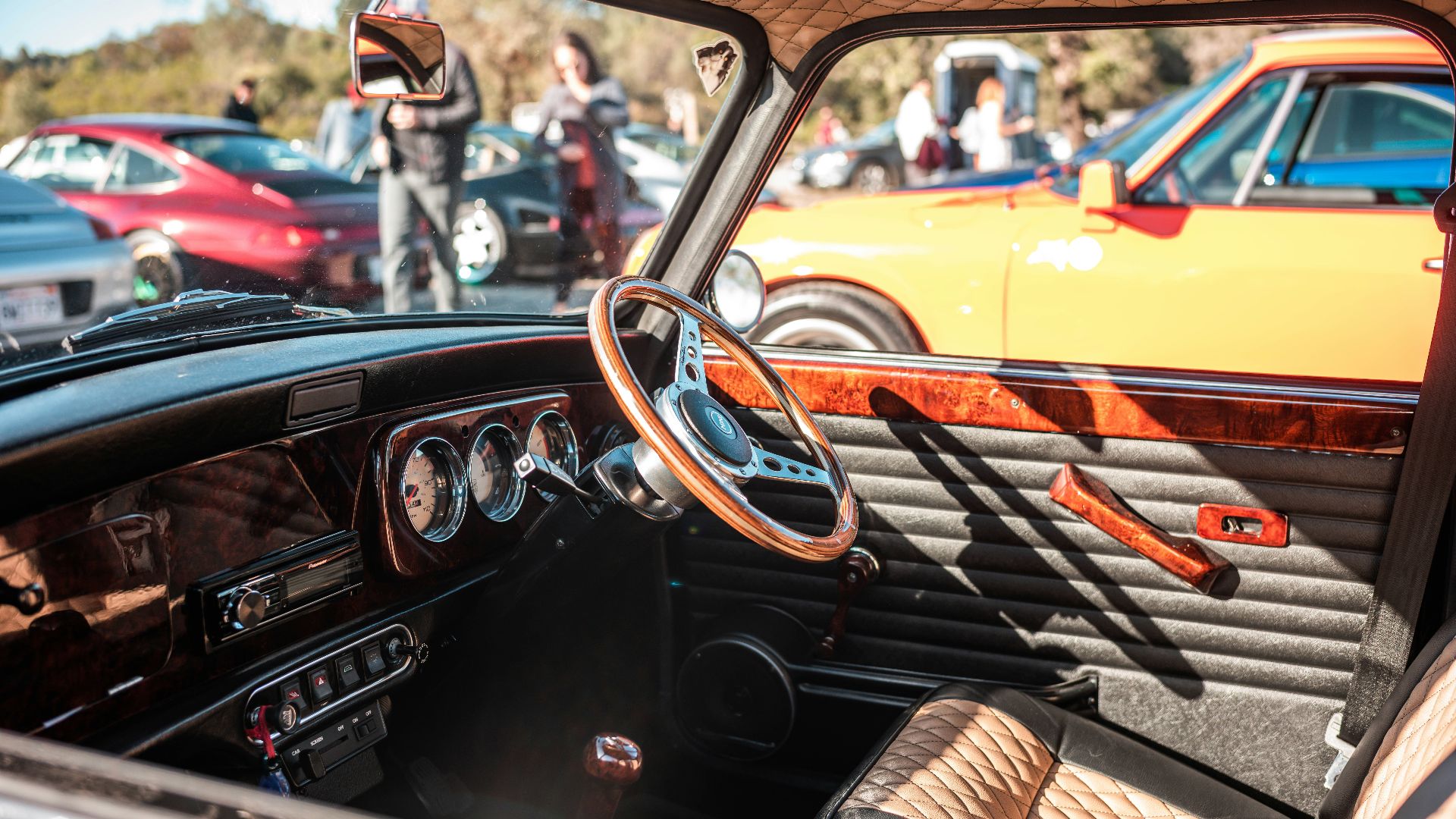
A car can retain its original tires, hoses, belts, exhaust system, and other factory components while those pieces have become unsuitable for actual driving. That creates an interesting collector dilemma. Removing them can reduce some of the vehicle's time-capsule character, but leaving deteriorated safety-critical parts in service isn't sensible. Keep valuable original components when appropriate, but don't confuse originality with roadworthiness.
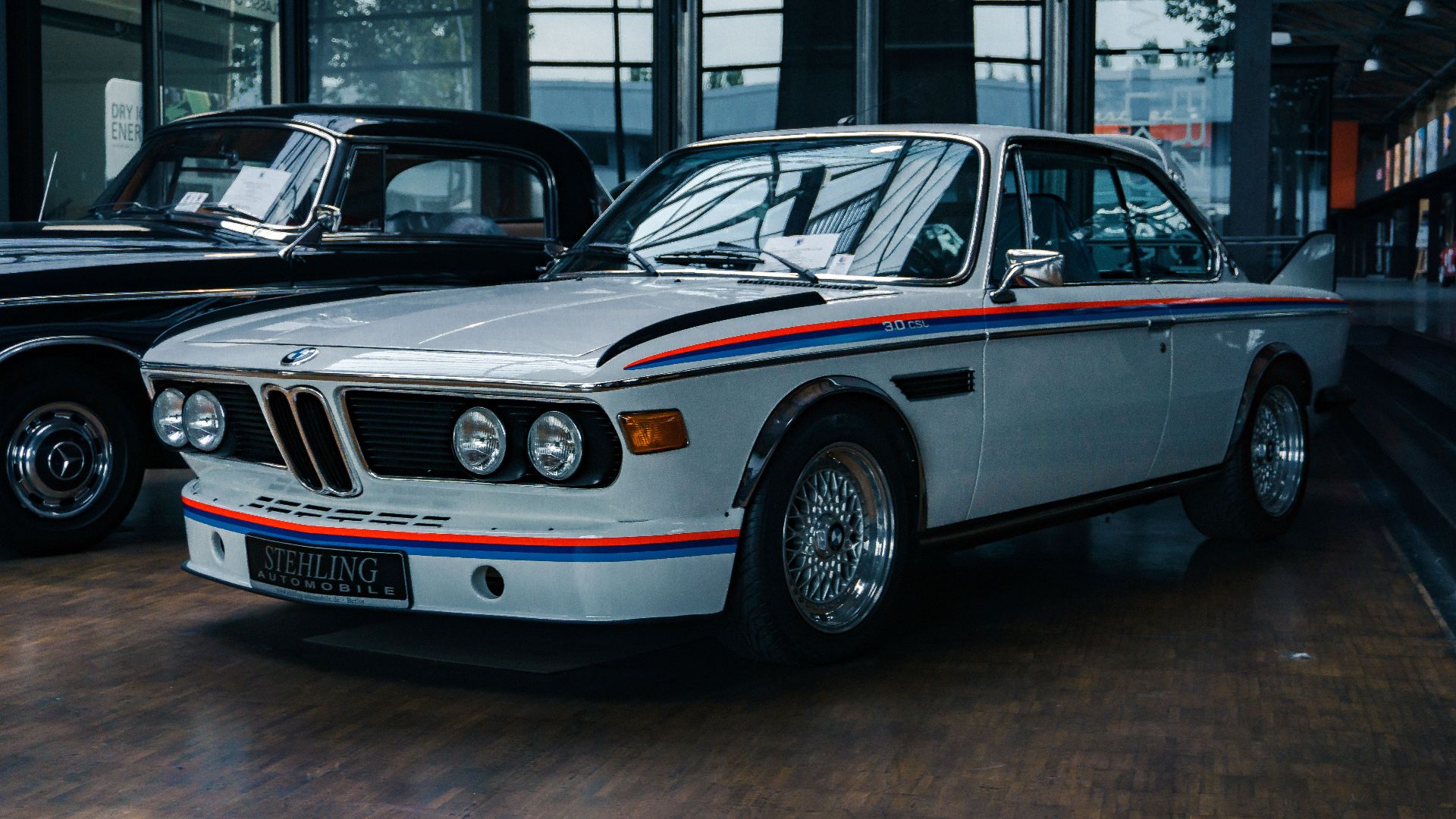
Ancient Tires Belong In The Museum, Not On The Highway
A tire can have nearly perfect tread and still be unsafe because rubber deteriorates with age. NHTSA notes that many tire manufacturers recommend removing tires from service around 10 years after manufacture regardless of tread depth, with some recommending replacement sooner. If this classic is still sitting on tires installed decades ago, plan on replacing them before meaningful road use.
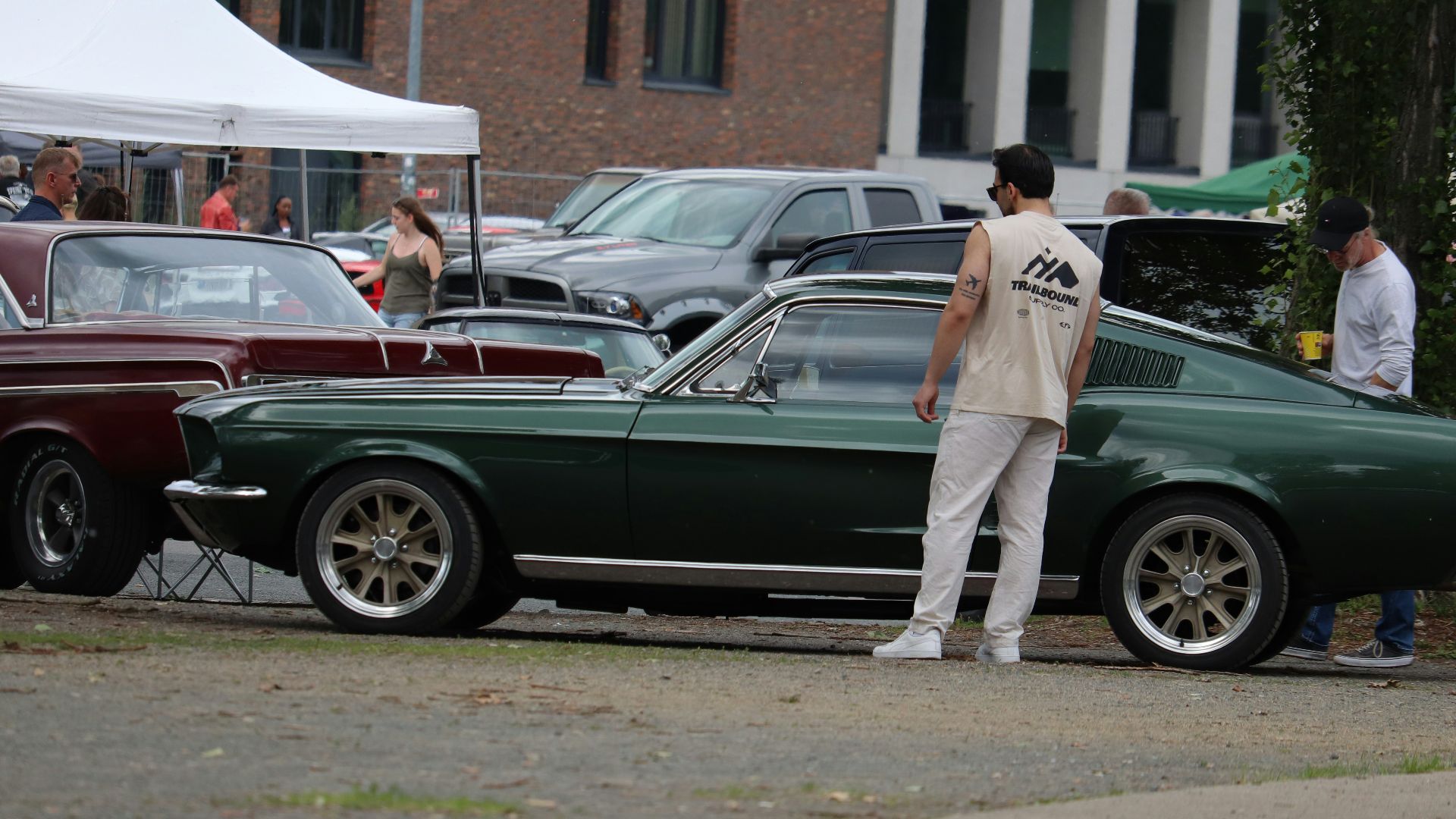
Rubber Components Age Without Adding Miles
Fuel hoses, vacuum lines, coolant hoses, brake seals, suspension bushings, engine seals, transmission seals, and weatherstripping can harden, crack, shrink, or deteriorate while the car sits. This is why an ultra-low-mileage classic may suddenly develop several leaks once it returns to regular use. The components haven't been worn out by mileage, but time has still been working on them.

Old Fuel Can Create A Major Recommissioning Job
A car parked with gasoline in the tank can develop deposits, corrosion, clogged lines, contaminated carburetors, stuck injectors, or damaged fuel pumps. Hagerty documented a low-mileage Porsche that had sat for decades and required attention to its tank, fuel lines, injection system, injectors, and pump. Before attempting to start a dormant classic, find out whether its fuel system has been properly inspected and cleaned.
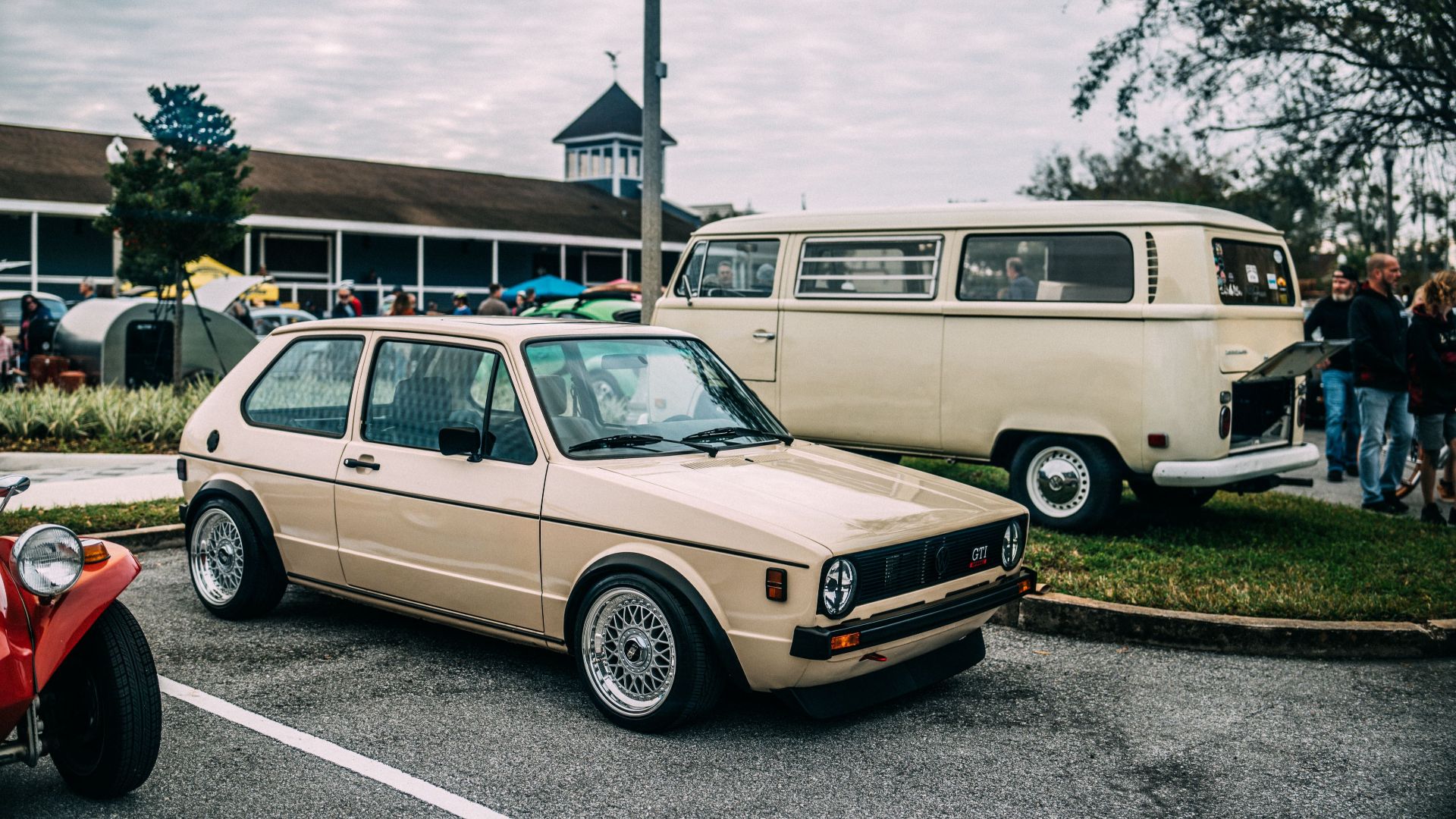
Don't Just Install A Battery And Turn The Key
Watching an old engine roar to life makes great video, but it isn't necessarily a smart first step. An engine that has been dormant for decades may contain old lubricant, corrosion, stuck components, contaminated fuel, or cylinders that haven't seen oil in years. Have a classic-car specialist inspect and prepare the engine before attempting a start rather than discovering a problem at cranking speed.
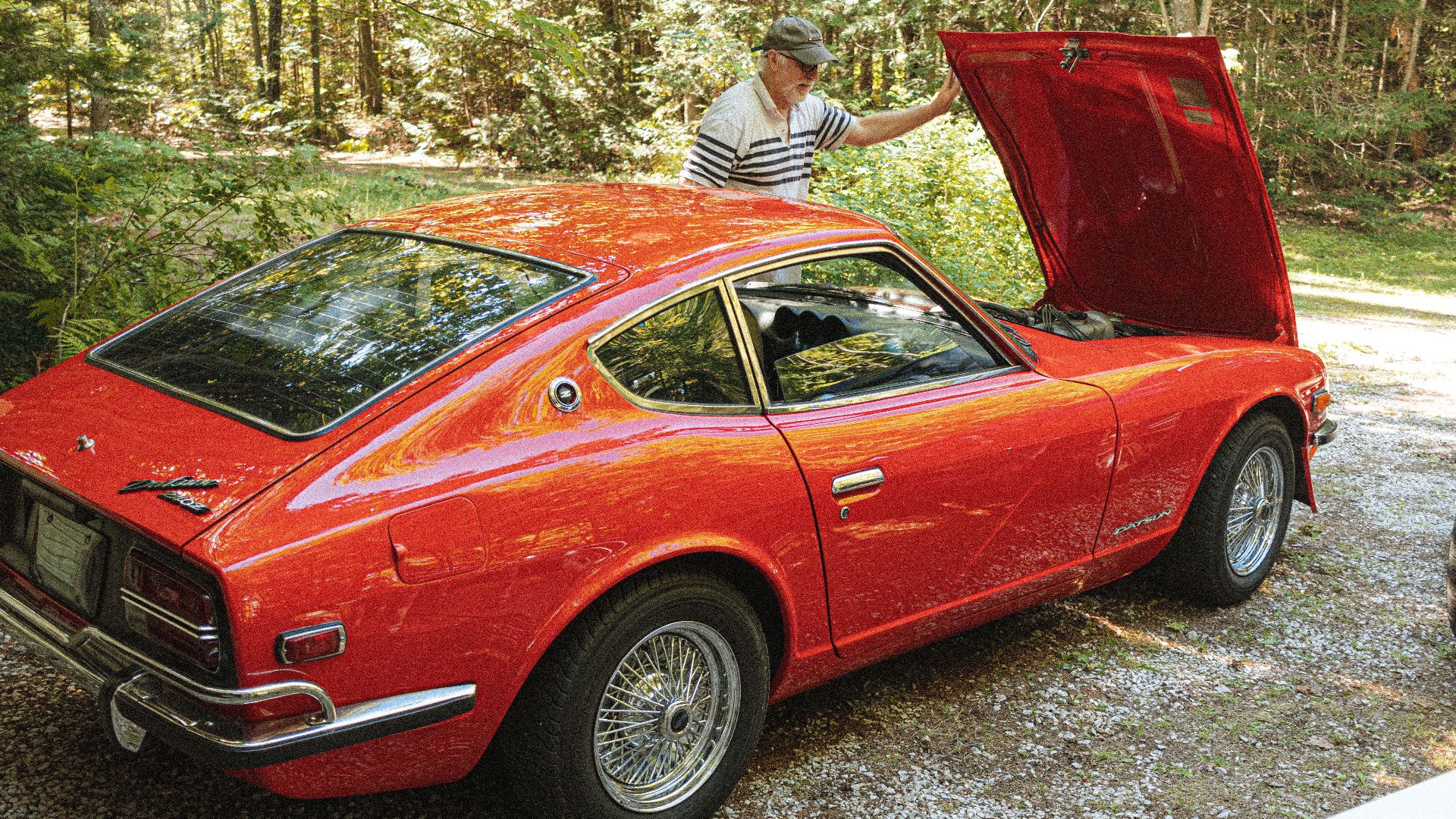
The Brake System Deserves Serious Attention
Brake rotors and drums can corrode while sitting, while hydraulic fluid absorbs moisture over time and rubber seals can deteriorate. Calipers and wheel cylinders can also seize. A car that starts, idles beautifully, and moves under its own power still isn't roadworthy if the braking system hasn't been evaluated. After decades of storage, assume the brakes require inspection rather than assuming low mileage means they're almost new.
 Triple-green, Wikimedia Commons
Cooling Systems Don't Get A Free Pass Either
Radiator hoses, heater hoses, water pumps, thermostats, seals, and old coolant can all become problems on a dormant vehicle. A car may run perfectly for ten minutes in the driveway and begin overheating once it's driven under load. A proper recommissioning should include an inspection of the cooling system rather than waiting for an old hose to fail on the first trip home.
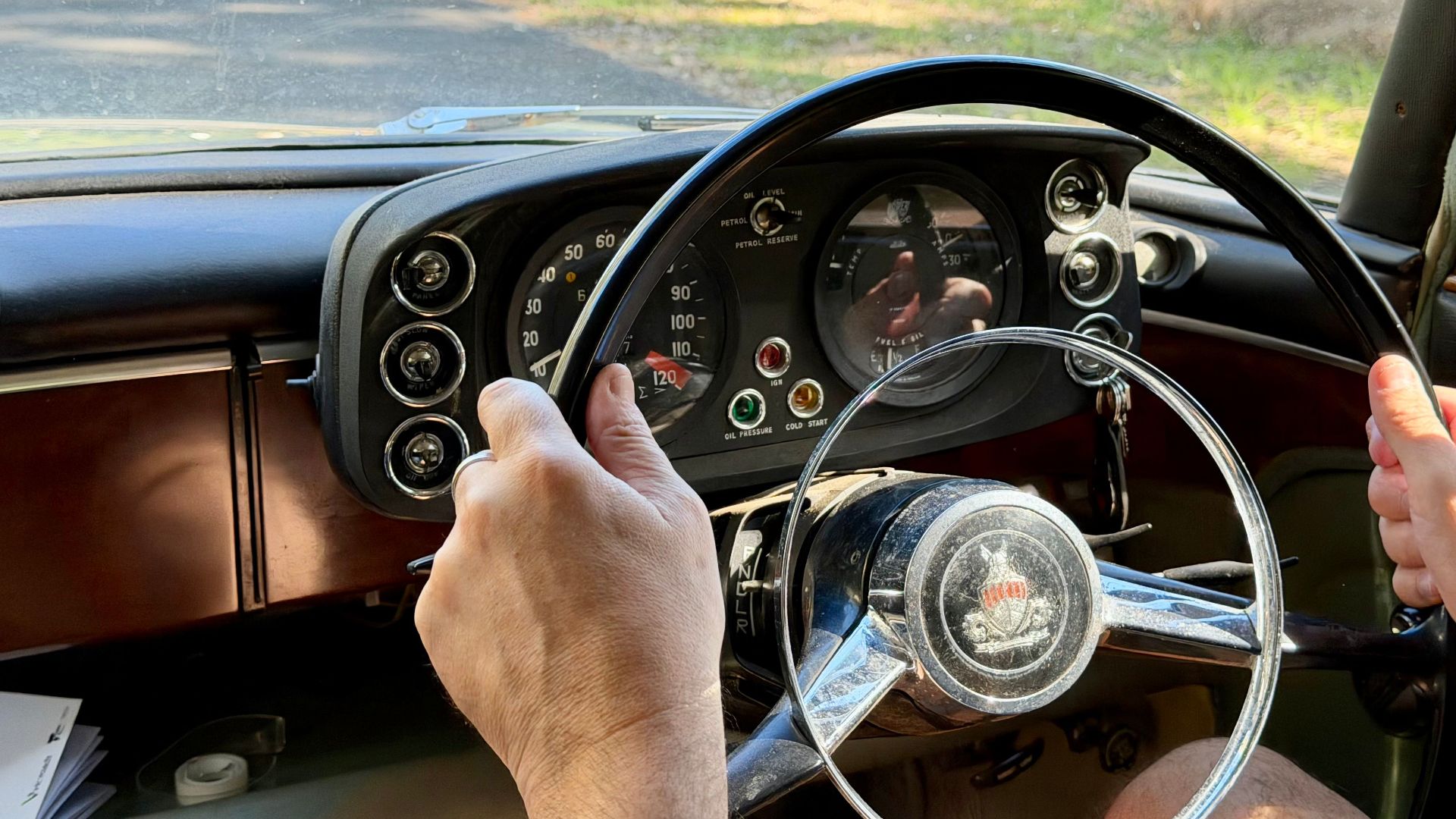
Old Fluids Need More Attention Than The Odometer Suggests
Engine oil isn't the only fluid in the car. Depending on the vehicle, you'll also need to consider coolant, brake fluid, transmission fluid, differential oil, power-steering fluid, clutch hydraulics, and possibly other lubricants. Some services are based partly on time rather than mileage, which means a 12,000-mile classic may effectively be decades overdue.
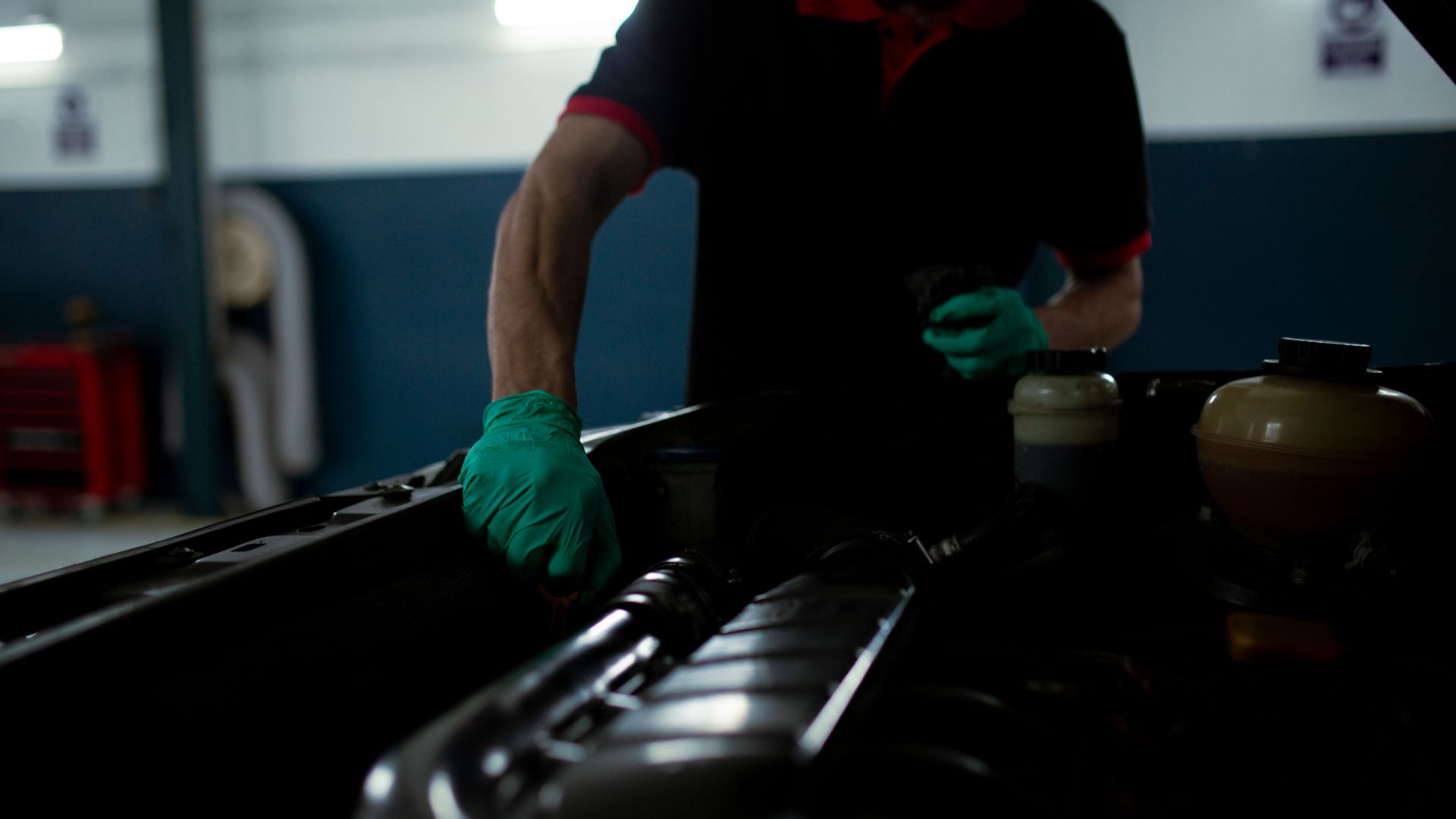
Electrical Problems Can Appear After Long Storage
The battery will be obvious, but electrical deterioration can extend far beyond it. Corroded grounds, brittle insulation, stuck switches, oxidized connectors, old fuses, and degraded wiring can produce frustrating intermittent problems once the car is returned to service. Check every light, gauge, motor, switch, relay, and accessory rather than assuming untouched electrical equipment is automatically healthy.
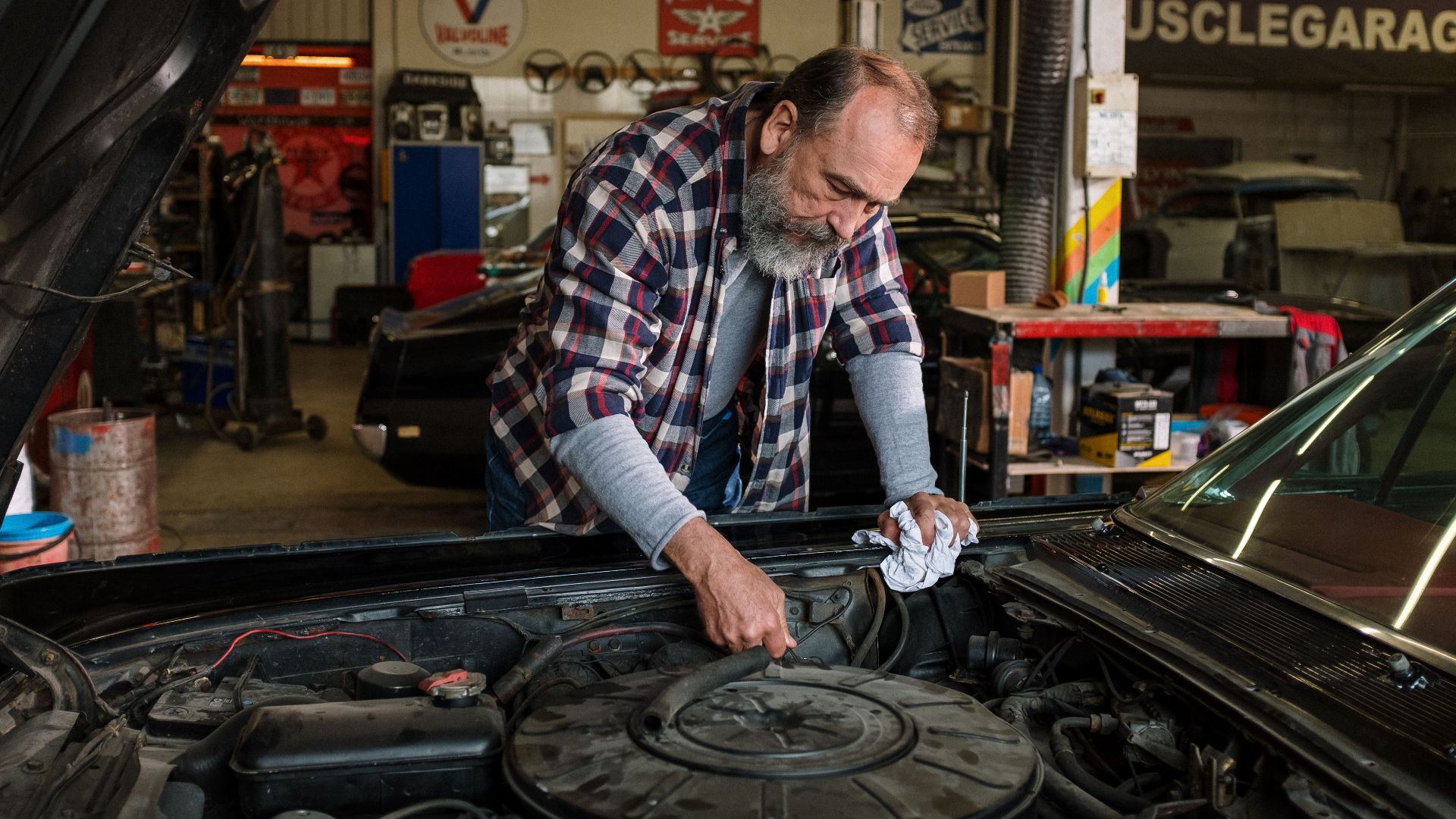
Rodents Can Turn Preservation Into Destruction
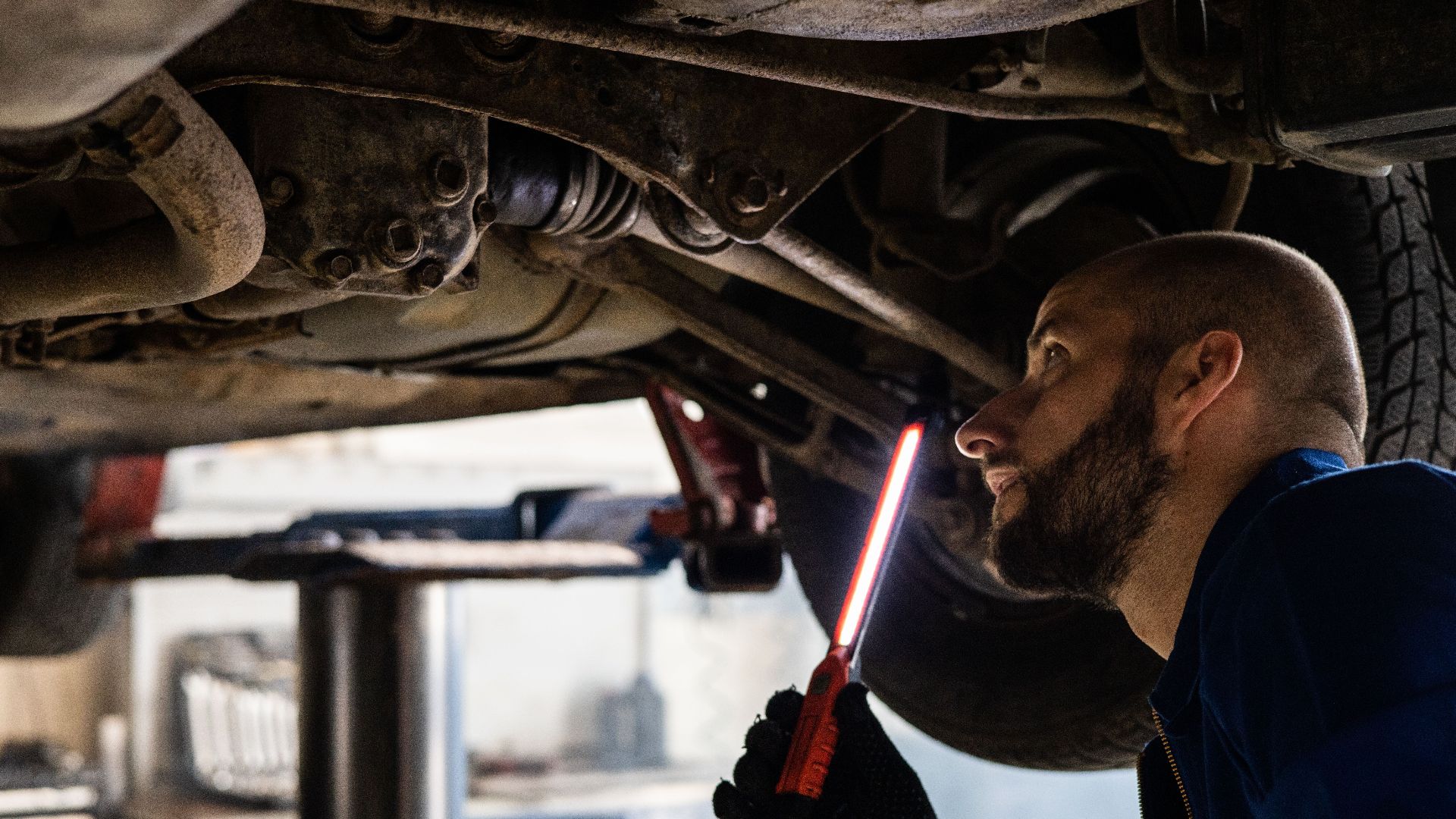
Barns and quiet garages can become inviting homes for mice and other animals. They may chew wiring, insulation, upholstery, hoses, and sound-deadening material while building nests in air cleaners, heater boxes, exhaust systems, and hidden body cavities. A beautiful exterior doesn't rule out substantial rodent damage, so inspect areas that aren't visible during an ordinary walkaround.
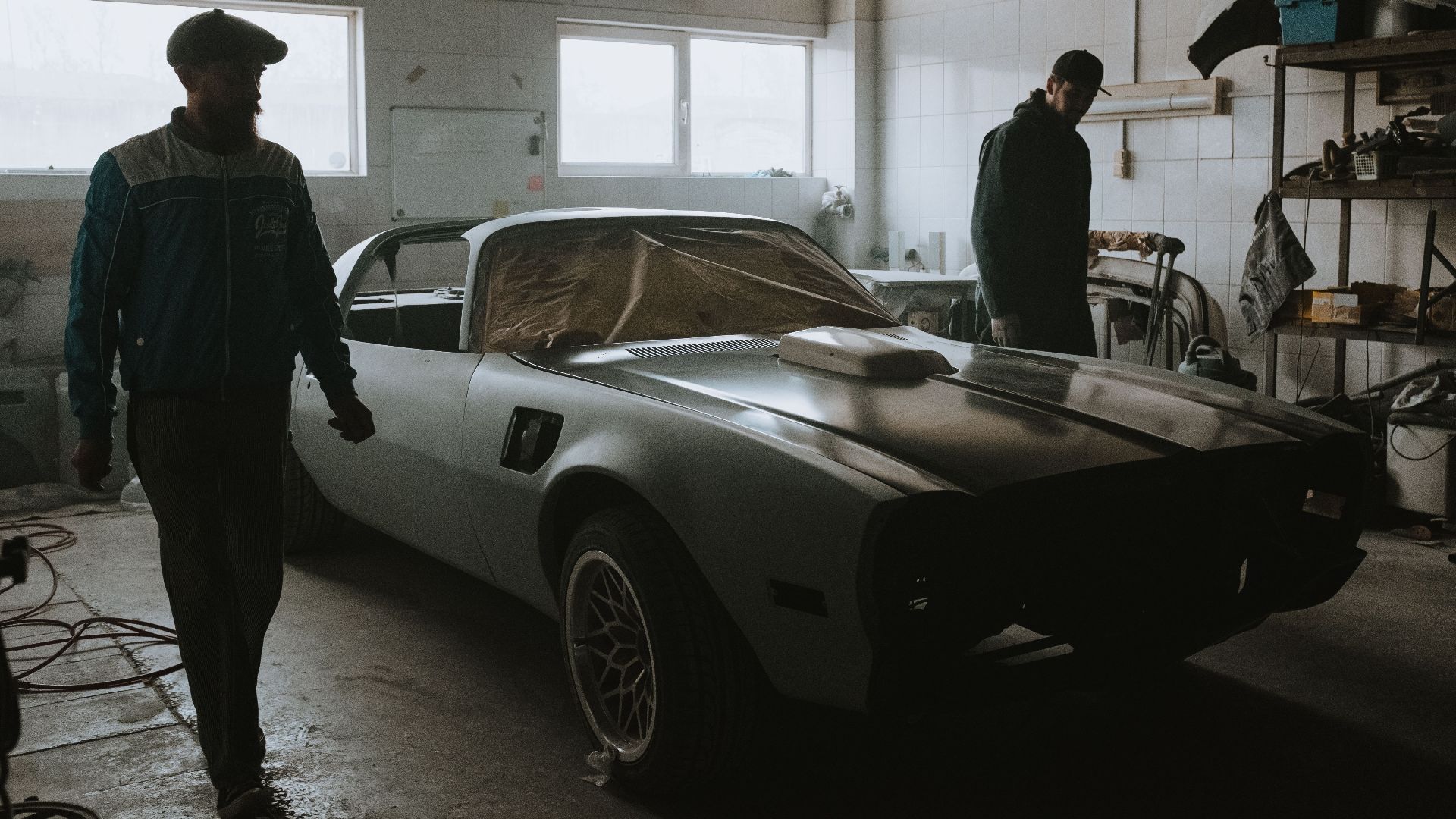
Moisture Can Work Without Putting Anything On The Odometer
Storage protects a car from road salt and stone chips, but poor storage can expose it to condensation and humidity for years. Look underneath for chassis corrosion, inspect exhaust components, examine floors beneath carpets, and check the trunk or spare-tire well for moisture. A dry-climate car with 80,000 miles can sometimes have dramatically better metal than a 12,000-mile car stored badly in a damp environment.
Even The Interior Can Deteriorate While Nobody Sits In It
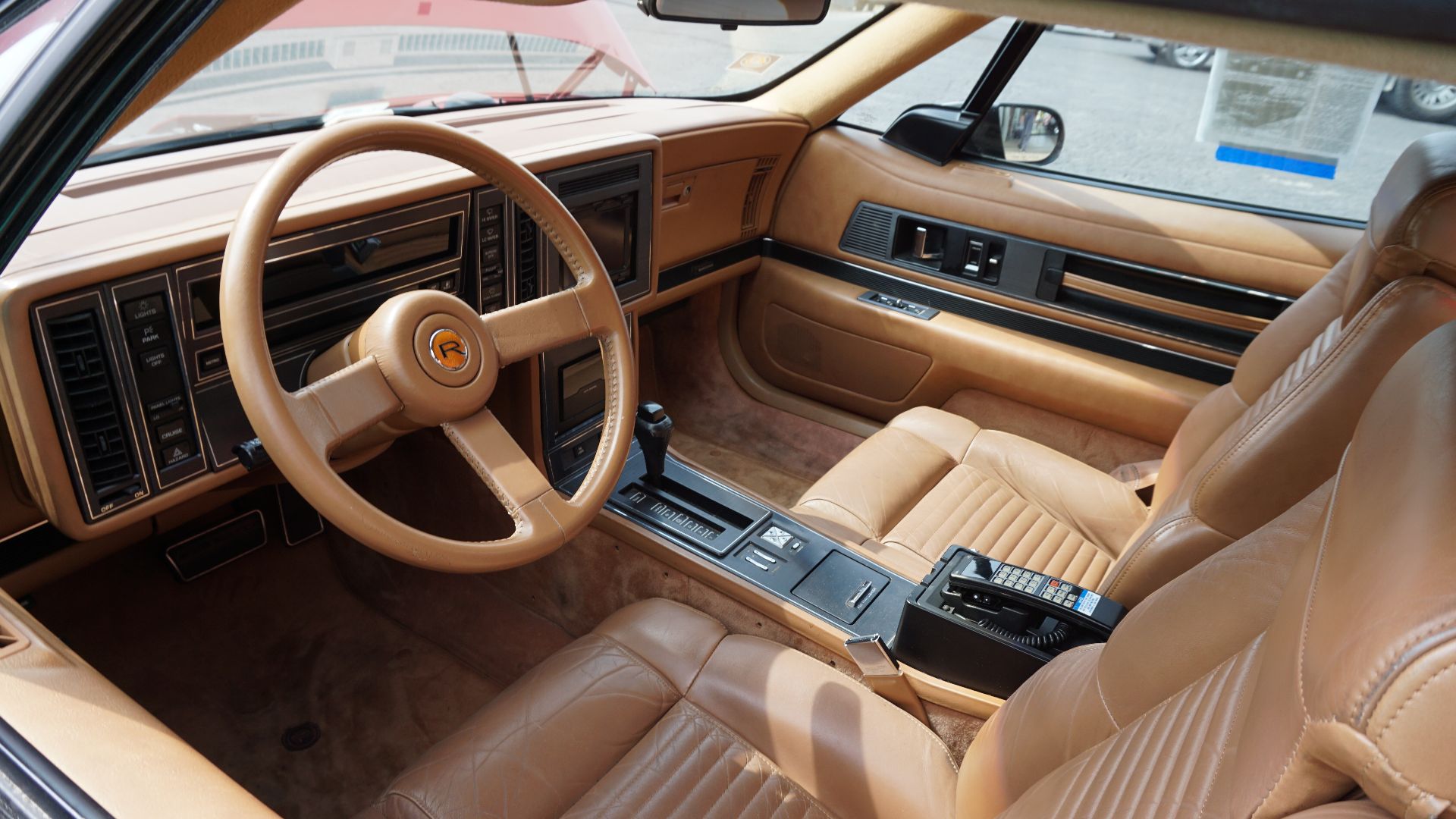
Low mileage can preserve seat bolsters and pedal pads beautifully, but sunlight, humidity, and temperature cycles can still damage an interior. Dashboards crack, headliners sag, leather dries, foam deteriorates, and window seals shrink. Air-conditioning systems can also leak refrigerant or suffer from deteriorated seals. An untouched cabin is wonderful only when the storage environment has actually preserved it.
 Michael Barera, Wikimedia Commons
The Transmission And Driveline Need Inspection Too
Manual clutches can stick after extended storage, seals can leak, driveshaft joints can stiffen, and old differential or transmission lubricants may need replacement. Automatic transmissions can develop their own problems once dormant seals are suddenly asked to hold pressure again. Don't evaluate the car only by whether the engine runs. The drivetrain hasn't been exercising either.
Pay For A Specialist Inspection Before Falling In Love
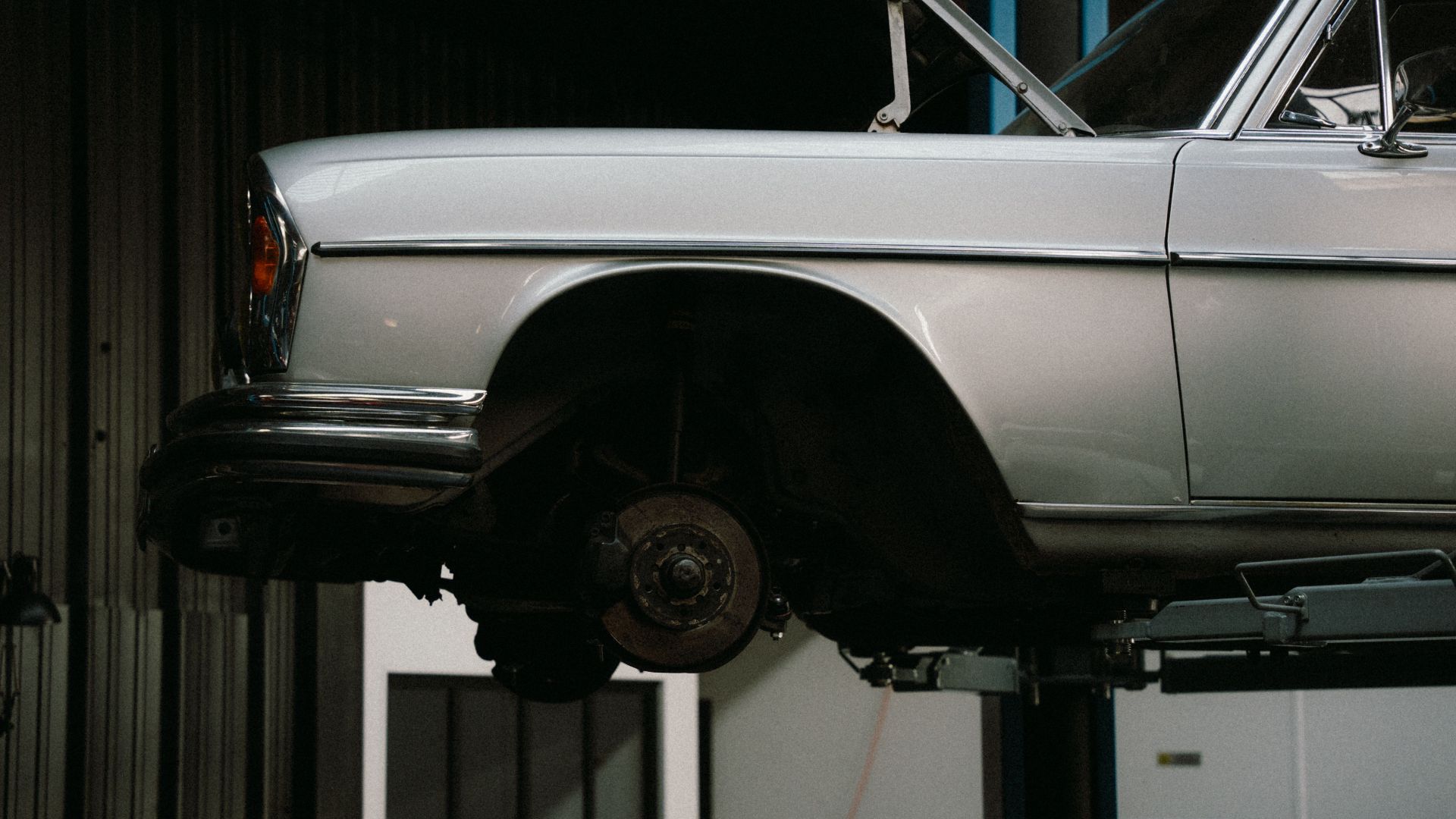
Consumer Reports recommends a professional pre-purchase inspection for used vehicles, and that becomes even more important with a rare dormant classic. Find someone familiar with the exact marque or era if possible. Put the car on a lift, inspect the mechanical systems, check for corrosion and previous repairs, verify identification numbers, and ask what must be done before the vehicle can safely return to the road.
Build A Recommissioning Budget Into The Purchase Price
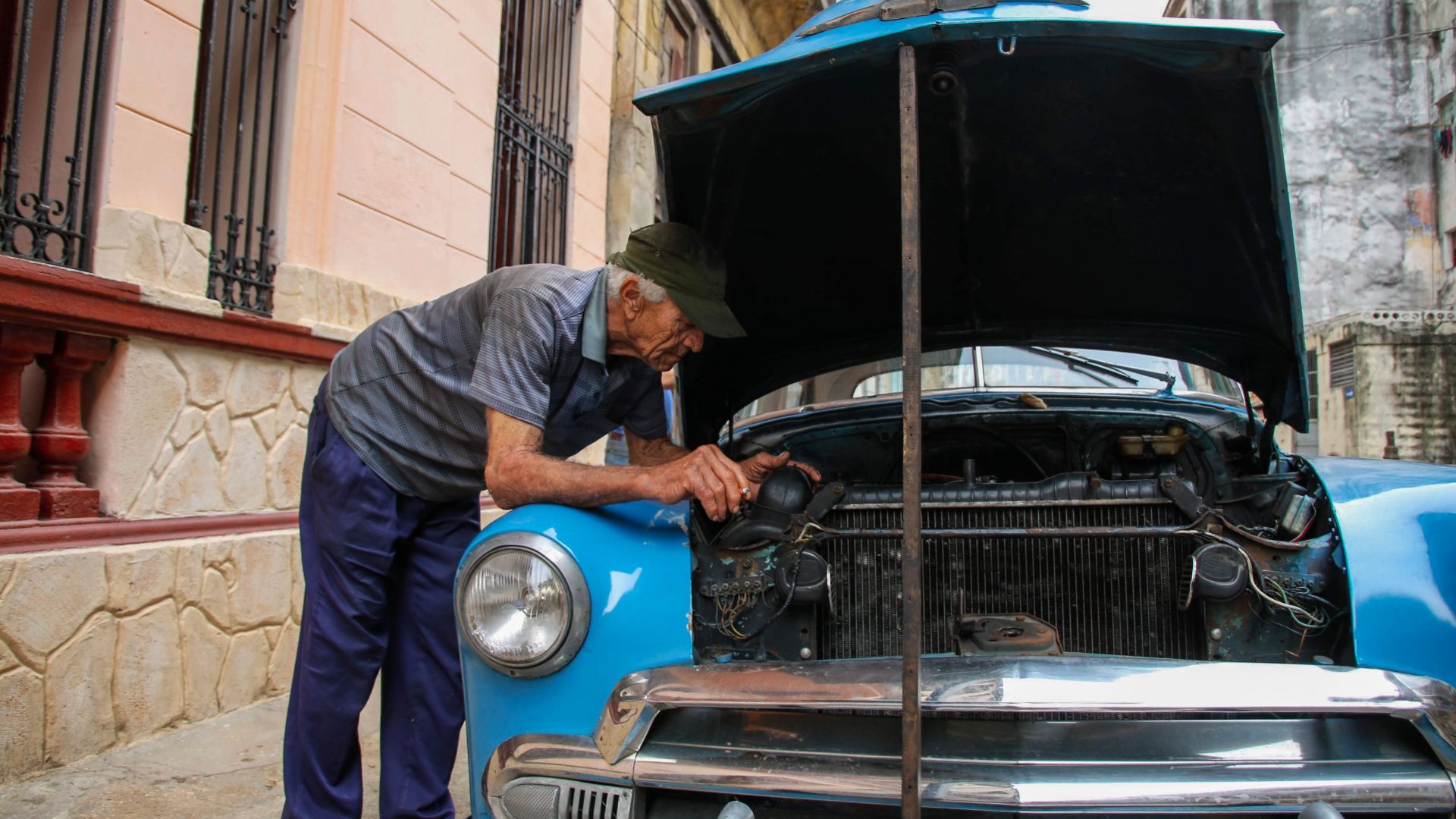
The low odometer reading can make an asking price seem justified until another five figures of deferred work appears. Get estimates for tires, brakes, fuel-system work, cooling components, belts, hoses, fluids, seals, battery, suspension parts, and any model-specific concerns. Hagerty has documented extreme cases in which apparently desirable low-mileage barn finds required tens of thousands of dollars to recommission properly.
 Retired electrician, Wikimedia Commons
Don't Expect The First Drive To Reveal Everything
Even after the basic work is completed, dormant cars can develop problems once heat cycles, pressure, vibration, and regular movement return. A seal that stayed dry in storage may begin leaking after several drives. An old bearing may become noisy. Electrical contacts can act up. Plan several short shakedown trips close to home rather than making the car's first outing in decades a 500-mile road trip.
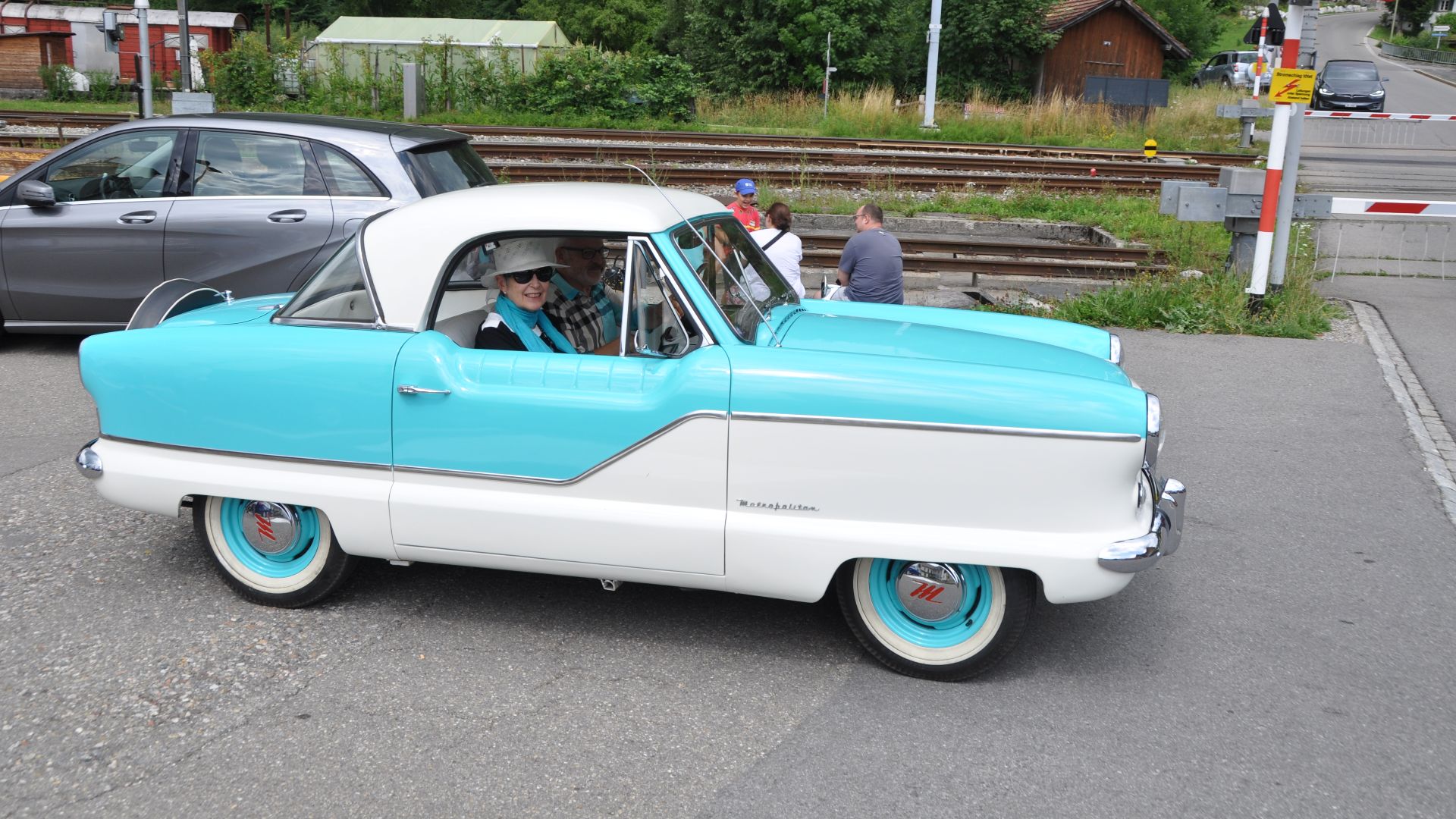 SchmalspurDVZO, Wikimedia Commons
Decide Whether You're Buying A Display Piece Or A Driver
This may determine which car is actually better. If the goal is to own one of the lowest-mileage surviving examples and preserve it for shows or a collection, the dormant car's originality may justify significant expense. If the goal is weekend road trips, rallies, and thousands of enjoyable miles, paying a huge premium for an untouched odometer may make less sense.
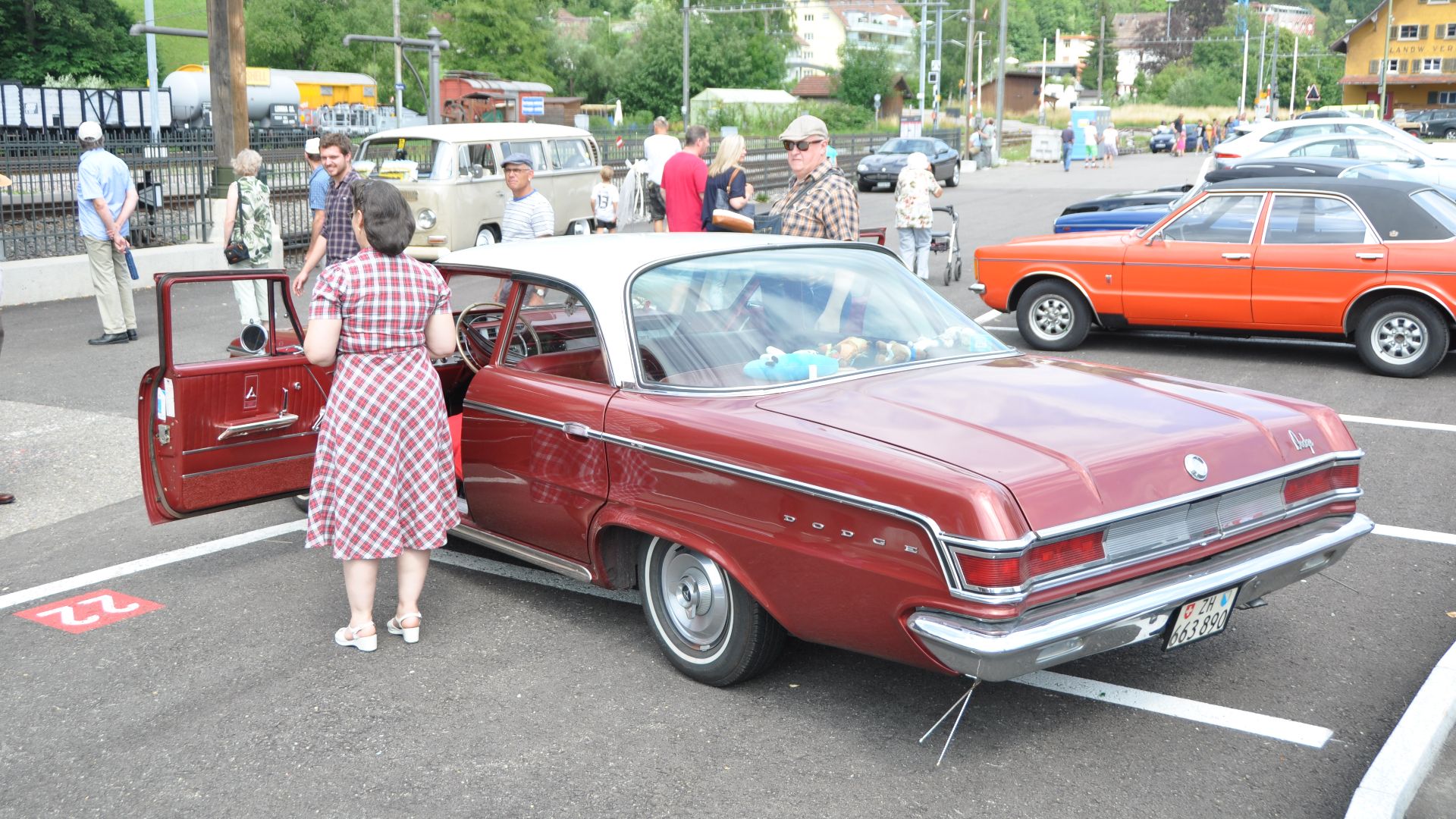 SchmalspurDVZO, Wikimedia Commons
The Higher-Mileage Car Could Be The Smarter Driver
A classic that has accumulated reasonable mileage while receiving regular oil changes, brake work, cooling-system repairs, new tires, and other maintenance may already have solved many of the problems awaiting the time capsule. Hagerty specifically notes that buyers planning to drive a classic regularly can be better served by an actively driven example rather than an ultra-low-mileage preservation car.
 SchmalspurDVZO, Wikimedia Commons
Low Mileage Is Special, But Condition And History Matter More
The dormant classic isn't automatically worse, and its rarity, originality, and low mileage may make it the more collectible car by far. But those same qualities don't guarantee it's the better car to drive. Verify the mileage, investigate how it was stored, have a specialist inspect every major system, and price the recommissioning before paying a preservation premium. Sometimes the amazing 8,000-mile survivor is the prize. Sometimes the 70,000-mile example that has been loved, serviced, and exercised for decades is the one you'll actually enjoy owning.
 Retired electrician, Wikimedia Commons
You May Also Like: