
The Numbers On The Sidewall Tell More Than One Story
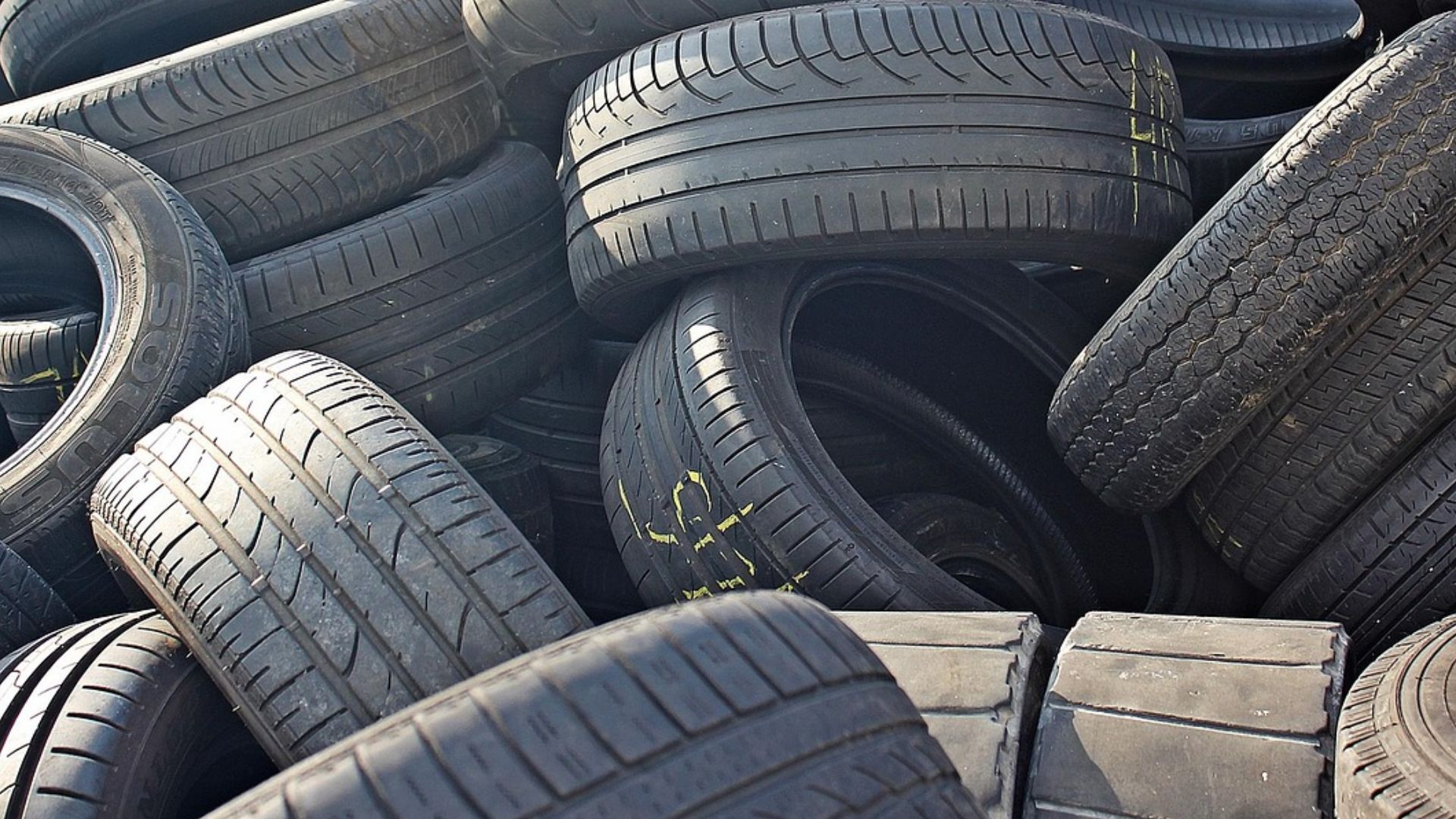
Finding the same tire size that's already on your truck can feel like enough. If the old tire says 275/65R18, buying another 275/65R18 seems straightforward. But those dimensions only tell you part of what the tire can do. Two tires with identical measurements can have different load capacities, pressure requirements, and construction, and those differences become especially important once you start hauling cargo or towing a trailer.
Tire Size Is Only The Starting Point
The familiar numbers tell you the tire's width, sidewall proportions, construction, and wheel diameter. They tell you whether the tire physically fits the wheel and roughly how large it will be. They don't tell you how much weight that tire can safely carry. That's where the load index and load range enter the conversation.
Look Beyond The Main Size Number
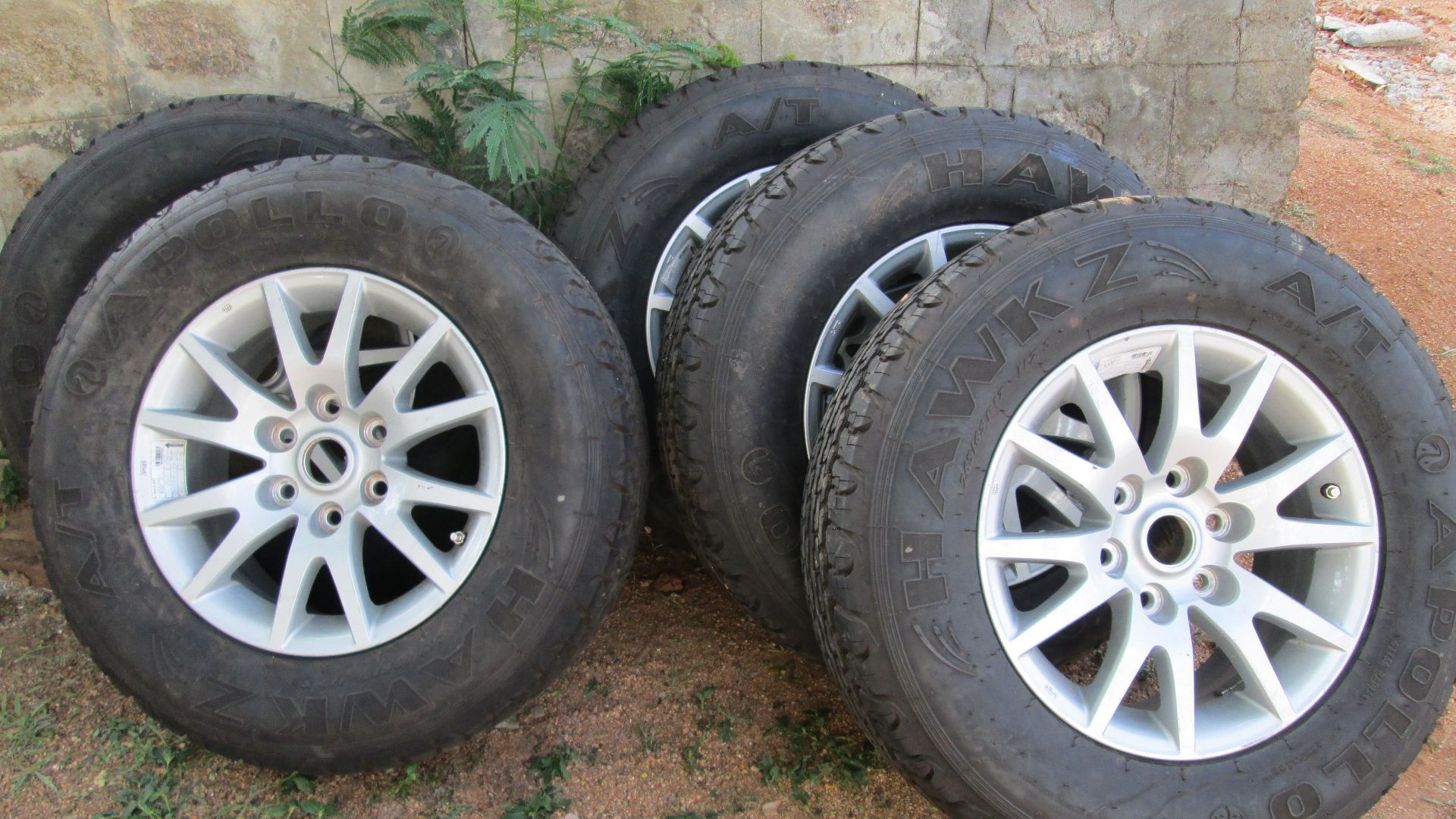
A sidewall might read something like 275/65R18 116T. The 275/65R18 portion is the size, while 116 is the load index and T is the speed rating. Light-truck tires may display additional information, including an LT designation and a load range such as C, D, E, or F. Those extra markings shouldn't be treated as fine print.
The Load Index Tells You How Much The Tire Can Carry
A tire's load index is a numerical code tied to a maximum carrying capacity under specified conditions. A higher number represents greater capacity. Michelin recommends that replacement tires meet or exceed the vehicle manufacturer's specified load rating. Installing the correct size with too little load capacity can leave the tire carrying more weight than it was designed to handle.
 Ethan Llamas, Wikimedia Commons
Identical Sizes Can Carry Different Loads
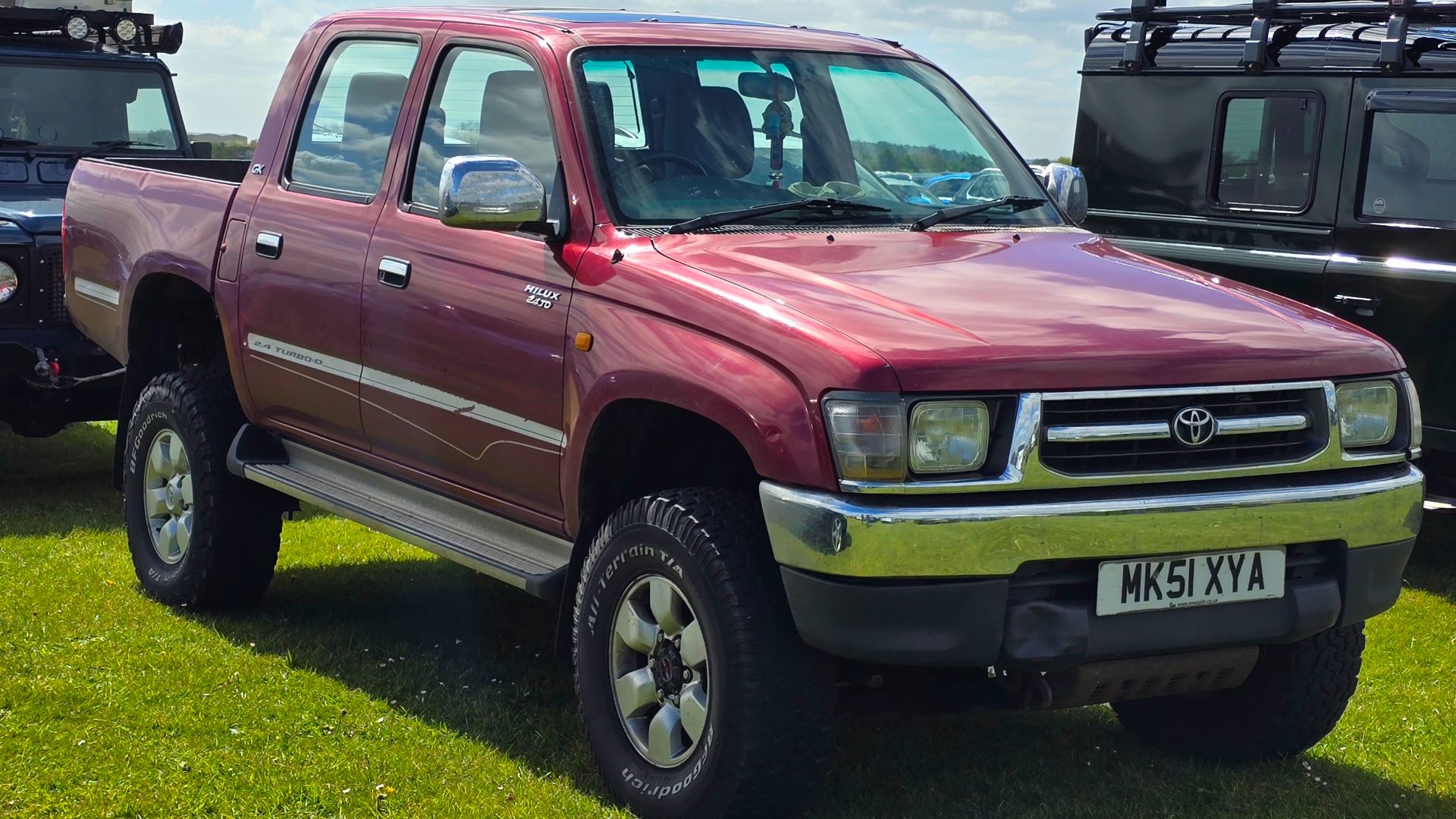
This is why shopping by size alone can go wrong. Two tires may both fit an 18-inch wheel and have the same width and aspect ratio, yet one may be rated to support significantly more weight than the other. One could be perfectly appropriate for a lightly used half-ton pickup while the other is designed for heavier service.
 Venkateshwar Rao Japala, Wikimedia Commons
Load Range Is Related, But It Isn't The Same Thing
Load index and load range are often discussed together, but they describe different aspects of a tire. The load index gives a specific carrying-capacity rating. Load range is associated with the tire's construction, strength, and ability to operate at particular inflation pressures. For light-truck tires, you'll commonly encounter load ranges such as C, D, E, and F.

“10-Ply” Doesn't Usually Mean Ten Physical Plies Anymore
Truck owners still commonly refer to Load Range E tires as “10-ply” tires. That's a historical strength rating, not necessarily a literal count of ten layers inside a modern tire. Today's tire construction has evolved considerably. The load range tells you about the tire's load-and-pressure capability, not exactly how many pieces of material are hidden beneath the tread.
 Dharmabumstead, Wikimedia Commons
P-Metric And LT Tires Aren't The Same Thing
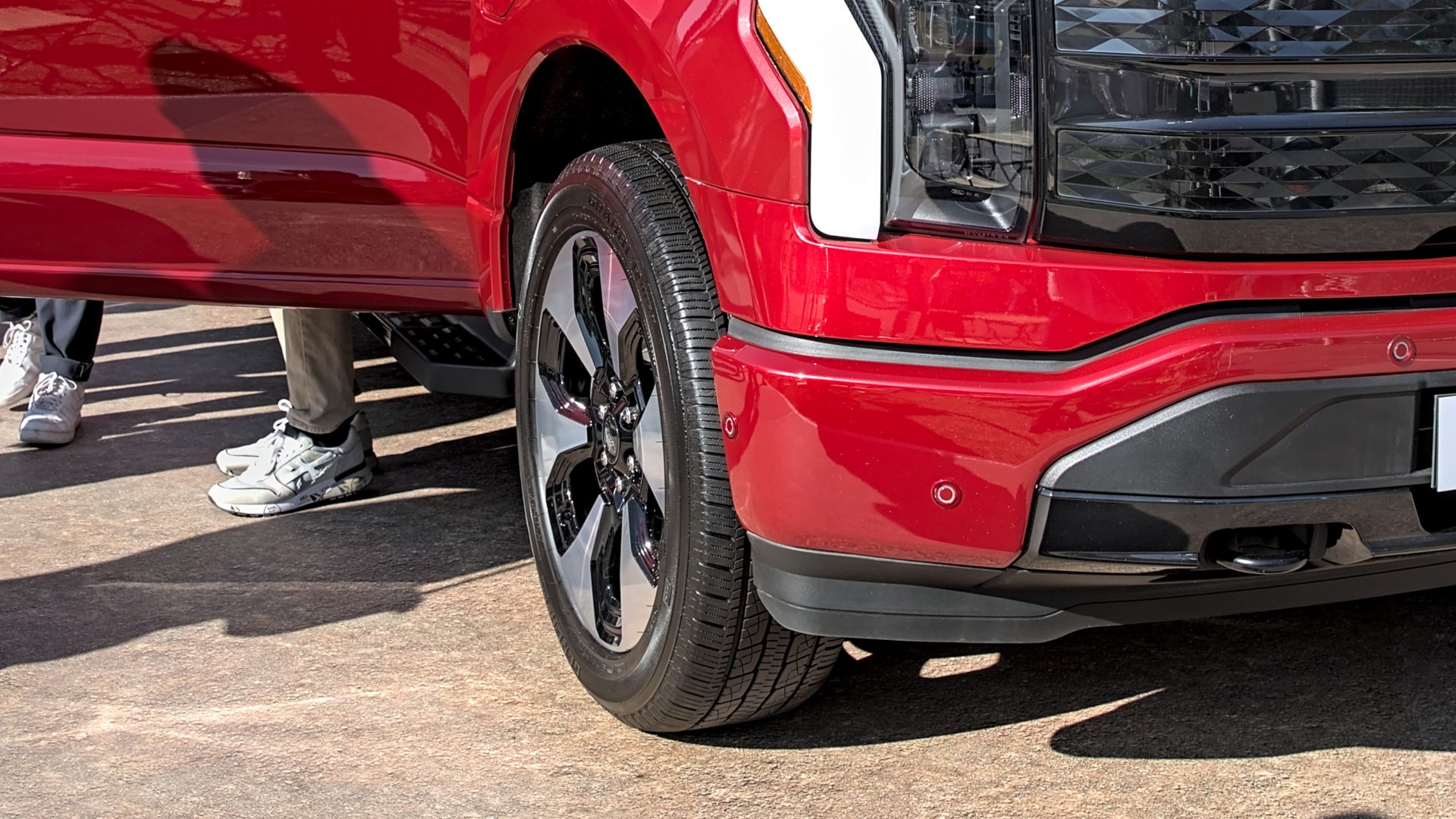
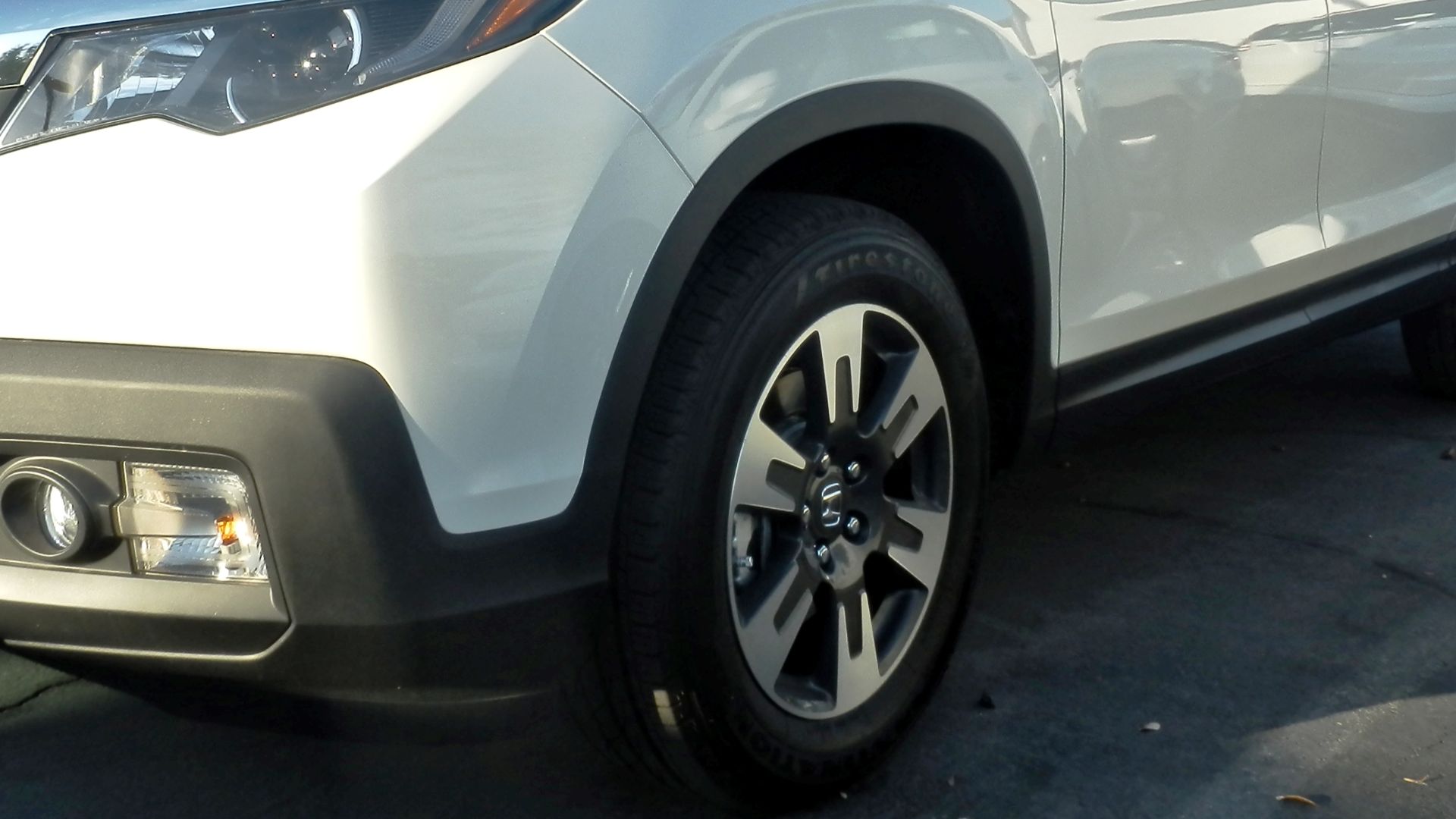
Many pickups, particularly half-ton trucks, leave the factory on P-metric or Euro-metric passenger-style tires rather than LT tires. These tires can provide a quieter ride, lower weight, and better efficiency while still meeting the truck manufacturer's load requirements. Seeing a P on the sidewall doesn't automatically mean someone installed the wrong type of tire.
 Alexander-93, Wikimedia Commons
Plenty Of Half-Ton Trucks Don't Need Heavy-Duty LT Tires
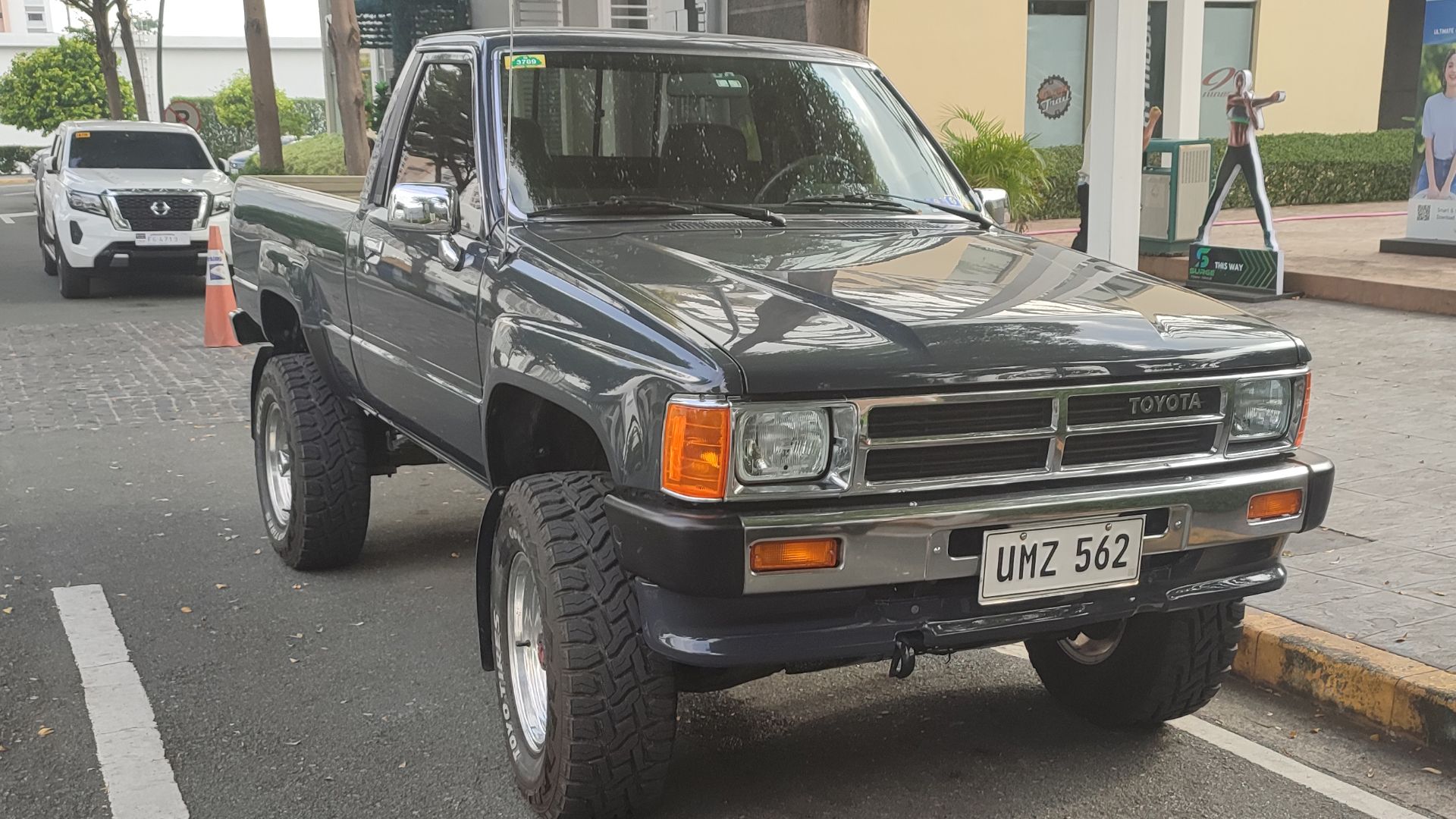
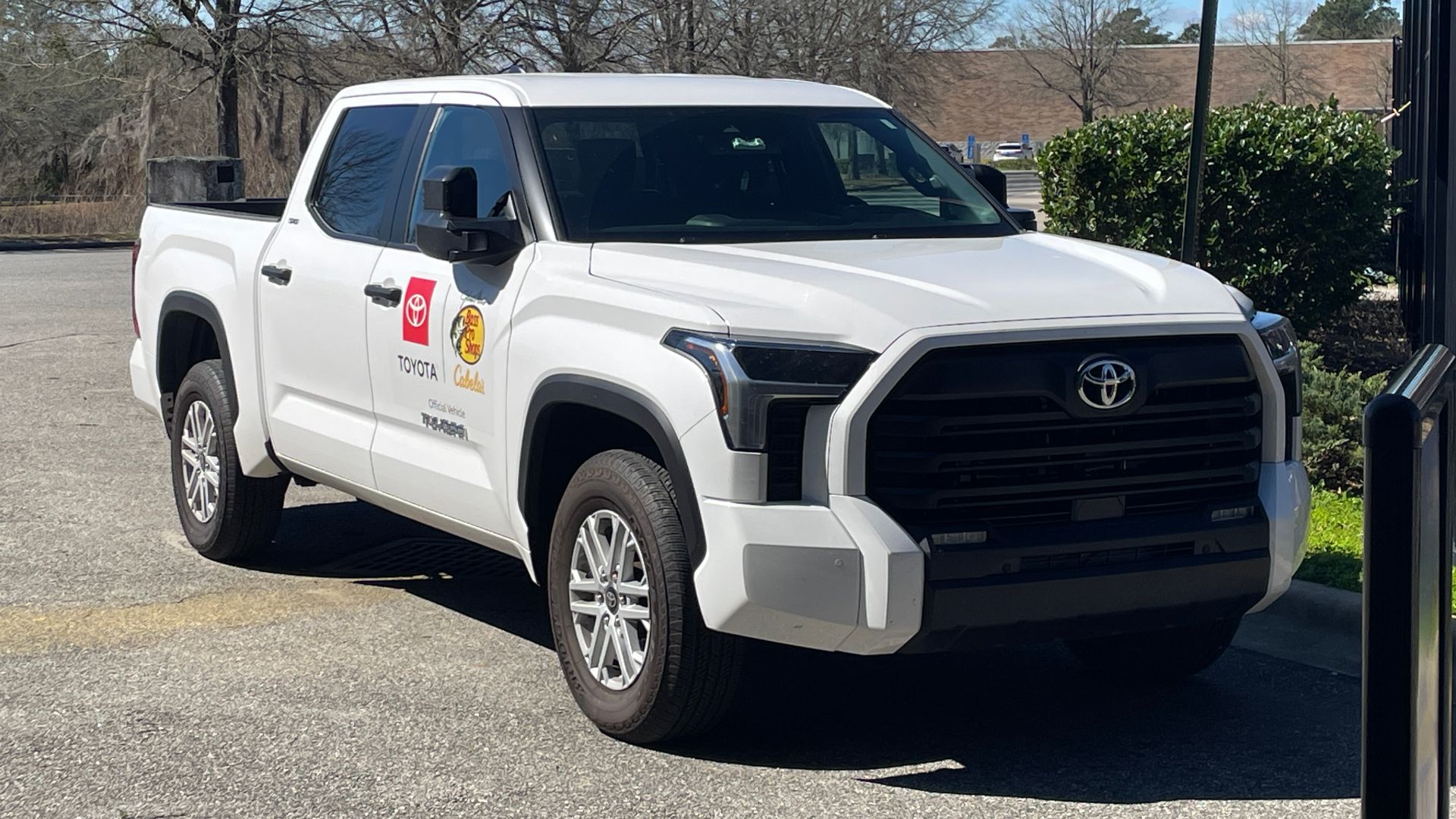
If your truck spends most of its life commuting, carrying groceries, and occasionally hauling modest loads, the original P-metric or equivalent tire may be exactly what the engineers intended. Bridgestone notes that many compact and half-ton pickups use passenger-type tires as original equipment. Replacing them with an equivalent tire of the proper load capacity can be completely appropriate.
 FLGALine1999, Wikimedia Commons
Heavy-Duty Pickups Often Need Something Different
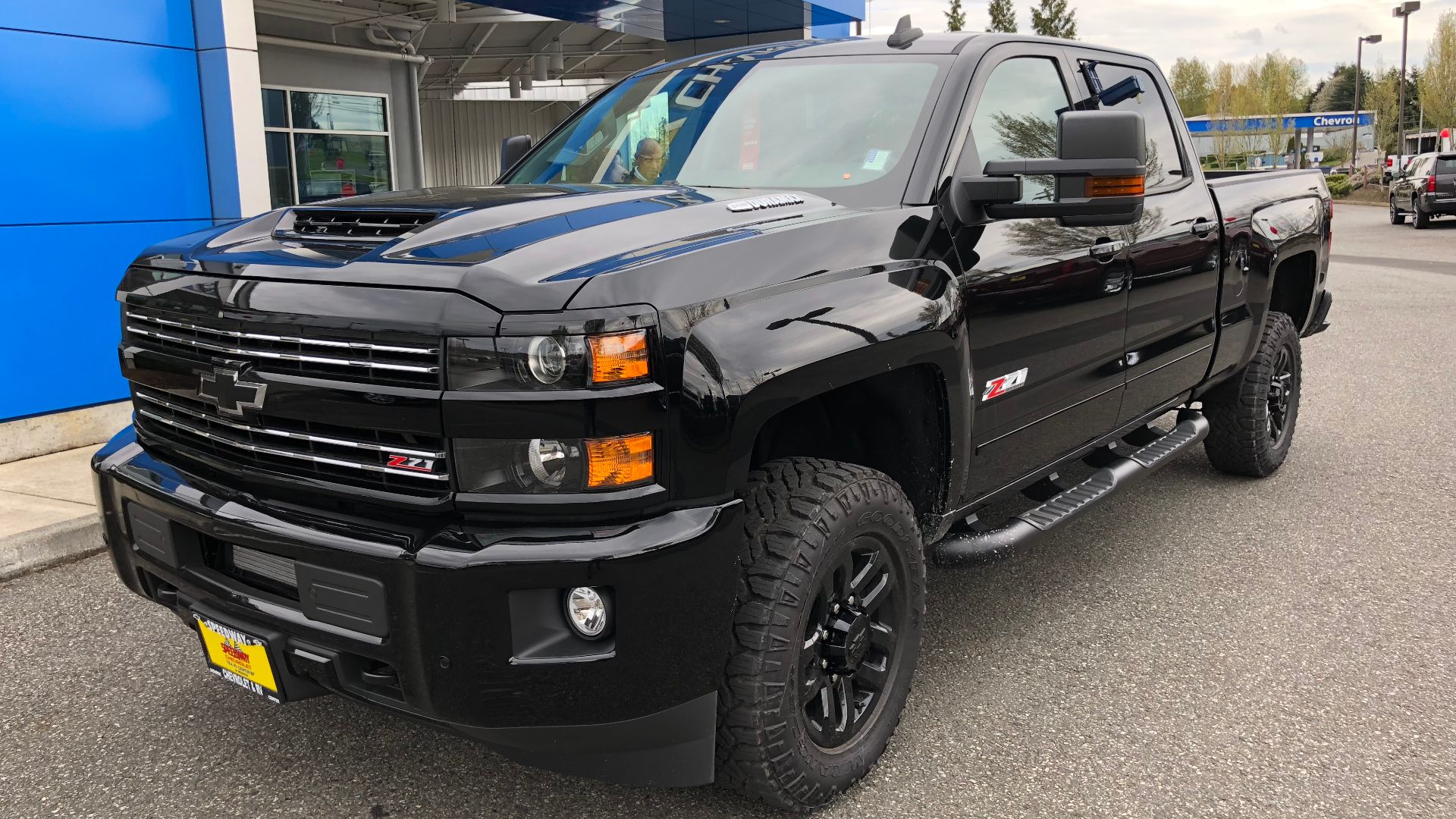
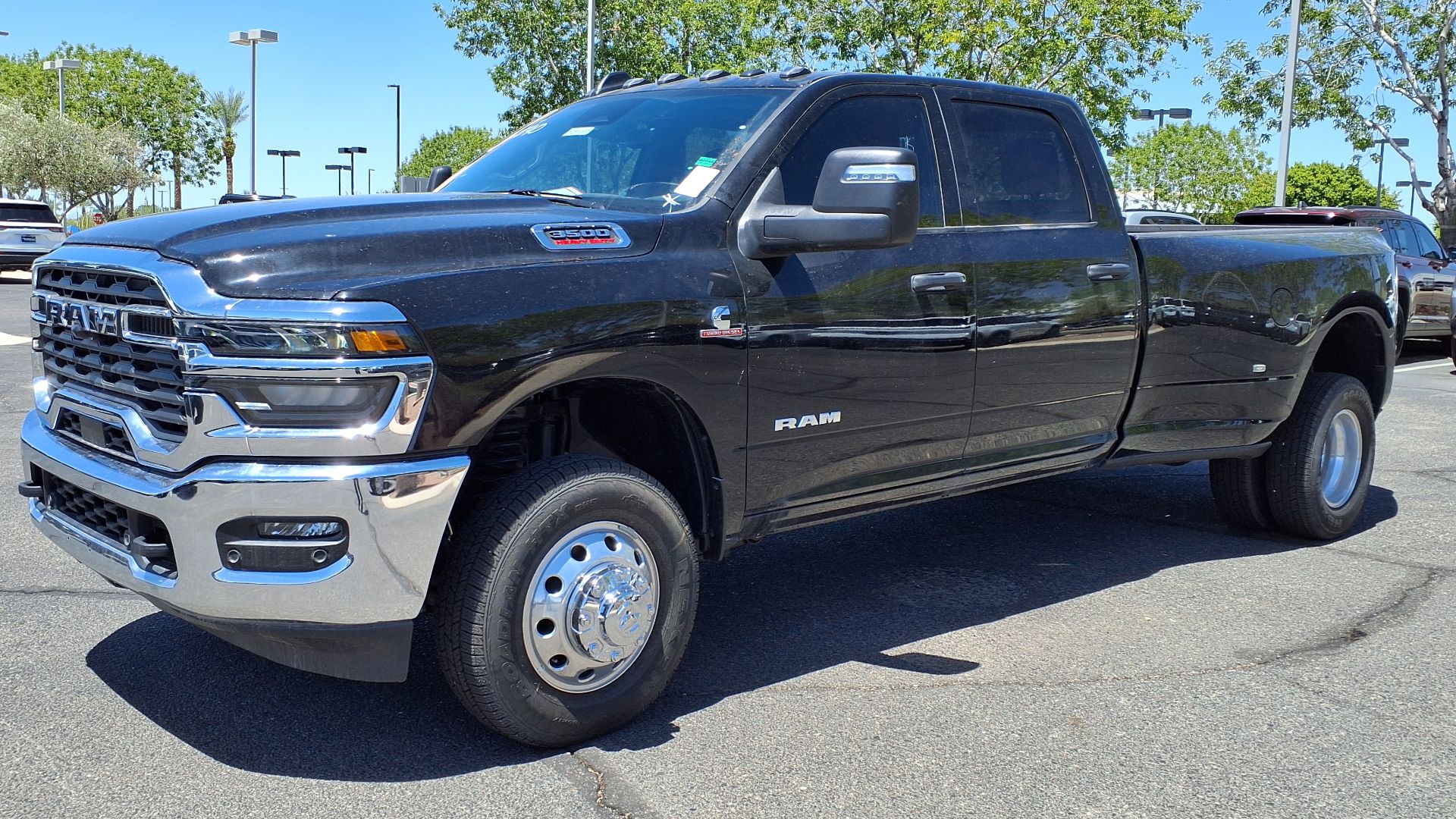
Three-quarter-ton and one-ton pickups are much more likely to use LT-metric tires because they're designed for greater payloads and towing demands. These tires generally operate at higher pressures and can support substantial loads. Replacing an original LT tire with a passenger-style tire merely because the dimensions appear similar can create a serious load-capacity problem.
P-Metric And LT Ratings Can't Be Compared Casually
Passenger and light-truck tires use different load-and-inflation conventions. When a P-metric tire is used on a light truck, its rated carrying capacity is subject to a reduction factor. That's one reason changing between P-metric and LT-metric tires isn't as simple as finding equivalent outside dimensions. The correct conversion should be checked using proper load tables or by a knowledgeable tire professional.
 Alexander Migl, Wikimedia Commons
Start With The Driver's Door Placard
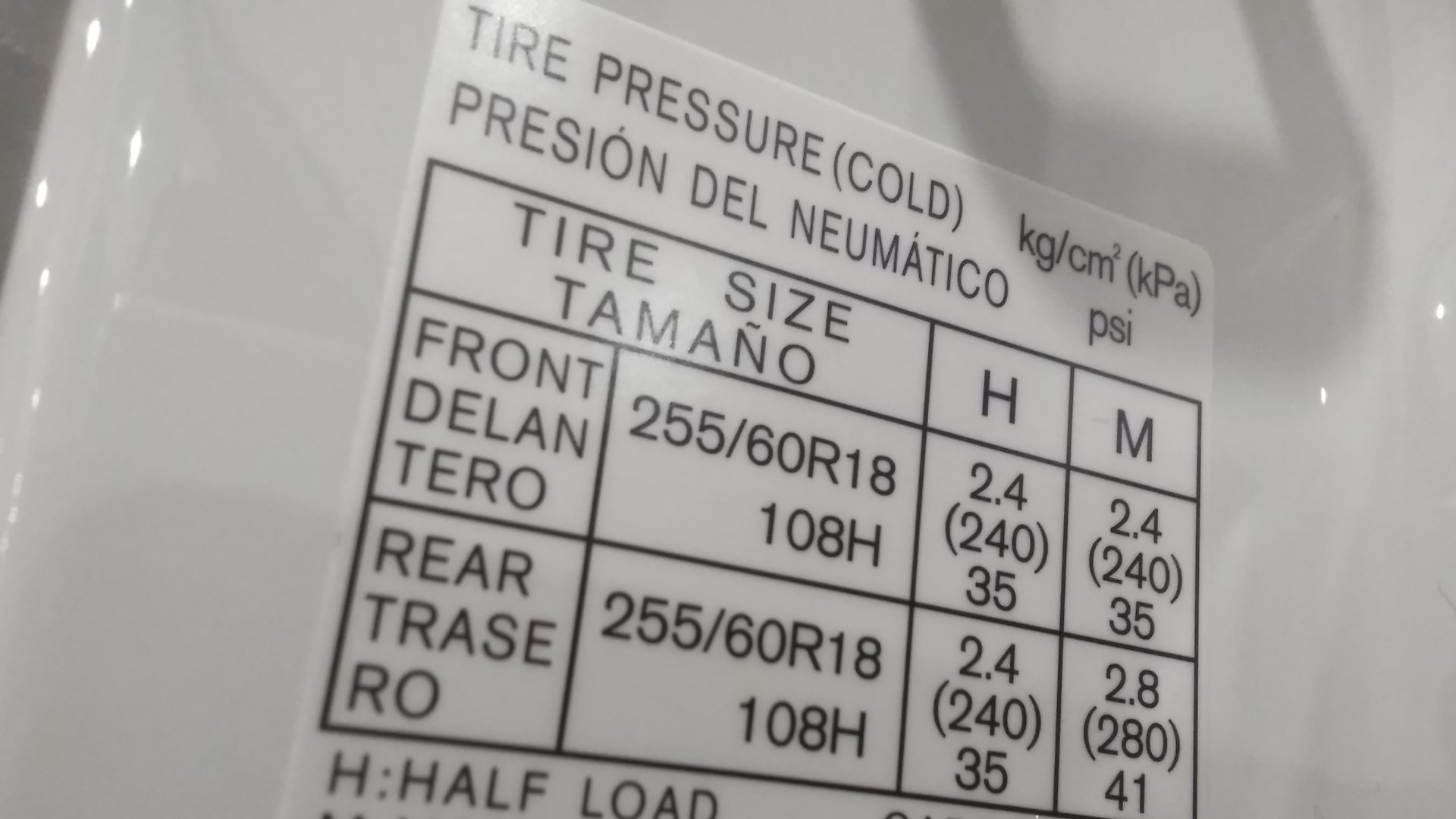
Before shopping, open the driver's door and find the Tire and Loading Information label. NHTSA recommends using this placard and the owner's manual to determine the vehicle's original tire size and recommended cold inflation pressure. Depending on the vehicle, additional information about load requirements or original tire specification may also be available in the manual.
 Bindydad123, Wikimedia Commons
Know Your Truck's GVWR And Axle Ratings
The Gross Vehicle Weight Rating tells you the maximum loaded weight the truck is designed to handle. The front and rear Gross Axle Weight Ratings set limits for each axle. Your tires need enough capacity for the load they're actually carrying, but fitting stronger tires does not increase the structural ratings assigned to the truck itself.
 Damian B Oh, Wikimedia Commons
Towing Can Put A Lot Of Weight On The Rear Tires
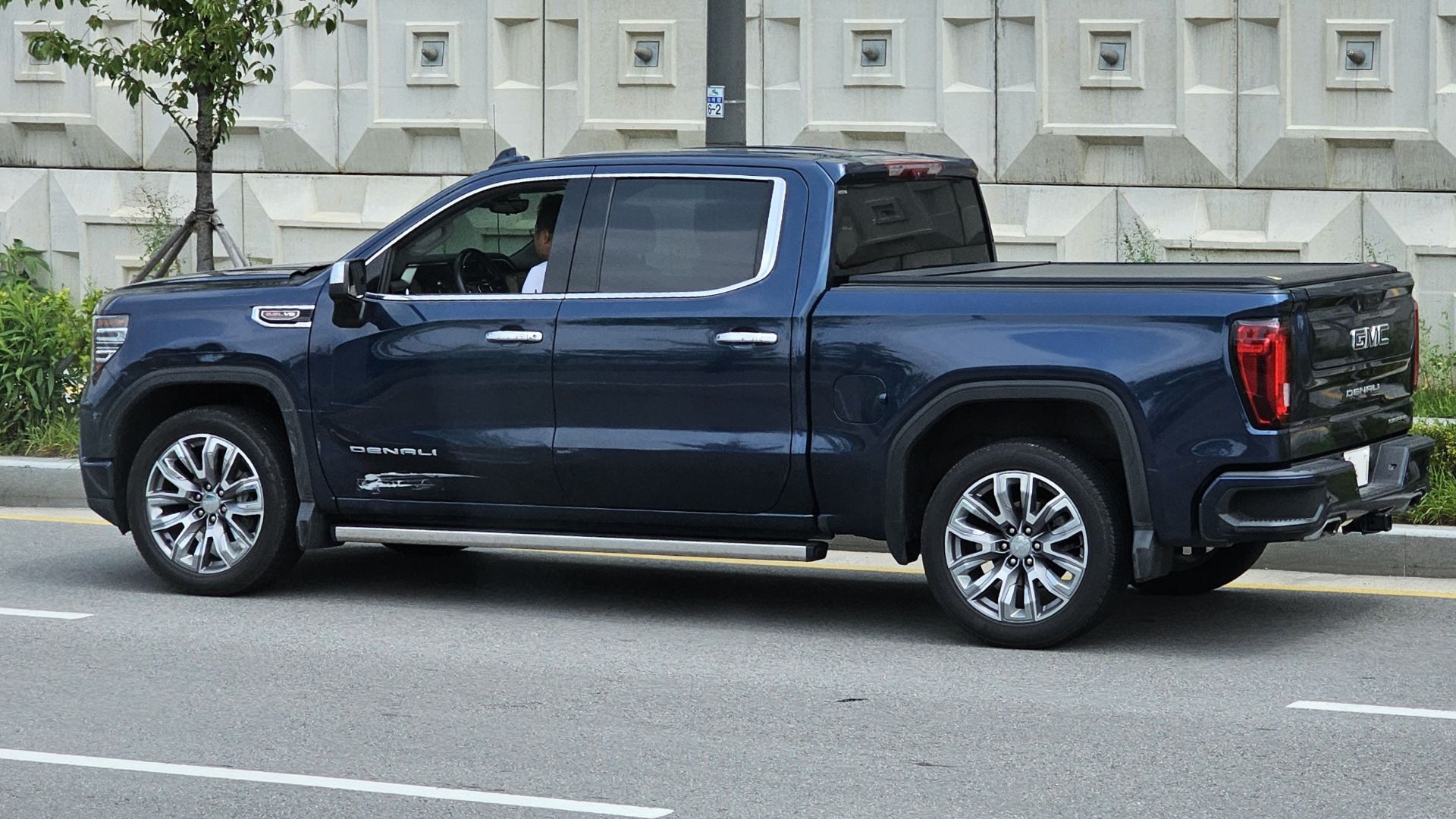
A trailer doesn't merely pull backward on the hitch. Its tongue weight pushes down on the truck, with much of that additional load affecting the rear axle. Add passengers, a full bed, a toolbox, firewood, coolers, or camping gear, and the rear tires may be carrying considerably more than they do during an empty commute.
Payload Matters Even When The Trailer Is Within The Tow Rating
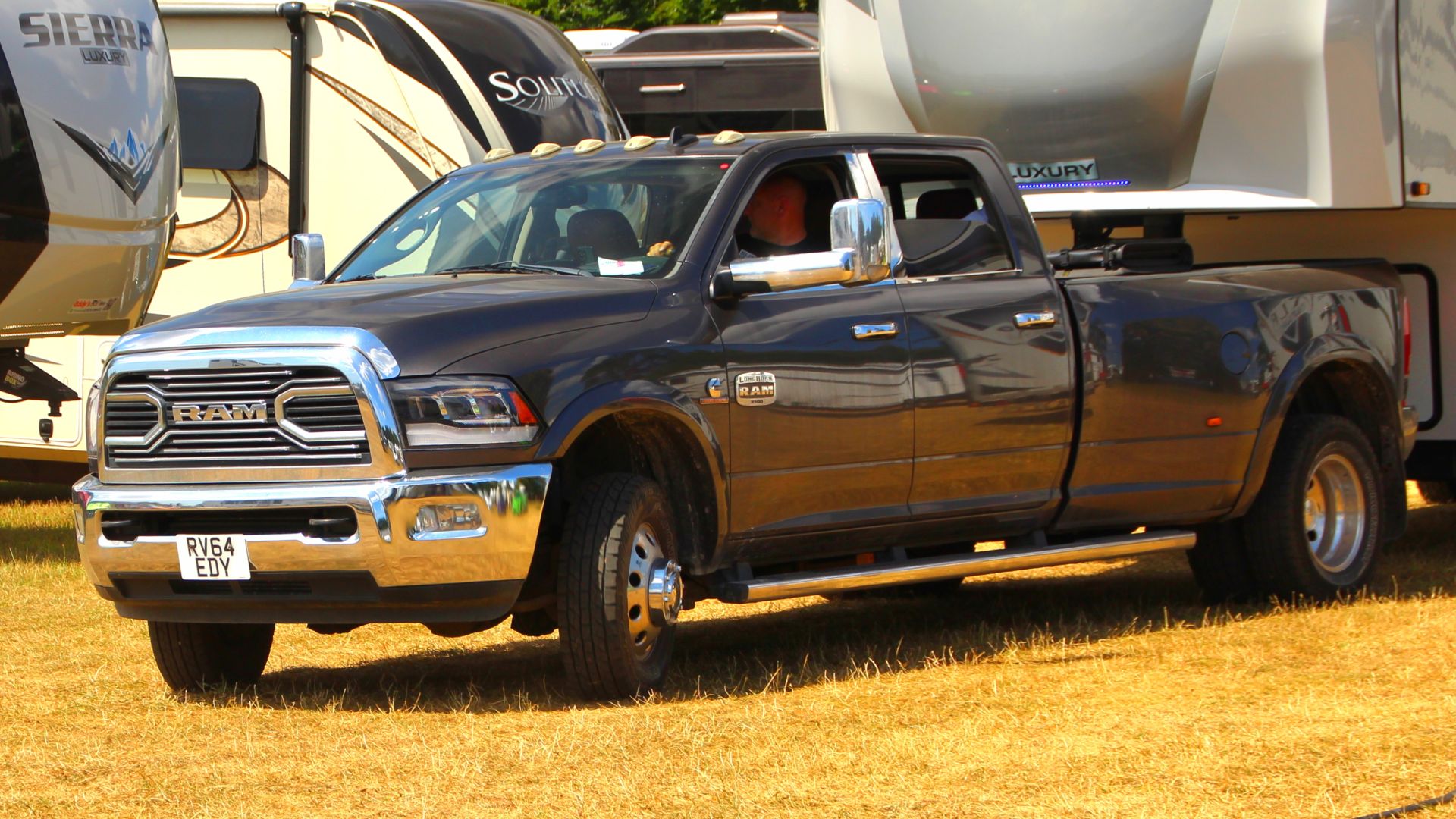
A pickup can be below its advertised maximum trailer rating and still run out of payload capacity. Tongue weight, passengers, accessories, and bed cargo all contribute. If the truck is regularly loaded near its limits, tire load capacity becomes especially important because the tires have to support the actual weight resting on each axle.

Weighing A Loaded Truck Can Remove The Guesswork
If you regularly tow a large travel trailer or haul heavy equipment, a certified vehicle scale can tell you what the front and rear axles are really carrying. Weigh the truck in the configuration you actually travel in, including passengers, fuel, cargo, and the connected trailer where appropriate. Real axle weights provide much better information than estimating from brochures.

Stronger Tires Don't Increase The Truck's Payload Rating
Putting extremely high-capacity tires on a pickup doesn't magically turn a half-ton into a one-ton. The truck is still limited by its manufacturer-rated axles, suspension, brakes, frame, wheels, and other components. Michelin specifically notes that installing a tire with a higher load rating doesn't increase the vehicle's allowable load.
Higher Load Range Isn't Automatically Better
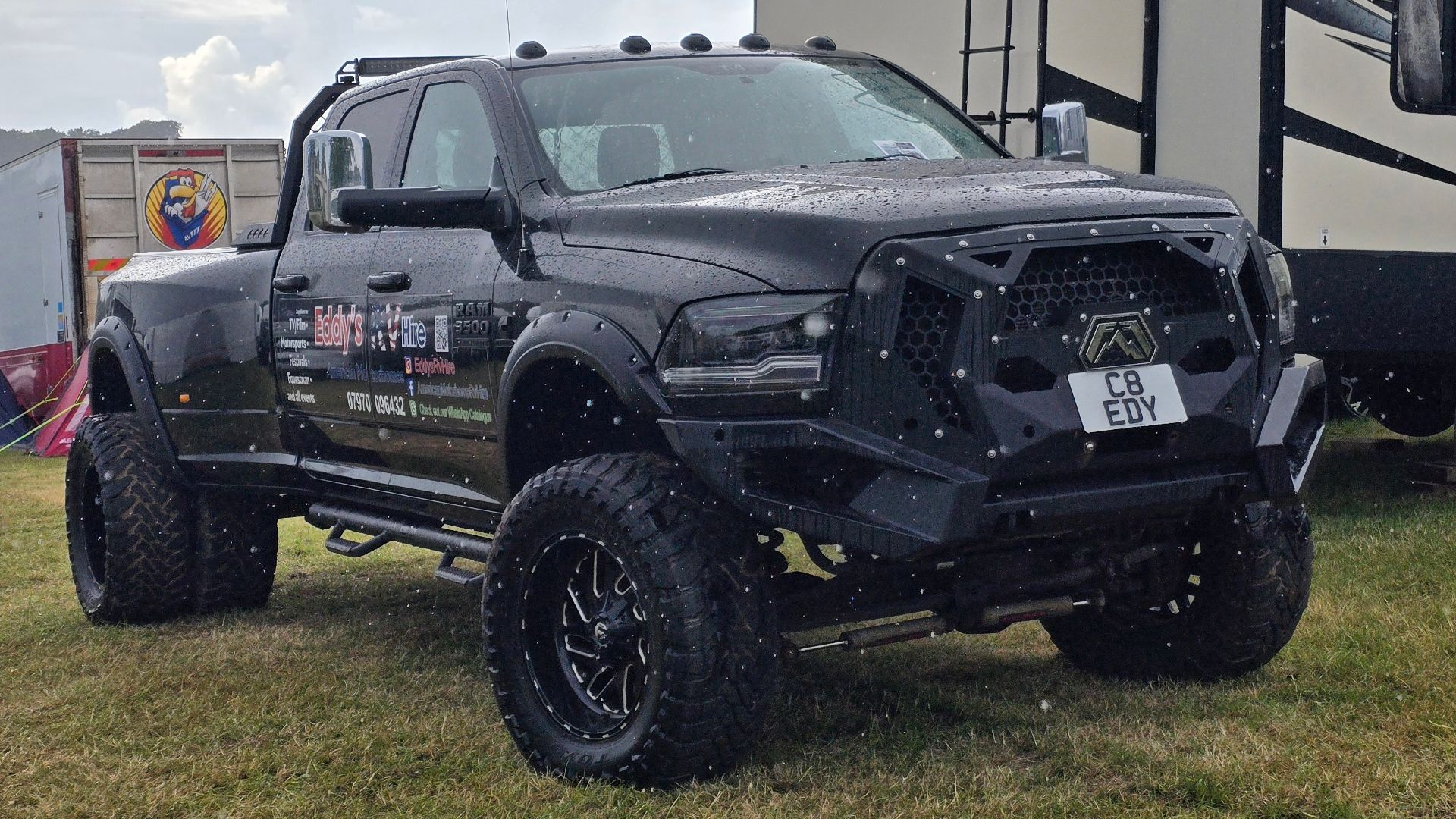
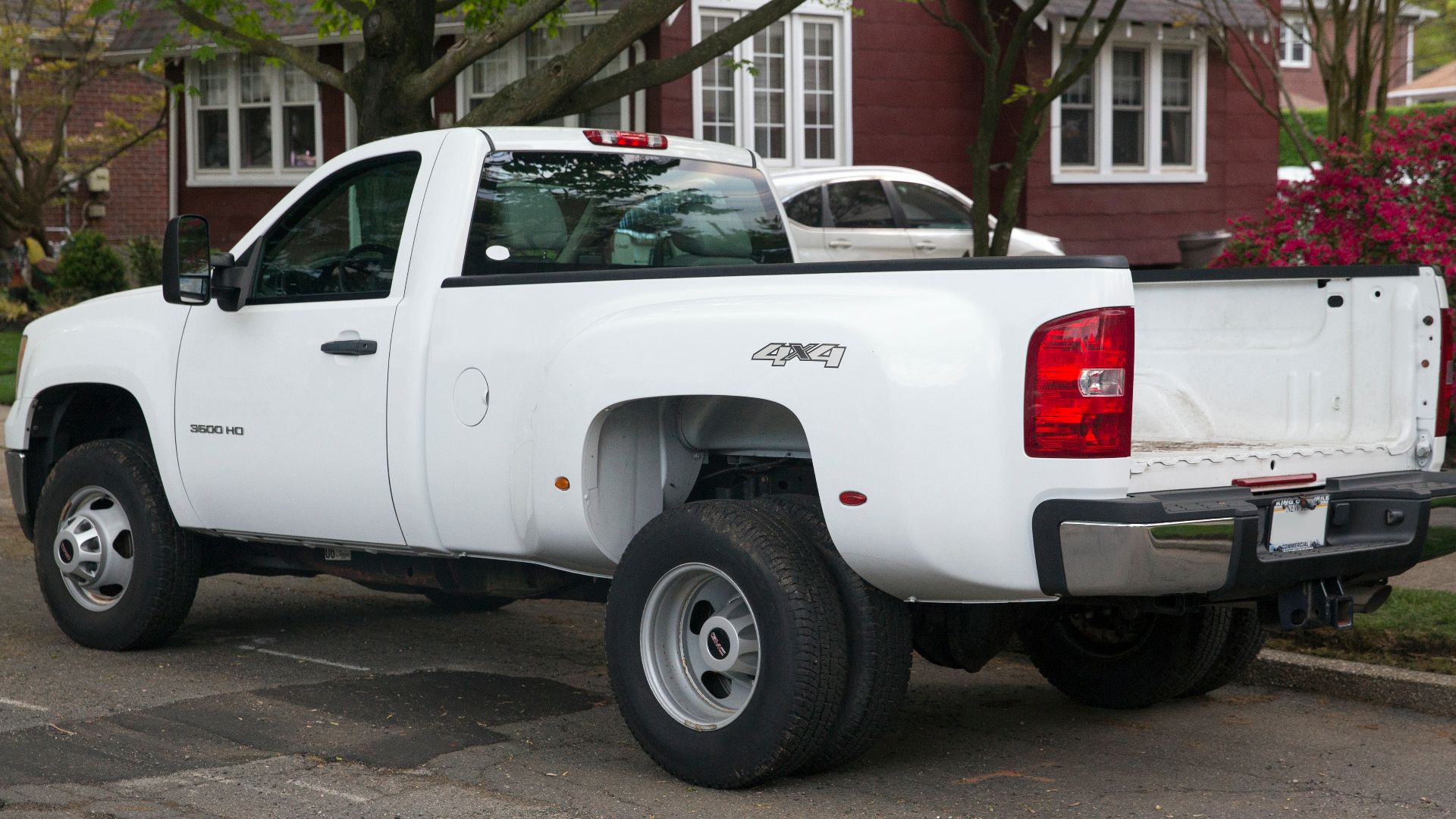
It's tempting to think Load Range E must always be safer than Load Range C because the tire is designed for heavier service. But extra capability can come with compromises. If your truck doesn't need that capacity, a heavier-duty tire may add weight, require different pressures, and produce a firmer ride without giving you any useful increase in legal payload.
 Mr.choppers, Wikimedia Commons
Heavy-Duty Tires Can Change How The Truck Feels
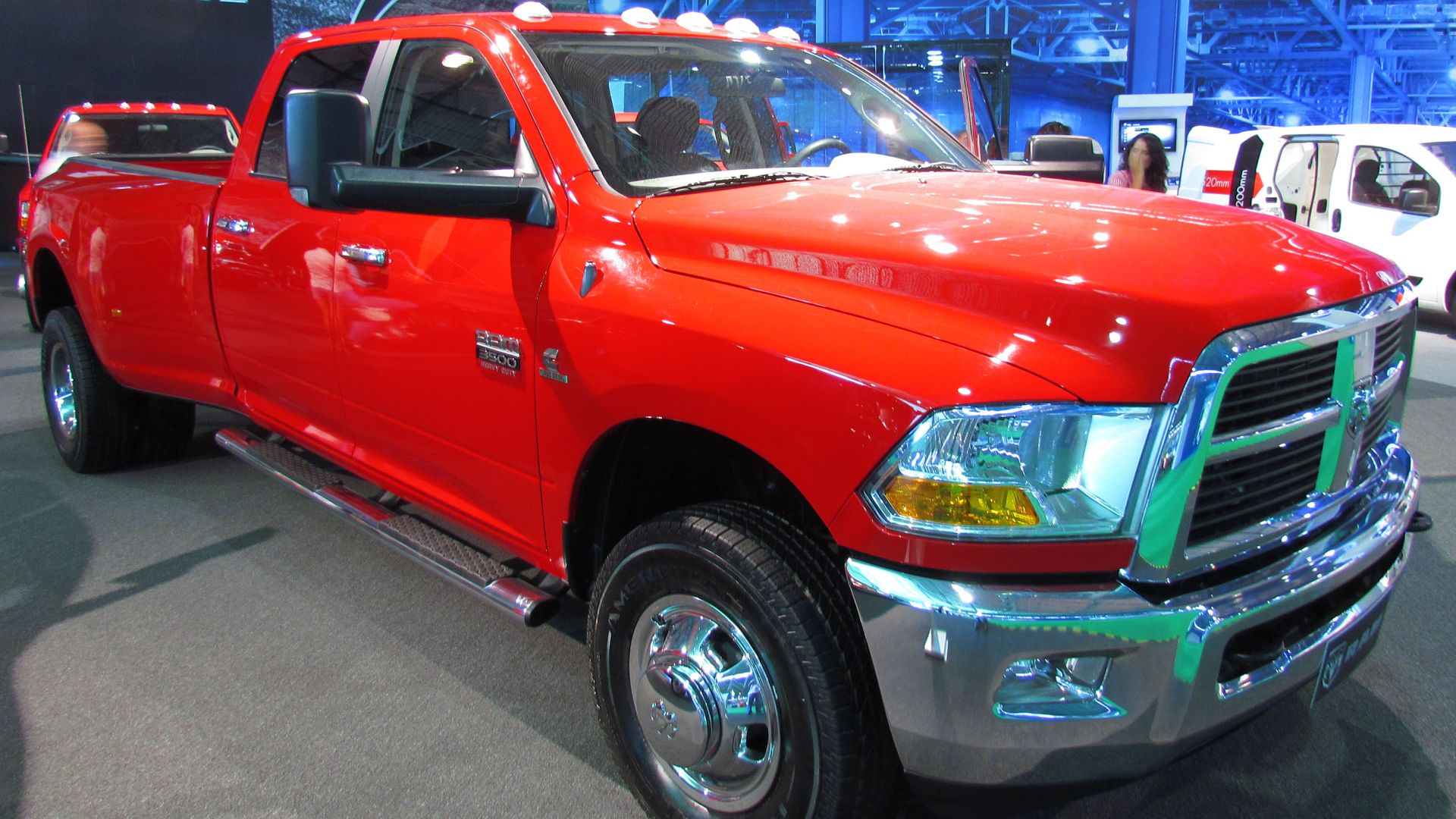
LT tires with higher load ranges often use sturdier construction than passenger-style tires. That can be beneficial when carrying substantial weight, but an unloaded truck may feel harsher over broken pavement. Steering feel, rolling resistance, fuel economy, and unsprung weight can change too. The best tire isn't necessarily the toughest tire available. It's the one appropriate for the truck's job.
 order_242 from Chile, Wikimedia Commons
Load Capacity Depends On Air Pressure
A tire doesn't provide its maximum rated carrying capacity at every pressure. Load capacity and inflation pressure are closely connected. LT tires in particular may need substantially more pressure to support heavy loads. That's why switching tire categories or load ranges can sometimes require a different inflation strategy rather than simply copying whatever pressure you used with the old tires.
Don't Inflate To The Sidewall Maximum Just Because You Can
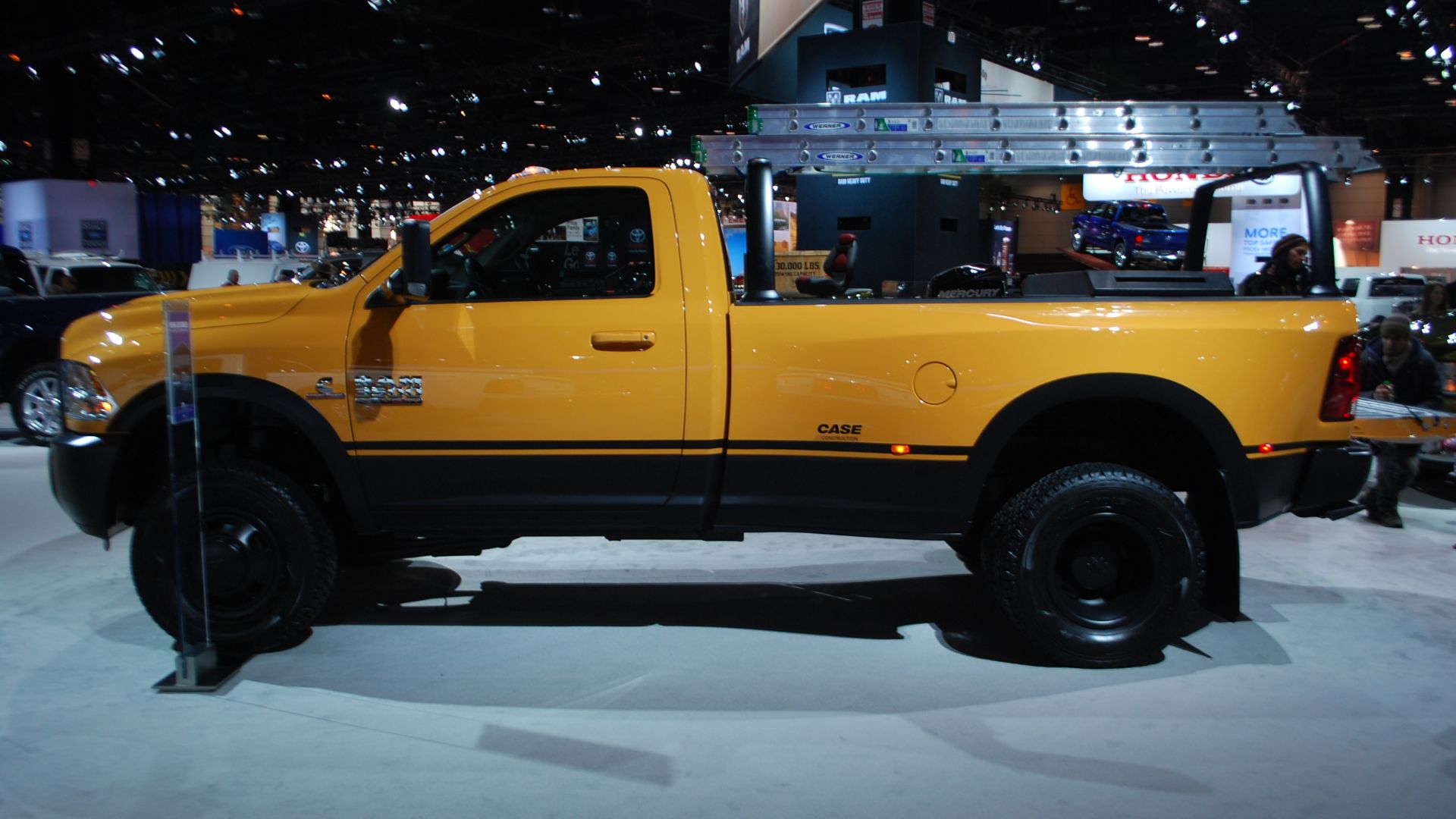
The pressure molded into a tire's sidewall is not automatically the correct everyday pressure for your truck. NHTSA recommends starting with the vehicle manufacturer's cold-pressure specification on the door placard. If you've changed tire type, size, or load range, consult the tire manufacturer or a qualified professional to determine whether an adjusted pressure is appropriate.

Underinflation Gets More Serious As The Load Goes Up
An underinflated tire flexes excessively as it rolls, creating heat. Add a heavy trailer or payload and the tire is being asked to carry additional weight while operating with less pressure than it needs. Heat buildup can accelerate damage and increase the risk of failure, especially during long highway trips in hot weather.
The Wheels Have Limits Too
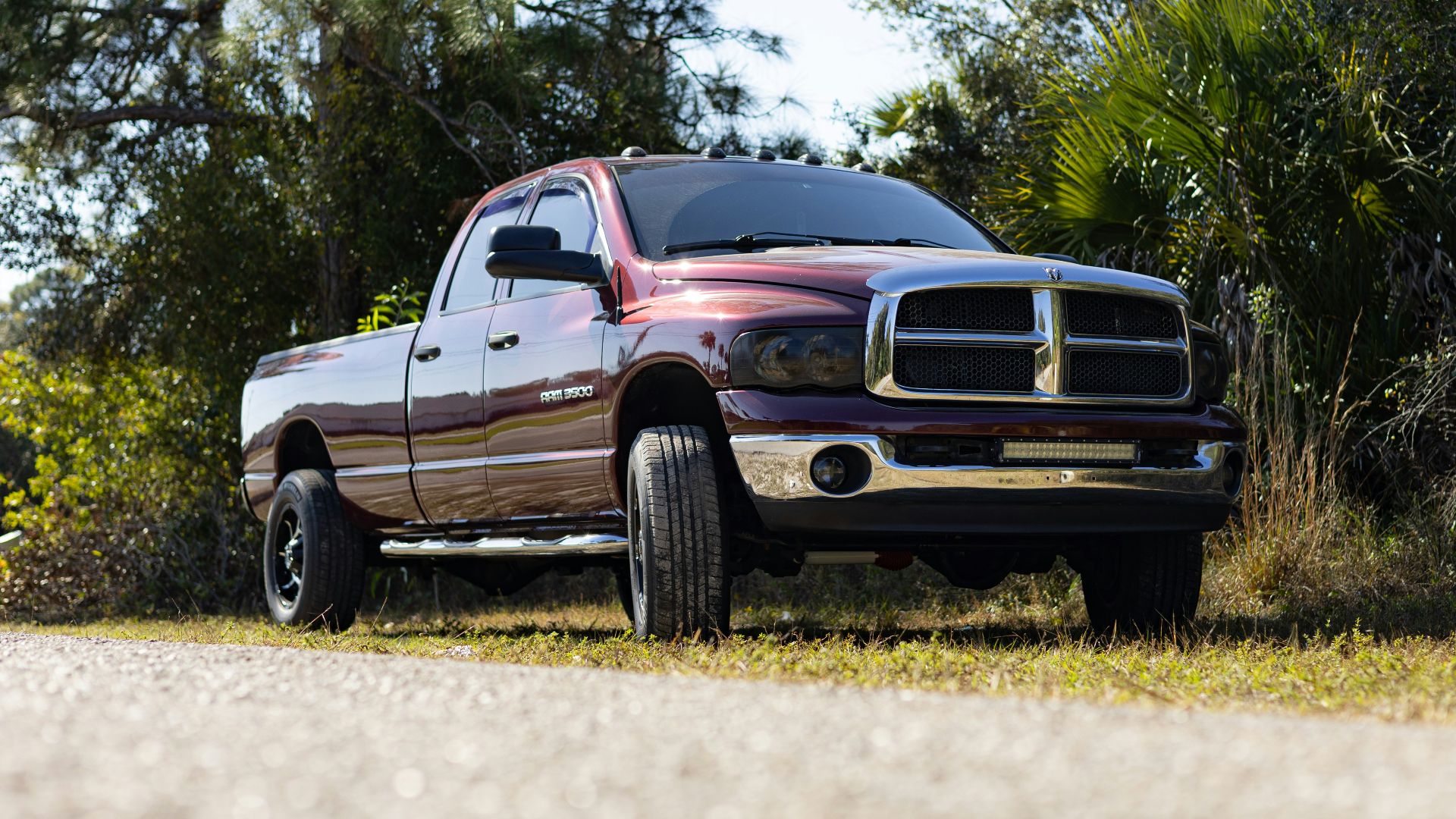
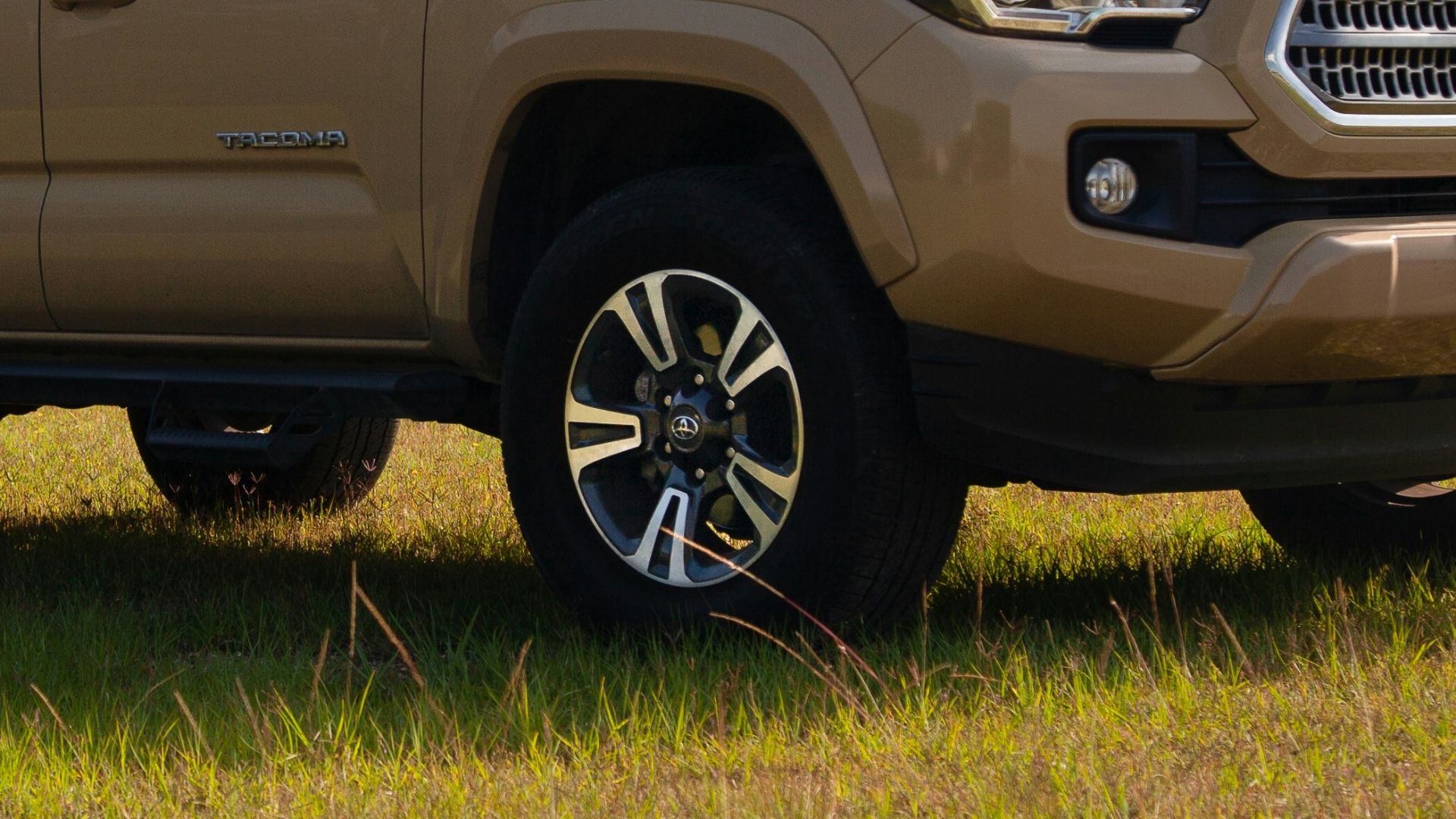
A high-capacity tire doesn't help if the wheel isn't designed for the same load or required inflation pressure. Aftermarket wheels have their own load ratings, dimensions, offsets, and pressure limitations. When upgrading to heavier-duty tires for towing or hauling, make sure the wheels are compatible rather than assuming every wheel that accepts the tire size can safely handle the job.
Match The Tire To How You Really Use The Truck
The best replacement for a lightly loaded commuter pickup may be very different from the best tire for the same model pulling an 8,000-pound camper across the country. Consider normal payload, trailer tongue weight, highway use, off-road driving, ride comfort, winter conditions, and how often the truck actually carries heavy loads. Your real-world use matters more than buying the most aggressive specification available.

Size Tells You Whether It Fits But Load Rating Tells You Whether It Can Do The Job
Replacing truck tires isn't finished once you've matched the width, aspect ratio, and wheel diameter. The tire also needs sufficient load capacity for the vehicle and the way you use it. Check the door placard and owner's manual, understand the load index and load range, be careful when switching between P-metric and LT tires, and don't assume a higher rating automatically improves the truck. When towing or hauling, the tire supporting the correct amount of weight is every bit as important as the tire fitting the wheel.
You May Also Like:
The Used EV I'm Buying Has A Replacement Battery And I'm Worried. Does That Change Its Warranty?