Why Does Mileage Matter So Much?
Your classic may spend more time under a cover than on the highway, yet your insurer still wants to know exactly how far it travels. That can feel excessive when you only drive it to shows and Sunday cruises. But collector-car insurance works differently from ordinary auto coverage, and mileage is part of the bargain.
Collector Insurance Is A Different Animal
Collector policies are designed around the assumption that the insured vehicle isn't being used like an everyday commuter. Because limited use generally means limited exposure to accidents, insurers can offer specialized coverage and potentially attractive premiums. In exchange, they may place tighter rules around when, where, and how often you drive.
Low Mileage Can Help Keep Premiums Down
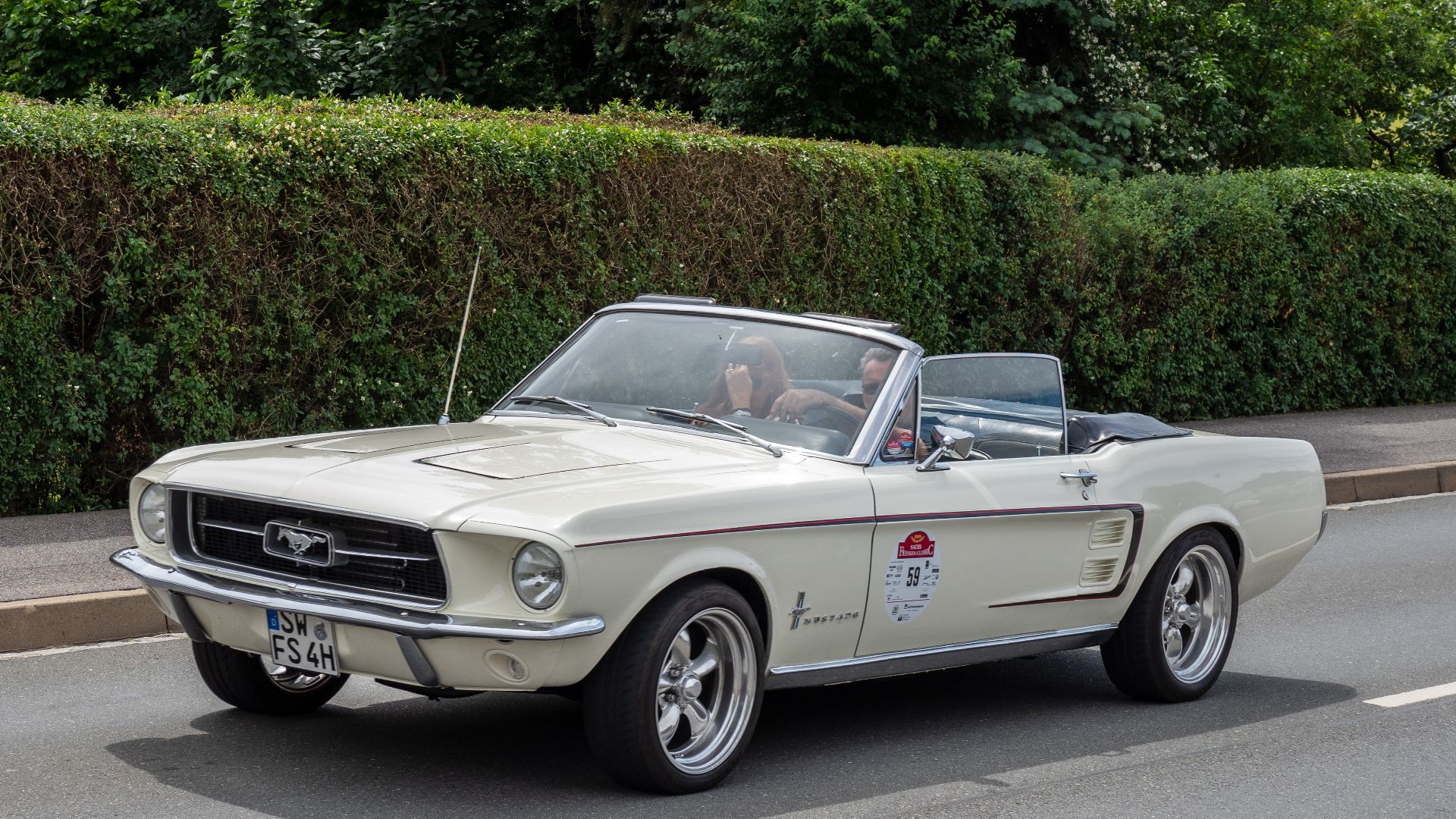
A 1967 Mustang that travels 1,500 miles a year represents a different type of insurance risk than a modern SUV doing 15,000 miles. Many collector insurers build their pricing around that difference. Mileage isn't necessarily the only factor, but it can be an important part of determining whether your car qualifies.

The Rules Aren't The Same Everywhere
There isn't one universal mileage rule for every collector-car policy. One company may be comfortable with several thousand annual miles, while another may offer different coverage tiers depending on usage. Some policies focus less on a hard mileage ceiling and more on whether the vehicle is genuinely being used as a collectible.

Your Policy Is What Really Matters
The important number isn't what somebody at Saturday's cars-and-coffee says their insurer allows. It's what your own policy says. The declarations page, underwriting requirements, endorsements, and usage restrictions determine your obligations. Two owners with nearly identical classics could have noticeably different restrictions.

Mileage Proof Isn't Automatically A Red Flag
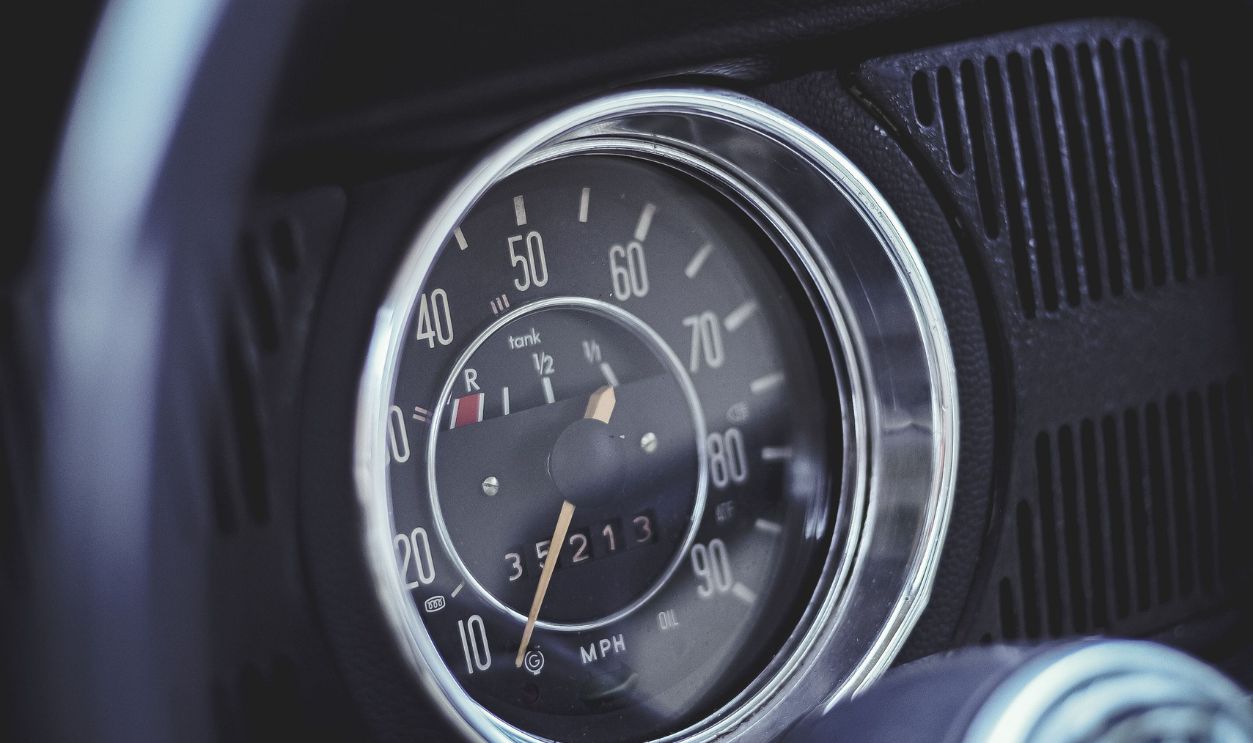
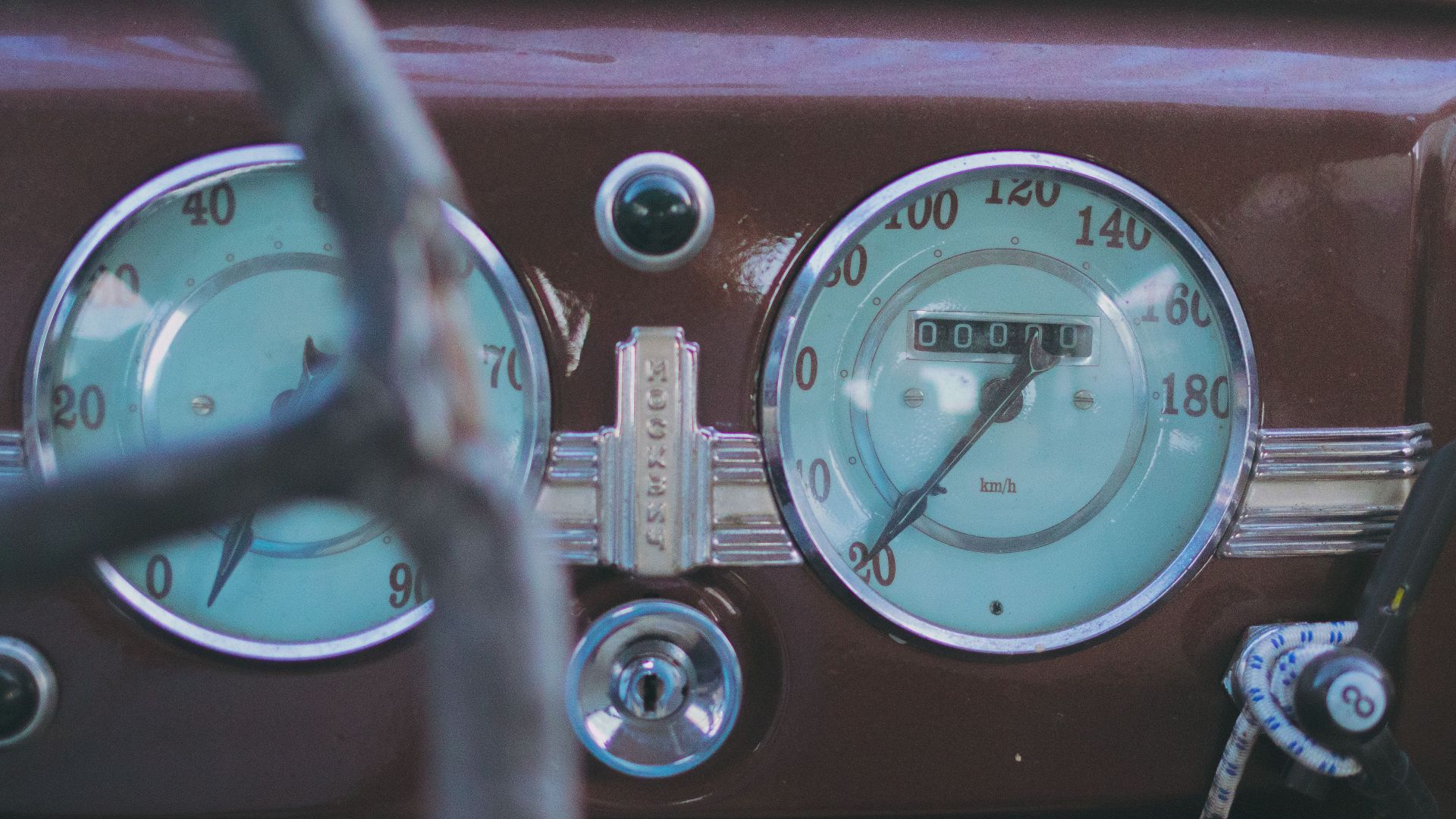
If the company asks for an odometer photo, don't assume you're under investigation. Some insurers periodically verify mileage as part of routine underwriting. They may want a dated photograph, inspection documentation, or another record showing how much the vehicle has traveled since the policy began or was last renewed.

Photos Are An Easy Verification Tool
Digital photography has made mileage verification incredibly simple. An insurer can ask for a clear photo showing your odometer, sometimes alongside wider photographs confirming the vehicle's condition. Compared with sending an adjuster to inspect the car, it's a quick and relatively painless way to confirm that the policy information remains accurate.

Your Mileage Estimate Doesn't Need To Be Perfect
Nobody expects you to know in January whether you'll drive precisely 1,873 miles before New Year's Eve. Mileage estimates are usually exactly that: estimates. What matters is providing information honestly and updating your insurer if your driving habits change substantially from what was originally represented.
Don't Confuse Mileage With Usage
You could stay well below a mileage limit and still create trouble if you're using the vehicle in a way the policy doesn't permit. Driving 12 miles to work every morning may concern an insurer more than taking a 500-mile weekend trip to a major classic-car event, depending on the policy terms.

Daily Driving Is Usually The Big Issue
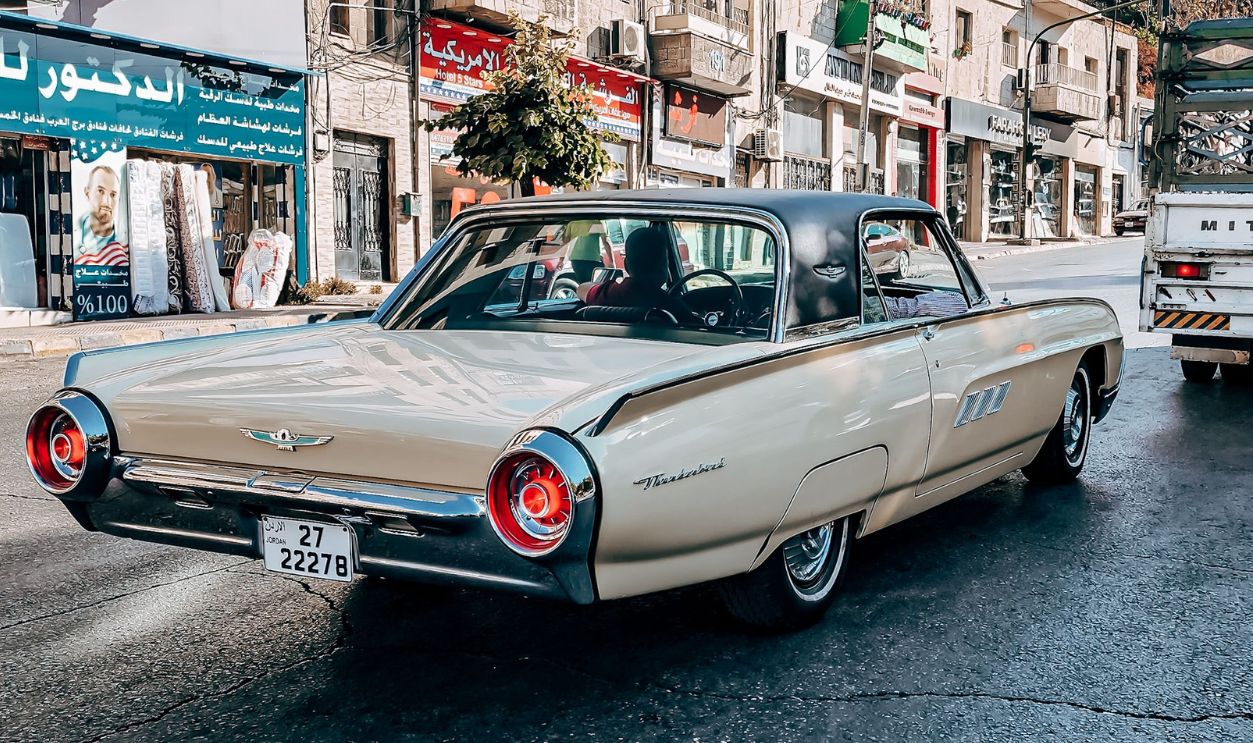
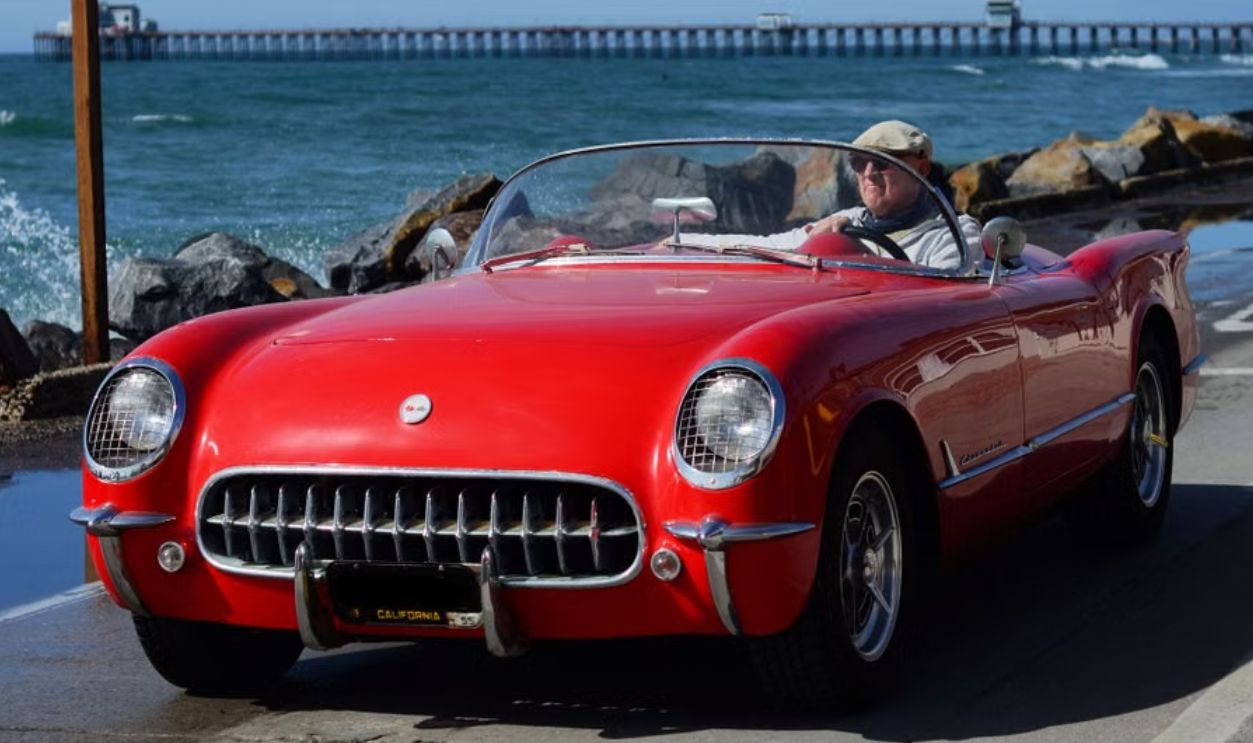
Collector insurance generally isn't intended to replace regular auto insurance on your everyday transportation. Insurers may require owners to have another properly insured vehicle available for normal commuting and errands. That helps demonstrate that the prized Corvette or Thunderbird really isn't secretly doing grocery-store duty five days a week.
Pleasure Driving May Still Be Allowed
Don't assume collector coverage means your car has to remain trapped inside the garage except for judged shows. Many modern collector policies recognize that owners actually enjoy driving their cars. Recreational drives, club outings, cruises, exhibitions, and similar activities may be allowed, subject to the exact wording of your coverage.

Road Trips Can Get Complicated
Suppose your club announces a 1,200-mile Route 66 tour. That dream trip might suddenly consume a large portion of a low-mileage allowance. Before leaving, call your insurer. Depending on your policy, longer recreational trips may already be covered, may require notification, or might justify adjusting your mileage tier.

Keep A Simple Mileage Record
You don't need an accountant's ledger sitting beside the carburetor. Taking an odometer photograph when the policy renews—and perhaps occasionally throughout the year—creates a useful record. Maintenance receipts can also document mileage. That paper trail may make future underwriting questions much easier to answer.
 https://kaboompics.com/, Pexels
Maintenance Mileage Counts Too
Driving to your trusted mechanic still puts miles on the odometer. So does a test drive after replacing the fuel pump, taking the car for tires, or giving it enough exercise to keep everything healthy. Don't mentally exclude those miles when estimating annual use simply because they weren't recreational drives.

Storage Requirements May Be Just As Important
Mileage receives plenty of attention, but collector insurers may have other eligibility requirements. Secure storage is a common consideration, for example. A classic kept inside a locked private garage may fit a company's underwriting guidelines more comfortably than one permanently parked curbside. Again, requirements depend on the insurer and policy.

Agreed Value Is A Major Attraction
One reason enthusiasts tolerate additional requirements is that collector policies may offer agreed-value coverage. Instead of treating your lovingly restored classic like an ordinary aging used car, you and the insurer establish an insured value subject to the policy terms. That can be extremely important when dealing with rare or appreciating vehicles.
Modifications Need To Be Disclosed Too
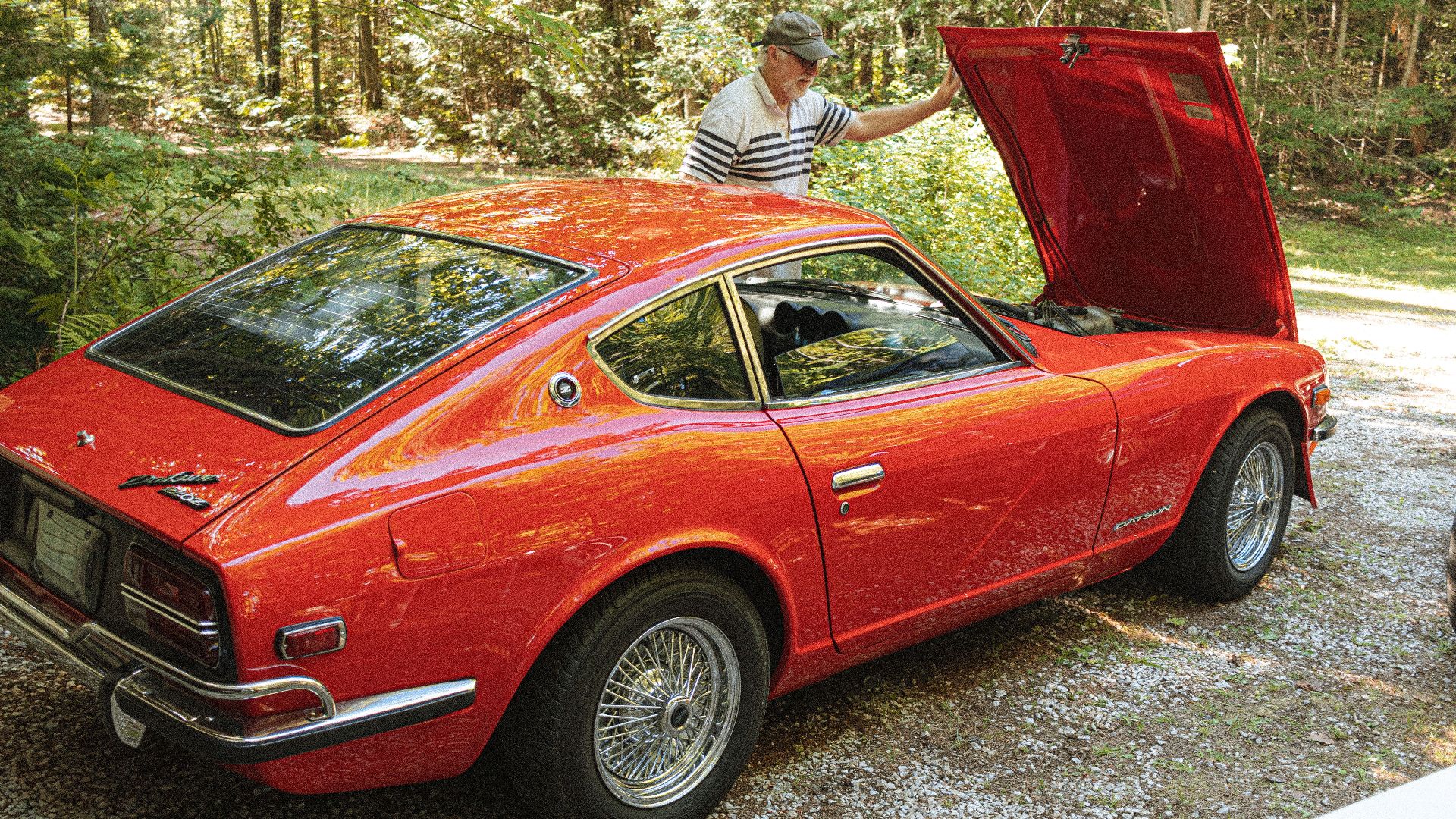
Mileage isn't the only thing worth discussing with the insurance company. Tell them about meaningful modifications, restorations, engine changes, or increases in value. That freshly rebuilt big-block and $18,000 paint job might make the car considerably different from the vehicle originally described when you bought the policy.
 Fine Automotive Detailing, Unsplash
What Happens If You Exceed The Limit?
Going slightly over an estimated mileage figure doesn't automatically mean disaster. The consequences depend entirely on the policy and circumstances. However, deliberately understating usage can create serious problems. If you realize you're driving substantially more than planned, contacting your insurer before a claim happens is far smarter than explaining afterward.
Never Assume A Claim Will Be Fine
The worst time to discover you've misunderstood your collector policy is after somebody backs into your freshly restored Chevelle. If you're uncertain about mileage limits or permitted uses, ask the insurer or agent for clarification in writing. Having a clear answer is much better than relying on something vaguely remembered from a phone call.

Be Especially Careful After Retirement
Retirement can quietly change how you use your classic. Suddenly, Tuesday afternoon is available for a 100-mile drive through the countryside. You might start attending more shows or taking longer trips. That's great news for you and the car—but your old annual-mileage estimate may no longer reflect reality.
Don't Buy Coverage On Price Alone
The cheapest collector policy isn't automatically the best deal. Compare mileage restrictions, permitted uses, storage requirements, agreed-value provisions, roadside assistance, spare-parts coverage, deductibles, and claims procedures. Saving a few dollars isn't particularly satisfying if the policy doesn't match the way you actually enjoy your vehicle.

Ask About Different Mileage Tiers
If you're uncomfortable with a very low annual allowance, ask whether the insurer offers another option. Some companies structure collector coverage around different mileage or usage categories. Paying somewhat more for additional flexibility could make much more sense than spending every summer nervously watching the odometer.

Honesty Makes Everything Easier
Collector-car insurance works best when the insurer understands how the car is really used. If you drive 3,000 miles a year, don't claim 500 just because it produces a nicer quote. Accurate information gives the company a chance to offer coverage that actually fits rather than creating unnecessary uncertainty later.
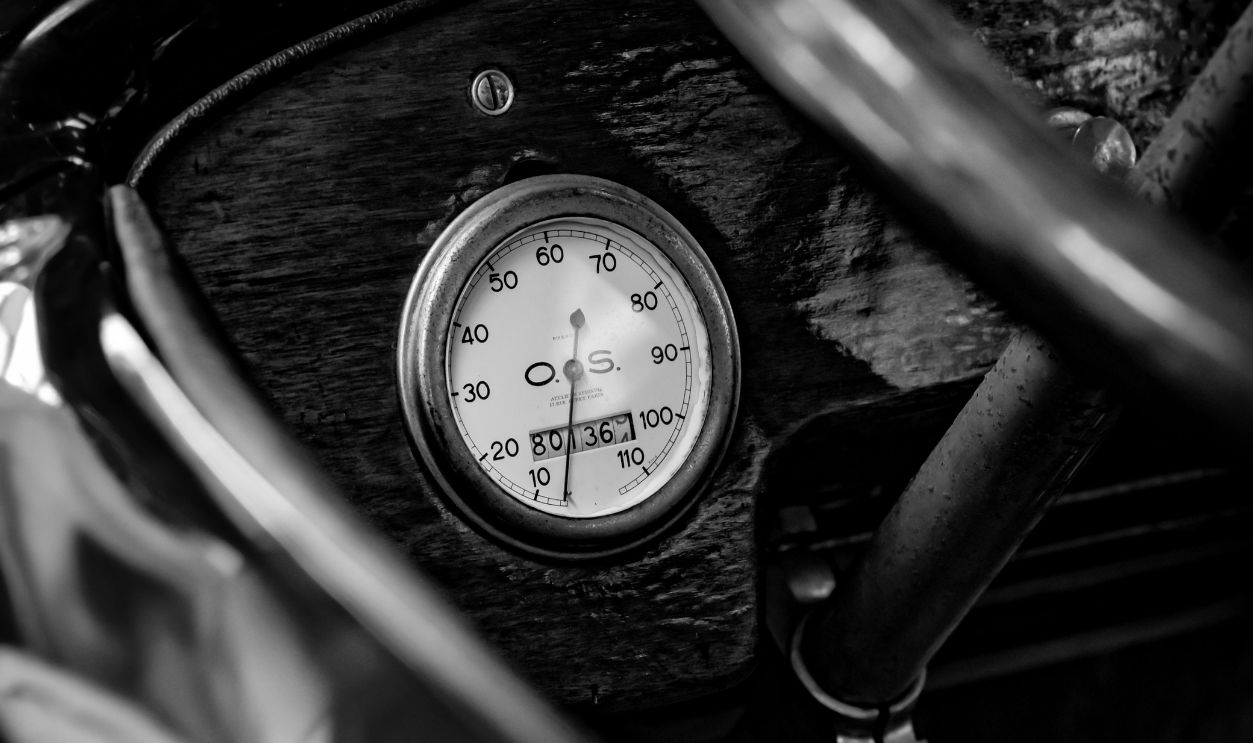
A Car Shouldn't Become Garage Furniture
For many owners, the entire point of preserving a classic is hearing that familiar engine come alive and taking it down the road. Insurance restrictions shouldn't make you afraid to enjoy your own car. The goal is simply finding a policy whose rules fit the type of driving you genuinely want to do.

Mileage Proof Is Usually Manageable
So how strict are collector policies? They can be quite specific, but mileage verification itself is usually nothing to panic about. Read your particular policy, document your odometer, report meaningful changes in usage, and ask questions before stretching the rules. Then stop worrying about paperwork and enjoy the reason you bought the classic in the first place.

You May Also Like:
My neighbor says my EV charger is lowering his property value. Can he complain to the city about it?
The $3.3 Million Plymouth Is One Of Just Five Ever Made—And They Called It “The White Elephant”