The Supercar Boom Nobody Remembers
The 1980s produced some of the greatest supercars ever built. While icons like the Ferrari F40 and the Lamborghini Countach became legends, many equally fascinating machines slipped into obscurity. These forgotten exotics prove the decade had far more to offer than the usual poster cars.
 Karkhut, Shutterstock; Dmitry Eagle Orlov, Shutterstock
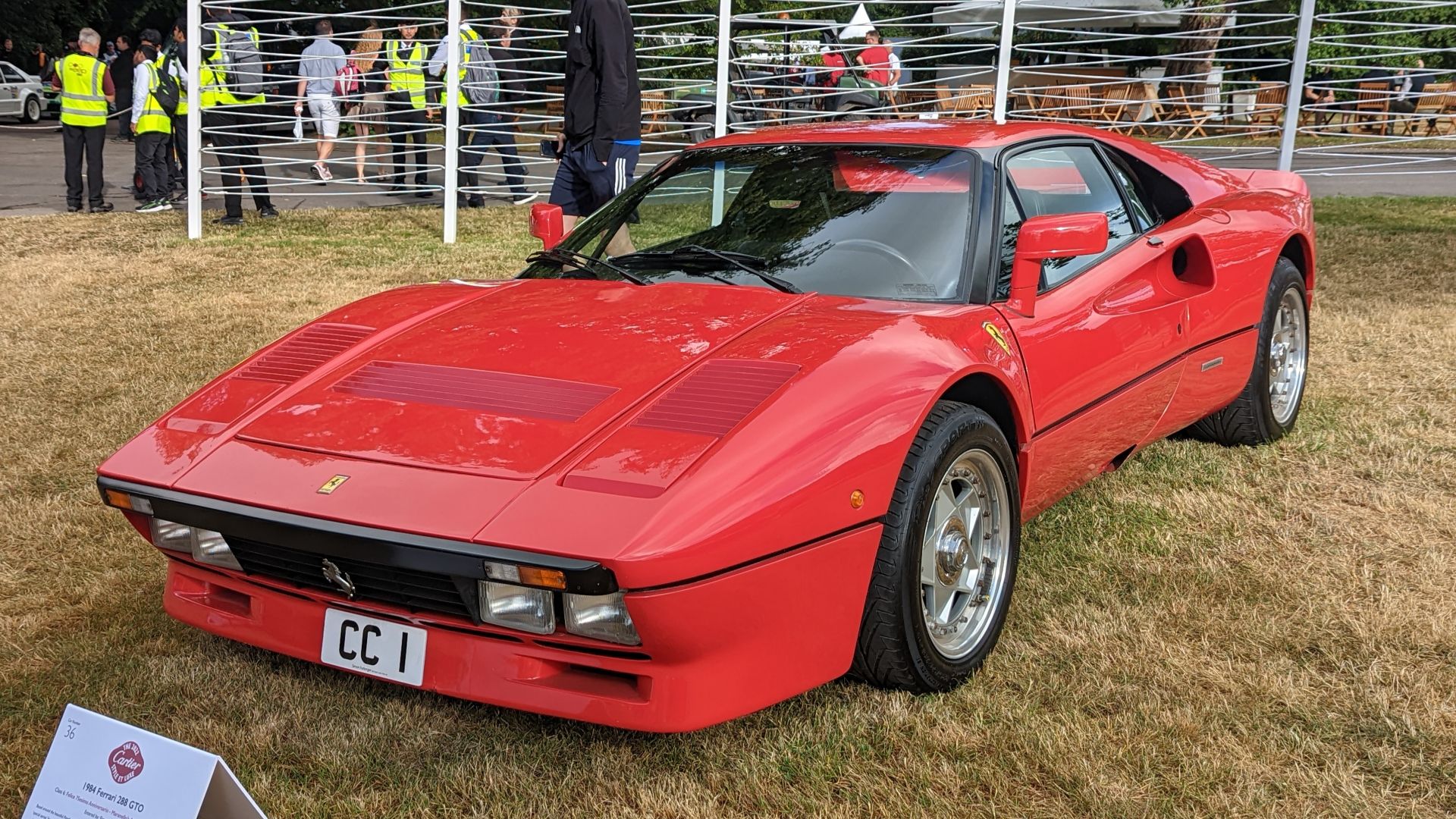
Ferrari 288 GTO
The Ferrari F40 often steals the spotlight, but the 288 GTO laid the groundwork for Ferrari's modern supercar lineage. Introduced in 1984 as a homologation special, it featured a twin-turbocharged 2.9-liter V8 producing 400 horsepower. Ferrari built just 272 examples, making it significantly rarer than many enthusiasts realize. The car was originally intended to compete in Group B racing before the category's cancellation.
Porsche 959
The Porsche 959 was one of the most technologically sophisticated cars ever produced during the decade. Its advanced all-wheel-drive system, adjustable suspension, and twin-turbocharged flat-six engine helped it reach a top speed of nearly 200 mph. Despite its incredible performance, it is often overshadowed by the Ferrari F40 in discussions about 1980s supercars. Many of its innovations later became common in high-performance vehicles.
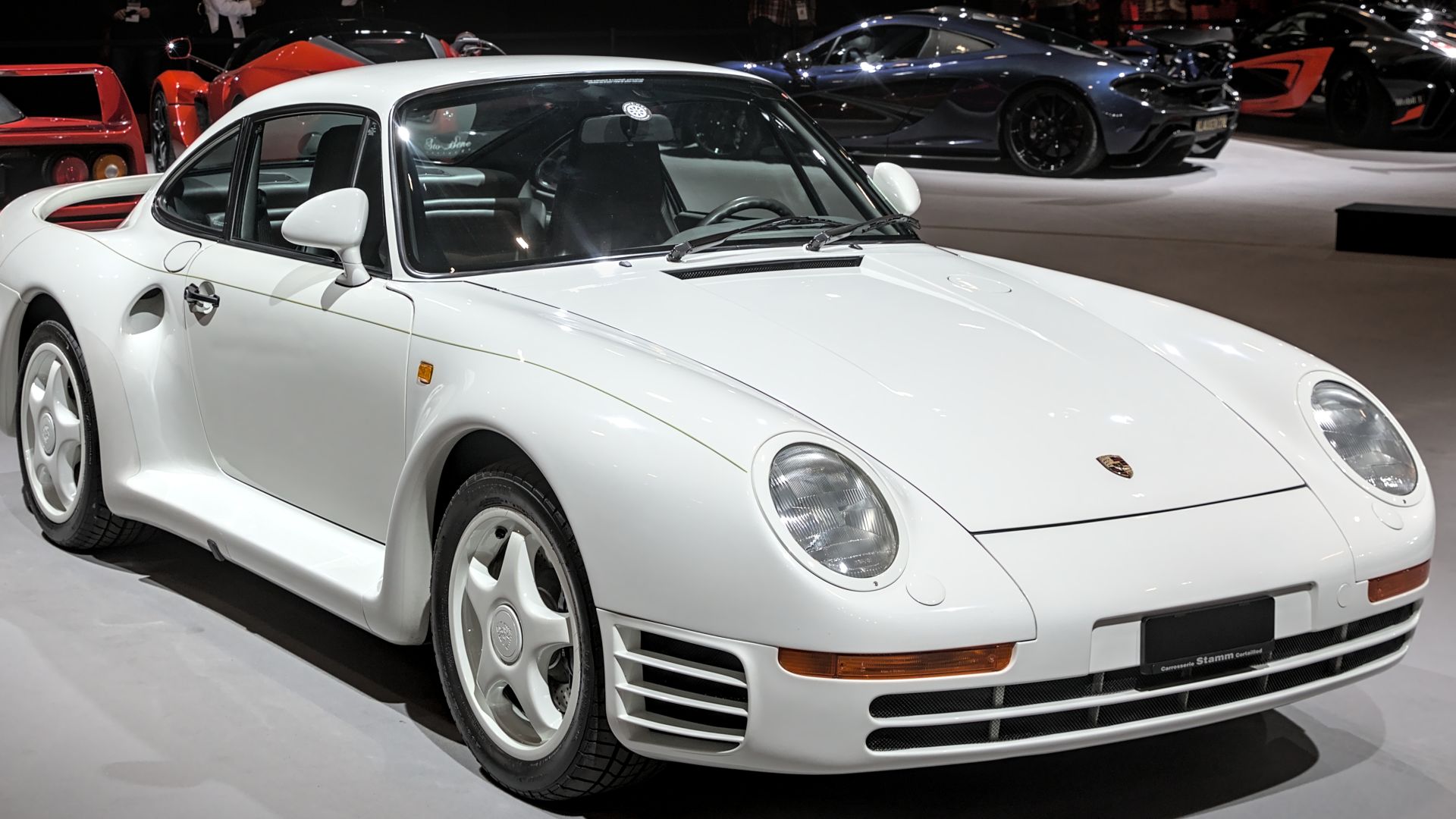 Alexander-93, Wikimedia Commons
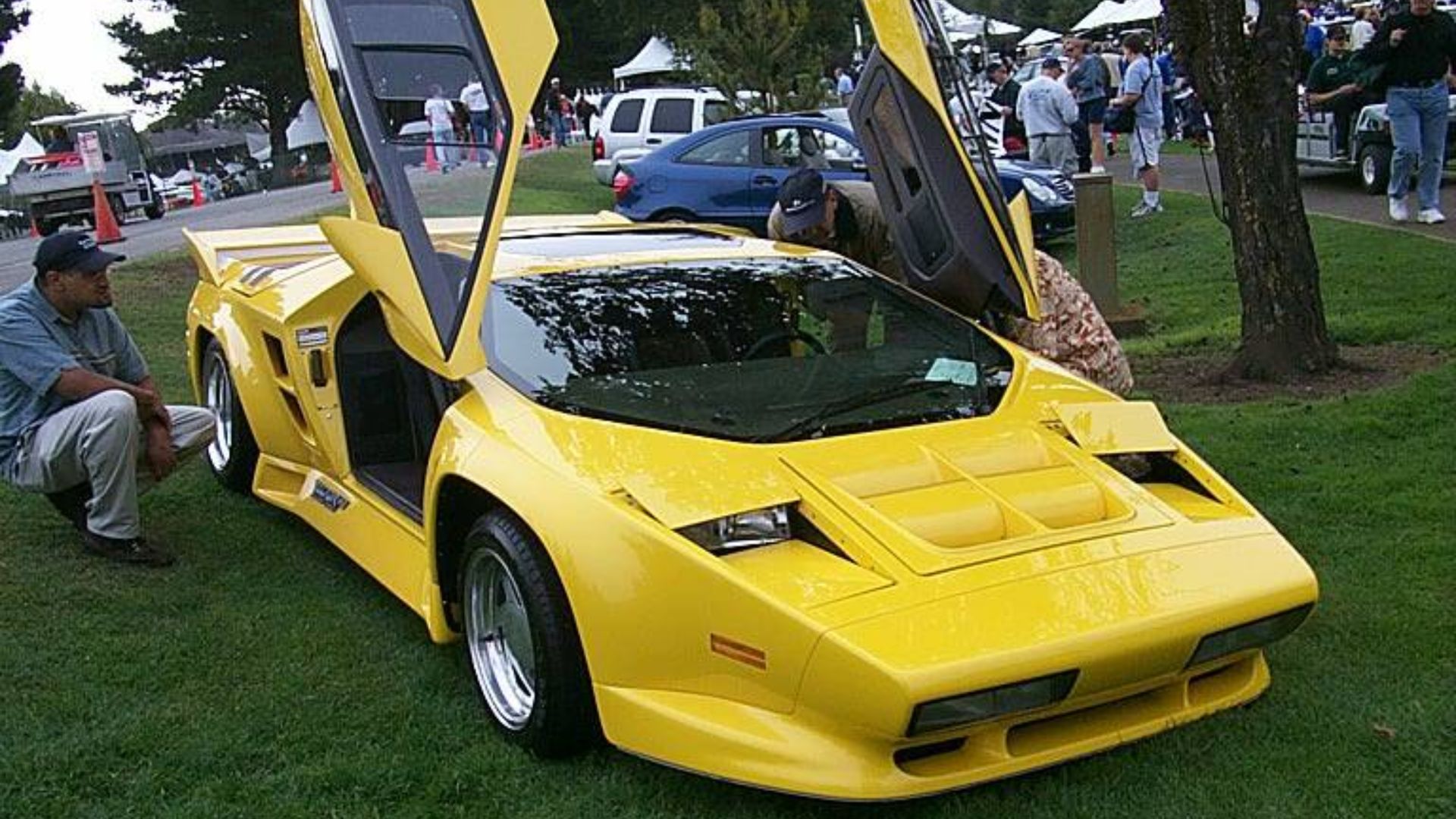
Vector W8
The Vector W8 looked like a fighter jet that somehow gained license plates. Developed in California by Vector Aeromotive, it combined outrageous styling with a twin-turbocharged V8 producing up to 625 horsepower. Production remained extremely limited, with only a handful of customer cars completed. It remains one of the rarest and most ambitious American supercars ever built.
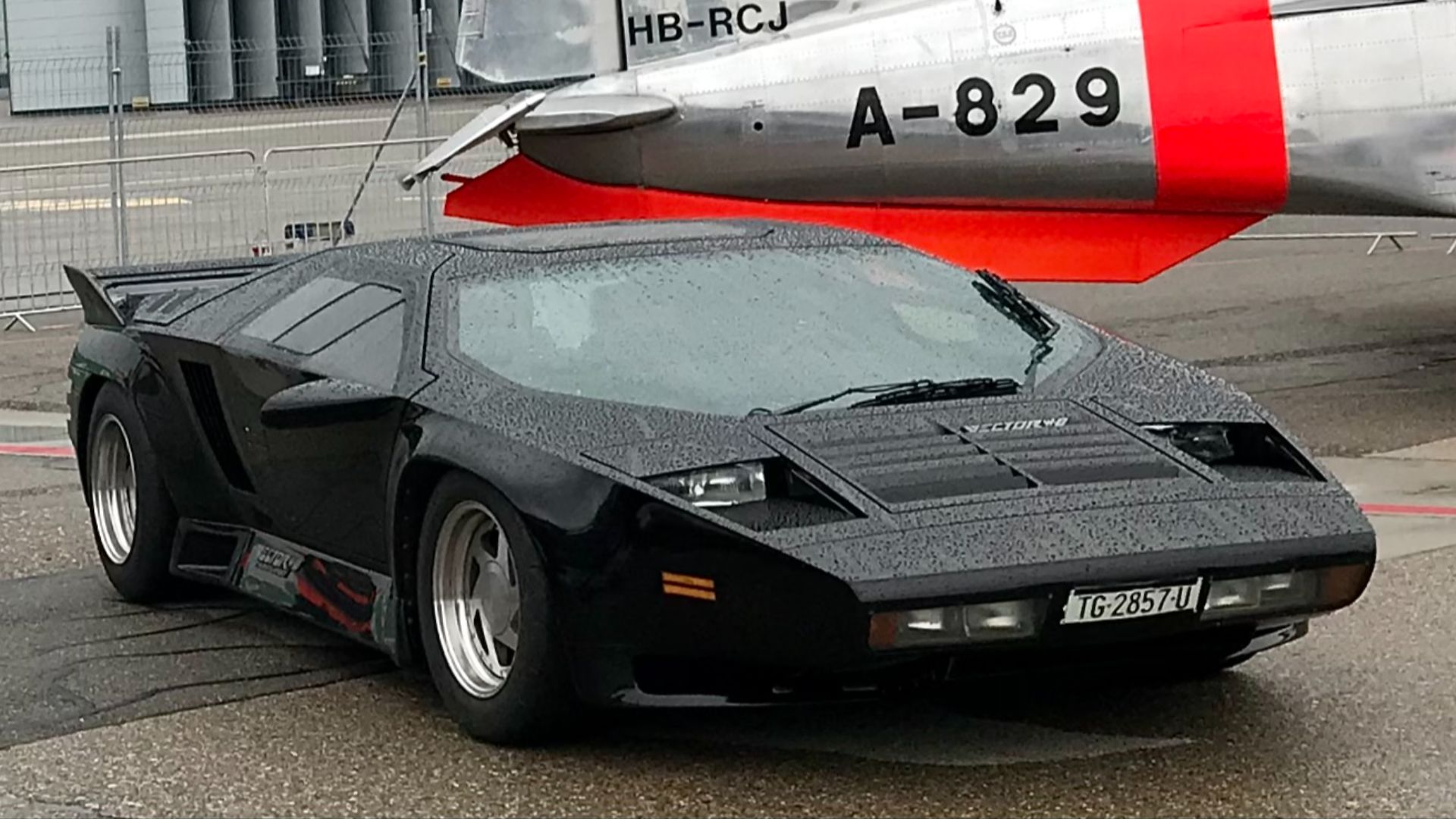
Cizeta-Moroder V16T
Few cars embody 1980s excess better than the Cizeta-Moroder V16T. Created by former Lamborghini engineer and test driver Claudio Zampolli and backed by music composer Giorgio Moroder, it featured a unique 6.0-liter V16 engine producing 540 horsepower. The engine was mounted transversely behind the cabin, giving the car its unusual name. Its dramatic styling and tiny production numbers helped make it an instant curiosity.
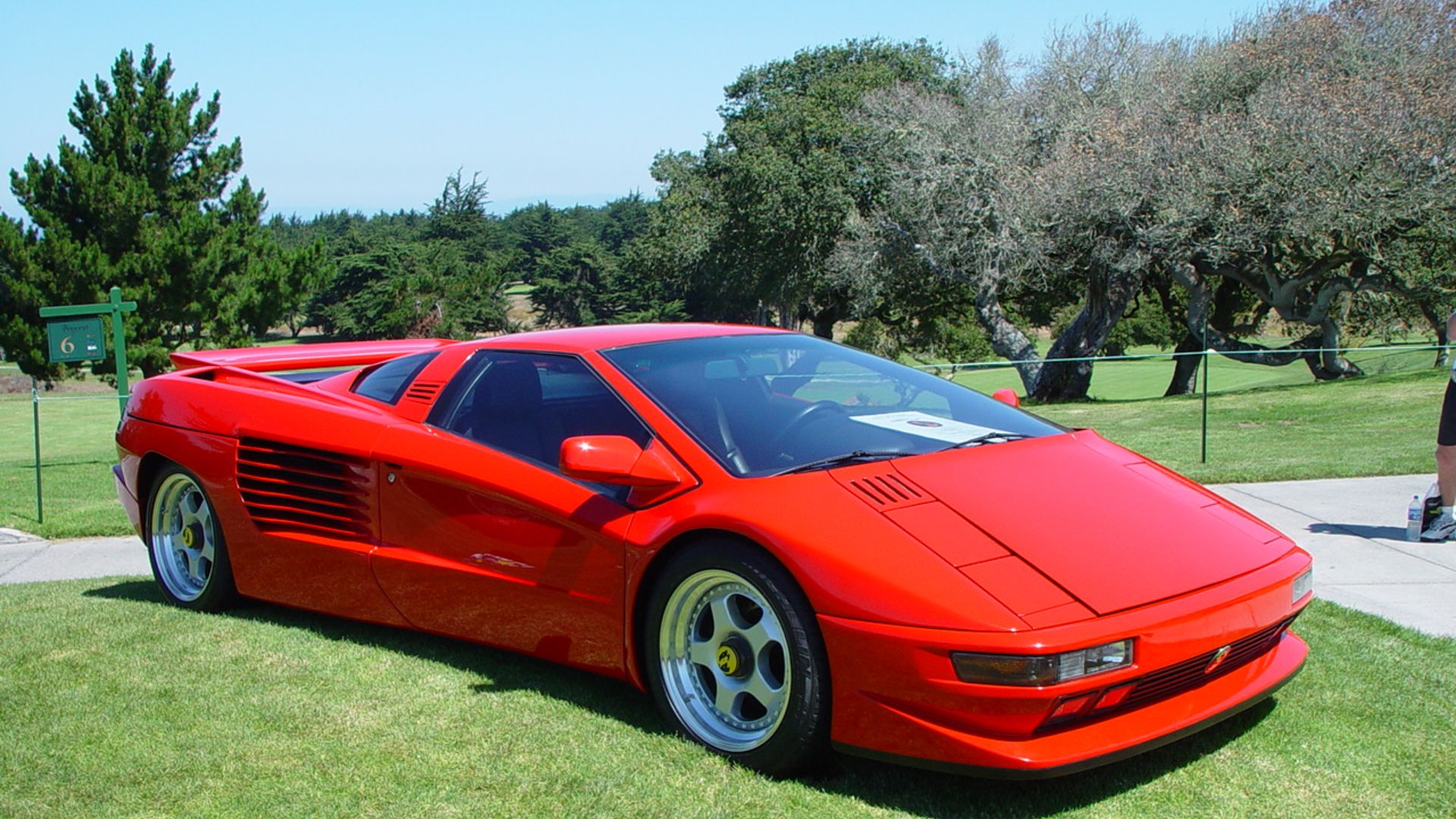 Craig Howell from San Carlos, CA, USA, Wikimedia Commons
Isdera Imperator 108i
The Isdera Imperator 108i was a hand-built German supercar unlike anything produced by the major manufacturers. It featured gullwing doors, Mercedes-Benz V8 power, and a distinctive periscope-style rear-view mirror. Fewer than 30 examples were produced during its run. Its rarity has made it one of Germany's most elusive exotic cars.
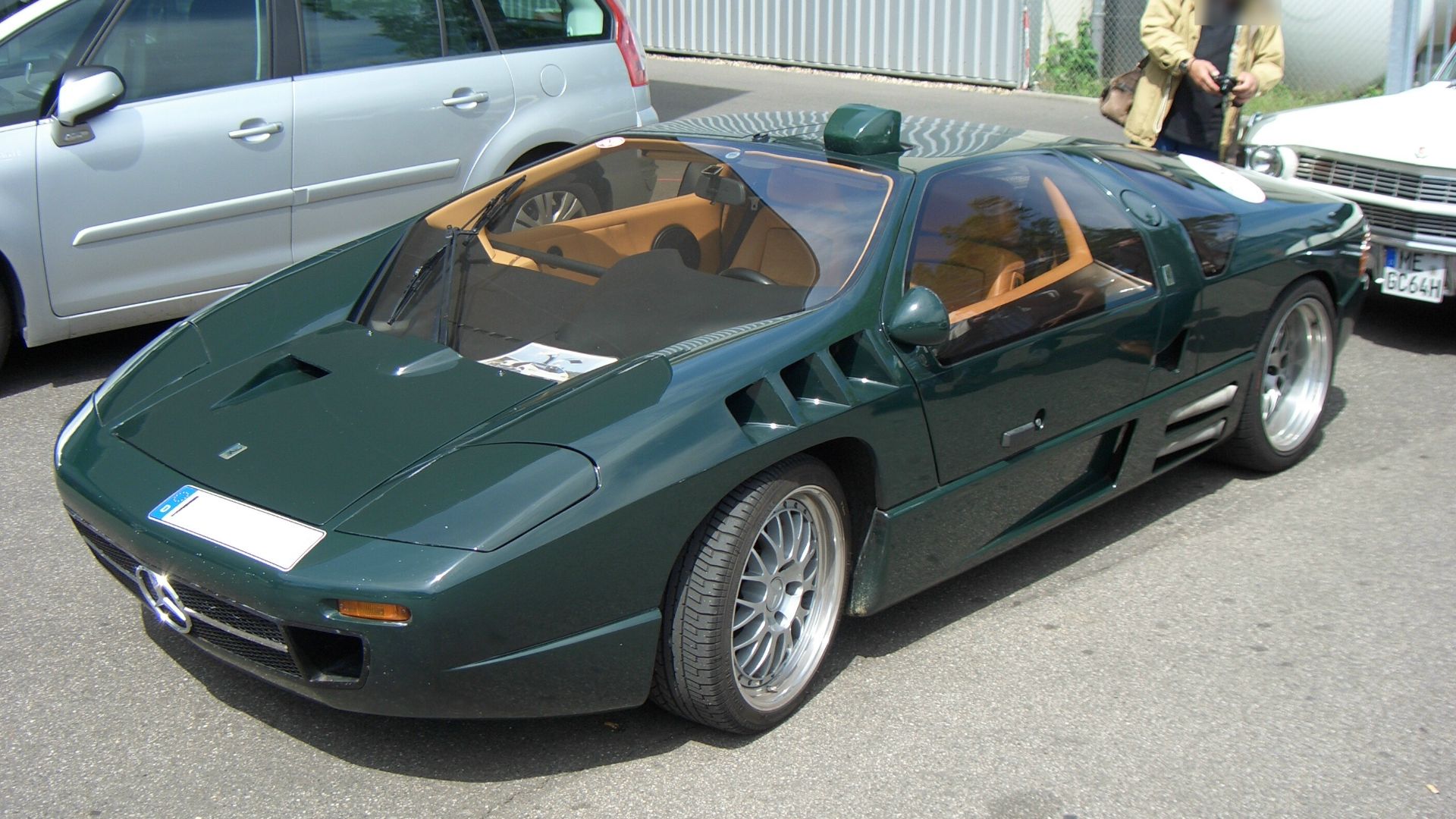 Detectandpreserve, Wikimedia Commons
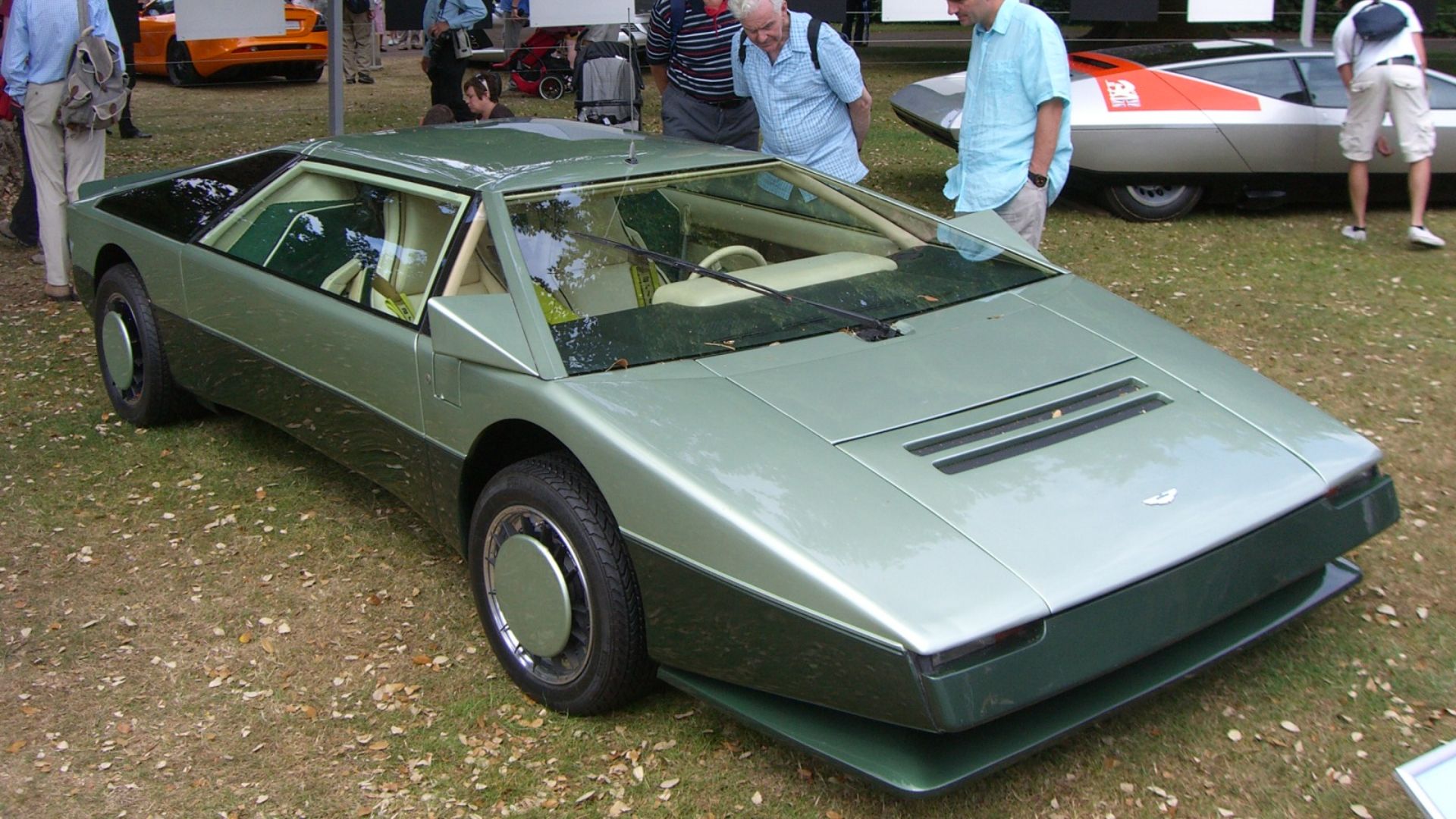
Aston Martin Bulldog
The Aston Martin Bulldog looked as if it had driven straight out of a science fiction movie. Built as a high-speed experimental project, only one example was completed. Aston Martin hoped it would become the world's fastest production car, targeting speeds above 200 mph. Its sharp wedge profile perfectly captured the futuristic styling trends of the decade.
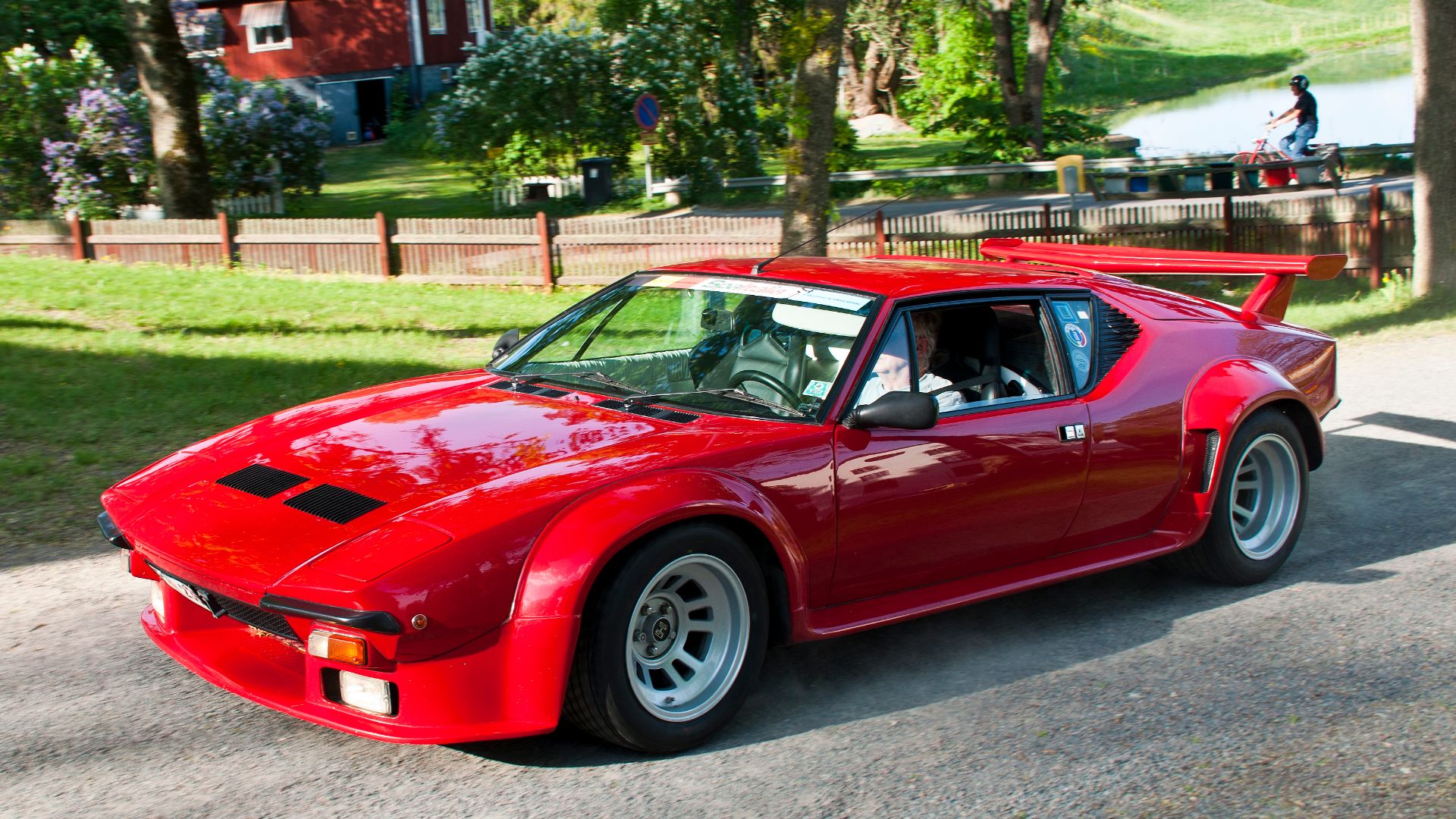
De Tomaso Pantera GT5
The Pantera had been around since the 1970s, but the GT5 version transformed it into a true supercar contender. Massive wheel arches, wider tires, and aggressive bodywork made it impossible to ignore. Ford-sourced V8 power gave it strong straight-line performance. Despite its capabilities, it often lives in the shadow of Italian rivals from Ferrari and Lamborghini.
 Staffan Andersson, Wikimedia Commons
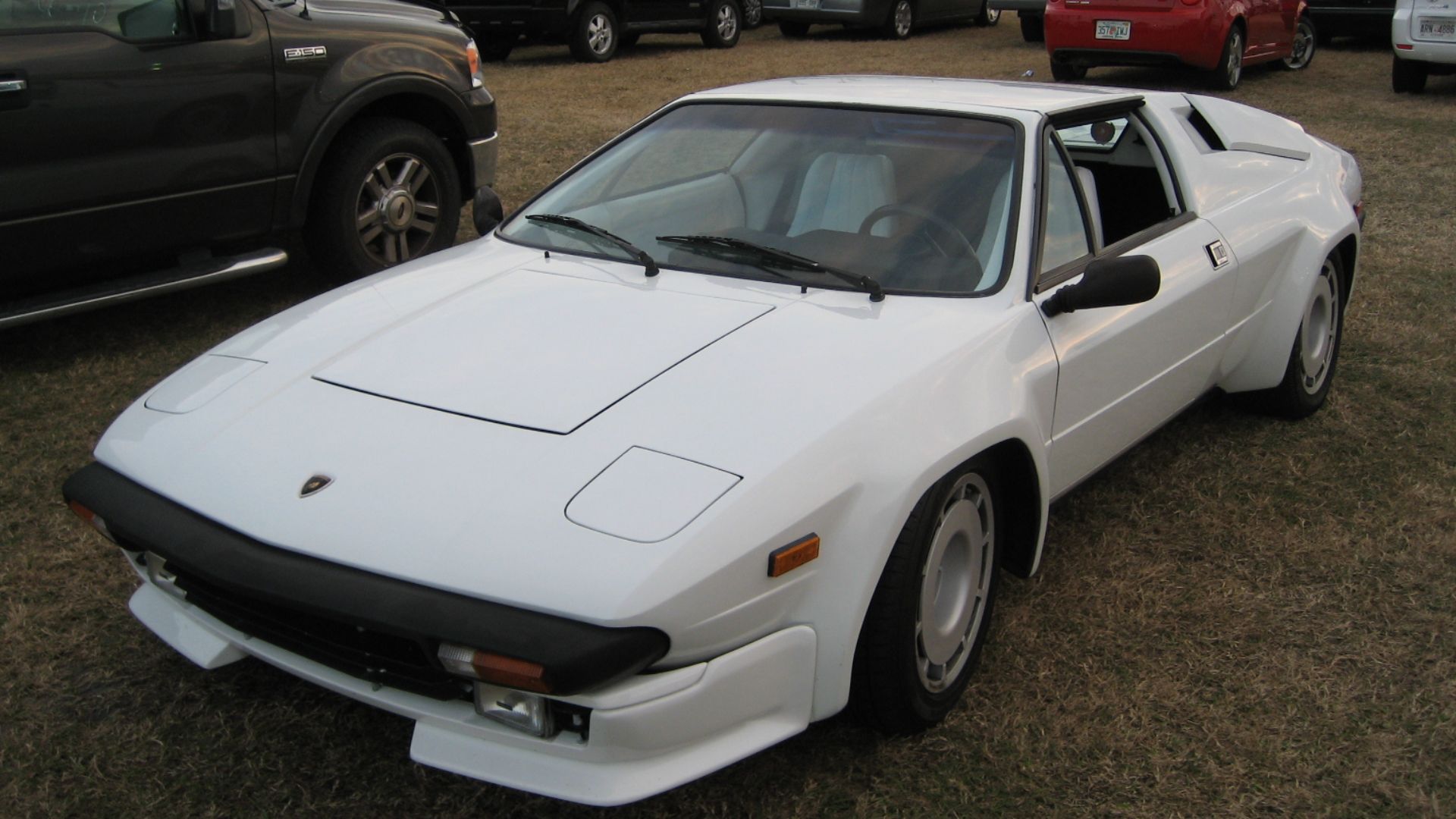
Lamborghini Jalpa
While the Countach became a poster icon, the Jalpa quietly served as Lamborghini's entry-level exotic. Its 3.5-liter V8 offered respectable performance and a more approachable driving experience than its V12 sibling. The targa-style roof added open-air appeal. Today, it remains one of the least celebrated Lamborghinis from the era.
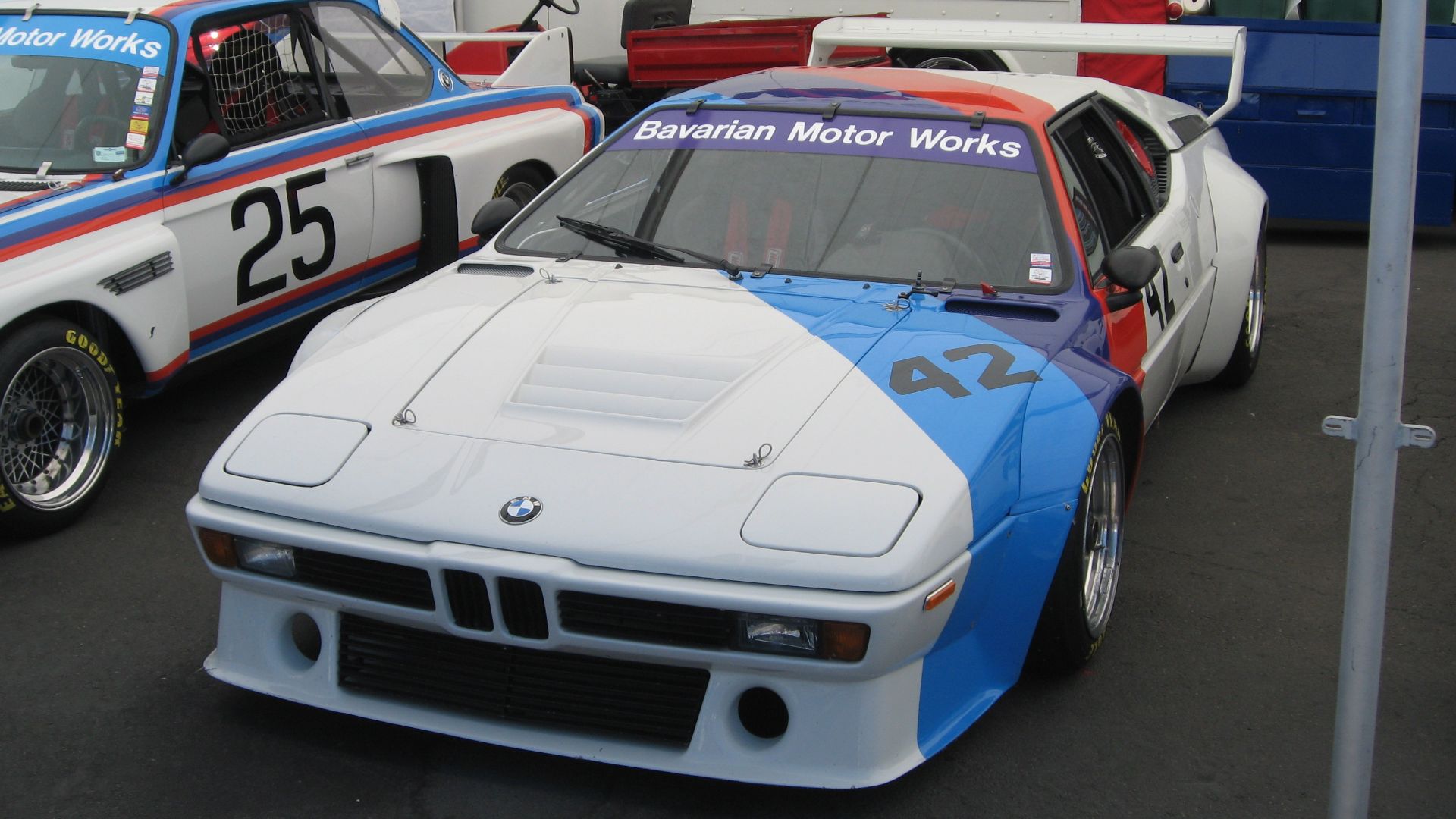
BMW M1 Procar
The BMW M1 is remembered by enthusiasts, but the Procar racing version deserves even more attention. Built specifically for a one-make championship featuring Formula One drivers, it showcased the M1's full potential. The series attracted stars such as Niki Lauda and Nelson Piquet. Its combination of rarity and motorsport pedigree makes it highly desirable today.
 Simon Davison from Los Gatos, United States, Wikimedia Commons
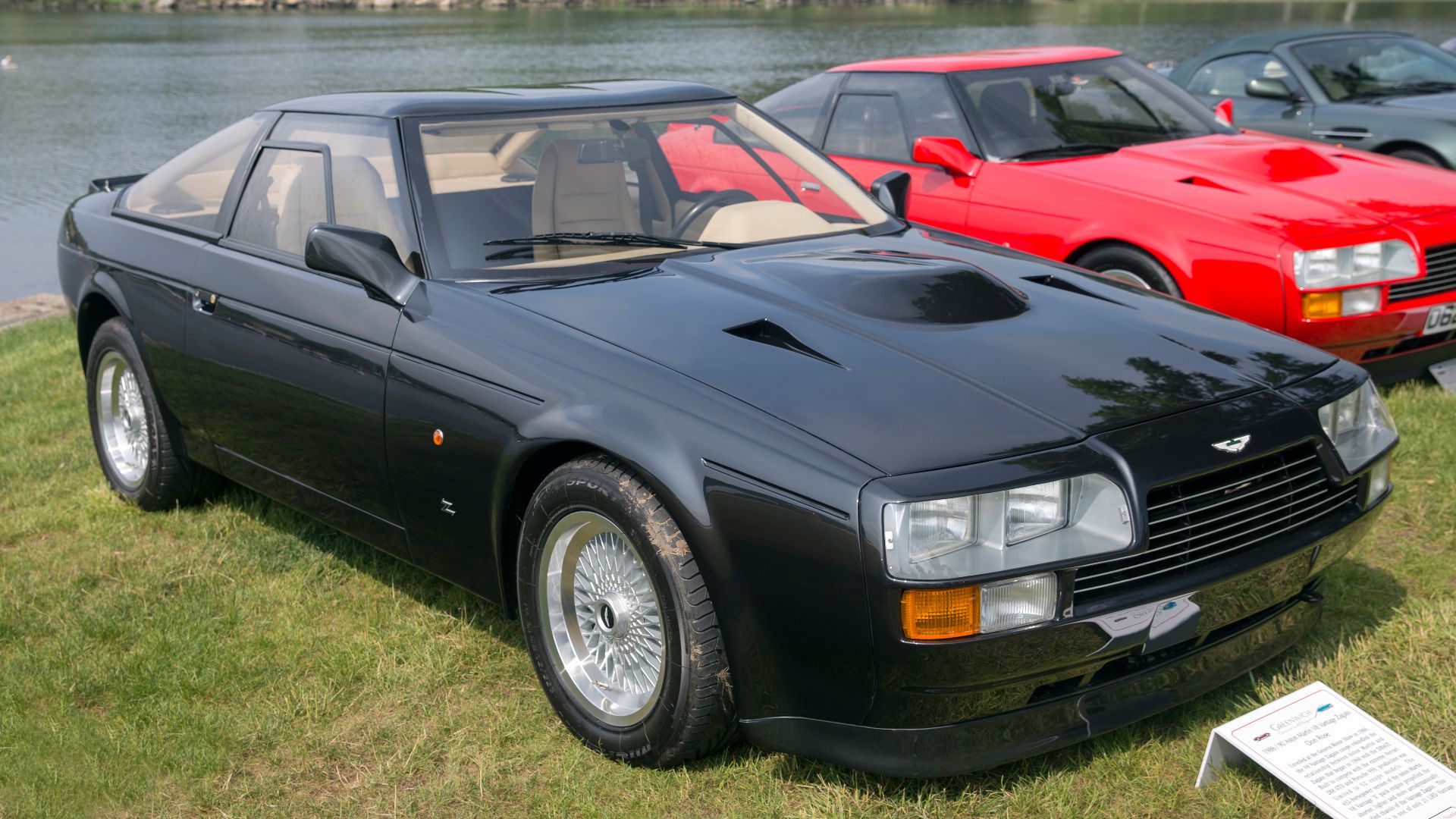
Aston Martin V8 Vantage Zagato
This limited-production collaboration paired Aston Martin engineering with Zagato design. The result was a distinctive grand touring supercar capable of exceeding 180 mph. Only 89 were produced, ensuring exclusivity from the start. Its blend of British performance and Italian flair continues to attract collectors.
 Mr.choppers, Wikimedia Commons
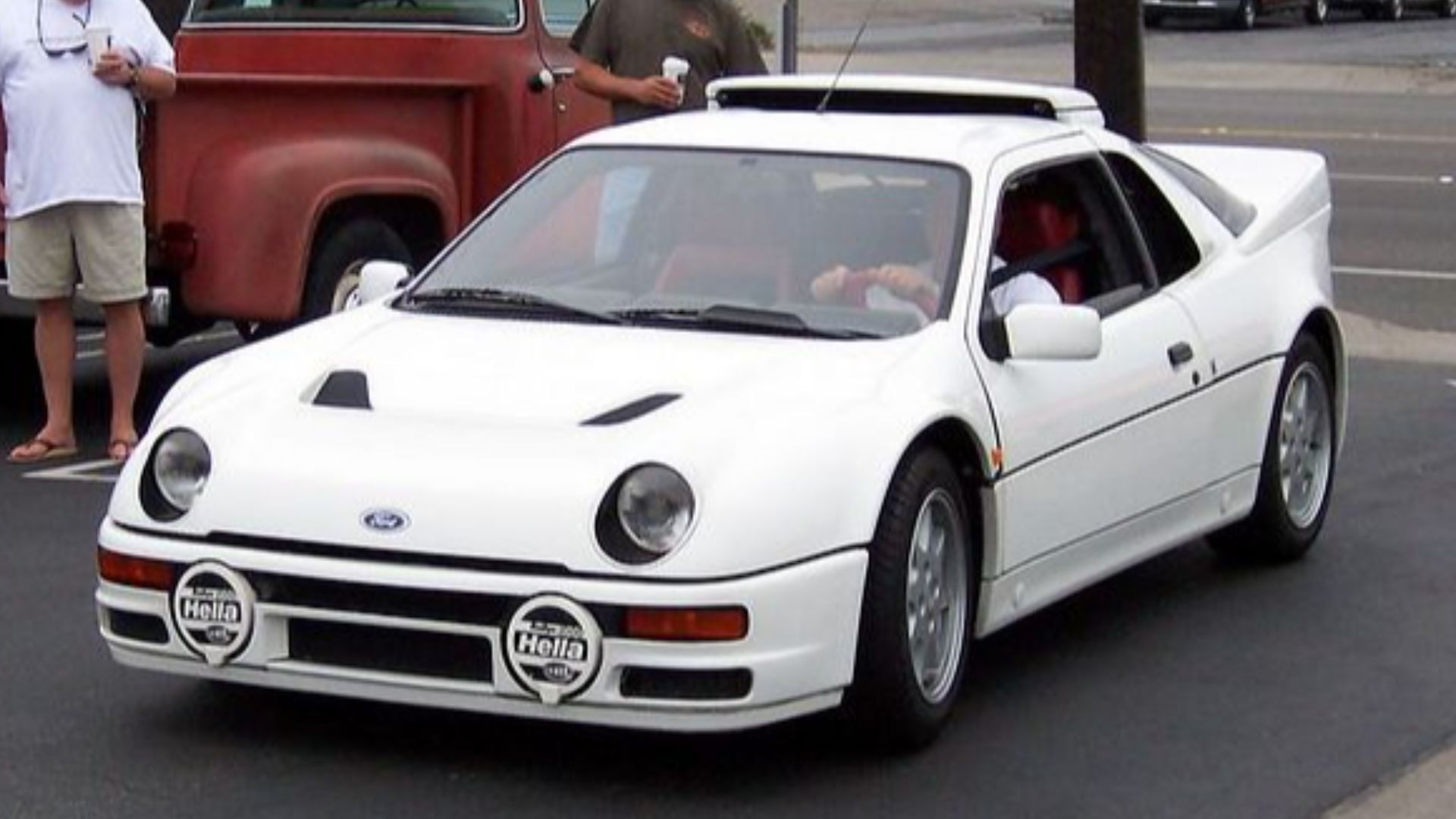
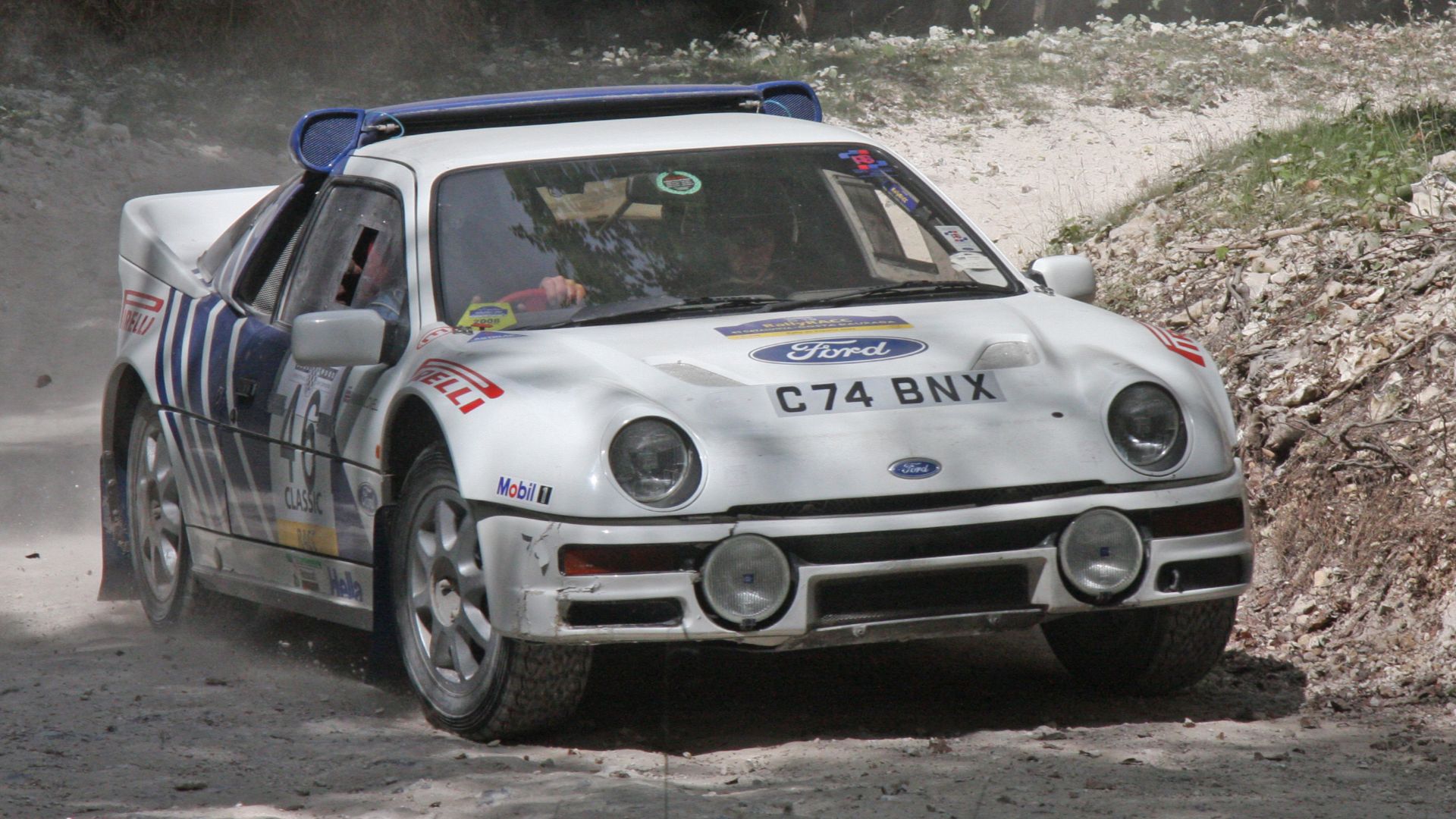
Ford RS200
Built for the legendary Group B rally category, the RS200 was engineered for extreme performance. Its mid-engine layout and sophisticated all-wheel-drive system made it highly competitive. When Group B was canceled following a series of tragic accidents, the car lost its primary purpose. The road-going versions remain highly sought after by enthusiasts.
 RadioActive~commonswiki, Wikimedia Commons
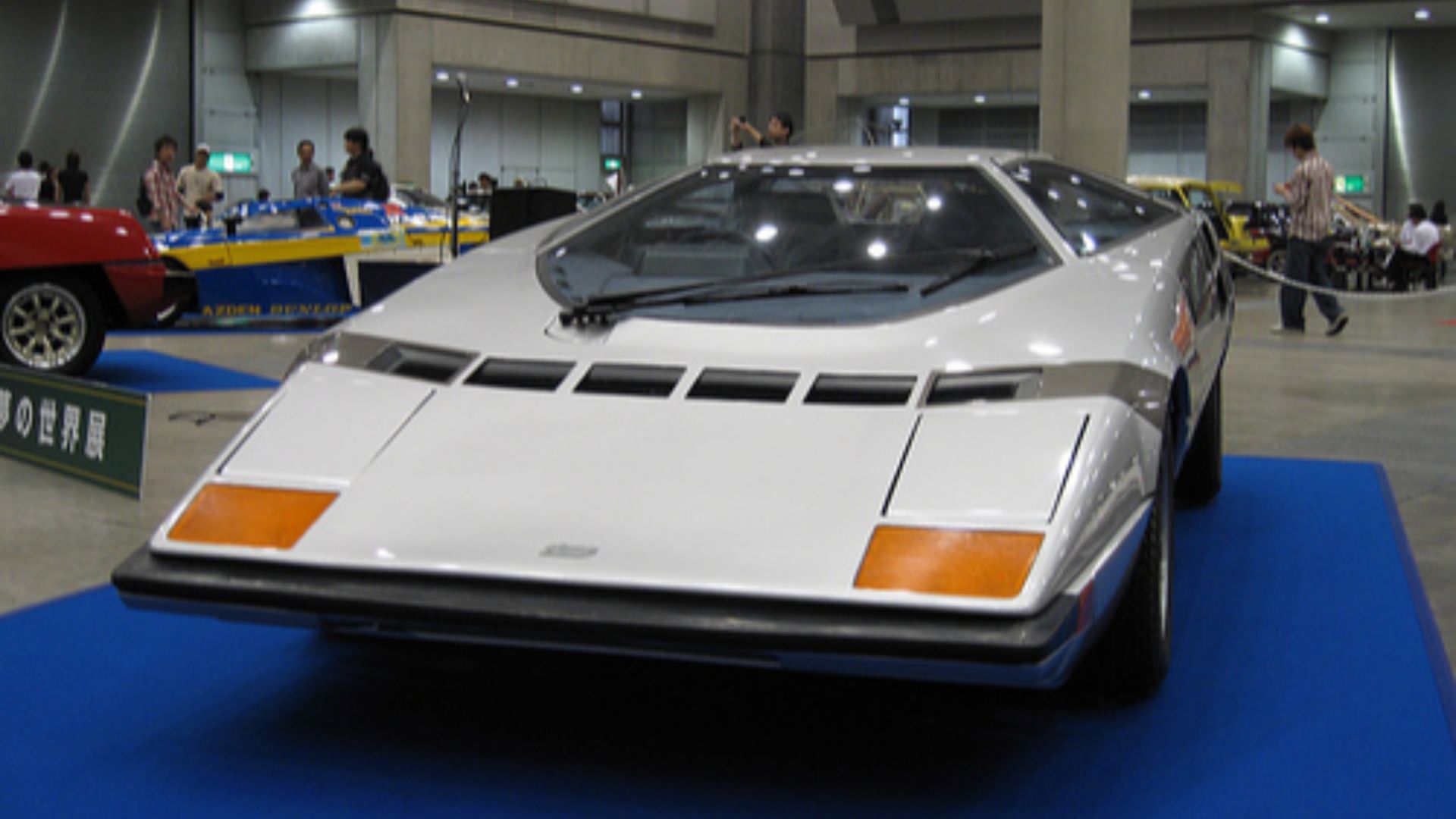
Dome Zero
The Dome Zero stunned audiences with its futuristic shape and ambitious goals. Designed by the Japanese engineering company Dome, it was intended to become Japan's first true supercar. Regulatory challenges prevented large-scale production, leaving only a few prototypes behind. Even decades later, it remains one of Japan's most intriguing automotive stories.
 yukogets (Flickr User), Wikimedia Commons
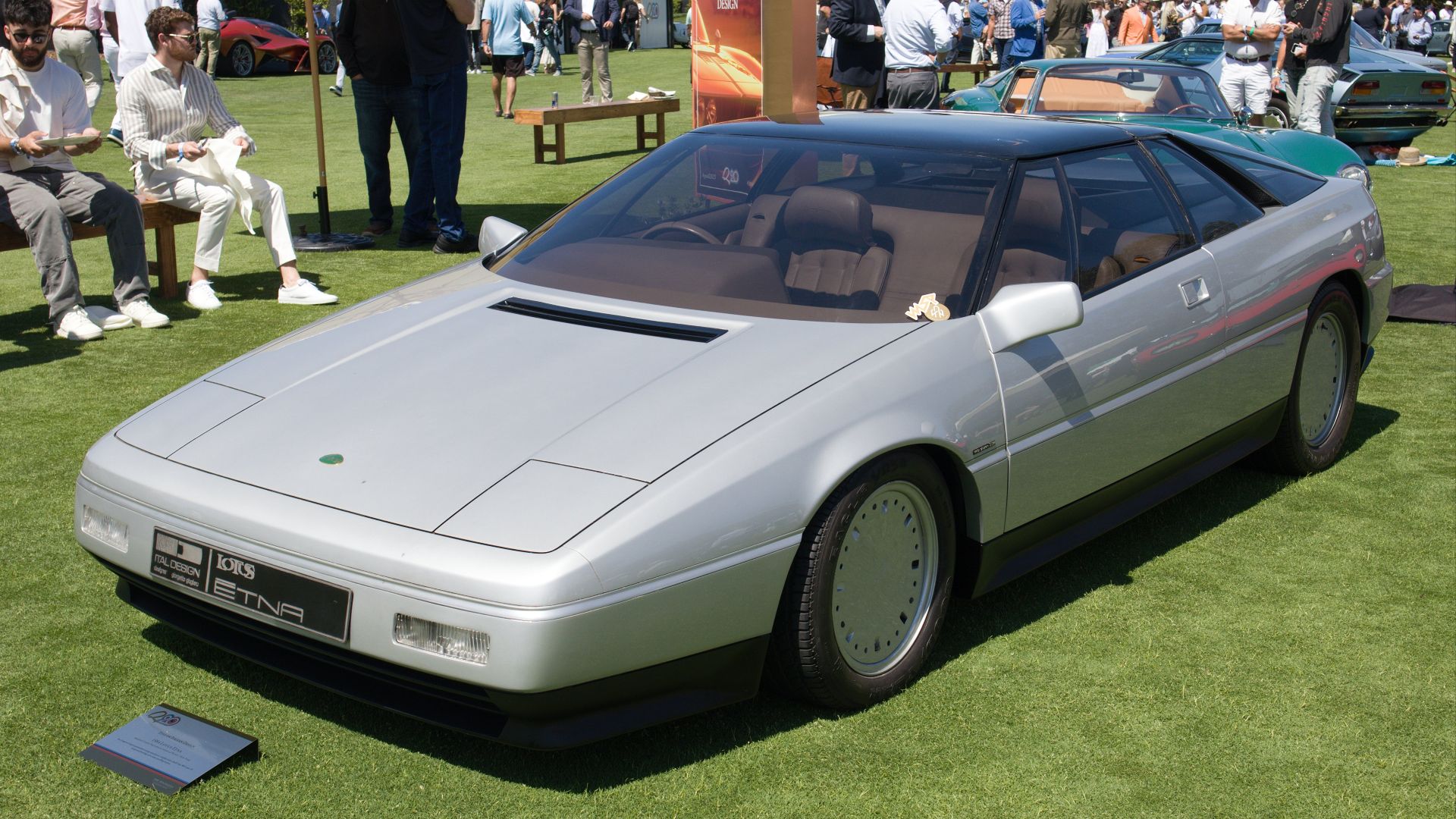
Lotus Etna
The Lotus Etna was designed to challenge the best European exotics. Styled by Giorgetto Giugiaro, it featured sharp lines and advanced engineering concepts. Lotus planned to equip it with a twin-turbocharged V8 engine. Unfortunately, financial challenges prevented the project from reaching production.
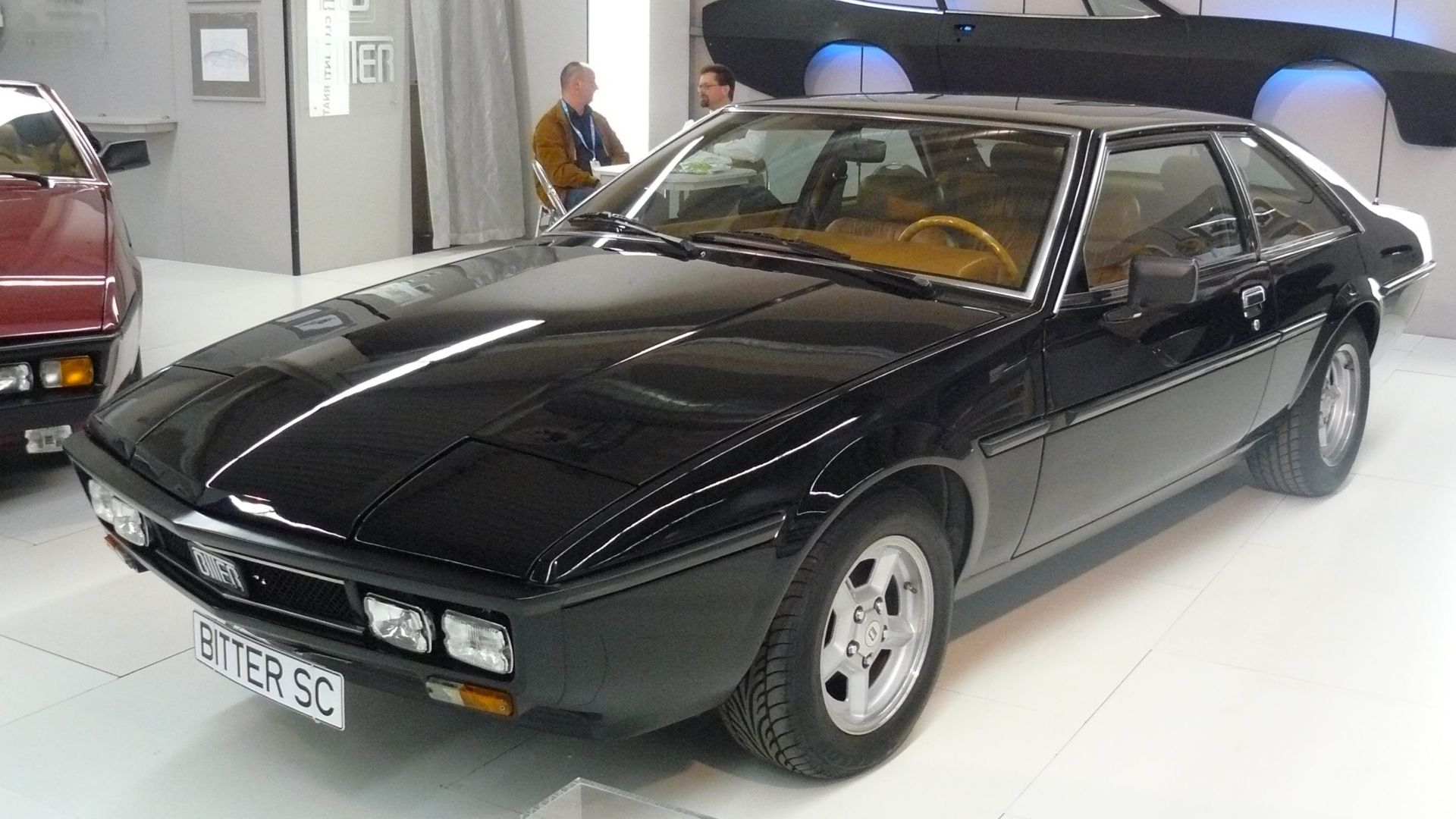
Bitter SC Coupe
The Bitter SC Coupe combined German engineering with elegant styling. Based on Opel mechanical components, it offered strong performance and refined grand touring capabilities. Although it gained a loyal following, it never achieved widespread recognition outside enthusiast circles. Today, it is a rarely seen reminder of independent automotive ambition.
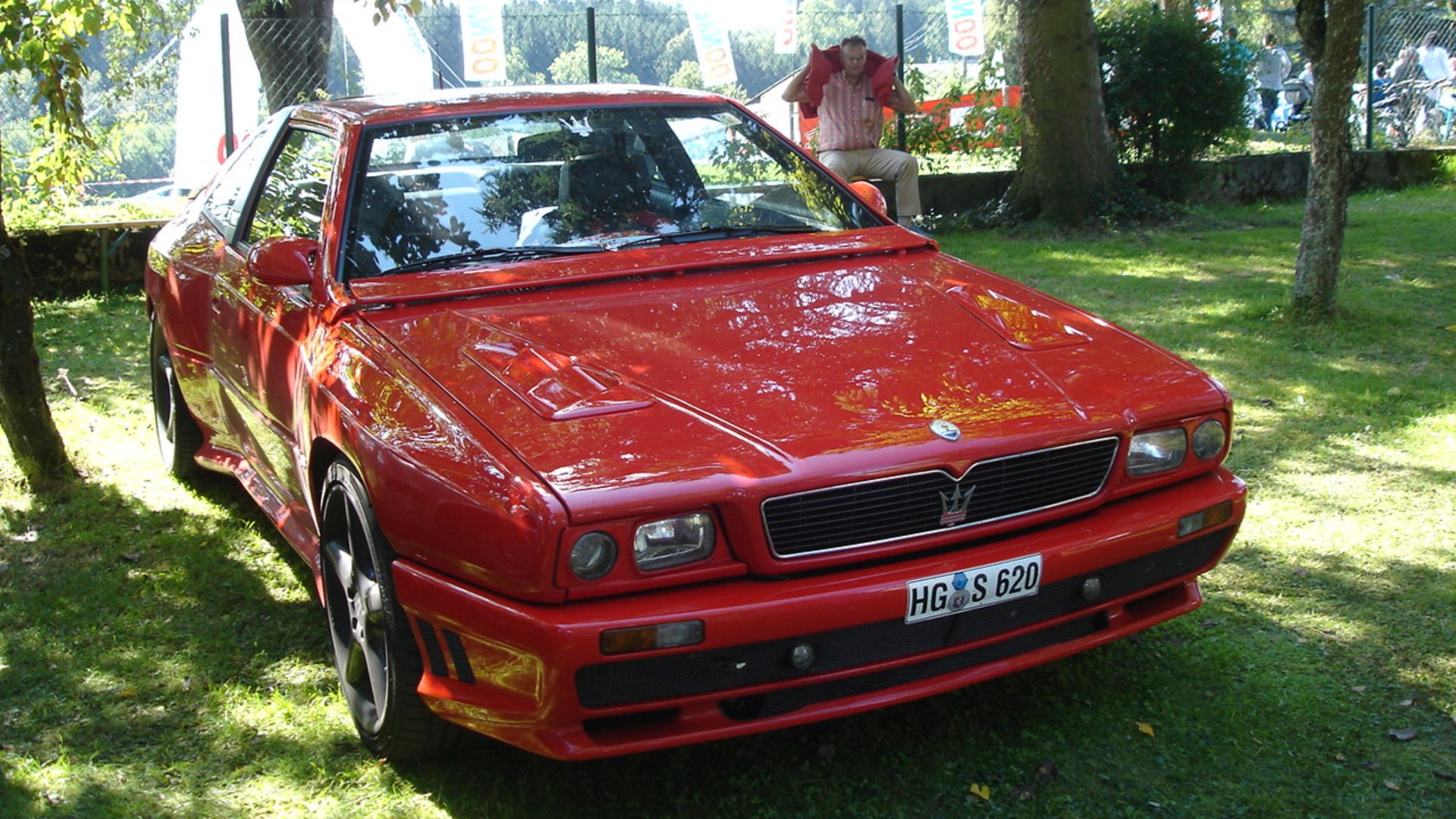
Maserati Shamal
The Maserati Shamal arrived near the end of the era with aggressive styling by Marcello Gandini and a powerful twin-turbocharged V8. Producing over 320 horsepower, it was among the fastest Maseratis of its time. Limited production numbers have made it increasingly collectible. It represented Maserati's effort to reclaim its place among elite performance brands.
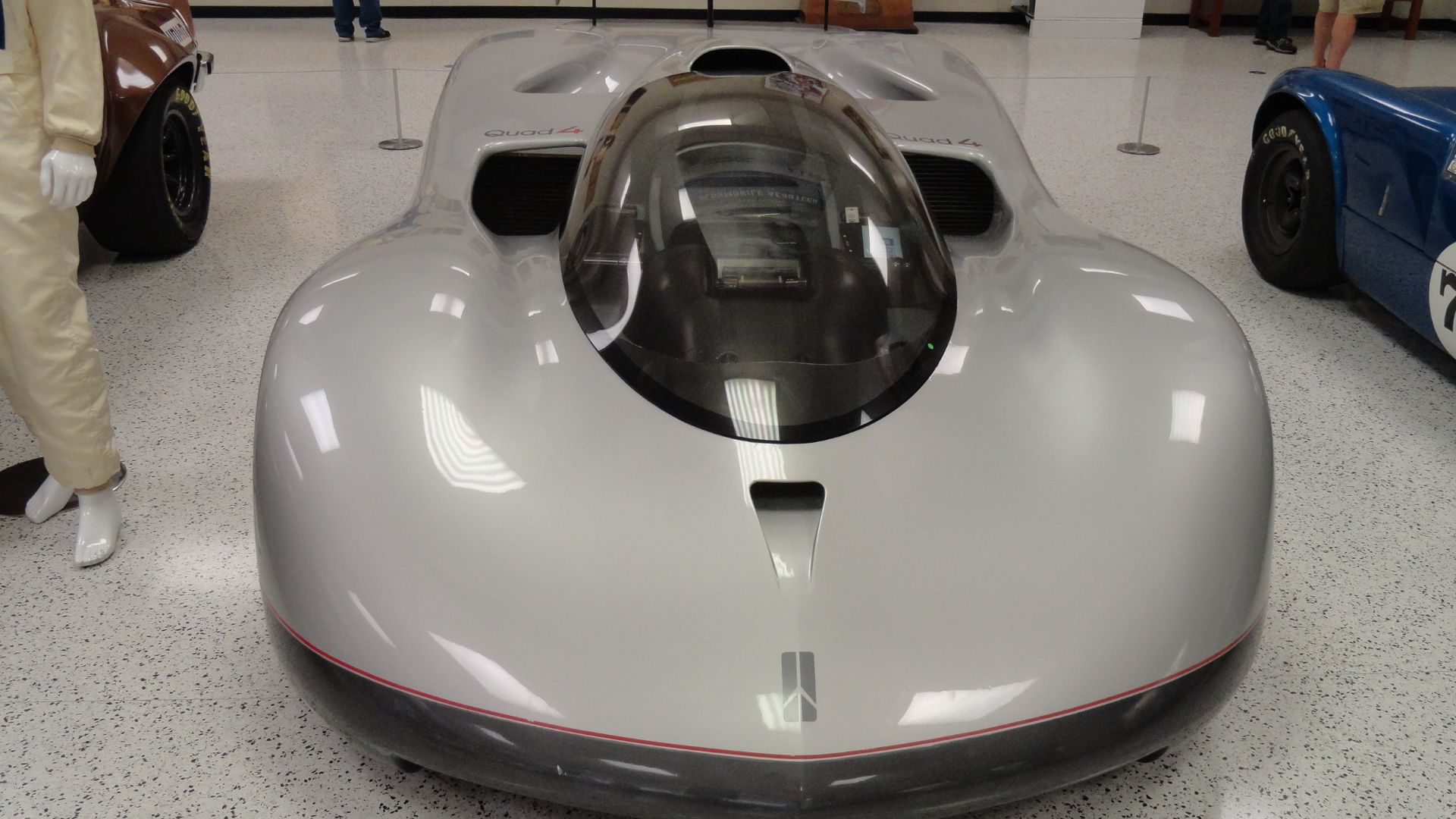
Oldsmobile Aerotech
Although technically a prototype, the Aerotech demonstrated just how far engineering could be pushed. Developed with racing legend A.J. Foyt, it was designed to break speed records using advanced aerodynamics. Several versions exceeded 250 mph during testing. Its accomplishments are largely forgotten outside dedicated enthusiast communities.
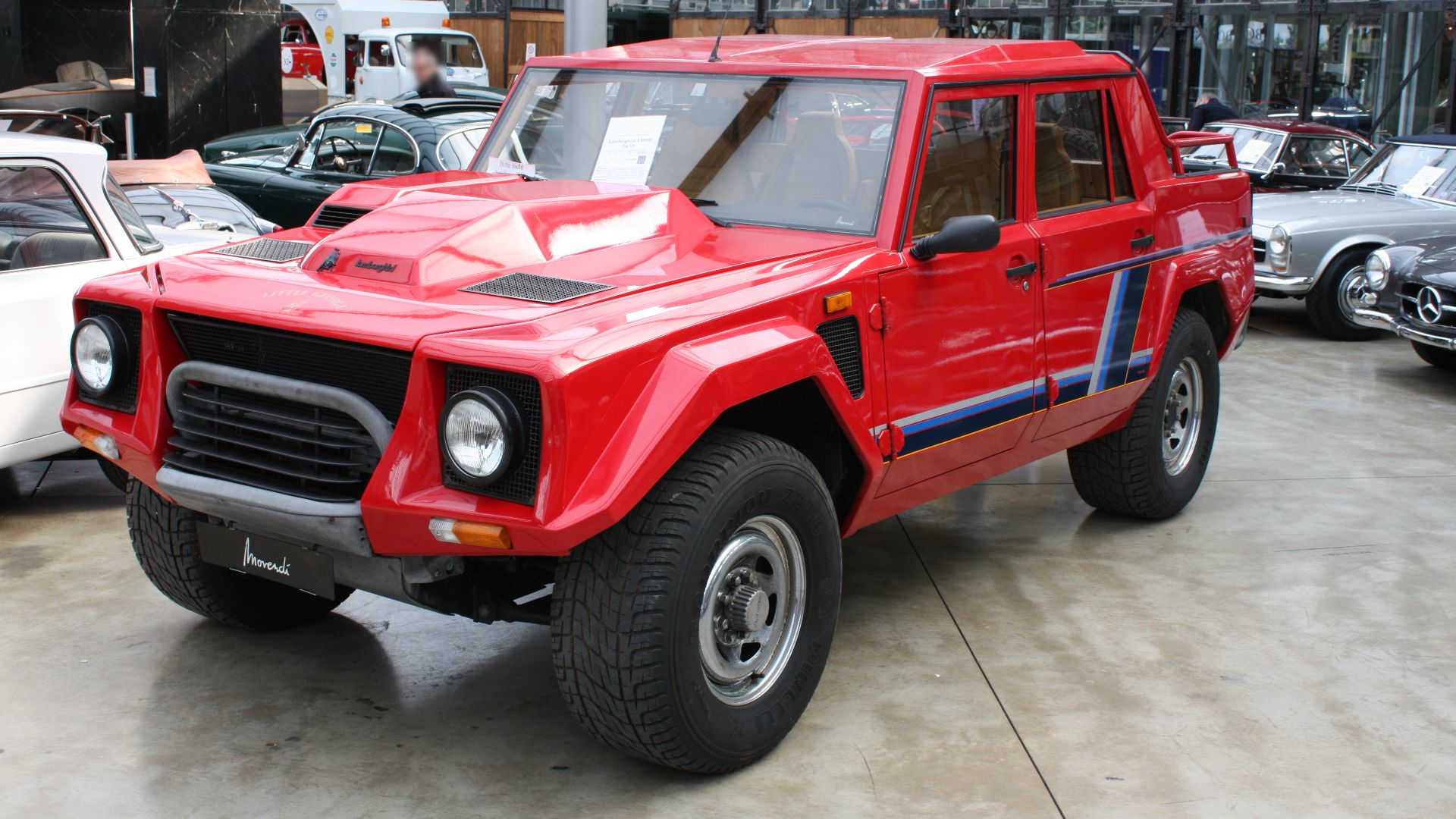
Lamborghini LM002
Long before performance SUVs became common, Lamborghini created the LM002. Powered by a Countach-derived 5.2-liter V12 engine, it blended supercar power with off-road capability. The massive truck earned the nickname "Rambo Lambo." Its unusual character has made it a cult classic among collectors.
 Detectandpreserve, Wikimedia Commons
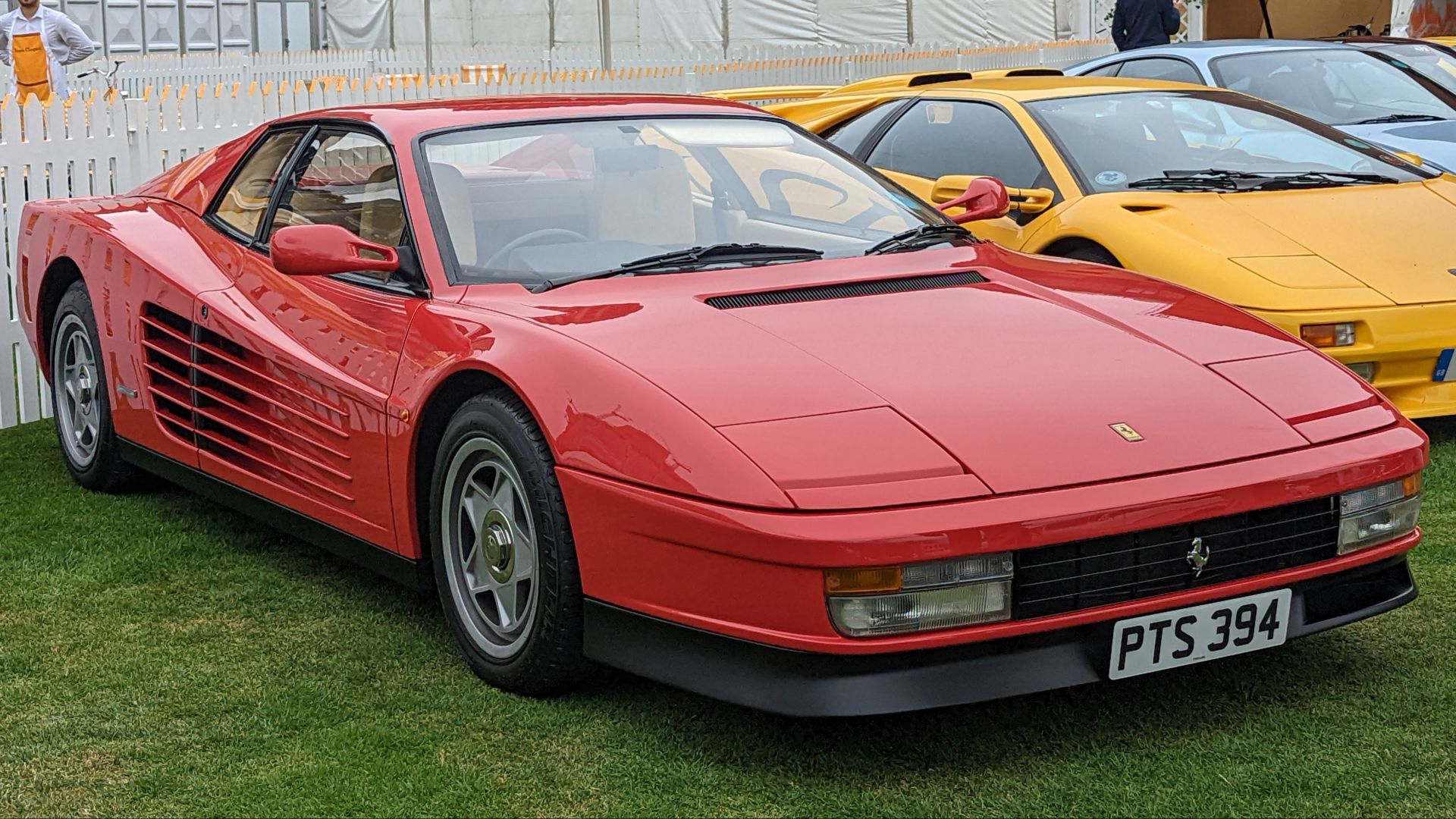
Ferrari Testarossa
The Testarossa was hardly obscure in its day, but it often receives less respect than the F40 or 288 GTO. Its signature side strakes and flat-12 engine made it one of the defining cars of the decade. The car combined dramatic styling with impressive high-speed stability. Beneath the celebrity status was a genuinely impressive supercar.
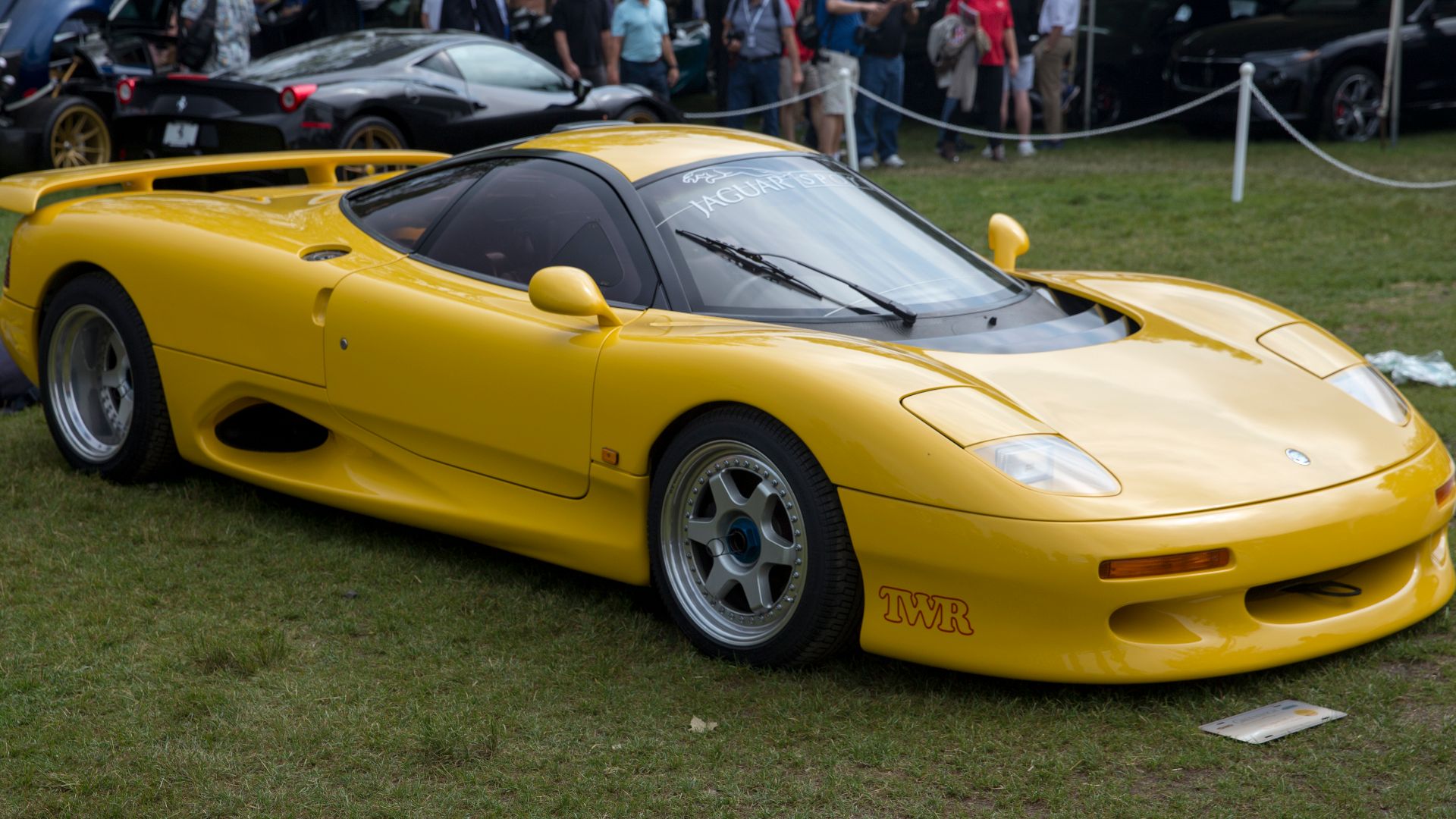
Jaguar XJR-15
Developed from Jaguar's successful endurance racing program, the XJR-15 blurred the line between race car and road car. It featured a carbon-fiber and Kevlar structure, which was highly advanced for its time. Its naturally aspirated V12 produced over 440 horsepower. The later XJ220 overshadowed it, but its engineering achievements remain remarkable.
 Mr.choppers, Wikimedia Commons
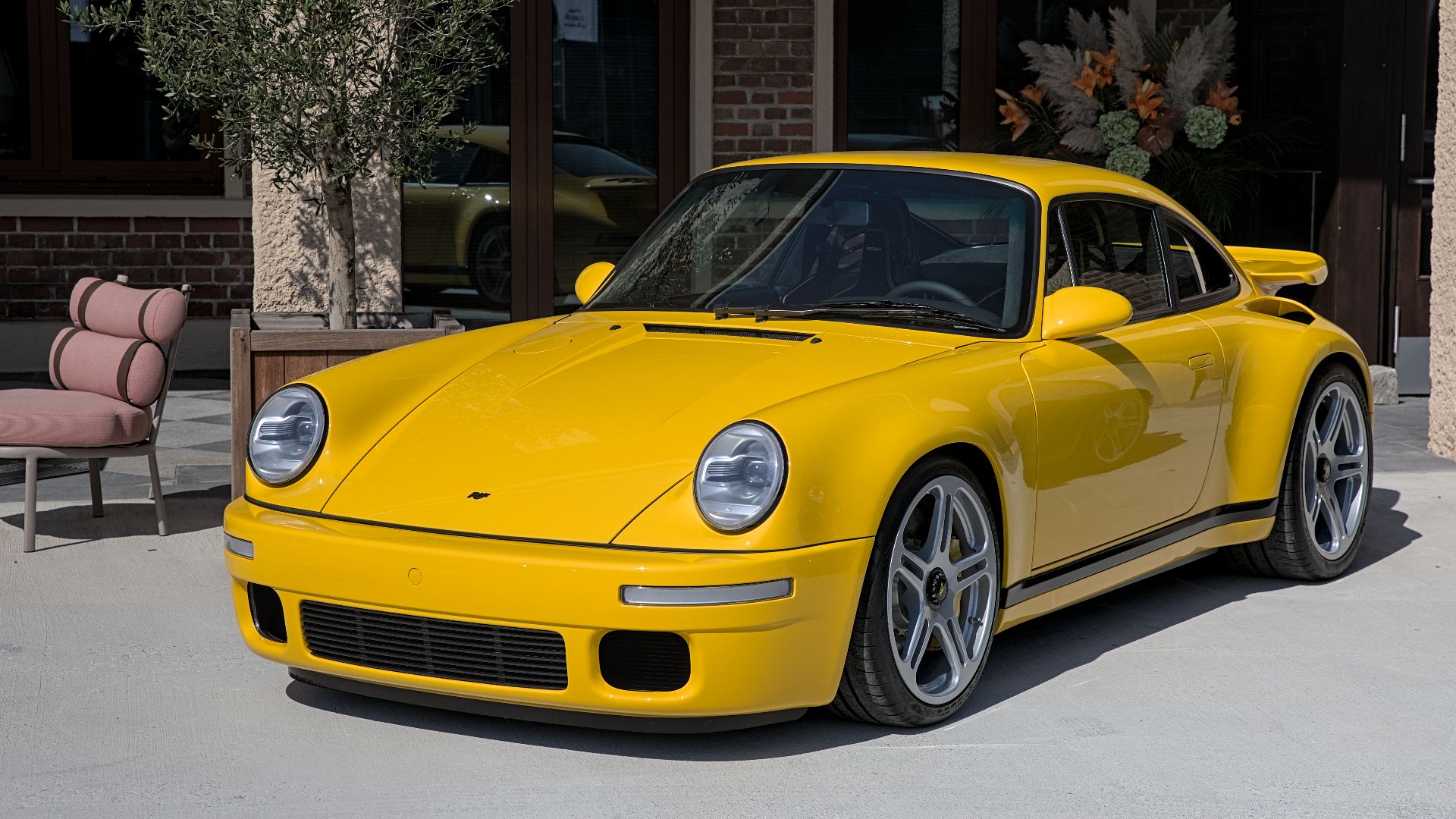
RUF CTR Yellowbird
The RUF CTR began life as a Porsche but emerged as something much more extreme. Nicknamed the Yellowbird, it became famous for achieving a top speed of 211 mph. A legendary test video showcased its astonishing speed and demanding handling characteristics. Despite its reputation among enthusiasts, many casual fans still overlook it.
 Alexander Migl, Wikimedia Commons
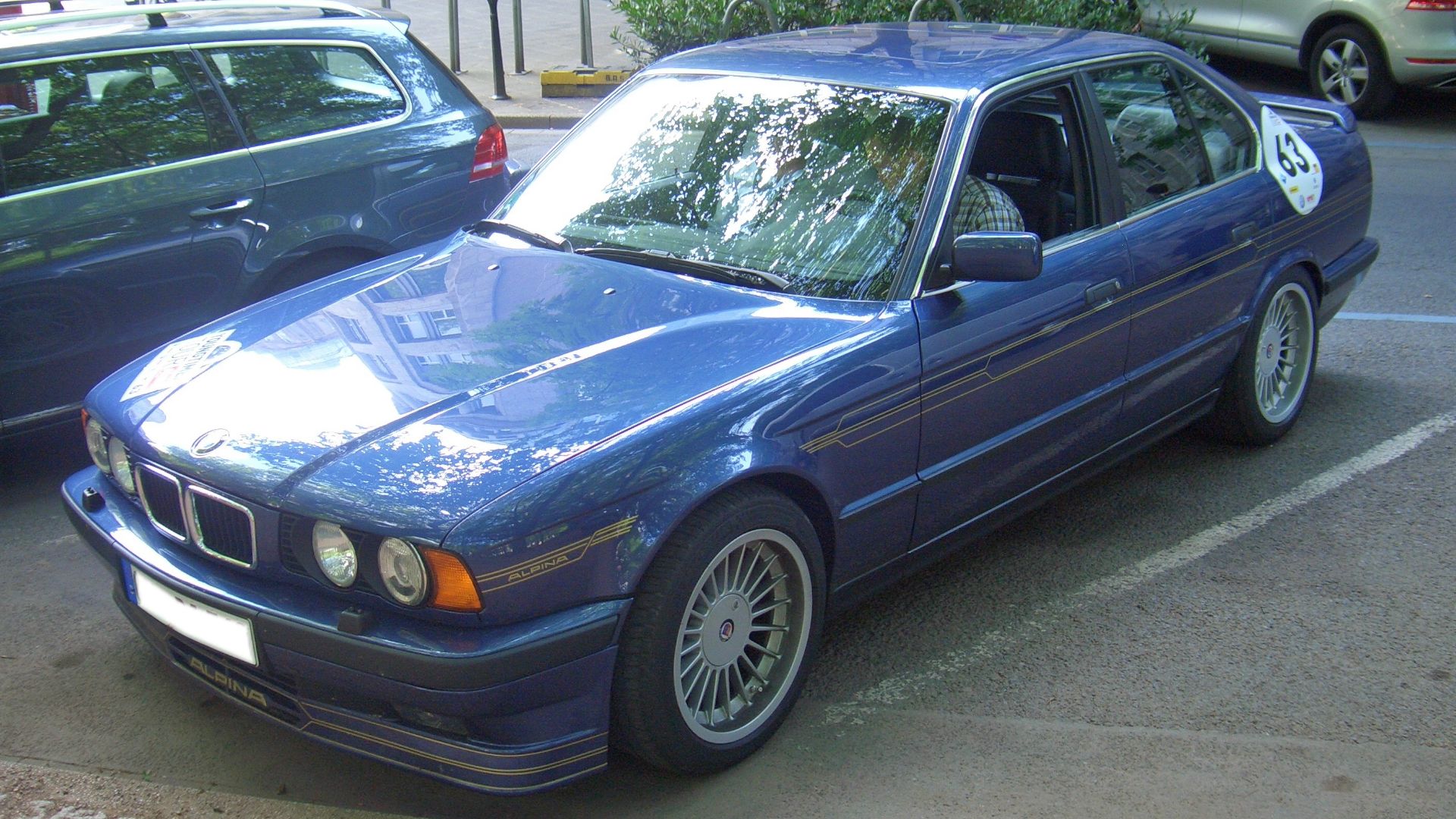
Alpina B10 Biturbo
The Alpina B10 Biturbo was technically a sedan, yet its performance rivaled many dedicated supercars. Powered by a twin-turbocharged inline-six engine, it could reach nearly 180 mph. At launch, it was one of the fastest production sedans in the world. Its understated appearance only added to the appeal.
 Detectandpreserve, Wikimedia Commons
The Rise Of Boutique Manufacturers
The 1980s encouraged small companies to dream big. Brands like Isdera, Vector, and Cizeta challenged established manufacturers with ambitious projects. Most struggled financially due to the enormous costs of producing exotic cars. Even so, they left behind unforgettable machines that continue to fascinate collectors.
 Craig Howell from San Carlos, CA, USA, Wikimedia Commons
Technology Began To Take Over
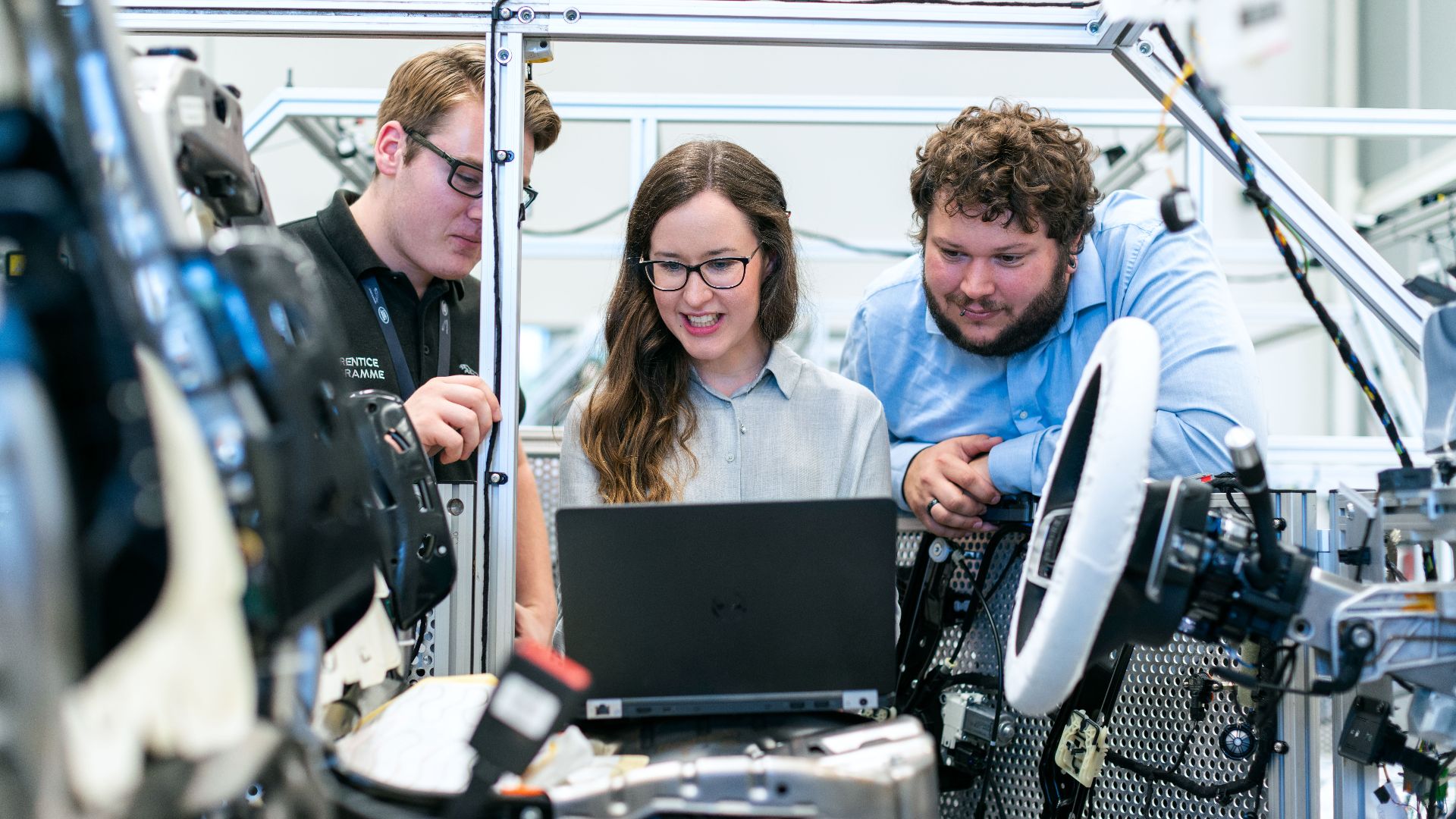
The decade marked a turning point where electronics and advanced materials became increasingly important. Cars such as the Porsche 959 introduced technologies that would eventually become commonplace. All-wheel drive, electronic suspension systems, and sophisticated engine management became more prevalent. Supercars were evolving from raw machines into rolling laboratories.
Racing Rules Shaped Road Cars
Many forgotten supercars existed because manufacturers wanted to compete in motorsport. Homologation requirements inspired cars like the Ferrari 288 GTO and Ford RS200. When racing regulations changed, some projects lost their purpose almost overnight. The result was a collection of fascinating road cars that outlived their intended competitions.
 Brian Snelson from Hockley, Essex, England, Wikimedia Commons
Limited Production Created Legends
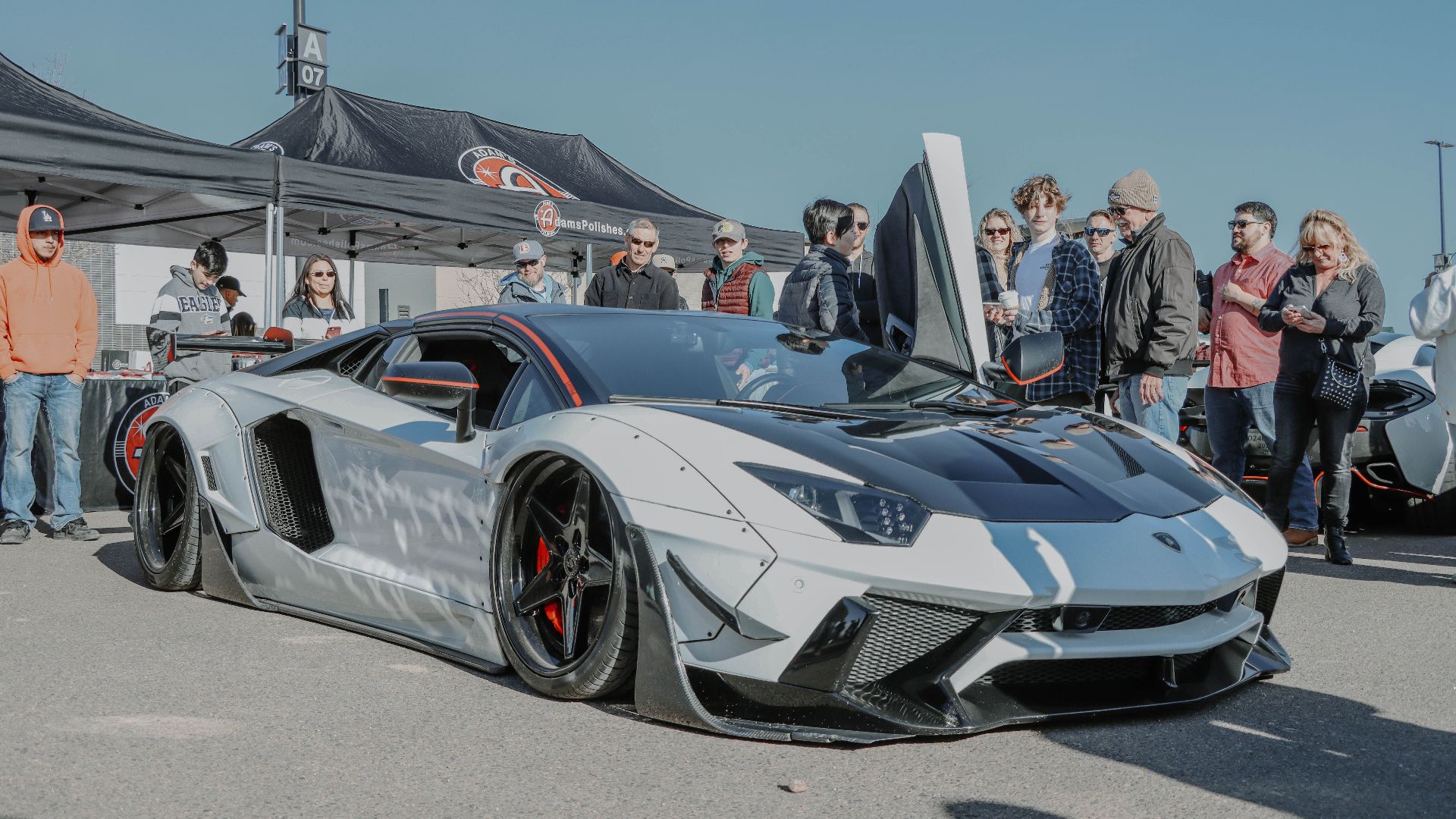
Several of these vehicles were produced in incredibly small numbers. Some never advanced beyond prototype status, while others were built by hand for a select group of wealthy buyers. Their scarcity has only increased their appeal over time. Today, finding one at a car show is often a rare event.
Collectors Are Rediscovering Them
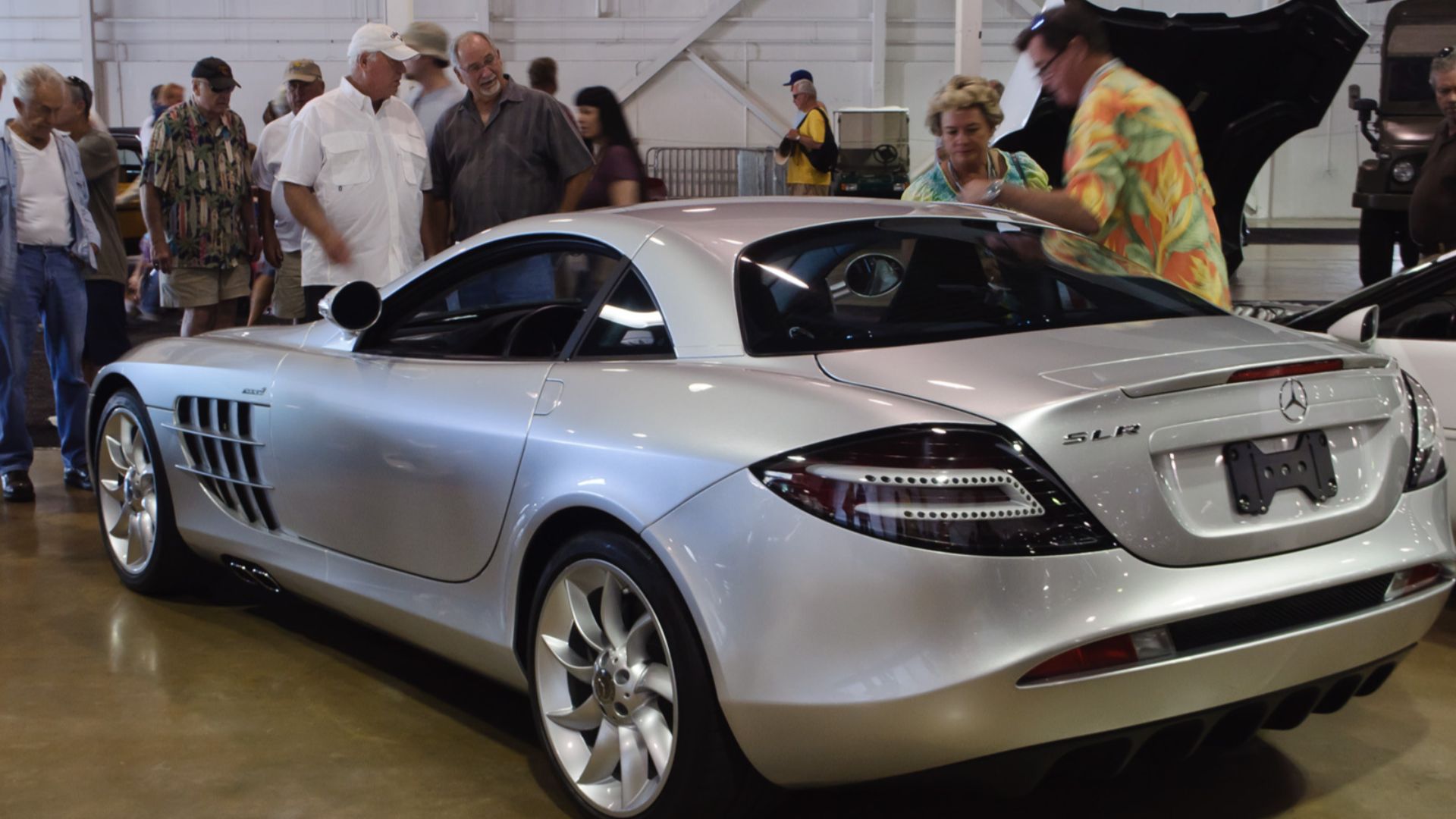
As values for famous supercars continue to rise, collectors have begun paying more attention to overlooked alternatives. Cars once considered automotive footnotes are now prized pieces of history. Their rarity and unique stories make them increasingly desirable. Auction results show growing interest in many of these forgotten machines.
 InSapphoWeTrust from Los Angeles, California, USA, Wikimedia Commons
Why These Cars Still Matter
Forgotten supercars reveal the creativity and risk-taking that defined the 1980s. Manufacturers were willing to experiment with new technologies, unusual engines, and radical designs. Even when sales failed to follow, the innovation left a lasting impact on the automotive world. Many modern performance cars owe a debt to these pioneers.
The Lost Heroes Of The Supercar Era
Not every great supercar becomes a household name. Some arrive too early, some are built in tiny numbers, and others are overshadowed by bigger legends. These forgotten machines prove that the 1980s were far richer and more diverse than the history books usually suggest. Their stories remain an important part of automotive history.
You May Also Like:
Supercars That Are So Loud, We Still Can’t Believe They’re Street-Legal
The Supercar Nobody Knew Was A BMW
The Ultra-Rare Manual Transmission Supercars That Changed The Game
Sources: 1, 2, 3, 4, 5, 6, 7, 8, 9, 10, 11, 12, 13, 14, 15, 16, 17, 18, 19, 20