The Classic Car Pitch Gets Serious Fast
It's a romantic idea, you have to admit. Your teenage son finds his dream car: a classic with chrome, character, and a story. But you immediately notice one thing: No airbags. Any parent should be concerned with safety, but before you decide whether to forbid it, it helps to strip away the nostalgia and look at the safety facts.

This Is Bigger Than Personal Taste
An adult can choose to take on more risk for style, rarity, or sentimental value. A teenager is different. Inexperience already makes teen drivers more likely to crash, and taking away modern safety features only makes that risk worse. That's why this decision is not really about taste. It's about avoidable danger.

Teen Drivers Start Out At A Disadvantage
The Insurance Institute for Highway Safety says teenagers have the highest crash rate of any age group. The reason is not just vague “immaturity.” It shows up in real patterns involving inexperience, speeding, night driving, distraction, and inconsistent seat belt use.

The Numbers Are Hard To Ignore
The Centers for Disease Control and Prevention reports that in 2022 about 2,883 U.S. teens ages 13 to 19 were killed and roughly 227,000 were injured in motor vehicle crashes. That comes out to about eight teen deaths every day. Those are the numbers that should shape a family decision about a first car.

Airbags Became Standard For A Reason
Airbags did not become common because they looked good on a brochure. They became standard because they save lives in the kinds of crashes people have every day. The National Highway Traffic Safety Administration estimates frontal airbags saved more than 50,000 lives from 1987 to 2017. Side airbags have saved thousands more.
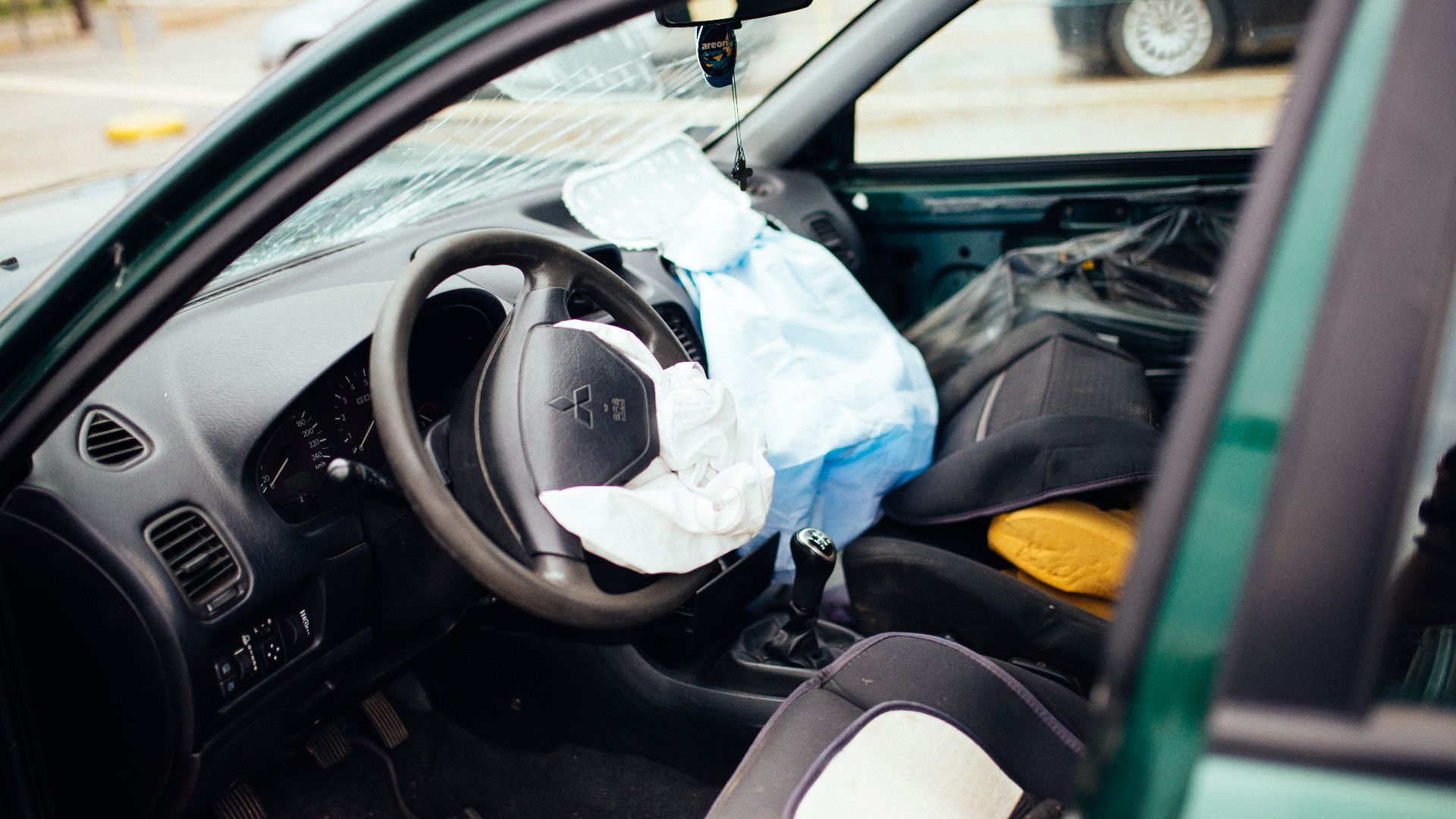 Shixart1985, Wikimedia Commons
Seat Belts Help, But They Do Not Replace Airbags
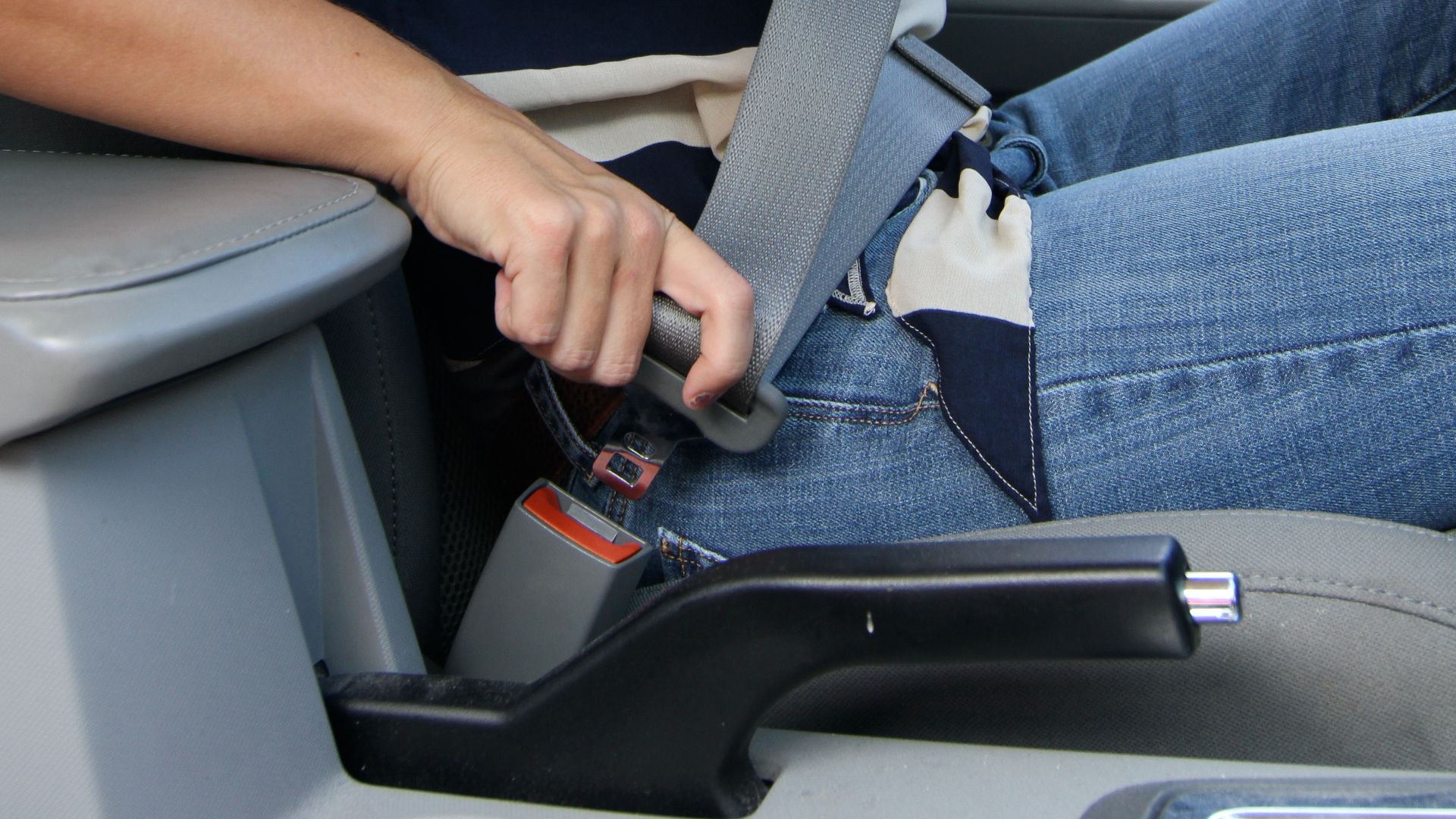
Your son may say he will always wear a seat belt, and that matters. But it is not the whole picture. NHTSA says frontal airbags reduce driver fatalities in frontal crashes by 29 percent and reduce front-seat passenger fatalities age 13 and older by 32 percent when used with seat belts. Airbags are not a gimmick. They are backup for the moments when a crash gets violent fast.
Not Every “Classic” Is Really A Classic
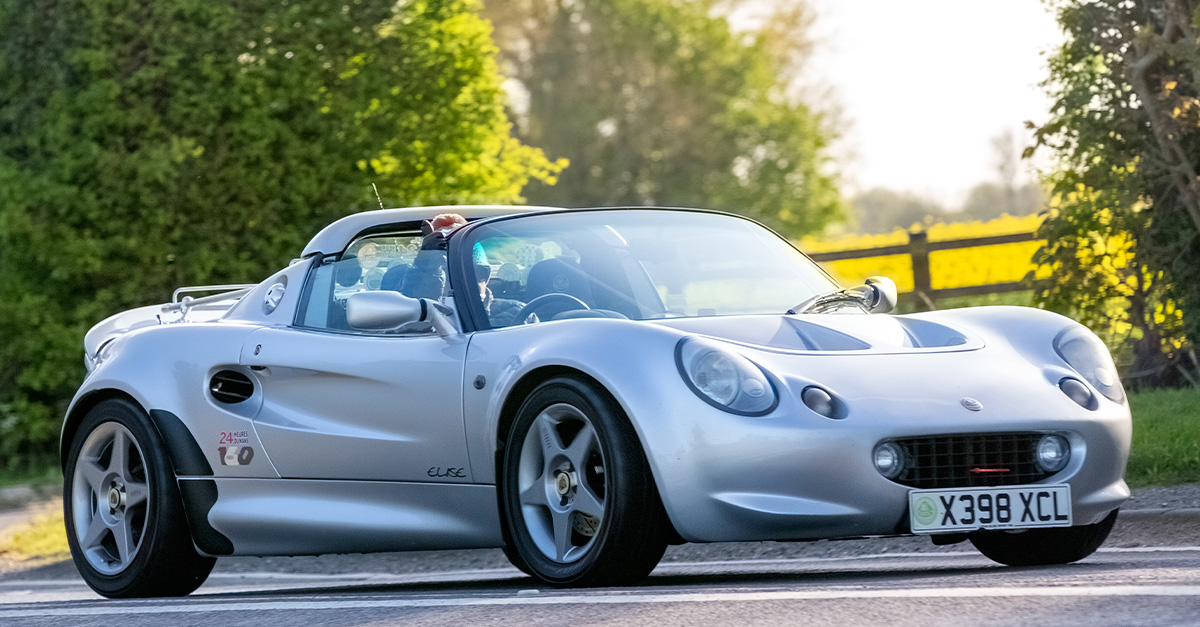
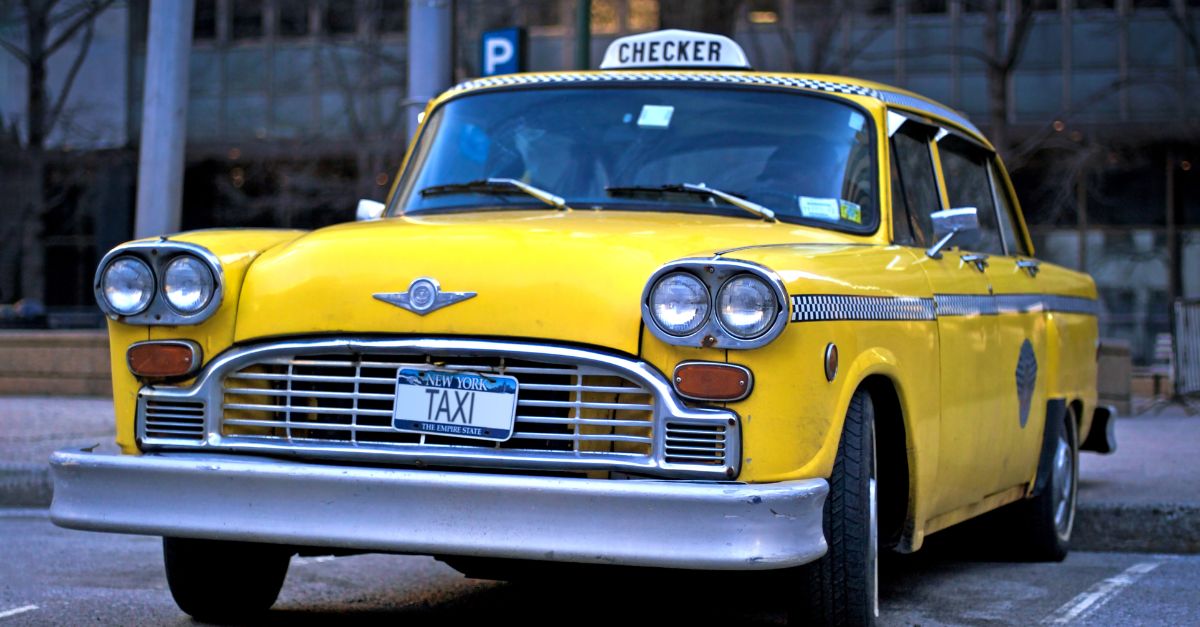
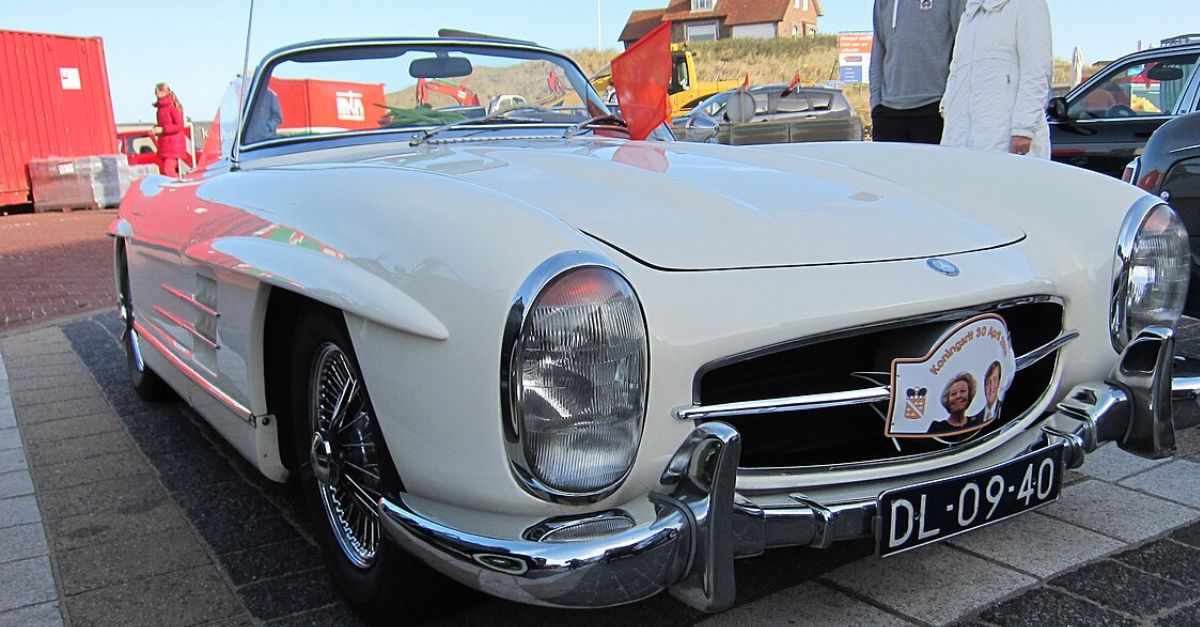
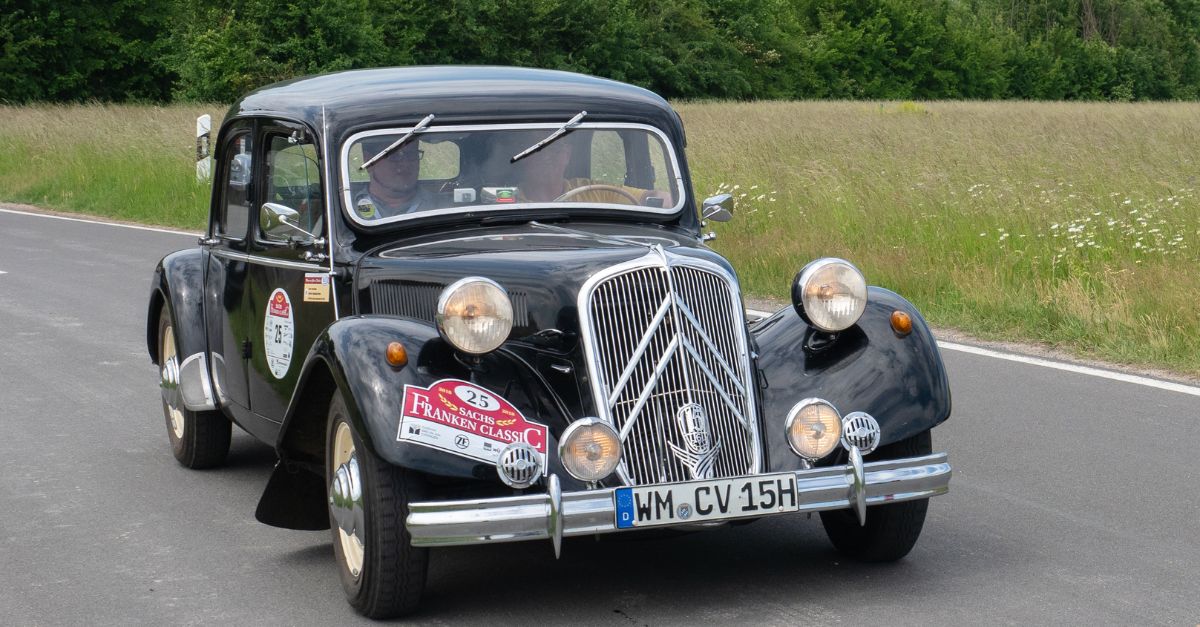
A true collector car may have charm, but a lot of teen “classics” are really just old used cars with outdated protection. Vehicles from the 1980s and early 1990s often came before modern airbags, side-impact protection, electronic stability control, and stronger crash structures. The style may still hold up. The safety does not.

Safety Rules Changed The Baseline
Airbag requirements did not arrive all at once, but the federal standard changed a long time ago. NHTSA notes that by model year 1998, all new passenger cars had to include dual front airbags, and by model year 1999 the same rule applied to light trucks. If the car your son wants is older than that, it likely misses a safety feature Americans have treated as basic for more than 25 years.

Crash Protection Improved In A Lot Of Ways
Parents often focus on airbags because they are easy to spot on a feature list. The bigger issue is that newer vehicles are built to manage crash forces much better than older ones. Stronger passenger compartments, better restraints, pretensioners, and improved side-impact protection all matter when things go wrong.

IIHS Has Been Clear About This
The IIHS has long advised families to avoid older, smaller vehicles for teens and to focus on the safest affordable choices. Its guidance points families toward vehicles with strong crash test ratings, electronic stability control, and as much protection as the budget allows. A cool old car usually falls short before it even leaves the driveway.

Older “Tank” Cars Are Not Automatically Safer
A lot of people still believe any big old car is safer than a smaller newer one because “they built them like tanks.” But IIHS research has repeatedly shown that age and safety design matter, not just size or weight. A large old car without airbags and modern crash engineering can be a much worse bet than a newer vehicle with strong crash ratings.
 f.t.Photographer, Shutterstock
Paying For The Car Does Not Cancel The Risk
Your son may argue that if he is paying, the choice should be his. But paying for a car does not make the danger disappear. If he lives in your house, uses your insurance, or depends on your judgment for a major safety decision, you are still part of it. Setting a minimum safety standard is not overreacting. It is parenting.

Insurance Does Not Ignore Reality
Even if a teen buys an older car with cash, the insurance and repair issues remain. Older vehicles may be missing expensive safety gear, but teen-driver premiums can still be high because insurers price in crash risk, injury risk, and claims history. The “cheap classic” can get expensive in a hurry.

The Looks Can Hide A Bad Trade
The appeal of an older car is easy to understand. Thin pillars, simple gauges, old-school controls, and styling that stands out from modern crossovers all make older cars feel special. But that charm often comes with an older level of injury risk too.
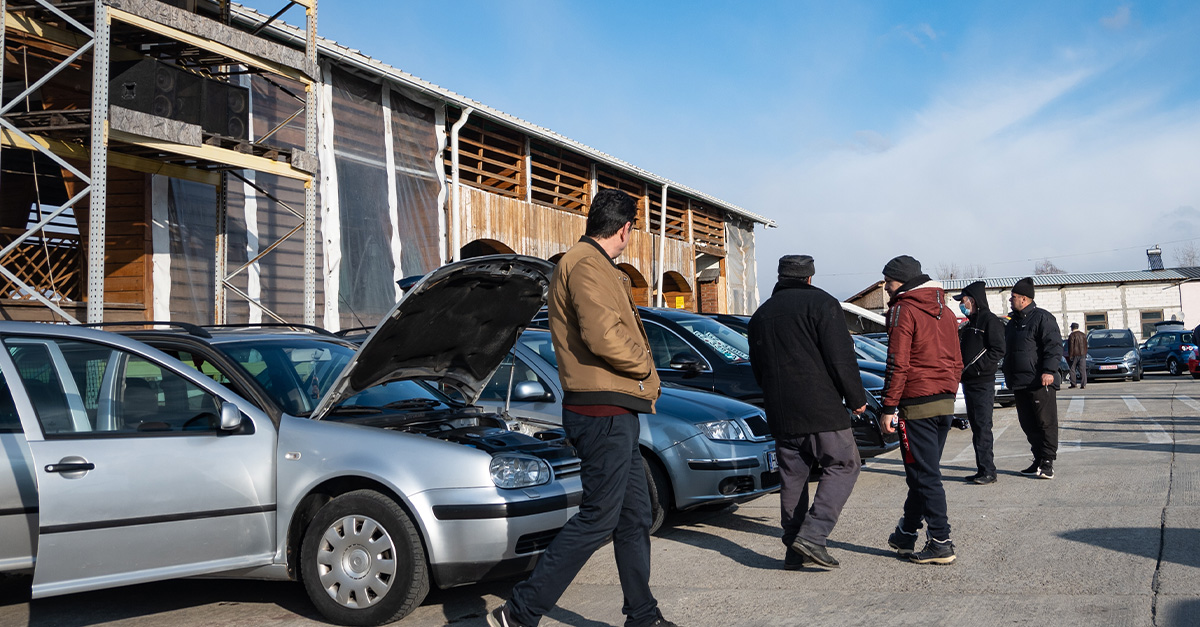 Bodgan Vacarcuic, Shutterstock
Reliability Matters Too
A first car needs to start in bad weather, sit in traffic without trouble, and survive rushed mornings before school or work. Older classics often need more maintenance, more patience, and more money than teens expect. Reliability is a safety issue when breakdowns happen at night, on highways, or in bad weather.

Emergency Handling Has Come A Long Way
Many older cars also lack electronic stability control, which helps drivers stay in control during skids and sudden moves. IIHS and NHTSA have both pointed to ESC as a major safety advance. For teens, who are still building judgment and reflexes, that extra margin can make a real difference.

Think About The Crashes That Actually Happen
You do not need to picture some massive movie-style wreck to justify concern. Common teen crashes involve intersections, left turns, rear-end collisions, wet roads, nighttime mistakes, and simple loss of control. Modern safety systems were built because ordinary mistakes can turn serious in seconds.

Side Impacts Are Another Weak Spot In Older Cars
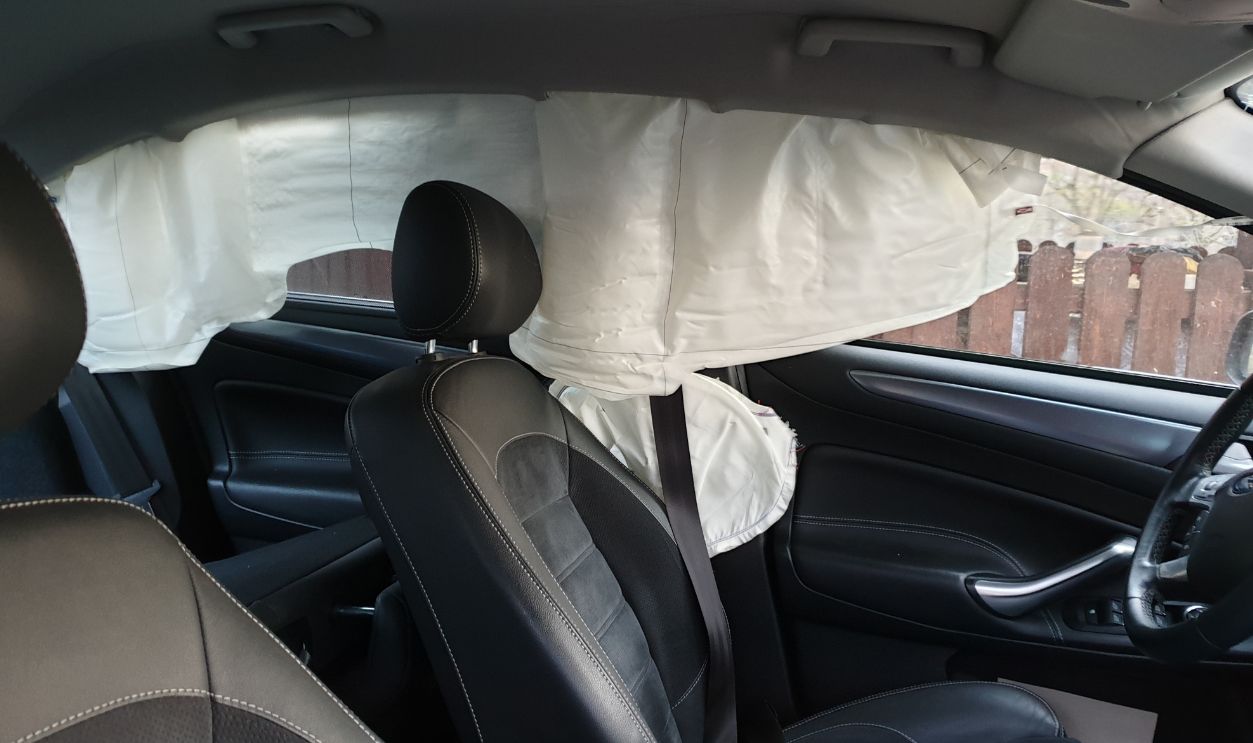
Front airbags are only one piece of the puzzle. Side airbags and stronger side structures became common later, and side crashes are especially dangerous because there is less space between the person and the vehicle hitting them. That is another reason an old coupe with vintage charm can be a bad match for a new driver.
You Do Not Have To Kill The Dream
You do not have to mock his taste or act like old cars are pointless. A better move is to separate the dream from the daily driver. A teen’s everyday car should be as safe and reliable as the budget allows. A real classic can be a future project, a weekend car, or a shared hobby once experience and money catch up.

Set The Rules Before Shopping Starts
If you are open to letting your teen shop for a car, set the floor first. Require airbags, solid crash ratings, electronic stability control, a clean title, and a pre-purchase inspection from an independent mechanic. Those are practical rules, not random punishments.

Safer Model Years Usually Mean Newer Cars
A sensible place to start is usually well into the 2000s or newer, then check crash ratings and safety features for the exact trim. Side curtain airbags and ESC did not appear in every vehicle at the same time, so the details matter. The smarter bargain is often a less flashy but newer sedan or small SUV with documented crash performance.

Used-Car Safety Lists Help Cut Through Emotion
The IIHS and Consumer Reports both publish advice on safer used vehicles for teens. Those lists are useful because they focus on crash protection and safety tech instead of looks. If a car cannot make a serious safety shortlist, that is usually a sign to move on.

A Bad Crash Can Hit The Whole Family
Even if he pays for the car, a serious wreck can affect everyone through insurance claims, medical bills, missed work, transportation problems, and guilt that hangs around for years. Saying no to an unsafe car is not just a power play. It is one of the clearest ways to reduce risk.

How To Say No Without Turning It Into A Fight
Stick to facts instead of fear. Show him the CDC teen crash numbers, NHTSA data on airbag effectiveness, and IIHS advice on teen vehicles, then explain that your rule is based on measurable risk. He may not like the boundary, but it is easier to respect when it is consistent and backed by evidence.

A Fair Compromise Usually Works Better
If he wants something with personality, help him find a safe car that still has some style, maybe a well-rated older coupe, hatchback, or sedan from the late 2000s or 2010s. If he wants the full classic experience, suggest saving for a second fun car later or enjoying classics through shows and local meets. A compromise works best when it keeps part of the dream alive.

So Should You Forbid It
In most cases, yes. If the car lacks airbags and other basic modern protections, forbidding it as a teen daily driver is a rational call backed by crash data, federal safety history, and teen-driver research. He may be paying for the car, but you are still the adult who has to decide whether the romance of “classic” is worth the risk.

The Bottom Line
A first car should be a training tool, not a tribute to a more dangerous era. The safest move is to insist on airbags, strong crash performance, and modern stability and side-impact protection, then leave the classic-car fantasy for later. That is not anti-car. It is what caring about cars and caring about your kid looks like.
 LightField Studios, Shutterstock