
Certified Does Not Mean Problem-Free
Buying a certified pre-owned car can feel like paying extra to remove the uncertainty that comes with buying used. Manufacturer-backed CPO vehicles generally go through an inspection and reconditioning process and receive additional warranty coverage. That still does not mean every component is guaranteed to be flawless or that nothing can go wrong after you leave the dealership.

The Word “Certified” Needs Context
There is no universal CPO standard that applies identically to every vehicle sold across the country. Manufacturers establish their own eligibility rules, inspection procedures, warranty terms, and additional benefits. That means the protections behind two cars carrying a “certified” label can be surprisingly different.

Factory Certification Carries More Weight
A manufacturer-backed CPO vehicle is generally sold through a franchised dealership authorized by that automaker. The car has to meet that manufacturer's program requirements before being enrolled in its official certification program. Edmunds warns that a dealership can also use the word “certified” for its own inspected vehicles, even when those cars are not part of an automaker's CPO program.

Dealer-Certified Can Mean Something Else
Some dealers create their own certification programs and pair an inspection with a dealer or third-party warranty. Those programs can be legitimate, but their standards and benefits are not necessarily the same as factory CPO coverage. A buyer therefore needs to determine exactly who issued the certification rather than relying on the badge or advertisement alone.
 f.t.Photographer, Shutterstock
A Different-Brand Car Is A Clue
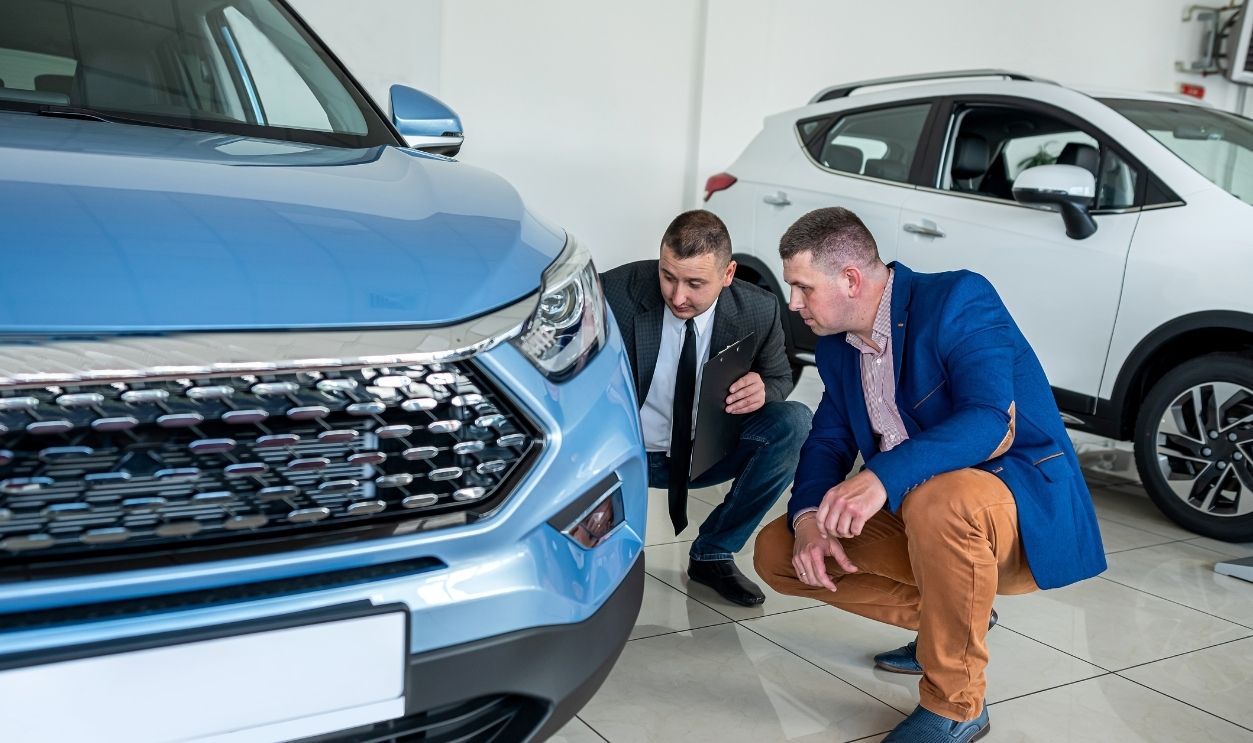
A franchised dealer can sell plenty of ordinary used vehicles from competing manufacturers. However, Edmunds notes that an official manufacturer CPO vehicle normally comes through a franchised dealer representing that particular brand. A used Ford advertised as merely “certified” at a Chevrolet dealership, for example, should prompt you to ask who actually created and backs that certification.

The Inspection Checklist Matters
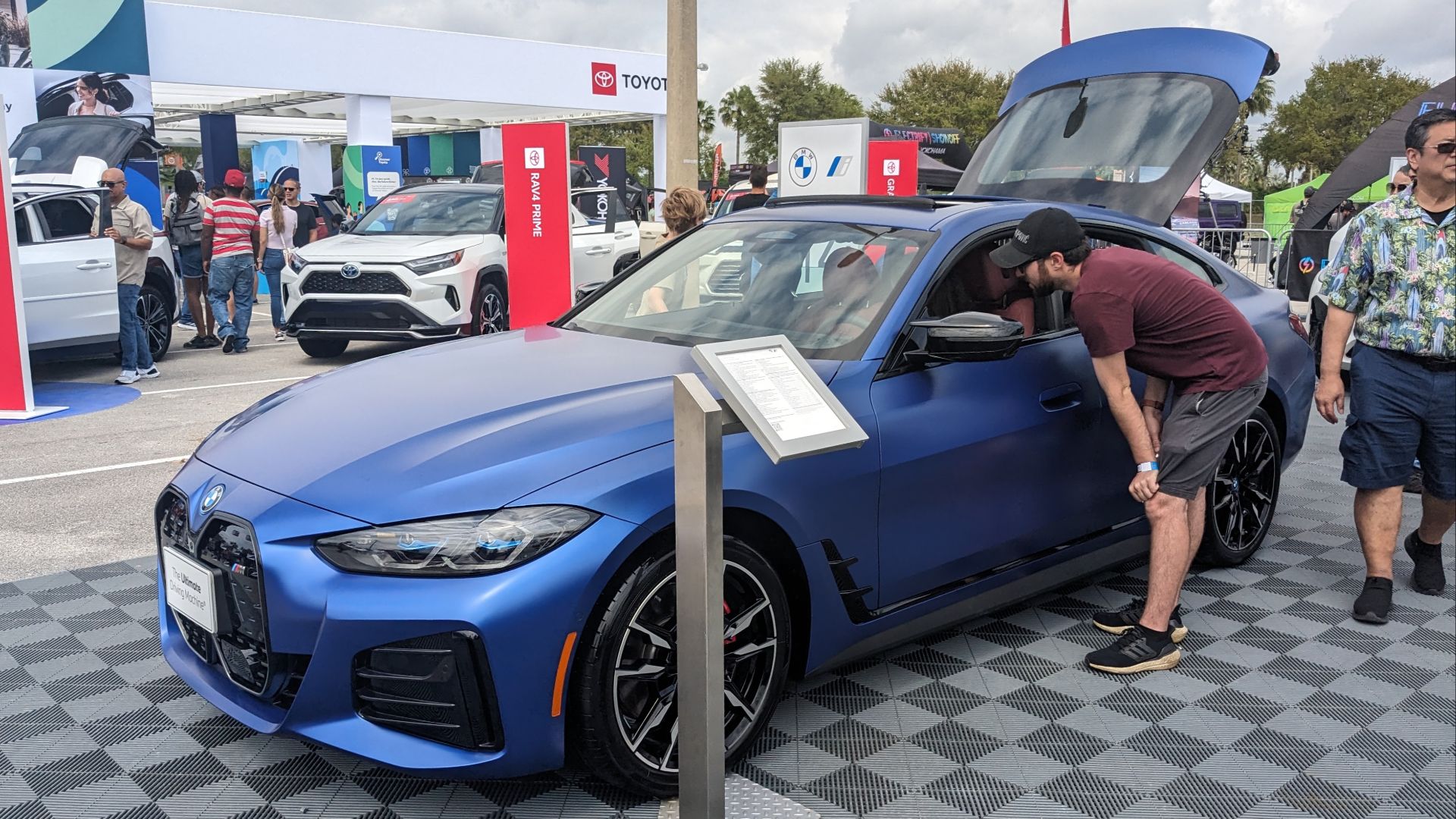
Factory CPO programs typically spell out what technicians are expected to examine. BMW, for example, says its certified vehicles receive checks involving tires, wheels, brakes, body condition, mechanical components, diagnostics, and a road test. Looking at the actual checklist is far more informative than simply hearing that the car passed a multipoint inspection.
 Pokemonprime, Wikimedia Commons
More Inspection Points Do Not Equal Perfection
Automakers often promote CPO programs by emphasizing the number of inspection points involved. The number can sound reassuring, but it does not transform a used automobile into a new one or guarantee that every future failure has been eliminated. What matters is what was examined, what standards had to be met, and what repairs the warranty will pay for afterward.

Obvious Defects Raise Fair Questions
Suppose you discover badly worn tires, a malfunctioning feature, or another condition shortly after buying a CPO vehicle. If the manufacturer's certification checklist specifically required that area to pass inspection, you have good reason to ask the dealership how the vehicle was approved. Documentation becomes particularly important because it lets you compare the actual condition of the car with the standards the dealer claimed it satisfied.
Inspection And Warranty Are Different Promises
The CPO inspection describes what the dealership was supposed to check before certification. The warranty describes which failures the responsible company has agreed to repair afterward and under what conditions. A defect that appears to show a poor inspection is therefore not automatically covered unless it also falls within the written warranty terms.

Most Used-Car Warranties Are Limited
The FTC explains that most used-car warranties are limited and that coverage varies. A limited warranty can apply only to particular systems, components, time periods, or mileage limits. Buyers should therefore read the actual coverage document instead of assuming terms such as “comprehensive” or “certified” mean that every repair is included.

The Buyers Guide Is Crucial
Federal rules generally require dealers to display a Buyers Guide on used vehicles offered for sale and provide the guide to the buyer. It identifies whether the vehicle is being sold with a dealer warranty or “as is” and provides other warranty information. The FTC also tells consumers to make sure promises are put in writing because spoken promises can be difficult to enforce.

Keep Your Copy After The Sale
Do not treat the Buyers Guide as another disposable piece of dealership paperwork. The FTC says the Guide must reflect negotiated changes to warranty coverage, and its warranty information can prevail when it conflicts with language in the sales contract. Keeping your copy gives you an important record of what the dealer represented at the time of purchase.

Ask For The Actual CPO Paperwork
A manufacturer-backed CPO purchase should leave a paper trail beyond a windshield sticker. Ask for the completed certification checklist, warranty document, vehicle history report, sales advertisement, Buyers Guide, and any written promises concerning repairs. Those documents can become essential if the dealer later disputes what the vehicle's certification was supposed to include.

Manufacturer Programs Can Be Quite Specific
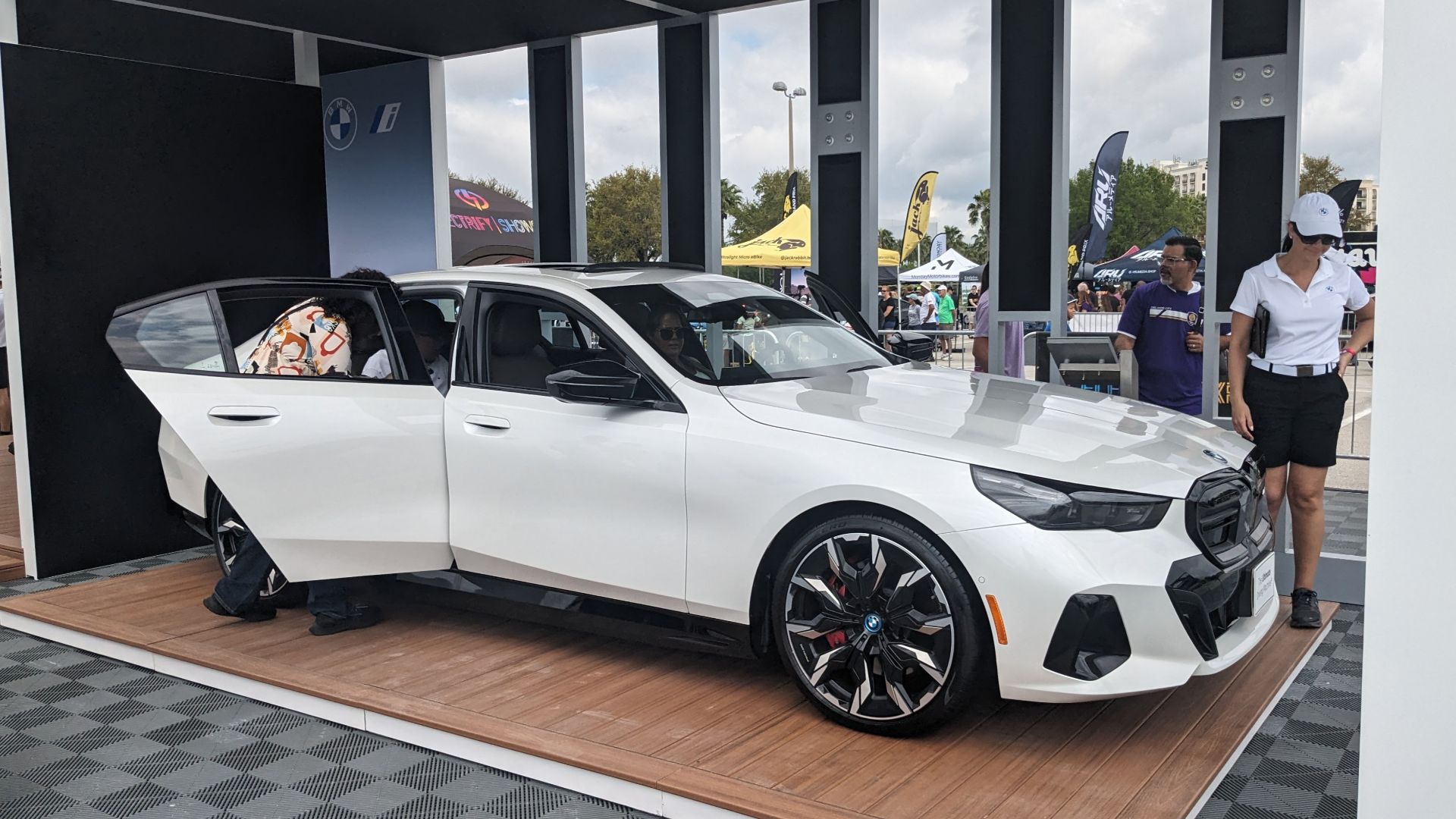
BMW currently says its CPO vehicles must satisfy mileage and age requirements and undergo inspections performed by trained technicians. The program also provides a one-year unlimited-mile CPO protection plan after applicable original coverage expires. The details illustrate why buyers should investigate a specific manufacturer's program rather than relying on a generic definition of CPO.
 Pokemonprime, Wikimedia Commons
Warranty Coverage Can Start At Different Times
The phrase “one-year warranty” does not always mean one year beginning on the day you buy the used vehicle. Some CPO coverage begins after the remaining original new-vehicle warranty ends, while individual programs use their own combinations of time and mileage limits. Check both the original in-service date and the CPO warranty language to determine how much protection you actually have.

Wear Items Can Be A Gray Area
Components such as tires and brakes may appear on an inspection checklist even though ordinary wear may be excluded from later warranty coverage. That creates an important distinction when a buyer discovers excessive wear immediately after purchase. The question may be whether the vehicle met certification standards when sold, rather than whether normal wear is a covered warranty failure.

A History Report Is Not A Mechanical Inspection
Vehicle history reports can provide useful information about ownership, accidents, title issues, and other recorded events. The FTC cautions that these reports typically do not disclose ordinary mechanical problems and are not substitutes for physical inspections. A clean-looking history therefore cannot prove that the brakes, suspension, air conditioning, electronics, or other systems are currently working properly.

Even Certified Cars Deserve Independent Inspections
This is one of the FTC's clearest recommendations for used-car shoppers. The agency says an independent mechanical inspection is a good idea even when a car has already been certified and inspected by the dealer and is sold with warranty coverage. Paying another mechanic to inspect the vehicle gives you a second opinion from someone who is not participating in the sale.

Get New Problems Documented Immediately
If you have already bought the car and notice a problem, schedule an inspection and request written findings rather than relying only on a verbal diagnosis. Record the mileage, dates, warning messages, photographs, repair estimates, and communications with the selling dealership. A clear timeline can help establish that the condition surfaced shortly after the supposedly completed certification process.

Compare The Defect With The Checklist
Once you have a written diagnosis, compare the affected component directly with the manufacturer's certification requirements. If the checklist says tires, brakes, body condition, or another system had to meet a defined standard, ask the dealership for an explanation of how that item passed. This turns a vague complaint about a disappointing used car into a specific dispute over the certification process.

Give The Dealer A Chance To Respond
For problems that appear to be covered by a warranty or service contract, the FTC recommends following the procedures in those documents to seek repairs. Put your complaint in writing and state what you want, such as inspection, repair, reimbursement, or another remedy supported by the applicable agreement. Save repair orders and written responses each time the vehicle visits the dealership.

The Manufacturer May Need To Get Involved
If the vehicle was enrolled in a genuine manufacturer-backed CPO program, the automaker has a stronger connection to the certification than it would with an ordinary dealer-created used-car program. The FTC advises consumers with manufacturer-backed warranty disputes to contact the appropriate dealership, while manufacturer customer-care channels may provide another escalation route. Your warranty documents should explain the required claims and dispute procedures.

Federal Warranty Law Adds Protection
The Magnuson-Moss Warranty Act governs written warranties on consumer products and requires covered warranties to disclose their terms clearly. FTC guidance also explains that a seller providing a written warranty generally cannot simply disclaim applicable implied warranties altogether, although certain limitations can be permitted. The exact effect on an individual used-car dispute depends on the warranty and applicable state law.

State Law Can Matter Just As Much
Used-car protections vary significantly from one state to another, particularly regarding implied warranties, dealer disclosures, and lemon-law coverage. The FTC notes that implied warranty rules and duration vary by state, and USAGov directs consumers with car-warranty complaints to their state attorney general. That makes your state of residence and purchase an important part of determining what remedies might be available.

Used Cars May Sometimes Qualify For Lemon Remedies
It is a mistake to assume every used vehicle is automatically excluded from every lemon-law process. BBB National Programs notes that some used-car disputes may qualify when a defect remains covered by an original manufacturer warranty or a manufacturer's used-vehicle warranty, but eligibility depends on the manufacturer, warranty, vehicle, and state. This is an area where broad national claims can be misleading, so buyers should check the rules that apply to their particular vehicle.

Arbitration May Be Another Route
Some manufacturers participate in BBB AUTO LINE, which provides qualifying owners with mediation and arbitration for certain warranty and lemon-law disputes. Participation and eligibility vary by manufacturer and, in some cases, by state. Your warranty paperwork may also identify a dispute-resolution procedure that must be considered before litigation.

Safety Problems Deserve Extra Attention
If the problem involves steering, brakes, airbags, tires, or another potential safety issue, check the VIN for outstanding recalls through NHTSA. The agency's lookup tool can identify unrepaired recalls for participating manufacturers, and recall repairs are generally performed without charge at the manufacturer's dealership. NHTSA also accepts reports from consumers who believe their vehicles have safety defects that are not already covered by a recall.

Certification Is Protection, Not A Force Field
A worthwhile manufacturer CPO program can offer something valuable: eligibility requirements, a documented inspection process, reconditioning, warranty coverage, and sometimes benefits such as roadside assistance. What it cannot provide is certainty that a technician noticed every defect or that every future repair will be free. The smartest way to view certification is as another layer of protection whose value depends entirely on the standards, documentation, and warranty behind it.

When The Inspection Clearly Fell Short
If your newly purchased certified car has an obvious problem, start with the certification checklist, Buyers Guide, warranty, independent diagnosis, and written communications rather than arguing over what “certified” ought to mean. Ask the dealer or manufacturer to explain how the car met the stated program requirements and request the remedy provided by the applicable warranty or law. If the dispute remains unresolved, state consumer authorities, warranty dispute programs, small claims court, or legal advice may provide additional options depending on the facts and your state.

You May Also Like:
The Most Overrated Cars Today, According To Car Enthusiasts
People With The Largest Car Collections In The World