A Legal Car In One State Can Become A Headache In Another
Buying a vintage car from another state can feel like scoring the perfect find...right up until registration becomes a problem. Emissions rules aren’t always consistent from one state to another, and an older car can suddenly run into requirements the buyer never expected.
Start With Your Own State’s Rules
What the seller’s state required usually doesn’t decide what happens after you bring the car home. Registration is governed largely by the rules where you’re registering it. California, New York, and Texas provide good examples of how different those systems can be: California has extensive Smog Check requirements, New York combines emissions and annual safety inspections, while Texas emissions testing currently applies only in certain counties.
Determine The Car’s Exact Model Year
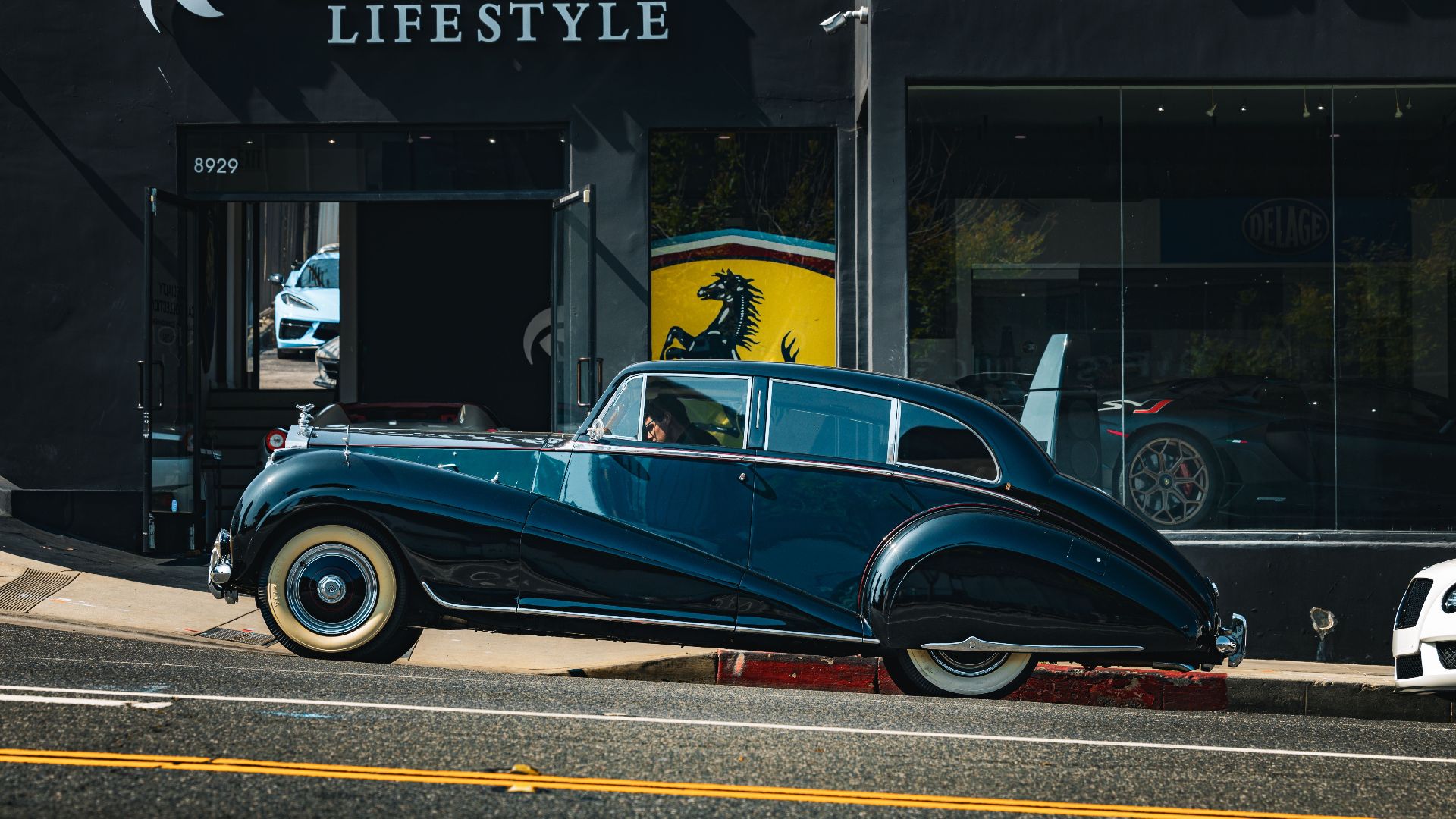
With an older car, a single model year can make an enormous difference. California currently exempts gasoline-powered vehicles from the regular Smog Check requirement if they’re model year 1975 or older, while 1976-and-newer gasoline vehicles generally remain within the program. New York’s system uses different age rules, illustrating why calling something a “classic” or “vintage” doesn’t tell you whether it needs emissions testing.
Don’t Assume A Classic Plate Automatically Solves It
Historic, antique, collector, or classic registration programs can have completely different eligibility requirements from emissions programs. A state may offer special plates without giving every vehicle bearing them a blanket emissions exemption. Before applying for special registration, check both sets of rules independently and pay attention to restrictions on mileage, commuting, exhibitions, or everyday use.
California Is A Good Example Of Why Age Matters
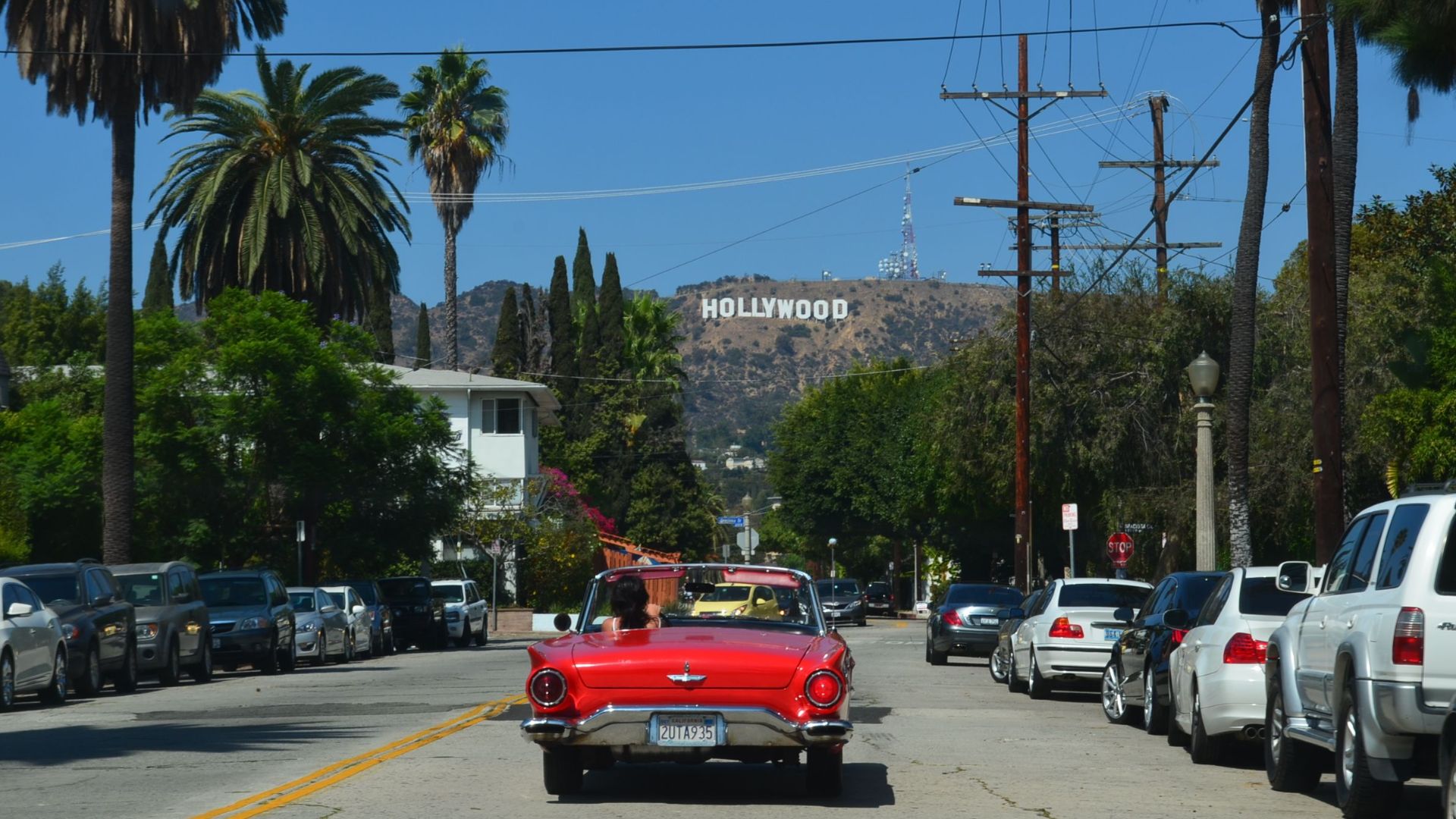
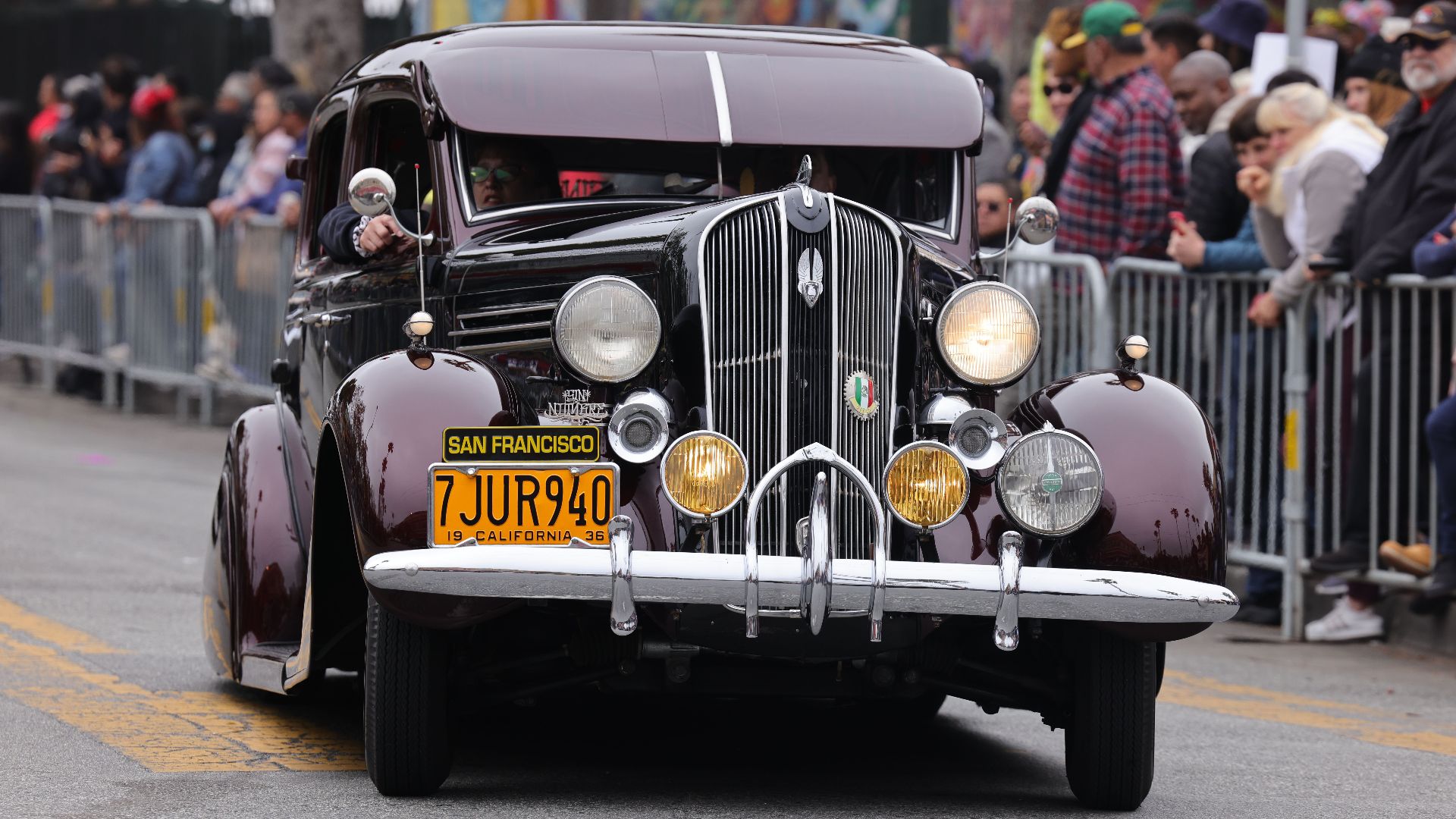
California currently requires Smog Checks for most gasoline, hybrid, and alternative-fuel vehicles from model year 1976 forward, while 1975-and-older vehicles are generally exempt. That means a 1975 car and a nearly identical 1976 version can receive very different treatment. Owners of later collector vehicles may still have options, but simply being old isn’t enough.
New York Uses A Different System
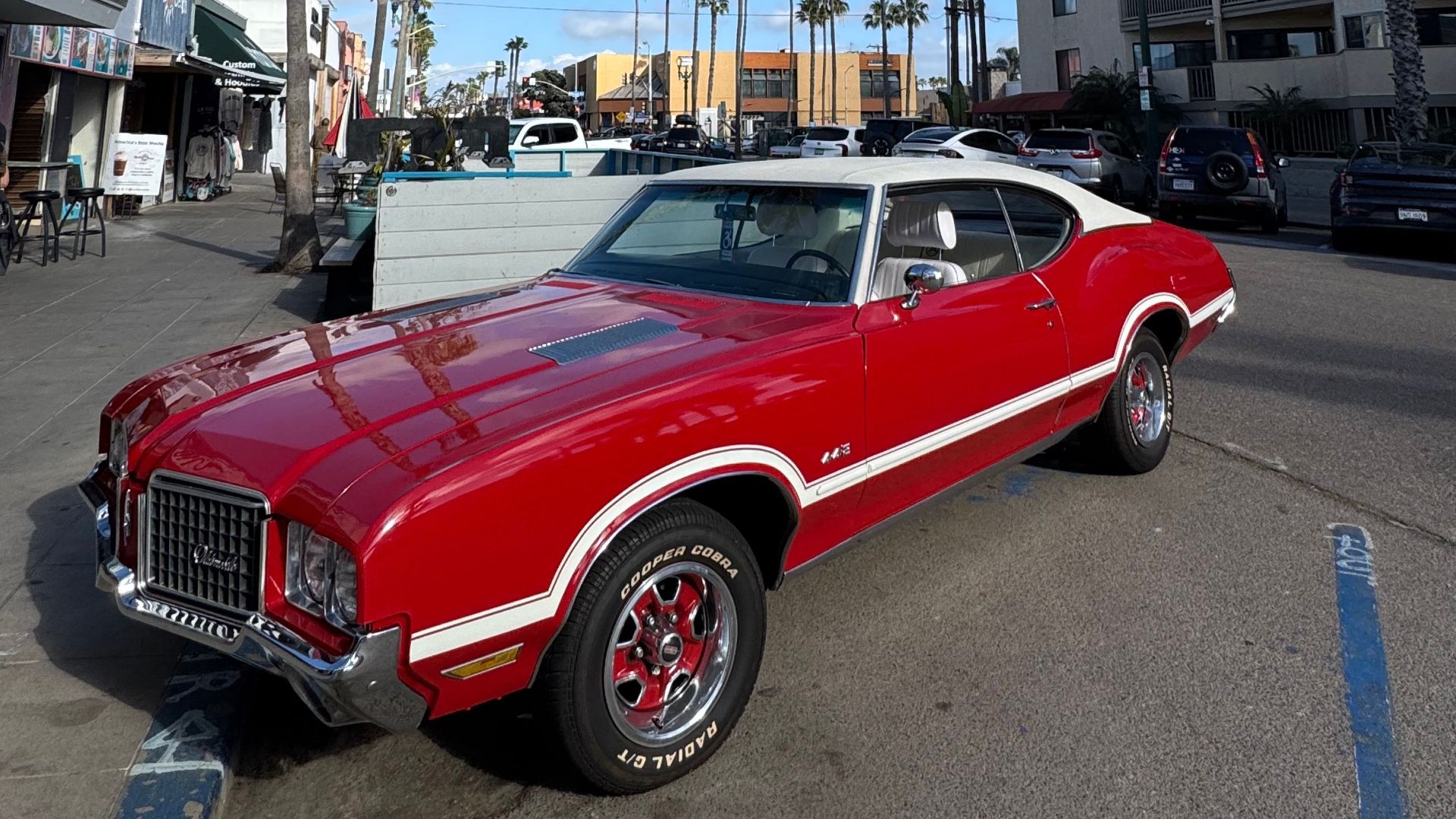
New York subjects most 1996-and-newer gasoline vehicles to an OBD-II emissions test, while certain older vehicles receive a Low Enhanced inspection that checks required emissions equipment. The state says that inspection applies through vehicles up to 25 model years old, with older vehicles falling outside that emissions-testing window. A car exempt from emissions can still face New York’s separate annual safety inspection requirements.
Your County Can Matter Too
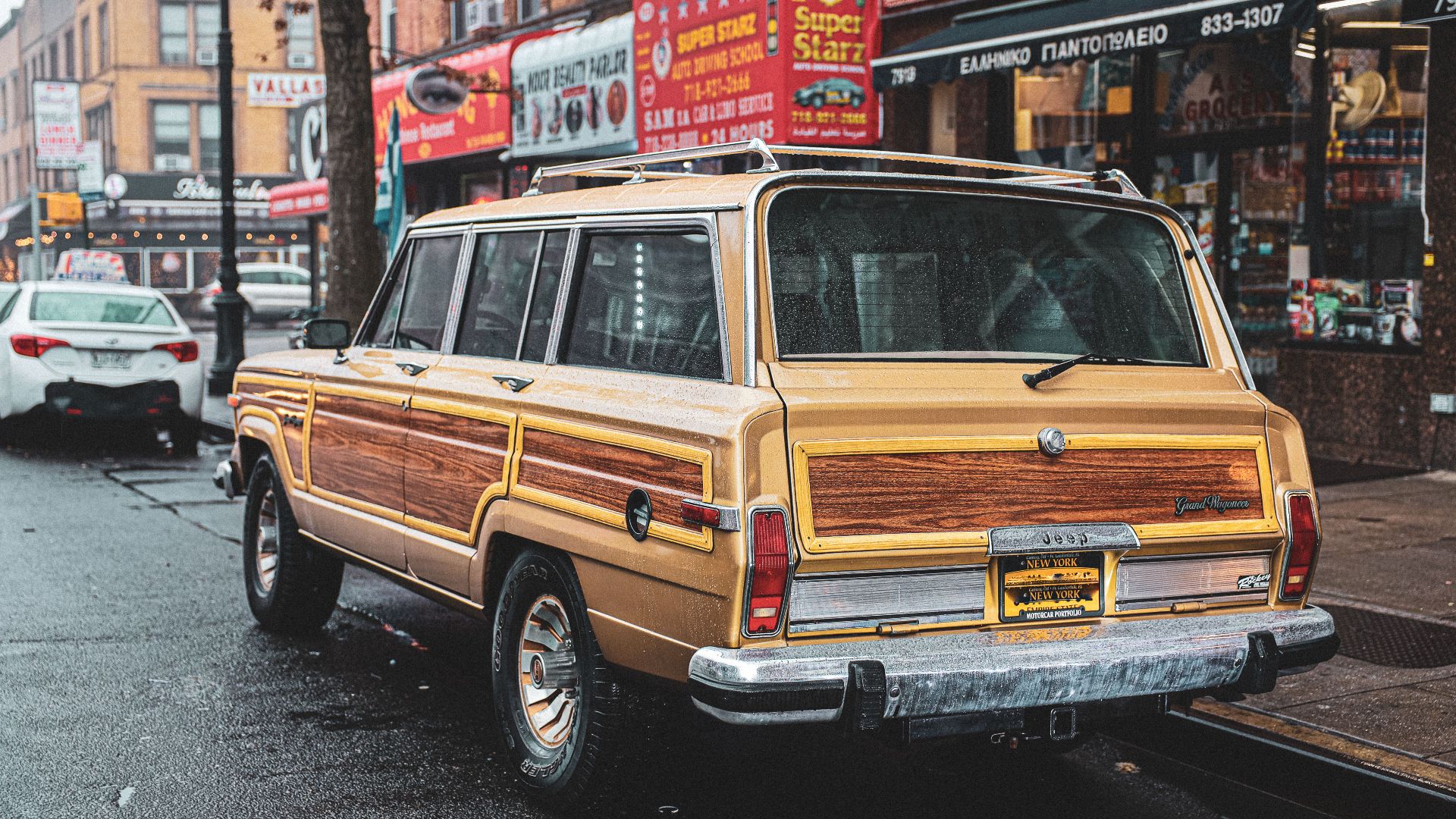
The requirement isn’t always statewide. Texas currently requires emissions inspections for non-commercial vehicles registered in 17 designated counties, even though routine safety inspections for most non-commercial vehicles ended in 2025. Someone elsewhere in Texas can therefore face a different registration process from an owner of the same model living in Dallas or Travis County.
Find Out Exactly Why Registration Was Rejected
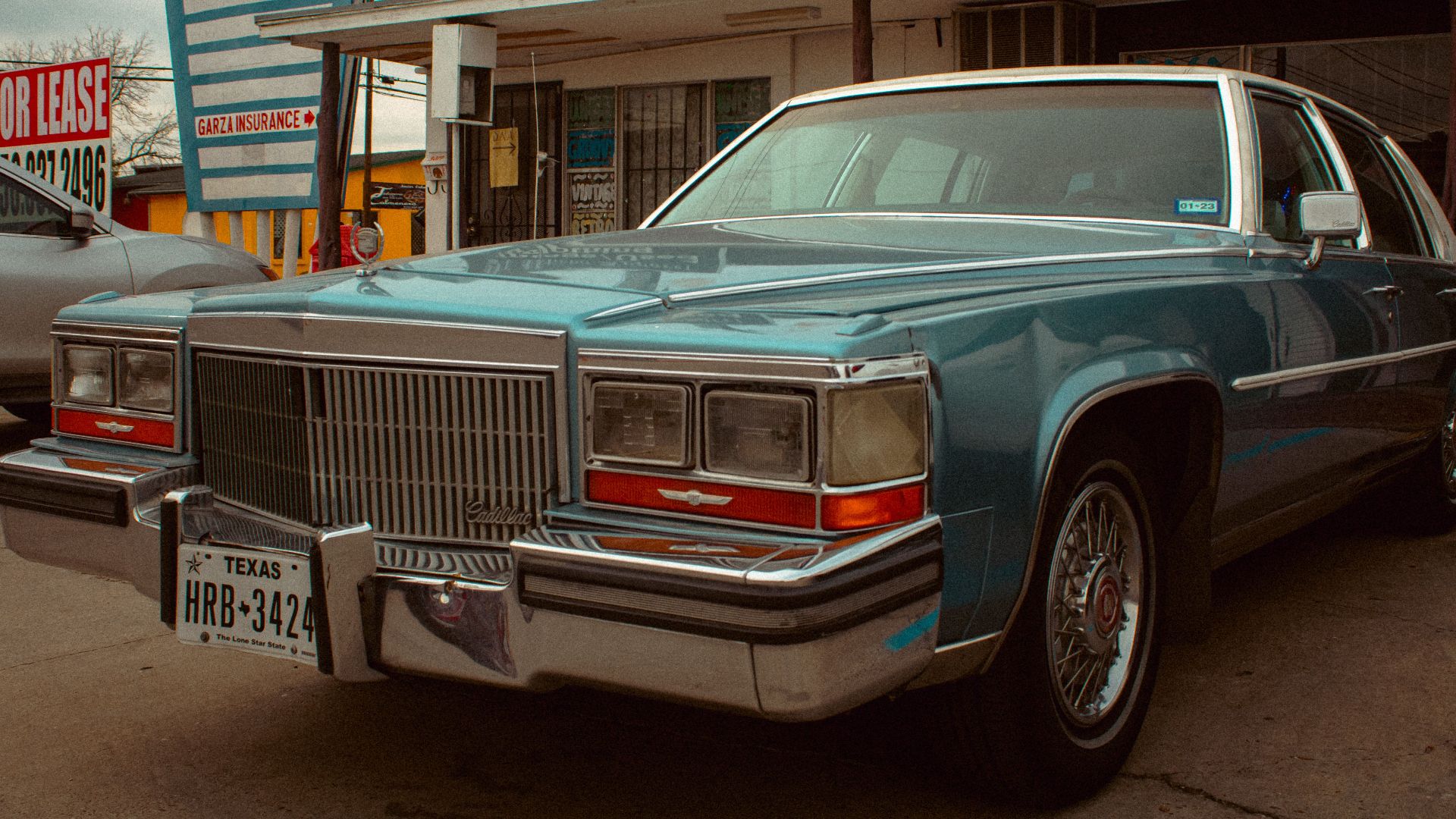
“Emissions problem” can describe several completely different issues. Maybe the car failed a tailpipe test. Perhaps required emissions equipment is missing. Maybe the inspection computer can’t identify the vehicle, an emissions label is absent, or the DMV believes the car doesn’t qualify for the exemption you expected. Ask for the rejection reason in writing before buying parts or paying a shop to start guessing.
A Failed Test Is Different From Missing Equipment
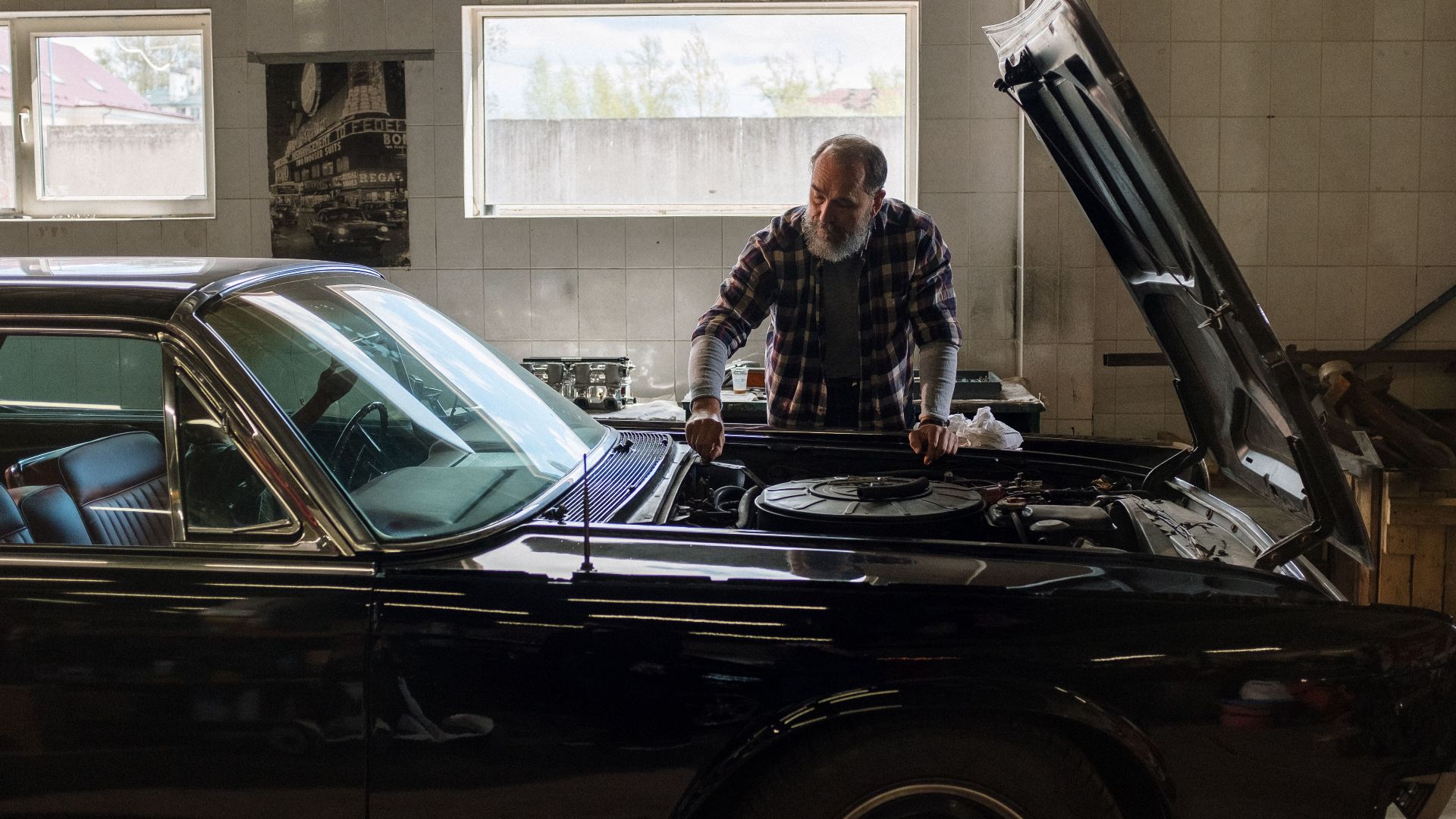
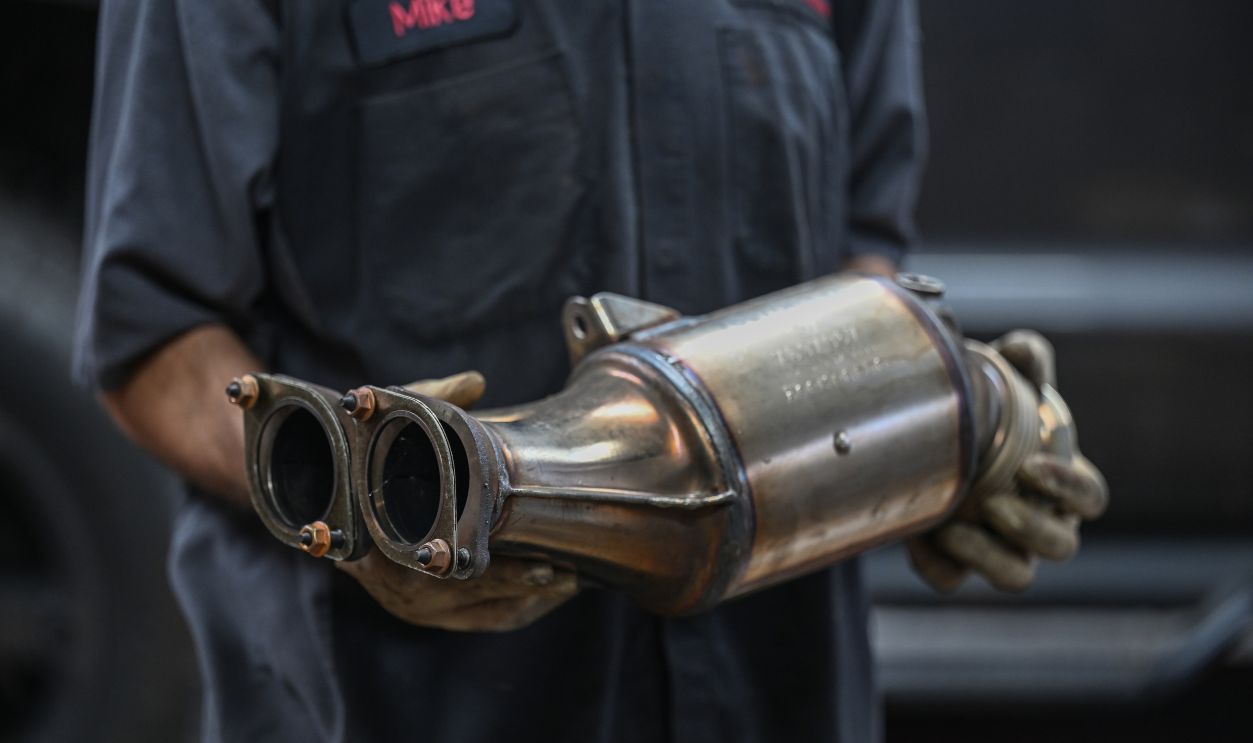
An older engine can fail because it’s running rich, misfiring, burning oil, or suffering from ignition and carburetion problems. That’s fundamentally different from failing a visual inspection because the catalytic converter, EGR valve, air-injection system, evaporative controls, or another original component has been removed. New York, for example, checks the presence and connection of emissions devices originally installed on vehicles subject to its Low Enhanced inspection.
Previous Owners May Have Removed Parts Decades Ago
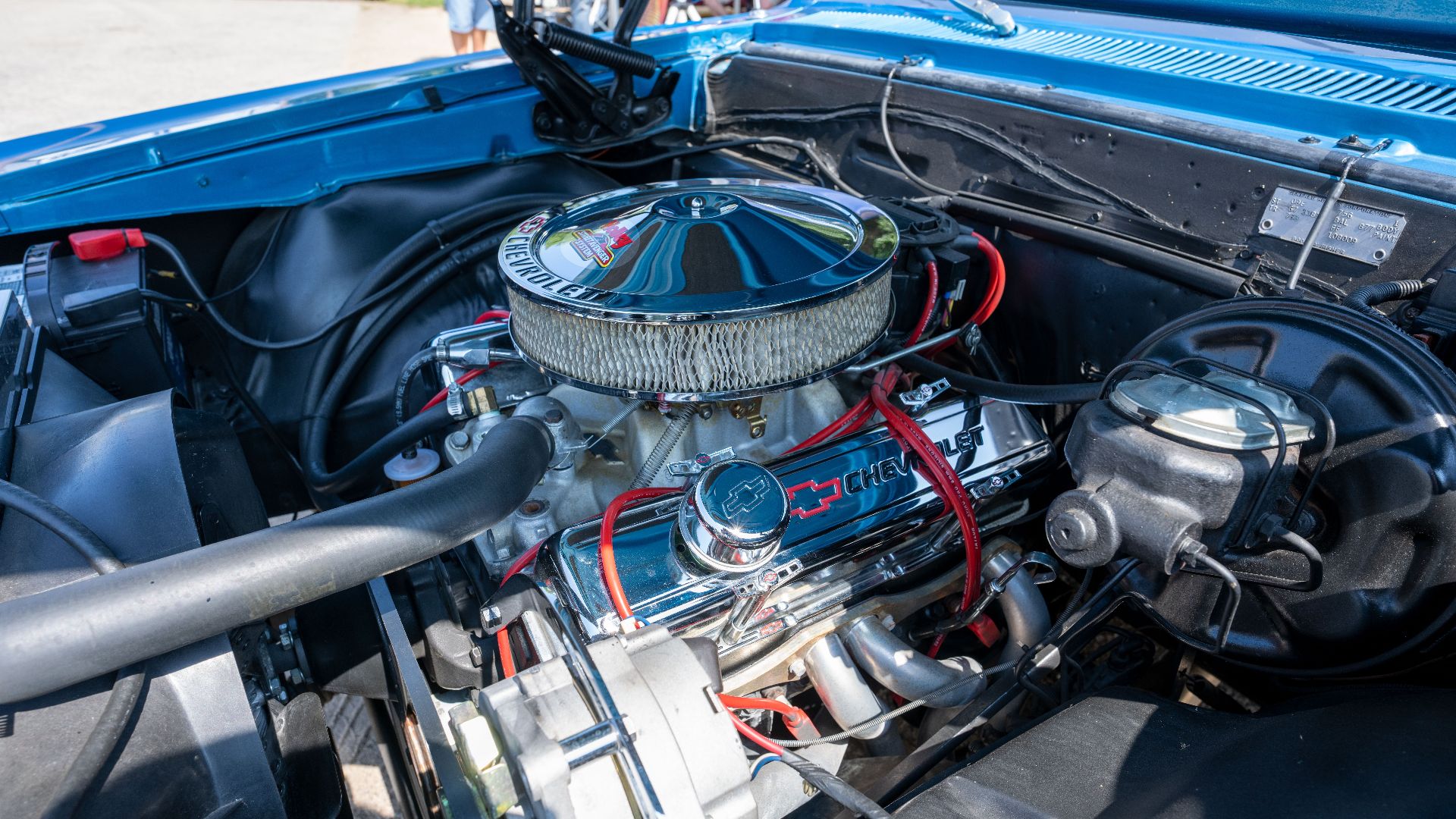
Older cars have often passed through several enthusiasts before reaching you. Smog pumps get removed, catalytic converters disappear, carburetors get replaced, vacuum lines are discarded, and engines are swapped because nobody expected the car to face another emissions inspection. A modification that created no registration problem in the seller’s jurisdiction can suddenly matter when you move the vehicle somewhere stricter.
An Emissions Exemption Isn’t Permission To Start Removing Equipment
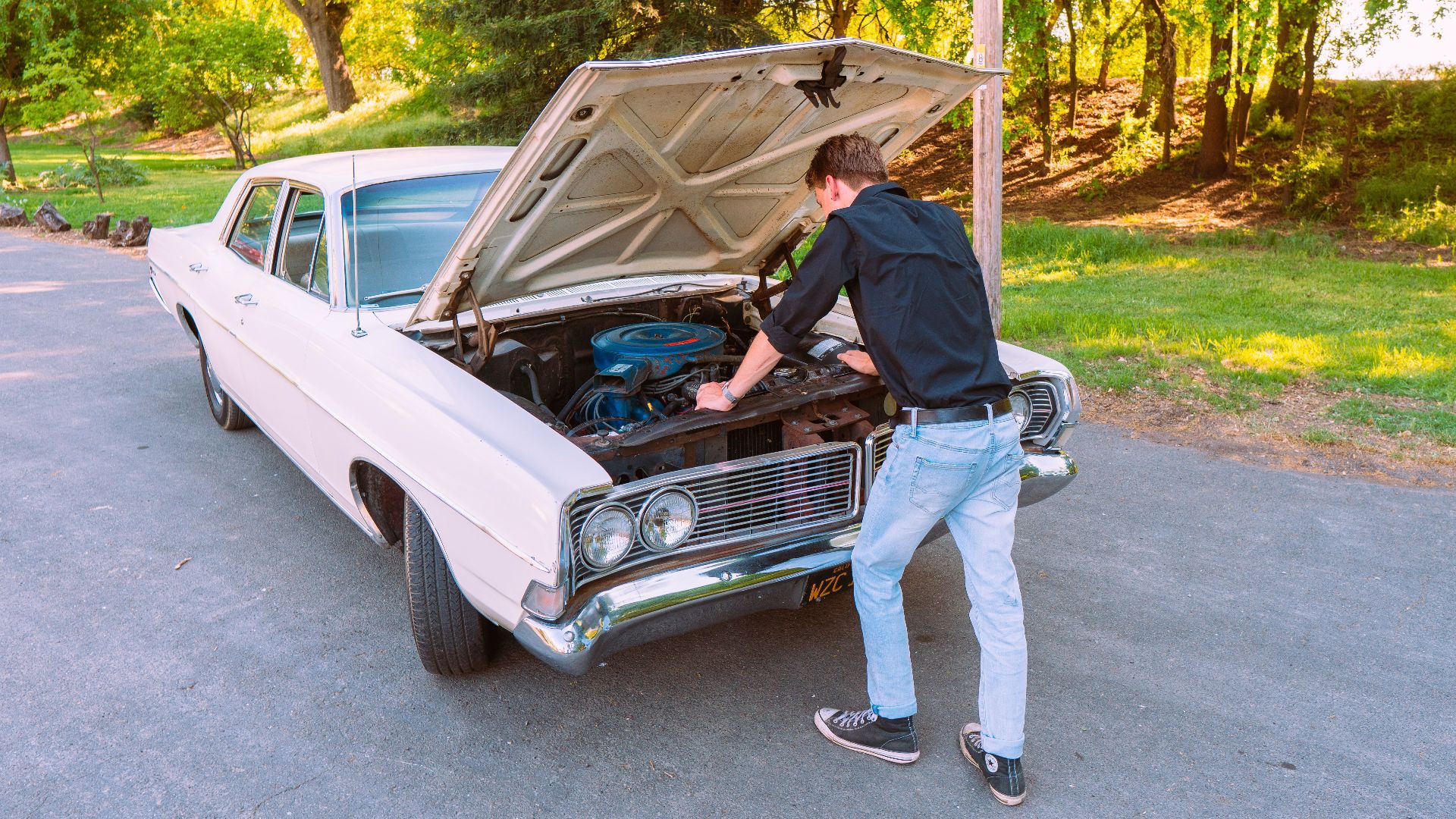
Be cautious about treating an age-based inspection exemption as authorization to defeat emissions systems. Federal Clean Air Act rules prohibit tampering with emissions-control devices and the sale or installation of defeat devices. EPA enforcement continues to target equipment and software designed to bypass required emissions controls. The registration test and the legality of emissions tampering are separate questions.
Engine Swaps Can Complicate Everything
A vintage body with a newer engine may not be tested solely according to the year printed on the title. California, for example, sends vehicles with qualifying engine changes to a Referee for an initial inspection, and the inspection requirements are tied to the donor-engine configuration. If your car has been modified, identify the engine before assuming the chassis model year settles the matter.
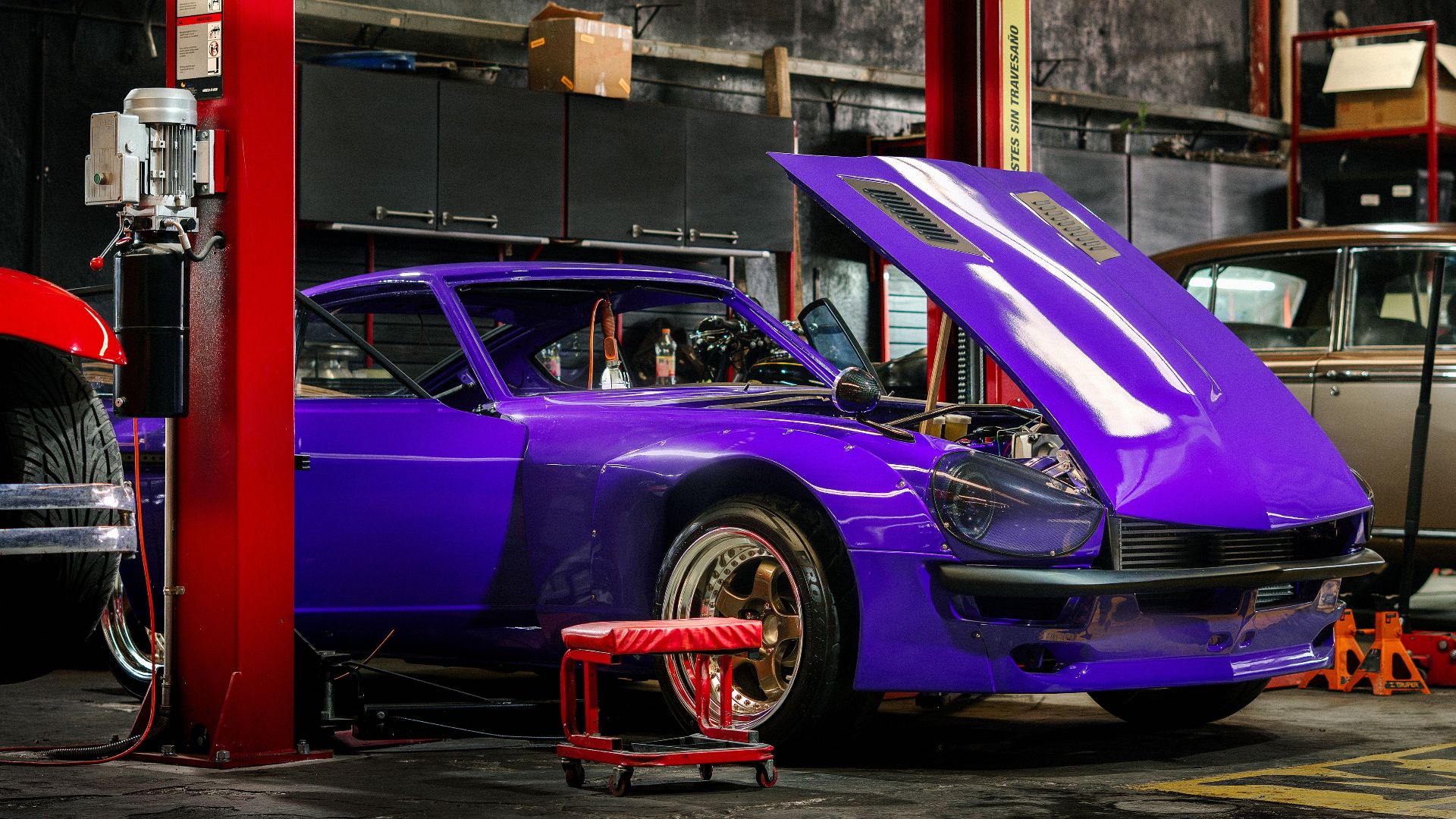
Figure Out Whether The Engine Is Even Original
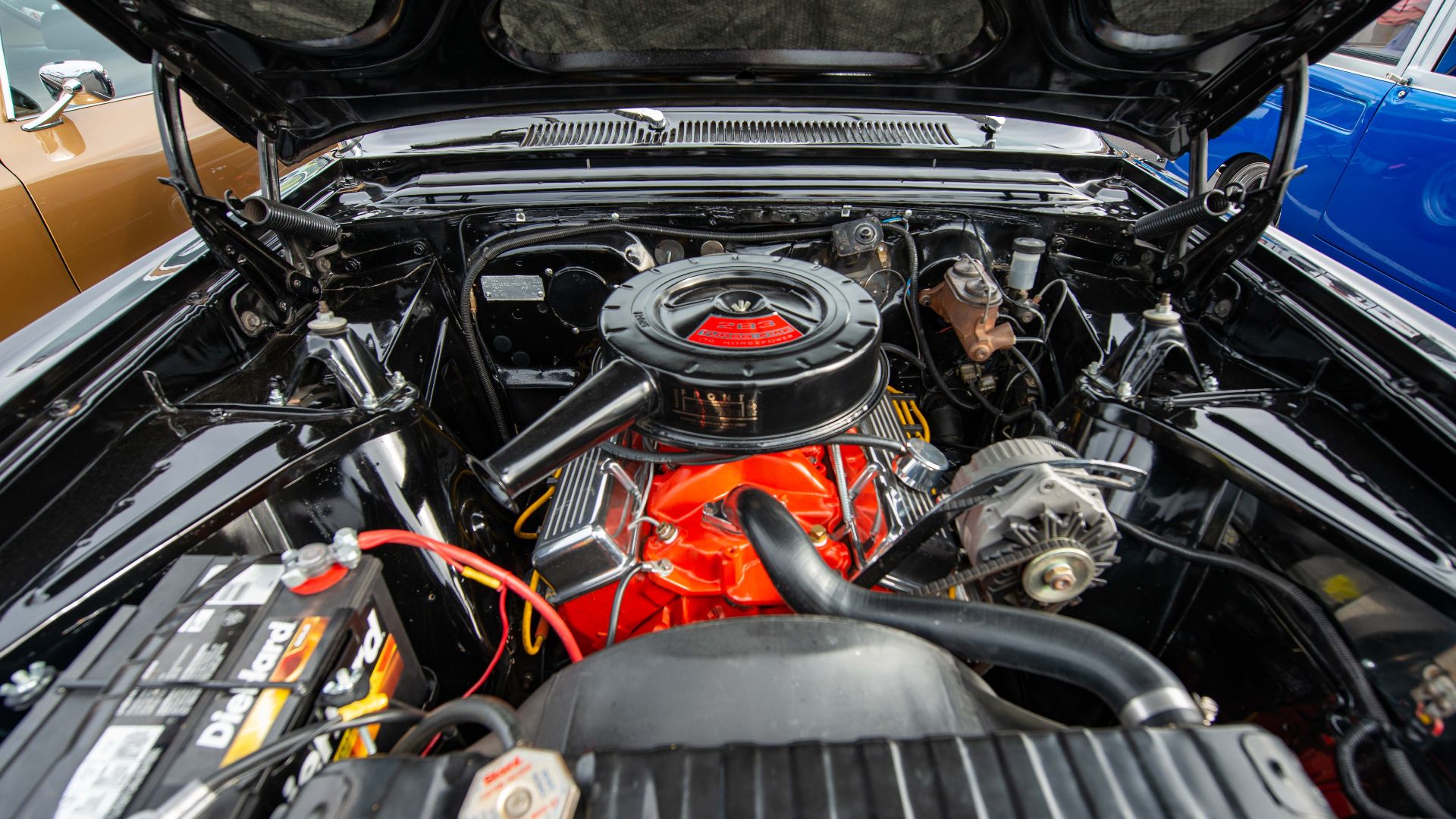
Check engine casting numbers, identification tags, old service records, receipts, restoration documentation, and enthusiast resources for that particular model. A seller saying the car has “the original-type V8” doesn’t necessarily mean it contains its factory engine or emissions configuration. Knowing exactly what’s installed will make conversations with emissions specialists much more productive.
Look For The Original Emissions Label
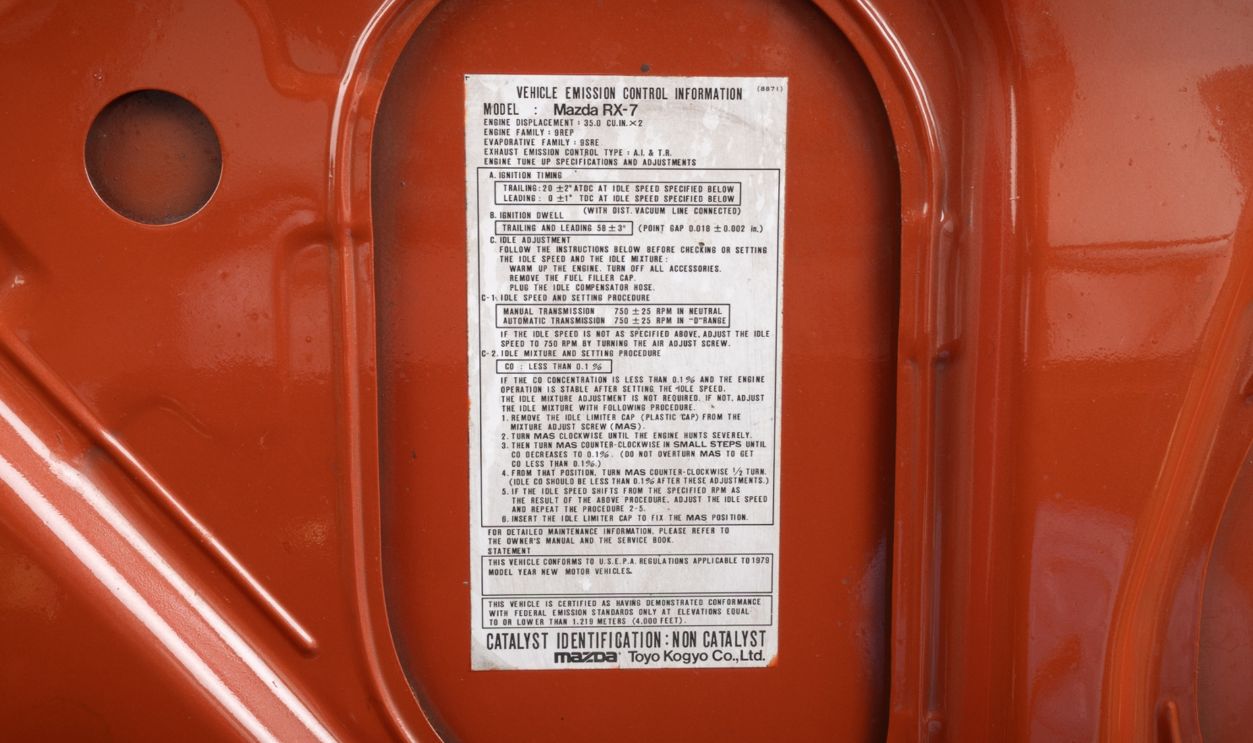
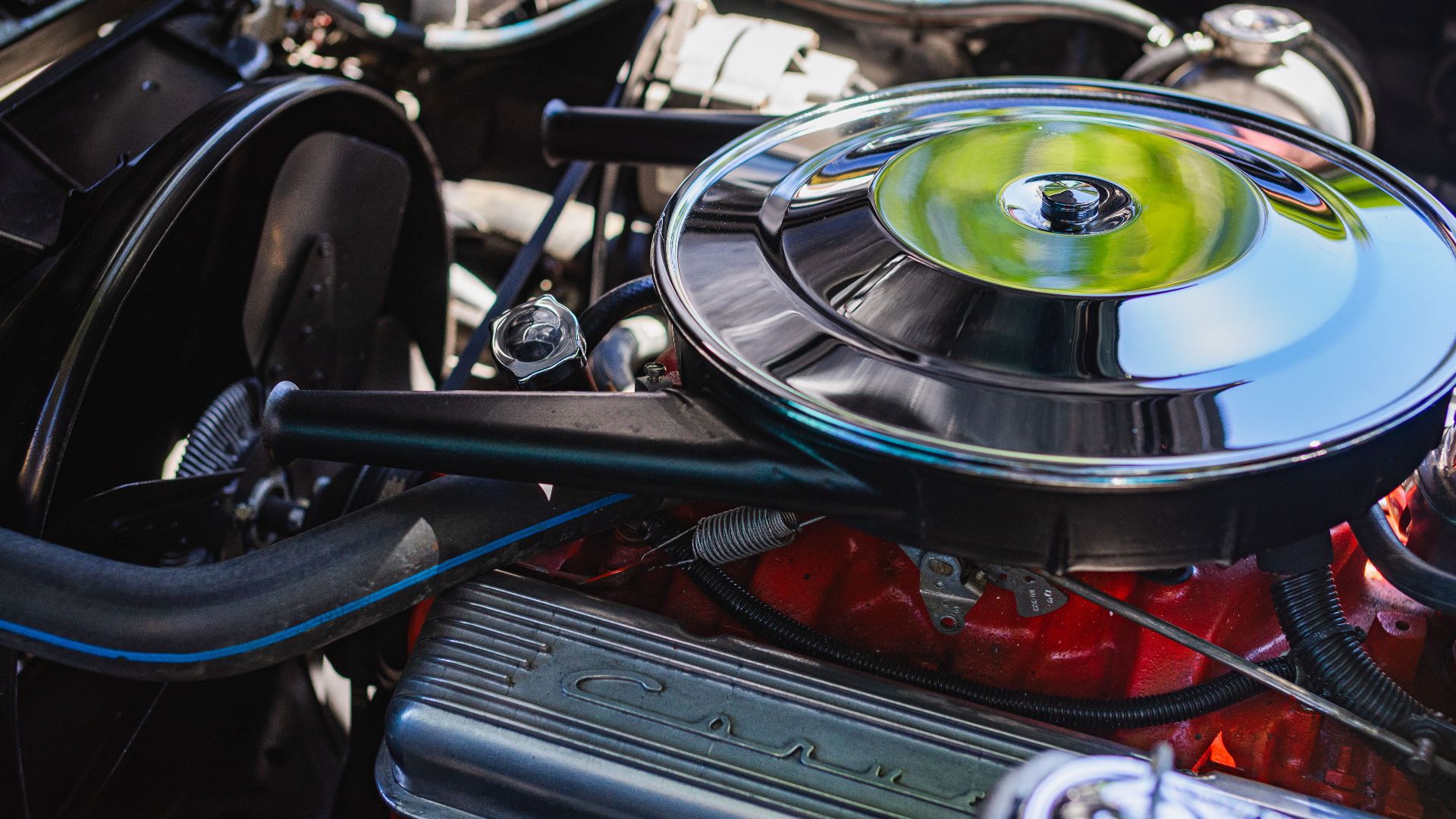
Depending on the vehicle and model year, an under-hood emissions label can provide important information about how the engine was originally certified and what equipment belonged on it. Years of repainting, engine-bay restoration, or hood replacement may have removed it. If inspectors are struggling to determine the correct configuration, manufacturer documentation or specialized emissions-referee services may help establish what belongs there.
Don’t Start Buying Random Vintage Smog Parts
Finding an old air pump or used catalytic converter online doesn’t mean it’s the correct component. Before spending money, have a shop familiar with your state’s emissions rules identify exactly what the inspection requires. Vintage emissions systems can involve specific carburetors, valves, air pumps, catalytic converters, vacuum routing, and calibrations. Throwing miscellaneous period-correct equipment at the engine can become an expensive way to fail twice.

Find A Shop That Understands Older Cars
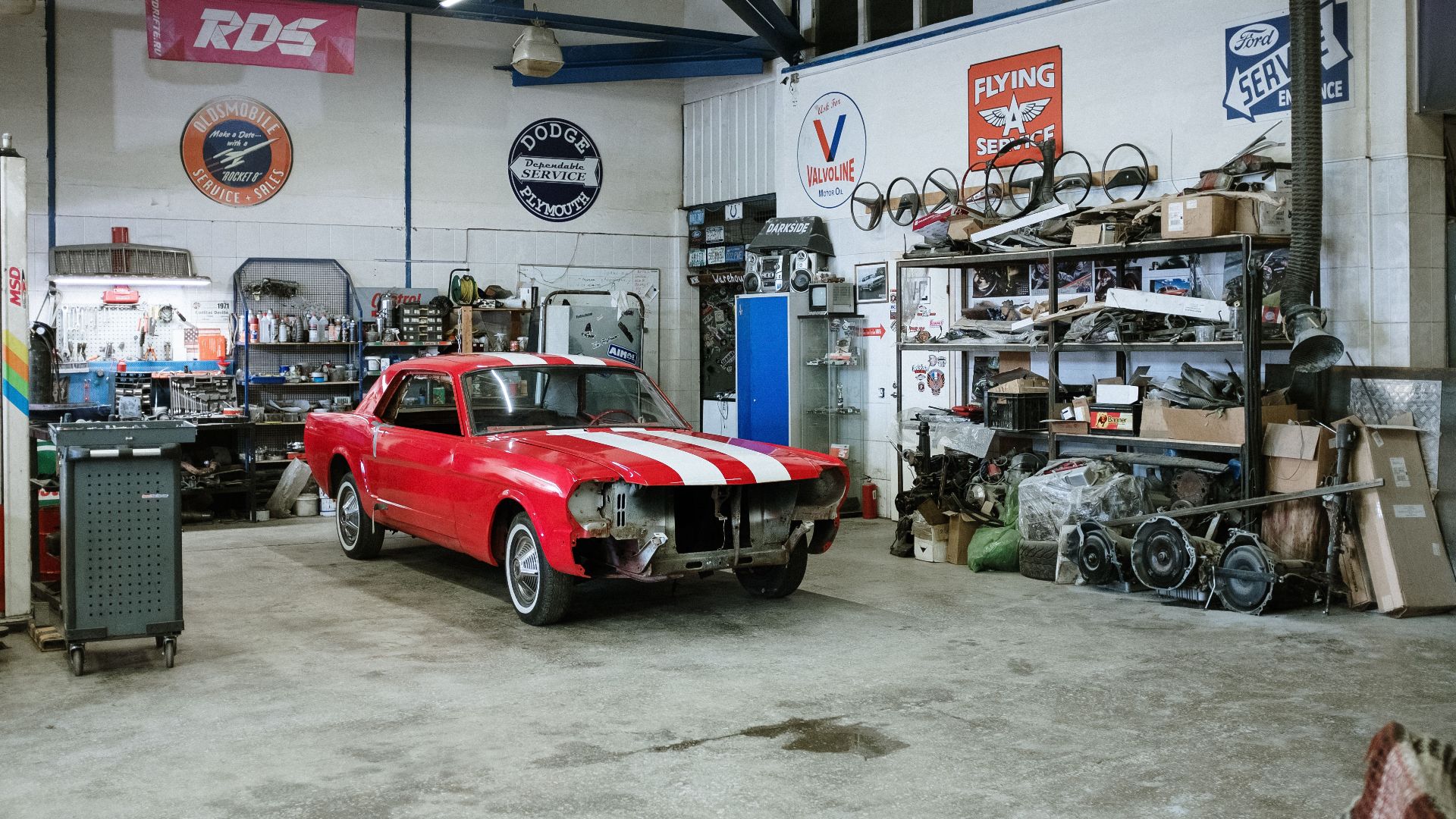
A modern repair facility that spends its days diagnosing OBD-II vehicles may not be the ideal place to tune a carbureted 1970s engine for a tailpipe inspection. Look for shops specializing in classic vehicles, carburetors, vintage emissions systems, or your particular marque. Ask directly whether they’ve prepared vehicles for the emissions program in your state rather than merely whether they “work on old cars.”
A Proper Tune Can Make A Huge Difference
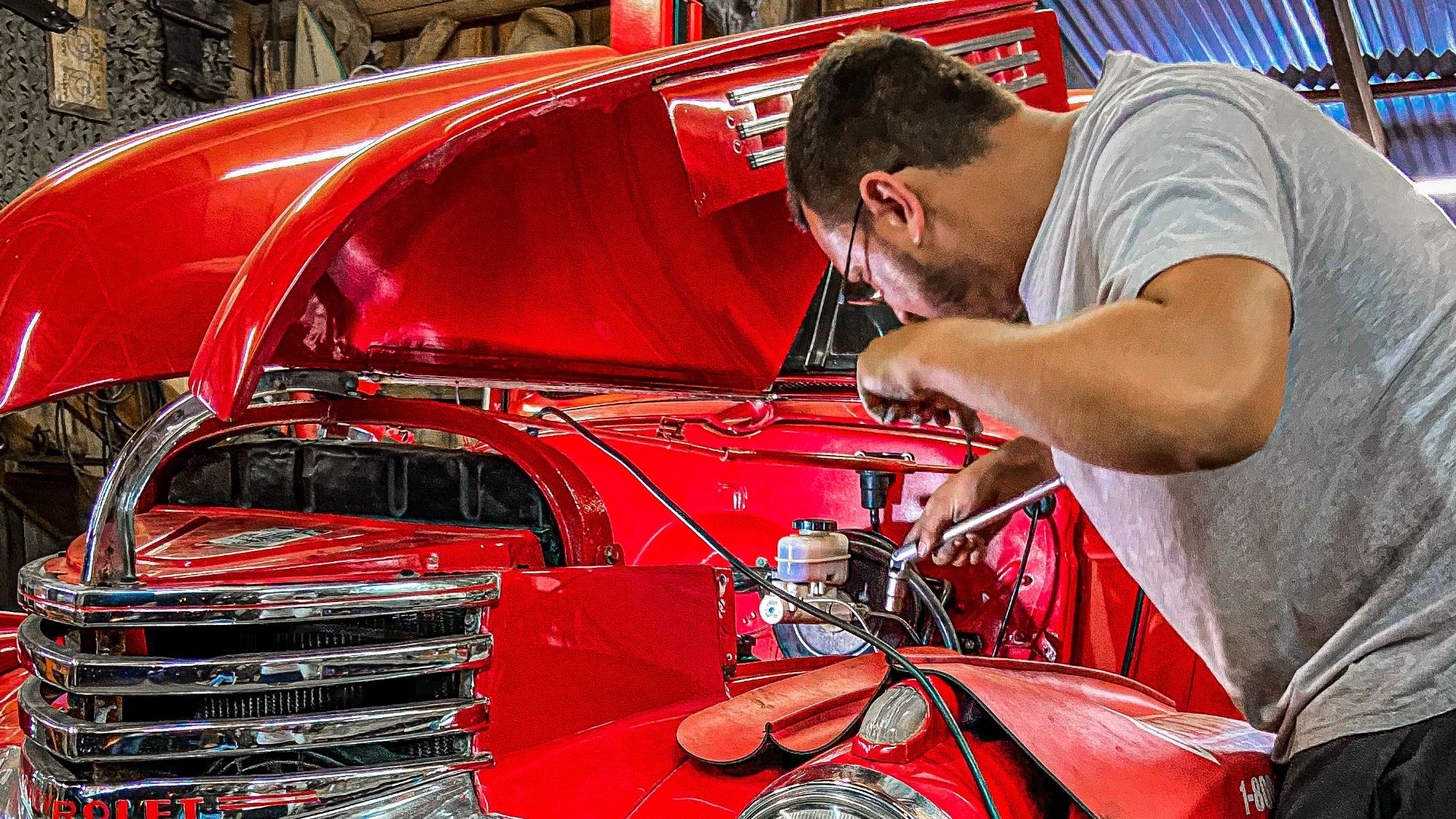
If all the required equipment is present, a vintage car may simply need maintenance. Ignition timing, spark plugs, mixture settings, vacuum leaks, worn carburetor components, cooling-system operation, and general engine condition can all affect emissions. Don’t assume a failed tailpipe test means the car needs an expensive restoration before checking whether it’s simply badly out of tune.
A Worn Engine Can Be The Real Problem
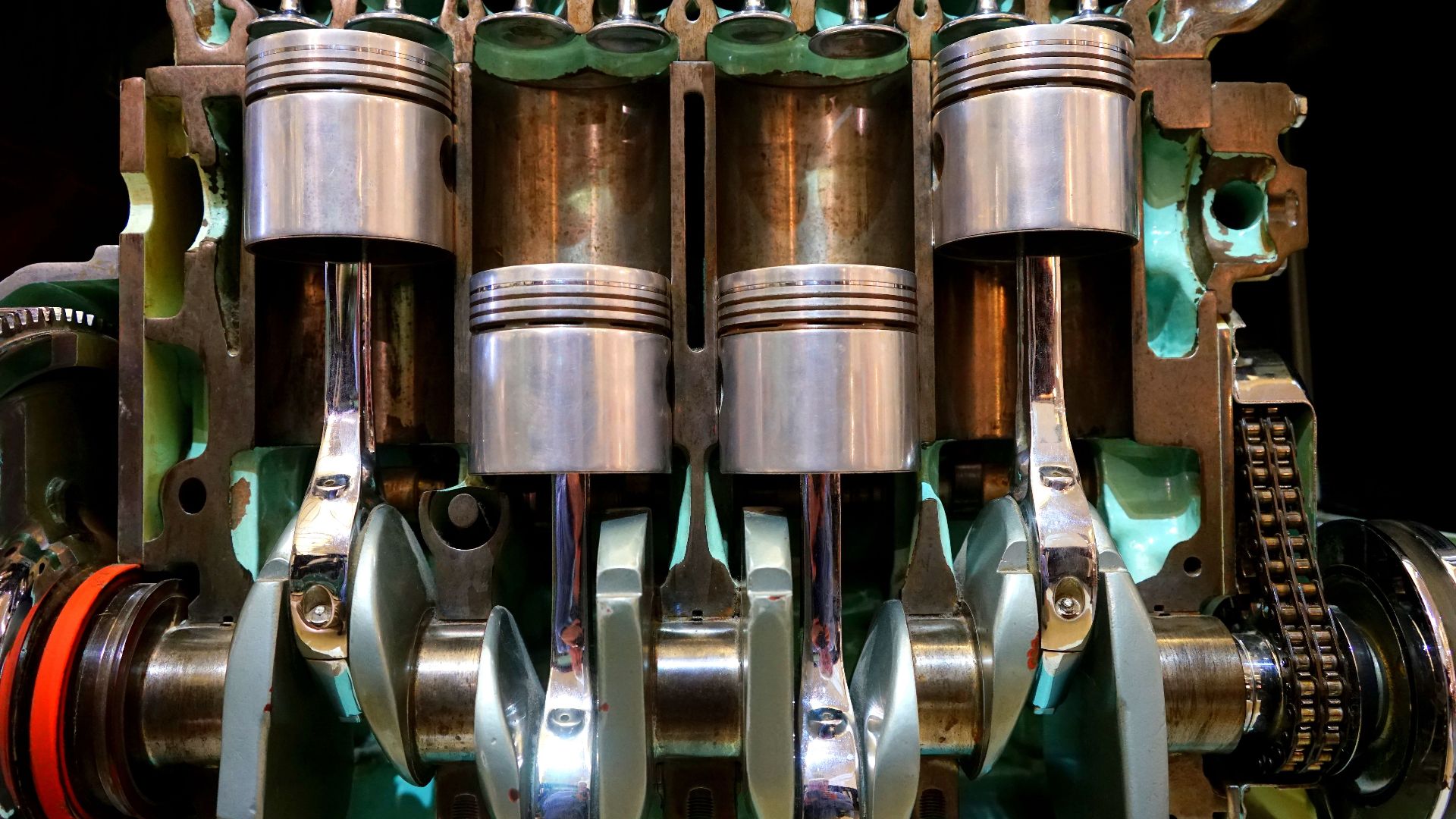
There’s a limit to what carburetor adjustment can fix. Worn piston rings, valve problems, oil consumption, low compression, or persistent misfires can produce emissions that no amount of last-minute tuning will solve. If the car repeatedly fails despite functioning emissions equipment, a compression or leak-down test and a proper mechanical diagnosis may be more useful than another trip to the inspection station.
Ask About A Referee Or Specialized Inspection
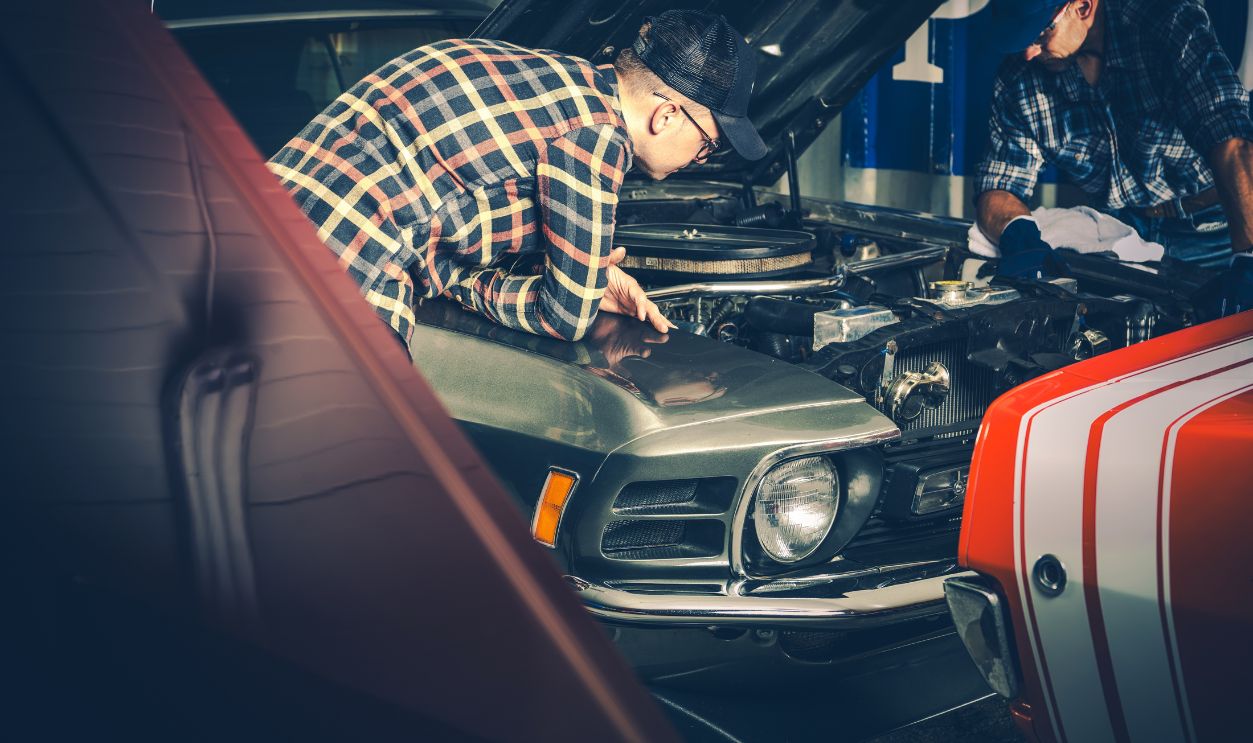
Unusual cars don’t always fit neatly into normal testing procedures. California’s Smog Check Referee program specifically assists with unusual vehicles, engine changes, inspection disputes, and hard-to-find emissions parts. If a regular station can’t properly test or identify your vehicle, investigate whether your state has an equivalent referee, technical center, waiver process, or specialist inspection route.
Collector Programs May Offer A Different Inspection Route
California provides an interesting example: qualifying collector vehicles from model year 1976 onward still require Smog Checks, but eligible collector cars can receive an abbreviated inspection from a state Referee. That inspection includes tailpipe emissions, a fuel-cap test, and a fuel-leak check. Special-interest vehicles must also meet additional originality requirements. It’s a reminder to research collector-specific procedures rather than assuming the only choices are a normal test or no registration.
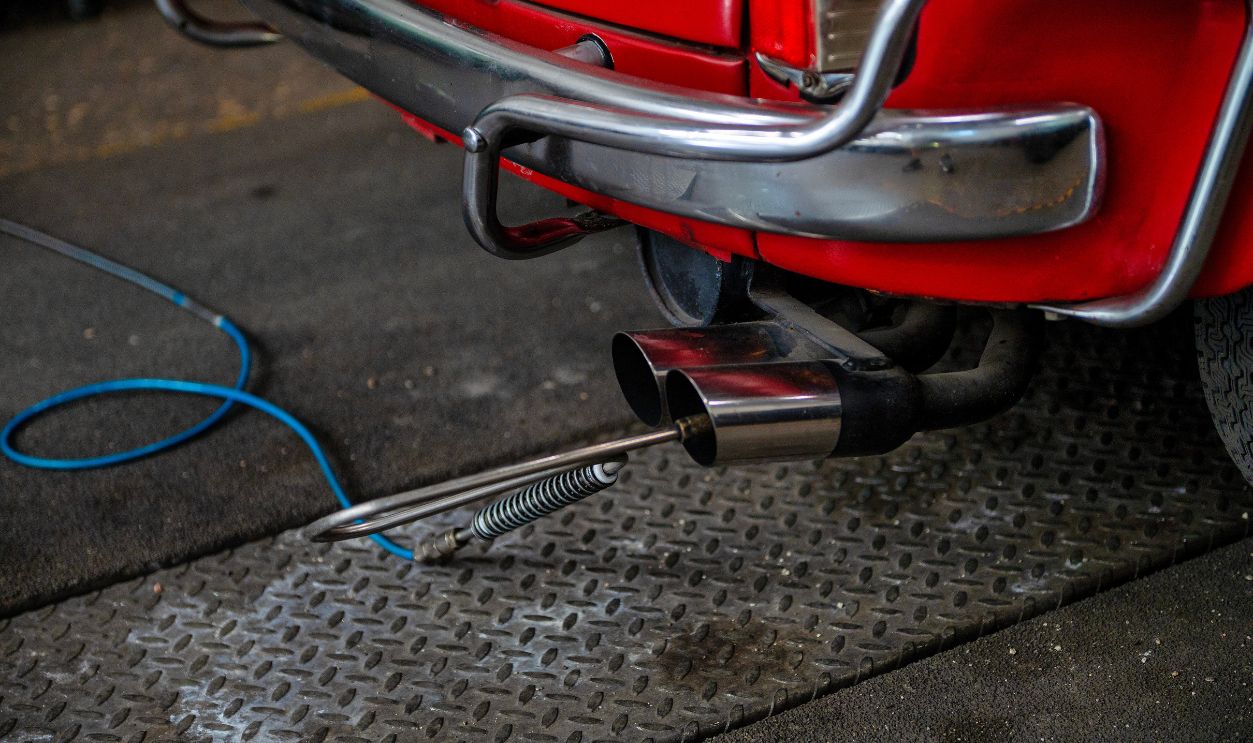 Lorenzo Dottorini, Shutterstock
Be Careful Before Restoring The Car To Stock
Returning a modified vintage vehicle to its original emissions configuration may sound simple until you start sourcing obsolete hardware. Get a written parts-and-labor estimate before committing. If the car needs a rare intake, carburetor, air-injection system, catalytic converter, exhaust pieces, and dozens of brackets and hoses, emissions compliance could become one of the most expensive parts of the restoration.
Keep Documentation For Every Repair
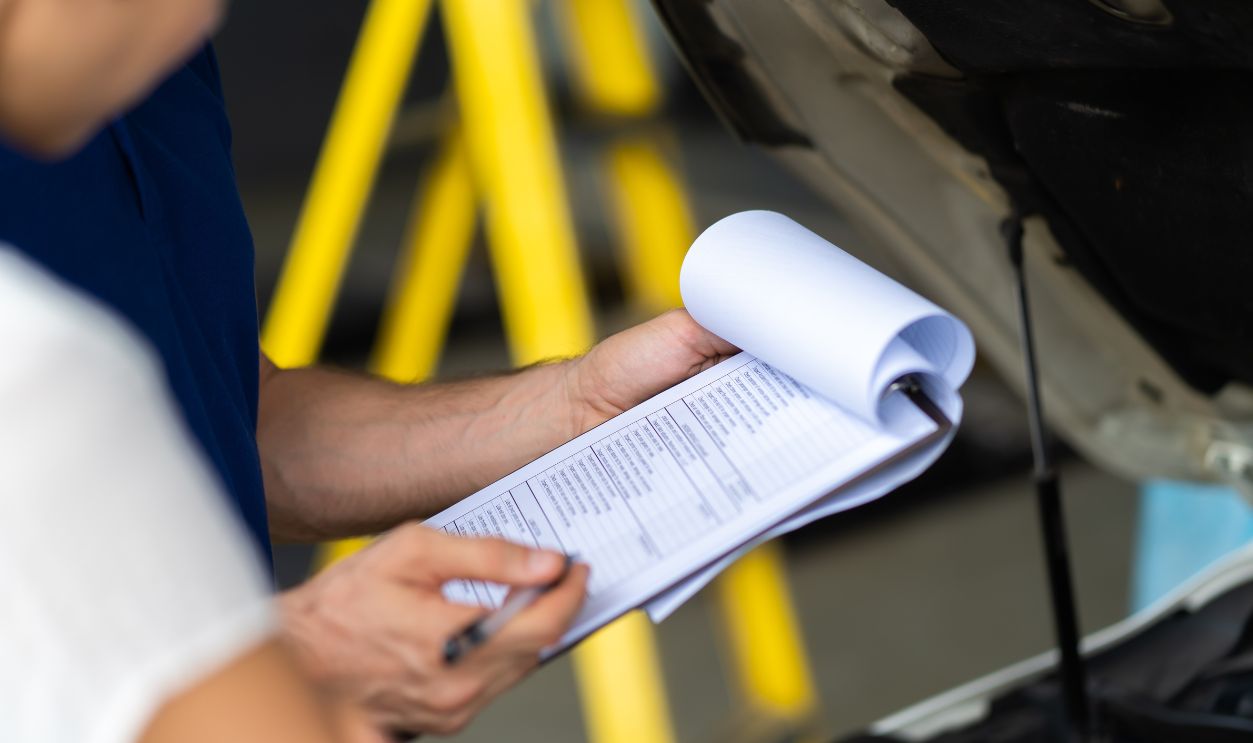
Save emissions-test reports, receipts, photographs, engine numbers, parts invoices, correspondence with the DMV, and records from specialists. If a referee, waiver program, or DMV employee later needs proof of what was repaired or installed, this documentation can save considerable frustration. It will also help the next owner understand why the car is configured the way it is.
Don’t Assume Registering It Somewhere Else Is An Easy Shortcut
It can be tempting to title a troublesome classic through another state with easier emissions rules, especially when online companies advertise precisely that solution. But registration normally needs to reflect legitimate residency, ownership, garaging, tax, and insurance circumstances. Creating an out-of-state registration arrangement solely to avoid your home state’s requirements can cause larger DMV or insurance problems than the original emissions failure.
Check Registration Requirements Before Buying The Next One
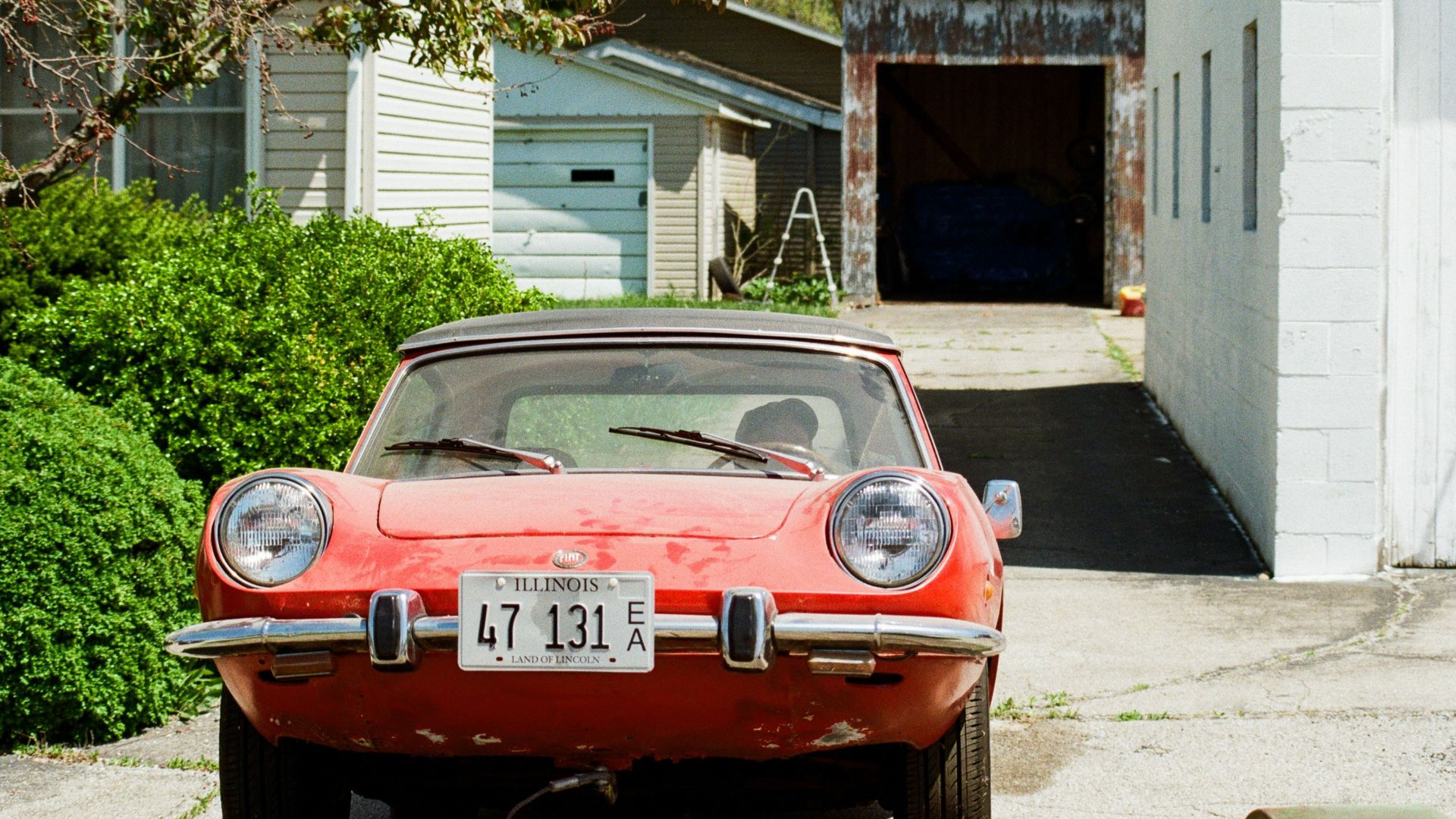
Out-of-state vintage purchases deserve a pre-purchase emissions check just as much as they deserve a rust inspection. Before sending money, enter the exact year, fuel type, and vehicle information into your home DMV’s rules. Ask whether an emissions inspection will be required and inspect the emissions equipment before buying. A car that is perfectly legal where it sits can become a major project as soon as it crosses a state line.
The Car May Still Be Registrable, But Find The Correct Path First
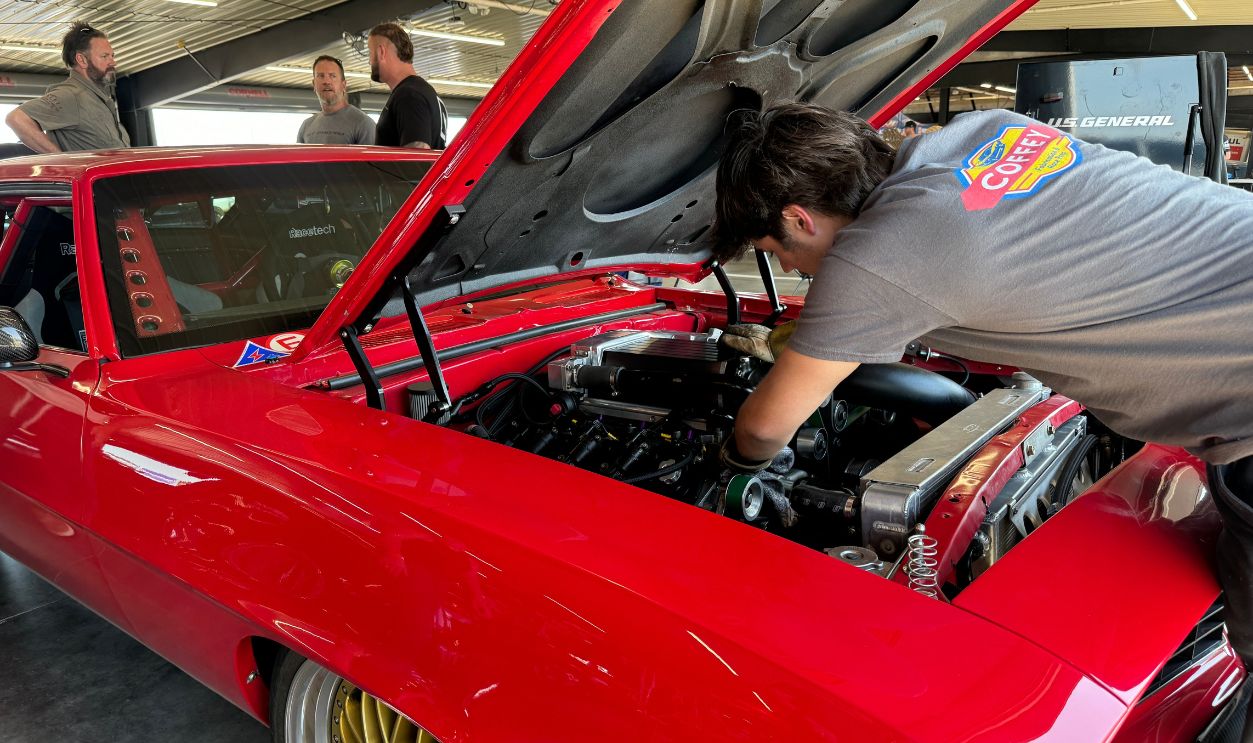
Trouble registering an out-of-state classic doesn’t automatically mean you bought an expensive garage ornament. First determine whether the car is actually subject to emissions testing, then find out whether it failed because of mechanical condition, missing equipment, an engine swap, or paperwork. Check age and collector exemptions, use a specialist or referee when available, and get a realistic compliance estimate before modifying anything. The biggest mistake is spending thousands fixing a requirement that may not even apply to your particular vintage car.
You May Also Like:
My son installed an exhaust and now fails emissions testing. Who pays to make it legal?