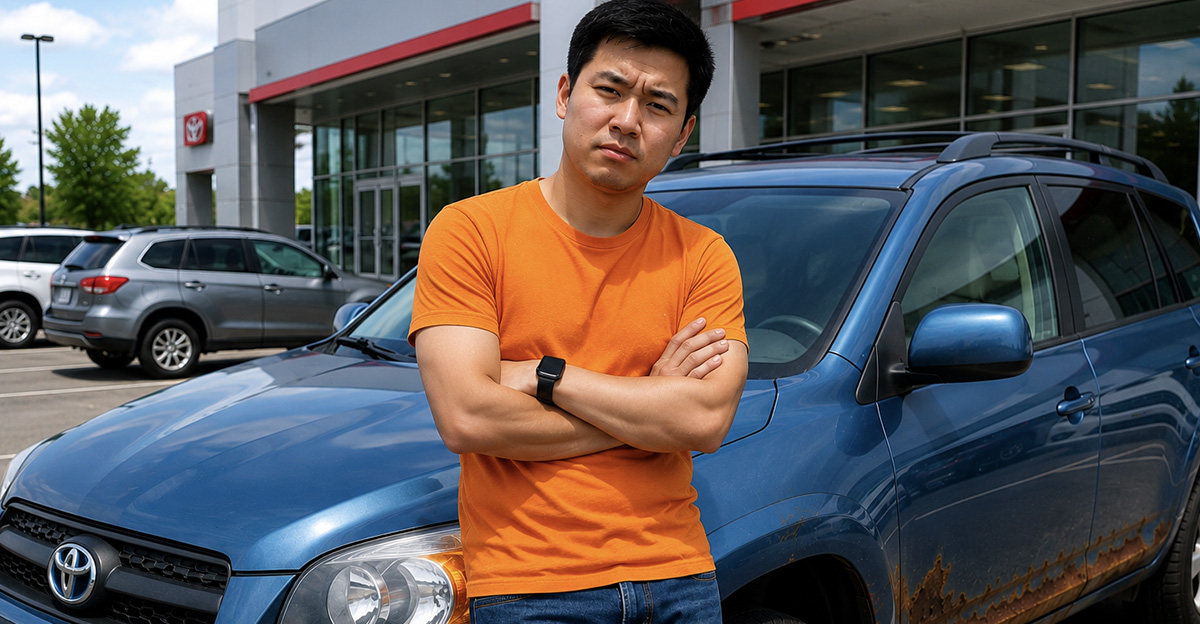
The Recall Is Free, But The Rust Complicates Everything
A safety recall is supposed to be simple. But then the dealership says the vehicle is too rusted to safely perform the work, and everything suddenly gets murky. The good news is that a dealer can't usually dodge a valid recall for convenience, though severe corrosion can create real safety and repairability problems that need to be handled carefully.
Safety Recalls Are A Big Deal
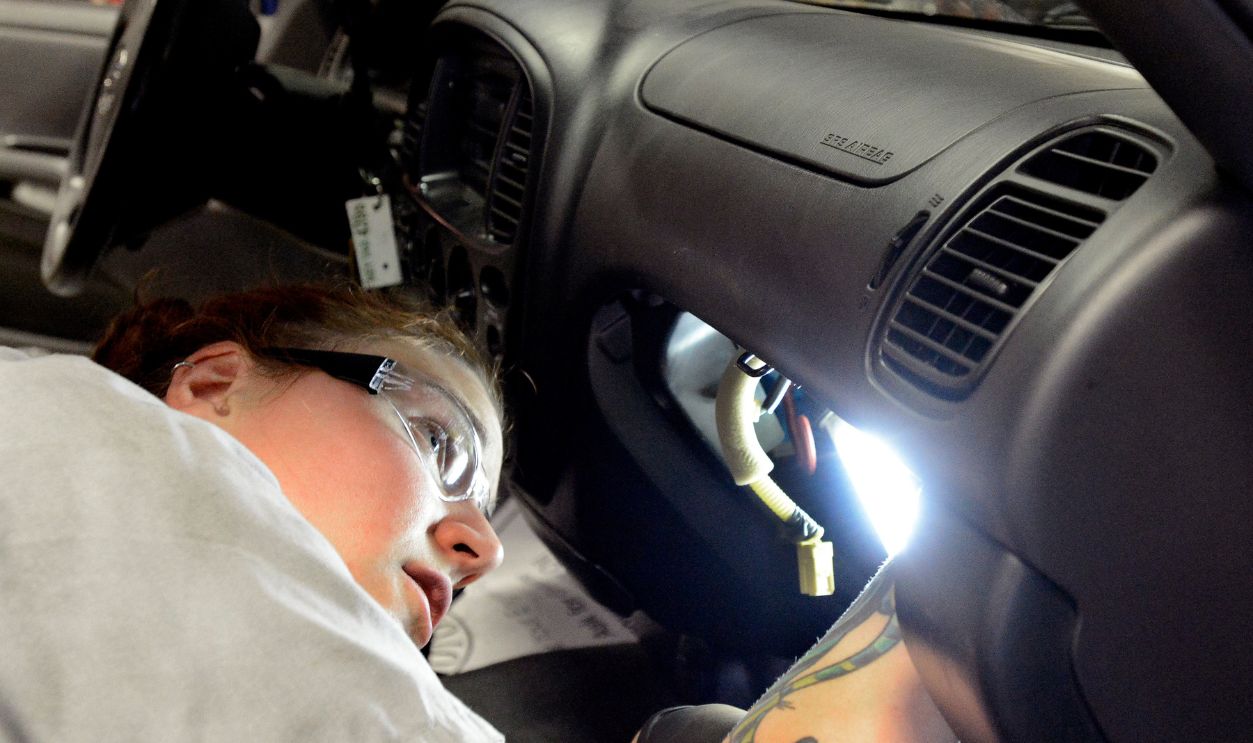
Vehicle recalls are not ordinary maintenance recommendations. In the United States, safety recalls involve defects or noncompliance issues that relate to motor vehicle safety. NHTSA maintains recall databases where owners can search by VIN and check whether a vehicle has an open safety recall. If your vehicle qualifies, the remedy is generally supposed to be performed free of charge.
 Portland Press Herald, Getty Images
Manufacturers Usually Must Provide A Free Remedy
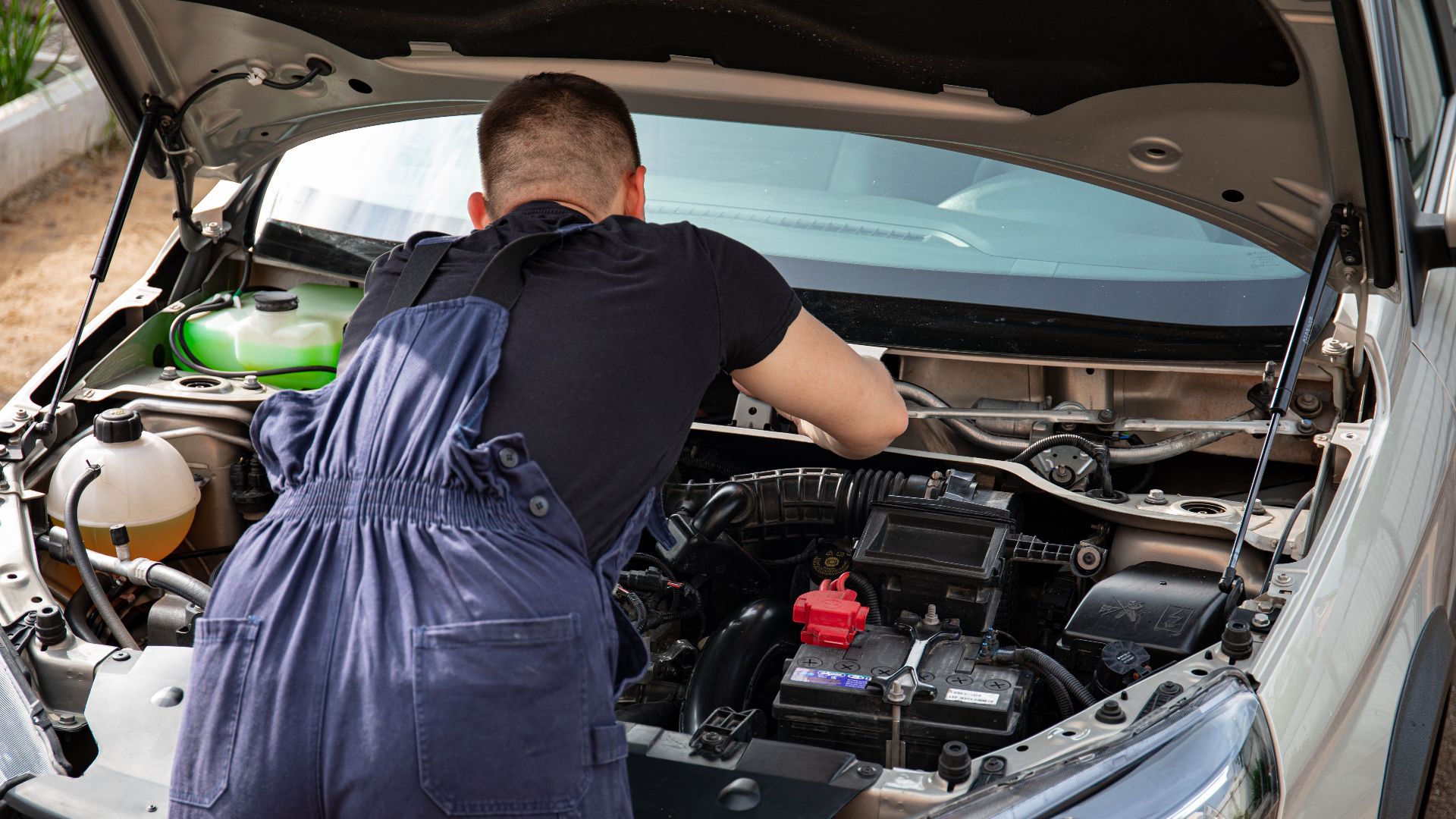
Federal law generally requires manufacturers to remedy safety defects and noncompliances without charge when the vehicle is presented for repair. That remedy may involve repair, replacement, or in some cases refund or repurchase. The dealer is usually the place where the work is performed, but the legal obligation ultimately sits with the manufacturer. That distinction matters when a local service department says no.
Age And Mileage Usually Do Not End The Recall
Many owners worry that an older vehicle or high-mileage vehicle no longer qualifies for recall work. In general, safety recalls are not the same as warranties. A valid open safety recall can apply long after the original warranty expired. If the VIN is covered and the recall remains open, the manufacturer usually cannot refuse the repair simply because the vehicle is old.

Rust Is Different From Ordinary Age
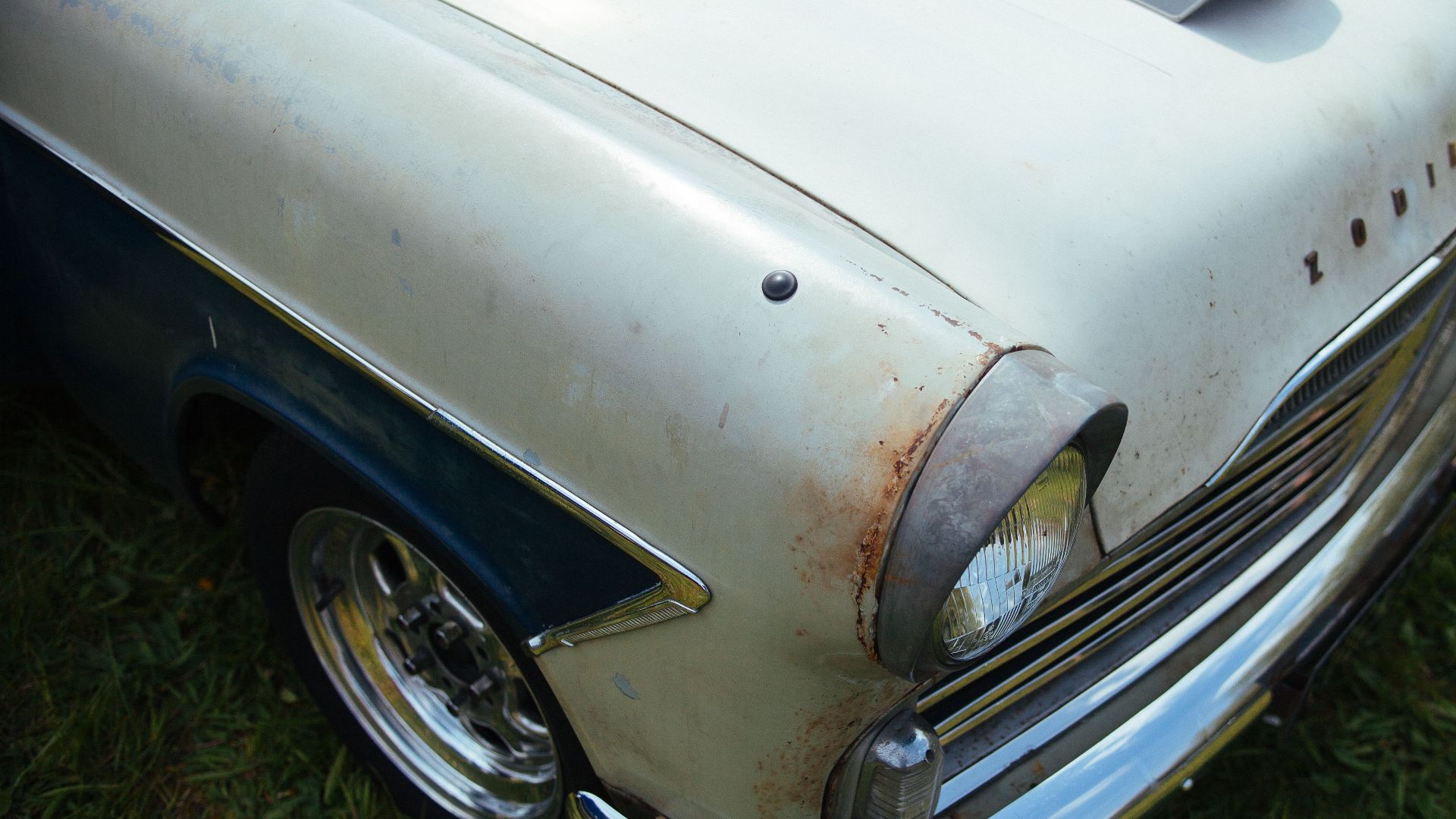
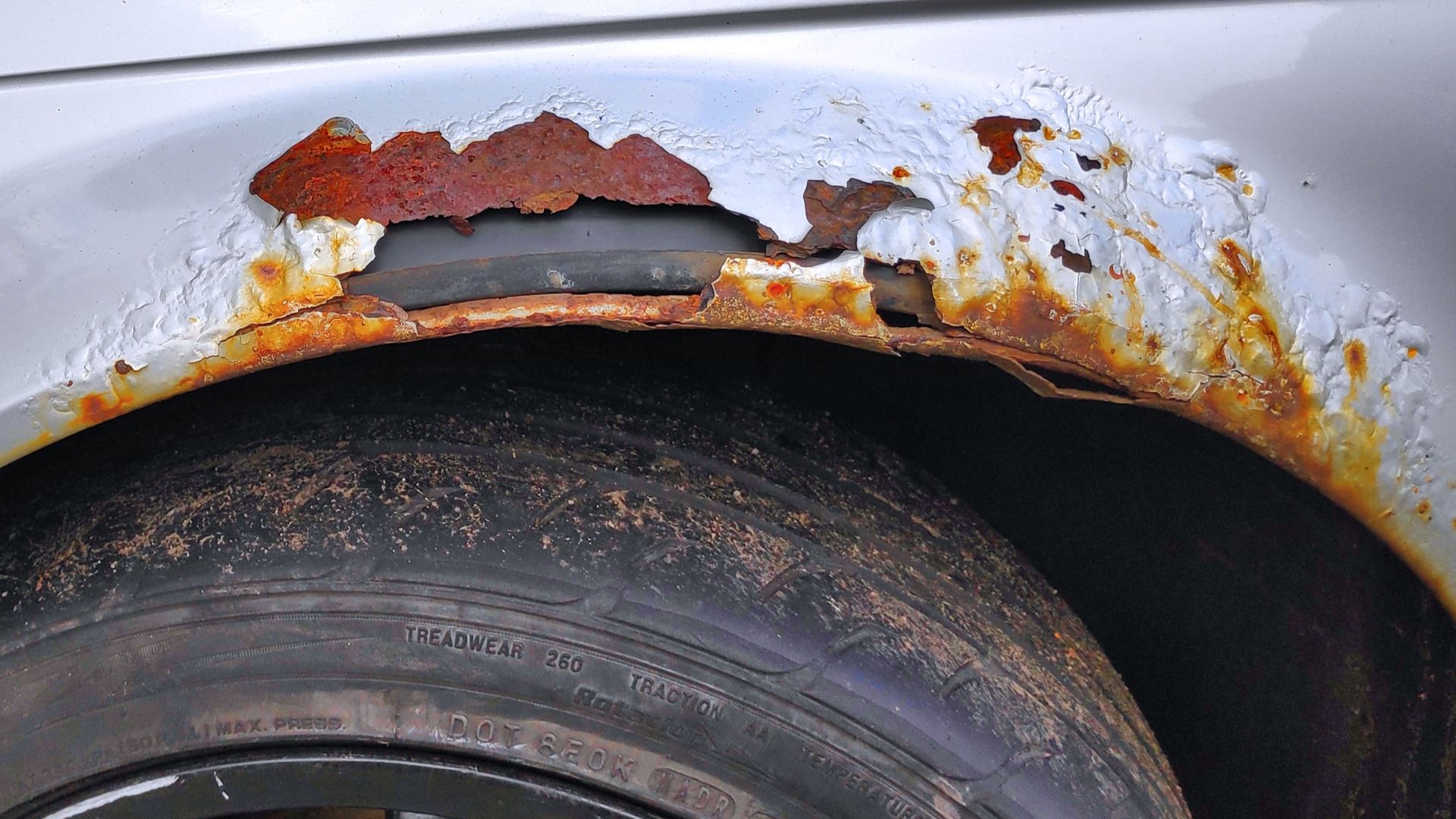
Rust is where things become more complicated. A dealer may not be allowed to refuse a recall just because the vehicle is inconvenient, dirty, old, or unpleasant to work on. However, if corrosion makes the repair unsafe or impossible to complete properly, the dealer may raise a legitimate concern. The issue is whether rust merely makes the job harder or actually prevents a safe, effective remedy.
The Dealer Should Explain The Refusal Clearly
A vague statement like “too rusty” is not enough. Ask the service advisor or manager to identify exactly what part of the vehicle is unsafe or unrepairable. Is the frame too weak to lift? Are mounting points gone? Are bolts fused, broken, or surrounded by compromised metal? A clear explanation helps you determine whether the refusal is legitimate or just a brush-off.
Ask For The Decision In Writing
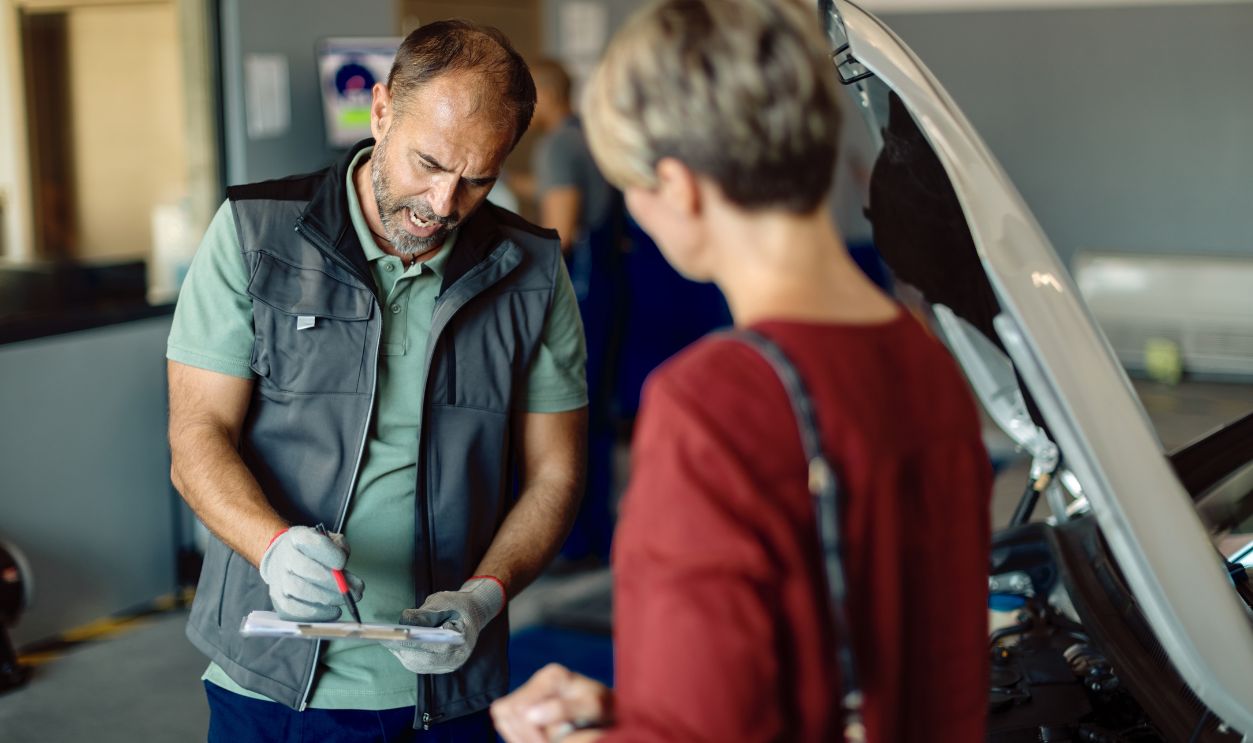
If the dealership refuses the recall repair, ask for a written statement. It should include the recall number, your VIN, the date, the reason for refusal, and the specific rust-related concern. This protects you if you need to escalate the issue to the manufacturer or NHTSA. It also prevents the story from changing later.

Take Photos Before Leaving
If possible, ask the dealership to show you the rusted areas and take photos. Document frame rails, lift points, suspension mounts, subframe areas, brackets, bolts, and any parts directly involved in the recall. Photos can help another dealer, mechanic, or manufacturer representative understand the concern. They also support your case if the refusal seems questionable.

Call The Manufacturer Next
If the dealer refuses to perform an open recall, contact the manufacturer’s customer care line immediately. Provide the VIN, dealership name, recall number, and written explanation if you have one. Ask whether the manufacturer agrees that corrosion prevents the remedy. Since the manufacturer owns the recall obligation, it should be involved before you accept the dealer’s answer as final.

Ask For A Case Number
When you contact the manufacturer, request a case number. Write down the date, representative’s name, and what they tell you. Ask whether the manufacturer can send a field representative, authorize another dealer, or provide alternative instructions. A case number keeps the issue from being treated like a casual service complaint.

A Second Dealer May See It Differently
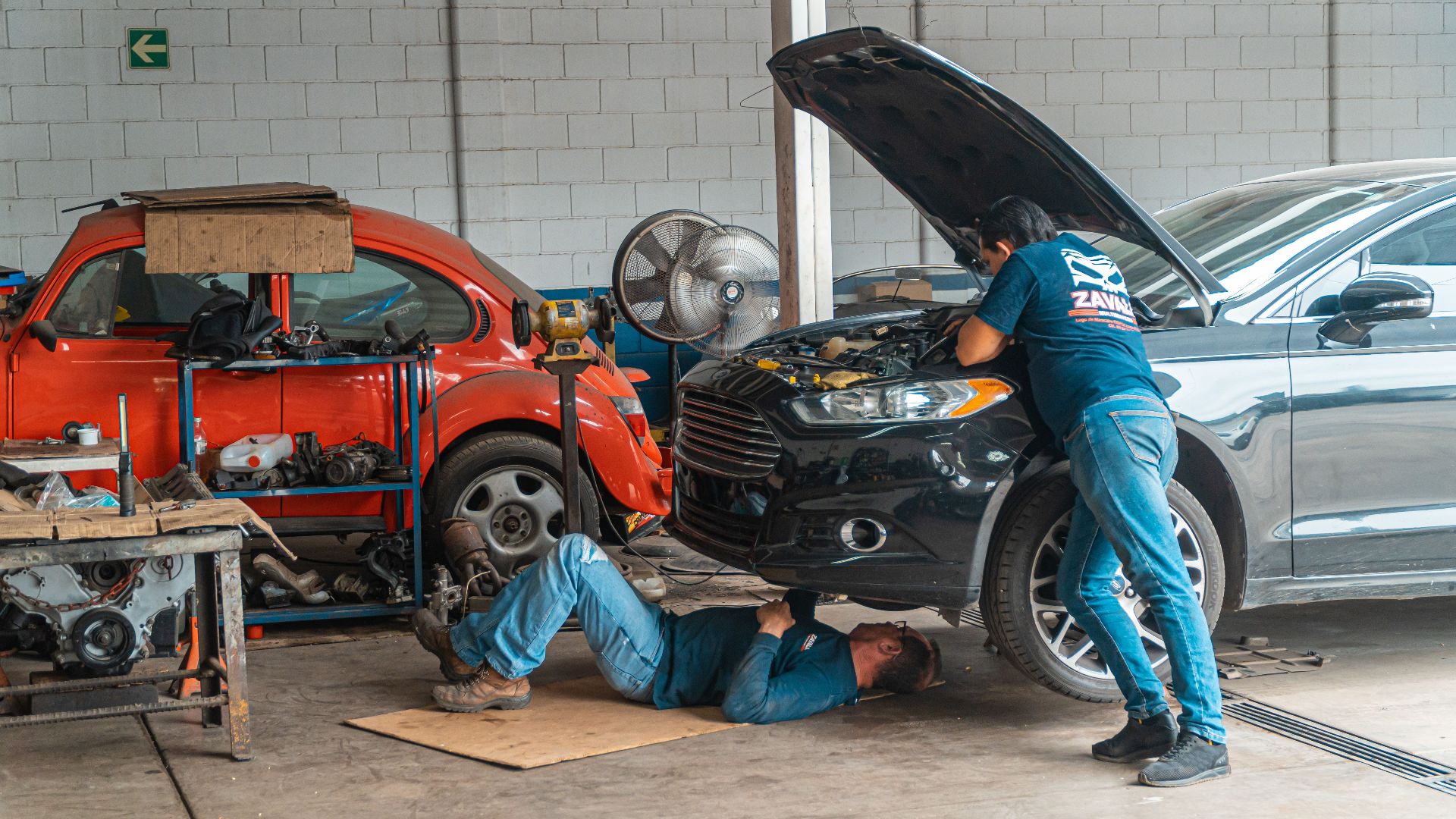
Dealerships can vary in equipment, experience, staffing, and willingness to work on heavily corroded vehicles. One dealer may refuse the job while another may be comfortable performing it with different equipment or procedures. If the first refusal seems overly cautious or poorly explained, a second opinion from another authorized dealer can be valuable. Be honest about the first dealer’s concerns when scheduling.

Some Recall Instructions Address Corrosion
Certain recall campaigns include inspection steps for rust, corrosion, broken fasteners, or related damage. The manufacturer’s repair procedure may tell dealers what to do if the vehicle condition prevents the standard remedy. Ask whether the recall instructions contain any corrosion guidance. If they do, the dealer should be following that procedure rather than improvising.

Pre-Existing Damage May Need Separate Repair
Sometimes the vehicle needs non-recall repairs before the recall can be performed safely. For example, badly rusted lift points, damaged mounting surfaces, or structurally compromised areas may need attention first. The manufacturer may not be required to repair unrelated rust for free just so the recall can proceed. That can feel unfair, but recall coverage usually applies to the defect being recalled, not every condition on the vehicle.
 Jose Ricardo Barraza Morachis, Pexels
Do Not Pay For The Recall Itself
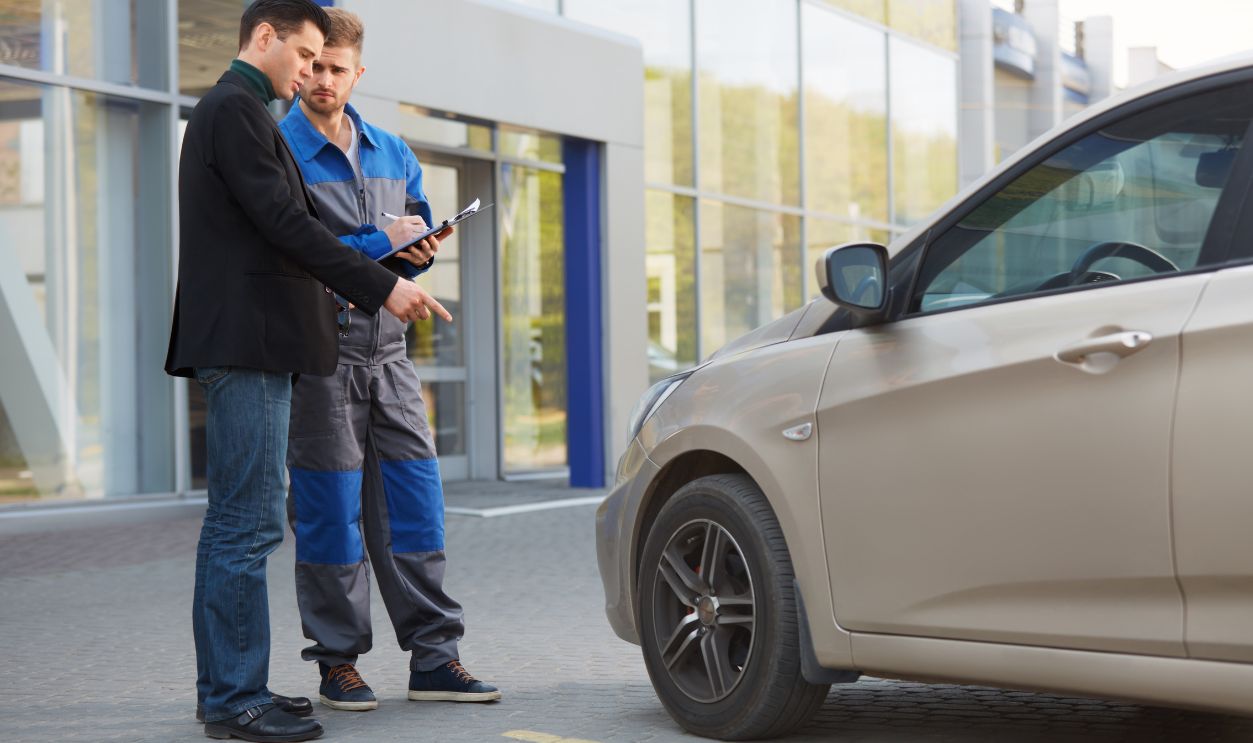
If the dealer says you must pay for the recall repair, push back. Safety recall remedies are generally supposed to be free when the vehicle qualifies. However, the dealer may charge for unrelated work needed to make the vehicle safe to lift or repair. Make sure the estimate separates recall work from rust-related or unrelated repairs.
 Sergei Gontsarov, Shutterstock
Ask Whether Partial Work Is Possible
Depending on the recall, there may be inspection-only steps, temporary measures, or alternative procedures available. Some recalls require a full replacement part, while others begin with an inspection to determine whether repair is needed. If corrosion prevents the full repair, ask whether the dealer can at least document the recall condition. That information may help the manufacturer decide what happens next.
Safety Comes Before Convenience
If the vehicle is truly too rusted to lift or repair safely, the dealer may be protecting its technicians and the vehicle owner. A repair that causes a rusted component to break, collapse, or detach could create a bigger danger. No one benefits from forcing a technician to perform work that cannot be completed safely. The key is making sure the safety concern is real and documented.
 Marek Ślusarczyk (Tupungato) Photo portfolio, Wikimedia Commons
The Vehicle May Have A Bigger Problem
A rust level severe enough to block a recall repair may point to broader safety concerns. Structural corrosion can affect suspension mounting points, brake lines, fuel lines, steering components, crash protection, and the frame itself. Even if the recall issue is important, the rust may be the more urgent problem. A trusted independent inspection can help you understand the vehicle’s overall condition.
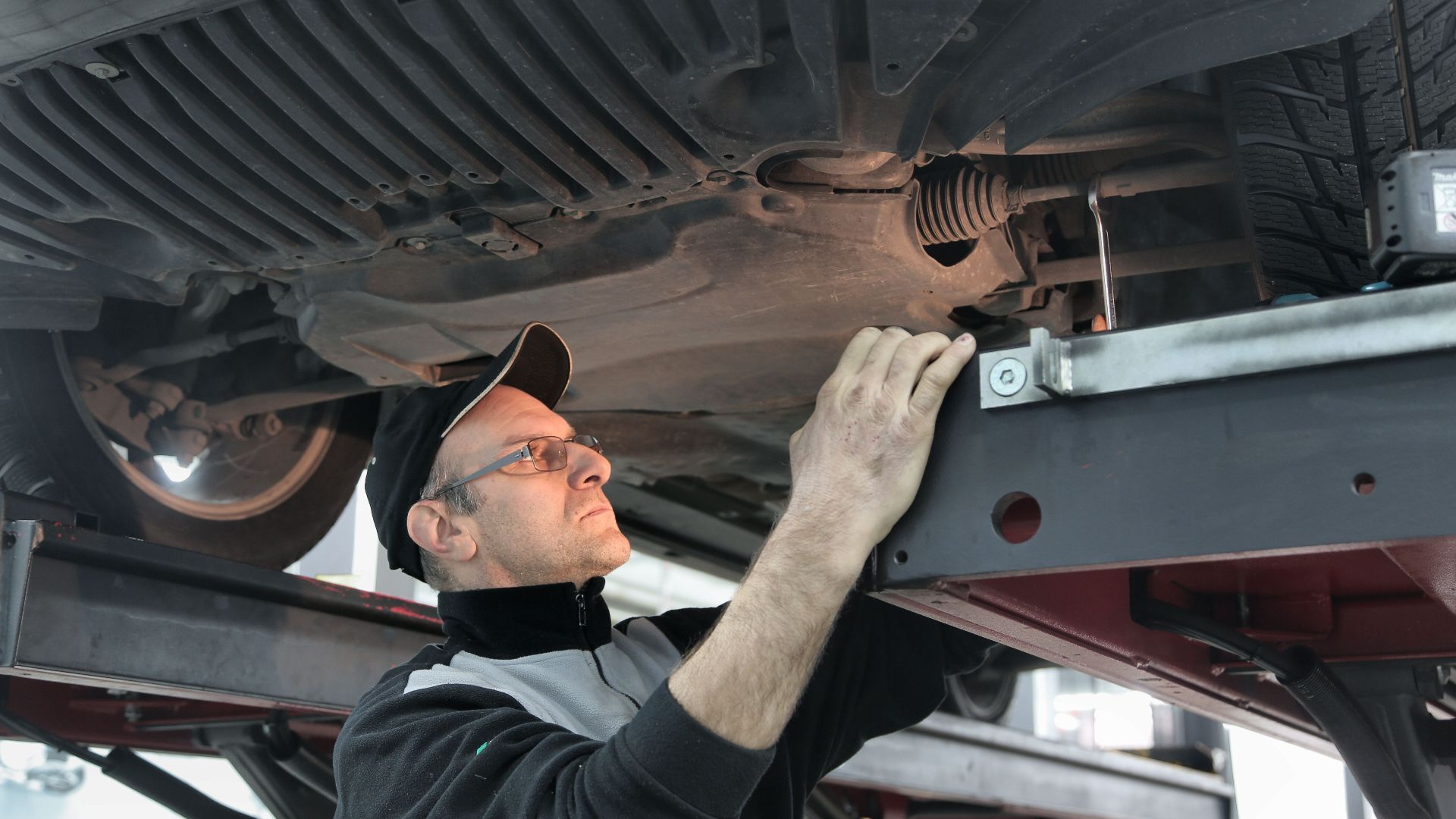
Independent Inspections Can Help
If you are unsure whether the dealer is exaggerating, ask an independent mechanic or body shop to inspect the rust. Look for someone experienced with frame corrosion, structural repairs, or older vehicles in rust-prone areas. Their written opinion may confirm the dealer’s concern or show that the vehicle can be safely repaired. Either way, you will have more than one viewpoint.
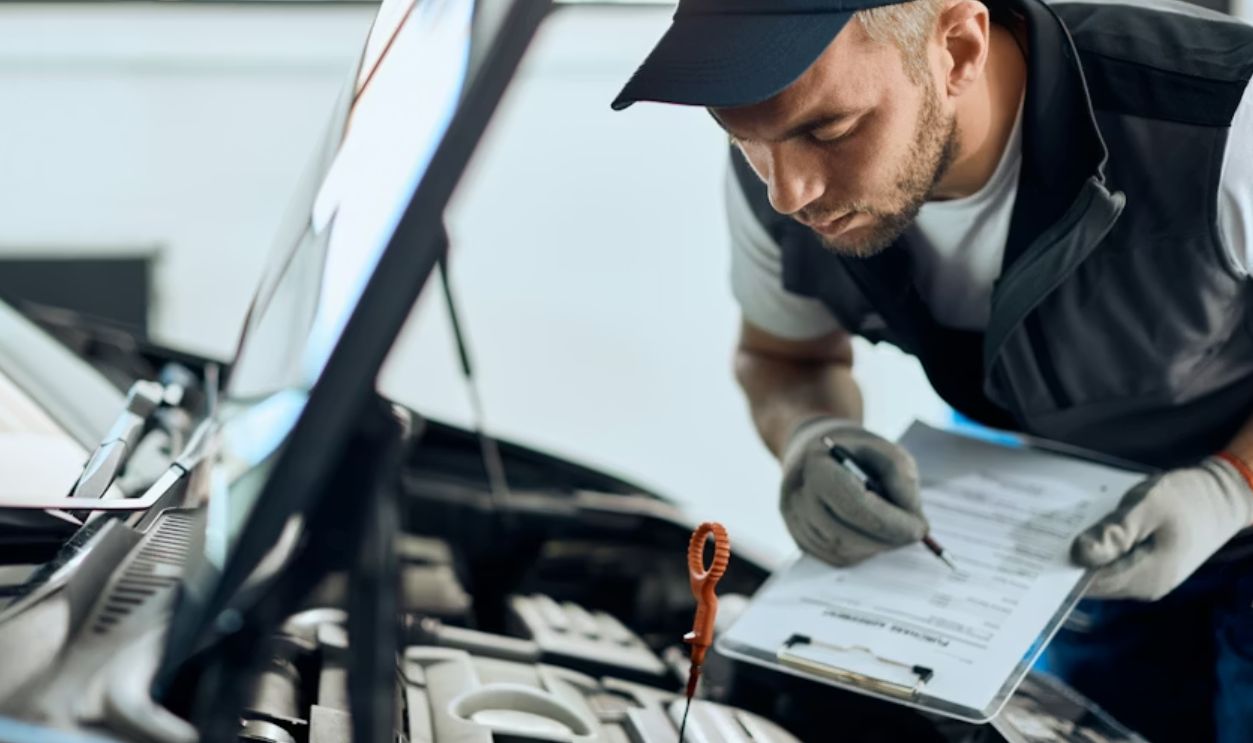
Do Not Try To Force The Dealer
It may be tempting to argue that the recall is mandatory and demand the dealer proceed. That approach can backfire if the vehicle truly presents a lift or repair hazard. A better strategy is to escalate through the manufacturer, request documentation, and involve NHTSA if needed. You want the refusal reviewed, not ignored.

File A Complaint With NHTSA If Necessary
NHTSA’s VIN recall FAQ says that if a dealer refuses to repair a vehicle according to the recall letter, the owner should notify the manufacturer immediately and can file a complaint with NHTSA. Include the VIN, recall number, dealership name, personnel involved, dates, photos, and written refusal. A complaint does not guarantee an immediate fix, but it creates an official record. It may also help if other owners report similar problems.

Check Whether The Recall Remedy Is Still Available
Sometimes recall repairs are delayed because parts are unavailable or the manufacturer has not finalized the remedy. That is different from refusing because of rust. Use NHTSA’s recall lookup and the manufacturer’s recall site to confirm the campaign status. If a remedy is available and your VIN is covered, your escalation becomes stronger.
 Quality Stock Arts, Shutterstock
Ask About Transportation Options
If the recall involves a serious safety issue, ask the manufacturer whether they provide towing, rental coverage, loaner vehicles, or other assistance. These options vary by campaign and manufacturer. They are not always required, but they may be available in serious cases. This is especially important if the vehicle should not be driven.

Do Not Ignore A Serious Recall
If the recall involves fire risk, brake failure, steering loss, airbag issues, or another major safety concern, take it seriously even if the first dealer refuses the job. Ask the manufacturer how to proceed and whether the vehicle should remain parked. Some recall notices include “do not drive” or “park outside” warnings. Follow those instructions if they apply.
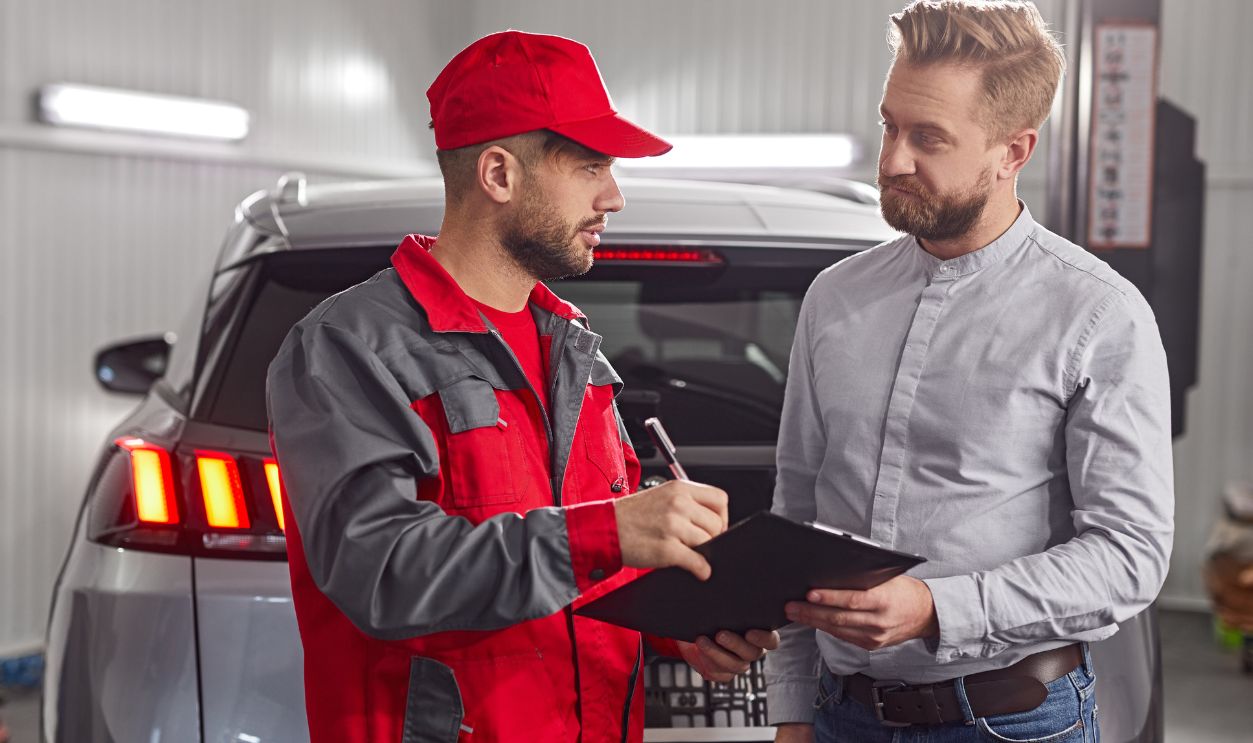
Rust Repair May Not Be Worth It
If unrelated corrosion must be repaired before the recall can be performed, compare the cost against the vehicle’s value and condition. Frame or subframe repairs can be expensive, and severe rust often appears in multiple places once work begins. Sometimes the safest and most economical answer is retiring the vehicle. That is a tough conclusion, but it may be realistic.

You May Still Have Leverage
A dealer’s refusal does not have to be the end of the story. A valid open recall creates obligations for the manufacturer, and a vague rust excuse should be challenged. Ask for documentation, contact the manufacturer, get a second dealer’s opinion, and file a NHTSA complaint if the answer does not make sense. If the vehicle truly cannot be repaired safely, you still deserve a clear explanation and guidance on what options remain.
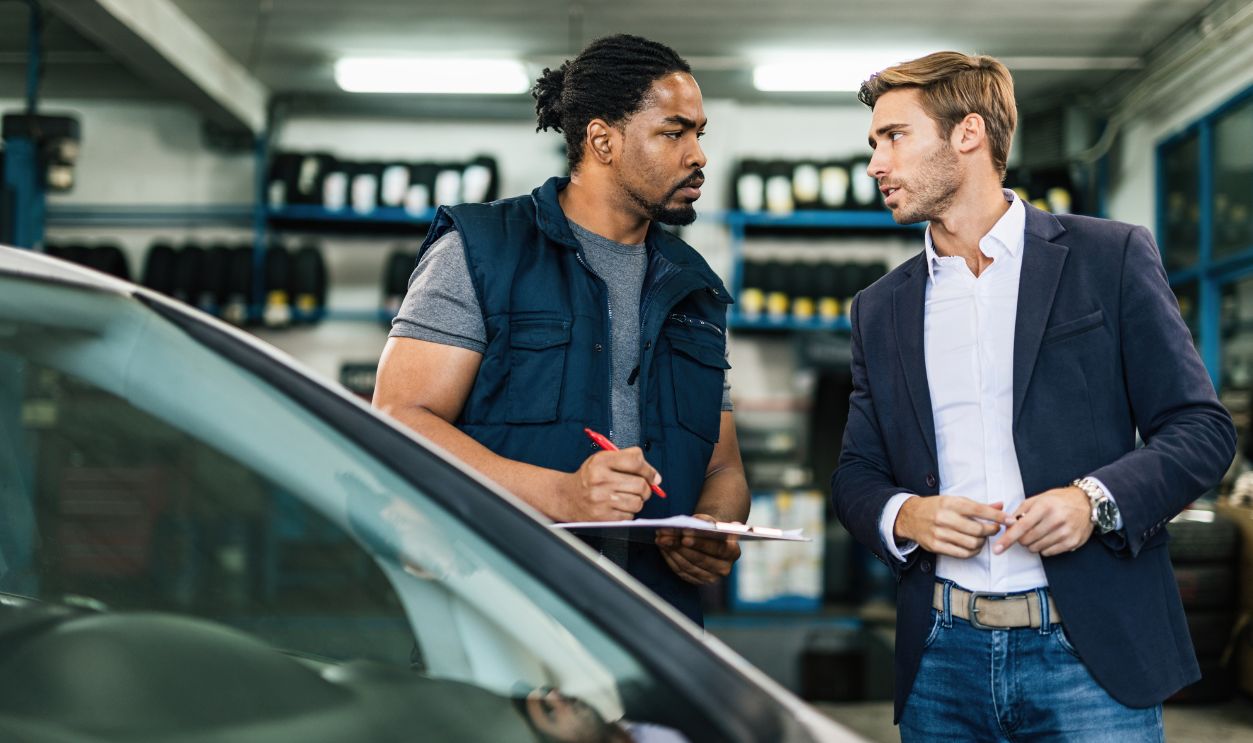
The Answer Depends On Whether The Rust Blocks A Safe Repair
So, can a dealership refuse to complete a safety recall because the vehicle is too rusted? Not simply because the vehicle is old or inconvenient, but severe corrosion can prevent a safe or effective repair in some cases. The dealership should not leave you with a vague refusal, and the manufacturer should be involved before the issue is considered closed. The best path is to document the refusal, escalate quickly, and separate the free recall remedy from any unrelated rust repairs the vehicle may need.

You May Also Like: