The Recall Letter That Solves One Problem And Creates Another
You finally receive a recall notice and feel relieved the manufacturer found the issue. Then the dealer calls and tells you the repair parts won't arrive for weeks. But wait, shouldn't they provide a rental then?

Most Drivers Assume A Rental Is Automatic
It's a common belief that if a vehicle is recalled, the dealer must immediately provide a loaner or rental. That sounds reasonable. Unfortunately, recall laws don't always work the way most consumers expect.

A Recall Doesn't Automatically Mean Unsafe To Drive
Some recalls address serious safety risks. Others involve issues that may not pose an immediate danger. The manufacturer's recommendations often determine what happens next, and that distinction becomes very important.

The First Question To Ask
Did the recall notice tell you to stop driving the vehicle immediately? If the answer is yes, your situation may be very different from a routine recall involving a less urgent defect.

What Dealers Actually Do
Dealers perform recall repairs on behalf of manufacturers. They don't usually create recall policies themselves. Whether a rental is offered often depends on the automaker's program rather than the dealership's decision.
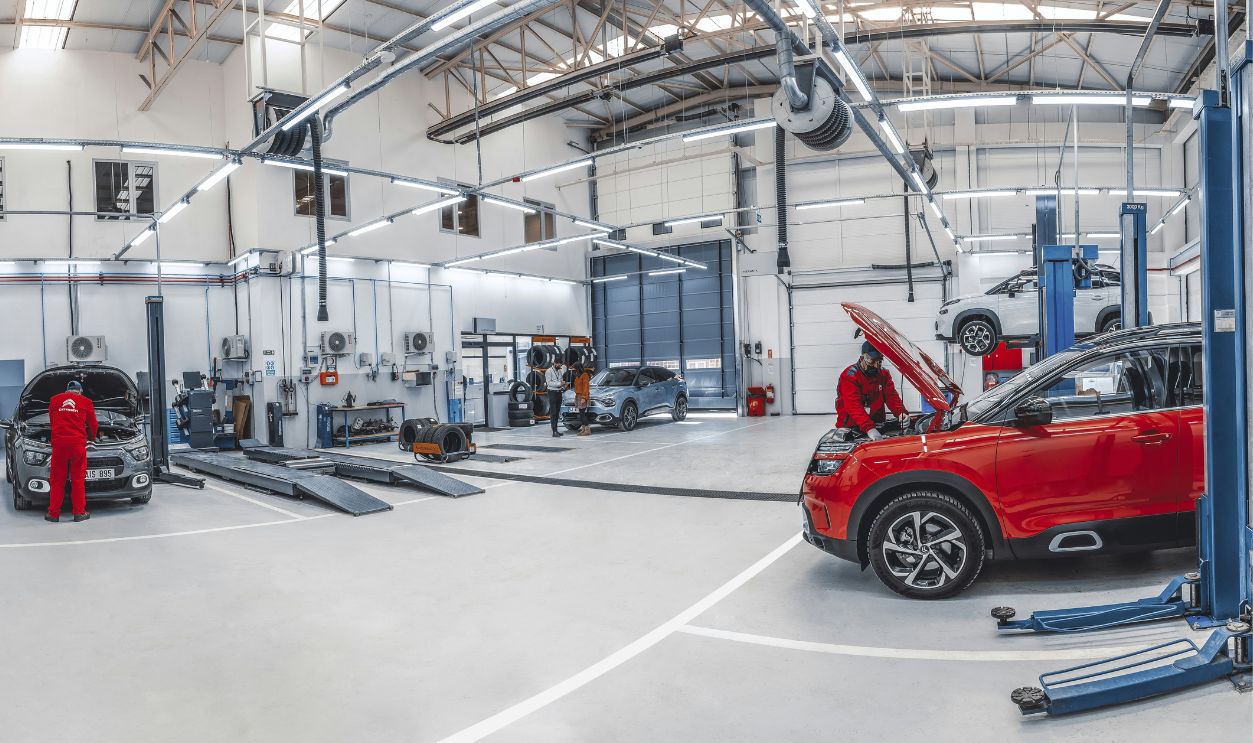
Parts Shortages Are Surprisingly Common
Modern recalls can affect hundreds of thousands—or even millions—of vehicles. Manufacturing replacement parts takes time. That's why some owners find themselves waiting weeks or even months for repairs.
The Important Phrase To Look For
Watch for the words 'Do Not Drive.' If a manufacturer issues a do-not-drive warning, it is acknowledging a serious safety concern. These cases often receive special treatment compared to standard recalls.

Sometimes Manufacturers Cover Rentals
In certain recalls involving serious safety risks, manufacturers may provide loaner vehicles, rental reimbursement, or alternative transportation assistance. However, this isn't guaranteed in every recall situation.

Sometimes They Don't
For less urgent recalls, manufacturers may simply place owners on a waiting list until parts become available. In those cases, rental coverage may not be offered at all.
 Anatoliy Cherkas, Shutterstock
The Dealer May Not Have Extra Cars
Even when loaner programs exist, dealerships often have limited inventory. During major recalls, available loaners can disappear quickly, leaving many owners frustrated.

Who Is Actually Responsible?
The manufacturer is usually responsible for fixing the recall defect at no charge. However, responsibility for transportation expenses depends on the recall program, warranty terms, and applicable consumer protection laws.

Federal Recall Rules Have Limits
In the United States, manufacturers generally must repair recall defects for free. However, federal recall laws don't automatically require rental vehicles for every recall-related delay.

There Is One Major Exception
If the manufacturer specifically advises owners not to drive the vehicle because of a safety risk, pressure often increases to provide transportation assistance. These situations tend to receive greater scrutiny from regulators.

Ask More Than One Person
If a dealership says no rental is available, don't stop there. Contact the manufacturer's customer service department directly. They sometimes have authority to approve assistance that local dealerships cannot authorize.

Document Everything
Keep copies of recall notices, repair orders, emails, text messages, and notes from phone calls. Good records can become valuable if reimbursement opportunities arise later.

Reimbursement Is Sometimes Possible
In certain situations, manufacturers may reimburse reasonable transportation expenses. Policies vary widely, but it's worth asking whether rental reimbursement programs are available.

What If You Feel Unsafe Driving?
This is where the situation becomes personal. Even if the manufacturer hasn't issued a do-not-drive warning, some owners choose not to drive a vehicle affected by a serious safety recall.

Consumer Protection Laws Can Matter
Depending on where you live, state, provincial, or national consumer protection laws may provide additional rights. Some jurisdictions offer protections beyond the minimum federal recall requirements.

What To Watch For Next Time
Before purchasing a vehicle, research the manufacturer's recall history and customer service reputation. Some automakers handle recall support far more aggressively than others.

Ask About Loaner Policies Before Trouble Starts
Many buyers never think about loaner programs until something goes wrong. Asking how warranty repairs and recalls are handled can reveal a lot about a dealership's customer service approach.
 Hryshchyshen Serhii, Shutterstock
So, Shouldn't The Dealer Provide A Rental?
Not necessarily. A dealer is generally not required to provide a rental simply because recall parts are delayed. Whether transportation assistance is available usually depends on the manufacturer's recall program and the severity of the safety issue.
The Answer Most Owners Don't Expect
The frustrating reality is that a vehicle can be officially recalled, unavailable to repair, and still leave the owner without a rental. That's why the most important step is determining whether the manufacturer considers the vehicle safe to drive while you wait.

You May Also Like: