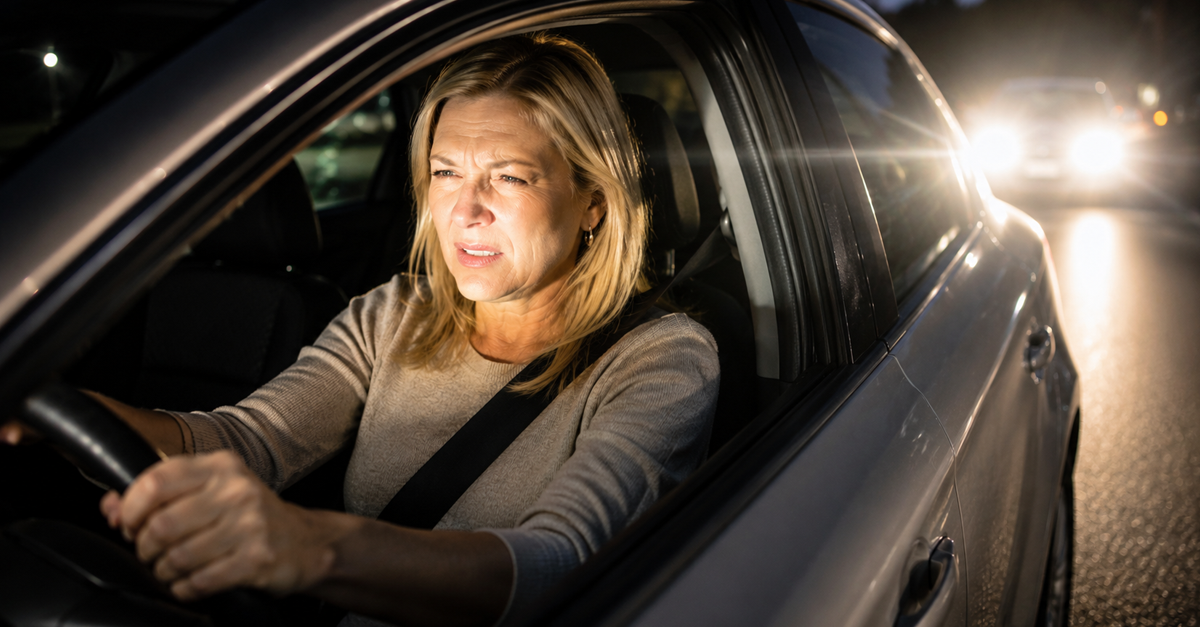
Automatic Does Not Mean Perfect
Automatic high beams can be helpful, but they are not magic. They rely on cameras, sensors, software, and clear sightlines to decide when to dim. If any part of that chain is confused, other drivers can still get blasted.
Know What The System Actually Does
Most automatic high-beam systems switch between high and low beams when they detect traffic, streetlights, or enough ambient light. They are different from adaptive driving beams, which can shape the beam around other vehicles. That difference matters because simple auto high beams may react later than you expect.
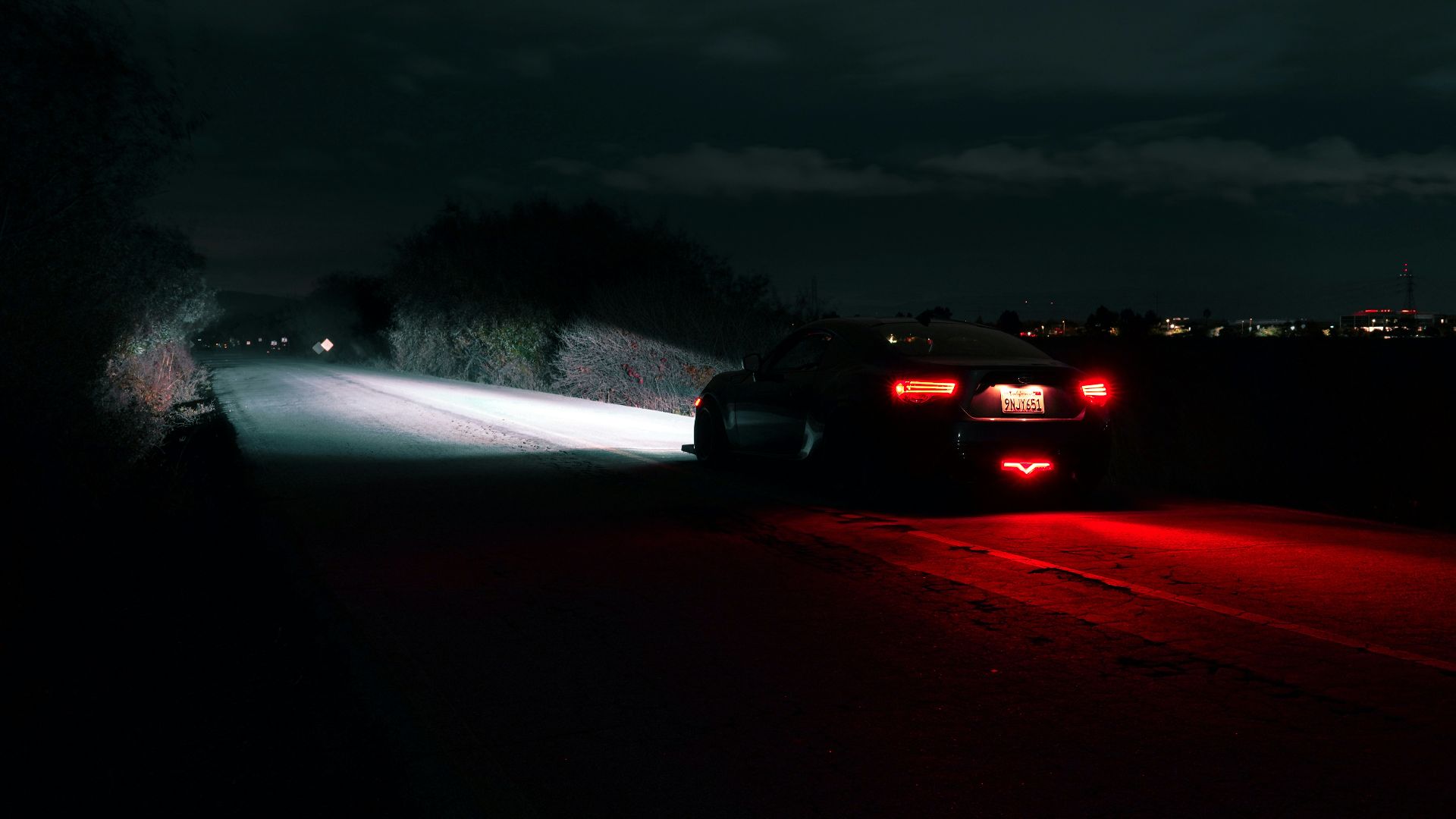
Check Your Owner’s Manual First
Your car’s manual will explain the exact speed, lighting, and sensor conditions needed for the system to work. Some systems only activate above certain speeds. Others may stay off in urban lighting, fog, snow, or rain.
Make Sure The Feature Is Really On
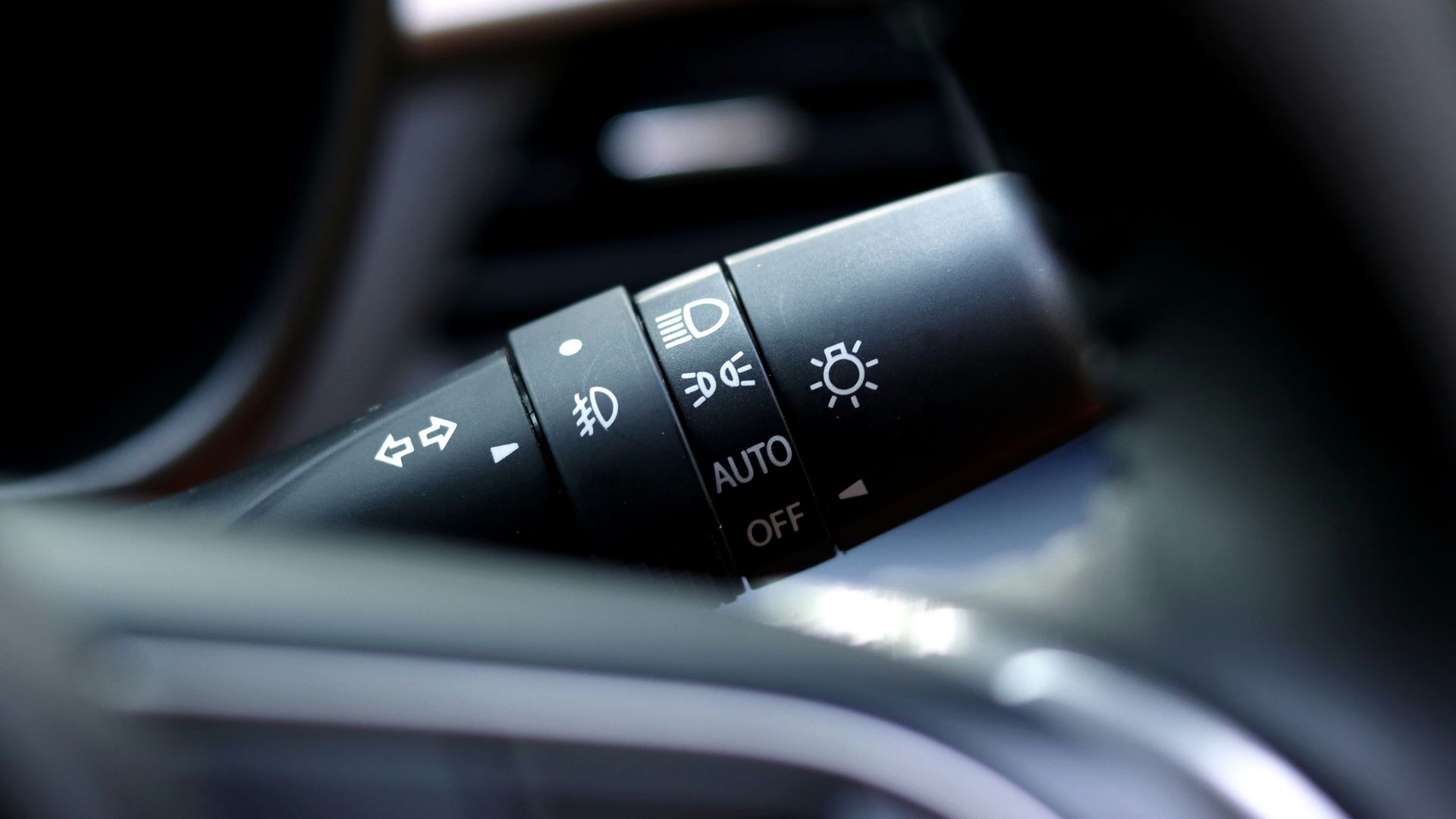
Some cars require the headlight stalk, dashboard menu, or infotainment setting to be in a specific position. A driver can think the feature is active when the headlights are simply in automatic mode. Automatic headlights and automatic high beams are often separate functions.
Clean The Windshield Near The Camera
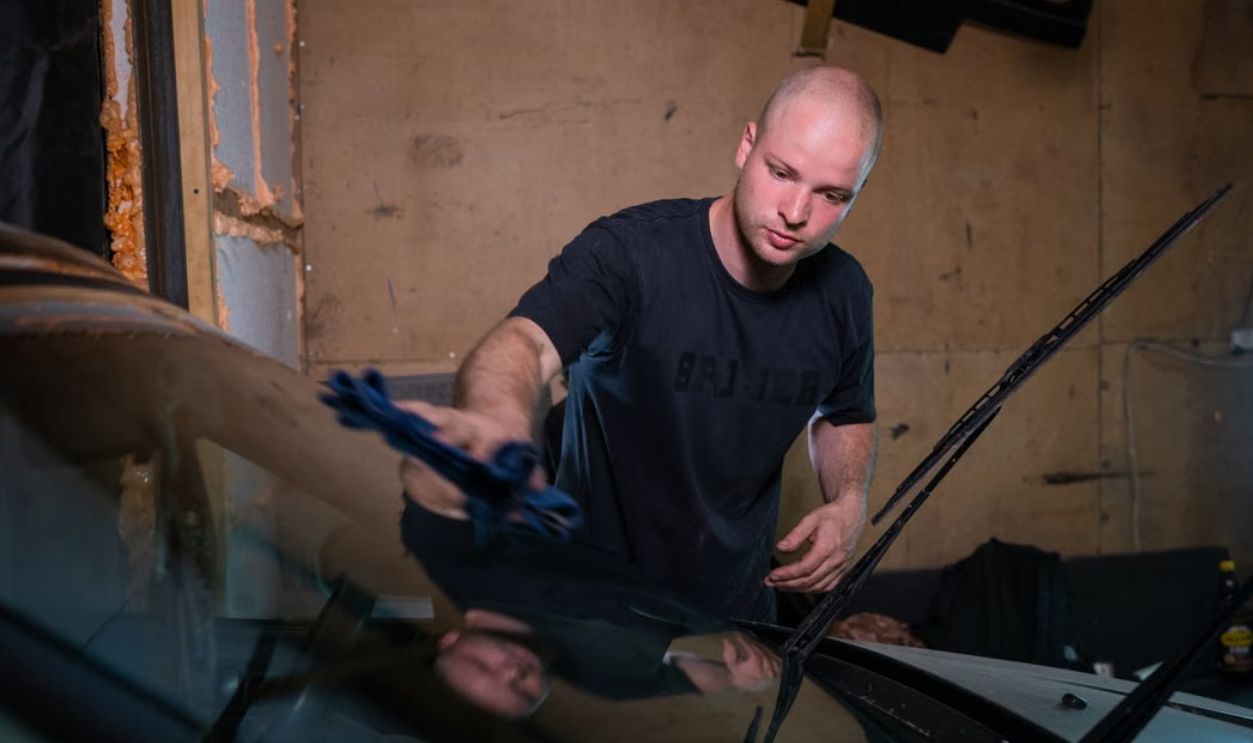
Many systems use a camera mounted near the top of the windshield. Dirt, frost, road salt, snow, stickers, or bug splatter can interfere with detection. Cleaning that area is one of the easiest fixes.
Do Not Ignore Camera Warnings
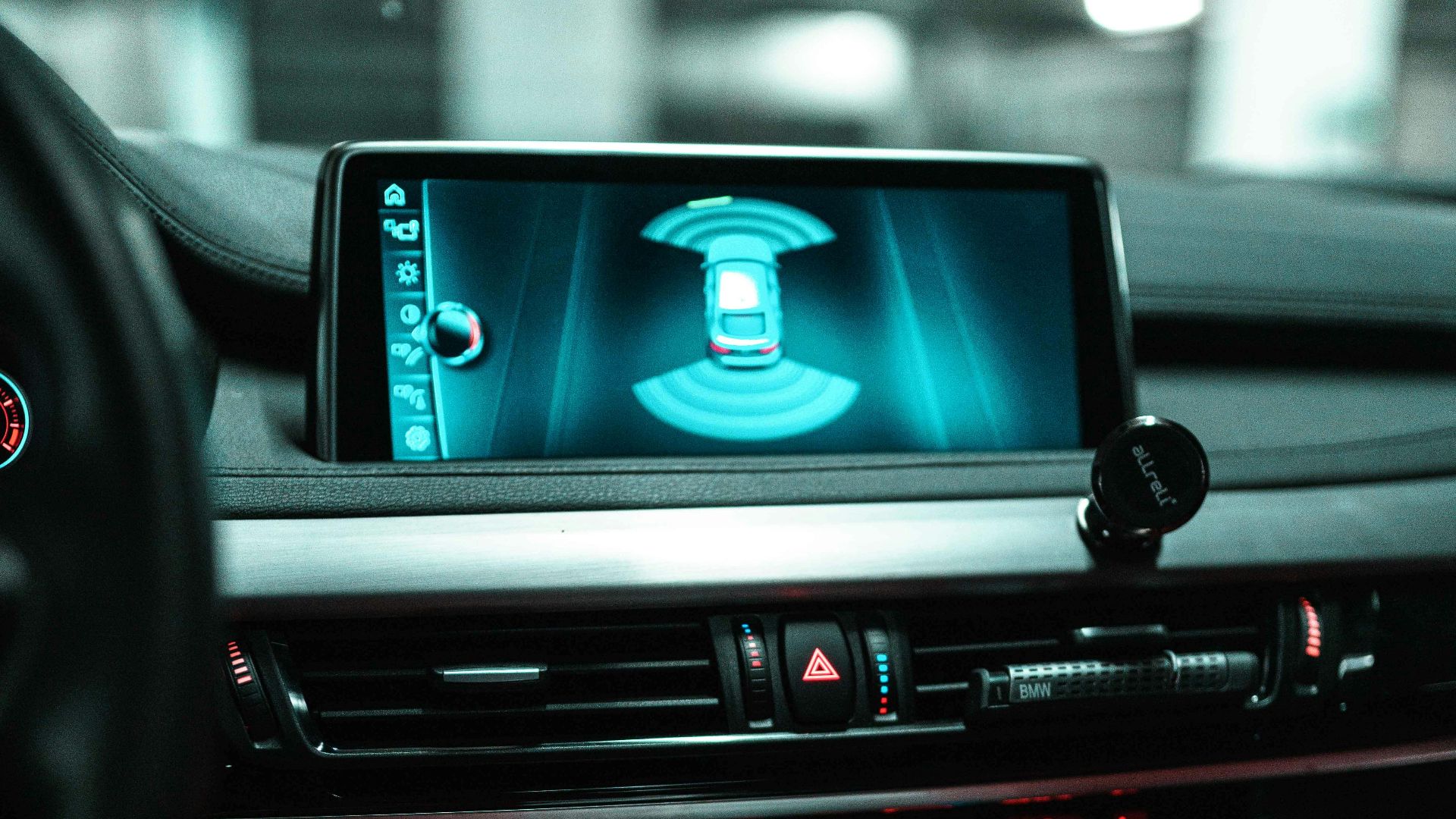
If your dash says a front camera is blocked, overheated, or unavailable, the high-beam system may not work normally. Some cars disable automatic high beams until visibility improves. Treat that warning as a lighting issue, not just a driver-assist nuisance.
Watch For Windshield Damage
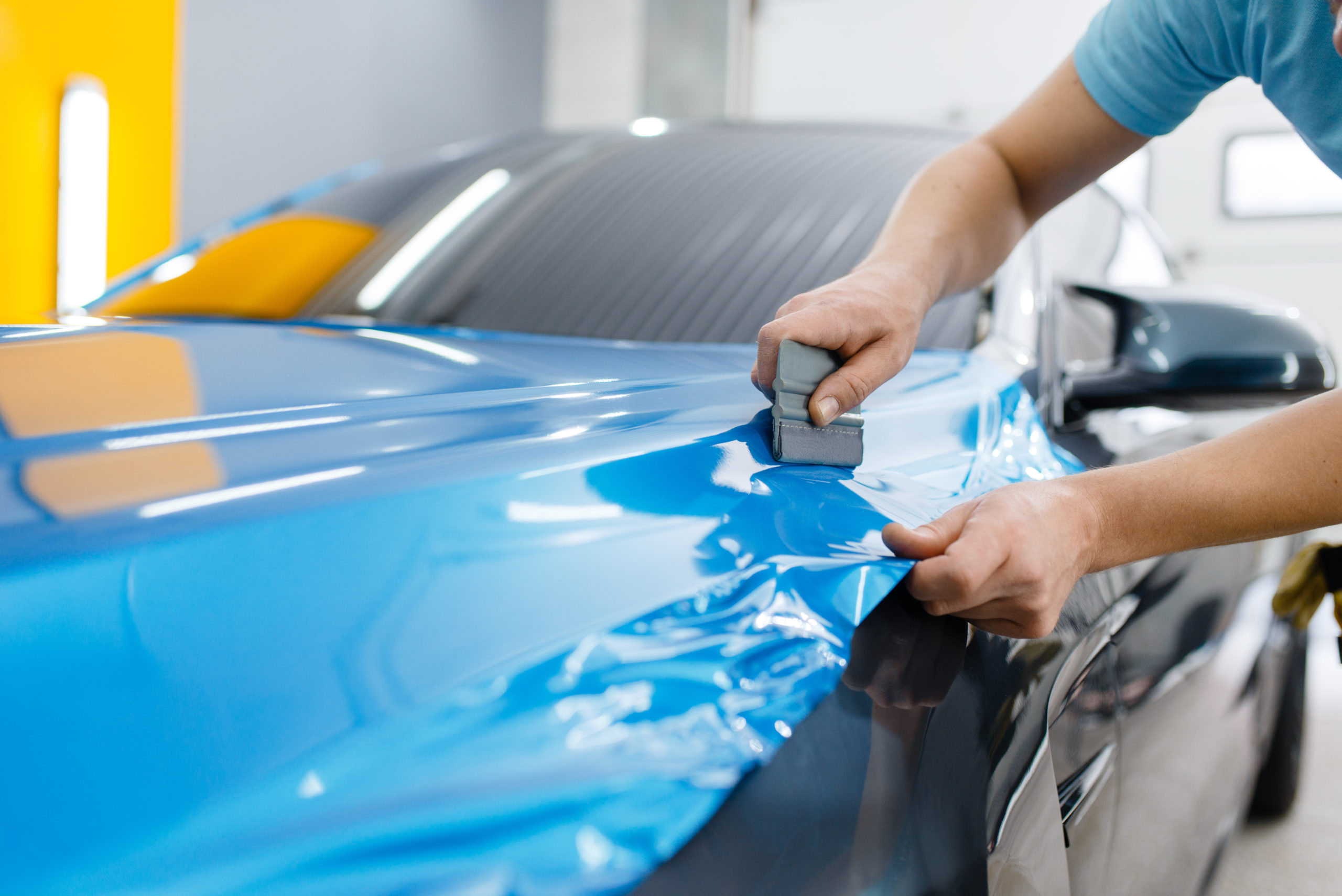
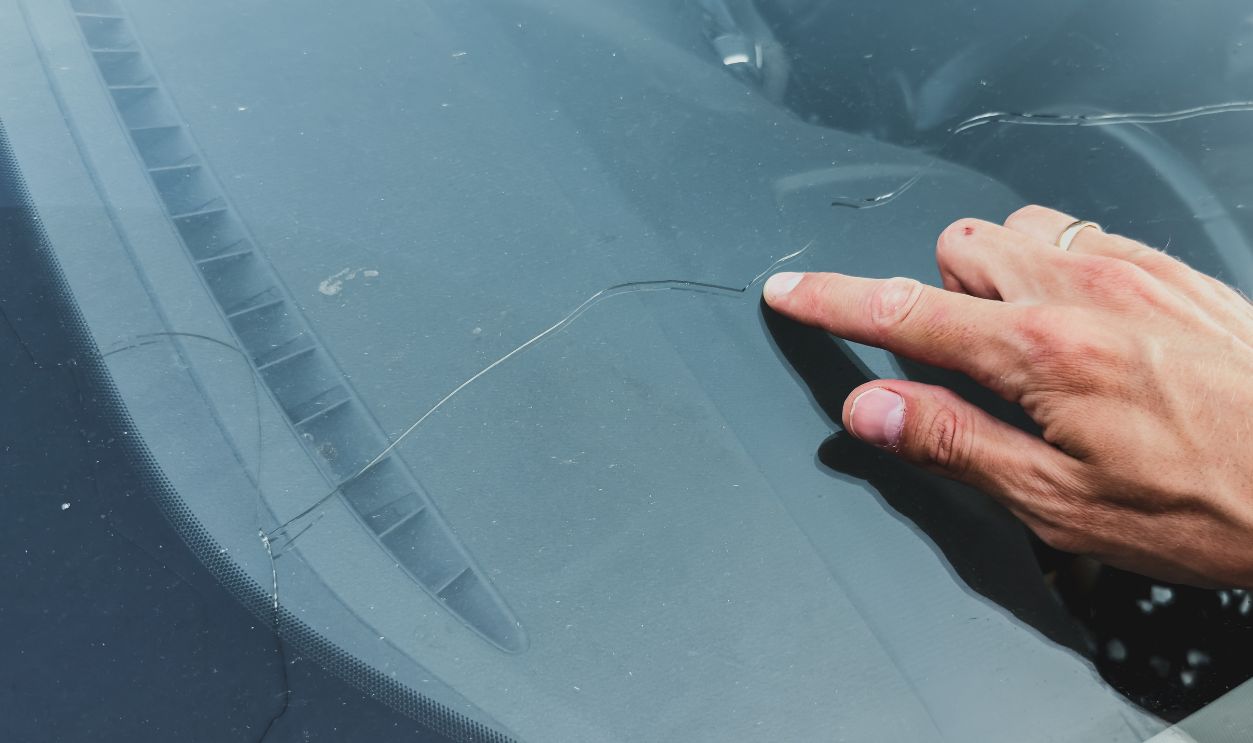
A chip, crack, or poor windshield replacement near the camera can throw off driver-assist systems. Many automakers require camera calibration after certain windshield repairs. If the problem started after glass work, that is a strong clue.
 Evgeniia Primavera, Shutterstock
Headlight Aim Matters More Than Brightness
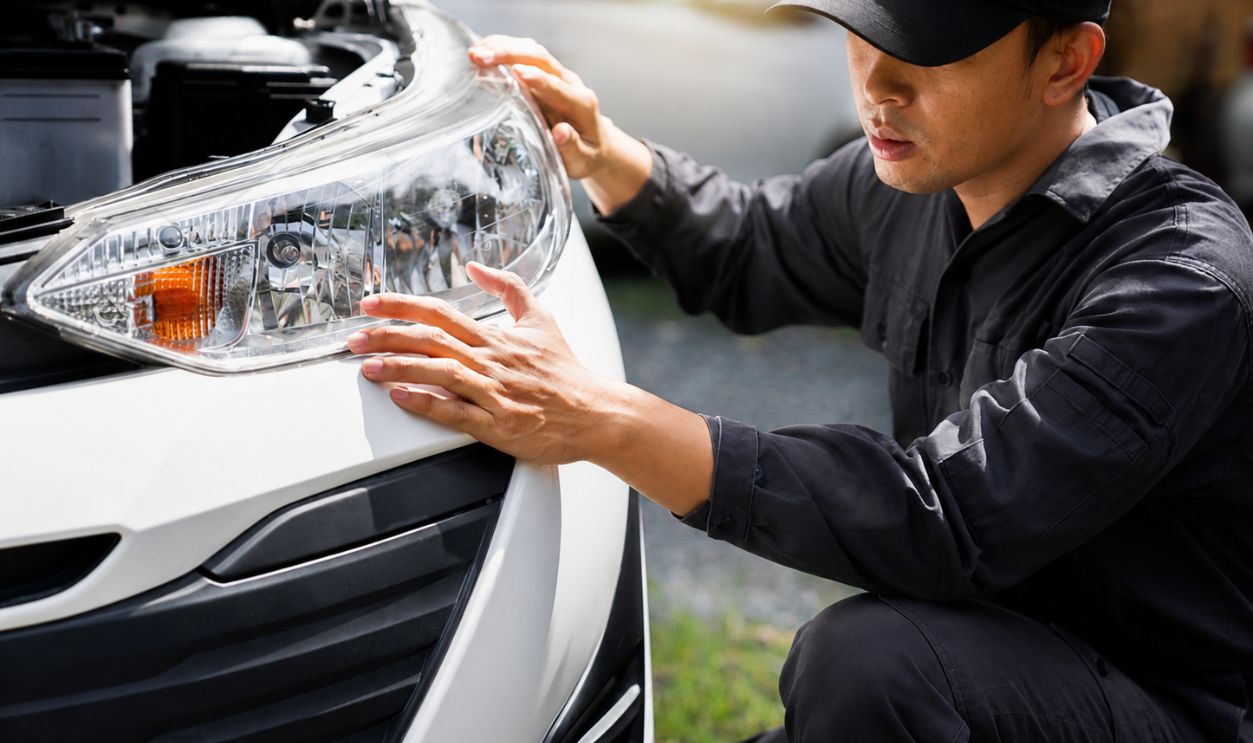
Other drivers may be reacting to poorly aimed low beams, not just your high beams. Properly aimed low beams should illuminate the road without temporarily blinding oncoming drivers. If people flash you even when your high beams are off, have the aim checked.
Suspension Changes Can Change The Beam
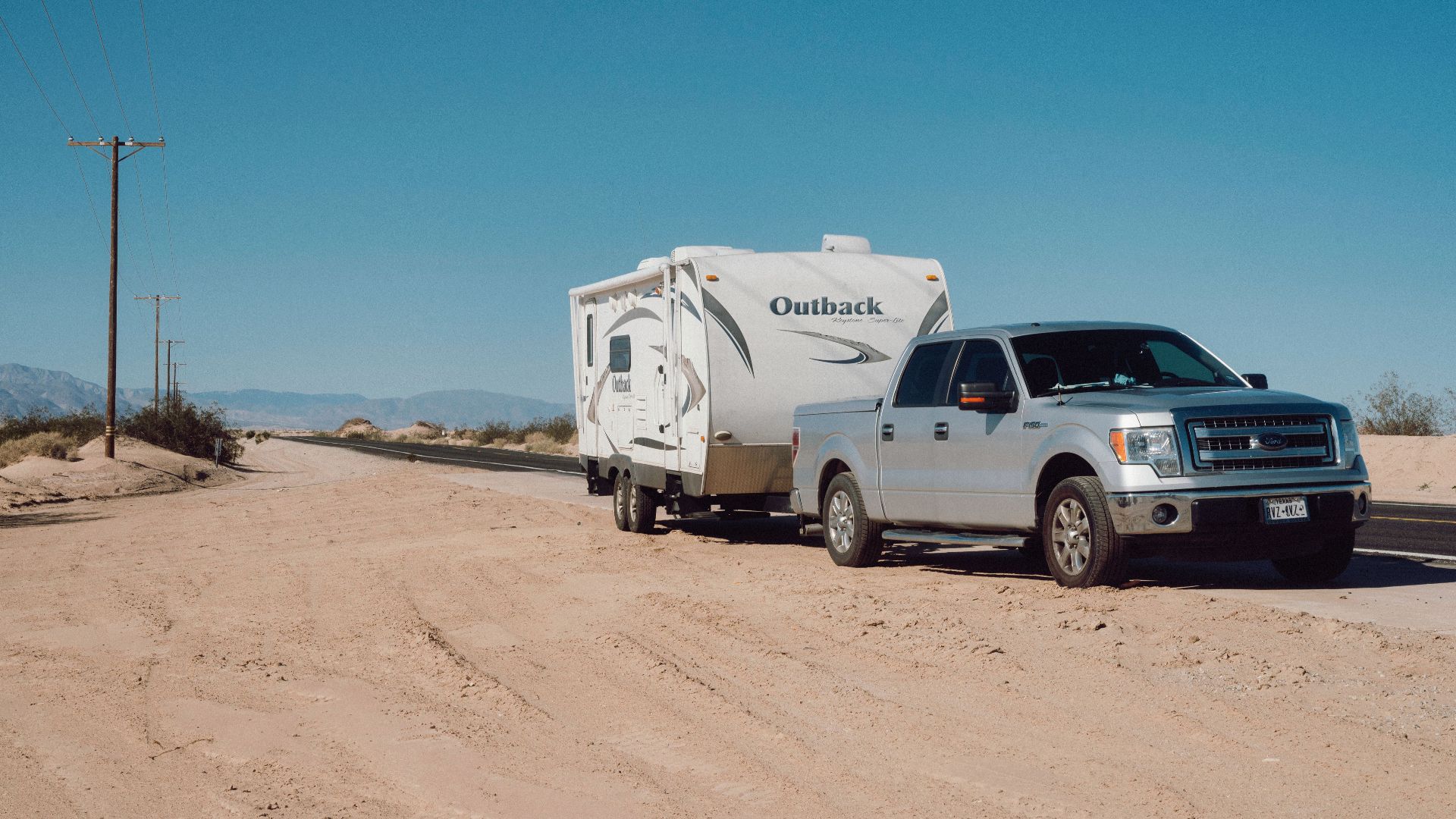
A lift kit, lowering springs, worn suspension, heavy cargo, or towing can change where the headlights point. Even factory lights can glare if the front or rear ride height changes. After major suspension or tire changes, headlight aim should be checked.
Heavy Cargo Can Tilt The Car
A loaded trunk or cargo area can raise the beam angle by pushing the rear of the vehicle down. That can make low beams look like high beams to oncoming traffic. Reduce unnecessary weight or use manual headlight leveling if your vehicle has it.

Replacement Bulbs Can Cause Trouble
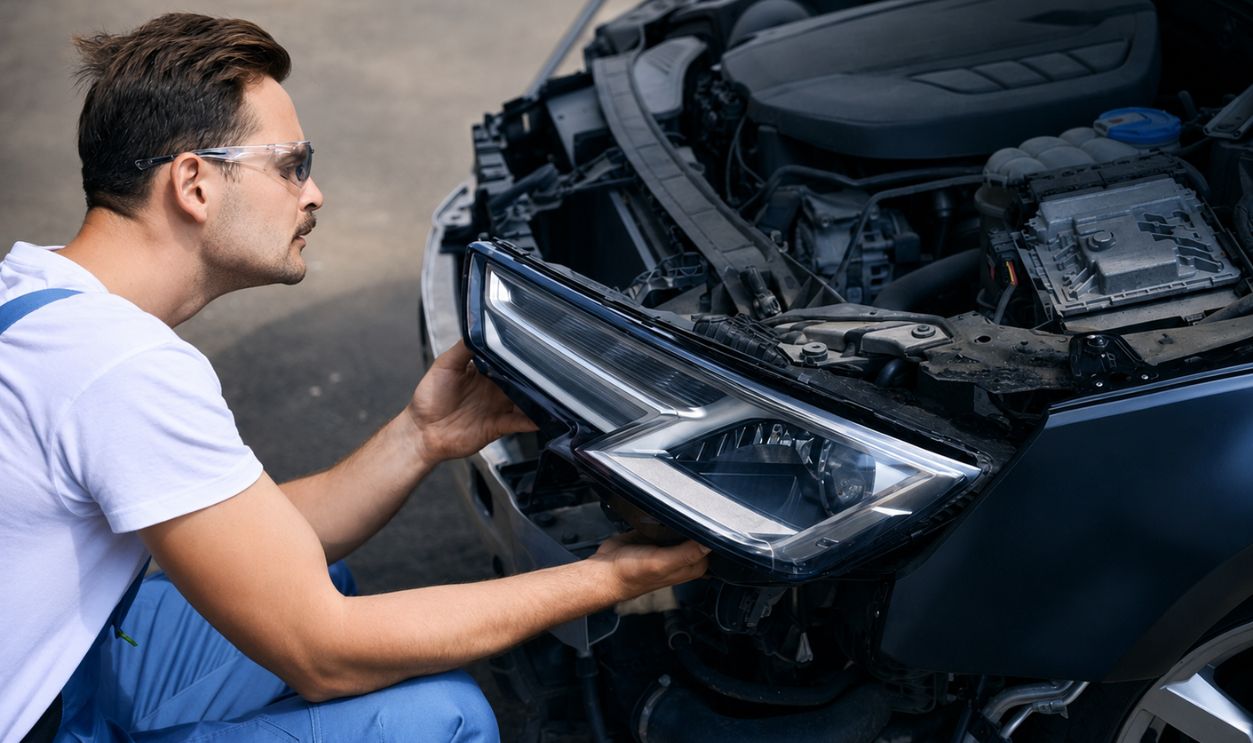
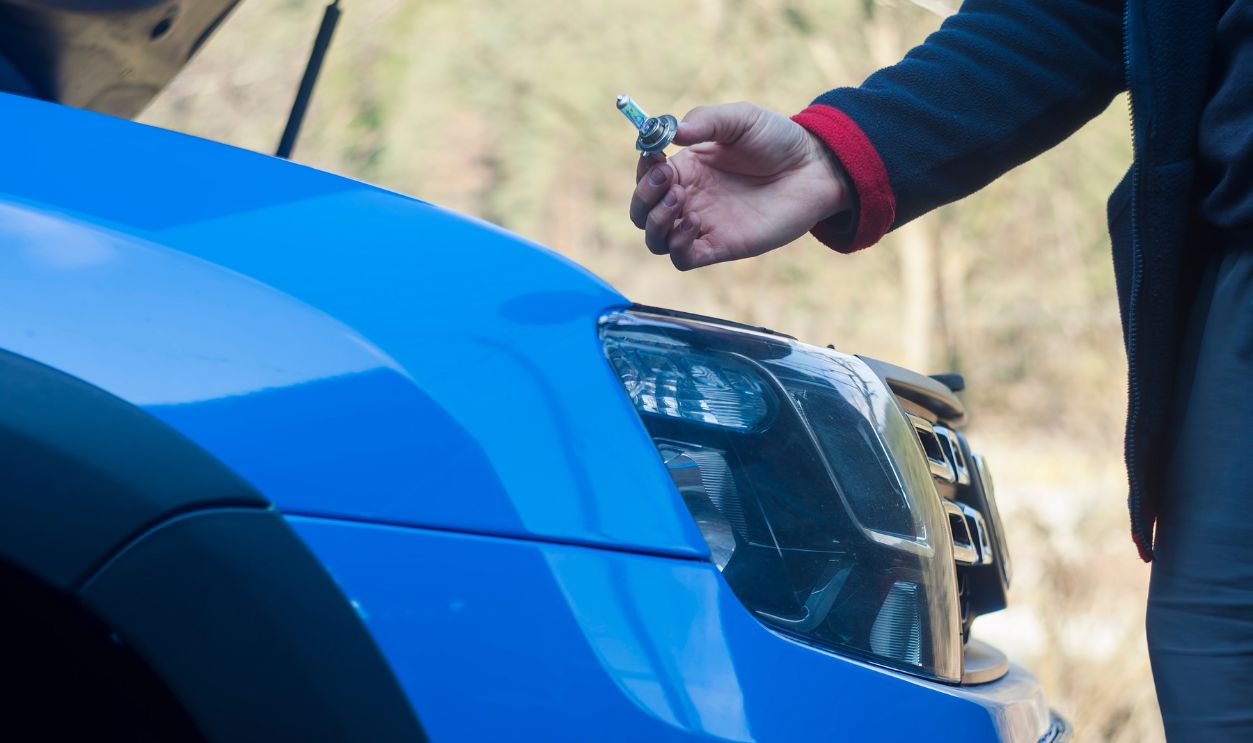
Some aftermarket LED or HID bulbs do not match housings designed for halogen bulbs. The result can be scattered light, harsh glare, and poor beam control. A brighter bulb is not always a safer bulb.
 YAKOBCHUK VIACHESLAV, Shutterstock
Dirty Headlight Lenses Scatter Light
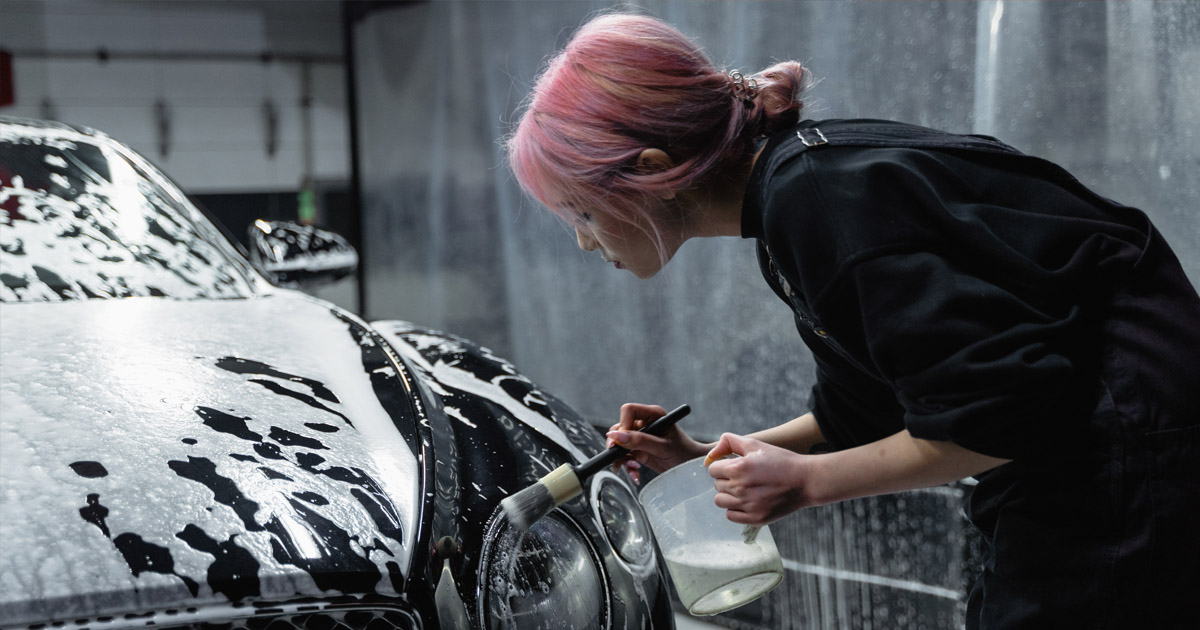
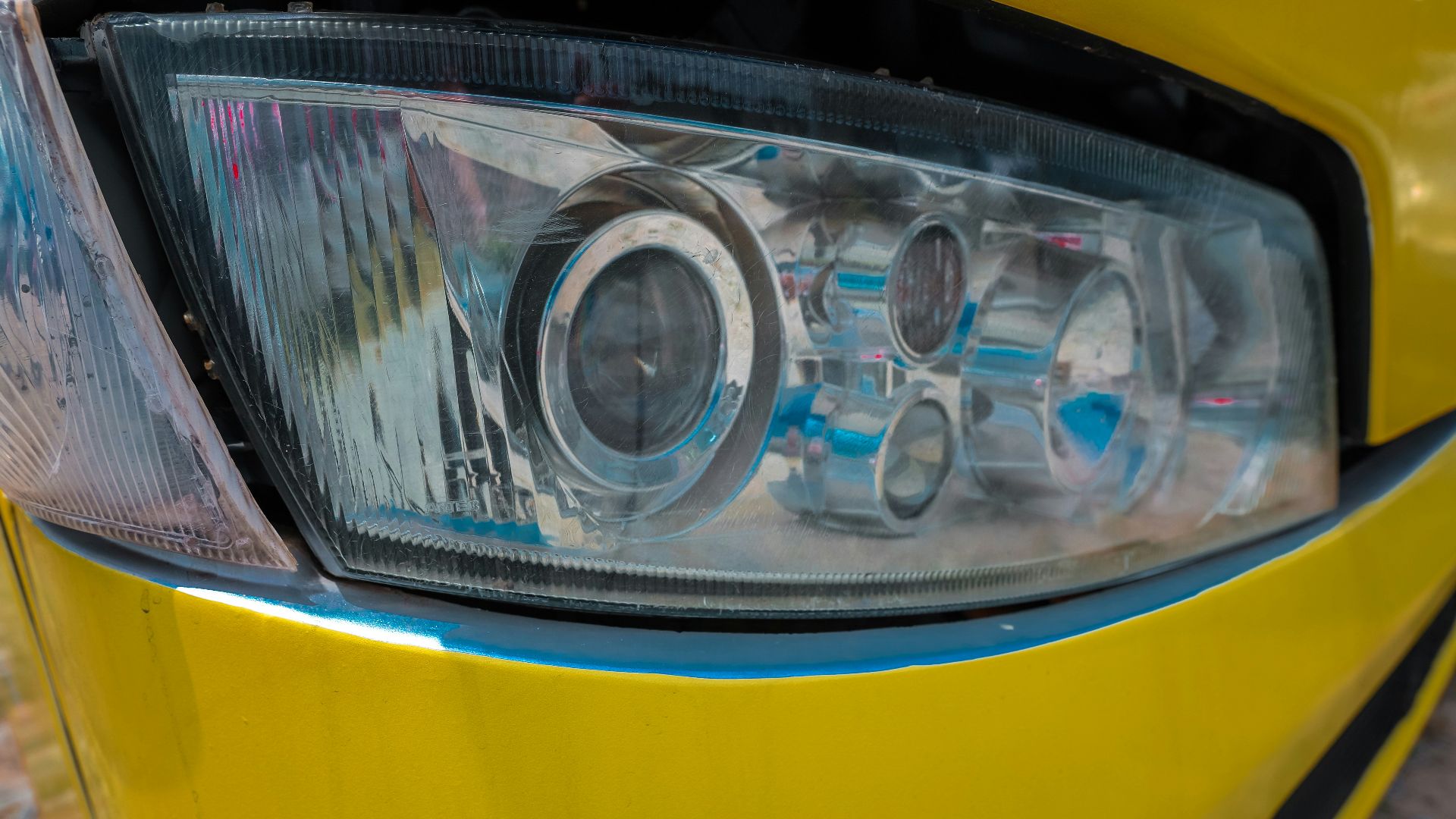
Cloudy or oxidized lenses can reduce your visibility and scatter light in annoying directions. Restoring or replacing faded headlight lenses can improve the beam pattern. It can also make the car look newer.
Snow And Ice Can Fool The System
Winter grime can cover the camera, headlights, and sensors. Ice on the lens can scatter light even if the bulb is working properly. Clear the headlights and upper windshield before relying on automation.
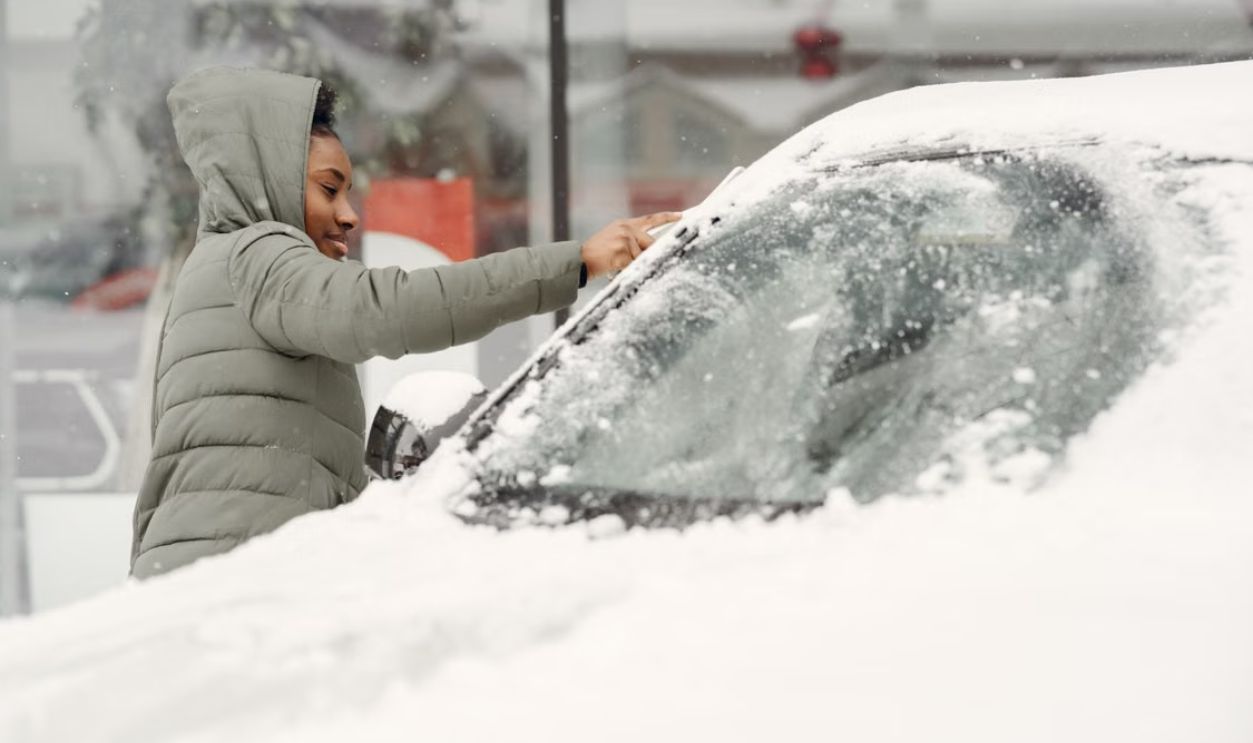
Fog Is A Bad Time For High Beams
High beams often reflect off fog, heavy rain, and snow. That can reduce your own visibility and create more glare for everyone else. In those conditions, low beams or fog lights are usually the better choice.
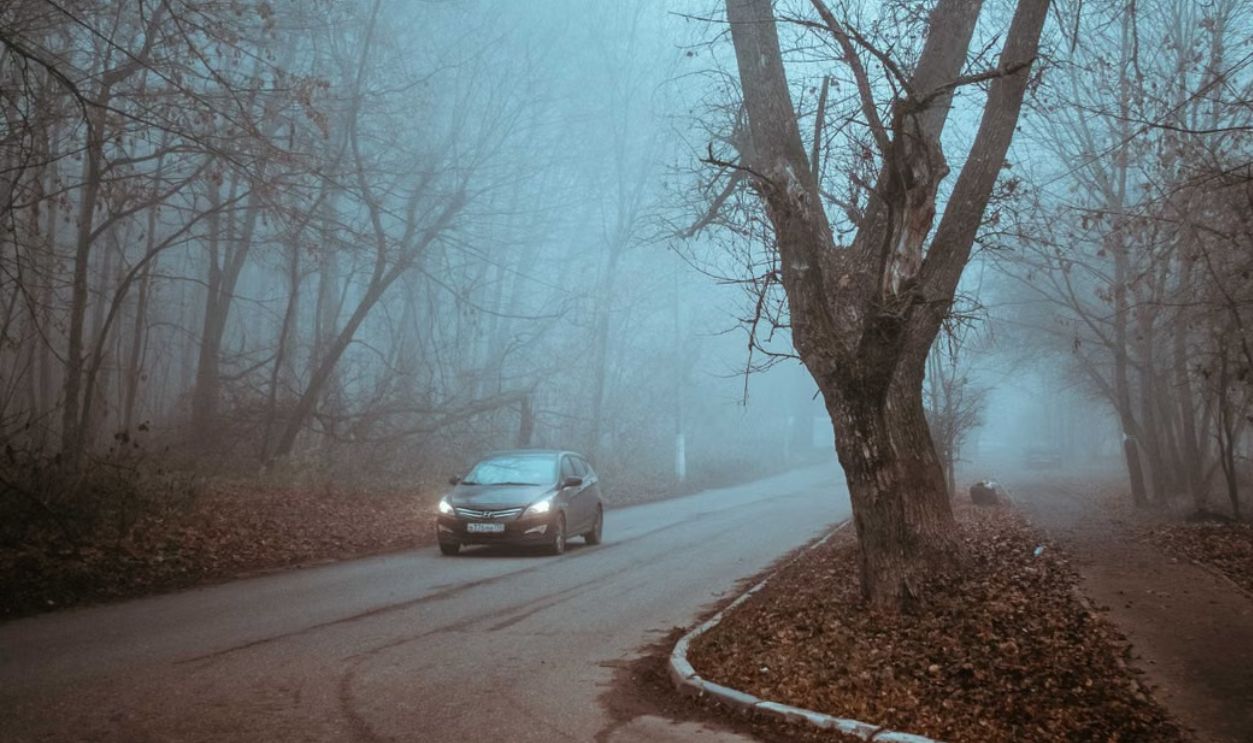
Curves And Hills Create Blind Spots
Automatic high beams may not see an oncoming car around a bend or over a hill until the last moment. That delay can feel like the system is being rude. On winding rural roads, be ready to dip the beams manually.
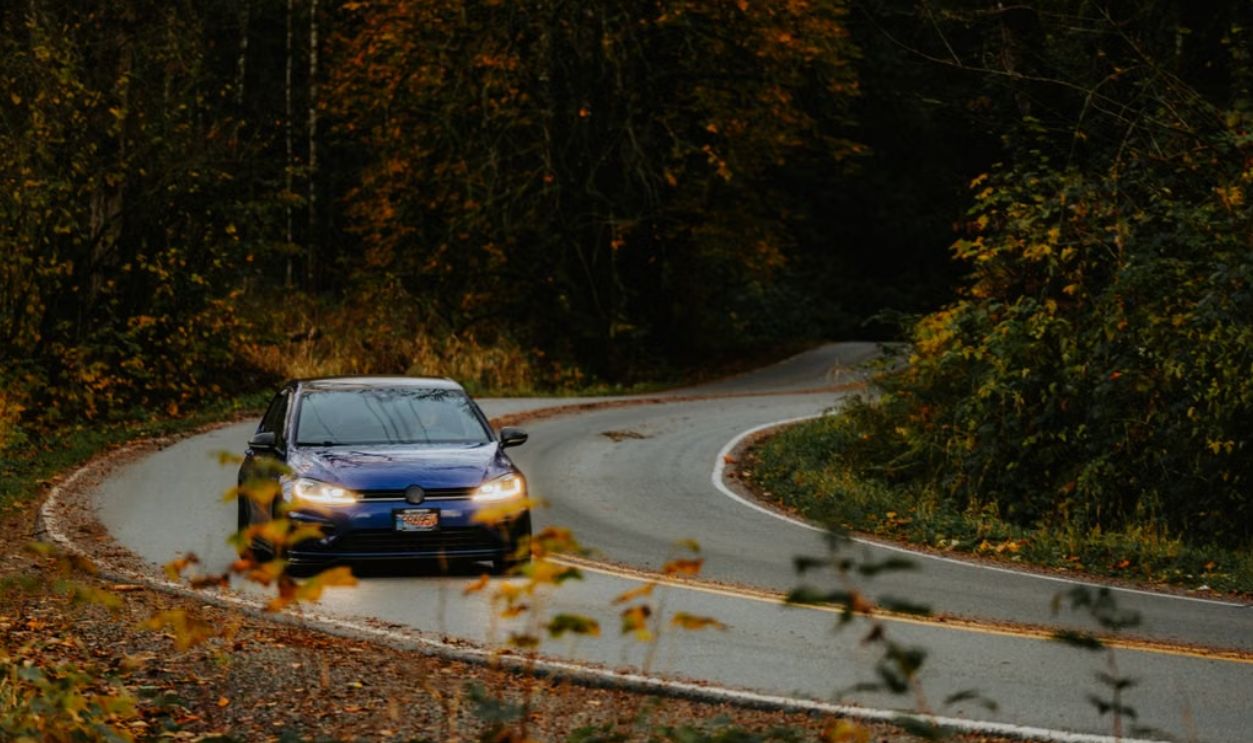
Watch For Vehicles Ahead
The system may need to detect tail lamps before it dims for a vehicle you are following. Dirty tail lamps, road curves, or elevation changes can delay that reaction. If you are closing in on another vehicle, switch to low beams yourself.
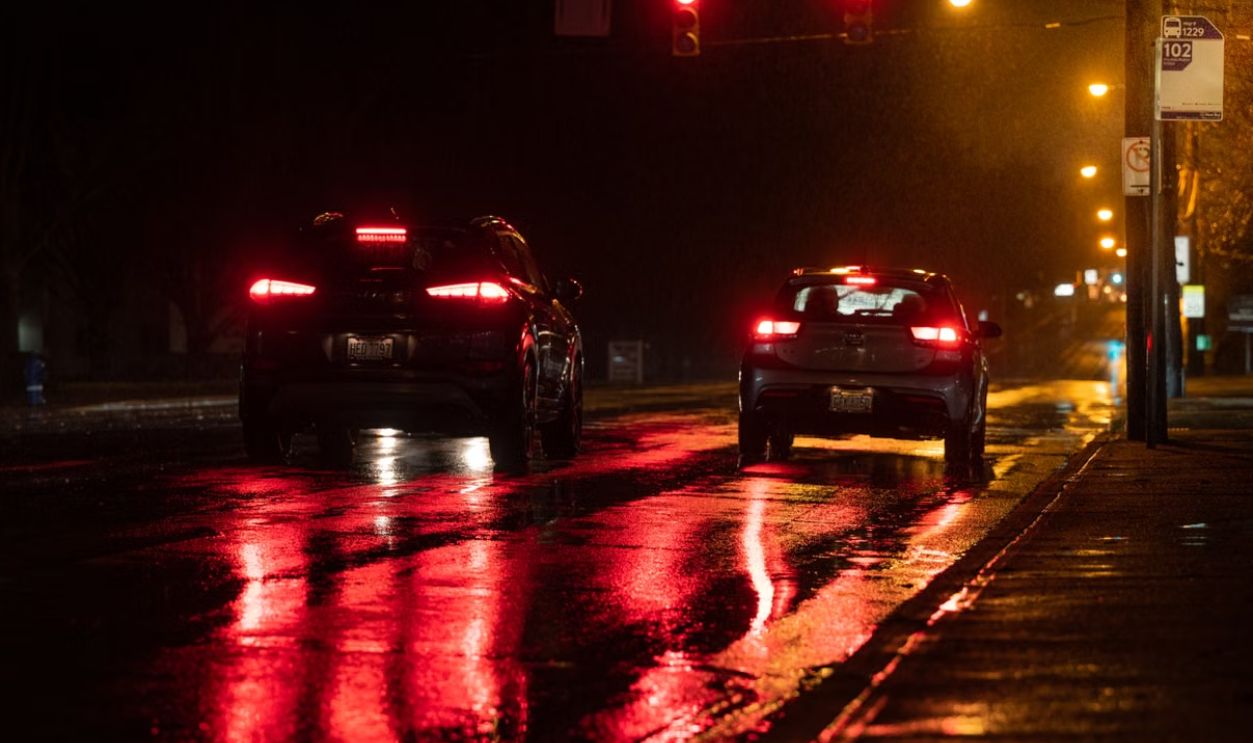
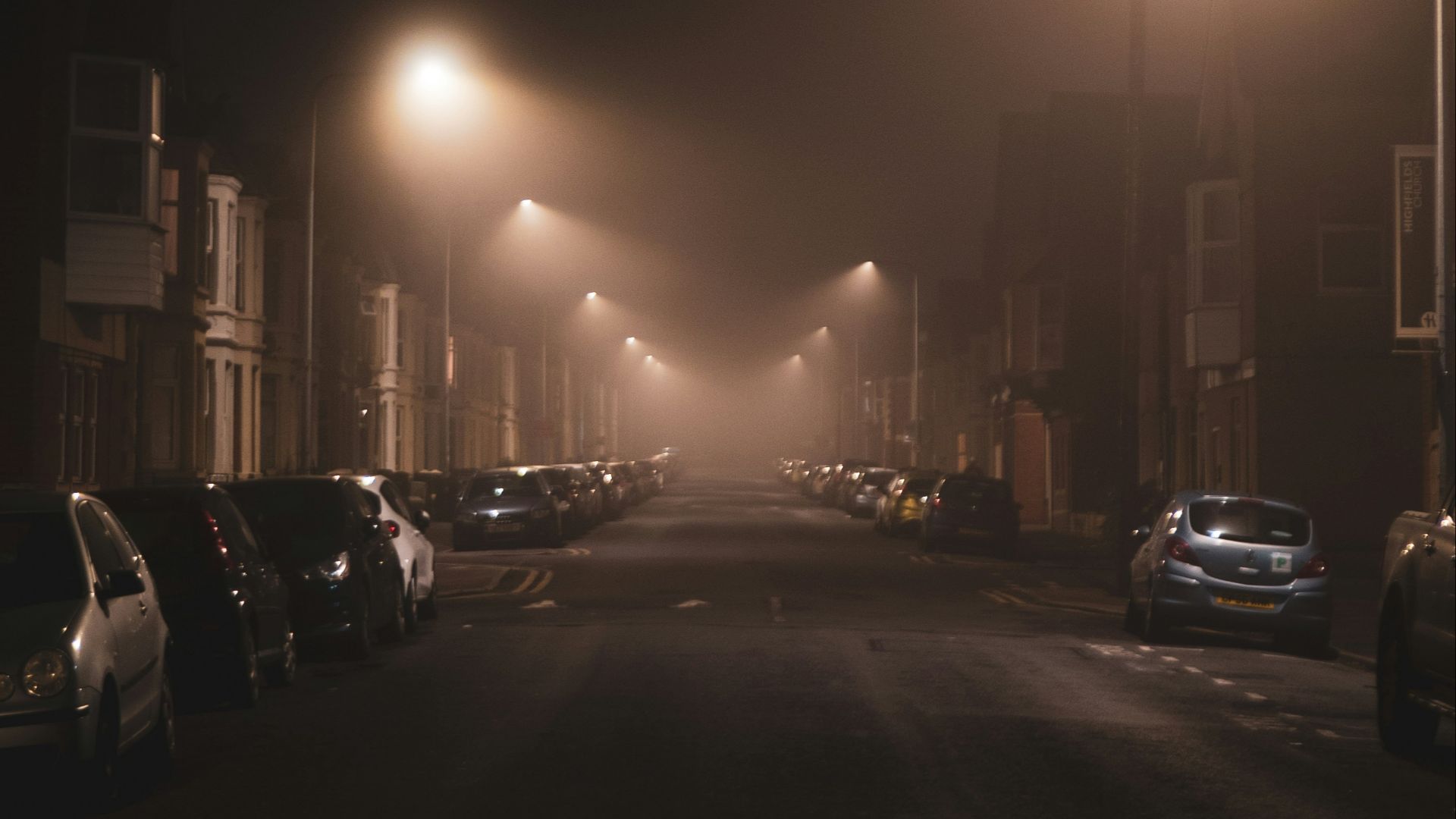
Do Not Rely On It In Town
Streetlights, signs, reflections, and parked cars can confuse automatic high beams. Urban and suburban roads often have too much visual clutter for the system to feel seamless. Manual control may be smoother in mixed traffic.
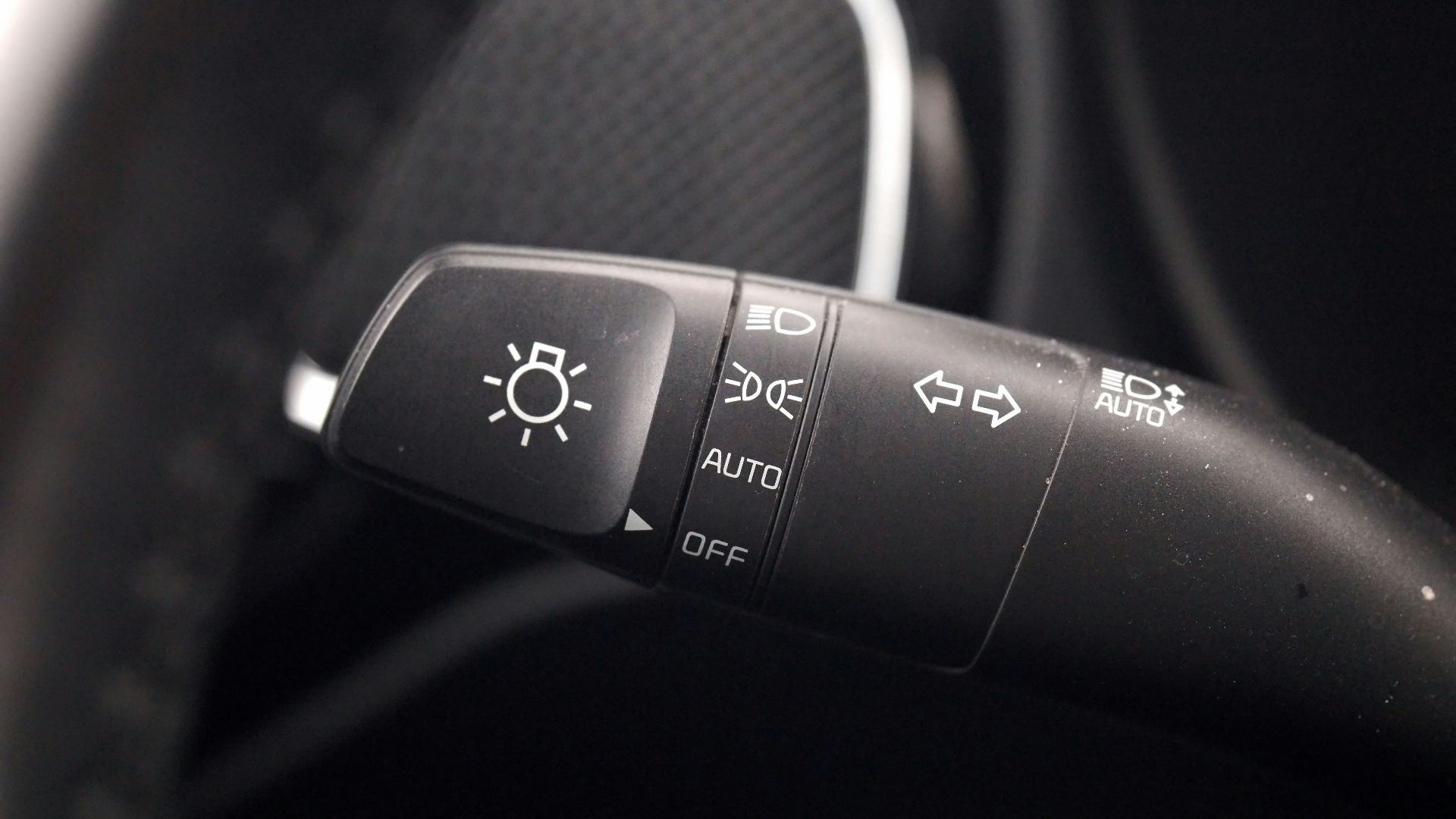
Learn The Override
Most systems let you cancel automatic high beams by pulling or pushing the stalk. Practice the motion before you need it. The goal is to dim quickly without looking away from the road.
 Danielle-Claude Belanger, Unsplash
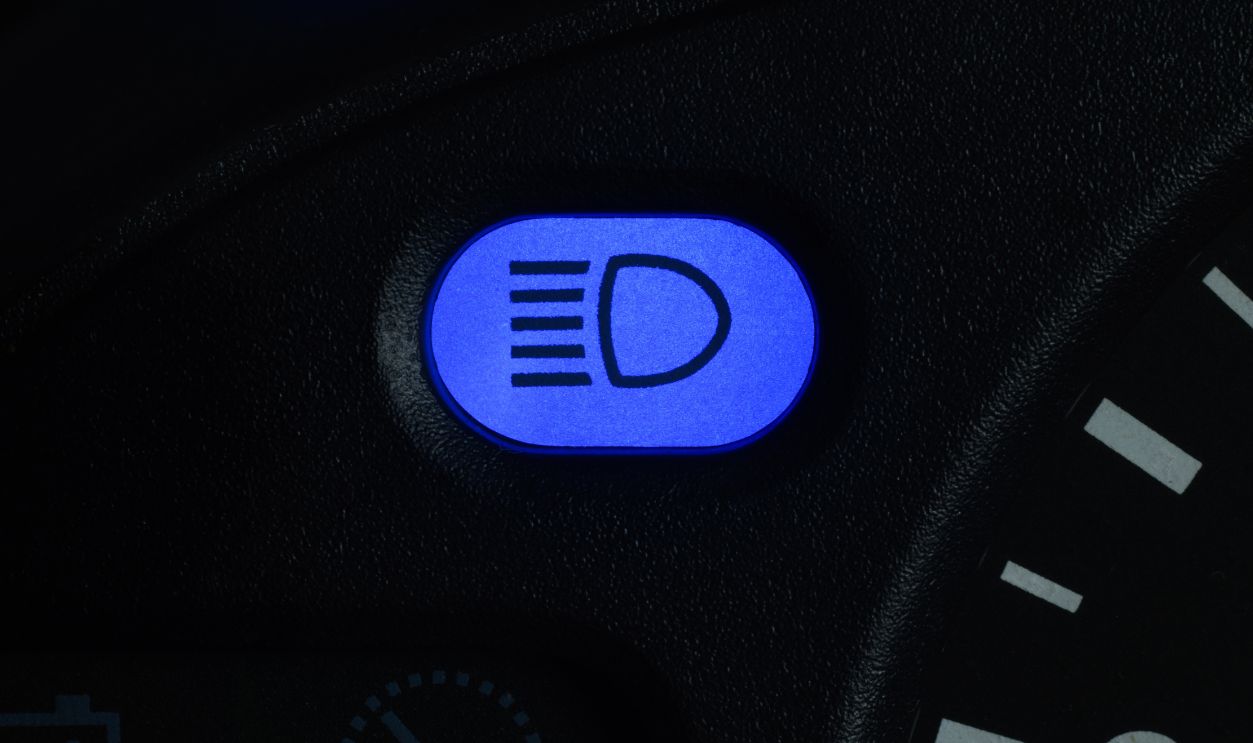
Use The Dashboard Indicator
Your instrument cluster should show when high beams are actually on. Watch the icon when other drivers flash you. That can help you tell whether the issue is high-beam timing, low-beam aim, or glare from the headlight design.
Update The Vehicle Software
Some newer vehicles receive lighting or driver-assist updates through dealers or over-the-air software. If your system behaves inconsistently, ask whether updates apply to your car. Software will not fix bad aim, but it can improve system behavior.
Ask About Calibration
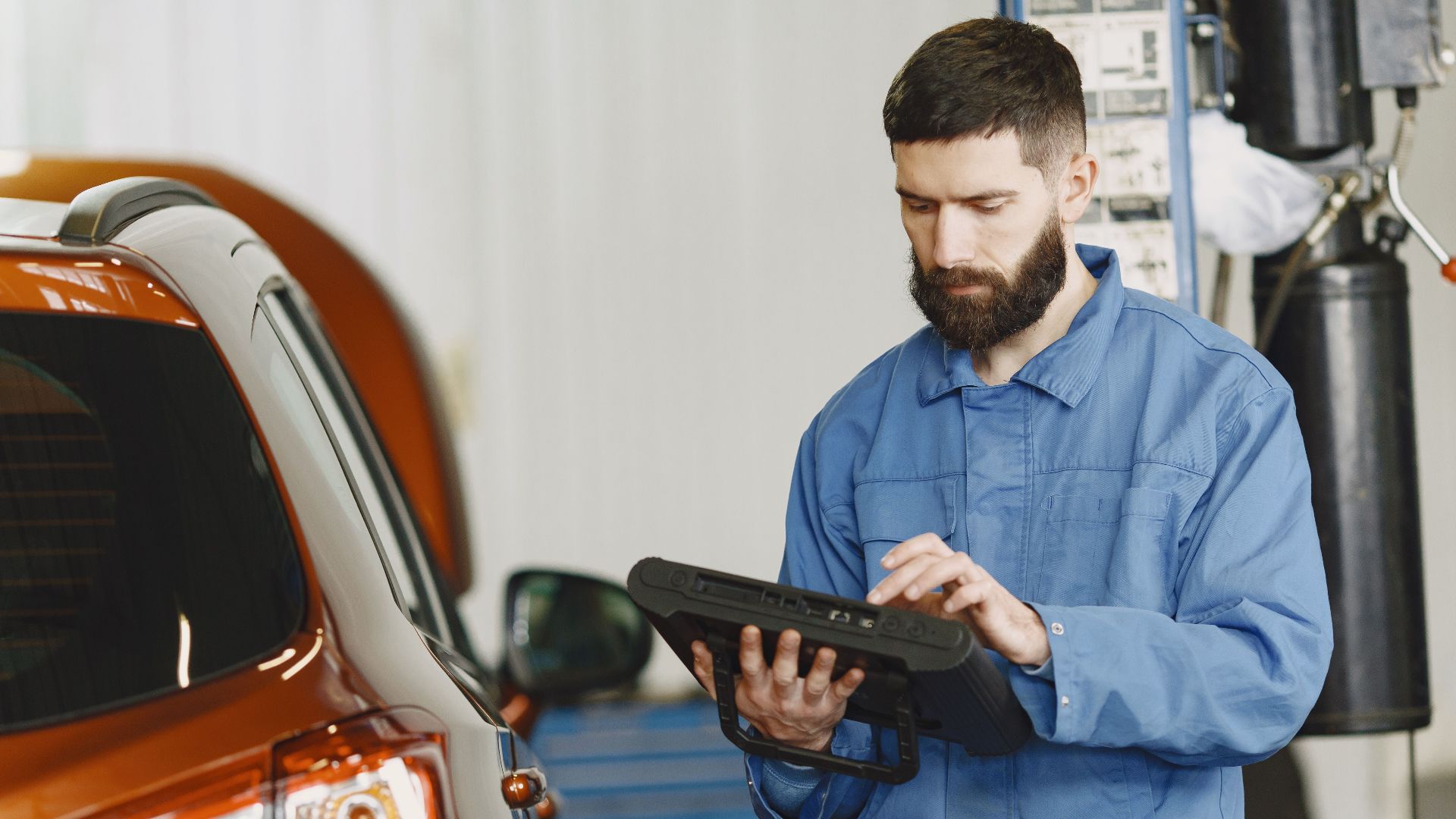
Camera-based systems may need calibration after windshield replacement, body repairs, alignment work, or certain sensor faults. A dealer or qualified repair shop can check diagnostic codes and calibration status. This is especially important if the problem appeared suddenly.
Compare Your Lights Against A Wall
Park on level ground facing a wall or garage door and look at the beam cutoff. The pattern should be even and aimed low enough to avoid shining into other drivers’ eyes. This is not a substitute for professional aiming, but it can reveal obvious problems.
Do Not Tape Or Modify The Lights
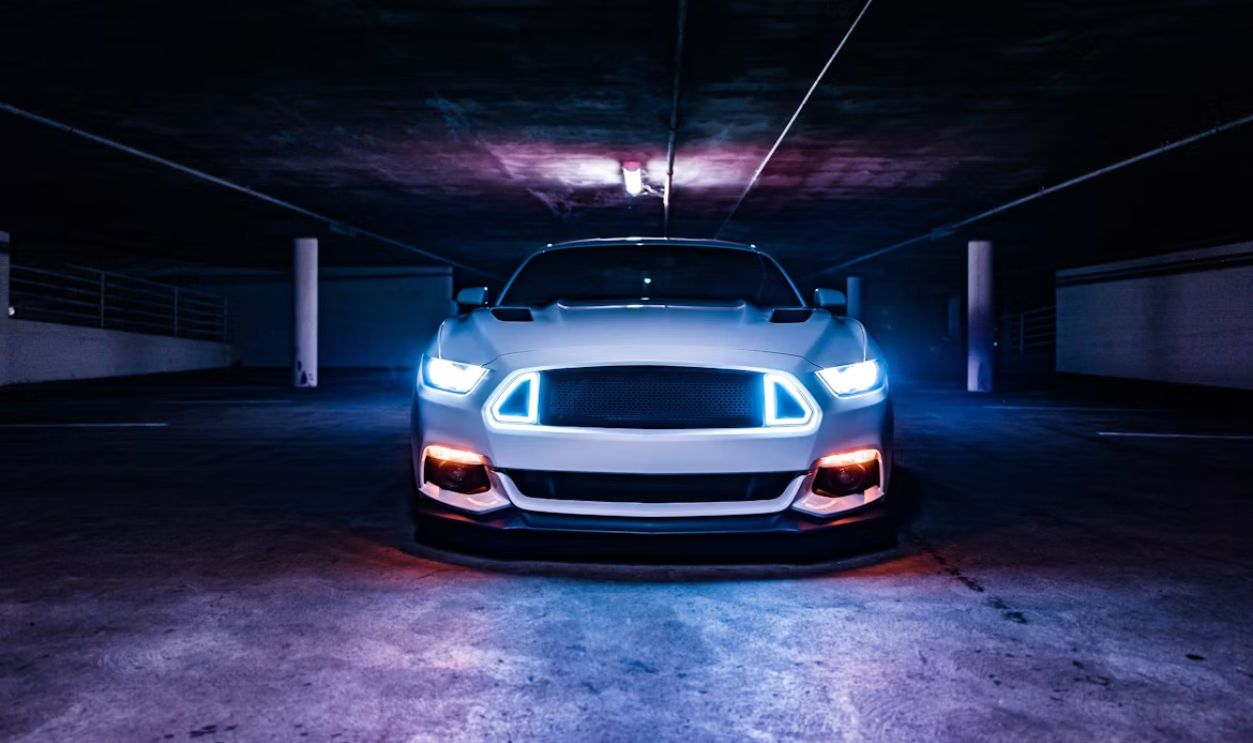
Homemade fixes can make your headlights illegal, unsafe, or less effective. Tape, tint, coatings, and random adjustments may reduce your own visibility. Use proper aiming, correct parts, and professional service instead.
Consider The Vehicle’s Height
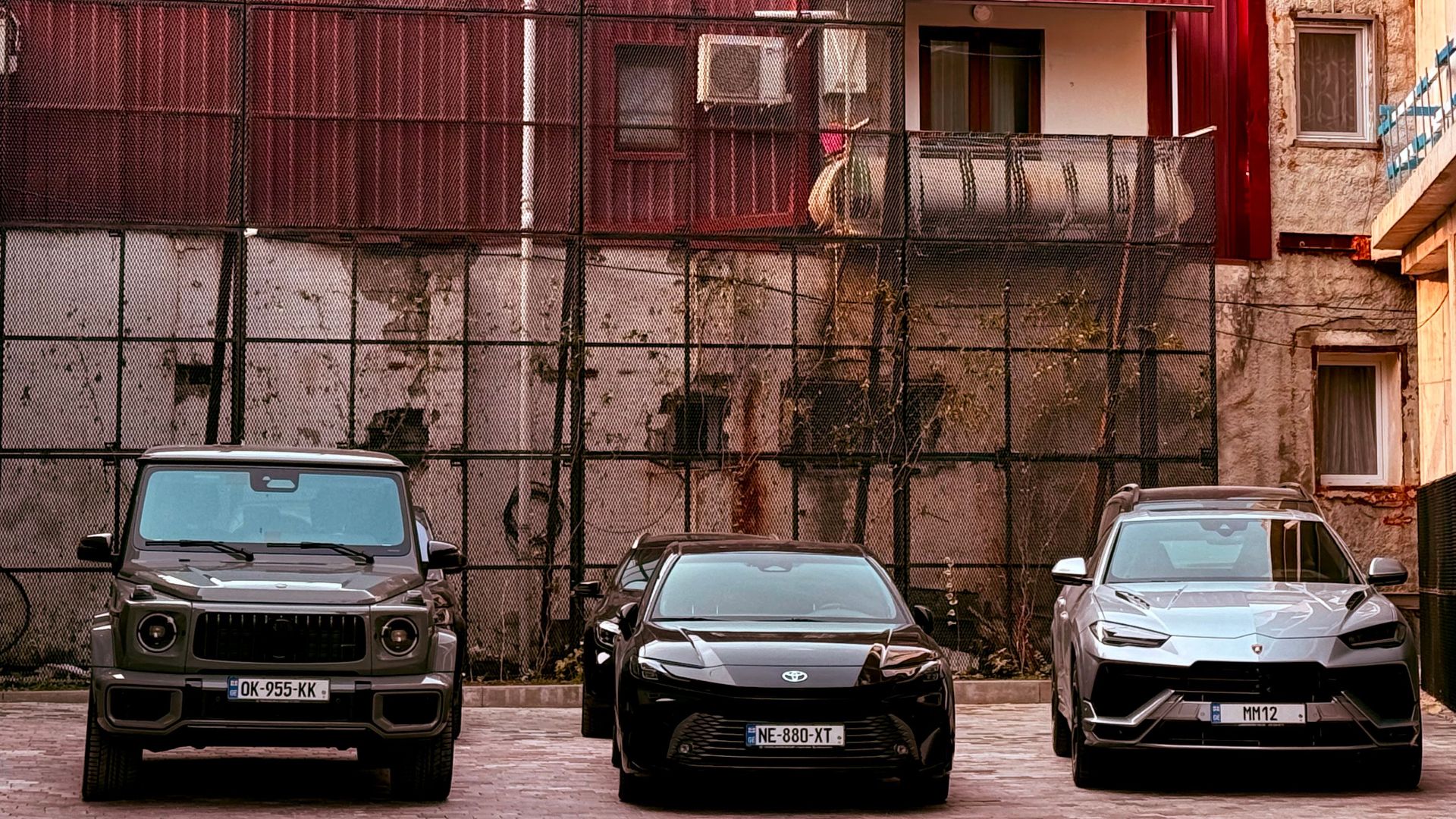
Tall trucks and SUVs can feel harsher to other drivers because their lights sit higher. That does not automatically mean the lights are illegal or defective. It does mean proper aim is even more important.
Report Persistent Problems
If your car repeatedly blinds others despite clean sensors, proper use, and correct aim, document the issue. Note the conditions, speed, road type, weather, and whether the high-beam icon was on. That information helps a service department diagnose the system.
 Mangkorn Danggura, Shutterstock
Adaptive Driving Beams May Help
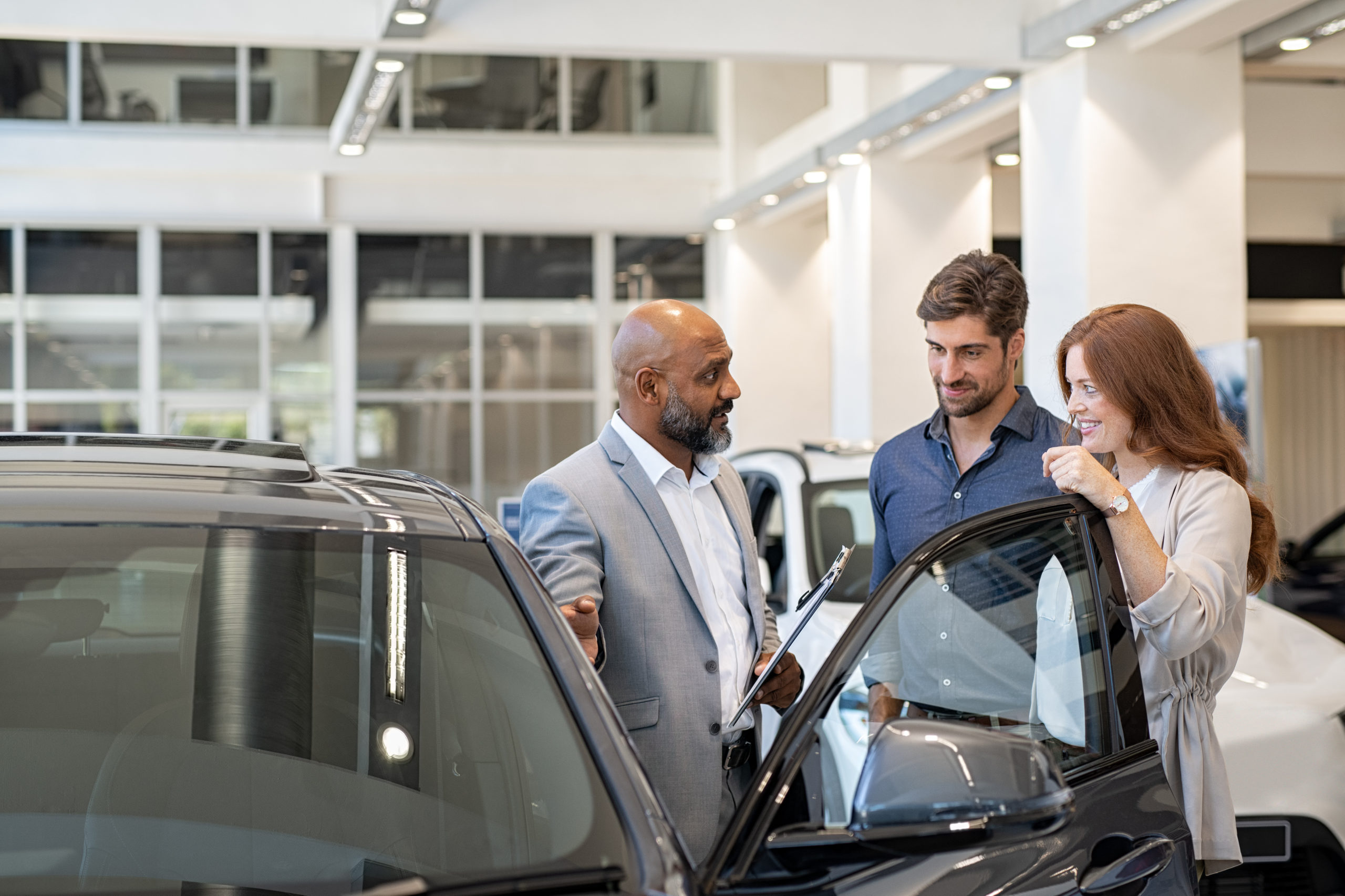
Adaptive driving beams are designed to provide more light while reducing glare toward occupied areas of the road. NHTSA changed U.S. rules to allow this technology, but availability depends on the vehicle and market. If you are shopping for a future car, this feature may be worth looking for.
The Best Fix Is Still Paying Attention
Automatic high beams are a convenience feature, not a replacement for judgment. Keep the camera clean, confirm the system is active, check headlight aim, and override it when traffic appears. That simple habit can make night driving safer and less irritating for everyone.
You May Also Like:
My neighbor’s new landscaping blocks my view when backing out. Can I make them change it?