Joining Is Easy, But The Fine Print Matters
Car-sharing can feel like the perfect middle ground: you get access to a vehicle without owning one, paying for insurance year-round, or dealing with maintenance. But once you imagine an accident, the convenience can start to feel less simple. The good news is that most programs explain accident procedures and coverage rules, but the details really matter.
Car-Sharing Is Not Always The Same As Renting
Traditional rental cars, membership-based car-share vehicles, and peer-to-peer platforms can all work differently. A fleet-based program may own and insure the vehicle directly, while a peer-to-peer platform may connect you with a private owner. That distinction can affect which insurance applies, what deductible you owe, and how claims are handled.
Liability Usually Means Damage You Cause To Others
When people worry about liability, they’re usually asking who pays if they injure someone or damage another person’s vehicle or property. Most legitimate car-sharing programs include some form of third-party liability protection, but limits vary by company, location, and protection plan. Always check the coverage amount before driving.

Damage To The Shared Car Is A Separate Issue
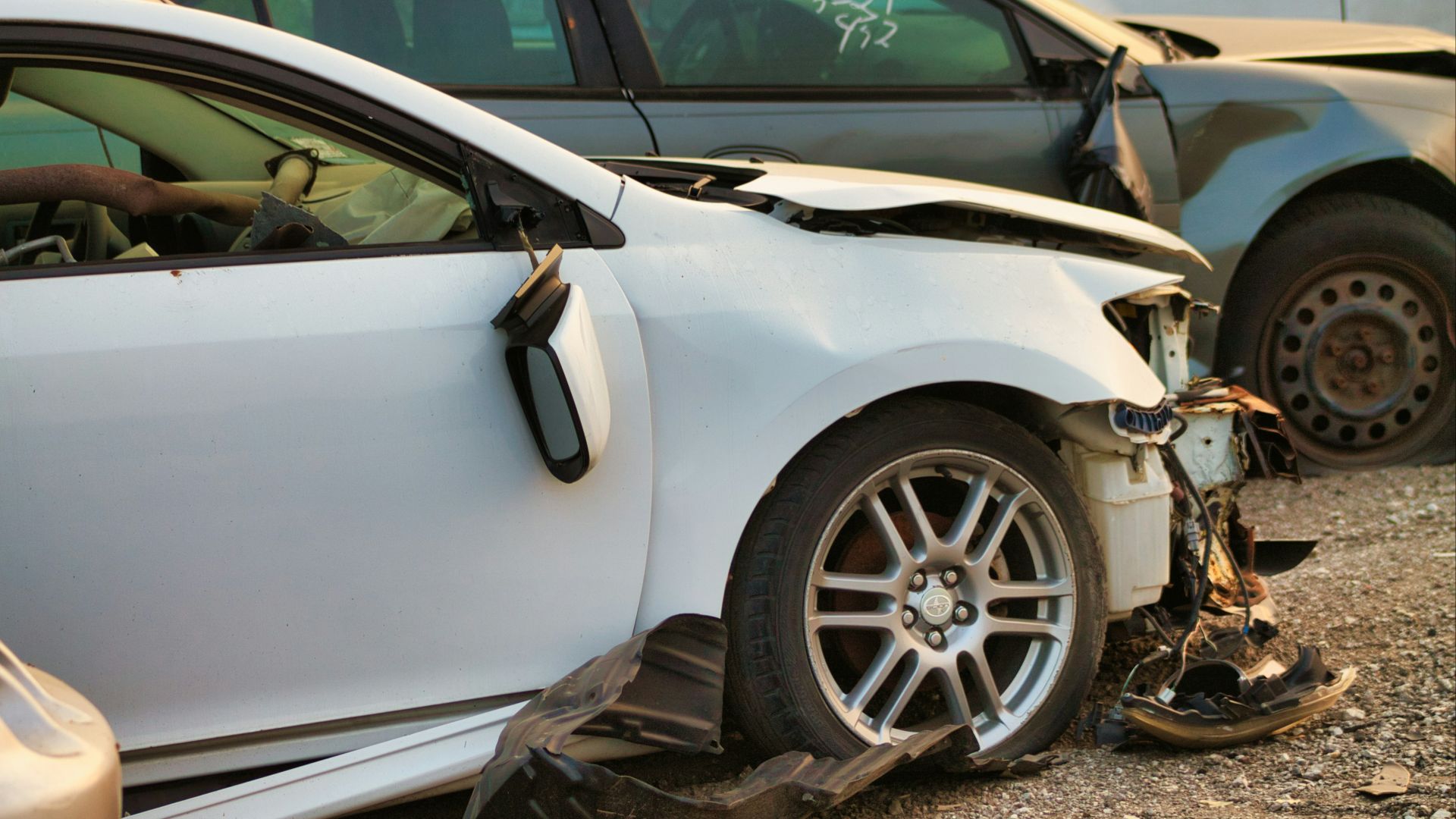
Liability coverage for other people’s losses is different from coverage for damage to the car you borrowed. If you crash the shared vehicle, you may owe a deductible, damage fee, or full repair cost depending on your plan and whether you followed the program rules. This is where many drivers get unpleasant surprises.
Your Membership Agreement Controls A Lot
Before you drive, the car-sharing agreement usually explains what happens after an accident. It may cover reporting deadlines, prohibited uses, deductibles, insurance limits, and when coverage can be denied. It may not be exciting reading, but those terms often decide whether you are protected or personally responsible.

Protection Plans Can Reduce Your Risk
Some car-sharing platforms let members choose different protection levels. A cheaper plan may come with a higher out-of-pocket responsibility, while a more expensive plan may reduce your financial exposure. Turo, for example, describes guest protection plans as contracts that limit responsibility for eligible physical damage, rather than calling them insurance.

Coverage May Depend On Following The Rules
Car-sharing protection usually applies only when you use the vehicle properly. Unauthorized drivers, impaired driving, reckless use, commercial driving, unapproved trips across borders, or using the car outside the reservation period can create serious problems. If you violate the agreement, coverage may be reduced or denied entirely.
Report The Accident Immediately
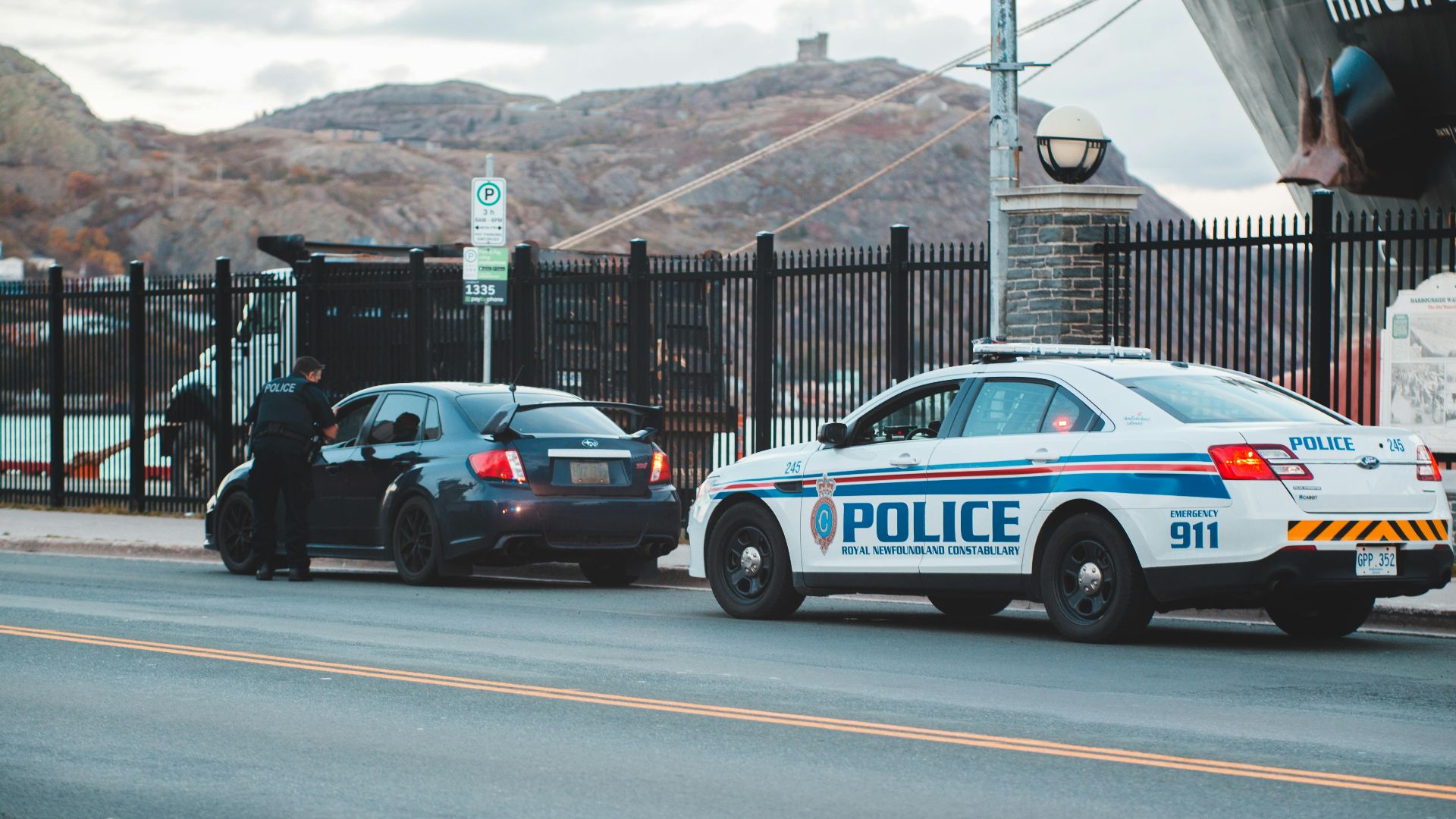
If a crash happens, notify the car-sharing company as soon as you are safe. Most programs require prompt reporting through the app, customer service line, or claims department. Waiting too long can complicate the claim and may violate the agreement. You should also call emergency services when there are injuries or serious damage.

Document Everything At The Scene
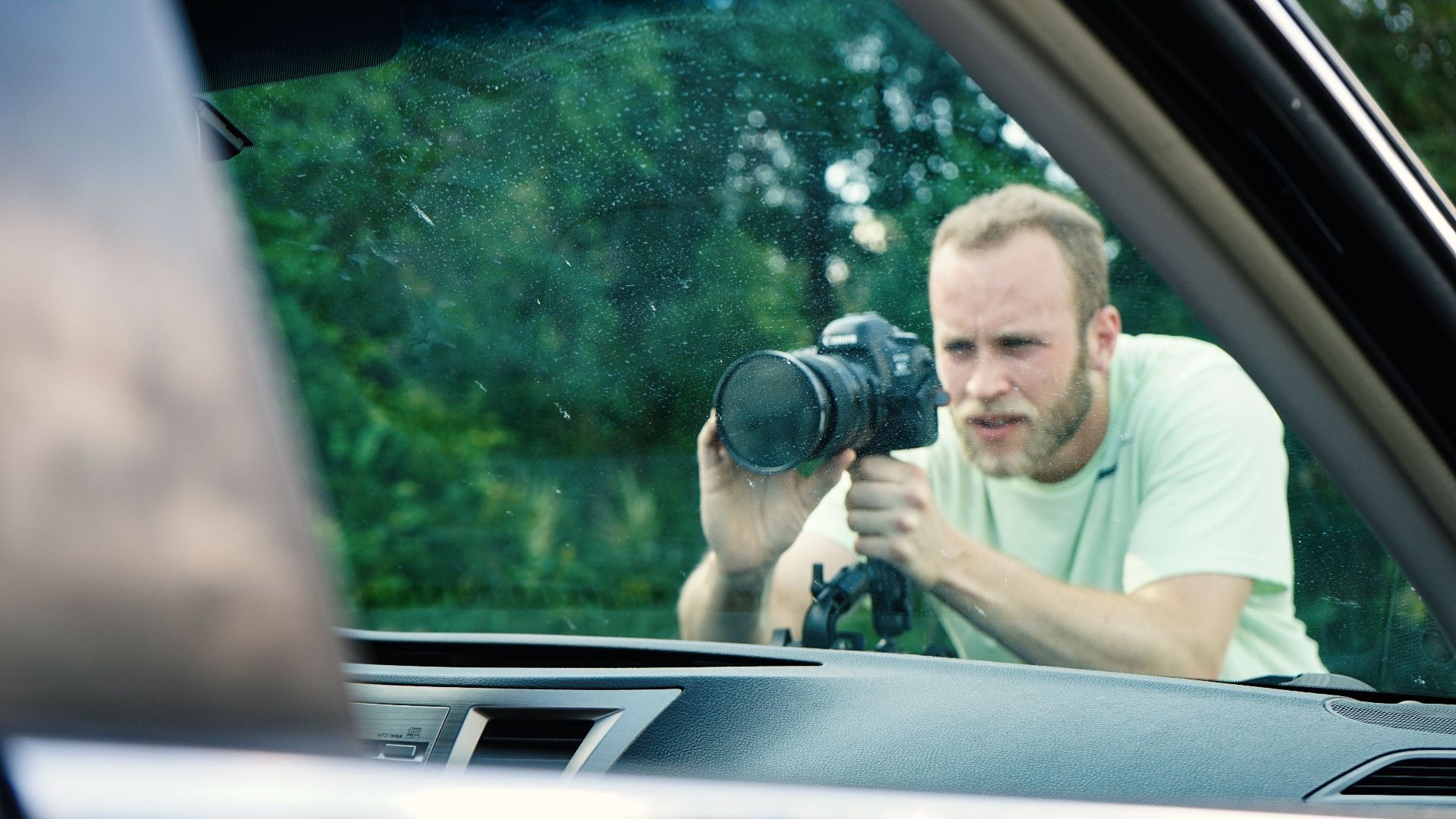
Take photos of the vehicles, license plates, road conditions, damage, traffic signs, and insurance information. Get names and contact details from witnesses if possible. Even if the car-sharing company handles the claim, your documentation can protect you if there is later disagreement about fault, damage, or whether the accident was properly reported.
Police Reports Can Help Resolve Disputes
A police report is not always required for every minor crash, but it can be extremely helpful when there are injuries, significant damage, unclear fault, or an uncooperative driver. Some car-sharing programs may also require a report in certain situations. When in doubt, follow local law and the platform’s instructions.
 Kineshma media Evgeny Strunkin, Pexels
Your Personal Auto Insurance May Or May Not Help
If you already own a car and have auto insurance, your policy might provide some coverage when driving a non-owned vehicle. However, this varies by jurisdiction, insurer, and policy language. The Insurance Information Institute warns that car-sharing and peer-to-peer rentals create coverage questions, so drivers should confirm protection before relying on personal insurance.

Credit Card Coverage May Have Gaps
Some credit cards offer rental car damage benefits, but those benefits may not apply to every car-sharing program. Peer-to-peer rentals, membership-based car-share vehicles, luxury cars, long rentals, and certain countries may be excluded. Before assuming your card protects you, read the benefit terms or call the card issuer.

The Company’s Insurance May Be Primary Or Secondary
Some programs provide coverage first, while others may expect your personal policy to respond before platform protection applies. This “primary versus secondary” issue can affect how quickly claims move and whether your own insurer becomes involved. It is worth checking before your first reservation, not after a crash.

Deductibles Can Be Larger Than Expected
Even when coverage applies, you may still owe money. Some programs charge a damage fee, deductible, or member responsibility amount. The amount can vary depending on the protection option you selected. A low-cost booking may look appealing until you realize the accident exposure is much higher.

Injuries Make The Situation More Serious
If someone is hurt, the claim may involve medical bills, liability limits, accident benefits, personal injury protection, or uninsured motorist coverage depending on local law. Injury claims are more complex than small property damage claims, so it is especially important to report the crash properly and avoid admitting fault at the scene.

Fault Still Matters
Car-sharing does not erase ordinary accident responsibility. If another driver caused the crash, their insurance may ultimately pay. If you caused it, the platform’s protection, your personal policy, or both may become involved. If fault is disputed, photos, witness statements, police reports, and app records can become very important.

Location Can Change The Rules
Car-sharing insurance rules are not identical everywhere. In Ontario, for example, the Financial Services Regulatory Authority explains that approved car-sharing products may cover participating drivers, passengers, and vehicle owners during delivery and rental periods. Rules elsewhere may differ, so local requirements matter.

Peer-To-Peer Sharing Adds Extra Complexity
Peer-to-peer platforms can involve a private vehicle owner, a guest driver, a platform agreement, and multiple possible insurance policies. That does not mean you should avoid them, but it does mean you should understand the protection plan before booking. Read the accident section carefully and confirm who handles claims.
Ask Questions Before Your First Trip
Before driving, ask the company what happens if you cause a crash, damage the vehicle, injure someone, or get hit by an uninsured driver. Also ask whether your personal auto policy or credit card benefits can apply. A few minutes of checking can prevent a much more stressful conversation after an accident.

The Simplest Protection Is Preparation
Car-sharing can be safe and convenient, but it works best when you understand the rules before you unlock the vehicle. Choose the right protection level, inspect the car before driving, follow the agreement, and know how to report a crash. That preparation can make a scary accident far easier to handle.

You May Also Like:
10 Mistakes To Avoid When Shopping For A New Vehicle
The Five Most Affordable New Cars