The Vacation Ended, But The Fuel Penalty Didn’t
Roof racks are easy to forget once the luggage, bikes, or kayaks have been unloaded. Unfortunately, your vehicle keeps pushing those bars through the air every time you drive. Even an empty rack can reduce fuel economy, and the effect usually becomes more noticeable at highway speeds. The good news is that it isn’t hard to test or fix.
Yes, Empty Roof Racks Can Lower Mileage
Crossbars don’t need to be carrying anything to affect fuel consumption. They interrupt the smooth flow of air over the roof and create extra drag. That forces the engine to work harder to maintain the same speed. The difference may seem small during one trip, but it can add up over months of driving.
Highway Driving Reveals The Problem
Aerodynamic drag matters much more at higher speeds than it does around town. A rack that barely changes your mileage during short local trips may cause a clearer drop during a long highway commute. The faster the vehicle moves, the harder it has to work to push the rack through the air. That’s why many drivers notice the change shortly after a road trip.
The Fuel Loss Can Be Measurable
Consumer Reports found a small but measurable reduction when testing a vehicle with an empty roof rack. The loss became much greater after a rooftop cargo pod was added. Government guidance also warns that bulky roof-mounted cargo can reduce highway fuel economy by double-digit percentages. The exact number won’t be the same for every vehicle because the equipment, speed, weather, and driving route all matter.
Your Vehicle Was Designed Without The Rack
Automakers spend a great deal of time shaping roofs, windshields, mirrors, spoilers, and body panels to control airflow. Adding crossbars changes the shape that was tested in the wind tunnel. The rack creates new areas of turbulence and pressure above the vehicle. Even a properly installed system can disturb the original aerodynamic design.

Drag Usually Matters More Than Weight
Roof racks add some weight, but that usually isn’t the biggest issue at highway speeds. A set of crossbars may weigh only a few dozen pounds while still creating drag during every mile traveled. The engine has to keep overcoming that resistance for as long as you’re moving. That’s why an empty lightweight rack can still affect fuel use.

Wind Noise Offers An Early Warning
A humming, whistling, or buzzing sound from the roof is a sign that air isn’t moving smoothly around the rack. Noise can’t tell you exactly how much fuel you’re losing, but it does confirm that turbulence is present. Loose straps, exposed mounting channels, and poorly fitted accessories can make the disturbance worse. Any sudden noise should also prompt a quick check to make sure the rack is still secure.
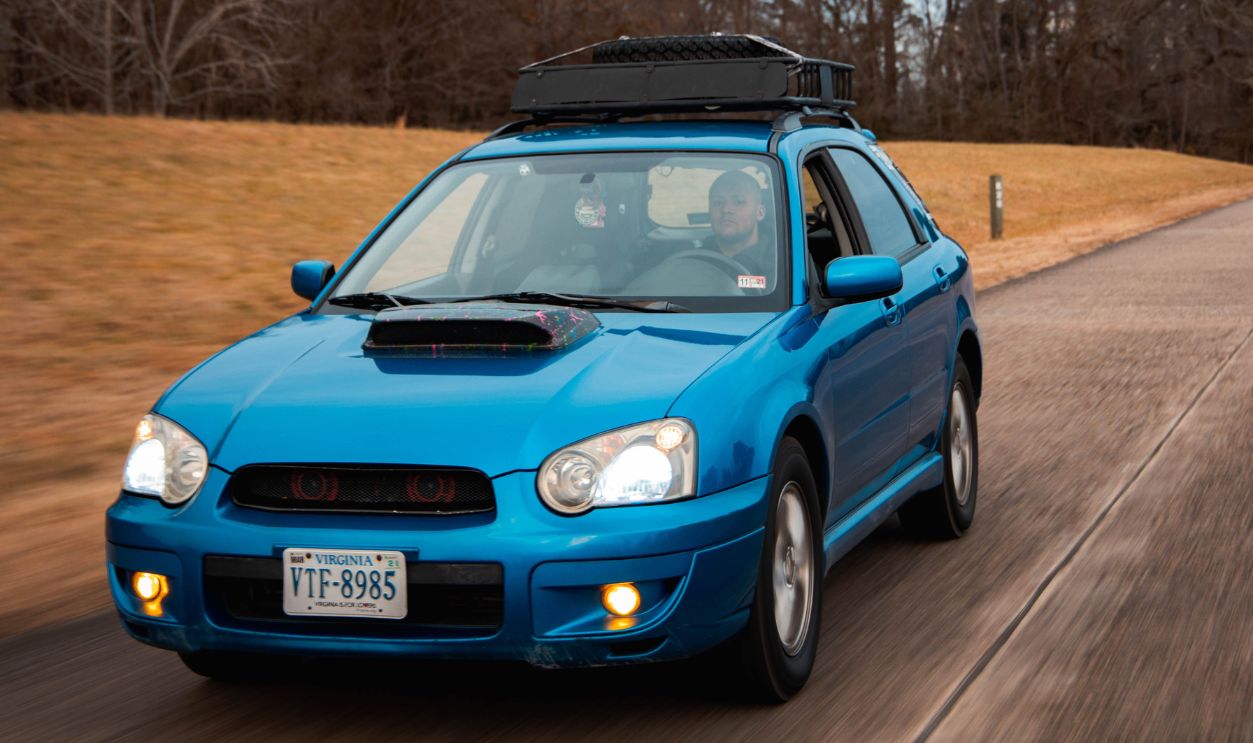
Rack Design Makes A Difference
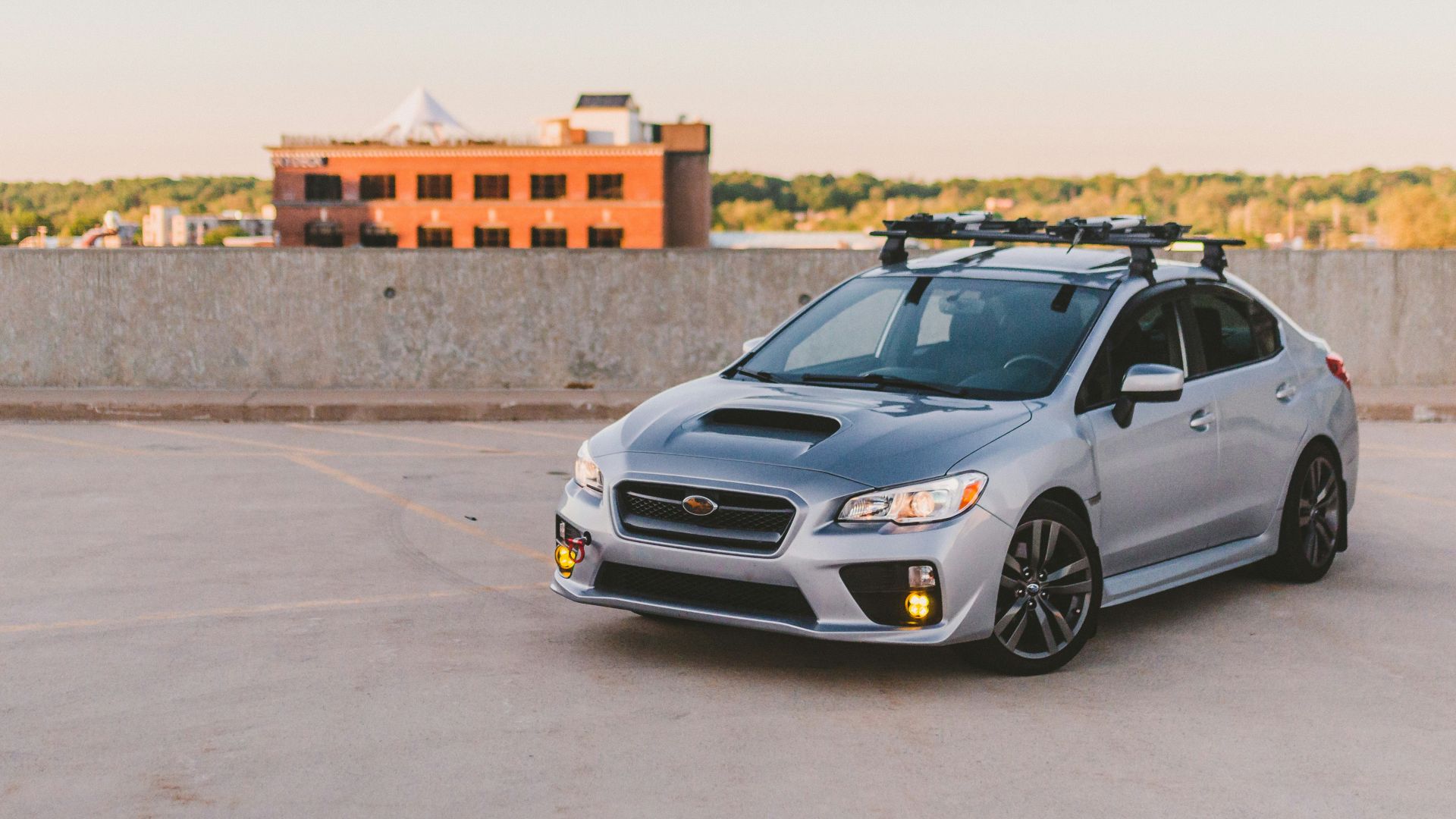
Square or rectangular bars generally disturb more air than slim, wing-shaped crossbars. Aerodynamic designs use rounded edges and tapered profiles to reduce turbulence. Some also include rubber strips that cover open channels and mounting slots. These features can limit the penalty, but they won’t eliminate it completely.
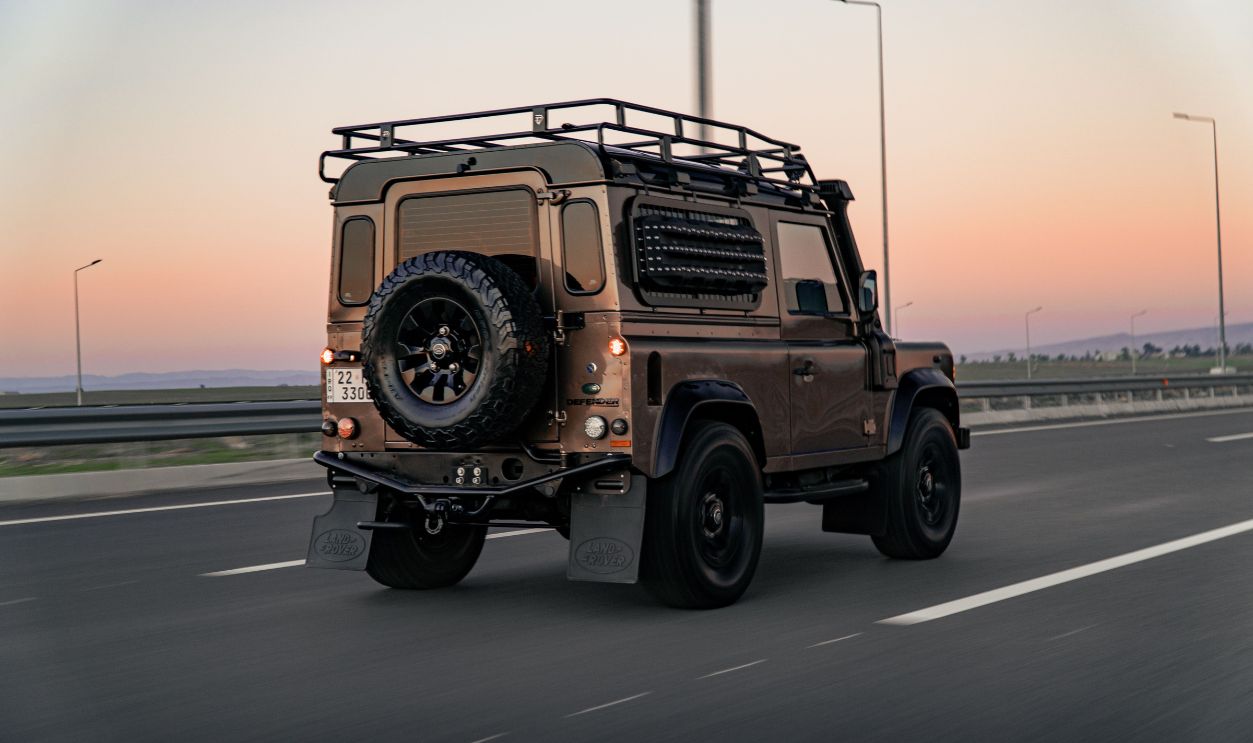
The Vehicle’s Shape Also Matters
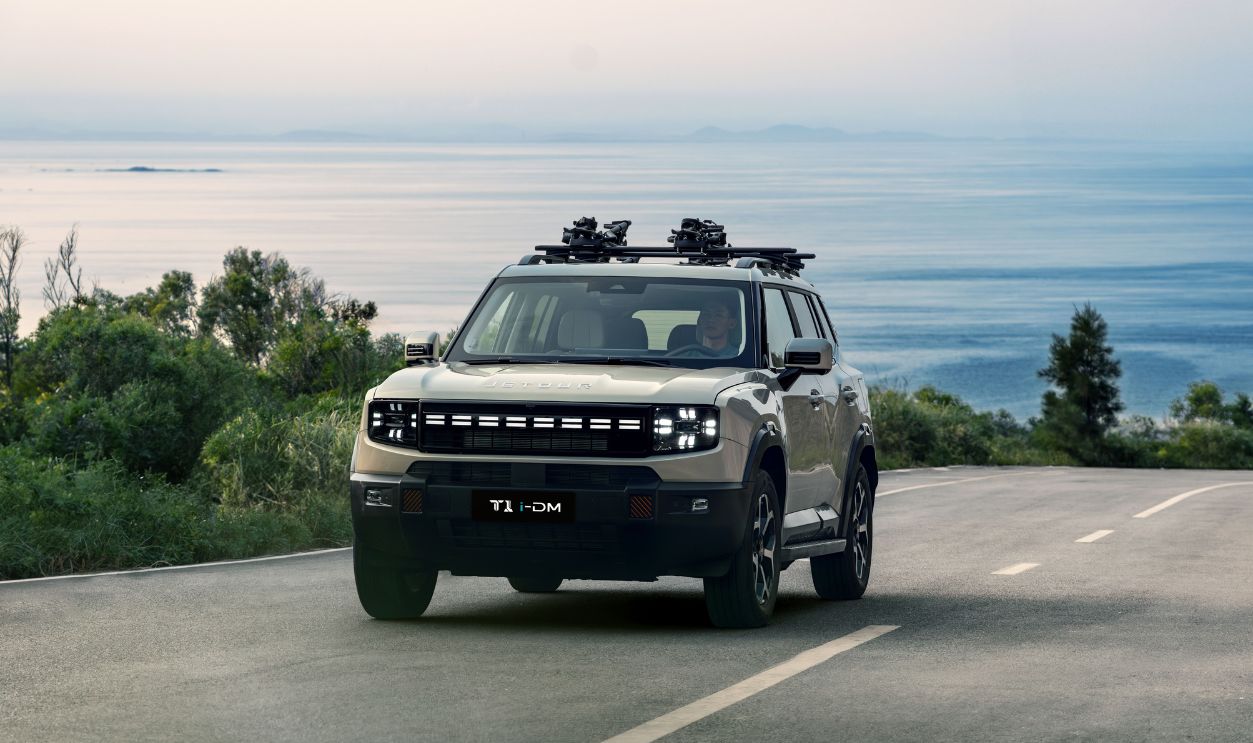
The same rack won’t affect every vehicle in the same way. A streamlined sedan may experience a noticeable disruption because the bars interrupt an otherwise smooth roofline. A tall SUV already pushes a larger area through the air, but its rack can still increase drag. There isn’t one percentage that applies to every car, crossover, or truck.

Roof Boxes Create A Bigger Penalty
A rooftop cargo box increases the vehicle’s frontal area and gives the wind more surface to push against. Consumer Reports recorded a 13 percent highway fuel-economy reduction in one test involving a Toyota RAV4 with a rack and rooftop pod. Larger or less streamlined boxes can produce an even greater effect under certain conditions. If you leave the box installed after the trip, you’ll keep paying that penalty.

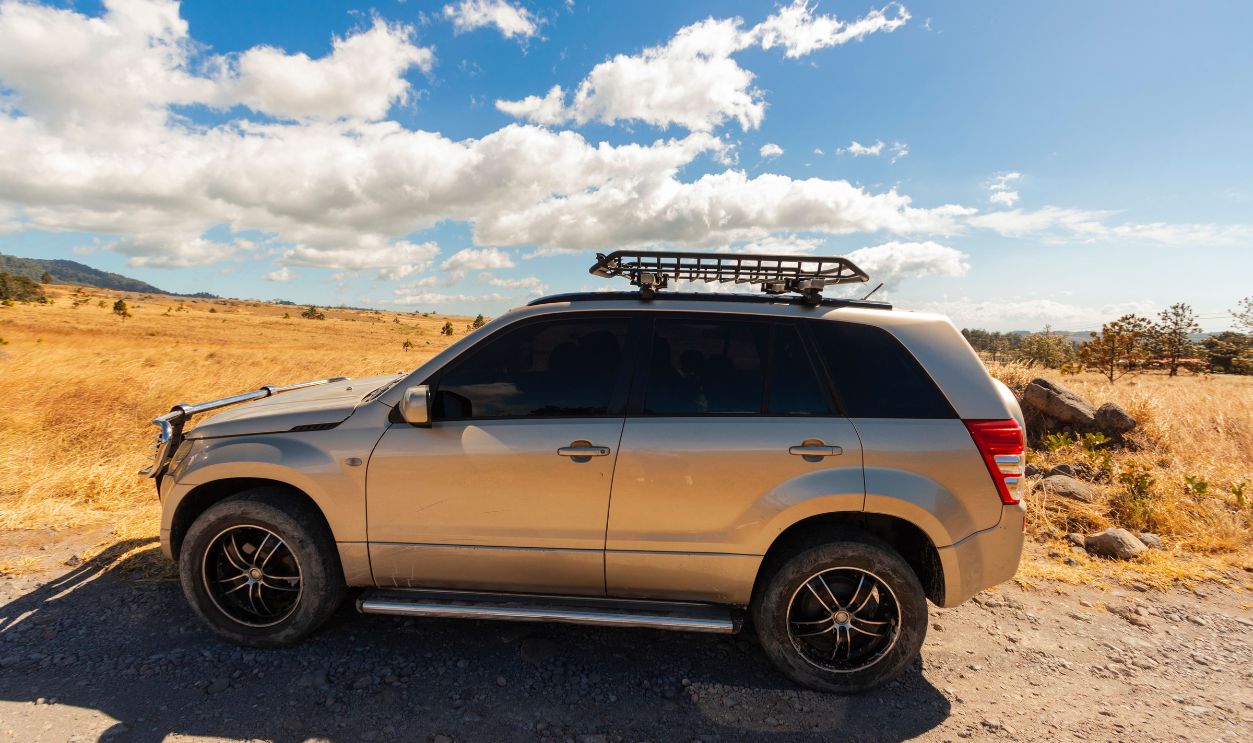
Cargo Baskets Can Be Surprisingly Costly
Open baskets may look less bulky than hard-shell boxes, but they can create complicated airflow. Their rails, slats, brackets, and exposed mounting hardware all contribute to turbulence. Irregularly shaped bags and camping equipment make the situation worse. Even an empty basket can continue affecting mileage long after the vacation is over.
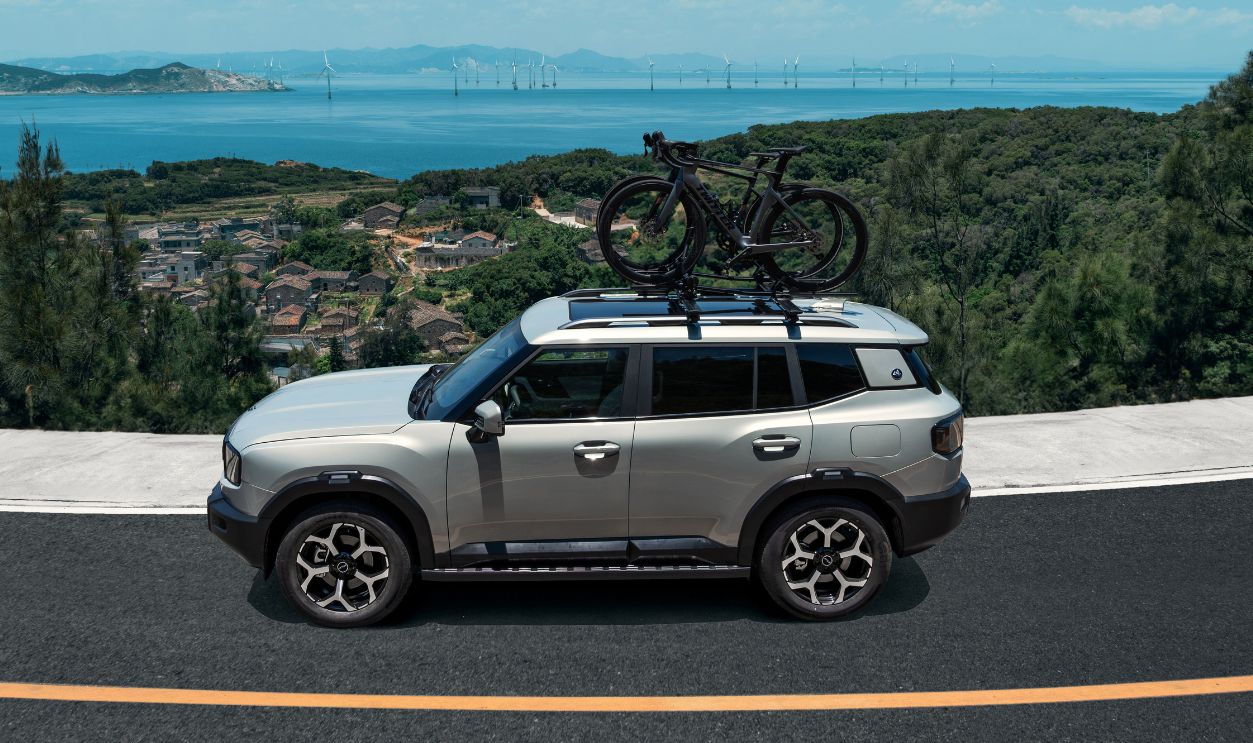
Bikes And Kayaks Catch A Lot Of Air
Bicycles, canoes, kayaks, and paddleboards have shapes that are difficult to make aerodynamic on a roof. Wheels, frames, seats, paddles, and straps all interrupt the airflow. The cargo can be secured perfectly and still reduce efficiency significantly. You’re most likely to notice the impact during long periods of high-speed driving.
Headwinds Can Make The Drop Worse
The rack responds to the speed of the air passing over it, not just the number on the speedometer. Driving into a strong headwind exposes the vehicle to greater effective airspeed. Your mileage may therefore be much worse during one part of a journey than the other. That can make the rack’s effect seem inconsistent even when nothing has changed.
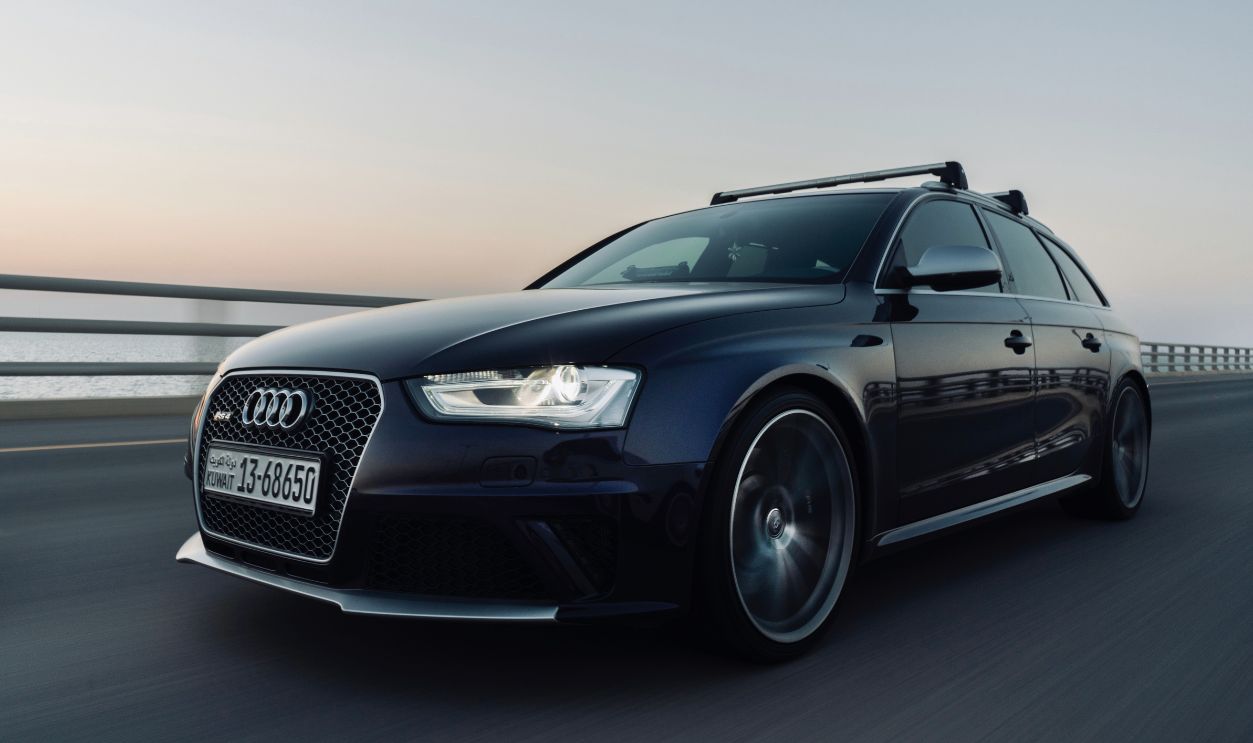
Weather May Be Part Of The Story
The rack may not be the only reason your fuel economy has fallen. Cold temperatures, snow, rain, winter gasoline, and stronger winds can all increase fuel use. Tire pressure also tends to drop as temperatures fall. If you installed the rack near the change of seasons, several factors may be working together.
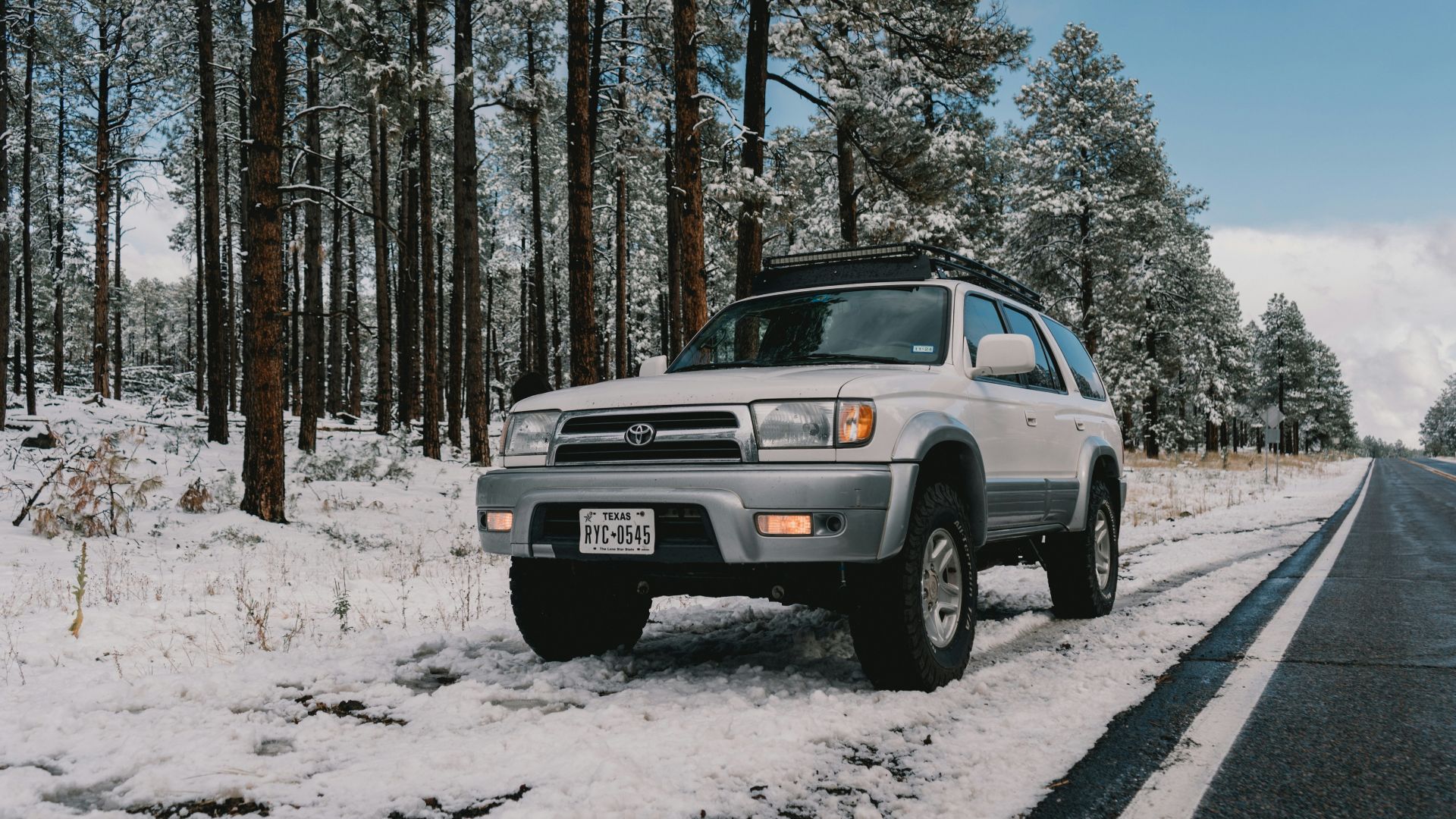
Check Your Tire Pressure
Underinflated tires increase rolling resistance and make the engine work harder. Check the pressure when the tires are cold and follow the specification on the driver’s doorjamb label. Don’t use the maximum pressure printed on the tire sidewall as the normal target. Correcting low pressure may recover some mileage even if the rack stays installed.
Don’t Judge The Change From One Tank
A single tank of fuel can give you a misleading result. Traffic, idling, weather, route changes, and the point at which the fuel pump shuts off can all affect the calculation. Compare several similar tanks before reaching a conclusion. Longer-term tracking will give you a much clearer picture.

Calculate Mileage Manually
The dashboard fuel-economy display is useful for spotting trends, but it may not be perfectly accurate. Divide the miles driven by the amount of fuel needed to refill the tank. Try to use the same pump and stop at the first automatic click each time. Consistent refilling habits make the comparison more reliable.

Test The Vehicle Without The Rack
The simplest experiment is to remove the crossbars and repeat your normal driving routine. Track several tanks with the rack installed and several without it. Try to keep the route, speed, weather, and driving habits as similar as possible. If your mileage improves after removal, the rack was probably a major contributor.
Remove Crossbars Between Trips
Detachable crossbars are meant to be removed when they aren’t needed. Taking them off restores the roof closer to its original aerodynamic shape. Store the bars with their locks, mounting tools, end caps, and instructions. That’ll make the next installation quicker and reduce the chance of losing an important part.

Permanent Side Rails Are Different
Many SUVs and crossovers have fixed rails running from the front to the back of the roof. These rails are usually integrated into the vehicle and aren’t designed for regular removal. The crossbars that span from side to side are normally the detachable pieces. Check the owner’s manual before removing any factory-installed component.
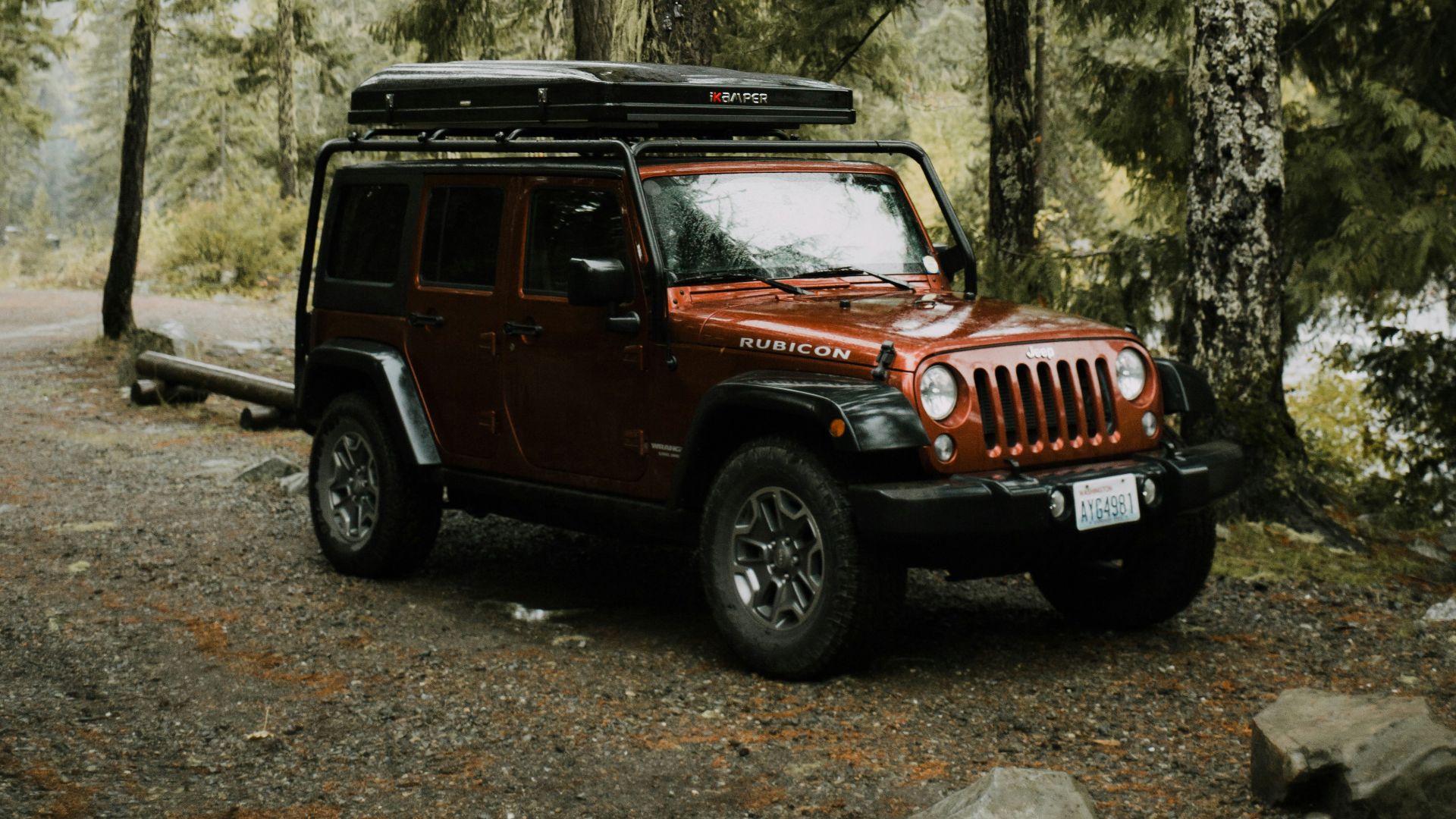
Make Sure The Rack Is Installed Correctly
A poorly positioned rack can create extra noise and may also be unsafe. Follow the spacing, orientation, and torque requirements provided by the vehicle and rack manufacturers. Some aerodynamic bars have a clearly defined front and rear edge. Installing one backward can increase turbulence and whistling.

Consider A Hitch-Mounted Carrier
Cargo carried behind the vehicle usually has less effect on fuel economy than cargo mounted on the roof. A rear carrier sits partly within the vehicle’s aerodynamic wake, where airflow is already disturbed. Government estimates suggest that rear-mounted boxes and trays generally cause a smaller highway penalty than large rooftop boxes. A hitch system may be a better choice if you travel often.
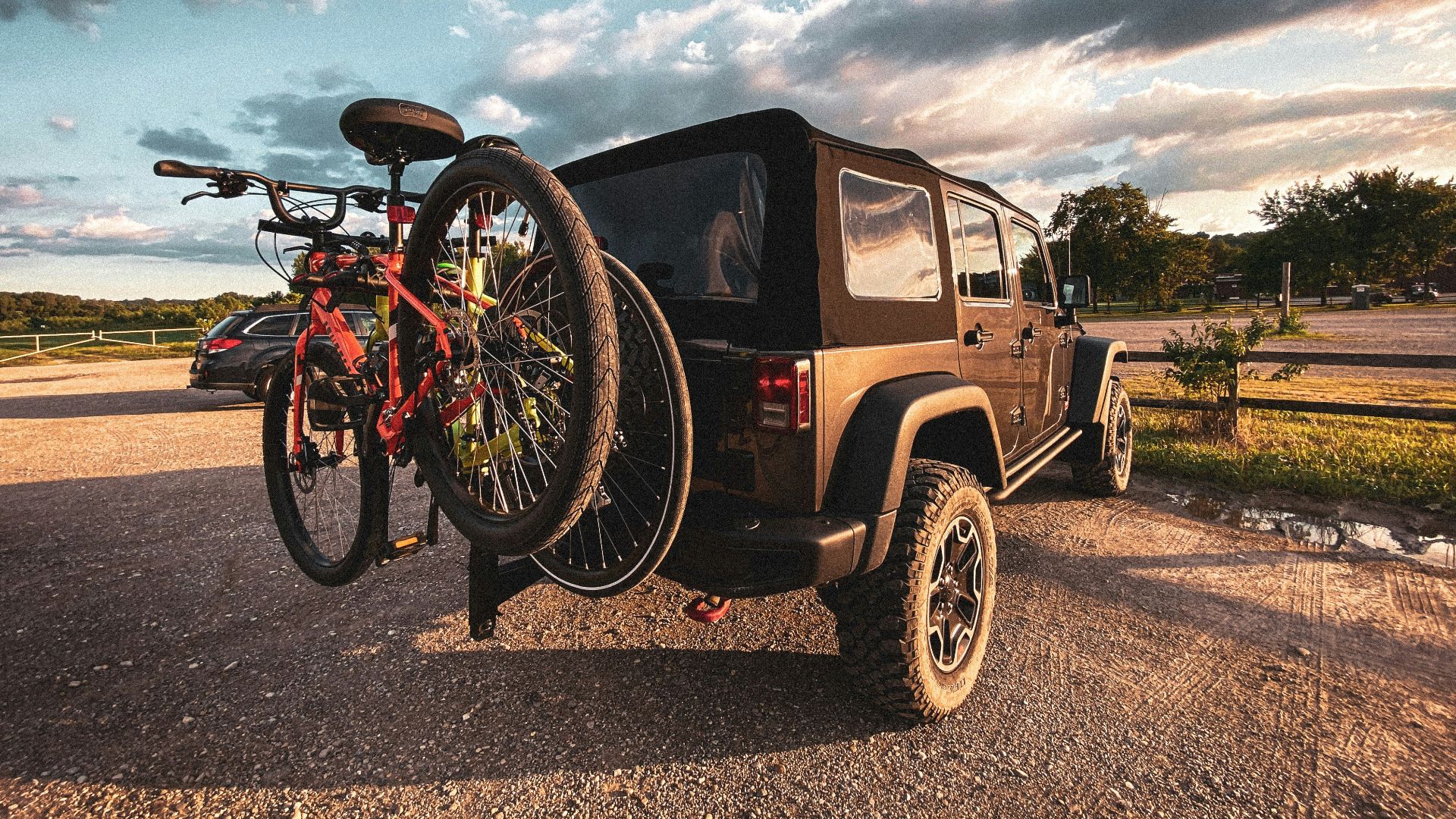
Hitch Carriers Bring Other Compromises
Rear carriers can increase the vehicle’s overall length and make parking more difficult. They may block the hatch, obscure lights or the license plate, and interfere with cameras or parking sensors. Cargo can also be exposed to road grime, exhaust heat, and rear impacts. You’ll need to follow the vehicle, hitch, and carrier weight limits.

Pack Inside The Vehicle When Possible
Luggage stored inside the cabin or enclosed cargo area creates far less aerodynamic drag. Place heavier objects low and secure them so they can’t move during sudden braking. Don’t pile items high enough to block the driver’s view. Safe interior packing is usually the most efficient option when there’s enough space.

Slowing Down Can Reduce The Damage
Lower highway speeds reduce the amount of aerodynamic resistance acting on the vehicle. This won’t erase the rack’s effect, but it can make the loss less severe. Smooth acceleration and steady cruising also help limit fuel use. The benefit becomes more noticeable when the roof is carrying a large box or sporting equipment.

The Rack Can Still Be Worth Keeping
Roof racks are useful when they safely carry luggage, bicycles, skis, or oversized equipment that won’t fit inside the vehicle. The mistake isn’t buying the rack. It’s leaving removable equipment installed every day when you only need it a few times a year. Taking it off between trips lets you keep the convenience without permanently sacrificing fuel economy.
You May Also Like:
My car collects driving data everywhere I go. Who actually owns that information?
Car Features Baby Boomers Used All The Time That Millennials Have Never Even Heard Of