The New Windshield Was Installed. Then The Warning Lights Came On.
Replacing a windshield used to be a straightforward repair. Today, it can also require recalibrating the cameras and sensors that power many of a vehicle's safety systems. When that step is skipped or done incorrectly, features like automatic emergency braking and lane-keeping assist may stop working properly. The good news is that while calibration can be expensive, there's a reason it has become an essential part of many windshield replacements.
Modern Windshields Hold Much More Than Glass
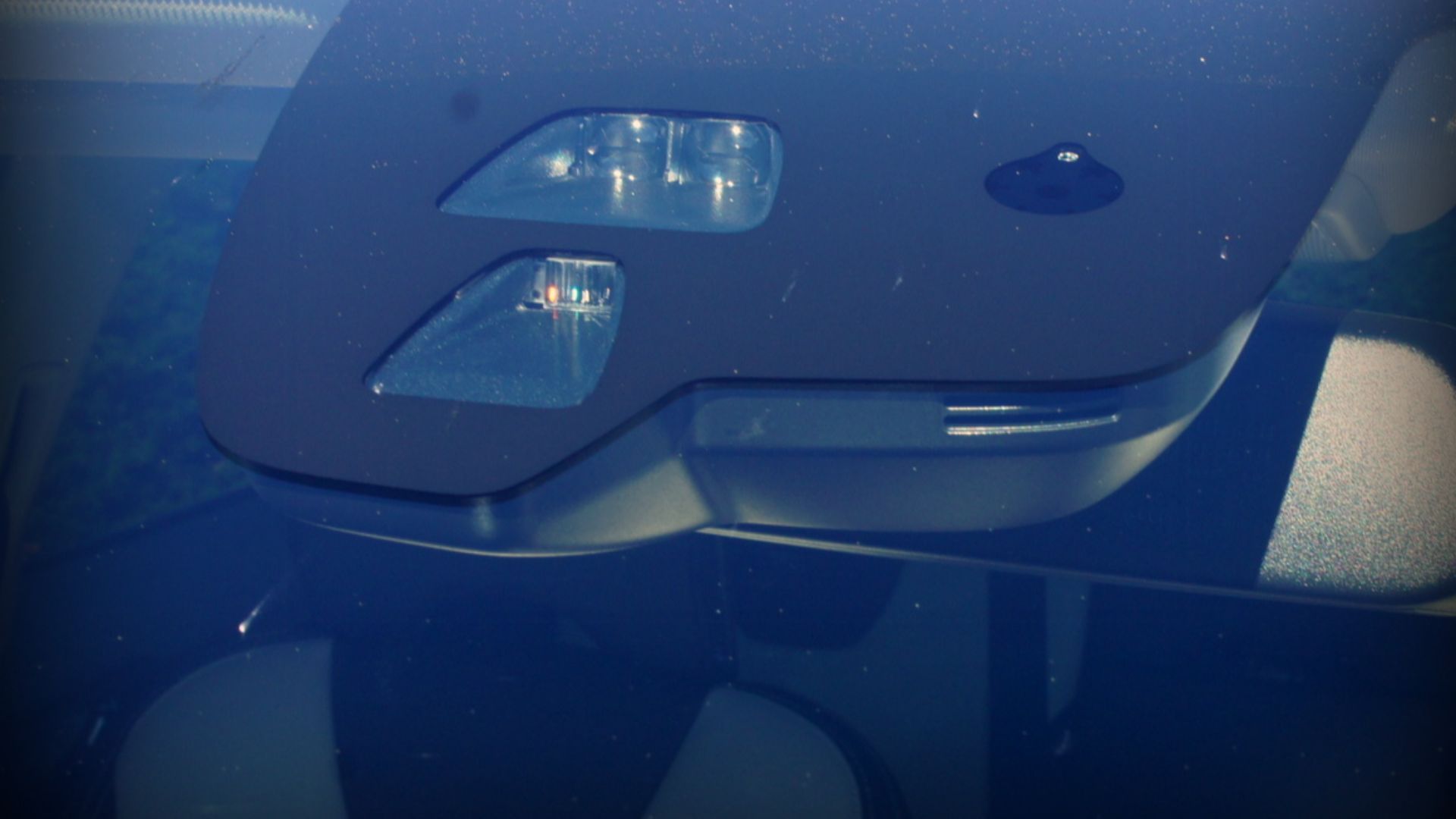
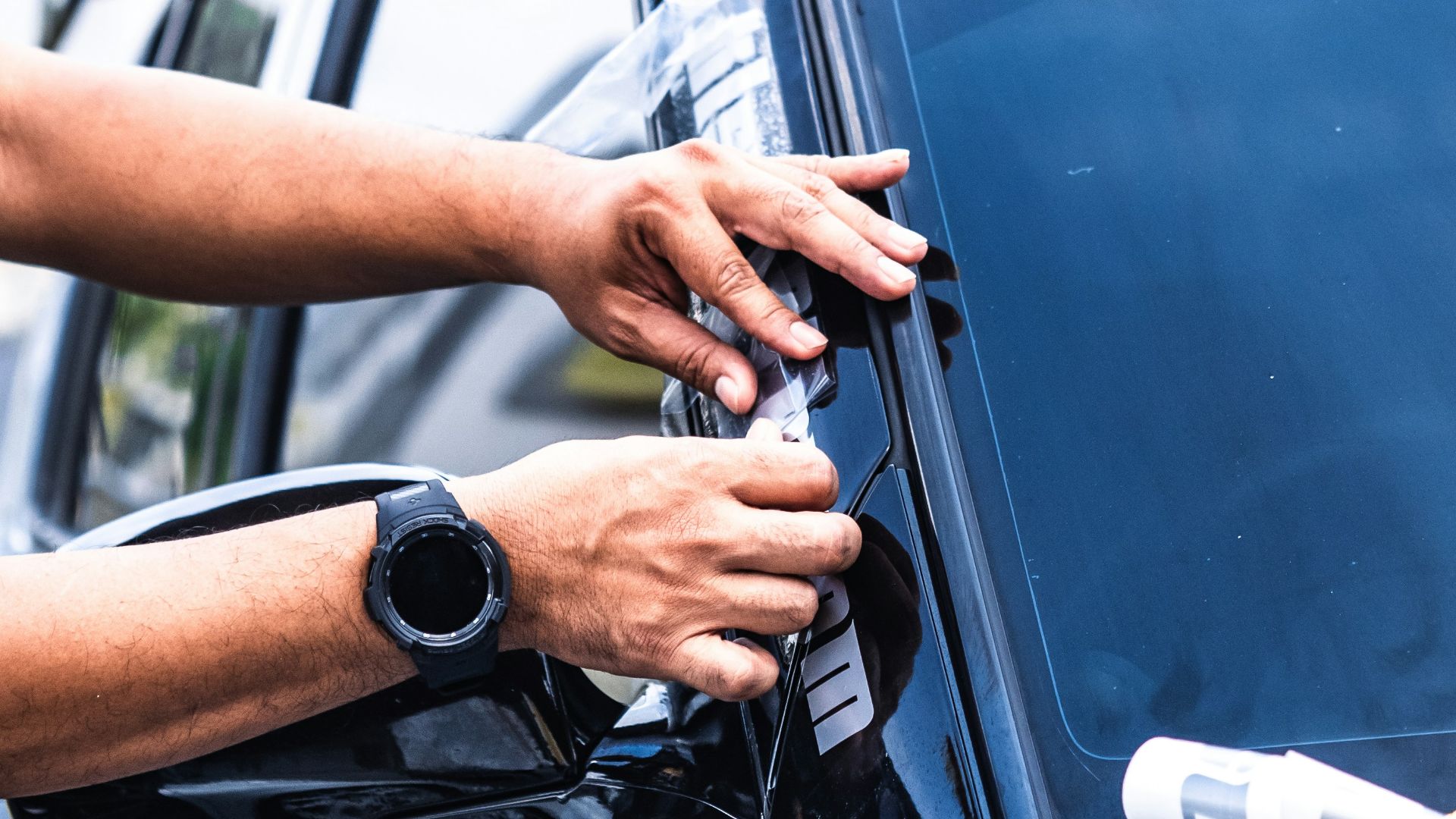
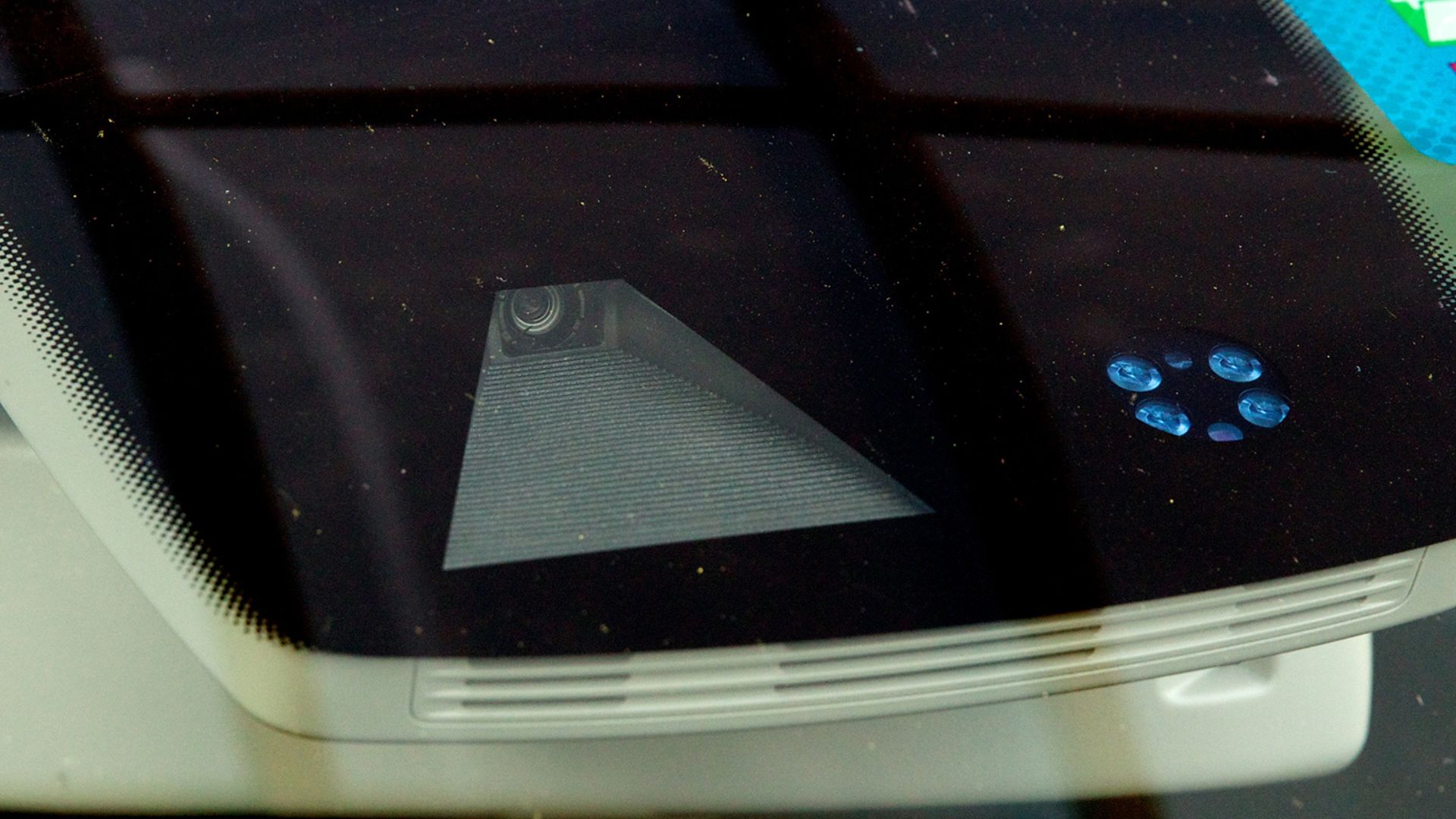
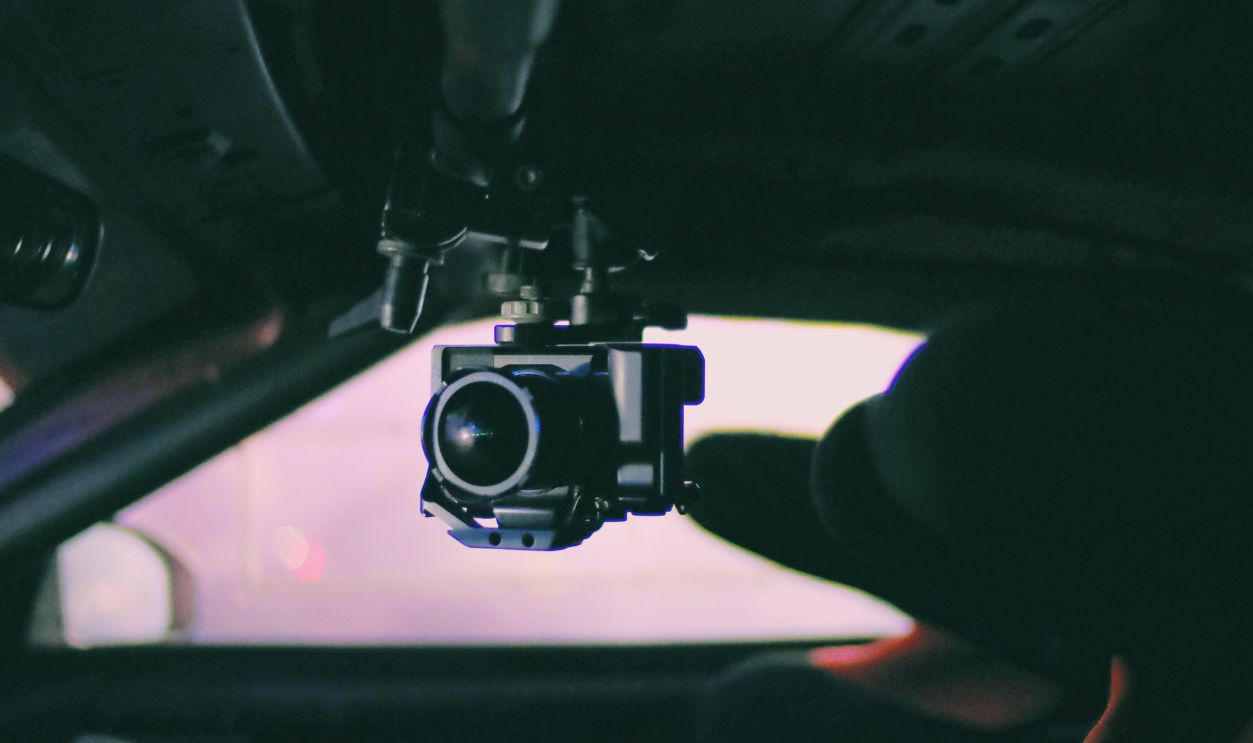
Years ago, a windshield was simply a piece of safety glass. Today, many vehicles mount forward-facing cameras, rain sensors, light sensors, and other equipment directly behind the windshield. Those components help operate many of the advanced driver assistance systems, often called ADAS. When the windshield is removed, those systems may need to be recalibrated before they can work correctly again.
The Camera Has To See Precisely
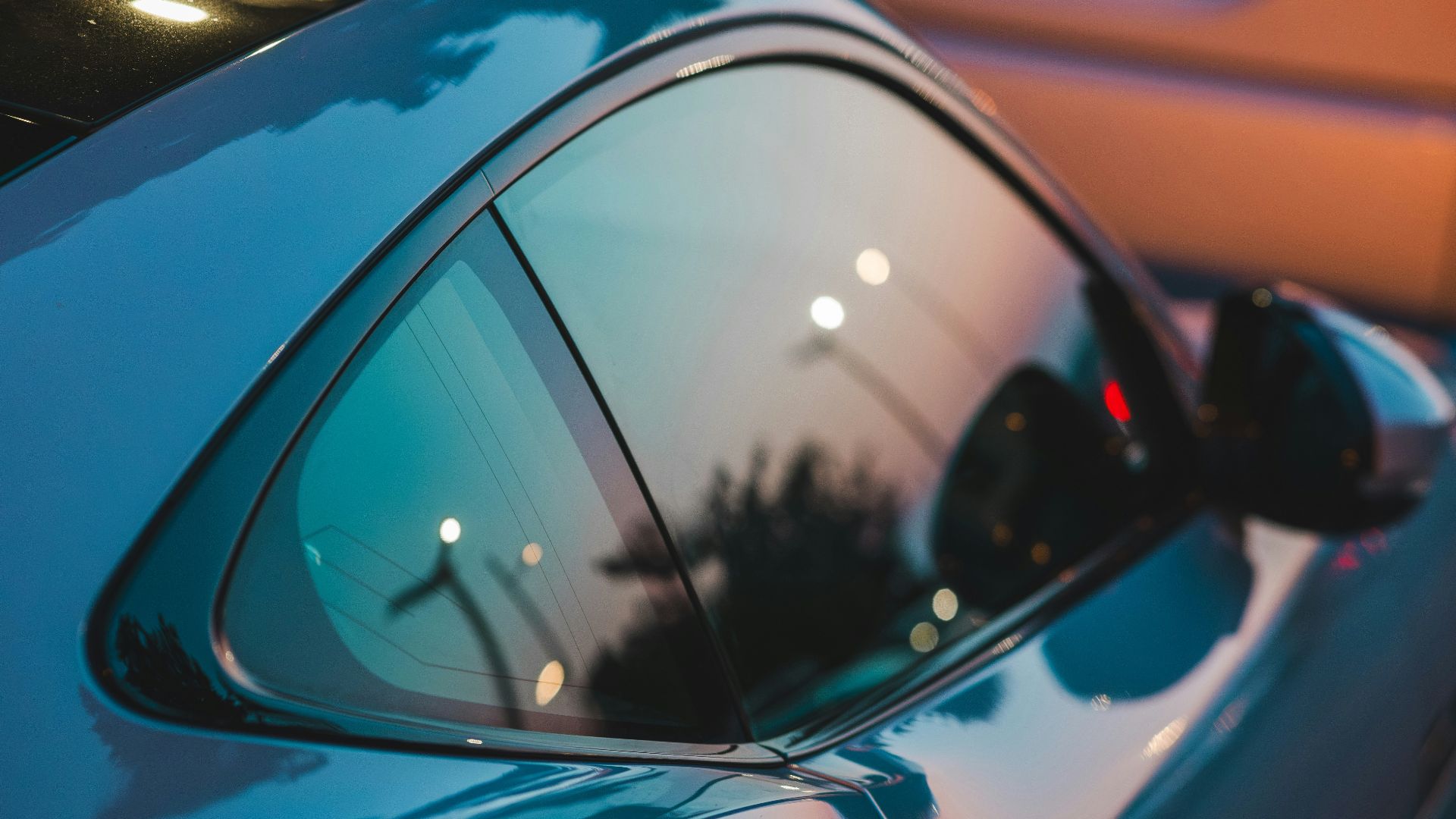
Even tiny changes in camera position can affect how the system interprets the road. A camera that's only slightly out of alignment may misjudge lane markings, following distance, or nearby vehicles. Since these systems help make driving decisions, manufacturers require extremely precise positioning. That's why calibration has become such an important part of the repair process.
 Michael Sheehan, Wikimedia Commons
Calibration Isn't Just Flipping A Switch
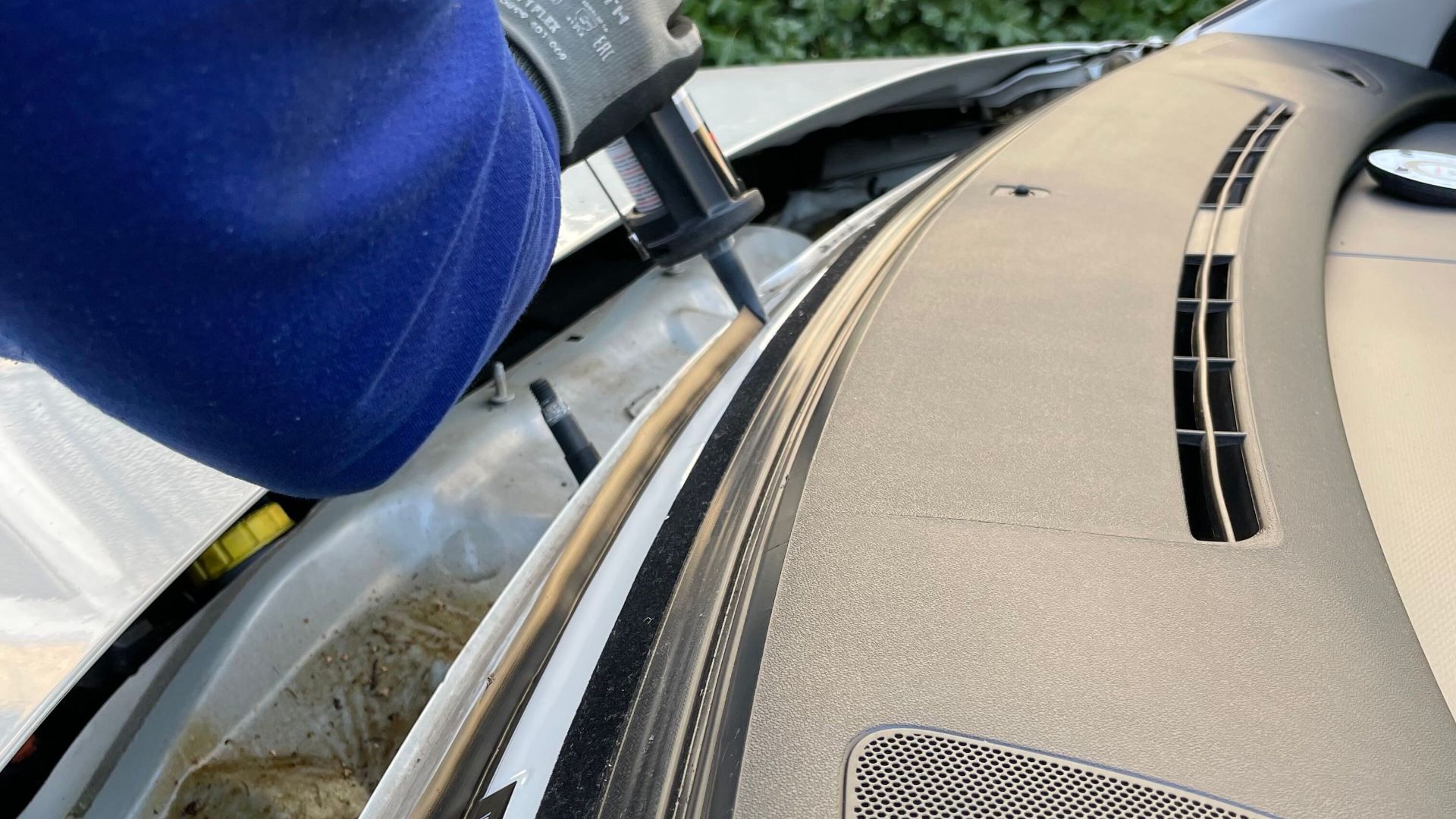
Many drivers imagine calibration as plugging a scanner into the vehicle and pressing a button. In reality, the process can be far more involved. Some vehicles require special targets, laser measuring equipment, precise lighting conditions, perfectly level floors, and manufacturer-specific procedures. The technician may spend a significant amount of time setting up before the actual calibration even begins.
There Are Two Main Types Of Calibration
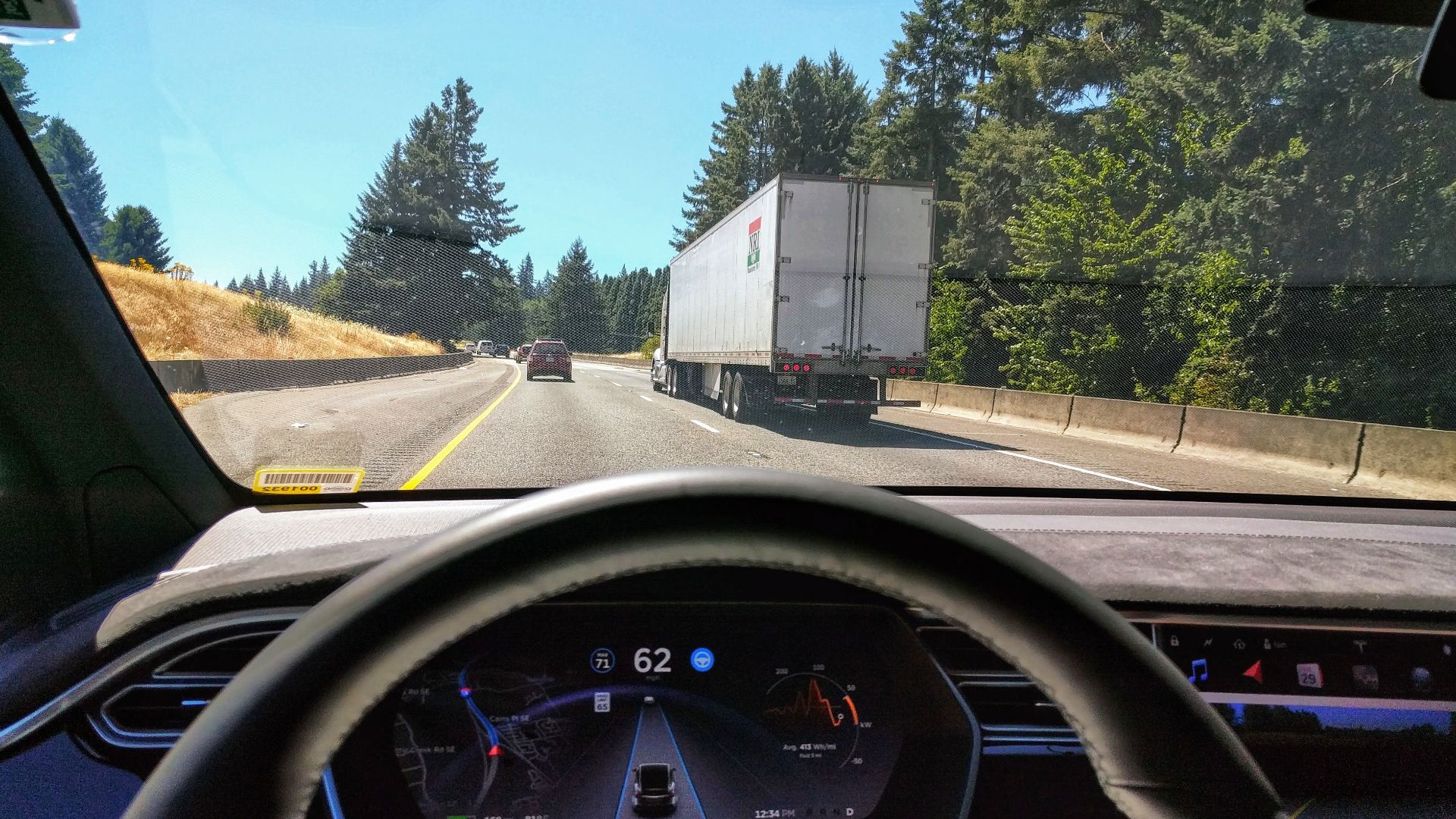
Some vehicles require static calibration, which is performed inside the shop using specialized equipment and targets. Others require dynamic calibration, where the vehicle must be driven under specific road conditions so the cameras can relearn their surroundings. Many vehicles require both procedures. The exact process depends entirely on the manufacturer.
Every Automaker Has Different Procedures
There isn't one universal calibration method. Toyota, Ford, Honda, Subaru, BMW, Tesla, and other manufacturers all publish their own repair procedures. Even different models from the same brand may require different equipment or calibration steps. Repair shops must follow the instructions for each specific vehicle.
 Ian Maddox , Wikimedia Commons
Specialized Equipment Is Expensive
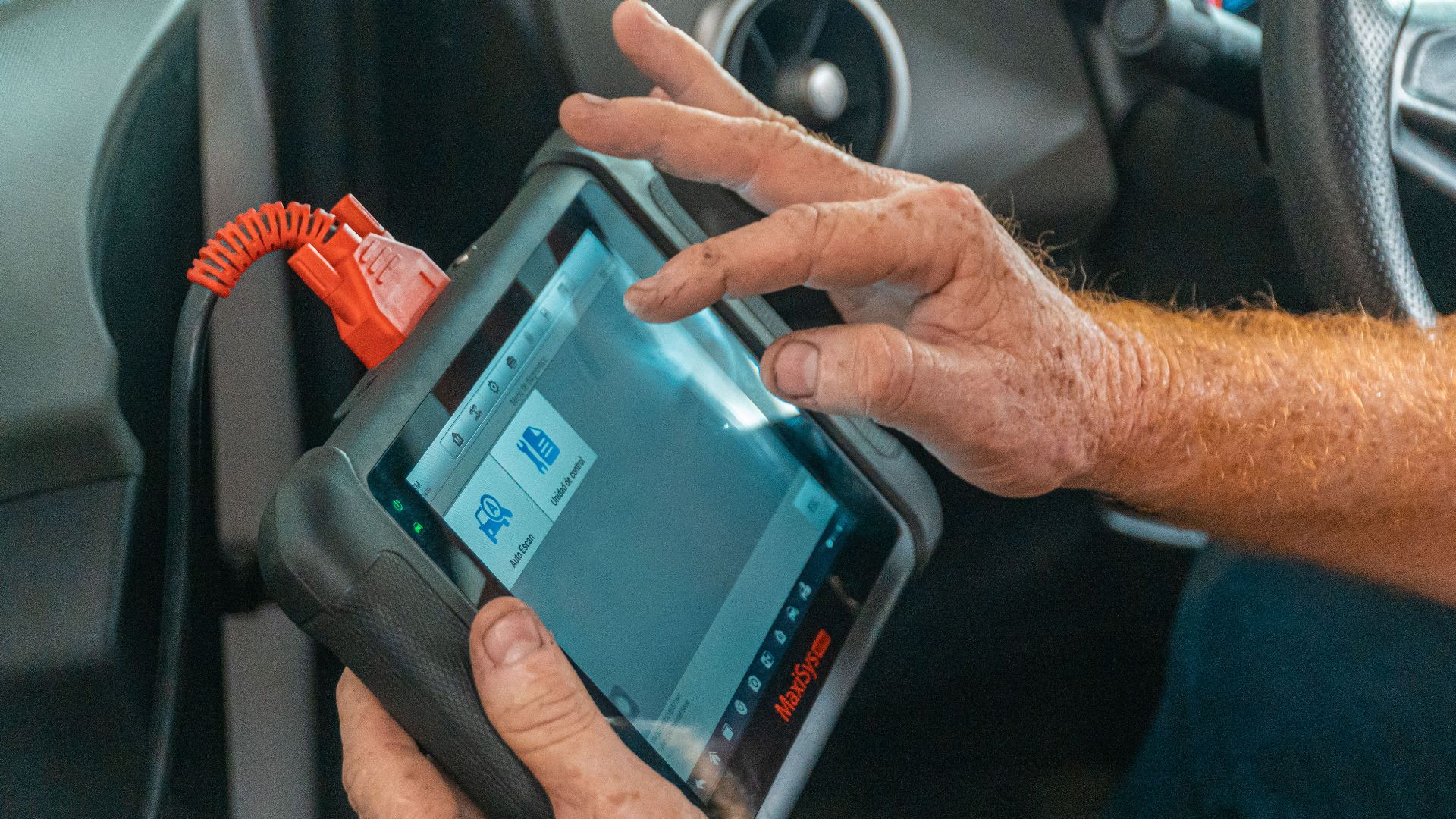
One reason calibration costs so much is the equipment itself. Professional calibration systems can cost tens of thousands of dollars, and shops often need additional manufacturer-specific software subscriptions, scan tools, targets, and measuring equipment. Those investments are reflected in the cost of the service.
Technician Training Matters
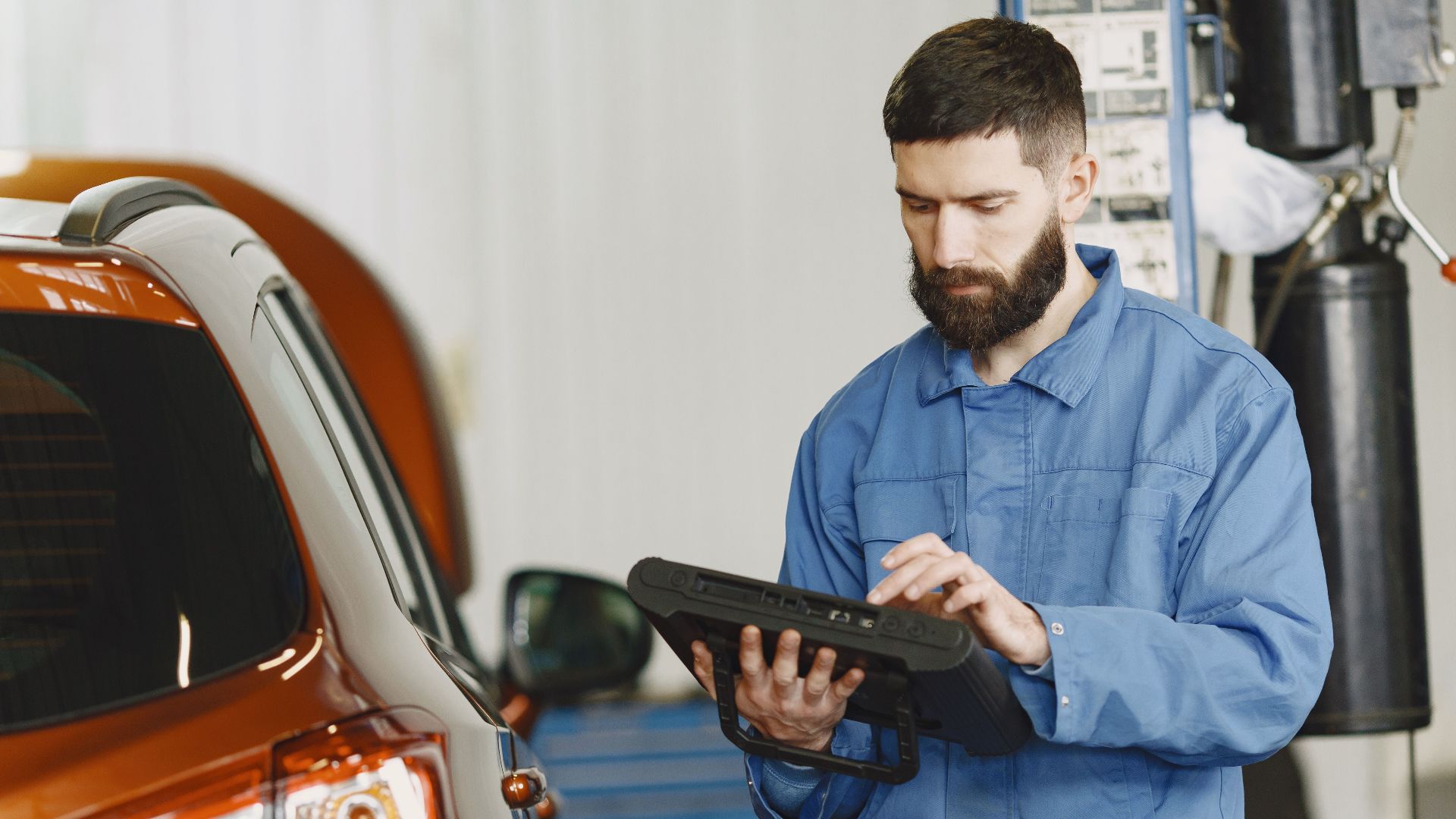
Calibration isn't simply about owning the equipment. Technicians need specialized training to understand the manufacturer's procedures, properly position calibration targets, verify system operation, and recognize when something isn't right. Proper training helps ensure the safety systems perform as designed.
 Jose Ricardo Barraza Morachis, Pexels
Skipping Calibration Can Affect Safety
Some drivers wonder whether calibration is really necessary or simply an upsell. On many vehicles, manufacturers specifically require recalibration after windshield replacement because the forward-facing camera plays a direct role in safety systems. Ignoring that requirement can affect the performance of automatic emergency braking, adaptive cruise control, lane departure warning, traffic sign recognition, and other features.
Warning Lights Aren't Always The Only Clue
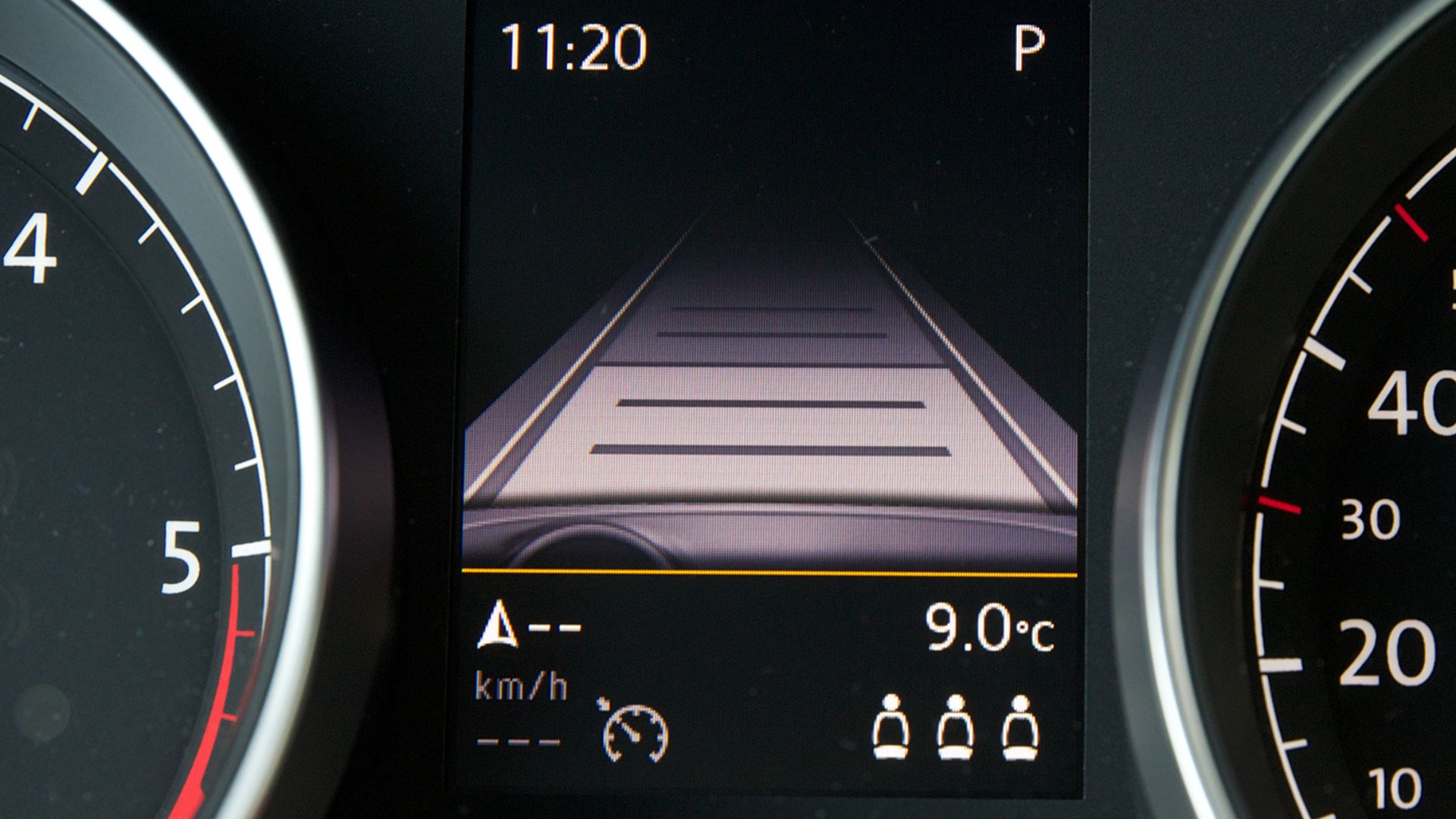
Sometimes the vehicle immediately displays warning messages after a windshield replacement. Other times, everything appears normal even though the camera isn't properly calibrated. That's one reason manufacturers don't recommend relying solely on dashboard warning lights. A system can appear functional while still operating outside its intended specifications.
Cheap Repairs Can Become Expensive Later
A low windshield replacement quote may not include calibration. Some shops advertise attractive prices but add calibration later or refer customers elsewhere to complete it. Before approving the repair, ask whether calibration is included in the estimate and whether it will be performed according to the manufacturer's requirements.
Insurance Often Covers Calibration
Many comprehensive auto insurance policies cover windshield replacement, and that coverage may also include required calibration. The exact terms depend on your insurer, deductible, and state law. Before paying out of pocket, ask both the repair shop and your insurance company what is covered.
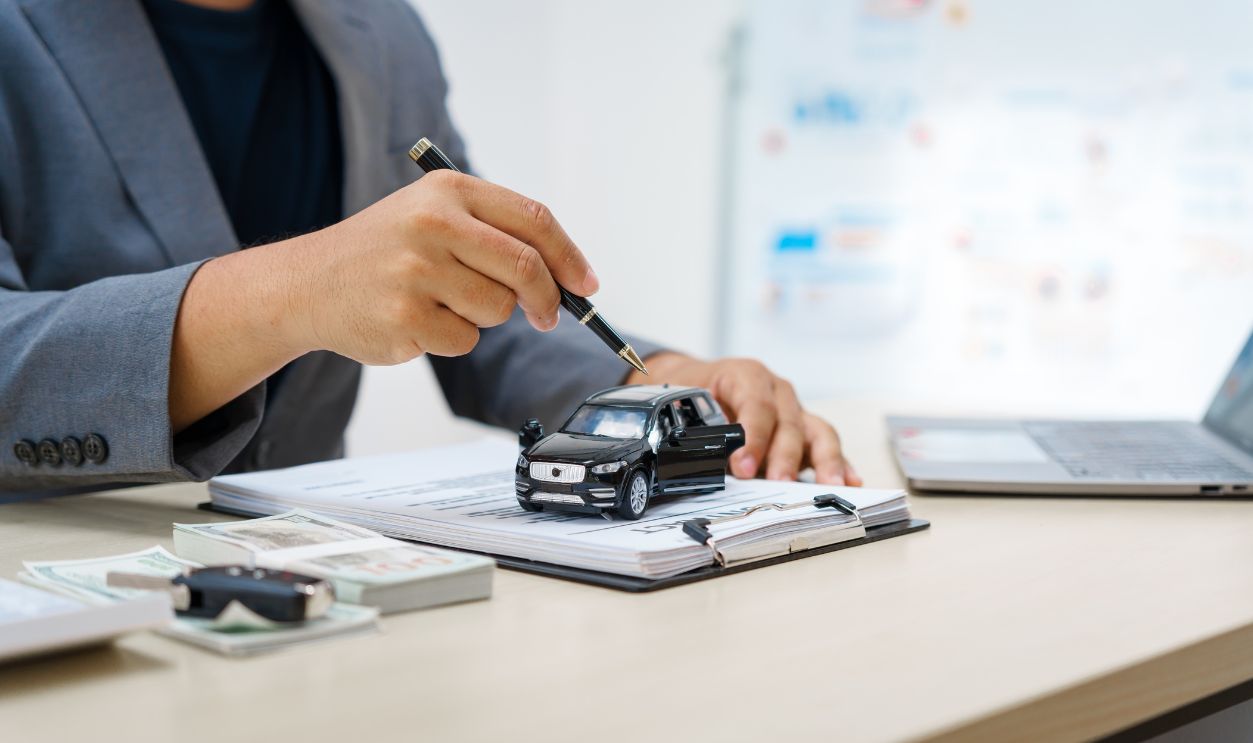
OEM Glass May Matter
Some manufacturers recommend or require original equipment manufacturer glass because of optical characteristics, thickness, coatings, or camera compatibility. In many cases, high-quality aftermarket glass works perfectly well, but some vehicles are more sensitive than others. Ask the shop whether the chosen glass meets the manufacturer's specifications.
The Shop Should Explain The Process
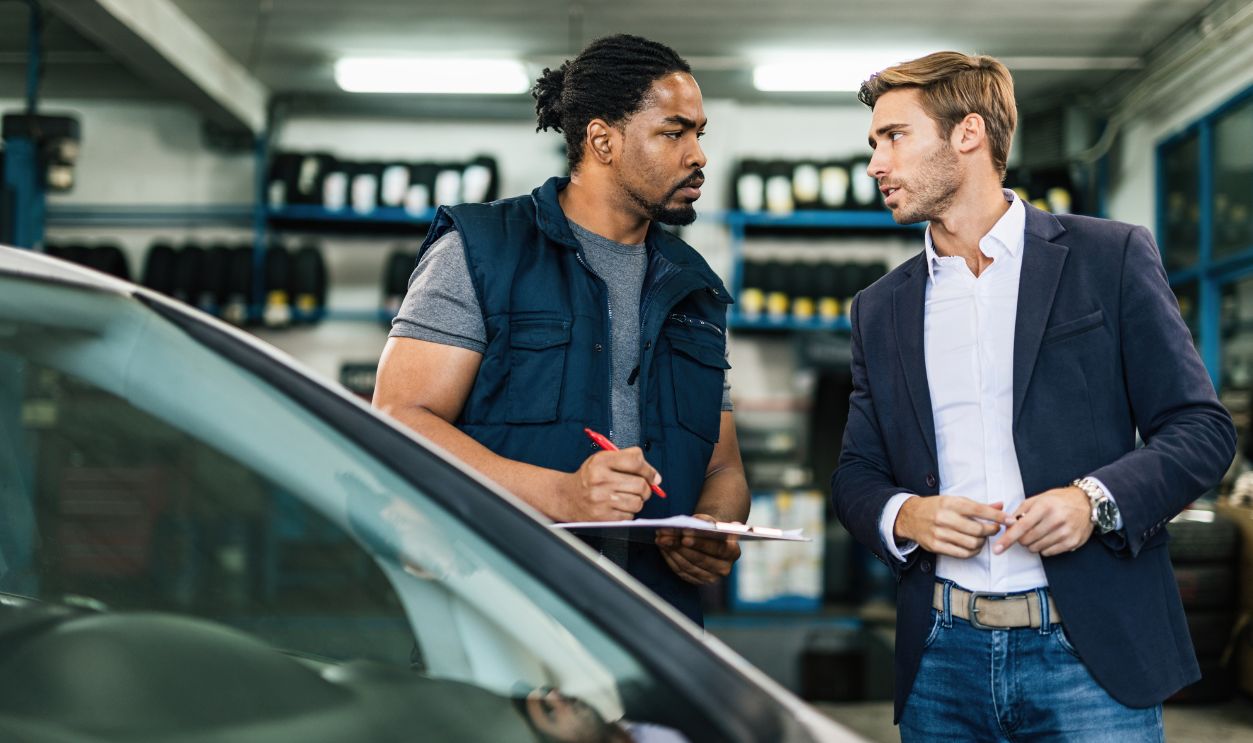
A reputable repair facility should be willing to explain why calibration is necessary for your particular vehicle. Ask whether your car requires static calibration, dynamic calibration, or both. You should also ask how the shop verifies that the system is functioning properly before returning the vehicle.
Mobile Windshield Repairs May Have Limits
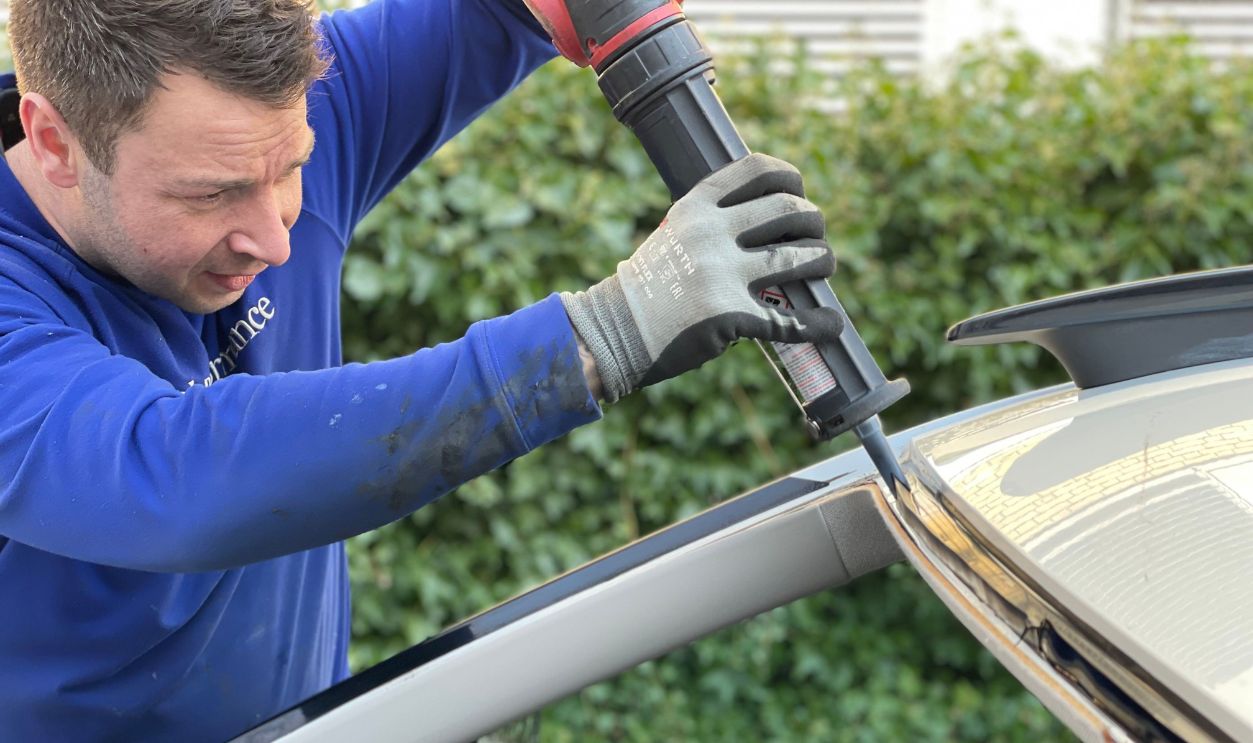
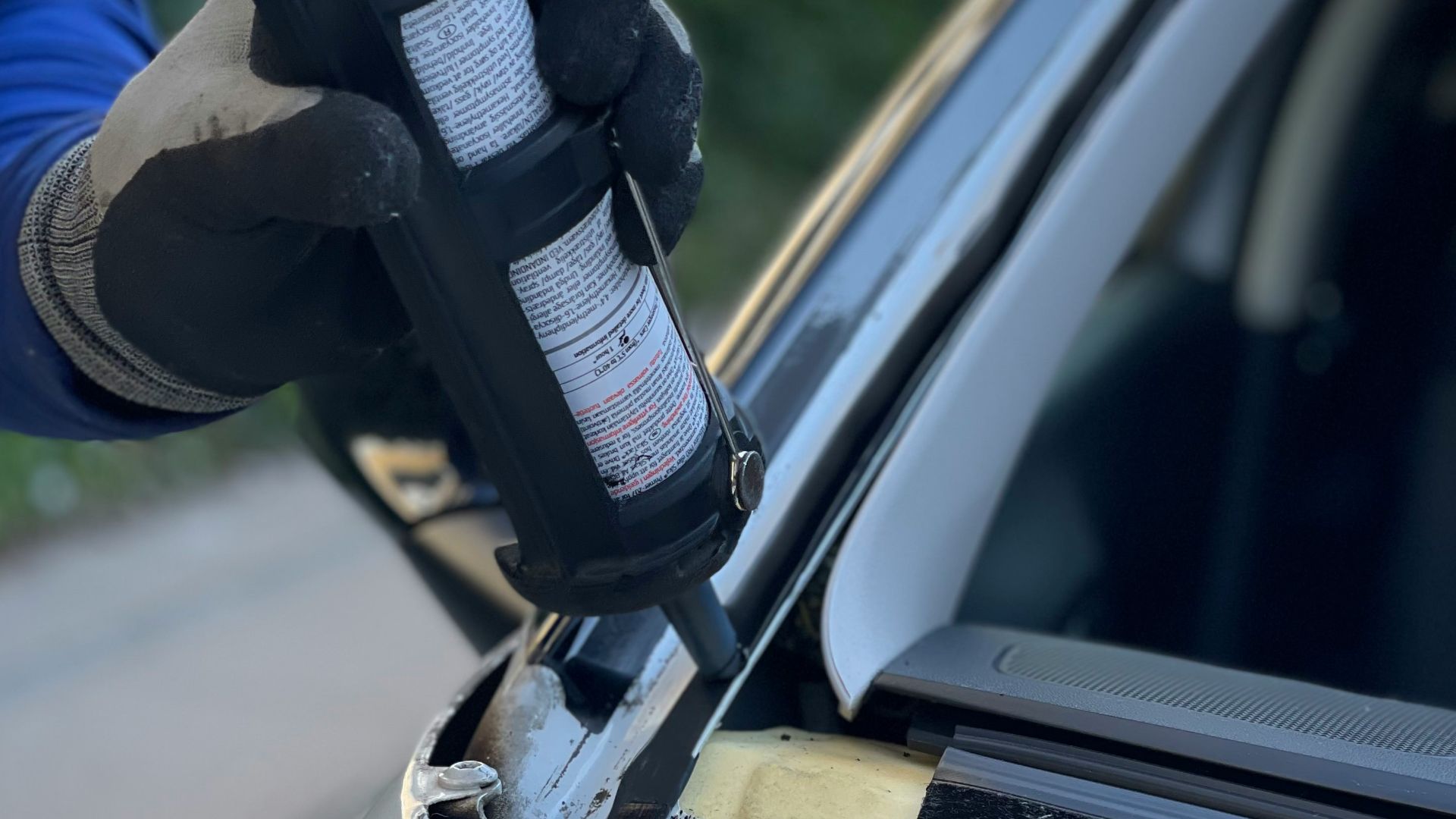
Many windshield companies offer mobile replacement at your home or workplace. While this can be convenient, not every mobile repair can perform every type of calibration. Some vehicles still need to visit a properly equipped shop afterward. Ask whether the entire calibration process can be completed during the mobile appointment.
Driving Before Calibration Isn't Always Recommended
If the manufacturer requires calibration immediately after windshield replacement, delaying the process may not be advisable. Safety systems could be unavailable or operating incorrectly until calibration is complete. Follow the repair shop's recommendations before relying on driver-assistance features.
Calibration Doesn't Guarantee Perfection
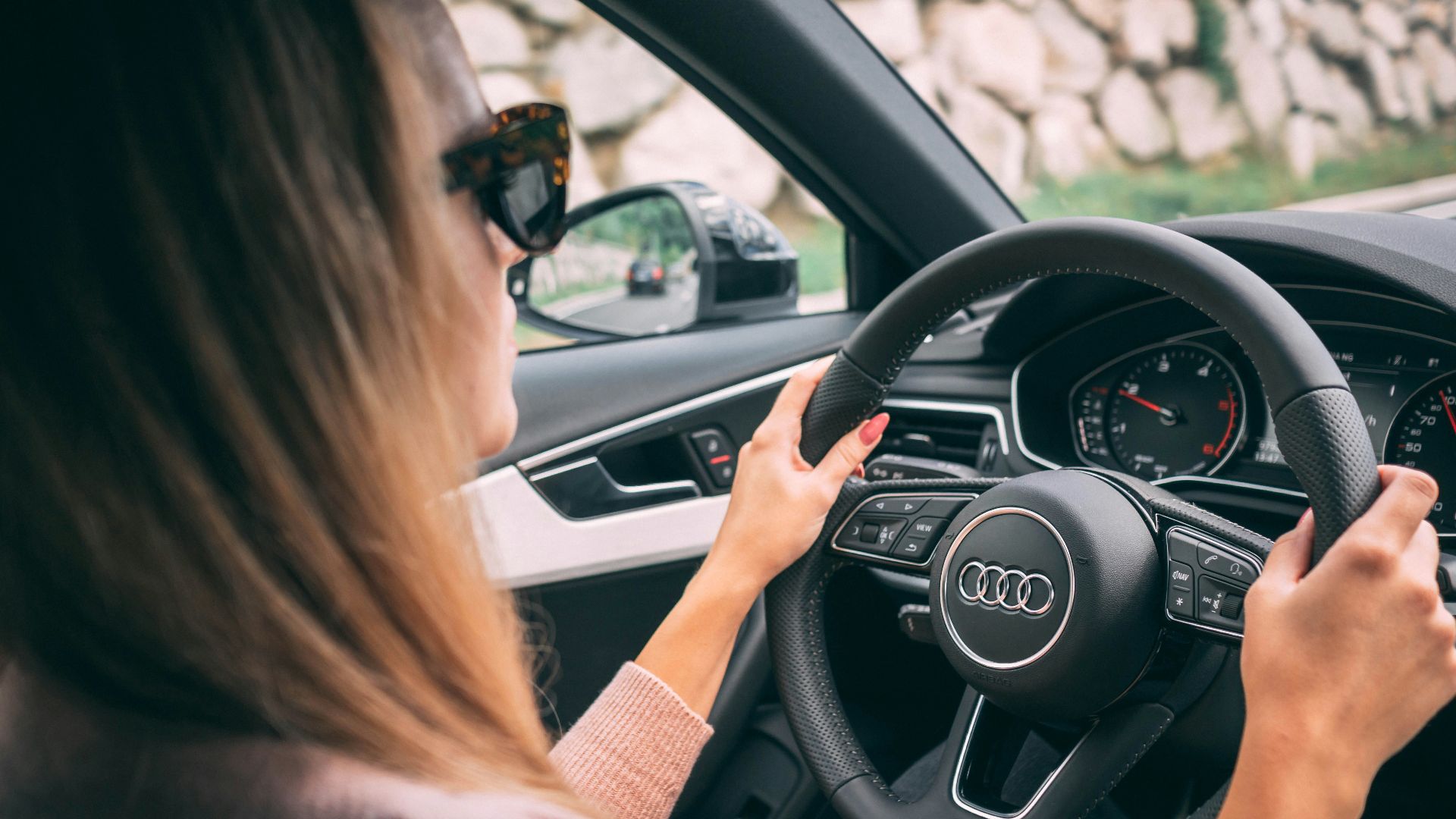
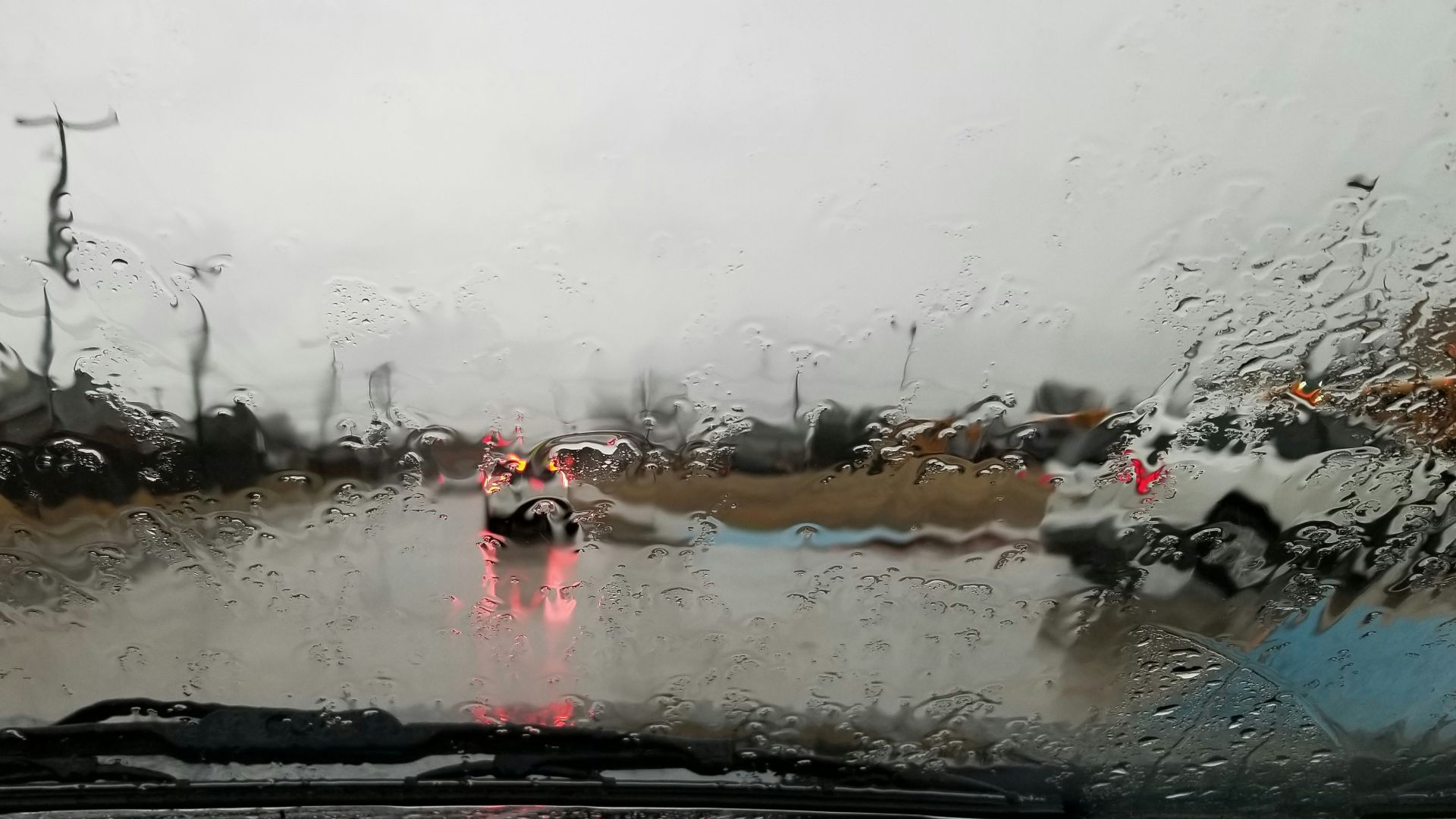
Even after successful calibration, driver-assistance systems are still assistance features, not substitutes for attentive driving. Cameras can be affected by heavy rain, snow, fog, dirt, glare, or damaged lane markings. Drivers should continue paying full attention regardless of how advanced the technology becomes.
Ask For Documentation
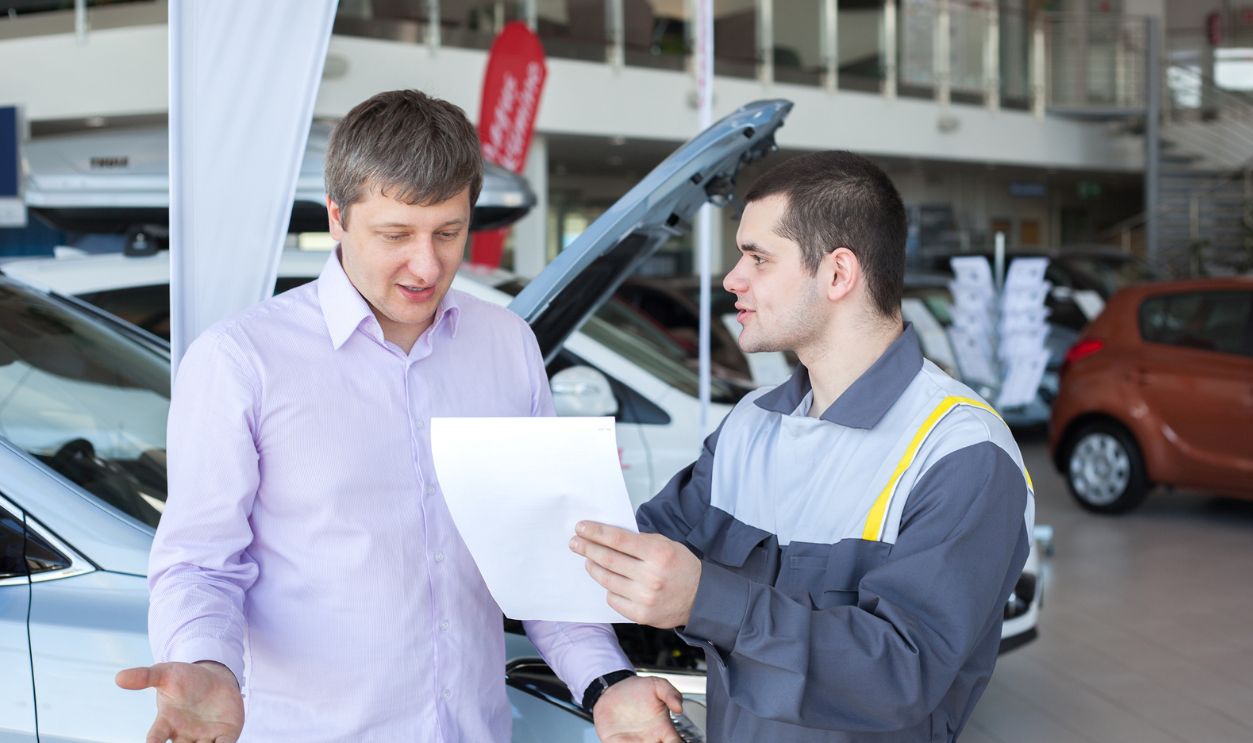
Once the calibration is finished, ask for documentation showing the work was completed. Many repair shops can provide scan reports, calibration records, or invoices identifying the procedures performed. Keeping those records may be useful for warranty claims, insurance questions, or future vehicle sales.
 Sergei Gontsarov, Shutterstock
Independent Shops Can Perform The Work
Dealerships aren't the only businesses capable of performing ADAS calibration. Many independent glass companies and collision repair facilities now invest in the necessary equipment and training. The important question isn't whether it's a dealer or an independent shop. It's whether they follow the manufacturer's procedures.
Poor Calibration Can Create Liability
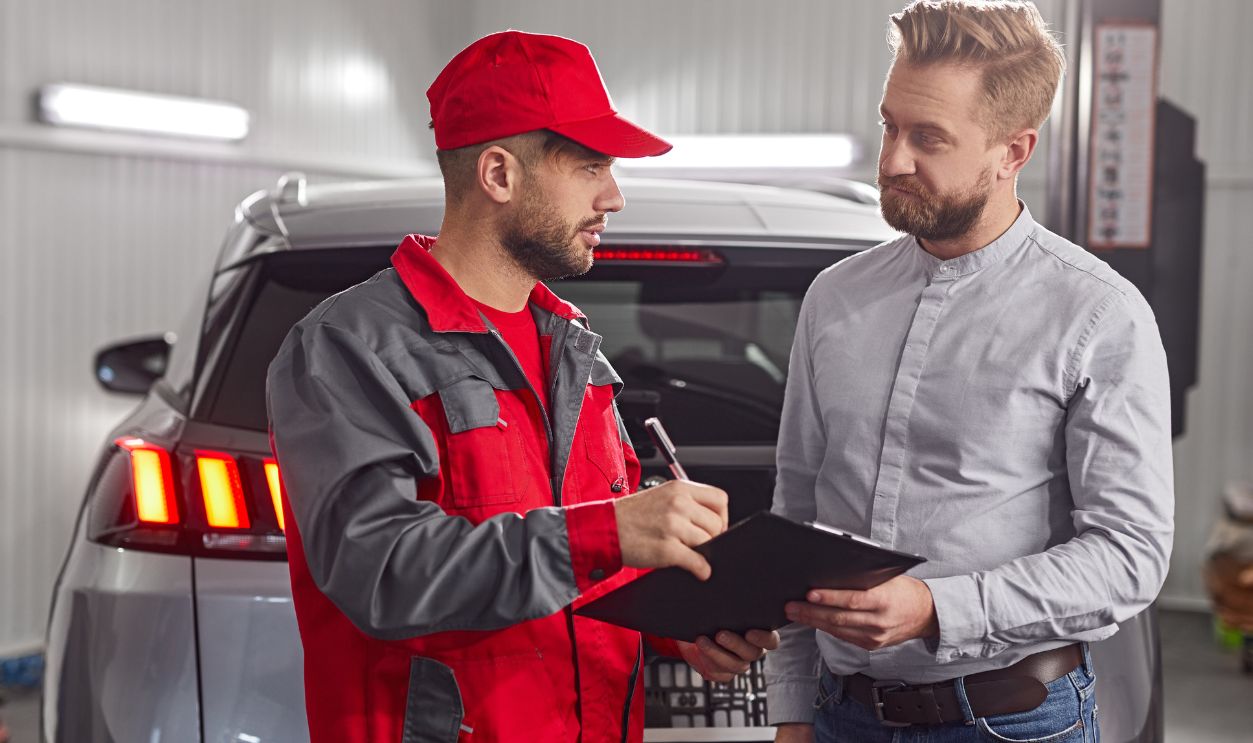
If a safety system fails because calibration was skipped or performed improperly, the consequences can be serious. That's one reason reputable shops take the process seriously. Proper documentation, trained technicians, and manufacturer procedures help protect both the customer and the repair facility.
Recalls Are Different From Calibration
Some drivers assume a malfunctioning safety system after windshield replacement should automatically qualify as a recall. In most cases, calibration after glass replacement is considered part of the repair process rather than a recall issue. However, if the vehicle has a separate safety recall affecting the camera or ADAS system, that should also be addressed.
Ask Questions Before Approving The Repair
Before replacing the windshield, ask whether your vehicle requires calibration, whether it's included in the quoted price, how long the process will take, and whether the work follows manufacturer procedures. A few questions upfront can prevent expensive surprises later.
The Cost Reflects More Than The Glass
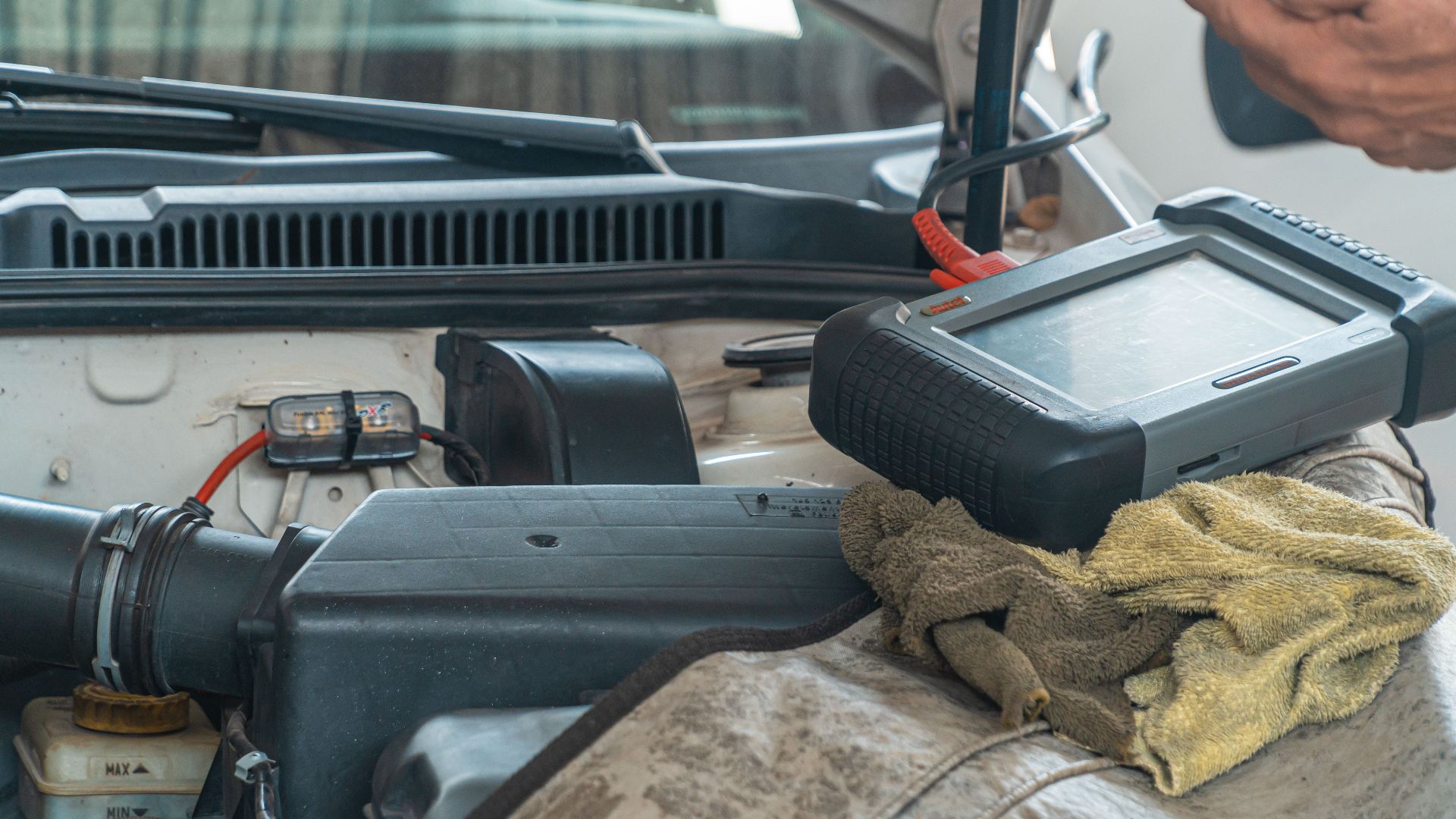
When drivers see a calibration charge of several hundred dollars, it can feel excessive. In reality, they're paying for specialized equipment, technician training, manufacturer procedures, software, shop setup, and testing, not just a few minutes with a scan tool. While that doesn't make the bill easier to swallow, it does explain why the service costs more than many people expect.
 Jose Ricardo Barraza Morachis, Pexels
Proper Calibration Protects Your Investment
Modern driver-assistance systems are designed to help reduce crashes and make driving safer, but only when they operate correctly. Spending the money on proper calibration may feel frustrating today, but it can help ensure those expensive safety features continue working the way the manufacturer intended. That's usually a far better outcome than discovering something is wrong during an emergency.
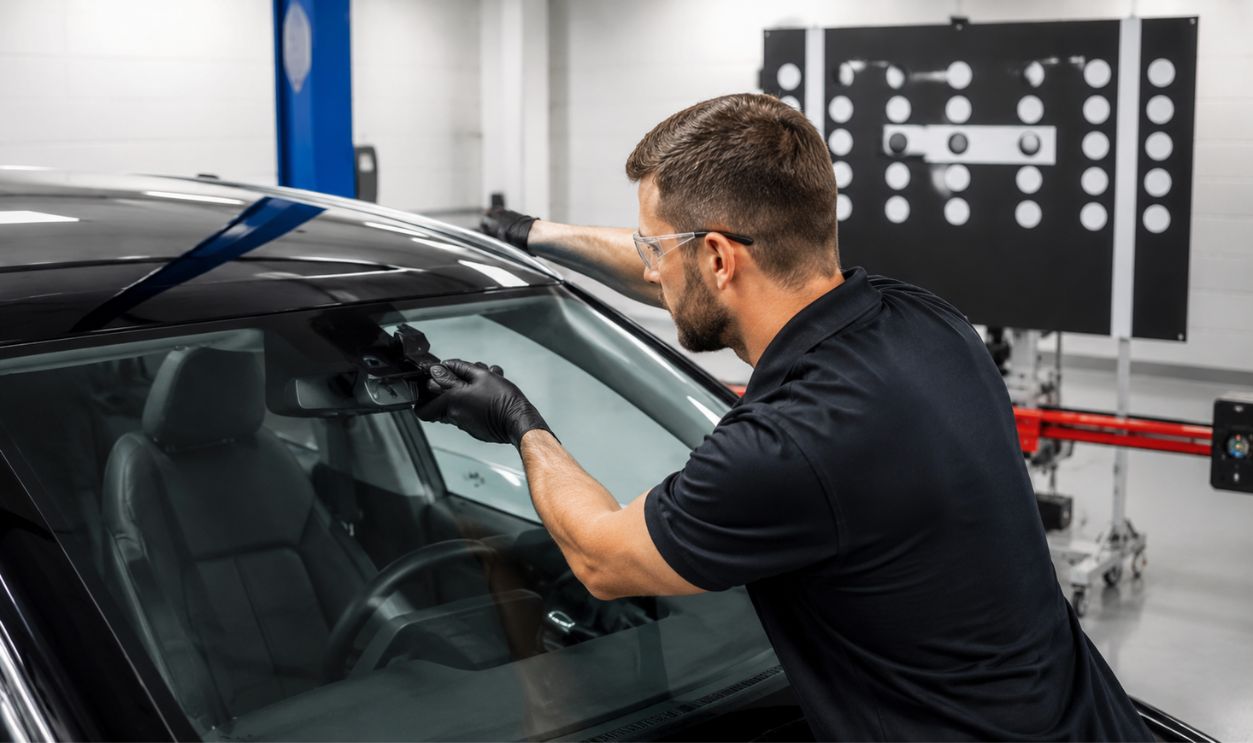
It's About More Than Replacing A Piece Of Glass
If your safety systems stopped working properly after a windshield replacement, calibration is one of the first things that should be investigated. The procedure has become more expensive because today's windshields support sophisticated cameras and electronics that require precise adjustment. While the cost can be surprising, proper calibration helps restore the safety systems you paid for when you bought the vehicle and gives you greater confidence every time you get behind the wheel.
You May Also Like: