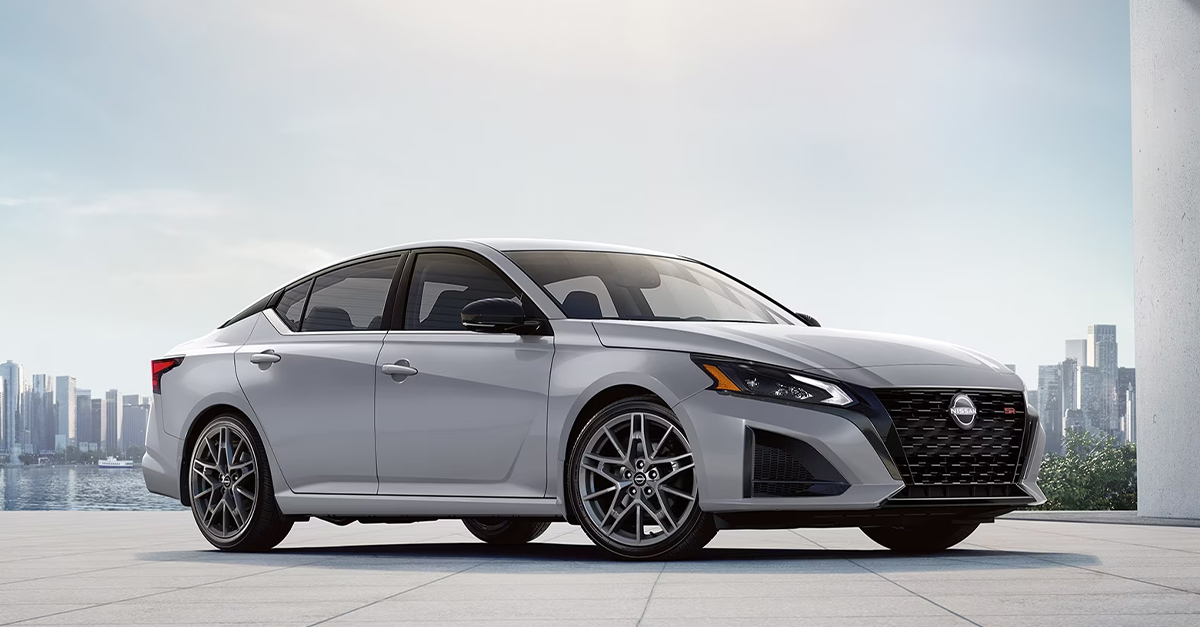
The Phrase That Starts Garage Arguments
“Lifetime transmission fluid” sounds great on paper. It also sounds a little suspicious if you plan to keep your car far past the warranty. Your mechanic is not wrong to question it, but that doesn't mean your owner's manual is lying to you either.

What “Lifetime” Usually Means
Carmakers usually do not mean the fluid will last forever in every situation. Most of the time, “lifetime” means the expected service life under normal driving, or the period when the manufacturer expects the transmission to work without routine fluid changes. That is a much narrower claim than many owners hear when they see the word.

The Manual Is Still Your Starting Point
Your owner’s manual is still the first place to look because it is written for your transmission, your fluid spec, and your maintenance schedule. Many manuals split driving into “normal” and “severe” service, and that difference matters. If you tow, sit in stop-and-go traffic, drive in the mountains, deal with extreme heat, or make lots of short trips, you may already be in the severe-use group.

Why Mechanics Push Back
Transmission fluid has a rough job. It deals with heat, pressure, clutch wear, and contamination over time. Mechanics see what happens when fluid stays in too long, so their skepticism comes from expensive real-world failures, not just theory.

ZF Helped Create the Confusion
One of the best-known examples is ZF, the major transmission supplier whose automatics show up in many BMW, Audi, Jaguar, and Land Rover vehicles. ZF has long used “lifetime” language for some factory-fill applications, but it also publishes service advice for hard use and higher-mileage vehicles. That gap between marketing language and supplier guidance is a big reason this debate never goes away.

ZF’s Own Guidance Is More Nuanced
ZF Aftermarket says automatic transmission fluid breaks down from heat, oxidation, and wear, and it recommends oil changes at around 80,000 to 120,000 kilometers depending on driving style. That works out to roughly 50,000 to 75,000 miles. In other words, one of the companies most tied to the idea of lifetime fill also says the fluid ages in real use.

BMW’s History Shows How Wording Matters
BMW spent years promoting sealed or lifetime-filled automatic transmissions in many models. At the same time, service information and technical discussions left owners arguing about what counted as normal use. The result was a simple label on paper and a much messier reality once the miles stacked up.
 Sergei Gontsarov, Shutterstock
GM Took a Similar Approach
General Motors has also used long-life language for some automatic transmission fluids, including Dexron VI. GM has described Dexron VI as filled for life in some applications under normal driving conditions. But “normal” is doing a lot of work there, because heat and load are still the enemies of any automatic transmission.

Fluid Chemistry Really Did Improve
To be fair, lifetime-fill claims did not come out of nowhere. Modern synthetic and highly engineered transmission fluids are much more stable than older fluids from decades ago. Better additives, tighter manufacturing, and smarter transmission controls all help fluid last longer than it used to.
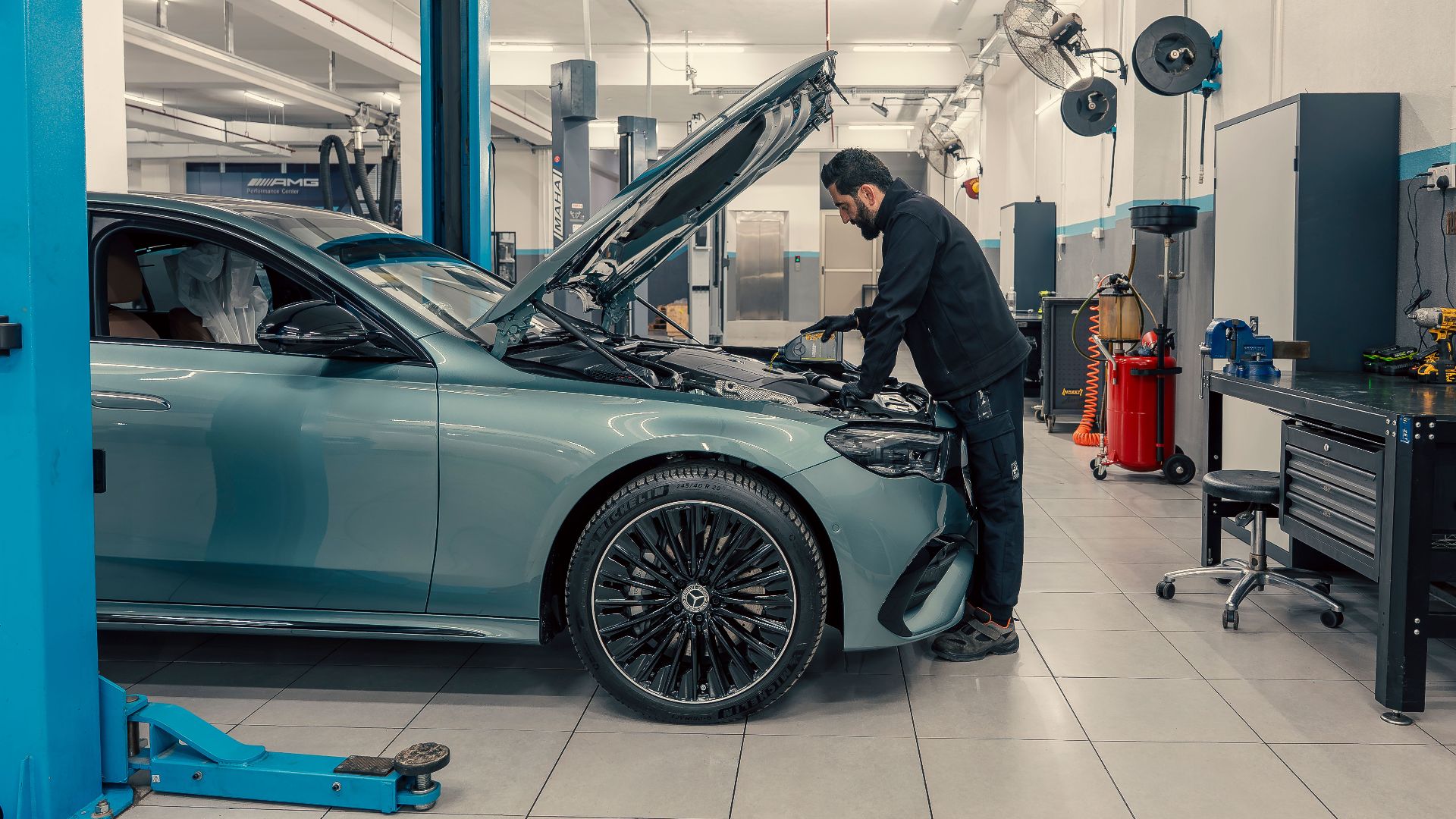
Longer Lasting Does Not Mean Immortal
Even advanced fluid is still a consumable. Additives wear out, viscosity can change, and tiny bits of debris build up. No lubricant beats heat cycles, clutch wear, and time forever.
Heat Is the Real Villain
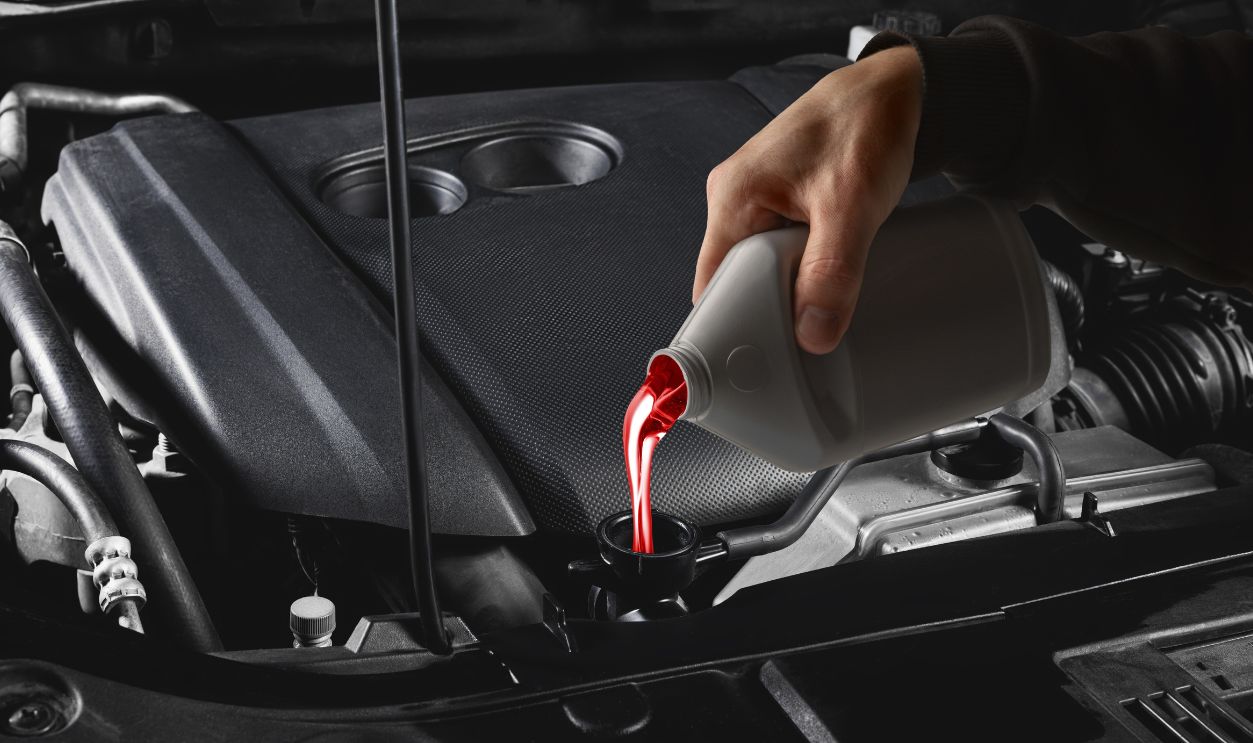
Transmission life often comes down to temperature. The Automatic Transmission Rebuilders Association has long warned that high operating temperatures shorten fluid life and can damage seals and friction materials. If your transmission runs hot, the idea of “lifetime” starts to look pretty weak.

Towing Changes Everything Fast
Pull a trailer, load the vehicle heavily, or spend time in the mountains, and the transmission has to work much harder. That extra heat and load can push the fluid well beyond what normal-service schedules assume. That is why many manufacturer maintenance guides call for earlier service under severe conditions.

City Driving Is Harder Than It Looks
Many drivers think severe service only means commercial use or heavy towing. In reality, frequent stop-and-go driving, repeated short trips, and hot weather can count too. If your car spends most of its life crawling through traffic, your transmission may be aging faster than the brochure suggests.

Sealed Does Not Mean Service-Proof
Another source of confusion is the word “sealed.” Sealed transmissions still have fluid, filters, pans, and fill procedures. They are sealed against casual owner service, not magically protected from wear or maintenance.

The Filter Matters Too
Some transmissions have replaceable filters, while others build the filter into the pan or use internal setups that make service more involved. Either way, the transmission does not rely only on fresh fluid. If debris builds up and filtration gets worse, shift quality and long-term durability can suffer too.
Your Mechanic Is Probably Reacting to Real Failures
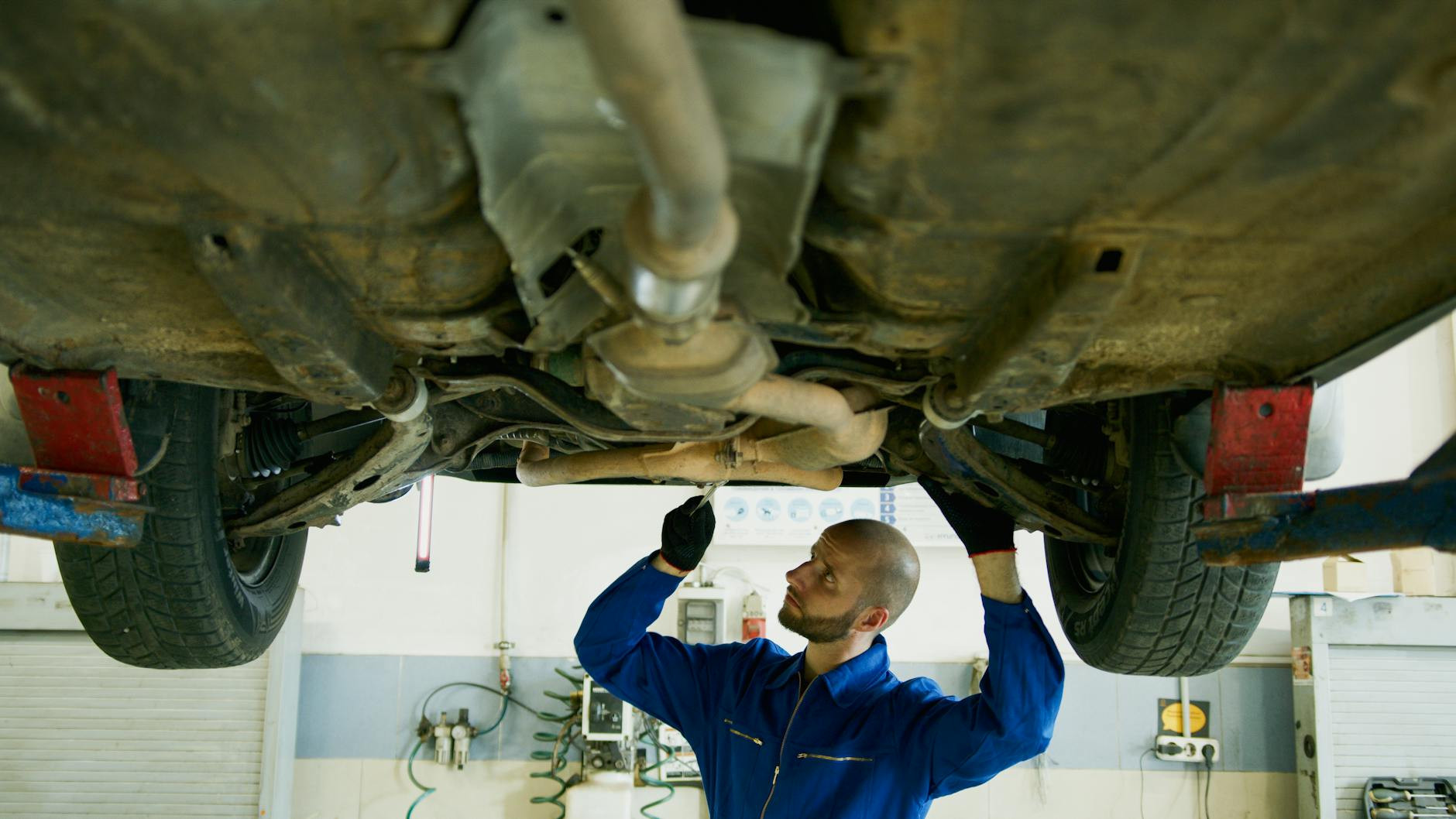
Independent shops and transmission specialists often see vehicles that followed the no-service idea until problems showed up. By then, harsh shifting, slipping, shuddering, or delayed engagement may already be happening. Fresh fluid is preventive maintenance, not a miracle fix for a worn-out transmission.

But Blindly Ignoring the Manual Is Not Smart Either
There is a catch. Using the wrong fluid or the wrong service procedure can create real trouble in modern transmissions. If you decide to service it, the work needs to follow the exact spec and fill process for your vehicle.
Modern Automatics Can Be Picky
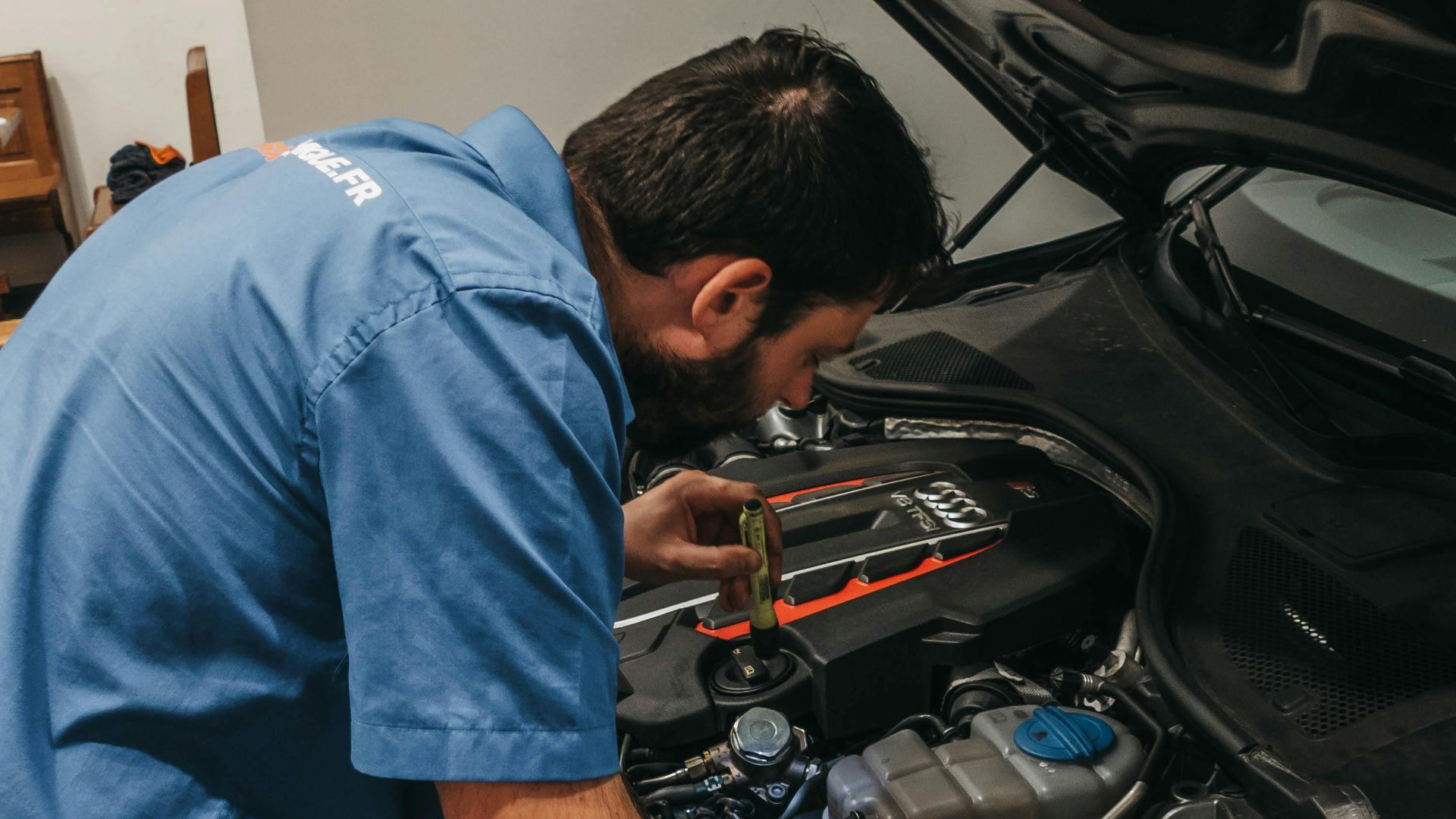
Many current transmissions need a very specific fluid temperature during filling and level checks. Some require scan-tool monitoring, exact fluid formulas, and precise torque specs for pans and plugs. This is not the same as pouring in generic ATF and hoping for the best.

CVTs Raise the Stakes
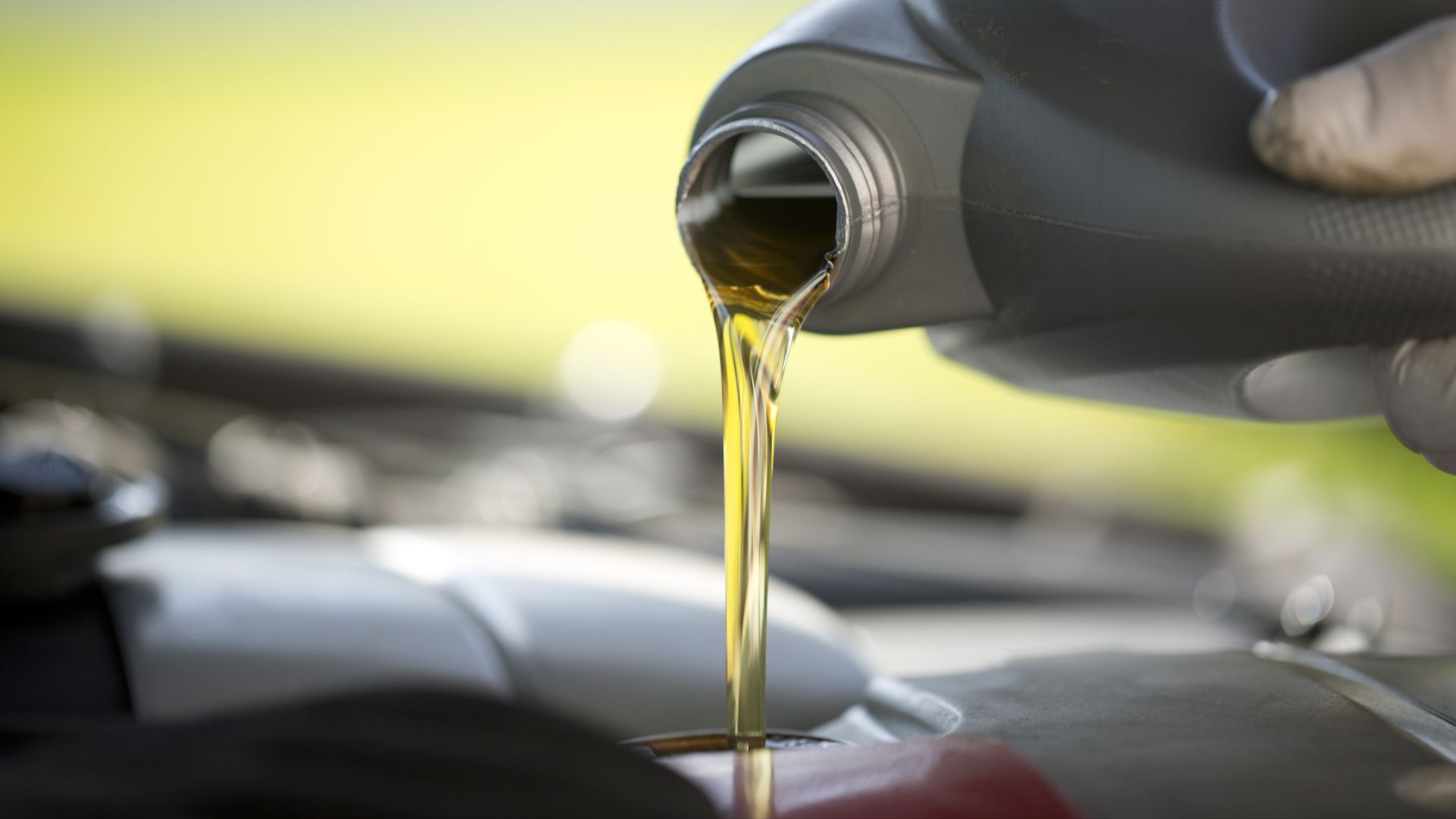
Continuously variable transmissions are especially sensitive to fluid type and condition. Nissan, Toyota, Honda, Subaru, and others use model-specific CVT fluids that are not interchangeable with traditional automatic fluid. If your vehicle has a CVT, following the correct fluid spec matters even more.
Dual-Clutch Transmissions Need Their Own Plan
Dual-clutch gearboxes add another layer of complexity. Some use wet clutches and special fluid that needs to be changed on a schedule, while others vary by maker and design. Assuming every transmission can follow one blanket “lifetime” rule is a good way to get into expensive trouble.
So Should You Change It Anyway?
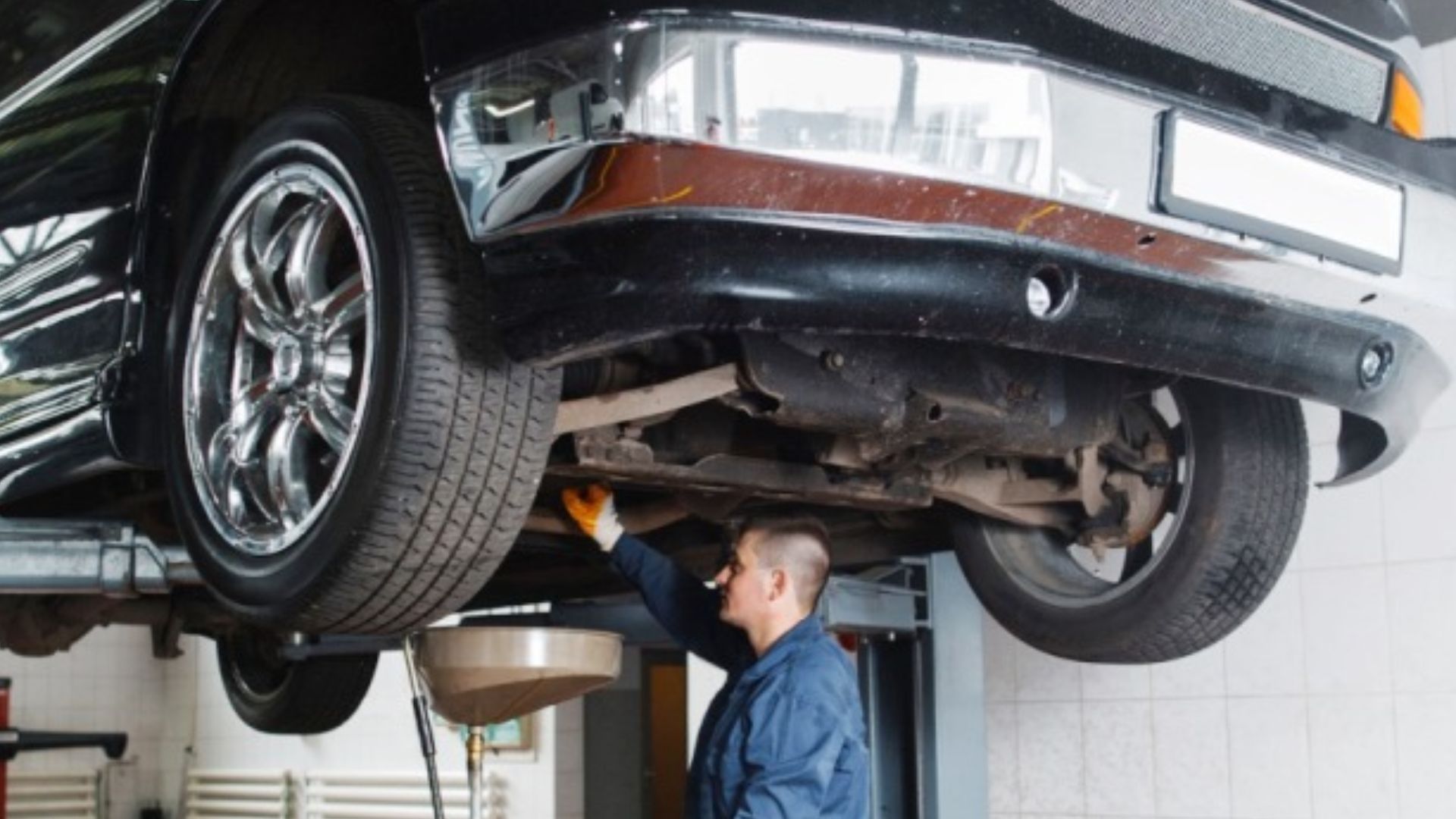
For many owners who want to keep a vehicle for a long time, a preventive drain and fill somewhere around 50,000 to 100,000 miles is a fair thing to discuss with a qualified shop. The lower end makes more sense for towing, heat, traffic, or hard use. The higher end may be fine for lighter driving if the manual does not call for an earlier interval.

Drain and Fill Versus Flush
This is where the debate gets heated. Many technicians prefer a simple drain and fill, sometimes repeated, because it replaces some of the fluid without aggressively stirring up debris. A machine flush can be useful in some cases, but on neglected high-mileage transmissions it is often the method mechanics argue about most.

High Mileage Changes the Equation
If a transmission has gone 150,000 miles with no service and already shifts badly, changing the fluid may not save it. In some cases, fresh fluid reveals an existing problem rather than causing one. That is why the best time to service transmission fluid is before symptoms start, not after the unit is already struggling.

Warranty and Documentation Still Matter
If your car is under warranty, following the manufacturer’s official schedule is the safest move unless a dealer-approved service bulletin says otherwise. Keep receipts and records for any transmission service. Good paperwork matters if a warranty claim turns into an argument later.

The Best Middle Ground
You do not need to choose between treating the manual like gospel and ignoring it completely. Read the maintenance schedule closely, check whether your driving counts as severe service, and compare that with the transmission supplier’s guidance if you can find it. Then make a cautious plan based on how long you want to keep the vehicle.

Questions to Ask Before You Approve Service
Ask which exact transmission your vehicle has, which fluid spec it needs, whether the service is a drain and fill or a flush, and whether the filter or pan will be replaced. Ask how the shop checks fluid level and temperature. A good shop should be able to answer clearly and confidently.

The Practical Answer
Your mechanic is right that “lifetime” can be marketing language, especially when fluid makers and transmission suppliers admit that fluid breaks down over time. But the manual is still the foundation because it gives you the approved procedure and fluid spec. The smart move is not to ignore the manual. It is to read it carefully, understand how you drive, and service the transmission before “lifetime” turns out to be a lot shorter than expected.