Using Your Plug Is More Than Bad Manners
What if, one particularly freezing morning, your neighbor plugged his diesel's block heater into your outlet because he was in a rush? Now what if he did it every single morning without fail and never once asked. Then it's not about being neighborly anymore. You are paying for the electricity, and repeated, unauthorized use can have real legal consequences.
Block Heaters Serve A Real Purpose
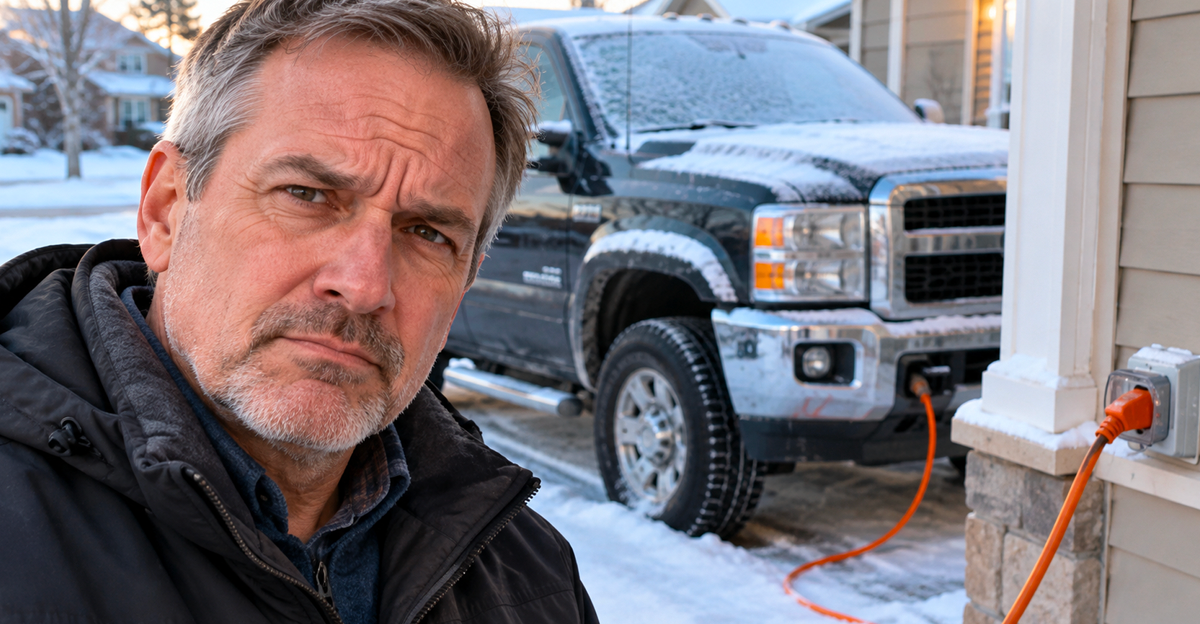
Your neighbor could certainly need to use his block heater. Natural Resources Canada says block heaters can reduce fuel use and emissions during warm-up, and anyone who lives in a cold climate knows the difference they make when temperatures plummet. The block heater could be the difference between a truck starting or not. But that's not the issue.
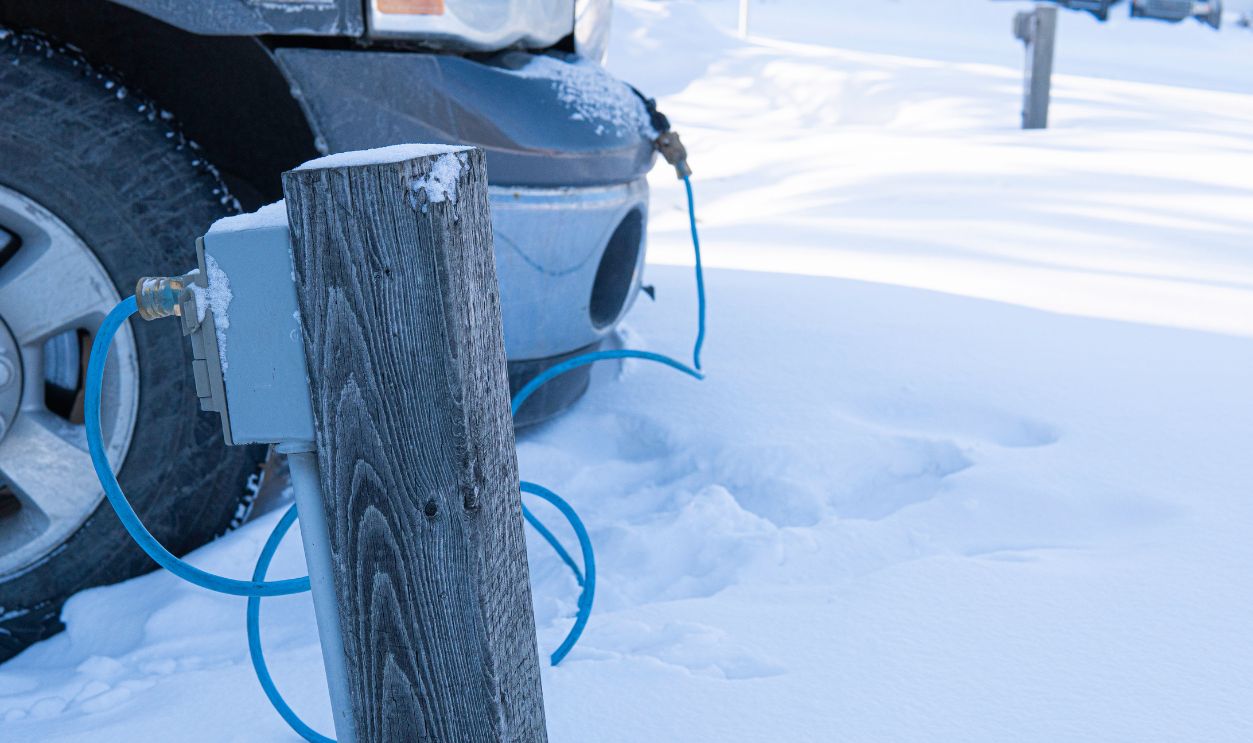 Primestock Photography, Shutterstock
Diesel Owners Have Good Reasons To Plug In
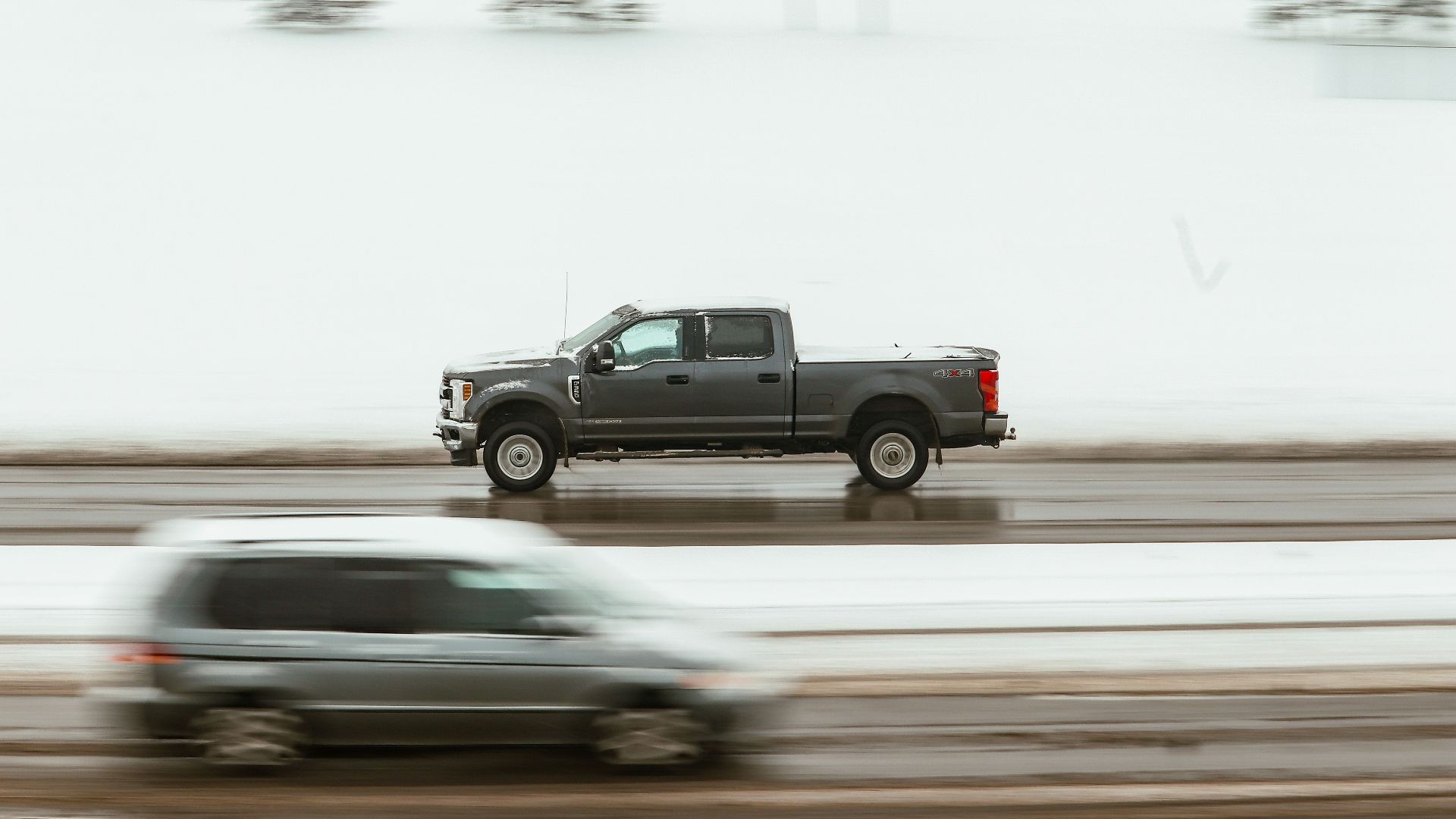
Cold weather can be especially tough on diesel vehicles, and manufacturers often recommend block-heater use at very low temperatures. Ford says its current Super Duty heater is most effective below 0°F, or minus 18°C. Your neighbor may need the heater, but he still needs authorized power.
The Electricity Use Is Measurable
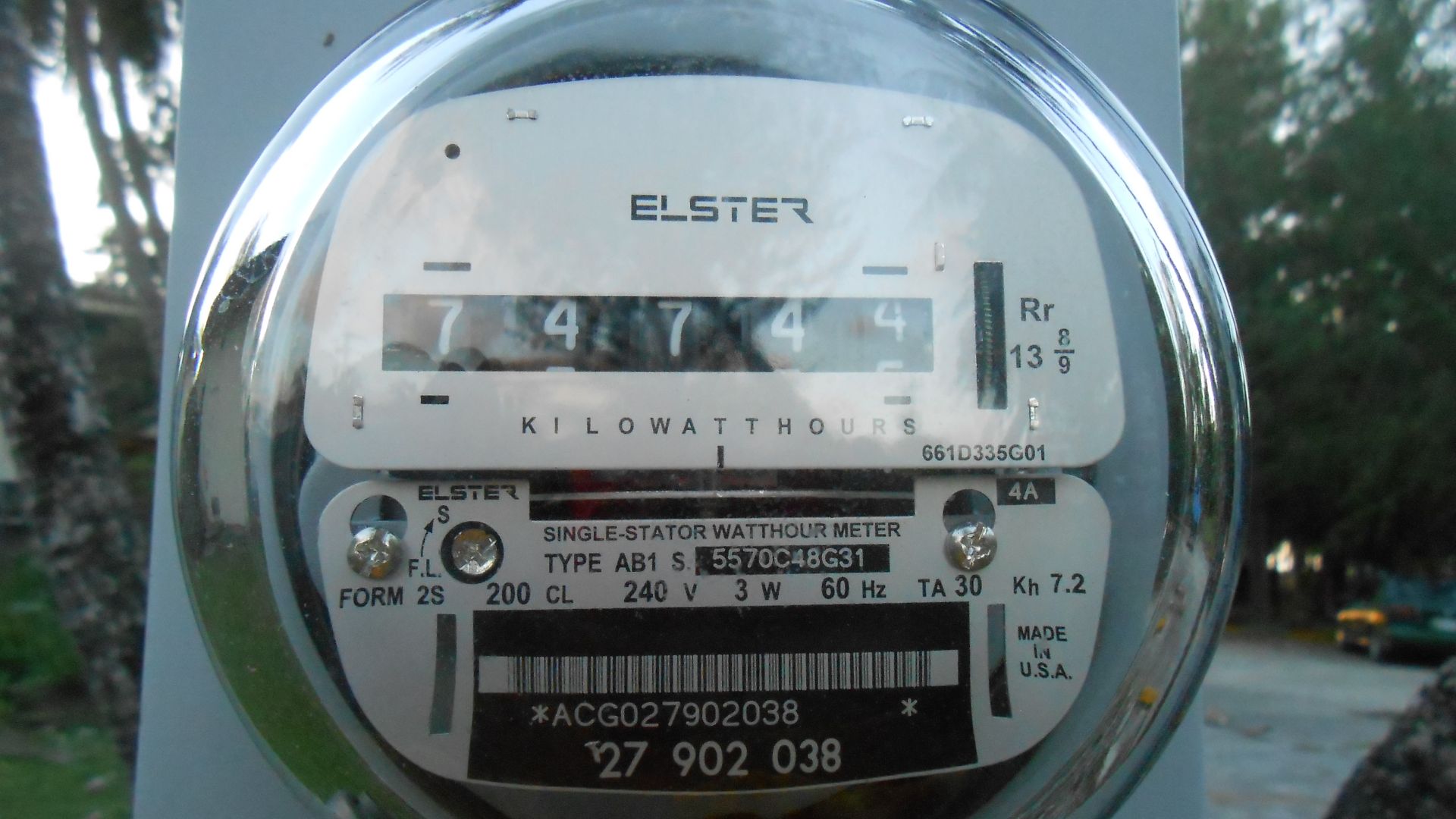
A block heater isn't drawing a trivial amount of power just because the cord is small. Ford says its current Super Duty block heater uses about 0.4 to 1.0 kilowatt-hours per hour. Several hours of unauthorized use therefore becomes real household electricity consumption.
Leaving It On All Night Is Often Unnecessary
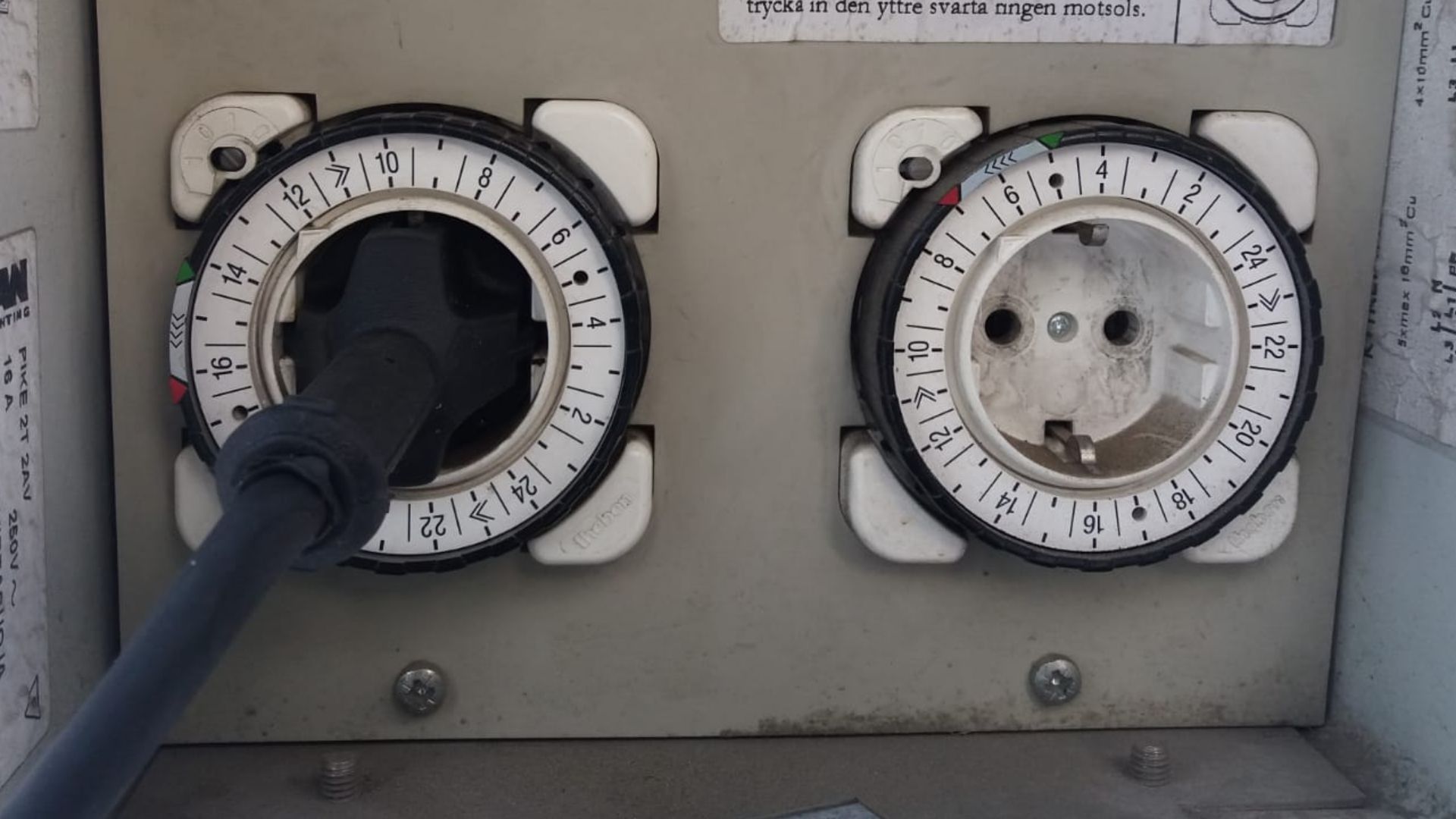
Long overnight sessions may waste electricity without adding much benefit. Ford says its Super Duty heater reaches maximum temperature after about three hours, while Natural Resources Canada recommends using a timer before starting. Always follow the specific vehicle manufacturer’s instructions.
In Canada, Electricity Can Be Stolen
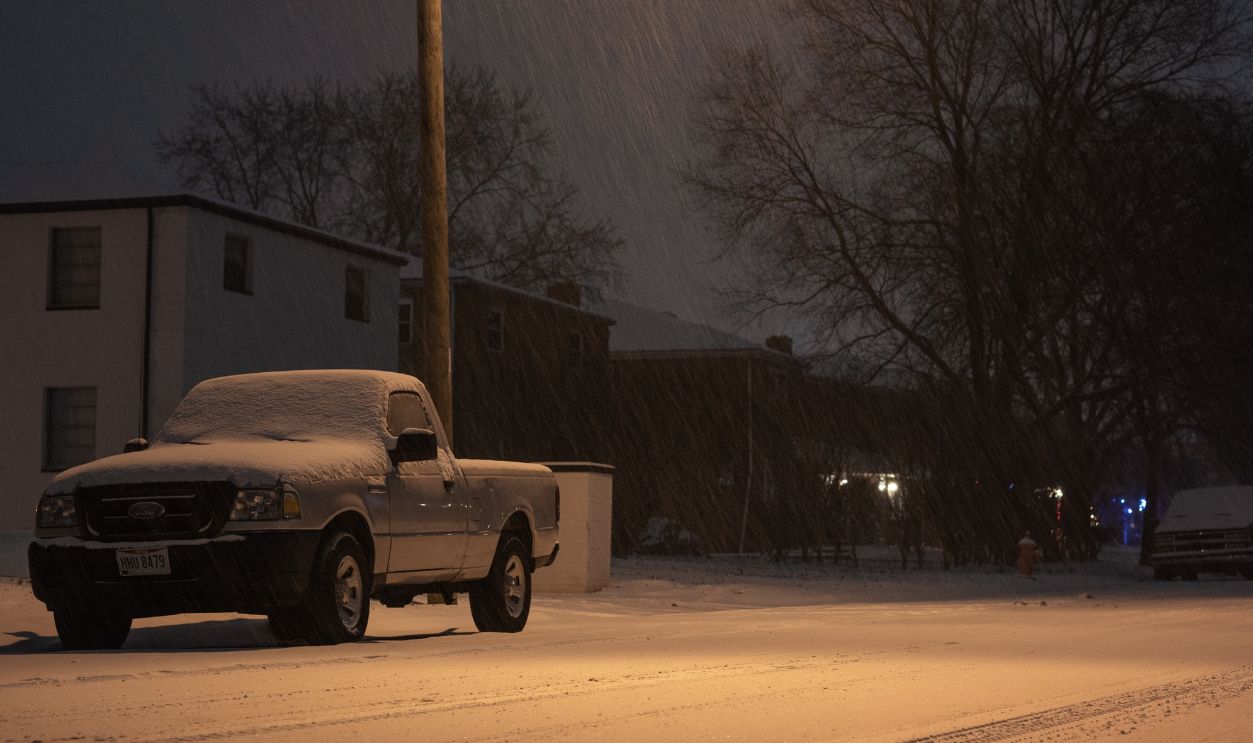
Canada’s Criminal Code specifically addresses unauthorized electricity use. Section 326 says a person commits theft when they fraudulently, maliciously, or without colour of right consume or use electricity. Whether a particular neighbor dispute meets that standard depends on the evidence and circumstances.
 Editor abcdef, Wikimedia Commons
U.S. Rules Depend On The State
American theft laws vary, so there is no single nationwide answer for a porch-outlet dispute. Washington, for example, expressly includes electricity within its statutory definition of services. Other states use different wording, penalties, and proof requirements, making local law important.
Permission Is The First Question
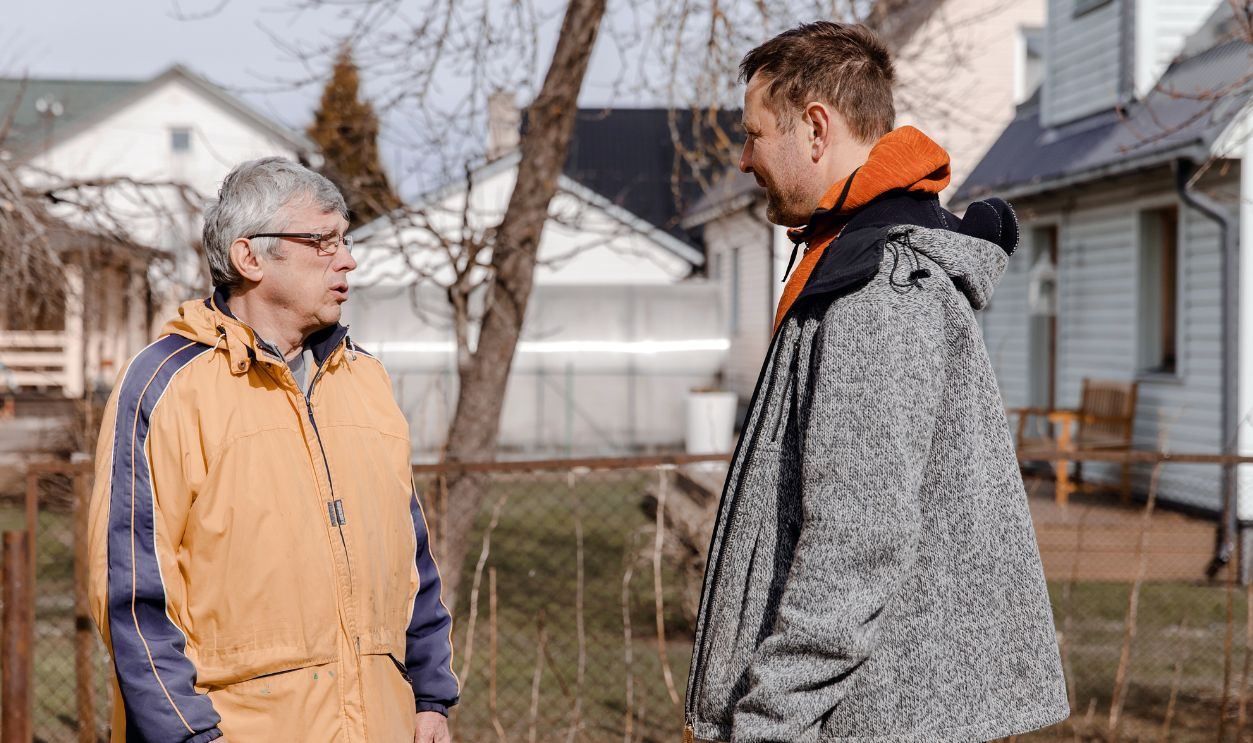
If you previously told your neighbor he could plug in, that history matters. A misunderstanding about old permission is different from knowingly using power after being told to stop. Make your current position unmistakable before assuming every future incident will be viewed the same way.
 ElenaKaretnikova, Shutterstock
Put The Boundary In Writing
A brief written message can remove most ambiguity without inflaming the dispute. State that the outlet is private, that you pay for its electricity, and that the truck may not be plugged into it. Keep a copy so there is a clear record of what you communicated.

Property Rules May Matter Too
Using the outlet may also require entering or reaching onto your property. In Ontario, for example, the Trespass to Property Act allows an occupier to prohibit particular activities by oral or written notice. Other provinces and states have their own trespass rules, so local law controls.
Walking To The Door Is Not The Same Thing
Some property laws recognize limited implied permission for ordinary access to a front door. Ontario’s statute, for example, presumes lawful access by the normal approach for lawful purposes. That does not automatically grant permission to connect a truck to a homeowner’s electrical receptacle.

Start With A Direct Conversation
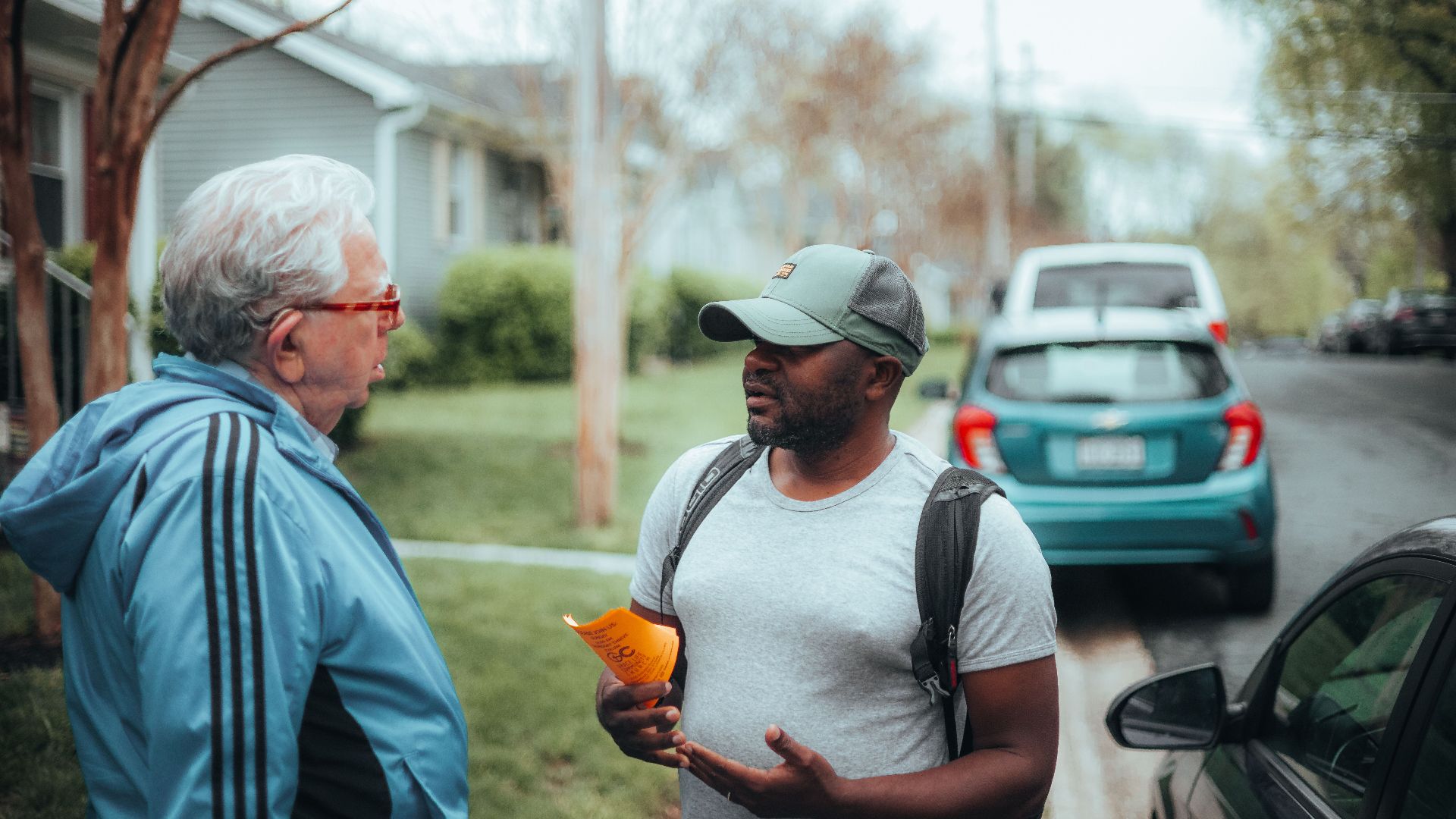
If you feel safe speaking to the neighbor, begin there. Tell him the outlet is not available for his block heater and that you do not consent to further use. A calm, specific request is often more effective than opening with accusations of theft.
Document A Repeating Pattern
If the plugging continues, keep a simple log of dates and times and save any messages about the outlet. Photos from your own property can help document what occurred. The goal is to preserve facts, not to provoke a confrontation or create a bigger neighborhood conflict.

Do Not Turn It Into A Tug-Of-War
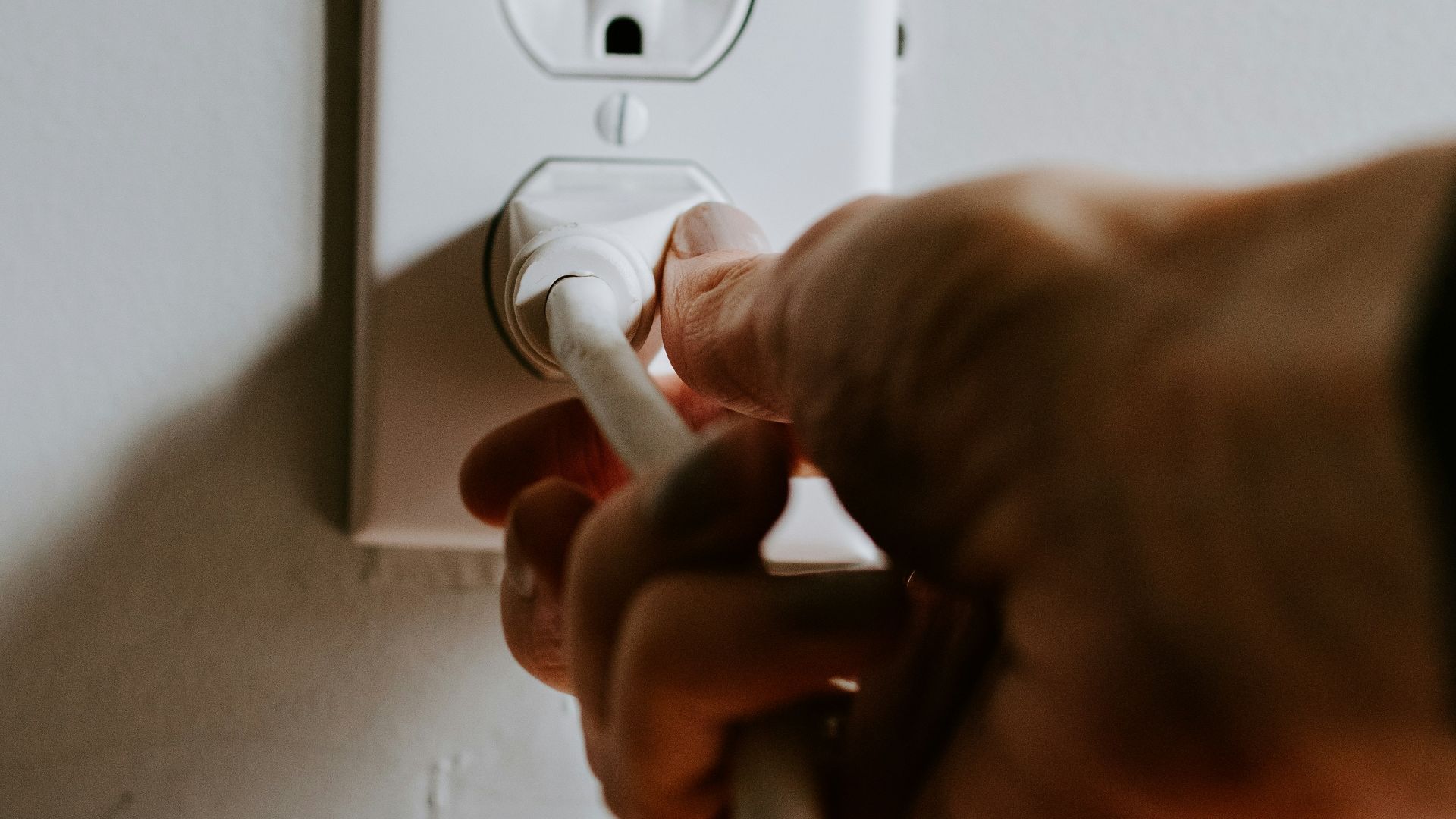
Yanking a live extension cord by the cable can damage the cord or connection. The U.S. Consumer Product Safety Commission advises pulling a plug itself rather than the cord when disconnecting. If the connection appears damaged, wet, hot, or unsafe, avoid handling it casually.
Outdoor Cords Need To Be Outdoor Rated
A block-heater cord spends hours in snow, cold, and moisture, so proper equipment matters. Ford warns against using an indoor extension cord outdoors and recommends a cord intended for outdoor, cold-weather use. Manitoba Hydro gives similar advice and warns against exceeding cord ratings.
Ground-Fault Protection Is Important
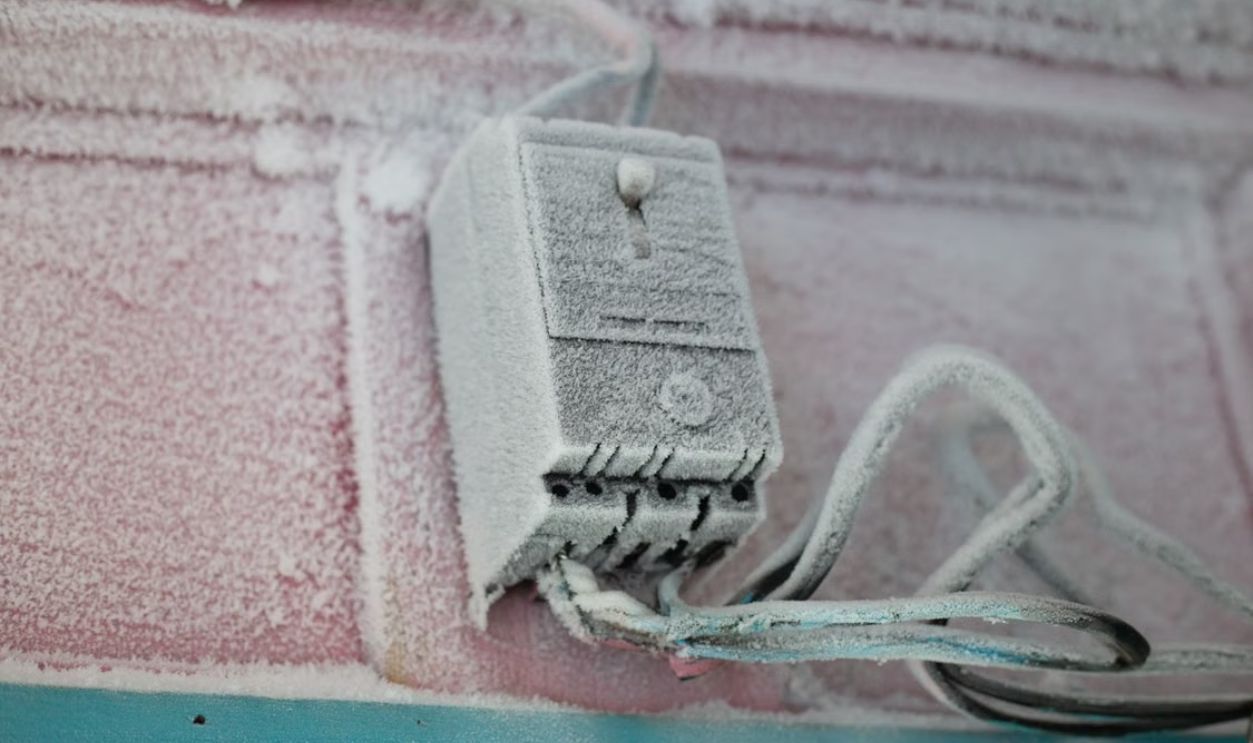
Outdoor electrical connections have a higher exposure to moisture, which raises shock concerns. Ontario’s Electrical Safety Authority says the provincial code requires GFCI protection for outdoor receptacles. Ford also instructs Super Duty owners to use a grounded outlet with ground-fault protection for the block heater.
One Vehicle Per Outlet Is Safer
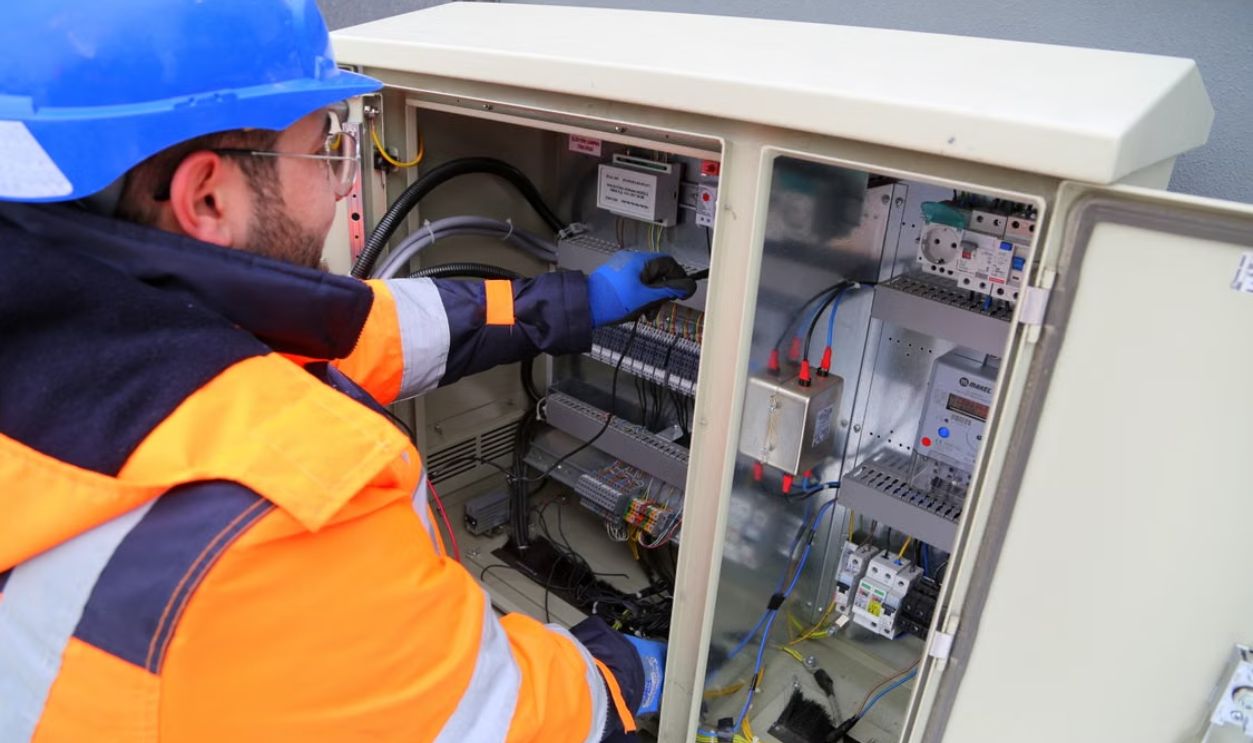
Adding another vehicle to an outlet that already serves something else can create an overload risk. Manitoba Hydro advises using one vehicle per extension cord and per outlet. It also tells drivers not to exceed the wattage rating of the extension cord they are using.
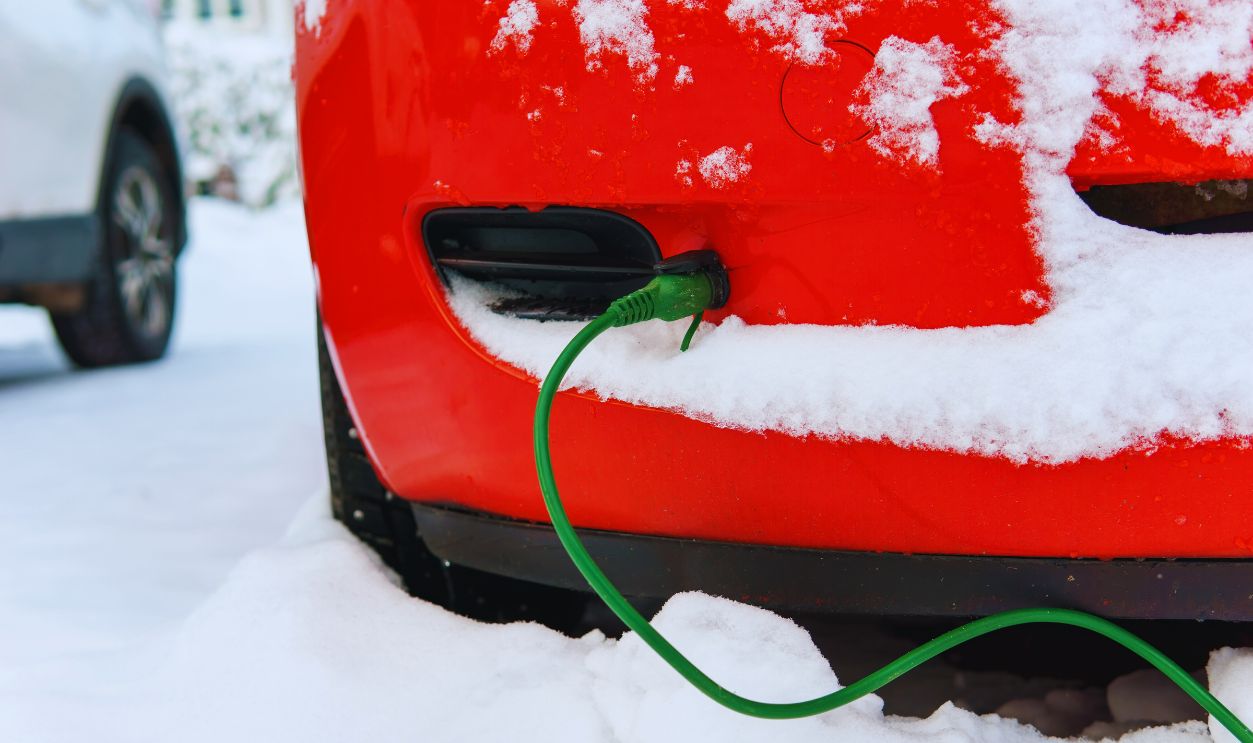
Inspect The Cord Before Trusting It
Block-heater cords take plenty of abuse during winter. Manitoba Hydro recommends checking extension cords for wear along their full length and replacing damaged cords rather than taping over exposed insulation. A cord that has been driven over or yanked may also need replacement.
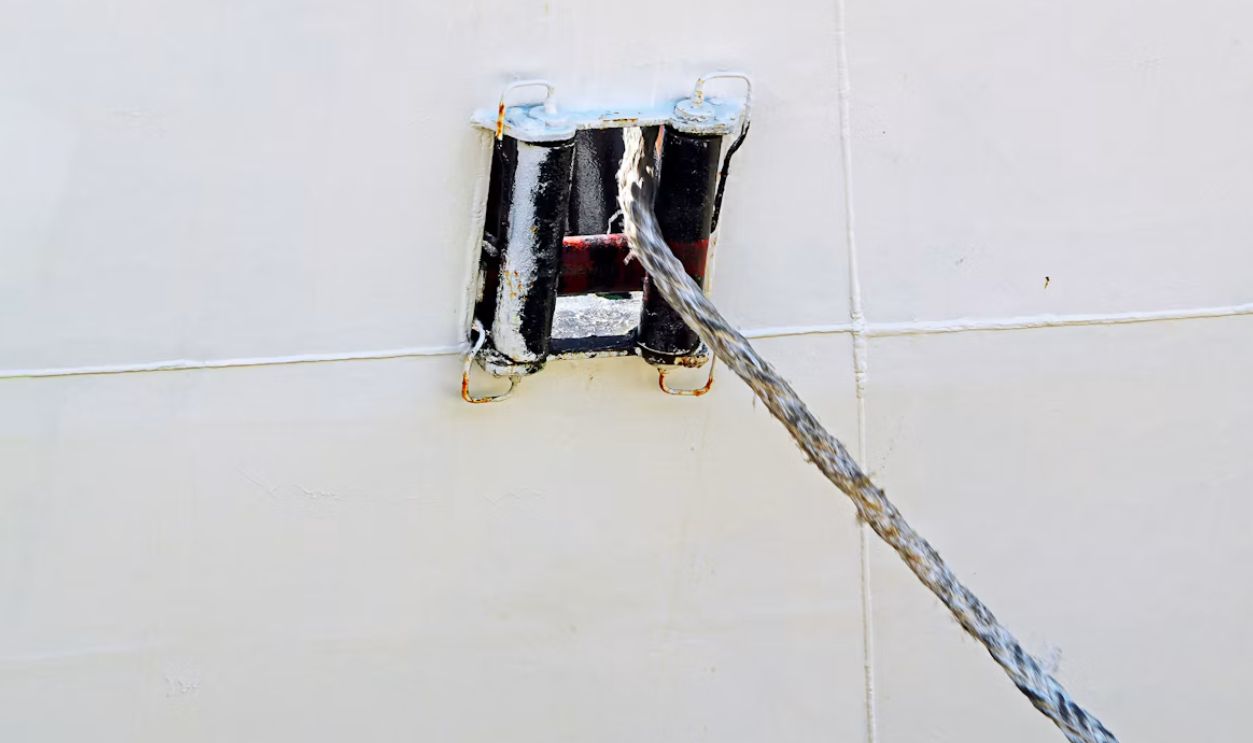
Never Leave A Live Cord Coiled
A neatly coiled extension cord may look safer on a snowy driveway, but it can trap heat. Manitoba Hydro specifically warns that a coiled cord can overheat and says it should be fully extended while in use. Cords also should not be run beneath mats or rugs.
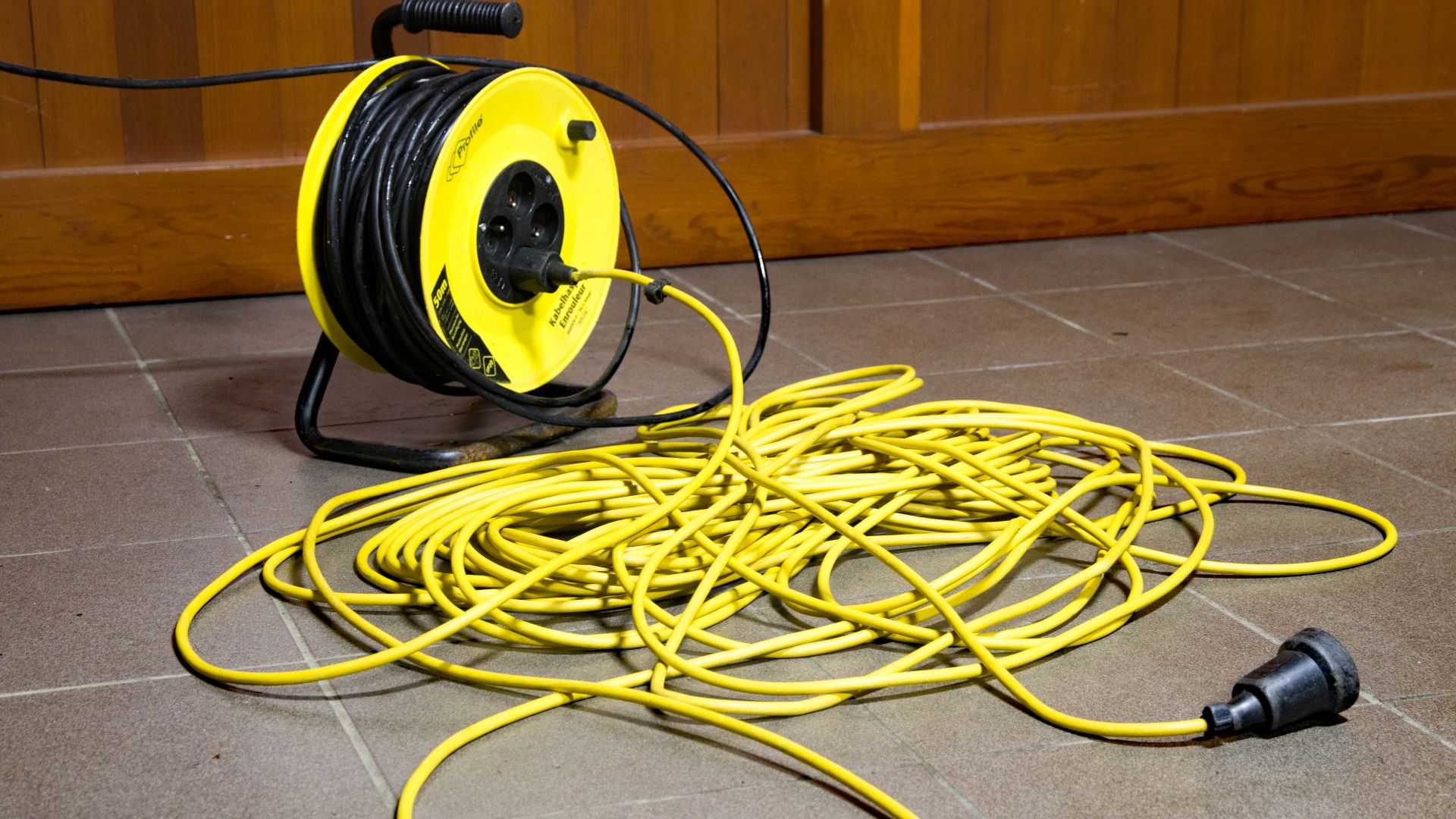
Keep The Connection Dry
Snow and slush can turn an ordinary plug connection into a safety concern. Ford says the heater-cord and extension-cord connection should remain free of water because moisture can create shock or fire risk. Damaged or wet equipment deserves attention before anyone worries about neighborly etiquette.
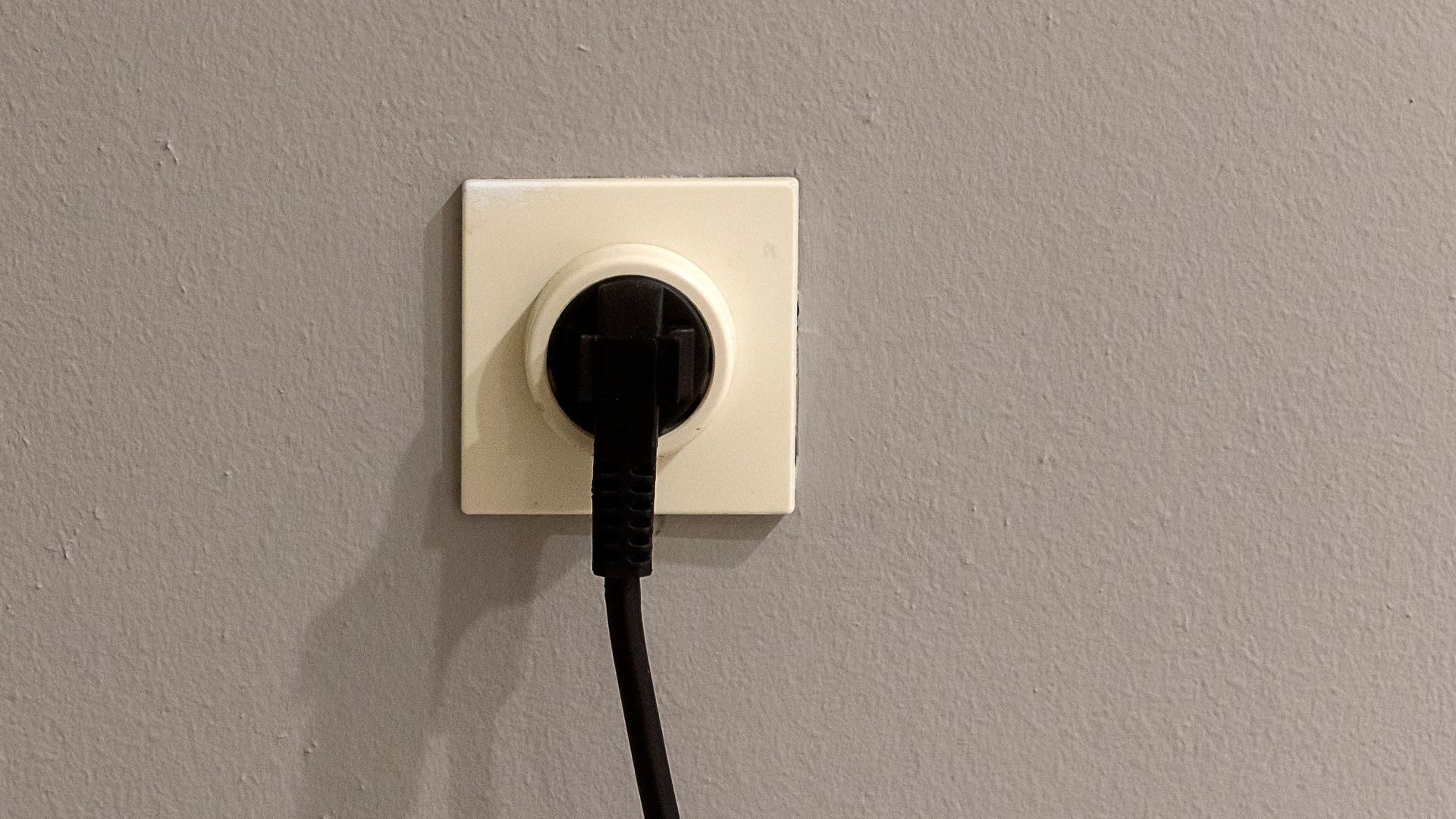
A Locking Cover Can End The Argument
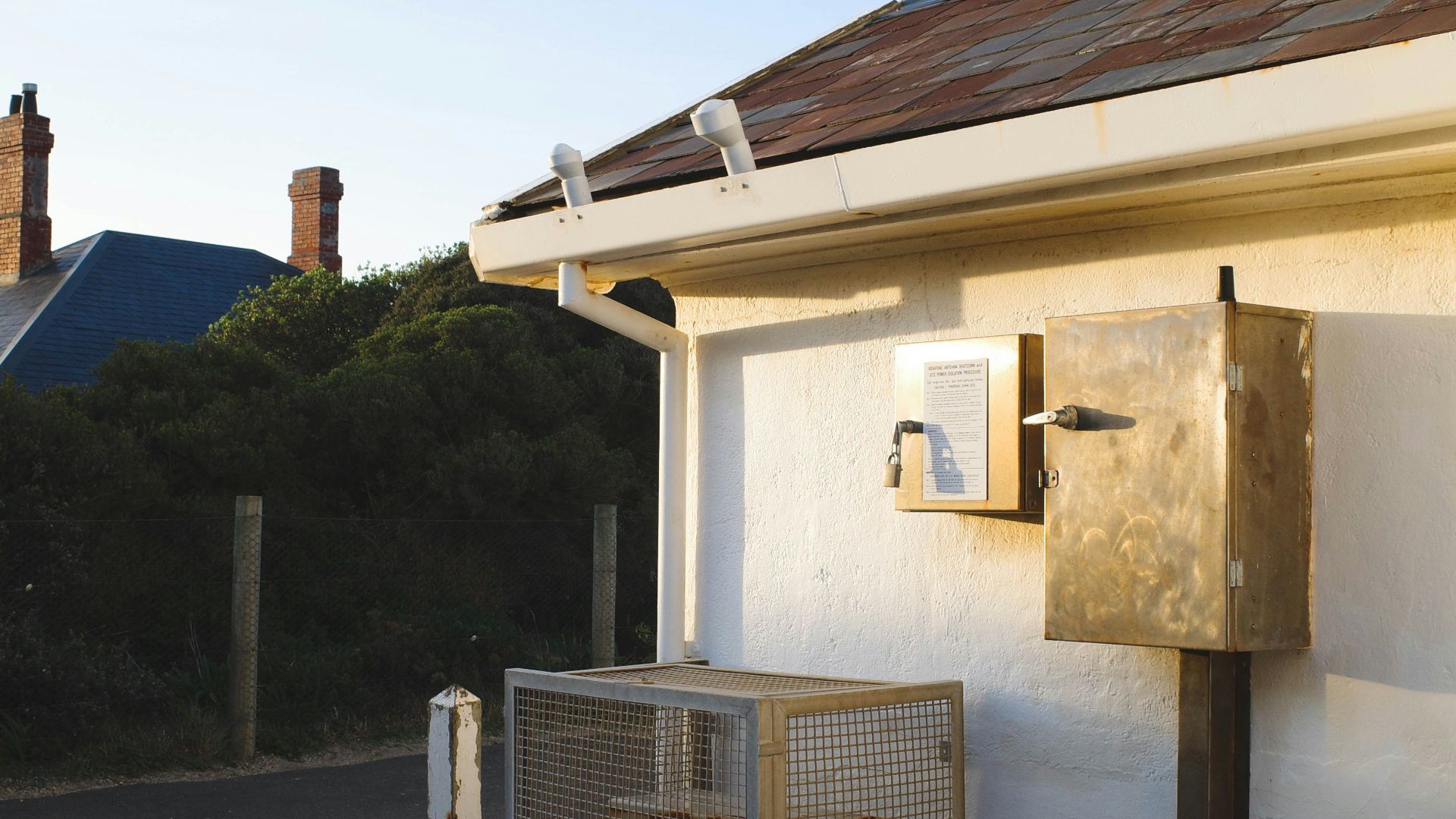
If the outlet is yours and repeated requests fail, physical access control may be the cleanest solution. Ask a qualified electrician about a weather-resistant locking cover, switch, or other suitable control for the receptacle. Any change should preserve required outdoor protection and local code compliance.
Do Not Guess Which Breaker Controls It
Before switching off any circuit, identify it correctly and make sure you understand what you are disconnecting. If you are uncertain, leave the electrical work alone. A qualified electrician can help you choose a safer long-term way to control access to the receptacle.
A Timer Is The Sensible Alternative
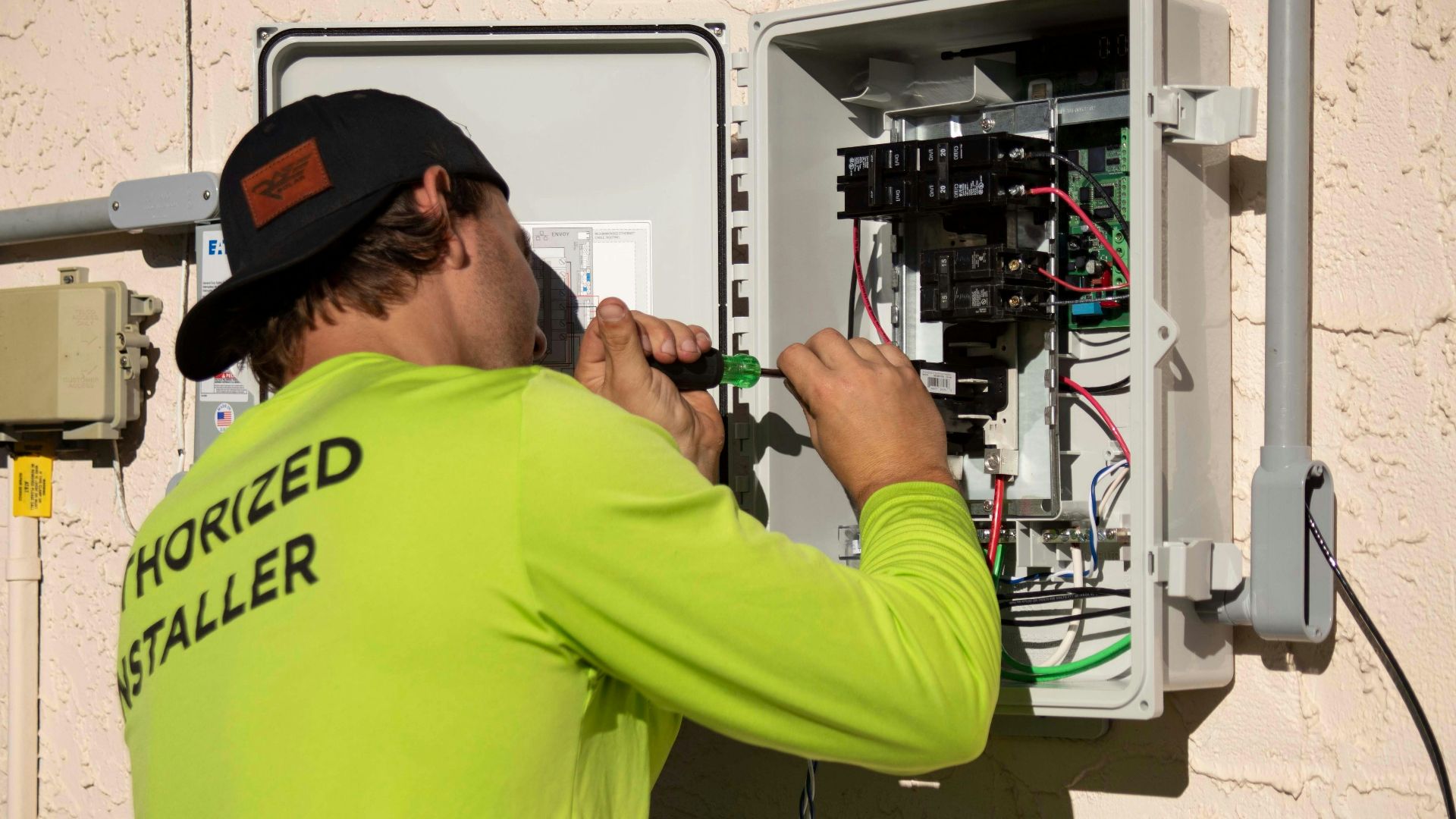
Your neighbor does not necessarily need eight or ten hours of electricity to warm the truck. SaskPower says many vehicles need about four hours and recommends a timer, while Natural Resources Canada also recommends timed block-heater use. Vehicle-specific guidance should take priority.
The Dollar Amount Is Not The Only Issue
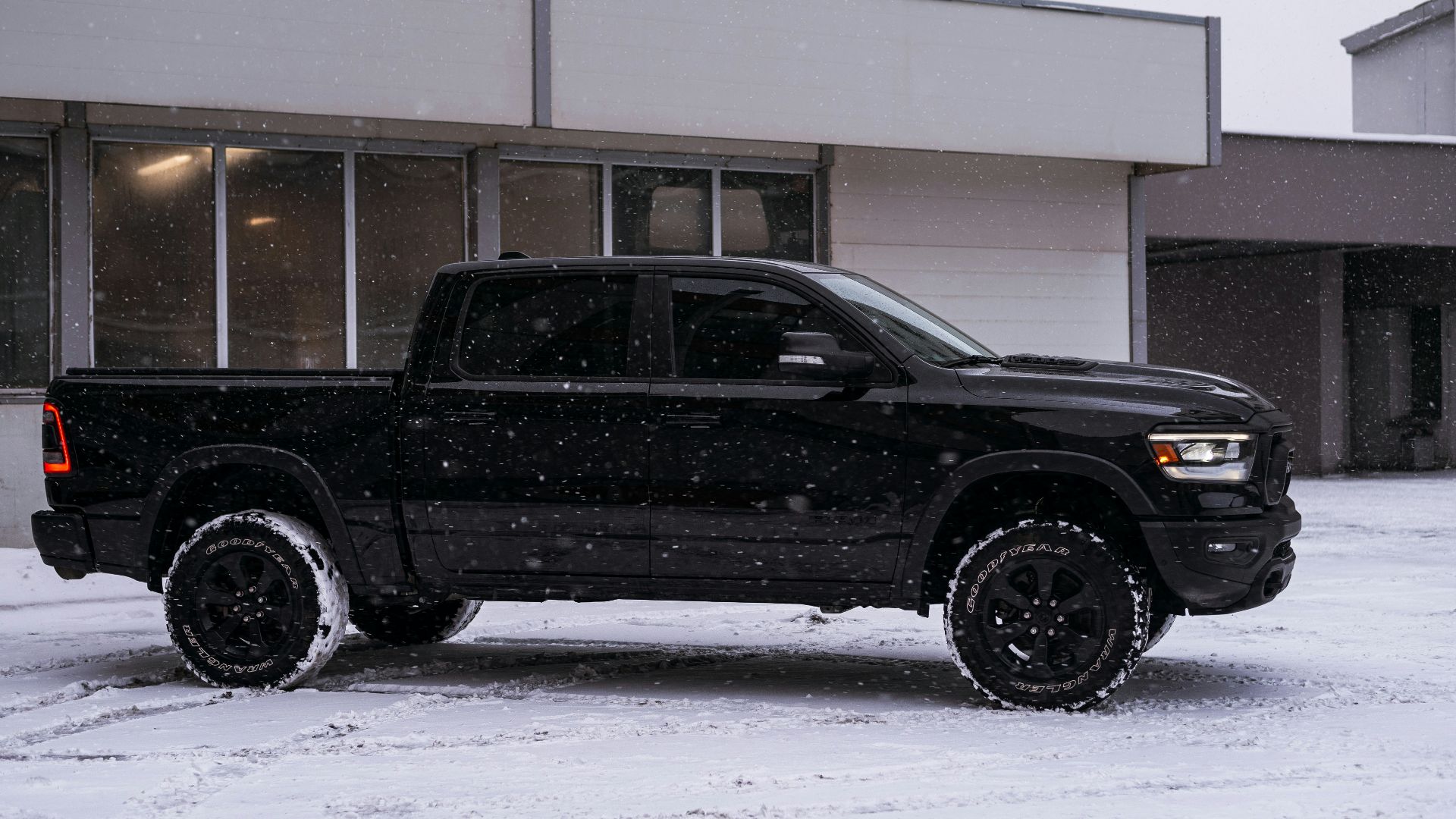
The nightly cost may be modest, depending on local electricity rates and the heater’s wattage. That does not make repeated unauthorized use meaningless. Ford’s published consumption figures show that a block heater draws measurable energy for every hour it remains connected.
A Clear Warning Changes The Situation
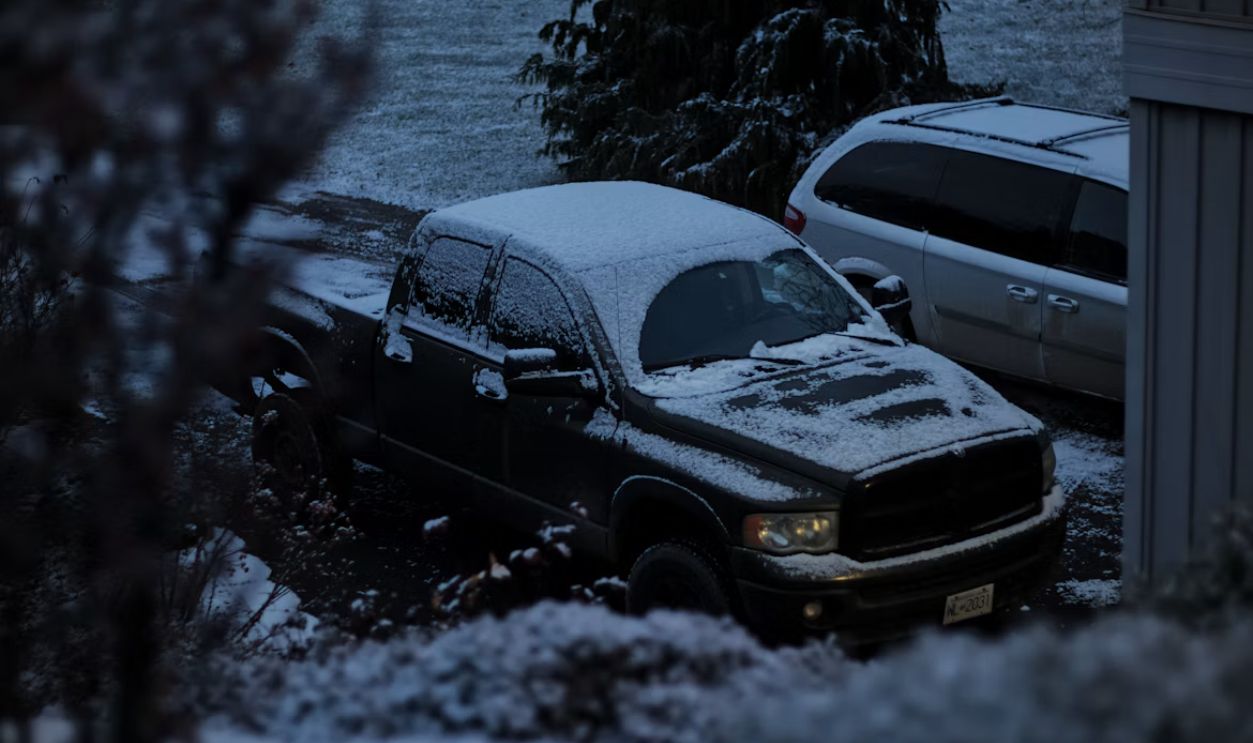
Once you have clearly withdrawn permission, continued use becomes harder to explain as a misunderstanding. In Canada, the Criminal Code expressly covers electricity used without colour of right. In other jurisdictions, theft-of-services or trespass laws may address similar conduct using different legal language.

Know When To Escalate
If the neighbor ignores a clear warning, consider contacting the appropriate non-emergency local authority, property manager, or legal adviser. Bring your documentation and describe exactly what happened. Avoid overstating the financial loss or insisting on a particular criminal charge that local law may not support.

It's Time To Put Your Foot Down
Using someone else’s porch outlet for a block heater without permission is not simply an automatic entitlement of winter driving. Depending on your local laws, repeated unauthorized use can raise theft, theft-of-services, or trespass issues. Set a clear boundary, secure the outlet if need be, and document anything that continues.
You May Also Like:
Anyone Remember These Classic Celebrity Cars From The 1950s?