Sleeping in Your Car—Smart Road Trip Move or Legal Risk?
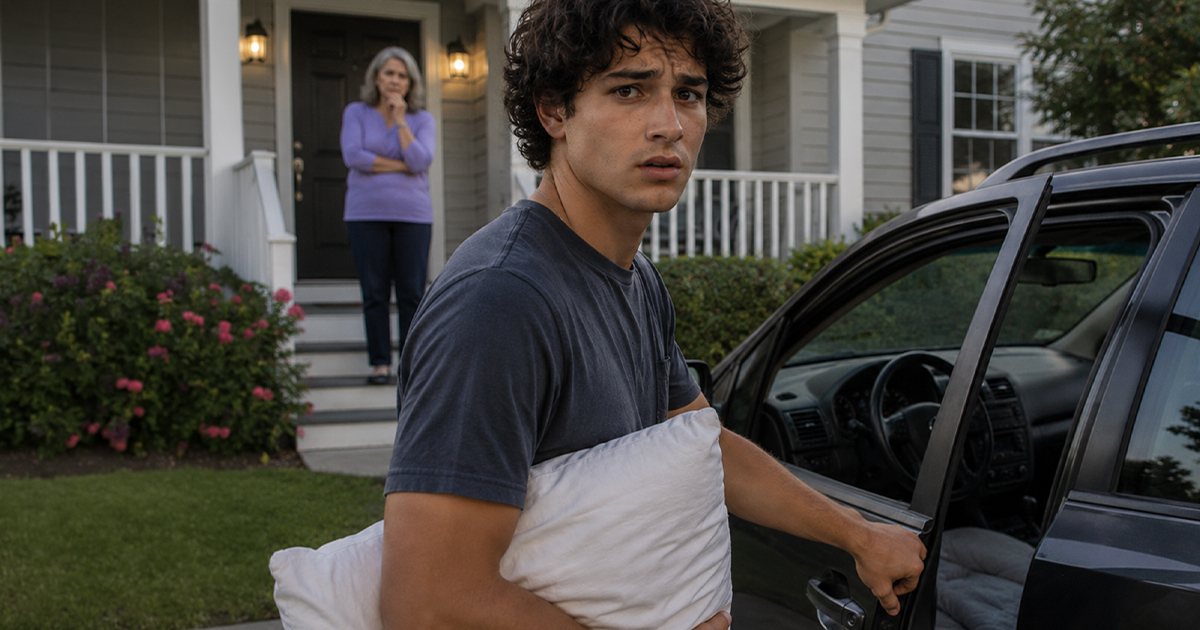
You’re planning a road trip, mapping out stops, and trying to keep costs low—so you figure you’ll just sleep in your car when you get tired. Then your mom hits you with: “That’s illegal in some places.” But you're finding that hard to believe. Is it true?
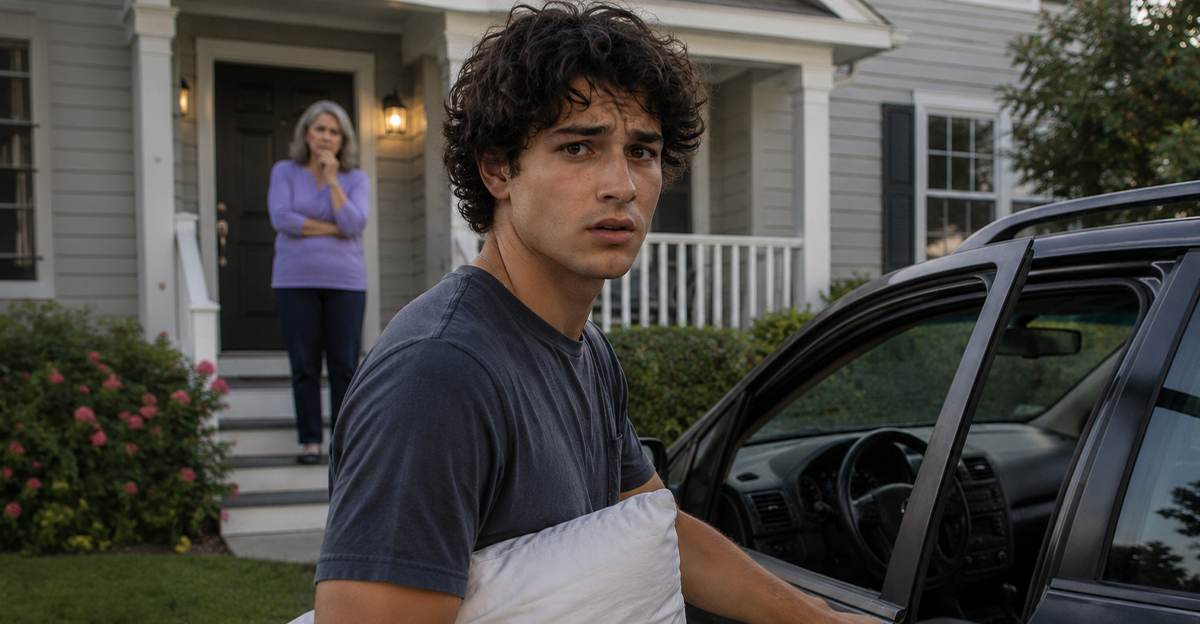
Why Sleeping in Your Car Feels Like Common Sense
Honestly, it should be encouraged. Driving tired is dangerous, and pulling over to rest sounds like the responsible choice. So why would cities have an issue with it?
The Big Catch—It Depends Where You Park
Here’s where things get tricky. Sleeping in your car isn’t illegal everywhere—but where you do it matters a lot more than what you’re doing.
 Alexandra Rotanova, Shutterstock
When It’s Usually Allowed
Rest stops, truck stops, and designated roadside areas are generally safe bets. Many states explicitly allow short-term rest to prevent drowsy driving.
When It Starts Becoming a Problem
City streets, residential neighborhoods, and certain parking lots are where issues pop up. That’s because local ordinances—not federal laws—control most of these rules.
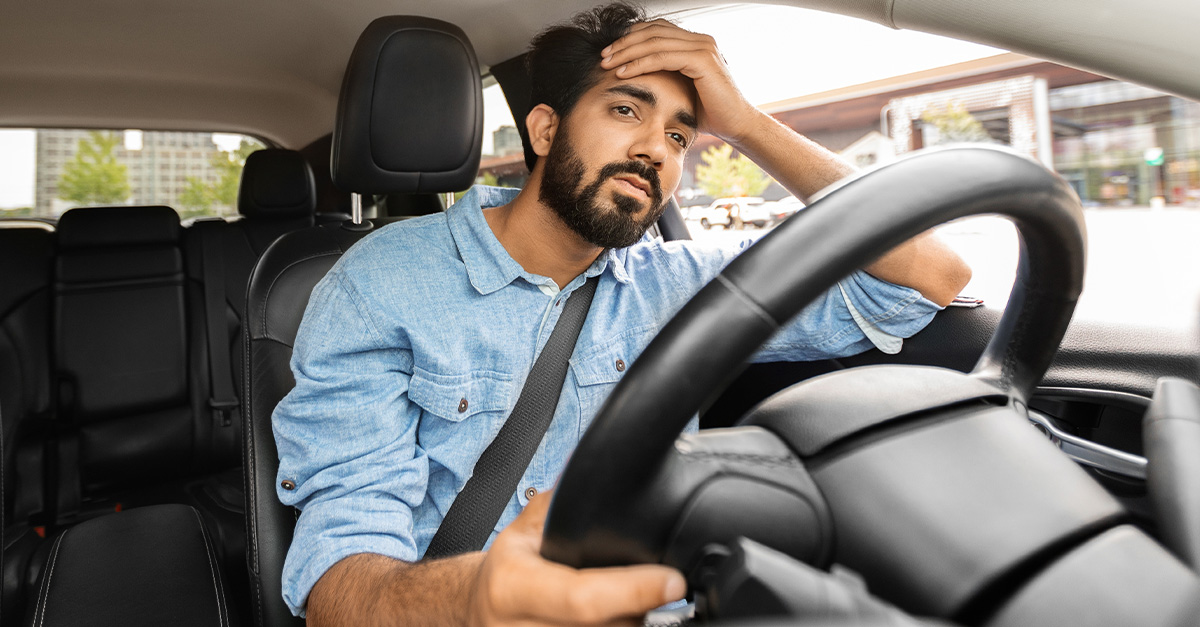
Cities Where It Can Be Illegal
Places like Los Angeles, San Diego, and parts of San Francisco have restrictions on sleeping in vehicles overnight—especially in residential areas or between certain hours.
 Sebastien Gabriel sgabriel, CC0, Wikimedia Commons
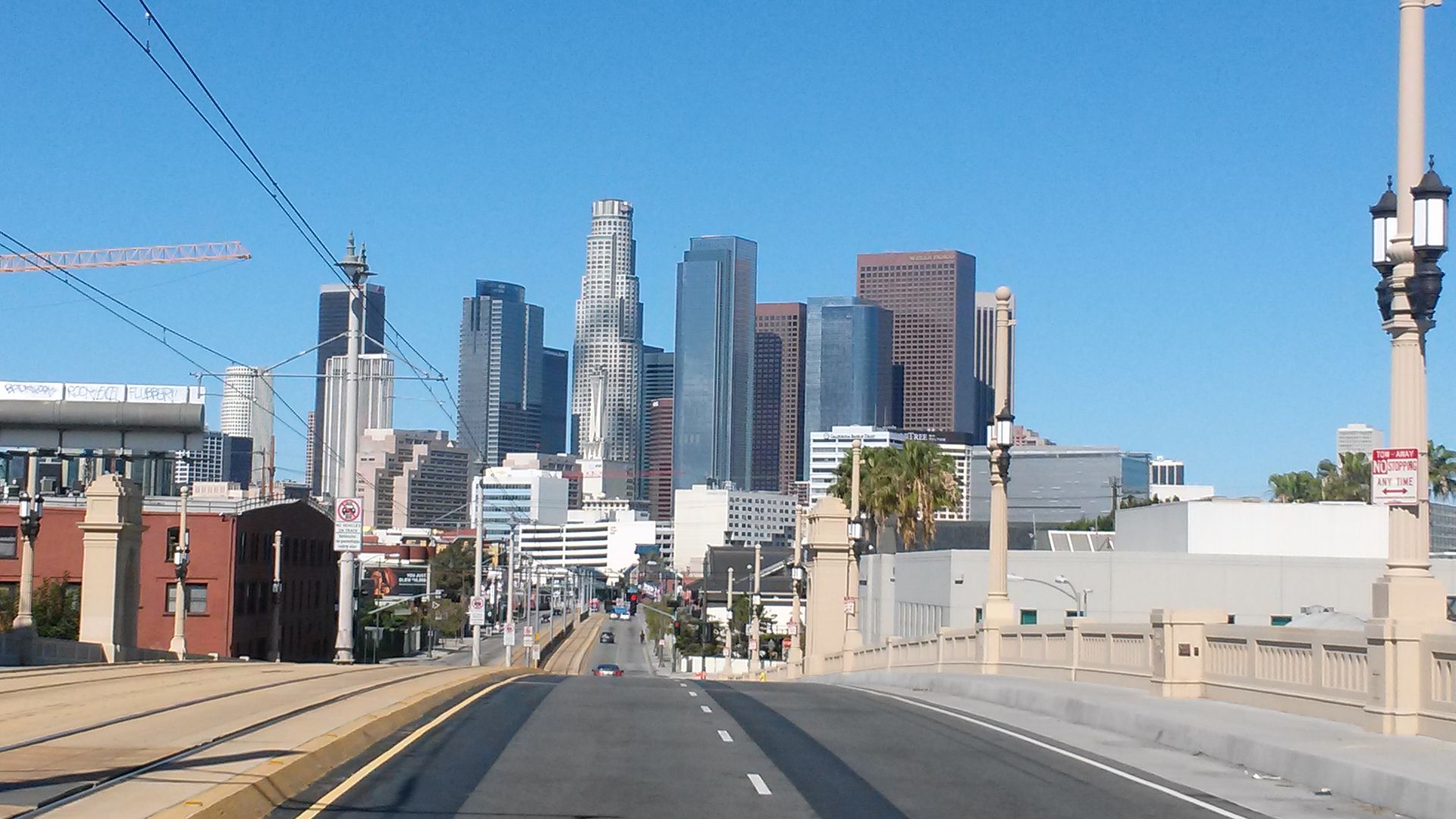
Real Example—Los Angeles
In LA, sleeping in your car is restricted on many residential streets and during overnight hours. Violations can result in fines around $25–$75, but repeated offenses can increase penalties.
 Johnnydeezwax, Wikimedia Commons
Real Example—San Diego
San Diego has similar rules, limiting overnight vehicle habitation in certain zones. Fines can range from about $100 to $300 depending on the violation and frequency.
 Crown Point Design, Adobe Stock
What About Smaller Cities?
Even smaller towns may have “loitering,” “overnight parking,” or “camping” ordinances that apply. These aren’t always obvious, but they can still lead to tickets.
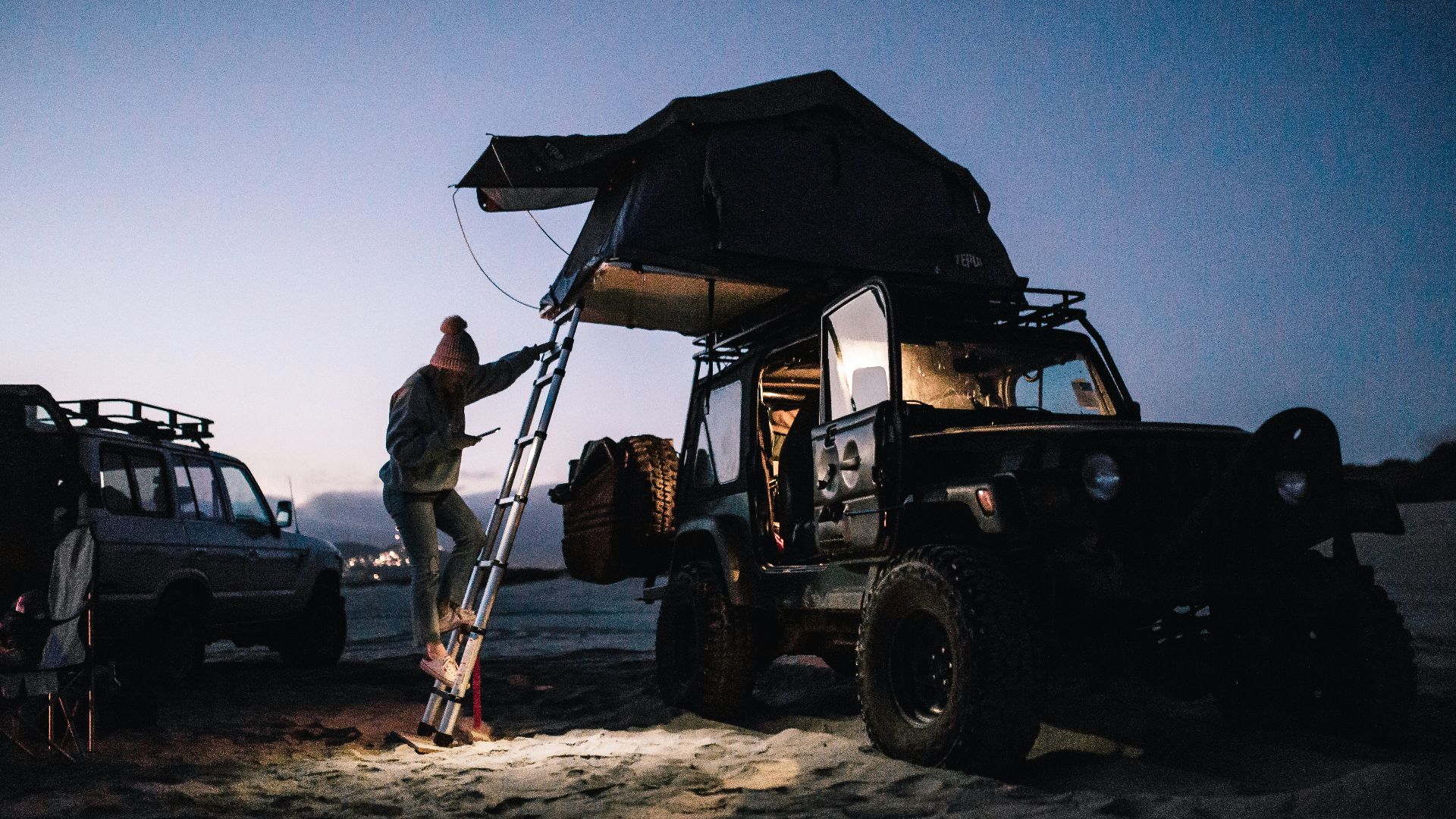
Why Cities Care at All
It’s not really about road-trippers—it’s about long-term vehicle habitation. Cities use these laws to manage homelessness, parking congestion, and neighborhood complaints.
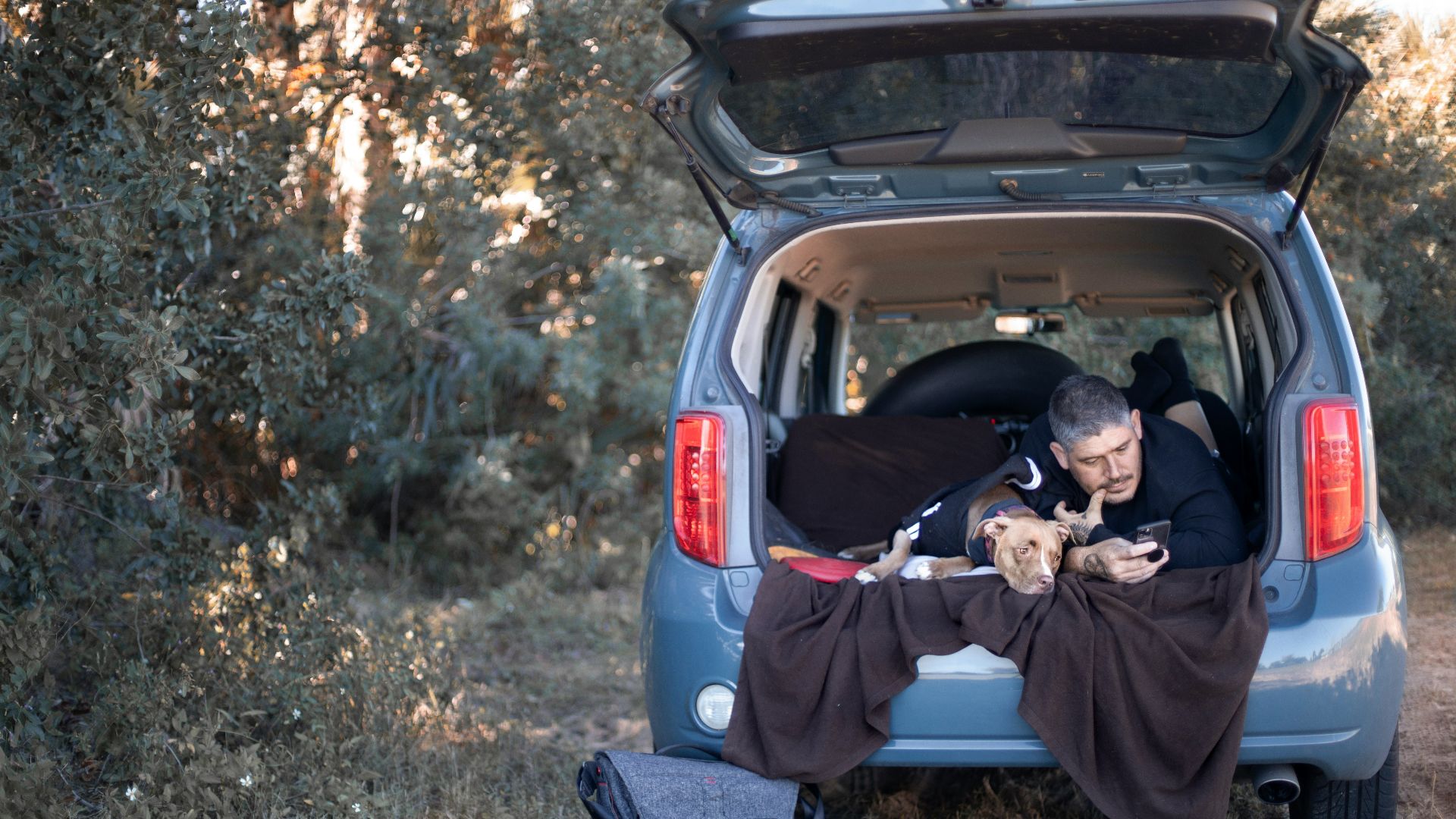
Could You Get Woken Up by Police?
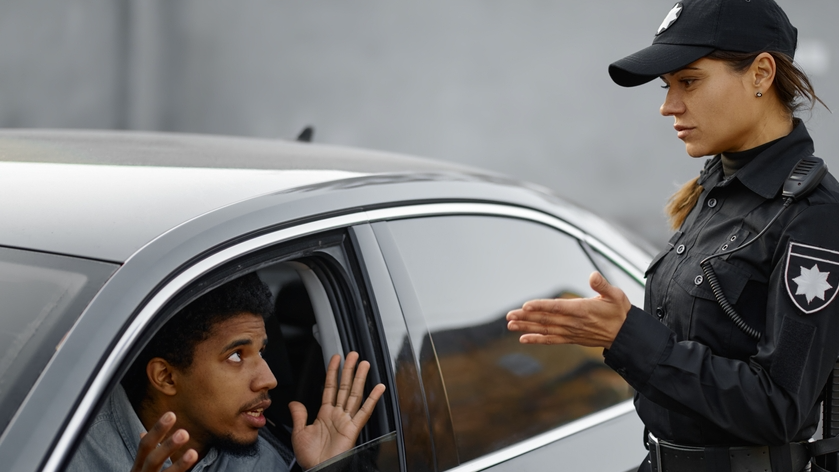
Yes—and it happens more than you’d think. Officers may knock on your window to check your situation, especially if you’re parked somewhere questionable.
What Happens If You Get a Ticket?
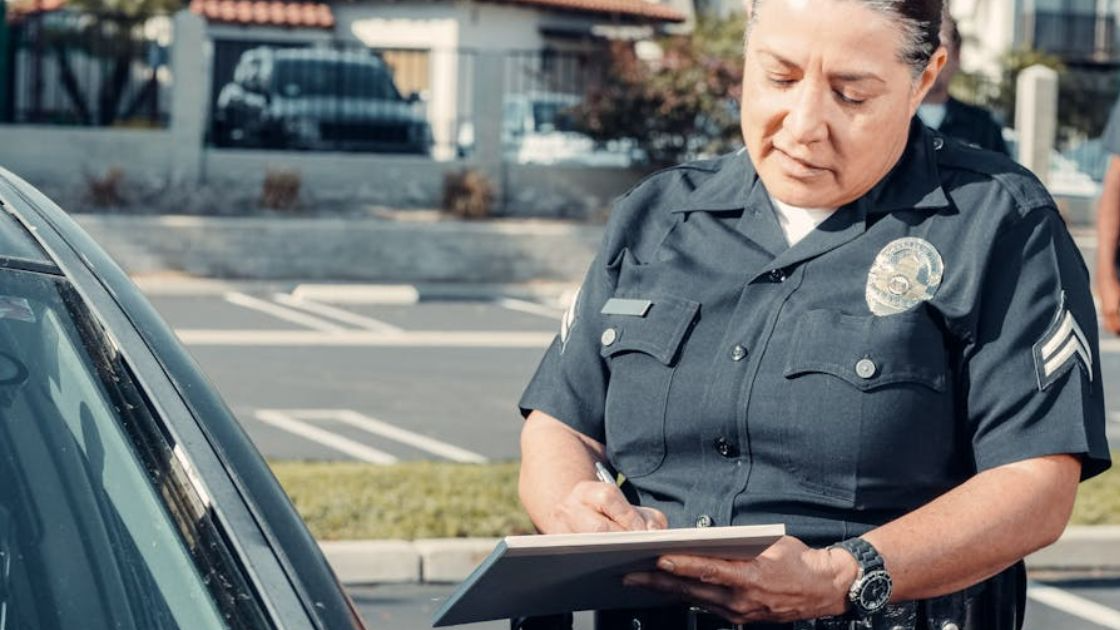
Fines typically range from $25 up to $300+, depending on the city and the violation. In some cases, you may also be asked to move immediately.
Are There Places That Welcome It?
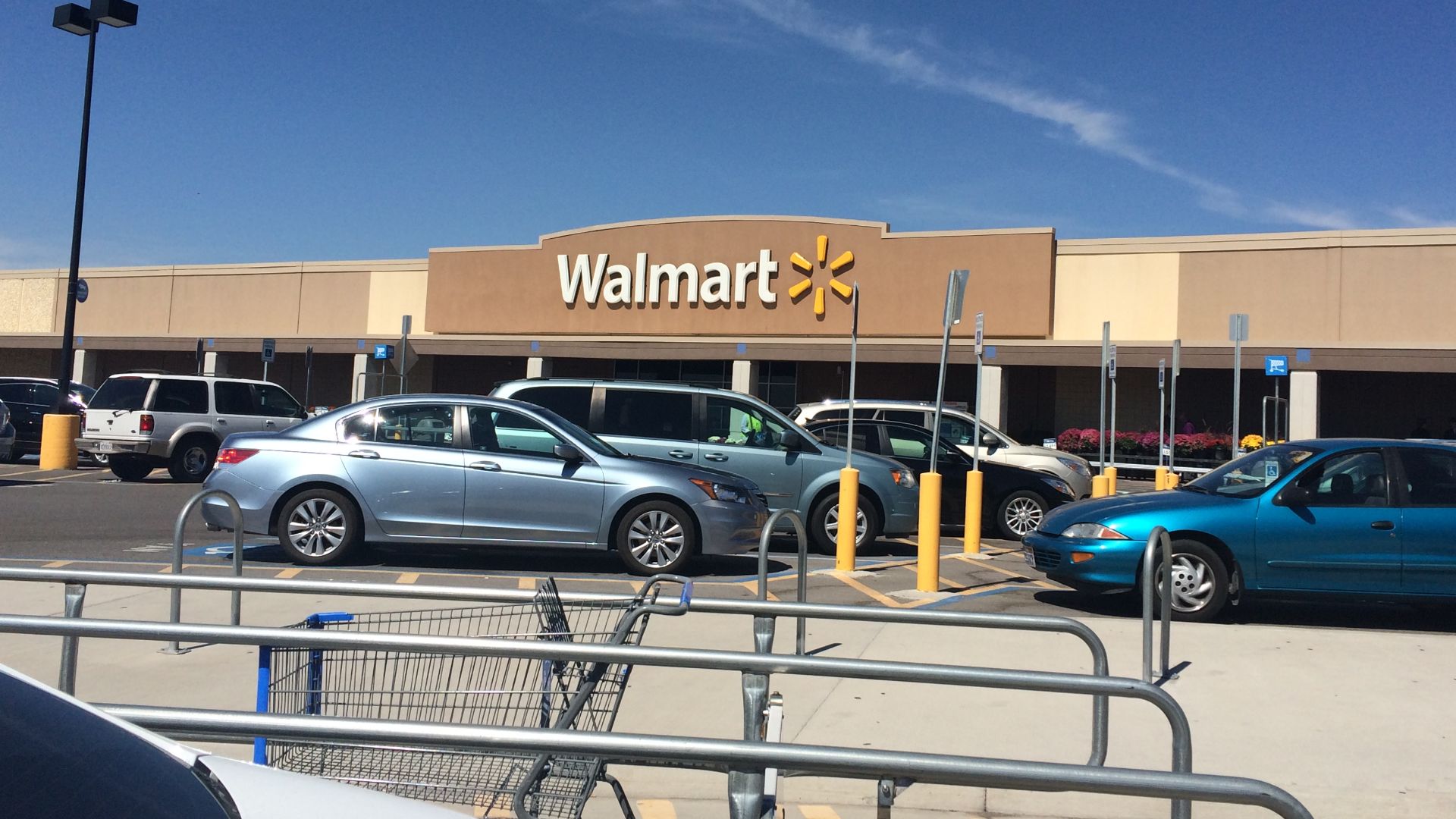
Yes—Walmart parking lots (with permission), truck stops, and certain apps (like iOverlander or Campendium) help you find legal overnight spots.
 Odawara (Odawara), Wikimedia Commons
What About Private Property?
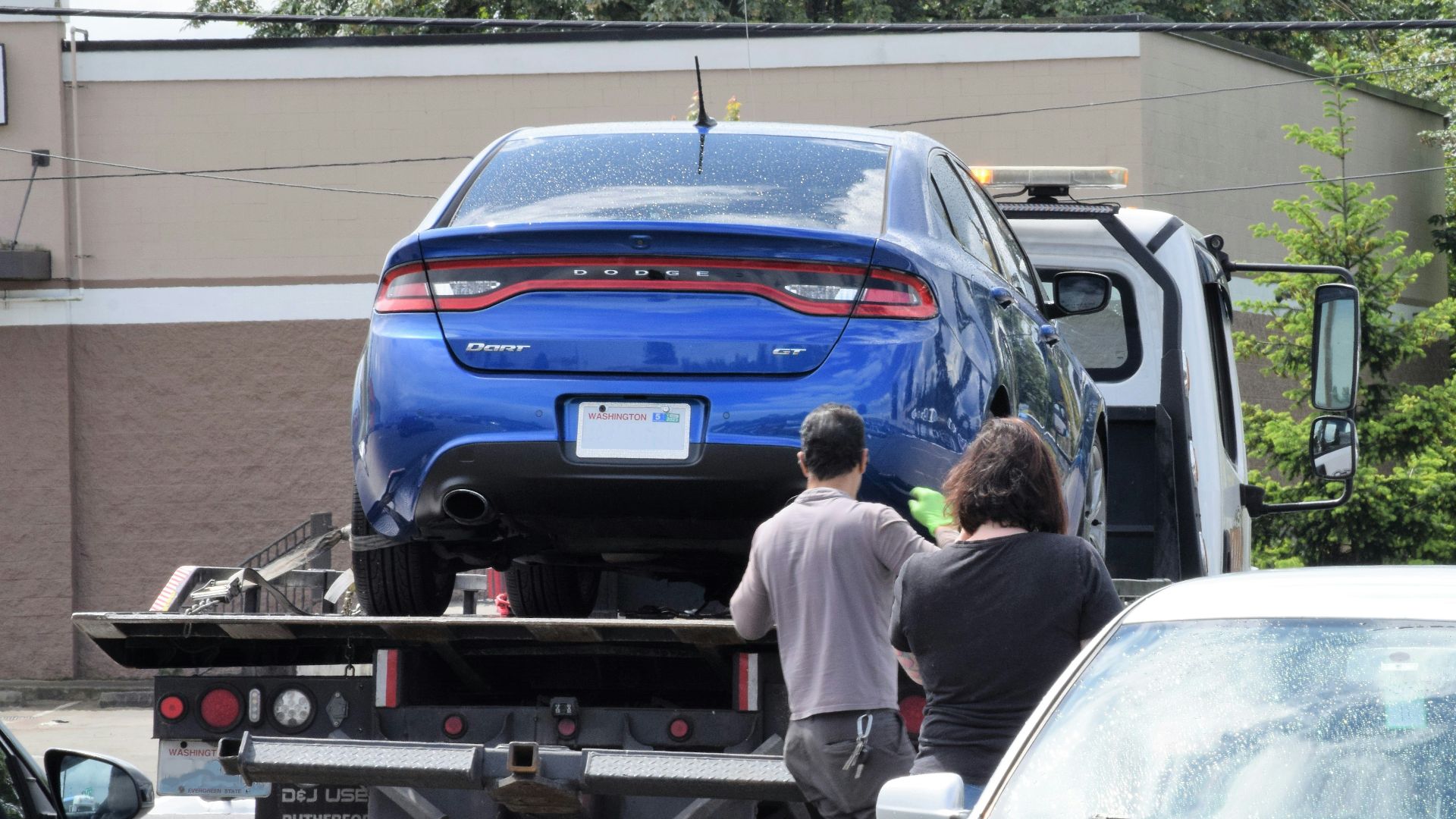
If you park in a private lot without permission, you could be ticketed or even towed. Always check signs or ask if overnight parking is allowed.
Here’s Where It Gets Interesting—Your Intent Matters
Sleeping for a few hours to stay safe is one thing. Setting up for the night with gear, window covers, or repeated stays in the same spot can make it look like “camping,” which cities regulate more strictly.
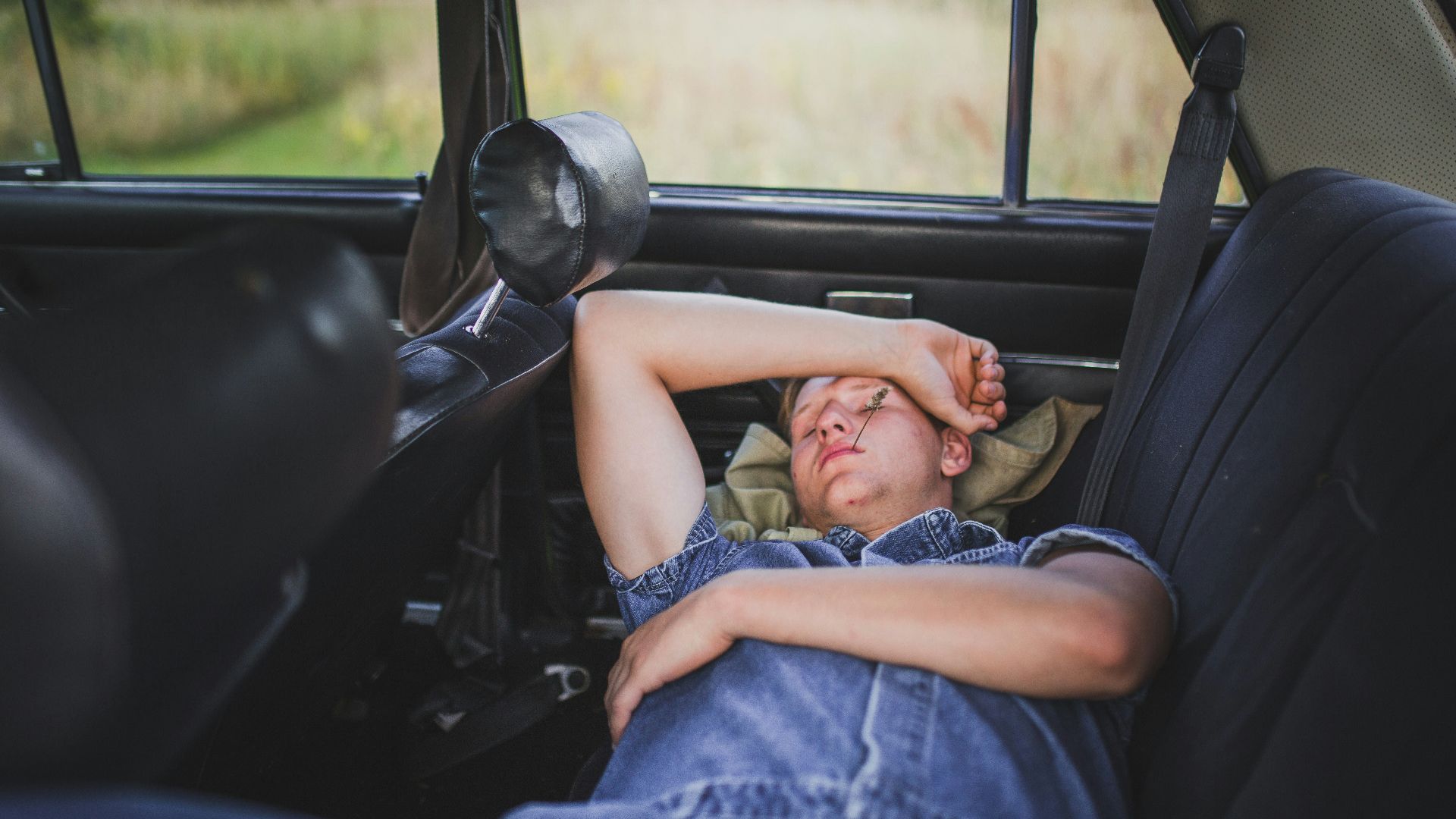
Quick Side Note—What About Driving Barefoot on This Trip?
Not illegal anywhere in the US—but it’s still frowned upon. Why? Because if your foot slips or you lose control, you could be cited for careless driving.
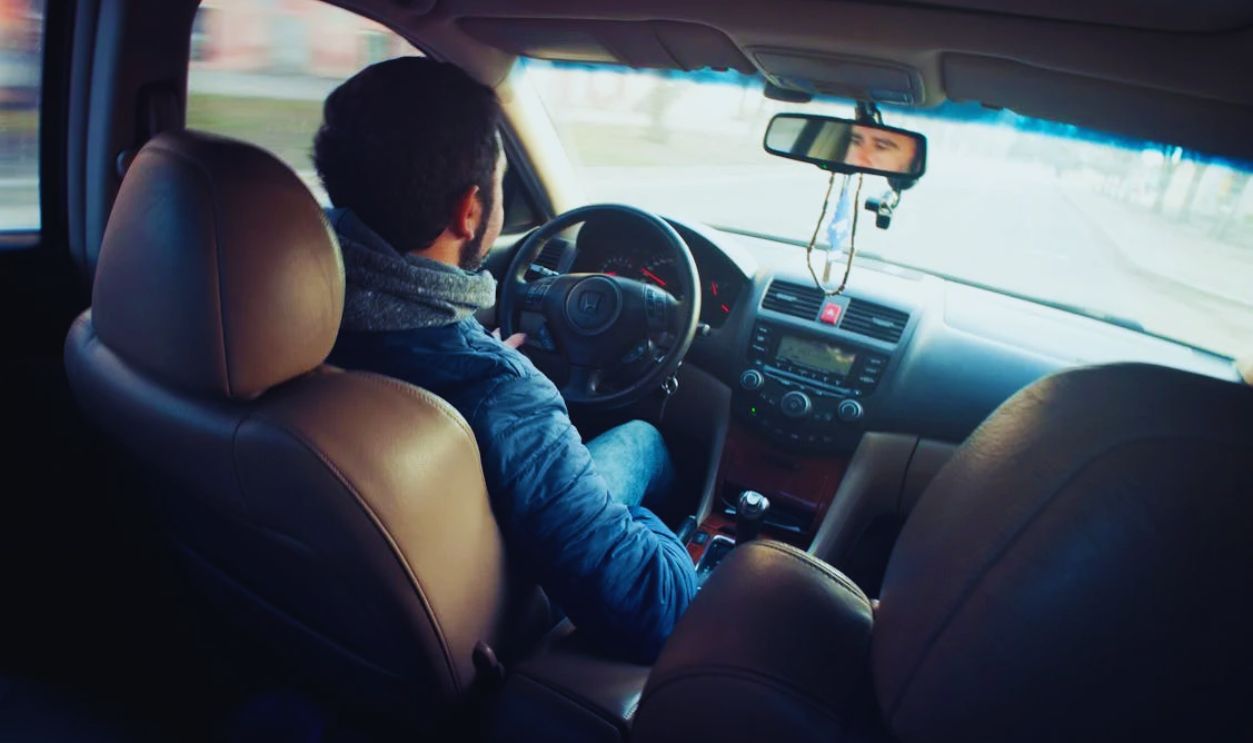
Barefoot Driving and Fines
If it contributes to unsafe driving, you could face fines ranging from $50 to $500+, depending on the state and severity. So while it’s legal, it’s not always smart.
So… Is Sleeping in Your Car Illegal?
Sometimes, yes.
It depends heavily on local laws and where you’re parked. In designated rest areas, you’re usually fine—but in cities or residential zones, you could face fines or be asked to move.

The Smart Road Trip Strategy
Plan your stops ahead of time. Use rest areas, approved lots, or campgrounds to avoid surprises—and to actually get some decent sleep.
One Last Thought Before You Recline the Seat
Next time you’re about to call it a night in your car, ask yourself—am I parked somewhere meant for rest… or somewhere that might raise a red flag? That one decision can save you a knock on the window.

You May Also Like: