They Don't Make Them Like They Used To
Every generation thinks the next one has it easier.
Baby Boomers might actually have a point when it comes to cars. Driving used to involve all sorts of little tricks, gadgets, and routines that have completely disappeared. Some were genuinely useful. Others were a huge pain. Either way, do you remember any of these?.
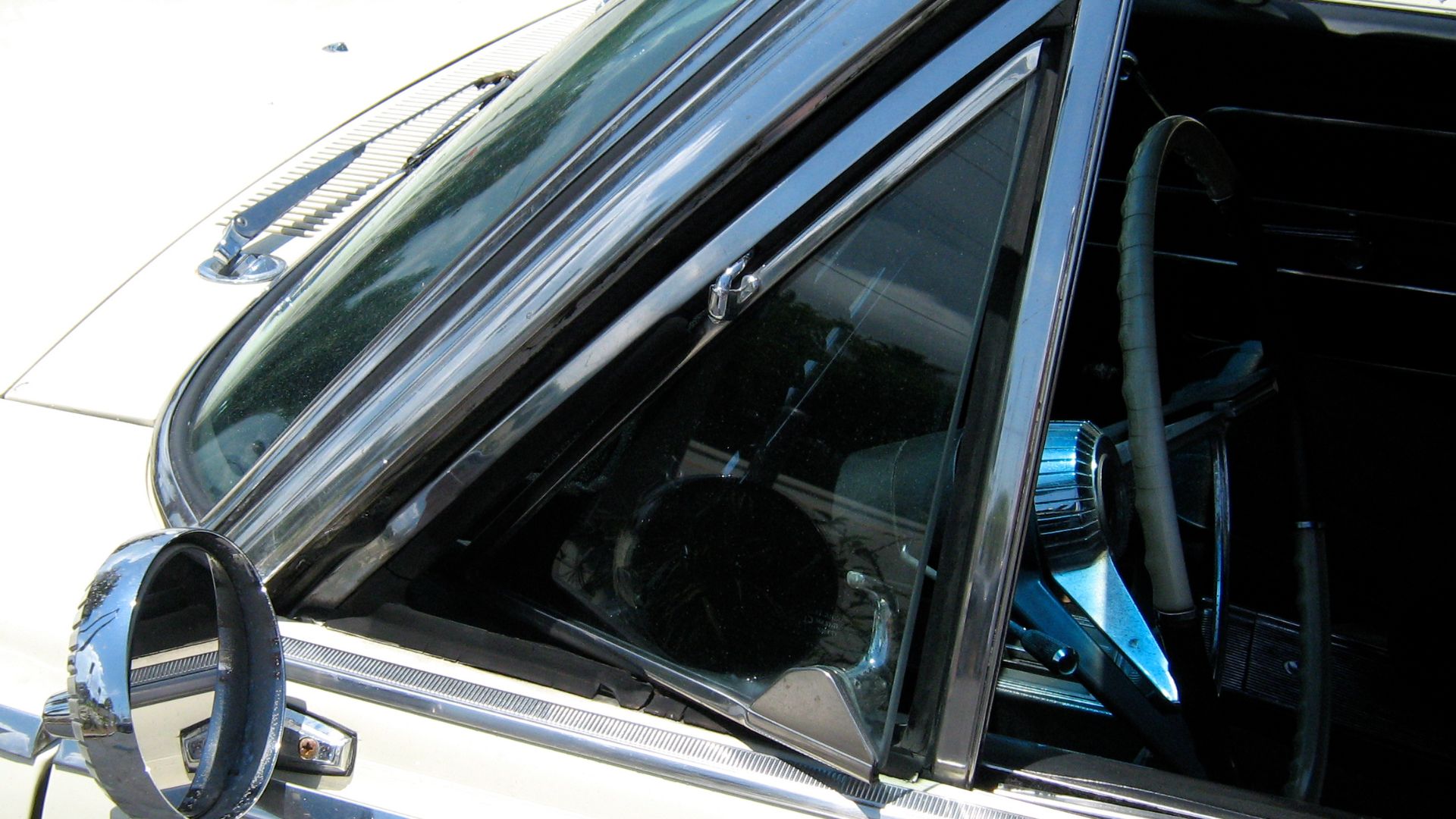
Vent Windows (Wing Windows)
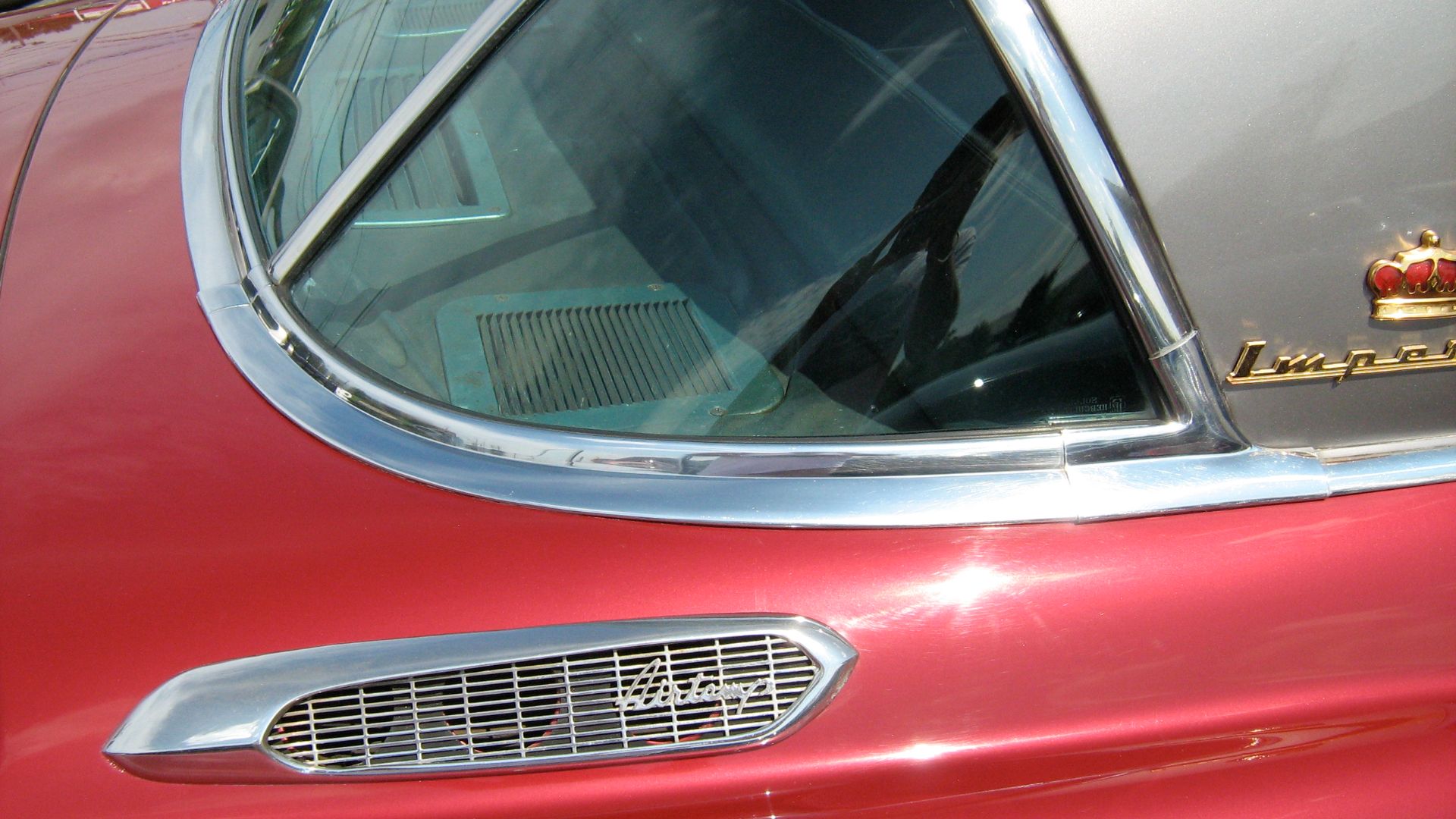
Before powerful air conditioning became standard, these little triangular windows were lifesavers. Even cars with factory A/C often kept them because they directed fresh air exactly where you wanted it. Every experienced driver seemed to know the perfect angle. Most Millennials have probably never even noticed them.
Floor-Mounted High Beam Switch
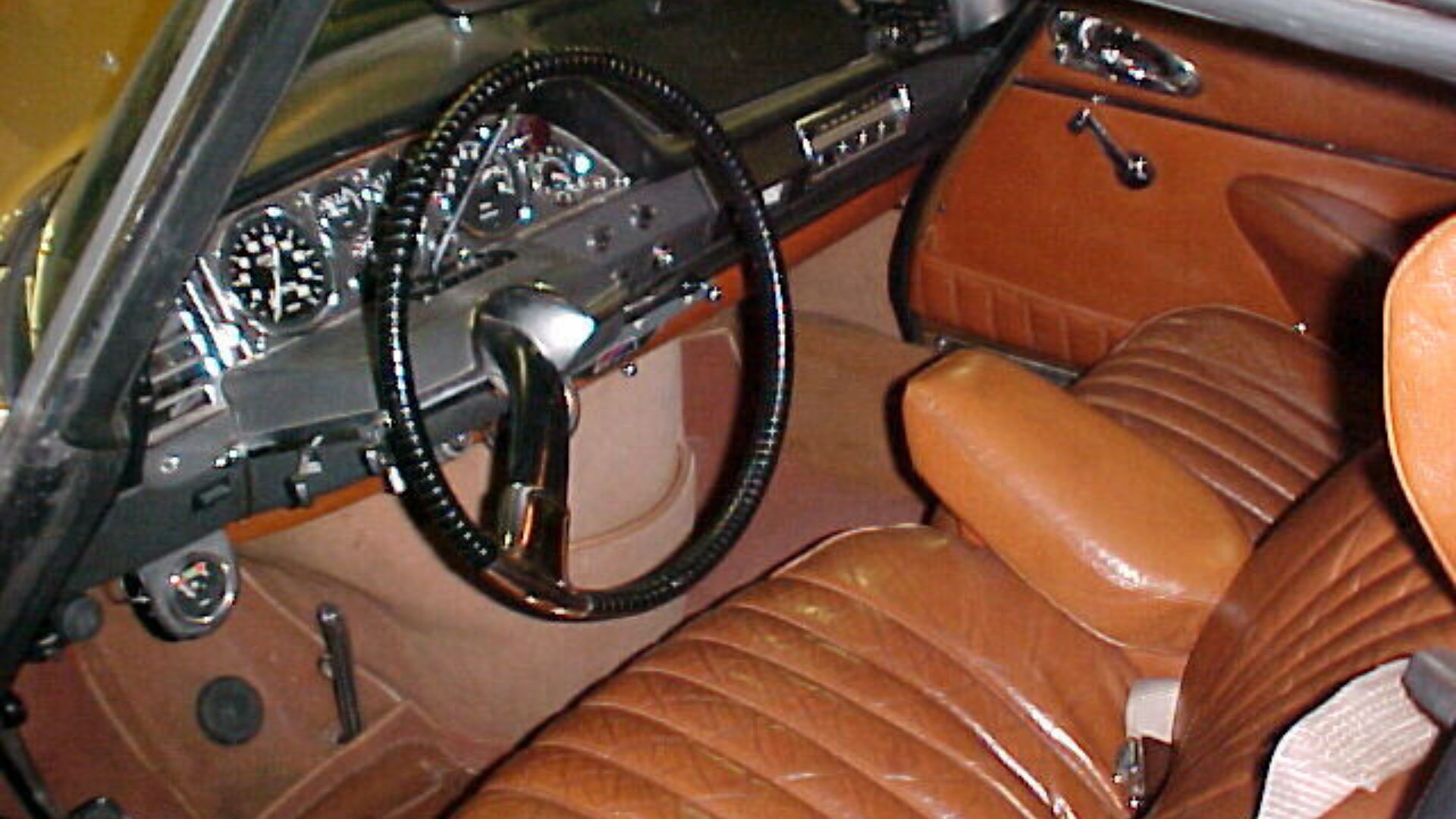
Today you flash your high beams with a stalk behind the steering wheel. For decades, drivers simply tapped a button on the floor with their left foot. After a while, it became completely automatic. Ask a younger driver where the high beam switch used to be and you'll probably get a blank stare.
 Fjvelsen at Dutch Wikipedia, Wikimedia Commons
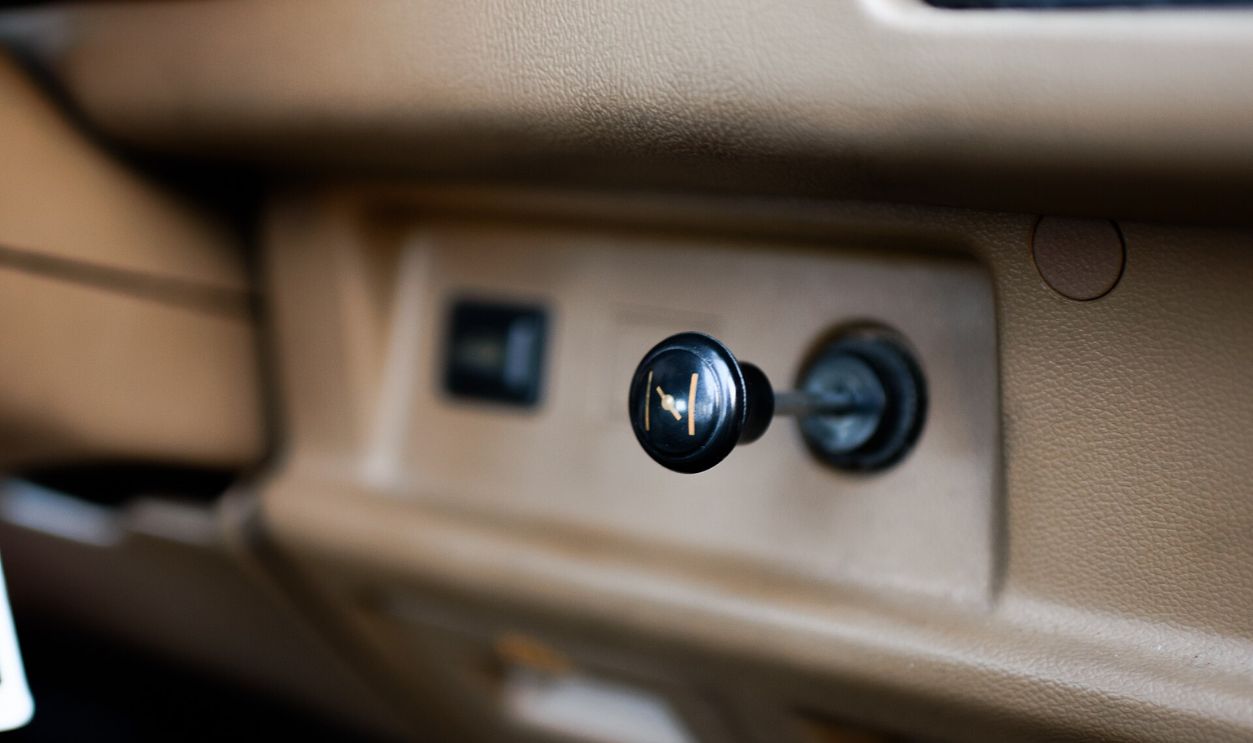
Manual Choke
Starting an engine on a cold morning wasn't always as simple as turning the key. Many older carbureted cars—especially through the 50s and early 60s—required pulling out a manual choke to help the engine start properly. Forget to use it—or leave it on too long—and the car quickly let you know.
 SealyPhoto, CC BY-SA 4.0, Wikimedia Commons
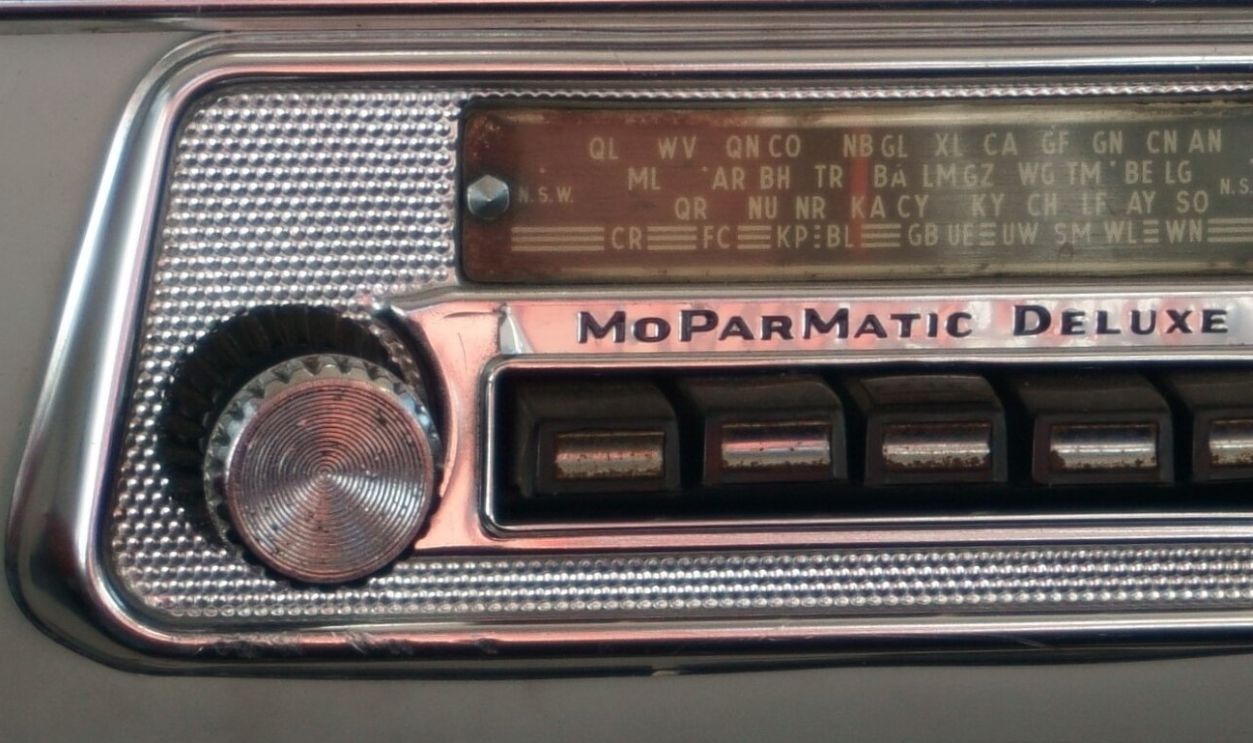
Push-Button Radio Presets
Programming your favorite radio station once involved actual moving parts. You pulled a button outward, tuned in the station, then pushed the button back to lock it in place. No touchscreens. No menus. Just a satisfying mechanical click every time you switched stations.
 Doug butler, CC BY-SA 4.0, Wikimedia Commons
Foot-Operated Windshield Washer Pump
Need washer fluid? Some cars had a little rubber pump mounted on the floor. You stepped on it with your foot and it sprayed fluid onto the windshield. It was wonderfully simple...until the rubber cracked or the pump decided retirement sounded better.
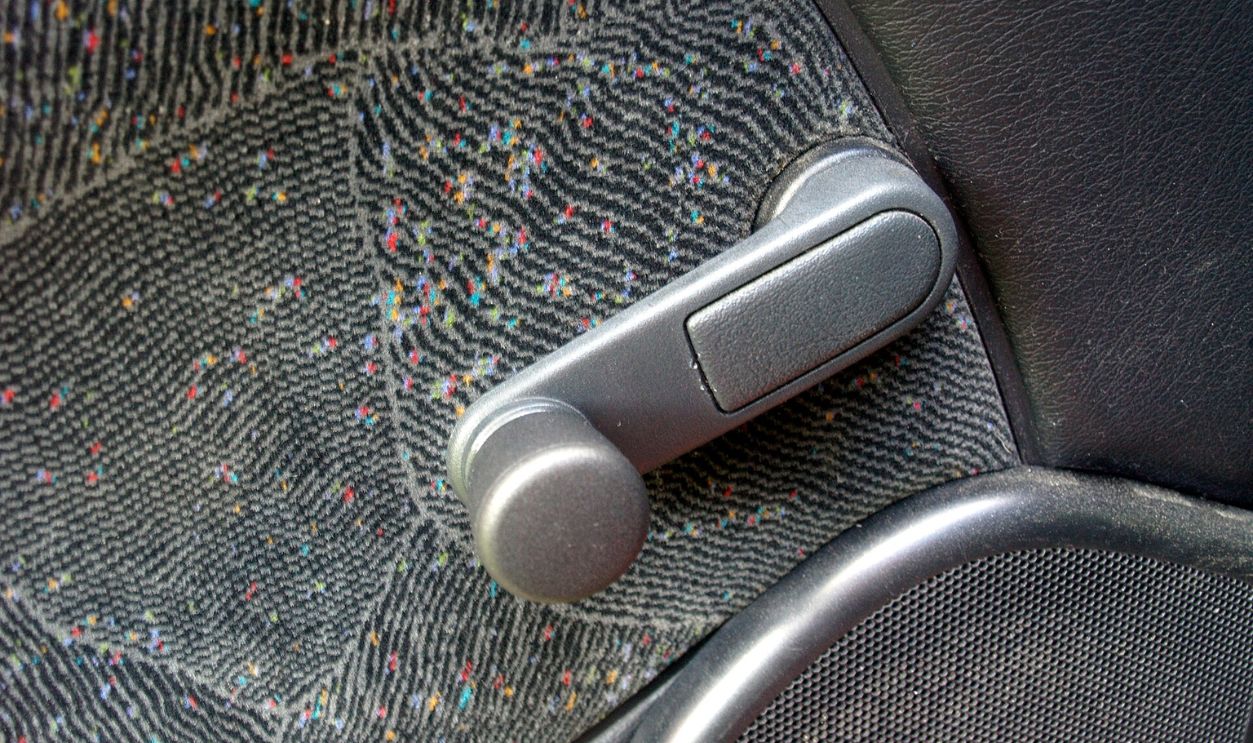
Hand-Crank Windows
Power windows were once a luxury. Most drivers rolled every window up and down with a hand crank. Need to lower the passenger window? Time to lean halfway across the front seat while trying not to steer into the next lane.
 Santeri Viinamäki, CC BY-SA 4.0, Wikimedia Commons
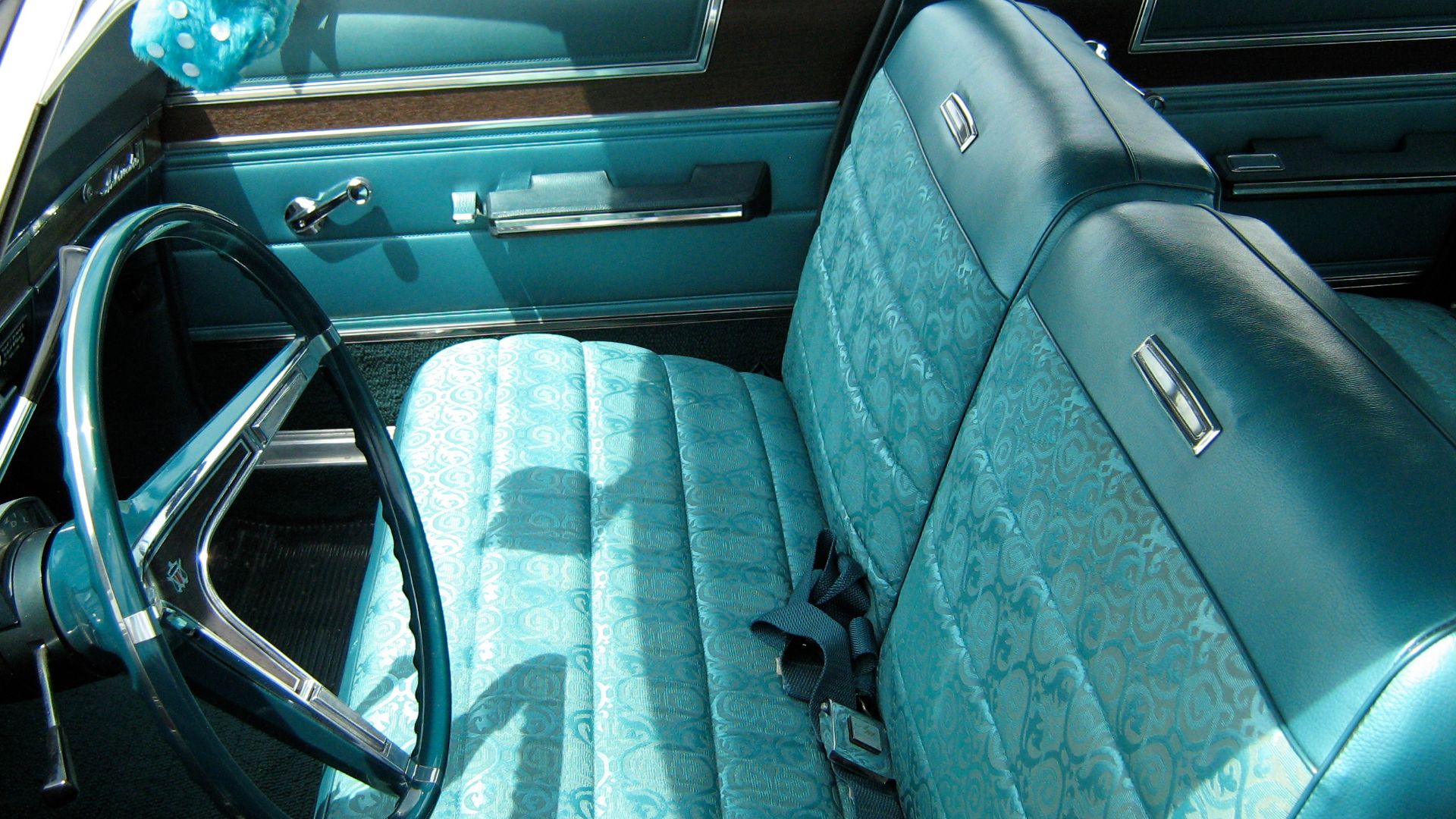
Front Bench Seats
Many older cars didn't have separate front seats at all. Instead, one wide bench stretched across the cabin, allowing three people to sit side by side. It also meant date night naturally involved sitting a little closer than today's center consoles allow.
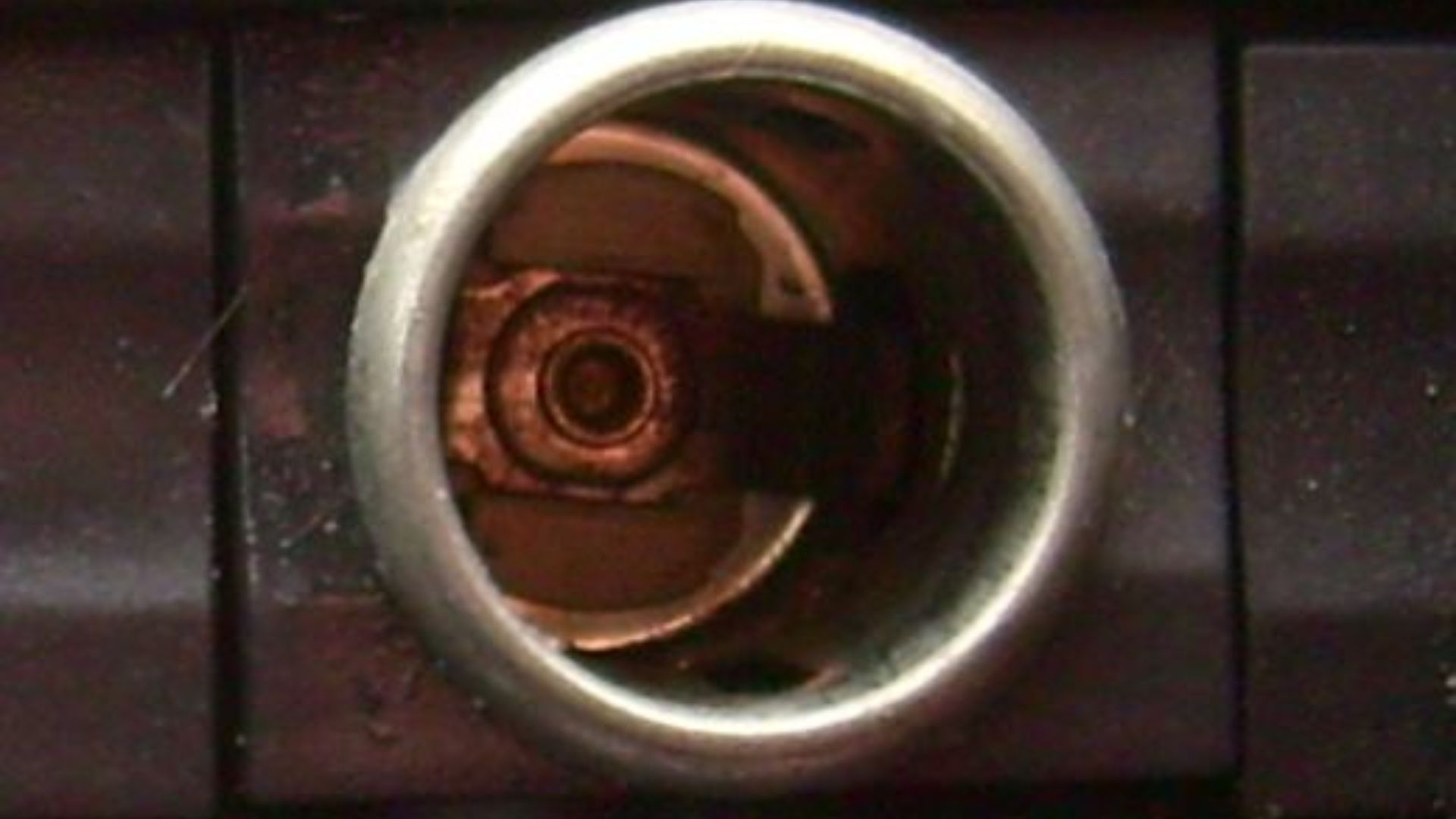
Built-In Lighters
Every car seemed to include one. You pushed the lighter into the dashboard, waited a few seconds, then it popped back out glowing red hot. Today the same socket is far more likely to power a phone charger than anything involving tobacco.
 Hundehalter, Wikimedia Commons
Dashboard Ashtrays Everywhere
Manufacturers didn't just install one ashtray—they often installed several. The dashboard had one. The rear doors usually had another. Some armrests even hid additional ones.
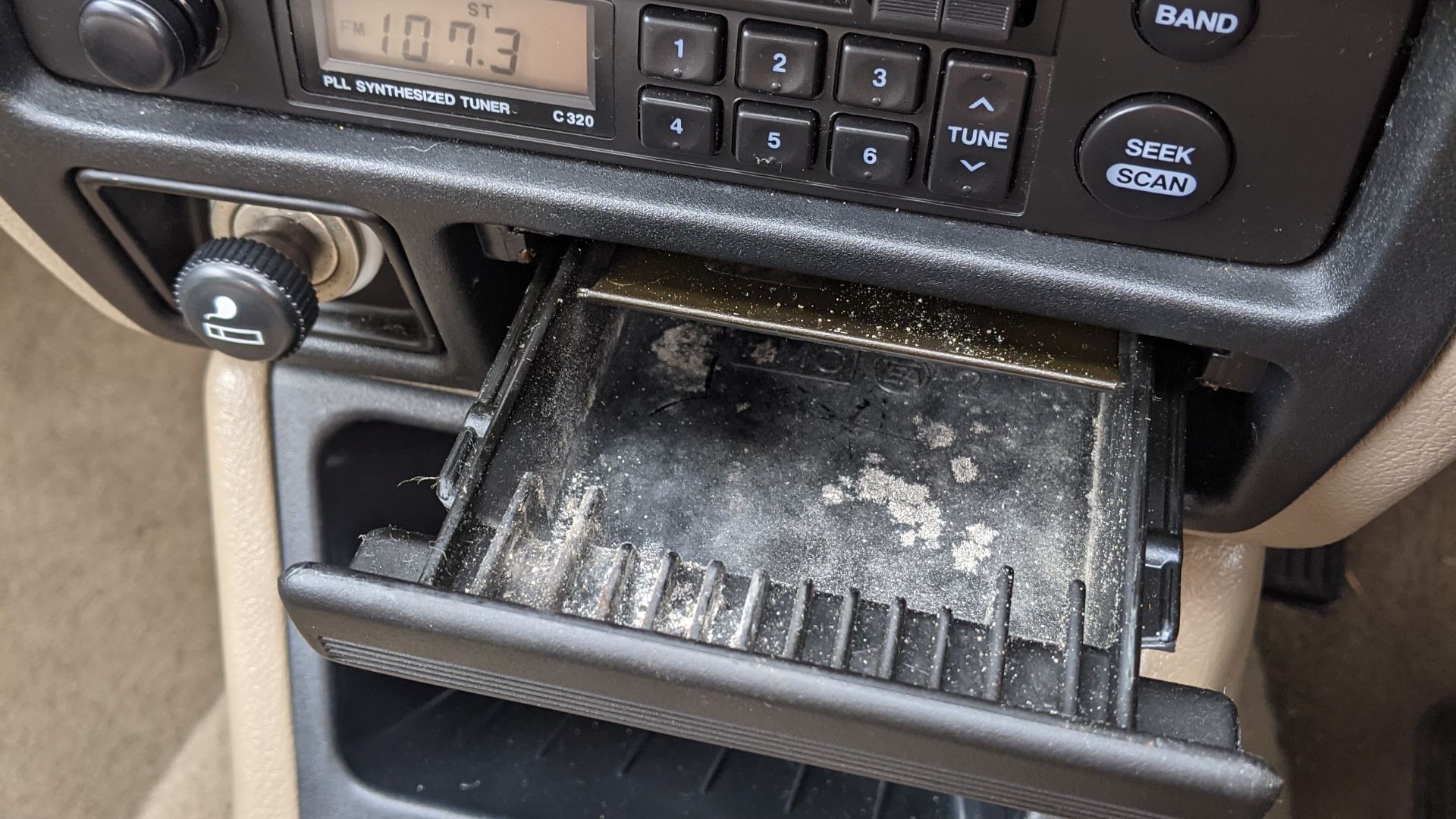
Manual Seat Adjustments
Electric seats were reserved for expensive luxury cars. Everyone else reached under the seat, pulled levers, slid the whole assembly back and forth, and bounced around until it felt about right. Fine adjustments usually involved several attempts before giving up.
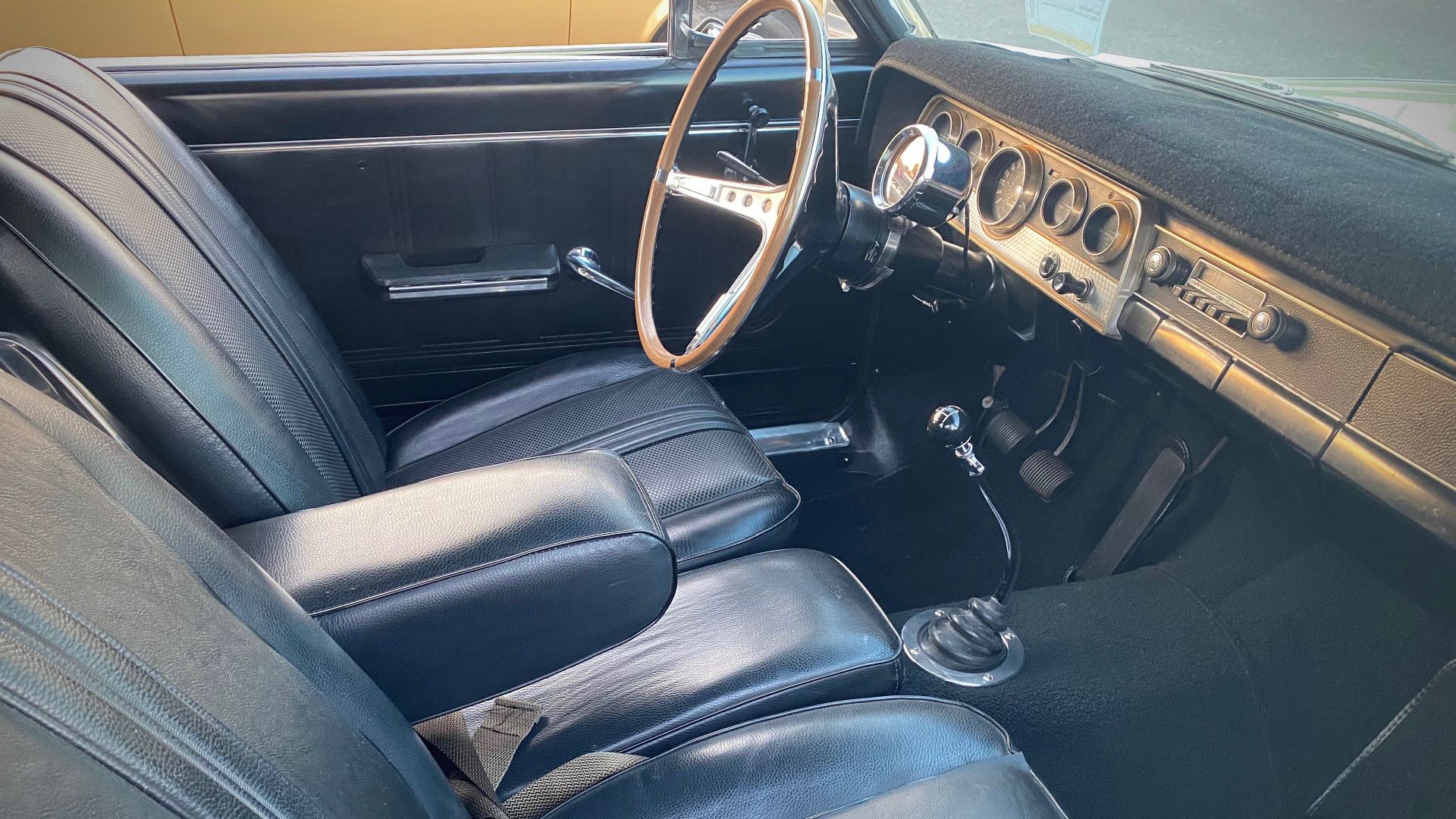
Heater Controls With Actual Cables
Modern climate controls rely on electronics. Older cars used real metal cables connected to little doors inside the heater box. Move the lever and the cable physically opened or closed airflow. When those cables stretched or broke, temperature control became more of a suggestion.
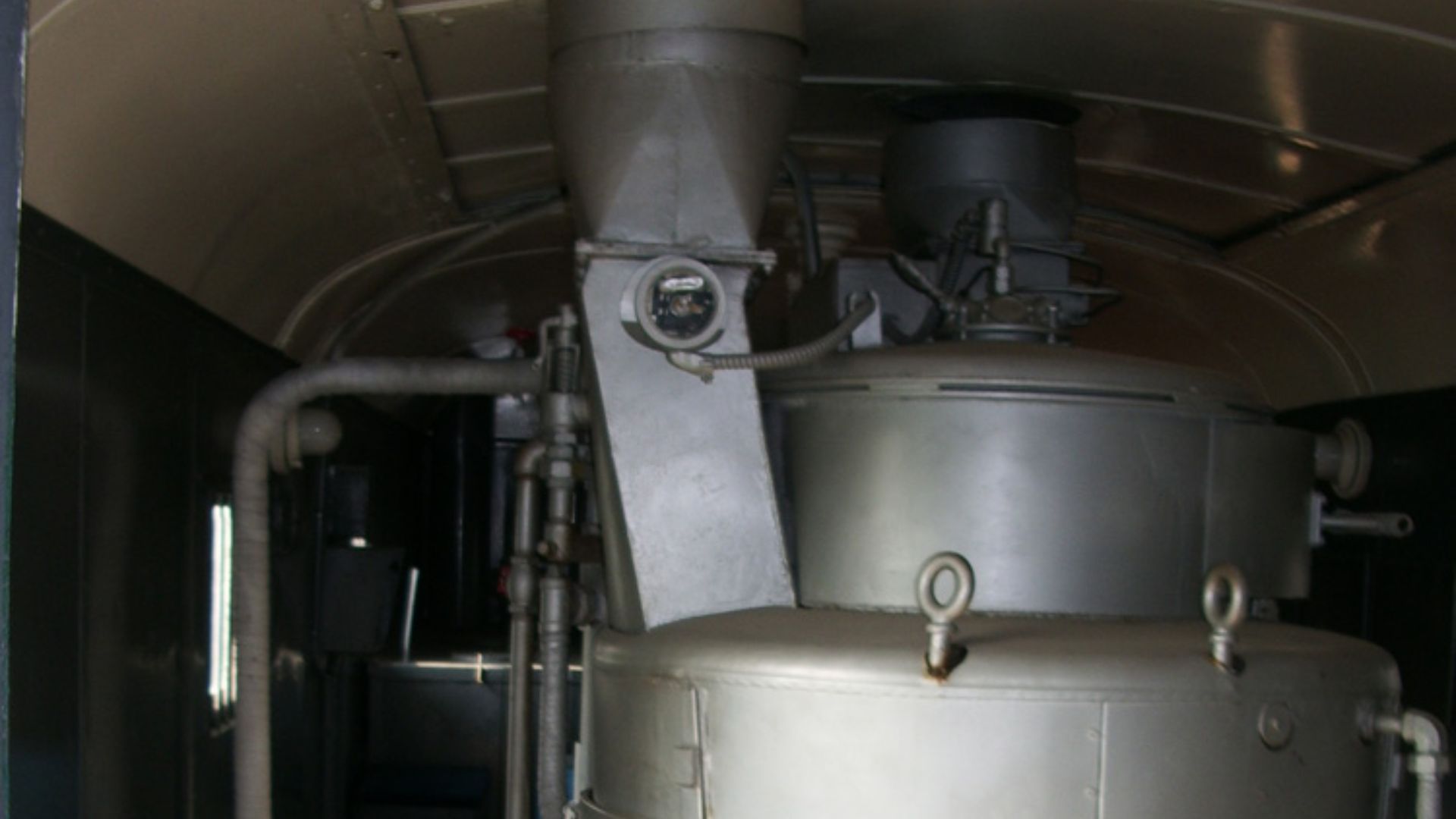 skinnylawyer from Los Angeles, California, USA, Wikimedia Commons
Carburetor Adjustments
Before computers managed everything, many drivers knew how to make small carburetor adjustments themselves. If the engine idled poorly, opening the hood and making a few careful tweaks wasn't unusual. Today, many younger drivers have never even seen a carburetor in person.
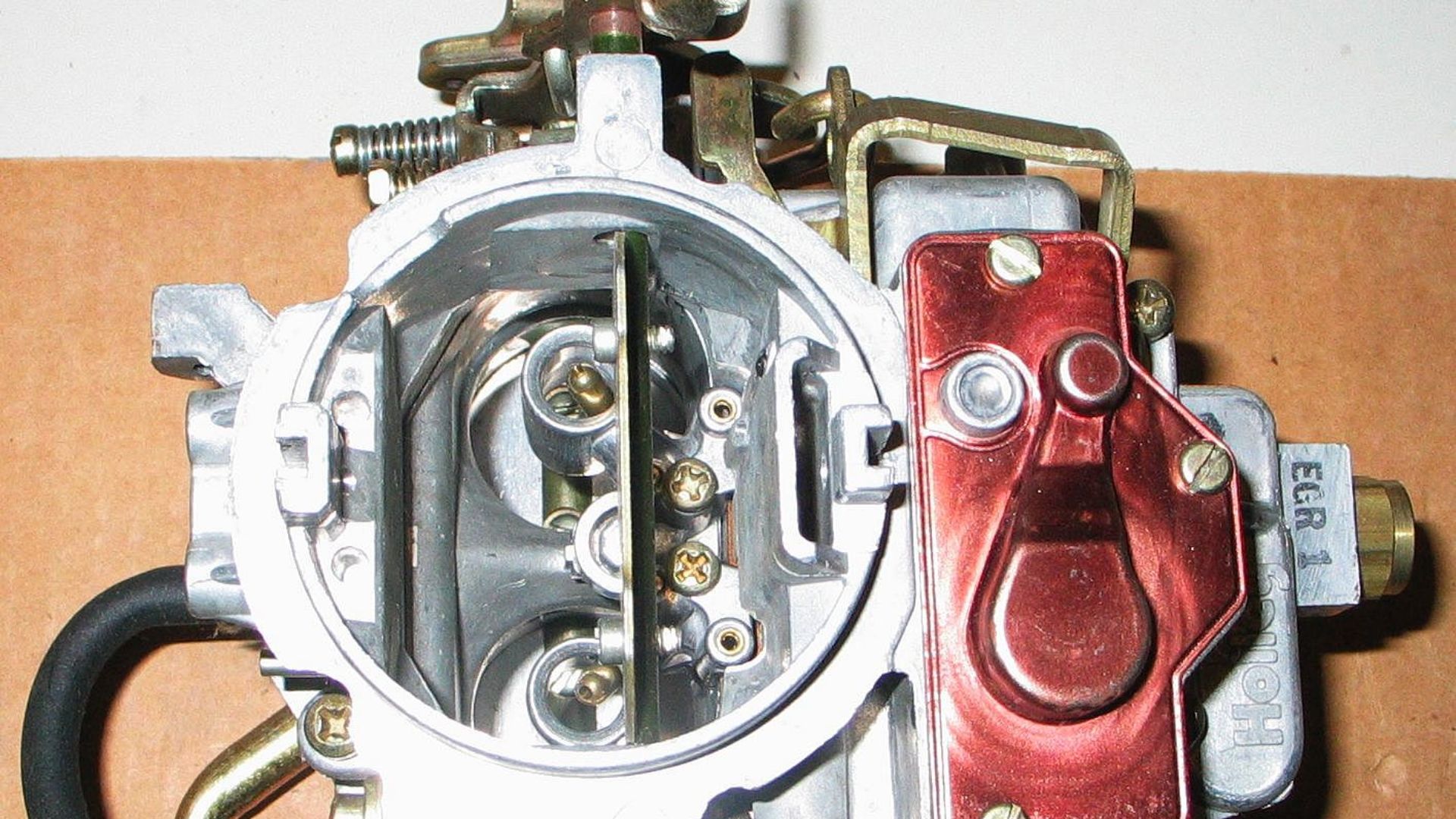 Scheinwerfermann, Wikimedia Commons
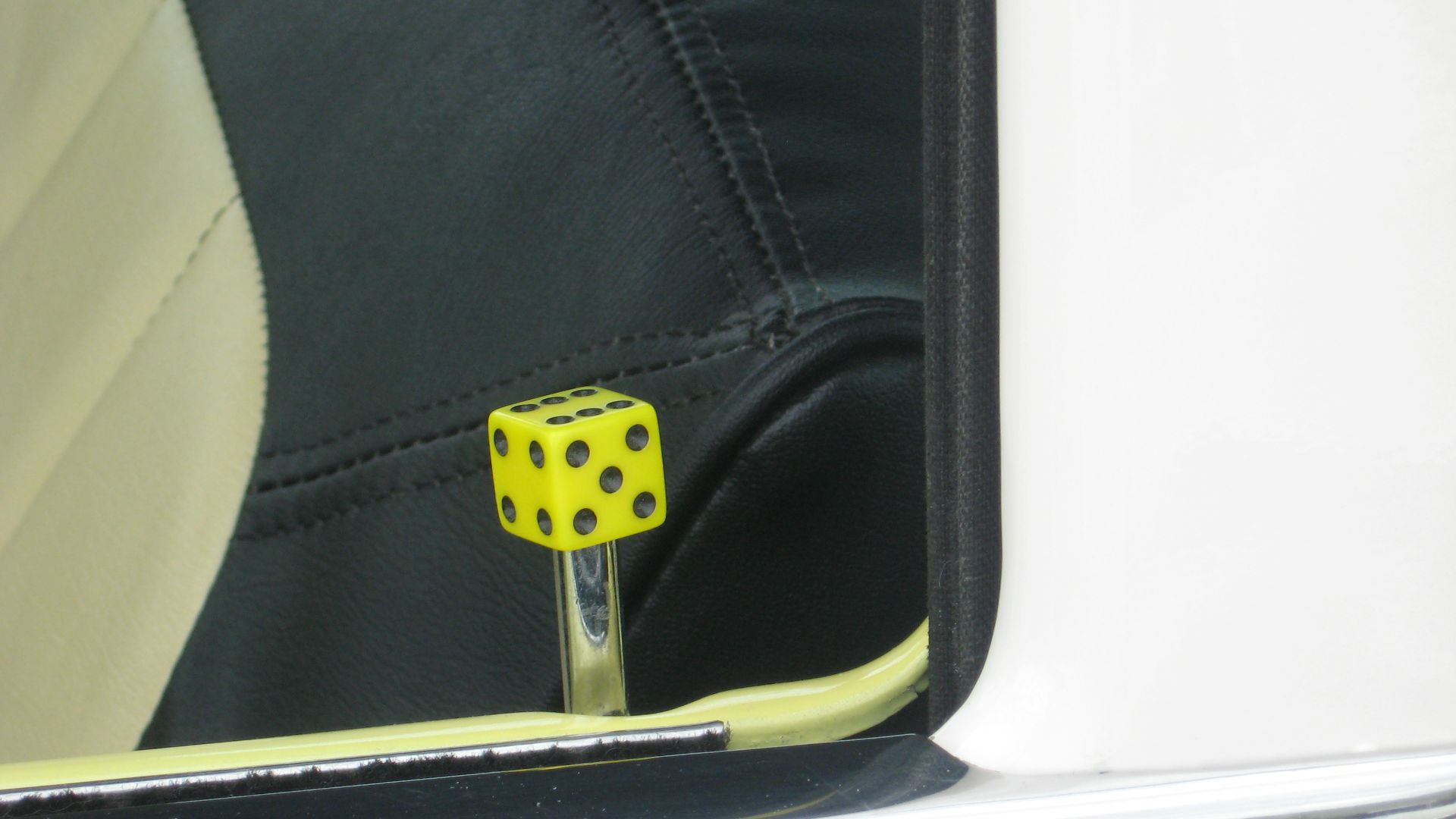
Door Lock Pull Knobs
Every door had a little metal knob sticking up near the window. Push it down to lock the door. Pull it up to unlock it. Simple, reliable, and impossible to confuse with anything else. Electronic locks gradually made these little knobs disappear.
Manual Side Mirrors
Need to adjust your mirror? Hopefully your arm was long enough. Many cars required rolling down the window and physically moving the mirror by hand. Slightly fancier versions added a tiny joystick inside the cabin, which felt incredibly high-tech at the time.
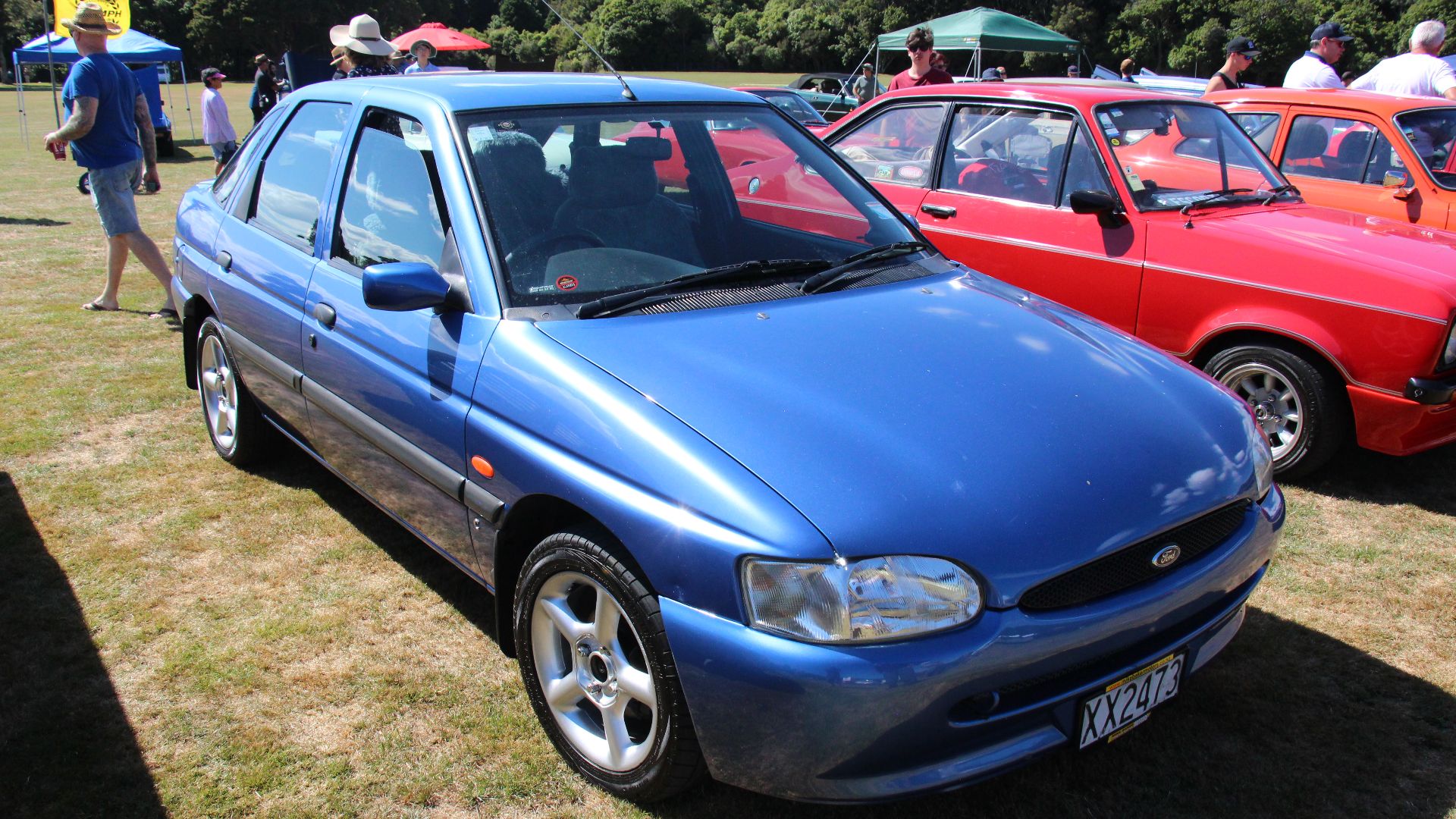
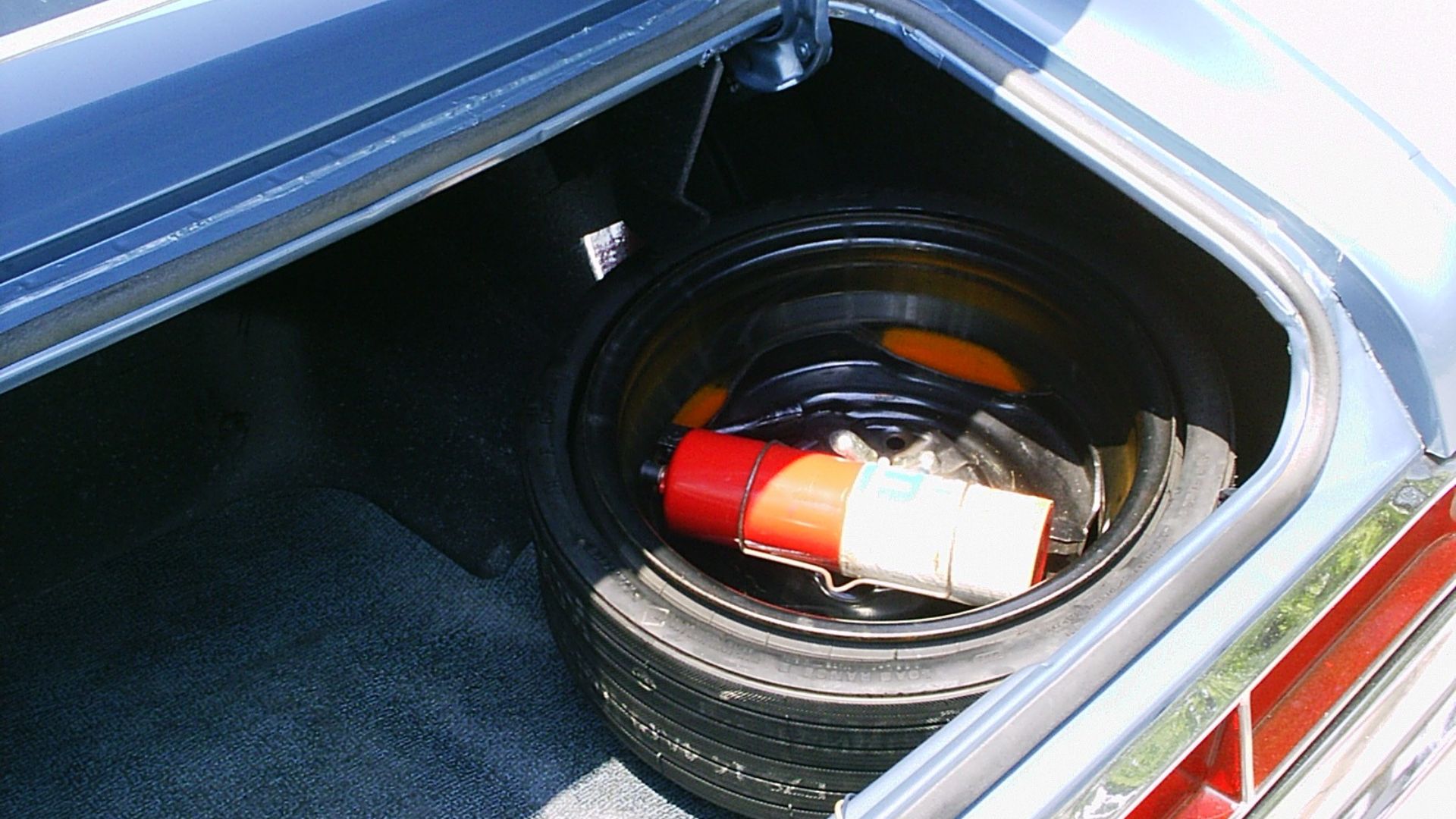
Full-Size Spare Tires
A flat tire wasn't nearly as stressful when your spare matched the other four wheels. Many older cars carried a full-size spare that could stay on indefinitely. Today you're lucky to find a temporary donut—and plenty of new vehicles don't include any spare at all.
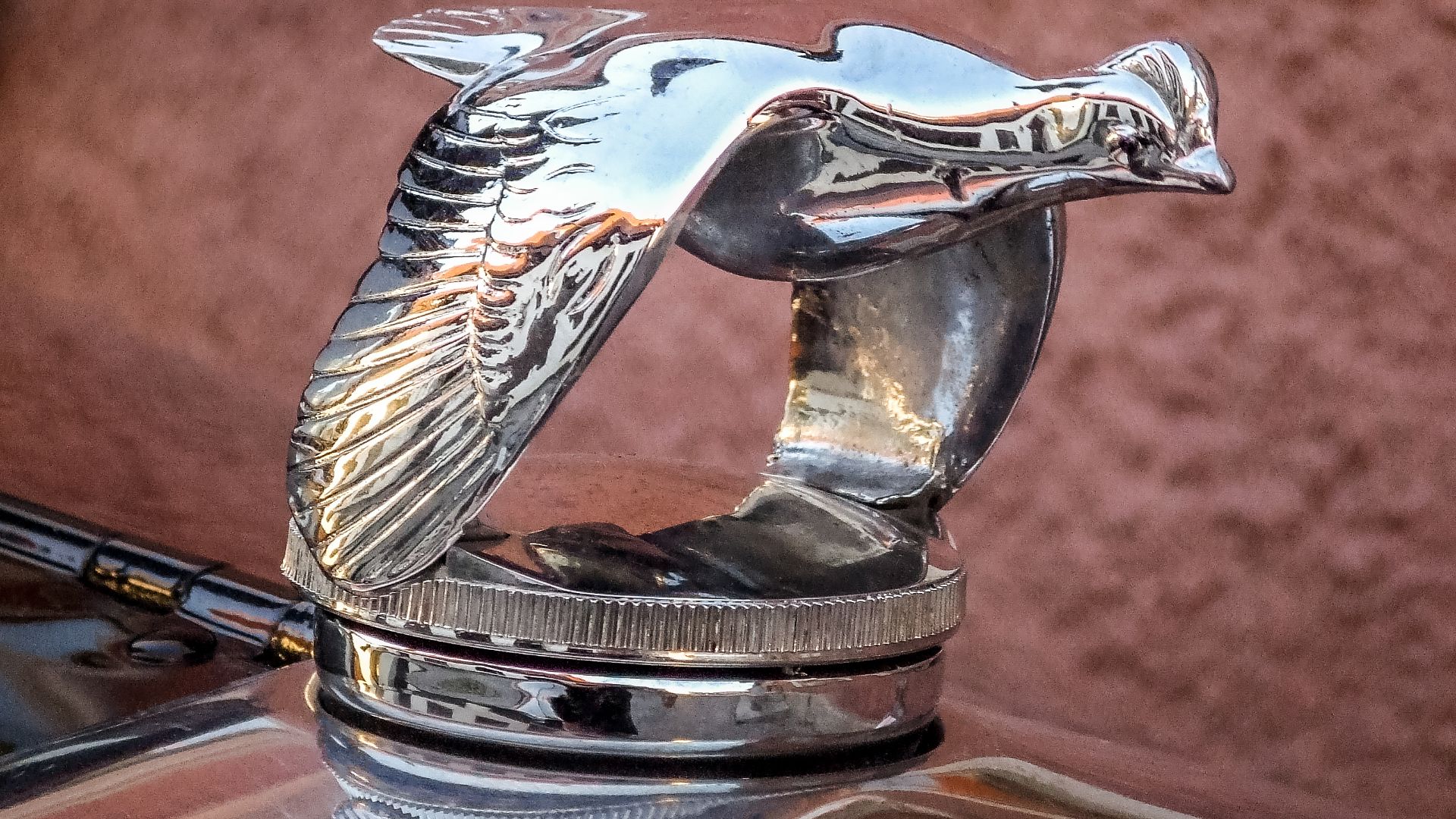
Hood Ornaments That Helped You Park
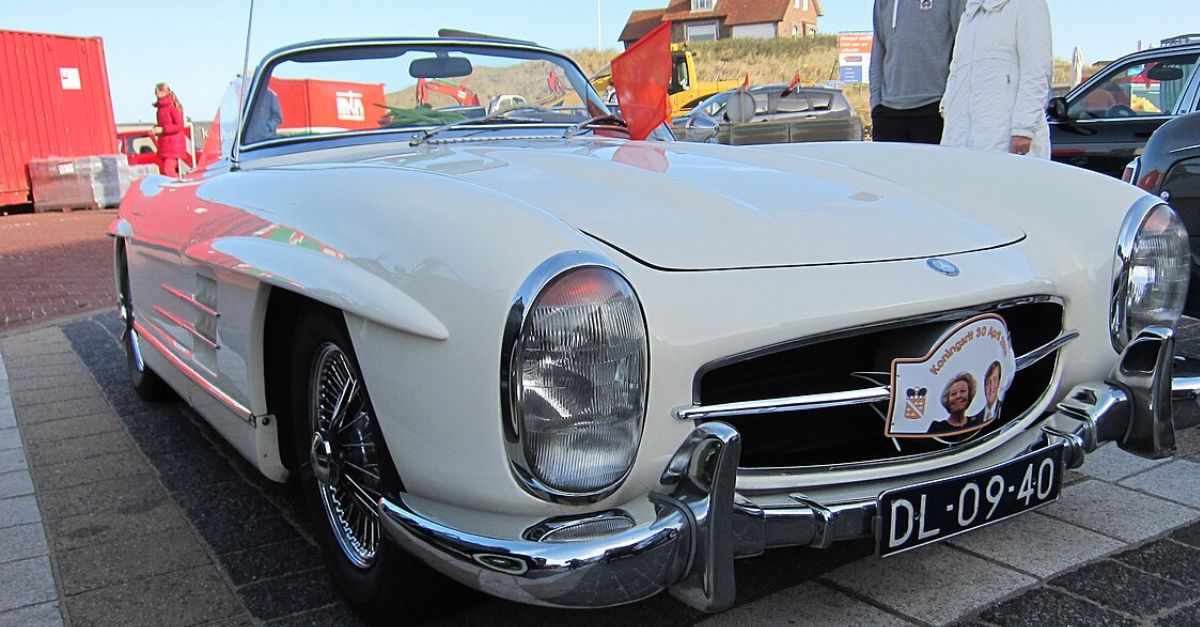
Those hood ornaments weren't just there to look fancy. Many drivers actually used them to judge where the front corners of the car were while parking. Cadillac, Mercedes-Benz, and several other brands unintentionally turned styling into a surprisingly useful parking aid.
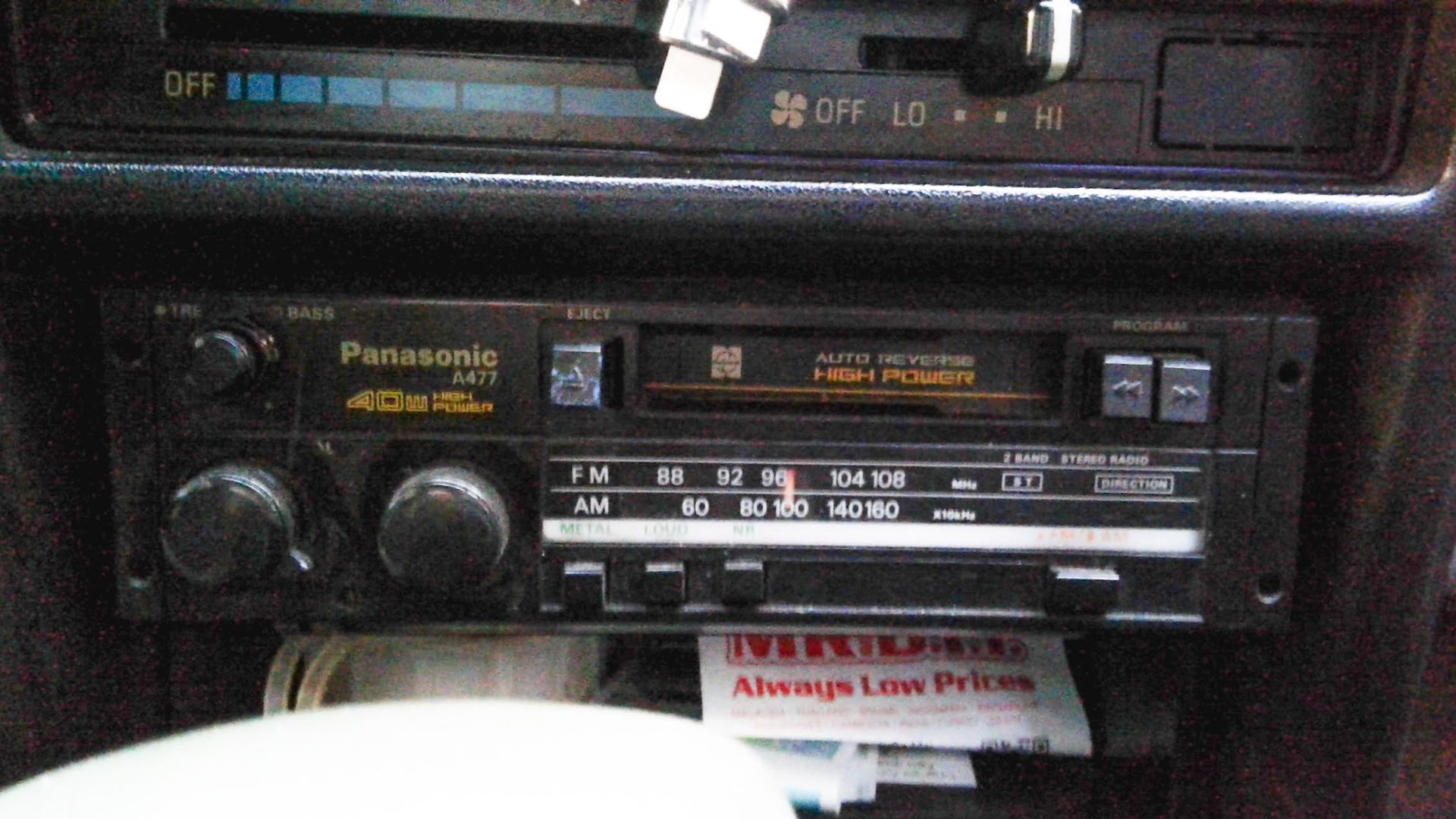
AM-Only Car Radios
Believe it or not, FM wasn't always standard equipment. Many cars came with only AM radio, which meant plenty of baseball games, news broadcasts, and talk shows during the drive home. If you wanted better music reception, it often cost extra.
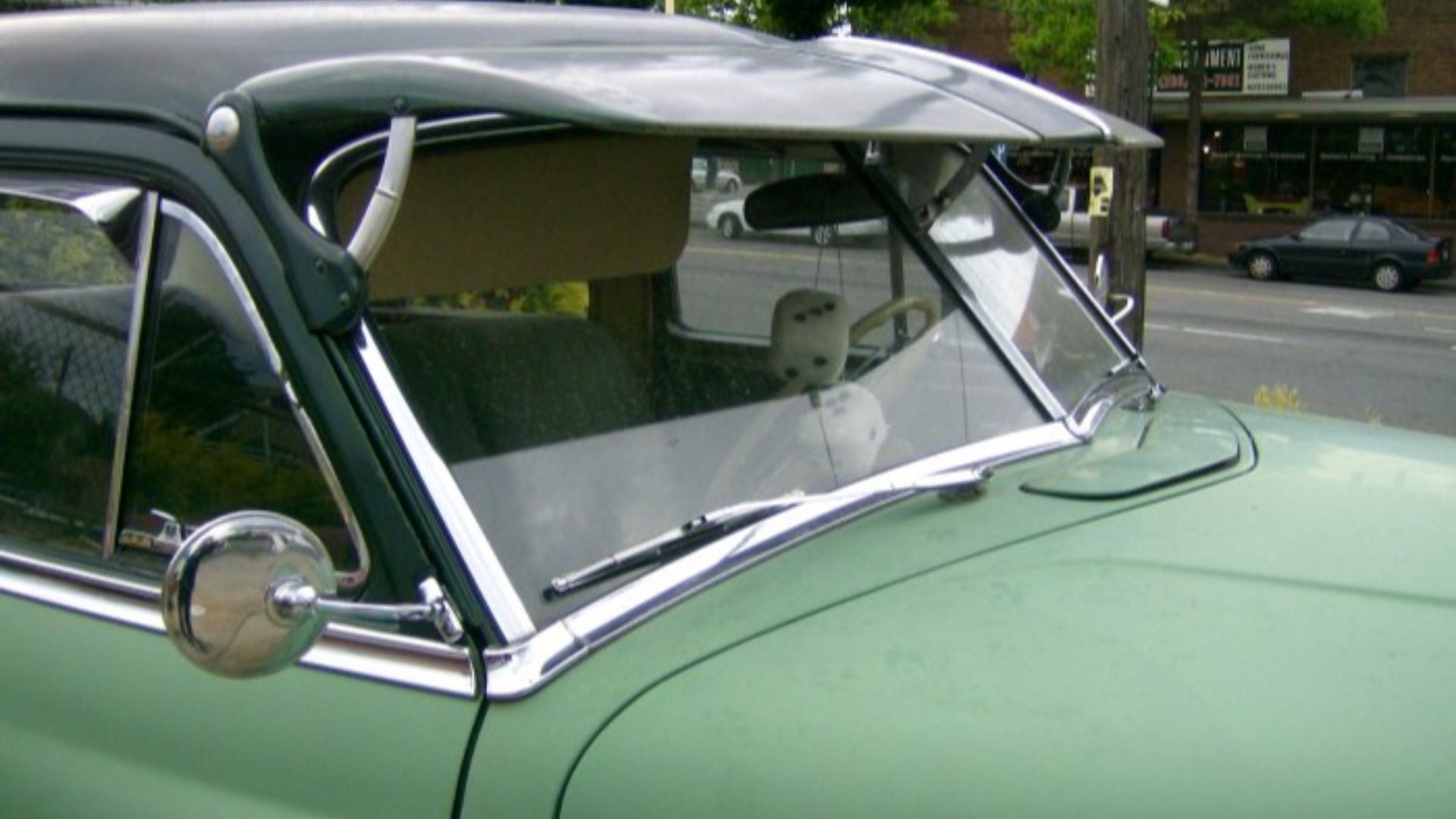
Vacuum-Powered Windshield Wipers
This one almost sounds like a joke, but it wasn't. Some older cars powered their windshield wipers using engine vacuum instead of electricity. Press the accelerator hard to pass another car or climb a hill and the wipers often slowed dramatically—or even paused for a moment. Exactly when you needed them most.
 Sofar 2 at English Wikipedia, Wikimedia Commons
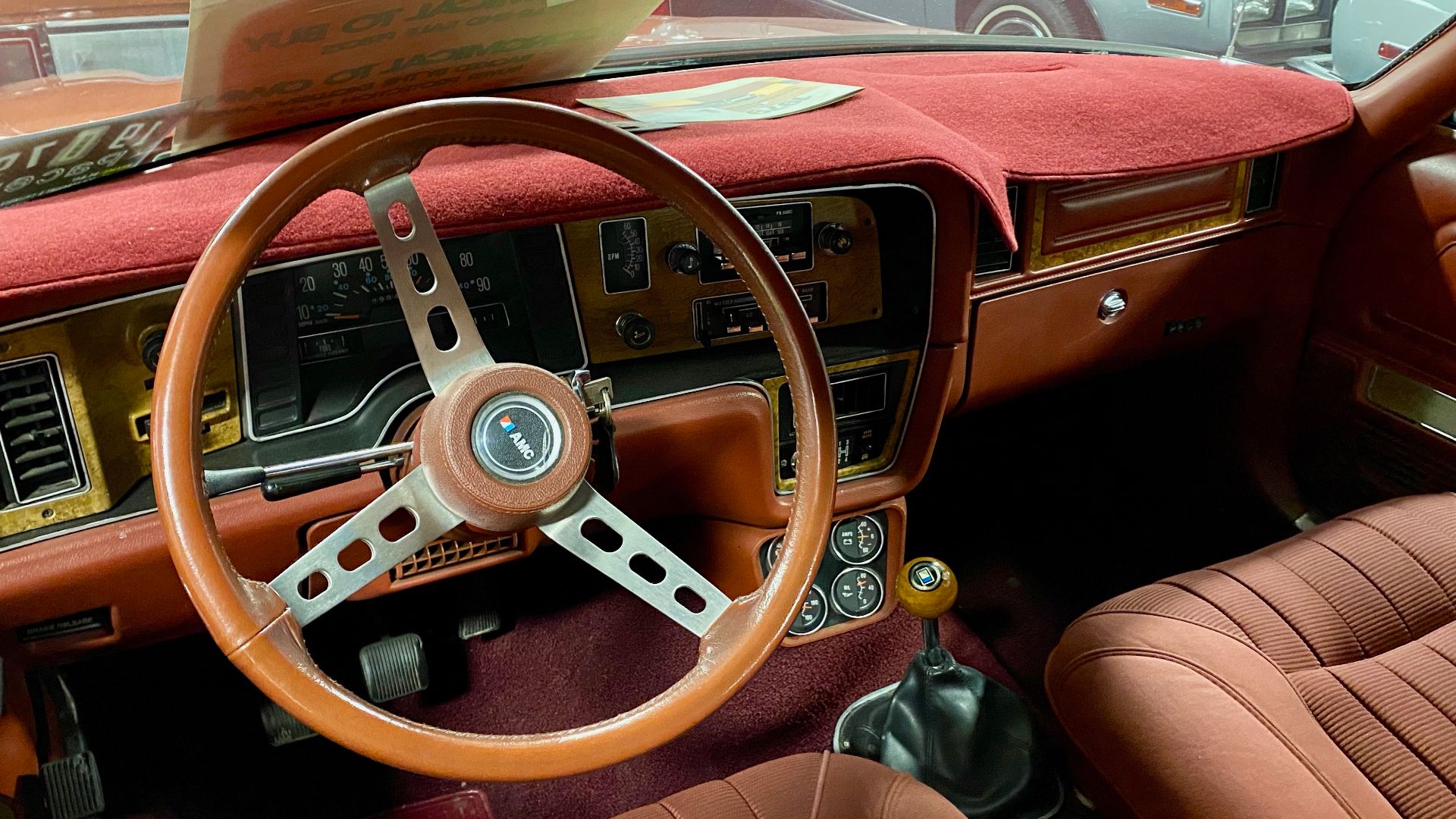
Three-on-the-Tree Manual Shifters
Before floor-mounted shifters became the norm, many manual transmissions were mounted on the steering column. Known as 'three-on-the-tree,' they took a little practice to master but became second nature for millions of drivers.
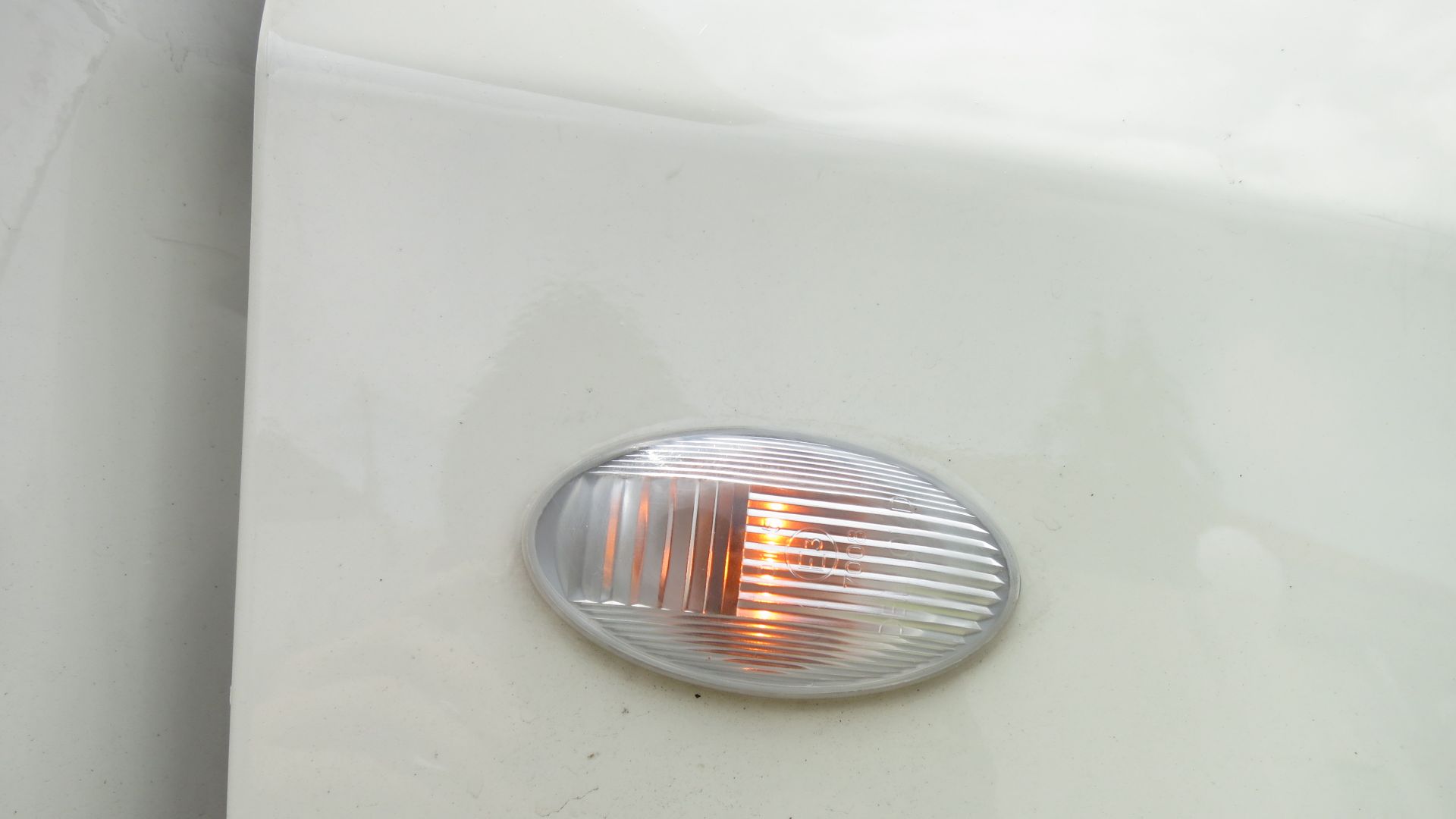
Fender-Mounted Turn Signal Indicators
Several automakers mounted small turn signal indicators on top of the front fenders where drivers could actually see them flashing. It was an easy way to confirm your signal was still on without taking your eyes completely off the road.
 Bindydad123, Wikimedia Commons
Push-Button Automatic Transmissions
Some manufacturers decided a traditional gear selector wasn't necessary. Instead, drivers simply pressed dashboard buttons labeled Park, Reverse, Neutral, or Drive. Chrysler popularized the idea during the 50s and 60s before conventional gear selectors made a permanent comeback.
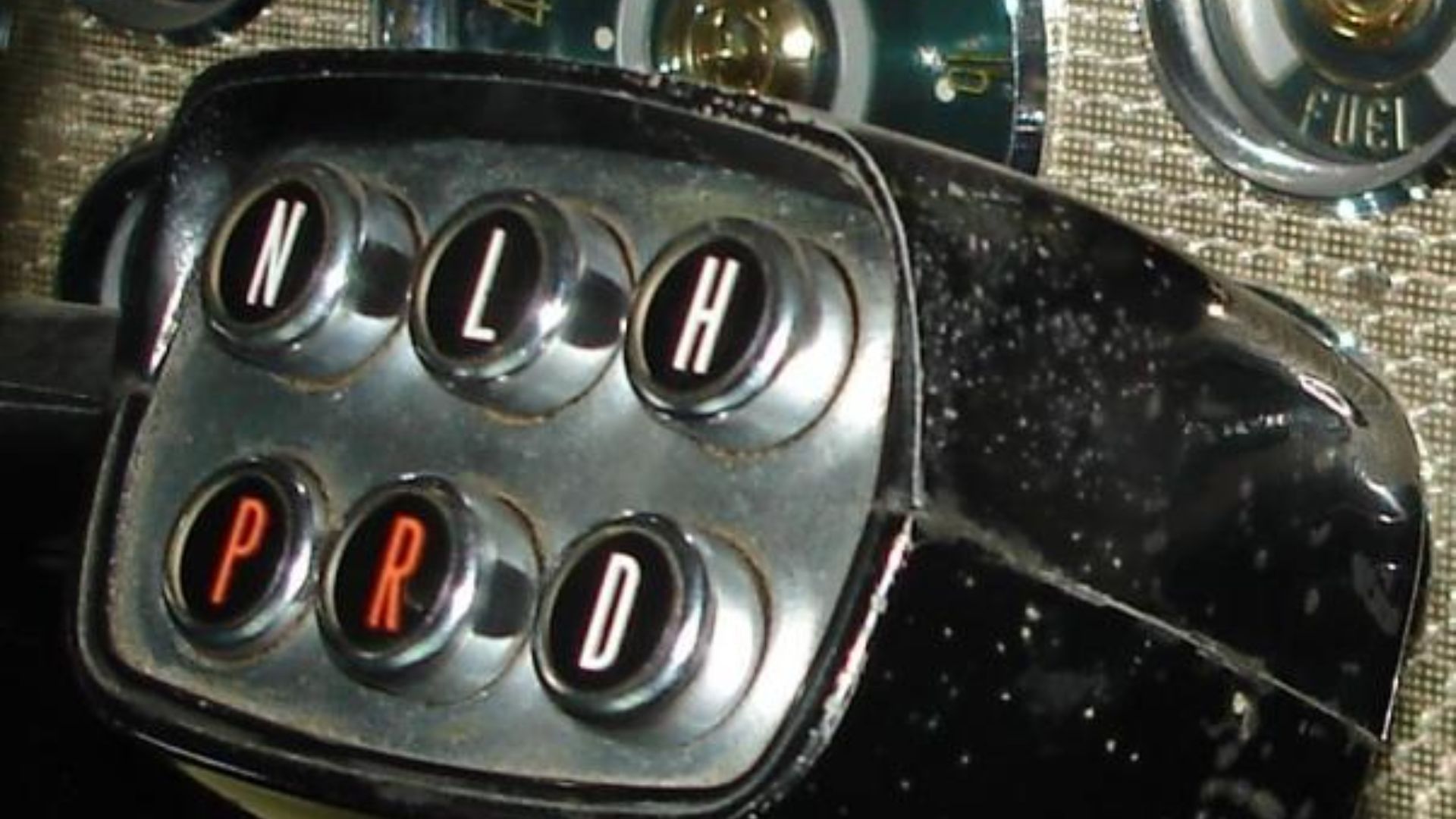 Chief tin cloud, Wikimedia Commons
Mechanical Odometers
Watching all those little number wheels roll over was oddly satisfying. Every mile physically turned another tiny gear inside the dashboard. There was no digital display, no touchscreen, and certainly no software updates—just a simple mechanical record of everywhere the car had been.
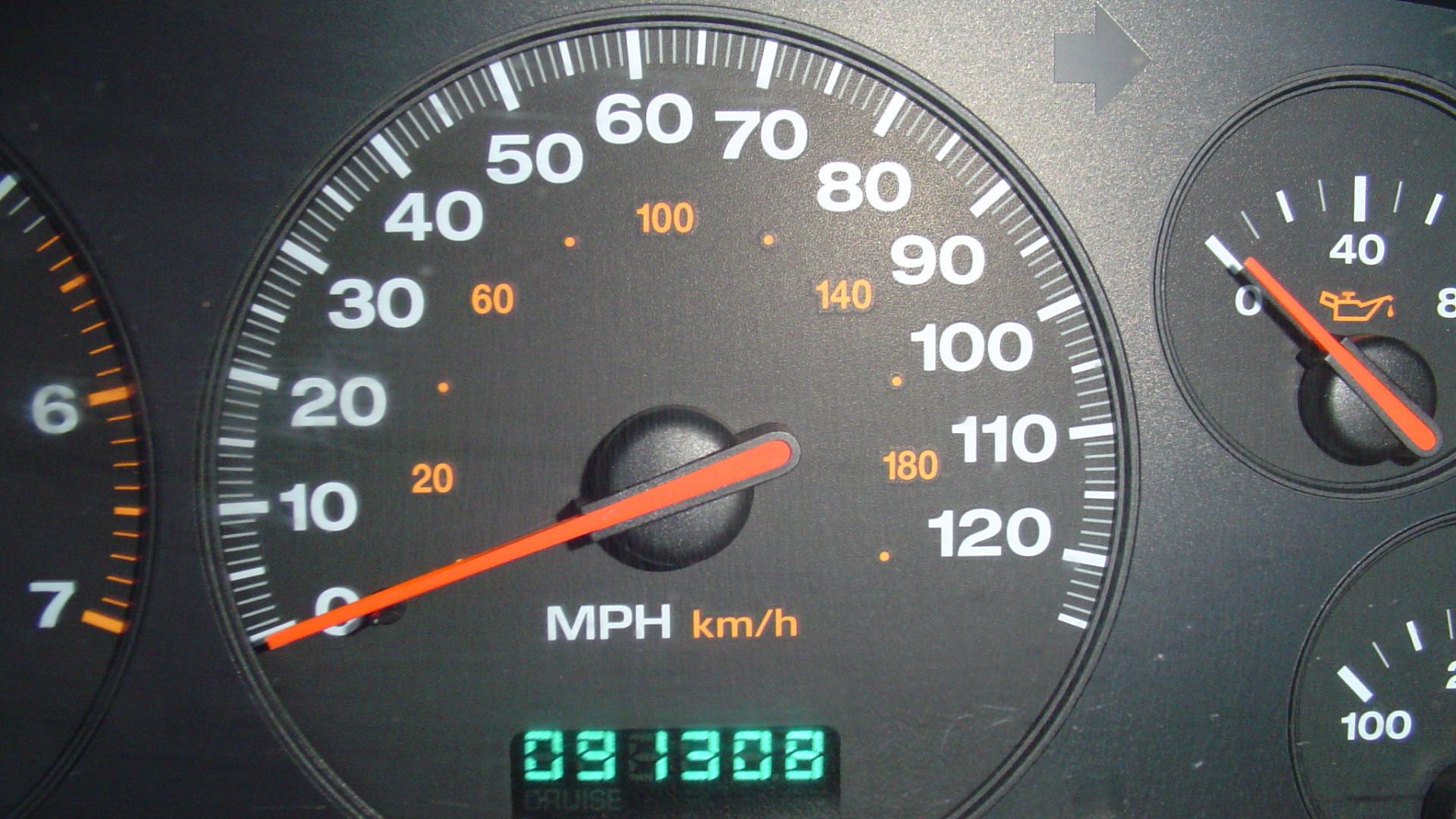 Sav127 at English Wikipedia, Wikimedia Commons
Locking Gas Caps
Refueling sometimes required its own separate key. Many cars came with locking gas caps to discourage fuel theft, meaning one more tiny key dangling from an already crowded keychain. Lose it and filling the tank suddenly became much more complicated.
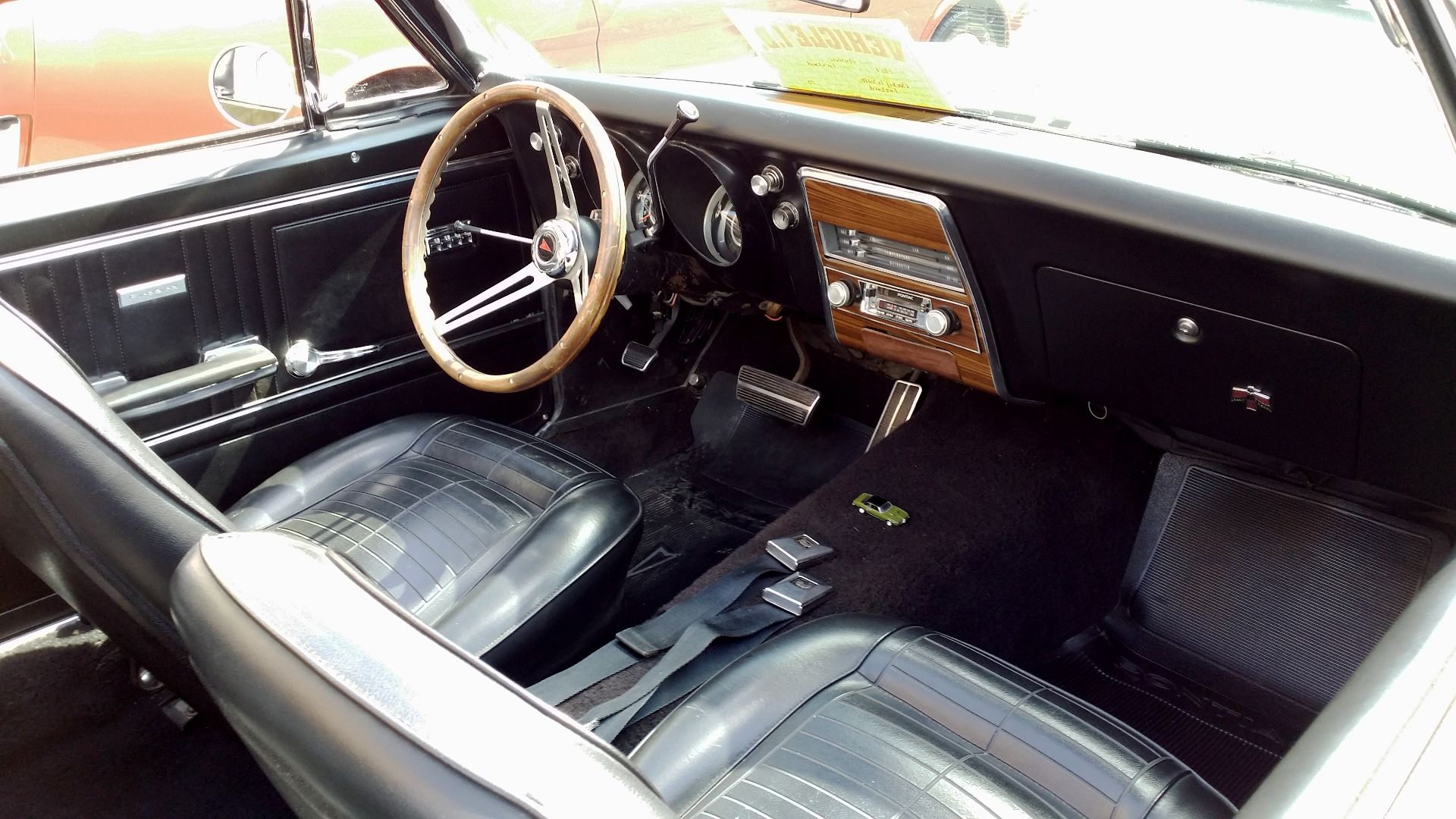 Eric Friedebach, Wikimedia Commons
Manual Antennas
Before antennas disappeared into the glass—or extended automatically—you had to pull them up yourself. Forget to raise it and your favorite radio station came in sounding like it was broadcasting from the bottom of a swimming pool. Every driver had their own preferred antenna height.
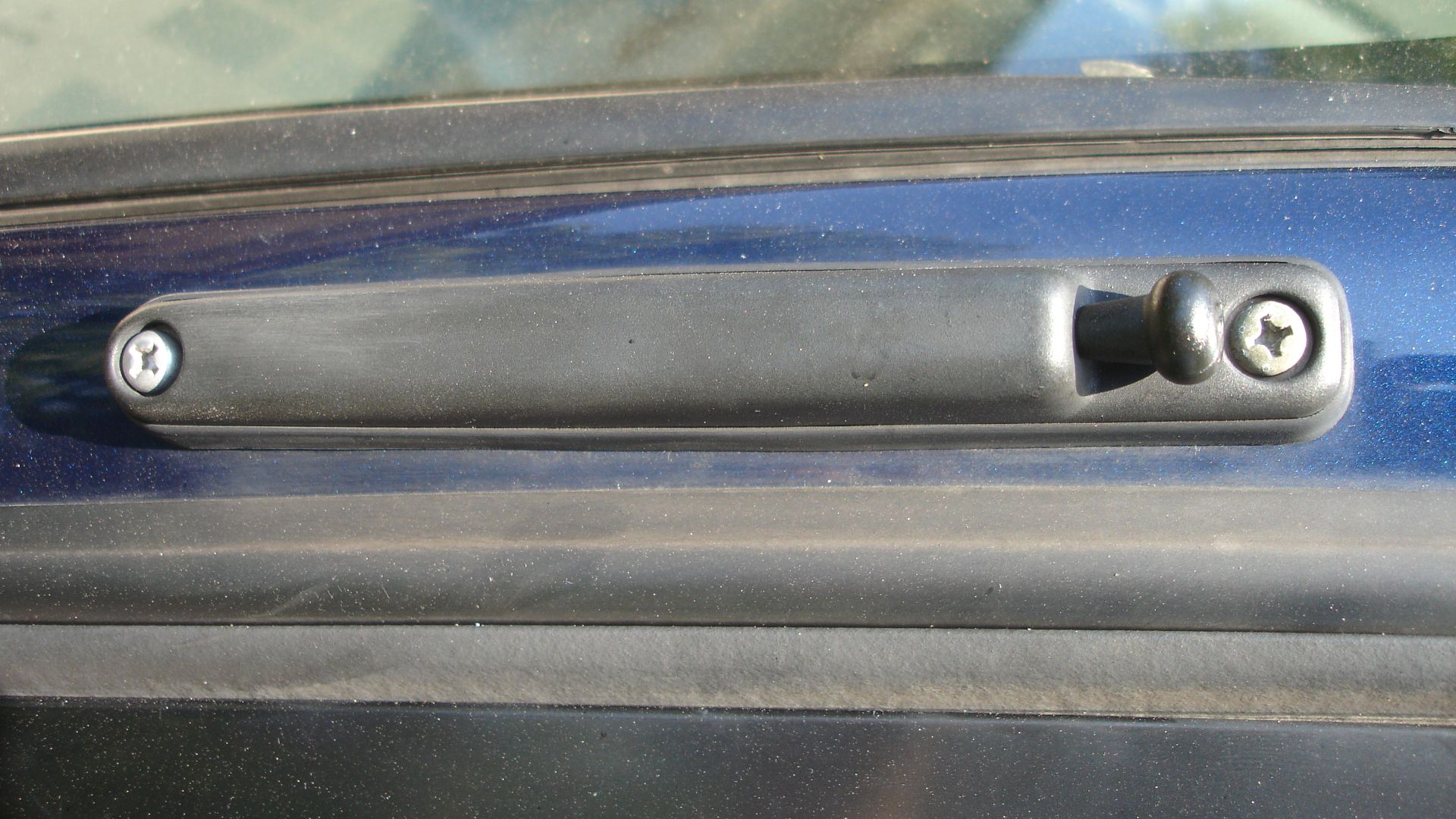
Cowl Vent
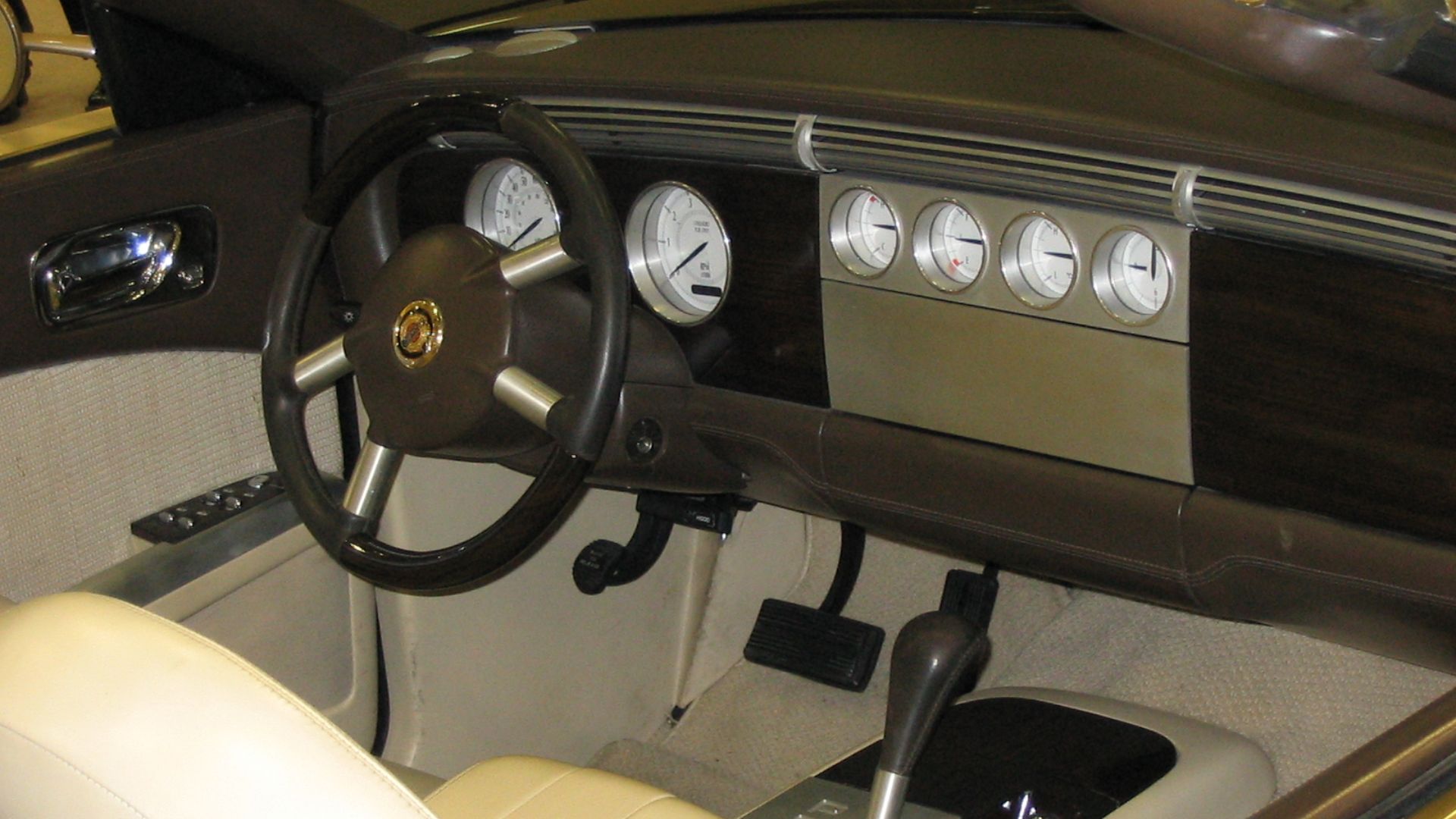
Long before modern climate-control systems, many cars had a vent built into the cowl, just below the windshield. Pull a lever under the dashboard and fresh outside air flowed straight into the cabin. On a cool morning it worked wonderfully. In a rainstorm, it could be a little more adventurous.
Dealer-Installed Air Conditioning
Before factory air conditioning became commonplace, dealerships often installed aftermarket A/C systems for buyers who wanted them. That's one reason older cars of the same model can have surprisingly different-looking air conditioning setups, depending on when and where they were installed.
Manual Courtesy Lights
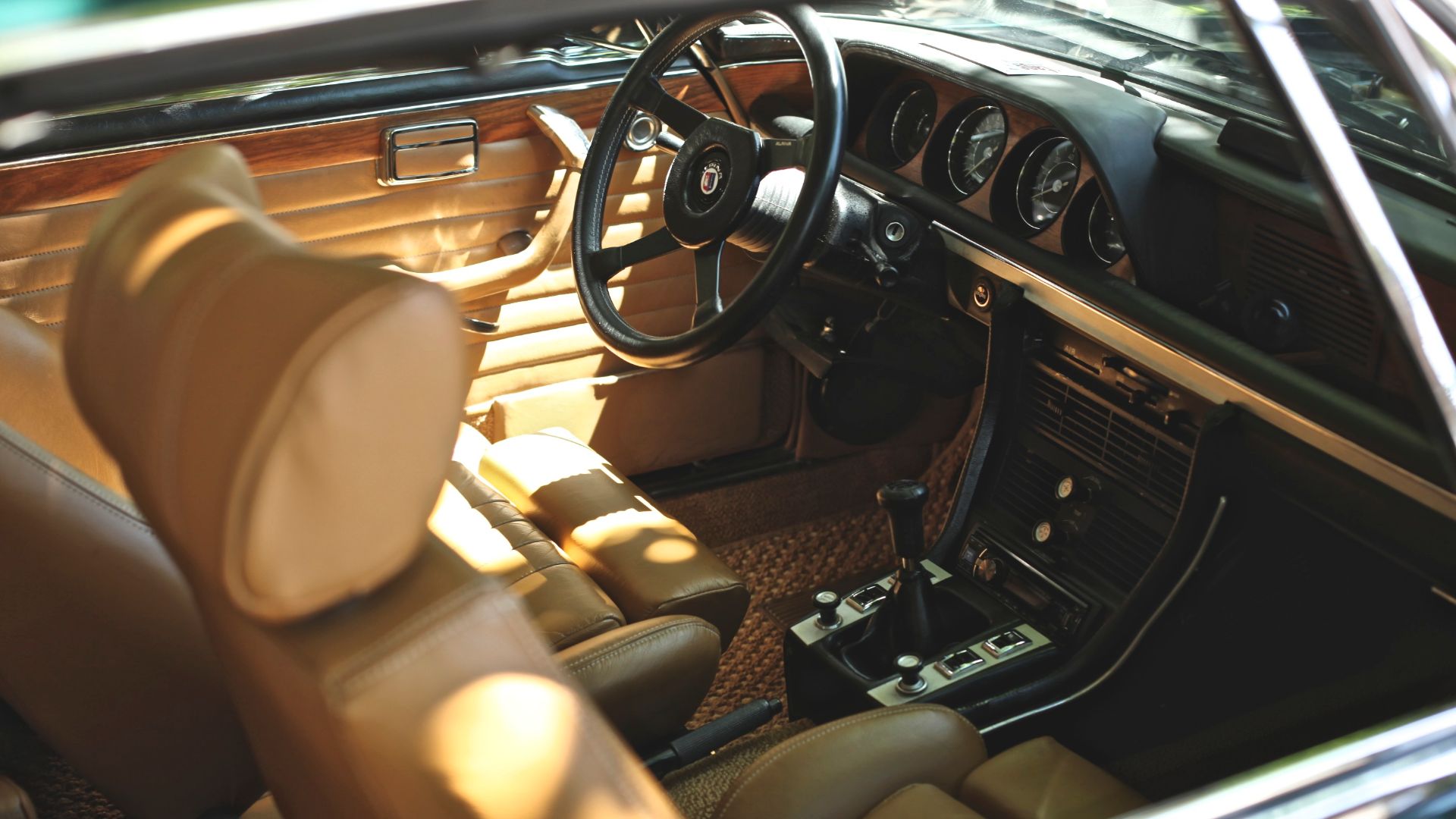
Today's dome lights usually switch on automatically when you open the door. Older cars often required twisting the headlight knob or flipping a separate switch. Forget to turn the light off before heading inside, and there was a good chance you'd be hunting for jumper cables the next morning.
 Sean DuBois seandubois, Wikimedia Commons
Driving Was A Skill All By Itself
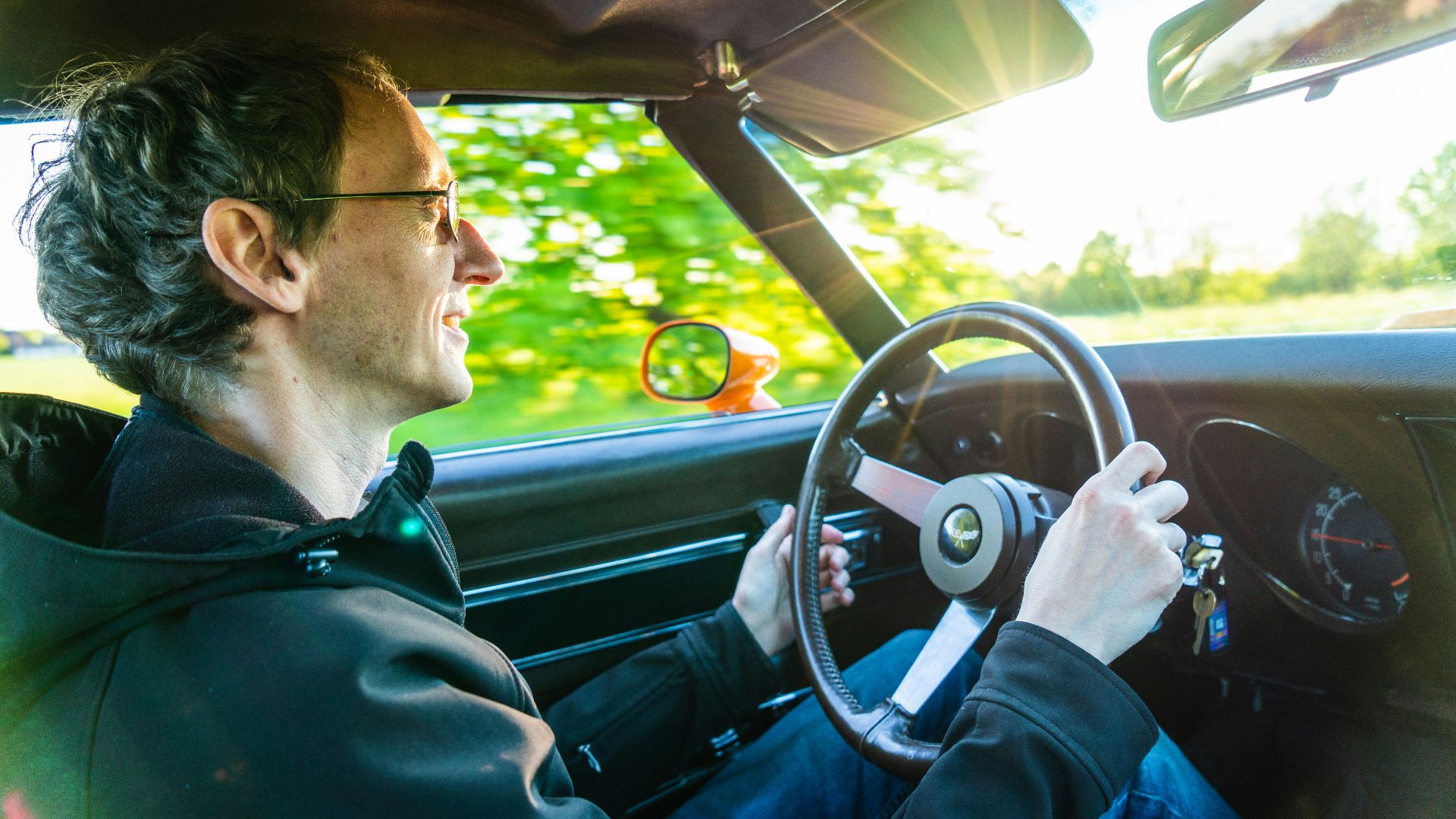
Modern cars are unquestionably better. They're safer, quieter, faster, and dramatically more reliable. But they also took all the weird little personality quirks out of driving. The next time someone complains their Bluetooth won't pair, remind them there was once a time when starting your car involved pulling a choke and hoping for the best.
You Might Also Like:
Forgotten Supercars Of The 1980s—How Many Of These Rare Exotics Do You Remember?
Cars From The 1960s That No One Remembers—Seriously, Do You Remember Even 5 Of These Vehicles?