It’s Supposed To Save Fuel, So Why Does It Feel So Wrong?
The first time a new vehicle shuts its engine off at a red light, it can feel like something has gone terribly wrong. Even after drivers understand that it’s intentional, the repeated silence, vibration, and restart delay can quickly become irritating. The reassuring news is that using the factory button to disable automatic start-stop generally won’t damage the vehicle, though it does give up some of the efficiency the system was designed to provide.
The Engine Isn’t Actually Stalling
A stall happens unexpectedly because the engine can no longer keep running. Automatic start-stop is a carefully controlled shutdown commanded by the vehicle’s computer. Before turning off the engine, the system checks numerous conditions to make sure it should be able to restart safely.
The System Targets Unnecessary Idling
An engine continues burning fuel whenever it idles, even though the vehicle isn’t moving. Automatic start-stop reduces that waste by shutting down the engine during appropriate stationary periods. The US Department of Energy identifies stop-start technology as one way manufacturers reduce fuel consumption and pollution associated with idling.
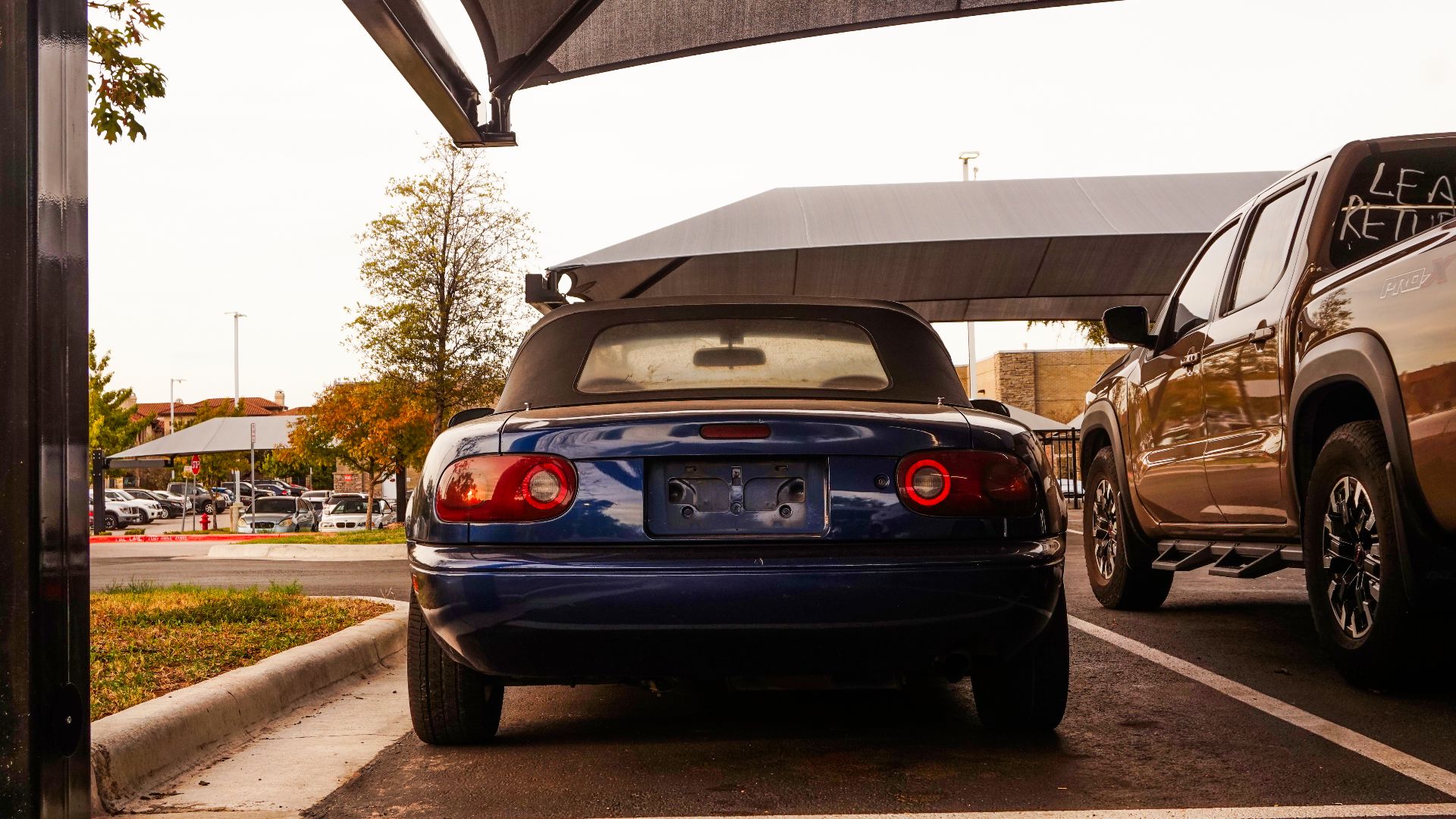
It Usually Activates At Complete Stops
Most systems operate when the vehicle has stopped and the driver holds the brake pedal. The engine restarts when the brake is released or the accelerator is pressed. Depending on the model, steering input, clutch movement, or other driver actions may also trigger the restart.

The Vehicle Doesn’t Shut Down Every Time
Start-stop operation depends on much more than whether the car is sitting still. The system may remain inactive when the engine is cold, the battery charge is low, the cabin needs heavy heating or cooling, or the steering wheel is sharply turned. These exceptions are intended to protect reliability and maintain comfort.

The Savings Depend On Where You Drive
Drivers who spend most of their time cruising on open highways may receive little benefit because the vehicle rarely sits stationary. Someone commuting through heavy urban traffic could encounter dozens of automatic shutdowns each day. The more time normally spent idling, the more opportunity there is to save fuel.

It Won’t Transform Your Fuel Economy
Automatic start-stop can reduce wasted fuel, but it isn’t likely to produce a dramatic improvement by itself. Its effect is usually modest during mixed driving and more noticeable in traffic-heavy conditions. It’s one small efficiency measure rather than a substitute for an economical engine or careful driving.

Some Systems Feel Better Than Others
In the best implementations, the restart is fast and nearly invisible. Less refined systems may shake the cabin, interrupt the air conditioning, or create a slight delay before the vehicle moves. That variation explains why some owners barely notice the technology while others disable it almost every day.
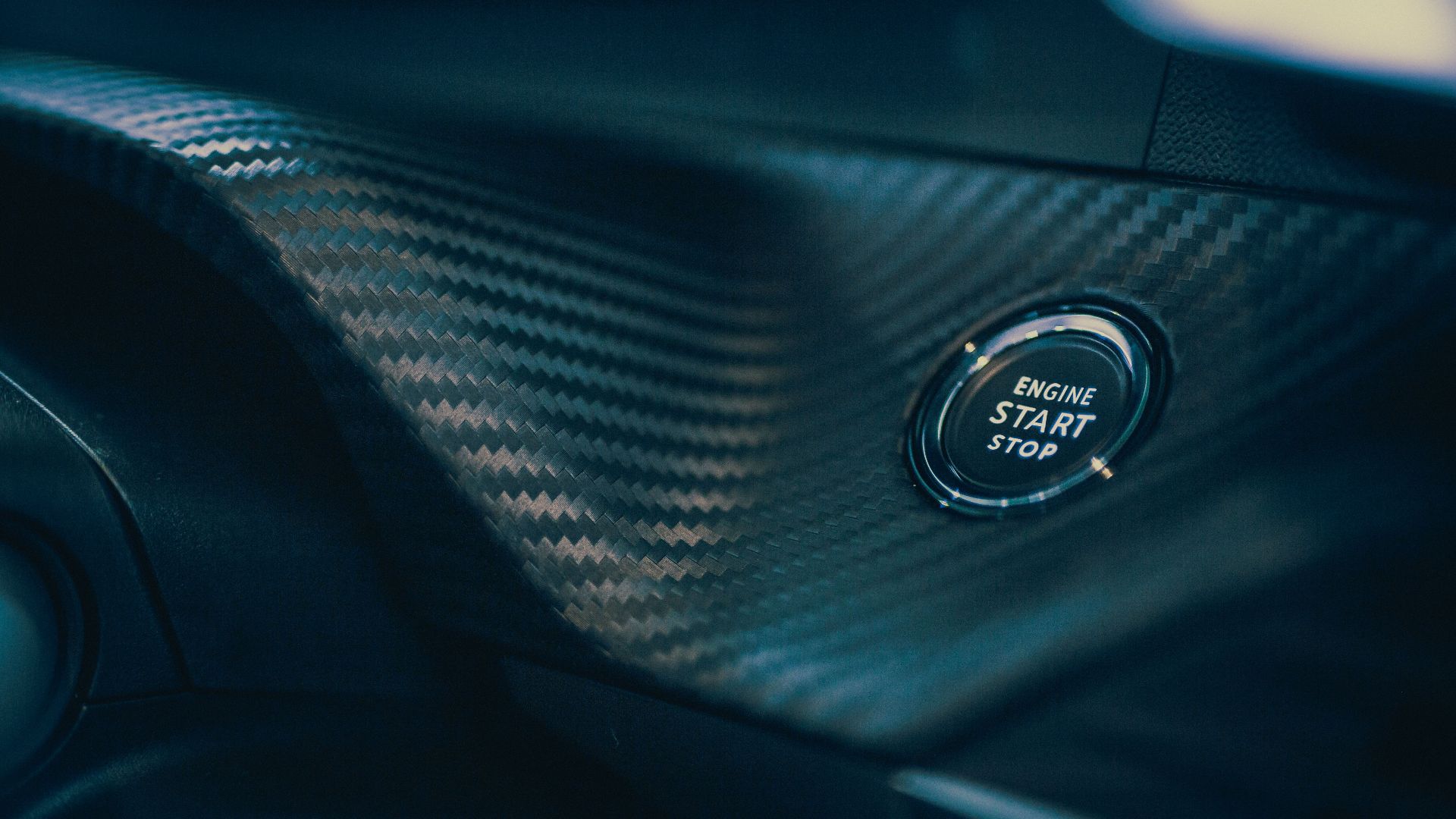
The Hesitation Can Be Uncomfortable
Even a brief pause can feel unsettling when a driver is trying to turn across traffic or enter a busy road. The vehicle may technically restart quickly, but perception matters when immediate response is expected. A driver who doesn’t trust the timing may become distracted or overly aggressive with the accelerator.
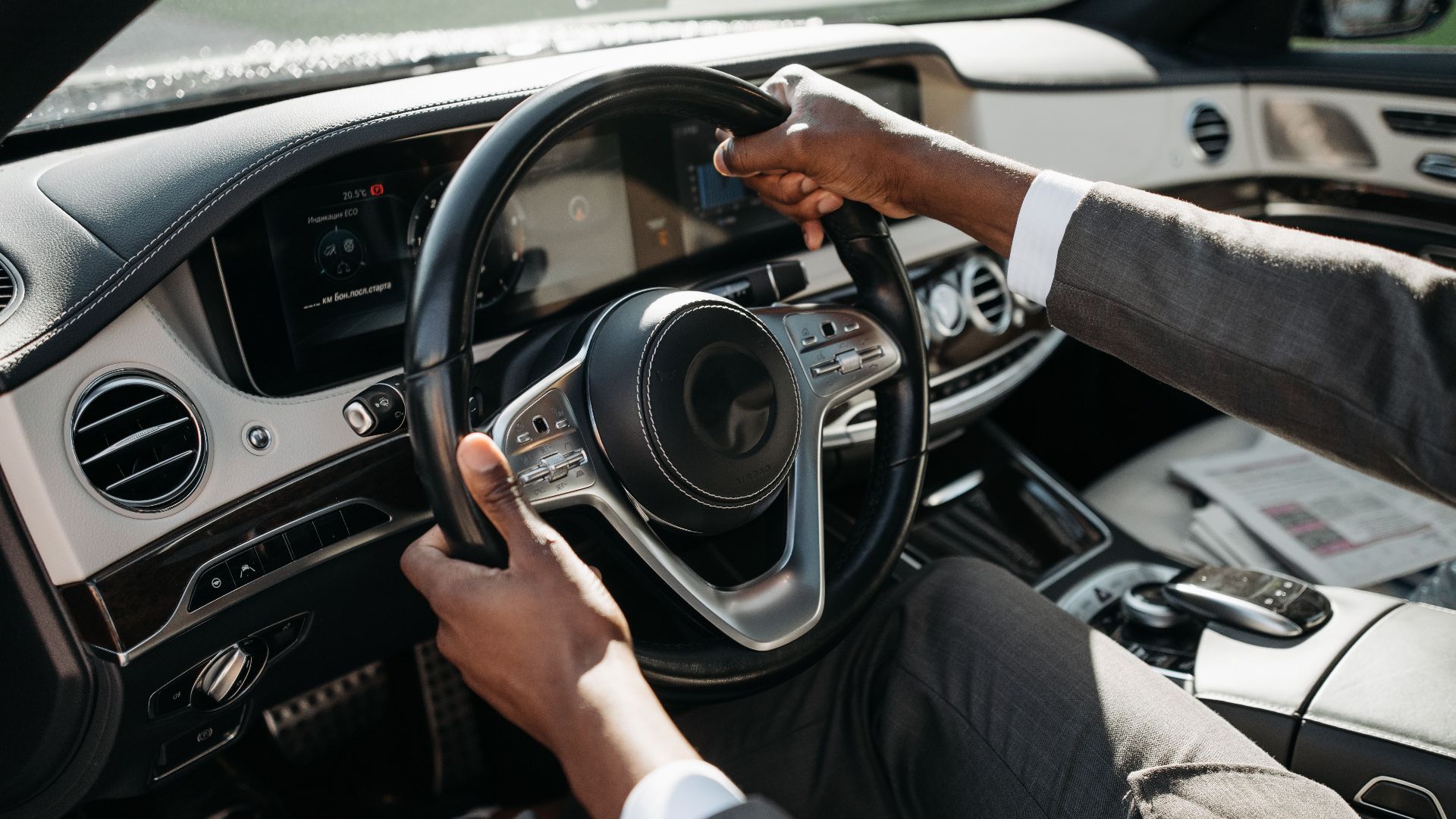
Turning It Off Temporarily Is Usually Fine
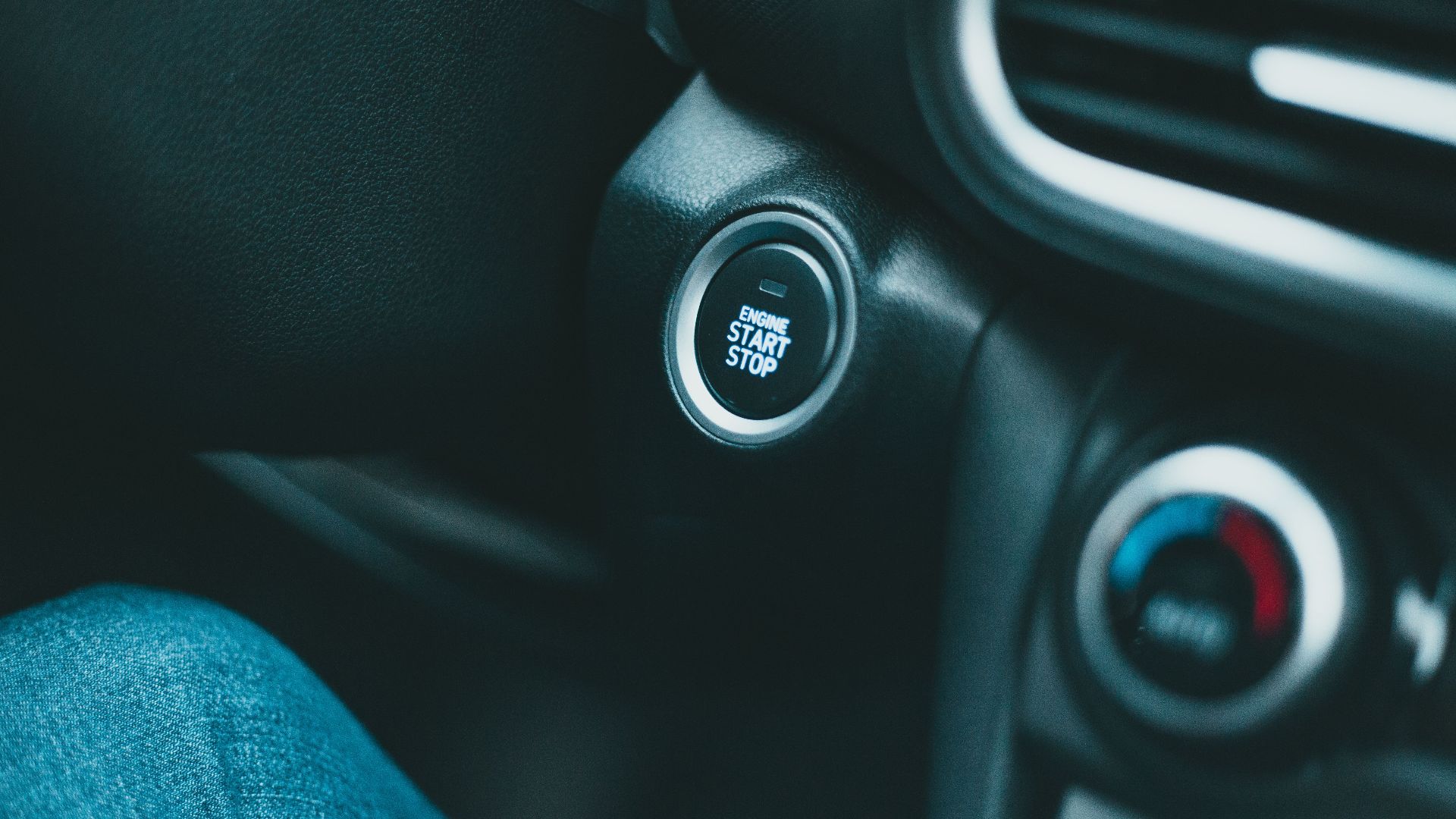
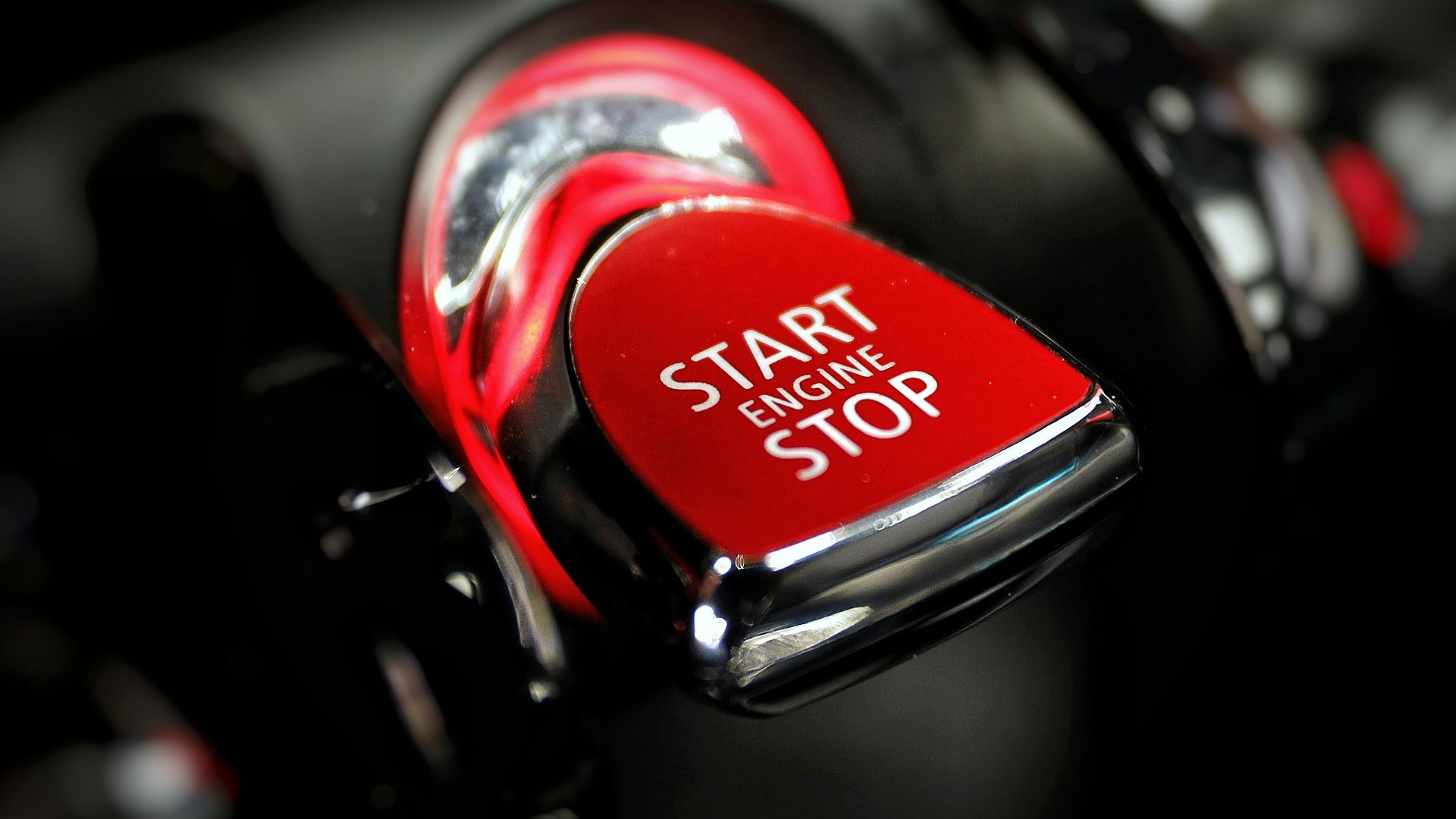
When the manufacturer installs a dedicated disable button or menu control, drivers are generally free to use it. The engine simply continues idling when the vehicle stops. That doesn’t normally harm the car or interfere with ordinary engine operation.

The Button Often Resets After Every Trip
Many vehicles automatically reactivate start-stop the next time the ignition is switched on. This forces owners who dislike the system to disable it repeatedly. It can feel deliberately inconvenient, but the default setting helps ensure the vehicle normally operates in its intended efficiency mode.
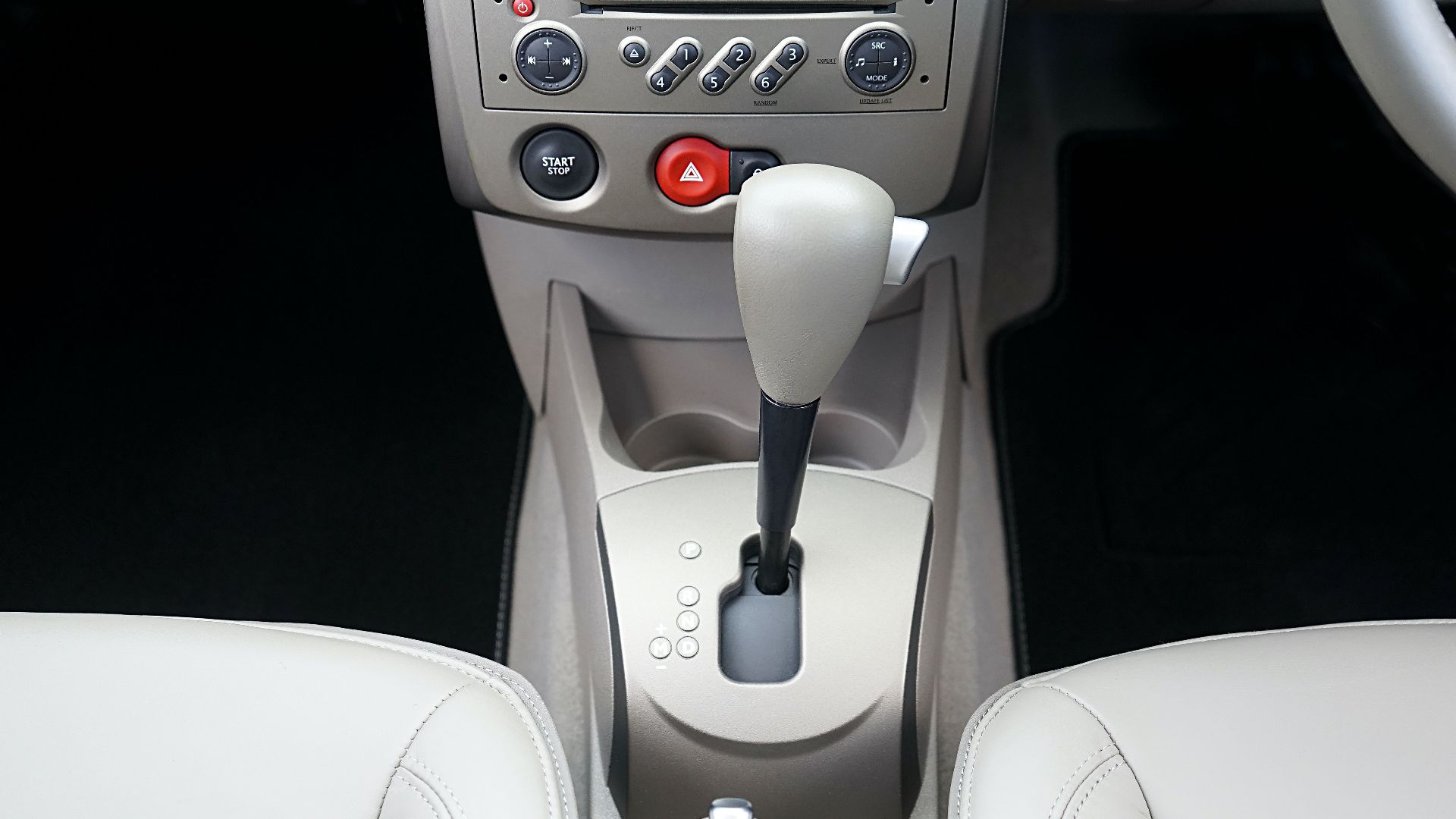
More Fuel Will Be Burned With It Off
Disabling the system means the engine continues using fuel while waiting at traffic lights, railway crossings, and congested intersections. The difference during a single drive may be tiny. Across months or years of urban driving, however, those minutes of idling can accumulate.

Emissions Will Increase Slightly Too
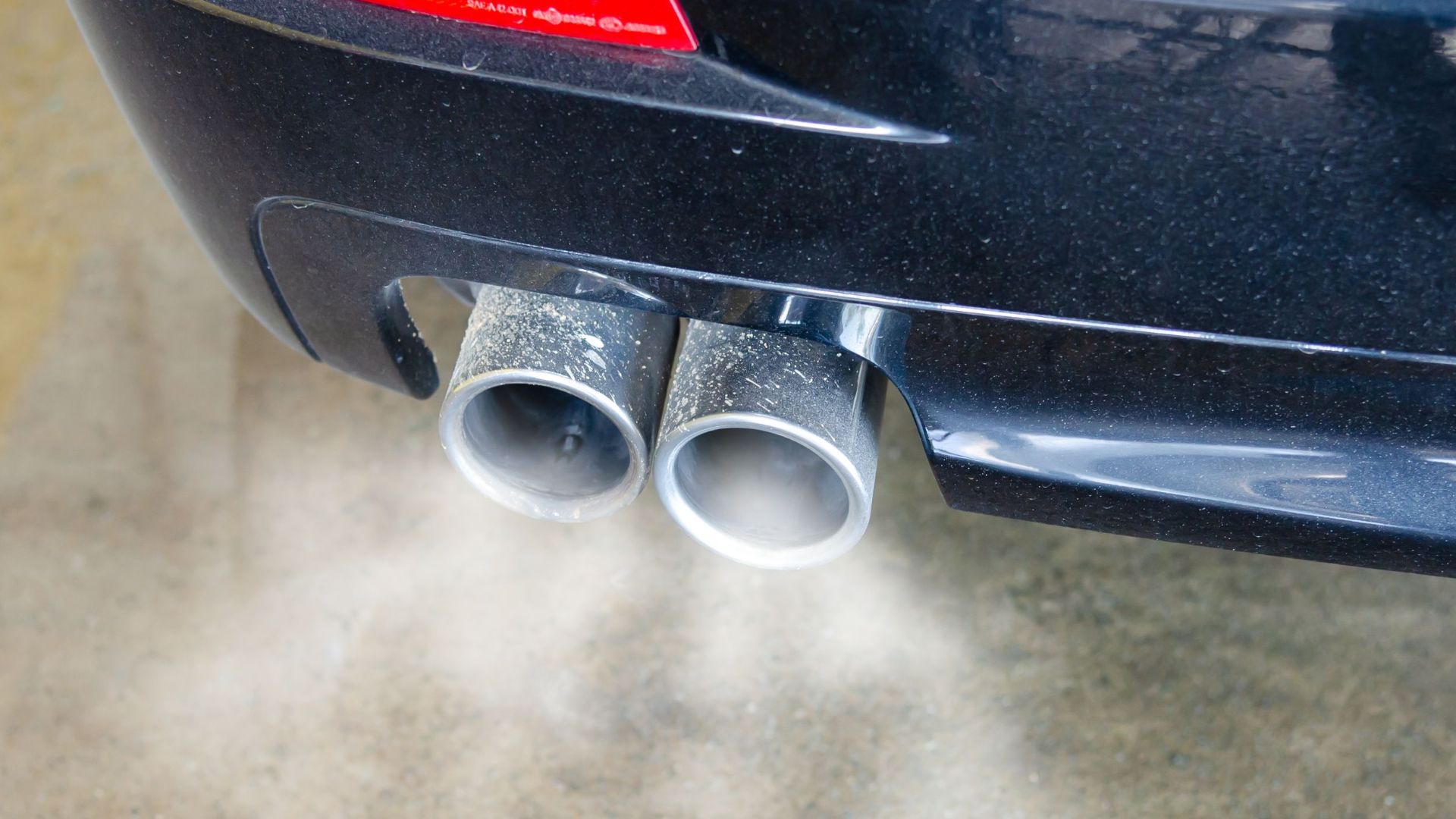
An idling engine continues producing exhaust even though the vehicle isn’t traveling anywhere. Reducing unnecessary idling can decrease fuel use, emissions, noise, and some engine wear, according to the Department of Energy. Turning start-stop off gives up part of that benefit.
The Starter Was Designed For Frequent Use
A traditional starter might operate only a few times each day, while a start-stop vehicle can restart repeatedly during a single journey. Manufacturers account for that difference by using reinforced starters, starter-generators, and related components designed for far more operating cycles. The system isn’t simply using an ordinary starter without considering the extra workload.
Automatic Restarts Aren’t Cold Starts
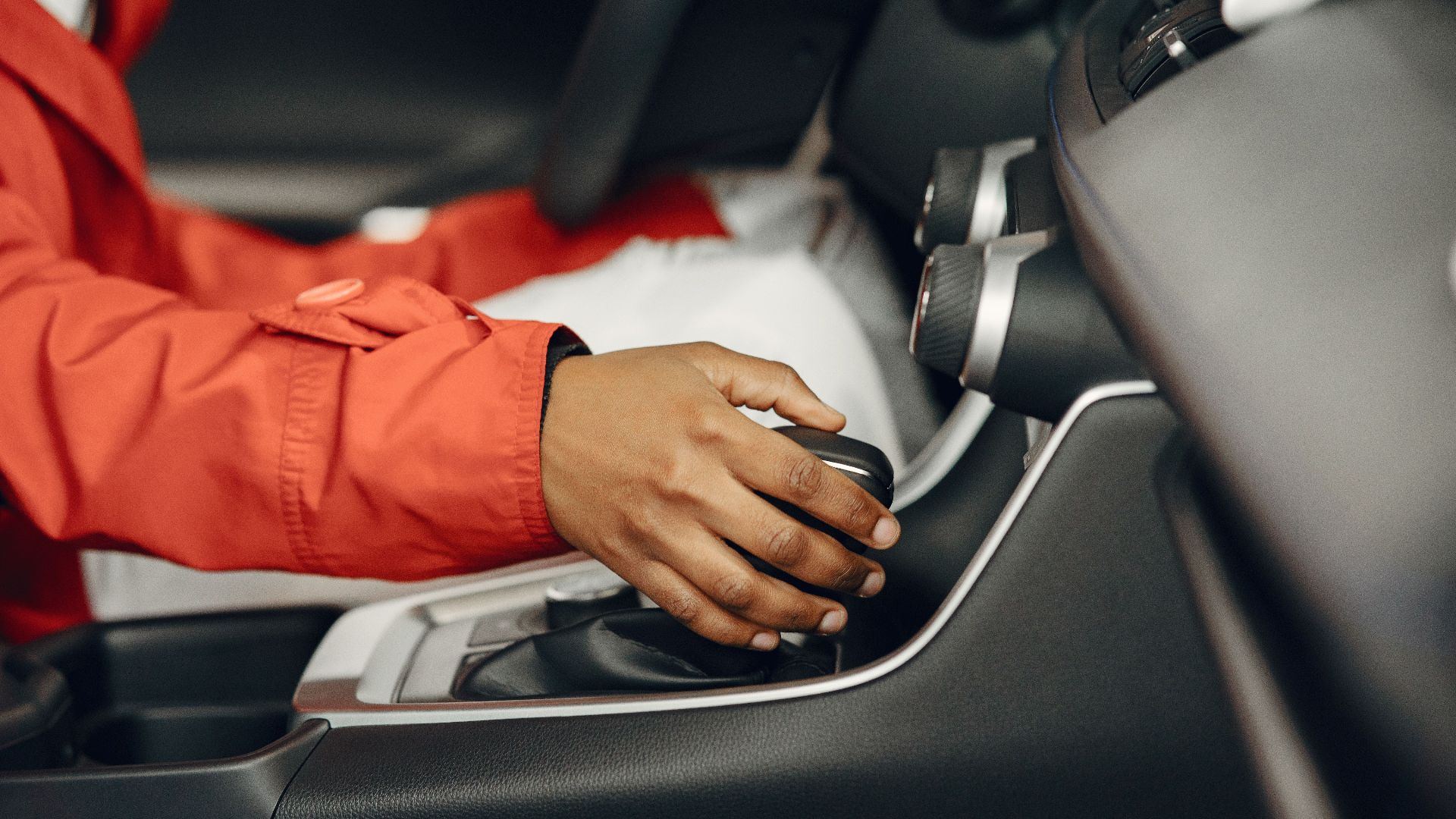
Cold starts are harder on engines because components and oil haven’t yet reached operating temperature. Automatic restarts normally occur only moments after a warm engine shut down. Lubrication remains available, making the process much less demanding than repeatedly starting a cold engine.
The Battery Has A Tougher Job
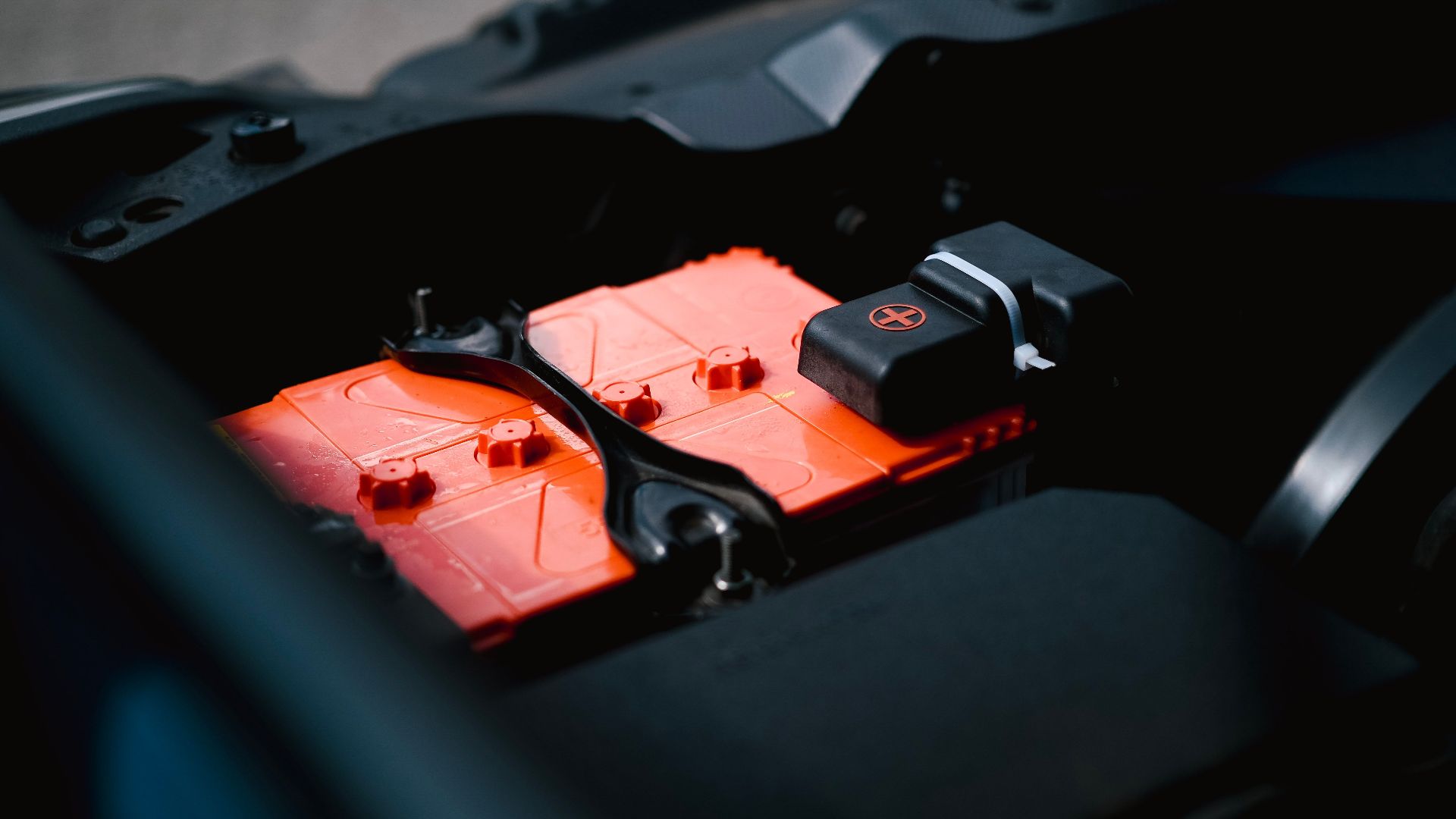
While the engine is off, the battery must continue powering lights, entertainment systems, safety equipment, climate-control fans, and other electronics. It must then deliver enough power to restart the engine. That repeated cycling is why start-stop vehicles often require more durable battery designs.
Battery Replacement May Cost More
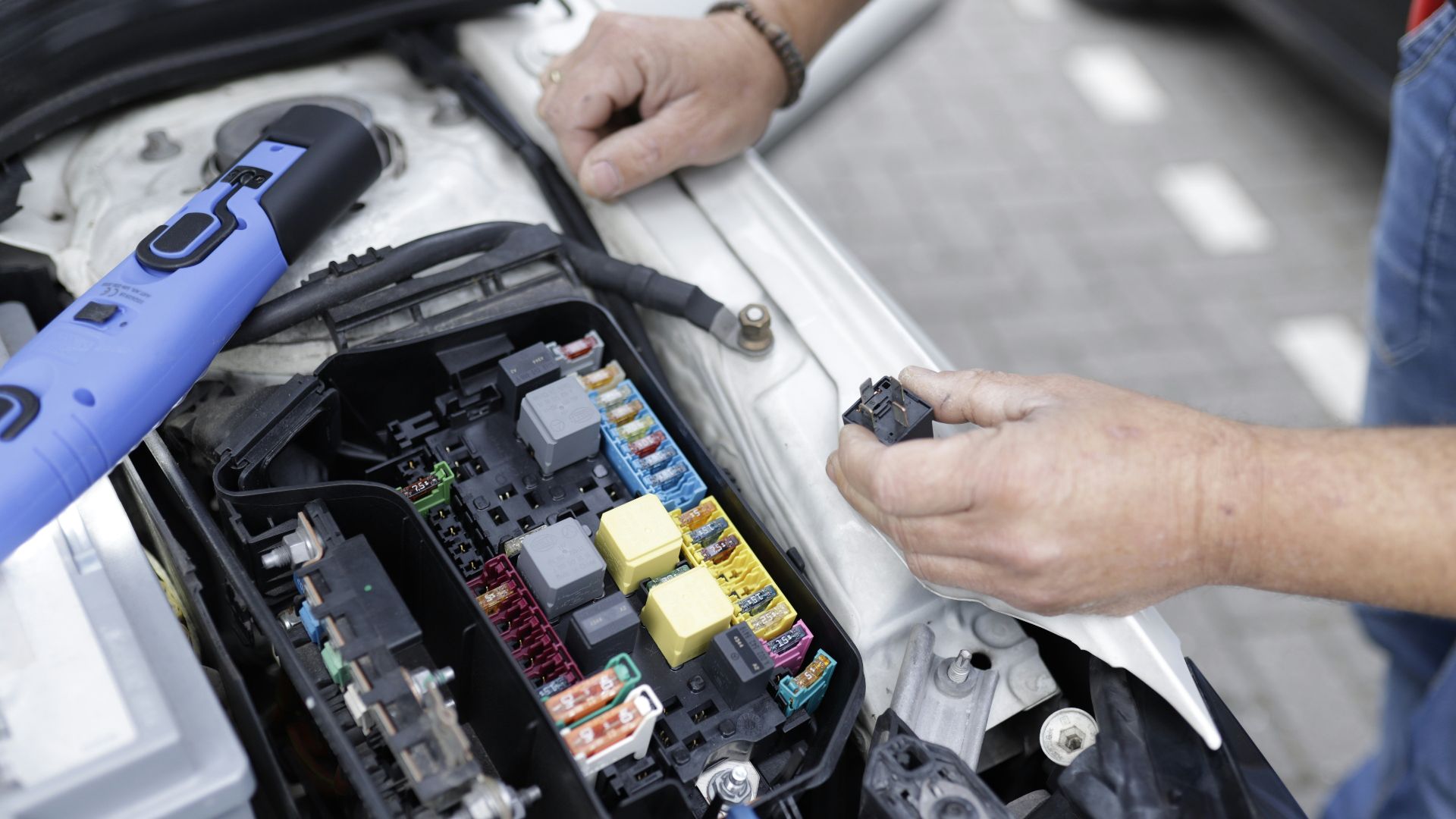
Many start-stop vehicles use absorbent glass mat or enhanced flooded batteries rather than basic conventional ones. These batteries are designed to tolerate repeated discharge and recharge cycles, but they may be considerably more expensive. Installing the wrong replacement can lead to poor performance, warning messages, or shortened battery life.
Some Cars Need Battery Registration
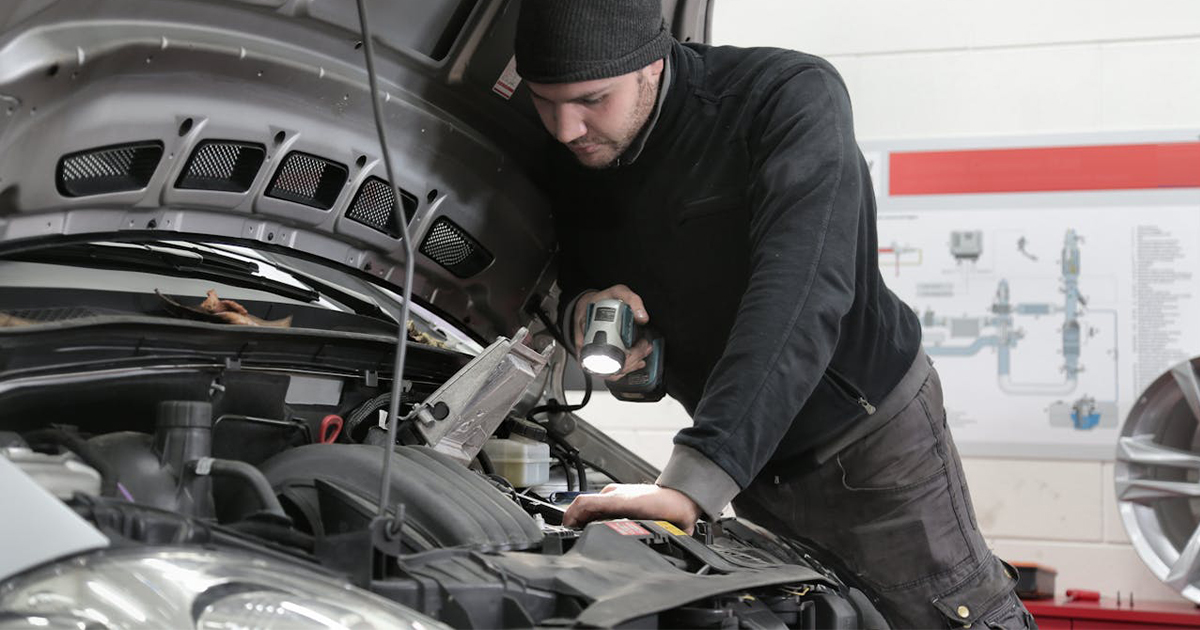
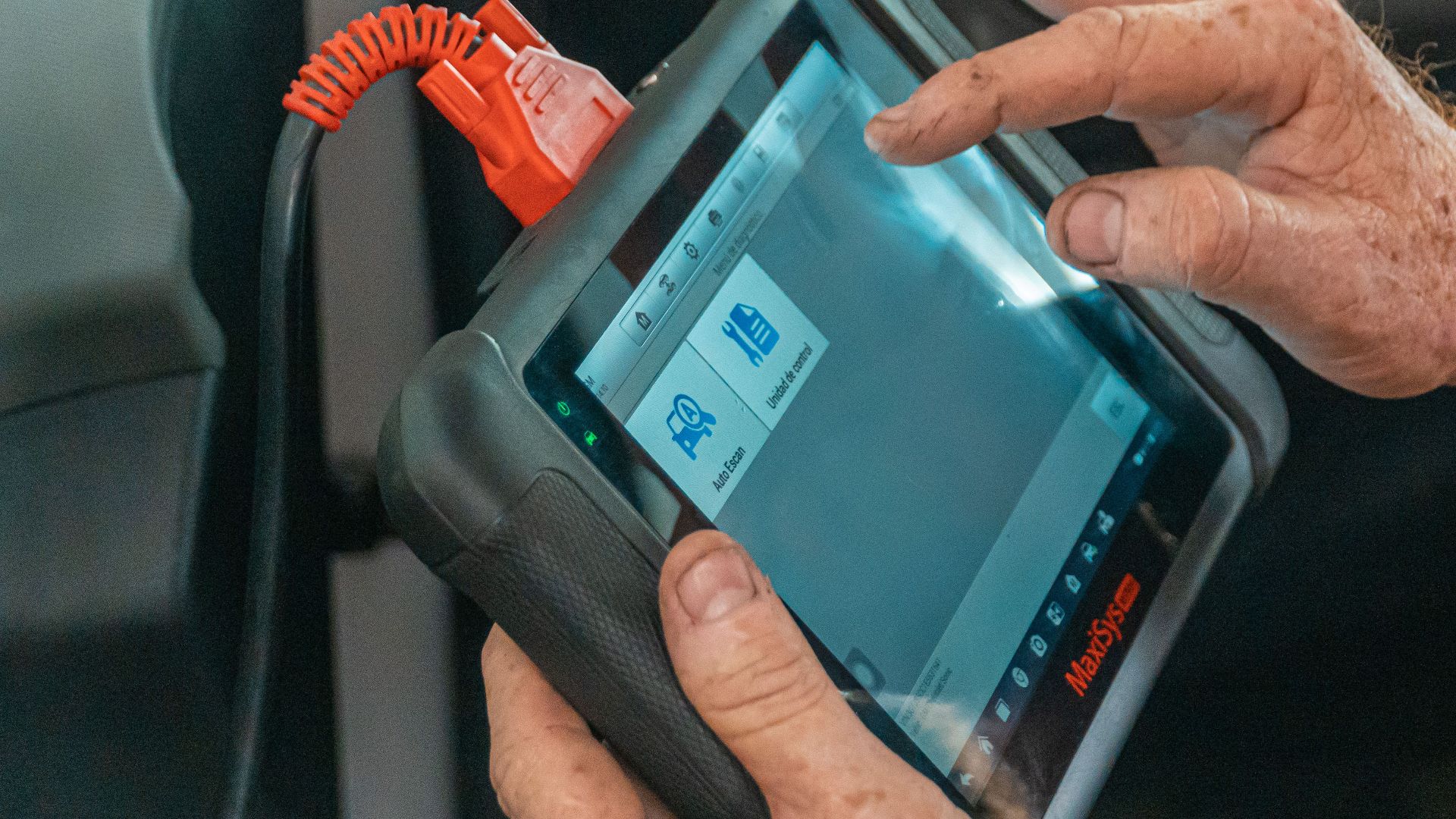
On certain vehicles, replacing the battery isn’t finished when the terminals are connected. The new battery may need to be registered or programmed into the charging system. This allows the vehicle to adjust its charging strategy for the replacement battery’s type and condition.
 Jose Ricardo Barraza Morachis, Pexels
A Weak Battery Can Disable Start-Stop
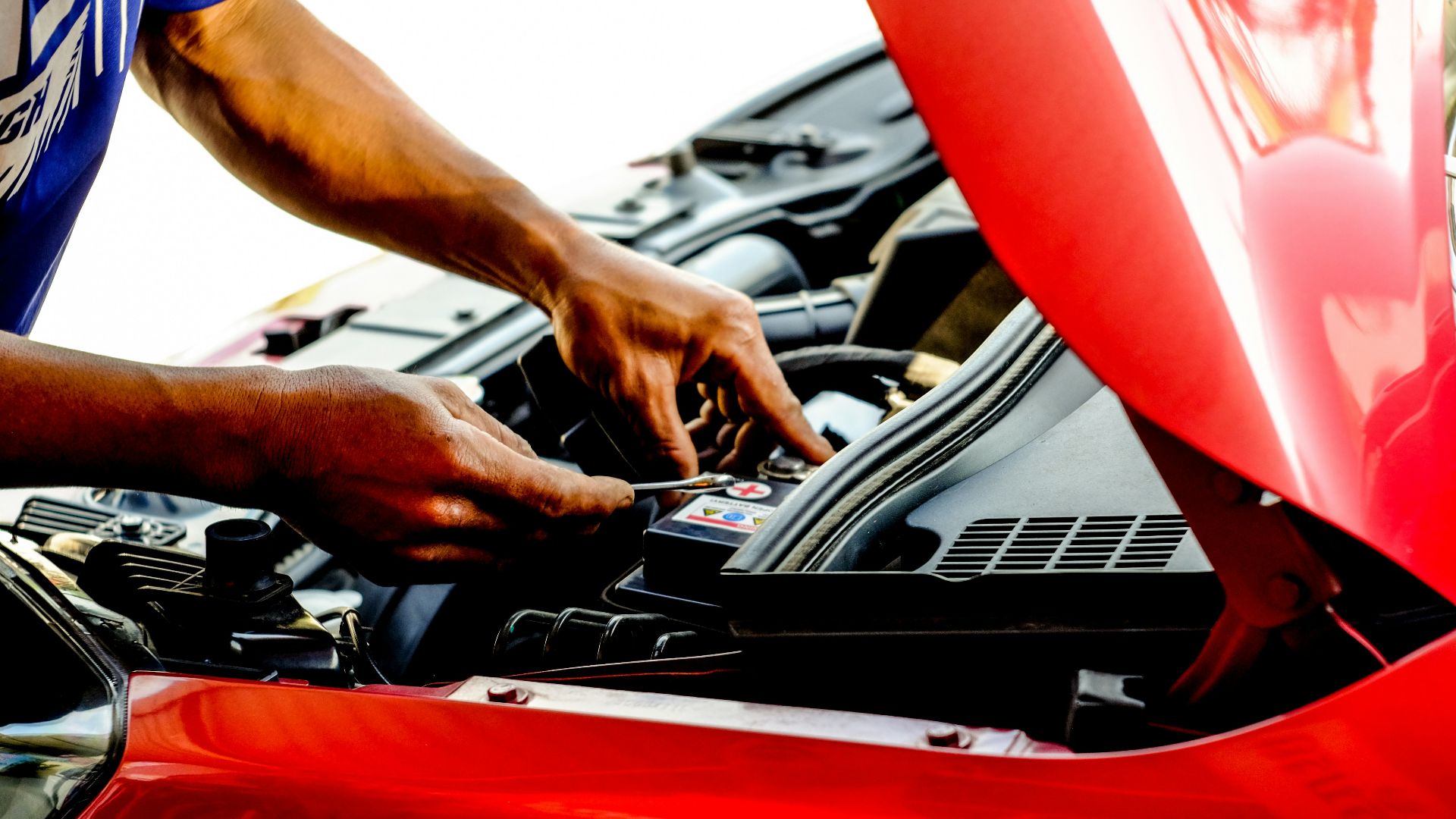
Owners sometimes become concerned when the system suddenly stops activating. In many cases, the vehicle has detected that the battery doesn’t have enough reserve capacity to guarantee reliable restarts. Start-stop may remain unavailable until the battery is recharged, tested, or replaced.
Climate Control Can Override It
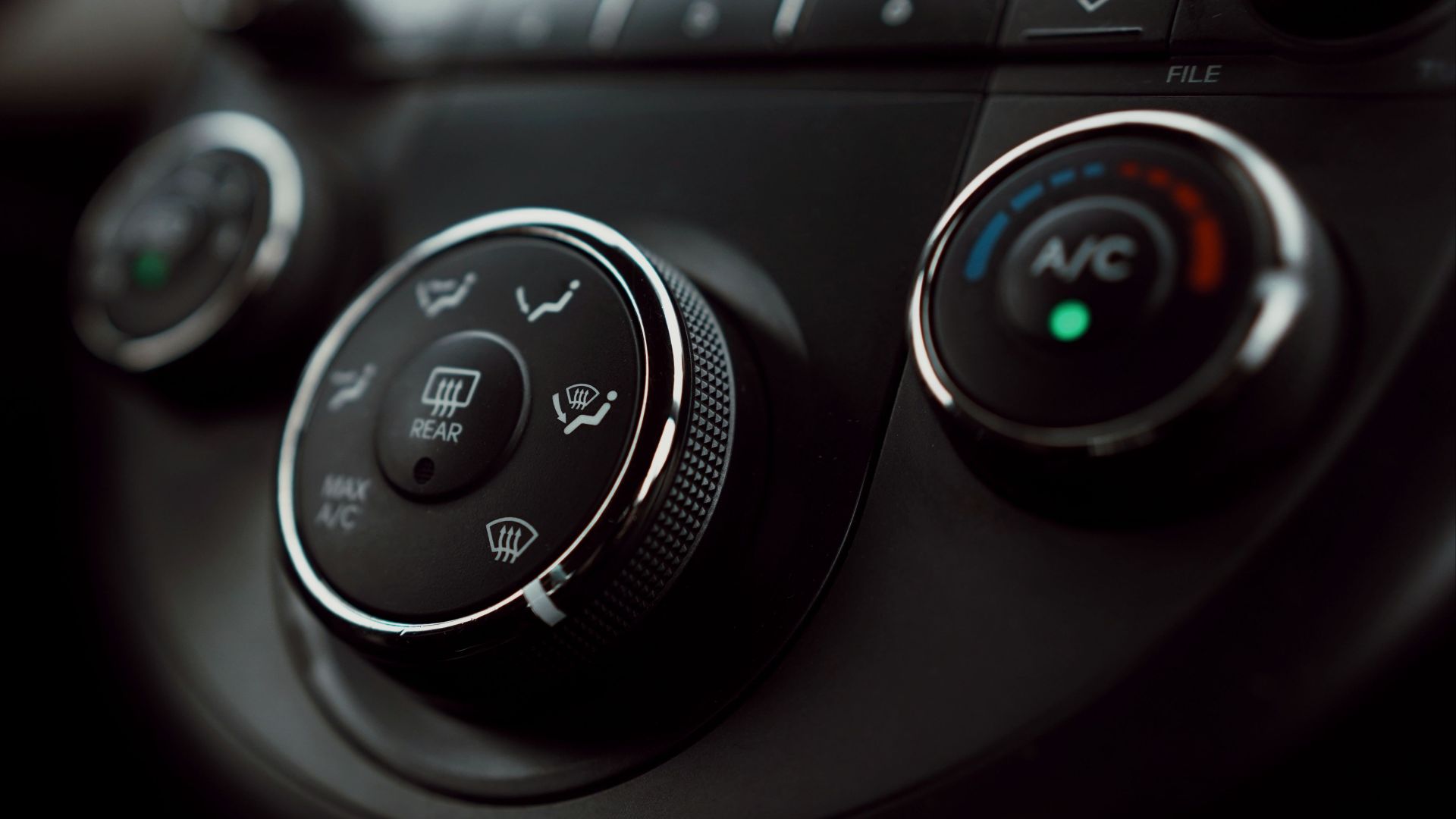
On an extremely hot day, the engine may restart while the vehicle is still stopped because the cabin needs more cooling. Cold-weather heating and windshield defrosting can also keep the engine running. Passenger comfort and visibility generally take priority over saving a small amount of fuel.
It May Be Worth Disabling In Creeping Traffic
Start-stop is most useful during meaningful stationary periods. In traffic that moves a few feet every several seconds, repeated shutdowns and restarts can become distracting without saving much fuel. Using the factory disable button in that situation is a reasonable choice.

Parking Can Trigger Unwanted Restarts
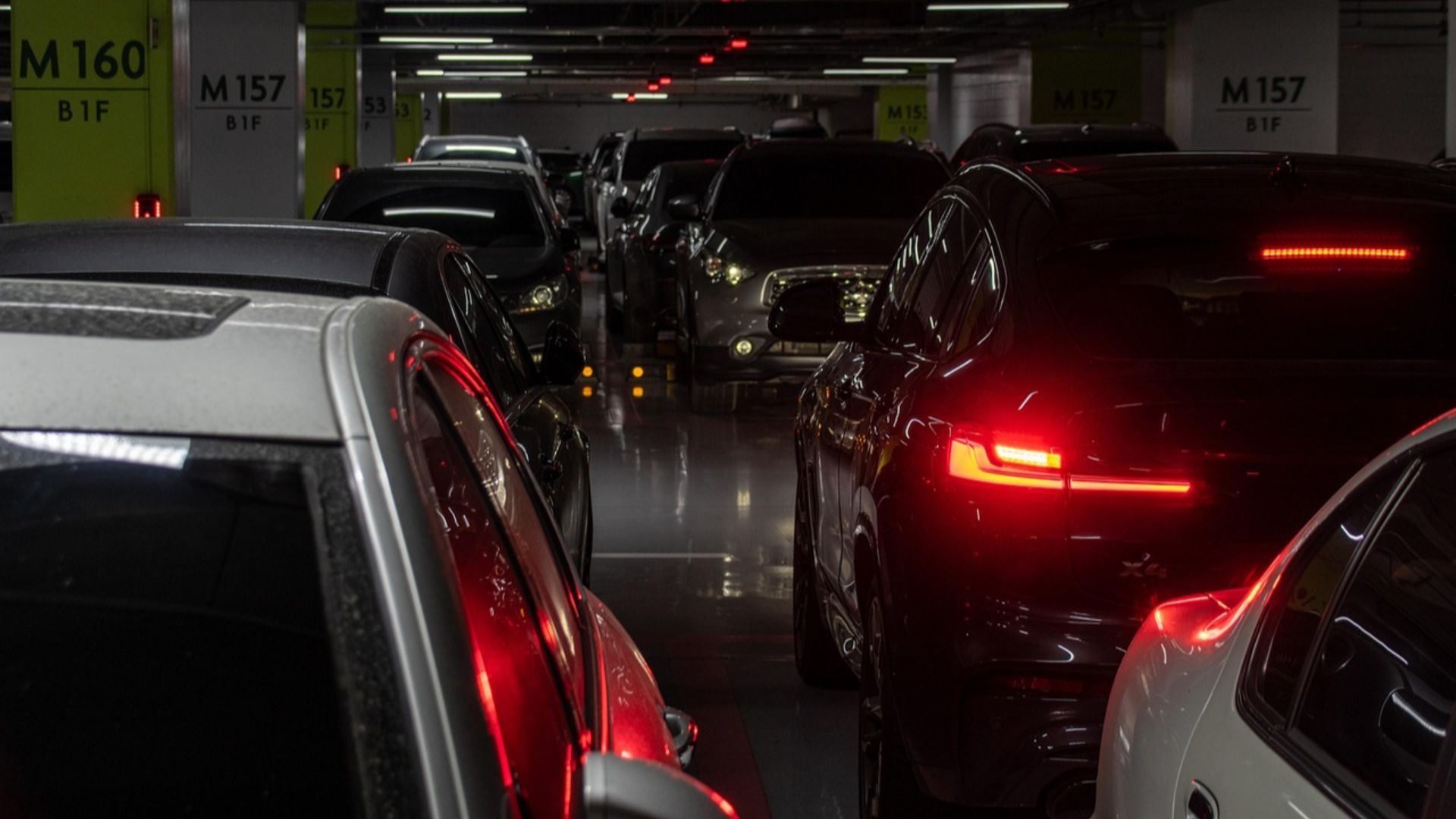
Some systems shut off the engine just as the driver begins maneuvering into a parking space. A moment later, steering or pedal movement causes another restart. Disabling the feature before a complicated parking maneuver can make the vehicle feel smoother and more predictable.
Towing May Require Special Consideration
The extra electrical, cooling, and power demands associated with towing can change how start-stop operates. Some vehicles disable it automatically when a trailer is connected, while others advise the driver to switch it off. The owner’s manual should explain the correct procedure for the particular model.

Aftermarket Bypass Devices Are Different
Pressing the factory button is not the same as installing hardware that permanently defeats the system. Aftermarket memory modules and wiring modifications can interfere with diagnostics, software updates, warranties, or other electronic functions. Owners should understand those risks before altering the vehicle.
Rough Restarts Should Be Investigated
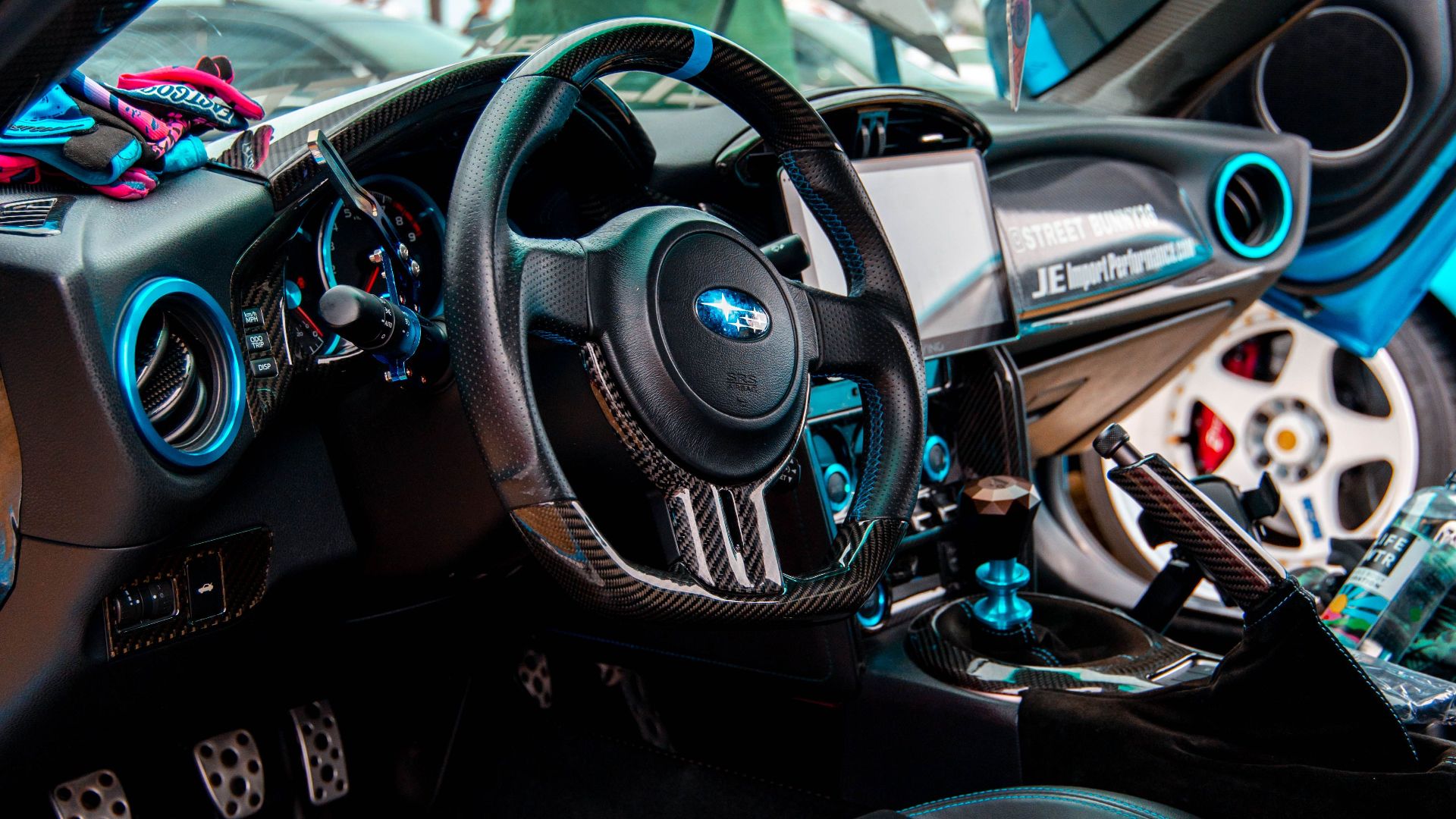
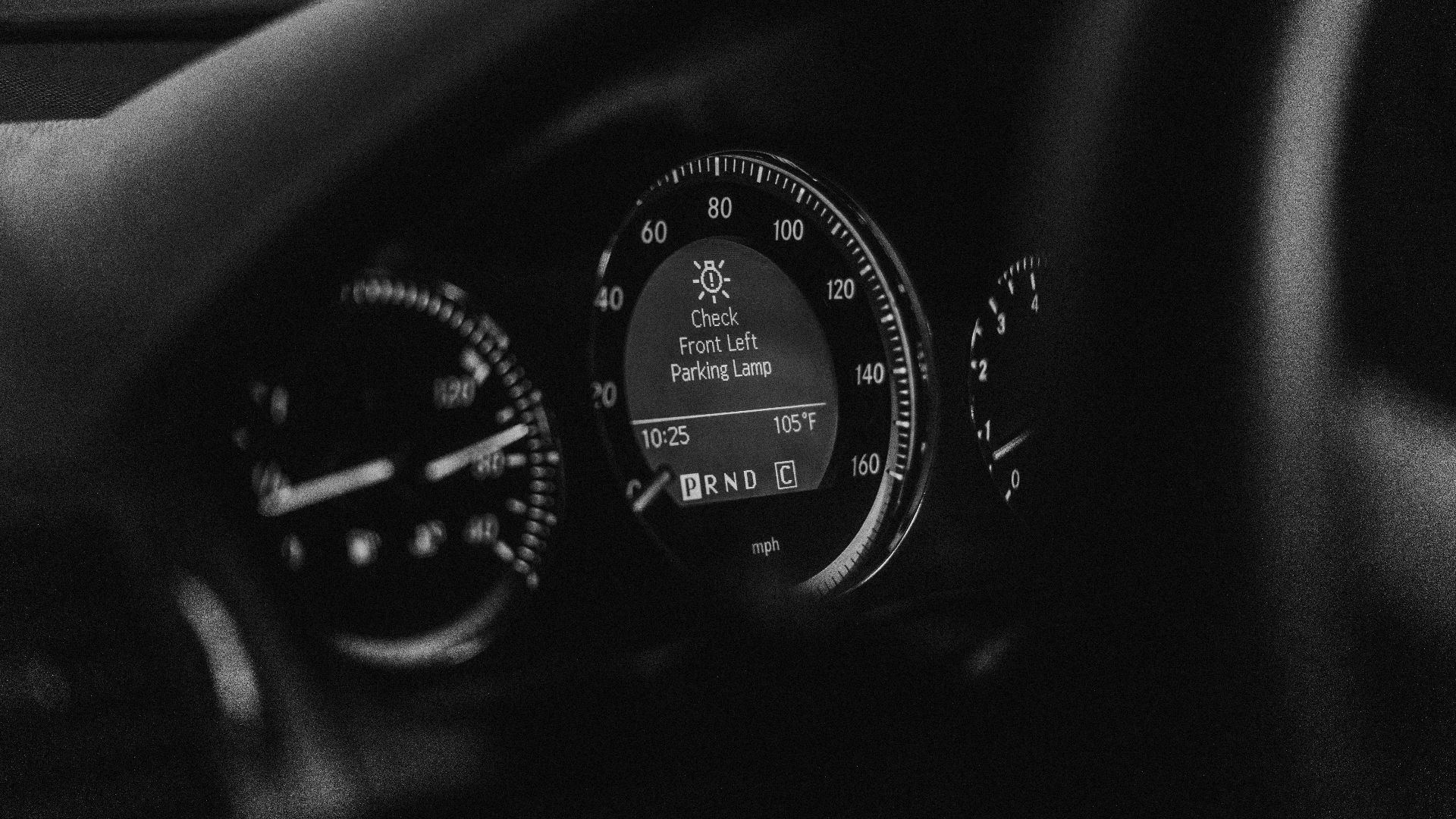
A mild vibration may be normal, but violent shaking, prolonged cranking, warning lights, or failed restarts aren’t features drivers should simply tolerate. Those symptoms may point to a weak battery, charging problem, starter issue, software fault, or engine condition. Disabling start-stop might hide the symptom temporarily without fixing its cause.
The Owner’s Manual Has The Final Word
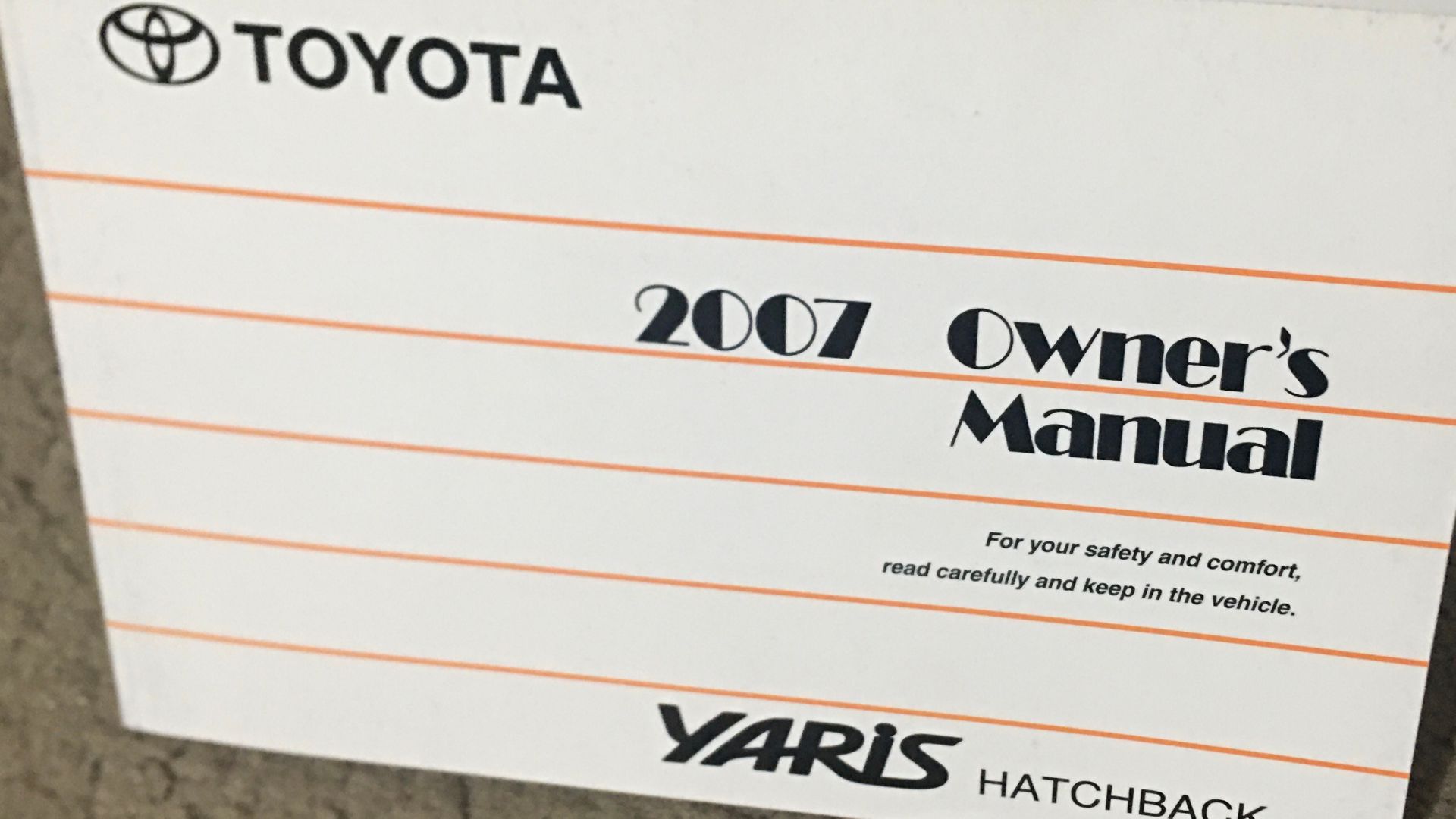
Manufacturers program start-stop systems differently, so general advice has limits. The manual may explain when the system activates, why it becomes unavailable, and when the manufacturer recommends switching it off. It may also contain important instructions for towing, battery replacement, and unusual driving conditions.
 Mrbeastmodeallday, Wikimedia Commons
Using The Button Is A Personal Choice
A driver who enjoys the quiet and fuel savings may leave start-stop enabled all the time. Someone bothered by the vibration or hesitation may prefer to turn it off during every trip. Neither choice automatically means the vehicle is being mistreated, provided the factory controls are used as intended.
Turning It Off Usually Won’t Hurt The Car
Disabling automatic start-stop with the vehicle’s built-in control generally won’t damage the engine, starter, battery, or transmission. The car will simply idle at stops, consuming slightly more fuel and producing more emissions than it would with the system active. Drivers can reasonably switch it off when it becomes distracting, but unusually slow or harsh restarts deserve a proper inspection rather than a daily press of the button.

You May Also Like: