
Apparently, One Line Is Supposed To Give You Peace Of Mind
You're considering a used car, and its service history says the timing belt was replaced 20,000 miles ago. That's excellent news, especially if the job would otherwise be due soon. There's just one problem: the seller has no receipt. Before you treat that service entry like a major financial bonus, how can you verify the work actually happened?

Timing Belts Aren't Minor Maintenance
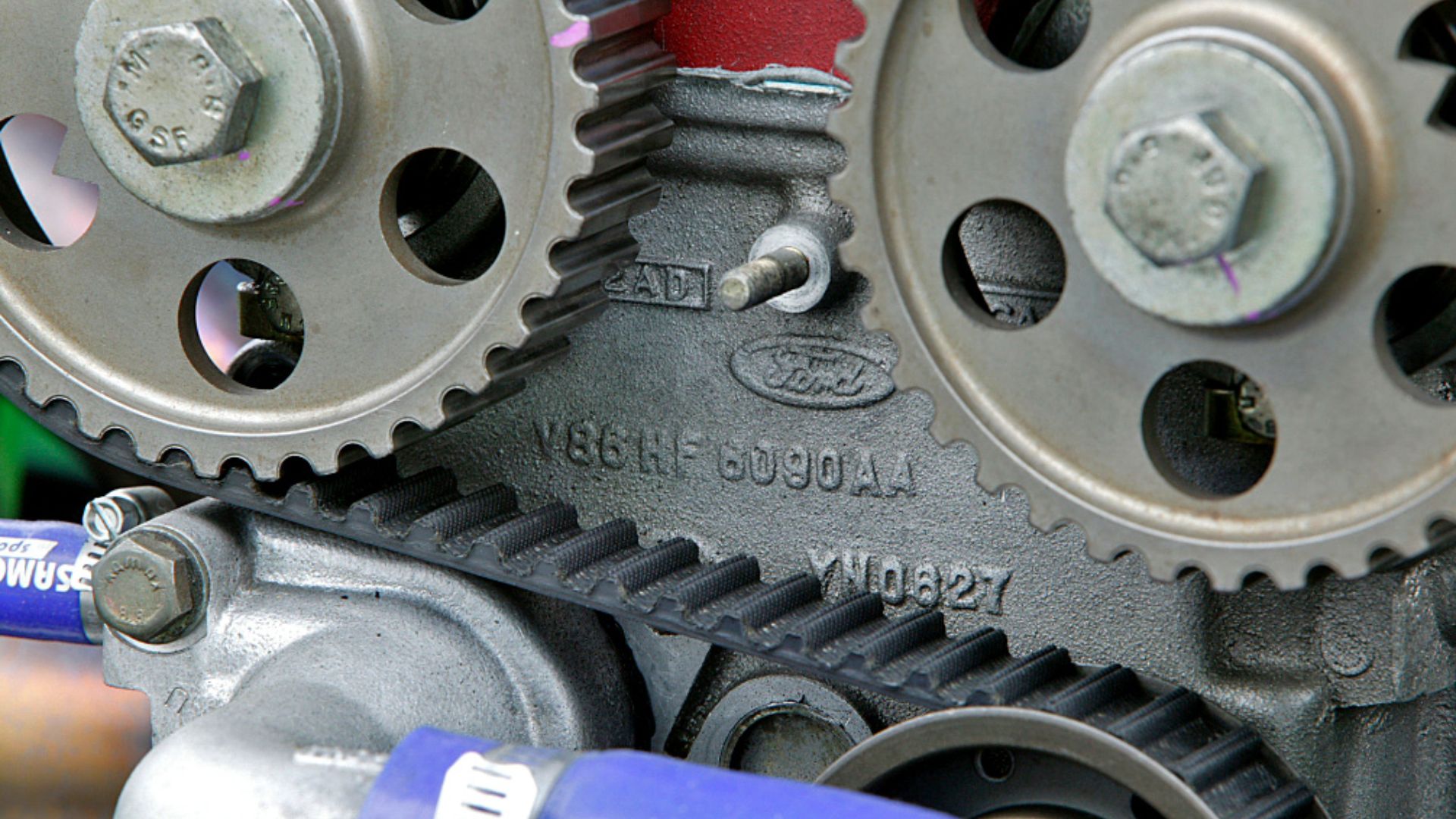
A timing belt synchronizes critical parts of an engine. Gates warns that failing to replace one at the manufacturer's specified interval can result in catastrophic engine damage. On an interference engine, a broken belt can allow valves and pistons to collide.
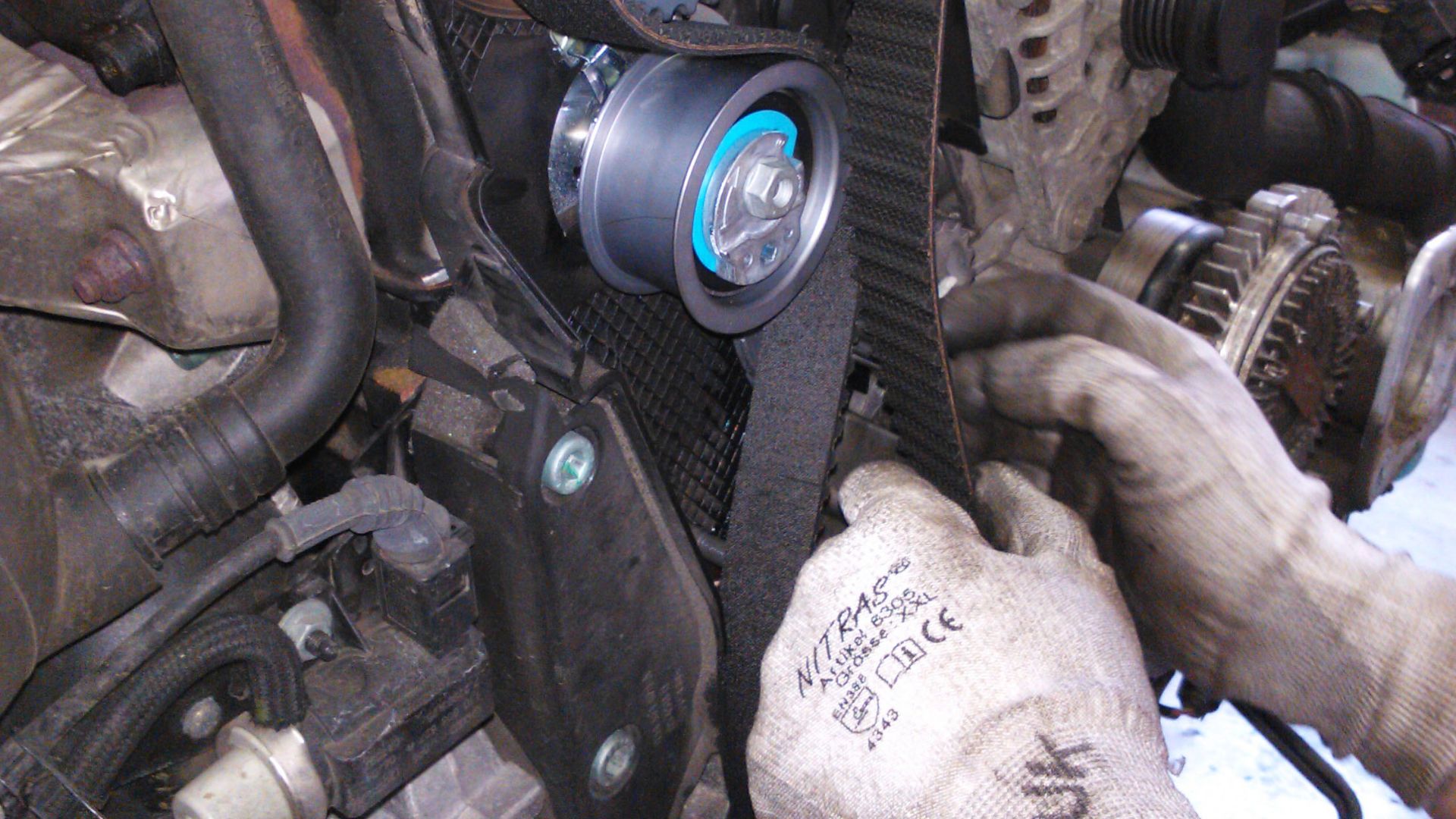 Petar Milosevic, Wikimedia Commons
That's Why The Service Record Matters
If the manufacturer calls for timing-belt replacement around a certain age or mileage and the car is approaching that point, documented replacement can remove a major upcoming maintenance expense. An unverified replacement leaves you wondering whether you'll have to pay for the job shortly after buying the car.

Start With The Exact Wording
Don't stop at "service performed." Read the complete history entry. Does it specifically say "timing belt replaced," or something vague like "drive belt serviced," "belts checked," or "engine serviced"? Those aren't interchangeable.

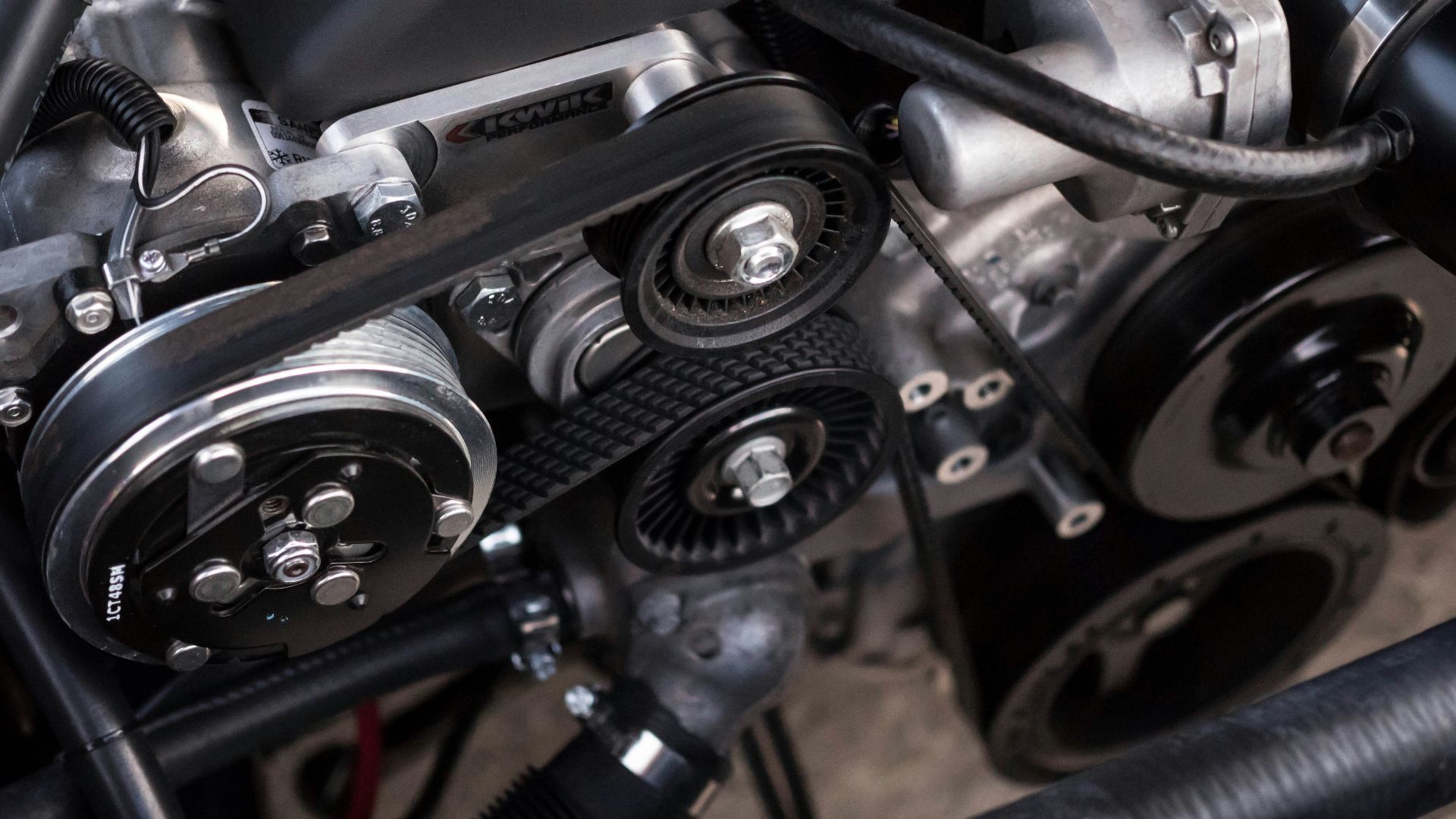
A Serpentine Belt Isn't A Timing Belt
This is an easy source of confusion. The serpentine or accessory belt operates external components such as the alternator and air-conditioning compressor. The timing belt synchronizes the engine's internal timing components.
A record showing "belt replaced" isn't enough unless you know which belt it means.
Find Out Who Reported The Service
Vehicle-history reports may identify the dealership or repair facility that submitted the service information. If the shop is named, you've got your best lead.
Write down the date, mileage, shop name, and exact service description before contacting anyone.

Then Call The Shop
Give the repair facility the VIN and explain that you're considering buying the vehicle. Ask whether it can confirm that a timing-belt replacement occurred on the date shown in the history.
Privacy rules or company policies may prevent the shop from giving you the previous owner's entire invoice, but it may still be able to confirm vehicle-specific service information.

Ask The Seller To Make The Call Too
If the shop won't release information to you, ask the current owner to contact it. The owner may be able to request duplicate service records or authorize their release.
A seller who genuinely wants to prove a major repair should have an incentive to help.

A Duplicate Invoice Would Be Much Better
Ideally, you want an invoice showing the VIN, mileage, date, parts, labor, and repair facility. That can tell you much more than a one-line vehicle-history entry.
It may also reveal whether the complete timing-belt service was performed or whether only one component was replaced.

The VIN Is Important
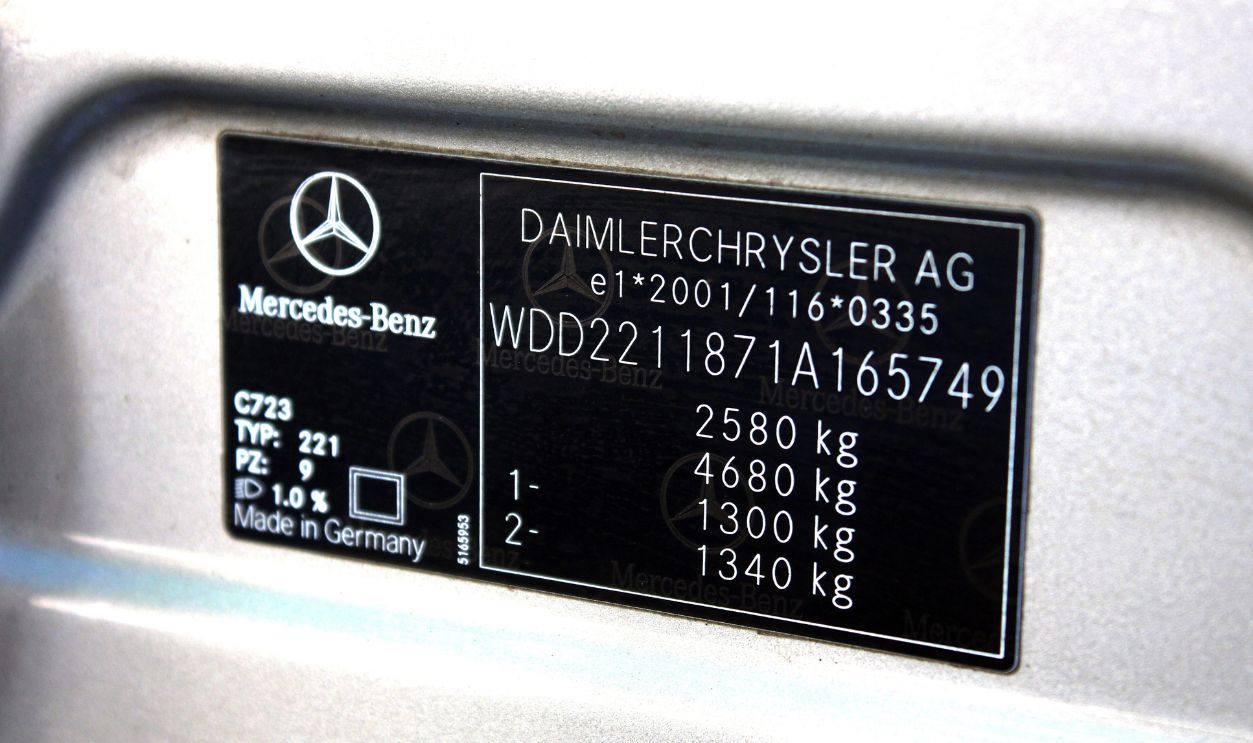
Make sure any recovered invoice actually belongs to the car you're buying. Compare the VIN on the repair record with the VIN visible on the vehicle and its title paperwork.
You don't want to pay extra for a $1,000-plus maintenance job performed on somebody else's similar-looking car.
Vehicle-History Reports Aren't Perfect
CARFAX says its reports are based on information supplied to it and warns that other information may not have been reported. It recommends using the report alongside an inspection and test drive rather than treating it as a complete record of the vehicle.
That works both ways: real repairs can be missing, and a service-history entry still deserves verification.

Check The Date Against The Mileage
Suppose the history says the timing belt was replaced in 2021 at 92,000 miles, but another record shows the car had 118,000 miles in 2020. Something doesn't add up.
Compare the timing-belt entry with surrounding odometer readings and service records.

Look For Related Work
Timing-belt replacement is often performed alongside related components. Depending on the engine and service strategy, the invoice may show a tensioner, idler components, water pump, seals, or coolant service.
Related entries near the same date can strengthen the story, although they aren't proof by themselves.
A Mechanic May Find Physical Clues
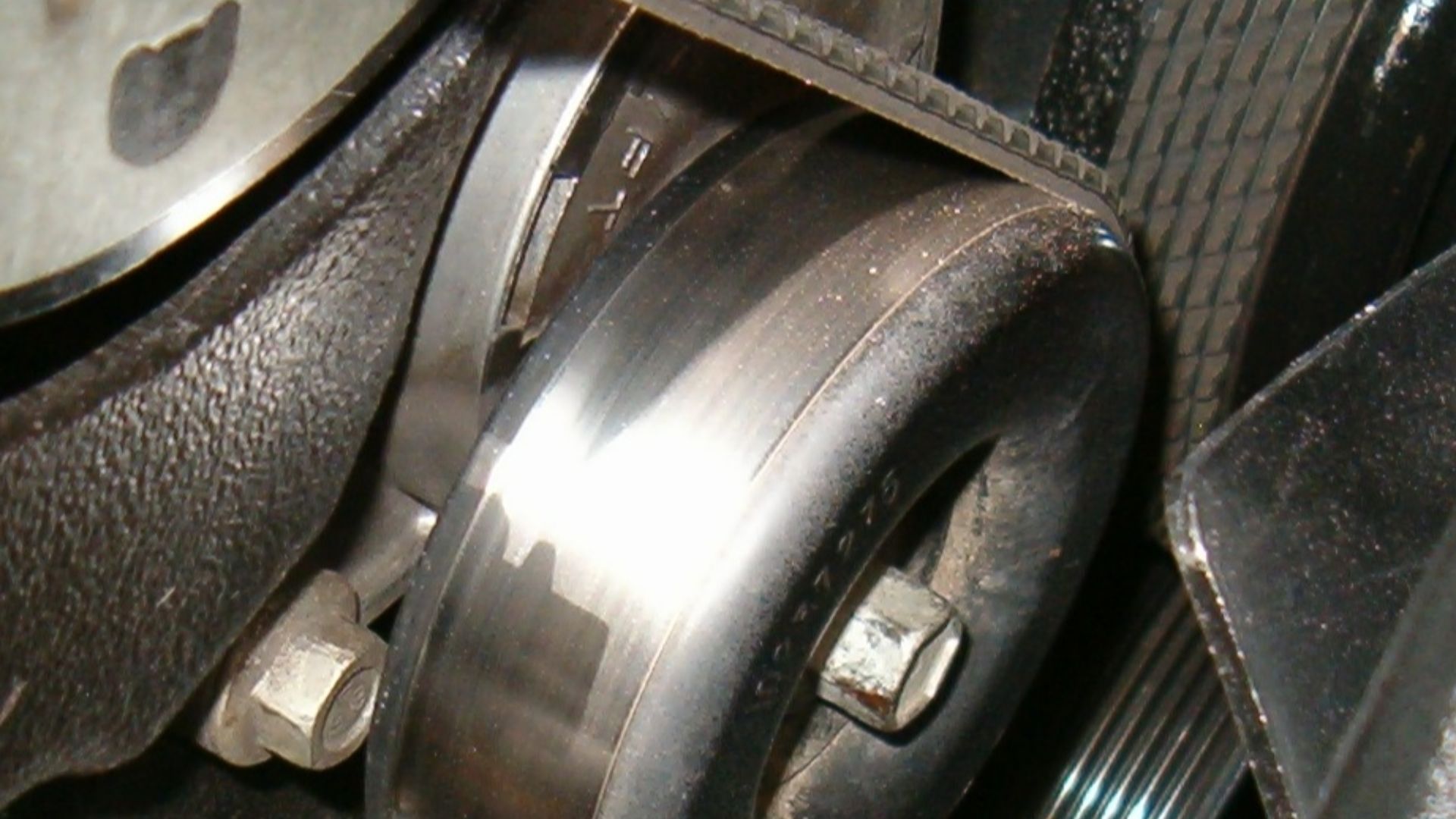
Have an independent mechanic perform a pre-purchase inspection and specifically mention the questionable timing-belt record. Depending on the engine, the technician may be able to inspect the belt or surrounding components and look for evidence that the area has been serviced.
AAA recommends an independent pre-purchase inspection rather than relying solely on vehicle history.

But A Visual Inspection Has Limits
A mechanic may see a belt that looks relatively fresh, clean hardware, replaced components, markings, or evidence that covers were previously removed. That still may not establish the exact installation date or mileage.
A belt can look good without proving someone replaced it 20,000 miles ago.

Sometimes The Belt Is Difficult To See
Timing belts are often located behind protective covers, and gaining a useful view can require more work than simply opening the hood. Gates describes timing belts as an "out-of-sight" maintenance item for precisely this reason.
Ask the mechanic what can realistically be verified without significant disassembly.
Look For A Replacement Sticker
Some repair shops place a timing-belt service sticker under the hood or near the timing cover showing the replacement date and mileage. Finding one that matches the history entry is helpful supporting evidence.
It still isn't as strong as an invoice, but it's another piece of the puzzle.

Check The Owner's Manual Interval
Find the manufacturer's maintenance schedule for the exact year, model, engine, and market. CARFAX recommends following the automaker's timing-belt interval rather than relying on a universal mileage rule.
This tells you how financially important the missing proof actually is.

Age Can Matter Along With Mileage
Don't focus exclusively on the odometer. Timing-belt recommendations can include age as well as mileage, depending on the manufacturer.
A low-mileage older vehicle may still need belt service, so check the actual manufacturer's schedule for that specific engine.

Now Calculate The Worst-Case Scenario
Assume for a moment that you can't verify the replacement. Ask a reputable local shop for a written quote to perform the timing-belt service on that exact vehicle.
Now you know how much financial uncertainty you're accepting if you buy the car.

Don't Pay For An Unverified Benefit
Suppose the seller wants $12,500 and emphasizes that the expensive timing-belt service has already been completed. If nobody can produce documentation and your mechanic can't confidently verify it, don't value the car as though the work is unquestionably proven.
Uncertainty has a price.

Use The Missing Receipt In Negotiations
If a shop quotes $1,200 for the upcoming service, you now have something concrete to discuss. You don't necessarily need to demand exactly $1,200 off the price, but you can explain that you're budgeting for the replacement because its history can't be confirmed.
That's much stronger than simply saying you're nervous.

"The Previous Owner Did It" Isn't Verification
The seller may genuinely believe the timing belt was replaced. The dealer may be repeating what appears in the vehicle-history report. Neither necessarily means anyone currently selling the car personally saw the repair happen.
Treat verbal assurances as clues, not invoices.

Be Careful With A Fresh-Looking Belt
Even if a technician can inspect the belt and says it looks relatively new, that doesn't automatically tell you what else was replaced. A timing-belt job can involve other wear components, and knowing exactly what parts were installed may matter for future maintenance planning.
That's another reason an itemized invoice is so valuable.

What If The Shop Confirms It But Can't Give You A Receipt?
That's considerably better than having no corroboration. Write down who you spoke with, when you called, the date and mileage they confirmed, and what work they said was completed.
If possible, ask whether they can provide a redacted service record containing the vehicle information without the former owner's personal details.

What If Nobody Can Verify It?
Then treat the timing belt as having unknown history. That doesn't prove it wasn't replaced. It means you don't have enough evidence to confidently reset the maintenance clock.
For a component capable of causing expensive engine damage, guessing isn't a great maintenance strategy.

Should You Replace It Again?
If the vehicle is already at or beyond the manufacturer's recommended interval and you can't establish when the belt was last replaced, discuss preventive replacement with a qualified mechanic. Gates specifically identifies an unknown replacement history on a used vehicle as a reason to have the belt checked or replaced.
Paying twice would be frustrating. Engine damage could be much worse.
So... How Can You Verify The Timing Belt?
Start by identifying the shop behind the service-history entry and requesting confirmation or a duplicate invoice. Match the VIN, date, and mileage. Then have an independent mechanic inspect the vehicle for supporting evidence and compare everything with the manufacturer's maintenance schedule.
No single clue is as reassuring as a proper repair invoice.

The Bottom Line
A service-history entry saying "timing belt replaced" is useful evidence, but it shouldn't automatically be treated as definitive proof. CARFAX itself warns that vehicle-history reports can contain incomplete information and recommends combining them with an independent inspection.
If you can verify the shop, VIN, date, mileage, and work performed, great. If you can't, price the car as though the belt's history is uncertain and budget accordingly. When an unverified maintenance claim could eventually put an engine at risk, a missing receipt isn't just missing paperwork. It's a financial unknown you should account for before handing over your money.

You May Also Like: My mechanic warned me about buying a truck with cylinder deactivation. The salesperson says it saves tons of fuel. What should I do?