Those Seat Covers Might Be Protecting Your Seats, But At What Cost?
Seat covers are one of the easiest ways to keep a vehicle's interior looking new, but modern car seats contain far more technology than they did a generation ago. Depending on how they're designed, some seat covers can interfere with important safety systems, making it worth taking a closer look before leaving them installed.
Modern Seats Are Packed With Safety Technology
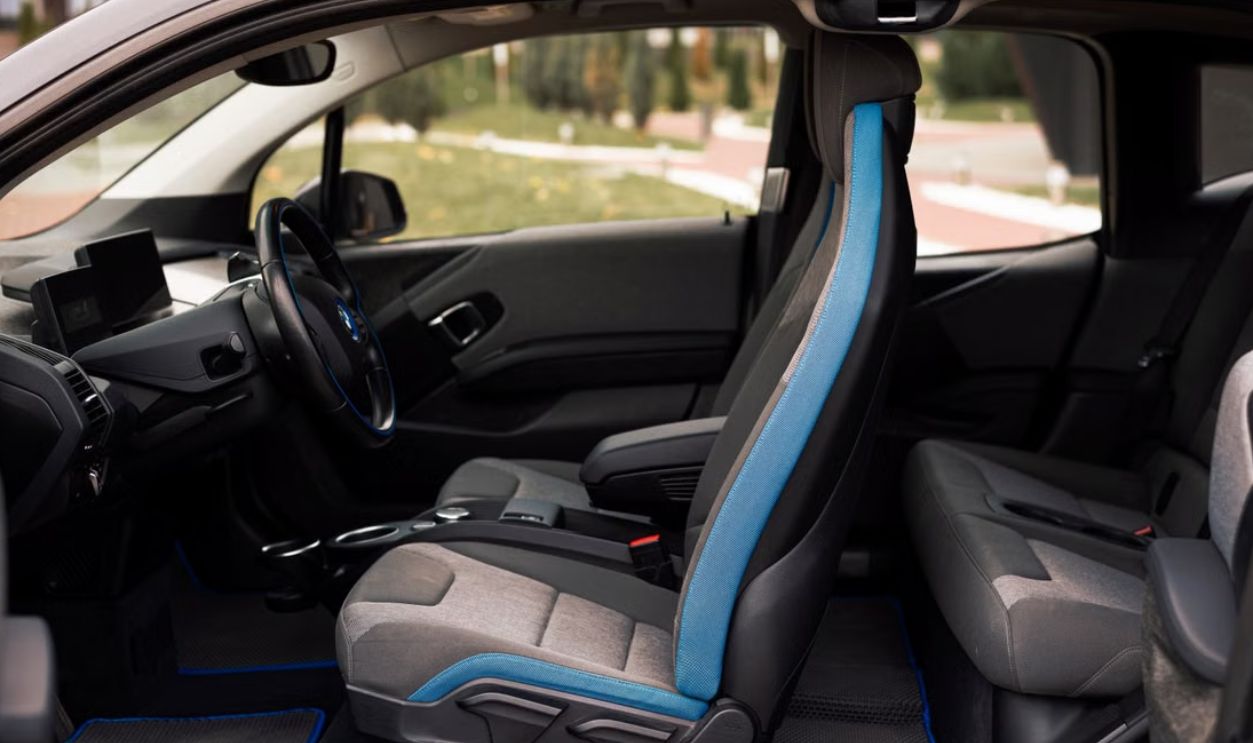
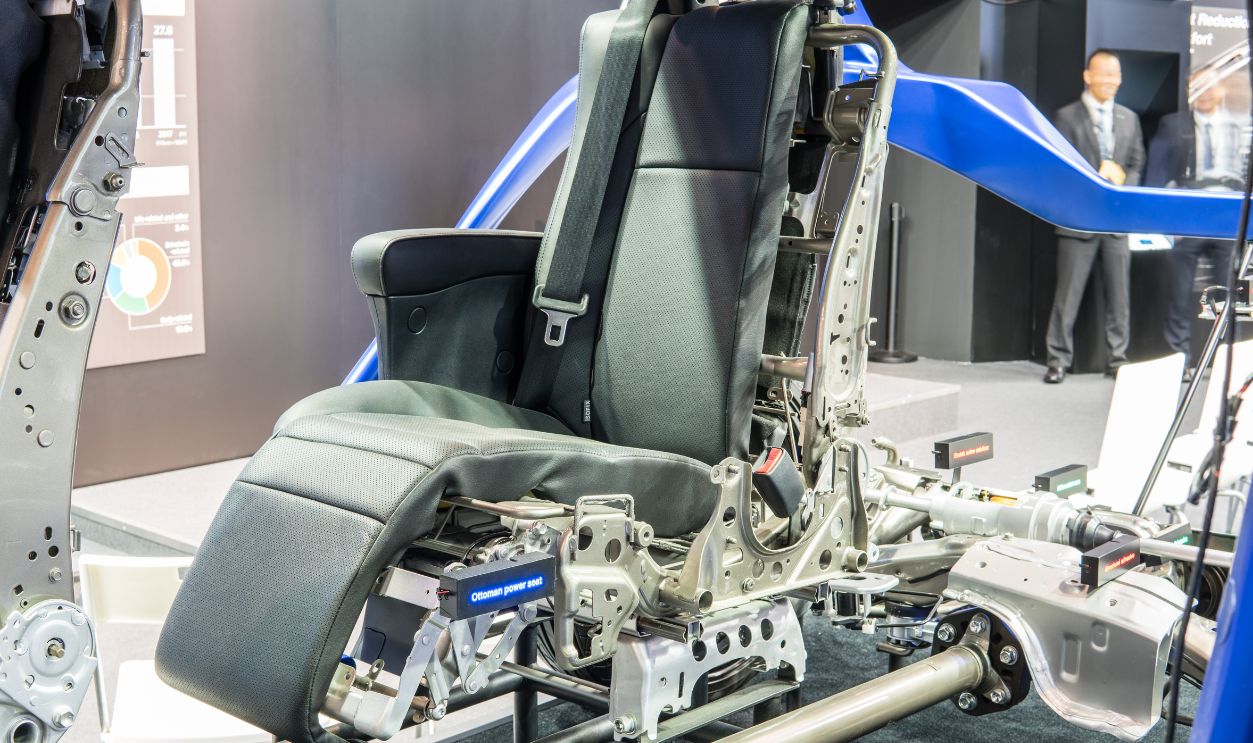
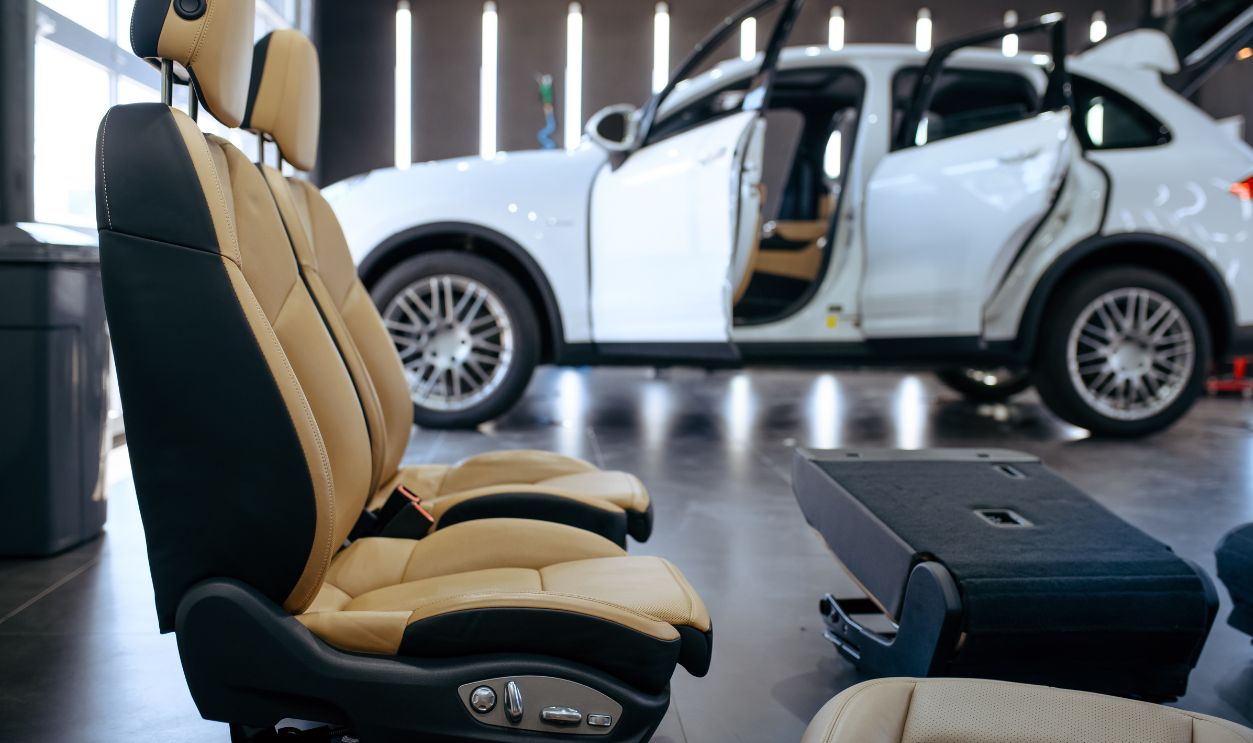
Today's vehicle seats do much more than provide a place to sit. Many contain side-impact airbags, occupancy sensors, seatbelt pretensioner components, heating and cooling elements, lumbar adjustment systems, and electronics that communicate with the vehicle's safety computers. Anything covering those components has the potential to affect how they function.
Side Airbags Are The Biggest Concern
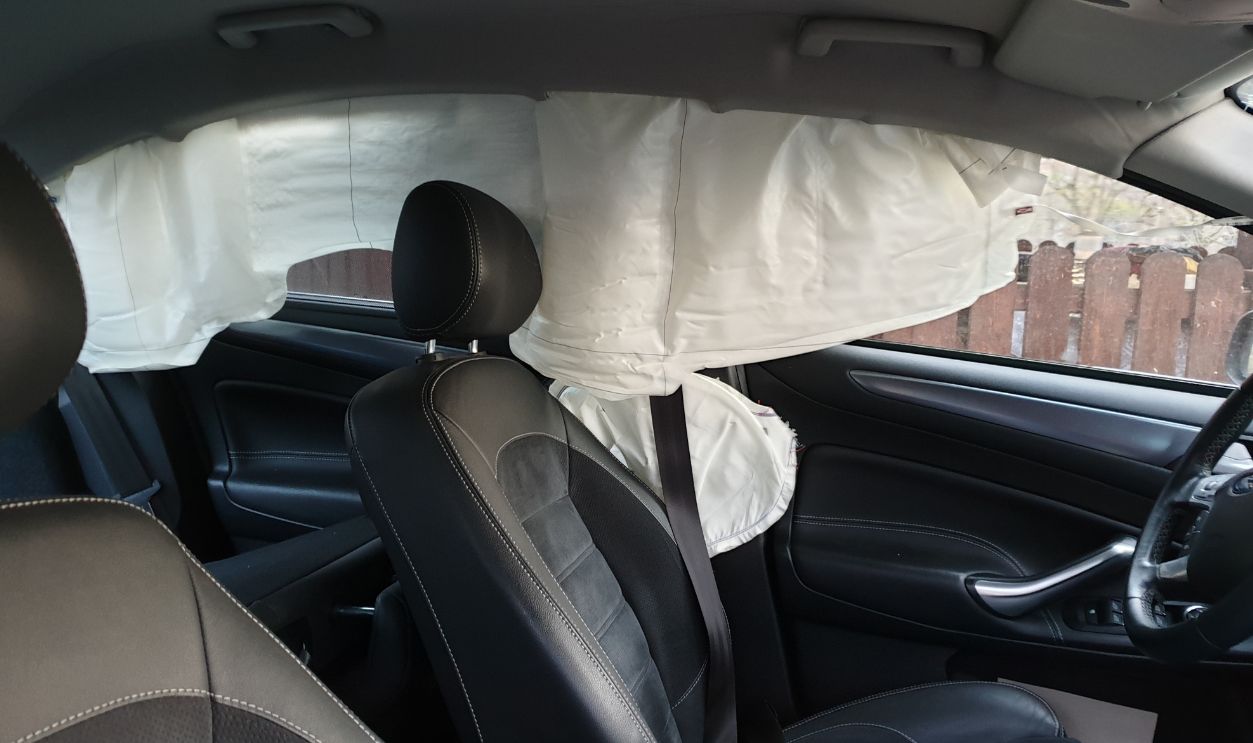
One of the most significant safety issues involves side-impact airbags built into the seat itself. During a collision, these airbags deploy through specially designed seams in the seat upholstery. If a seat cover blocks or delays that deployment, it could reduce the airbag's effectiveness when you need it most.
Airbags Deploy Extremely Quickly
Side airbags inflate in a fraction of a second. Manufacturers carefully engineer the seat material so the airbag can burst through in a predictable way. A thick, tightly secured, or improperly stitched seat cover may interfere with that process. Even a small delay during a crash can affect occupant protection.
 Grzegorz Czapski, Shutterstock
Not Every Seat Has Side Airbags
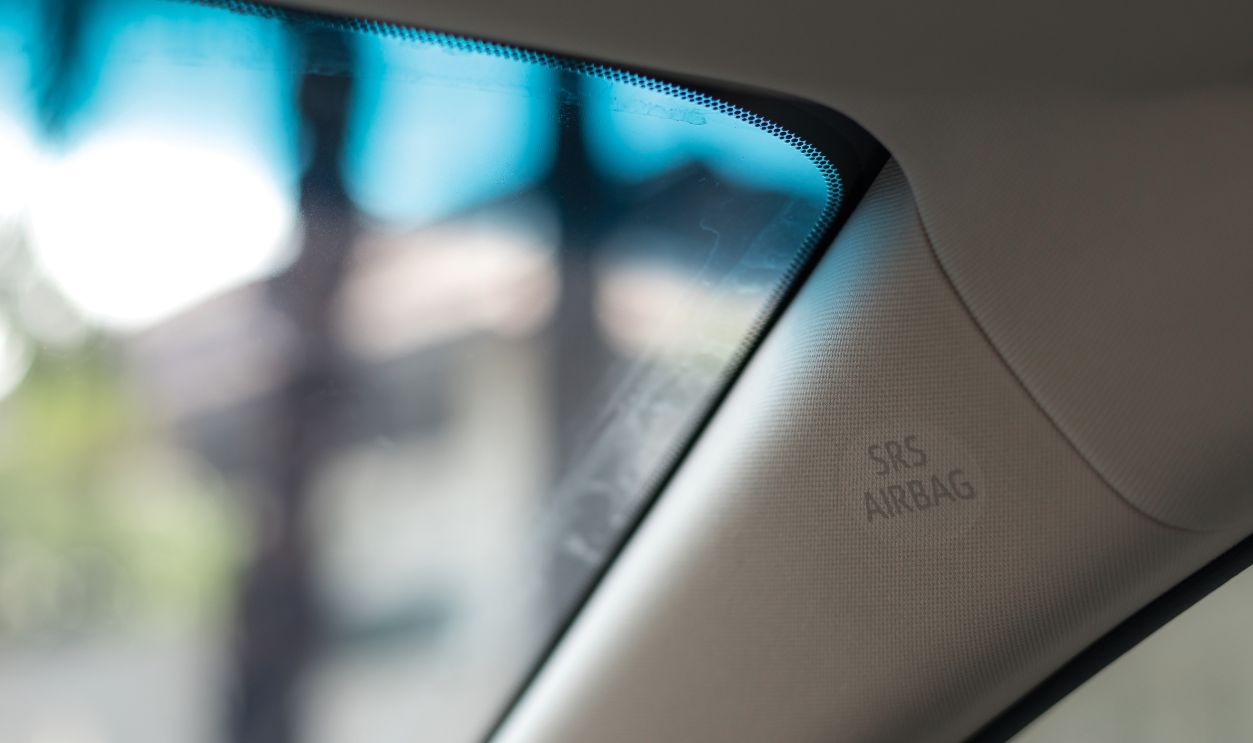
Some older vehicles don't have airbags built into the seats. Others place side airbags in the doors, pillars, or roof instead. Before assuming your seat covers are a problem, determine exactly where your vehicle's airbags are located. The owner's manual usually includes diagrams showing every airbag position.
Airbag-Compatible Covers Do Exist
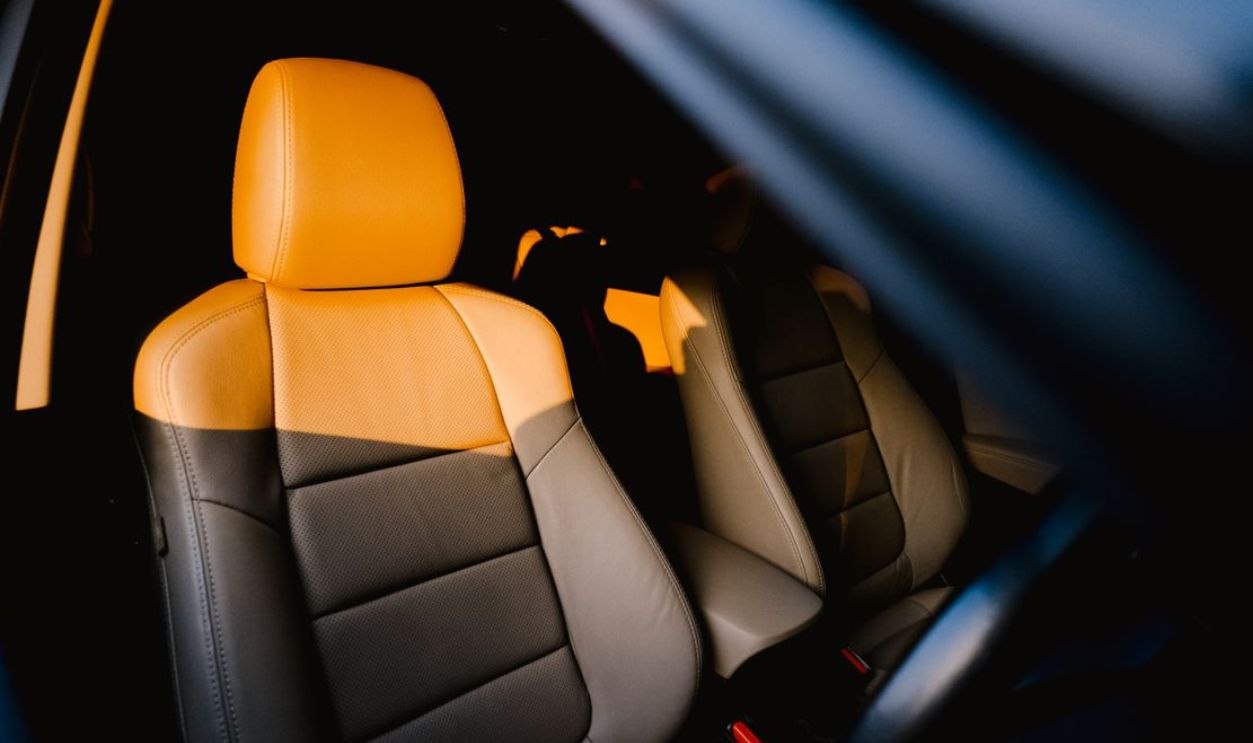
Fortunately, many manufacturers now produce seat covers specifically designed for vehicles with seat-mounted airbags. These covers use specially engineered breakaway seams or certified stitching that allows the airbag to deploy as intended. If you're shopping for new covers, look specifically for products identified as compatible with your vehicle's airbag system.
Universal Covers Aren't Always A Good Fit
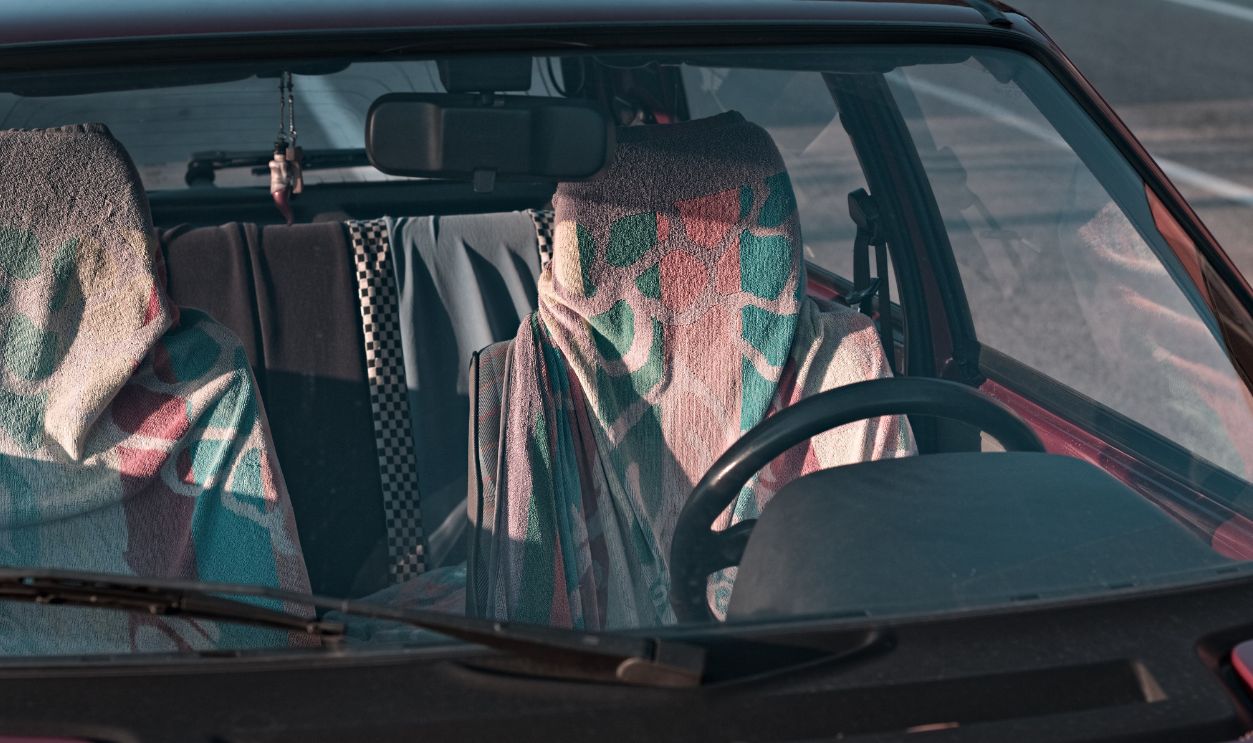
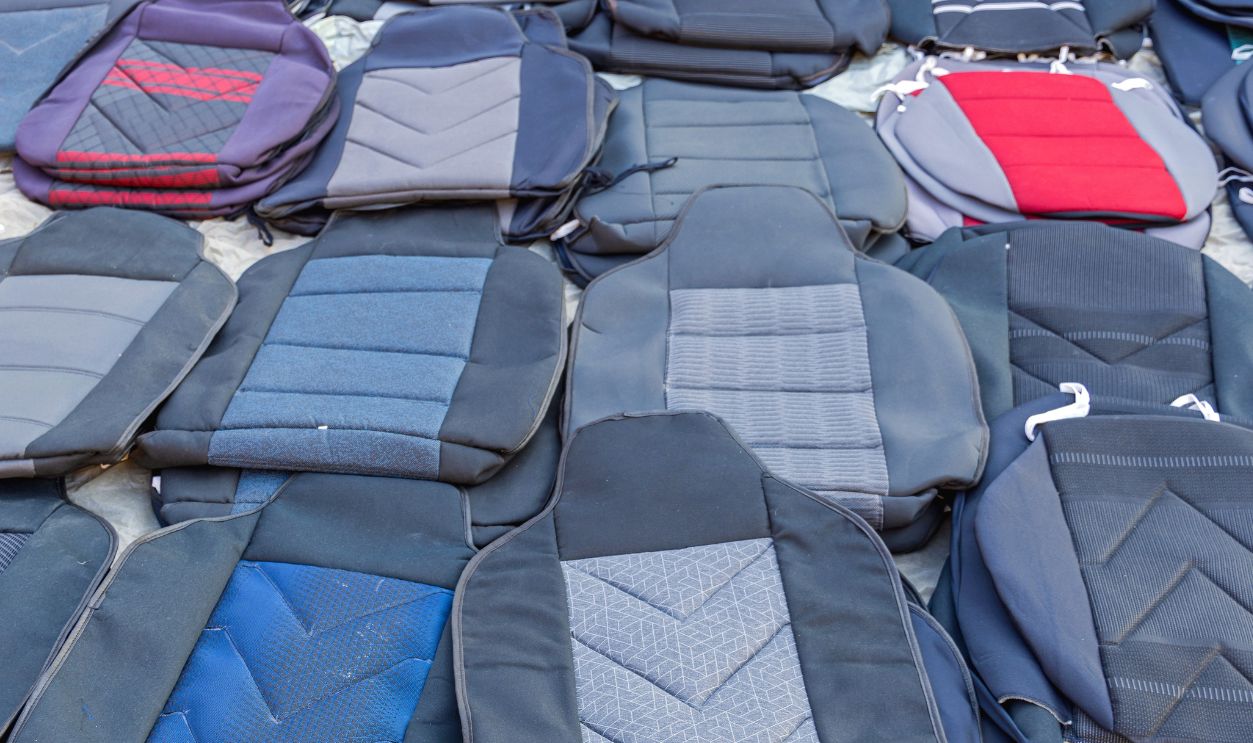
Many inexpensive universal seat covers are designed to fit as many vehicles as possible. While convenient, they don't always align properly with airbag deployment areas or seat contours. Loose fabric, excess material, or incorrect openings may create problems that custom-fit covers are designed to avoid.
Occupancy Sensors Can Also Be Affected
Many modern vehicles use weight or pressure sensors in the front passenger seat to determine whether someone is sitting there. These sensors help decide whether the passenger airbag should deploy and may also trigger seatbelt reminders. A poorly fitting seat cover or additional padding can sometimes affect how those sensors interpret weight.

Warning Lights Should Never Be Ignored
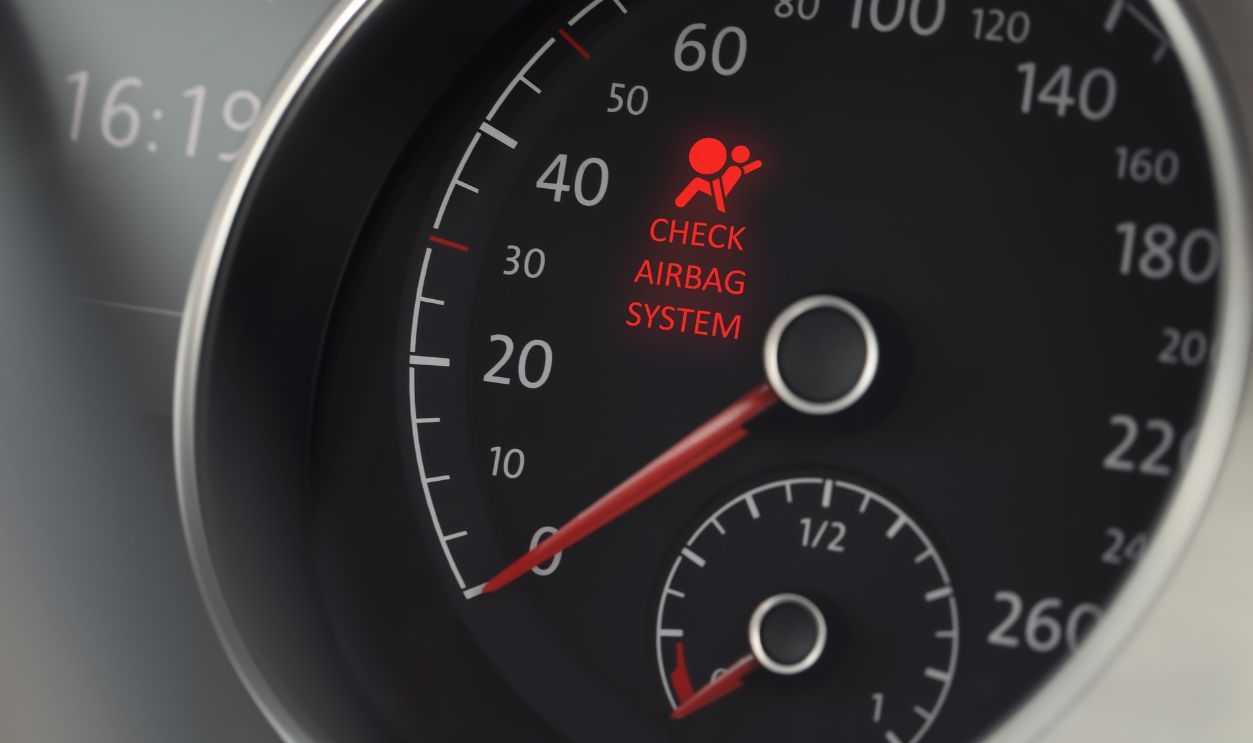
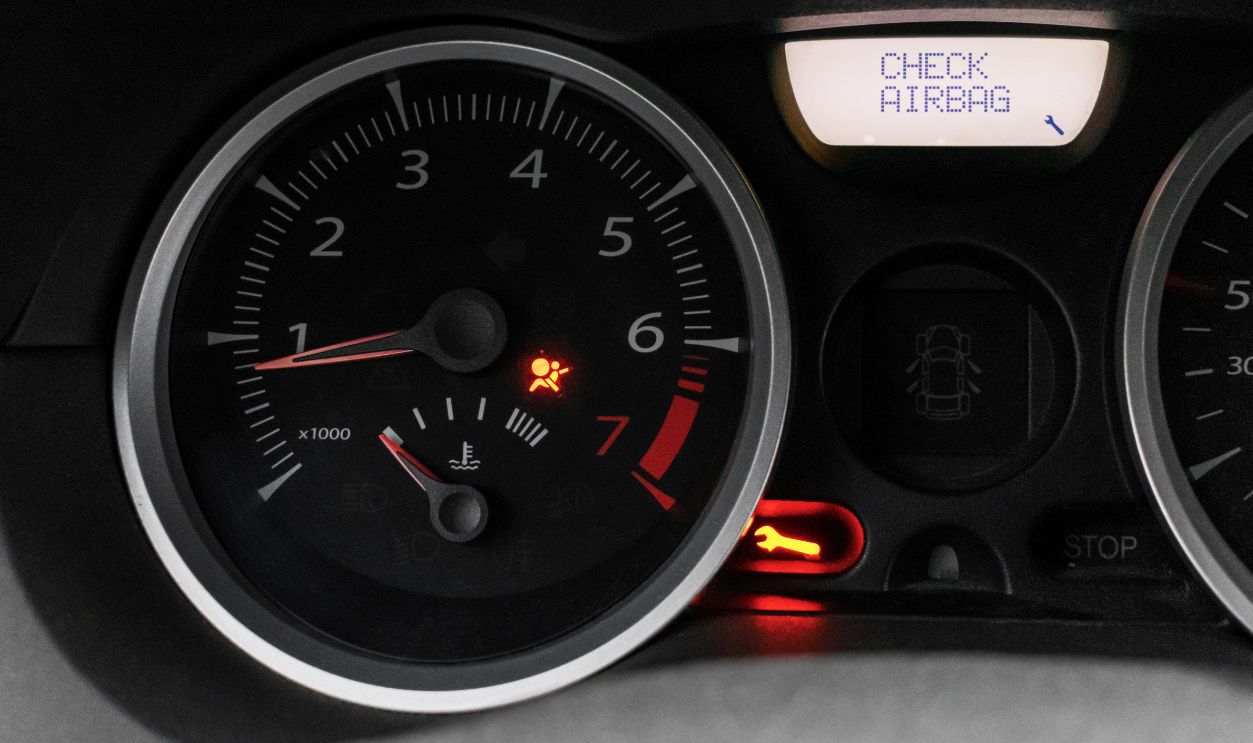
If the airbag warning light or occupant detection warning appears after installing seat covers, remove the covers and have the system inspected promptly. Warning lights indicate the vehicle has detected a potential fault. Driving for weeks while hoping the light disappears isn't a good strategy.
Heated And Ventilated Seats Need Airflow
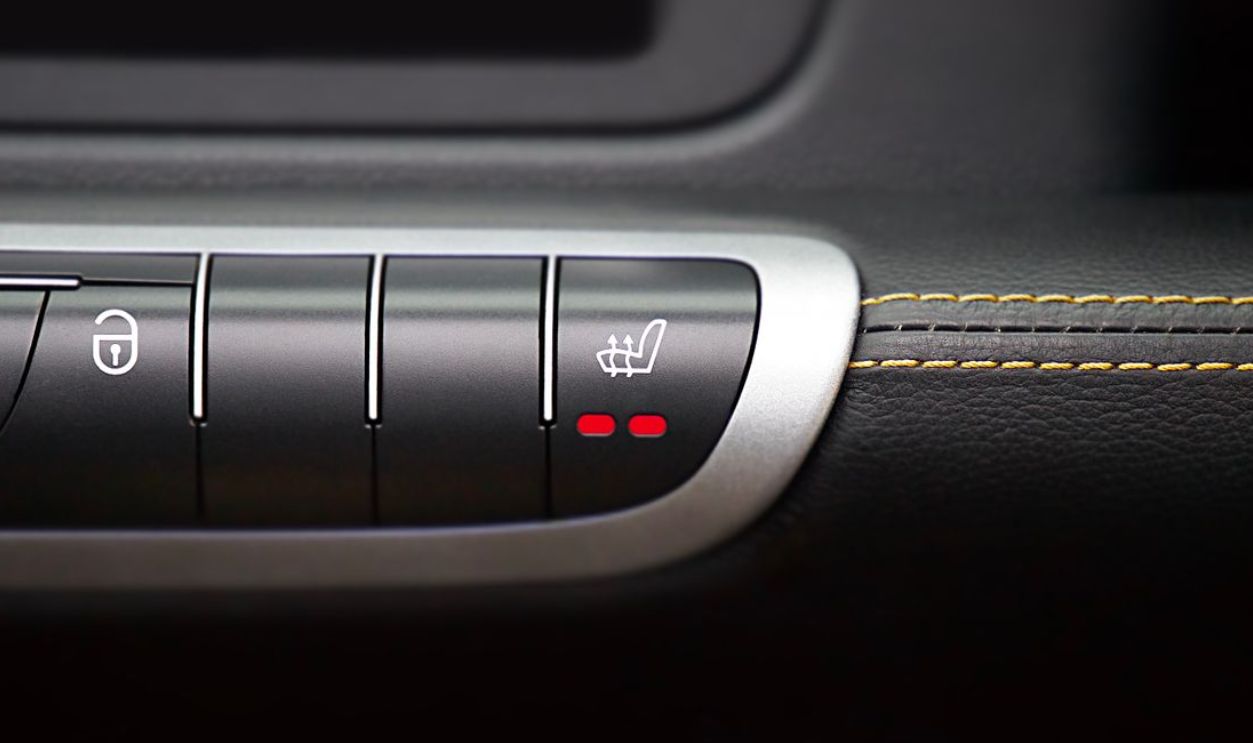
Seat covers may also affect comfort features. Thick materials can reduce the effectiveness of heated seats by trapping warmth away from the occupant or slow the airflow through ventilated seats. While this usually isn't a safety issue, it may prevent those features from performing as intended.
Seatbelt Access Matters Too
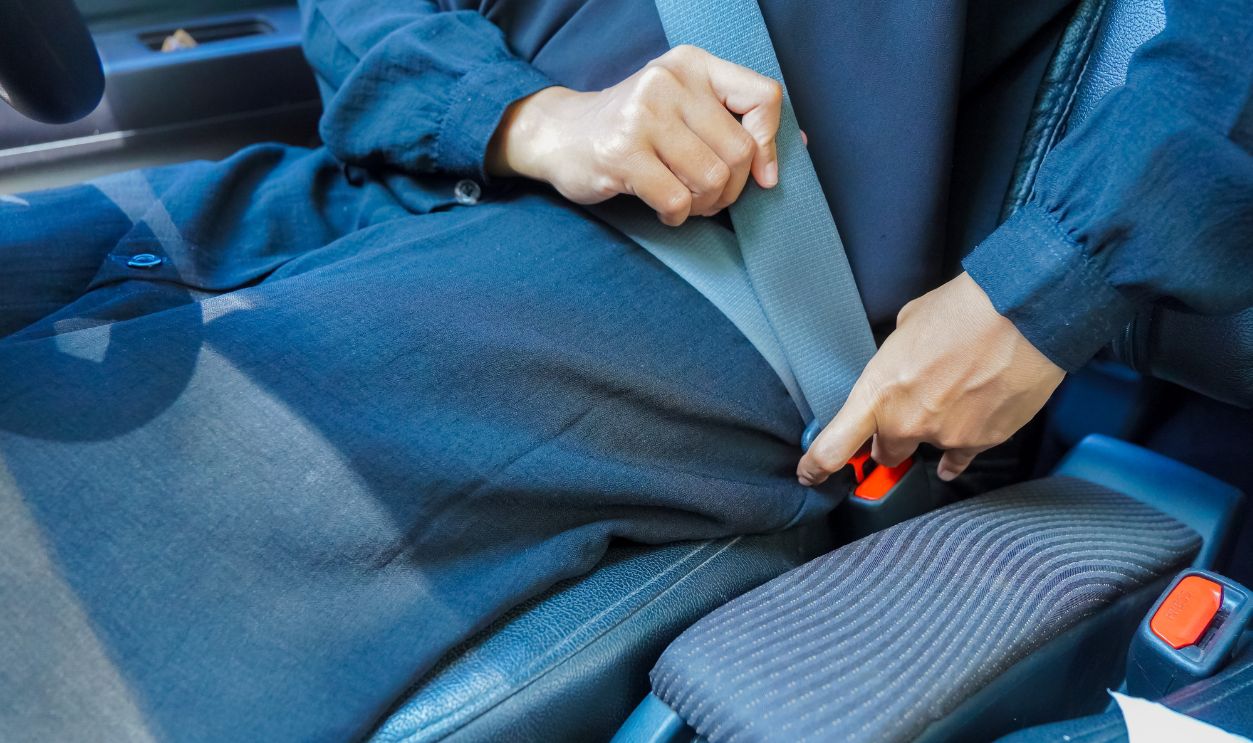
A proper seat cover should never obstruct seatbelt buckles or make them difficult to reach. If passengers struggle to latch or release the belt because of the cover, the product isn't properly fitted. Easy access to the seatbelt remains essential for occupant safety.
Child Car Seats Add Another Consideration
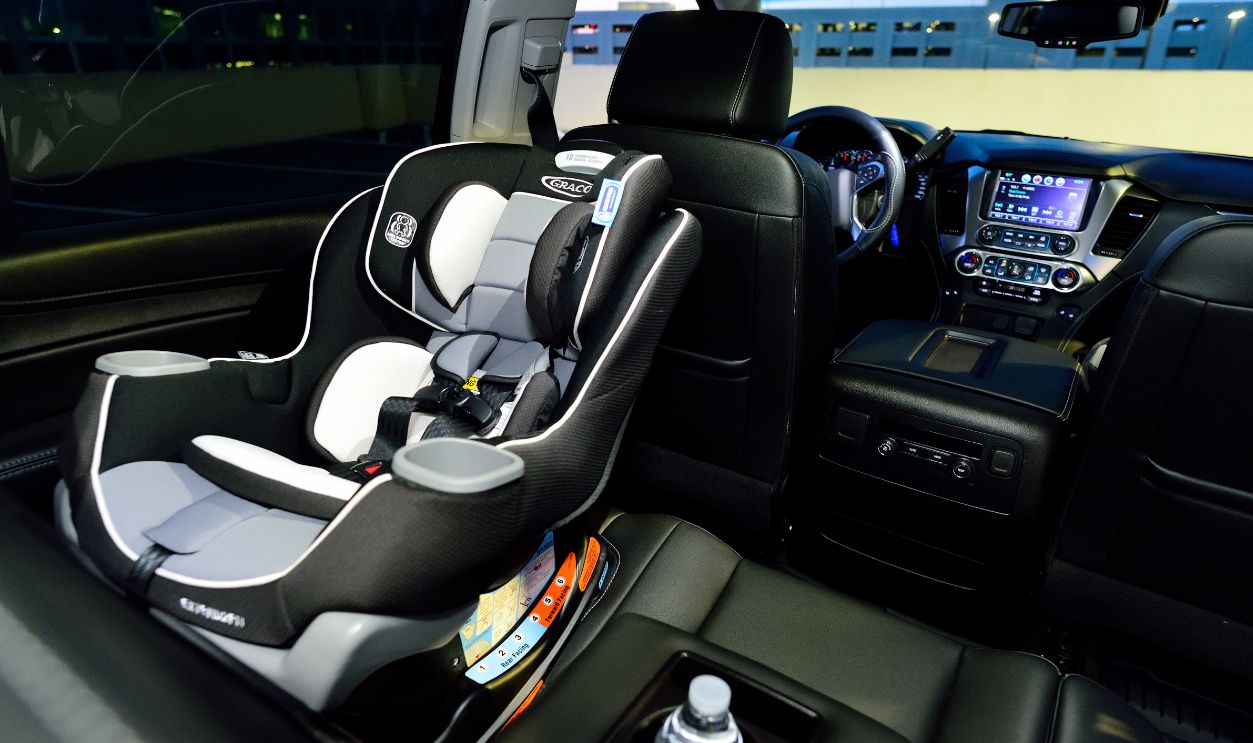
If you regularly install child safety seats, bulky seat covers may affect how securely the child seat fits against the vehicle seat. Some child seat manufacturers discourage placing thick accessories between the child restraint and the original vehicle upholstery. Always follow both the child seat manufacturer's instructions and your vehicle owner's manual.
Head Restraints Should Still Fit Properly
Some seat covers interfere with adjustable head restraints by preventing them from locking into their proper positions. Since head restraints help reduce the risk of whiplash during rear-end collisions, they should always move freely and lock securely after the covers are installed.
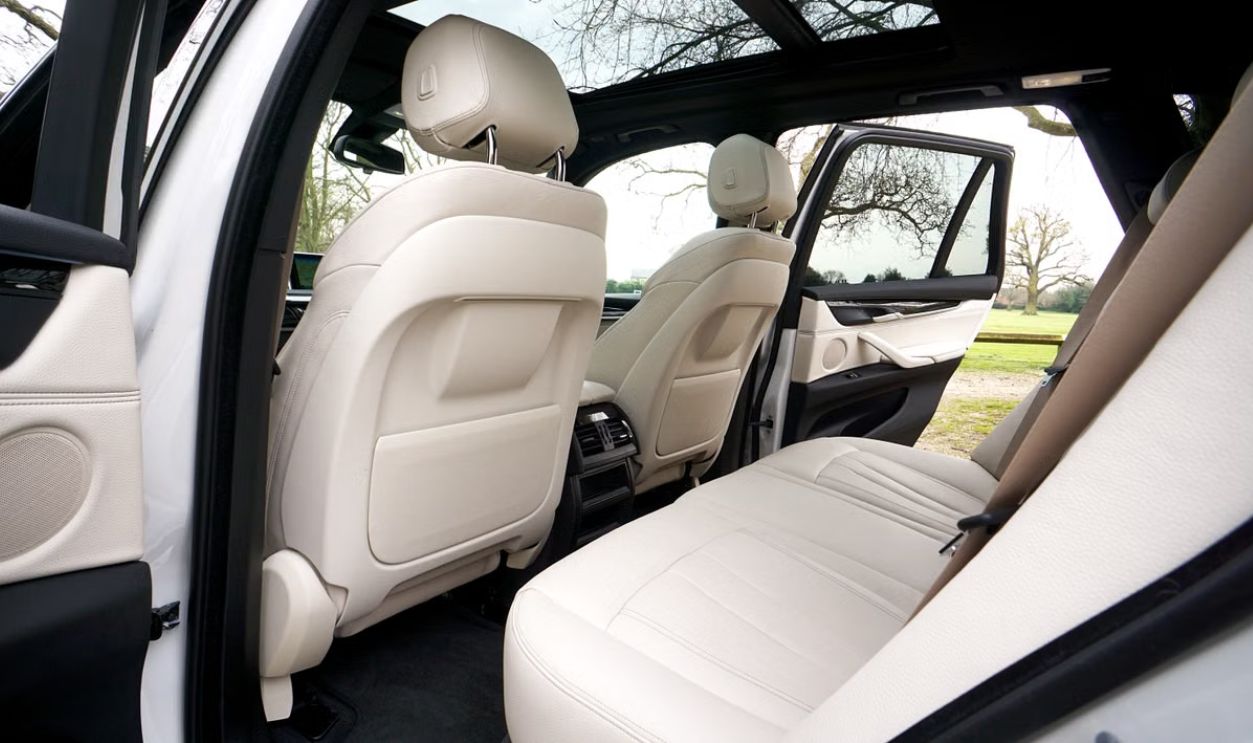
Loose Covers Can Become A Distraction
A seat cover that shifts every time you enter or exit the vehicle can become more than an annoyance. Constant repositioning may distract the driver or gradually interfere with controls and seat adjustments. Properly fitted covers should remain secure during everyday use.
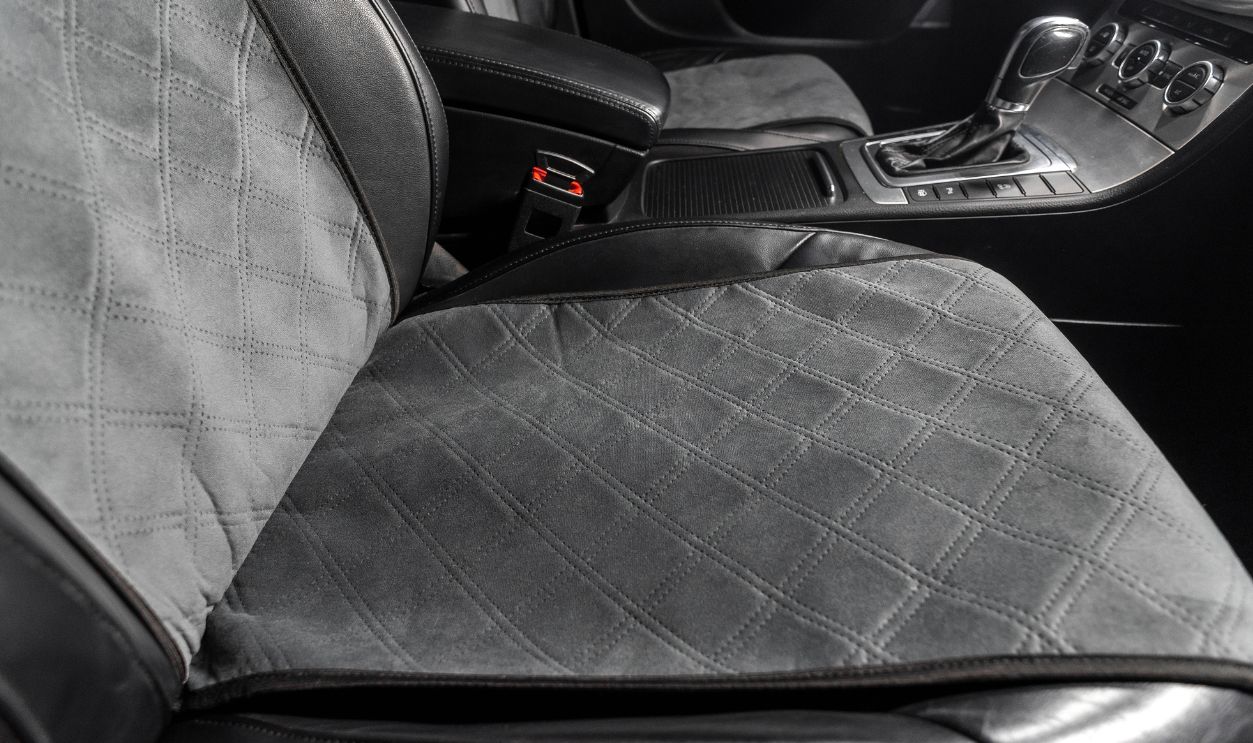
Power Seats Need Room To Move
Modern power seats move in multiple directions and often include memory functions. A poorly installed seat cover may bunch up or catch in moving components over time. Before driving, operate the seat through its full range of motion to make sure nothing binds or snags.
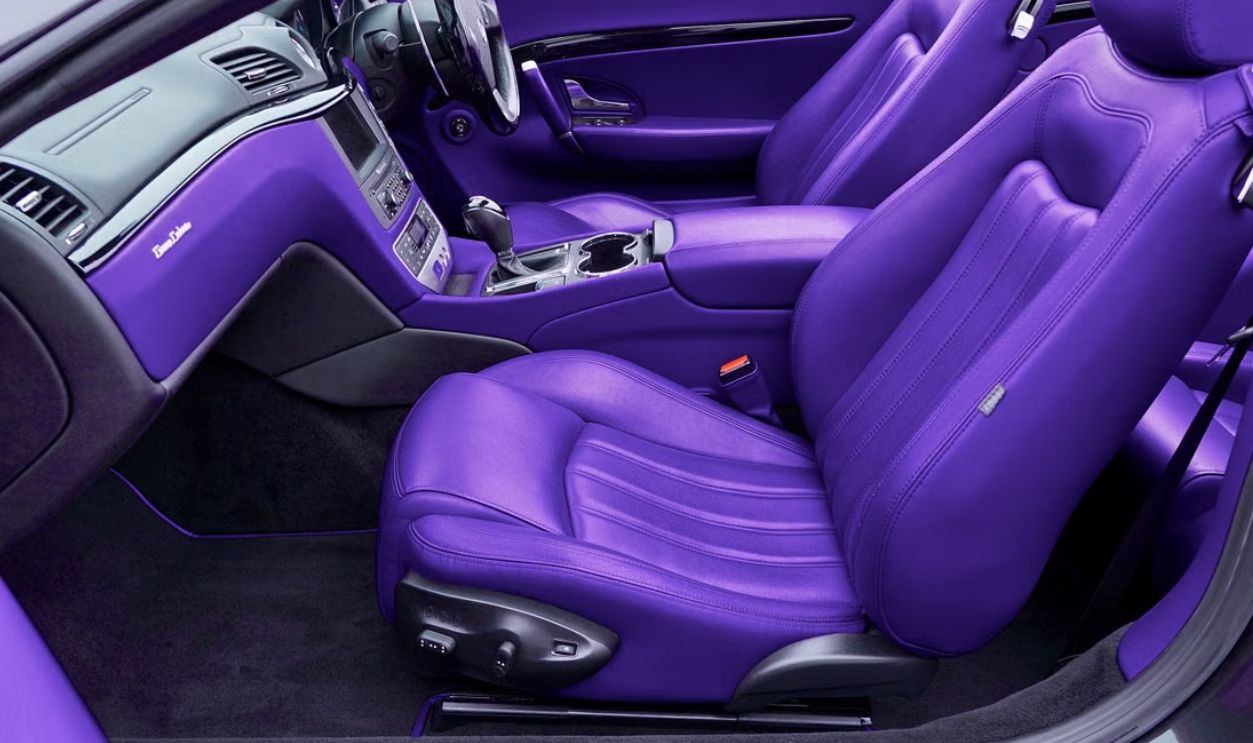
Follow The Vehicle Manufacturer's Guidance
Your owner's manual may contain specific warnings about aftermarket seat accessories. Some manufacturers explicitly caution against using seat covers that aren't designed for vehicles equipped with seat-mounted airbags. Reviewing those recommendations is one of the easiest ways to avoid compatibility problems.
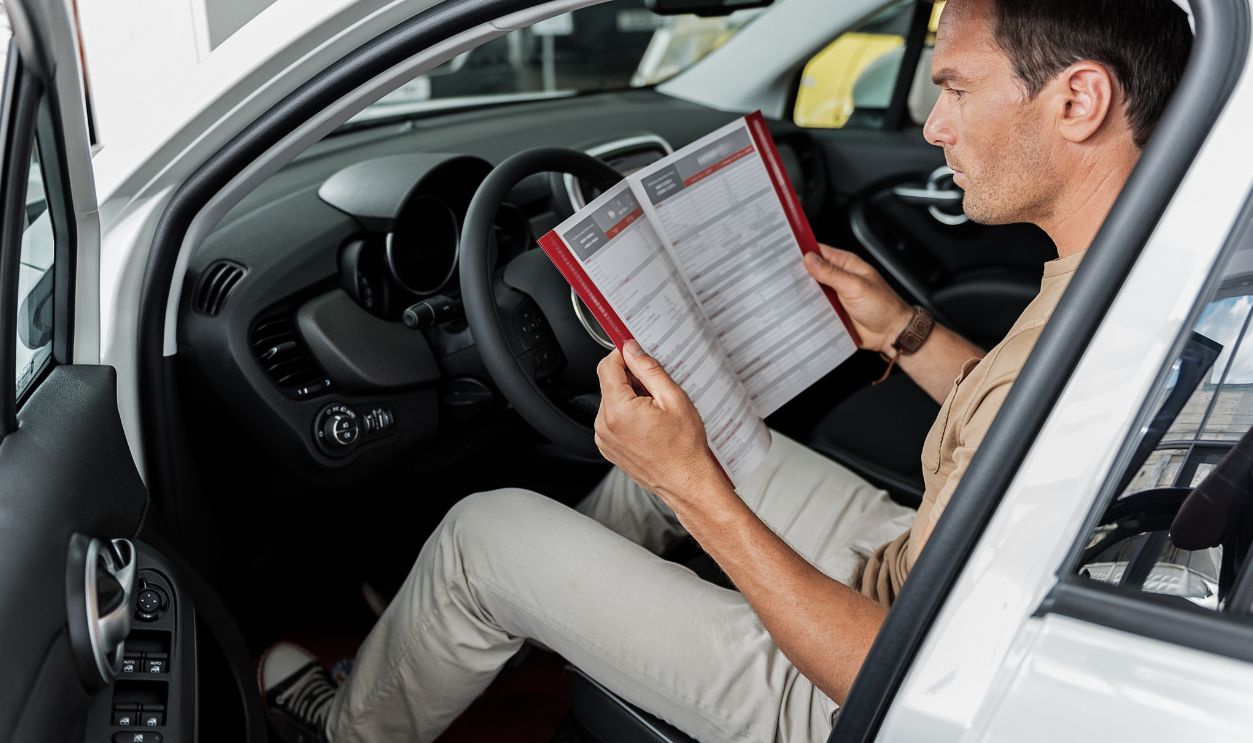
Quality Matters
Not all seat covers are built to the same standard. Well-designed products often undergo testing for compatibility with modern safety systems and include clear installation instructions. Extremely inexpensive covers may not provide the same level of engineering or documentation. Spending a little more upfront can provide greater peace of mind.
Look For Vehicle-Specific Designs
Whenever possible, choose seat covers designed specifically for your vehicle's make, model, and model year. Vehicle-specific covers generally fit better, align correctly with airbag openings, and reduce the risk of interfering with built-in features. They also tend to look better once installed.
Installation Is Just As Important
Even an airbag-compatible seat cover can create problems if it's installed incorrectly. Follow the manufacturer's instructions carefully and avoid adding extra straps, clips, or modifications that weren't part of the original design. If the cover shifts or wrinkles excessively, reinstall it before driving.
 volodimir bazyuk, Shutterstock
Replace Damaged Covers
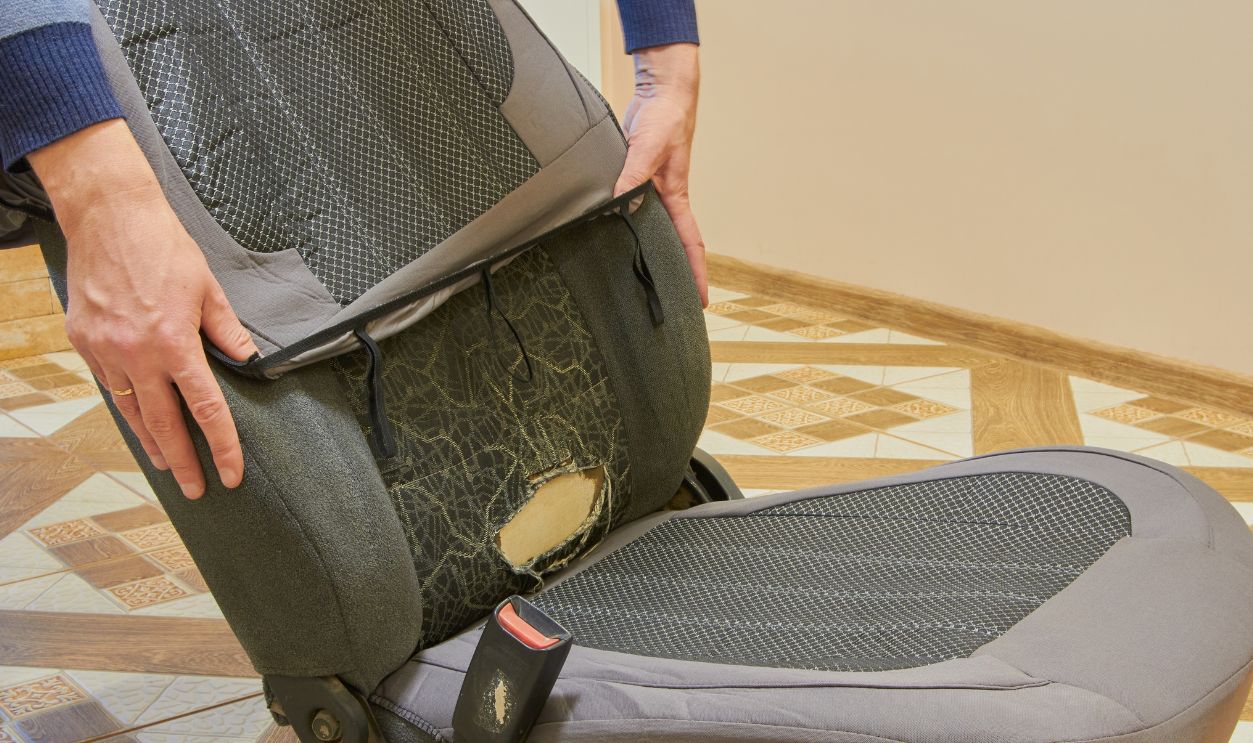
Over time, seat covers can stretch, tear, or lose their shape. A damaged cover may no longer sit where it was originally intended, increasing the possibility of interference with airbags or sensors. If the cover has seen better days, replacement is usually the safest option.
Ask Questions Before Buying
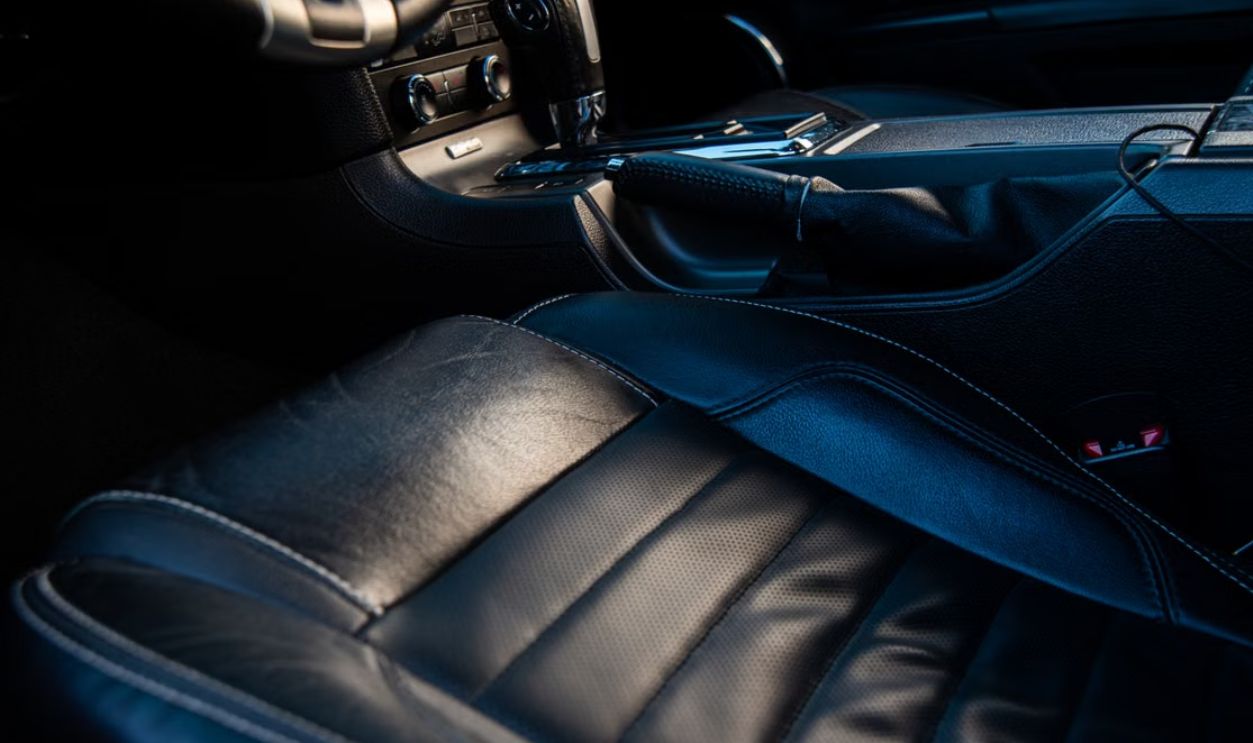
If you're unsure whether a particular seat cover is compatible with your vehicle, ask the manufacturer or retailer directly. Many reputable companies maintain fitment guides listing which vehicles their products support. A few minutes of research can prevent an expensive mistake.

Remove The Covers If You Suspect A Problem
If you've noticed warning lights, unusual seat sensor behavior, poor heated-seat performance, or concerns about airbag compatibility, removing the seat covers temporarily is a simple troubleshooting step. If the problem disappears afterward, you've identified an important clue. A qualified technician can then confirm whether further inspection is needed.
Protecting Your Interior Doesn't Have To Mean Sacrificing Safety
Seat covers remain a perfectly reasonable way to protect your vehicle's interior, but they need to work with your vehicle's safety systems rather than against them. Choosing high-quality, airbag-compatible, vehicle-specific covers and installing them correctly allows many drivers to enjoy the benefits without compromising important safety features.

A Little Research Can Make A Big Difference
If you're hearing that your seat covers could interfere with your car's safety systems, don't panic, but don't ignore the concern either. Modern vehicles rely on seat-mounted airbags, occupancy sensors, seatbelt systems, and other technology that wasn't common just a few decades ago. By confirming where your airbags are located, selecting properly designed covers, following the manufacturer's instructions, and paying attention to warning lights, you can usually protect both your seats and the people riding in them.

You May Also Like: