The Car Hardly Left The Driveway. Does It Still Need An Oil Change?
Many people assume oil changes are based entirely on mileage. So if a car only traveled a few hundred miles over the past year, skipping an oil change can seem perfectly reasonable. Then the worry sets in: did all that old oil quietly damage the engine anyway? The good news is that low mileage doesn't automatically mean you've harmed your engine, but time matters almost as much as distance.
Oil Ages Even When You Aren't Driving
Engine oil doesn't simply sit unchanged while a vehicle is parked. Over time, it can gradually degrade as it is exposed to moisture, oxygen, temperature changes, and contaminants already inside the engine. While modern synthetic oils last much longer than older conventional oils, they are not designed to remain in service indefinitely. That's why manufacturers publish both mileage and time-based service intervals.
Mileage Is Only Half The Story
Many owners remember recommendations like "every 3,000 miles," but today's maintenance schedules are much more flexible. You'll often see intervals such as every 7,500 or 10,000 miles, or once every 12 months, whichever comes first. That last part is important. Even if you never reach the mileage limit, the calendar may still require an oil change.
Short Trips Can Be Hard On Oil
Ironically, vehicles that are driven very little sometimes place more stress on engine oil than those driven regularly. Frequent short trips may prevent the engine from reaching full operating temperature. That allows moisture and fuel contamination to remain in the oil rather than burning off naturally during longer drives.

Condensation Can Build Up
Every engine experiences some condensation as temperatures change. When the engine regularly reaches full operating temperature, much of that moisture evaporates. Cars that spend weeks sitting or only make short trips may allow moisture to remain inside the crankcase longer. Over time, that can reduce the oil's effectiveness.

Fuel Dilution Is Another Concern
During cold starts, a small amount of fuel can make its way into the engine oil. Normally, regular driving helps reduce this issue. Vehicles that make repeated short trips without warming up completely may experience greater fuel dilution. That's one reason manufacturers often classify frequent short-distance driving as "severe service."
Modern Synthetic Oil Is Remarkably Durable
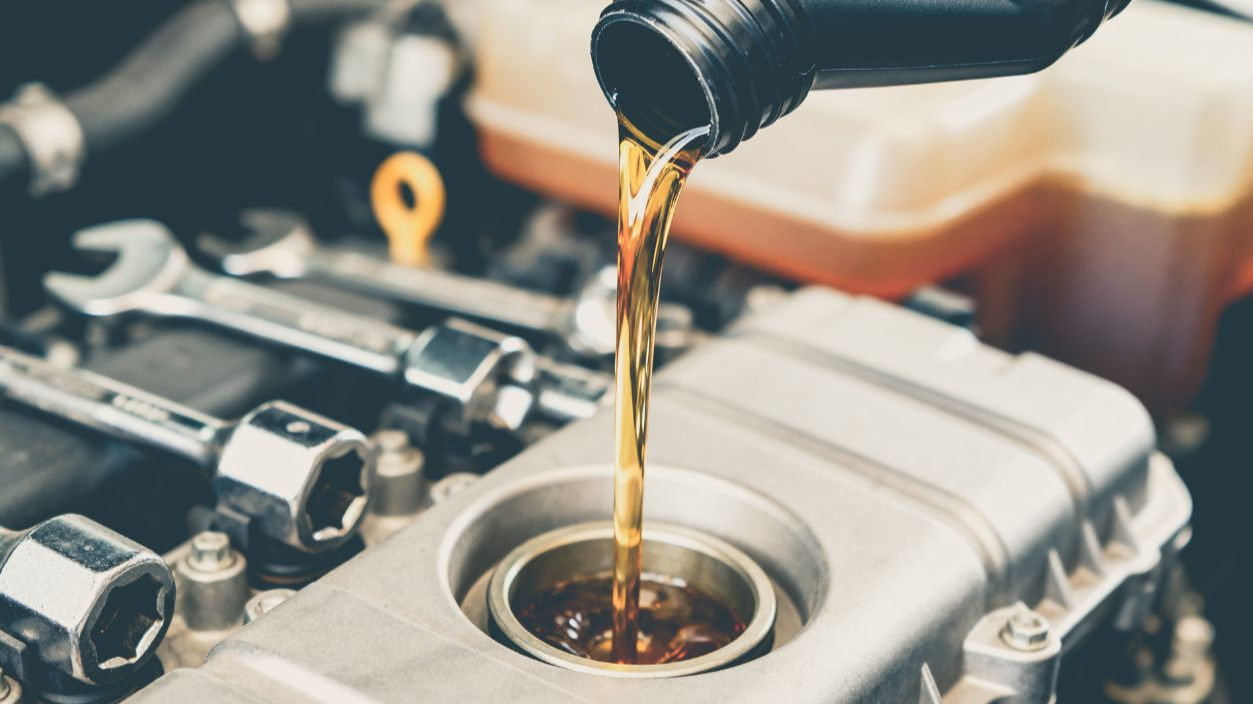
The good news is that today's synthetic oils are far better than the oils used decades ago. They resist breakdown, maintain viscosity longer, and provide excellent engine protection under a wide range of conditions. If you missed one oil change by a modest amount, that doesn't automatically mean your engine suffered permanent damage.
Oil Life Monitors Don't Just Count Miles
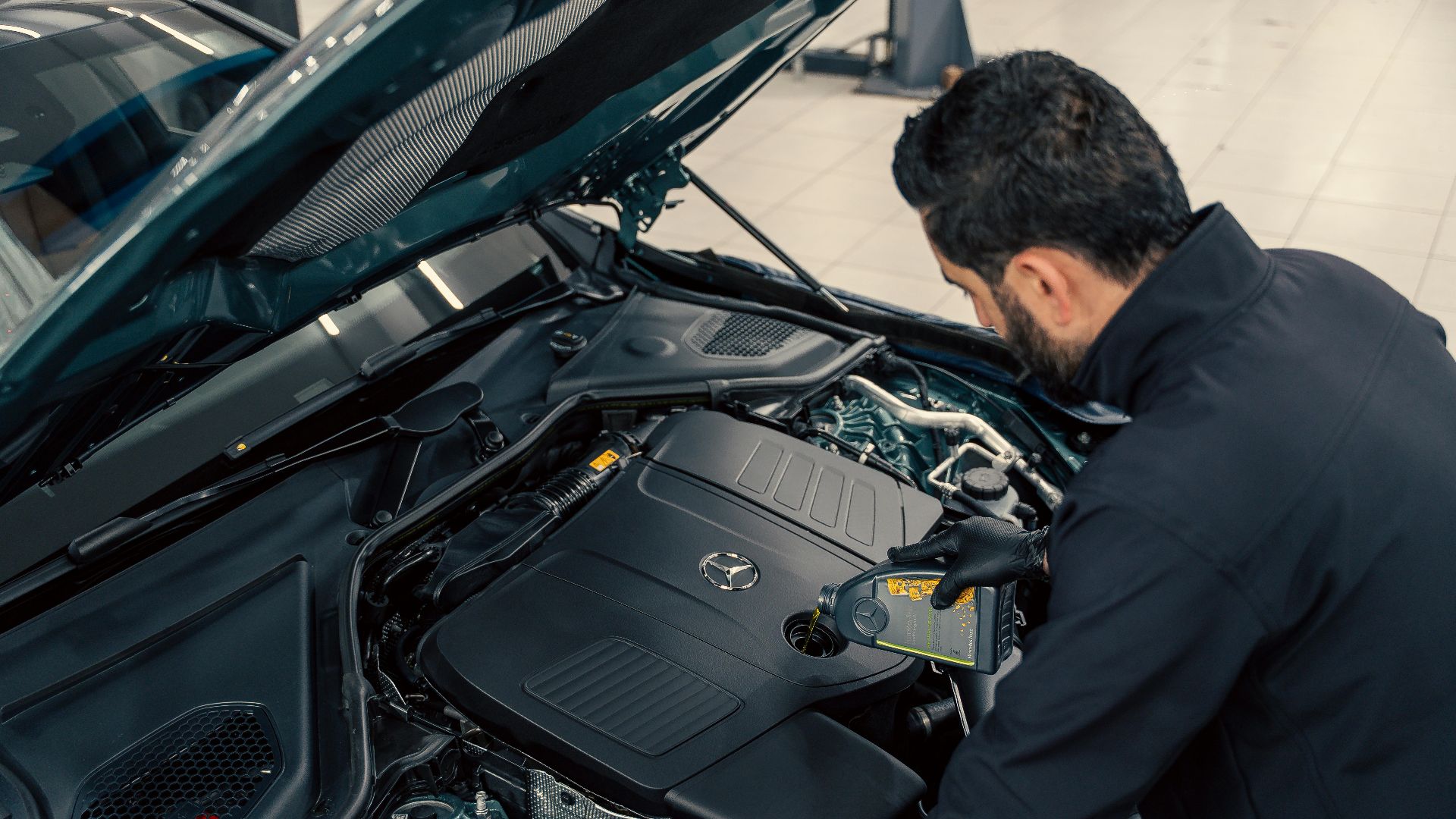
Many newer vehicles use oil life monitoring systems that analyze driving conditions rather than simply tracking mileage. They consider factors such as engine temperature, trip length, cold starts, idle time, and operating conditions. These systems often provide a more accurate picture of when an oil change is actually needed.

Sitting For Months Isn't Ideal
Cars that sit for extended periods can develop maintenance issues unrelated to mileage. Batteries discharge, tires develop flat spots, fuel ages, and fluids absorb moisture over time. While the engine may not accumulate many miles, long storage periods still require attention. Oil changes are only one part of keeping an infrequently driven vehicle healthy.

Check The Owner's Manual
The best maintenance schedule is the one published for your specific vehicle. Manufacturers spend years testing engines under different conditions and develop maintenance intervals accordingly. Some recommend annual oil changes regardless of mileage, while others have different schedules depending on the engine and oil type. The owner's manual should always be your starting point.

One Missed Oil Change Usually Isn't Catastrophic
Many drivers panic after realizing they're overdue for an oil change. In most cases, being somewhat overdue once doesn't automatically ruin an engine. Modern engines and lubricants are fairly forgiving. The greater concern is repeatedly ignoring maintenance over many years.

Watch For Warning Signs
If old oil has begun causing problems, the vehicle may provide clues. Low oil pressure warnings, increased engine noise, rough operation, overheating, or visible sludge during inspections deserve prompt attention. Fortunately, many vehicles that are only moderately overdue show no symptoms at all.

Check The Oil Level Too
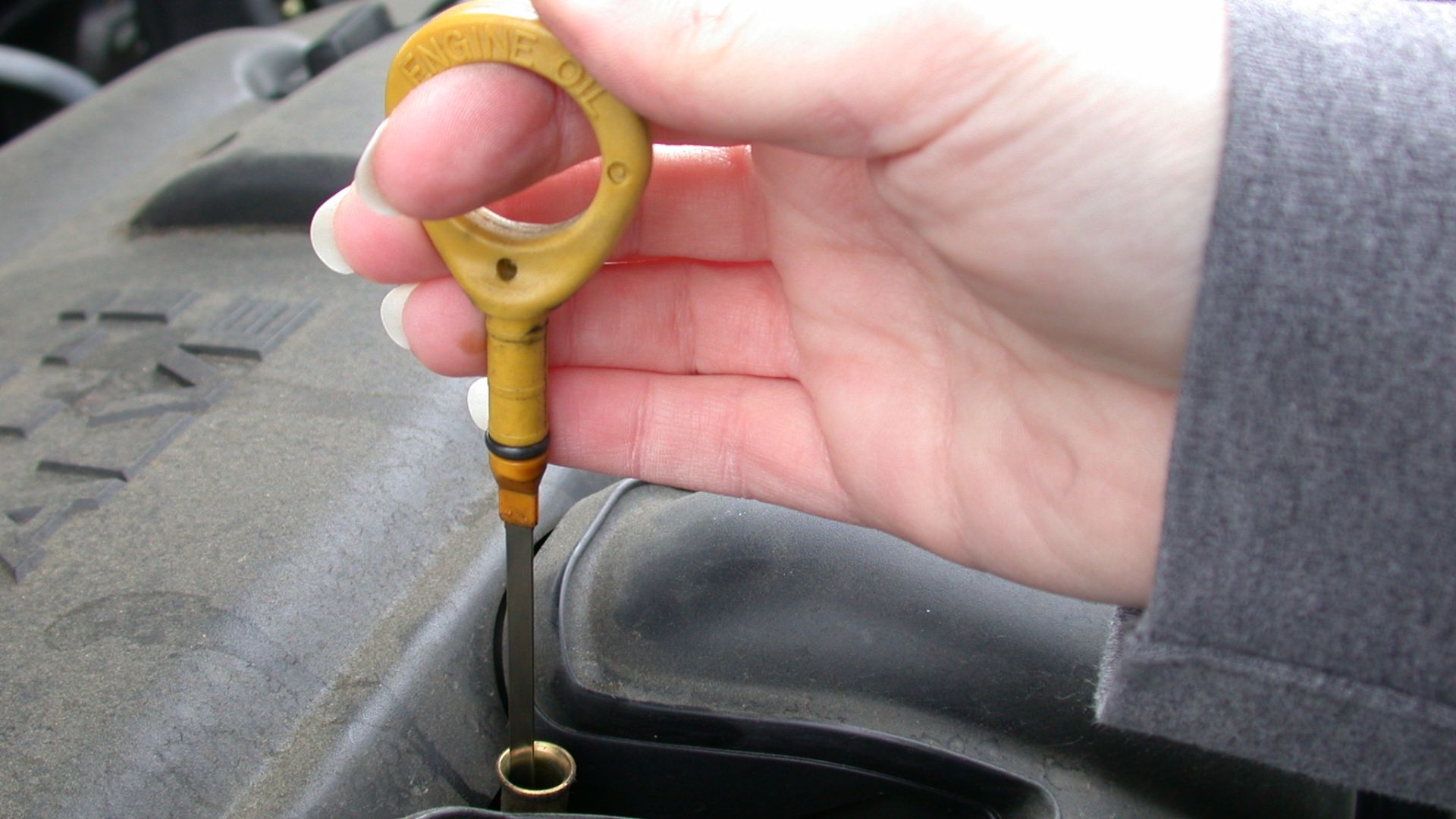
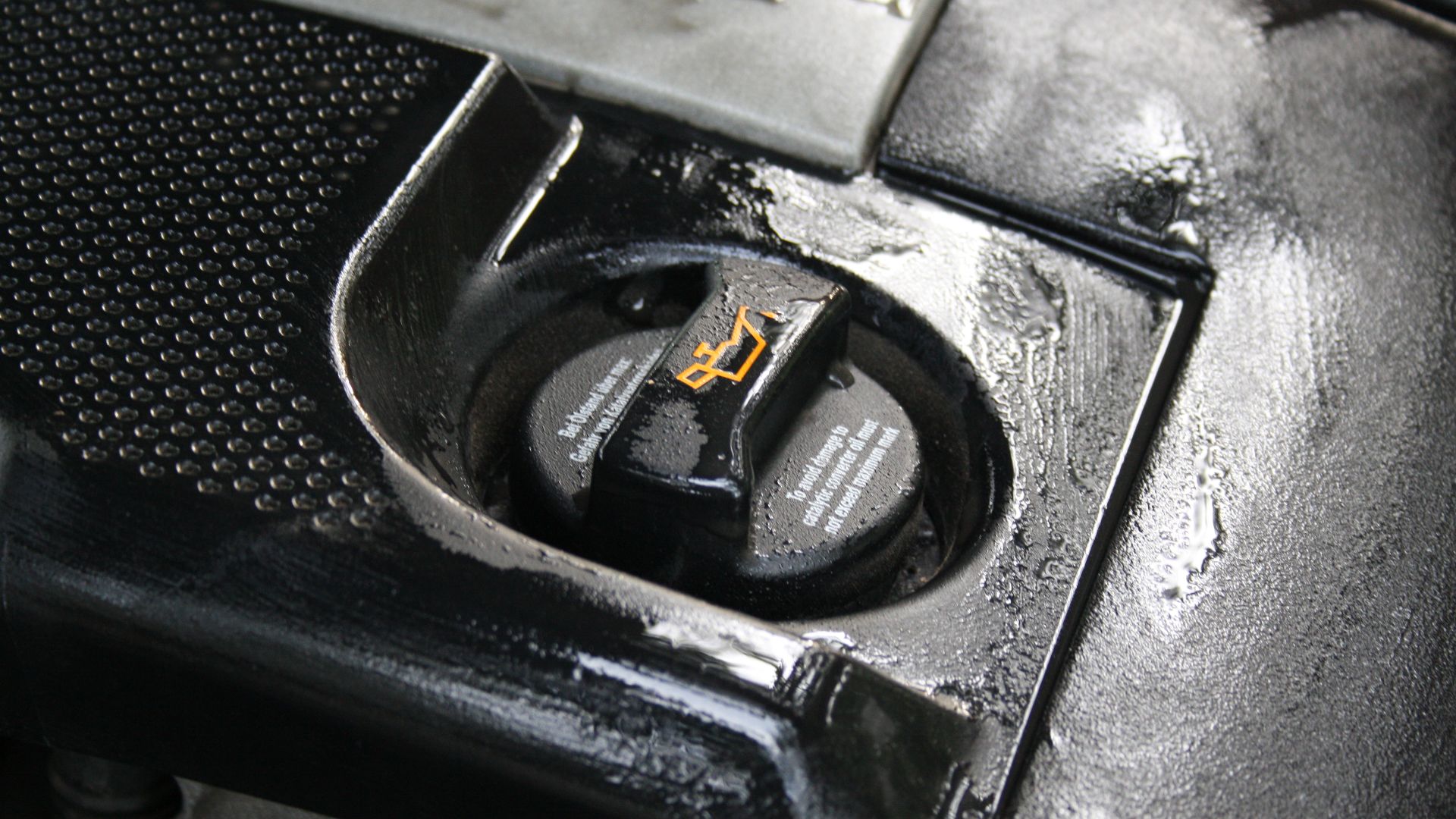
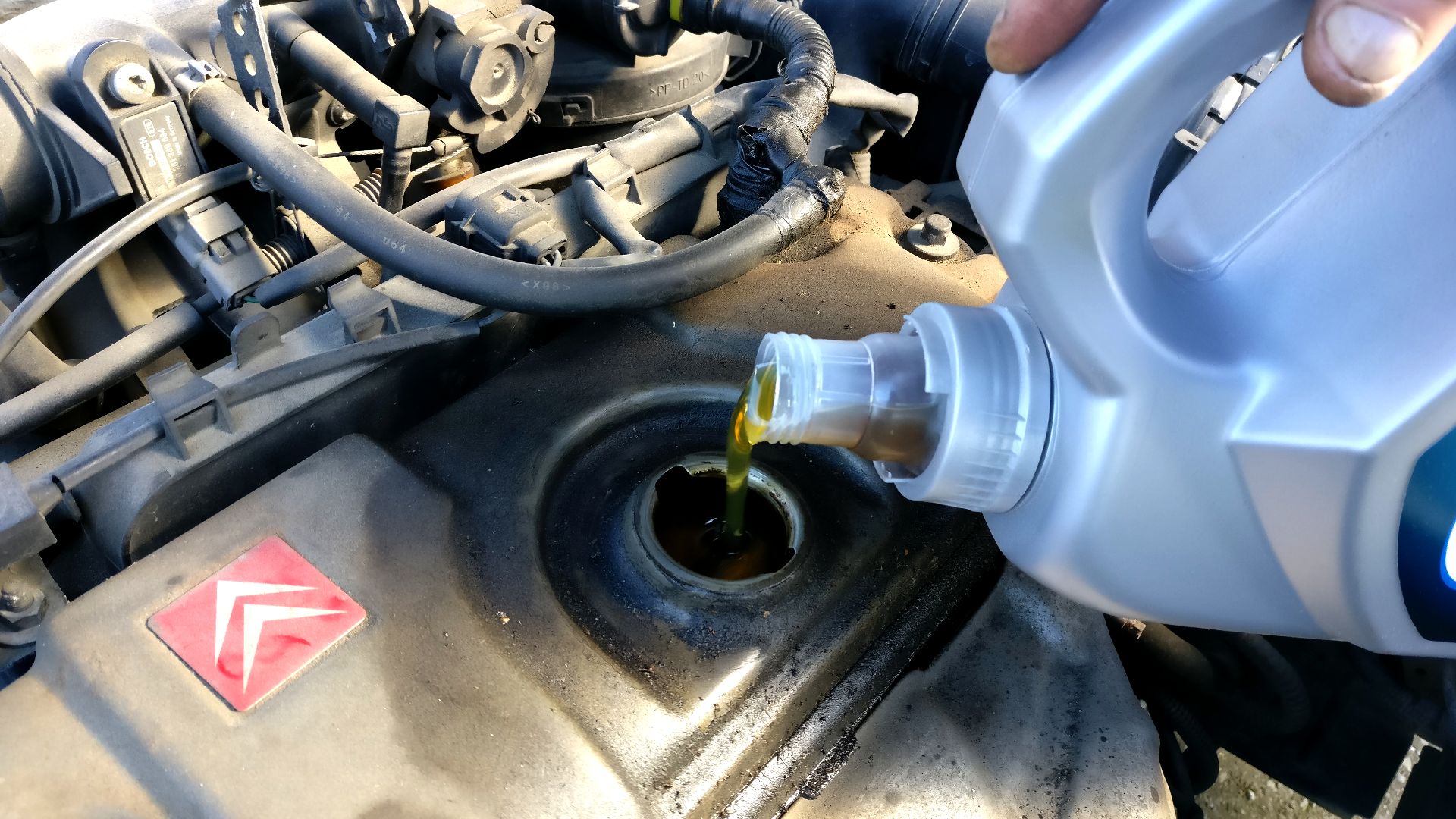
An overdue oil change isn't the only concern. Engines can gradually consume oil between services, especially as they age. Even if the oil itself is still in reasonable condition, running with a low oil level can create serious problems. Checking the dipstick periodically remains one of the simplest and most valuable maintenance habits.
Dark Oil Doesn't Always Mean Bad Oil
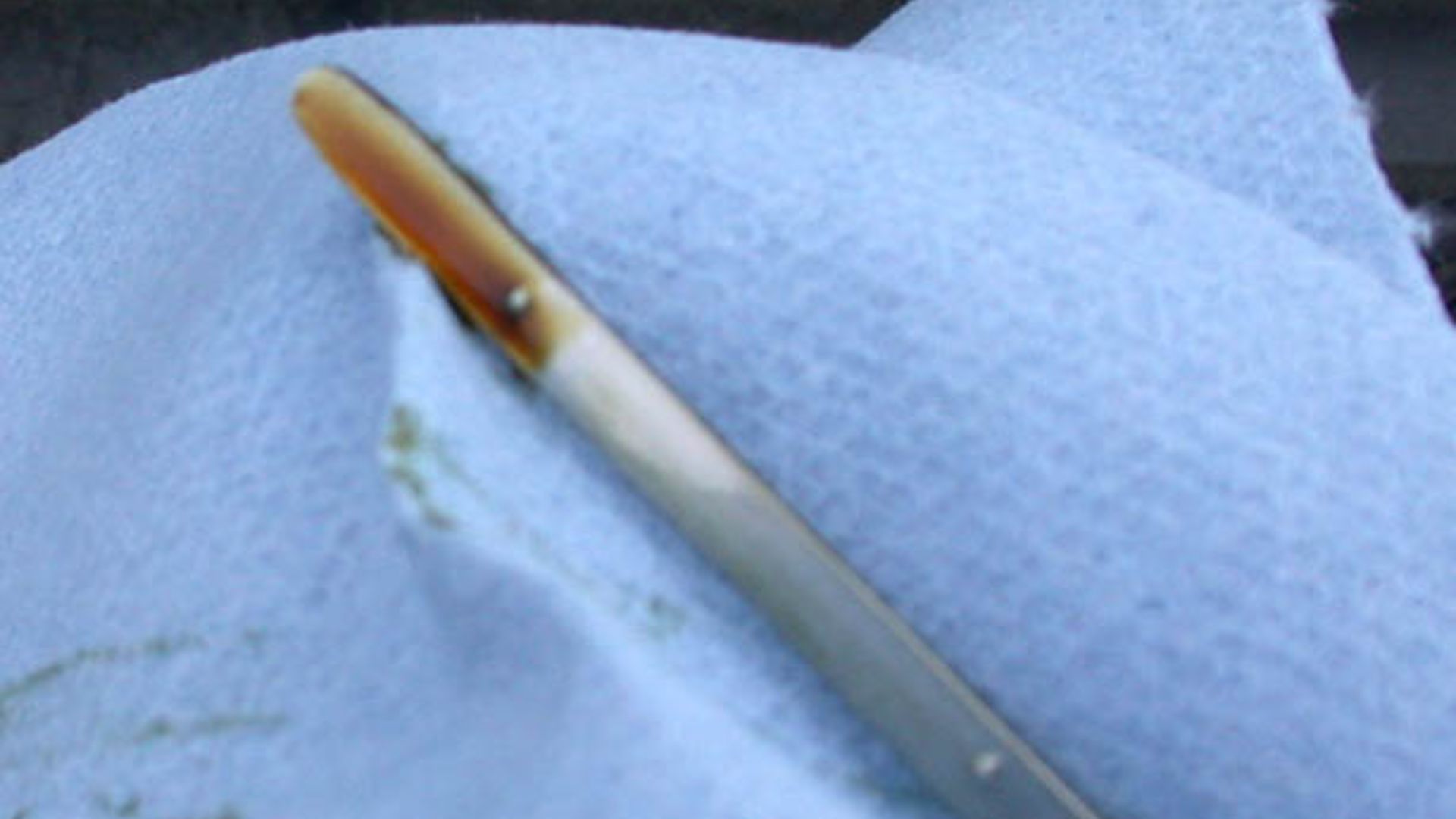
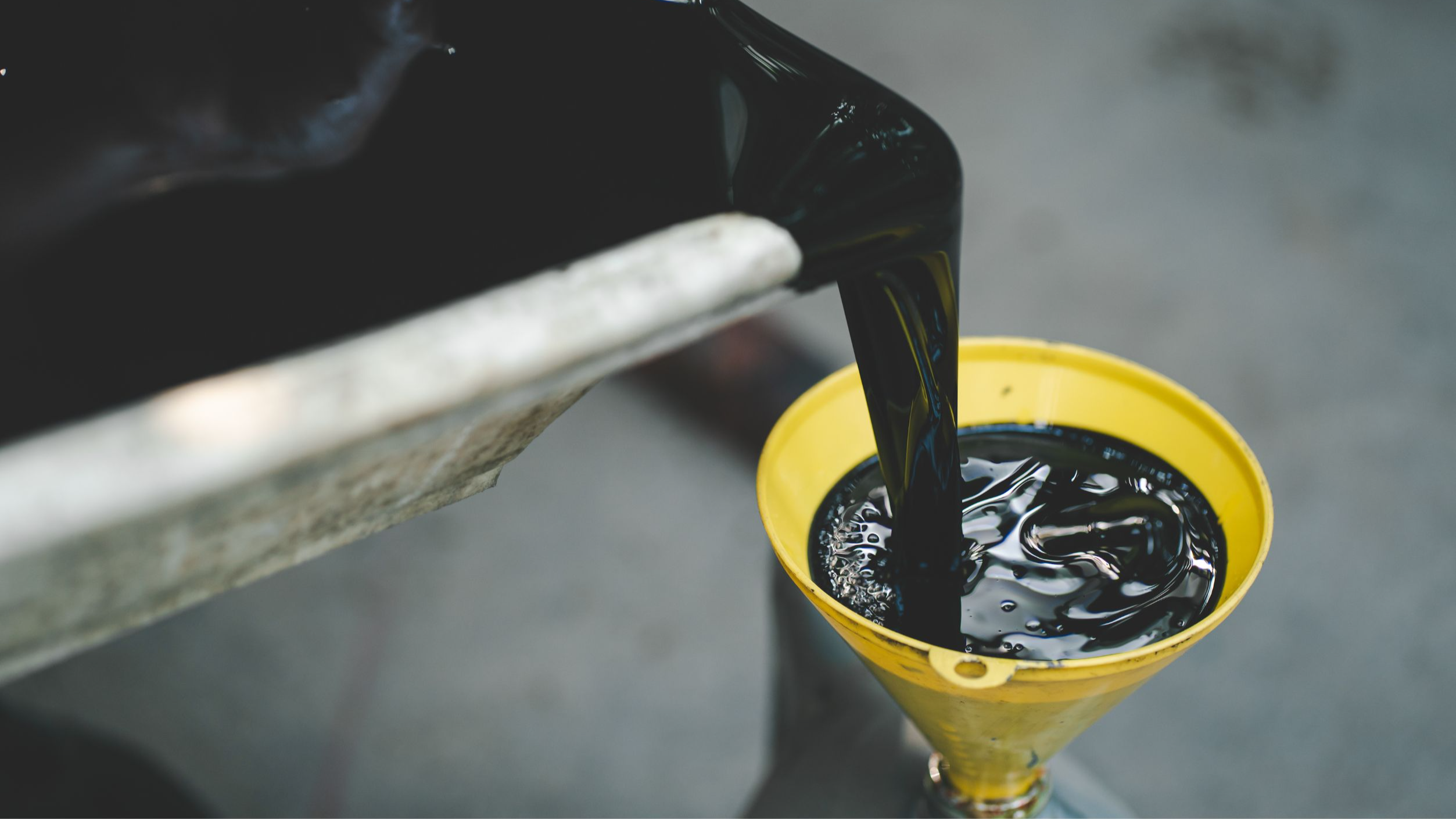
Many people assume black oil automatically needs replacement. In reality, oil often darkens simply because it's doing its job by suspending contaminants. Color alone doesn't determine whether oil remains effective. Service intervals, oil condition, and manufacturer recommendations provide much better guidance.
 Wongsakorn Napaeng, Getty Images
Severe Driving Doesn't Always Mean Hard Driving
The term "severe service" sounds like racing or towing heavy trailers. In reality, manufacturers often include short trips, stop-and-go traffic, frequent idling, dusty roads, and extended periods of inactivity in that category. Many everyday drivers unknowingly fall into severe-service schedules.

Annual Changes Offer Peace Of Mind
For vehicles that see very low annual mileage, many mechanics recommend changing the oil about once a year. The cost is relatively modest compared with major engine repairs. Even if the oil could technically last longer, annual service provides a simple maintenance routine that's easy to remember.

Oil Filters Age Too
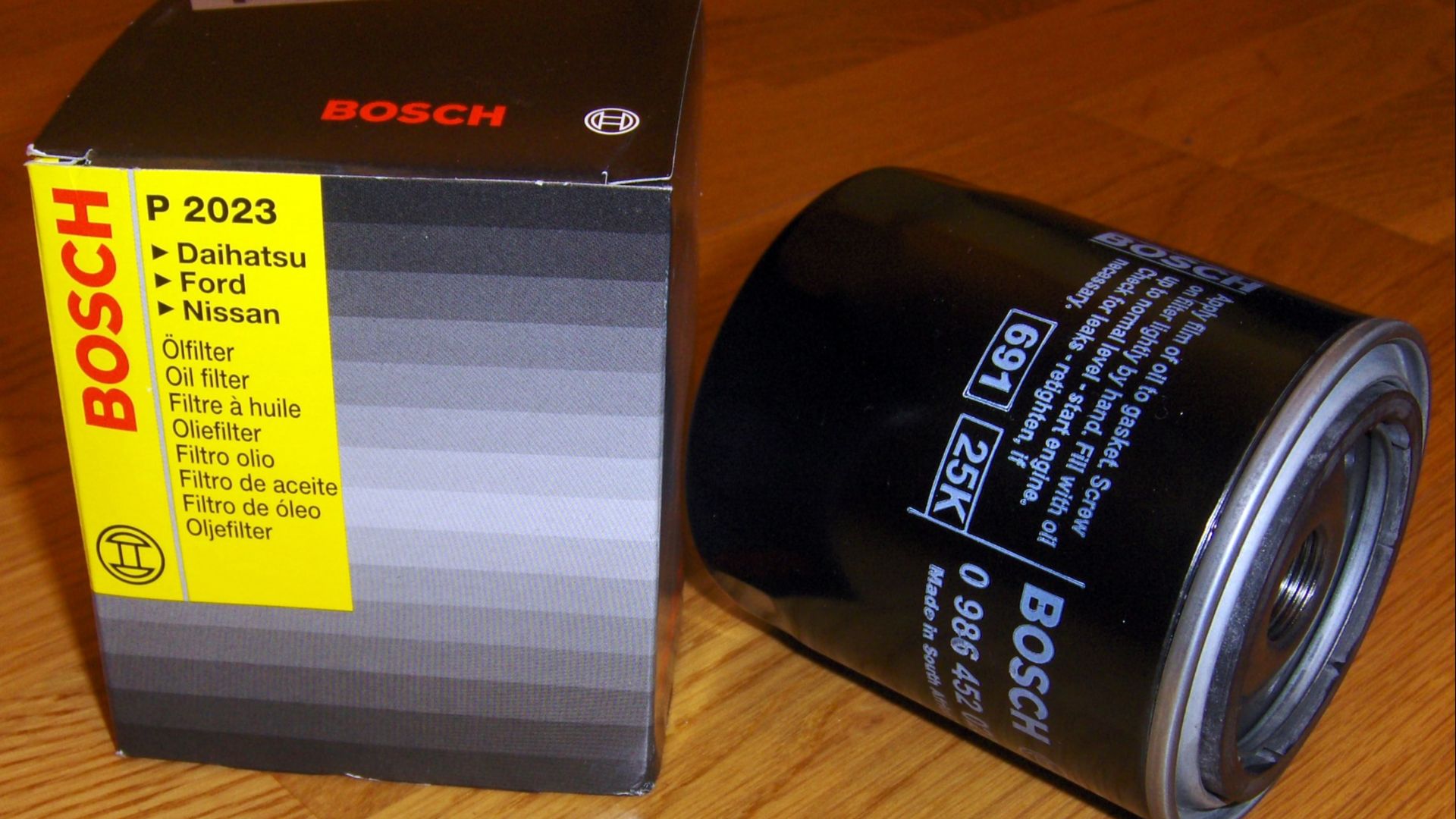
The filter is just as important as the oil itself. As it traps contaminants, its ability to filter efficiently gradually decreases. Replacing the filter during each oil change helps ensure fresh oil isn't immediately circulating through an old filter that has already done months or years of work.
 Schumi4ever, Wikimedia Commons
Storage Preparation Matters
If you know a vehicle will sit for several months, preparing it properly can help. Many owners perform an oil change before long-term storage so contaminants aren't left sitting inside the engine. Other maintenance steps, such as battery care and fuel stabilization, can also make a big difference.
Highway Drives Can Help
If you don't drive often, taking the car on an occasional longer highway trip can benefit the engine. Reaching full operating temperature helps evaporate moisture, recharge the battery, circulate fluids, and keep various components functioning properly. A 30-minute drive every few weeks is often more beneficial than multiple five-minute errands.

Don't Forget Other Fluids
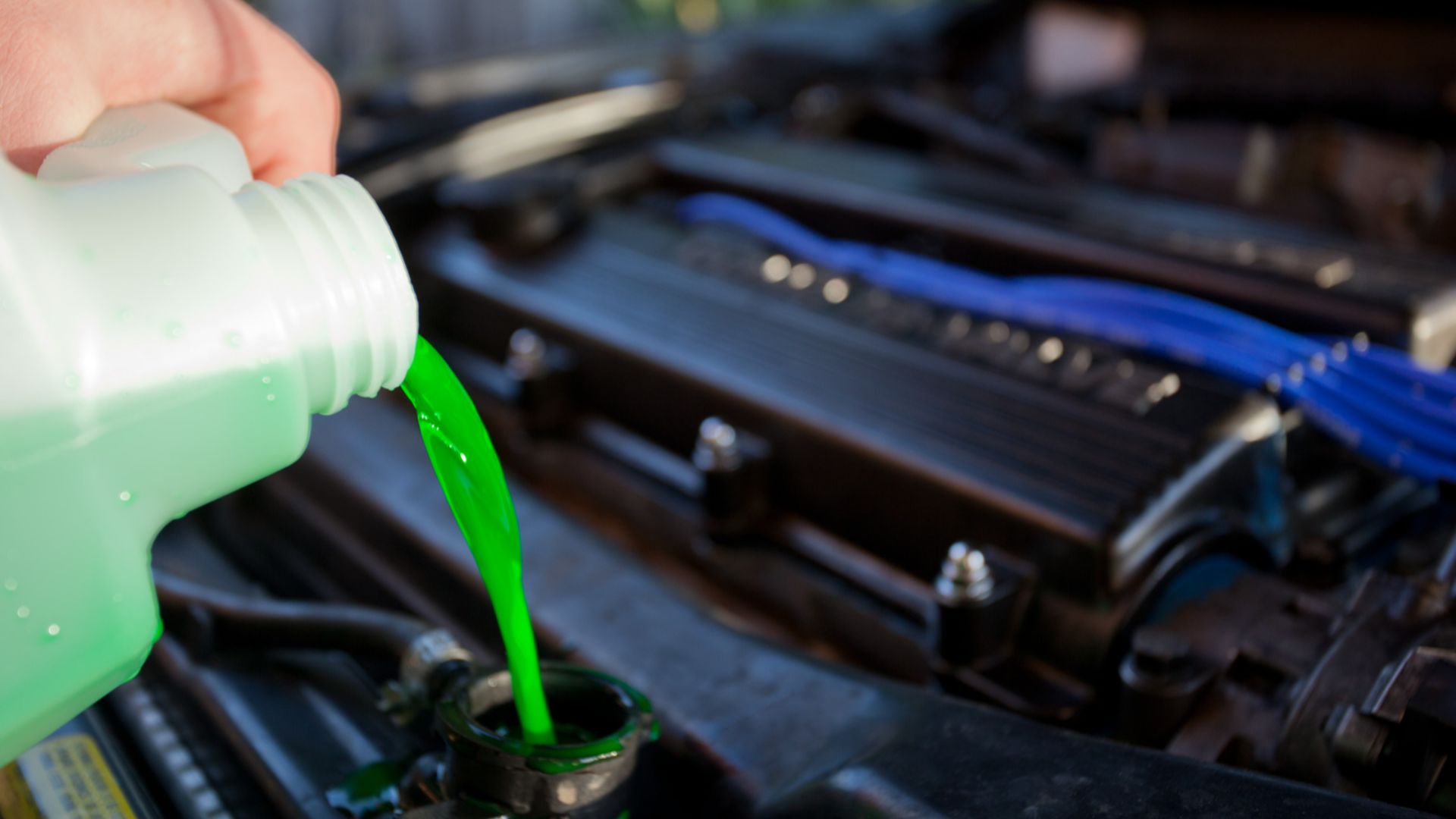
Oil isn't the only fluid that ages over time. Brake fluid, coolant, transmission fluid, and differential lubricants all have maintenance schedules based on time, mileage, or both. A low-mileage vehicle still needs periodic attention to these systems.
Keep Maintenance Records
Whether you drive 2,000 miles or 20,000 miles each year, maintaining service records is worthwhile. Documentation helps you remember maintenance intervals and can increase resale value. Future buyers often appreciate proof that a low-mileage vehicle was maintained properly despite limited use.

If You're Unsure, Change The Oil
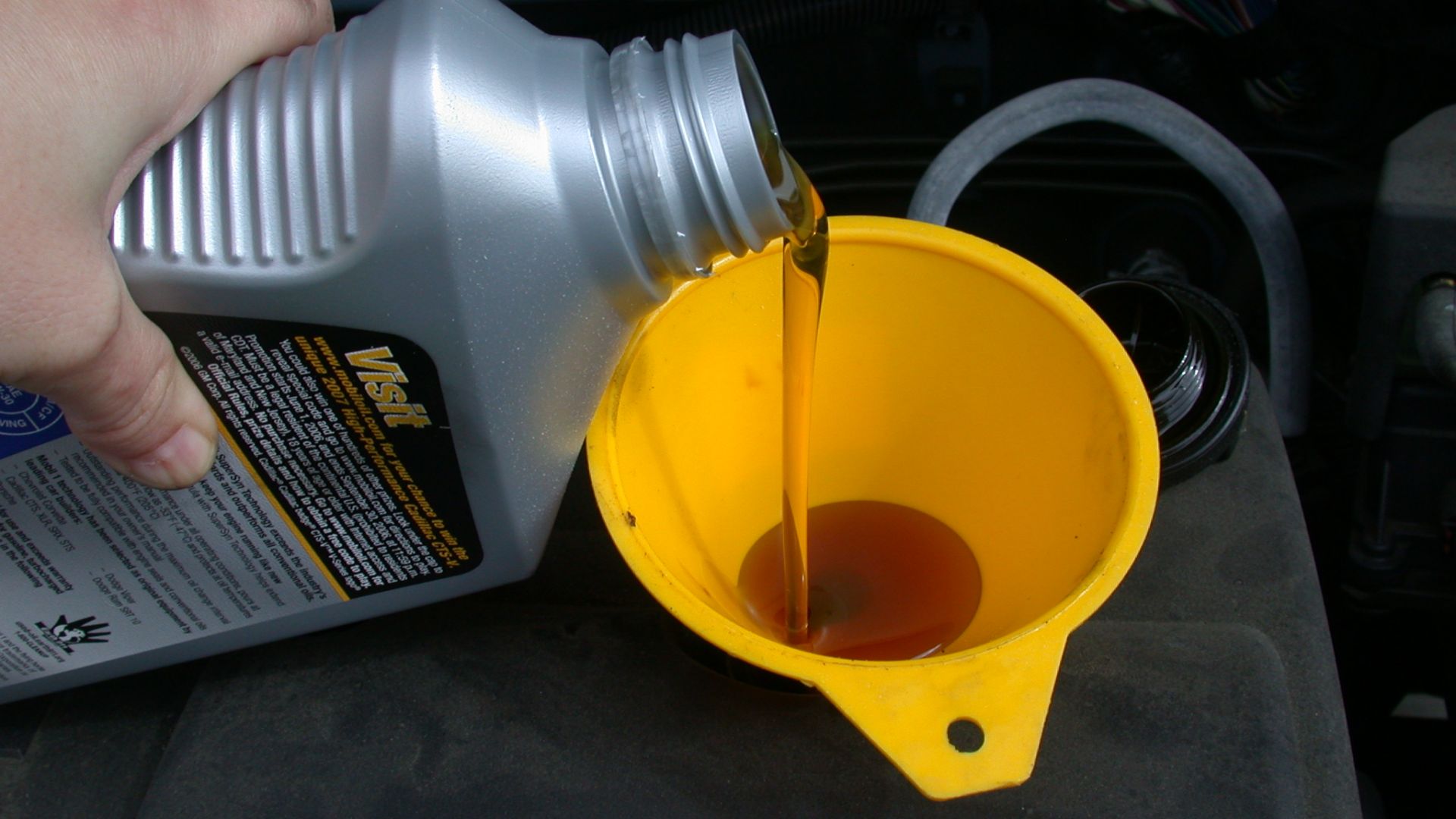
If you honestly can't remember when the last oil change was performed, the simplest answer is usually to schedule one. Fresh oil and a new filter are inexpensive compared with the value of the engine they're protecting. Even if the old oil still had some life left, replacing it provides peace of mind.
Going Forward Is More Important Than Looking Back
Worrying about one missed oil change won't help your engine today. Developing a consistent maintenance routine will. Whether you track mileage, calendar dates, or follow the vehicle's oil life monitor, having a reliable system makes future maintenance much easier.

Most Engines Survive An Occasional Delay
Modern engines are built to be remarkably durable, and missing one oil change by a reasonable amount doesn't automatically mean you've caused permanent damage. The bigger risk comes from making a habit of delaying maintenance year after year. One oversight is very different from chronic neglect.
Time Matters Almost As Much As Mileage
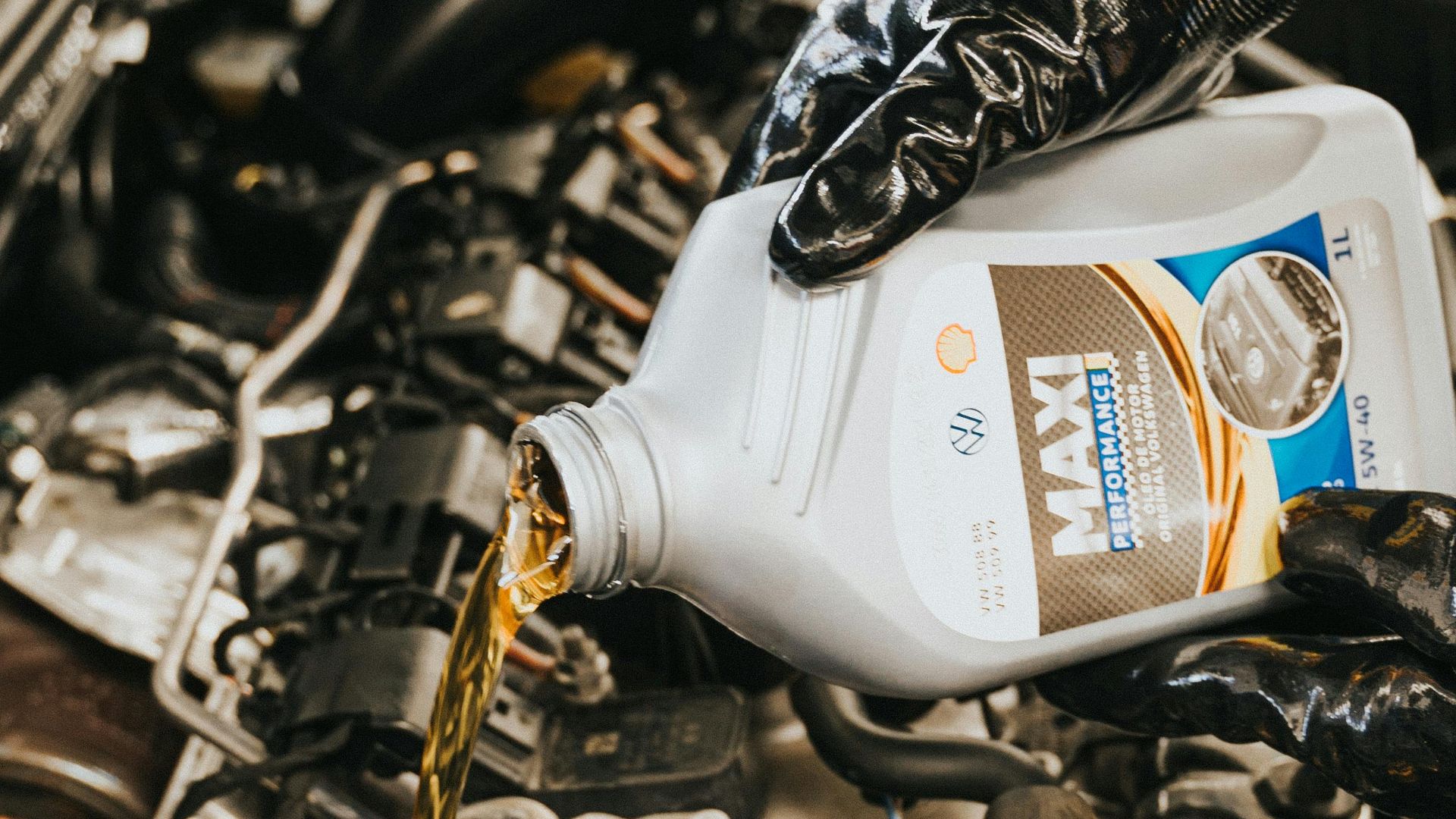
If you skipped your last oil change because you barely drove, don't assume the engine is ruined. In many cases, a prompt oil change and a quick inspection are all that's needed to get back on track. The important lesson is that engine oil ages with both miles and time, so following the manufacturer's schedule, even for lightly driven vehicles, remains one of the easiest ways to keep an engine healthy for years to come.
 Santeri Viinamäki, Wikimedia Commons
You May Also Like: