That Yellow Light Felt Harmless
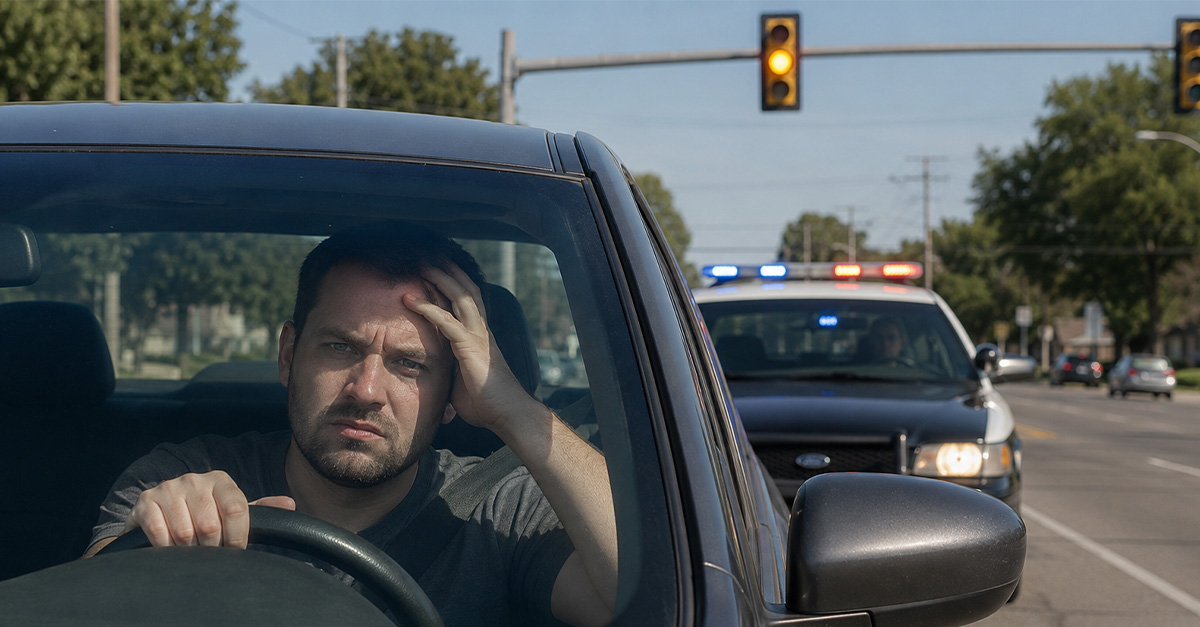
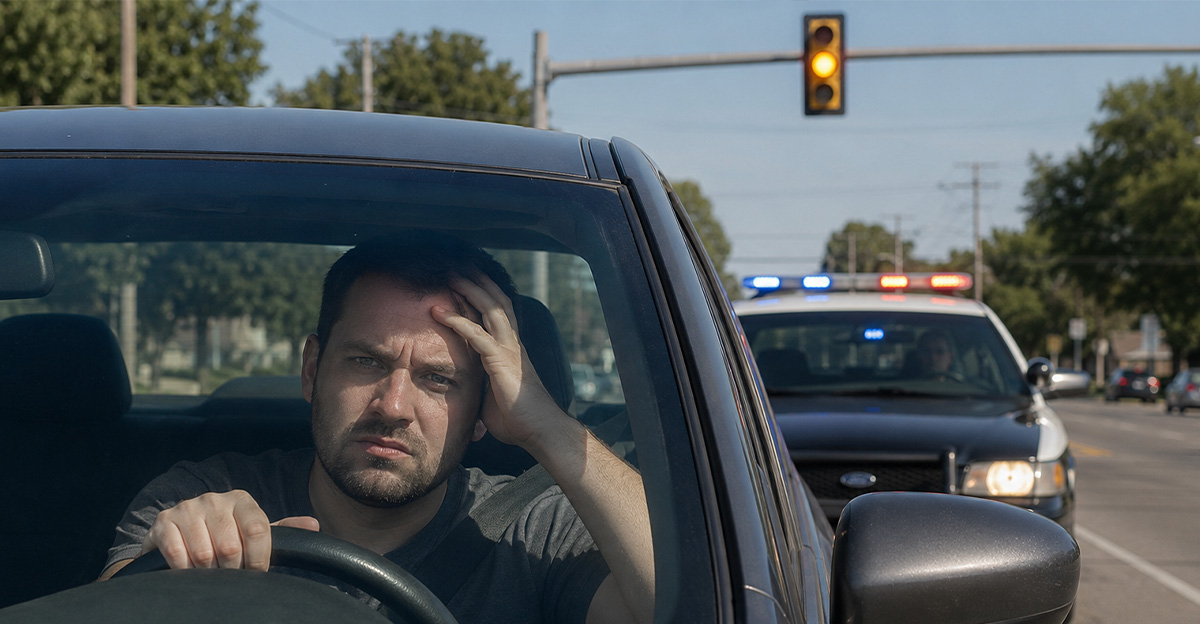
Most drivers have been there: the light turns yellow, your brain does math, your foot makes a decision, and suddenly you are through the intersection. Then come the flashing lights behind you. If the light was not red yet, why the ticket? The answer is less about color and more about judgment.
Yellow Does Not Mean Hurry Up
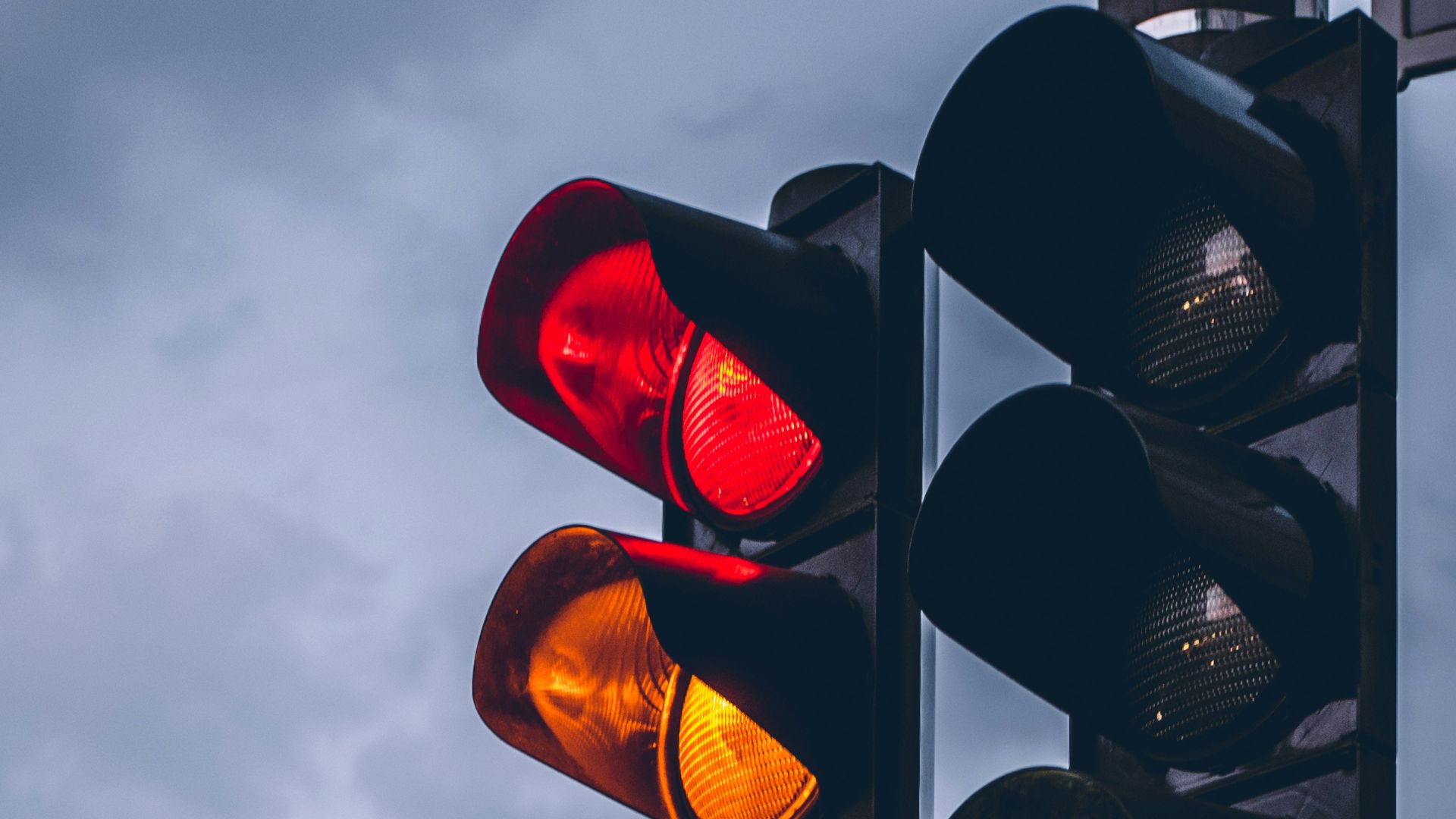
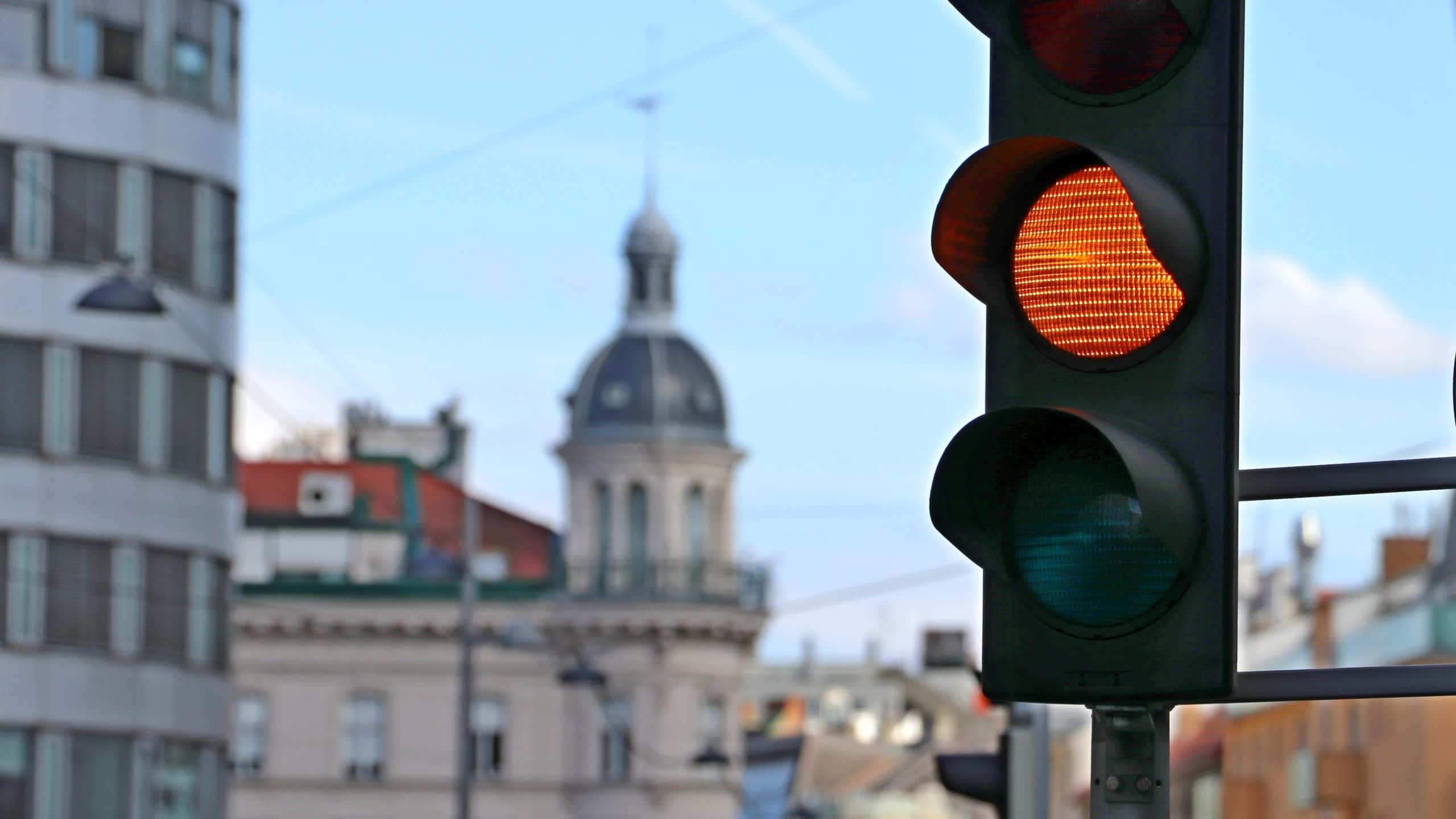
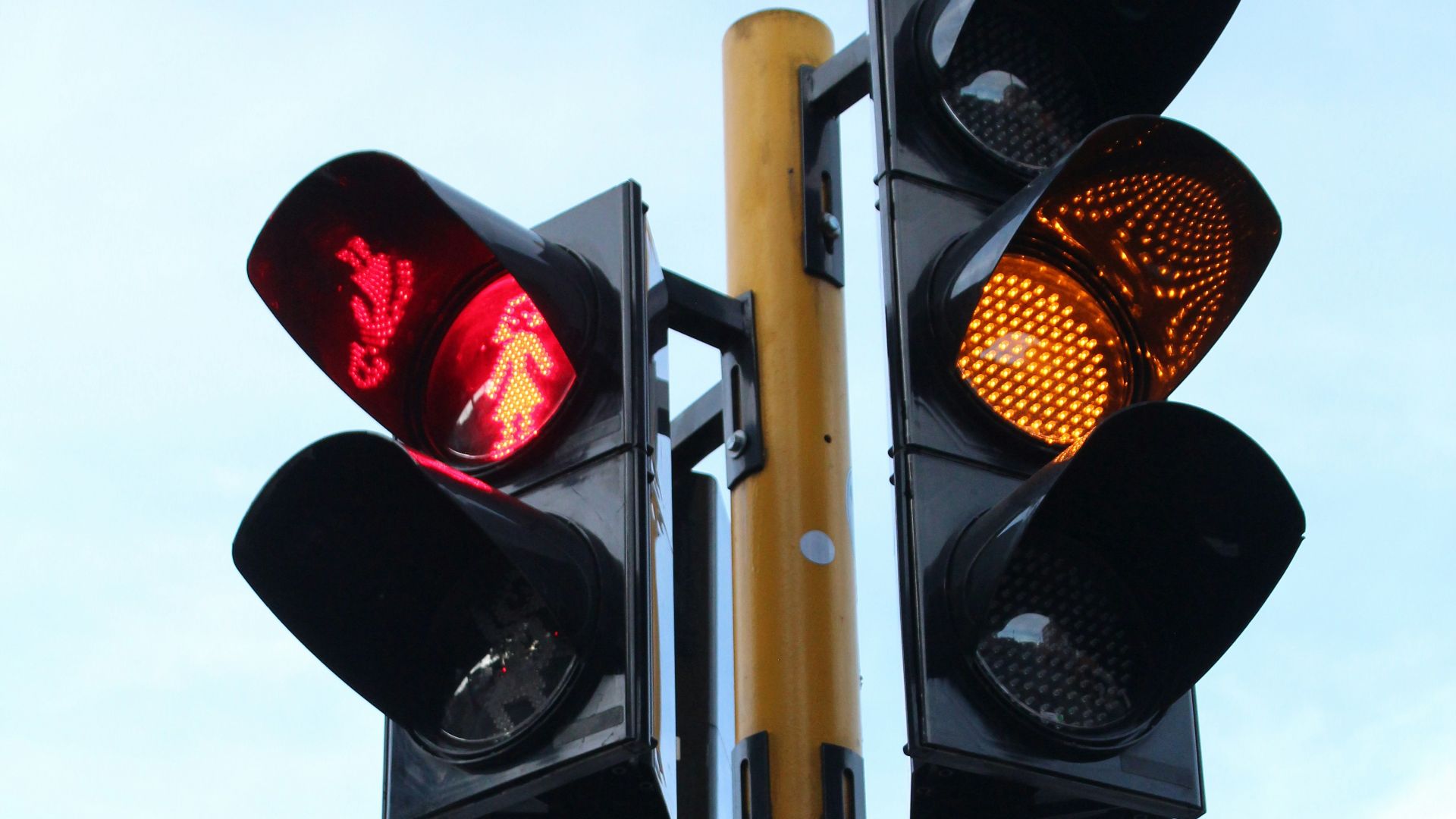
Many drivers treat a yellow light like a challenge from a game show. Can you make it before red? But legally, yellow usually means the green phase is ending and you should prepare to stop if you can do so safely. It is a warning, not a personal invitation to launch.
The Law Depends On Where You Are
Traffic laws vary by state, province, and city, so the exact answer depends on where the ticket happened. In some places, entering on yellow is allowed if stopping would be unsafe. In others, police may focus on whether you could reasonably have stopped before the intersection.
The Key Word Is Safely
The big question is not always, “Was the light red?” It is often, “Could you have stopped safely?” If you were far enough back, driving at a normal speed, and had room to brake smoothly, an officer may decide you should have stopped instead of accelerating.
Accelerating Can Change Everything
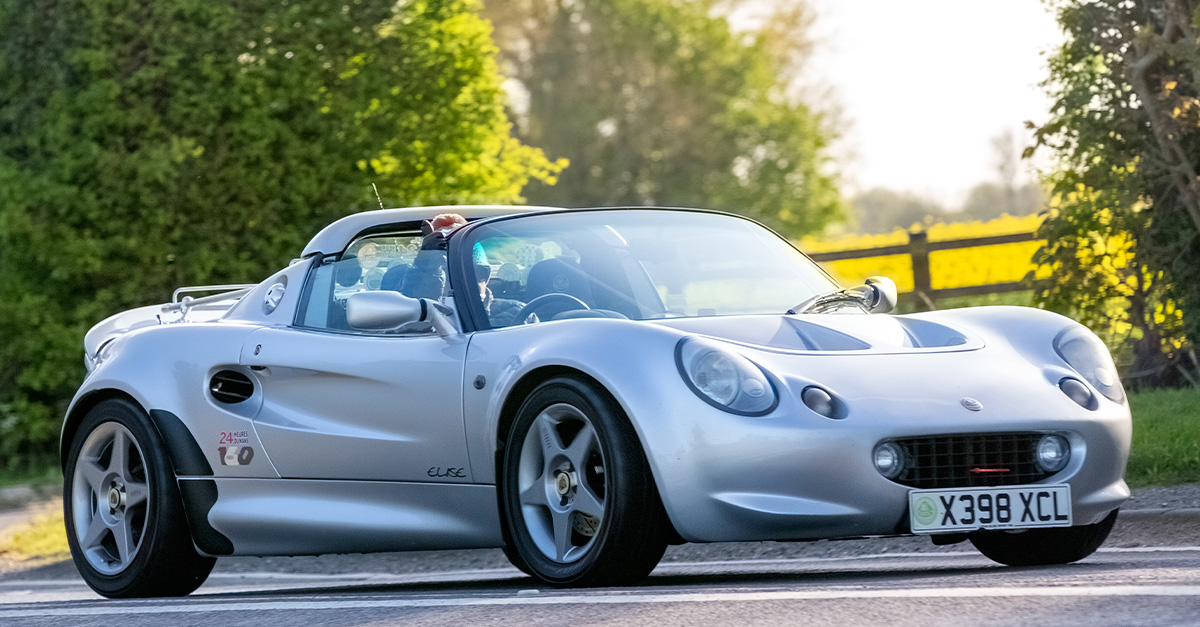
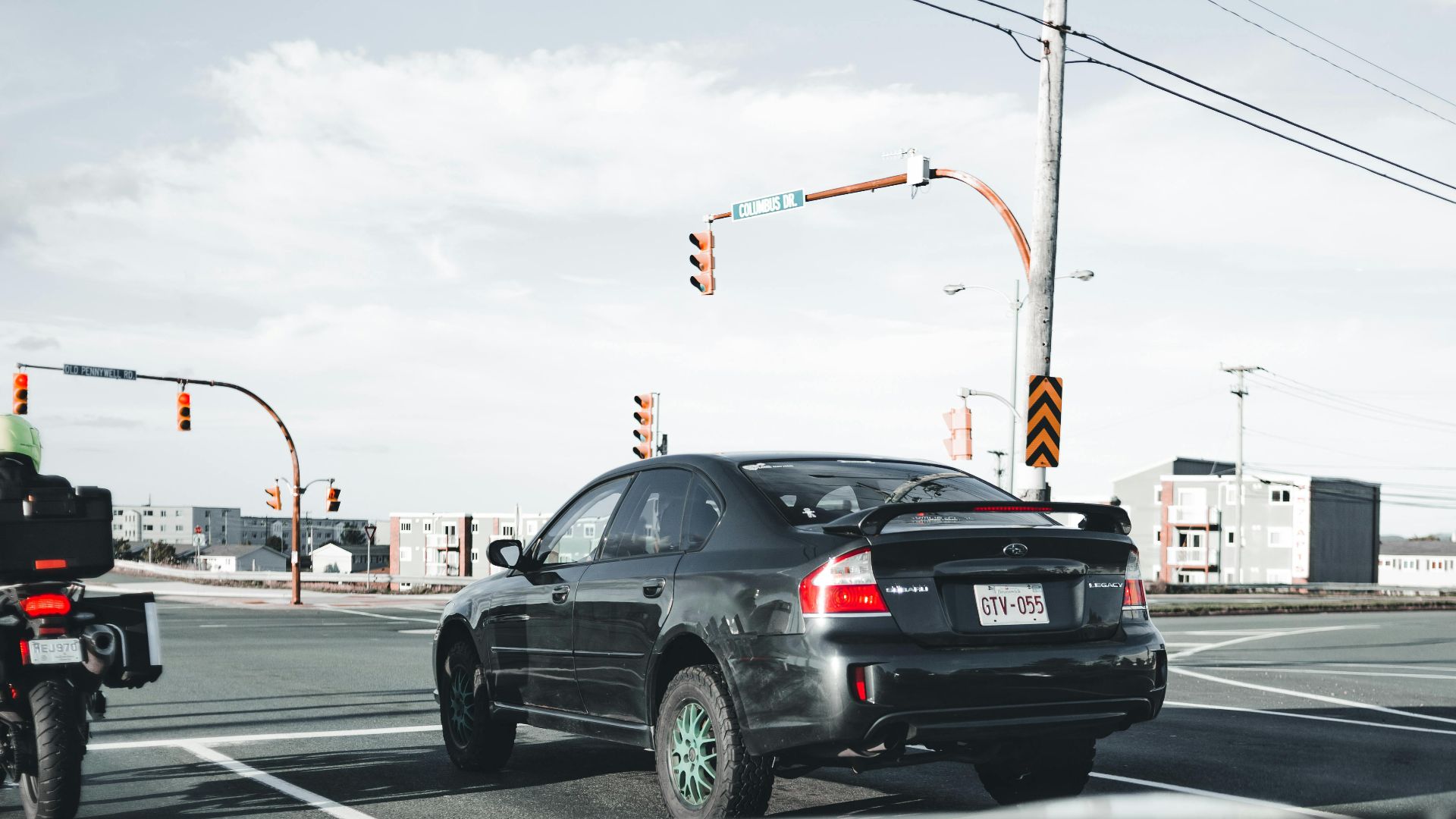
This is where your story gets tricky. You did not simply continue through a yellow light. You accelerated. To police, that can look like you made a deliberate choice to beat the light, especially if your speed jumped noticeably as you approached the intersection.
Police Watch Driver Behavior
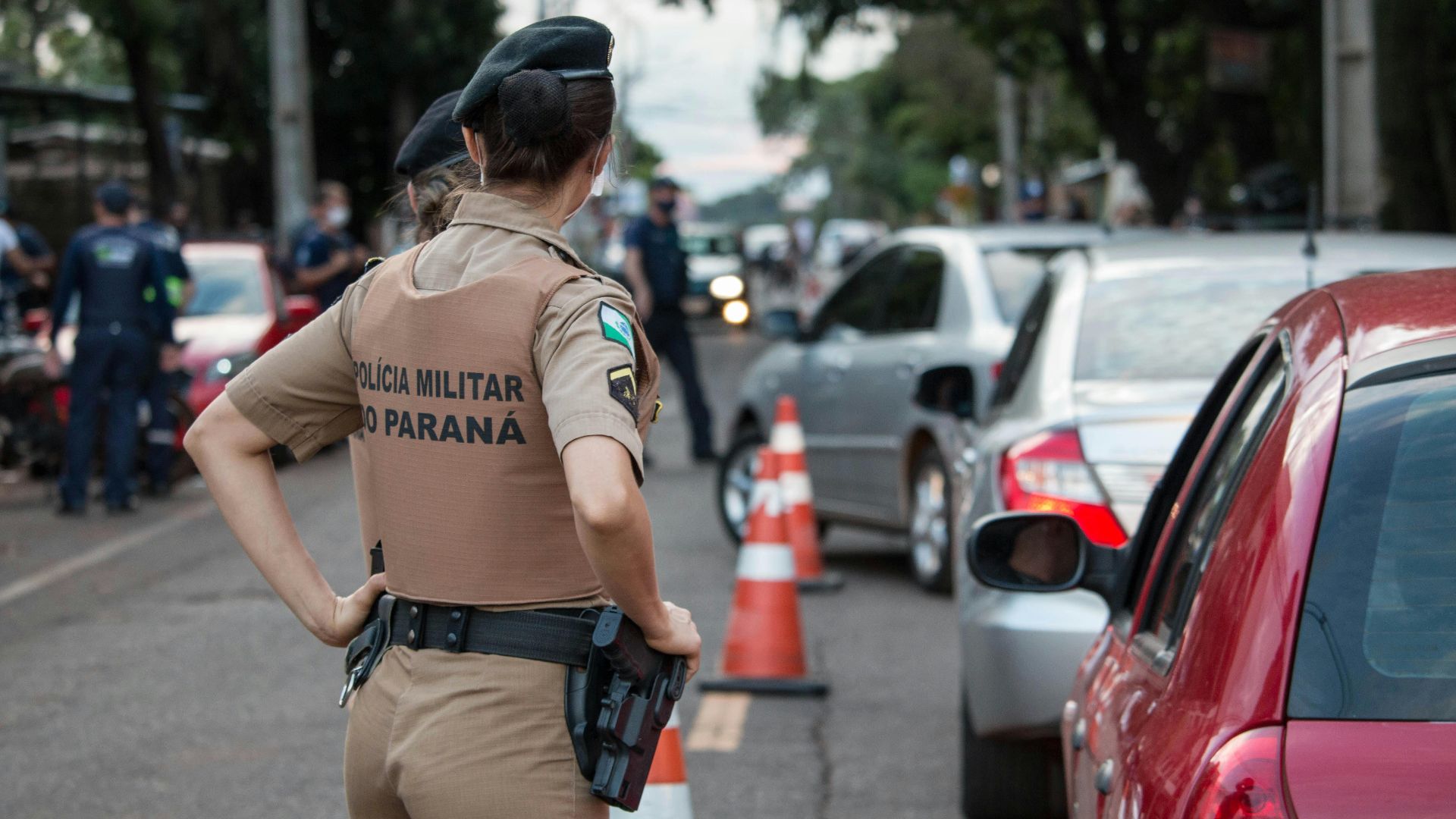
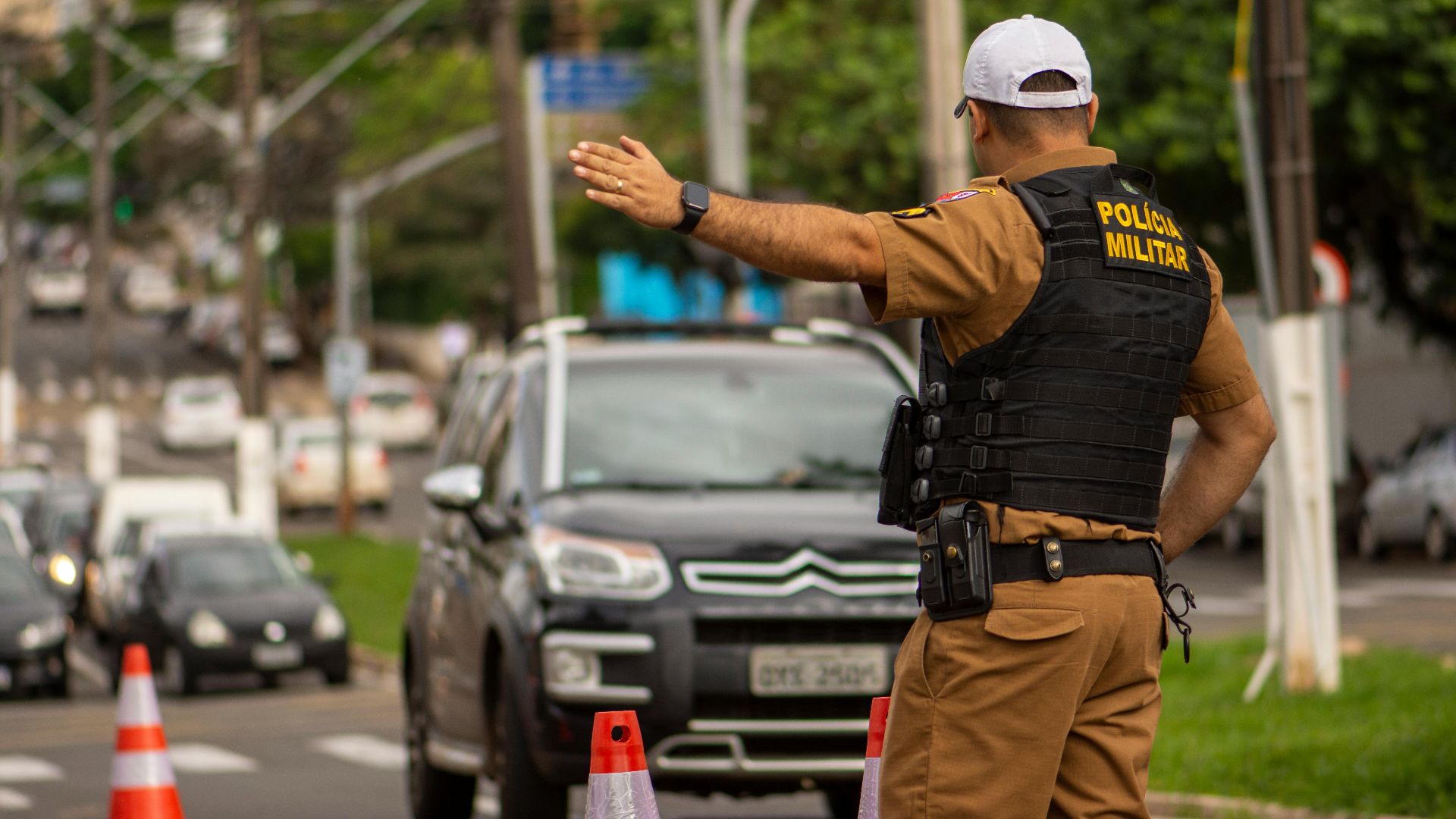
Officers do not only watch the signal. They watch the whole scene. Did the car speed up? Did the driver cross late in the yellow? Did nearby pedestrians start moving? Did the driver enter aggressively? A ticket can come from the behavior, not just the traffic light itself.
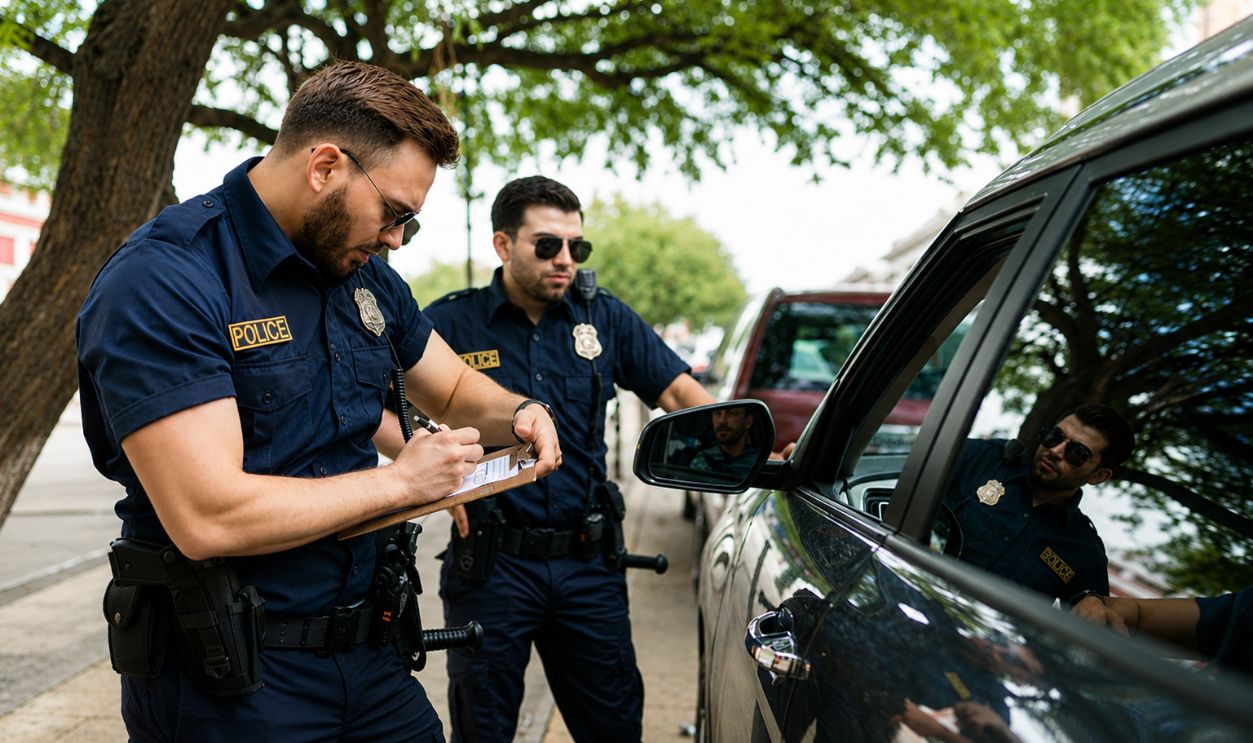
You May Have Been Ticketed For Speeding
Sometimes the yellow light is only part of the story. If you accelerated enough to exceed the speed limit, the ticket may be for speeding rather than the signal. Even a brief burst of speed can matter, especially near an intersection where risk is higher.
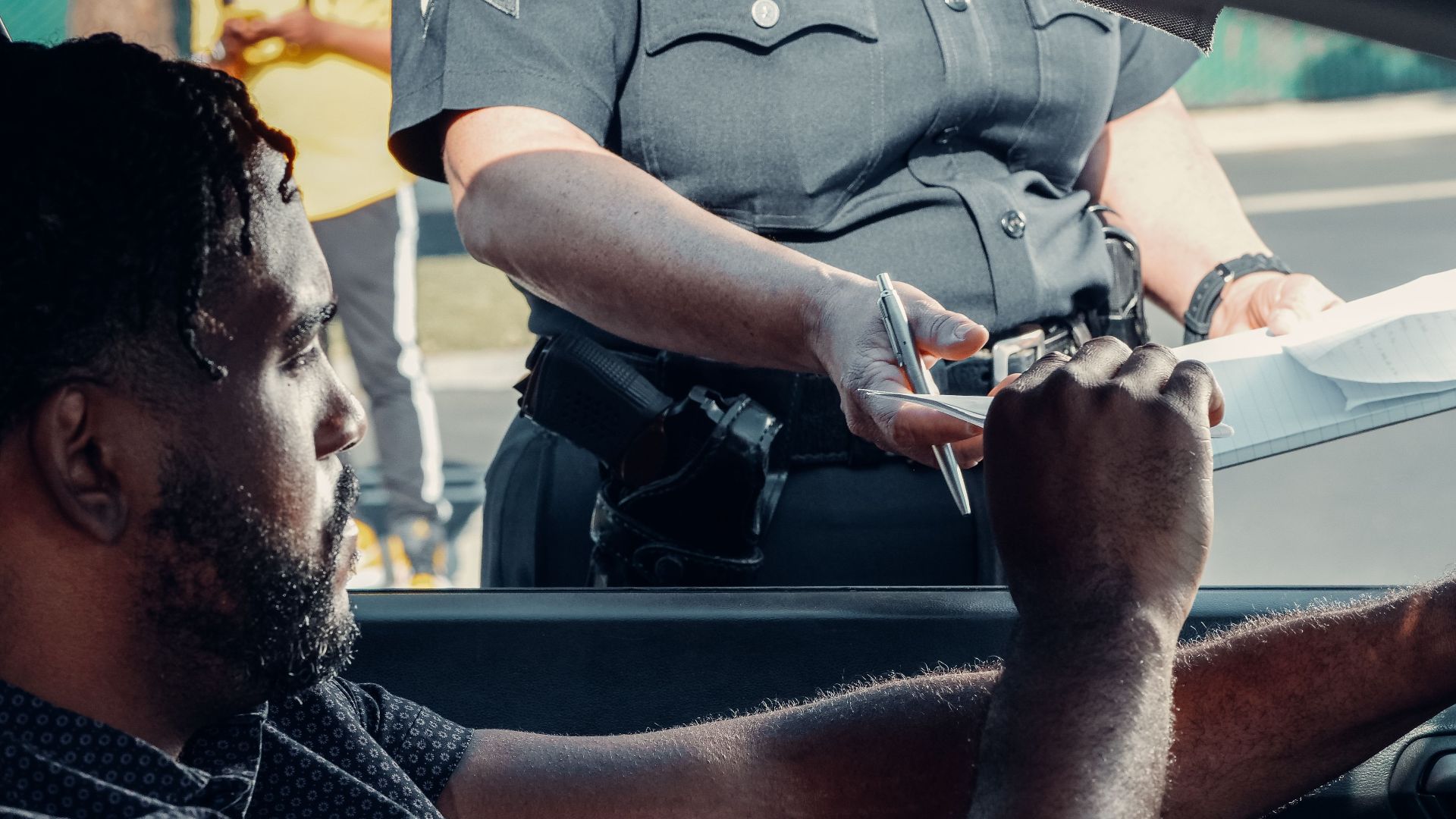
You May Have Been Ticketed For Unsafe Driving
Police may also issue a ticket for careless, unsafe, or improper driving. That can happen if the officer believes your move created danger, even if you technically crossed before red. The intersection is one of the worst places to gamble with speed.

Timing Matters More Than You Think
A light can be yellow when your front bumper enters the intersection but red when the rest of your car clears it. Depending on local law, that may or may not matter. Some rules focus on entering the intersection. Others look at whether your maneuver was reasonable.
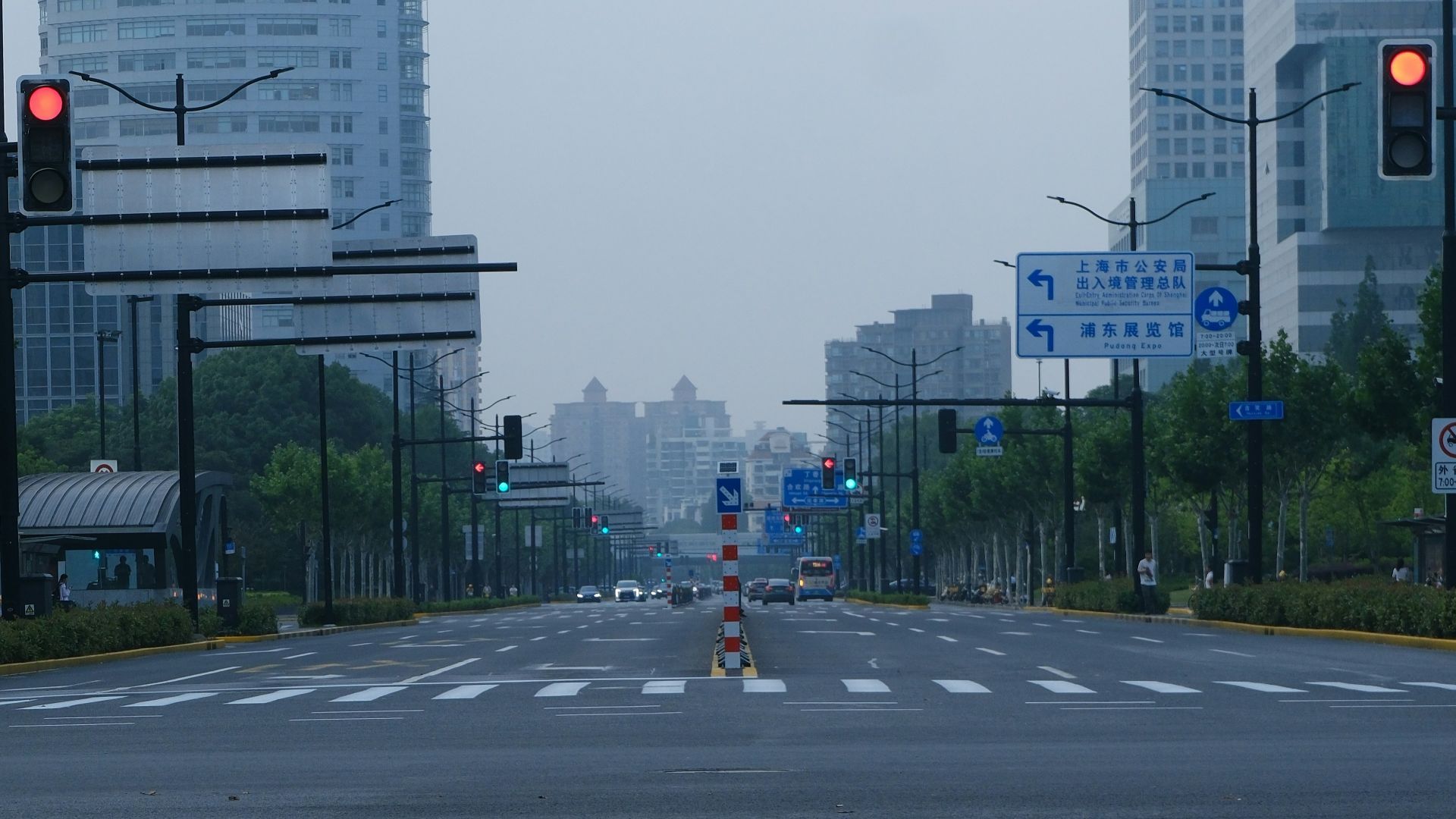
The Stop Line Is Important
The stop line is not decoration. It marks the point where drivers are expected to stop when required. If you crossed the stop line after the light changed, that can be enough for a ticket. Officers and red-light cameras often focus closely on that exact moment.
Cameras And Police See Things Differently
A traffic camera may rely on sensors and timestamps. A police officer relies on observation, training, and judgment. That means two similar situations can be treated differently. One driver may receive nothing. Another may receive a ticket because their approach looked aggressive or unsafe.
Yellow-Light Tickets Are Not Always Red-Light Tickets
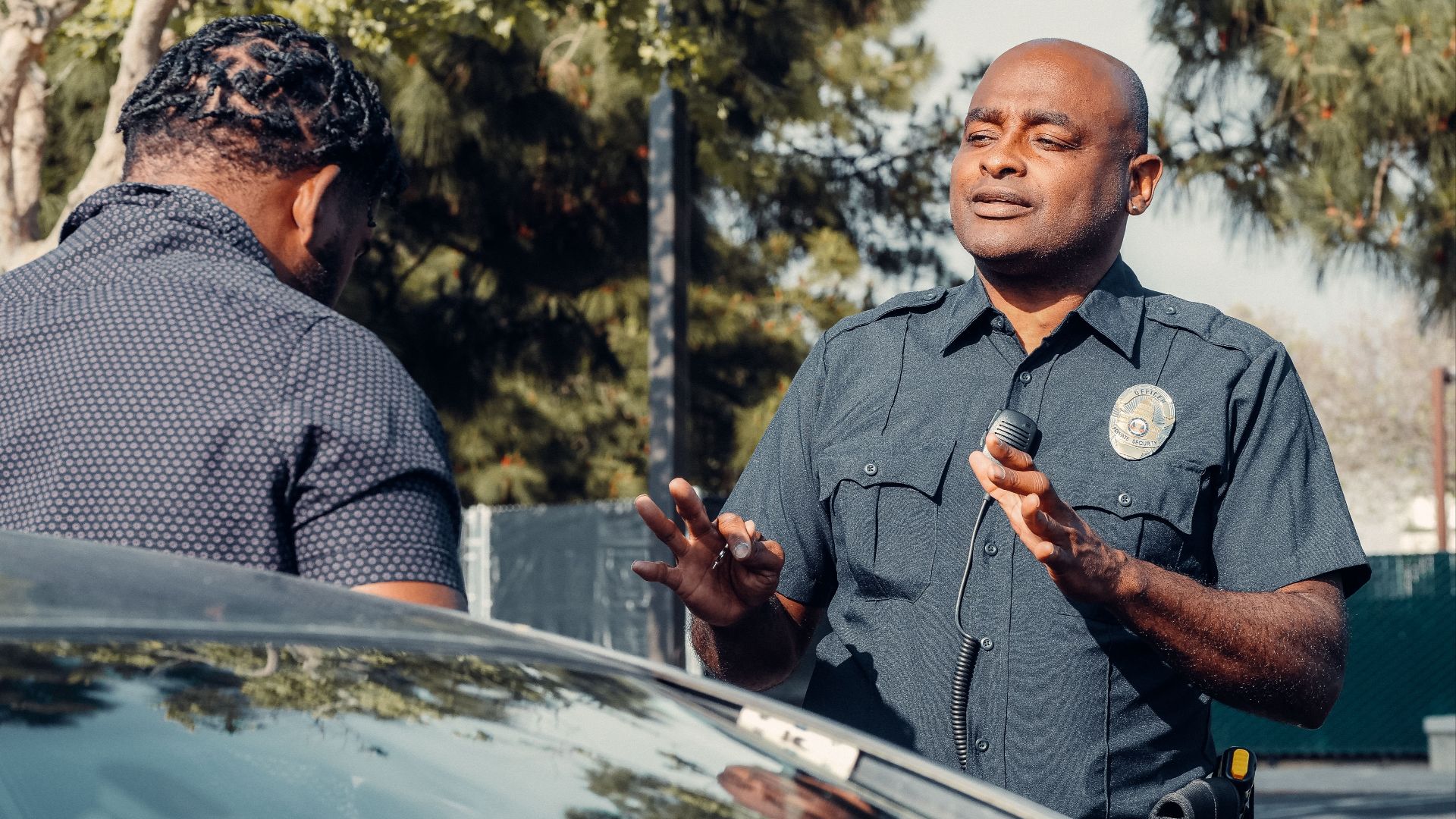
This surprises many drivers. A ticket connected to a yellow light may not say “running a red light.” It might say failure to stop for amber, unsafe speed, careless driving, or disobeying a traffic control device. Read the actual wording carefully before assuming what you are accused of.
 Keiron Crasktellanos, Unsplash
The Officer May Believe You Had Time
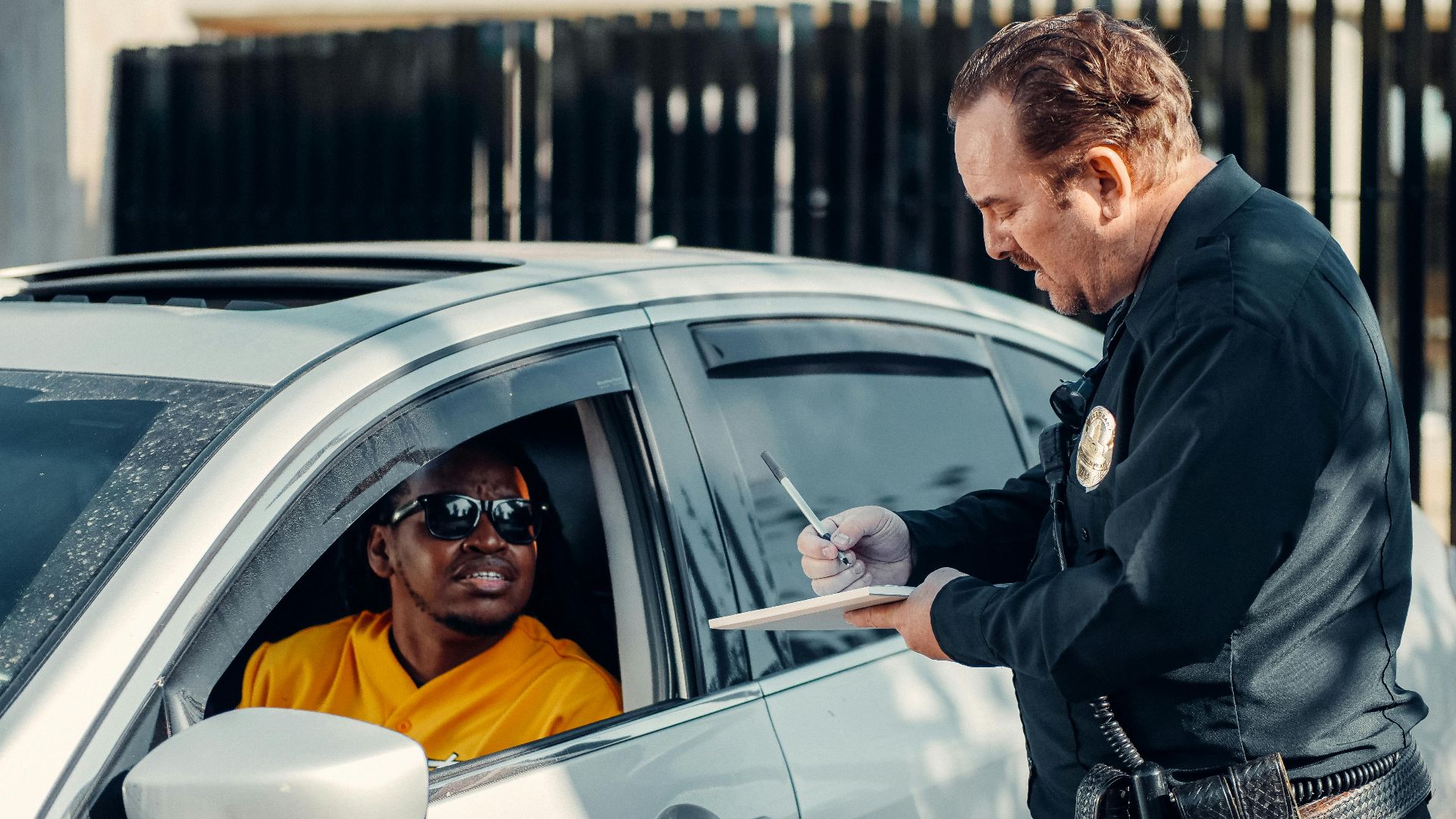
A common police argument is simple: you were not trapped. You had time to stop, but chose not to. If the officer saw clear road behind you, dry pavement, good visibility, and no tailgater, they may say stopping would have been the safer choice.
But Sometimes Continuing Is Correct
There are situations where braking hard at yellow can be dangerous. If a vehicle is close behind, the road is slick, or you are already too close to stop smoothly, continuing through may be the safer move. Yellow lights exist partly because drivers need a transition period.
 Mindscape studio, Shutterstock
The Problem Is Proving It
You may know why you kept going, but proving it later can be difficult. The officer may have seen only your acceleration, not the car behind you. If you plan to challenge the ticket, details matter: weather, traffic, speed, distance, road conditions, and visibility.

Dashcam Footage Can Help
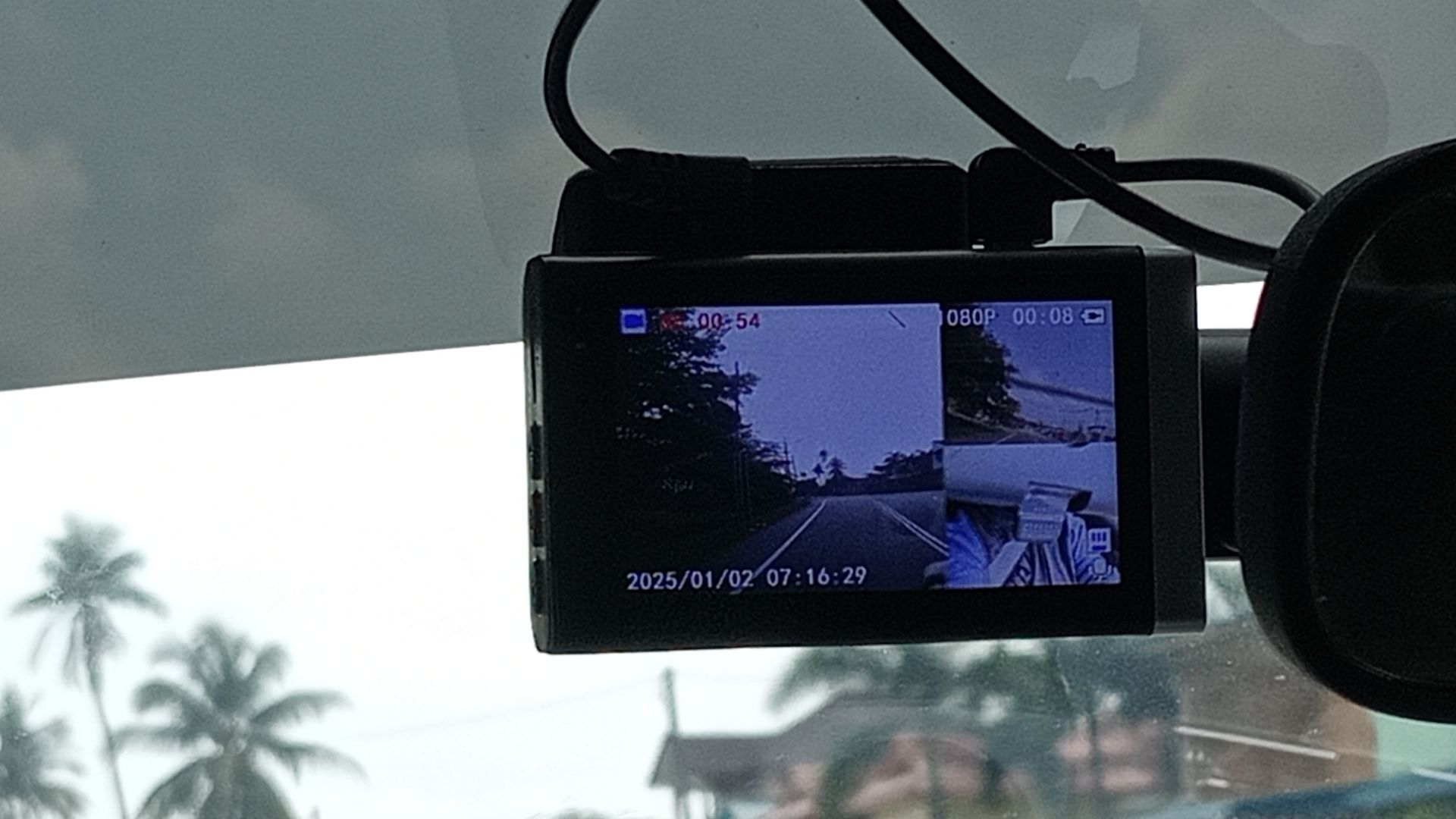
A dashcam can make a huge difference. It may show the exact light timing, your speed, nearby traffic, and whether stopping would have required harsh braking. Without footage, many disputes become your memory against the officer’s notes, which is not always an easy fight.
 Danielrayyan09, Wikimedia Commons
Check The Ticket Carefully
Do not just glance at the fine and groan. Look at the offence listed, the location, time, officer notes if available, and whether the ticket mentions speeding, red light, amber light, or unsafe driving. The exact wording tells you what argument you need to answer.

Local Rules Are The Whole Ballgame
Because traffic-light laws vary, it is worth checking your local driver handbook or motor vehicle code. Some places clearly say drivers must stop on yellow if it is safe. Others describe yellow mainly as a warning that red is coming. Those small wording differences matter.
Do Not Assume Yellow Means Free Pass
A yellow light is not a magic shield. If your driving looks rushed, aggressive, or risky, police may still decide you did something wrong. The fact that the light had not turned red yet helps your case, but it does not automatically end the conversation.
The Safer Habit Is Simple
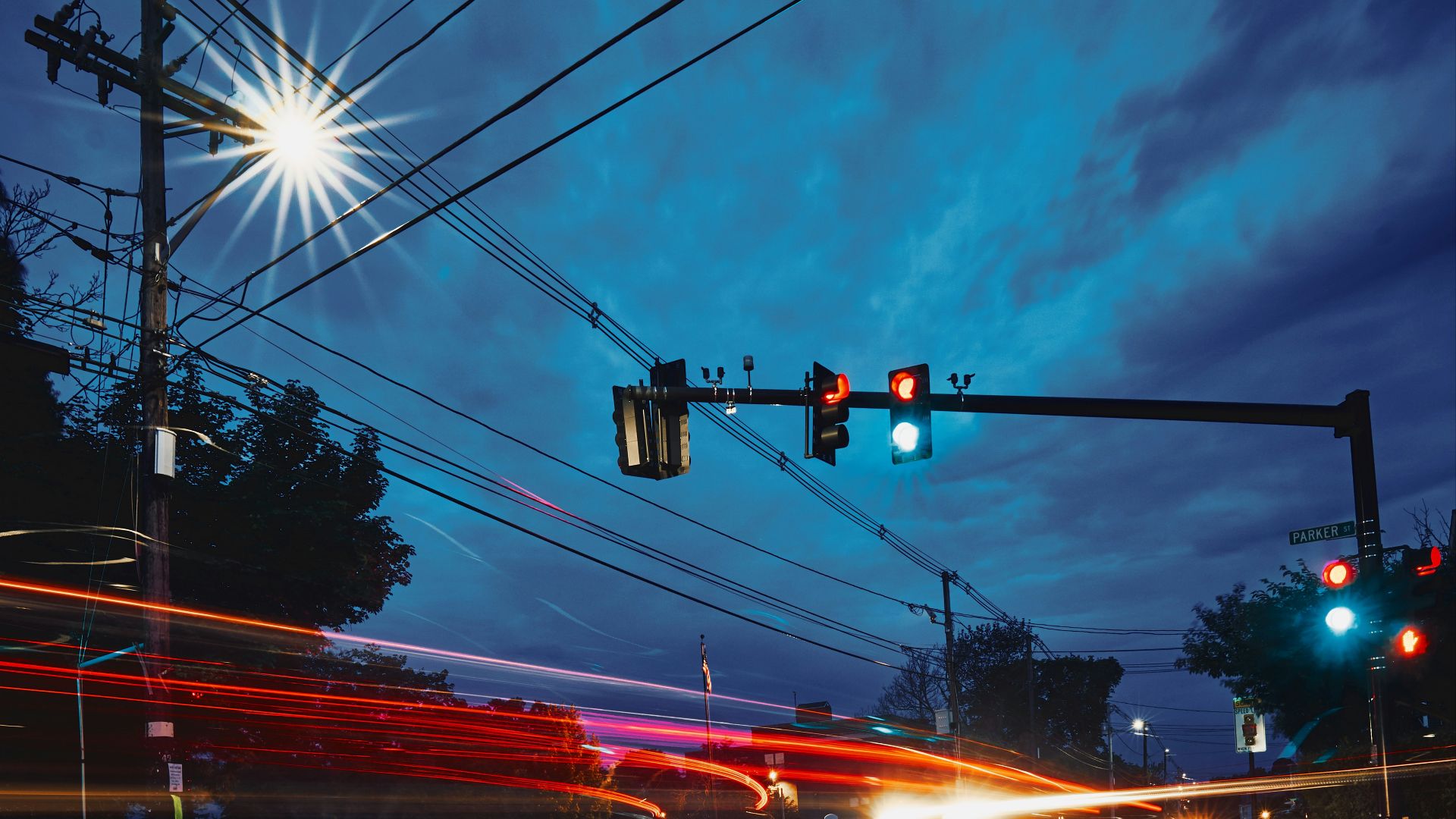
When you see yellow, ask one question: can I stop smoothly and safely before the line? If yes, stop. If no, continue at a controlled speed. The key is not panic-braking, and it is definitely not stomping the gas like you are qualifying for Daytona.
Intersections Are High-Risk Zones
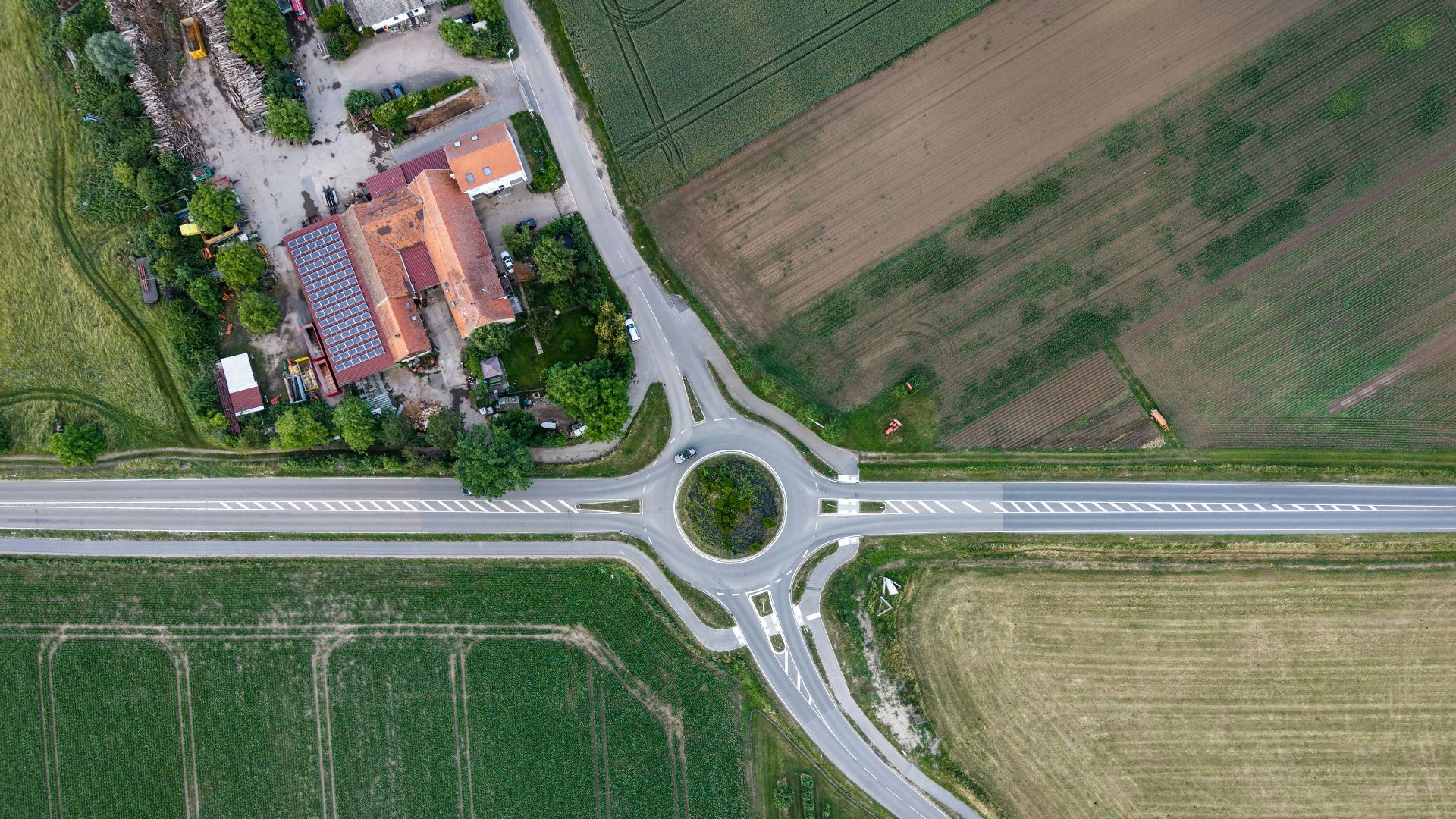
Intersections are where cars, cyclists, pedestrians, turning vehicles, and impatient people all meet. That is why police take yellow-light behavior seriously. A driver trying to “just make it” may collide with someone who is already preparing to move on their own green.
Your Intent Does Not Always Matter
You may not have meant to drive dangerously. You may have simply misjudged the timing. Unfortunately, traffic tickets are often based on what happened, not what you intended. If your move looked unsafe or unlawful, good intentions may not save you from a citation.
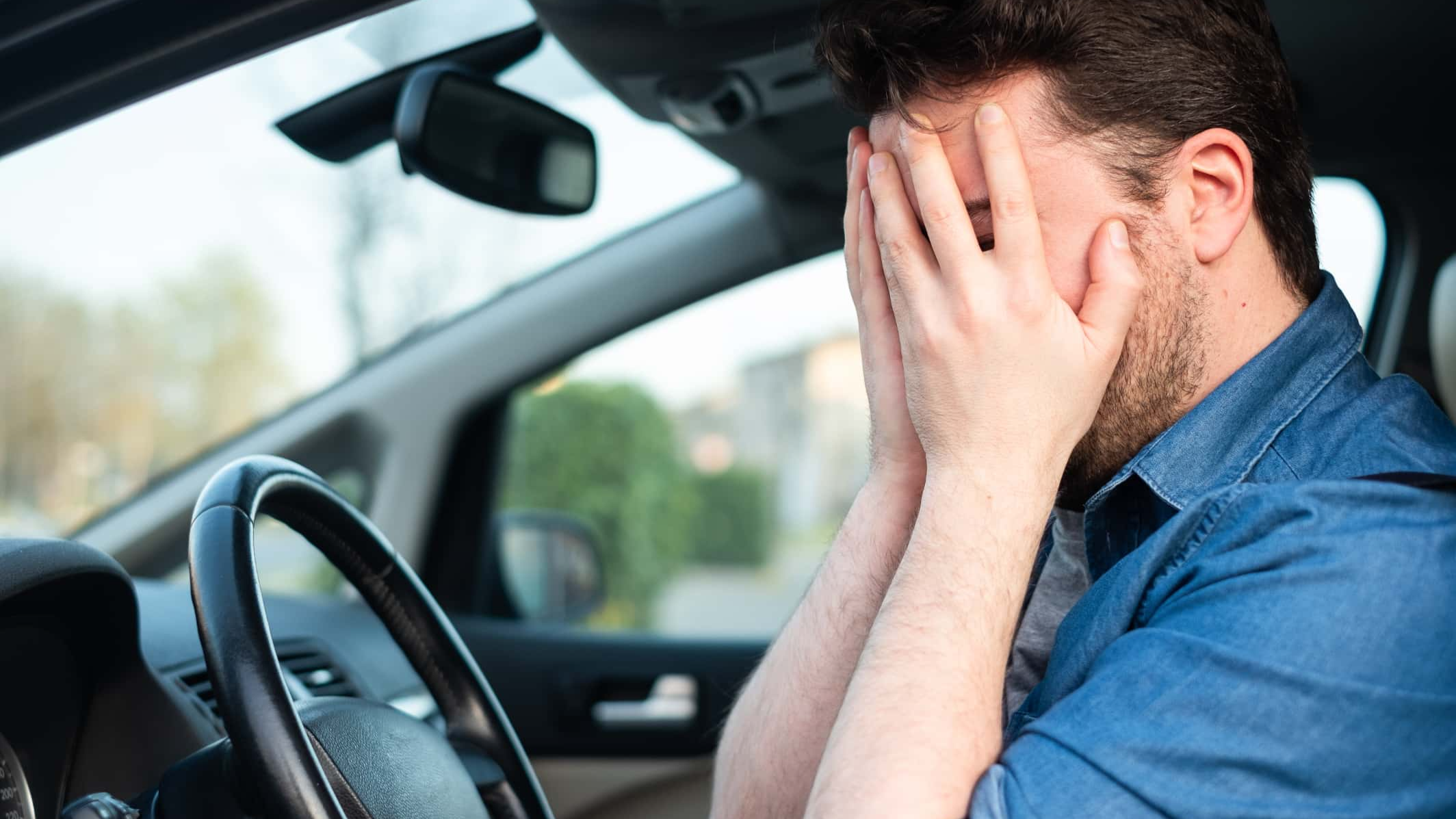
Could You Fight It?
Maybe. If you honestly believe you could not stop safely, you may be able to contest the ticket. Helpful evidence includes dashcam video, witness statements, road conditions, signal timing, and a clear explanation of why braking would have been unsafe. Local legal advice can also help.
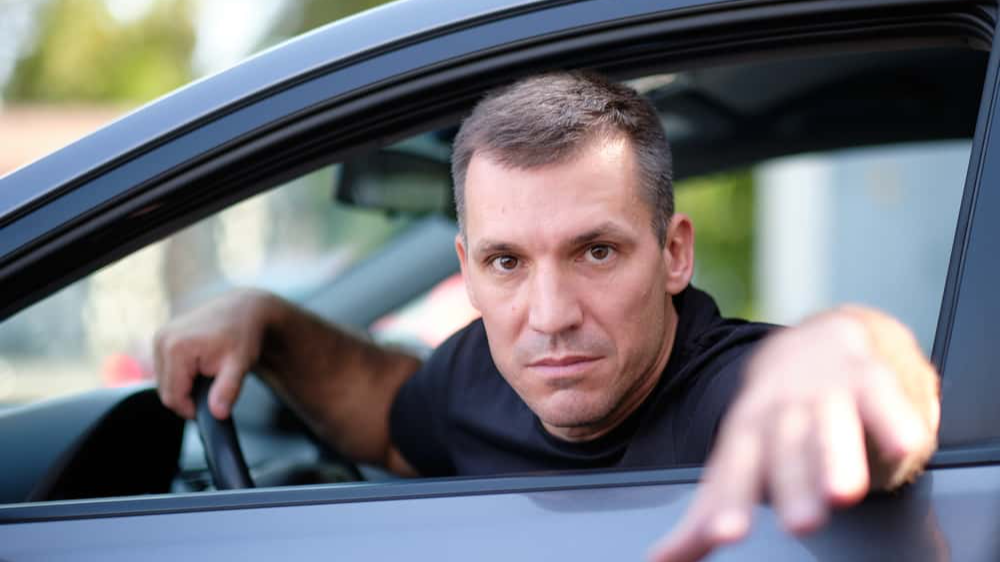
Could You Be Guilty Anyway?
Also maybe. If you had plenty of space, no one behind you, good conditions, and you accelerated to beat the light, the officer may have a strong case. Many laws expect drivers to slow for yellow when stopping is safe, not treat it like a countdown clock.
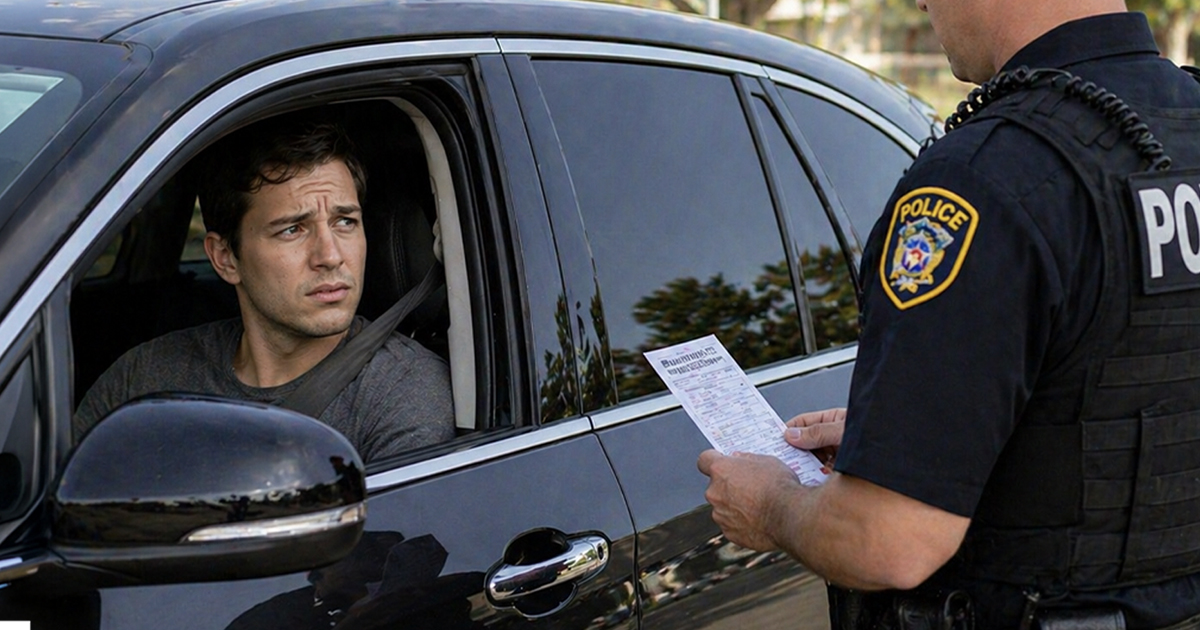
What You Should Do Next
First, read the ticket carefully. Then check the traffic law where the ticket was issued. If the fine carries points, insurance consequences, or a careless driving label, consider getting advice before paying it. Paying can sometimes count as admitting the offence, depending on the jurisdiction.

The Real Lesson For Drivers
Yellow lights are not there to punish you. They are there to give drivers a safe transition between go and stop. The trouble begins when drivers see yellow and think, “I can make it.” The better question is, “Can I stop safely?”

So, Did You Do Something Wrong?
Possibly. If you accelerated when you could have stopped safely, police may see that as improper or unsafe driving. If stopping would have been dangerous, you may have a defense. Either way, yellow means caution, not acceleration. Your best move next time is smooth judgment, not a race.