Your Truck Needs Specialists
You bought an aluminum-bodied pickup expecting the usual advantages of a modern truck, but now local body shops are warning that collision repairs require special expertise. They are not simply trying to scare you. Aluminum behaves differently from steel, and those differences affect tools, techniques, labor time, and repair costs.
Why Automakers Use Aluminum
The main attraction is weight reduction. Aluminum has a lower density than steel, allowing manufacturers to reduce vehicle weight while designing components for the necessary strength. A lighter pickup can use less fuel, accelerate more easily, and devote more of its capacity to passengers, cargo, and towing.

Weight Savings Can Matter
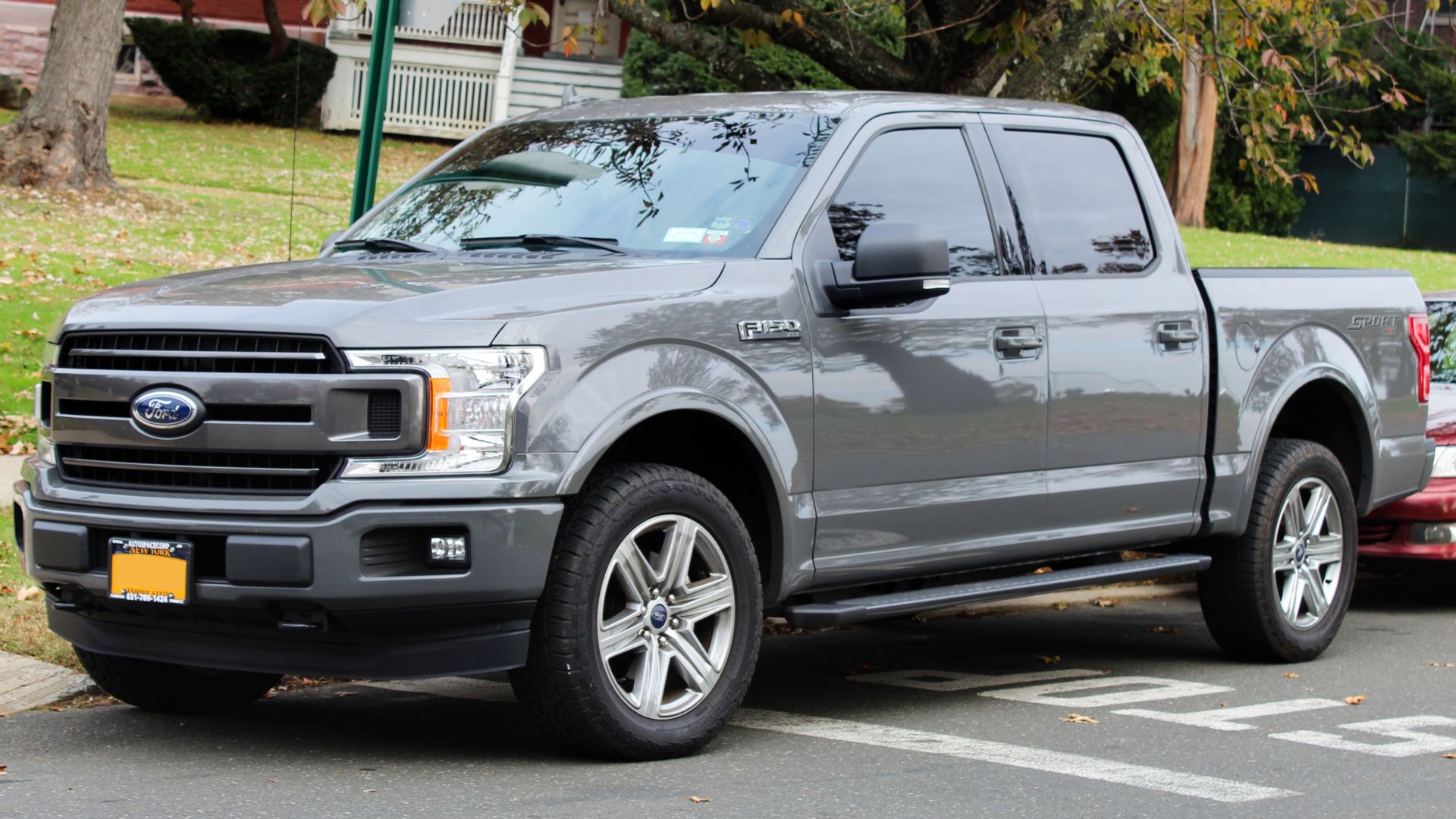
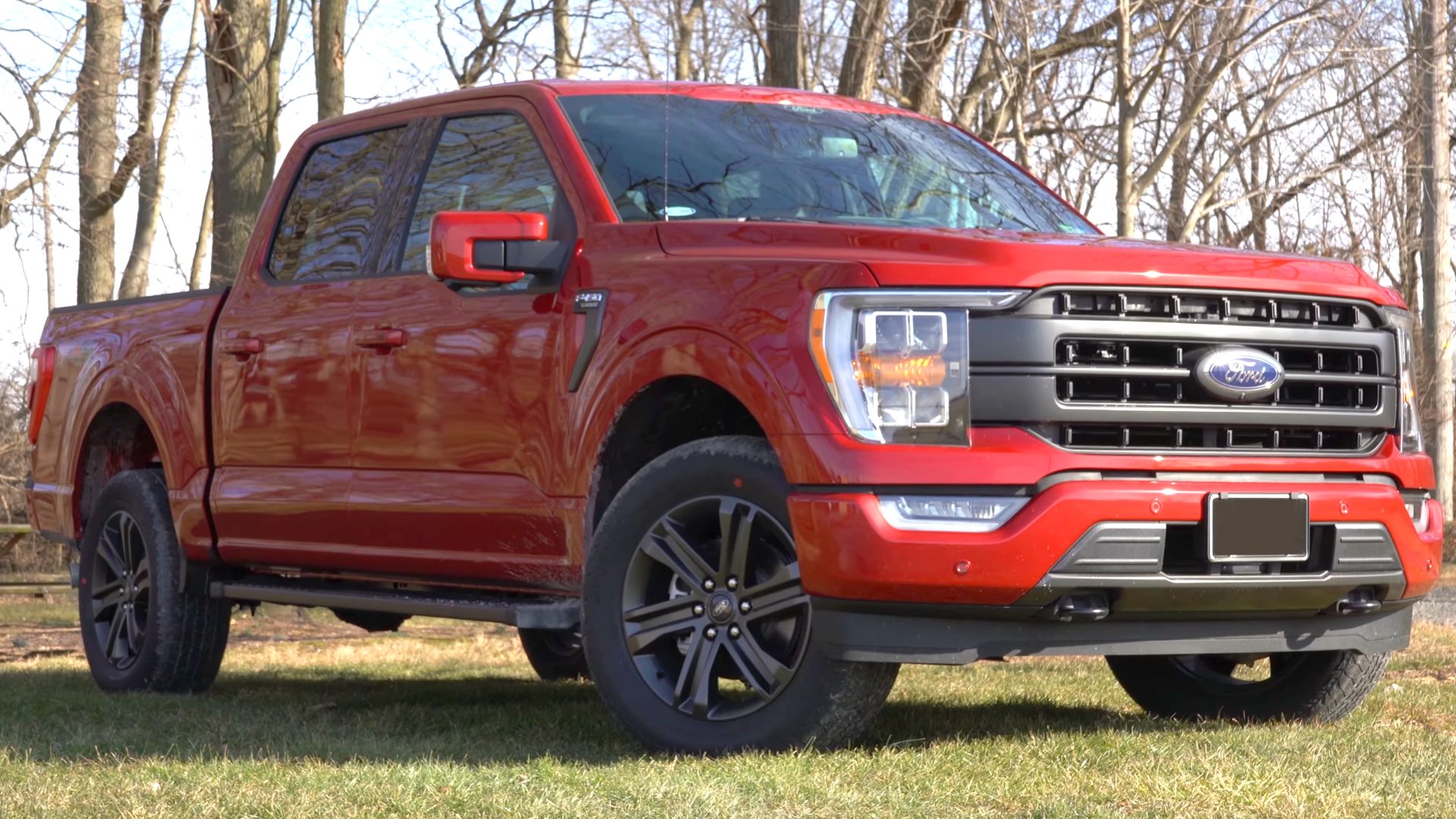
When Ford introduced the aluminum-intensive F-150 for the 2015 model year, the redesign cut as much as roughly 700 pounds compared with the previous generation. That was a major reduction for a full-size pickup and demonstrated why manufacturers were willing to reconsider traditional body construction.
Less Weight Helps Efficiency
Your engine must move the truck itself before it moves you, your passengers, or your cargo. Reducing unnecessary vehicle weight can improve fuel efficiency and performance. The precise mileage benefit varies by engine, drivetrain, gearing, tires, load, and driving conditions, so aluminum alone doesn't determine your fuel bill.

Payload Can Benefit Too
Lower curb weight can also create engineering opportunities beyond gas mileage. Depending on the truck’s configuration and ratings, reducing body weight can help manufacturers improve payload and capability. For owners who regularly haul equipment or supplies, lightweight construction can therefore offer advantages beyond saving fuel during an empty commute.
Aluminum Resists Red Rust
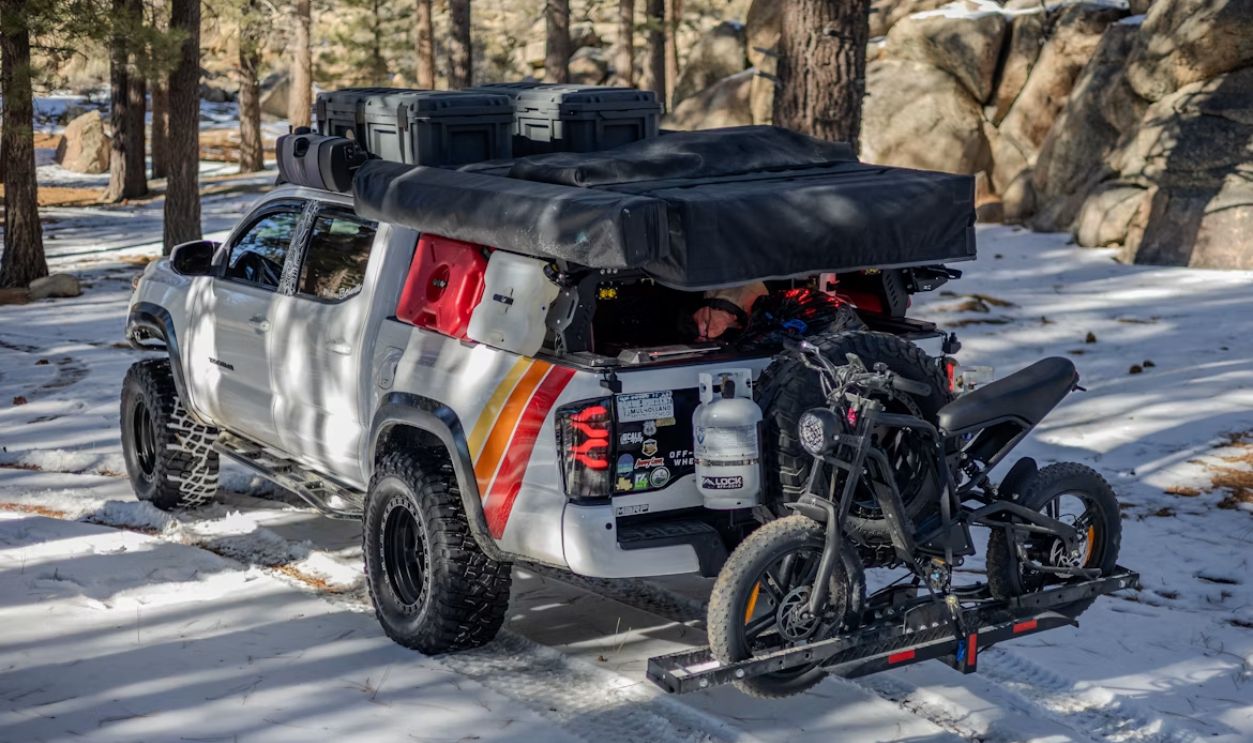
Aluminum does not develop the familiar reddish iron oxide rust that attacks steel panels. It forms a protective oxide layer instead. That can be a significant advantage where road salt and winter moisture are common, although aluminum can still corrode under certain conditions and should not be considered corrosion-proof.

The Frame May Differ
Do not assume that an aluminum-bodied truck is aluminum from bumper to bumper. The F-150, for example, combines an aluminum-intensive body with a high-strength steel frame. That means the visible body panels and underlying chassis can have different corrosion concerns, inspection needs, and repair procedures.
Repairs Are The Tradeoff
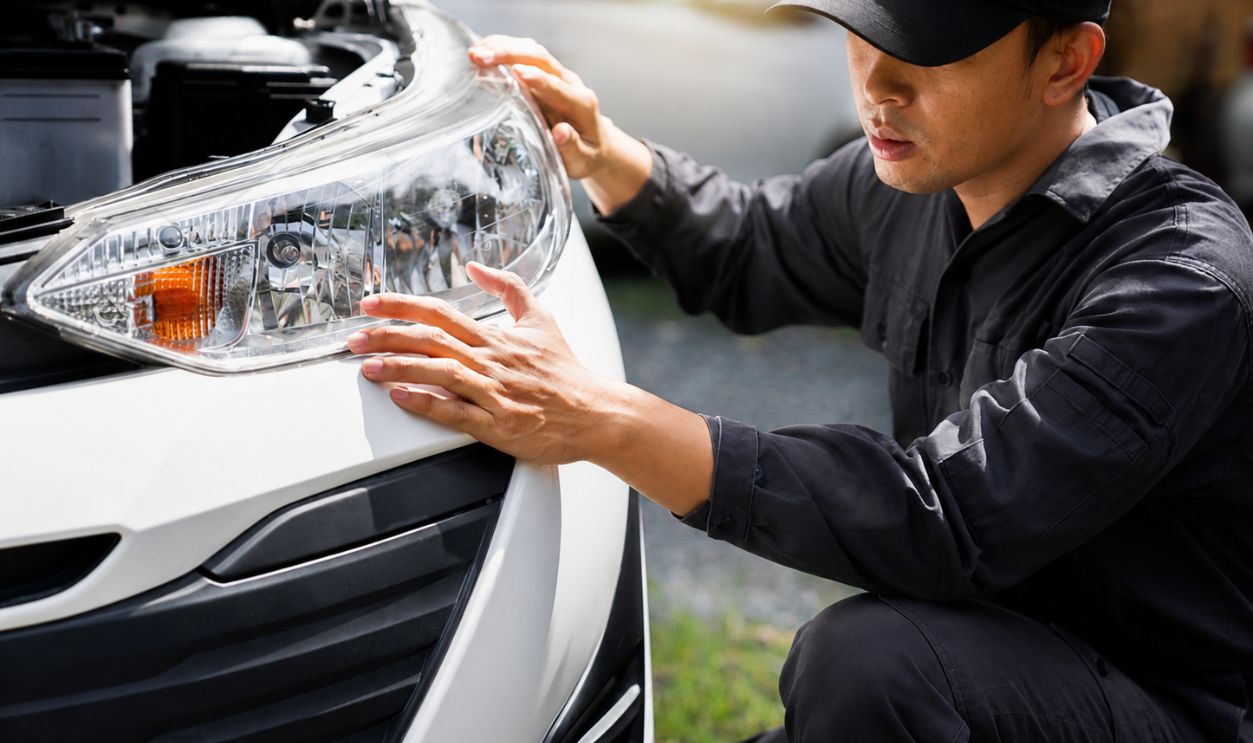
The disadvantage often becomes apparent after a collision, parking-lot impact, or hailstorm. Aluminum body panels cannot always be treated exactly like familiar mild-steel panels. Repair technicians must evaluate the alloy, location, severity of deformation, manufacturer procedures, and whether repairing or replacing the damaged part is appropriate.
Aluminum Stretches Differently
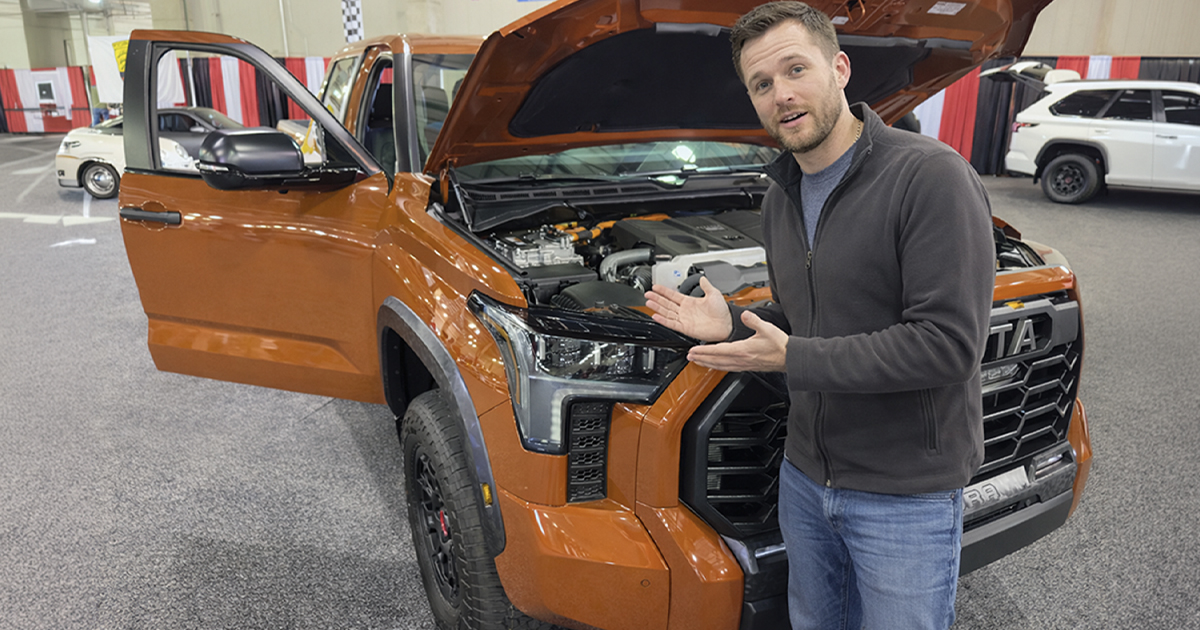
When aluminum is sharply damaged, the metal can stretch, tear, or become difficult to return to its original shape. Compared with conventional steel repair, technicians may have less freedom to repeatedly manipulate a badly distorted panel. In some situations, replacement becomes more practical than extensive straightening

Memory Makes Repairs Tricky
Damaged metal does not simply cooperate because a technician pushes from the opposite direction. Aluminum can exhibit significant springback and may resist staying exactly where it is moved. Successful repair requires careful control of force, panel tension, and metal movement rather than simply hammering a dent until it appears flat.
Heat Requires Tight Control
Heat can help technicians reshape certain damaged metals, but aluminum demands careful temperature control. Its thermal behavior differs from steel, and excessive heat can alter an alloy’s properties. Repairers must follow manufacturer procedures and use appropriate temperature-monitoring techniques rather than applying heat based on habits learned from steel repairs.
Welding Is Different Too
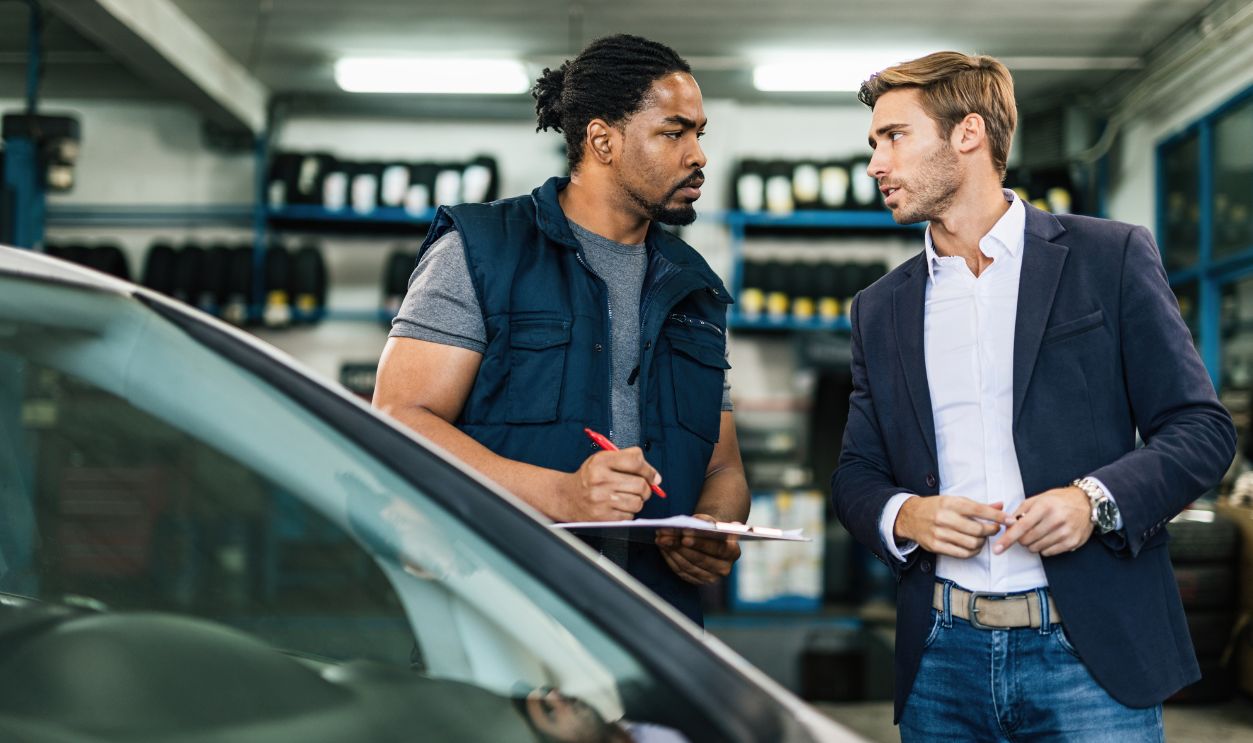
Traditional steel welding methods do not automatically transfer to aluminum. Aluminum has different thermal and electrical characteristics, and welding it requires specialized equipment, preparation, and training. Depending on the vehicle and component, manufacturer-approved repairs may instead use combinations of specialized welding, rivets, and structural adhesives.
Rivets And Adhesives Matter
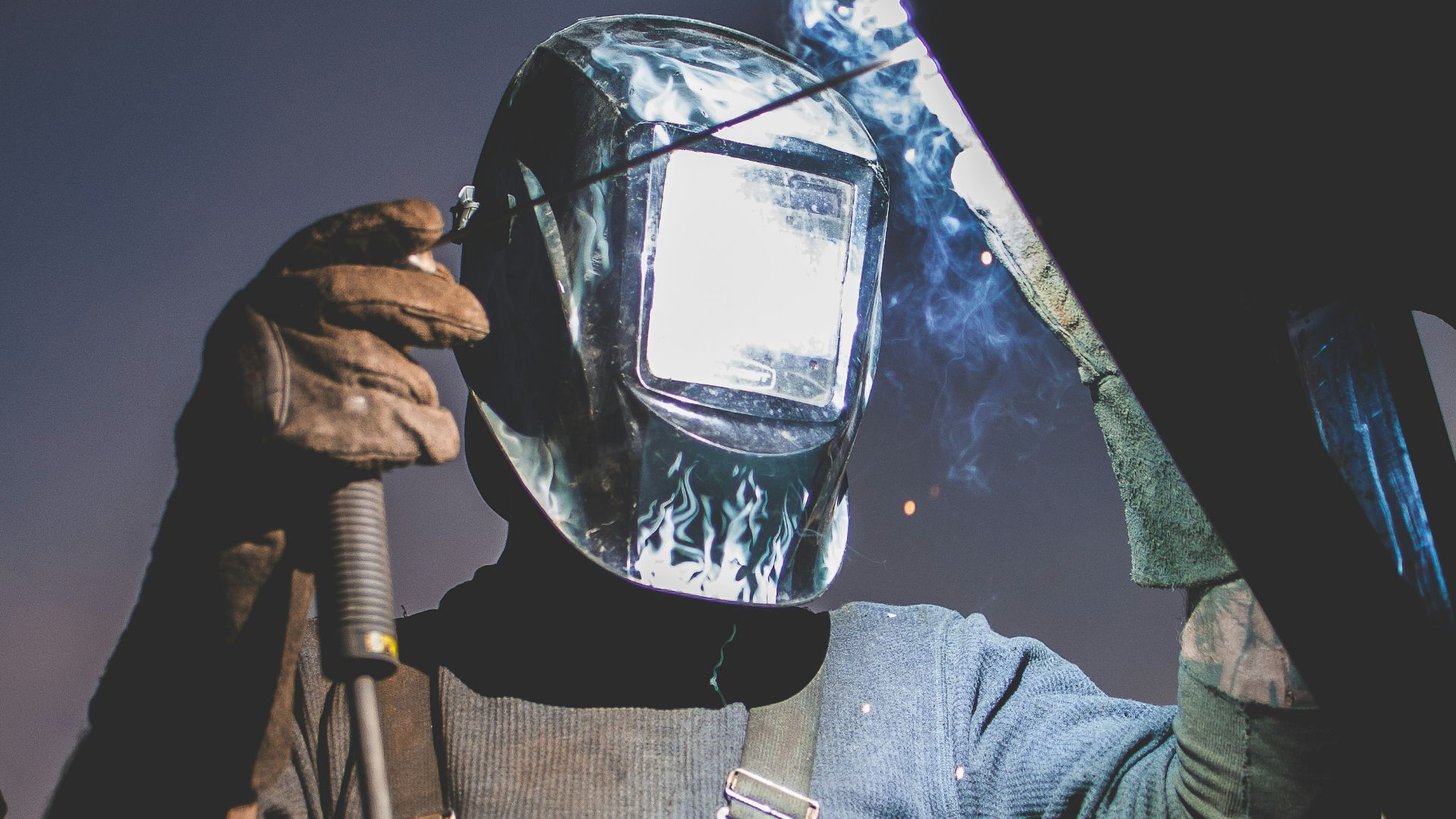
Modern aluminum body repair can involve removing factory fasteners and reproducing manufacturer-specified joints using approved rivets and adhesives. This is precision structural work, not simply cosmetic panel beating. Using the wrong fastener, adhesive, preparation method, or installation sequence can compromise the integrity of the repair.
Steel Dust Causes Problems
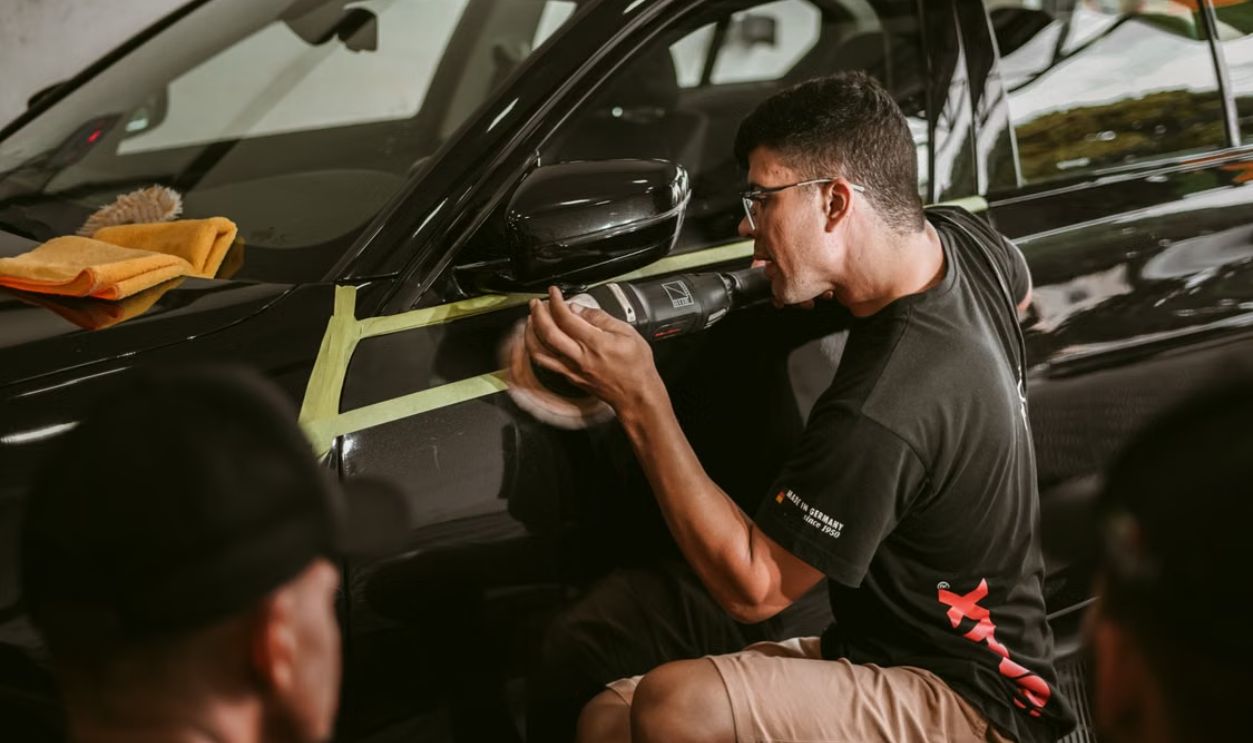
One major challenge is cross-contamination. Steel particles embedded in aluminum can contribute to galvanic corrosion when conditions allow. That is why properly equipped aluminum repair facilities may separate work areas and keep certain hand tools, sanding equipment, and other repair equipment dedicated to aluminum jobs.
Dedicated Tools Cost Money
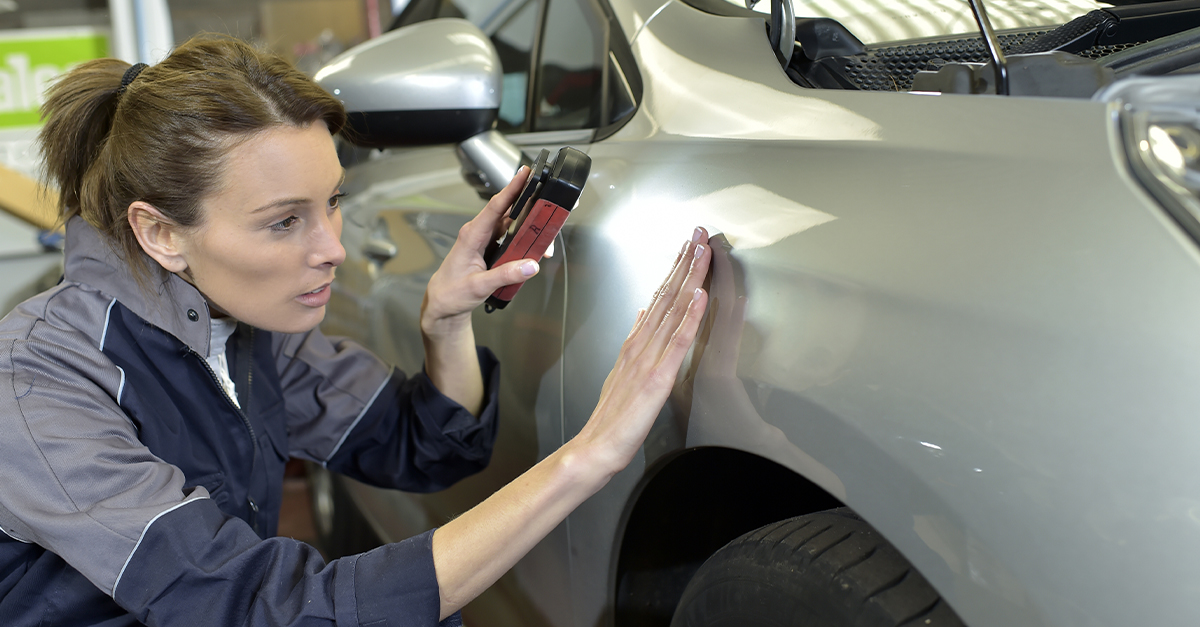
A shop entering aluminum repair may need specialized welders, rivet guns, dent-repair equipment, extraction systems, hand tools, and separated work areas. Technicians also require training. Those investments help explain why a general collision shop may decline your repair instead of improvising with equipment designed primarily for steel.
 Sergei Gontsarov, Shutterstock
Training Raises Labor Costs
You are not paying only for a replacement panel or several hours with a hammer. Aluminum repair depends on technicians who understand material behavior and vehicle-specific repair procedures. Specialized training, lower availability of qualified technicians, and potentially longer repair processes can all contribute to higher labor charges.

More Replacement Is Possible
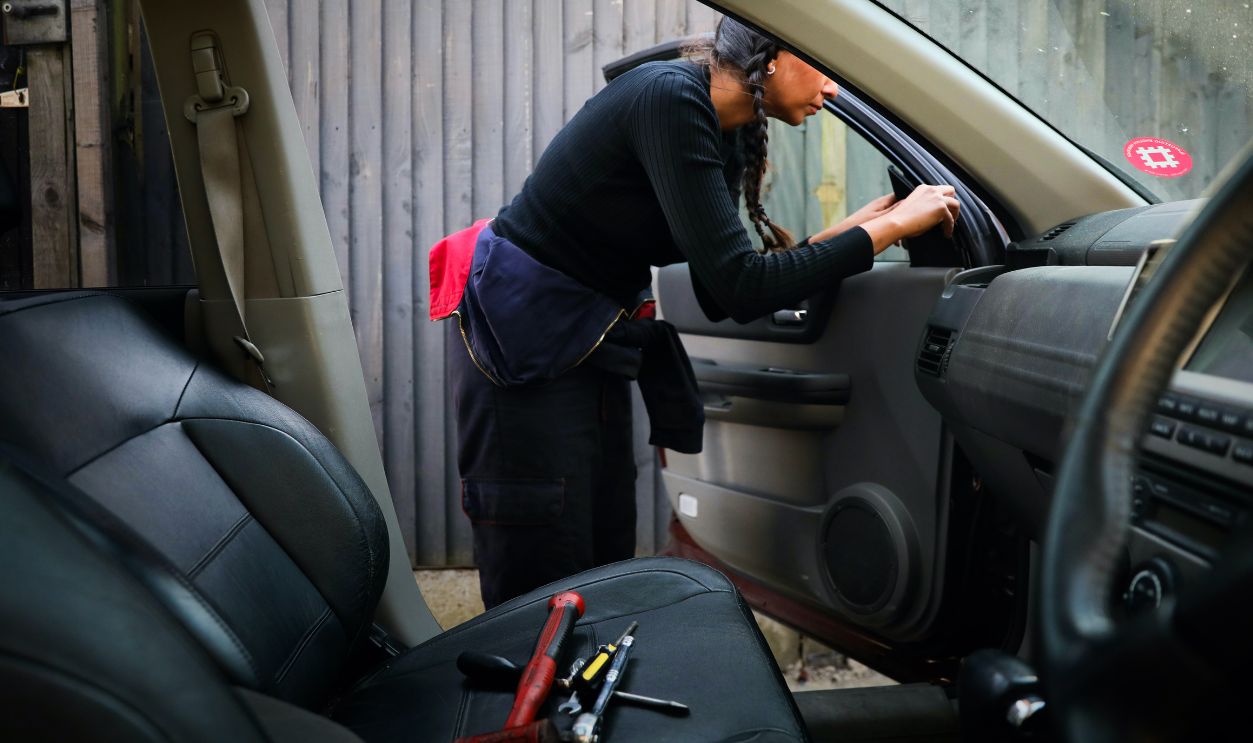
A damaged steel panel that a technician might straighten could sometimes require replacement when made from aluminum, depending on damage location and manufacturer instructions. Replacement can increase parts and labor costs, but it may be the correct approach when stretching, tearing, cracking, or heat exposure makes reliable repair impractical.
 Alishia Abodunde, Getty Images
Hail Damage Gets Complicated
Hail damage illustrates the material challenge. Paintless dent repair can work on both steel and aluminum, but aluminum panels may require different techniques and more specialized experience. Before authorizing conventional filling and repainting, ask whether a qualified aluminum paintless dent repair technician has evaluated suitable dents.
Not Every Dent Is Disaster
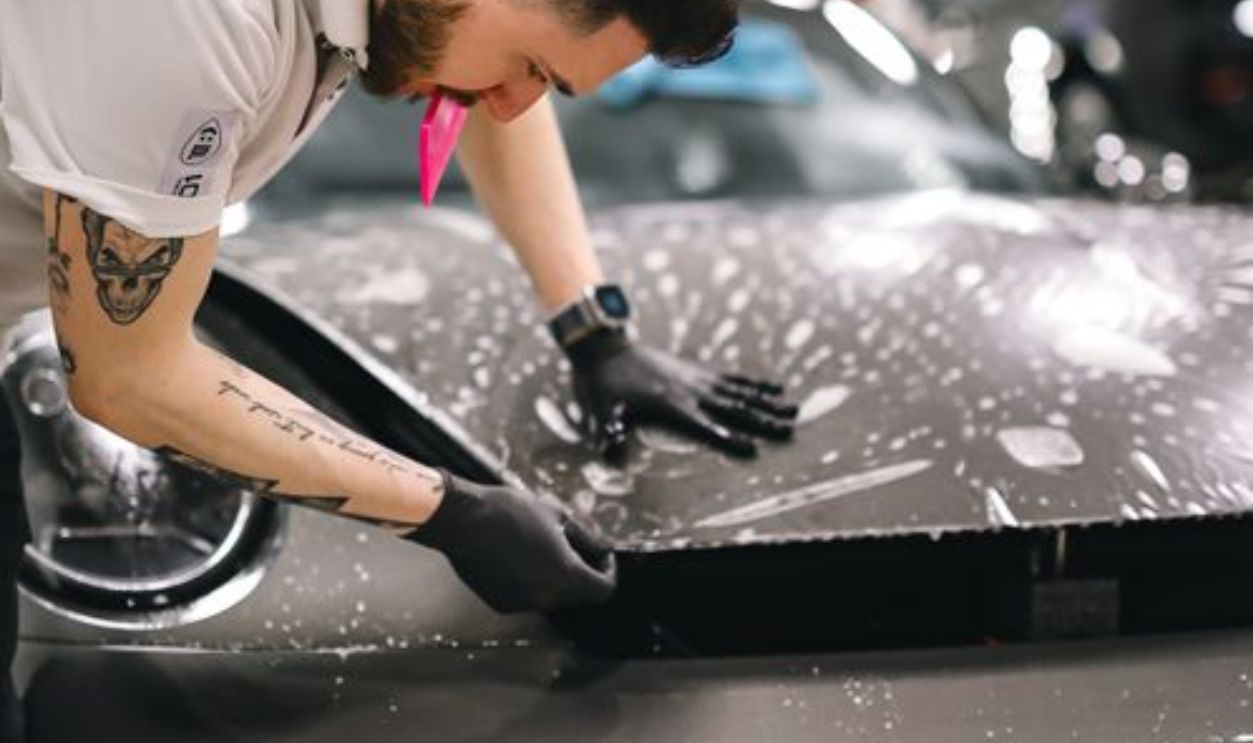
An aluminum body doesn't mean every door ding requires a new panel. Minor dents can often be repaired when the paint remains intact and the metal has not been excessively stretched. The important point is that a technician experienced with aluminum should determine which repair technique is appropriate.
Insurance Still Matters
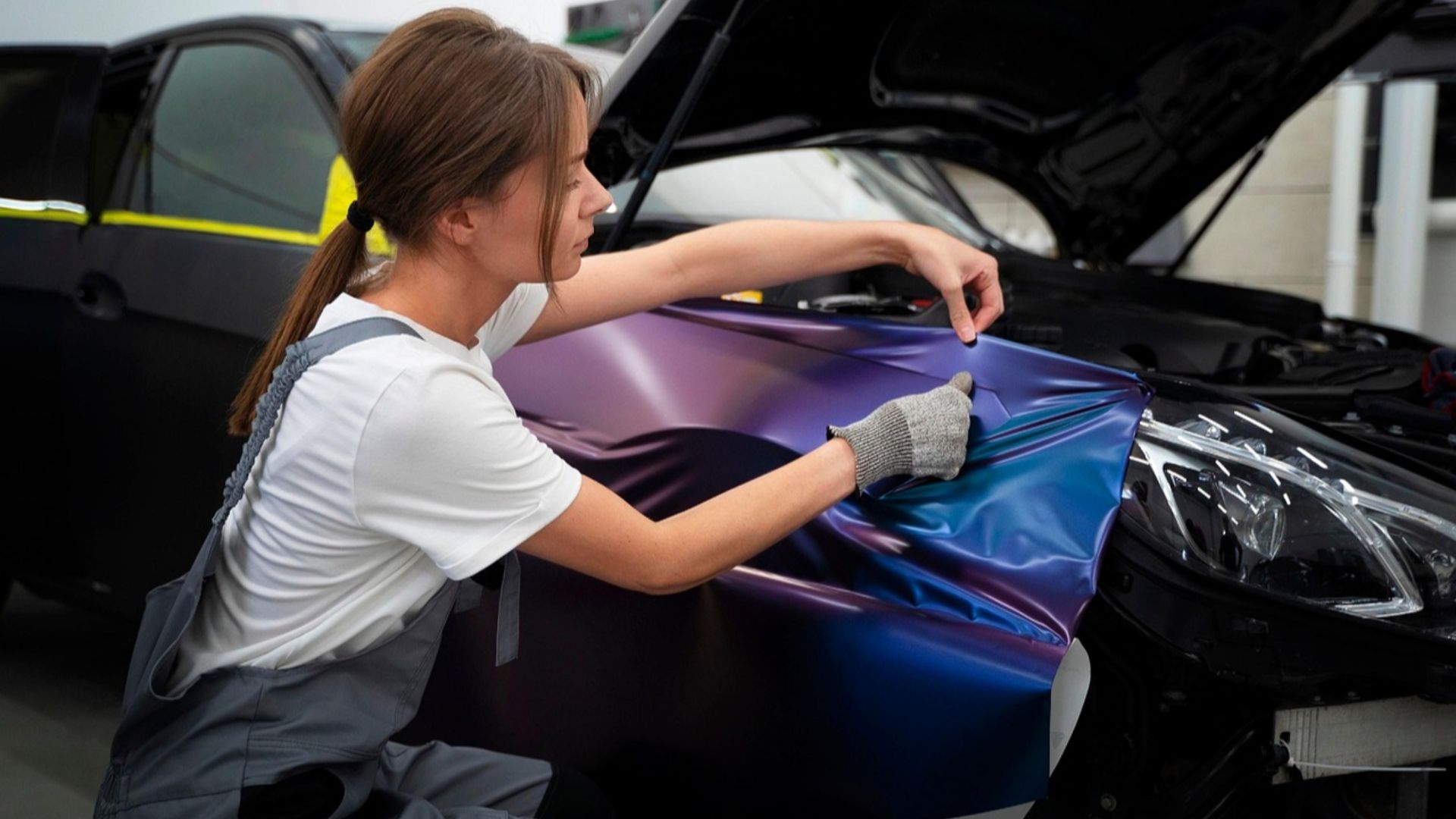
In the United States, collision and comprehensive claims are handled under your policy terms and applicable state law. Your insurer may prepare an estimate or recommend repair facilities, but you should review your policy, state consumer protections, deductible, and repair-shop rights before authorizing expensive collision work.

Ask About Certification
Before leaving your truck, ask whether the facility regularly repairs your make and model and whether technicians have relevant aluminum training. Also ask about dedicated tools, contamination controls, welding capability, measuring equipment, and access to current manufacturer repair procedures. Specific answers are more useful than vague claims of experience.

Compare Complete Estimates
Do not compare repair quotes by looking only at the bottom line. One estimate may call for panel replacement while another assumes repair. Compare labor operations, parts, fasteners, adhesives, corrosion protection, calibration work, paint procedures, and warranties so you understand why the totals differ.

Consider Repair Access
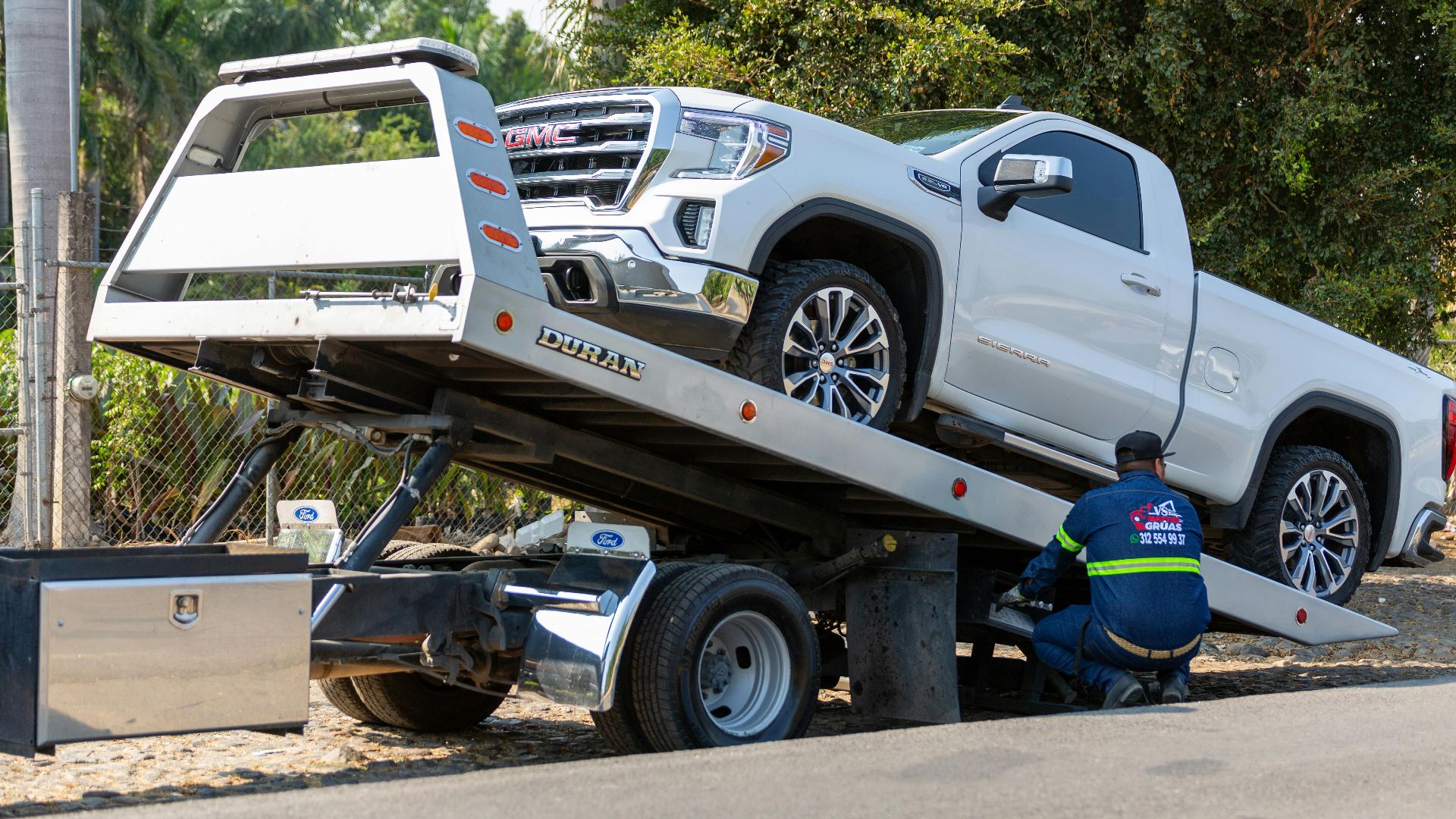
If you live far from a metropolitan area, investigate aluminum repair availability before you actually need collision work. A capable shop may be farther away than your usual mechanic or neighborhood body shop. Towing, transportation, parts delays, and rental-car coverage can become meaningful financial considerations after a serious accident.
Protect Your Investment
Keep records of collision repairs and use facilities willing to document their procedures and warranties. A properly repaired truck protects more than its appearance. Correct structural joining, corrosion protection, panel alignment, sensor calibration, and refinishing can all affect safety, durability, functionality, and future resale value.
The Tradeoff Is Real
Your aluminum-bodied pickup offers meaningful benefits, including lower weight and resistance to traditional red rust on aluminum panels. The compromise is a more specialized collision-repair process. You do not need to fear owning the truck, but you should choose repairers carefully and understand why qualified work can cost more.
 LightField Studios, Shutterstock
You May Also Like: