My Touchscreen Failed, Now I Can’t Drive My Car
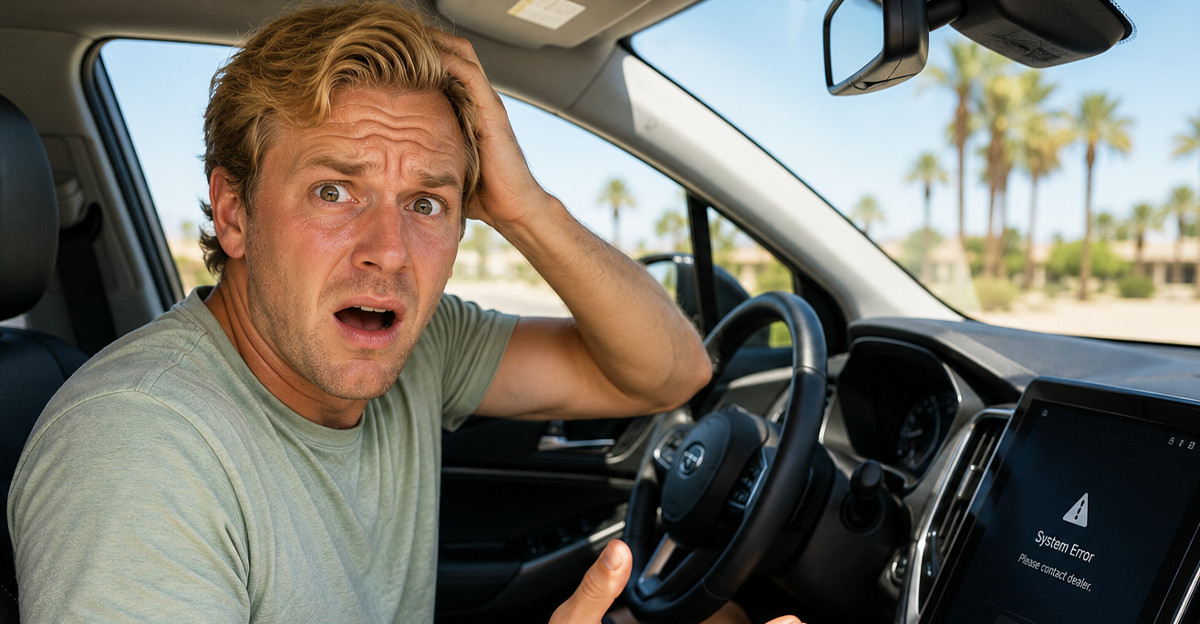
Modern cars can feel incredibly advanced until the main touchscreen stops working. One minute, everything is fine, and the next you can’t adjust the fan, lower the cabin temperature, change defrost settings, or even access basic climate controls. The good news is that regulators and safety groups are paying more attention, but the rules still haven’t fully caught up with touchscreen-heavy car design.
Touchscreens Took Over Fast
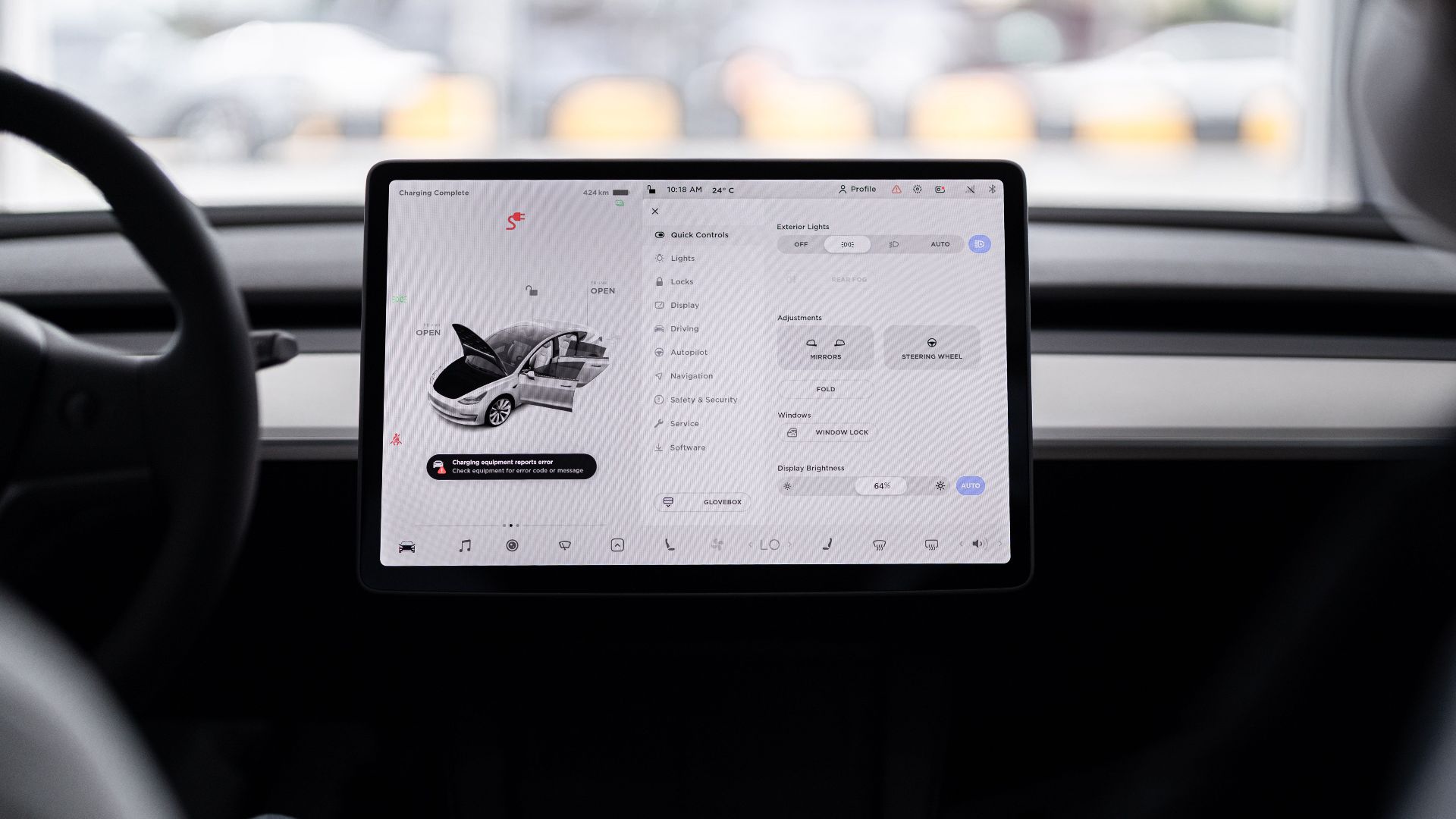
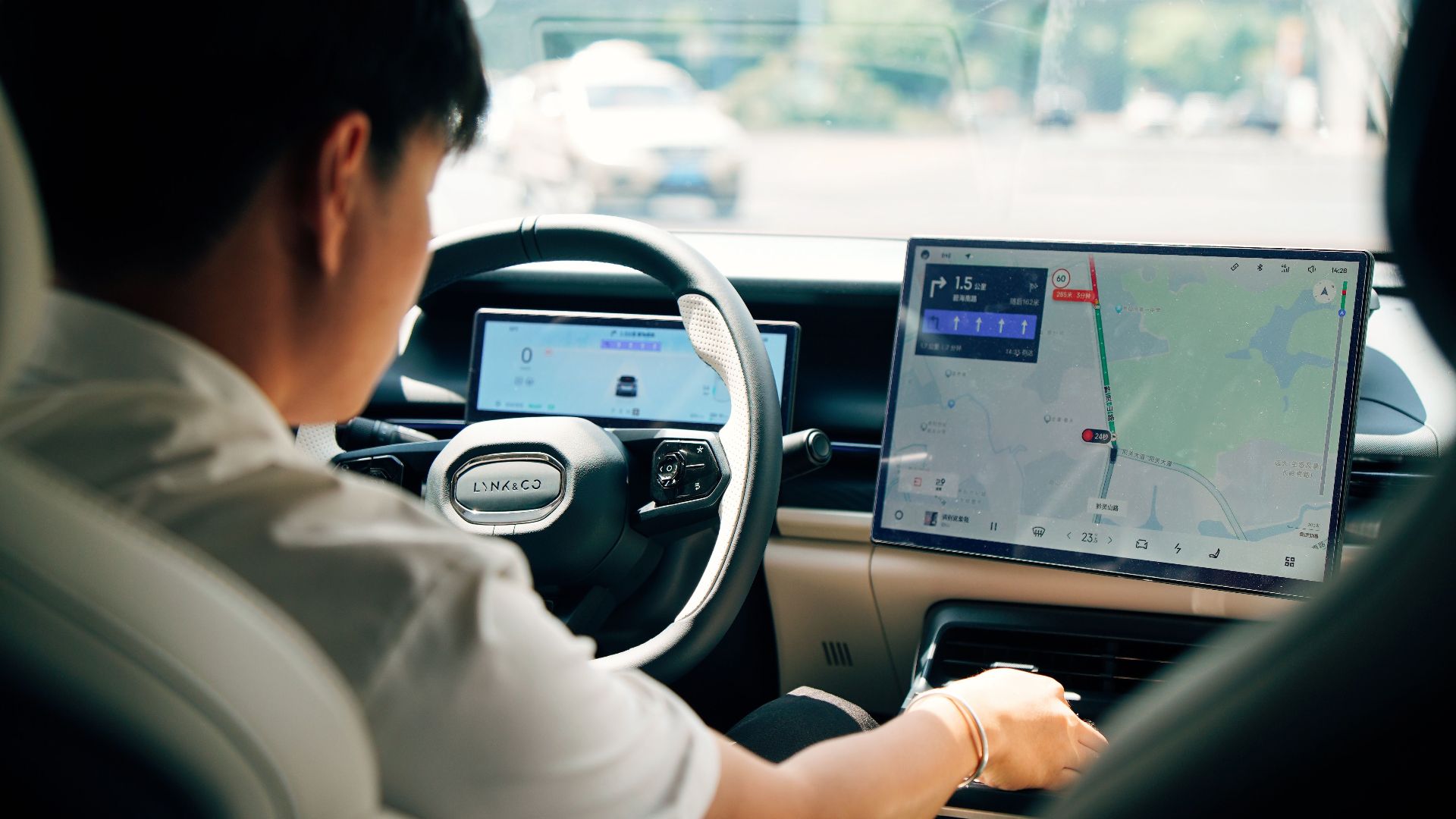
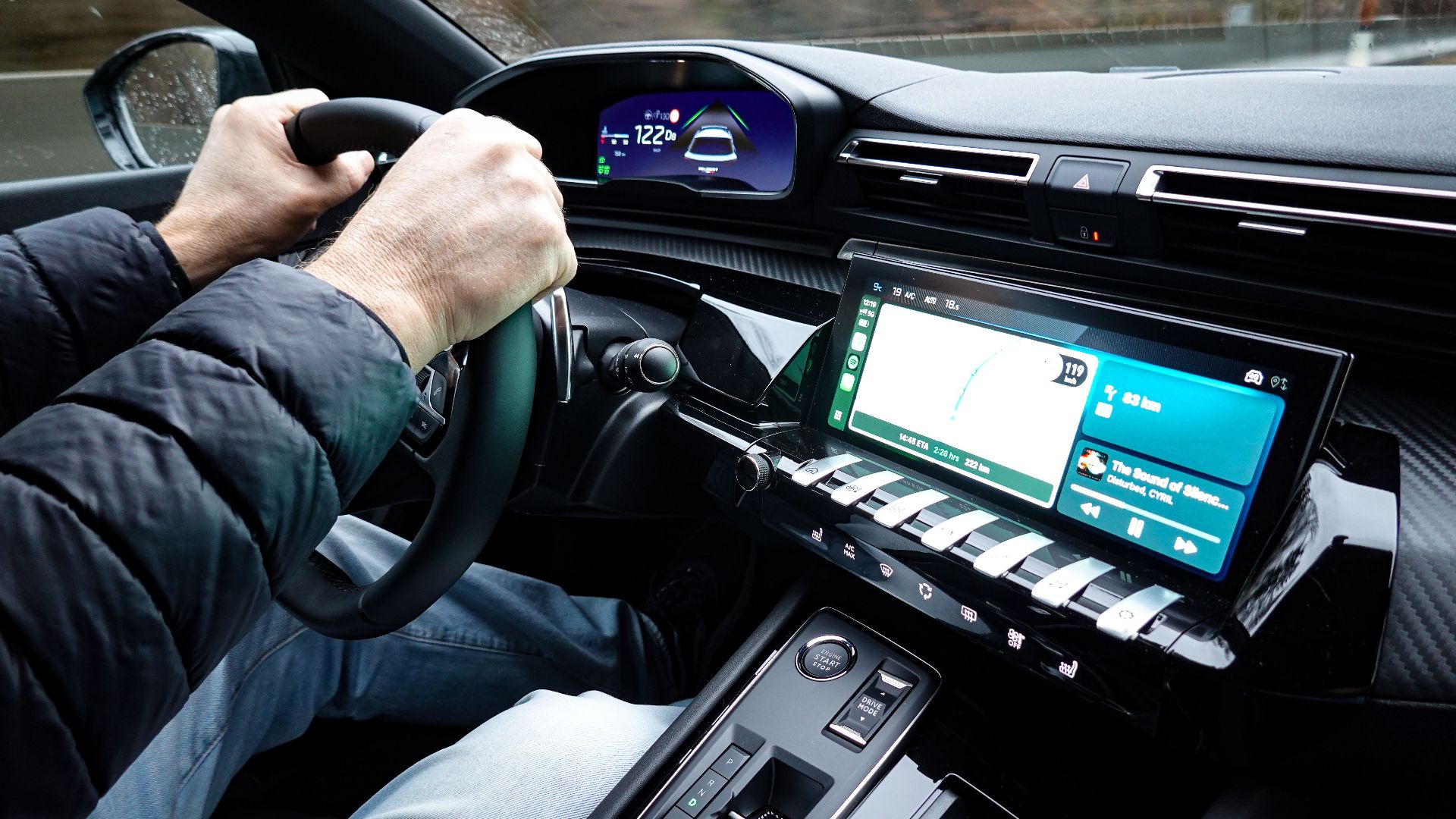
Automakers moved many controls into touchscreens because screens look sleek, reduce button clutter, and make software updates easier. A single display can handle navigation, music, phone settings, vehicle modes, climate controls, camera views, and more. That saves dashboard space and gives designers more flexibility. The downside is that when the screen fails, several unrelated features can fail together.
Climate Controls Used To Be Separate
Older cars usually had dedicated knobs, sliders, or buttons for temperature, fan speed, and defrost. Even if the radio died, the heater or air conditioning still worked through separate physical controls. In many newer vehicles, those functions are partly or fully integrated into the infotainment system. That creates a single point of failure that drivers didn’t used to worry about.
Backup Controls Aren’t Always Required
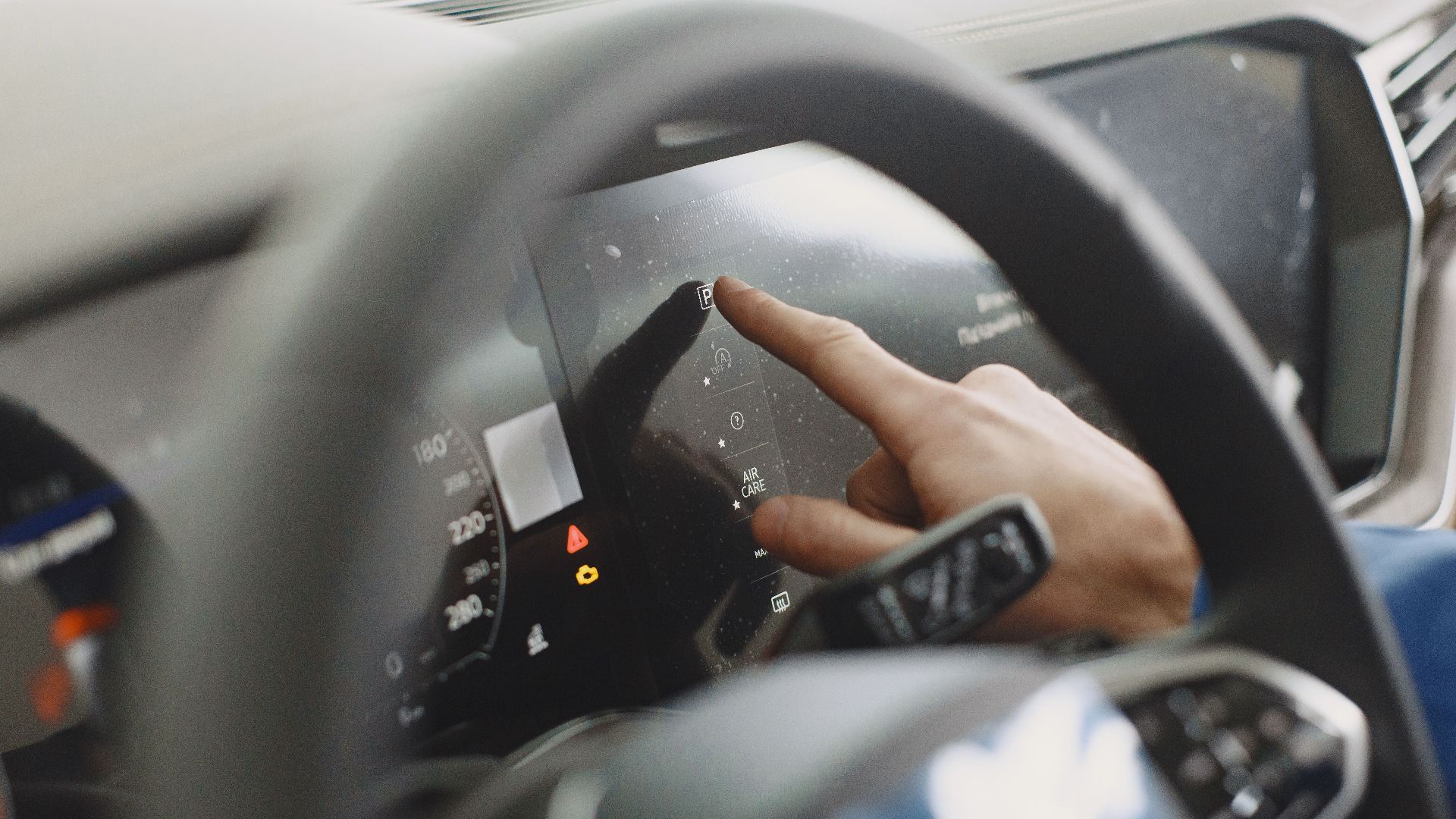
In the United States, federal vehicle standards require certain controls and displays to be accessible, visible, and identifiable, but they don’t generally require every comfort feature to have a separate physical backup. Climate controls are important, but they aren’t treated the same way as brakes, steering, lights, or required safety equipment. That’s one reason automakers have been able to move so many functions into screens. The law regulates some control visibility and identification, but it doesn’t broadly ban touchscreen-only climate systems.
Defrost Is More Important Than Comfort
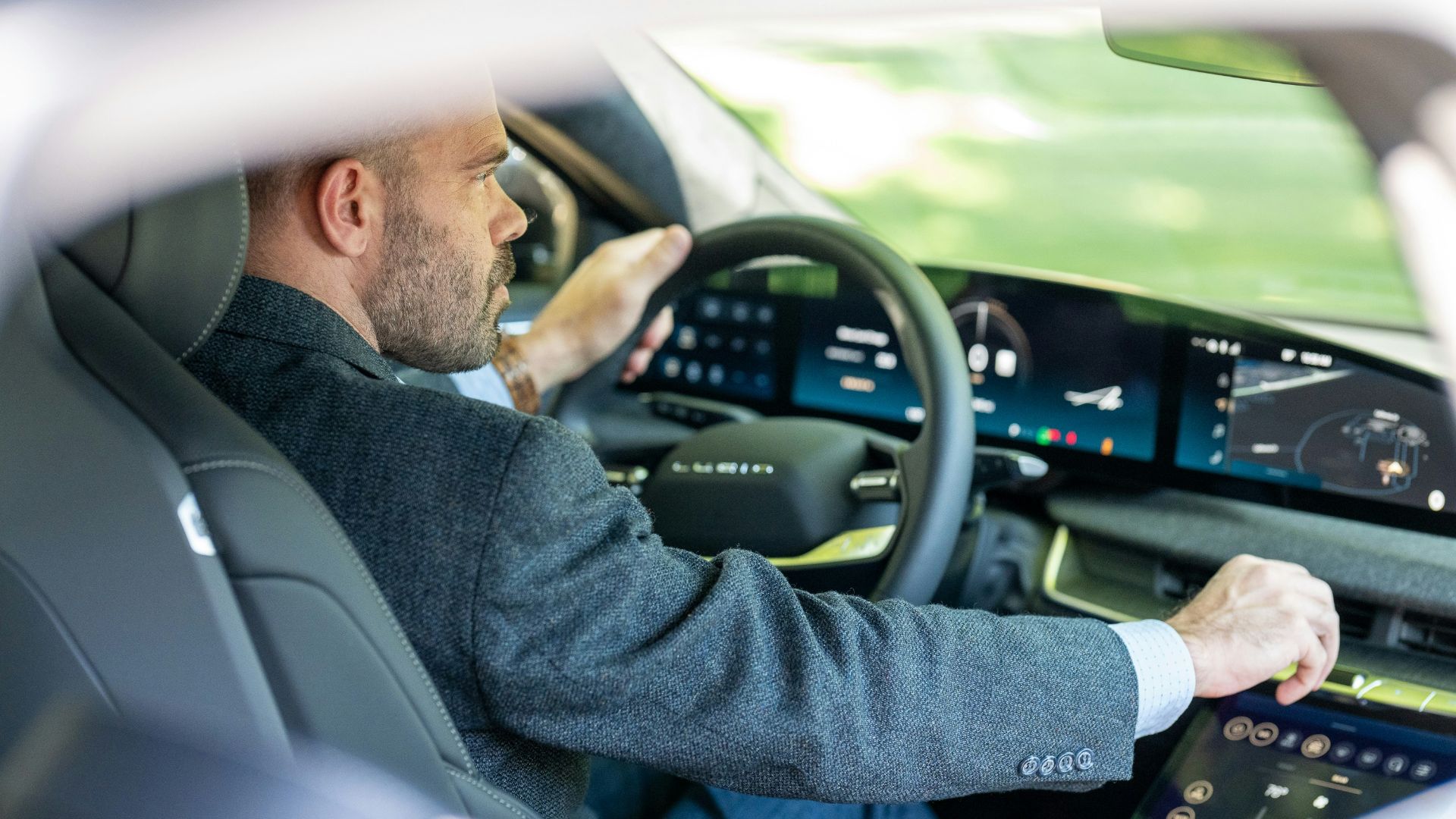
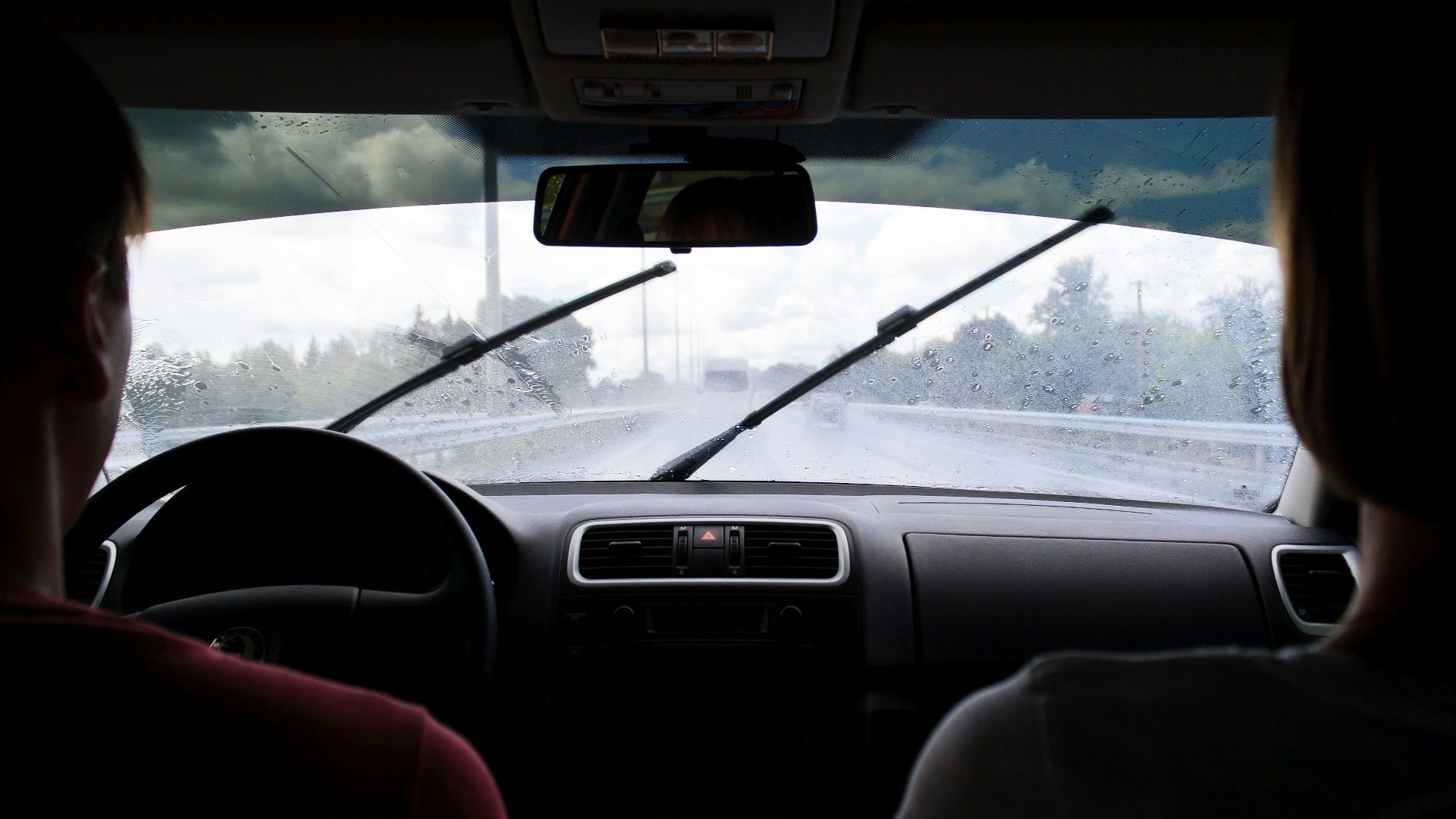
One area where climate controls can become a safety issue is windshield defrosting and defogging. If a failed screen prevents the driver from clearing the windshield, the problem may go beyond discomfort and become a visibility concern. That’s different from simply being unable to set the cabin to a perfect temperature. When visibility is affected, the issue is more likely to deserve urgent service attention.
Heat Can Make The Problem Serious
Losing air conditioning on a hot day can become dangerous quickly, especially for vulnerable passengers. Children, older adults, people with certain medical conditions, and pets are more sensitive to heat. Even if the car technically remains drivable, the situation may not be safe for everyone inside. If the cabin is getting dangerously hot, the immediate priority is getting people out of the vehicle and into a cooler place.

Touchscreen Failures Can Have Many Causes
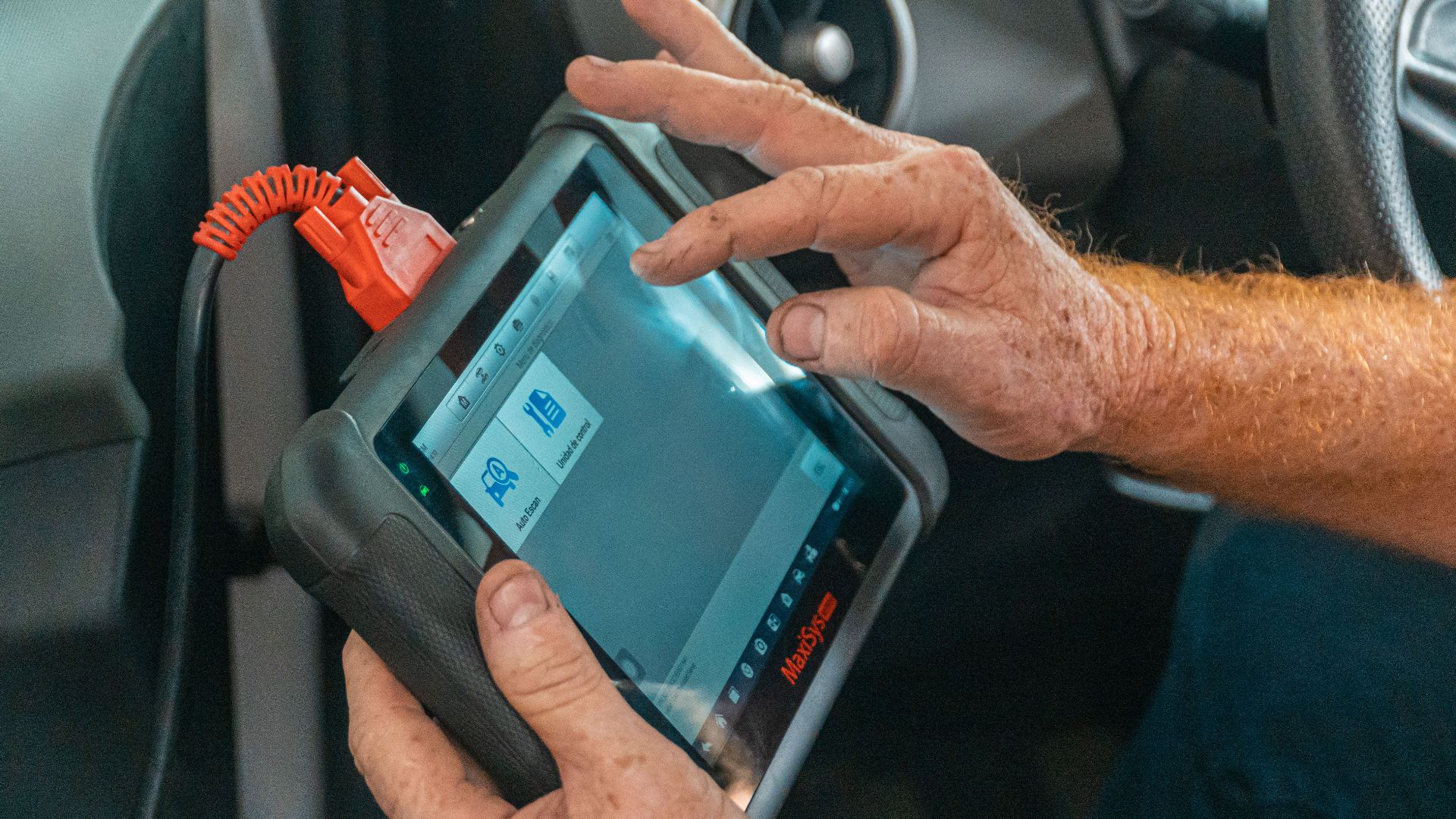
A dead screen doesn’t always mean the display itself is broken. Software crashes, failed updates, blown fuses, weak batteries, wiring faults, control-module issues, overheating electronics, or infotainment glitches can all cause problems. Sometimes a reboot restores access. Other times, the vehicle needs dealer diagnostics or a replacement module.
Try The Safe Simple Fixes First
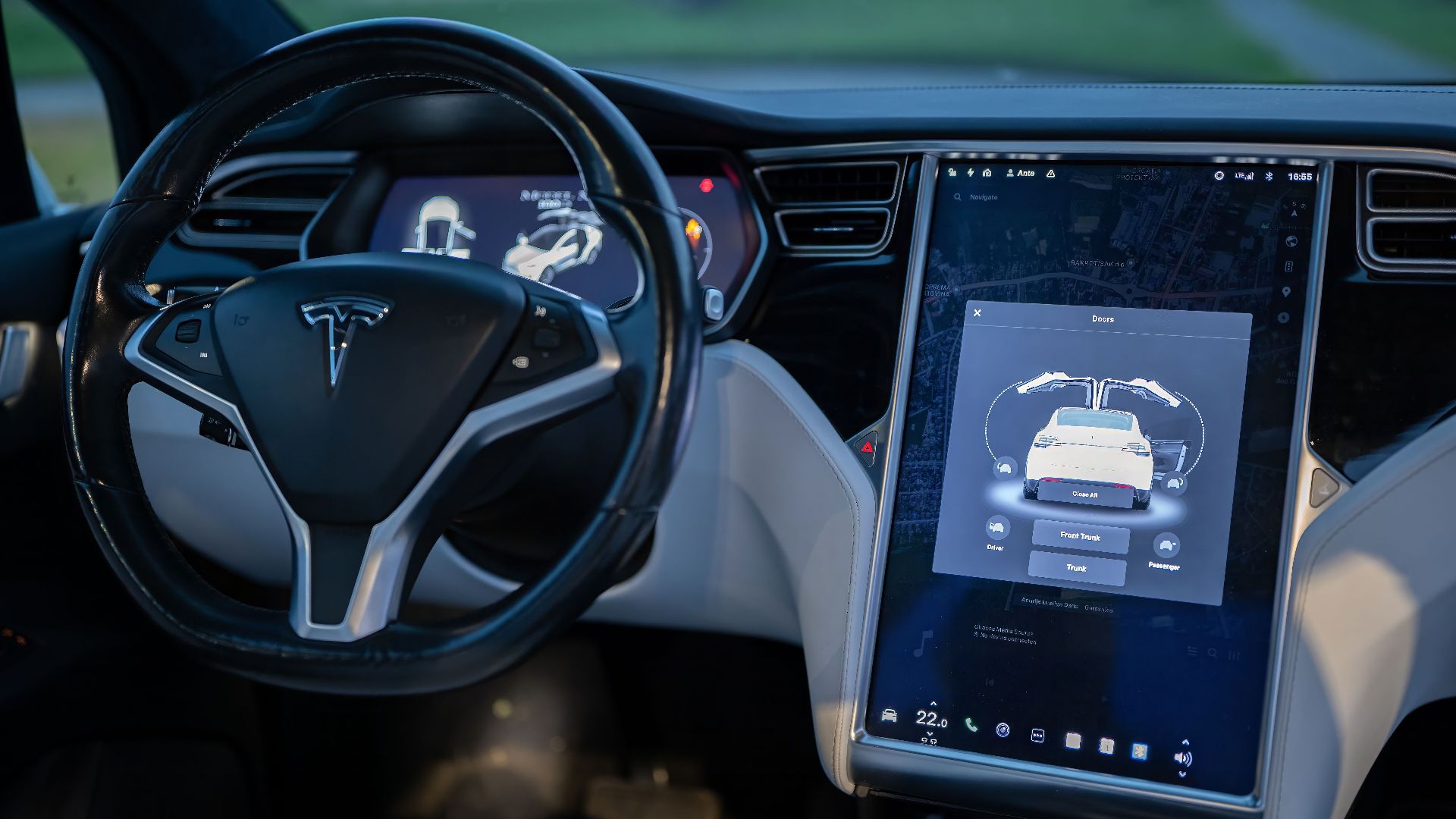
If the car is parked safely, check the owner’s manual for an infotainment reset procedure. Some vehicles allow a soft reset by holding certain buttons or restarting the system. If the climate controls come back, schedule service anyway because the failure may return. Don’t attempt complicated electrical fixes on the side of the road, especially if you’re already dealing with extreme heat.

The Owner’s Manual Matters
Many vehicles have hidden reset steps, emergency procedures, or alternate control paths that aren’t obvious. Some models allow limited climate adjustment through steering-wheel controls, voice commands, mobile apps, or physical shortcut buttons. Others don’t. The manual may reveal options you didn’t know existed.

Voice Controls Aren’t A Perfect Backup
Some automakers argue that voice assistants can replace physical buttons for certain functions. In practice, voice controls can fail because of poor signal, software glitches, background noise, accents, microphone problems, or the same system failure that disabled the touchscreen. Voice control can be helpful when it works, but it doesn’t fully solve the backup-control problem.

Regulators Have Focused More On Driving Distraction
Safety agencies have historically focused heavily on whether controls distract drivers while the car is moving. Federal Motor Vehicle Safety Standard No. 101 addresses control and display identification, visibility, and accessibility to reduce hazards caused by driver distraction and mistakes. That’s important, but it still leaves a lot of room for screen-based controls. A system can technically meet certain display rules while still frustrating drivers when it fails.
Safety Ratings Are Starting To Push Back
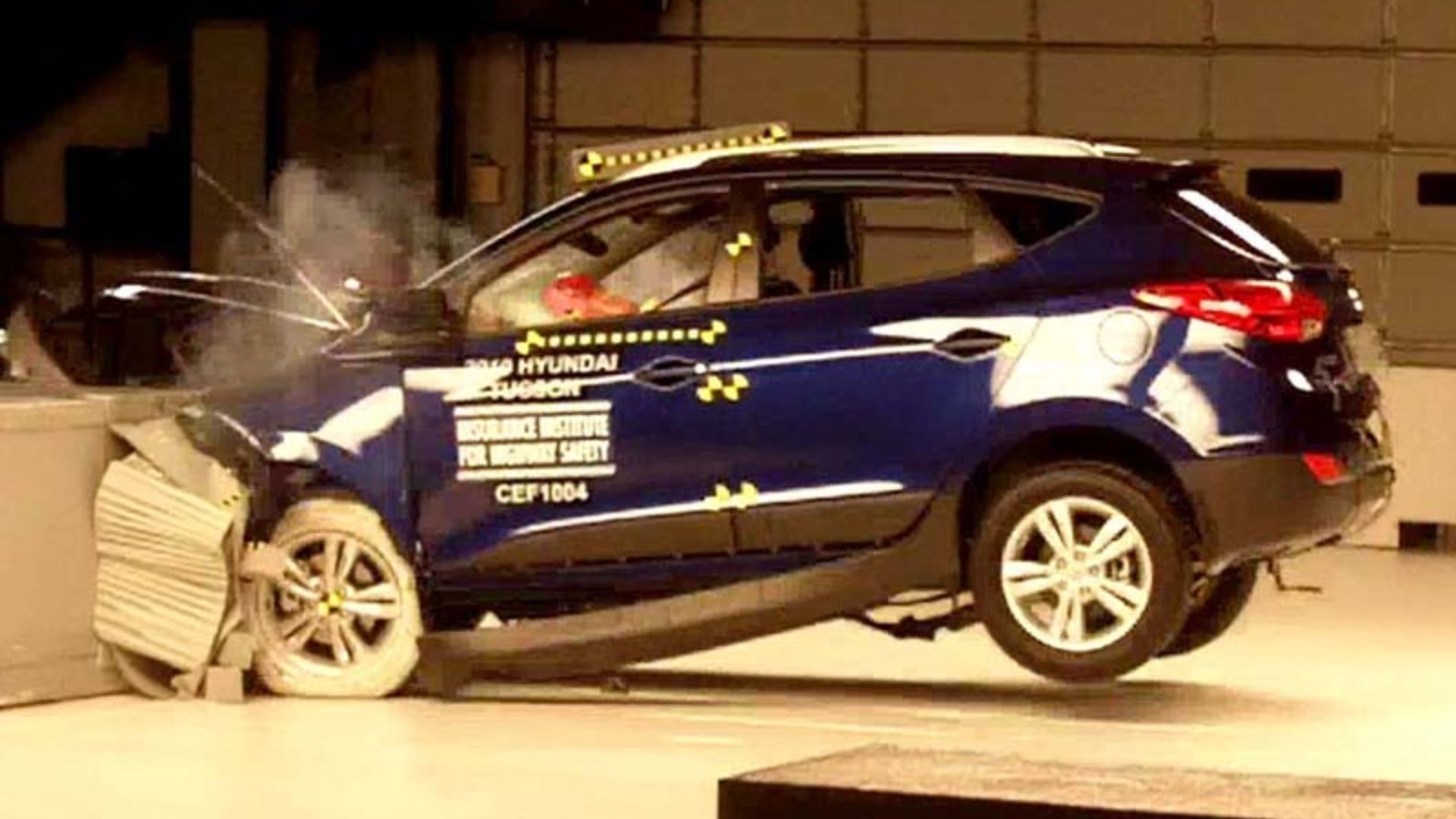
Euro NCAP, the European vehicle safety rating organization, has moved toward rewarding clearer physical controls in its newer protocols. Reports about its 2026 approach say vehicles may lose points if key functions are buried too deeply in touchscreens. This isn’t the same as a legal ban, but safety ratings influence automakers because five-star results matter in marketing. That pressure could push more brands back toward physical controls.
Automakers Are Hearing The Complaints
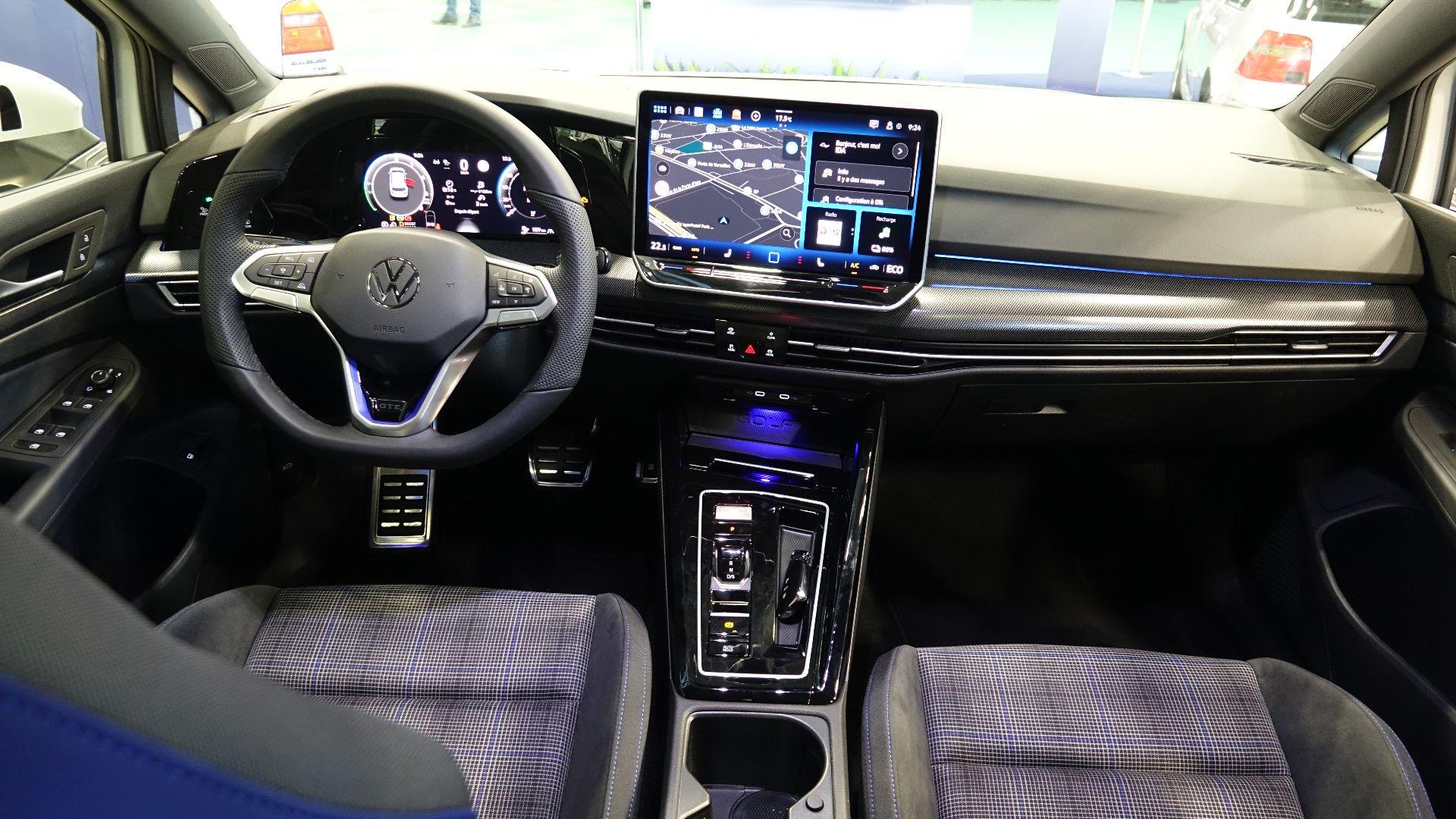
Some manufacturers have already started reintroducing physical controls after customer backlash. Volkswagen, for example, has publicly moved back toward buttons for important functions like volume, heating, fan speed, and hazard lights in future models. Other brands have also faced criticism for touchscreen-heavy interiors. Drivers may not hate screens, but many clearly want basic controls they can use quickly and reliably.
Consumer Groups Evaluate Usability Too
Consumer Reports evaluates controls and displays as part of its vehicle assessments, including how easy it is to operate climate, audio, touchscreens, and other functions. That matters because usability problems affect real-world satisfaction and safety. A vehicle can have impressive technology and still be frustrating if basic functions are hard to access. Public testing and reviews can pressure automakers even when laws don’t.

Repairs Can Be Expensive
Touchscreen and infotainment failures can be costly because the screen may be tied to multiple vehicle systems. Replacing a head unit, control module, or display assembly can cost far more than replacing an old-fashioned climate-control knob. If the vehicle is still under warranty, the repair may be covered. If it isn’t, ask whether the manufacturer has issued a service bulletin, extended warranty, software update, or goodwill repair program.
Ask Whether There Is A Known Issue
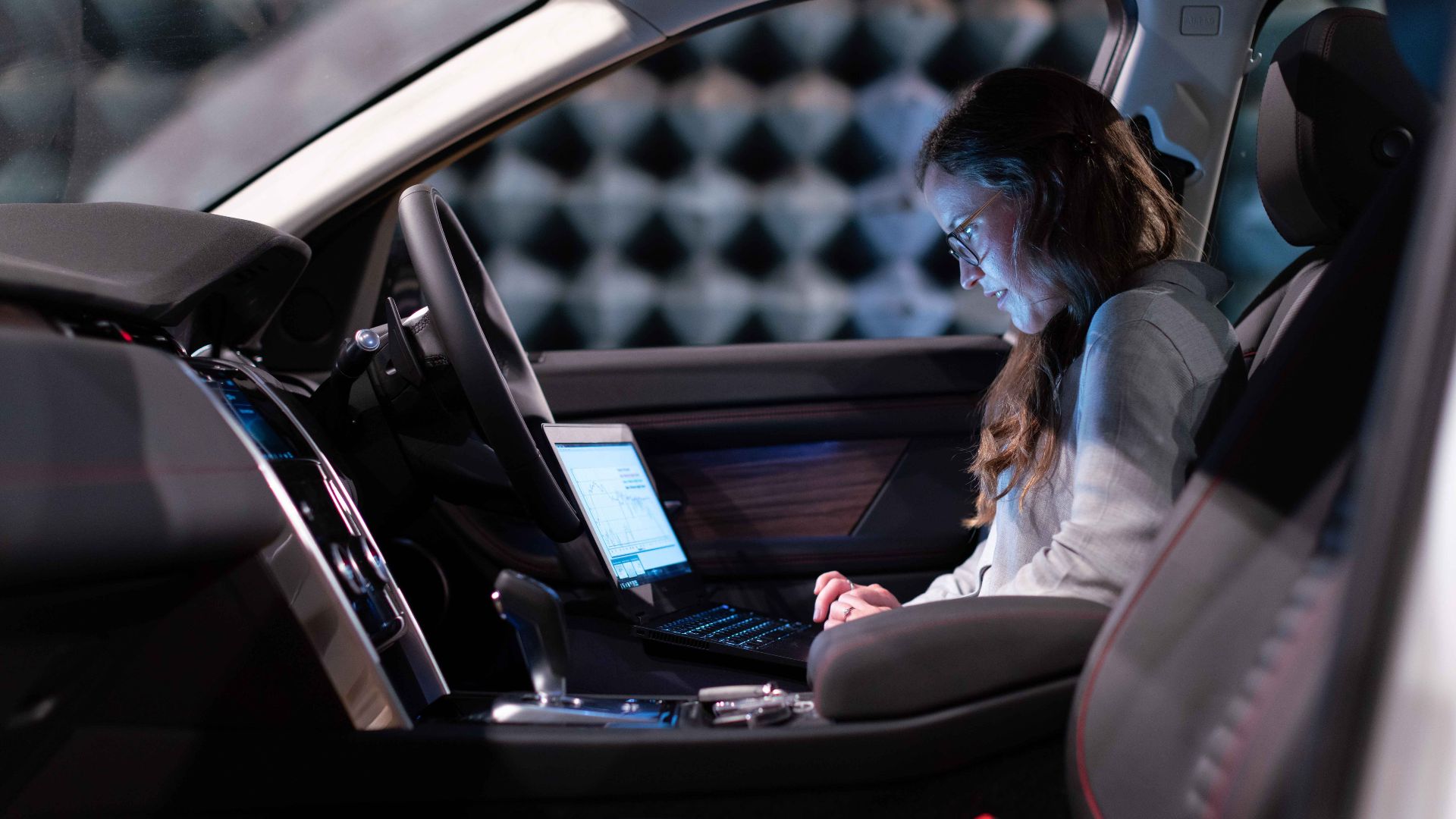
When you contact the dealer, ask if your vehicle has any technical service bulletins, recalls, software updates, or common infotainment failures related to climate controls. A known issue may change how the repair is handled. Even if there’s no recall, a bulletin can help technicians diagnose the problem faster. It may also support a goodwill request if the car is just outside warranty.
A Recall Is Possible But Not Automatic
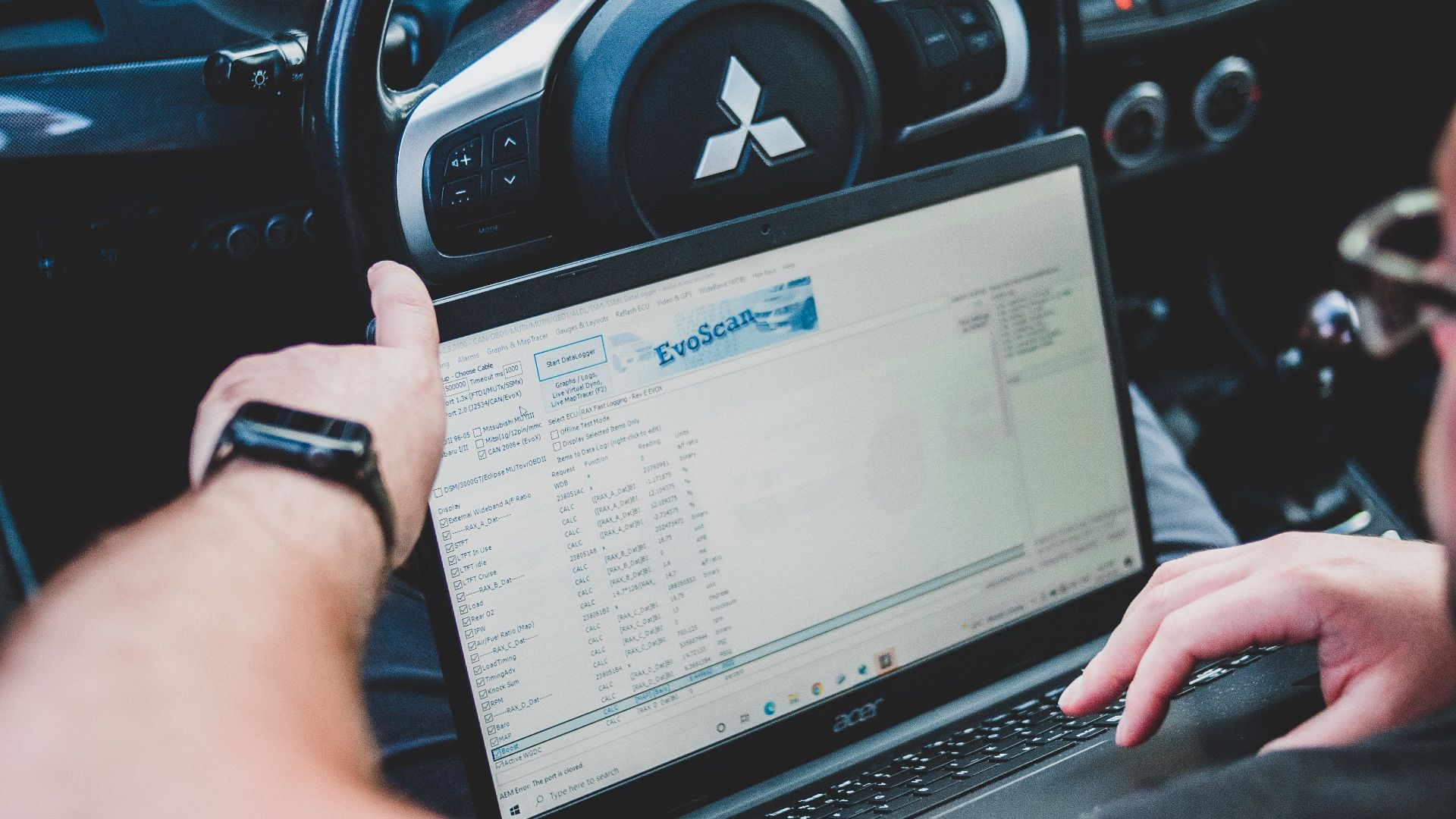
Not every frustrating failure becomes a recall. A recall is more likely when a defect creates an unreasonable safety risk or violates a safety standard. A broken climate menu may not qualify if it’s treated as a comfort-system failure. But if the failure affects defrosting, visibility, or safe vehicle operation, it becomes much more important to report.
 Jose Ricardo Barraza Morachis, Pexels
Report Safety Concerns
If the touchscreen failure affected defrosting, visibility, or created a safety hazard, consider filing a complaint with NHTSA in the United States. These complaints help regulators identify patterns across multiple vehicles. One report may not trigger action by itself, but many similar reports can lead to investigations. Documentation matters, so include dates, symptoms, weather conditions, and what functions stopped working.

Document Everything Before Service
Take photos or videos showing the failed screen and inaccessible climate controls. Save warning messages, error codes, repair invoices, and any communication with the dealer or manufacturer. If the failure happened during extreme heat, note the outside temperature and whether passengers were affected. A clear timeline can help with warranty claims, complaints, or future disputes.
Don’t Keep Driving If It’s Unsafe
If the cabin is dangerously hot or the windshield can’t be cleared, don’t treat the problem like a normal inconvenience. Pull over safely, get passengers out of the heat, and arrange assistance if needed. A car that technically moves isn’t necessarily safe to operate in all conditions. Comfort systems can become safety-relevant when weather is extreme.

Future Buyers Should Test The Controls
When shopping for a car, spend time adjusting climate settings before buying. Try changing temperature, fan speed, defrost, seat heat, and air direction without looking away for too long. Ask what happens if the screen freezes or fails. A test drive should include the boring controls too, because those are the ones you’ll rely on every day.

Physical Controls May Come Back
The industry seems to be realizing that total touchscreen control isn’t always ideal. Customer complaints, safety-rating pressure, and usability criticism are pushing some automakers back toward buttons, knobs, and dedicated switches for common functions. That doesn’t mean screens are going away. It means the best designs may combine screens for complex tasks with physical controls for essentials.
The Law Hasn’t Fully Caught Up Yet
So why don’t cars always need backup climate controls? Because current rules generally don’t require every convenience or comfort function to have a separate physical fallback, even when losing that function feels serious in the moment. The regulatory focus has been on required safety systems, visibility, control identification, and distraction rather than mandating old-school buttons for every feature. That may change over time, but for now, owners need to rely on warranty rights, service campaigns, safety complaints, and smarter buying decisions.

You’re Not Wrong To Be Frustrated
If your touchscreen failed and took the climate controls with it on a scorching day, your frustration is completely understandable. Cars have become more software-dependent, and that means one screen can affect functions that used to be separate and simple. The best next step is to document the failure, check for recalls or service bulletins, pursue warranty or goodwill coverage, and report the issue if it affected safety. Longer term, pressure from consumers, safety groups, and regulators may finally push automakers to keep critical everyday controls easier to access when screens fail.

You May Also Like: