Road Trip Ready: A Quick Checklist That Can Save Your Weekend
Nothing ruins a road trip faster than a preventable breakdown, a weird warning light, or realizing your tires are basically slicks halfway through the drive. The good news is that most road trip disasters are avoidable with a quick pre-trip check. These preventative inspections don’t require a full mechanic’s toolbox, just a little time, a bit of attention, and the willingness to look under the hood before you hit the highway.

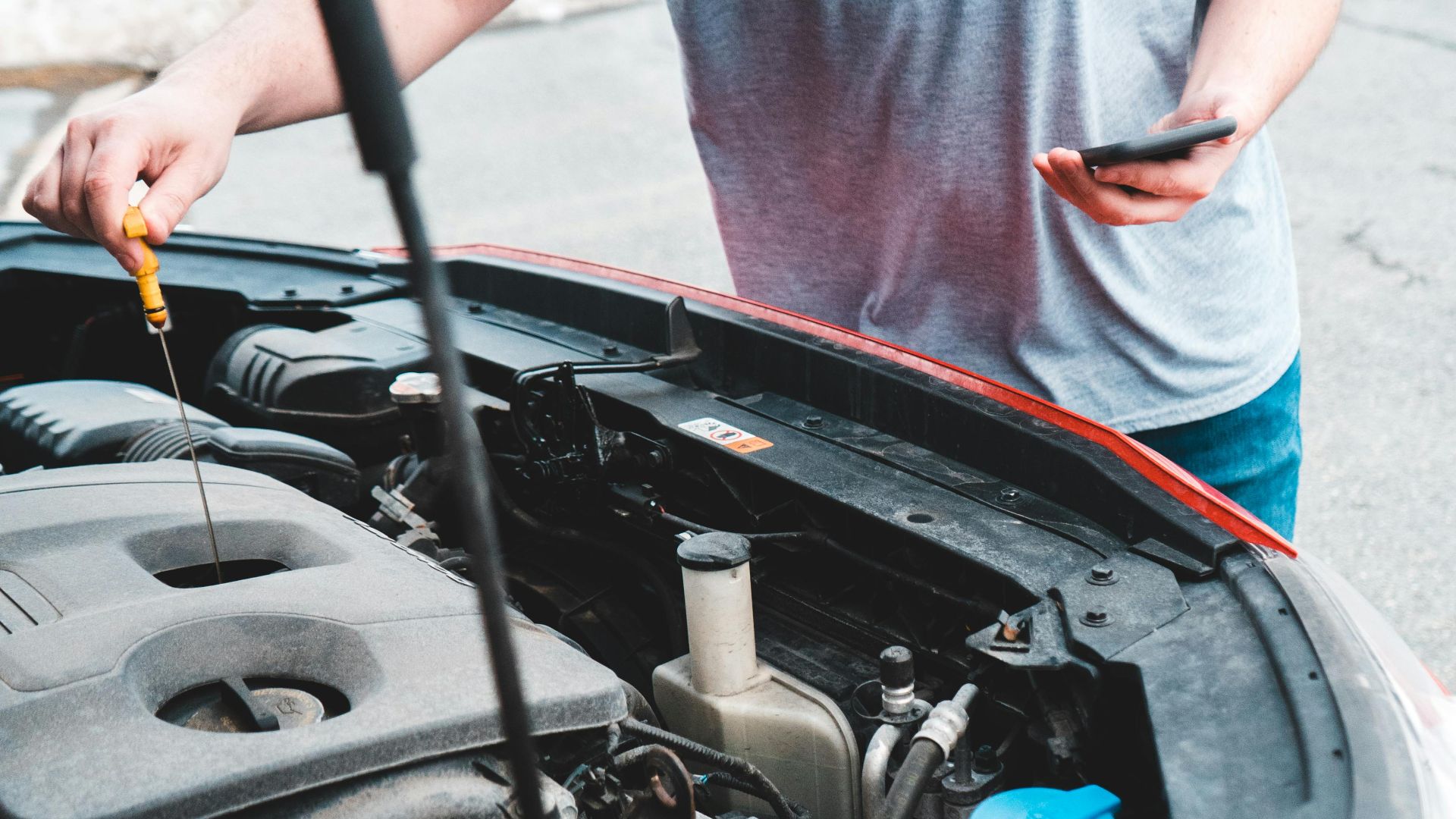
Check Engine Oil Level And Condition
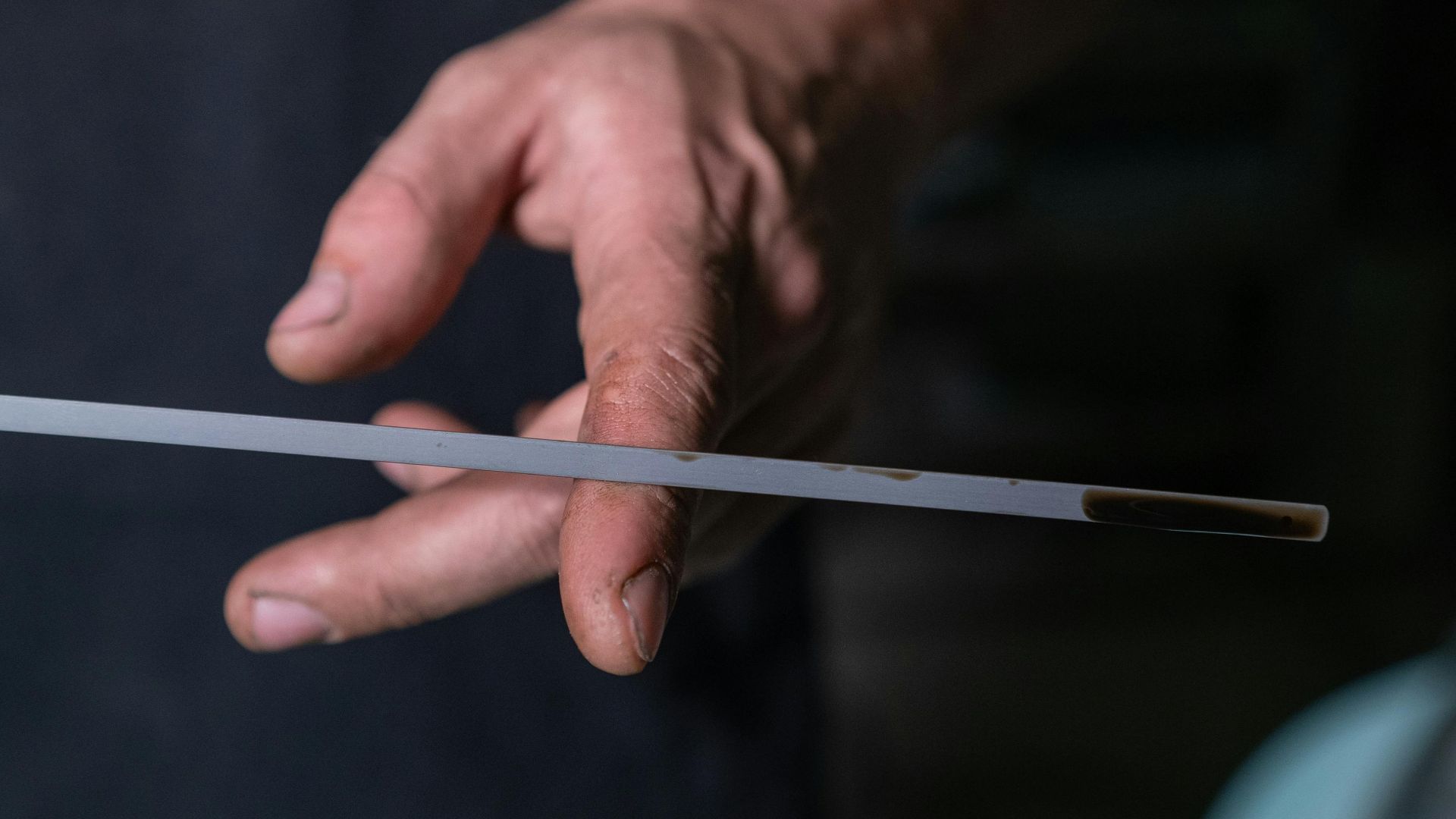
Before any long drive, pull the dipstick and confirm your oil level is where it should be. If the oil looks gritty, unusually dark, or smells burnt, it may be time for a change. Low or dirty oil increases engine wear, especially during long highway stretches and hot weather.
Confirm Coolant Level And Look For Leaks
Coolant is your engine’s temperature bodyguard. Check the coolant reservoir level when the engine is cold and inspect for crusty residue, wet hoses, or puddles under the car. Overheating is one of the most common road trip failures, and it’s often caused by low coolant or leaks.
Inspect Tire Tread Depth
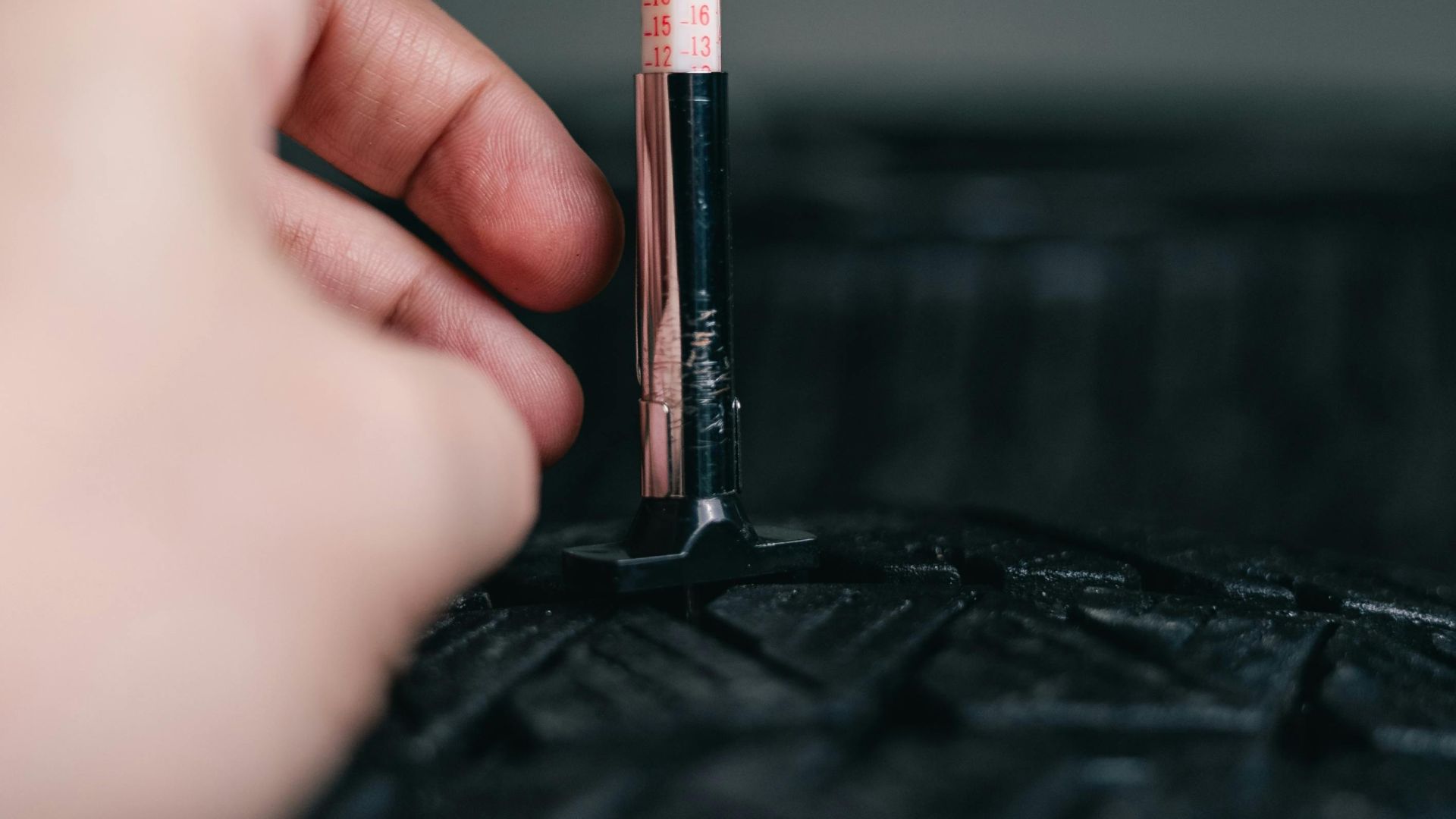
Your tires are the only thing connecting your car to the road, so tread depth matters more than people think. Use the penny test or a tread gauge to confirm you’re not close to bald. Poor tread increases stopping distance and makes rain driving significantly more dangerous.
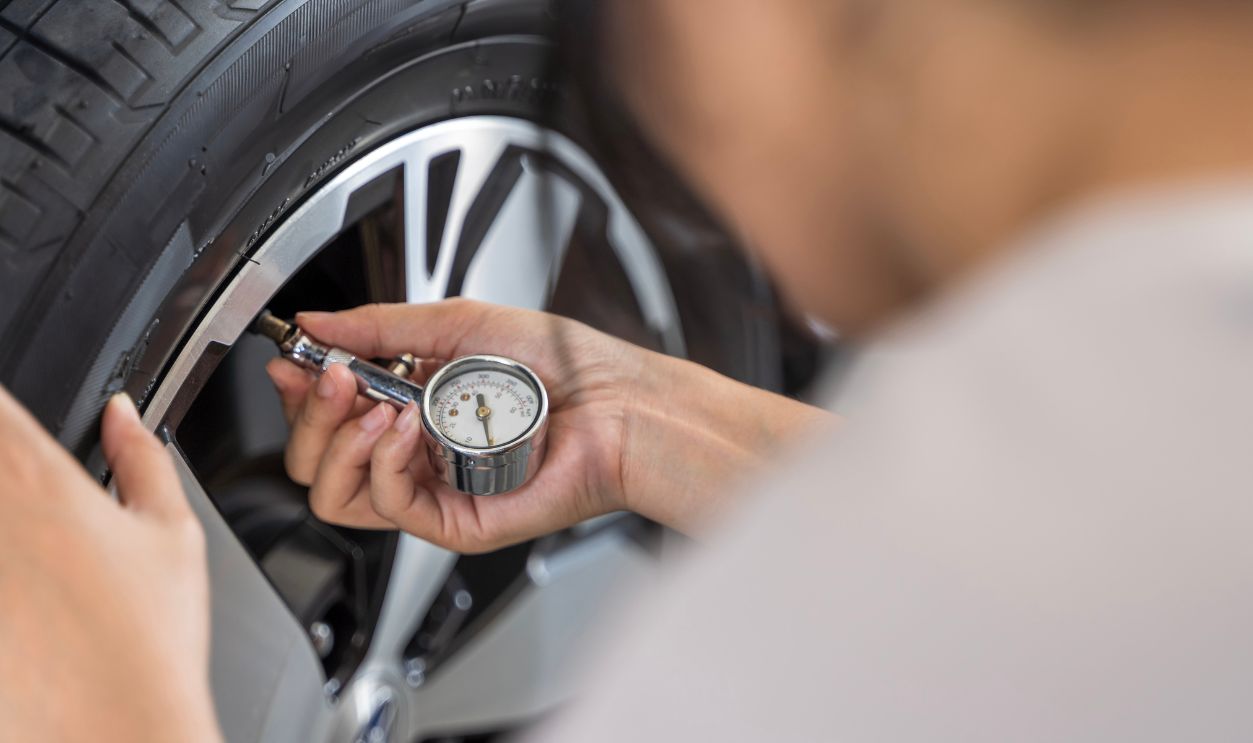
Check Tire Pressure (Including The Spare)
Tire pressure affects fuel economy, handling, and safety. Check pressure when tires are cold and inflate to the door-jamb recommendation, not the max printed on the tire. Also check the spare tire—many drivers forget it exists until they’re stranded with a flat spare.
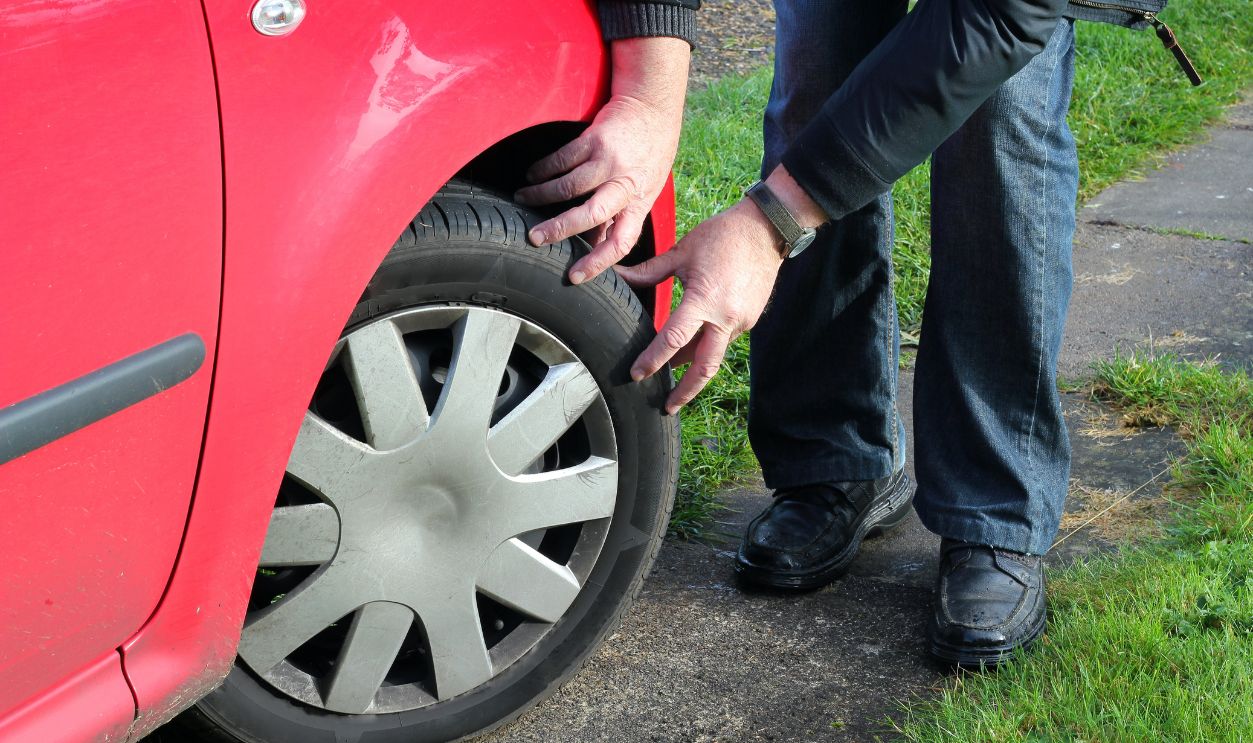
Look For Uneven Tire Wear
Uneven wear patterns can signal alignment problems, worn suspension components, or under/overinflation. Run your hand across the tread and look for bald spots, feathering, or excessive edge wear. Catching this early can prevent blowouts and save your tires from getting destroyed mid-trip.
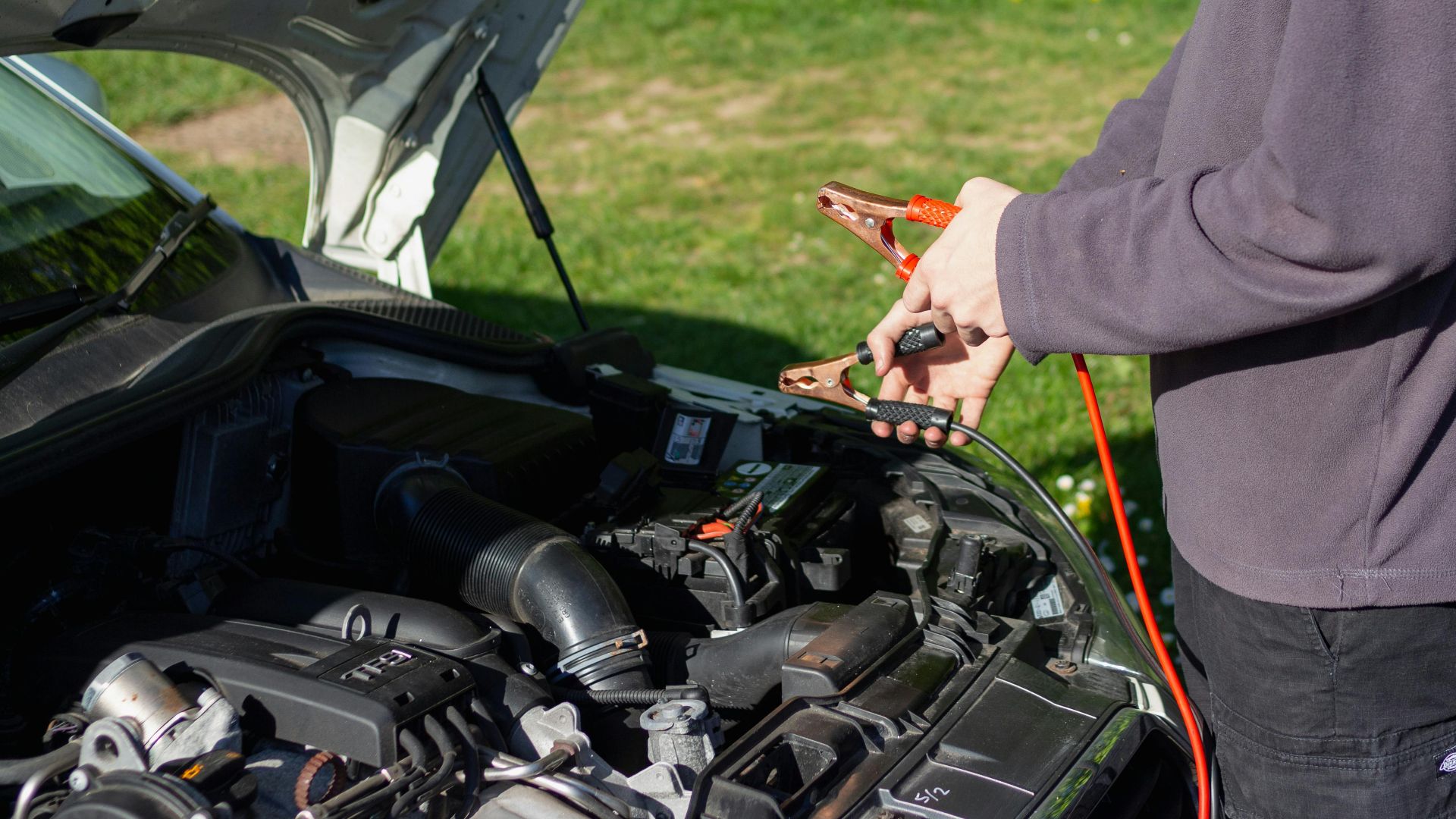
Test The Battery Health
If your battery is weak, a road trip can expose it fast, especially with lots of stops, short drives, or extreme temperatures. If your battery is older than three to five years, consider testing it at an auto parts store. Corroded terminals should be cleaned before the trip.
 Daniel @ bestjumpstarterreview.com, Pexels
Make Sure The Alternator And Charging System Are Working
A healthy battery won’t help if the alternator isn’t charging properly. If you’ve noticed dimming lights, slow power windows, or random electrical issues, don’t ignore them. Charging system failures can leave you stranded without warning, and they’re brutal on long drives.

Verify All Exterior Lights
Do a full walkaround check: headlights (low and high beams), brake lights, reverse lights, turn signals, and hazard lights. A burned-out bulb is an easy fix now, but it can get you pulled over or cause an accident at night or in heavy rain.

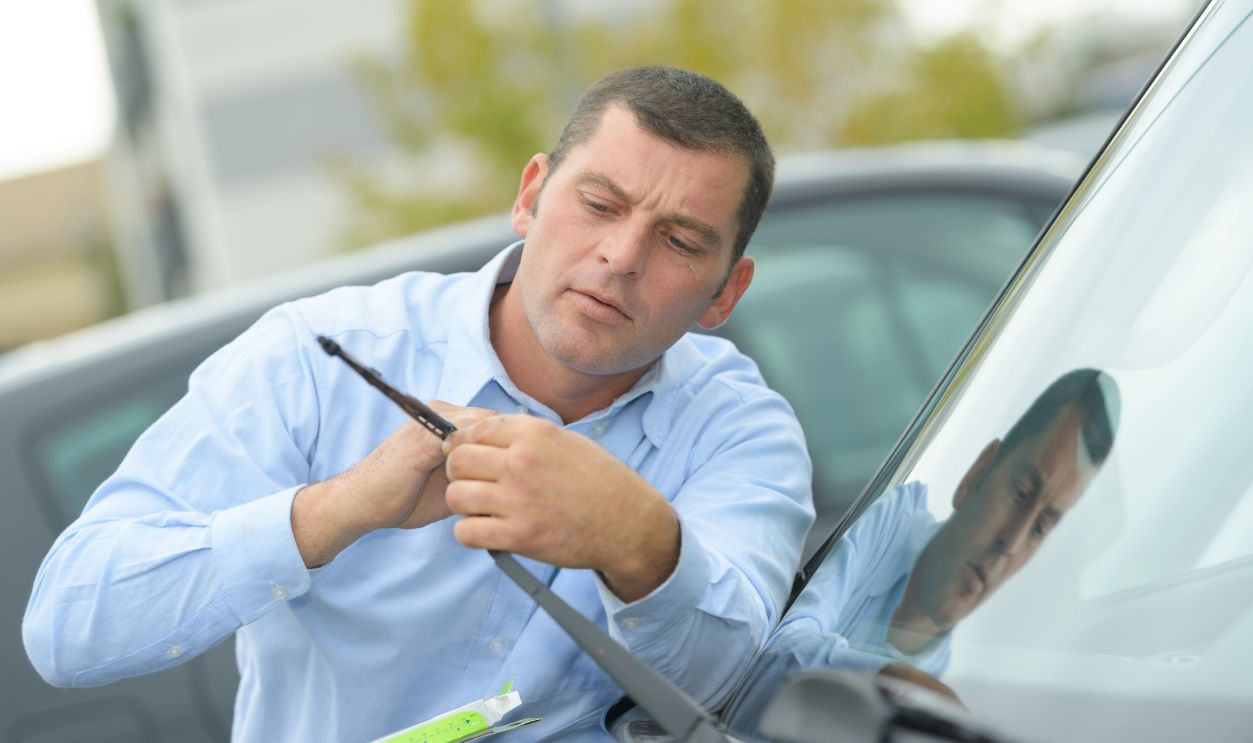
Check Windshield Wipers For Streaking Or Cracking
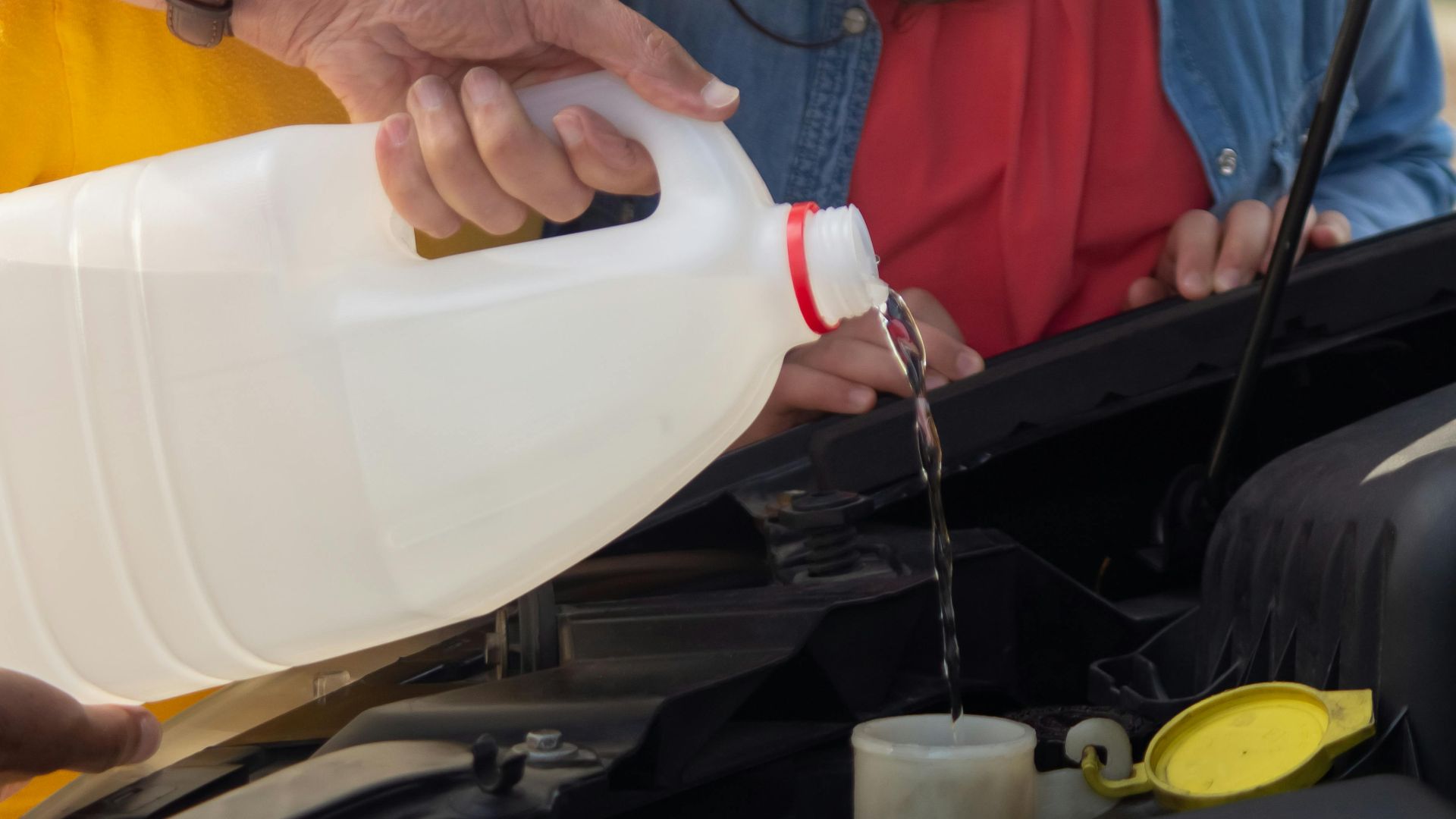
Wipers are one of those things you don’t think about until a storm hits and you suddenly can’t see anything. If your wipers streak, chatter, or have cracked rubber, replace them. Also top off windshield washer fluid because highway bugs are relentless.
Inspect Brake Pads And Brake Feel
You don’t need to remove wheels to notice brake issues. Listen for squealing or grinding, and pay attention to brake pedal feel. A soft pedal, vibration, or pulling to one side can indicate worn pads, warped rotors, or brake fluid issues—all bad news on mountain roads.

Check Brake Fluid Level
Brake fluid should be between the min and max marks on the reservoir. Low fluid can mean worn brake pads or a leak. If the fluid looks very dark, it may be contaminated and overdue for service. Brakes are not something you want to gamble with on a road trip.
Confirm Power Steering Fluid (If Applicable)
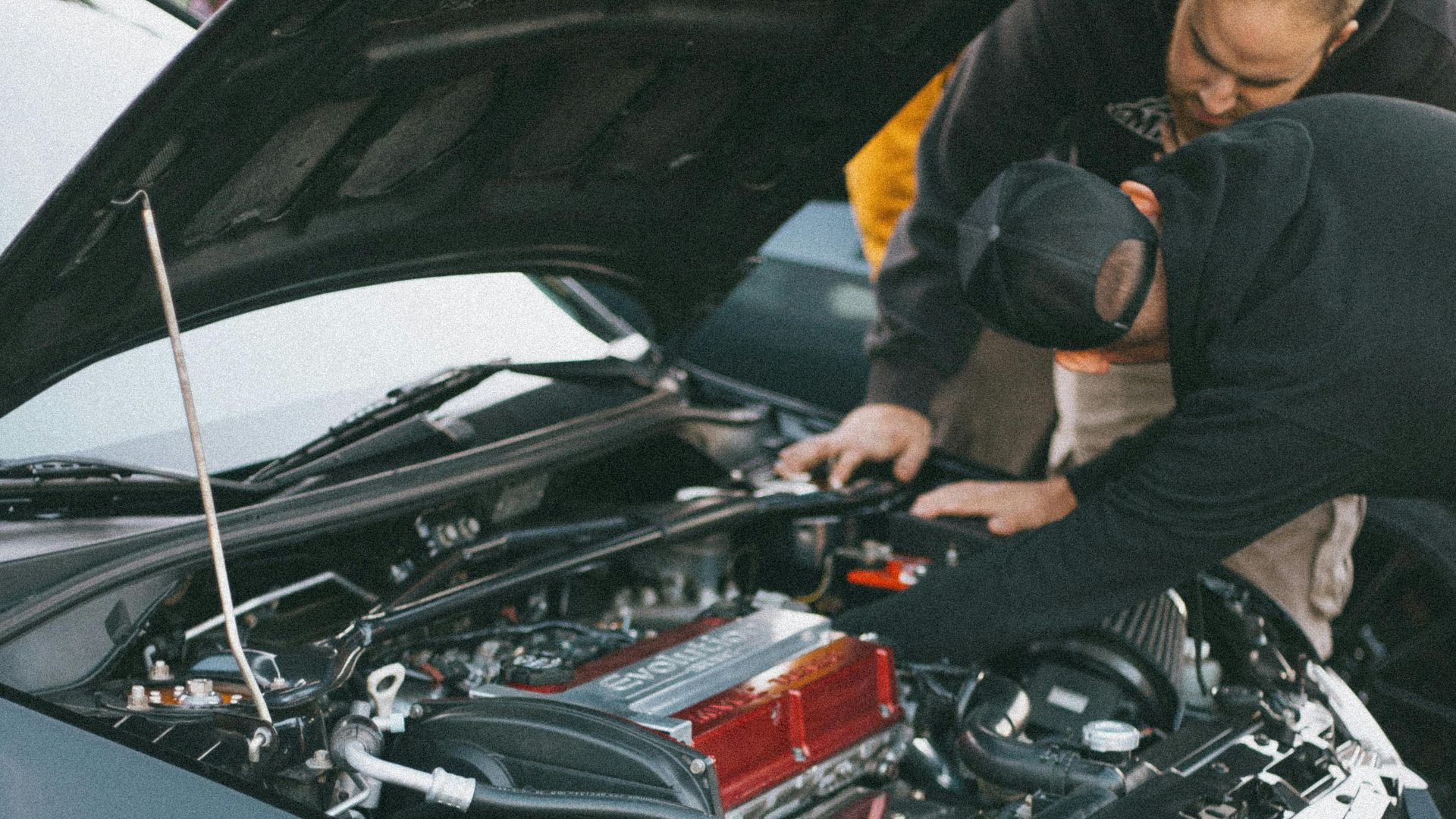
Many modern cars use electric power steering, but older vehicles may still rely on hydraulic fluid. If your steering feels stiff, noisy, or inconsistent, check the reservoir. Low fluid can indicate a leak, and ignoring it can lead to steering failure at the worst possible time.
Check Transmission Fluid (If Applicable)
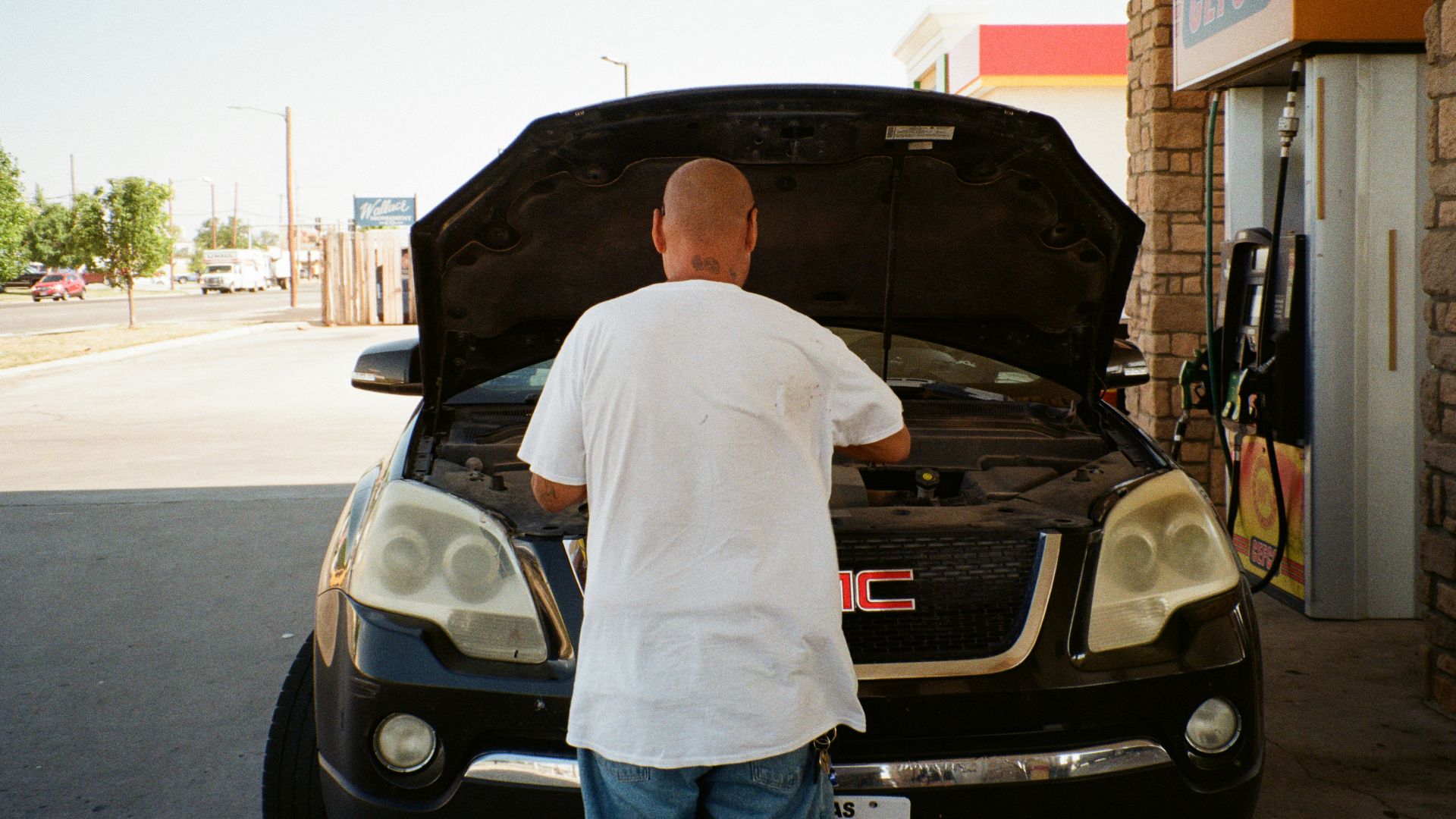
If your vehicle has a transmission dipstick, check the fluid level and color. Healthy transmission fluid is usually pink/red and not burnt-smelling. Slipping, harsh shifts, or delayed engagement before a trip should be treated like a warning flare, not a “we’ll see what happens.”
Inspect Belts And Hoses
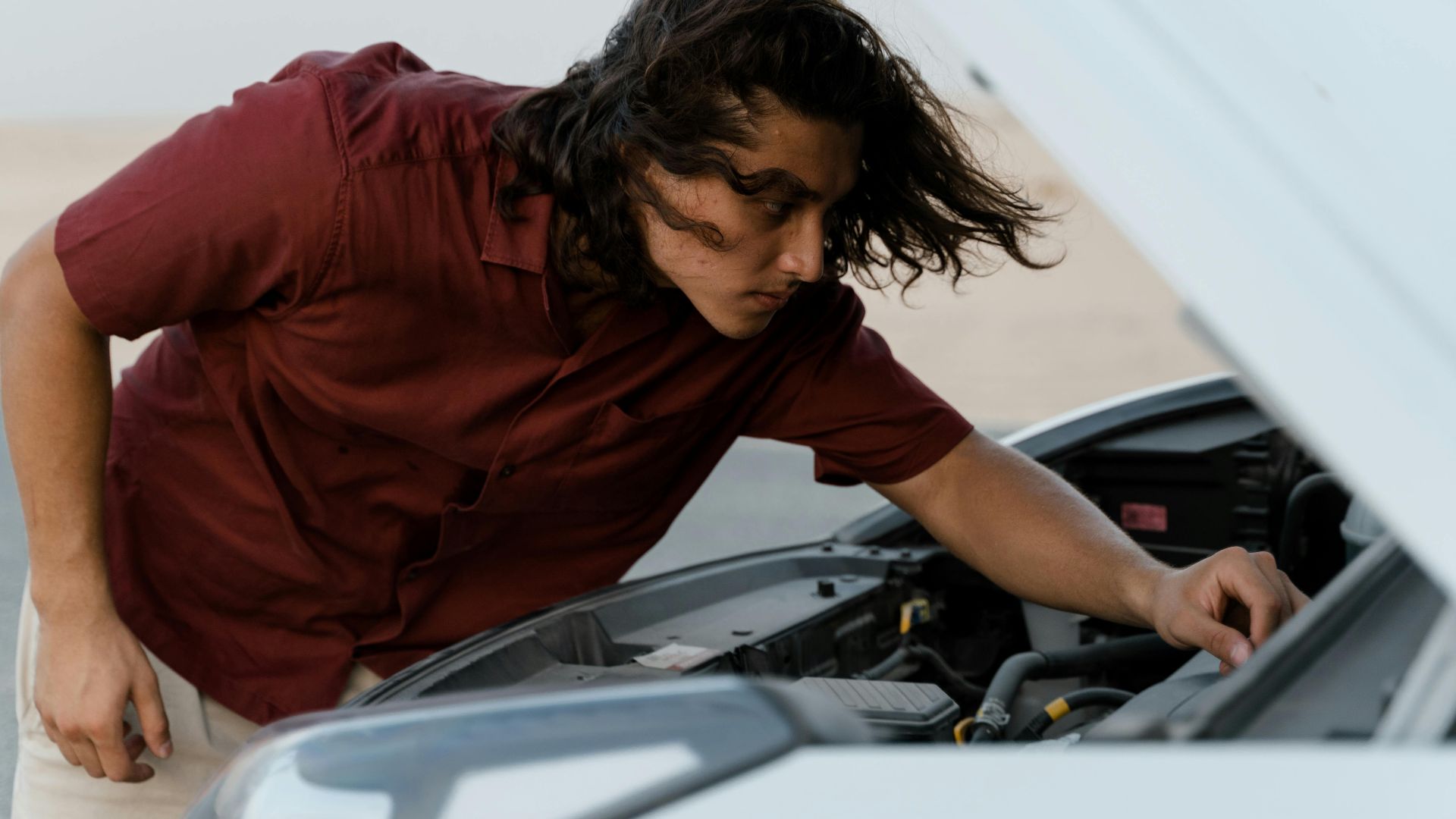
Look under the hood for cracked serpentine belts, frayed edges, or shiny glazing. Inspect hoses for swelling, cracks, or leaks near clamps. A broken belt can disable the alternator and water pump, while a burst hose can overheat the engine quickly.
Check Air Filter And Cabin Filter
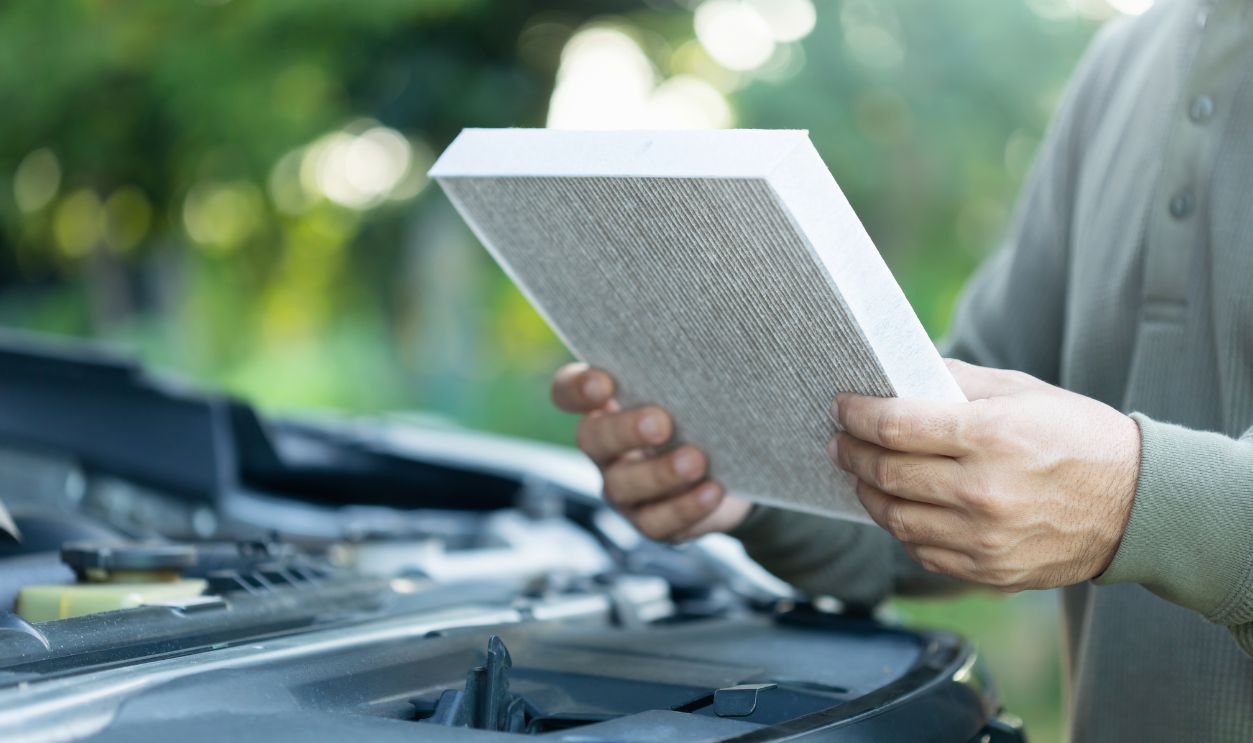
A clogged engine air filter can reduce fuel economy and performance, while a dirty cabin filter makes the HVAC system struggle and can create musty smells. Filters are cheap and easy to replace, and they can make your car feel noticeably fresher and smoother on long drives.
Verify HVAC And Defrost Work Properly
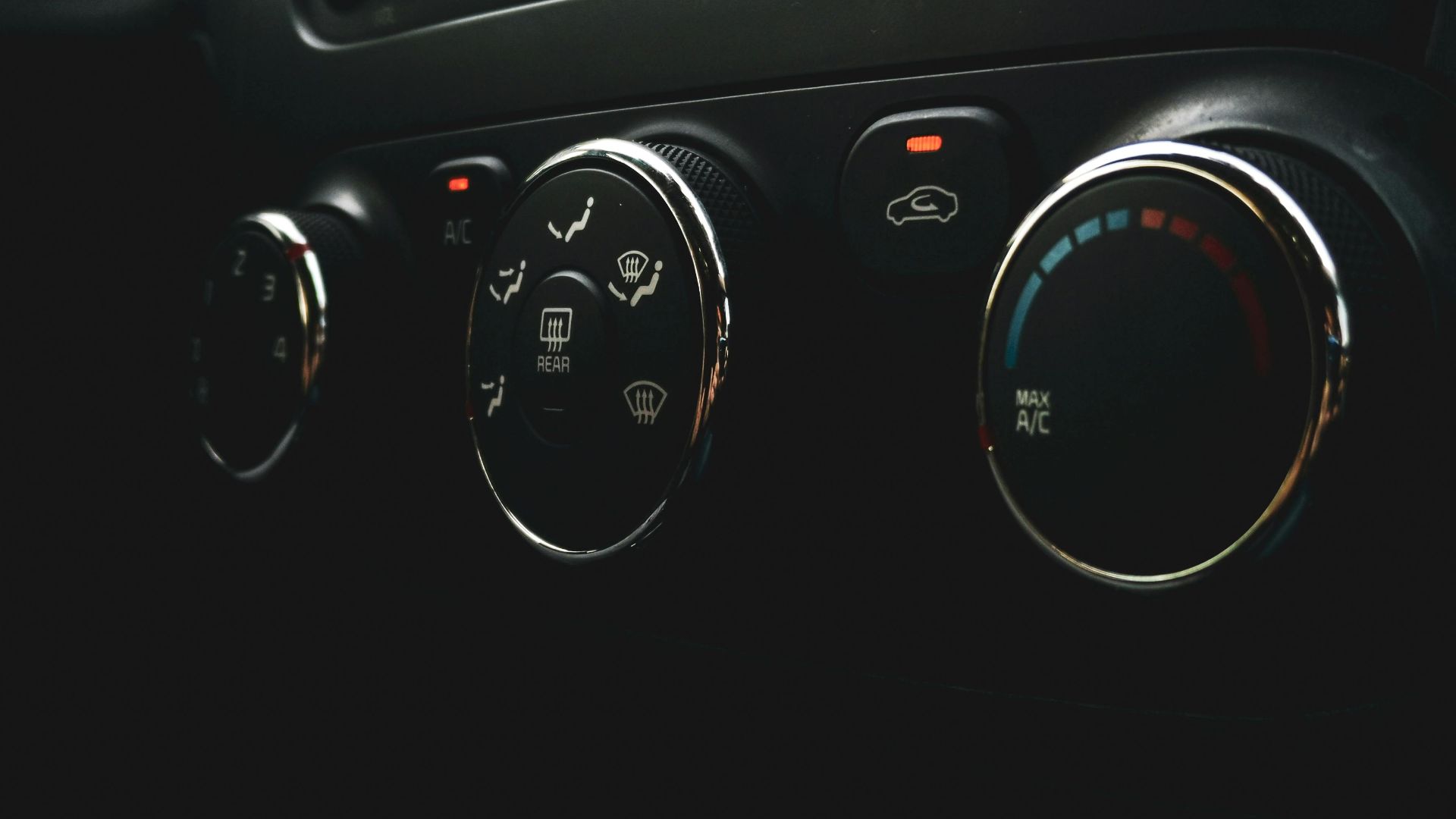
It’s easy to overlook climate controls until you’re driving through rain, fog, or freezing temps. Make sure the A/C blows cold, heat works, and the defroster clears windows quickly. Visibility is safety, and fogged-up windows are not the kind of road trip vibe anyone wants.
Check For Warning Lights Or Stored Codes
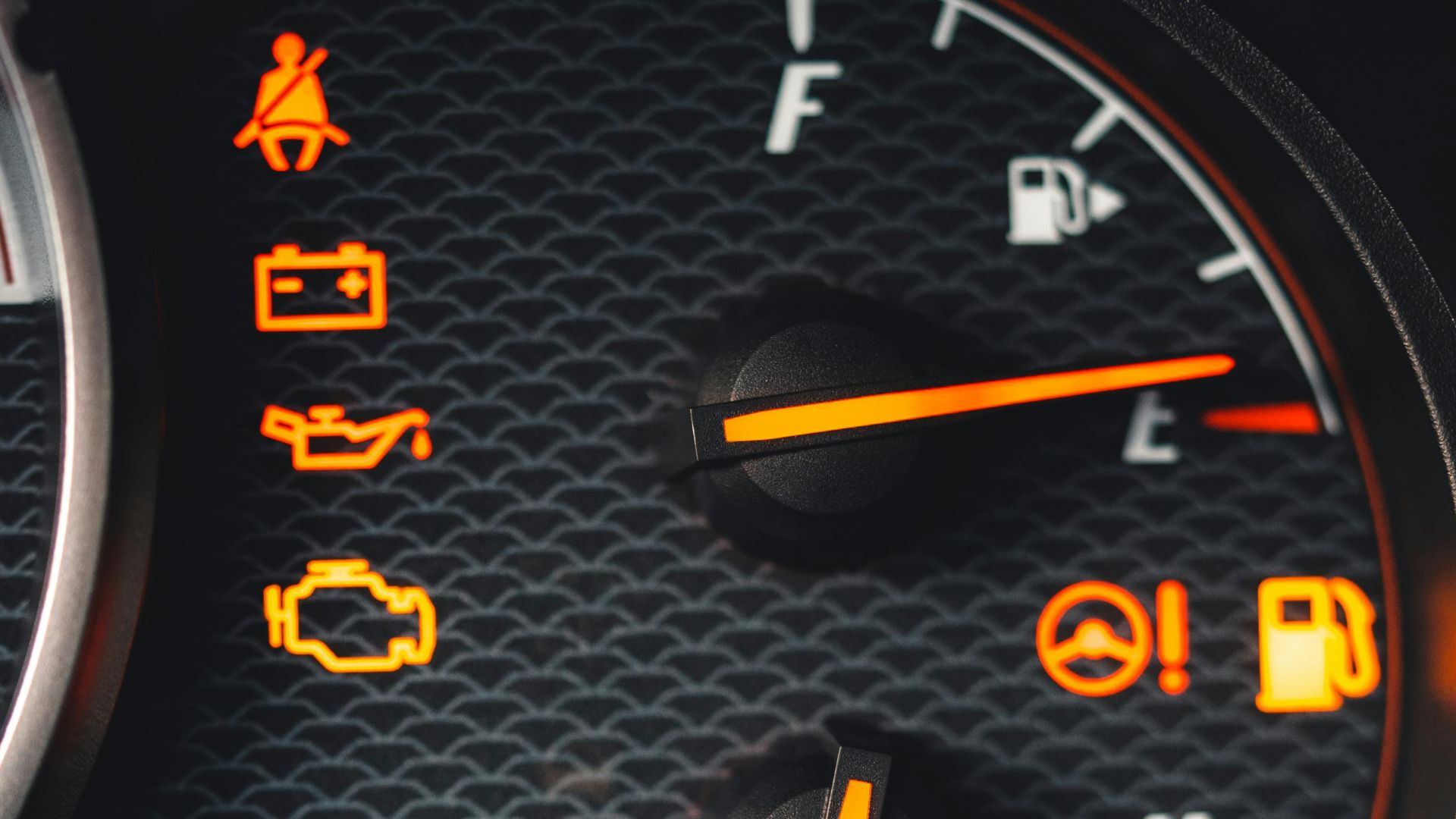
If your check engine light is on (or recently turned off), don’t ignore it. Even if the car feels fine, stored trouble codes can reveal issues like misfires, EVAP leaks, or sensor problems. A quick scan at an auto parts store can save you from a surprise breakdown later.
Inspect For Fluid Leaks Under The Car
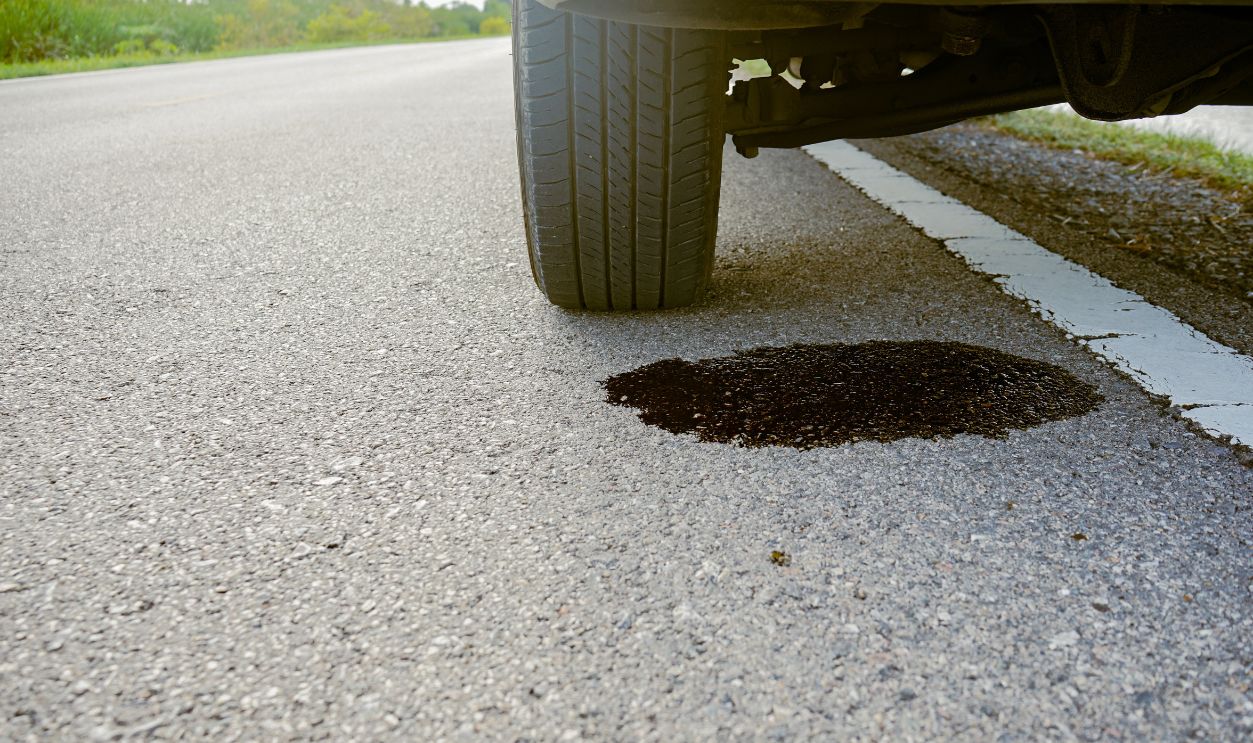
Before leaving, park overnight and check for spots underneath: oil (dark brown/black), coolant (often green/orange/pink), transmission fluid (red), or brake fluid (clear/yellowish). A small leak can become a big problem during hours of highway driving.
 Mr.Anuwat Rumrod, Shutterstock
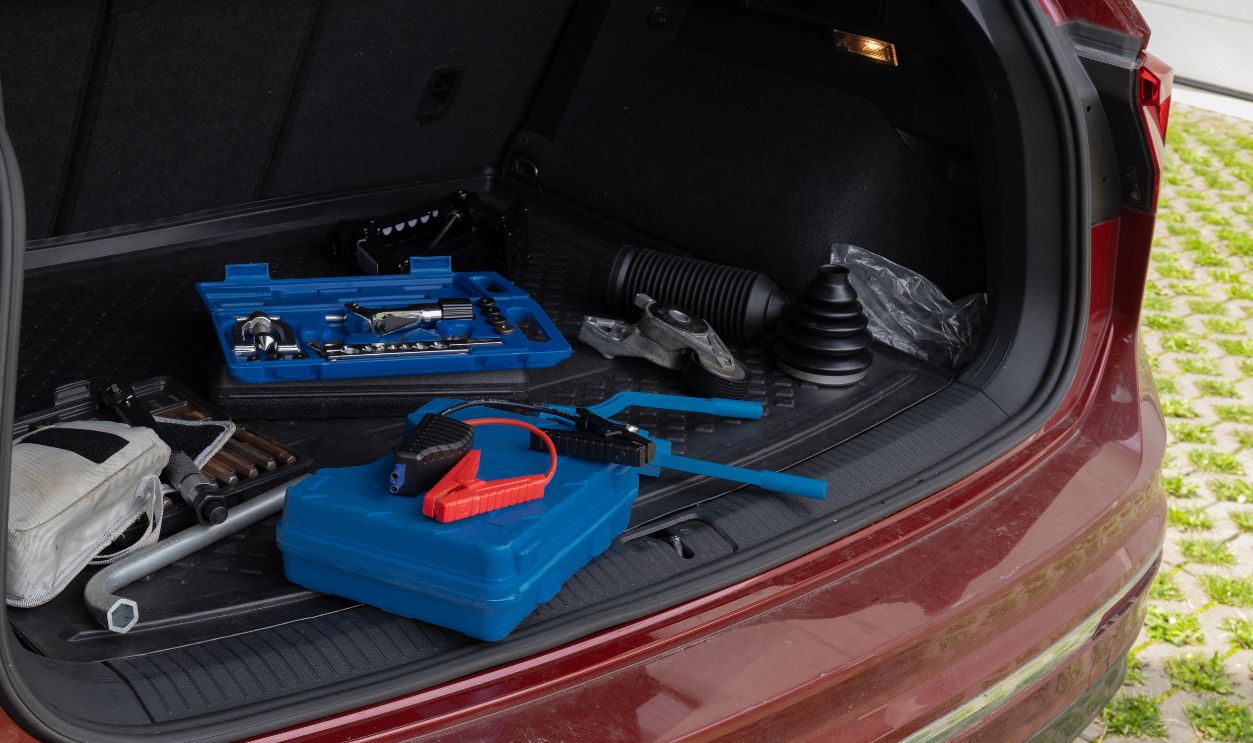
Make Sure Your Jack, Lug Wrench, And Tools Are Present
This is the least glamorous check, but it matters. Confirm your jack, lug wrench, spare tire tools, and wheel lock key (if you have one) are in the car. Toss in a flashlight, gloves, and a small tire inflator—future you will be very grateful.
 Riccio da favola, Shutterstock
Check Emergency Supplies And Paperwork
Before the trip, make sure you have your registration, insurance info, and roadside assistance contact details. Pack jumper cables, a first aid kit, water, and a phone charger. Even a small emergency kit can turn a stressful breakdown into a manageable inconvenience.

You May Also Like:
Easy DIY Car Repairs Every Driver Should Know
The Best Cars For Road Trips, According To The Numbers