My Cousin Has Never Changed The Oil In His Car
Let’s start with a confession: this article exists because someone, somewhere, just said the sentence, “Yeah, I’ve driven like 8,000 miles and never changed the oil.” And that someone is my cousin. If that made you gasp, clutch your chest, or whisper “oh no,” congratulations—you understand cars at least a little bit. This article is for everyone who’s heard the sacred “every 5,000 miles” rule and is now wondering whether modern cars, modern oil, or sheer dumb luck have rewritten the laws of engine survival.

The 5,000-Mile Rule Didn’t Come From Nowhere
The idea that oil needs to be changed every 5,000 miles isn’t an old wives’ tale. It comes from decades of engine design, oil chemistry, and hard-earned mechanical lessons. Older engines ran hotter, looser, and dirtier than today’s motors. Oil degraded faster, collected more sludge, and lost its ability to protect metal parts well before 10,000 miles was even a dream. So yes—5,000 miles became the gold standard because it worked. Engines lived longer. Repairs got cheaper. Mechanics slept better at night.
What Engine Oil Actually Does (It’s More Than Lubrication)
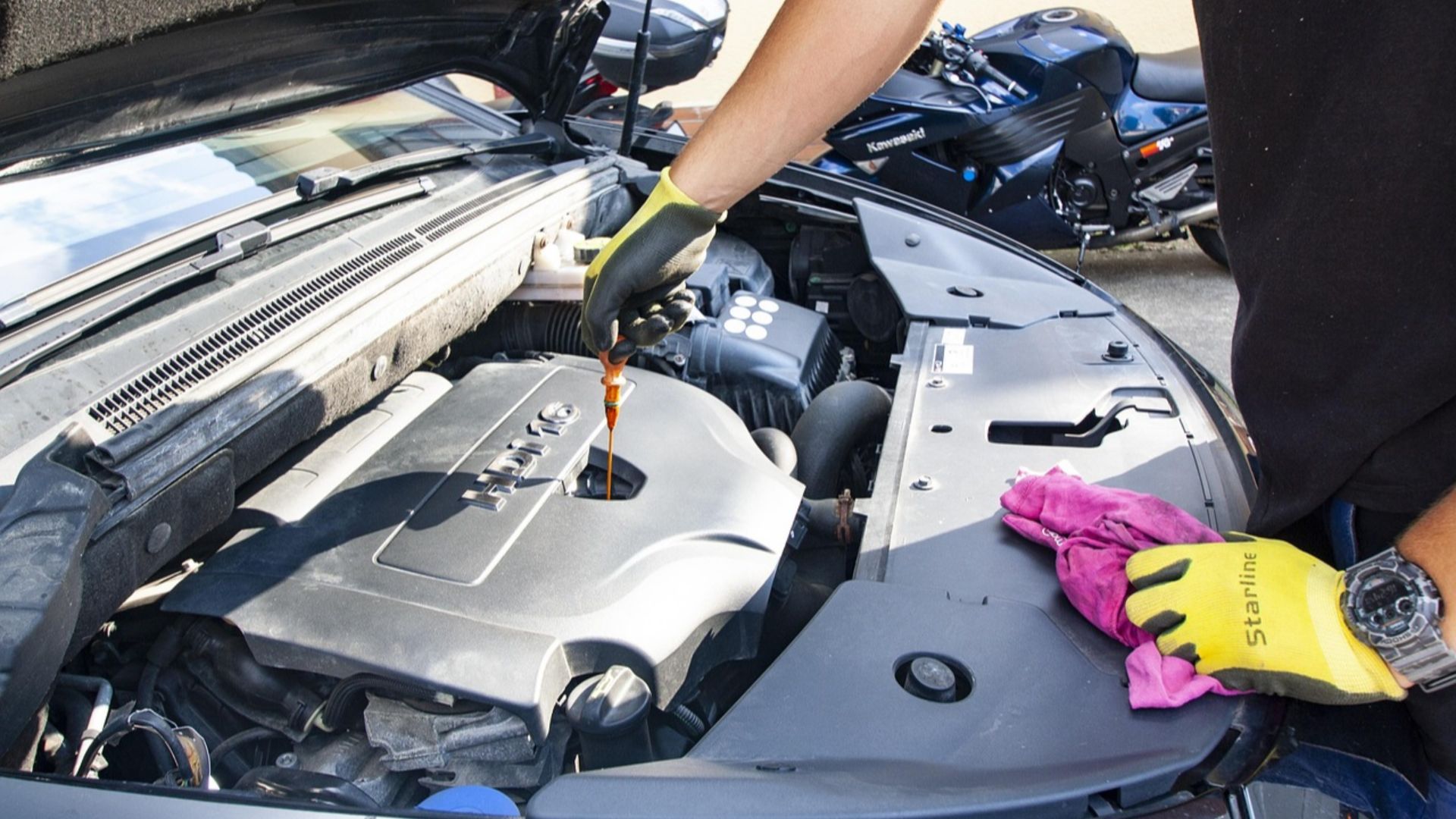
Oil isn’t just there to make things slippery. It lubricates, cools, cleans, seals, and protects. Inside your engine, metal parts are flying past each other thousands of times per minute. Oil forms a thin protective barrier that prevents metal-on-metal contact, which is basically the automotive version of self-destruction. Over time, oil picks up dirt, fuel residue, moisture, and microscopic metal shavings. Eventually, it turns from a helpful bodyguard into a contaminated soup that’s just… there.

Modern Engines Changed The Game
Here’s where things get interesting. Today’s engines are built with tighter tolerances, better materials, and advanced computer controls. Fuel injection is cleaner. Combustion is more efficient. Engines simply don’t abuse oil the way they used to. That’s why you’ll see manufacturer recommendations ranging from 7,500 to even 10,000 miles between oil changes—especially with synthetic oil. The 5,000-mile rule didn’t disappear, but it stopped being universal.
 LightField Studios, Shutterstock
Oil Has Evolved Just As Much As Engines
Modern oils are wildly better than what your parents used. Synthetic and synthetic-blend oils resist heat, oxidation, and breakdown far longer than conventional oil ever could. Additives keep contaminants suspended so they don’t settle into sludge. This is why someone can go 8,000 miles without instantly grenading their engine. The oil isn’t happy—but it’s still fighting the good fight.
So Is 8,000 Miles Automatically Bad?
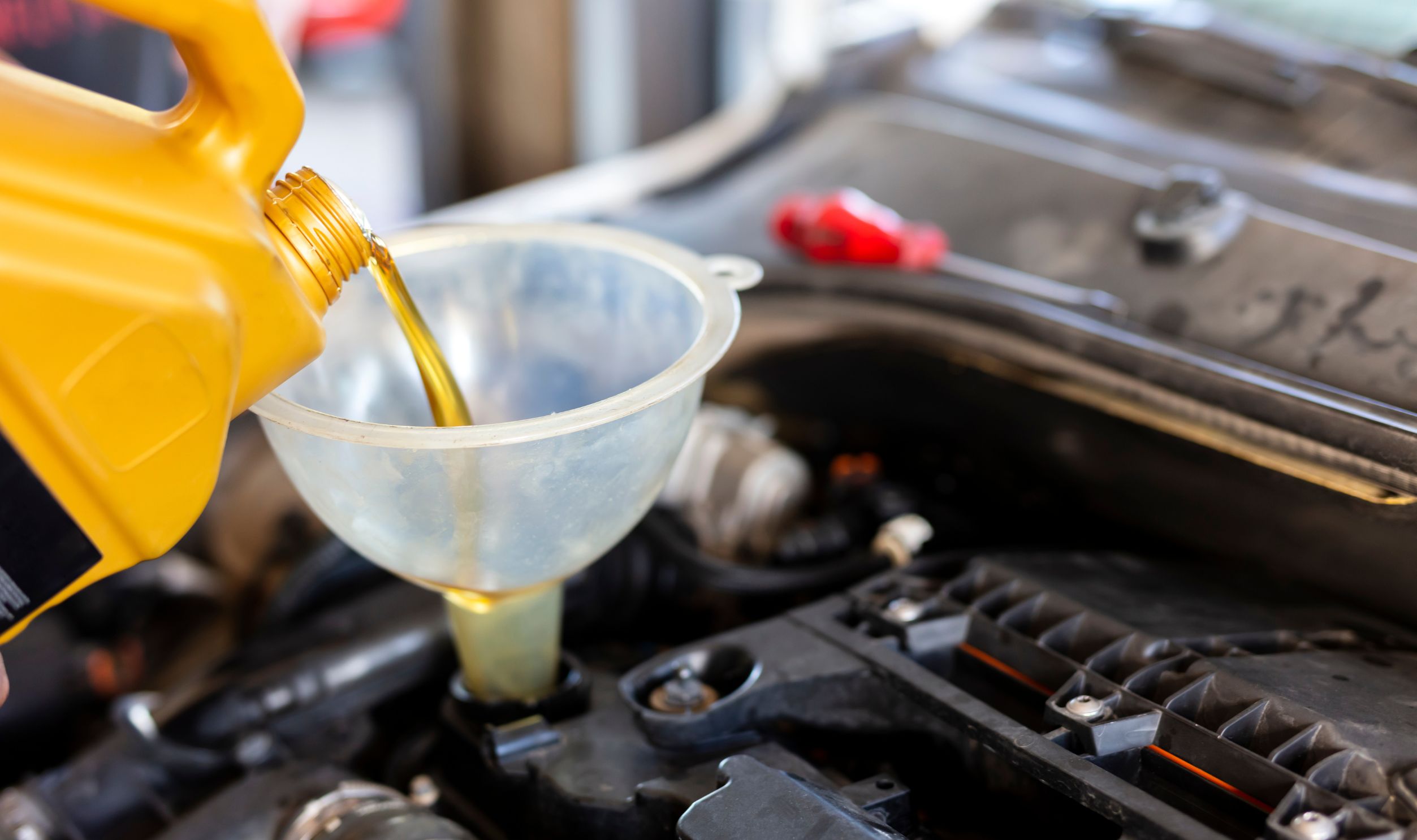
Not automatically—but it’s flirting with trouble. If your cousin drives mostly highway miles, uses full synthetic oil, and drives gently, the engine might be totally fine for now. If it’s short trips, cold starts, stop-and-go traffic, and unknown oil quality? That oil is probably exhausted and begging for mercy. Engines don’t usually fail dramatically right after a missed oil change. The damage is slow, silent, and expensive later.
Why Engines Don’t Instantly Explode
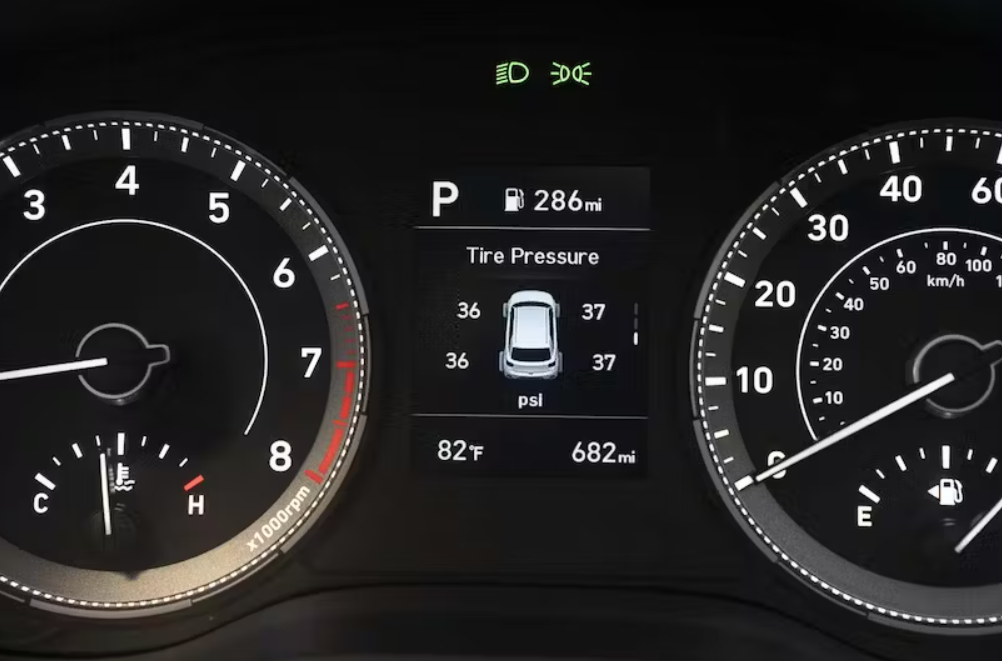
Cars are surprisingly forgiving. Oil doesn’t suddenly vanish at mile 5,001. It gradually degrades. That means skipping one oil change usually won’t cause immediate damage—but repeated neglect absolutely will. Think of it like brushing your teeth. Skip one night? Probably fine. Skip for years? You’re meeting a dentist with a very serious expression.

Sludge Is The Real Villain Here
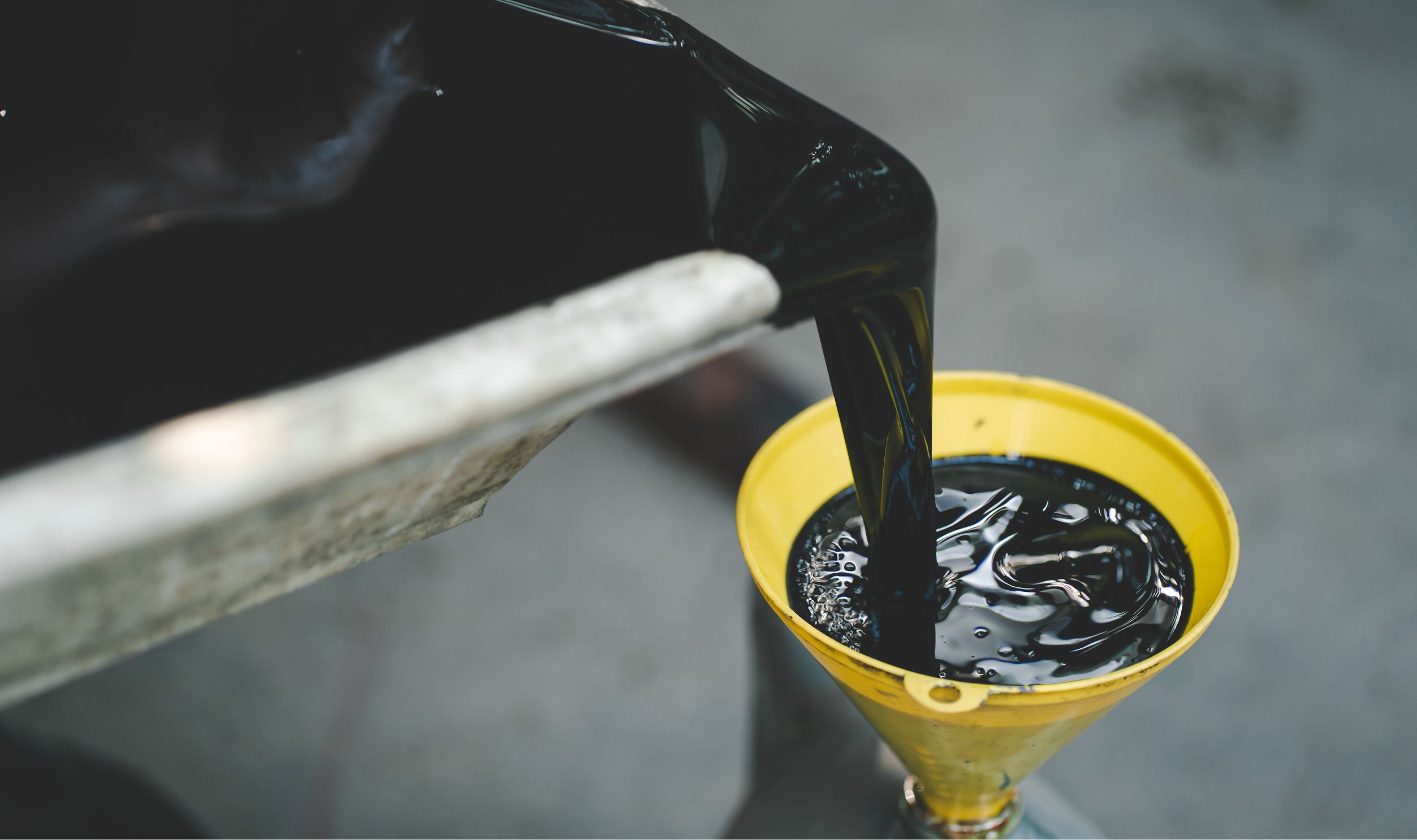
Old, overused oil can turn into sludge—a thick, tar-like substance that blocks oil passages and starves critical engine components. Sludge doesn’t announce itself with a warning light. It just quietly ruins things. Once sludge forms, even regular oil changes may not fully undo the damage. At that point, repairs get ugly and expensive.

Oil Change Intervals Depend On Driving Style
Mileage alone doesn’t tell the full story. Short trips are brutal on oil because the engine doesn’t stay hot long enough to burn off moisture. City driving, idling, towing, and aggressive acceleration all shorten oil life. Someone who drives 8,000 gentle highway miles may treat their oil better than someone who does 4,000 hard city miles.

What The Owner’s Manual Actually Says
This is where people go wrong. Your car already told you what it wants—you just didn’t ask. The owner’s manual specifies oil type and service intervals based on normal and severe driving conditions. Most people unknowingly fall under “severe” driving, which shortens recommended intervals significantly. Spoiler: very few of us live that mythical “normal driving” life.

Oil Life Monitoring Systems Aren’t Guessing
Modern cars often have oil life monitors, and they’re smarter than they get credit for. They track temperature, engine load, driving patterns, and time—not just miles. If your car says 20% oil life remaining at 7,500 miles, that’s not a random number. Ignoring it, however, is a very deliberate choice.
What Happens If You Keep Pushing It?
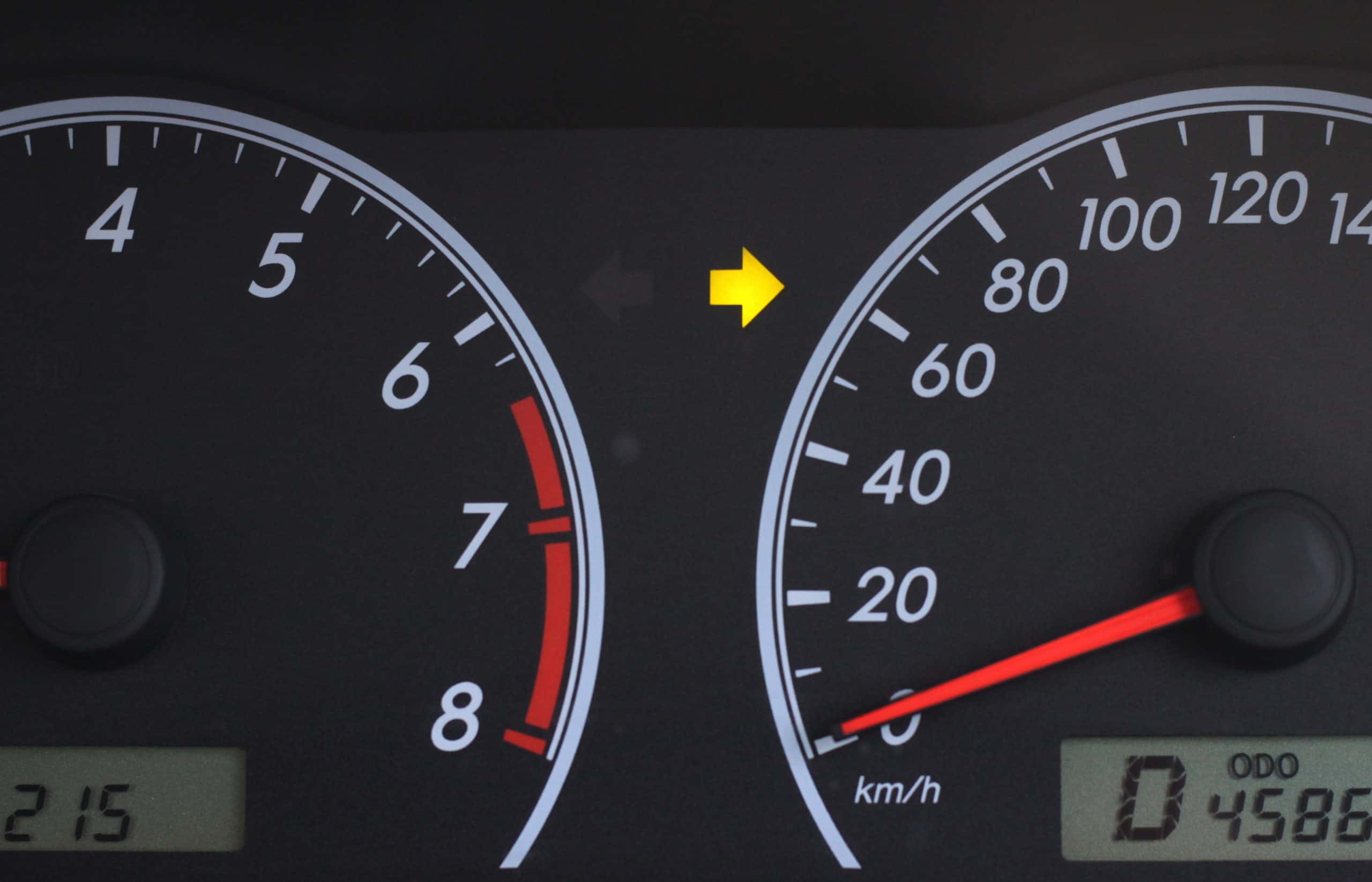
Consistently overdue oil leads to increased engine wear, reduced fuel efficiency, higher emissions, and eventually mechanical failure. Timing chains stretch. Bearings wear. Turbochargers suffer. These are not cheap fixes. The cruel part? You won’t feel it happening until it’s too late.

The Cost Comparison That Should Terrify You
An oil change costs, what—$50 to $100? An engine replacement costs thousands. Even minor oil-related repairs can run four figures. Skipping oil changes to save money is like skipping shoes to save cash and then paying for foot surgery later.

“My Car Runs Fine” Is Not A Diagnosis
Engines don’t complain loudly at first. They quietly accumulate wear. By the time you hear knocking, ticking, or see warning lights, the damage is already done. Running fine today doesn’t mean running healthy.

High Mileage Engines Need Even More Care
Ironically, the older and higher-mileage a car is, the less you should push oil intervals. Worn seals, blow-by, and internal deposits make fresh oil even more important. Neglect hits older engines faster and harder.
 Wongsakorn Napaeng, Getty Images
Synthetic Oil Is Not A Get-Out-Of-Jail-Free Card
Yes, synthetic oil lasts longer—but it’s not immortal. It still collects contaminants. It still breaks down. And it still needs replacing. Using synthetic and ignoring oil changes is like wearing running shoes and refusing to stop running.
Oil Filters Matter Too
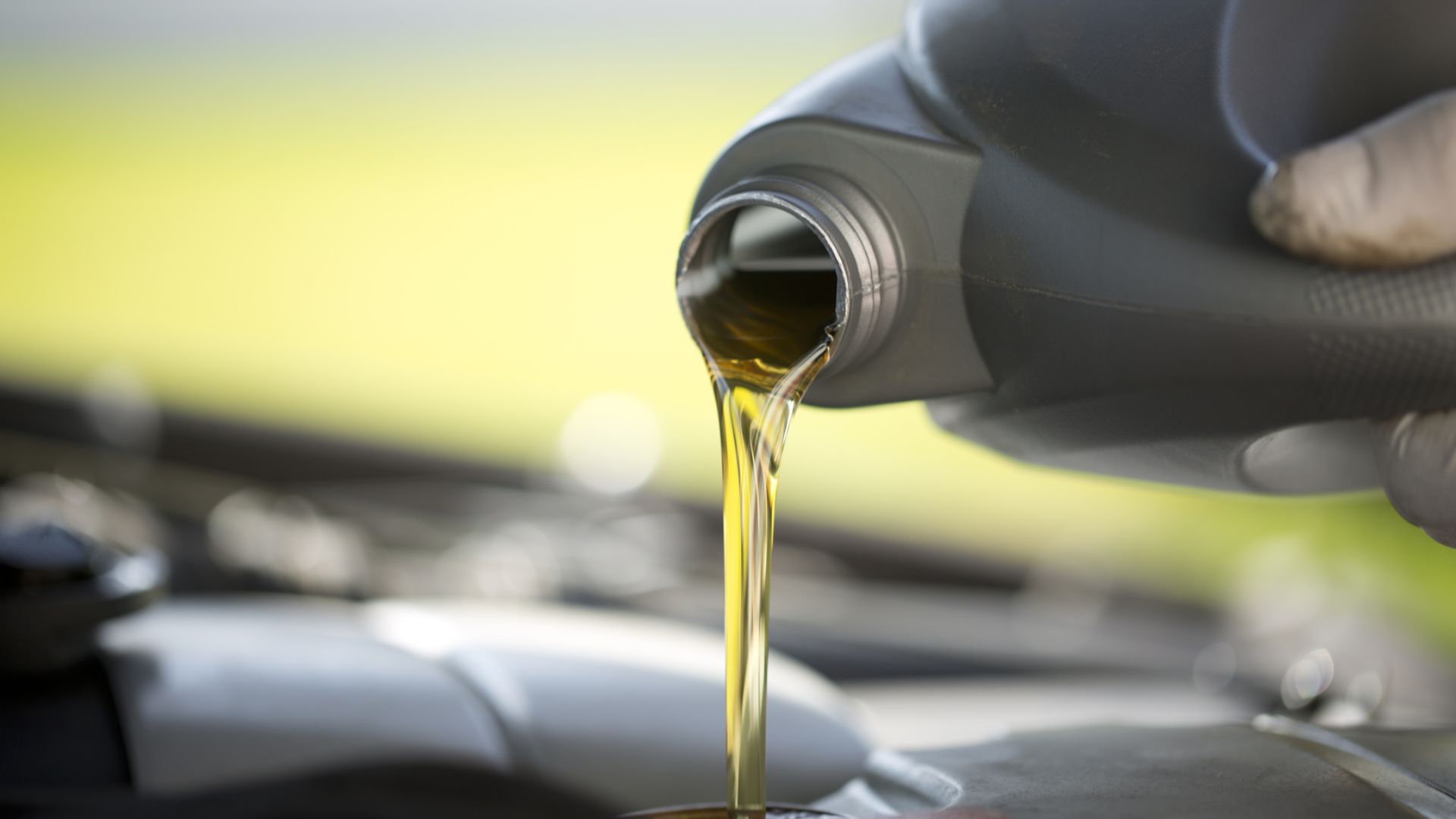
The oil filter traps contaminants. Over time, it clogs. Once clogged, it either bypasses filtration entirely or restricts oil flow—both bad outcomes. Changing oil without changing the filter is like changing your socks and keeping the same muddy shoes.

How Time Affects Oil Even Without Miles
Even if you barely drive, oil degrades over time. Moisture accumulates. Additives settle. That’s why most manufacturers recommend changing oil at least once a year. Oil ages just sitting there.

Warning Signs You’ve Waited Too Long
Dark, gritty oil. Burning smells. Engine noise on cold starts. Reduced fuel economy. These are your engine’s passive-aggressive hints. Ignore them long enough and it stops being subtle.

What To Tell The “I’ll Do It Later” Cousin
Don’t lecture. Just explain the math. Oil changes are cheap insurance. Delaying them doesn’t save money—it delays the bill. And that bill always arrives.
 Quality Stock Arts, Shutterstock
Emergency Advice If You’re Already Overdue
If you’re past your interval, don’t panic—just change the oil now. Use the correct grade. Replace the filter. Reset the oil life monitor. The best time for an oil change was earlier. The second-best time is today.

Should You Shorten Intervals Just To Be Safe?
Honestly? Yes. Changing oil a little early never hurts an engine. Changing it late absolutely can. Think of oil changes as preventive maintenance, not a suggestion.

The Myth Of “They Just Want Your Money”
Oil change recommendations aren’t a conspiracy. Automakers don’t benefit when engines fail outside warranty. Repair shops don’t enjoy explaining catastrophic neglect. Fresh oil is boring, but boring is good for engines.

What Happens When Oil Is Ignored Long Enough
Engines eventually lose compression, burn oil, or seize altogether. At that point, you’re shopping for a new car—or explaining to a mechanic why your engine smells like burnt regret. Neither is fun.

Cars Don’t Need Much—Just Consistency
You don’t need to baby your car. You don’t need premium fuel if it doesn’t ask for it. You don’t need fancy additives. You just need regular oil changes.
The Simple Rule That Actually Works
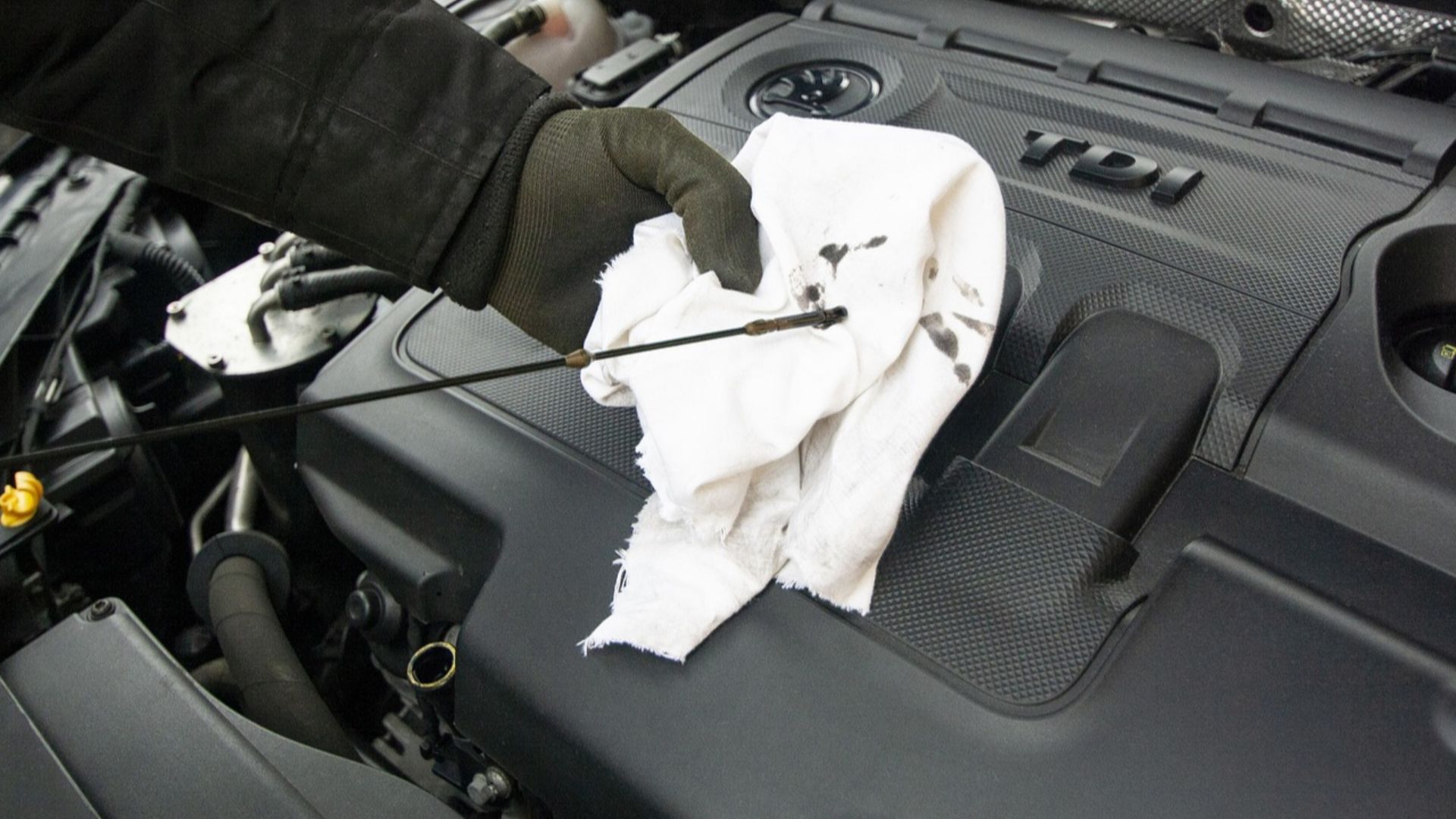
Follow your owner’s manual. Watch your oil life monitor. When in doubt, err on the early side. Engines reward consistency, not heroics.

The Bottom Line On The 5,000-Mile Rule
Your cousin didn’t doom his car by going 8,000 miles once—but it’s not a habit worth defending. The 5,000-mile rule may not be universal anymore, but the principle behind it still matters: clean oil equals a healthy engine. Change the oil. Your engine will never thank you—but it will quietly live a much longer life because you did.