Welcome To The Dreaded Glow Of Doom
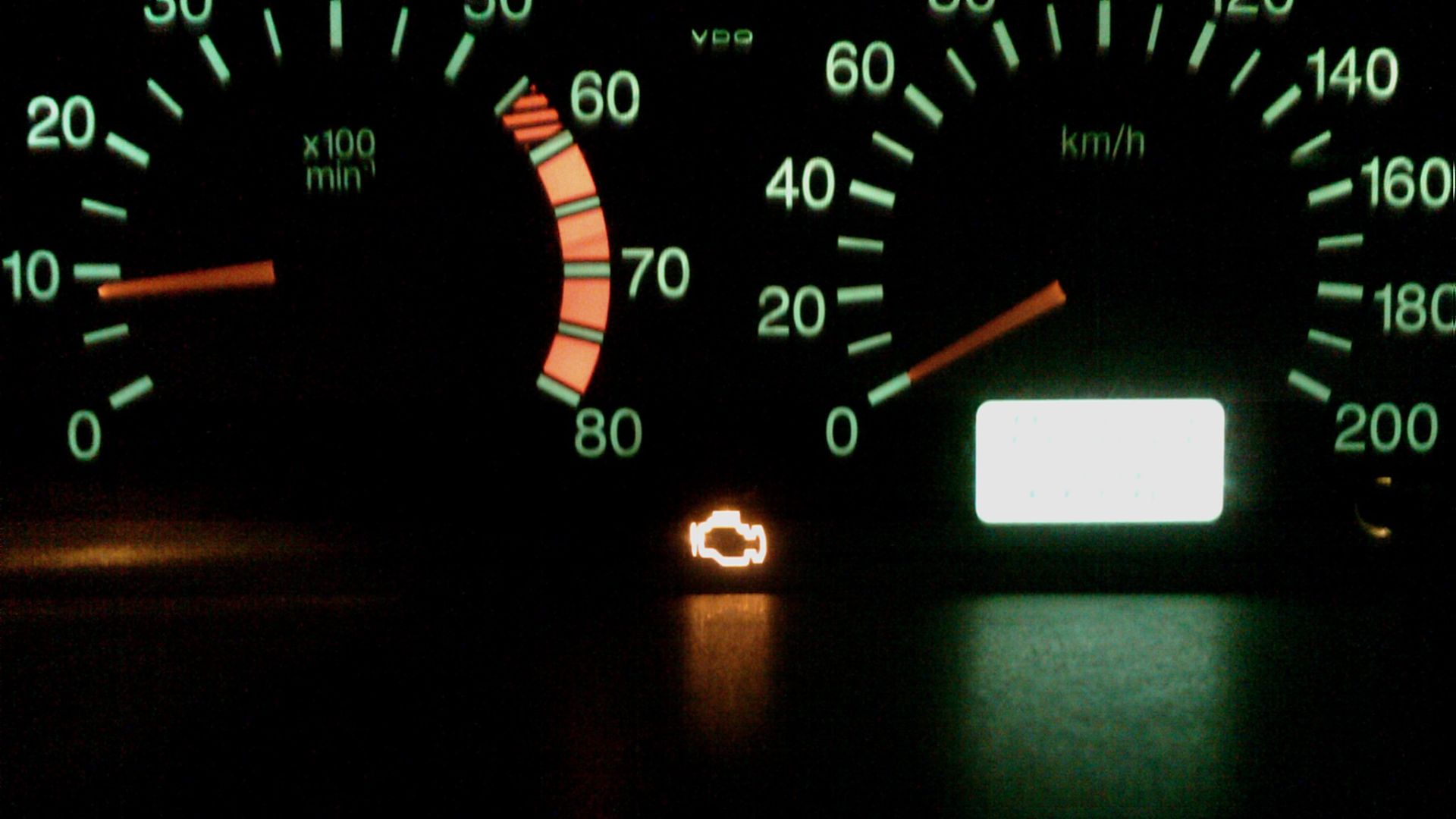
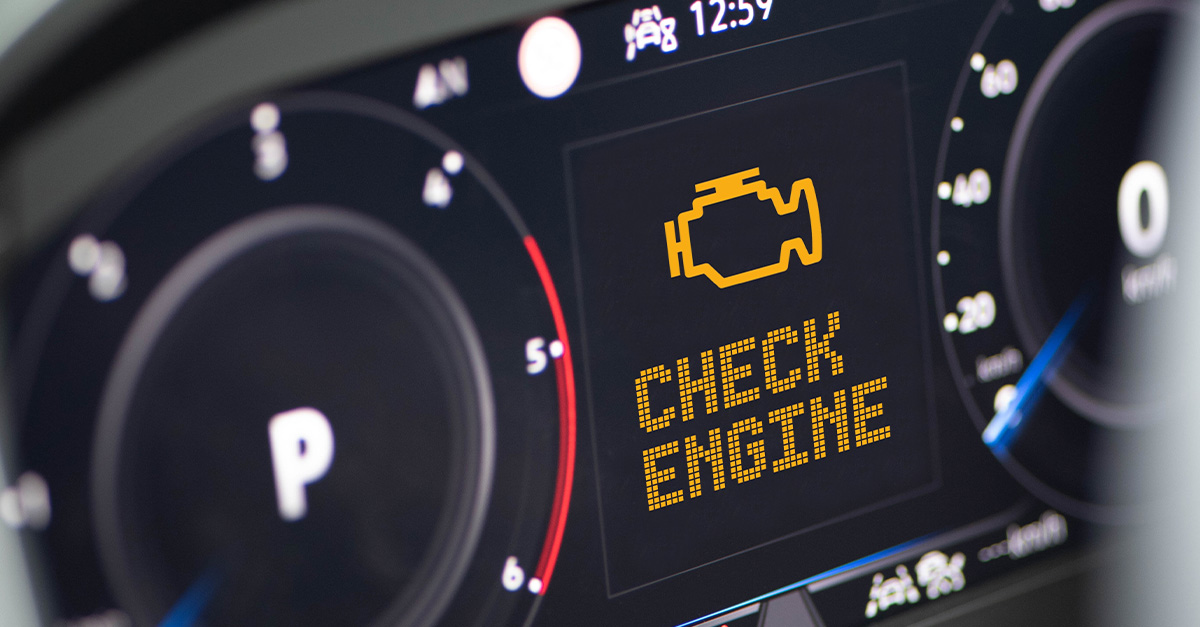
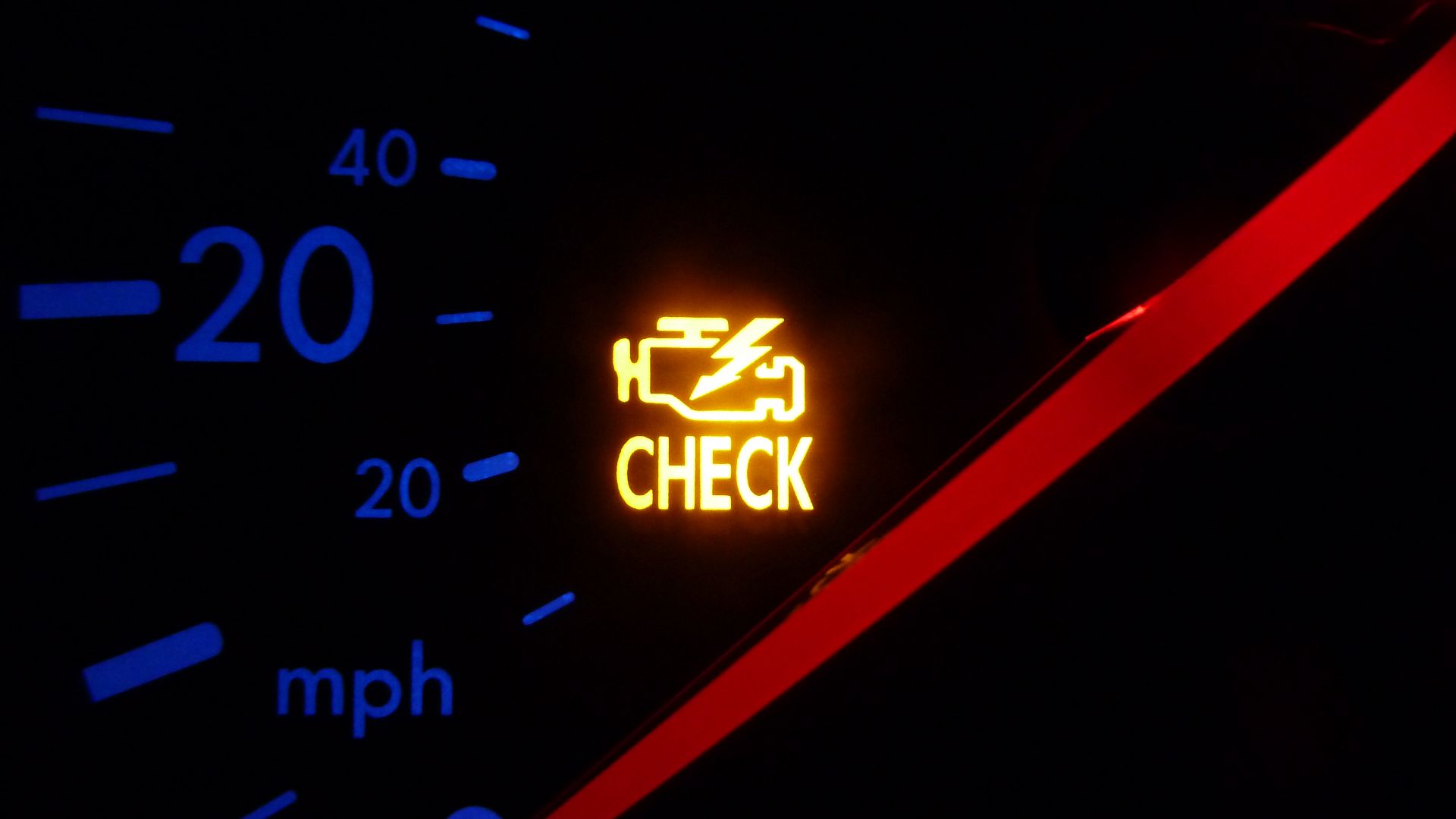
The Check Engine Light (CEL): that tiny, orange dashboard hieroglyph that can strike fear into even the bravest gearheads. One moment you’re cruising along, blissfully listening to your engine purr—and then bam—the little light comes on, taunting you like a smug toddler who just learned how to say “uh-oh.” But fear not. Your car is trying to communicate, and we’re here to translate. Let’s break down the most common causes of that dreaded glow.
What The Check Engine Light Really Means
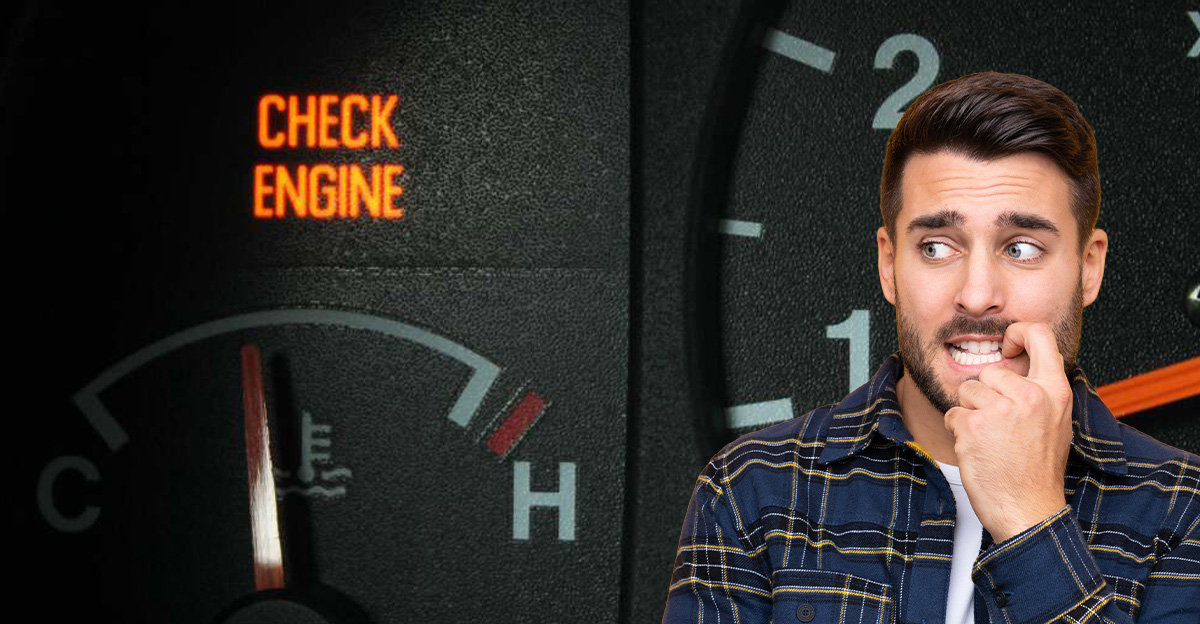
Before we wade into the trouble codes, let’s get this out of the way: a CEL doesn’t always signal catastrophe. Sometimes it’s serious, sometimes it’s minor, and sometimes it’s just your car’s onboard computer being… dramatic. Still, ignoring it is like ignoring a smoke detector because you “don’t smell anything weird yet.”
 Wikiuser100000, Wikimedia Commons
Loose Or Missing Gas Cap
Surprisingly, the number-one cause of a CEL is something almost embarrassingly simple: a loose, cracked, or missing gas cap. A faulty seal causes evaporative emissions to leak, which your car’s computer hates. Tighten the cap, clear the code, and you’re off to the races.

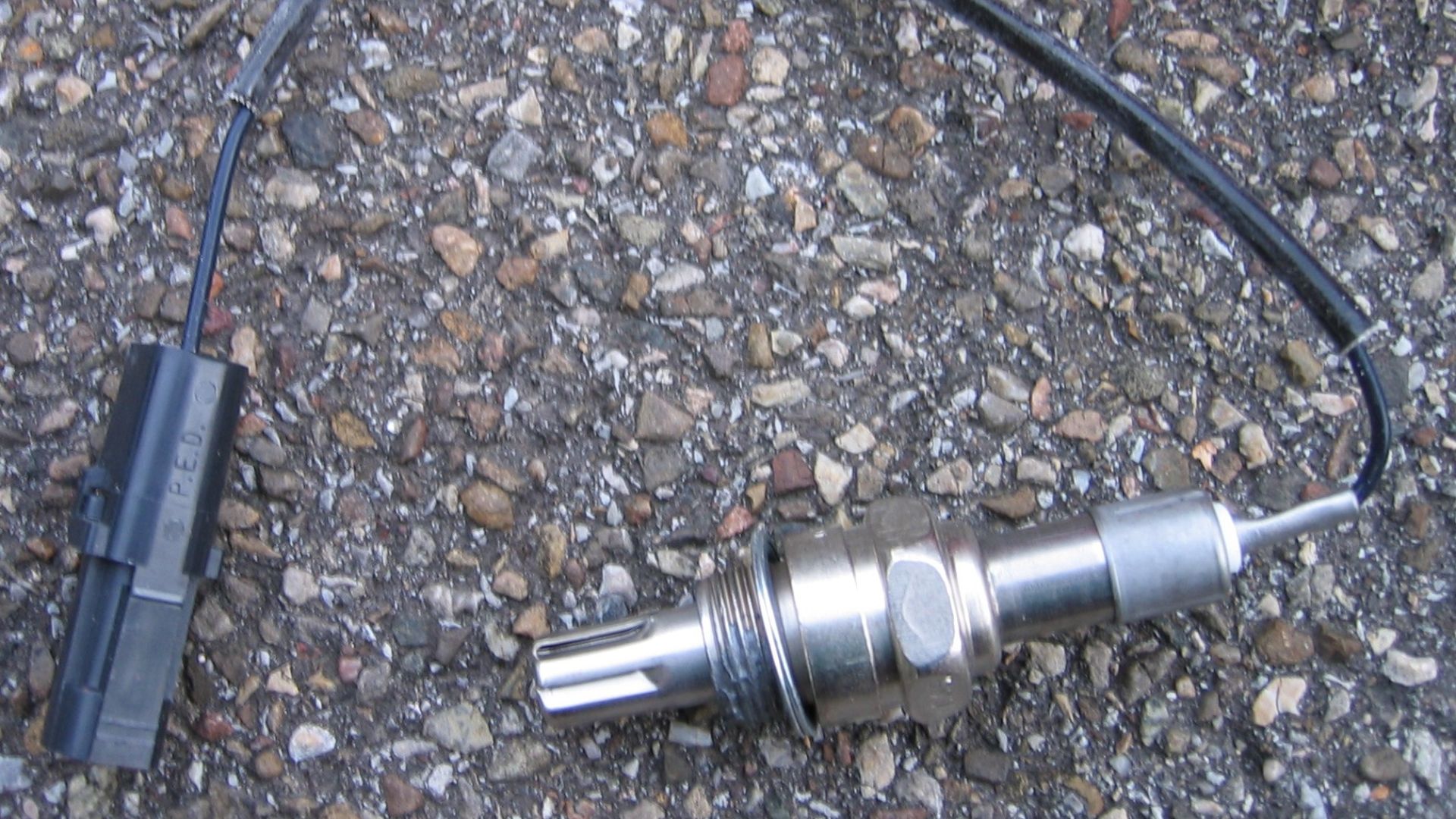
Faulty Oxygen Sensor
Your O2 sensors measure how much oxygen is in your exhaust so the engine can adjust the air-fuel ratio. When one goes bad, your fuel economy tanks and the CEL lights up faster than a Christmas tree on turbo-boost.
Failing Catalytic Converter
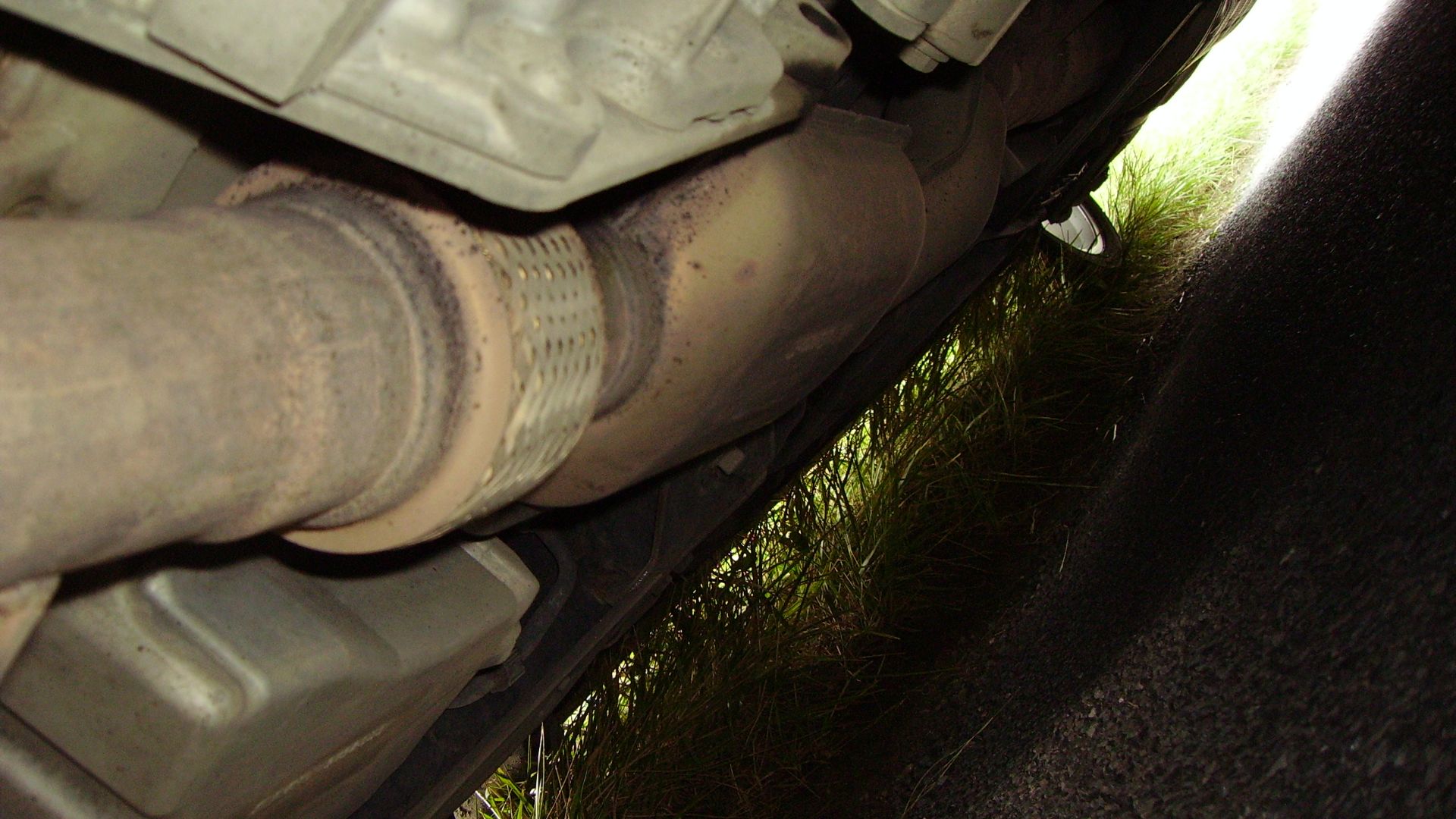
The catalytic converter is your emissions MVP. When it clogs or fails, performance drops, fuel consumption skyrockets, and your exhaust smells… spicy. If your CEL comes with sluggish acceleration, this may be the culprit.
 User Ballista on en.wikipedia, Wikimedia Commons
Bad Mass Airflow Sensor
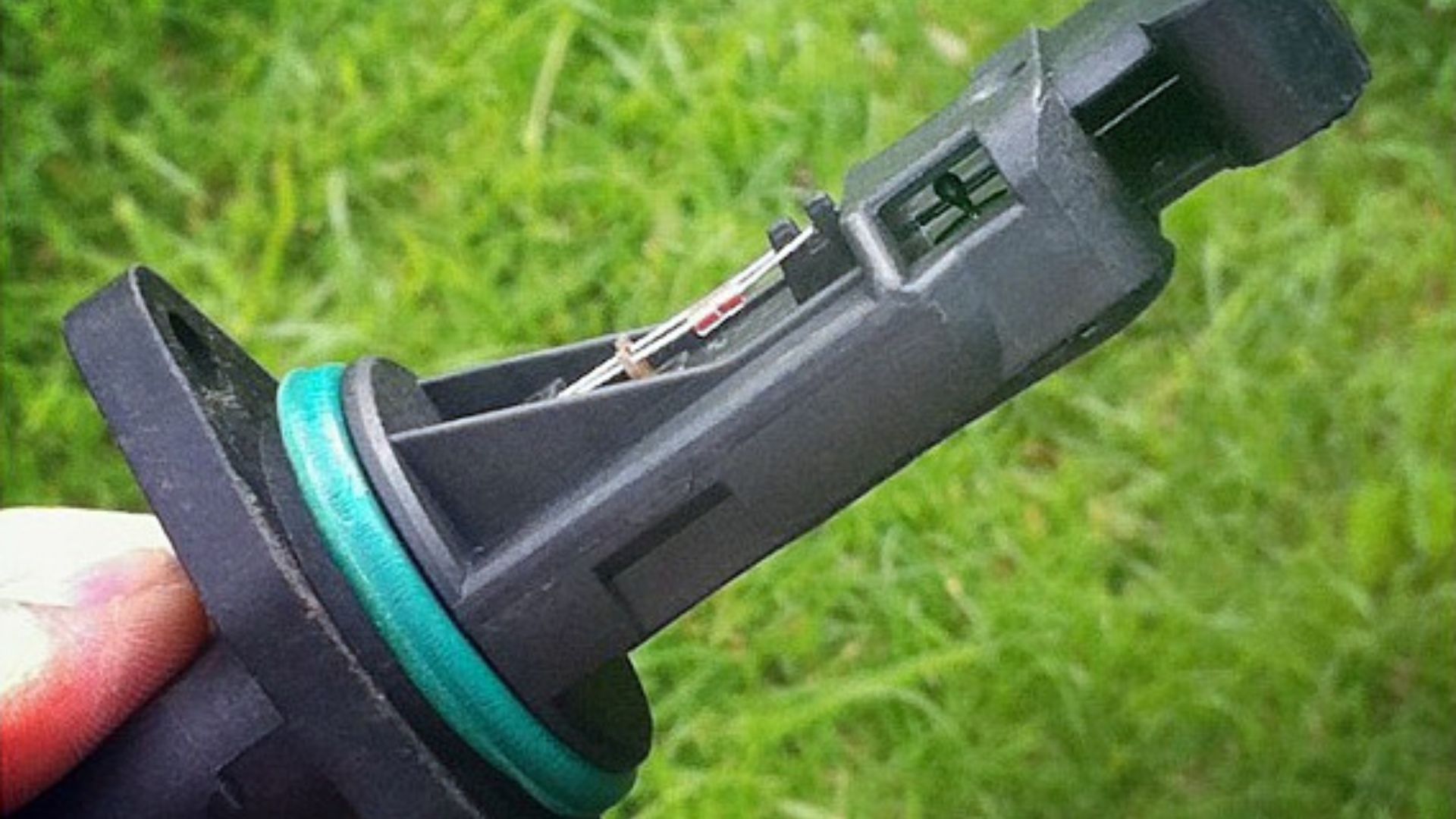
The MAF sensor measures how much air enters the engine. A dirty or failing MAF causes rough idling, stalling, and that inevitable CEL—usually accompanied by your car wheezing like it just climbed a flight of stairs.
Worn Spark Plugs
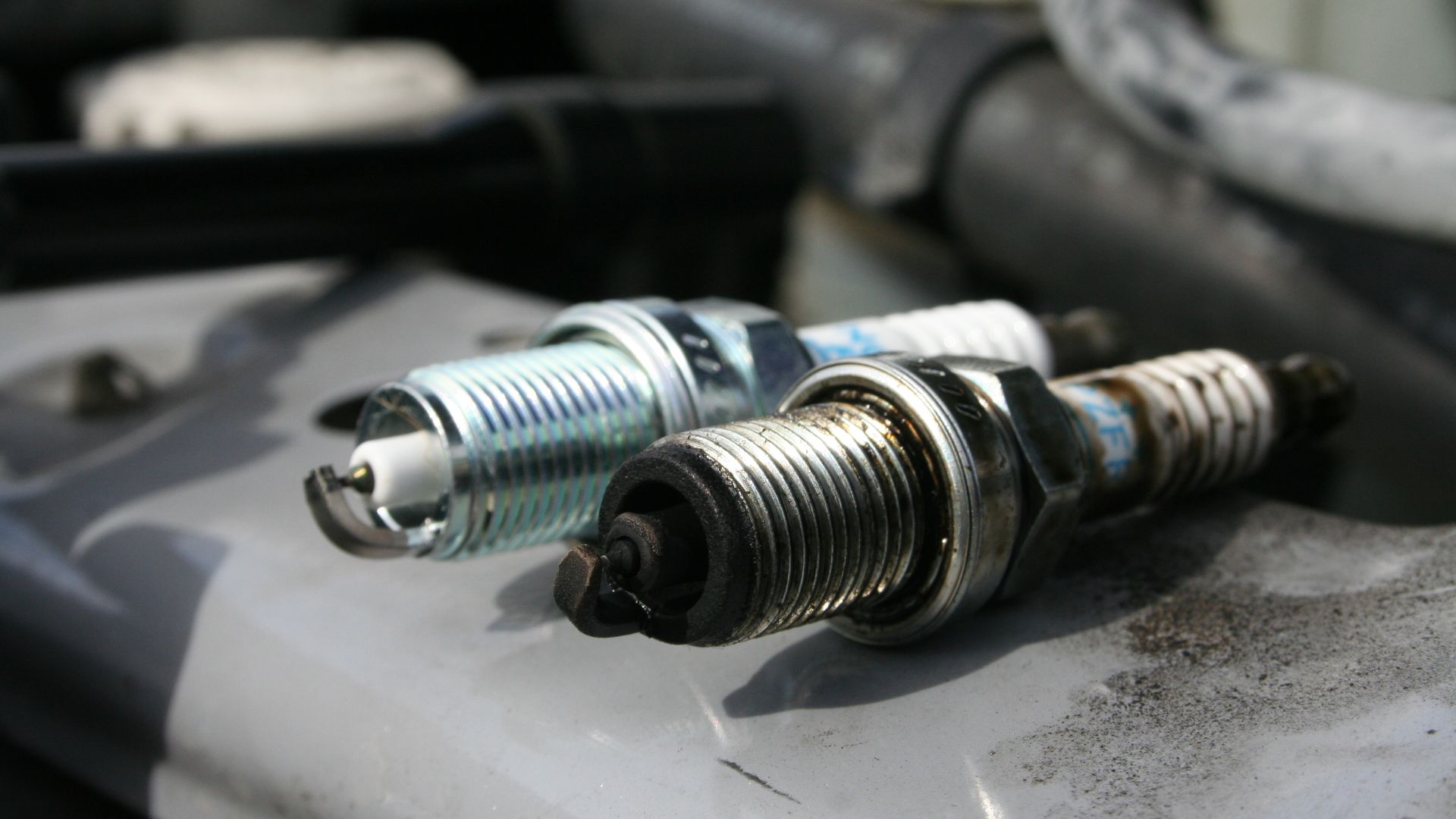
Spark plugs ignite your fuel. When they’re worn or fouled, misfires happen. Misfires lead to shaking. Shaking leads to panic. Panic leads to Googling symptoms at 2 A.M. Save yourself: replace your plugs.
 Aidan Wojtas, Wikimedia Commons
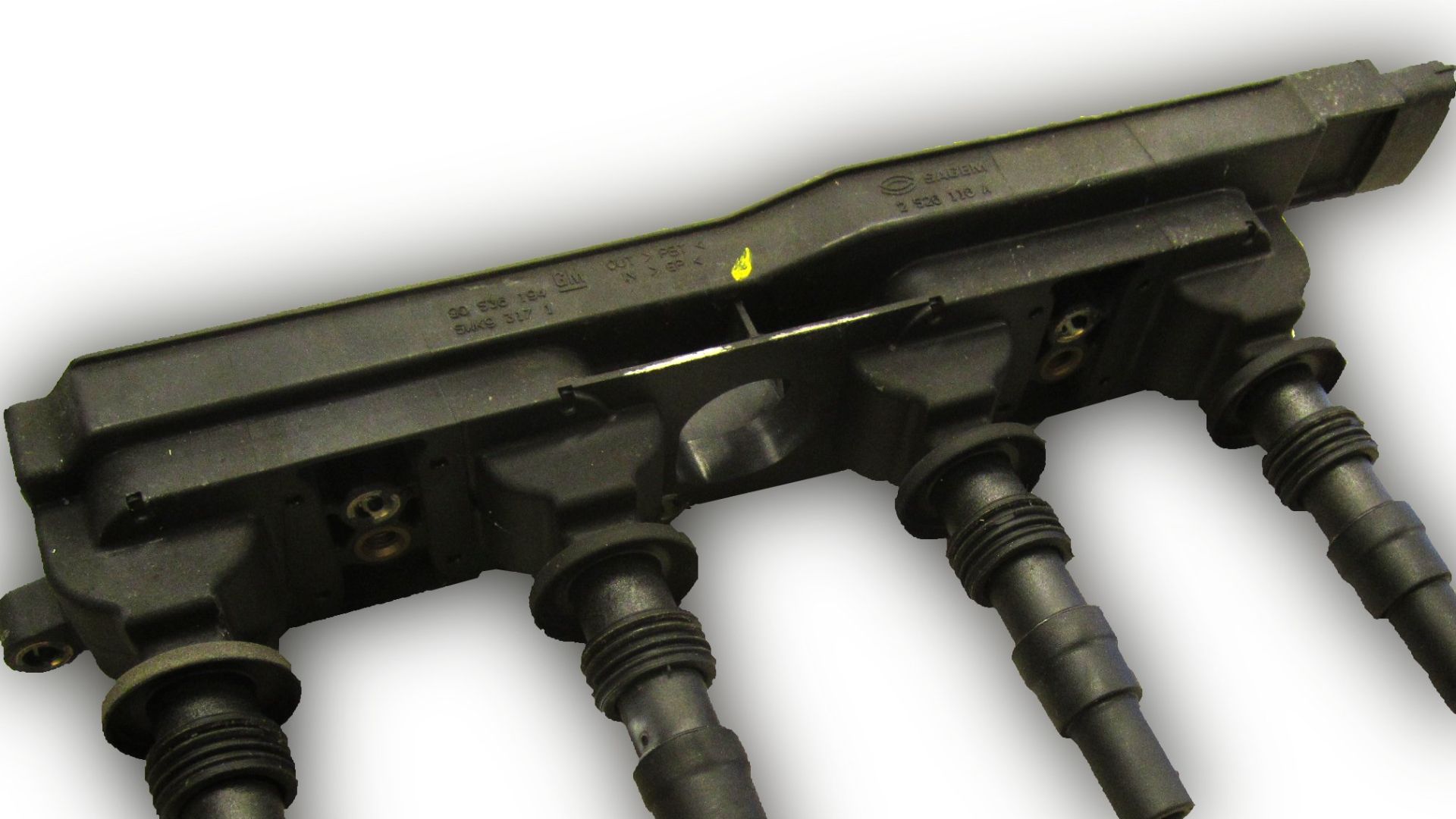
Bad Ignition Coils
If spark plugs are the matches, ignition coils are the lighter. Coils fail often—especially in turbocharged engines—and when they do, you’ll feel misfires, hesitations, and enough engine drama to trigger the CEL instantly.
Vacuum Leaks
Your engine needs a sealed intake system. A cracked hose, bad gasket, or loose connection can create a vacuum leak, causing rough idling and lean-running conditions the ECU immediately tattles about.

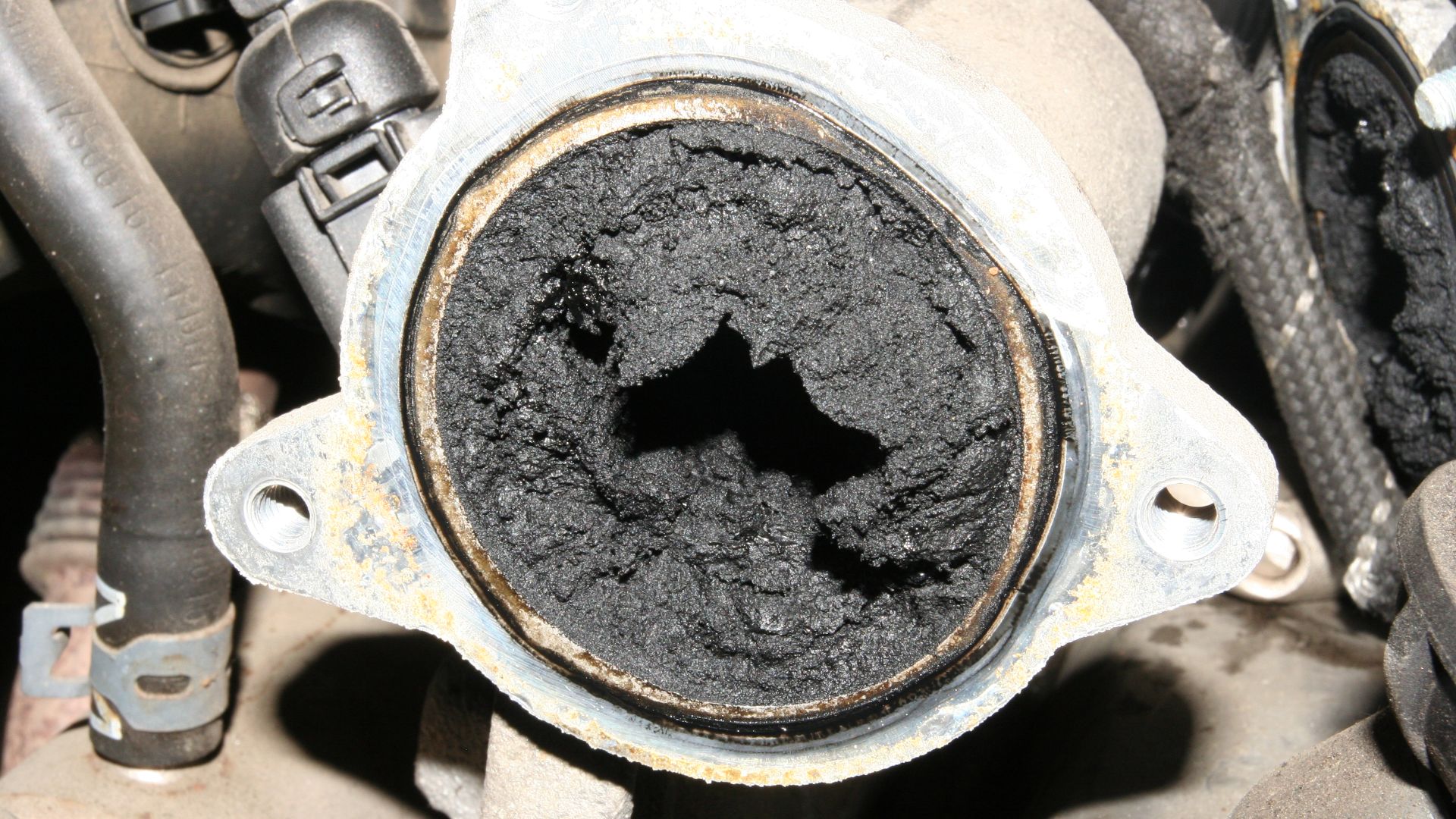
Malfunctioning EGR Valve
The Exhaust Gas Recirculation valve reduces emissions by recirculating exhaust gases back into the engine. When clogged, stuck, or dirty, it throws codes—and soot—everywhere.
Faulty EVAP System Components
Your EVAP system captures fuel vapor so it doesn’t escape into the atmosphere. Charcoal canisters, solenoids, and vent valves love to fail. If the CEL pops soon after refueling, suspect this system.
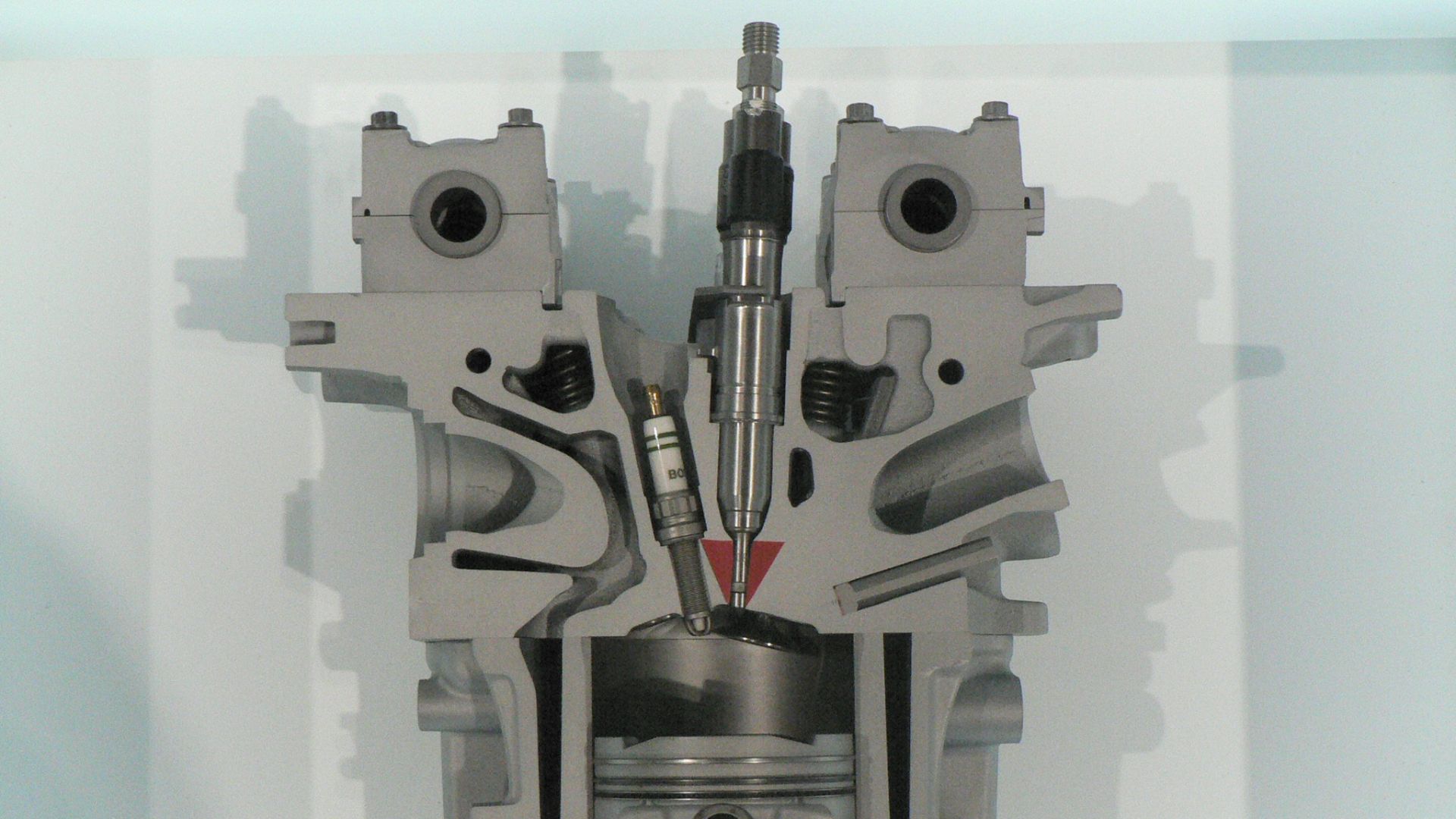
Bad Fuel Injectors
Fuel injectors can clog or fail, starving your cylinders or spraying too much fuel. Either one spells trouble. Your engine might stumble, hesitate, or smell like you’ve elected “raw gasoline” as your new cologne.
 Ton1~commonswiki, Wikimedia Commons
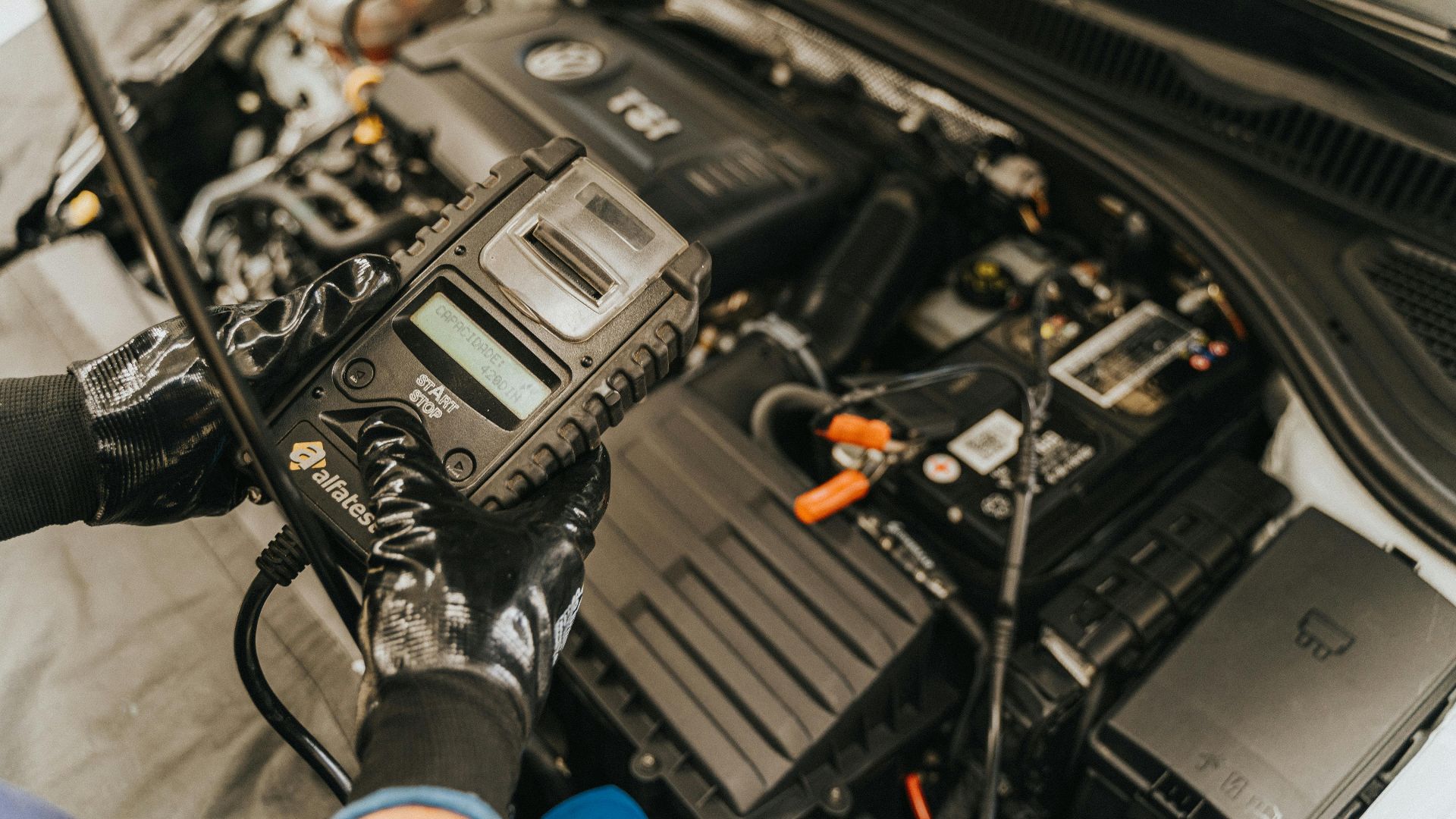
Weak Or Dying Battery
Modern cars use sensors for everything—including detecting voltage irregularities. A battery past its prime can cause weird electrical gremlins and trigger the CEL as the ECU panics over inconsistent power.
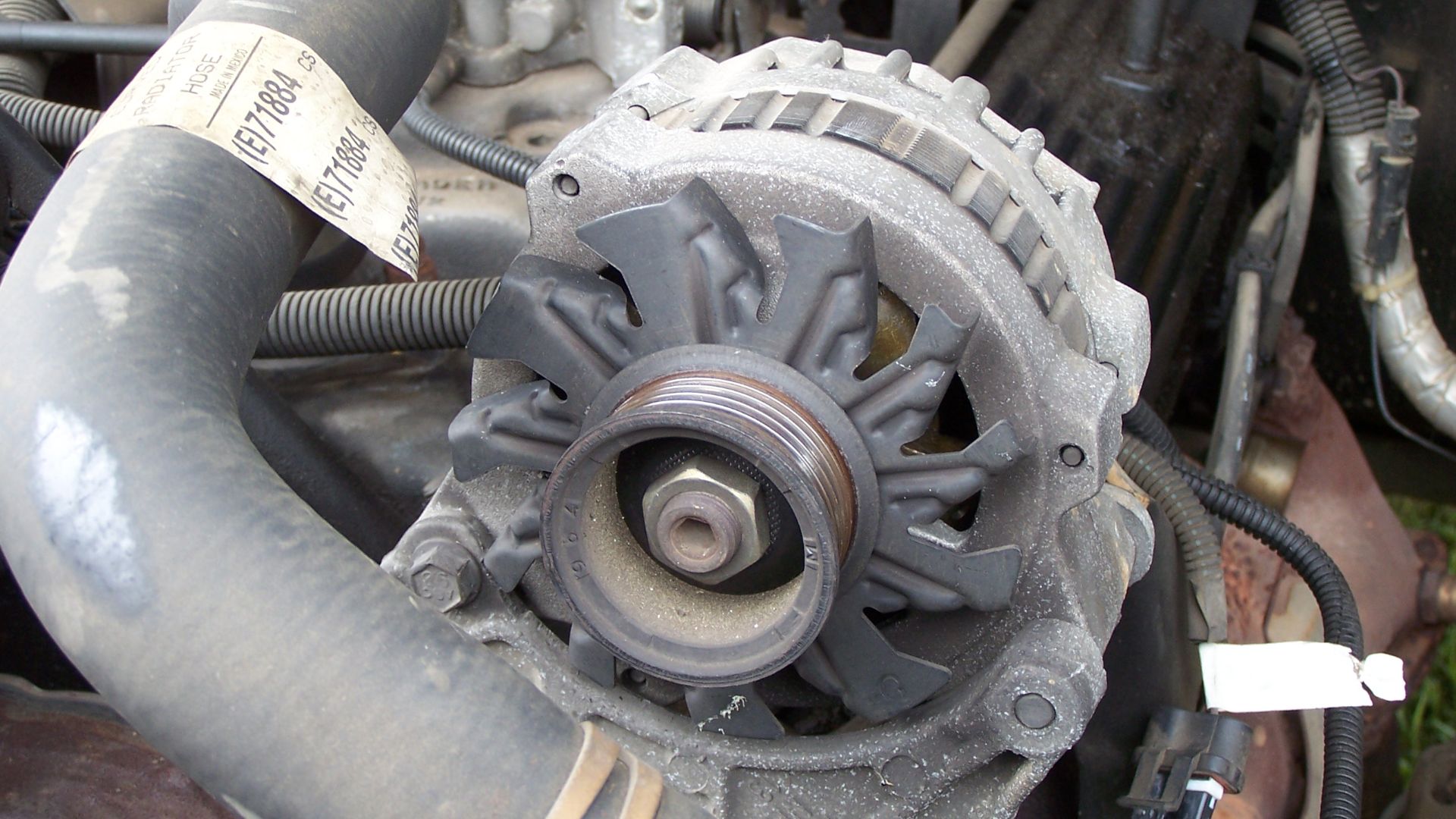
Failing Alternator
The alternator charges your battery and powers electronics. If it’s dying, your lights may dim, accessories may glitch, and your CEL may jump in to say, “Hey, everything’s falling apart!”
 Angelsharum, Wikimedia Commons
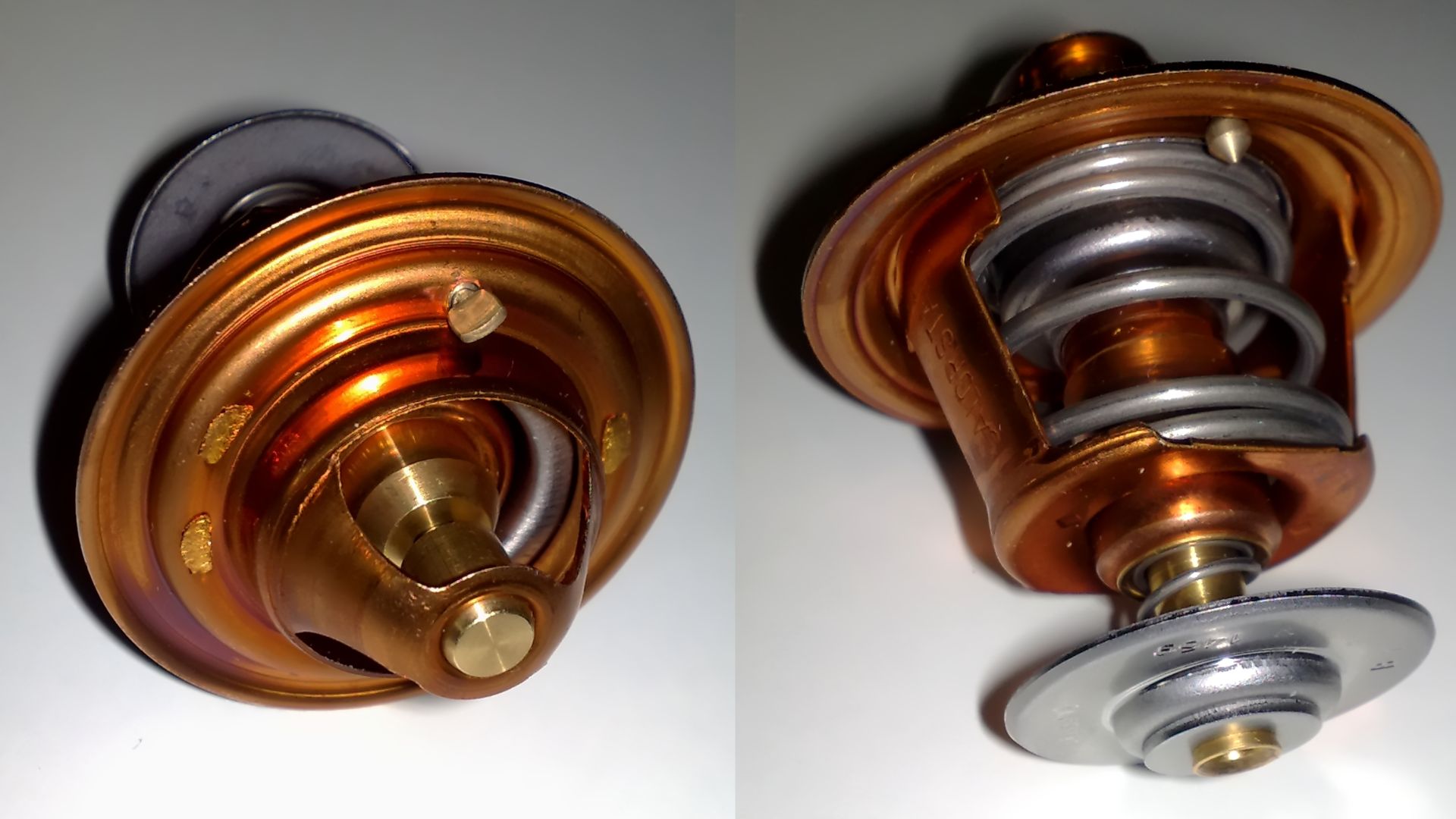
Bad Thermostat
If your thermostat sticks open or closed, your cooling system can’t regulate temperature properly. A stuck-open thermostat keeps the engine too cool. A stuck-closed one cooks it like a rotisserie chicken. Both cause CEL warnings.
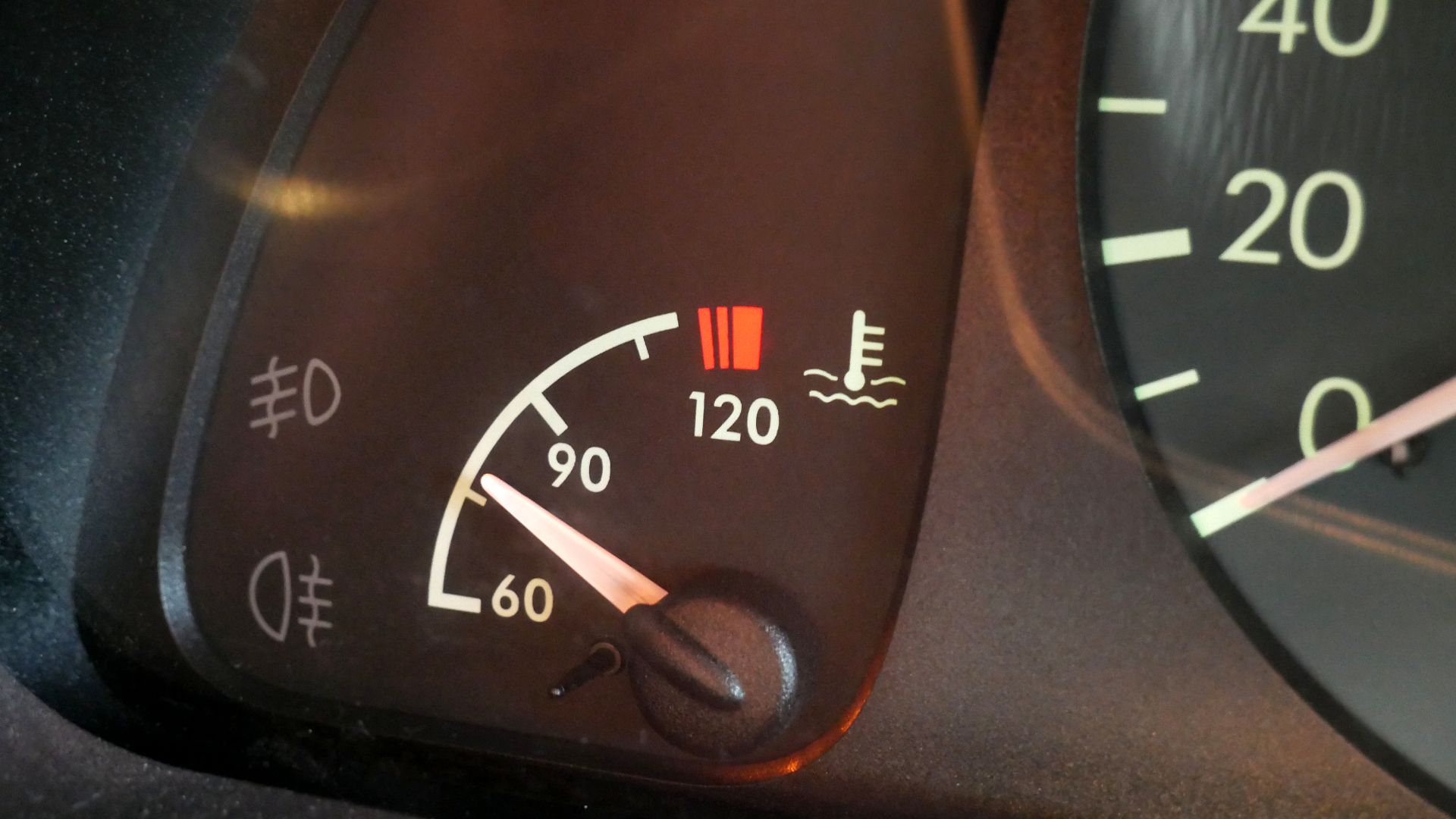
Malfunctioning Coolant Temperature Sensor
This sensor tells the computer how hot the engine is. If it lies, your fuel mixture goes haywire. Expect poor performance, weird temperature readings, and, of course, the CEL.
 Santeri Viinamaki, Wikimedia Commons
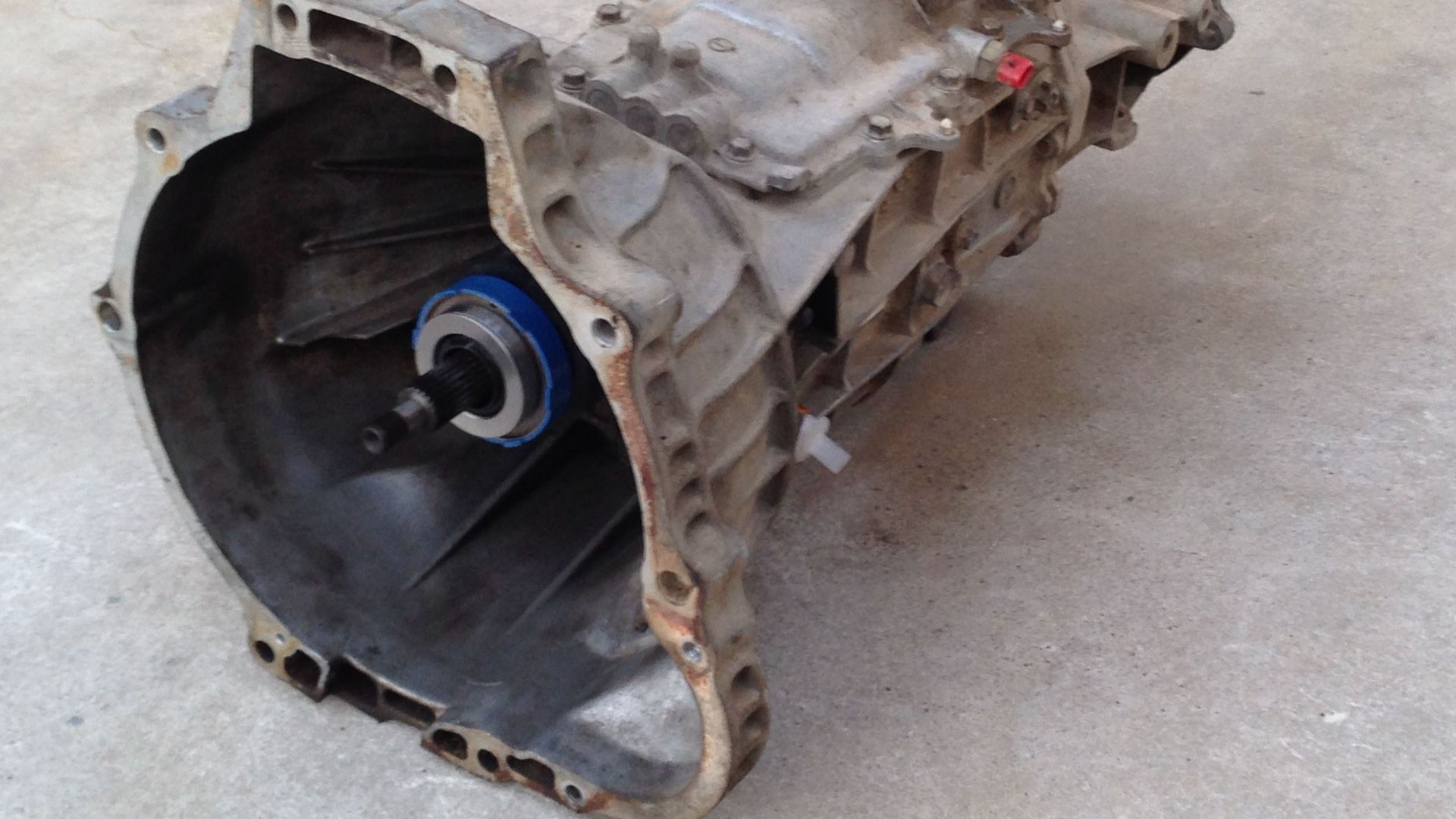
Transmission Issues
Even though it’s not technically part of the engine, transmission problems can trigger the CEL. Overheating, slipping, bad solenoids, or sensor errors can all send data to the ECU—and the ECU doesn’t like weird data.
 J.C. Fields (Talk) (Uploads), Wikimedia Commons
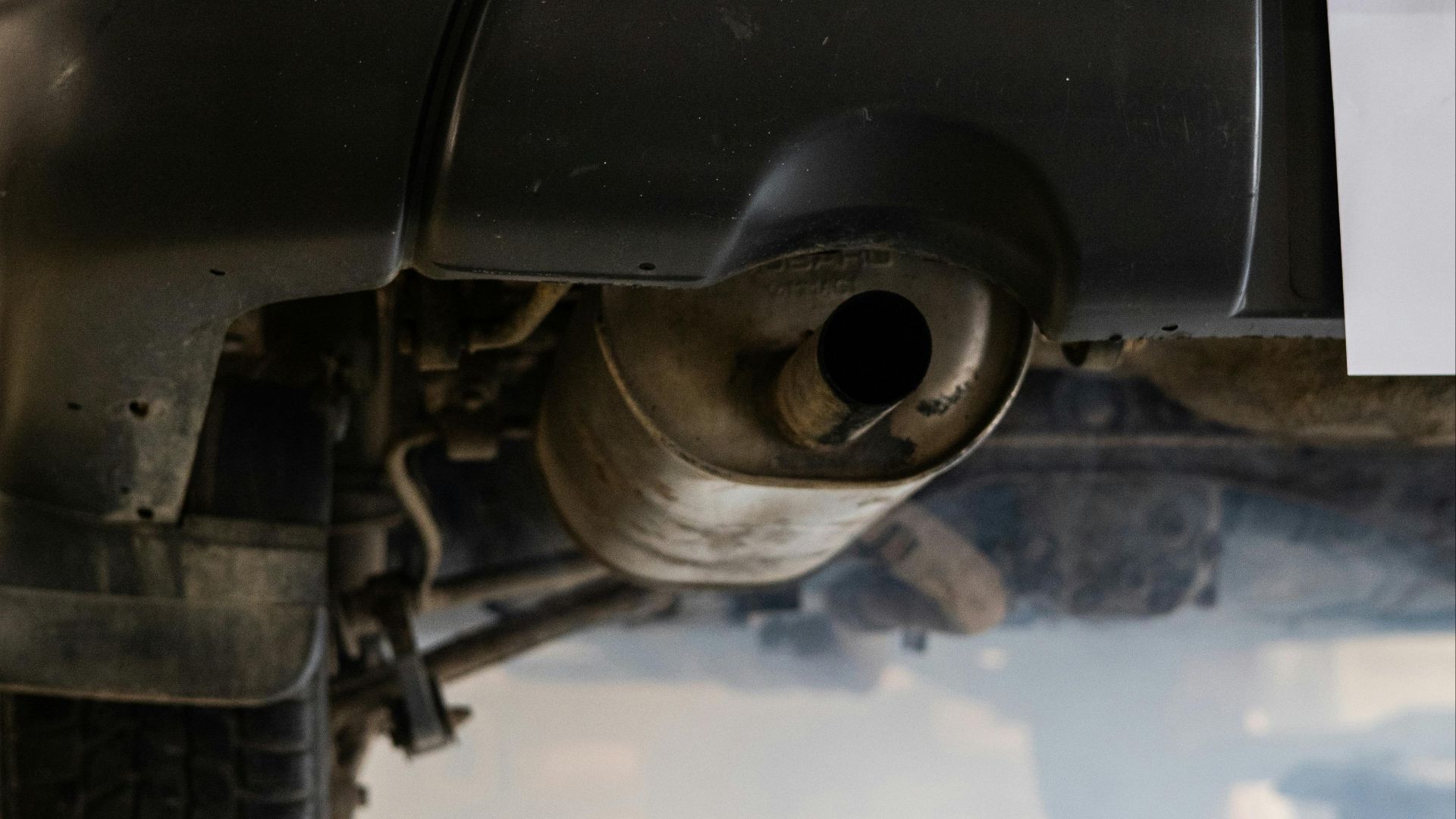
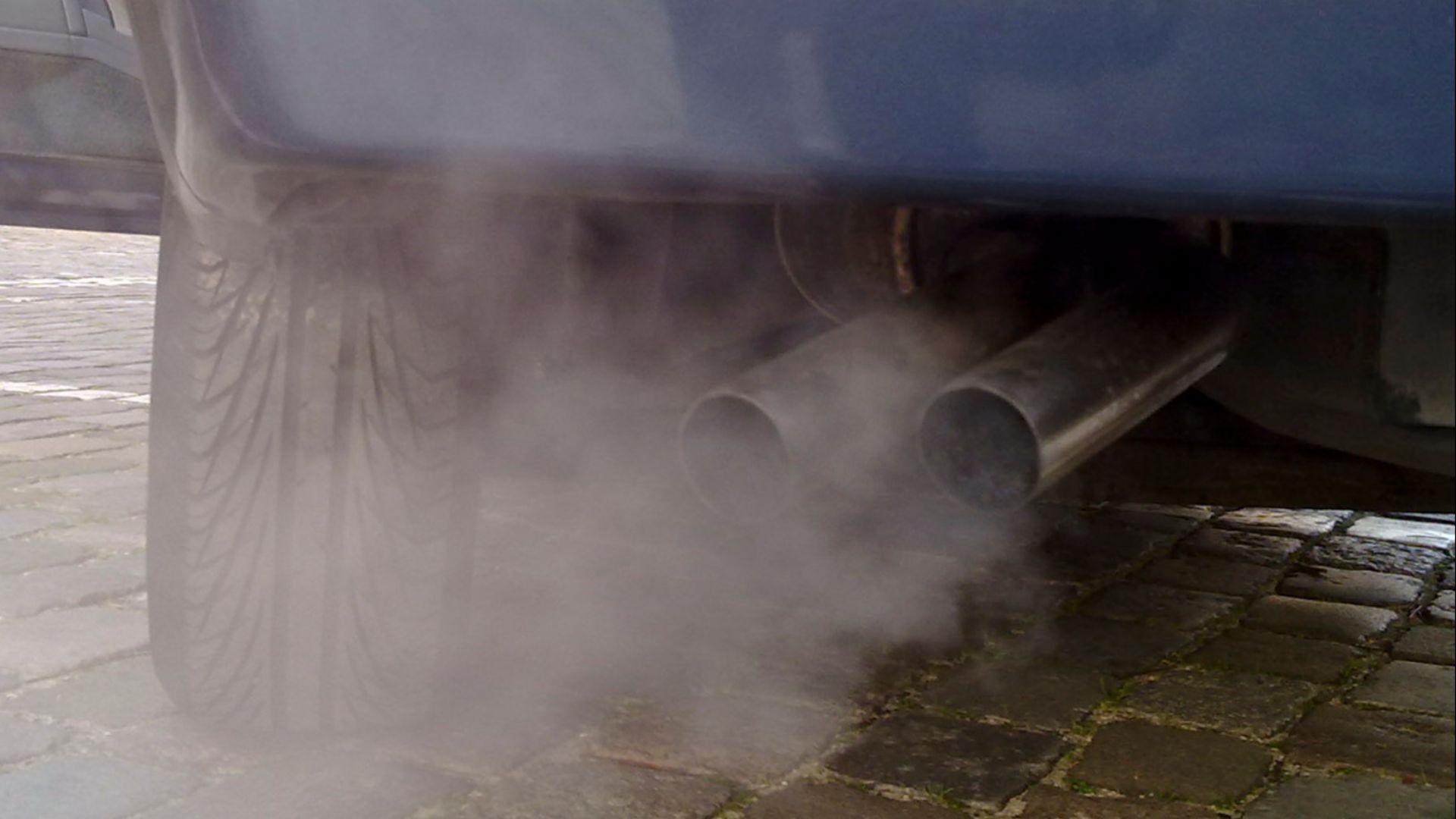
Exhaust Leaks
An exhaust leak—especially near the O2 sensors—can mess up readings and cause the computer to think the engine is running lean or rich. It may sound louder, smell stronger, and yes… light up the CEL.
 Ruben de Rijcke, Wikimedia Commons
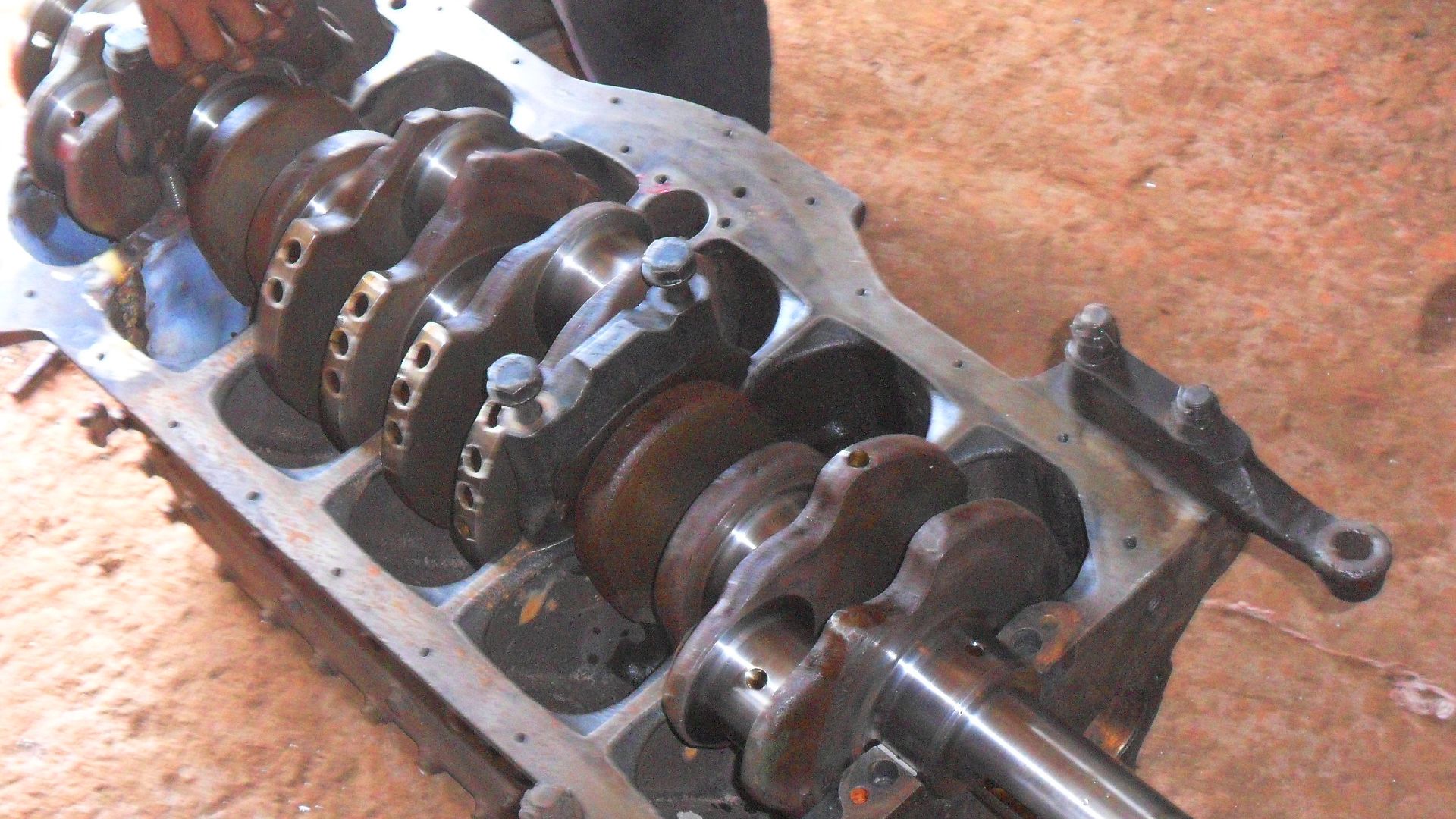
Crankshaft Or Camshaft Position Sensor Failure
These sensors track engine timing. When they fail, the engine may stall, crank but not start, or run like it’s auditioning for a tractor-pull competition. The CEL jumps in to warn you before things get worse.
 Seedlesslime, Wikimedia Commons
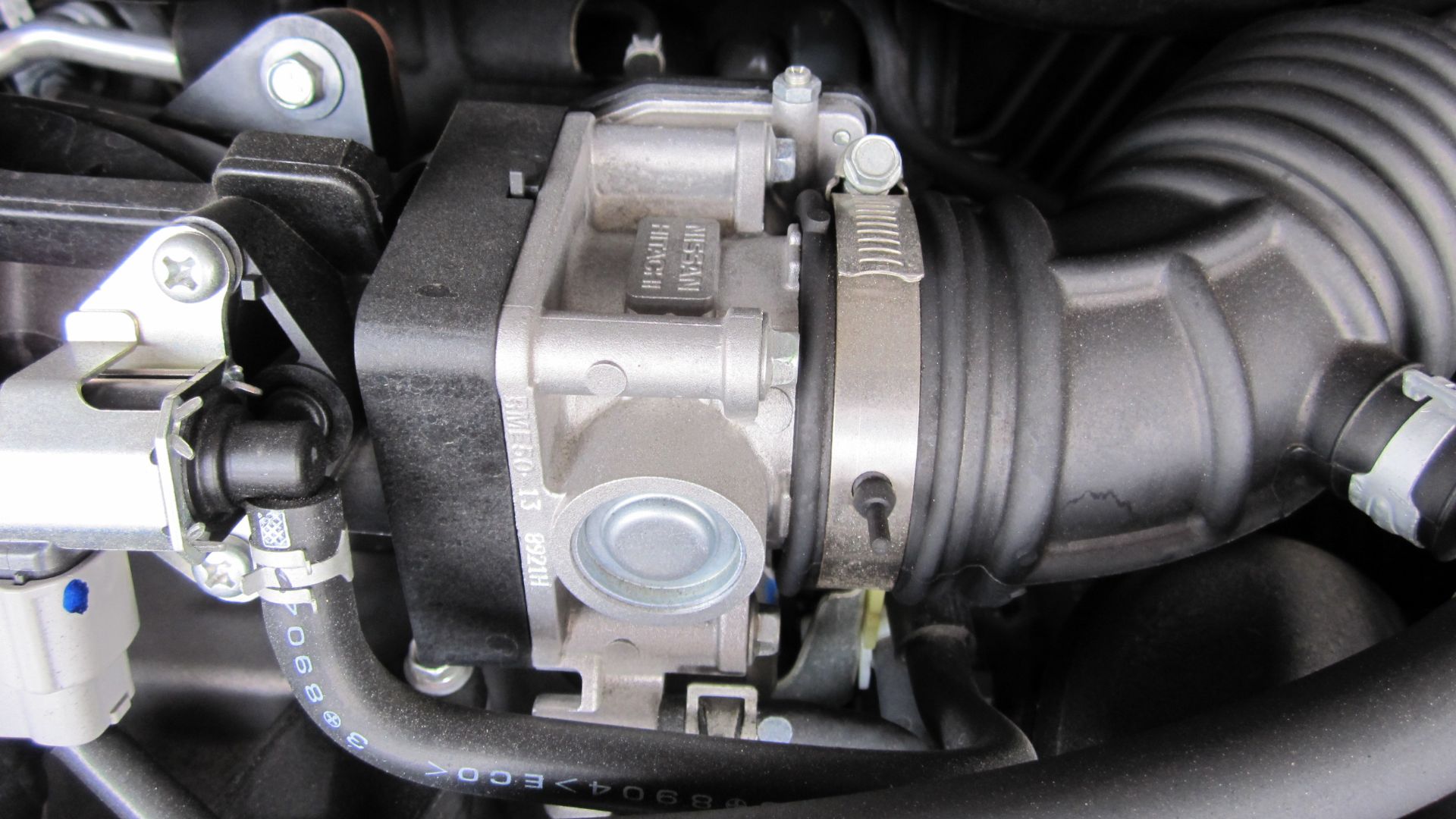
Dirty Or Faulty Throttle Body
Modern cars rely on electronic throttle bodies. If they get dirty or glitchy, you might notice sluggish acceleration, a bouncing idle, or that delightful limp-mode surprise. And yep—CEL time.
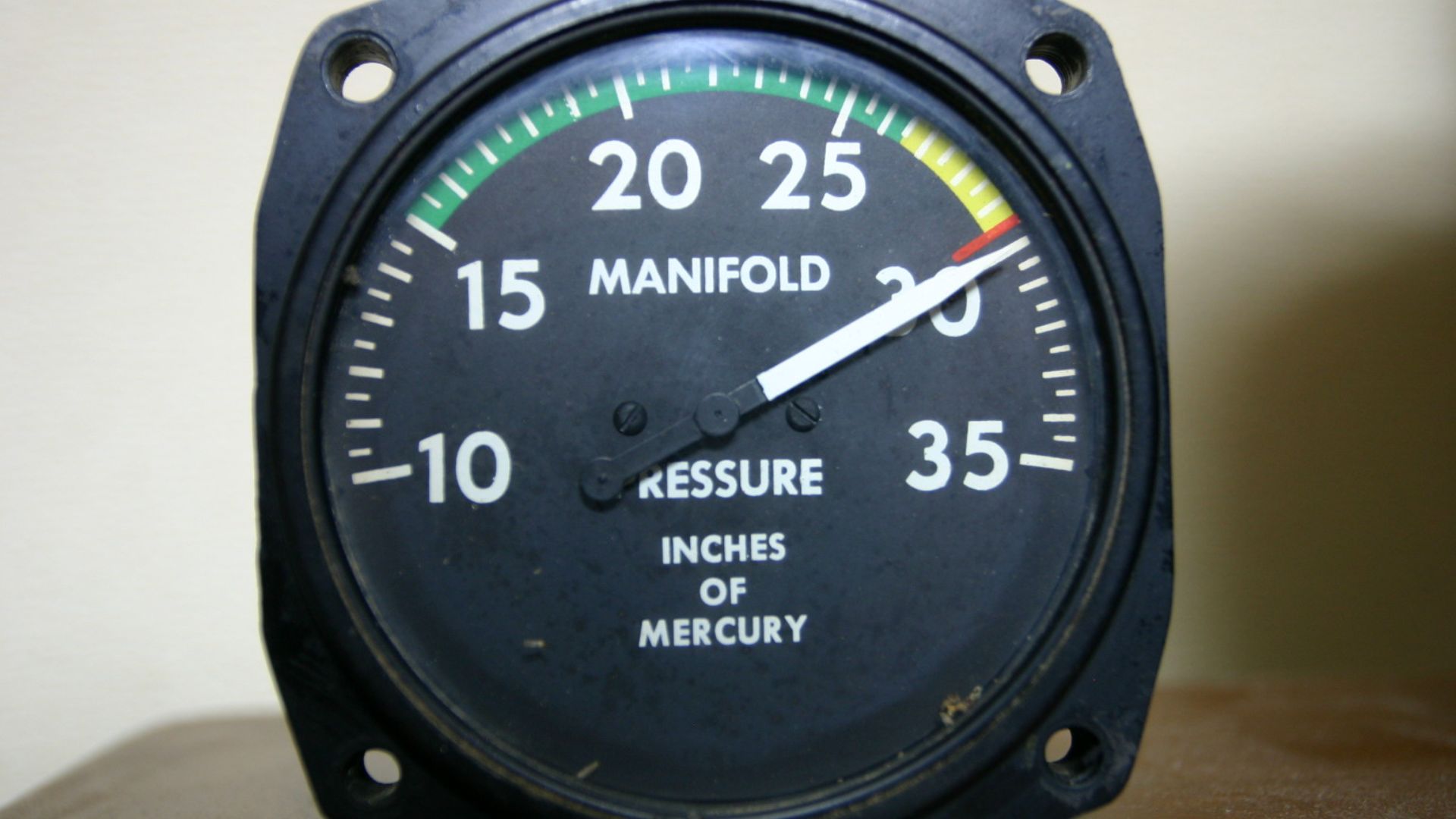
Bad MAP Sensor
If your car uses a Manifold Absolute Pressure sensor instead of (or alongside) a MAF sensor, its failure can cause rough idling, hesitations, and one very irritated ECU.
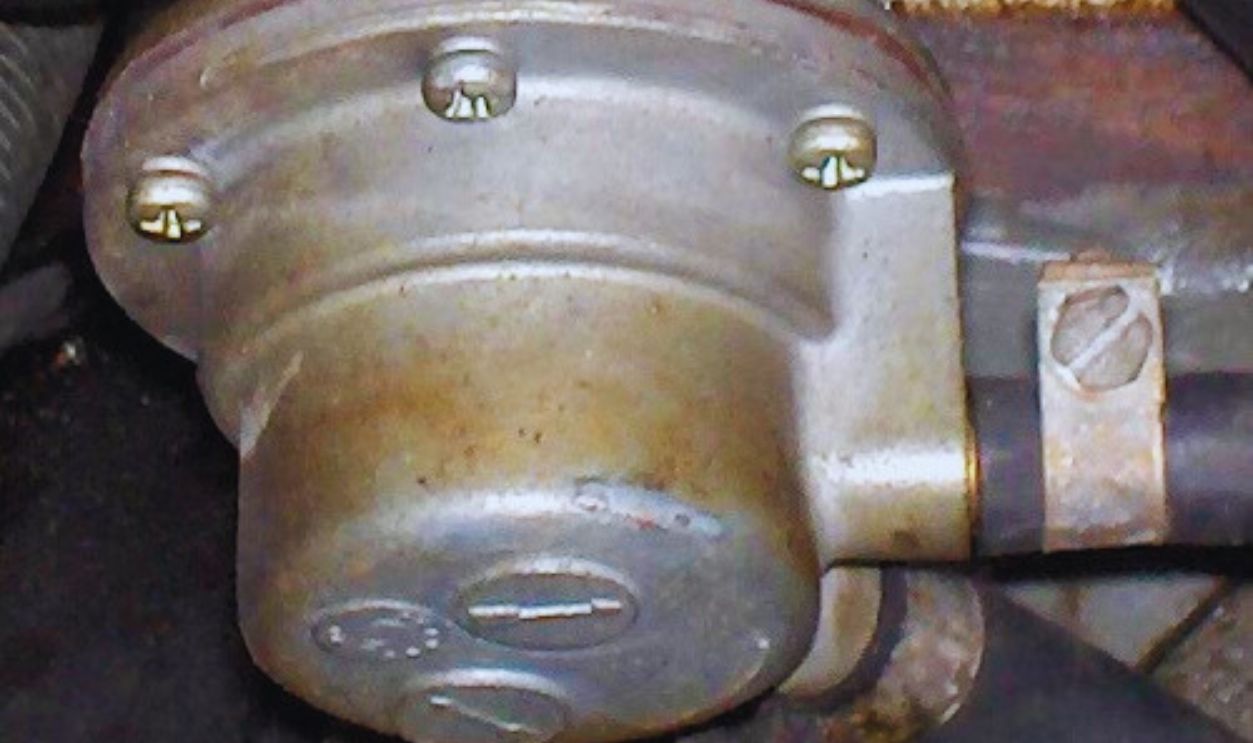
Faulty Fuel Pump
If your fuel pump is weakening, your car may feel like it’s gasping for air—or gas, in this case. Poor acceleration, stalling, and CEL warnings often show up long before the pump finally dies.
 Sonett72 at English Wikipedia, Wikimedia Commons
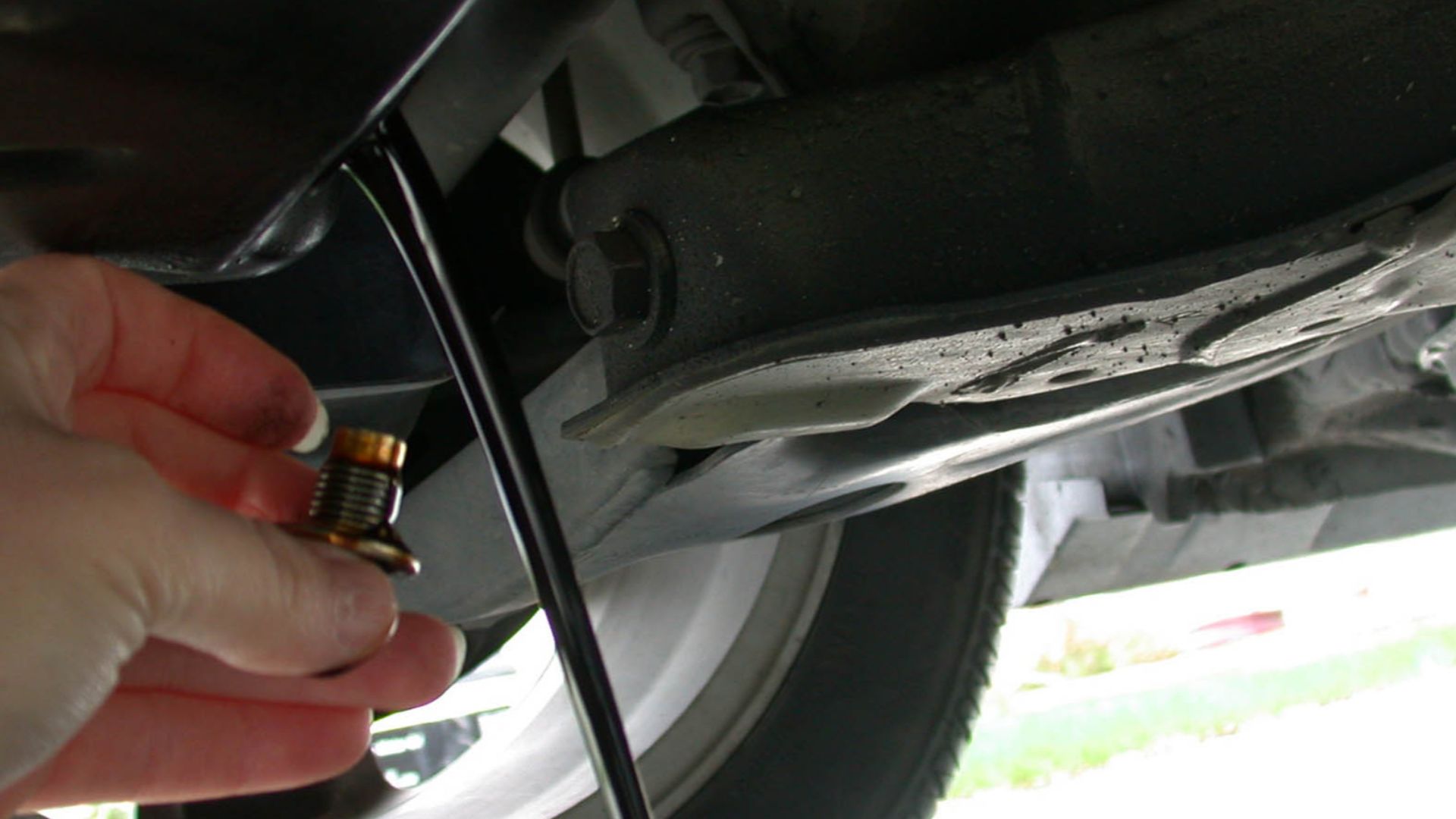
Low Oil Pressure Or Oil Sensor Failure
Low oil pressure is extremely serious and can cause engine destruction. Sometimes it’s a real issue—other times it’s just a bad sensor. Either way, the CEL will join the party to make sure you panic.
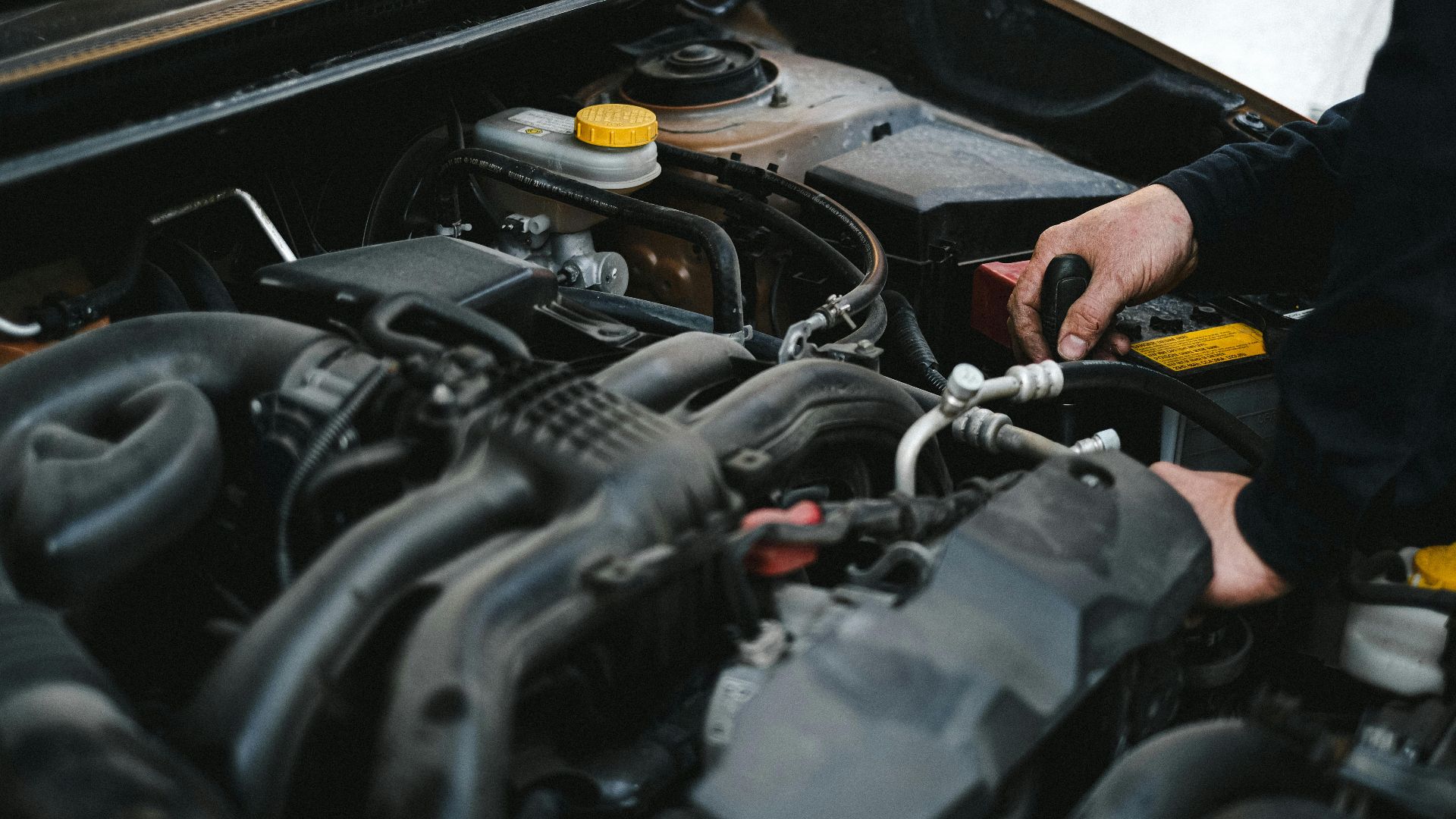
Knock Sensor Problems
Knock sensors listen for engine detonation. If they fail—or detect real knock—your engine may retard timing to protect itself. Performance drops, fuel economy suffers, and the CEL gets involved.
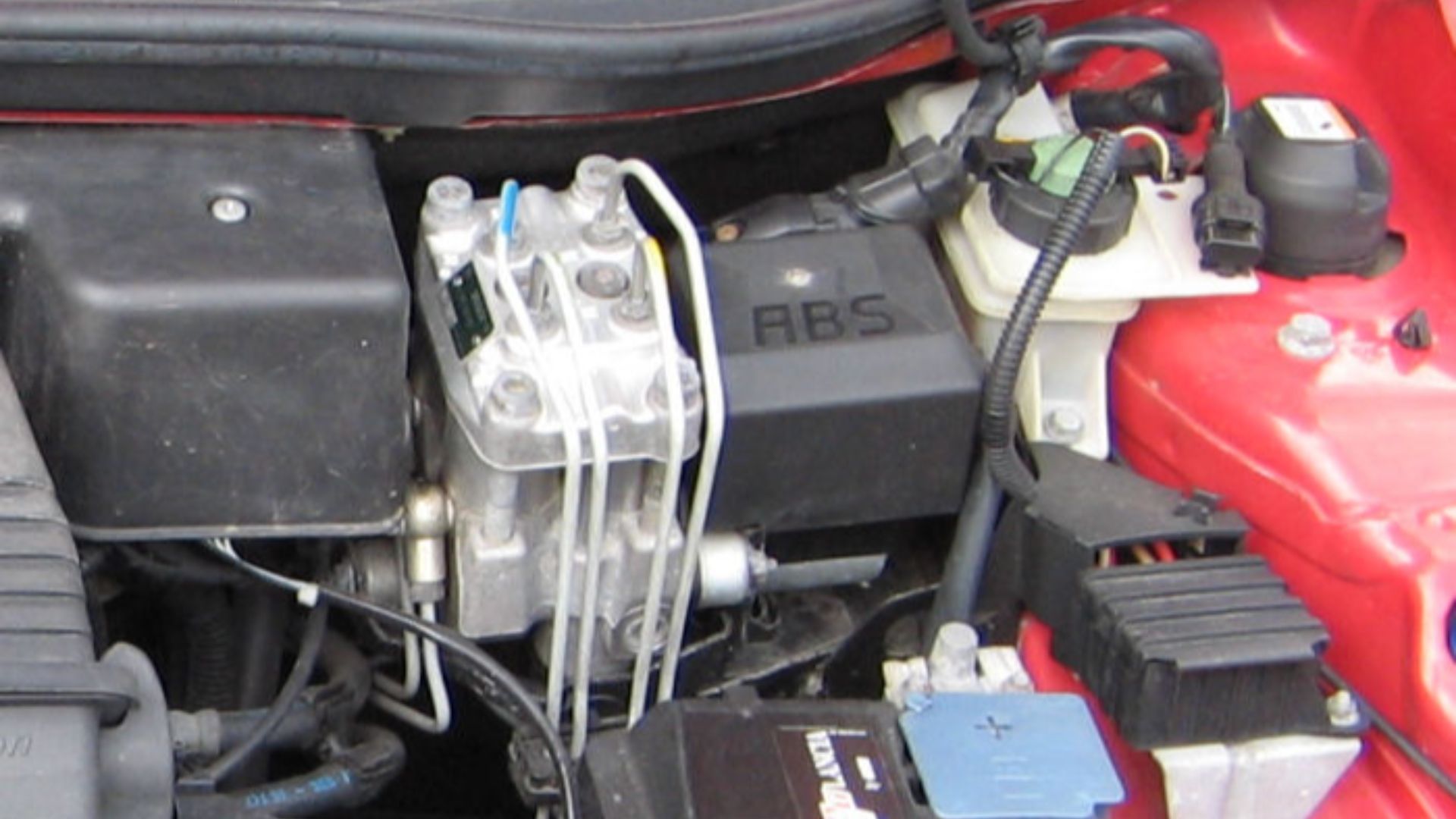
Faulty ABS Or Traction Sensors
In some vehicles, ABS or traction control issues can also trigger the CEL because these systems share data with the engine computer. Wheel-speed sensor failure is especially common after winter road salt attacks.
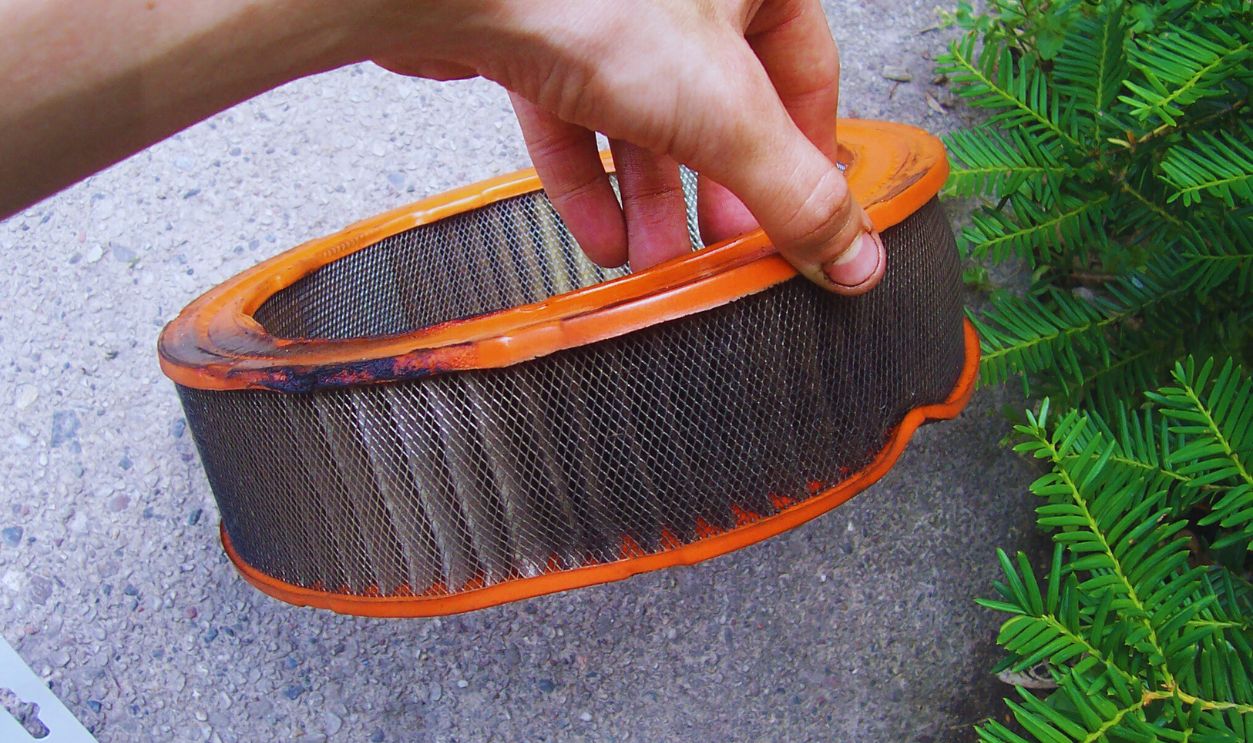
Dirty Engine Air Filter
A clogged air filter can choke your engine, causing reduced airflow and triggering a lean condition. It’s one of the easiest fixes on this list—and one of the most overlooked.
 Ahanix1989 at English Wikipedia, Wikimedia Commons
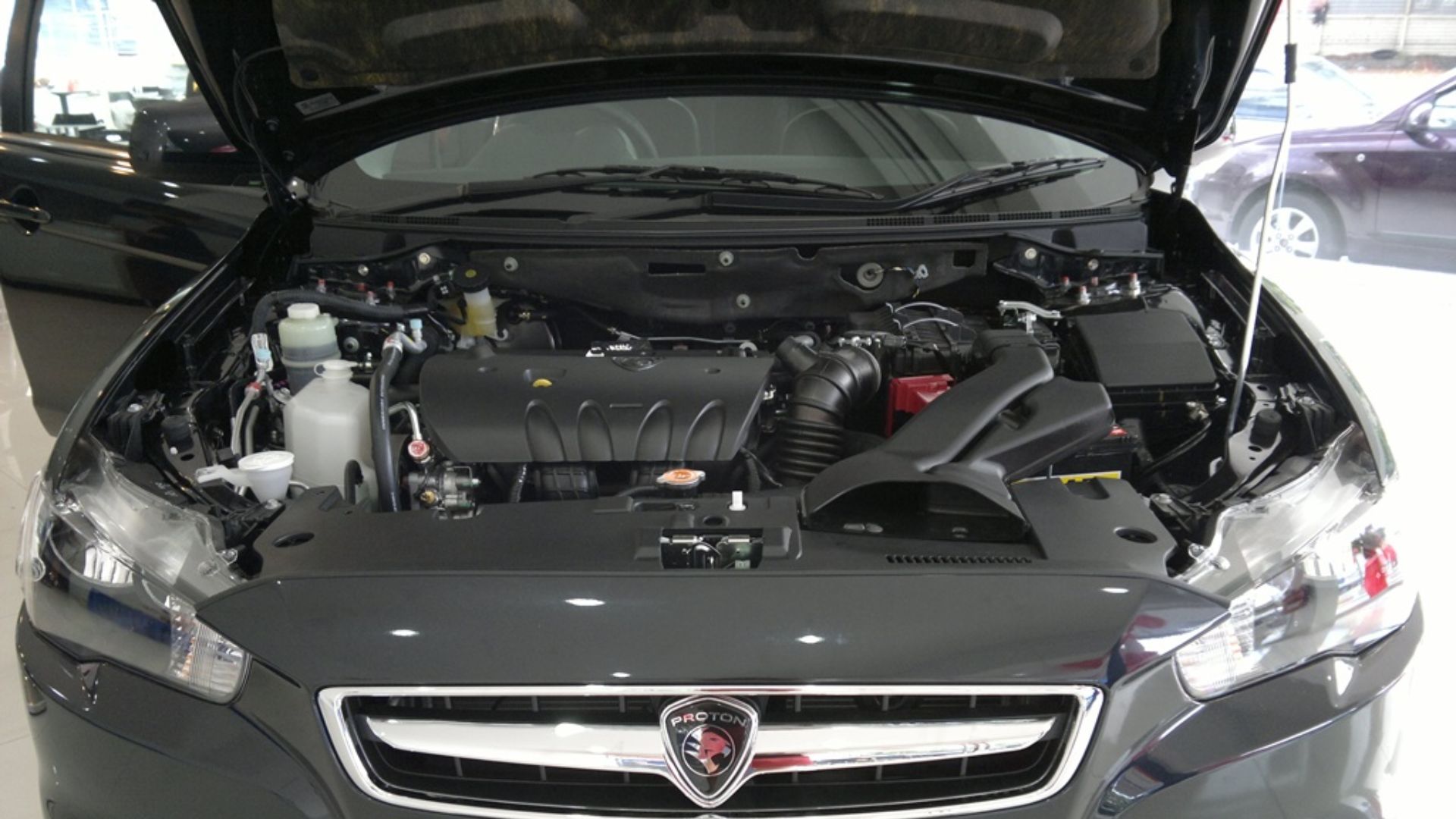
Aftermarket Modifications Gone Wrong
Intake swaps, exhaust upgrades, performance tunes, and discount eBay sensors can all cause CEL codes if not installed or calibrated correctly. Sometimes the car loves your mods; sometimes it throws a tantrum.
 Proton Inspira, Wikimedia Commons
Don’t Fear The Light
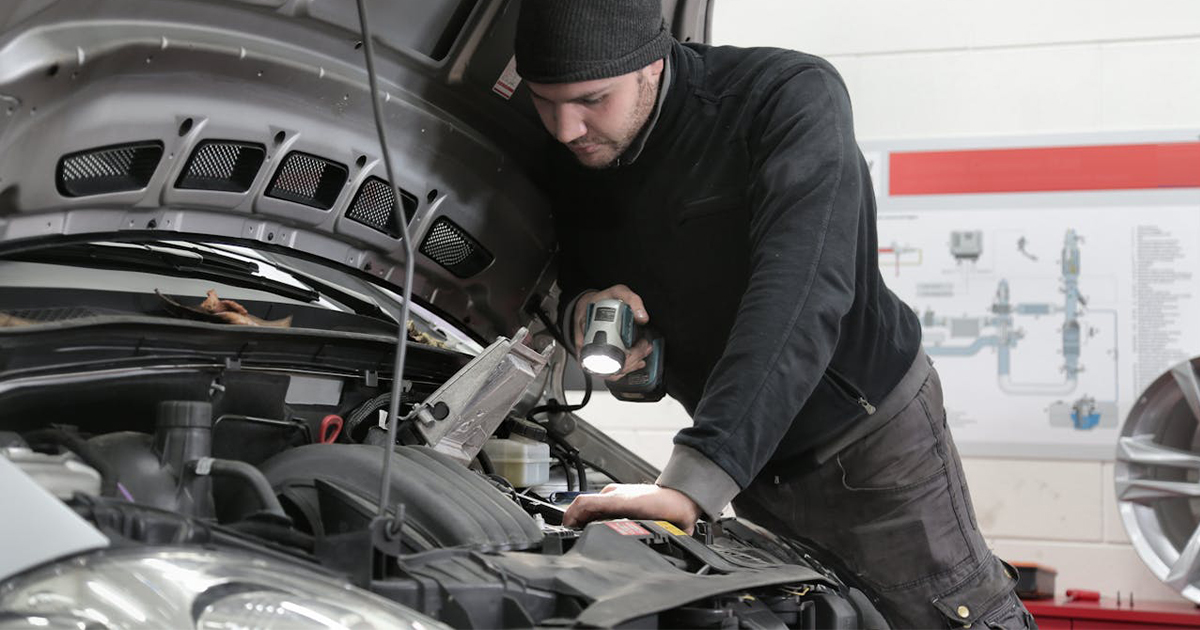
A Check Engine Light isn’t the end of the world. In fact, it’s your car doing you a favor: warning you before small issues become wallet-devouring catastrophes. Scan the code, investigate the cause, and take action. Because nothing ruins a good drive faster than the feeling that your engine is plotting against you.