When Rubber Meets Reality
Tires are the most overlooked performance upgrade your car already has. They affect fuel economy, handling, braking, ride comfort, and—most importantly—how long you can go before shelling out for a new set. The good news is that getting more life out of your tires doesn’t require secret tools or mechanical wizardry. It just takes consistency, attention, and a few habits most drivers swear they’ll start “next month”.
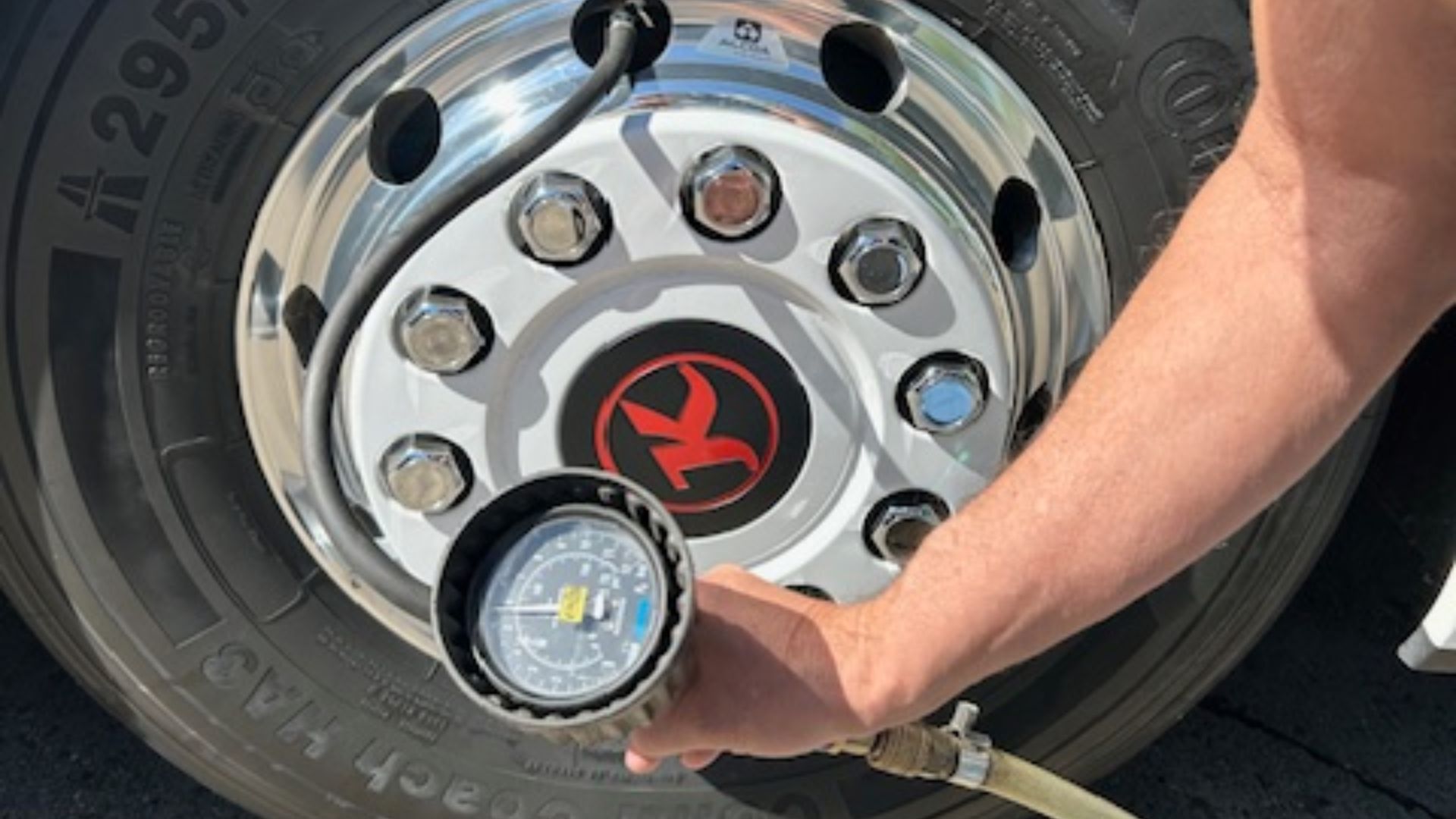
Check Tire Pressure Monthly
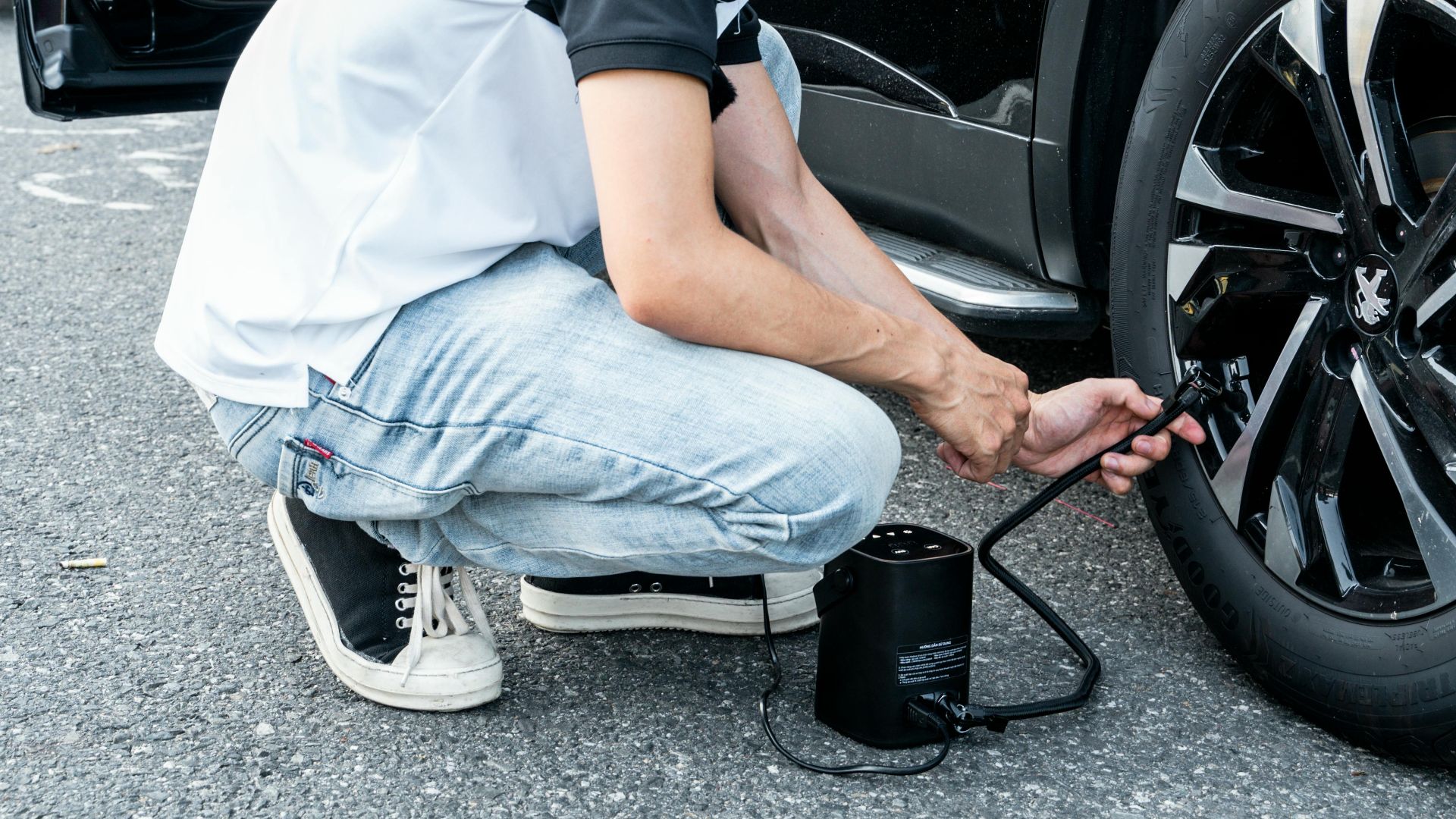
Proper inflation is the single biggest factor in tire longevity. Underinflated tires wear faster on the edges and run hotter, while overinflated tires wear down the center tread. Grab a gauge and check pressure at least once a month—especially when seasons change.
Follow The Vehicle Placard, Not The Tire
The correct pressure is listed on the driver-side door jamb, not on the tire sidewall. That number accounts for vehicle weight and suspension setup. Trust the engineers who built the car, not the maximum printed on the rubber.
Rotate Tires On Schedule
Rotating tires helps even out wear between the front and rear axles. Front tires usually wear faster due to steering and braking forces. Skipping rotations can quietly shave tens of thousands of miles off your tire life, even if everything else is perfect.
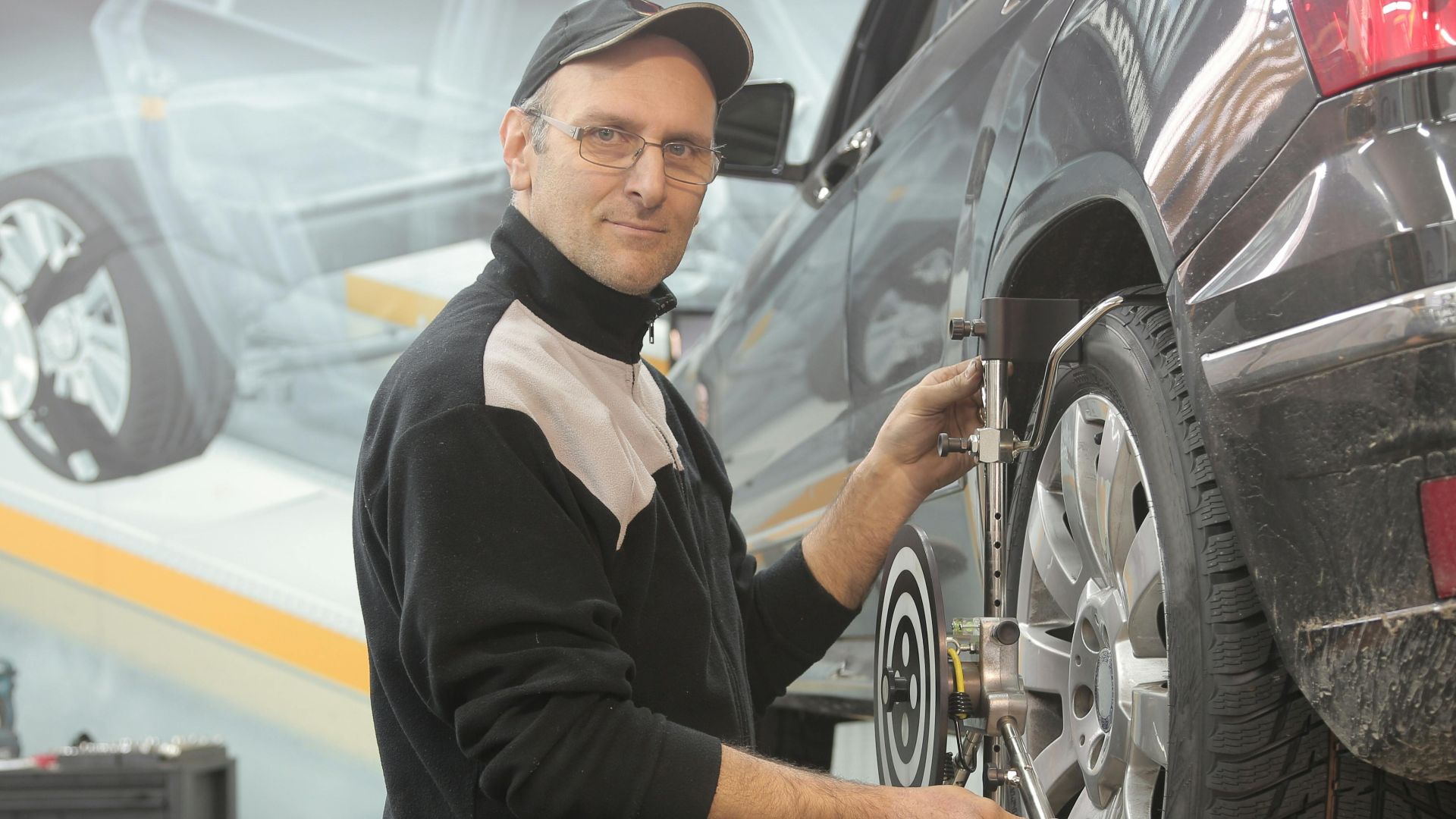
Get Your Alignment Checked
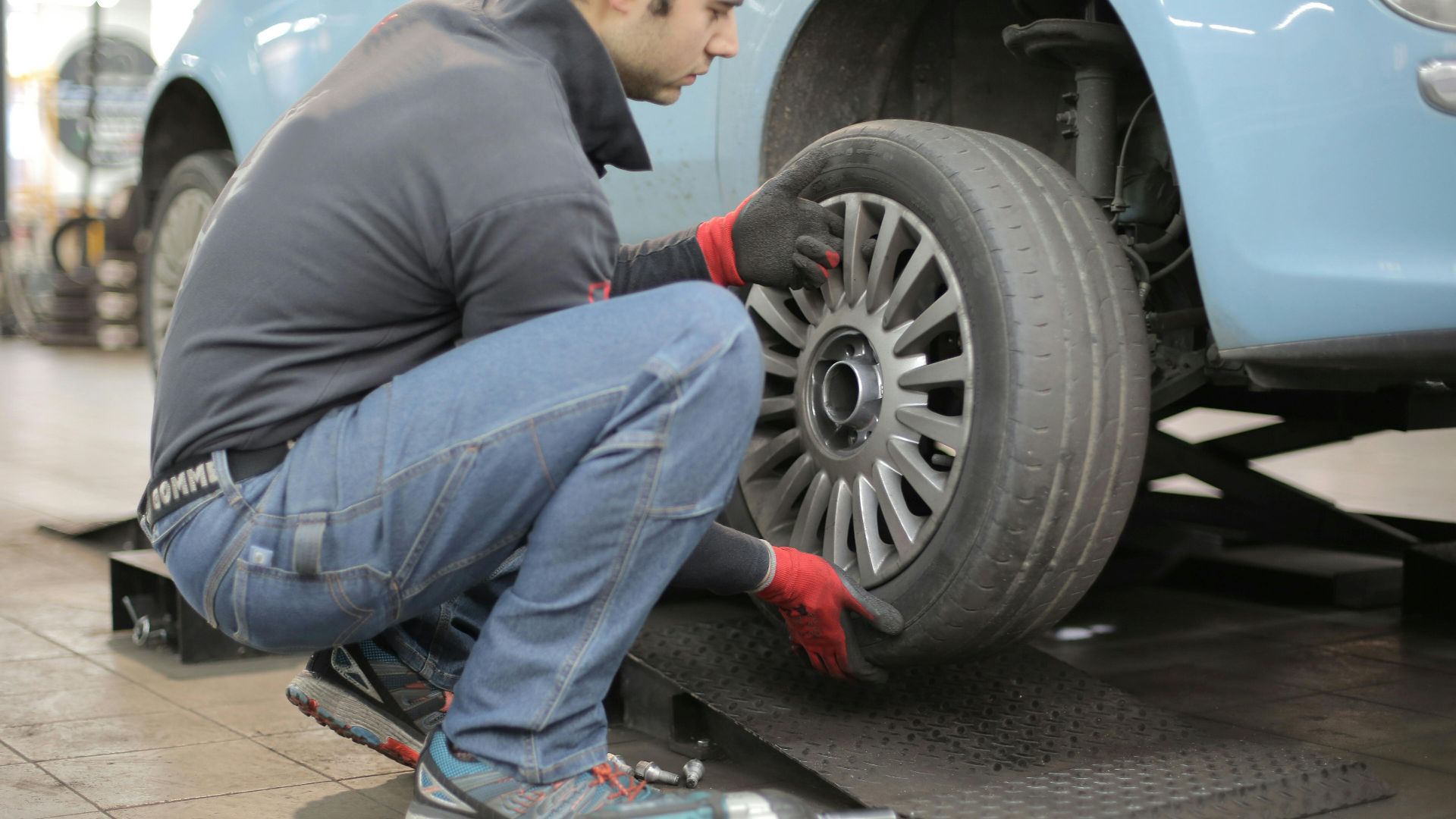
If your car pulls to one side or the steering wheel isn’t centered, alignment is likely off. Misalignment causes uneven tread wear that no rotation can fix. One alignment check can save an entire set of tires.
 Laurel and Michael Evans, Unsplash
Balance Tires When Needed
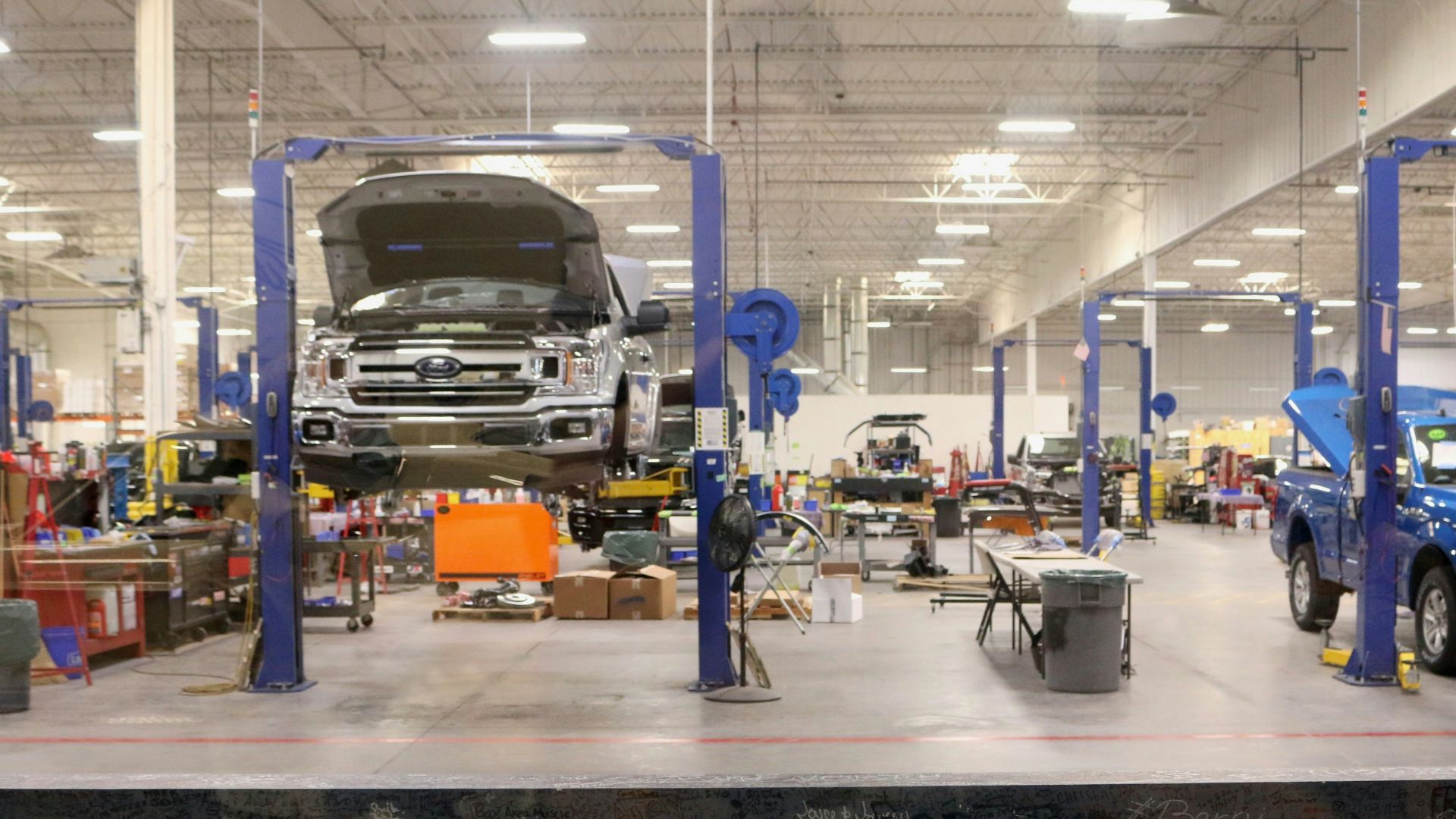
Unbalanced tires don’t just cause vibrations—they also lead to cupping and irregular wear. If your steering wheel shakes at highway speeds, balancing should be your next stop.
Inspect Tires For Damage
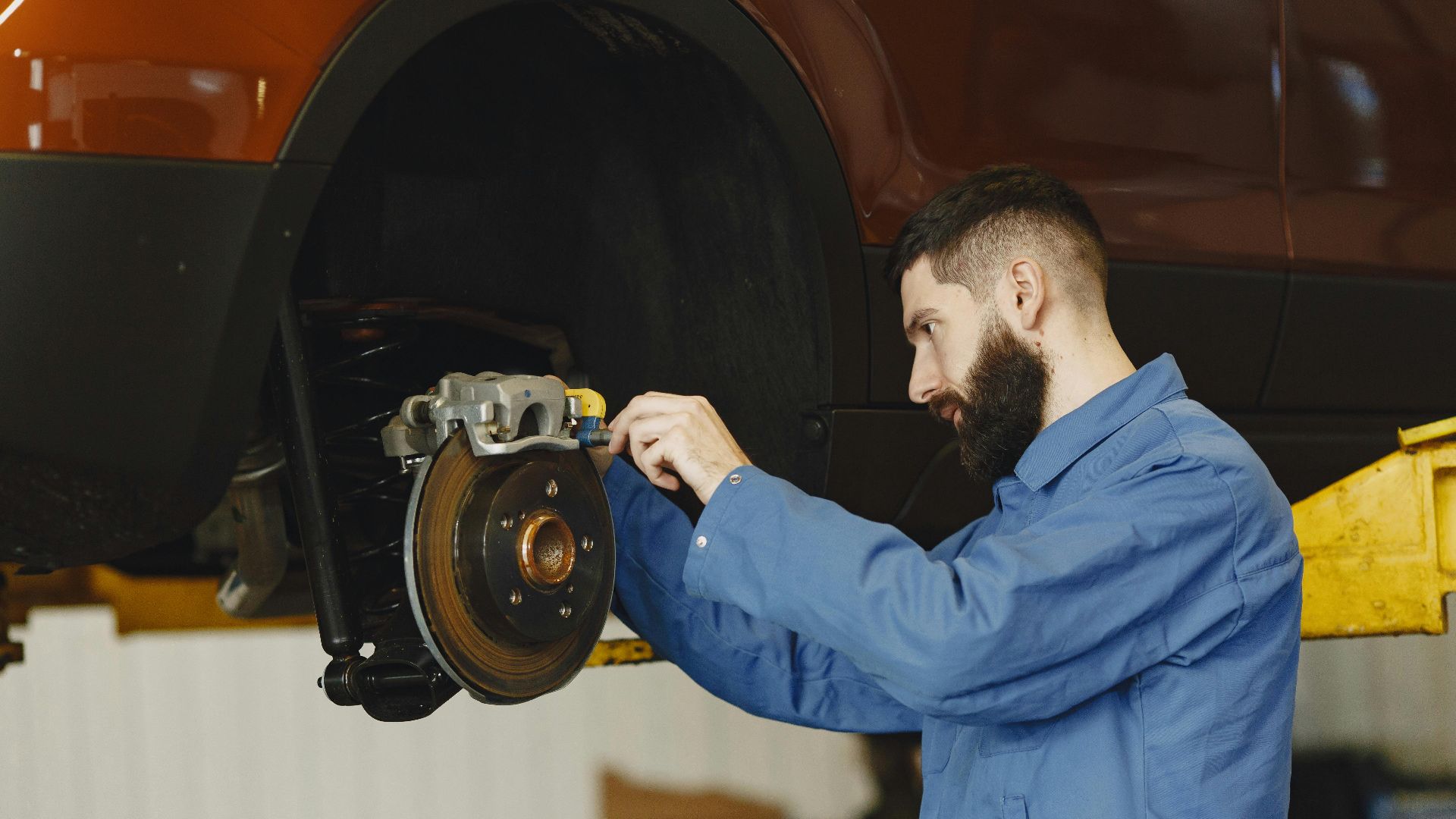
Small issues become expensive problems when ignored. Cuts, bulges, embedded debris, and sidewall damage can all shorten tire life or cause sudden failure. A quick visual check every couple of weeks goes a long way.
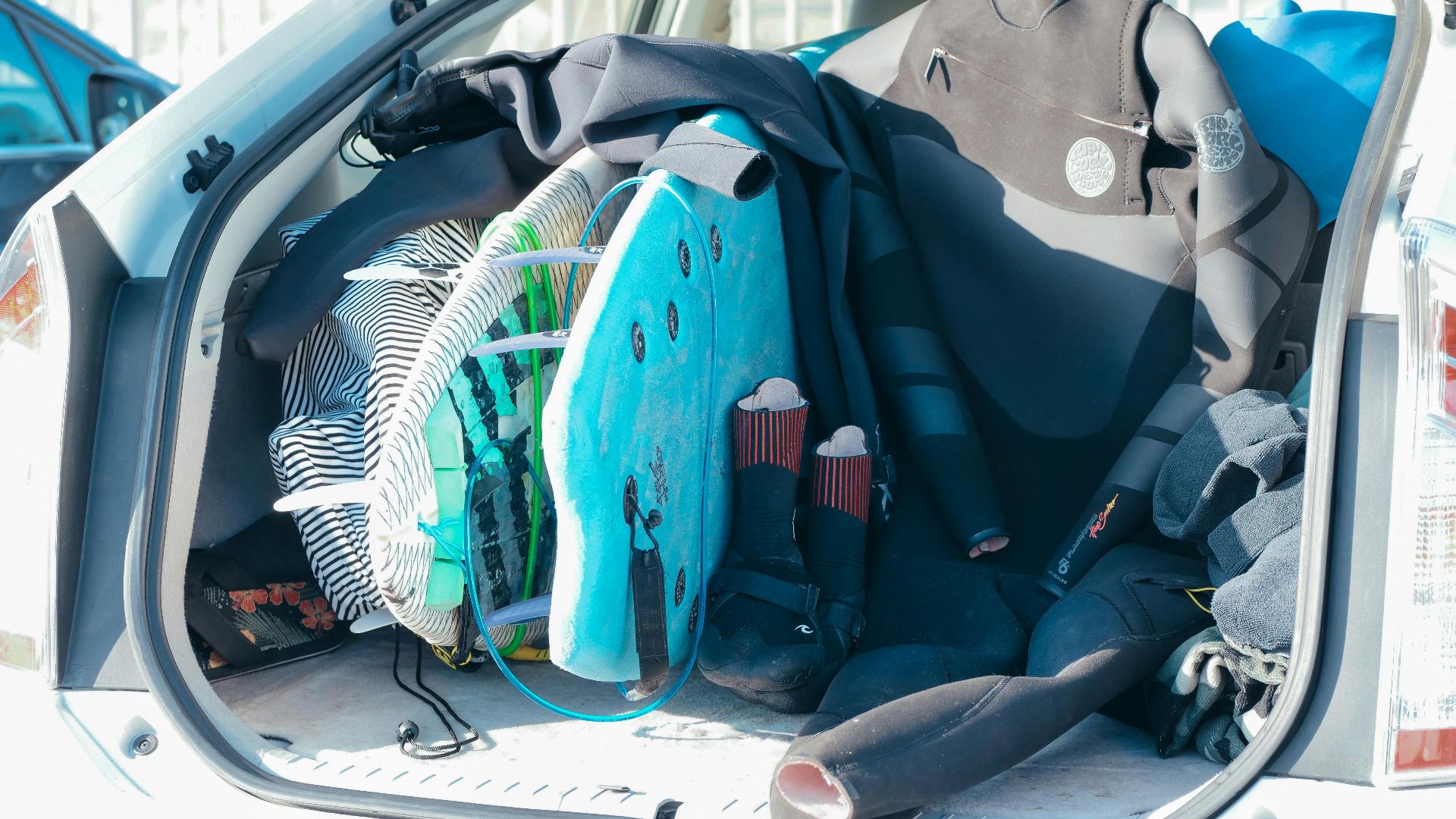
Don’t Overload Your Vehicle
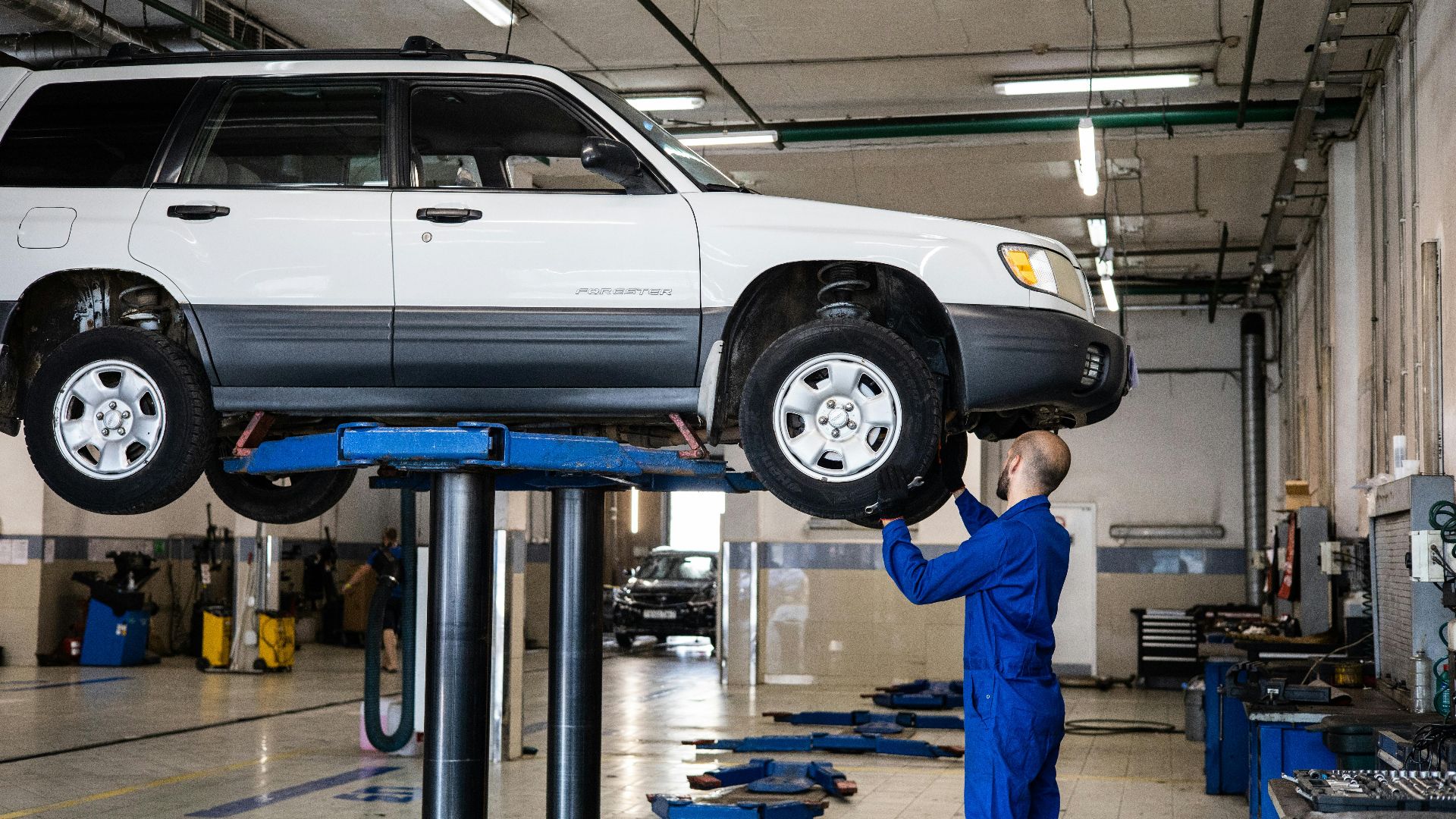
Exceeding your vehicle’s load rating puts excessive stress on tires. Heavy cargo, roof boxes, or towing without proper preparation increases heat and accelerates wear. Your tires feel every extra pound.
Drive Smoothly
Aggressive acceleration, hard braking, and sharp cornering grind rubber away faster than you think. Smooth driving isn’t just easier on passengers—it dramatically extends tread life over time.

Slow Down On Rough Roads
Potholes, gravel, and broken pavement are tire killers. Even one hard hit can damage internal tire structure, leading to premature wear or failure. When the road looks ugly, your speed should reflect it.

Use The Right Tires For The Season
All-season tires aren’t magical. In extreme heat or cold, dedicated summer or winter tires perform better and last longer. Using the wrong tire year-round accelerates wear and compromises safety.

Keep An Eye On Tread Depth
Worn tires don’t just lose grip—they often wear unevenly near the end of their life. Use a tread gauge or the classic penny test to monitor depth regularly. Catching uneven wear early lets you fix the cause.
Maintain Suspension Components
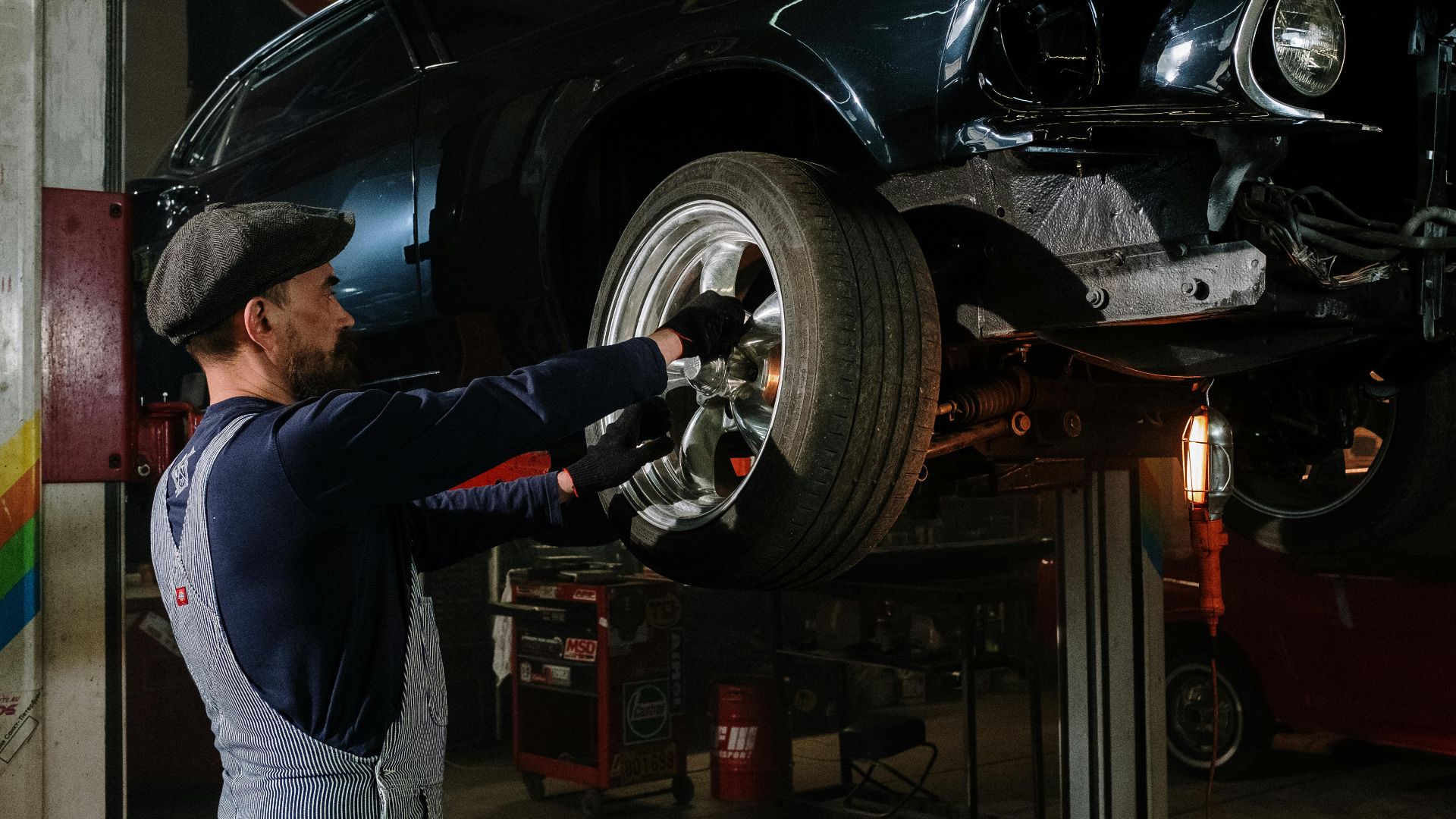
Shocks and struts affect how evenly tires stay planted on the road. Worn suspension parts allow tires to bounce and scrub, which chews through tread faster than most drivers realize.

Avoid Riding The Curbs
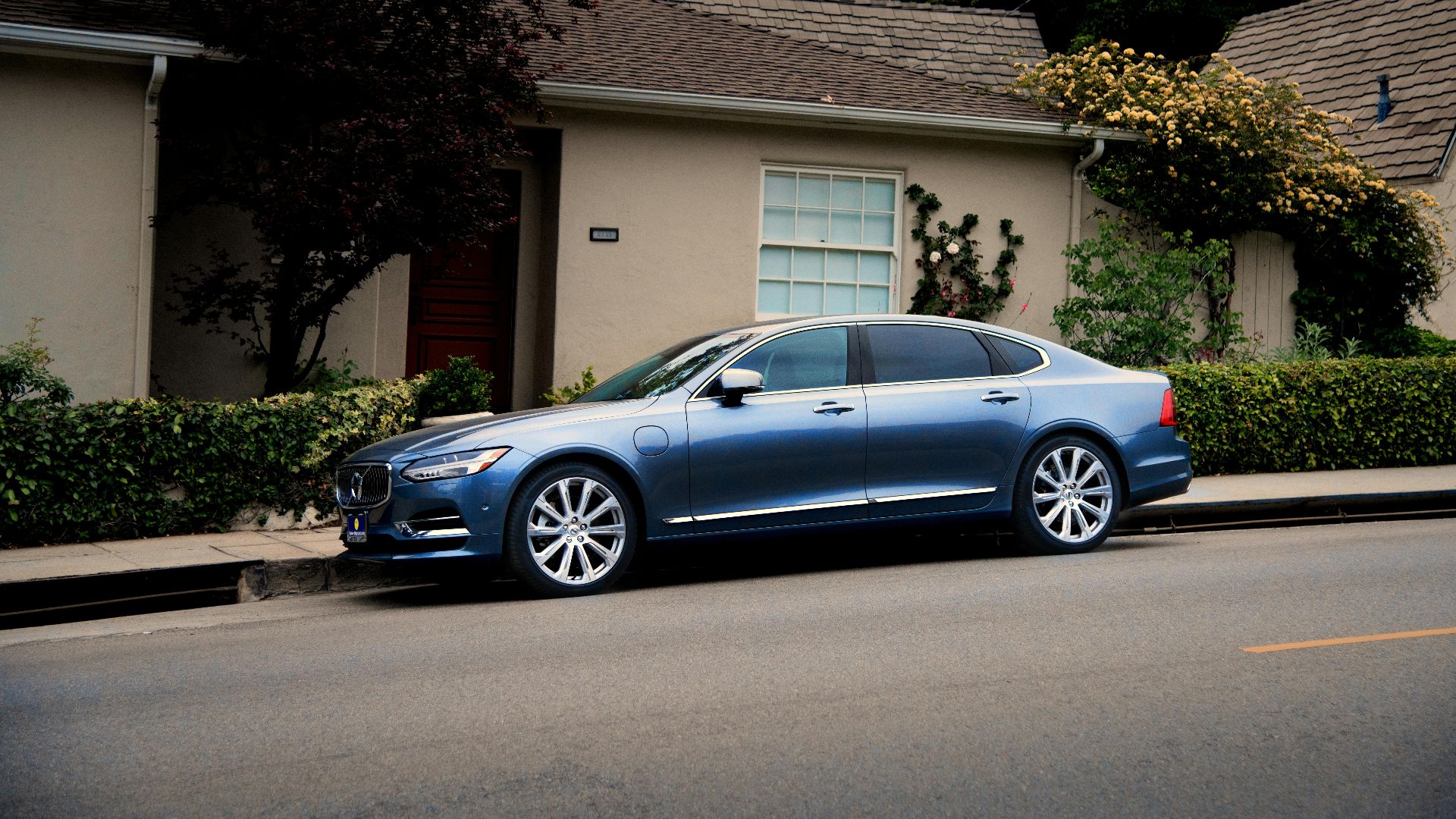
Clipping curbs while parking may seem harmless, but it stresses sidewalls and can knock alignment out of spec. Sidewall damage often isn’t visible right away, making this habit especially sneaky.
Keep Valve Caps On
It sounds minor, but valve caps keep dirt and moisture out of the valve stem. Corrosion or leaks at the valve can lead to slow pressure loss, which means uneven wear before you even notice a problem.

Replace Tires As A Set When Possible
Mixing old and new tires can cause uneven wear patterns and handling issues. Matching tread depth across an axle helps tires wear more evenly and keeps your car behaving predictably.
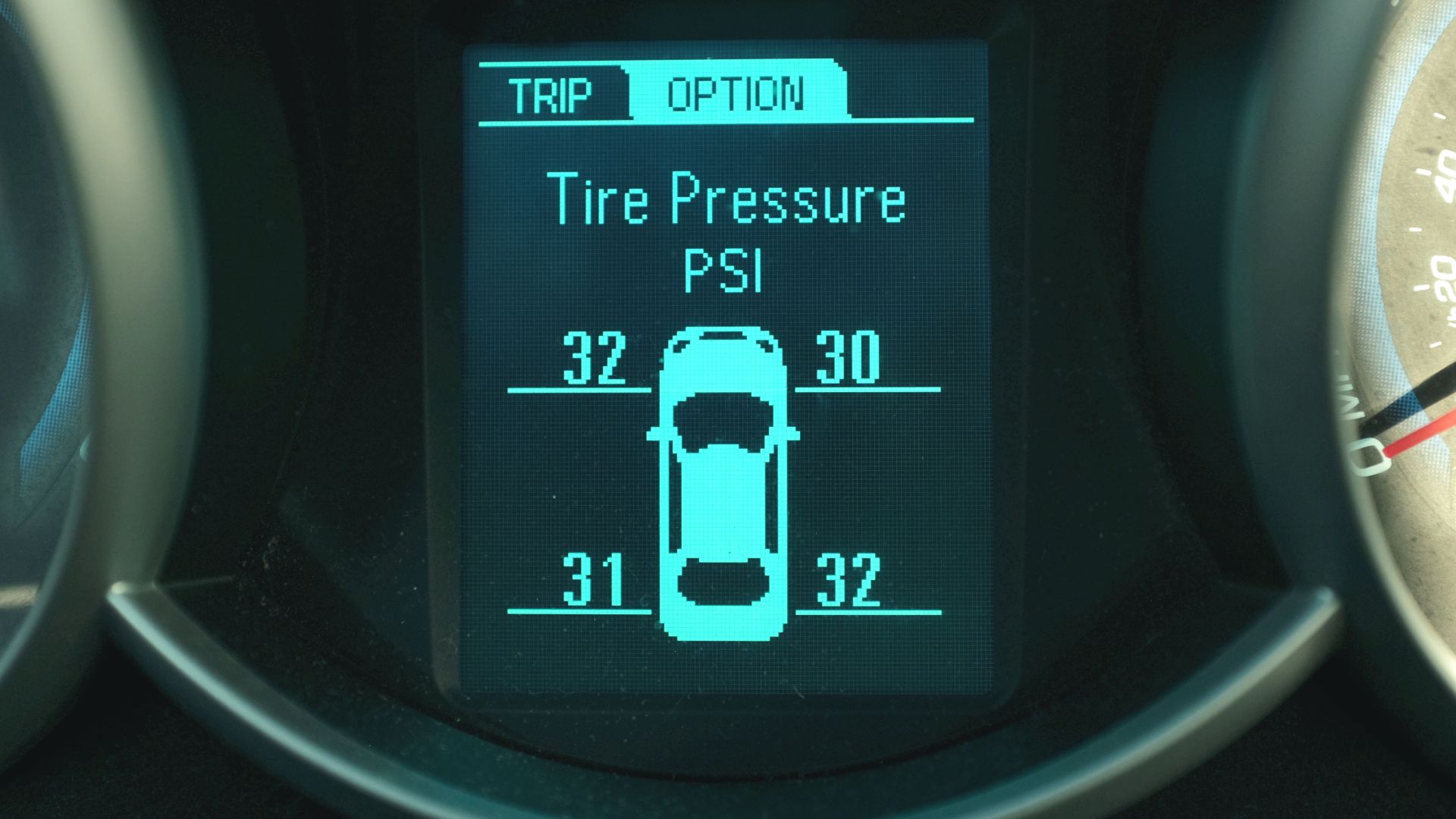
Don’t Ignore TPMS Warnings
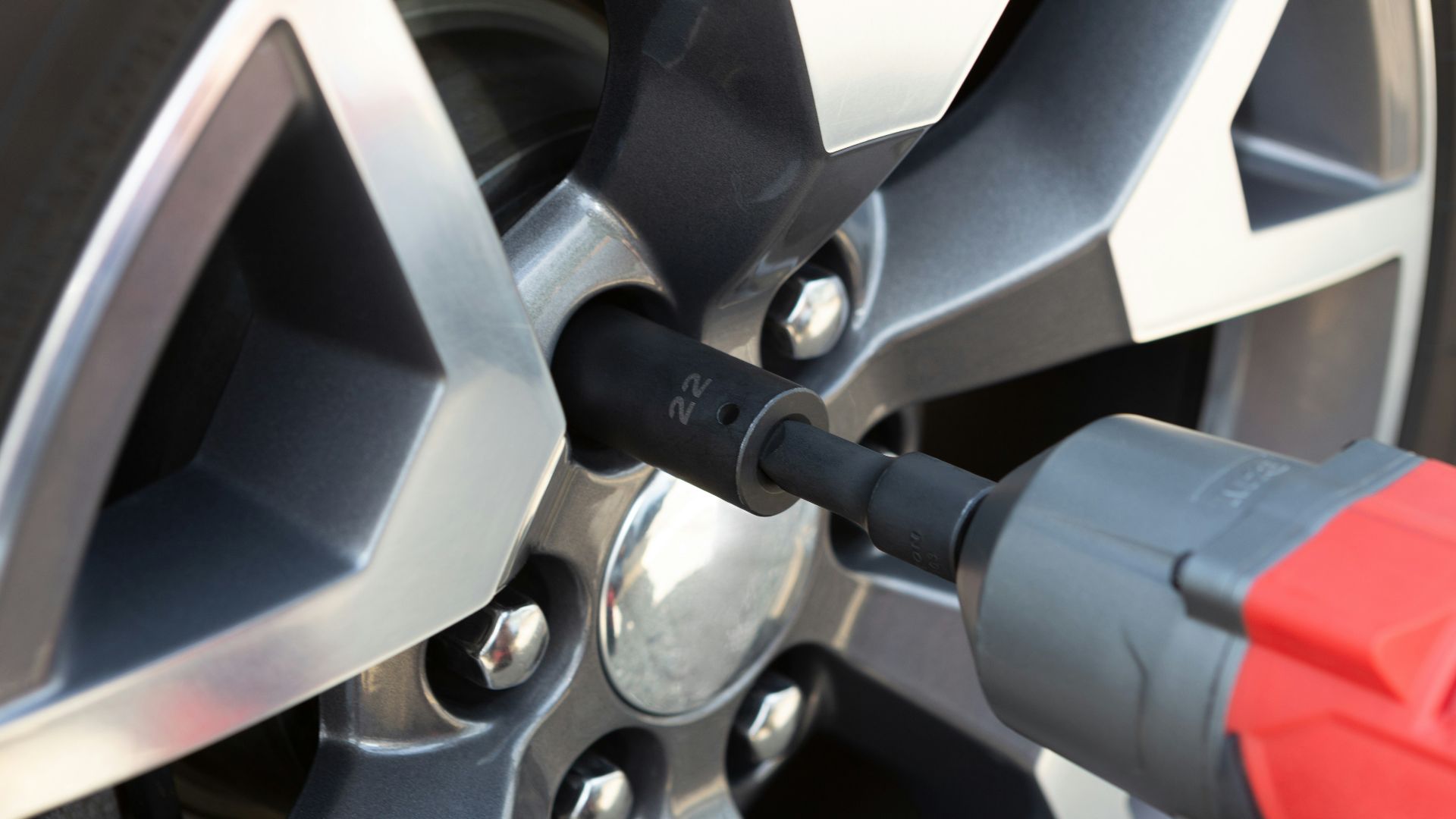
That tire pressure light isn’t a suggestion. Even slightly low pressure over long periods accelerates wear. Address warnings promptly instead of resetting them and hoping for the best.
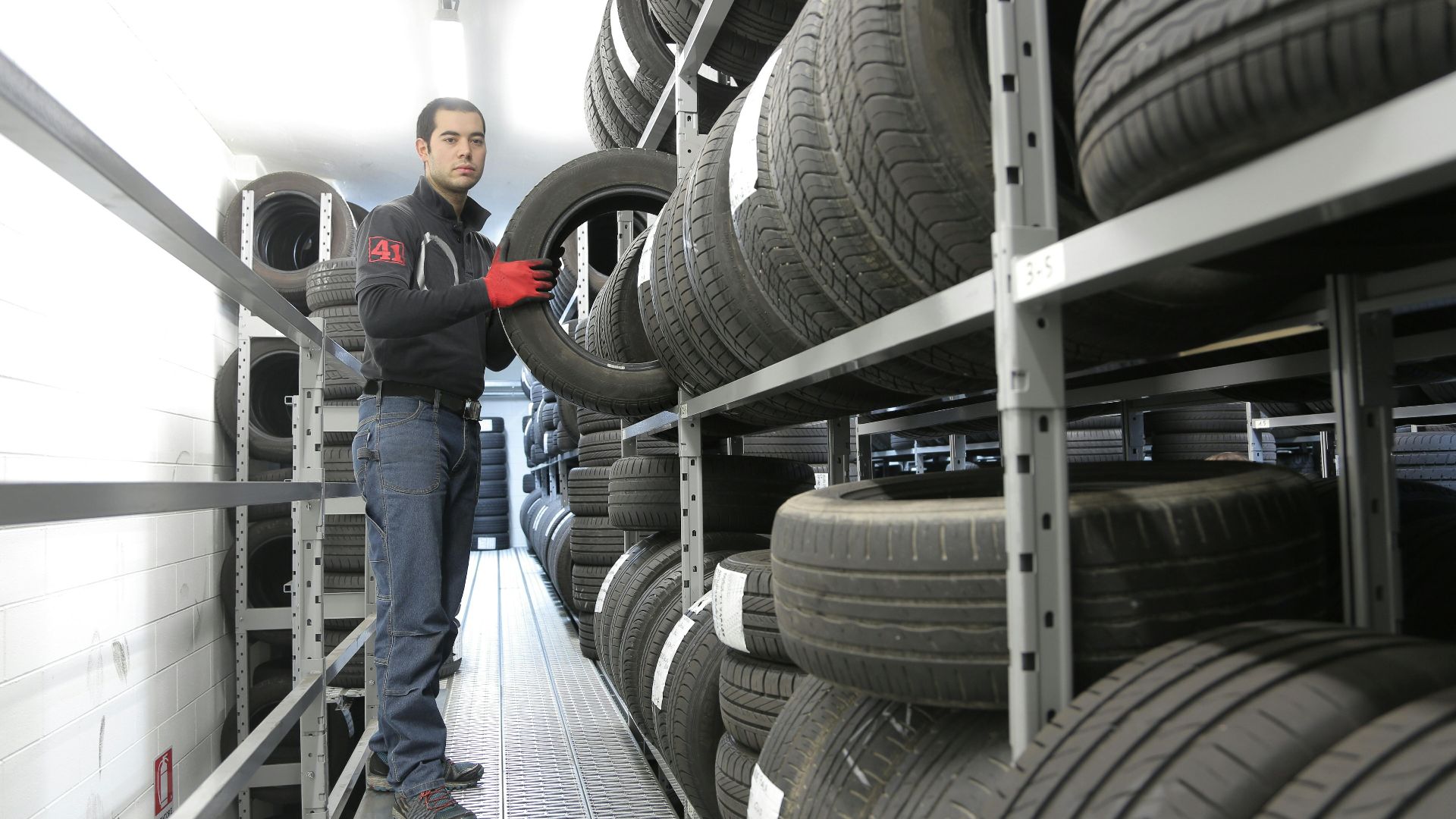
Store Seasonal Tires Properly
If you swap winter and summer tires, storage matters. Keep them clean, dry, and away from direct sunlight or ozone sources. Poor storage can age tires before they ever hit the road again.
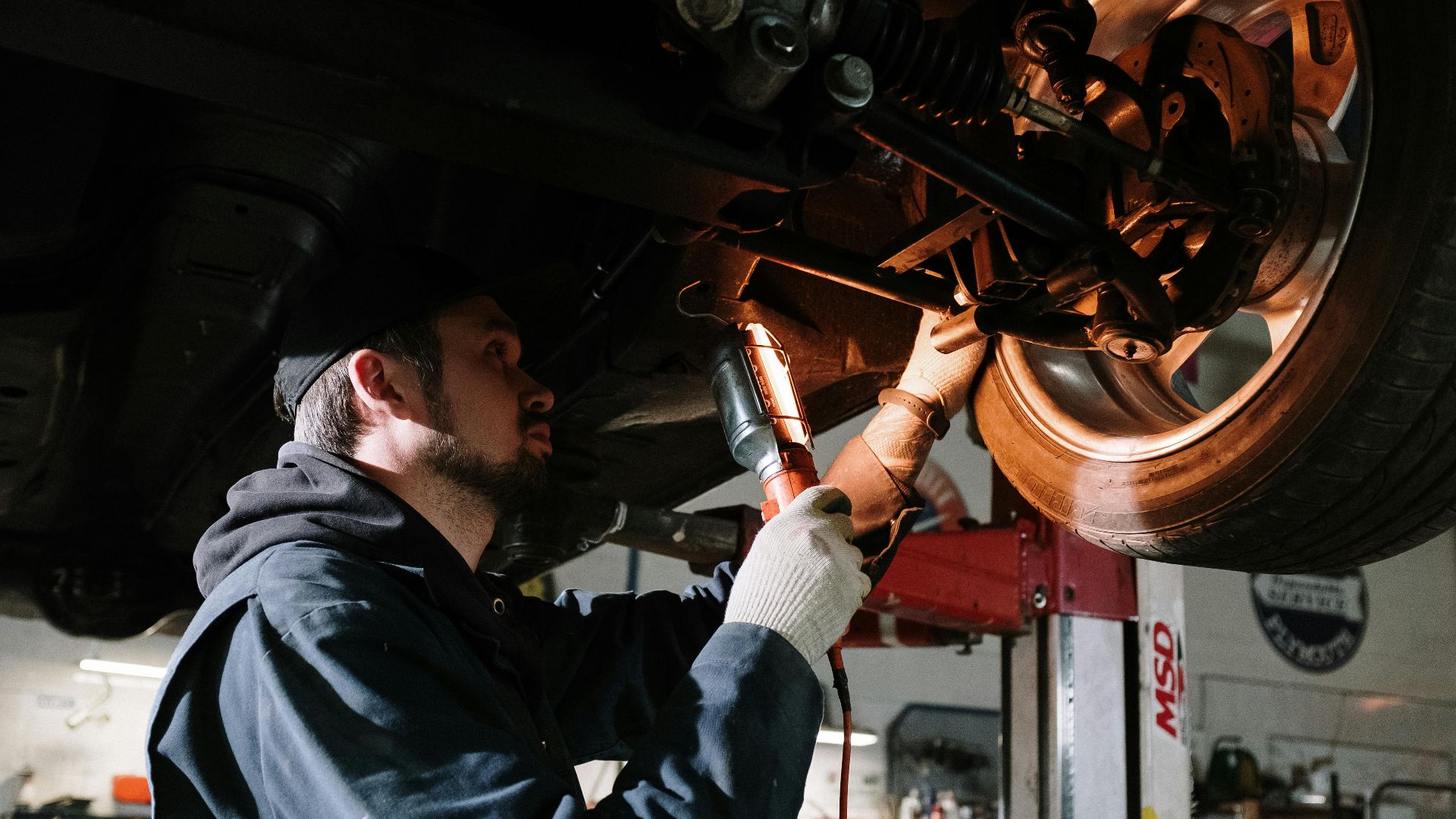
Watch For Age, Not Just Wear
Tires degrade over time, even if tread looks good. Most manufacturers recommend replacement around six years, regardless of mileage. Check the DOT date code to know what you’re rolling on.
Recheck Pressure During Temperature Swings
Air pressure drops when temperatures fall and rises in the heat. Seasonal checks aren’t enough—big temperature swings can throw pressure off by several PSI in days.
Make Tire Care A Habit
The biggest secret to long-lasting tires isn’t one magic trick—it’s consistency. A few minutes each month beats thousands of dollars in premature replacements. Treat tire care like oil changes, not emergency repairs.
You May Also Like: