When “It Still Drives” Is Not The Reassurance It Sounds Like
A hybrid warning can be confusing because the car may continue behaving almost normally after the light appears. Unlike a conventional car, though, a hybrid combines an internal-combustion engine with electric motors, a high-voltage traction battery, power electronics, and sophisticated control systems. A warning involving that equipment deserves prompt attention, even when the vehicle remains mobile. MAYA LAB, Shutterstock Images
First, Identify Which Battery Warning You Have
Hybrids generally have both a high-voltage traction battery and a conventional low-voltage battery. They perform different jobs, so a battery-shaped charging-system light is not necessarily telling you the traction battery has failed. Check the exact warning symbol and dashboard message against your owner's manual before assuming what needs repair.

A Hybrid Warning Does Not Automatically Mean A Bad Battery
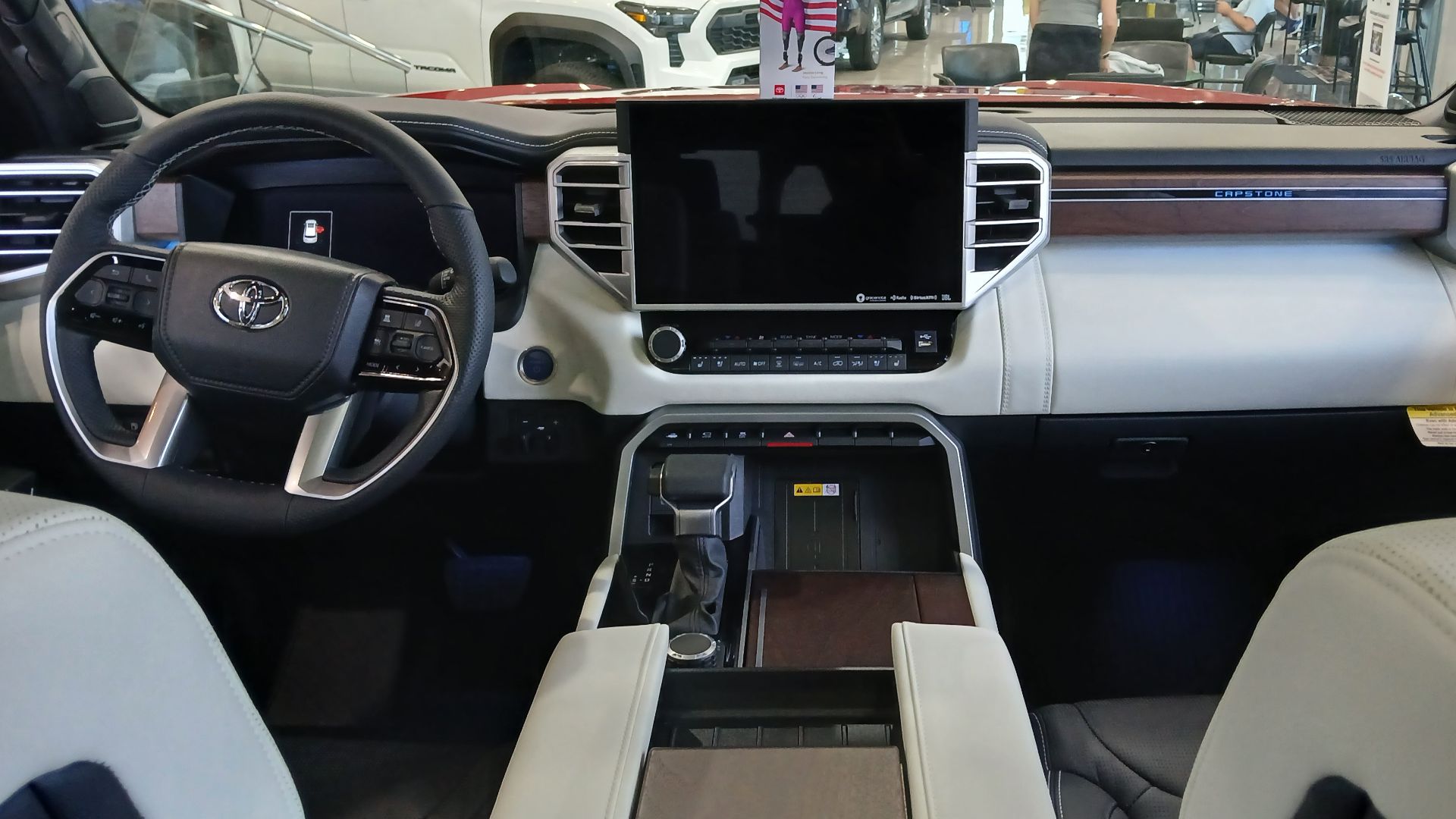
A hybrid-system warning can be triggered by faults elsewhere in the electrified powertrain. Toyota documentation, for example, has identified the electric motor, inverter and hybrid battery among components associated with hybrid-system warnings. That is why replacing a traction battery based solely on a dashboard light would be premature.
 Deathpallie325, Wikimedia Commons
Some Warnings Mean Stop Now
The wording on the dashboard matters enormously. Ford says its “Stop Safely Now” hybrid message can indicate a high-voltage electrical-system malfunction and instructs drivers to stop as soon as safely possible. Hyundai similarly tells drivers to refrain from driving when certain “Check Hybrid system” warnings appear.

Other Warnings Allow A Little More Breathing Room
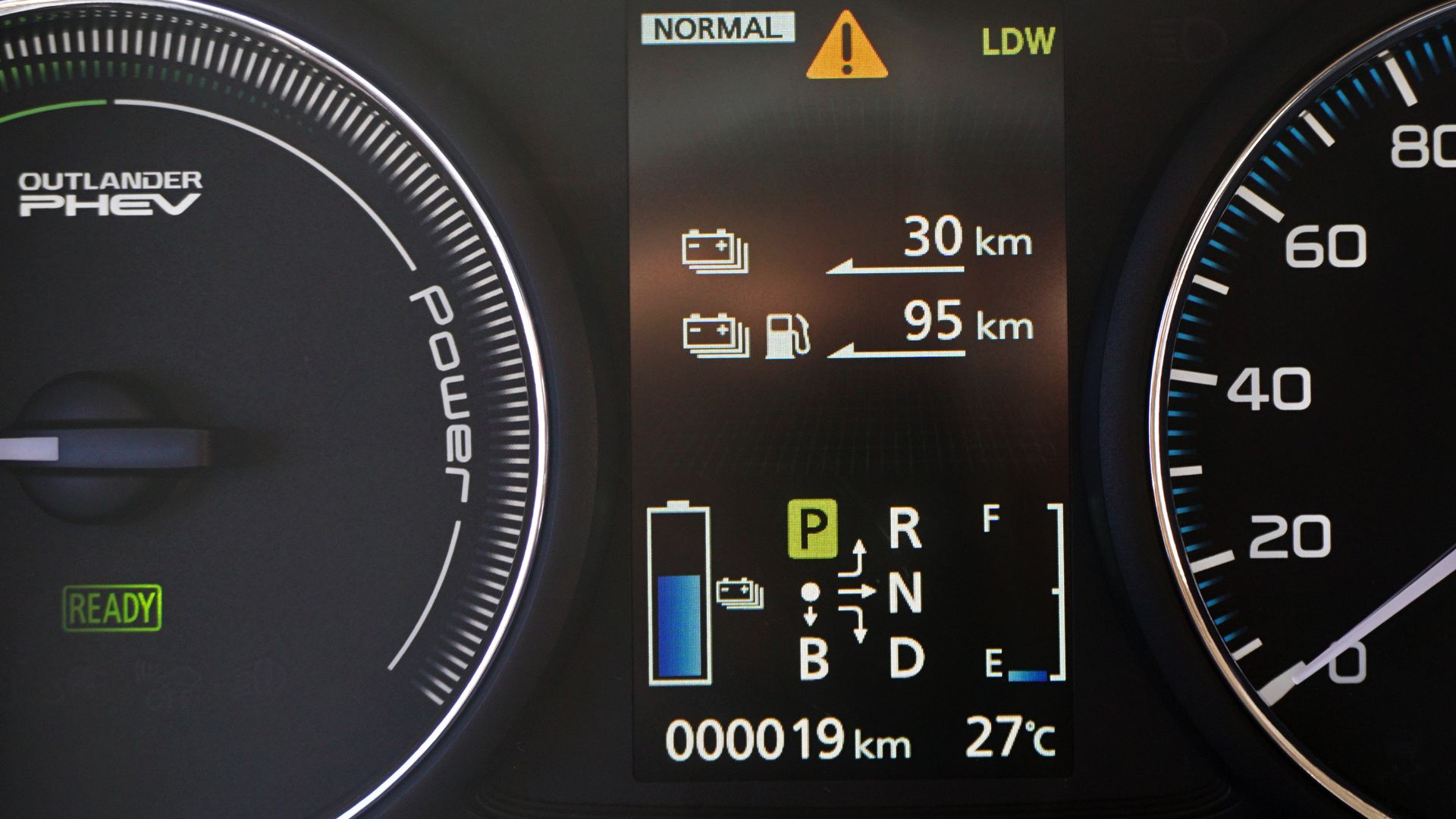
Not every illuminated hybrid indicator carries identical instructions. Honda says a steadily illuminated power-system indicator requires immediate dealer inspection, while a separate “Do not drive” message means stopping in a safe place and contacting a dealer. Your model's manual, rather than a universal rule, determines the appropriate response.
 Mariordo (Mario Roberto Durán Ortiz), Wikimedia Commons
Why The Car Can Keep Moving
A warning light means the vehicle has detected a problem, not necessarily that every affected component has stopped functioning. Some vehicles may enter a limited operating mode, while others can continue temporarily despite a fault. Continued propulsion therefore does not prove that the problem is minor.

Reduced Power Is A Major Clue
Pay attention if acceleration suddenly becomes weaker. Ford notes that an electrical fault can cause some electrified vehicles to shut down or enter a limited operating mode. Honda documentation also describes conditions where available power can decrease, making a change in performance something drivers should take seriously.
 Priscilla Du Preez 🇨🇦, Unsplash
Watch The READY Indicator Too
On many hybrids, the READY indicator confirms that the electrified powertrain is prepared for driving. Hyundai and Kia manuals describe serious hybrid-system warnings that can be accompanied by a blinking READY indicator and a warning chime. Those additional signals make continuing your journey a particularly poor bet.
Low Charge And Battery Failure Are Different Problems
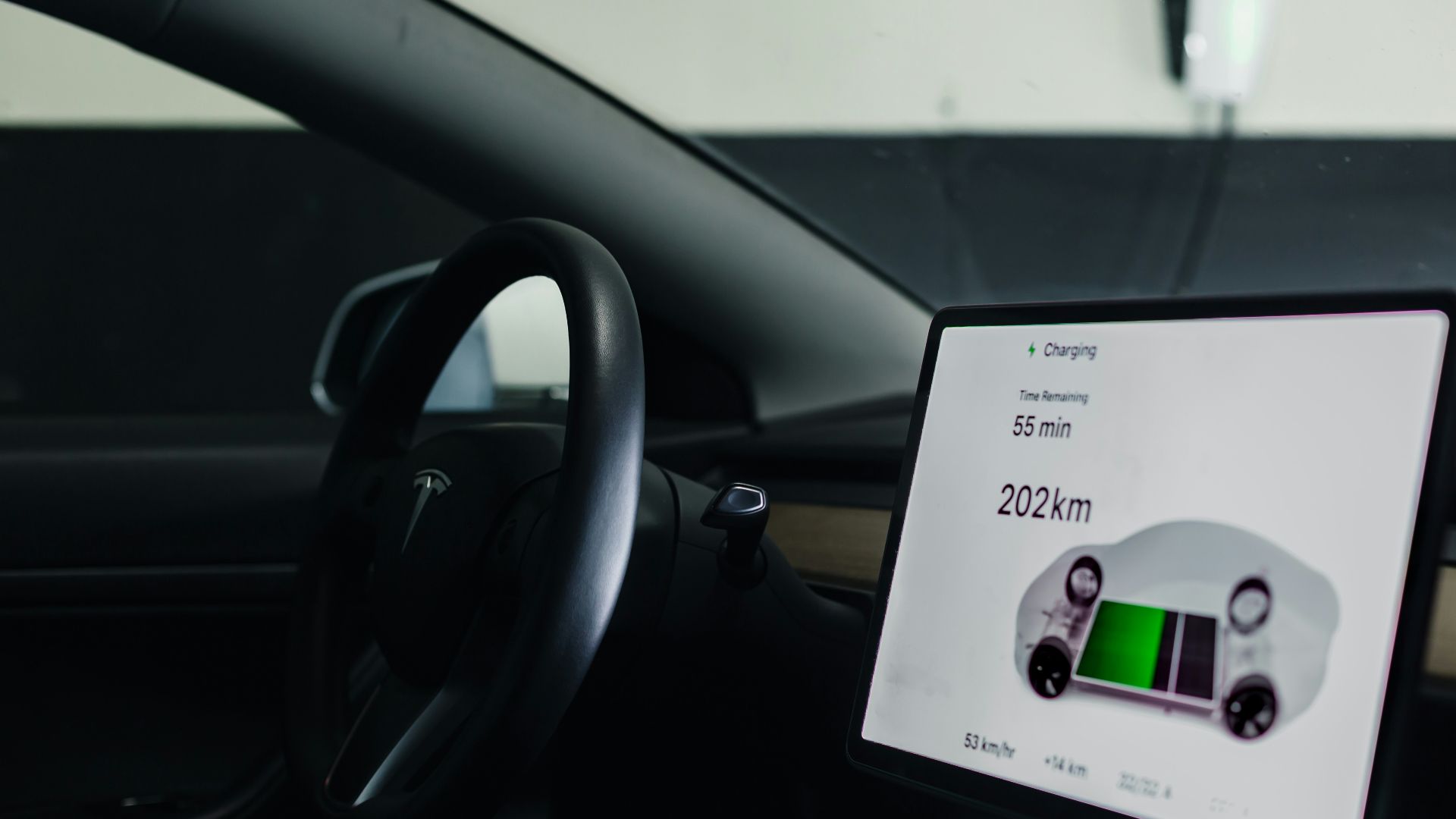
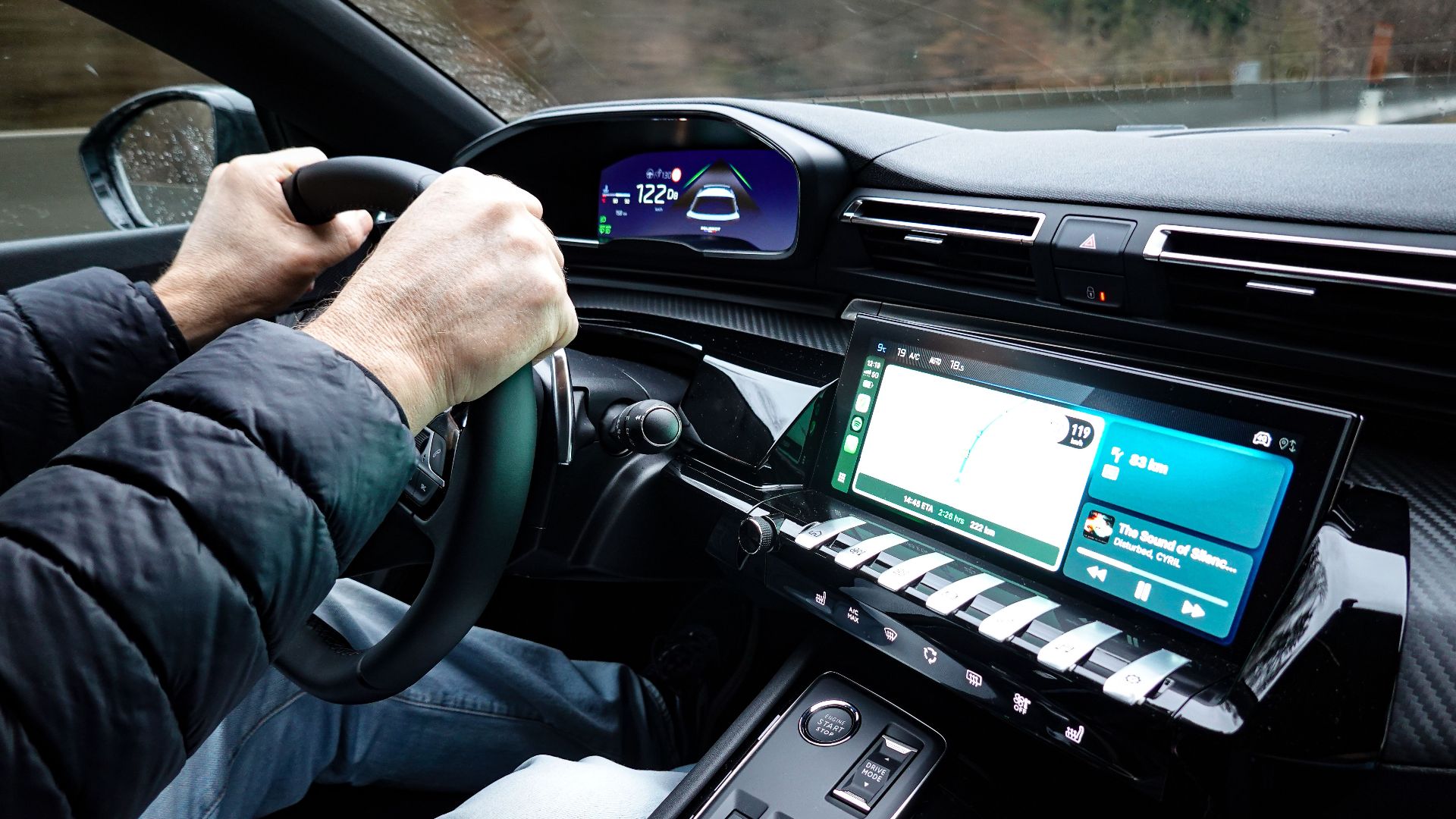
A traction battery with a low state of charge is not automatically a failed battery. Hybrid systems normally manage battery charging during operation, and Toyota notes that conventional hybrids use their gasoline engines to charge their traction batteries. Diagnostic trouble codes are needed to determine why a warning appeared.
Temperature Can Trigger Protective Behavior
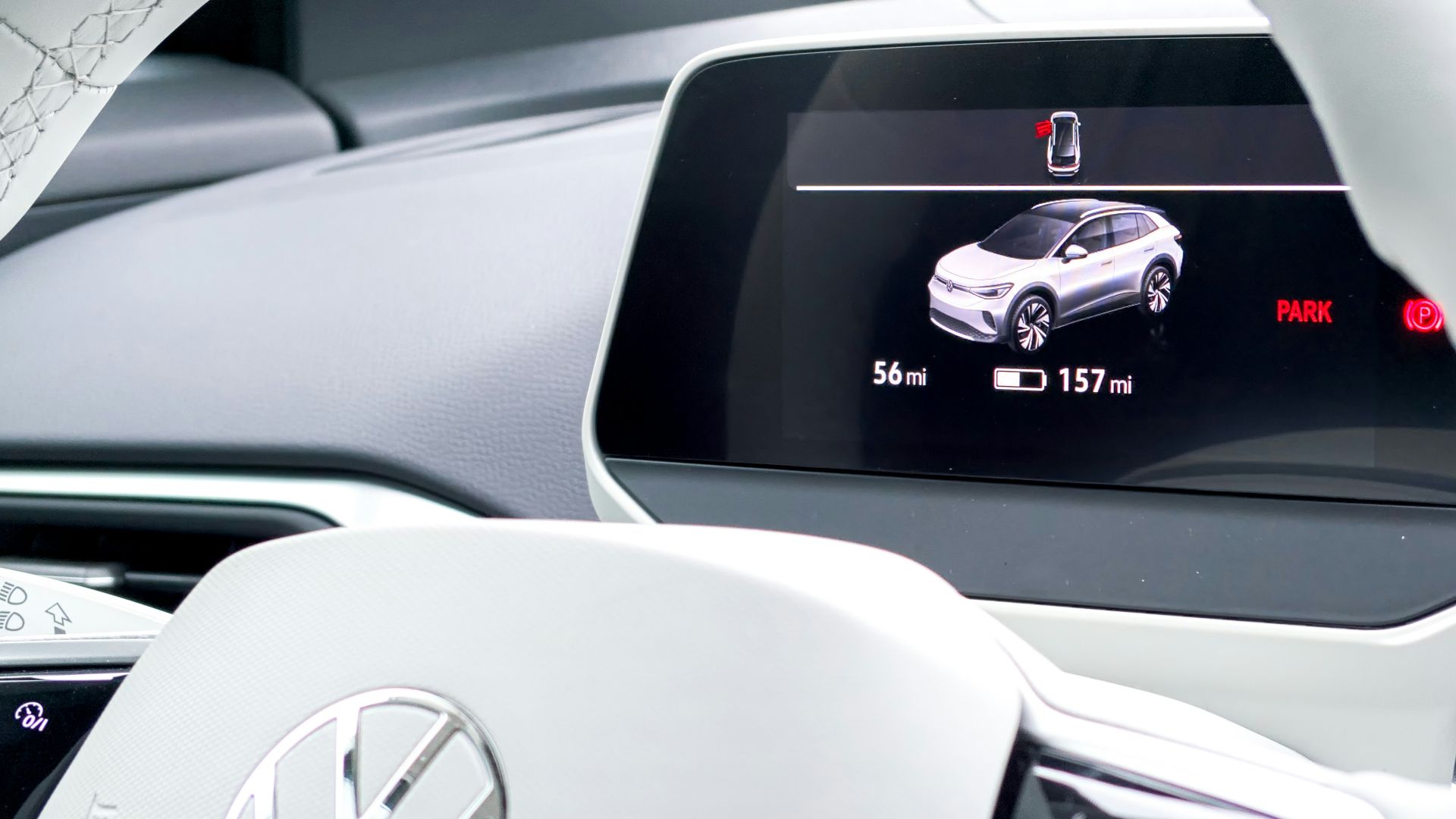
High-voltage batteries work within controlled temperature ranges. NHTSA explains that electrified vehicles use battery-management and thermal-management systems because extreme temperatures can hurt battery performance and lifespan. Hyundai also lists high or low high-voltage battery temperature as a reason some plug-in hybrids automatically switch operating modes.

Cooling Problems Matter
The traction battery is not working alone. Depending on the vehicle, cooling systems help keep battery or power-electronics temperatures under control. Hyundai's hybrid documentation includes a specific warning for low battery-system coolant, illustrating why a warning that appears battery-related can actually require investigation of supporting hardware.

The Inverter Can Be Part Of The Story
Hybrids need power electronics to manage electricity moving between major components. Toyota's hybrid warranty information separately identifies the inverter with converter, hybrid control module and battery control module as hybrid-related components. In other words, the expensive battery pack is only one possible suspect.
 division, CSIRO, Wikimedia Commons
Do Not Open The High-Voltage System Yourself
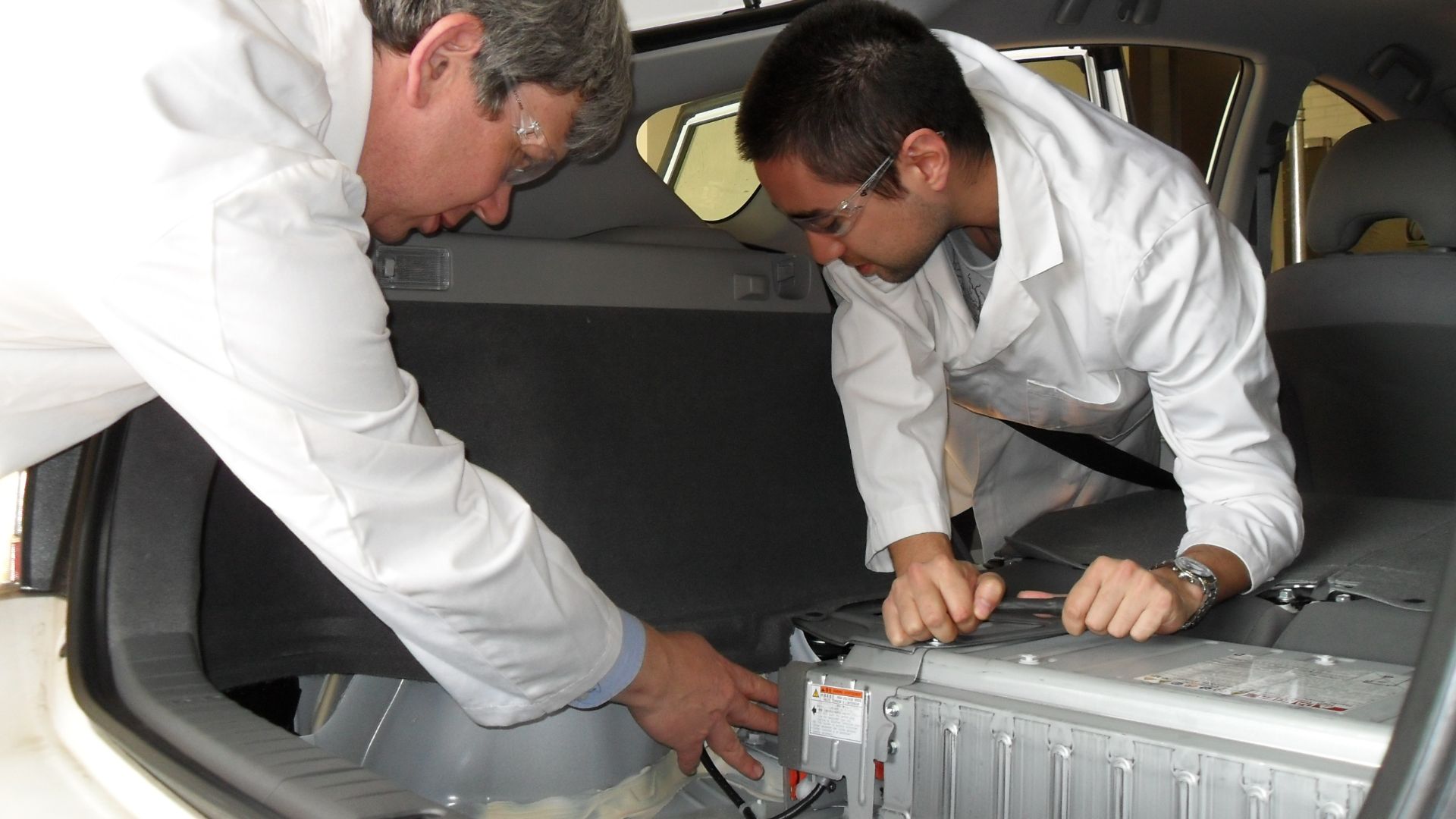
A hybrid traction battery is very different from the 12-volt battery under the hood of a conventional vehicle. NHTSA notes that electrified vehicles contain high-voltage systems, while manufacturer manuals warn against touching exposed high-voltage wiring. Diagnosis and internal high-voltage repairs belong with properly trained technicians.
Compare That With A Normal Battery Light
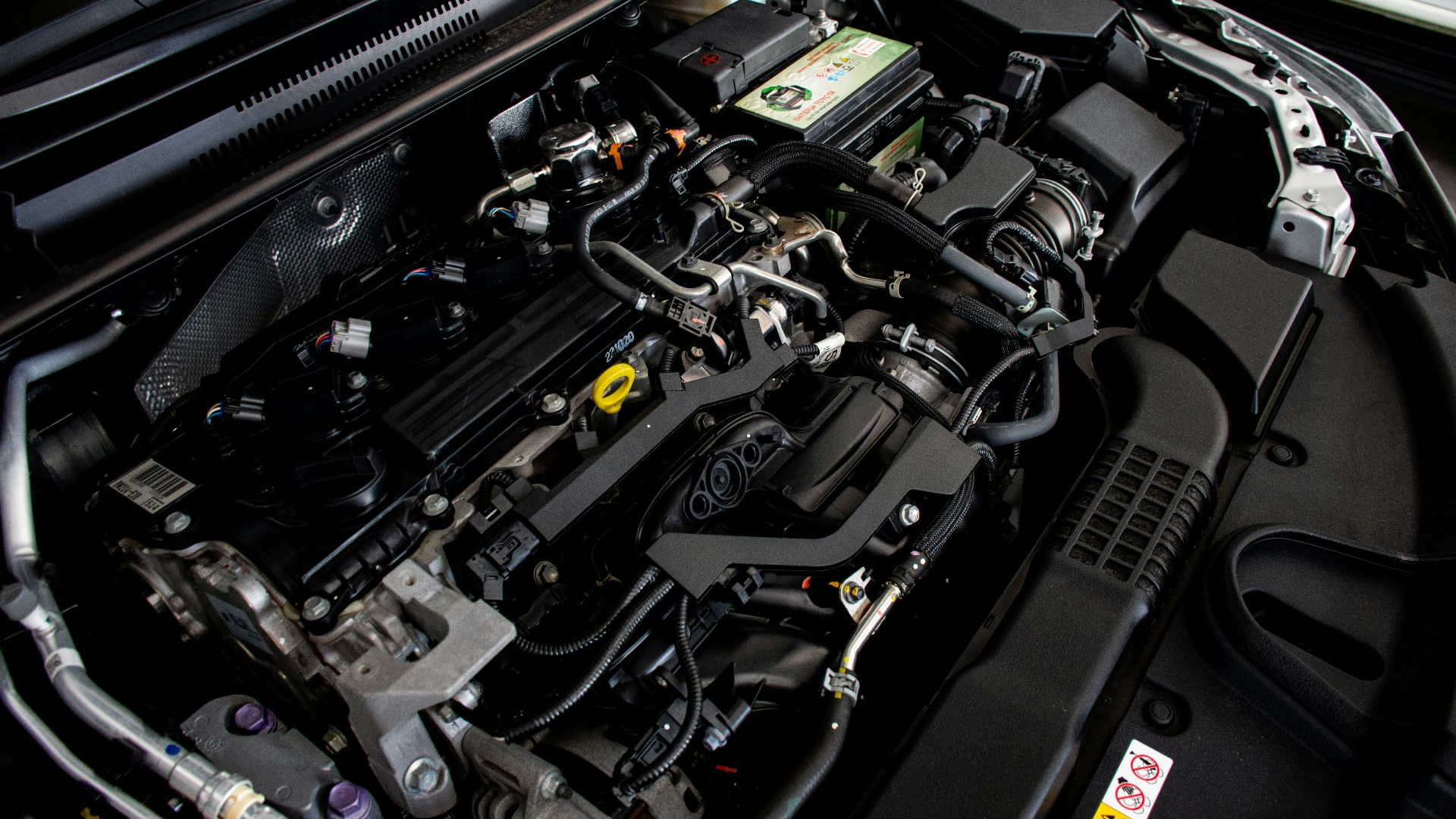
In a conventional gasoline vehicle, a battery-shaped dashboard light commonly points toward the charging system rather than simply announcing an old battery. That can still become urgent because the vehicle depends on its low-voltage electrical supply. A hybrid adds another electrical system and therefore another layer to the diagnosis.
A Hybrid Can Still Leave You Stranded
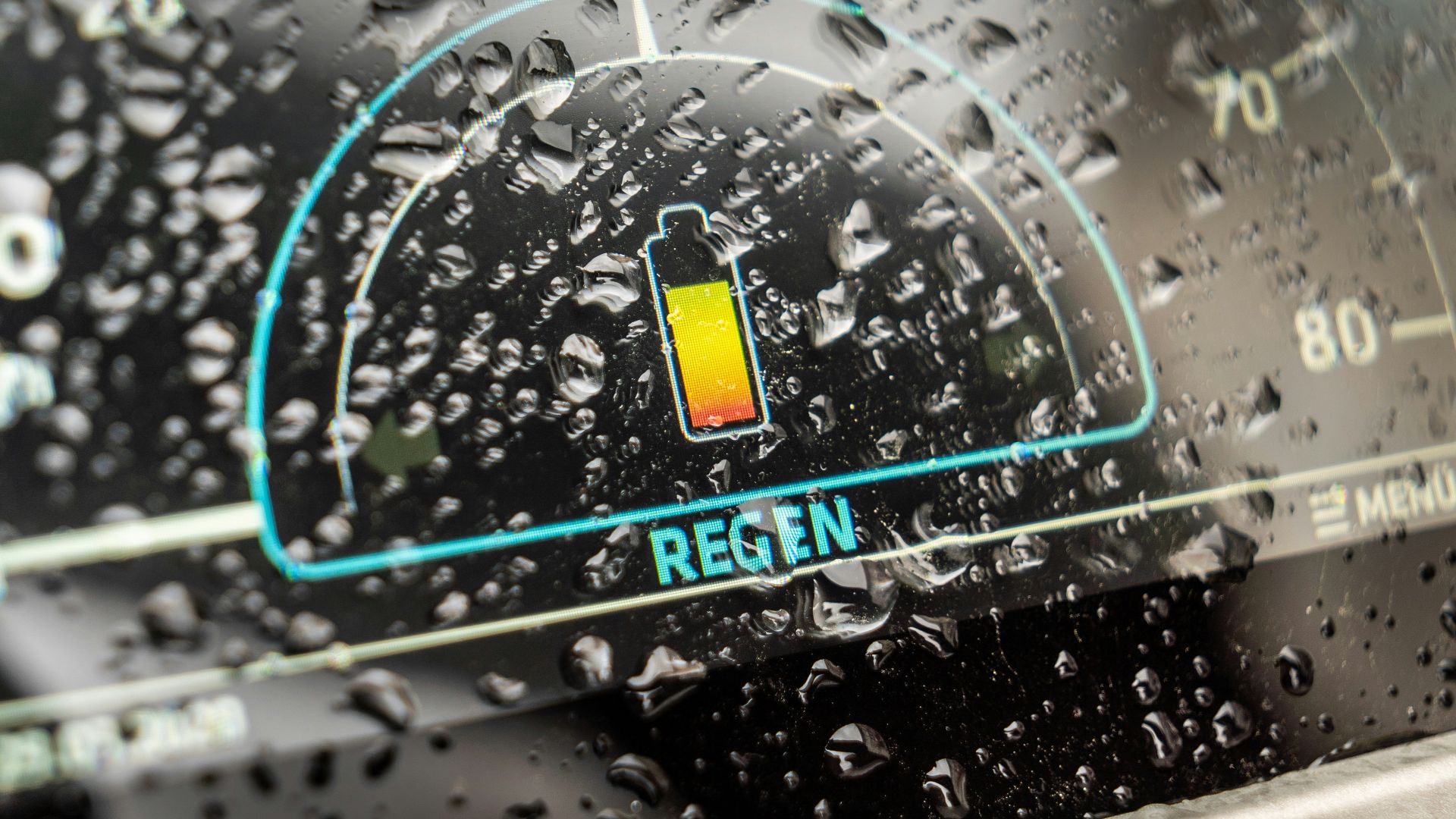
Being able to drive away today does not guarantee the car will restart tomorrow or finish the current trip. Kia notes that a hybrid system may stop operating if either its high-voltage or 12-volt battery becomes discharged. Some electrical faults can also cause a vehicle to enter reduced-power operation or shut down.

Do Not Keep Restarting It To “Test” The Warning
Repeatedly turning the car off and on is not a diagnosis. A warning that temporarily disappears can still leave diagnostic information stored in the vehicle's computers. If the manufacturer's instructions call for inspection, treat the disappearing light as information for the technician rather than proof that the fault repaired itself.
 Karolina Grabowska www.kaboompics.com, Pexels
Read The Entire Dashboard Message
Modern hybrids often provide considerably more information than one warning icon. Messages such as “Stop Safely Now,” “Check Hybrid system,” or instructions not to drive communicate different responses. Photographing the complete message while safely parked can also help you accurately describe what happened when arranging service.

Note Any Changes In How The Car Behaves
Before calling the repair shop, note whether the engine runs unusually often, acceleration is limited, the READY indicator changes, warning chimes sound, or additional warning lights appear. These observations do not replace electronic diagnosis, but they give the technician useful context about the circumstances surrounding the fault.

Towing May Be The Right Call
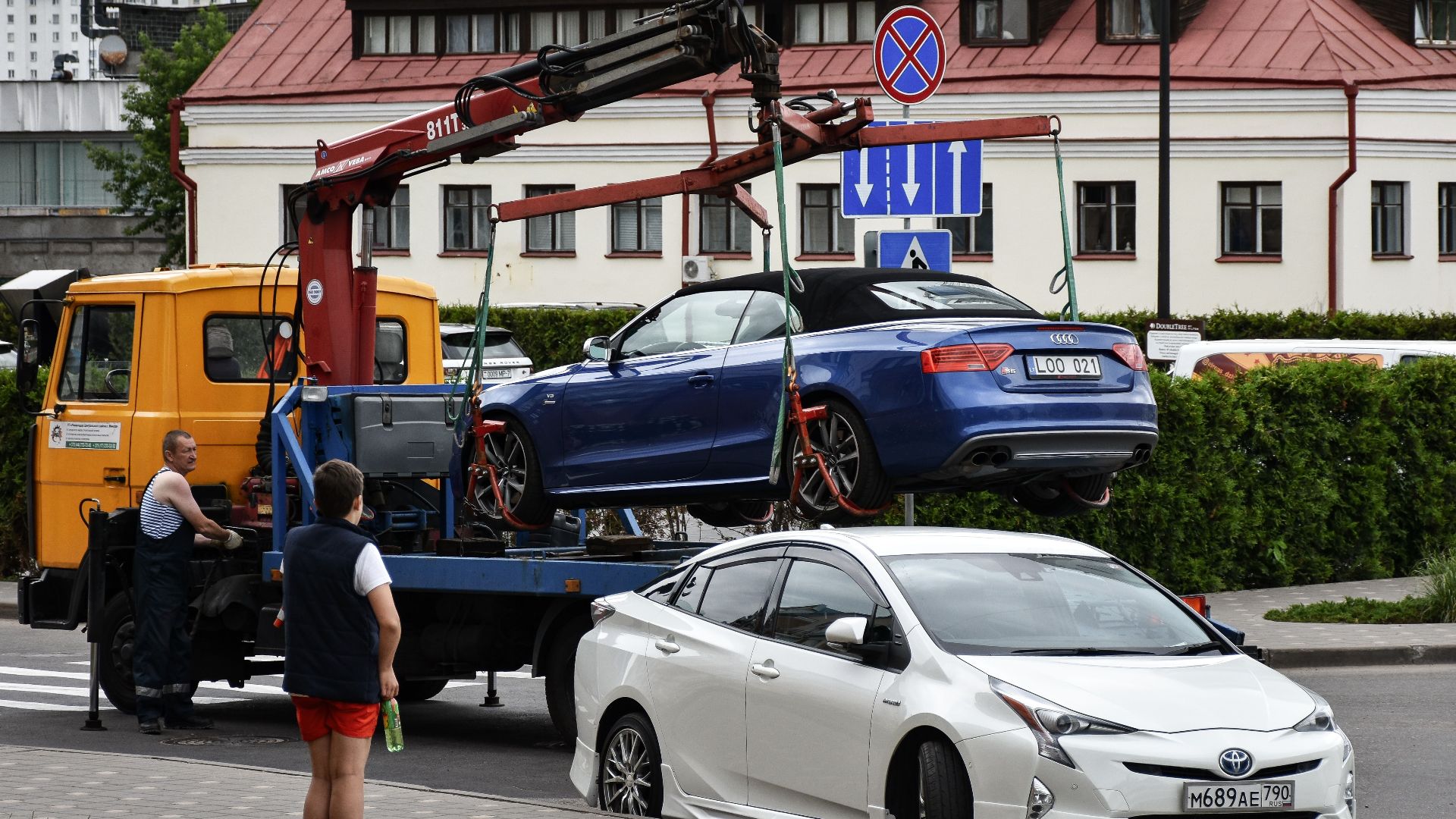
If your dashboard specifically tells you to stop, do not interpret continued movement as permission to drive to a shop. Ford explicitly instructs drivers to stop safely for certain high-voltage faults, while Kia directs drivers to arrange towing for some power-supply and hybrid-system conditions. Follow your own model's instructions.
Diagnosis Comes Before The Big Repair Quote
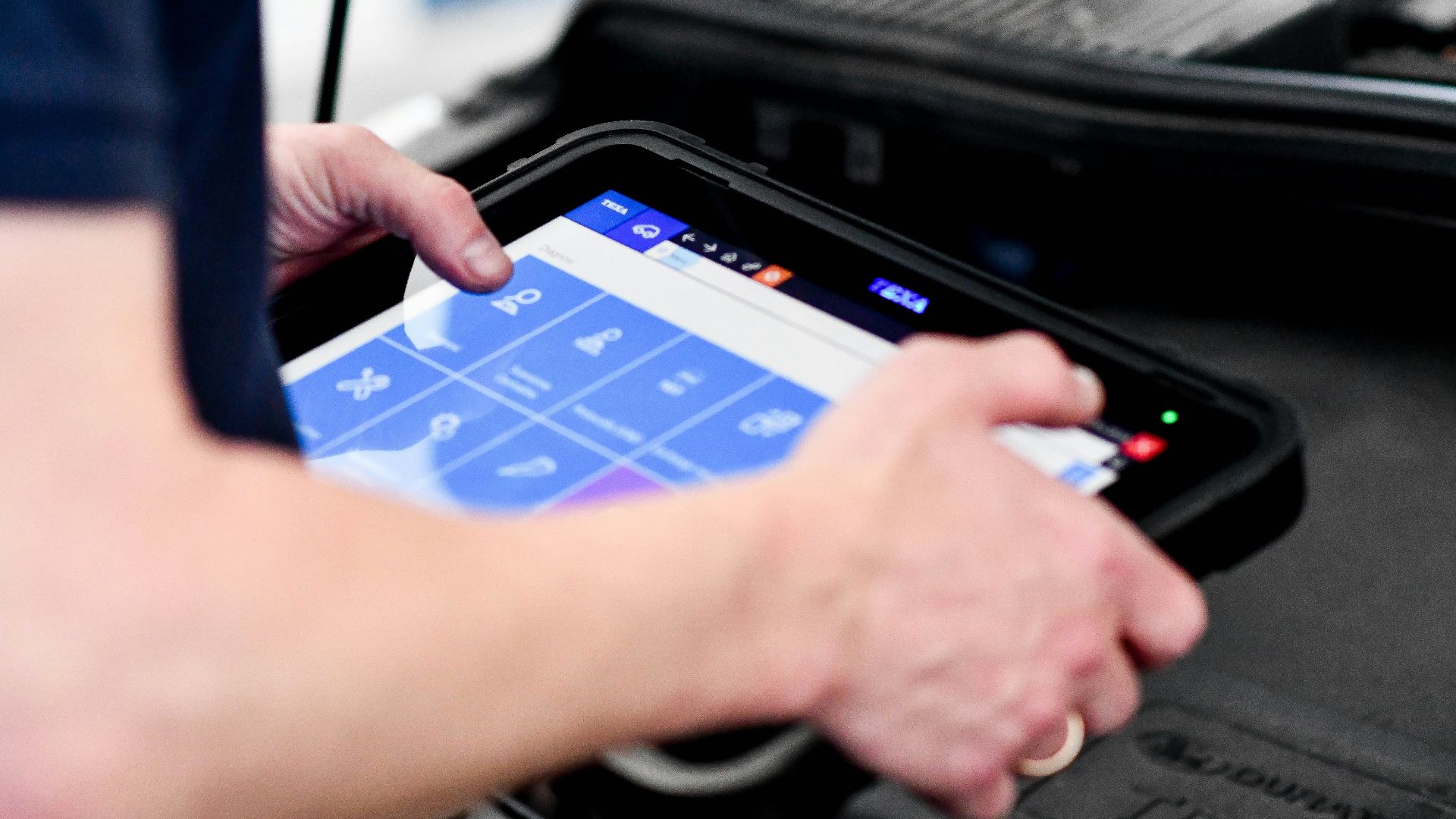
A proper assessment should identify the fault rather than jump immediately to traction-battery replacement. The hybrid system includes control electronics, power electronics, wiring, cooling equipment and the battery pack itself. Determining which component generated the warning is what separates diagnosis from expensive guesswork.
Check Your Warranty Before Approving Repairs
Hybrid components can carry longer warranty coverage than ordinary vehicle components. In the United States, Toyota says hybrid batteries in its model-year 2020 and newer hybrids are covered for 10 years or 150,000 miles, whichever comes first, subject to warranty terms. Coverage varies by manufacturer, model, year and market.

Do Not Assume Every Hybrid Has Toyota's Coverage
That Toyota warranty is an example, not an industry-wide rule. Owners should check the warranty booklet tied to their exact vehicle identification and market before authorizing major work. Hybrid-system components may also have different coverage periods from the traction battery itself.

Flood Exposure Changes The Situation
If the warning appeared after flooding or significant water exposure, the situation requires additional caution. NHTSA warns that flooded hybrid and electric vehicles can present high-voltage hazards and advises owners who suspect battery damage after flooding to contact the dealer and, when appropriate, emergency services.

A Warning Plus Other Symptoms Raises The Urgency
A hybrid warning accompanied by reduced power, abnormal braking behavior, overheating messages, smoke, unusual odors, or instructions to stop should not be treated like an appointment you can postpone for weeks. Manufacturer manuals explicitly call for stopping or avoiding further driving under several of these warning conditions.

So, How Urgent Is It Compared With A Normal Car?
A hybrid-system warning is not automatically more catastrophic than every warning on a conventional car, but it can involve equipment essential to propulsion and high-voltage operation. The safest rule is simple: read the exact message, follow the owner's manual immediately, and arrange professional diagnosis promptly rather than judging severity by whether the car still moves.

The Light Is Your Warning, Not Your Diagnosis
The biggest mistake is treating continued drivability as evidence that nothing serious is happening. Hybrids are designed to monitor complicated electrical systems and may preserve limited operation when faults occur. If the display says stop, stop; if it calls for immediate inspection, arrange it promptly; and do not authorize a traction-battery replacement until the actual fault has been identified.
You May Also Like: