The Cheap To Run Claim Needs A Fresh Look
Your friend is leaning on one of the biggest selling points for electric cars, and for a long time that was usually fair. The catch is that electricity prices have gone up in many places, especially after the energy shocks of 2022. That does not wipe out the EV advantage, but it does mean the answer now depends more on where you live, how you charge, and what you are comparing it to.

What We Are Actually Comparing
Long-term cost is not just about the sticker price or your monthly charging bill. It includes energy, maintenance, insurance, taxes and fees, depreciation, and sometimes the cost of home charging equipment. If someone says EVs are always cheaper or always more expensive, they are probably leaving out one of the biggest parts of the picture.

Energy Prices Have Moved Fast
The U.S. Energy Information Administration tracks average residential electricity prices each year, and the numbers show a clear climb. The national average residential price was 16.00 cents per kilowatt-hour in 2023, up from 15.12 cents in 2022 and well above earlier years. Gasoline, of course, jumps around too, which is why one ugly power bill does not settle the argument.
Gas Prices Are No Model Of Stability Either
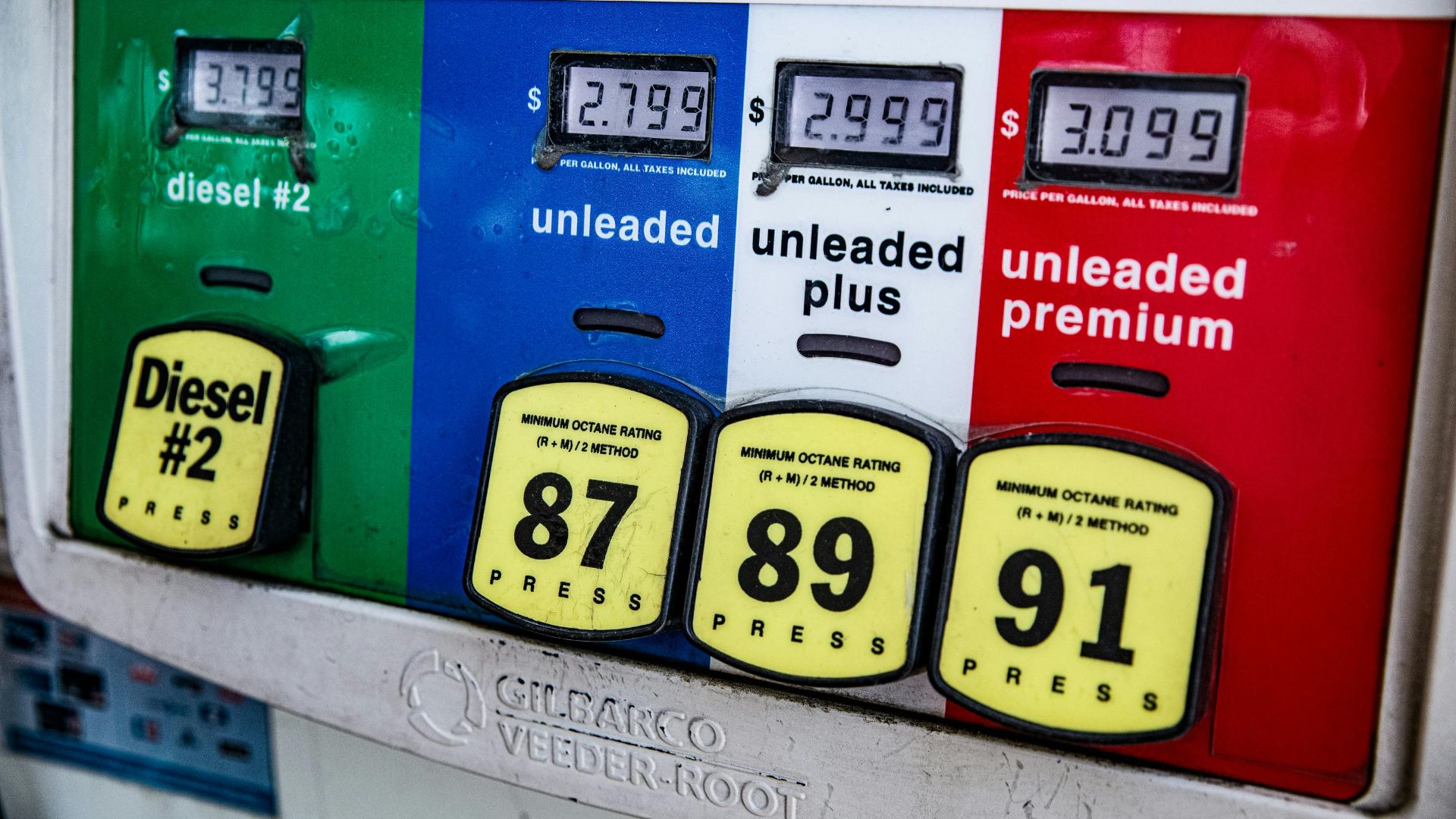
AAA and federal energy data have shown big swings at the pump over the past several years. Anyone who drove in 2022 remembers how fast gas prices can spike when oil markets get tight—and 2026 has been even worse. That matters because the EV case was never only about cheap energy. It was also about not getting hammered every time gas prices surge.
The Core Efficiency Advantage Is Still Real
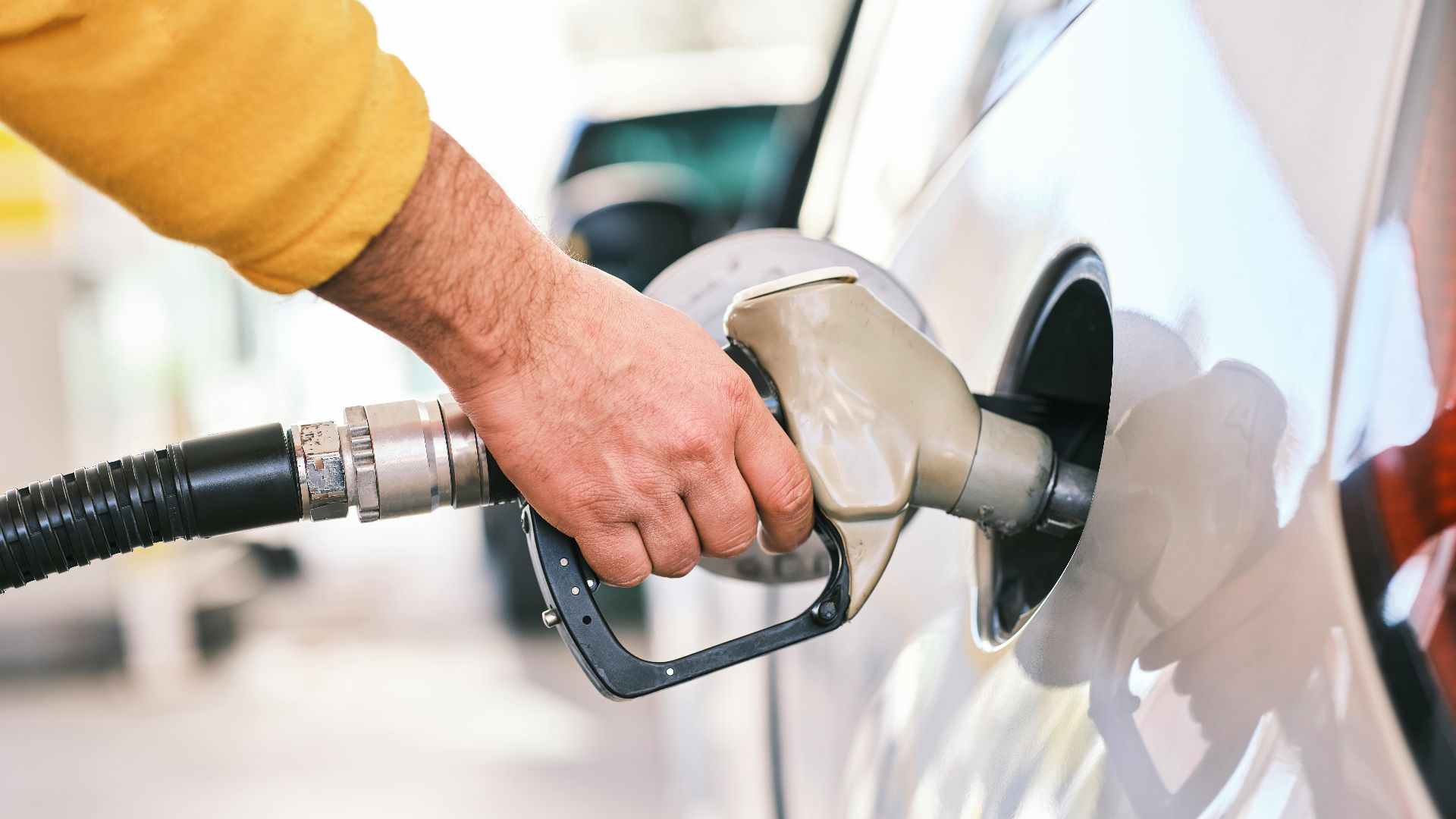
The U.S. Department of Energy has long said electric drivetrains are much more efficient than gasoline engines. DOE notes that EVs turn a much bigger share of energy from the grid into motion at the wheels, while gas vehicles lose far more energy as heat. That basic engineering fact has not changed just because power rates are higher.
A Simple Cost Per Mile Test
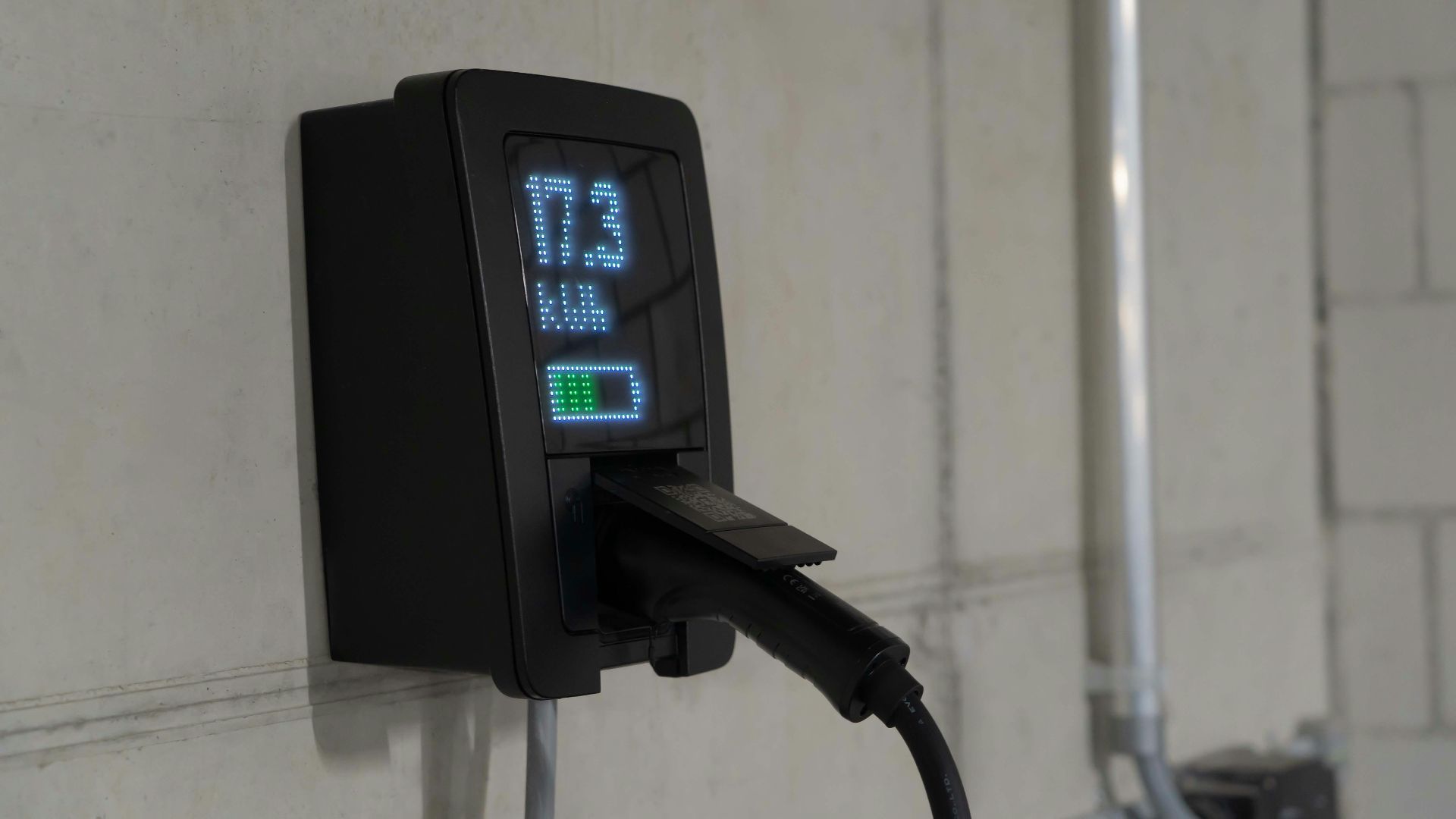
Take an EV that uses 30 kilowatt-hours per 100 miles, or about 0.30 kilowatt-hours per mile. At the 2023 national residential average of 16 cents per kilowatt-hour, that works out to about 4.8 cents per mile for home charging. A 30 mile-per-gallon gas car at $3.50 per gallon costs about 11.7 cents per mile in fuel, which is still much higher.
Even Higher Power Rates Do Not Always Kill The Math
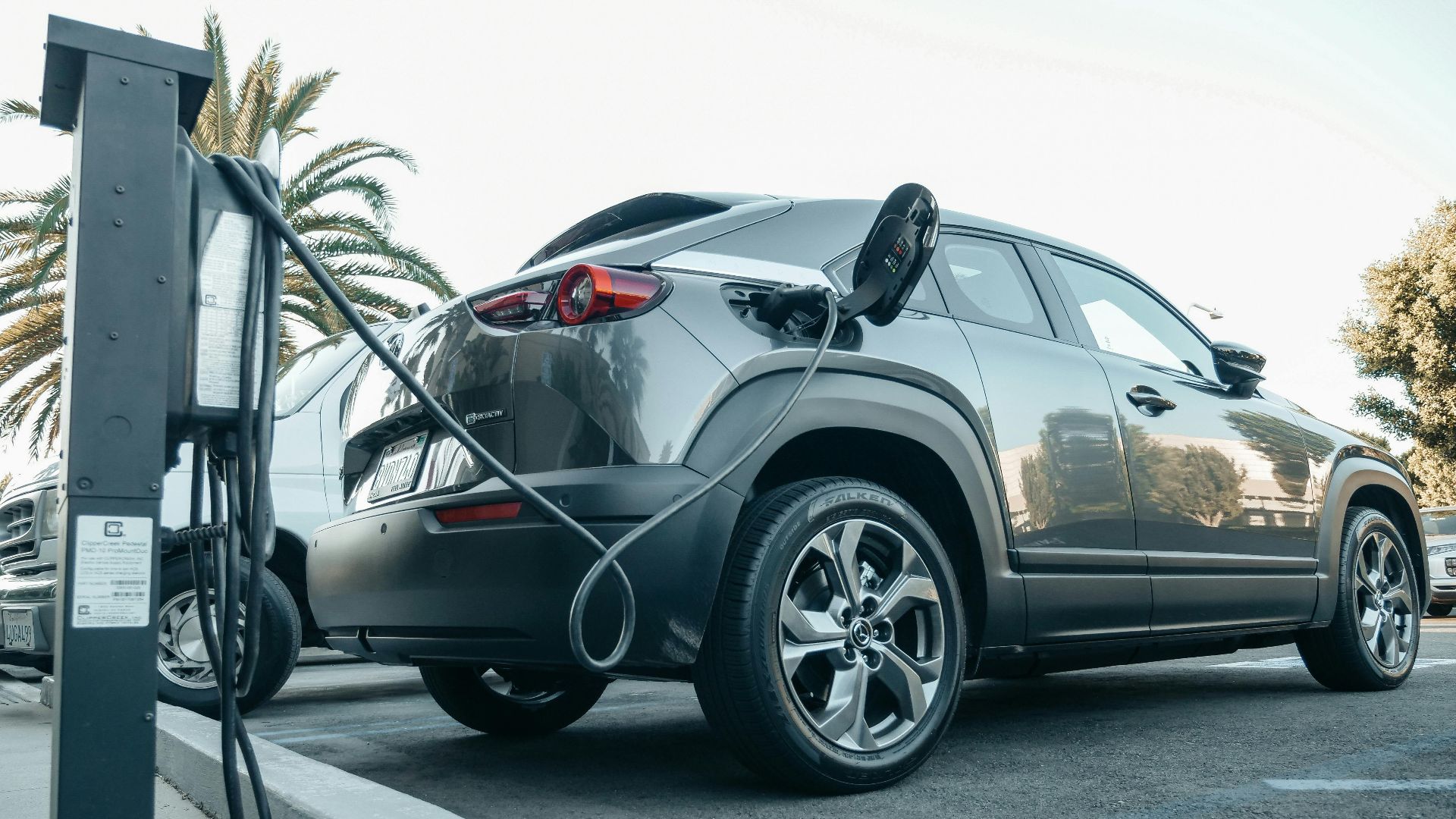
Now push electricity to 25 cents per kilowatt-hour, which is rough but real in some places. That same 30 kilowatt-hour per 100 mile EV would cost about 7.5 cents per mile. The 30 mpg gas car still costs more than that at $3.50 gas, and the gap grows again if gas prices rise.
Where The EV Math Gets Ugly
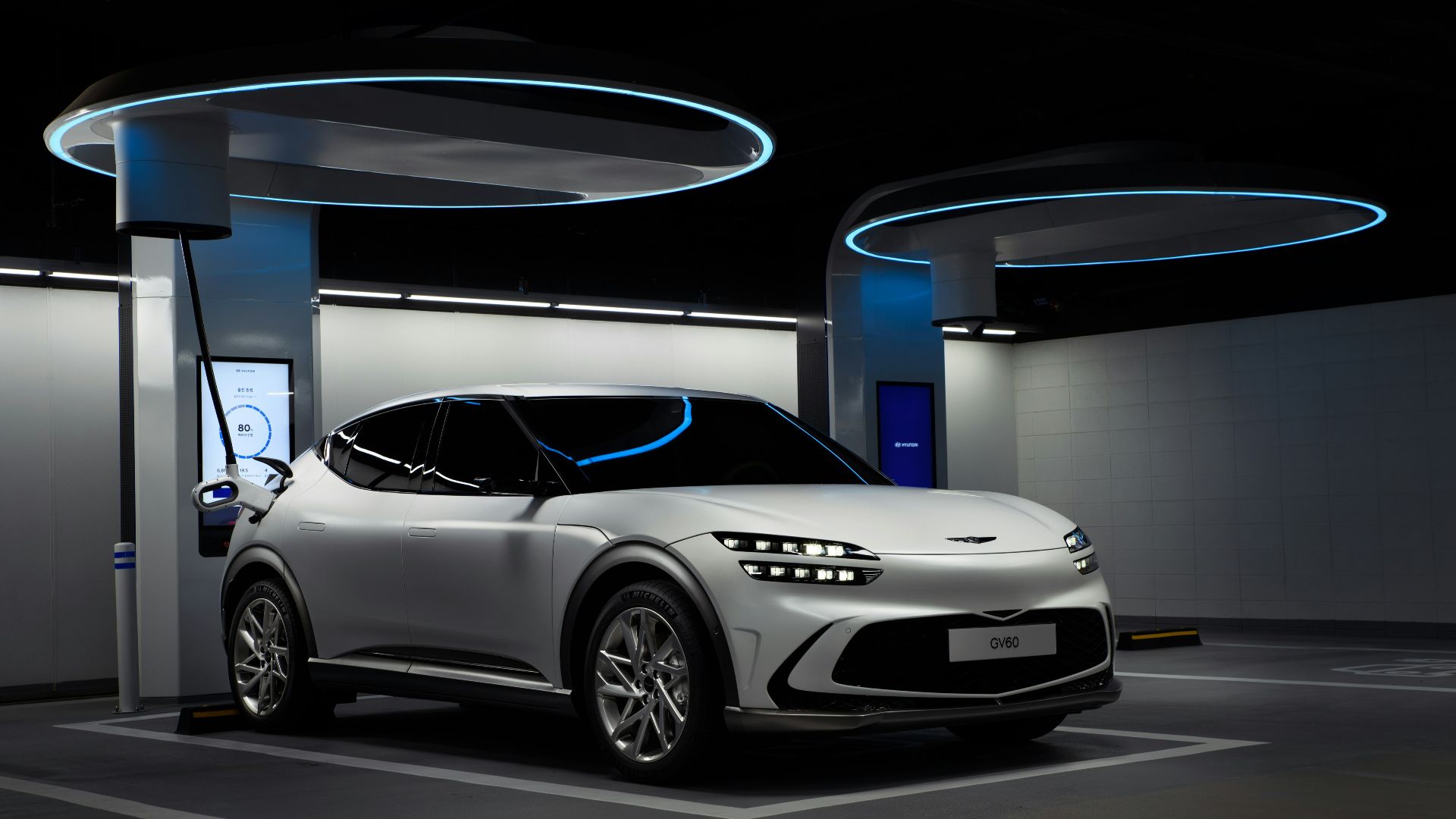
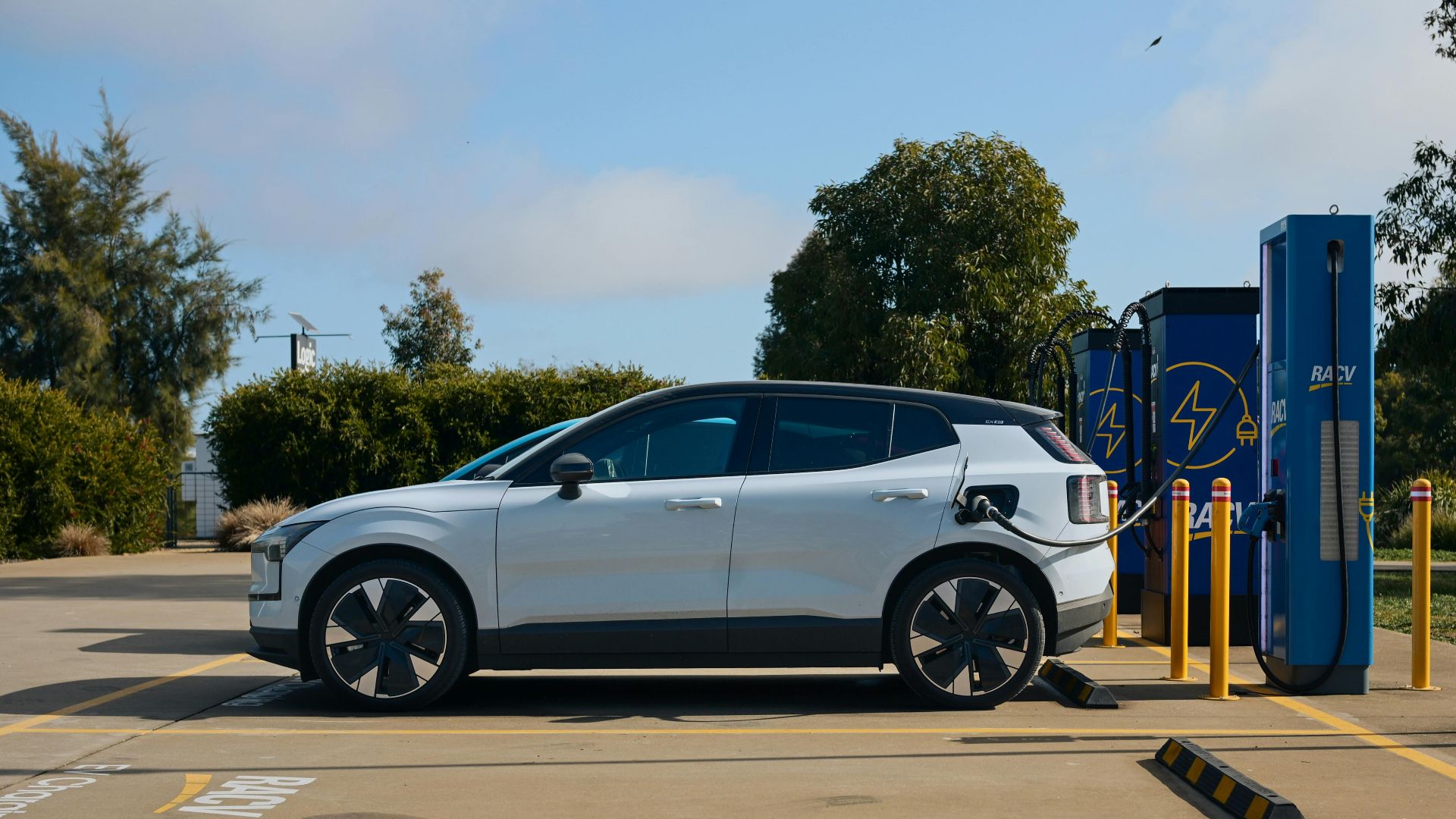
The argument starts to wobble when drivers depend heavily on expensive public fast charging. Charging away from home can cost far more per kilowatt-hour than a normal residential rate. If you use DC fast charging a lot, the running-cost advantage can shrink fast and in some cases come close to disappearing.
Public Charging Is The Wild Card
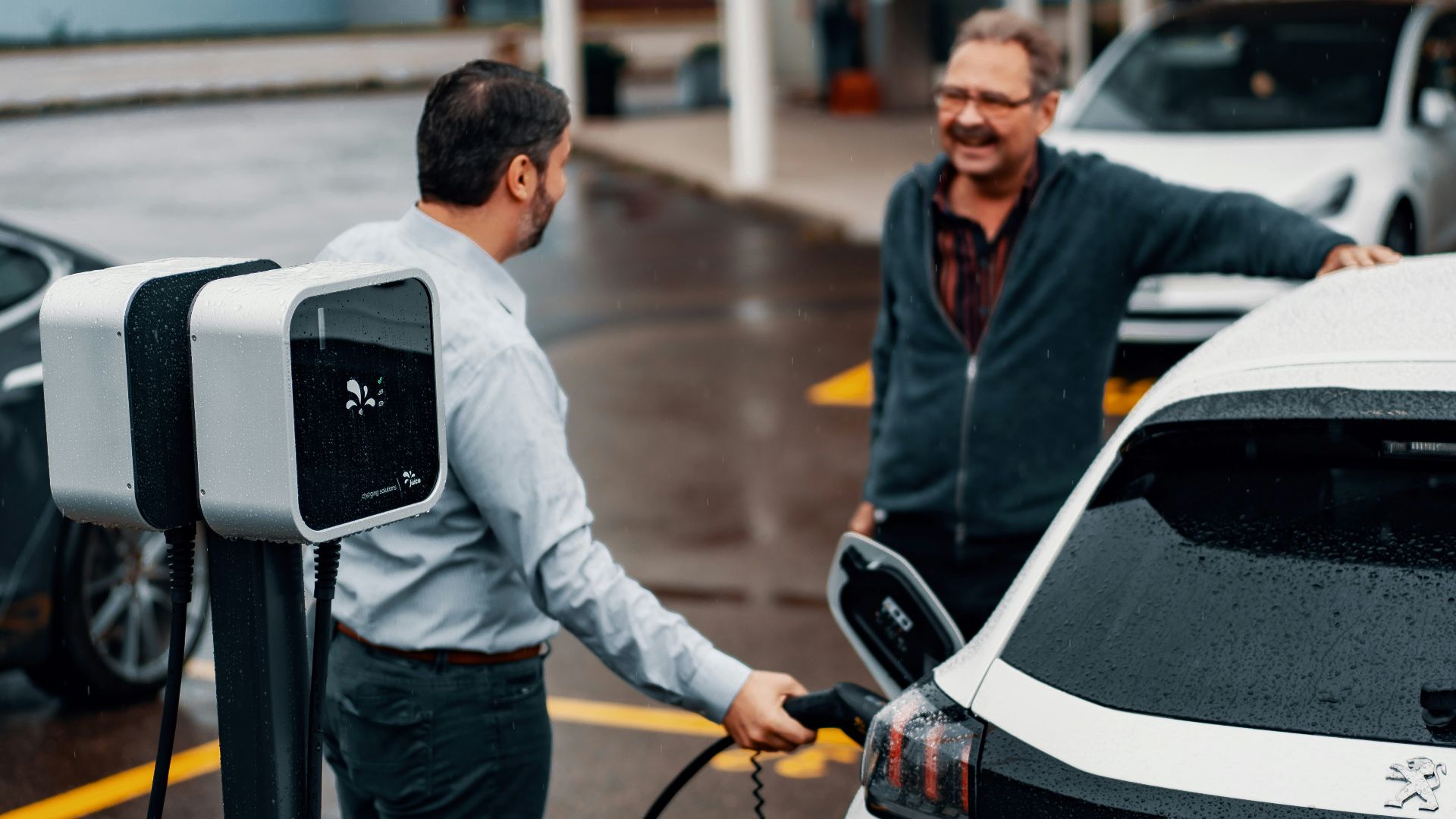
The U.S. Department of Energy’s Alternative Fuels Data Center explains that charging prices vary by network, speed, location, and whether the station bills by kilowatt-hour or by time. In plain English, there is no single public charging price. That is why two EV owners can have very different ownership costs even if they drive the same car.
Home Charging Still Does The Heavy Lifting
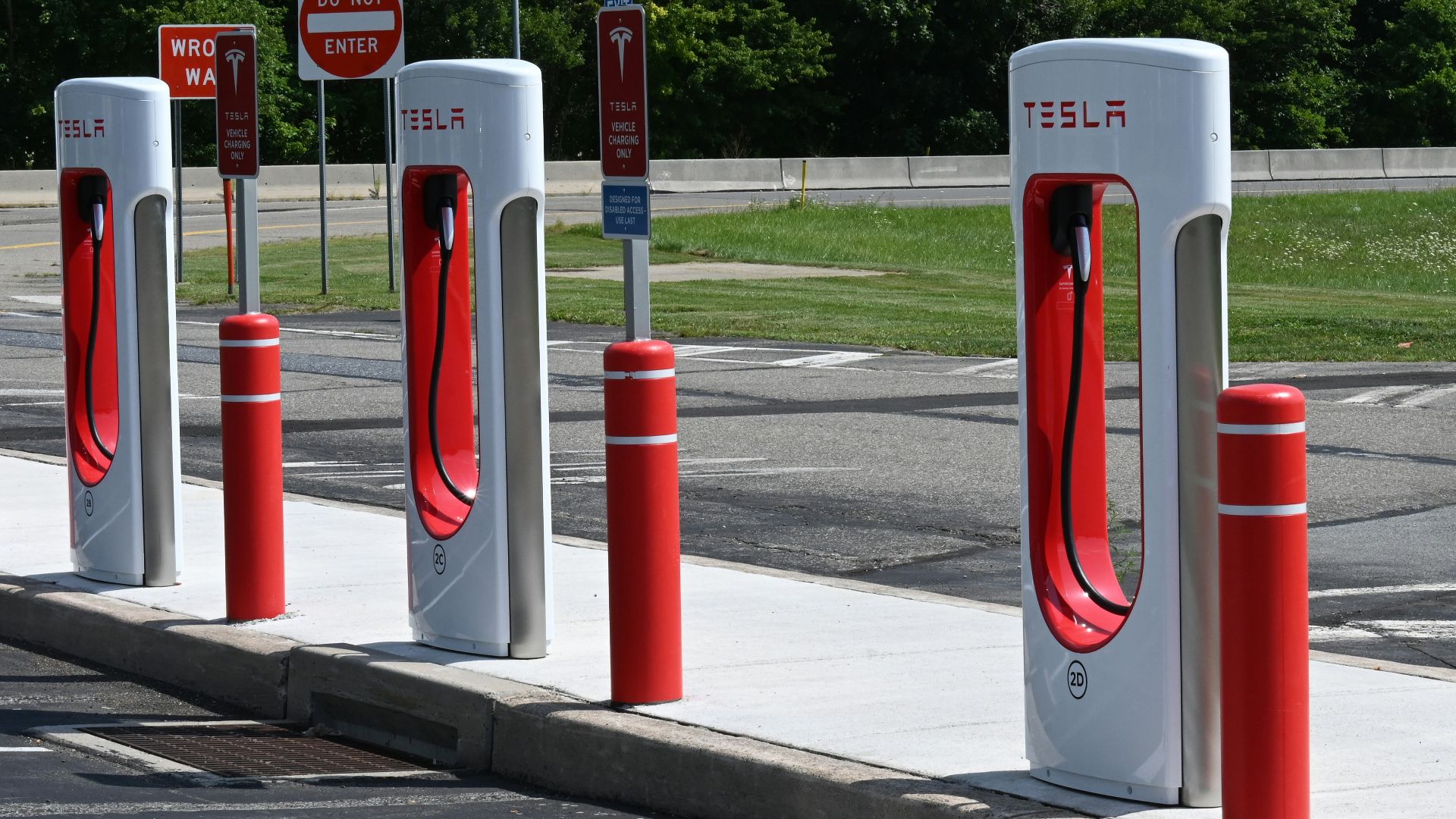
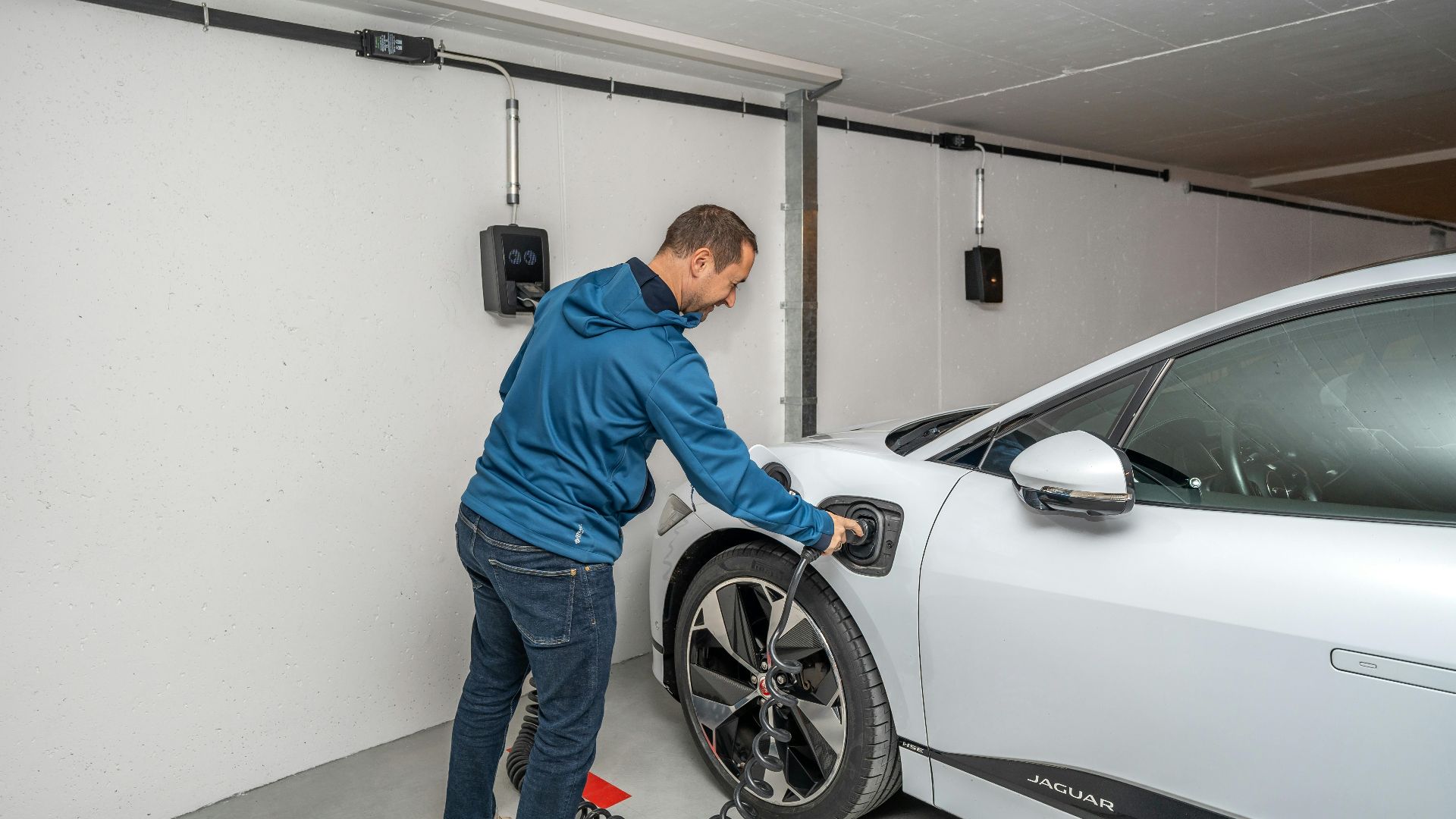
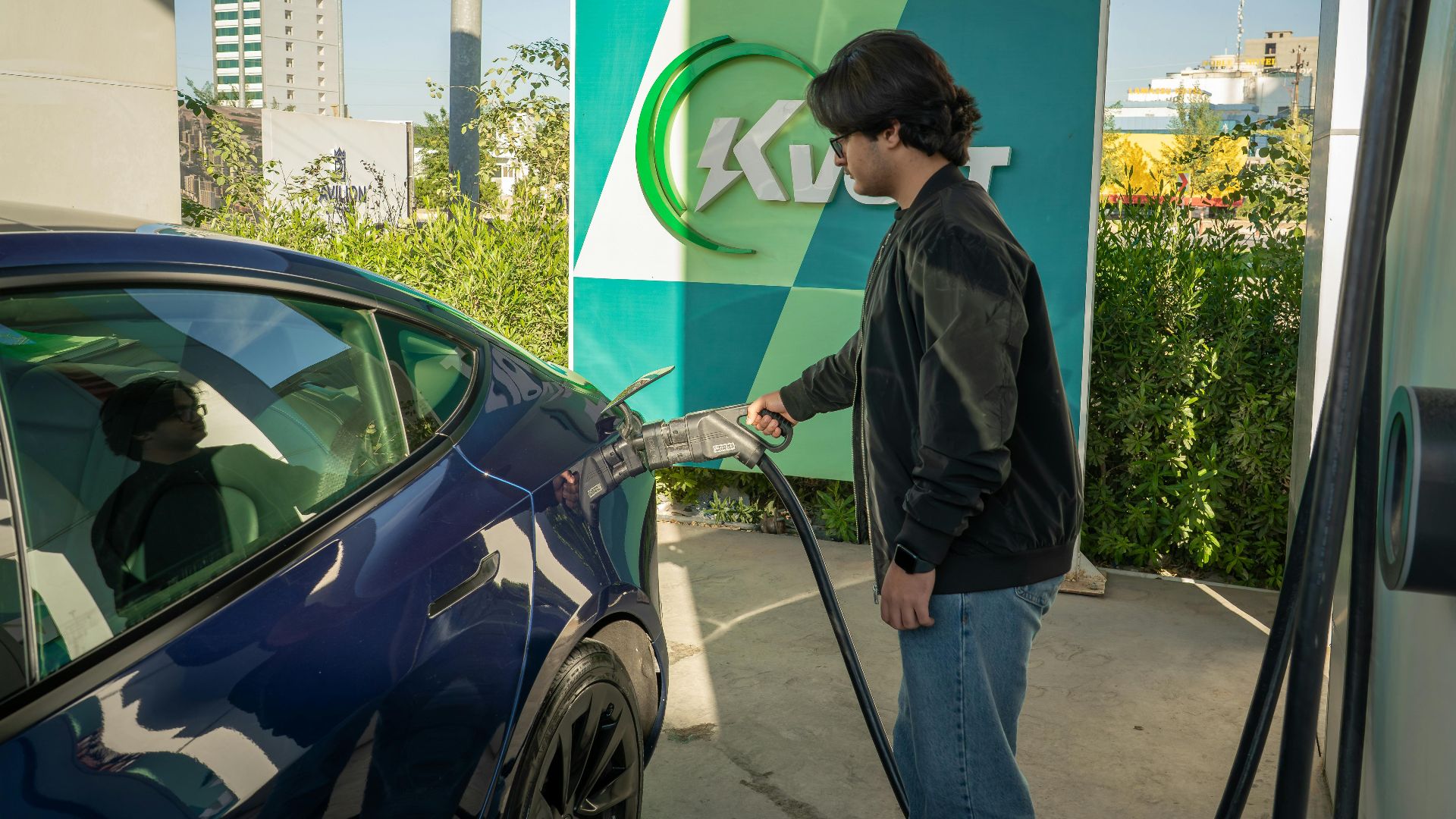
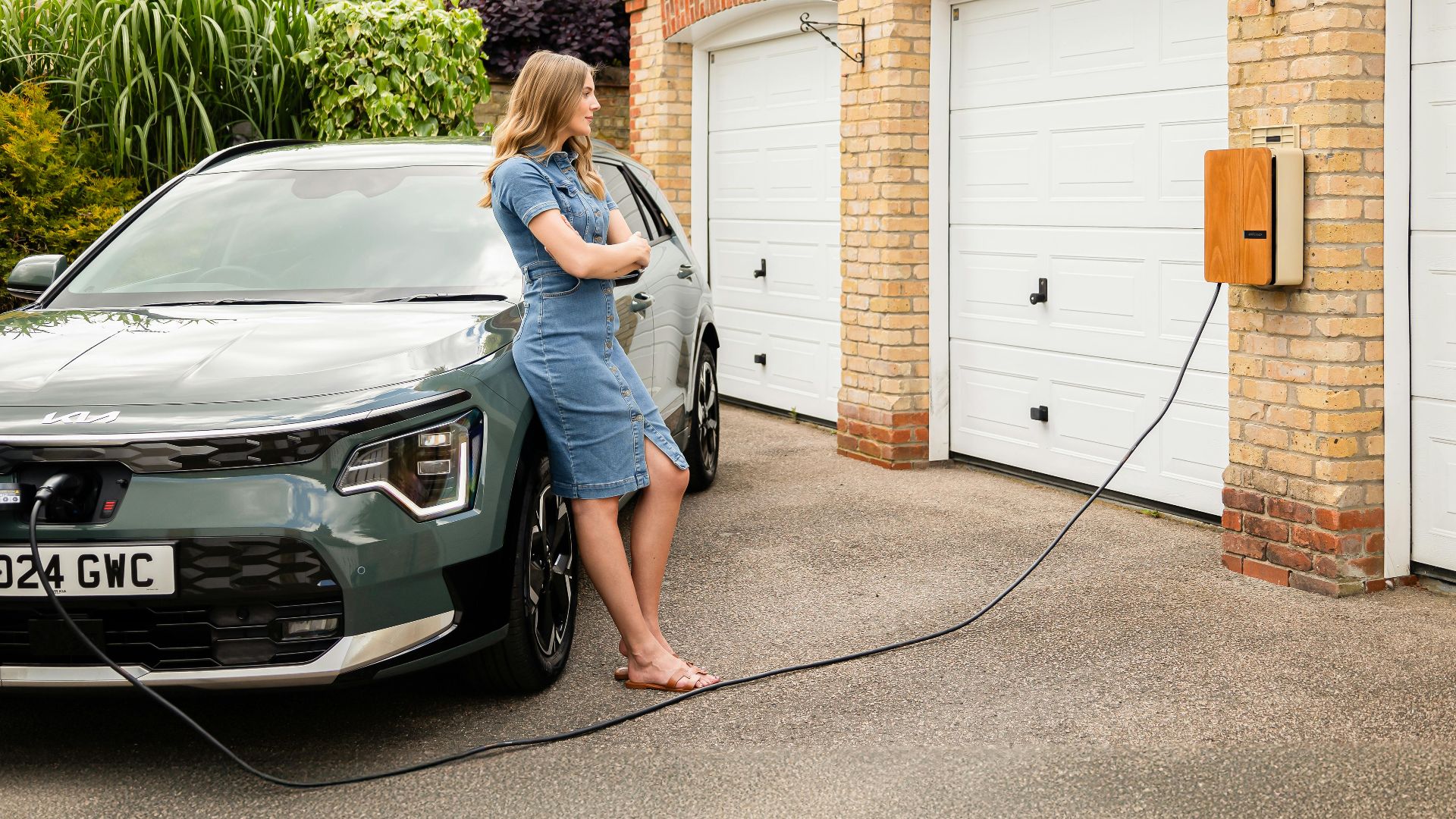
For most people, the strongest case for EV savings starts with overnight home charging. The Department of Energy says most charging happens at home, and that is usually where electricity is cheapest and most predictable. If you can plug in at home on a regular residential plan or, better yet, an off-peak rate, rising power prices look less scary.
Time Of Use Plans Can Change Everything
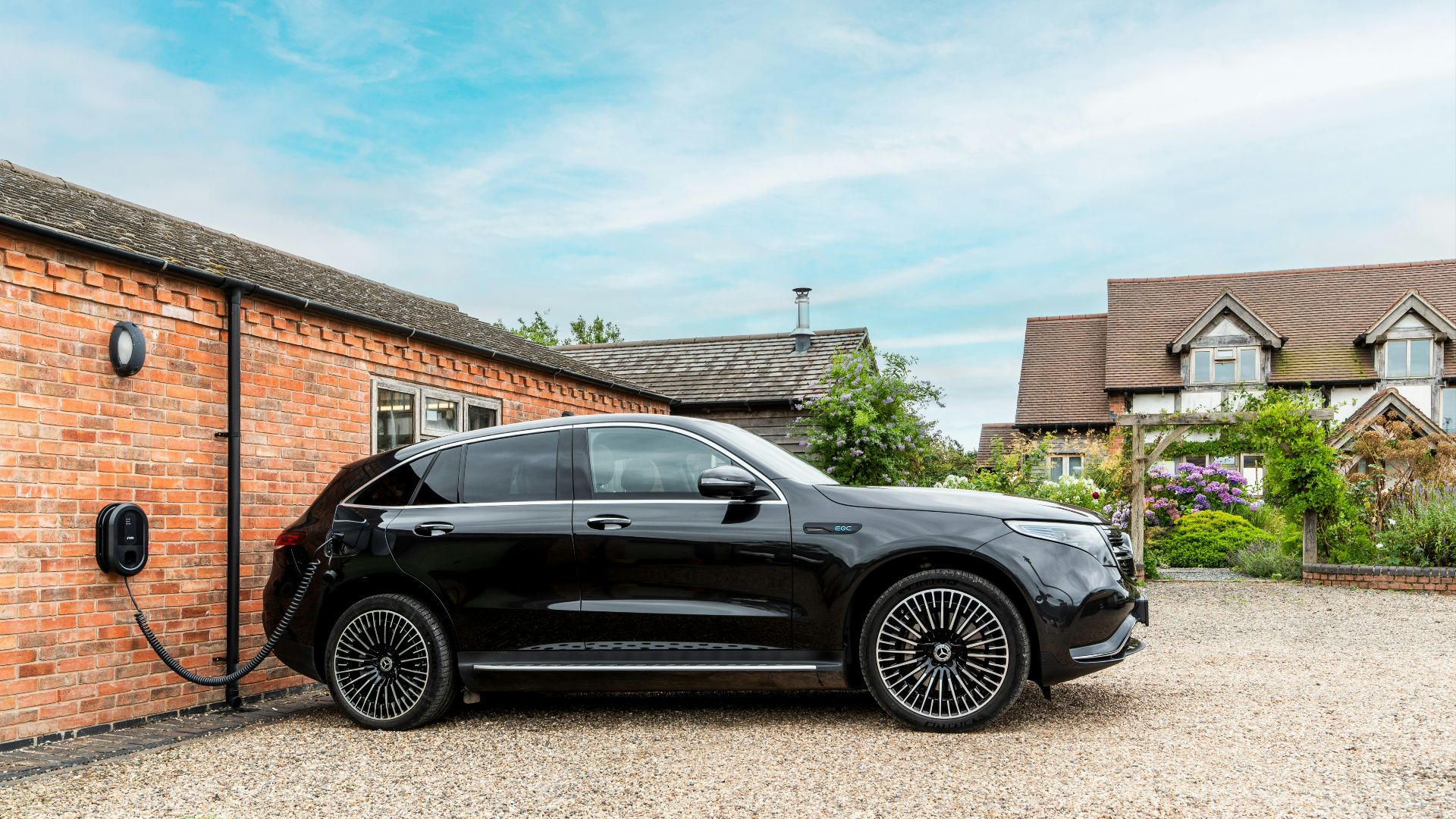
Many utilities offer lower overnight rates through time-of-use pricing. That means an EV owner charging after peak hours may pay much less than the headline residential average. If your local utility has a good off-peak plan, an EV can still be very cheap to run even while average rates rise.
Maintenance Is Still A Big EV Advantage
AAA has pointed out that maintenance and repair costs are part of the real ownership picture, not some side note. EVs do not need oil changes, and they usually have fewer moving parts in the powertrain than gas cars. Brakes can also last longer because regenerative braking cuts down on wear in many driving situations.
Consumer Reports Found Lower Repair And Maintenance Costs
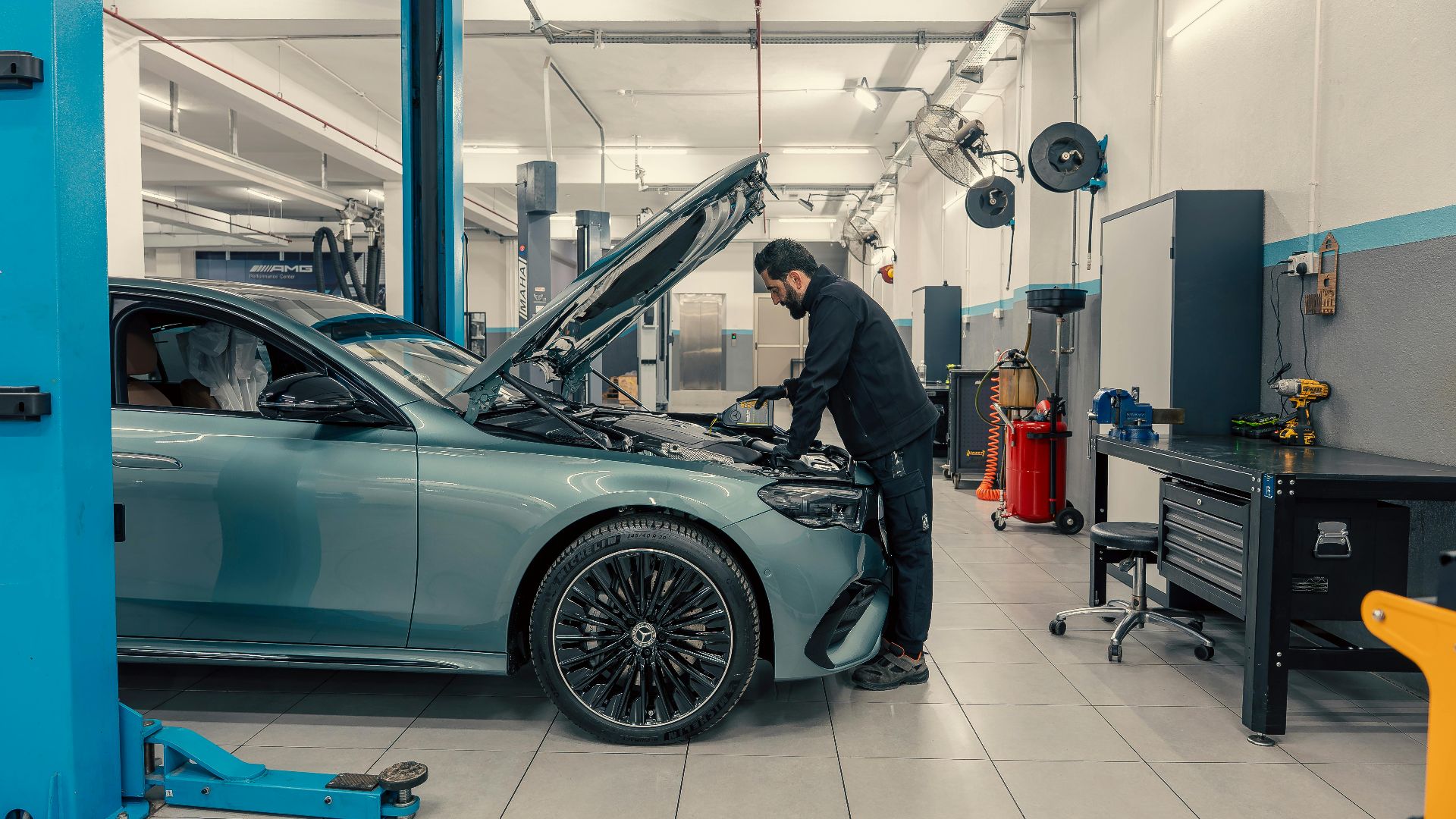
In 2023, Consumer Reports published analysis saying EV owners can expect to spend about half as much on maintenance and repair over the life of the vehicle compared with gas-car owners. That finding got attention because it came from a large, familiar consumer research group rather than a carmaker. It does not mean every EV is cheap to fix, but it does support the idea that routine ownership costs can be lower.

Battery Anxiety Needs Some Context
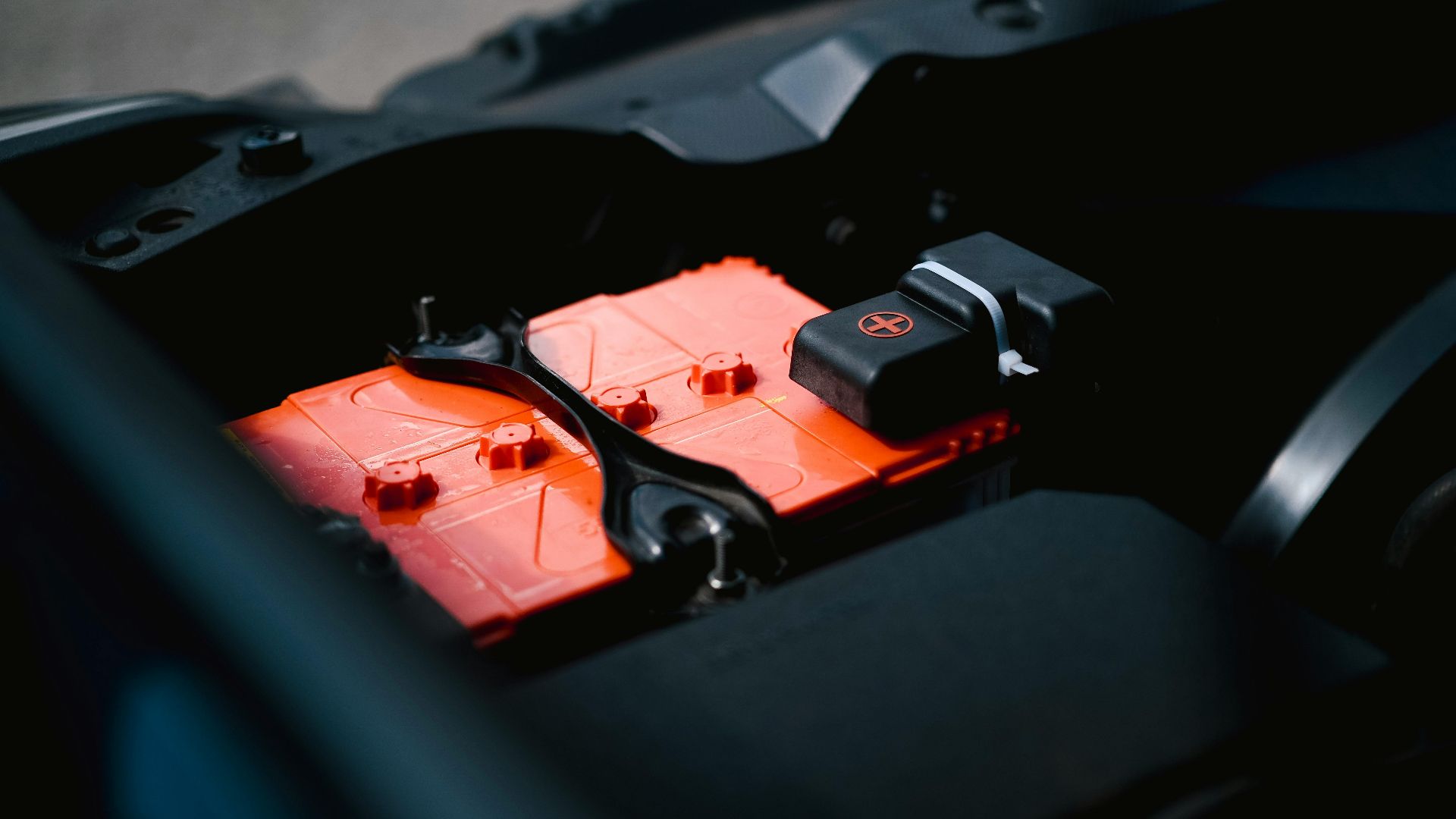
The most expensive possible EV repair is battery replacement, which is why critics bring it up right away. But modern EV batteries are usually covered by long warranties, often eight years or 100,000 miles in the U.S., with some going beyond that. Battery degradation is real, but warranty coverage and improving durability have made the worst-case scenario less common than many shoppers fear.
Insurance Can Push Back Hard
One place EVs do not always win is insurance. Repair complexity, parts prices, and high vehicle values can make EV insurance more expensive in some cases. If you want the real answer for your household budget, you need actual quotes instead of assuming fuel and maintenance savings will tell the whole story.

Depreciation Has Been A Moving Target
Used EV values have seen some sharp swings, especially as Tesla cut new-car prices several times in 2023 and as more EV models entered the market. That can sting owners who sell or trade in early. Long-term savings are easier to see if you keep the vehicle for many years instead of flipping it quickly.

Federal Tax Credits Matter If You Qualify
The Inflation Reduction Act reshaped the federal EV tax credit, with updated rules on assembly, battery sourcing, income caps, and vehicle price caps. U.S. Treasury and IRS guidance make clear that not every EV qualifies, and not every buyer qualifies either. But when the credit applies, it can seriously improve the long-term value equation.

Used EV Buyers Can Get Help Too
The federal government also created a used clean vehicle credit with specific eligibility rules. For the right buyer and the right used EV, that can make an already-depreciated car much more appealing. If your budget is tight, this is one of the most practical ways to make EV ownership work.

Some States Add Fees That Narrow The Gap
Several states charge extra annual registration fees for EVs, often to make up for lost gasoline tax revenue. Those fees are real and should be part of any honest comparison. They usually do not erase all EV savings, but they can chip away at them enough to matter.

Climate And Driving Style Matter More Than People Admit
Cold weather can cut EV efficiency and increase charging needs, especially in winter. High-speed highway driving also pushes consumption up, just like it hurts mpg in a gas car. A gentle suburban commuter with home charging will see very different numbers from someone doing 20,000 miles a year on fast chargers.
Big Trucks And Heavy SUVs Complicate The Story
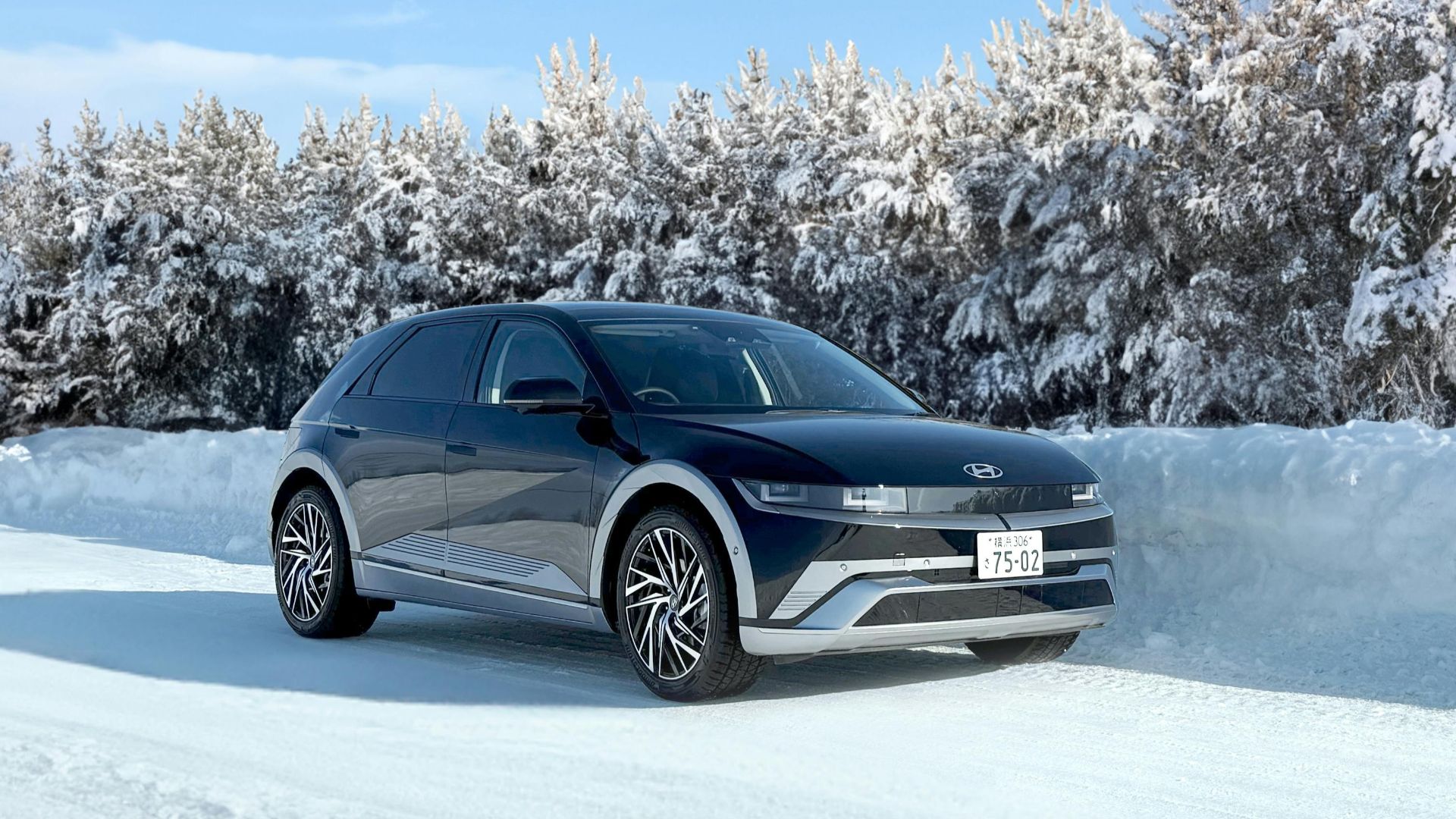
Not every EV is a small efficiency champ. Large, heavy electric trucks and SUVs can use a lot more electricity per mile than smaller EVs, which raises their running costs. They may still beat an equally thirsty gas truck, but the savings can be smaller than buyers expect.

The Best Comparison Is Vehicle To Vehicle
Comparing a compact EV with a full-size gas SUV is a bad way to settle this argument. The smarter move is to compare vehicles with similar size, performance, and purpose. Once you do that, the EV often still looks strong on energy and maintenance, though not always on insurance or depreciation.
What Government Analysts Have Said
The U.S. Department of Energy has consistently said EVs can offer lower fuel and maintenance costs than gasoline vehicles, especially when charged at home. That claim was not based on the idea that electricity would stay cheap forever everywhere. It was based on drivetrain efficiency and lower routine service needs, and both points still hold up.

What Rising Electricity Prices Really Changed
They did not destroy the EV advantage so much as make it less automatic. A few years ago, many buyers could assume the fuel savings would be big in most places. Today, you need to check your local utility rates, your charging habits, and whether you can avoid costly public charging.
When Your Friend Is Probably Right
If you charge mostly at home, drive a reasonably efficient EV, qualify for incentives, and keep the car for several years, the long-term math still often favors the EV. That is especially true if the alternative is a gas SUV or a car that needs frequent maintenance. The savings may be smaller than the biggest EV boosters claim, but they are often still there.
When Your Friend Could Be Wrong
If you rent and cannot charge at home, rely heavily on public fast chargers, pay high insurance premiums, or switch cars every couple of years, the case gets weaker. Add a state EV fee and shaky resale values, and the savings can flatten out fast. In those situations, a high-efficiency hybrid may be the more cautious financial choice.

The Honest Bottom Line
Yes, EVs can still be cheaper in the long run even with rising electricity prices, but it is no longer a one-line answer. The biggest winners are owners with home charging, decent electric rates, and enough patience to keep the car. So your friend is not necessarily wrong, but the fine print matters a lot more than it used to.