Whatever Happened To All Of Them?
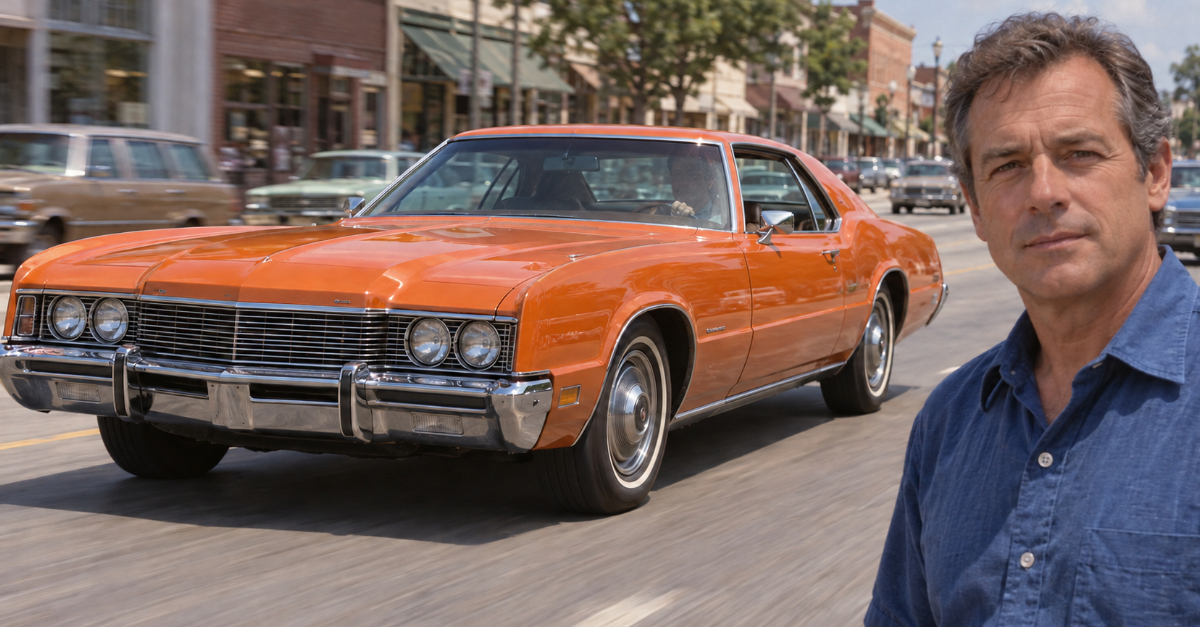
They filled driveways, crowded supermarket parking lots, and appeared in commercials between your favorite TV shows. Some sold so well that imagining American roads without them would’ve sounded ridiculous. Now mention their names to a younger driver and you might get the same reaction as someone explaining an eight-track player.
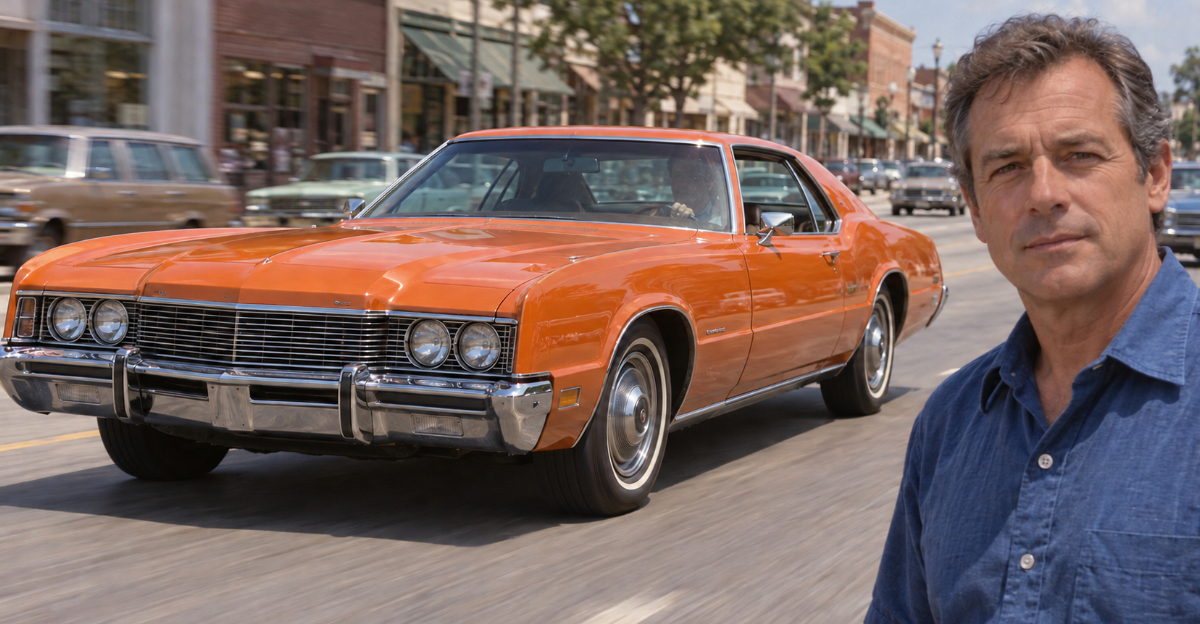
Oldsmobile Cutlass Supreme
If you remember the 70s, you probably remember somebody proudly bringing home a Cutlass Supreme. Its combination of handsome styling and comfortable cruising helped make the broader Cutlass lineup America’s bestselling car in 1976. Back then, this looked like a name that would never need explaining.
 AuroraTerra, Wikimedia Commons
Ford Granada
Ford had enough confidence in the Granada to compare it with Mercedes-Benz in its advertising. Buyers responded, and the Granada and its Mercury Monarch sibling became major sellers. Imagine telling someone shopping for one that someday you’d have to explain what a Granada even was.
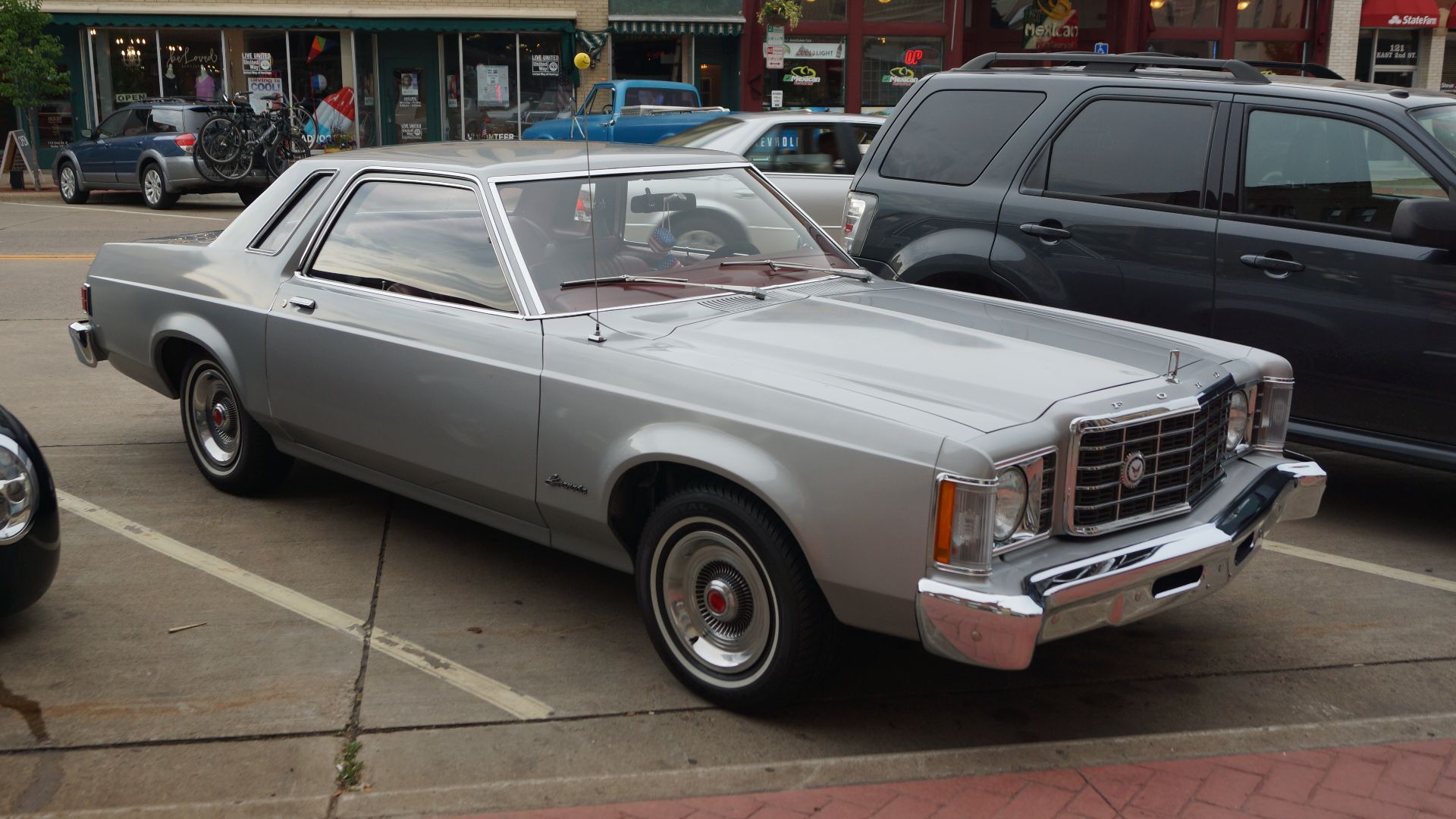 Greg Gjerdingen from Willmar, USA, Wikimedia Commons
Chrysler Cordoba
Ricardo Montalbán made “soft Corinthian leather” sound like something you absolutely needed in your driveway. The Cordoba sold more than 150,000 cars for 1975, giving Chrysler a badly needed hit. For a while, a long hood, fancy upholstery, and that voice seemed like an unbeatable combination.
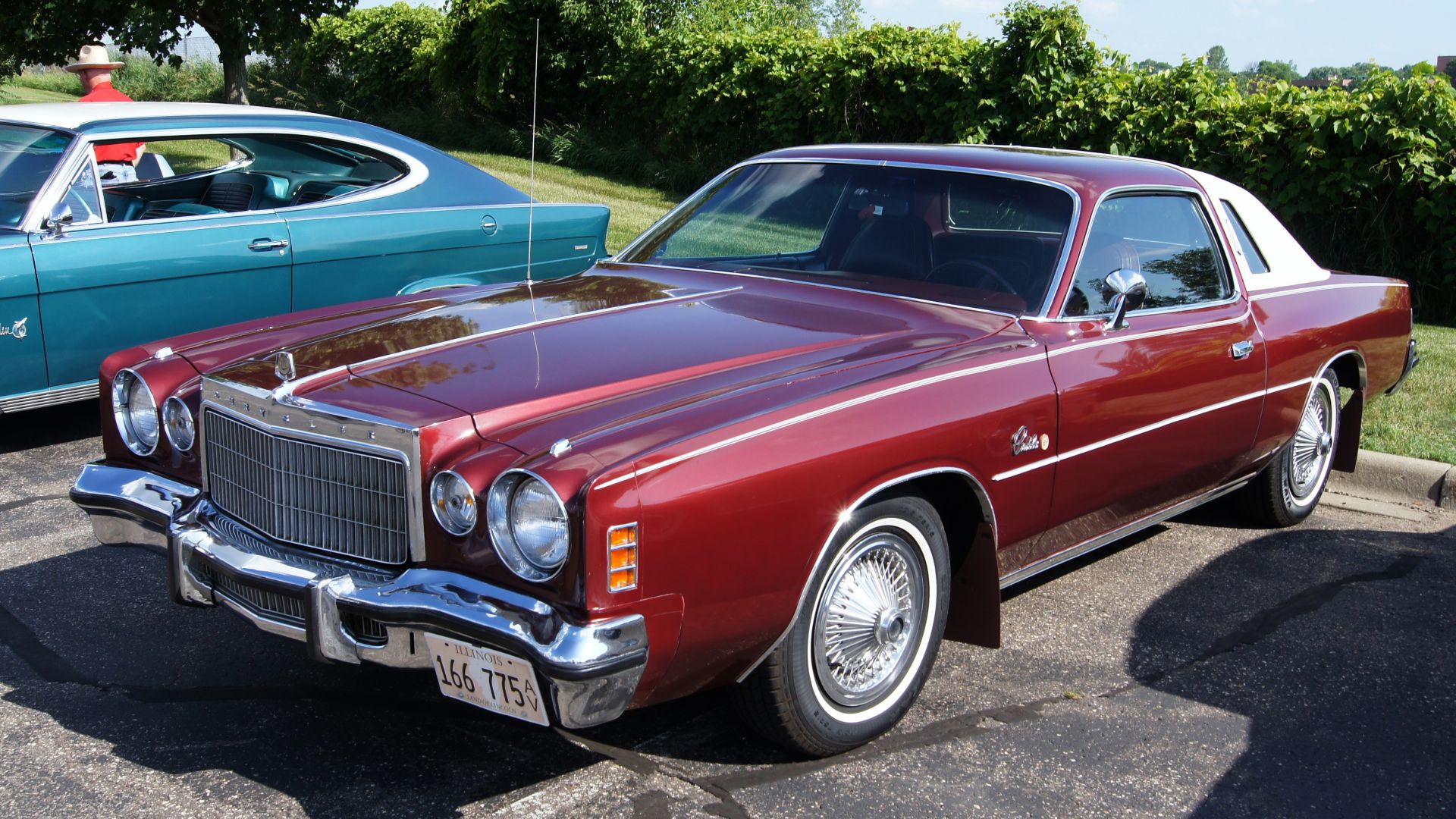 Greg Gjerdingen from Willmar, USA, Wikimedia Commons
Chevrolet Chevette
The Chevette wasn’t the car you bought to impress the neighbors. It was the car you bought because you needed transportation and had already looked at your bank account. Introduced for 1976, this basic little hatchback eventually became a familiar part of America’s automotive scenery.
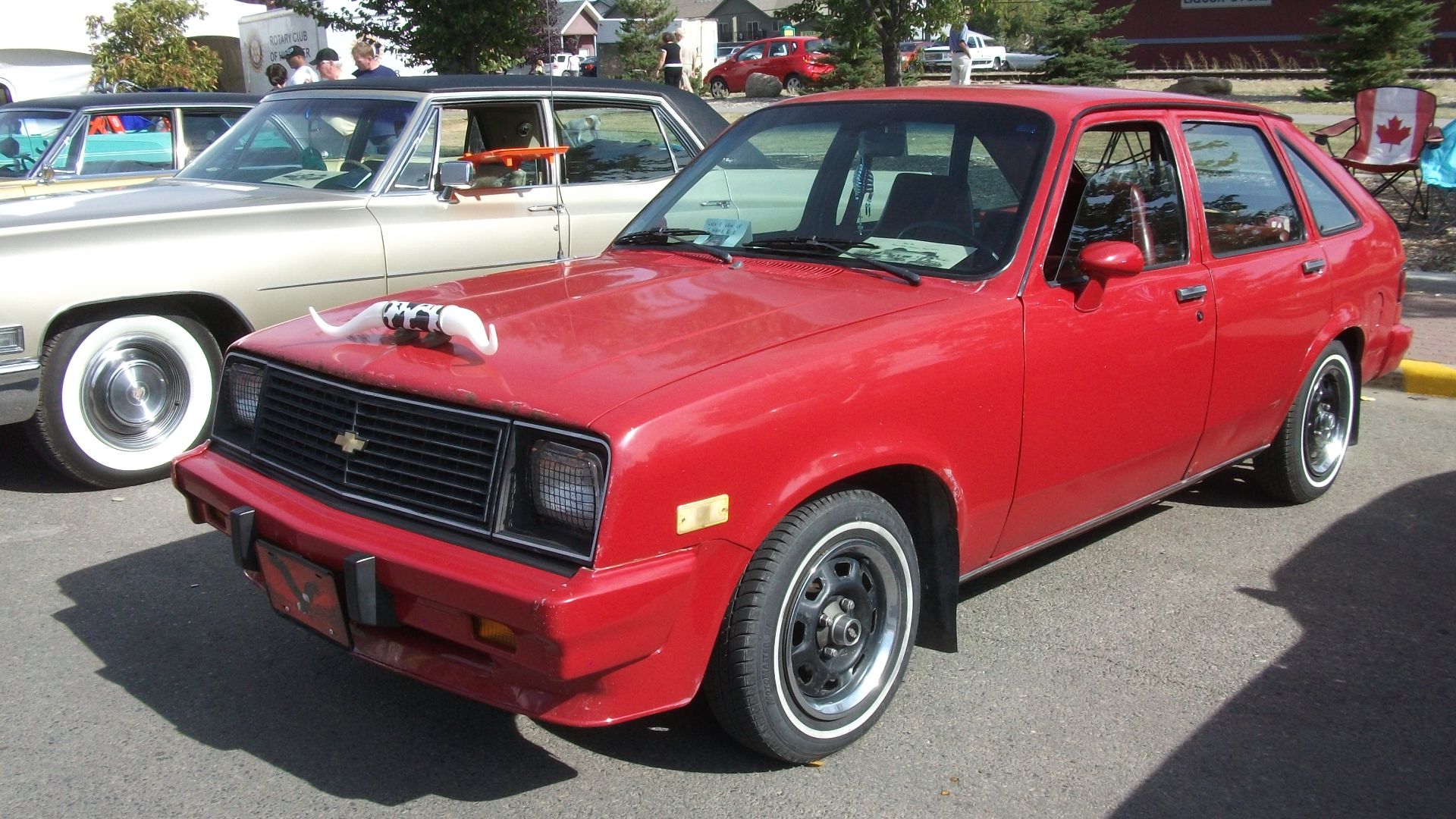 dave_7 from Lethbridge, Canada, Wikimedia Commons
Buick Electra 225
The Electra 225—or “deuce and a quarter”—was a Buick with presence. You weren’t going to sneak into the driveway in one. More than 177,000 were produced for 1973 alone, making this enormous, upscale car a much more familiar sight than its size might suggest today.
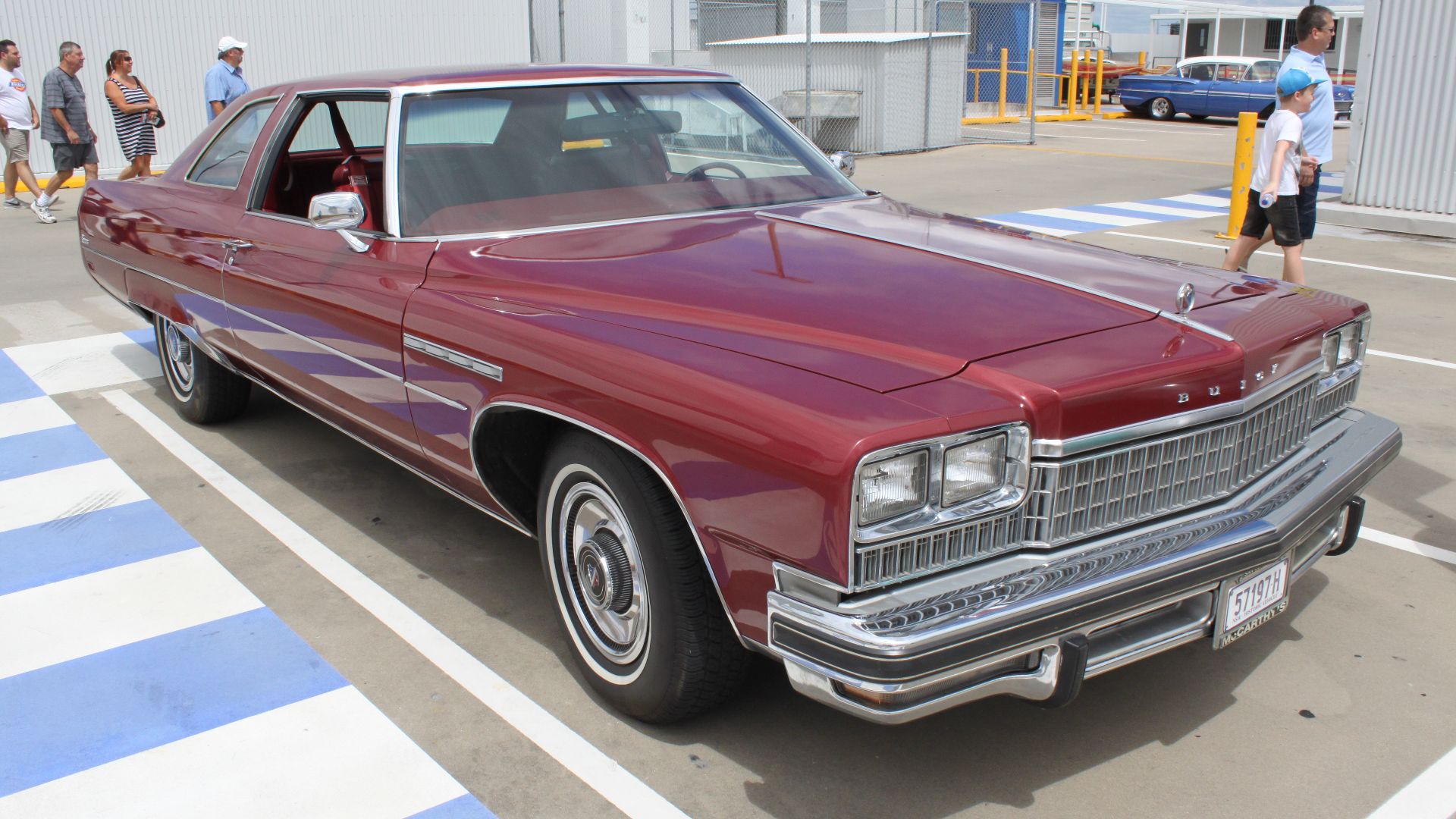 Jeremy from Sydney, Australia, Wikimedia Commons
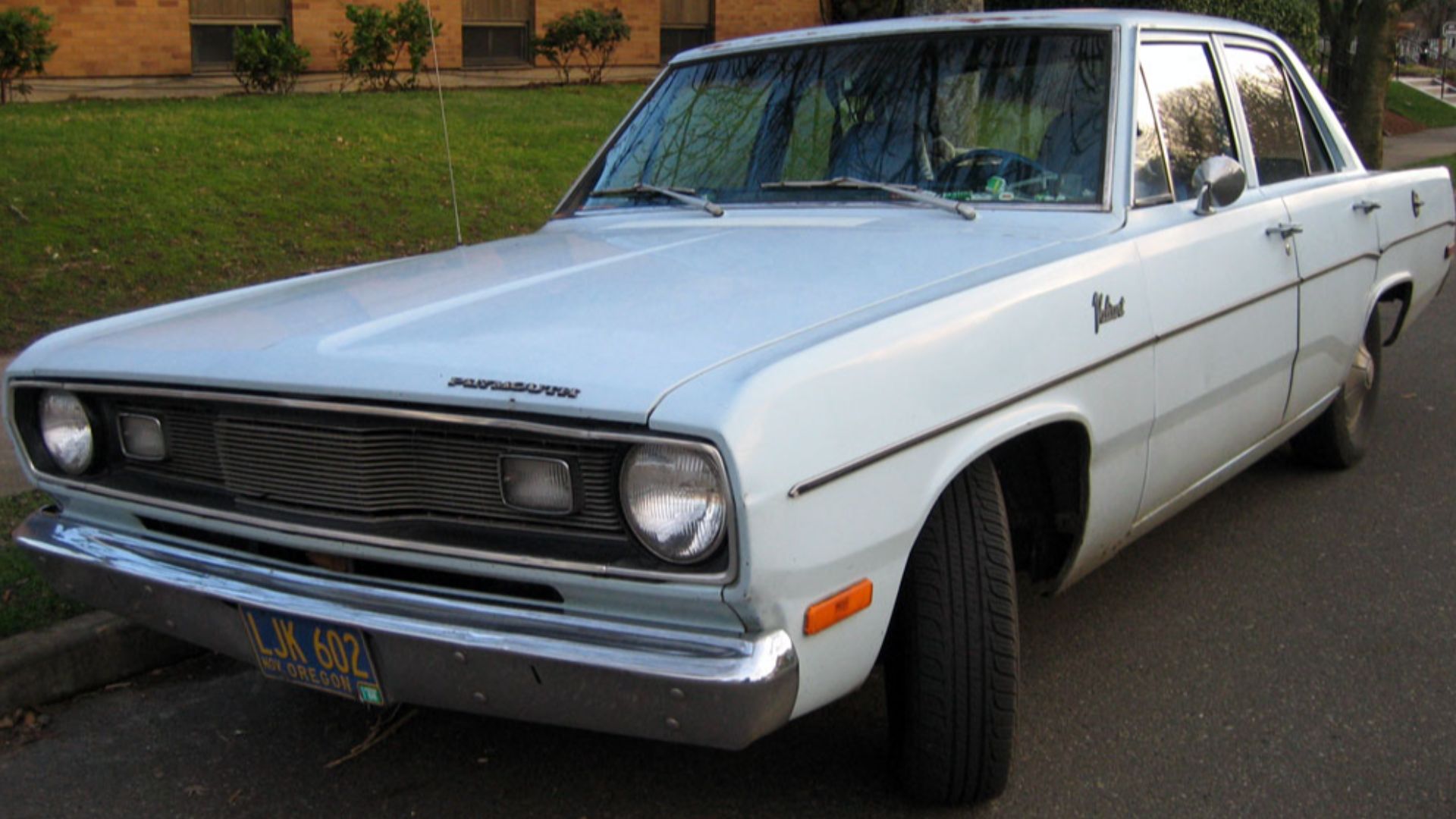
Plymouth Valiant
The Valiant was the sensible Plymouth—the one for people who wanted a car rather than a conversation piece. Its available Slant Six engine helped build a reputation for dependable transportation. The American model lasted through 1976, but its place in everyday life is much harder to explain today.
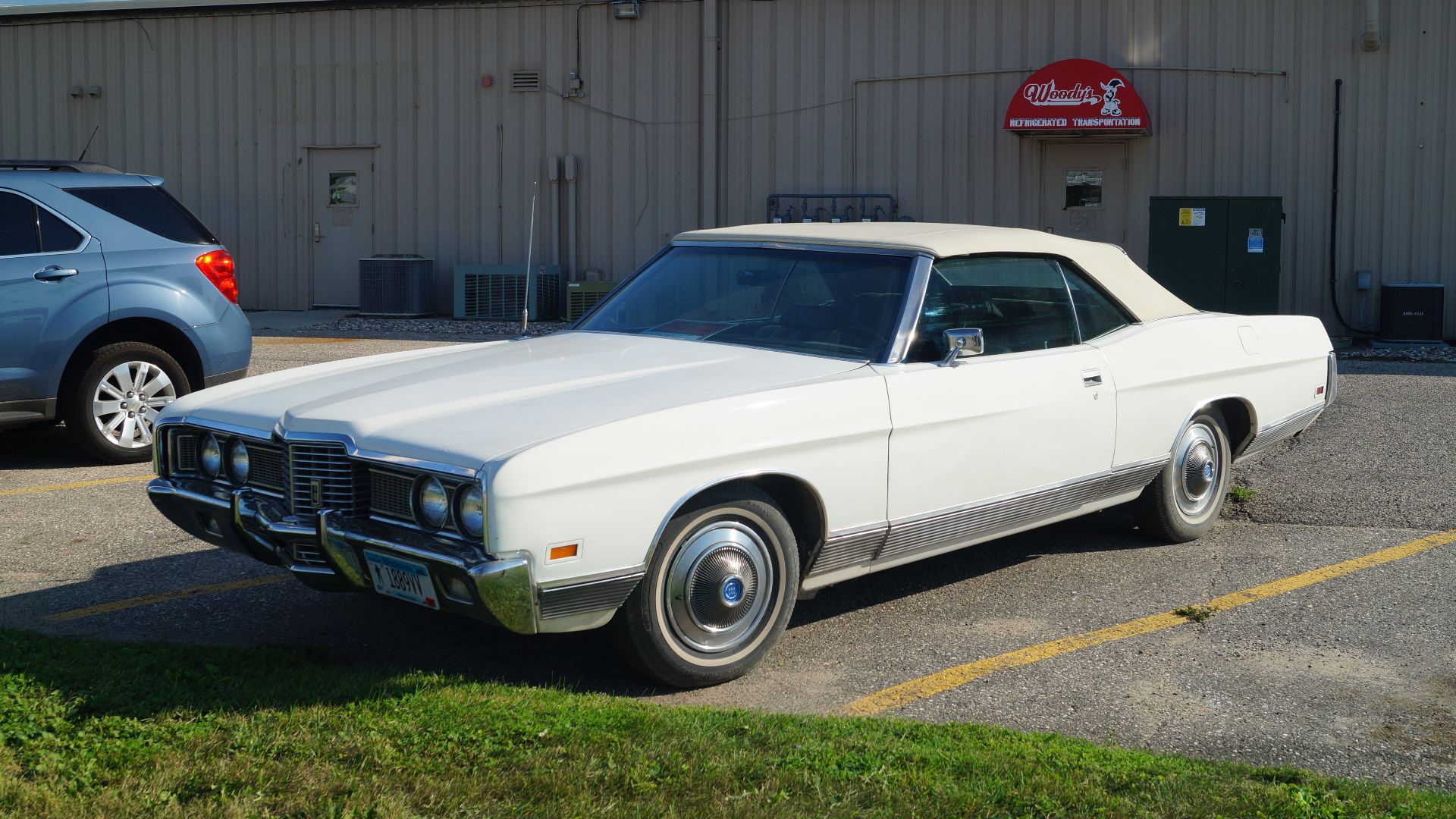
Ford LTD
There was a time when buying an LTD meant you’d bought yourself a proper big American car. The 70s versions offered generous seating, long stretches of sheet metal, and upscale touches such as the Brougham’s padded vinyl roof. Parallel parking was somebody else’s problem.
 Greg Gjerdingen, Wikimedia Commons
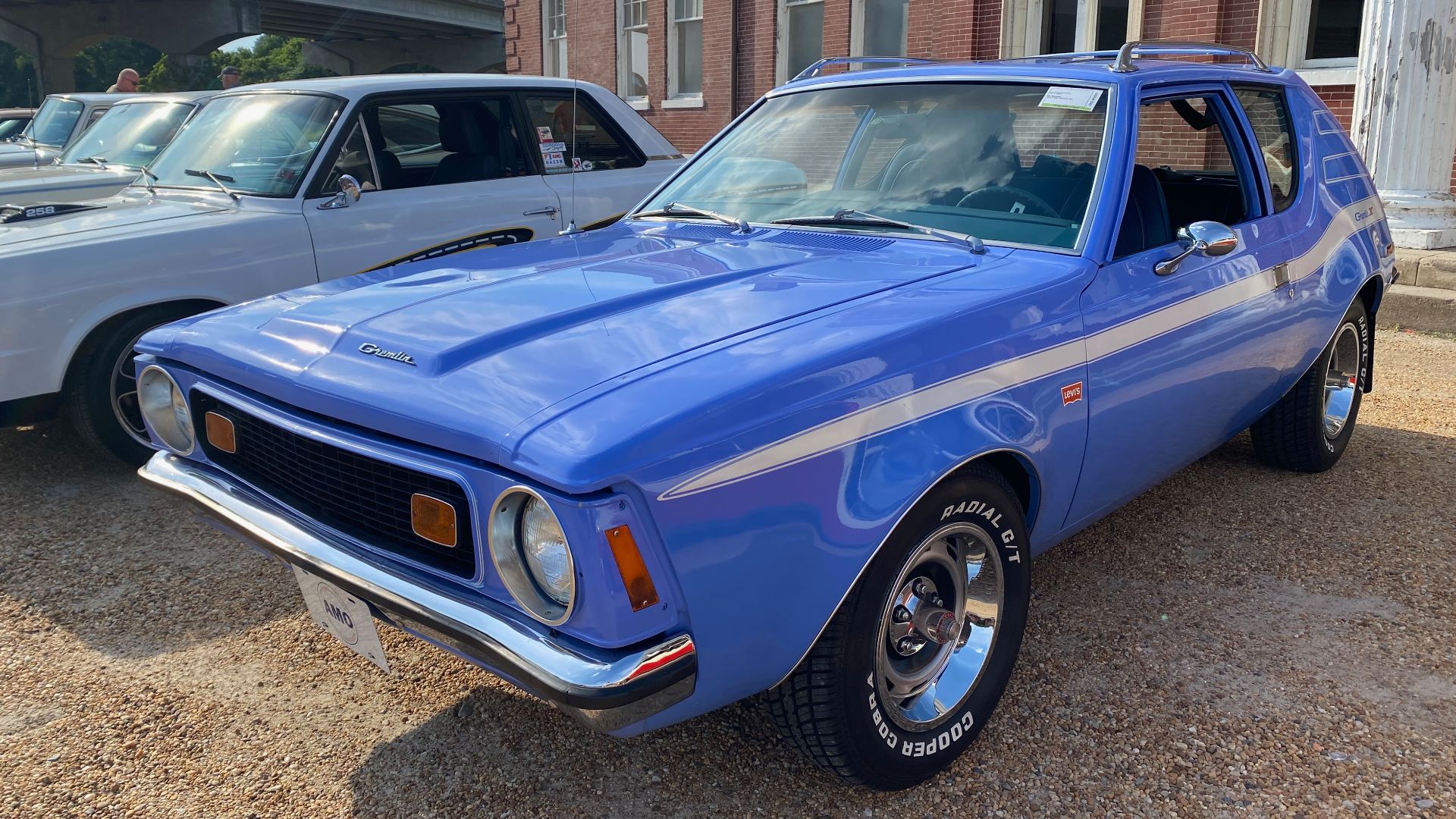
AMC Gremlin
Yes, people really bought a car called the Gremlin—and more than 670,000 were produced during its 1970–1978 U.S. and Canadian run. That abruptly chopped rear end made it impossible to confuse with anything else. You could dislike the styling, but you certainly couldn’t accuse AMC of playing it safe.
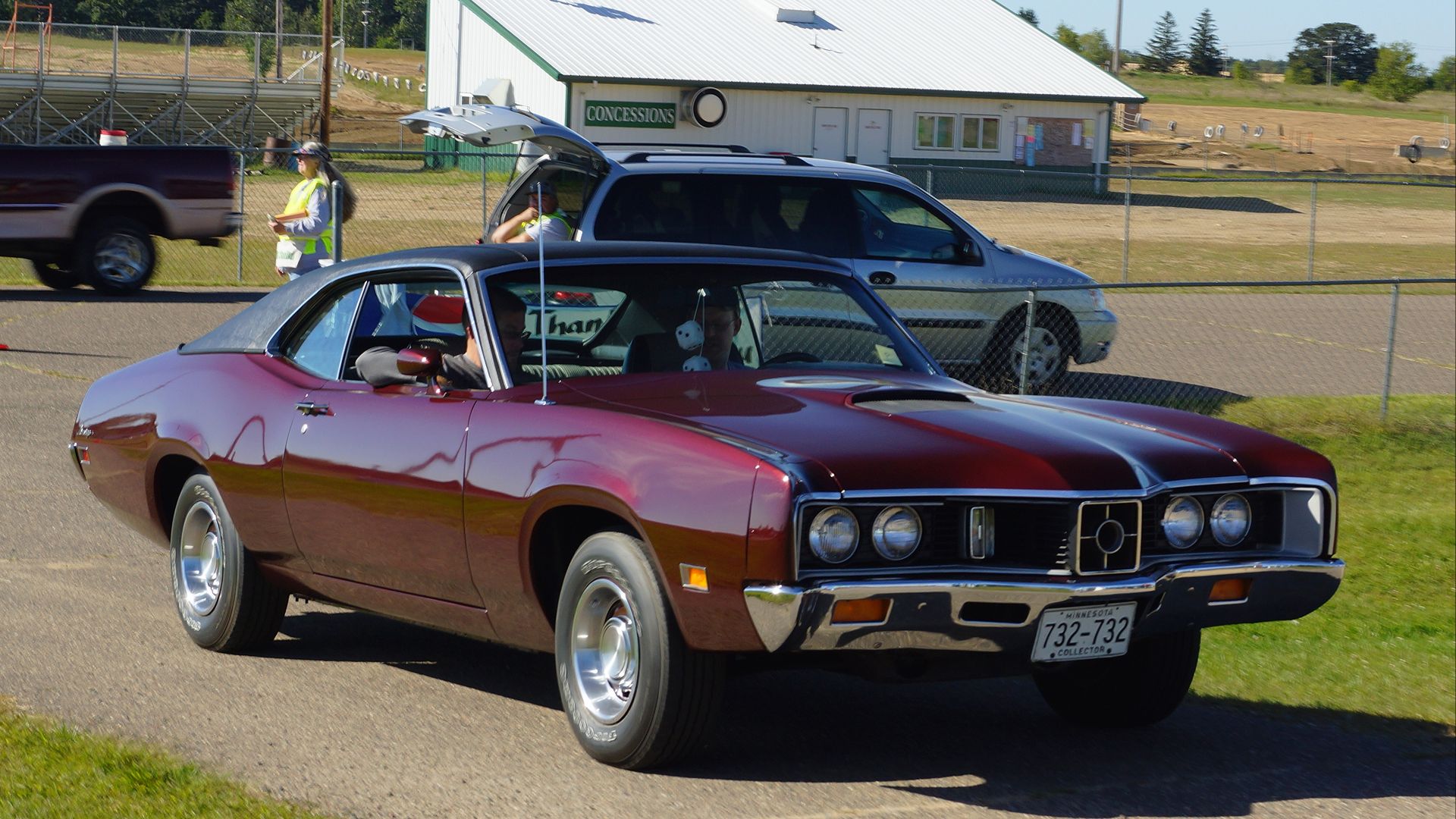
Mercury Montego
The redesigned Montego enjoyed a substantial sales jump for 1972, before Mercury replaced the name with Cougar for 1977. The badge briefly returned for 2005–2007 on a very different sedan. That comeback didn’t bring the long hoods and big-car presence of the 70s versions with it.
 Greg Gjerdingen from Willmar, USA, Wikimedia Commons
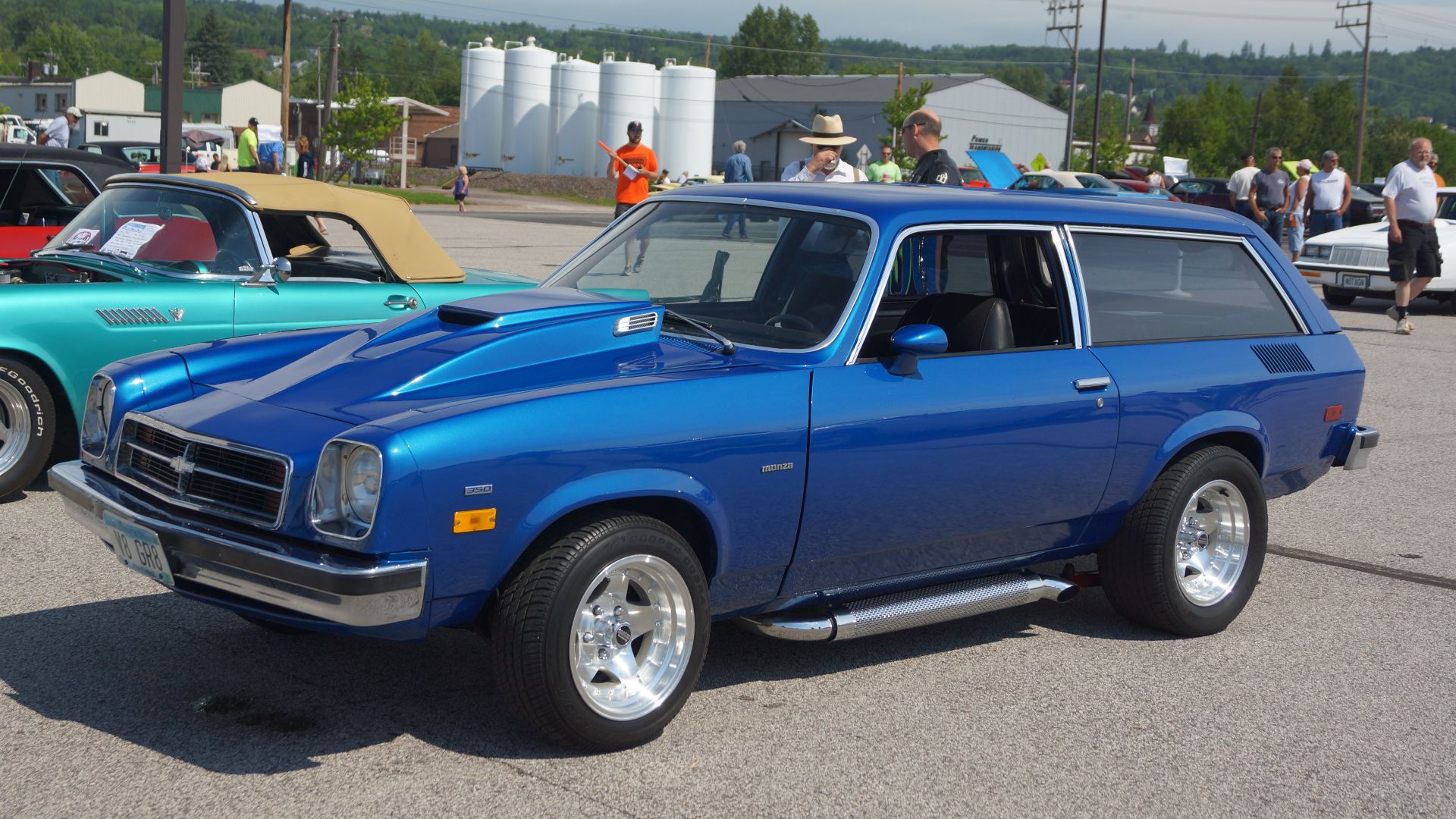
Chevrolet Monza
The Monza arrived for 1975 looking like Chevrolet had found a smaller, sleeker direction for the decade. The 2+2 even won Motor Trend’s Car of the Year award, and V8 power was available. That sounds like the beginning of a lasting success story, doesn’t it?
 Greg Gjerdingen, Wikimedia Commons
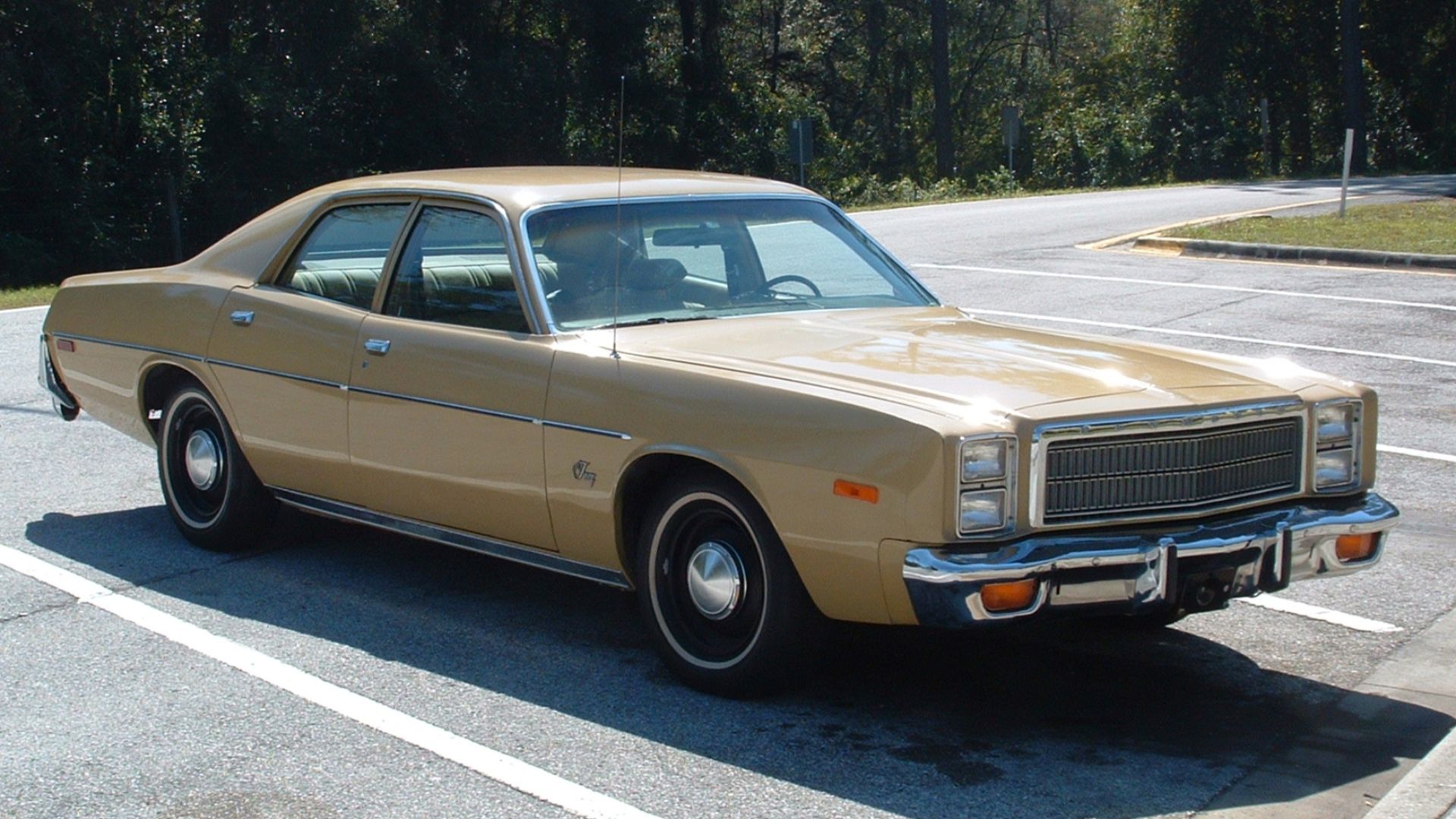
Plymouth Fury
The Fury name covered everything from everyday family transportation to cars equipped for police work. During the 70s, Plymouth shifted the regular Fury badge from its big cars to a midsize line. Buyers knew the name well enough to follow it, even when the car underneath changed.
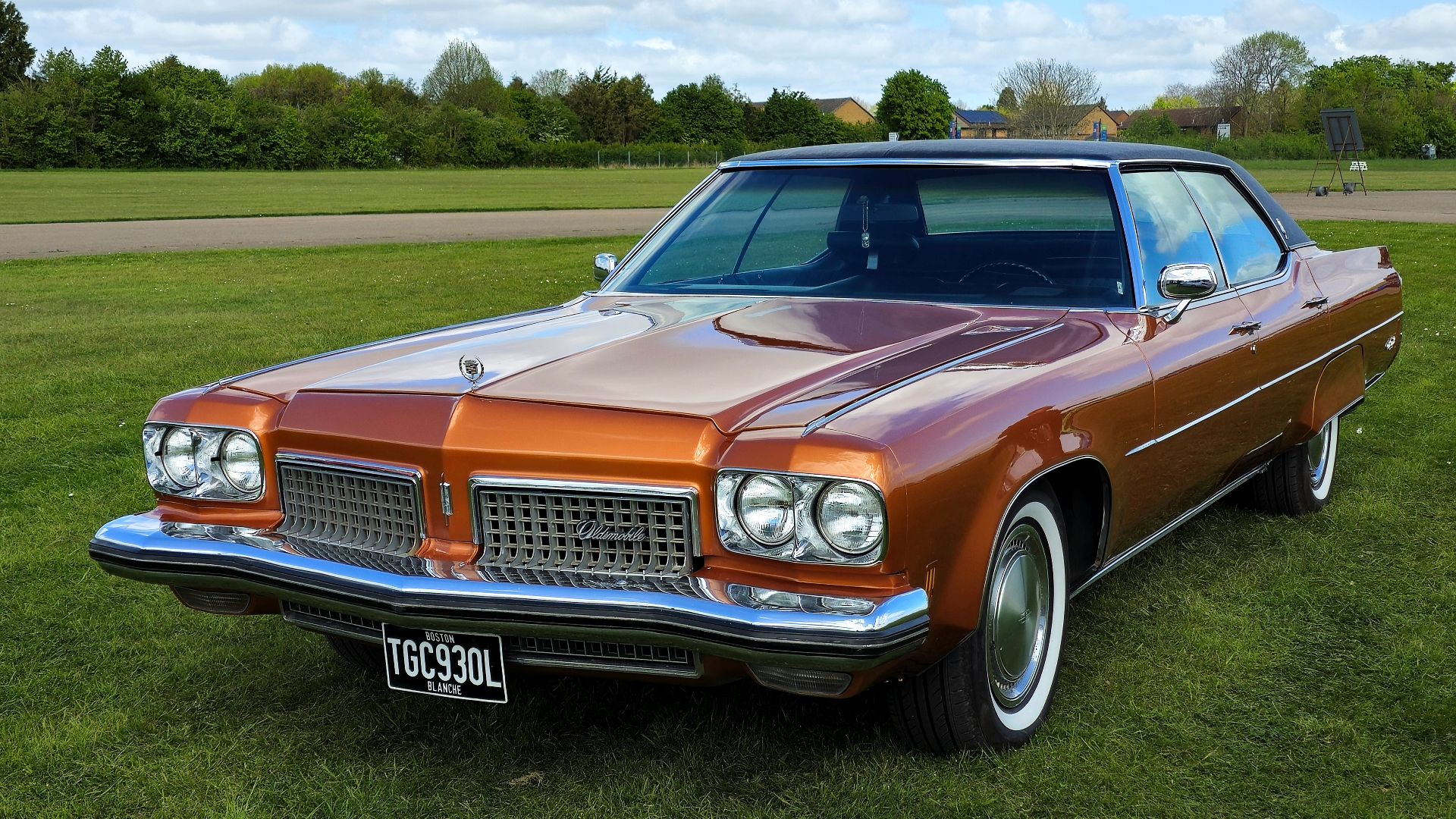
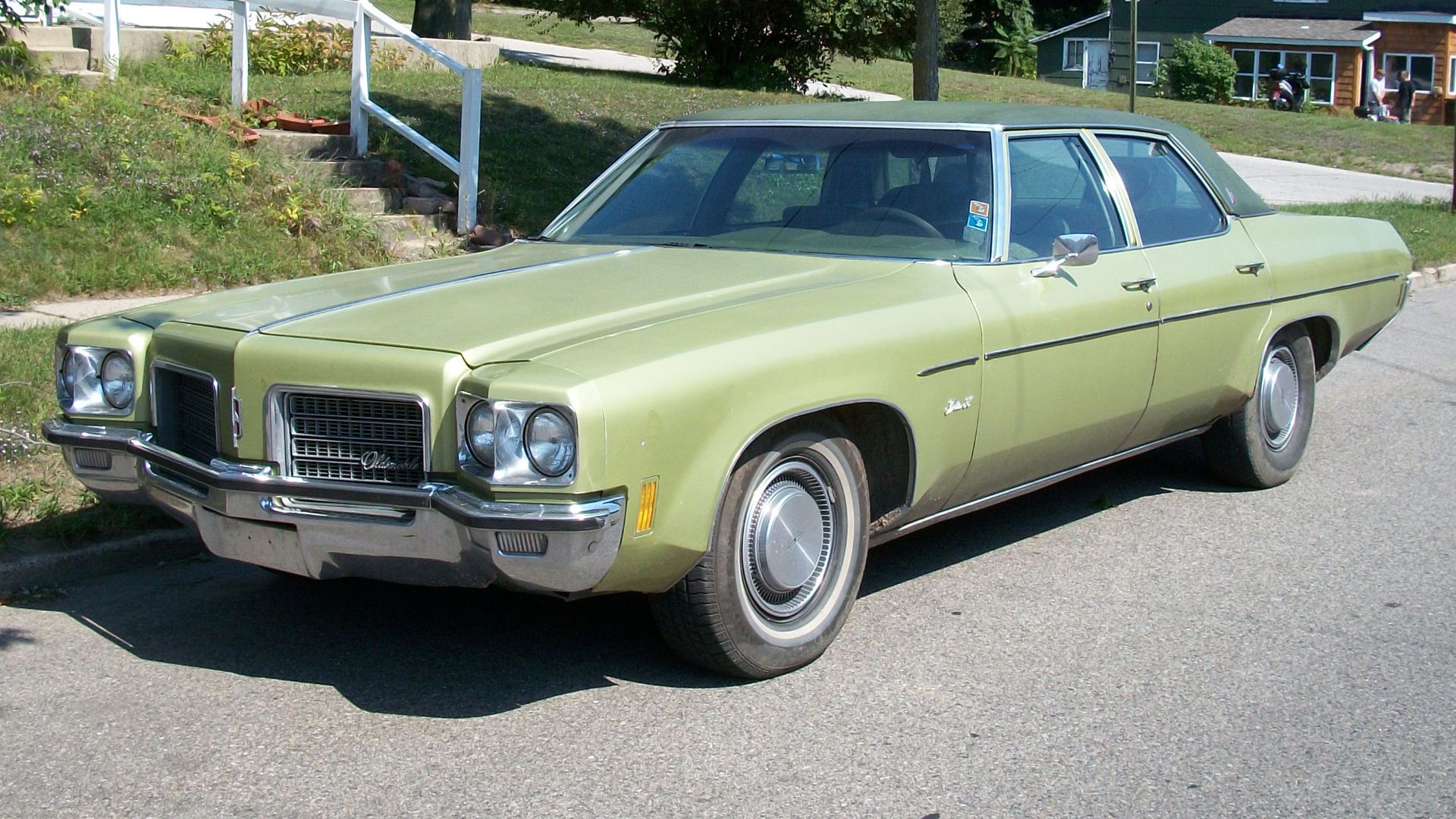
Oldsmobile Ninety-Eight
If a Cutlass wasn’t enough Oldsmobile for you, there was the Ninety-Eight. This was the brand’s big, upscale flagship, and it recorded 138,462 sales for 1973. Its roomy interior and substantial appearance made buying one feel like a reward for finally doing pretty well for yourself.
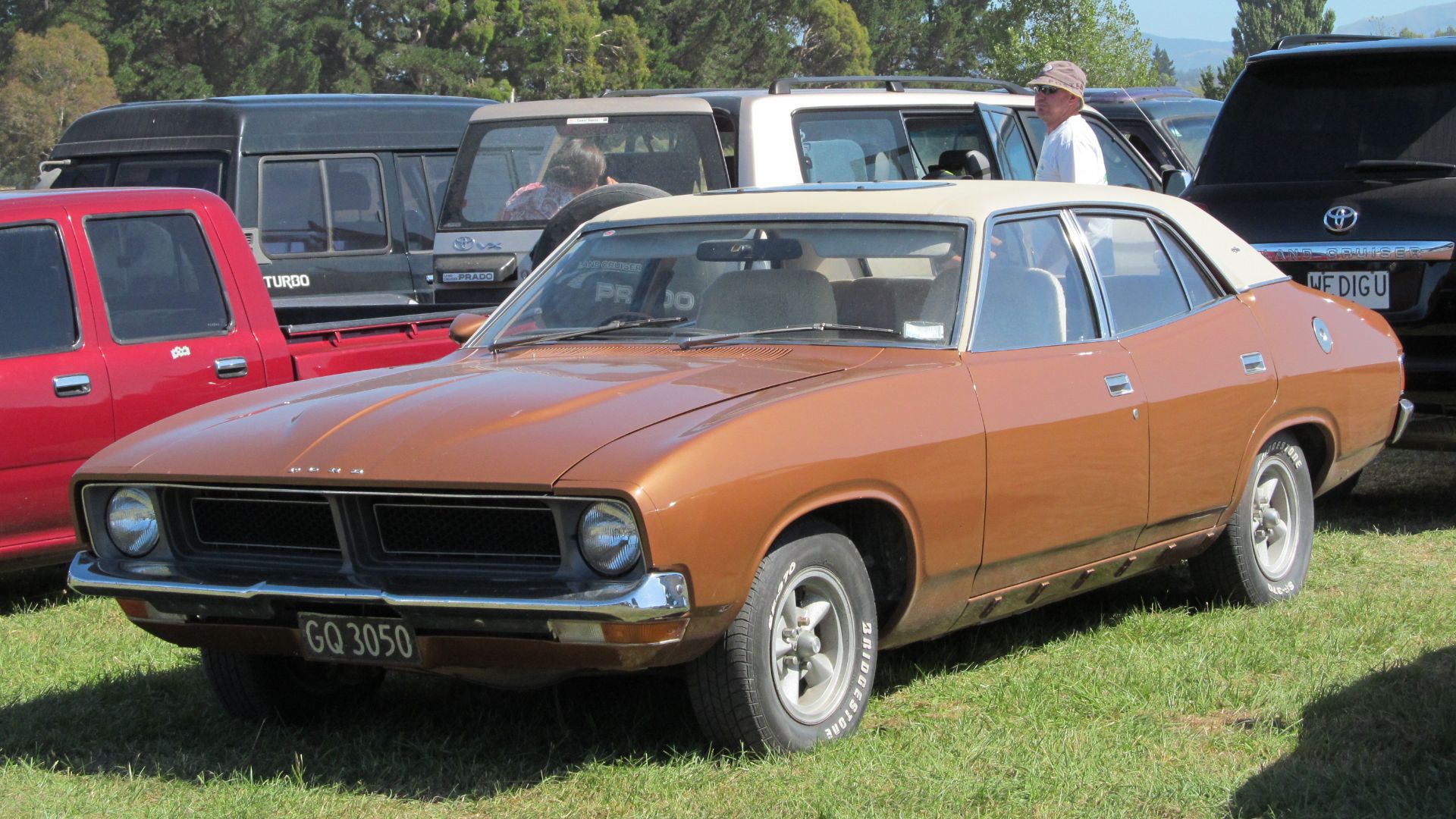
Ford Fairmont
Arriving for 1978, the Fairmont looked like Ford had finally put down the chrome catalog. Its straightforward shape and practical layout suited buyers ready for something less extravagant. It also introduced the Fox platform that would underpin the next Mustang. The Mustang kept the spotlight.
 Riley from Christchurch, New Zealand, Wikimedia Commons
Dodge Aspen
The Aspen arrived for 1976 with enough promise to share Motor Trend’s Car of the Year award with the Plymouth Volaré. Buyers initially flocked to them. Unfortunately, recalls and quality problems followed, giving owners reasons to remember the Aspen that Dodge probably hadn’t intended.
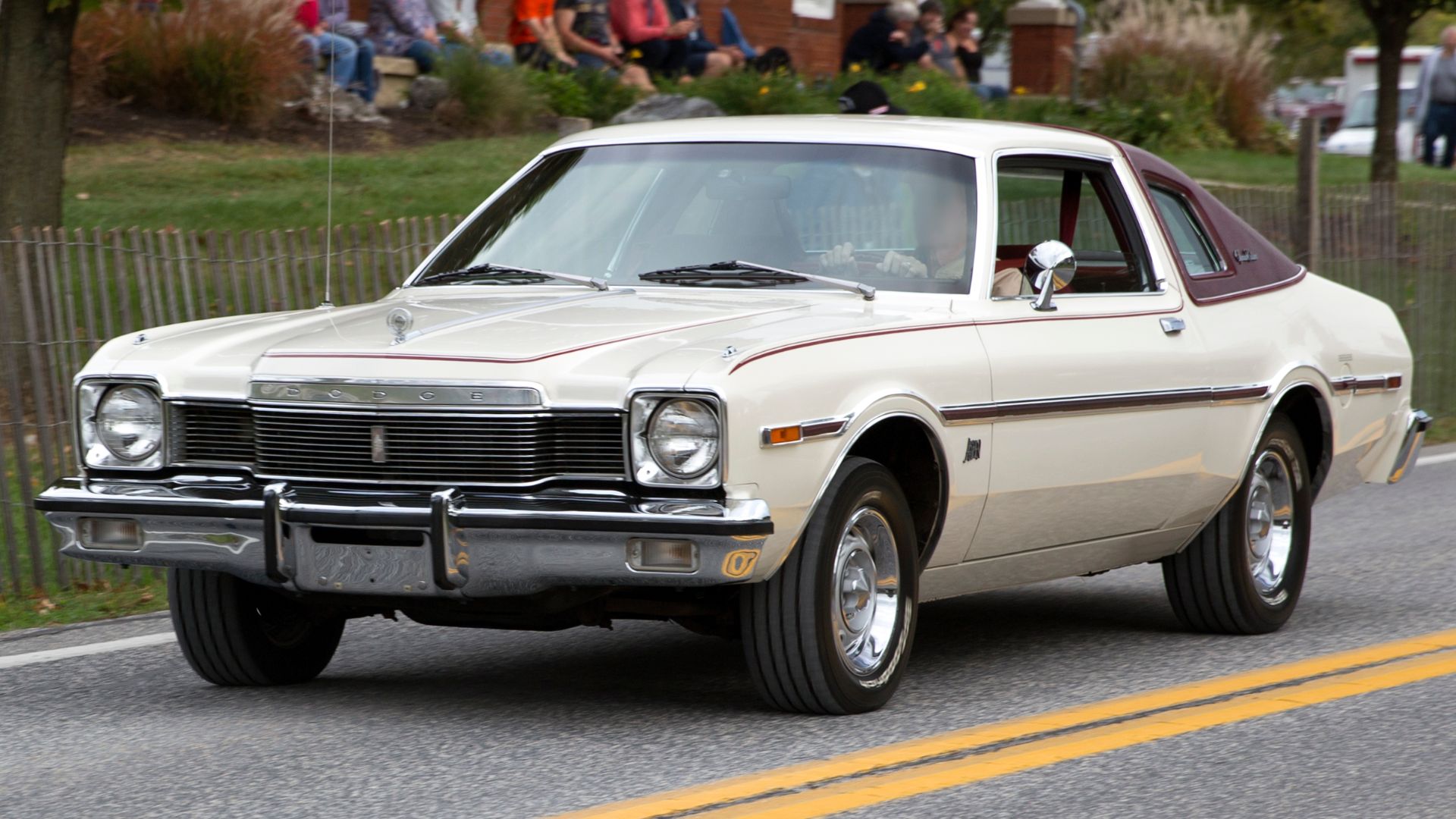 Mr.choppers, Wikimedia Commons
Pontiac Catalina
Pontiac wasn’t just selling Firebirds to people who wanted to look fast. The Catalina served buyers who wanted a big, comfortable car with room for everybody. It remained in the lineup throughout the 70s, before the name disappeared after 1981. Plenty of family memories went with it.
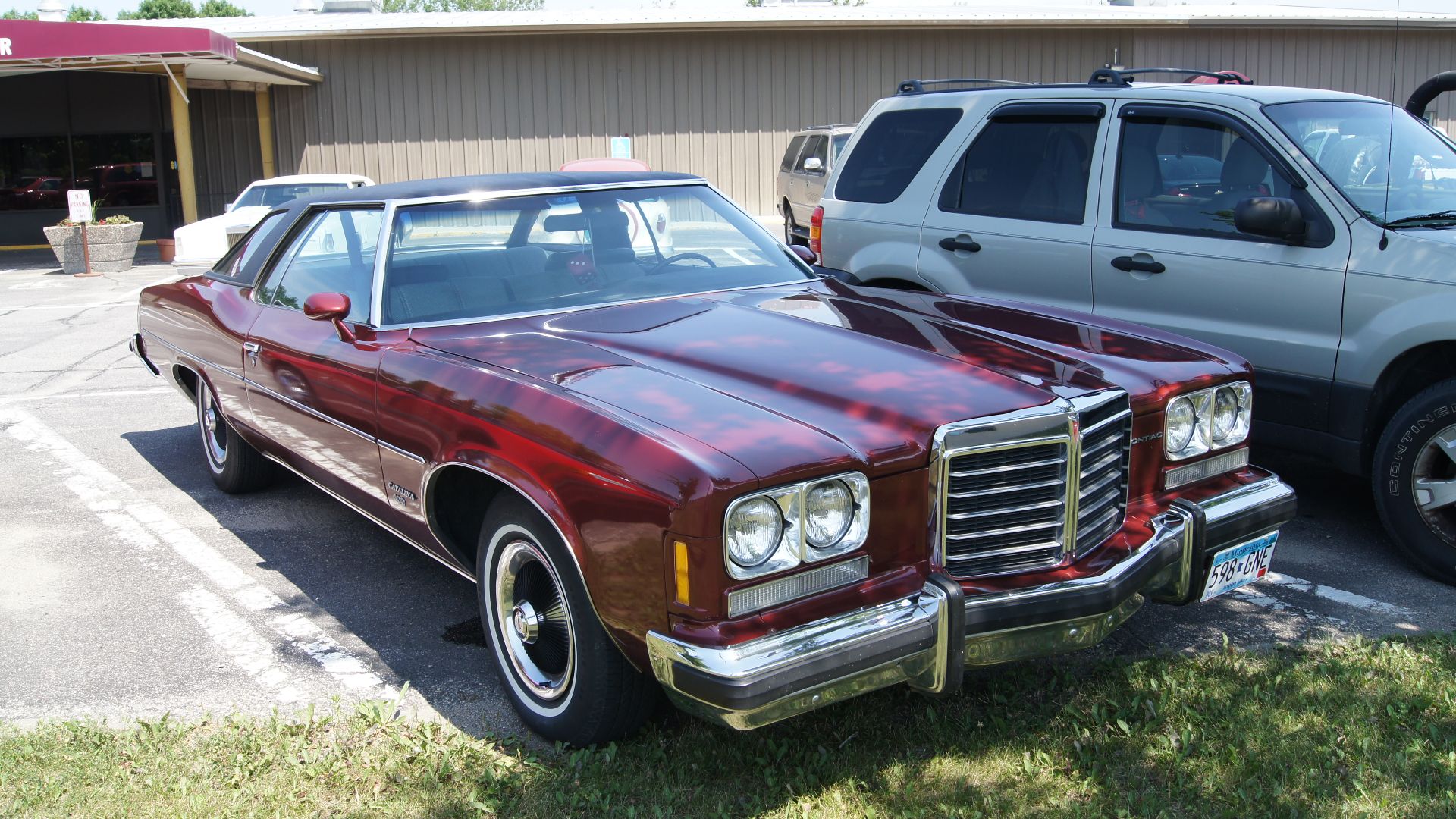 Greg Gjerdingen from Willmar, USA, Wikimedia Commons
Mercury Comet
The 70s Comet was Mercury’s version of the Ford Maverick, giving buyers familiar compact-car basics with different styling and trim. Available V8 power added some extra appeal. Production continued through 1977, but this particular Mercury has become a much tougher spot than its celestial namesake.
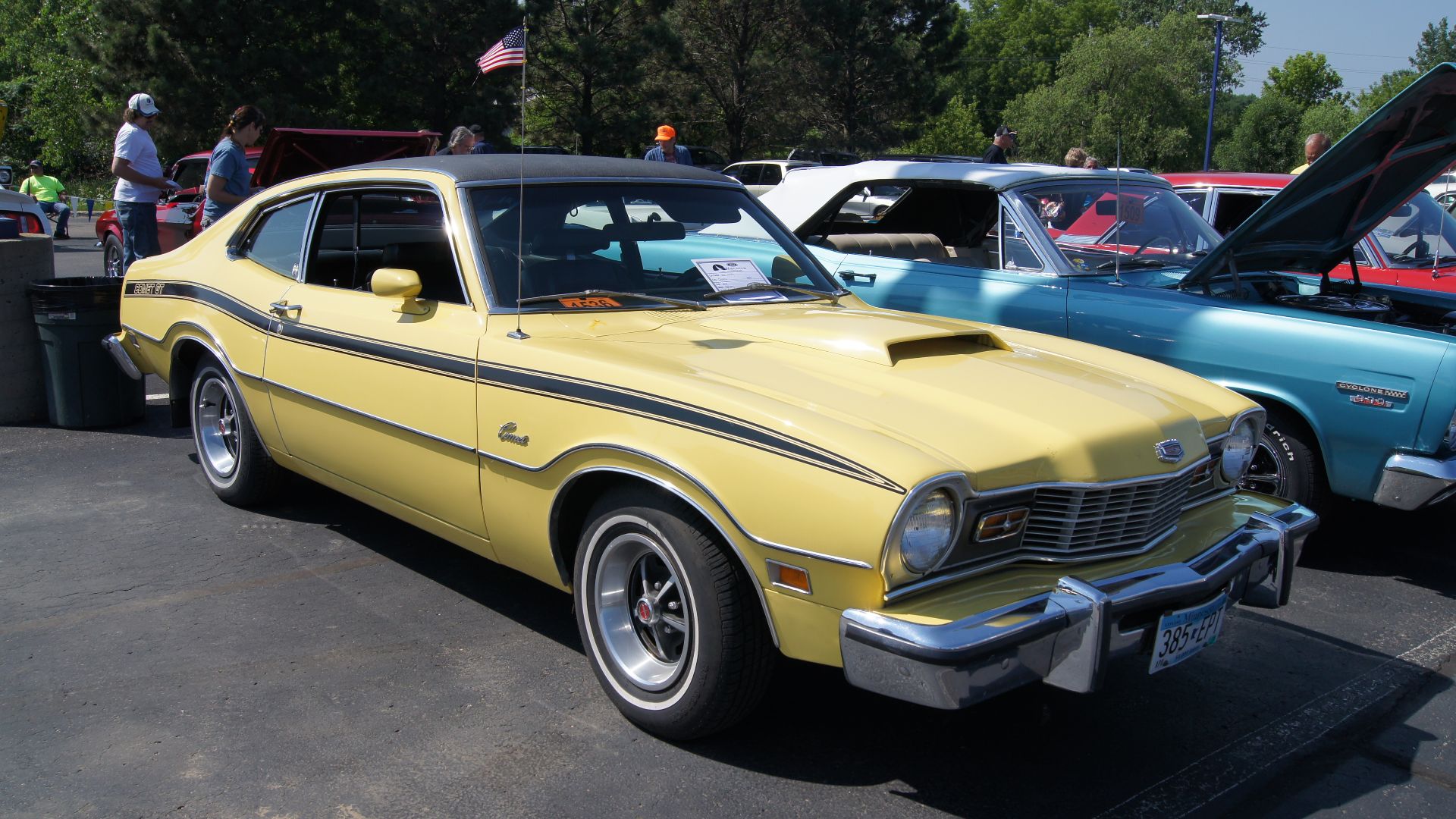 Greg Gjerdingen from Willmar, USA, Wikimedia Commons
Buick Skylark
The Skylark started the decade as a midsize Buick, with everyday versions sharing showroom space with more exciting performance models. The name returned on smaller cars for 1975. Buick clearly considered it worth keeping, and the badge survived into the 90s before finally disappearing.
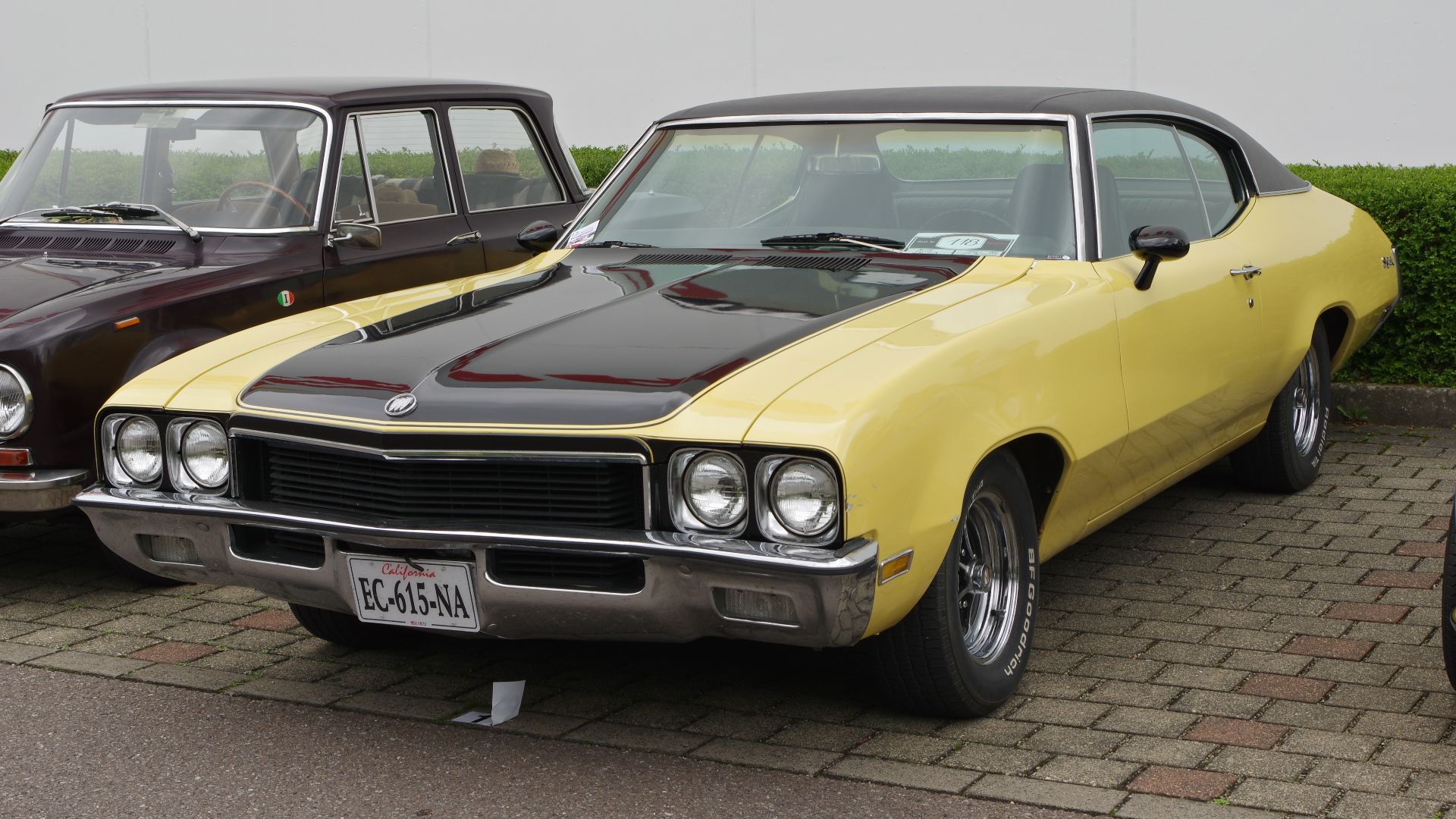 Berthold Werner, Wikimedia Commons
Chrysler Newport
The Newport was the way into Chrysler’s big-car lineup without paying for its more expensive models. Early-70s examples wore the rounded “fuselage” styling that made these enormous cars look even more substantial. This was entry-level Chrysler ownership, although nothing about the amount of car looked entry-level.
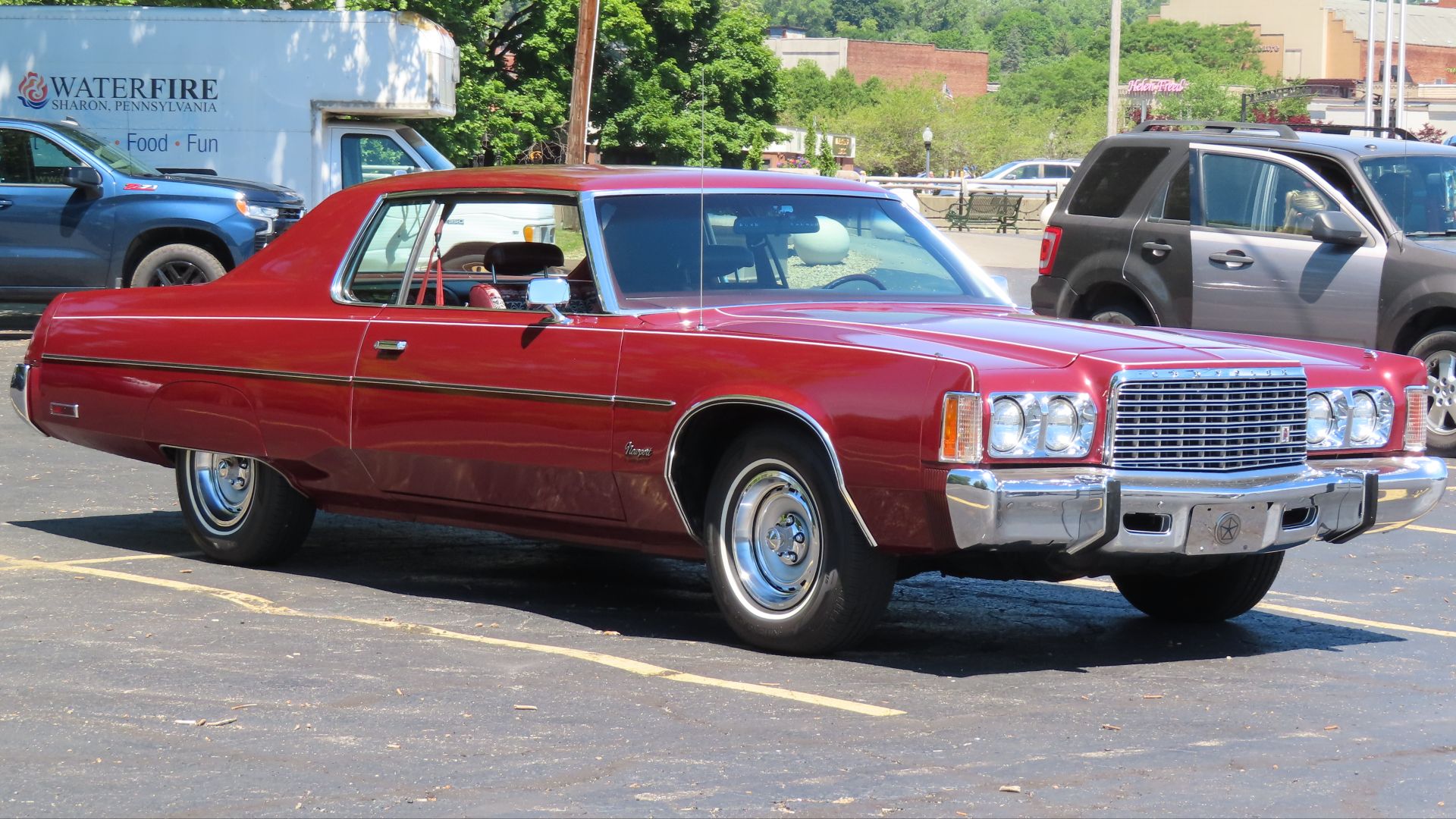 MercurySable99, Wikimedia Commons
Plymouth Volaré
Plymouth gave the Volaré a musical name and the job of following the dependable Valiant. It arrived for 1976 in coupe, sedan, and wagon forms, sharing its basic design with the Dodge Aspen. The early sales were impressive. The rust and recalls made a less flattering impression.
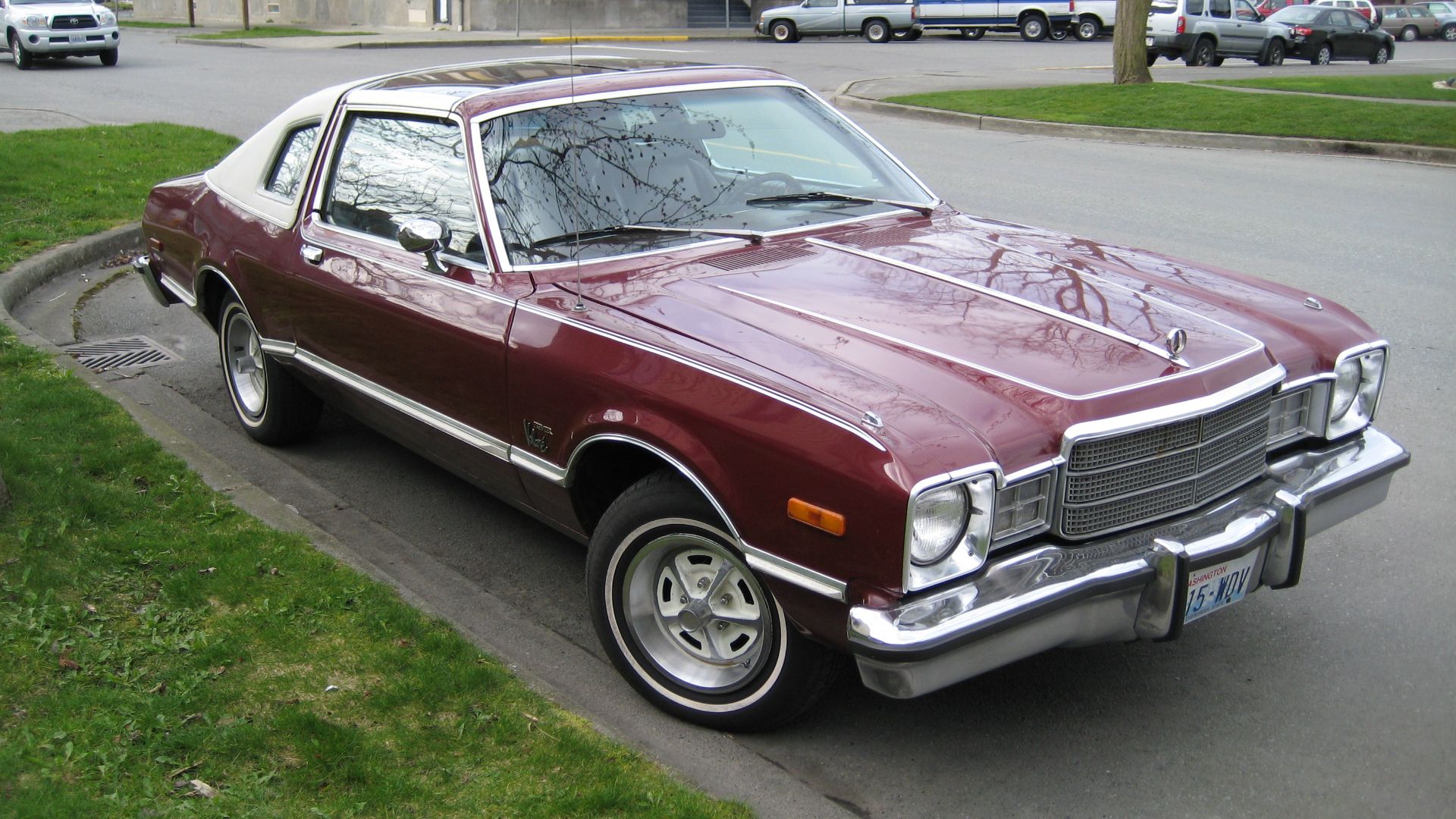 JOHN LLOYD from Concrete, Washington, United States, Wikimedia Commons
Ford Elite
Ford pitched the Elite as a “mid-size car in the Thunderbird tradition,” complete with a vinyl roof and little opera windows. It sold roughly 366,000 cars across three model years. Then the downsized Thunderbird effectively took its place for 1977, leaving the Elite name behind.
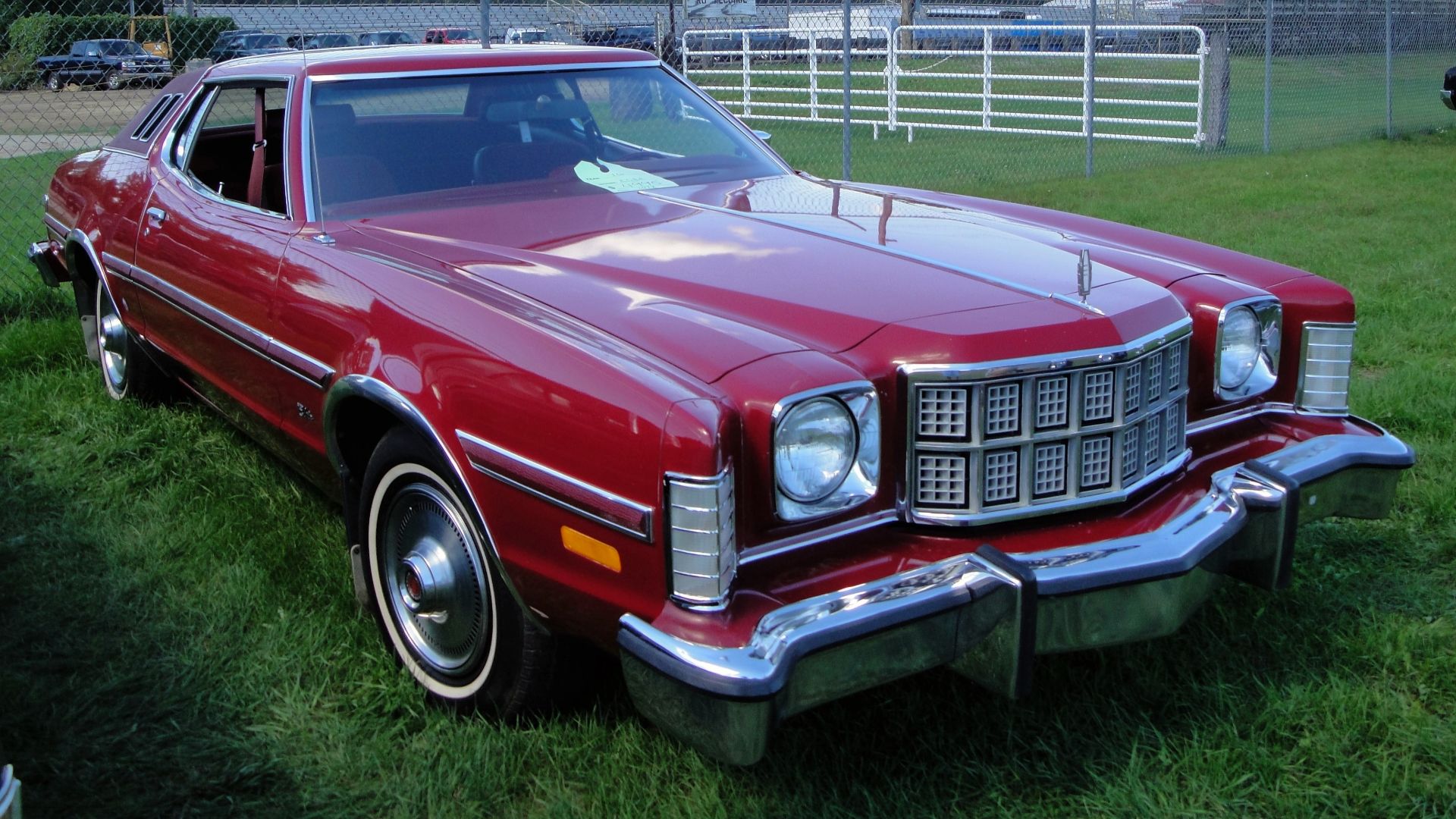 Greg Gjerdingen, Wikimedia Commons
Oldsmobile Delta 88
The Delta 88 was built for people who considered a comfortable ride and a roomy interior perfectly good reasons to buy a car. Its 70s versions offered V8 power and plenty of American-car presence. Nobody needed a touchscreen to understand the appeal of stretching out on a road trip.
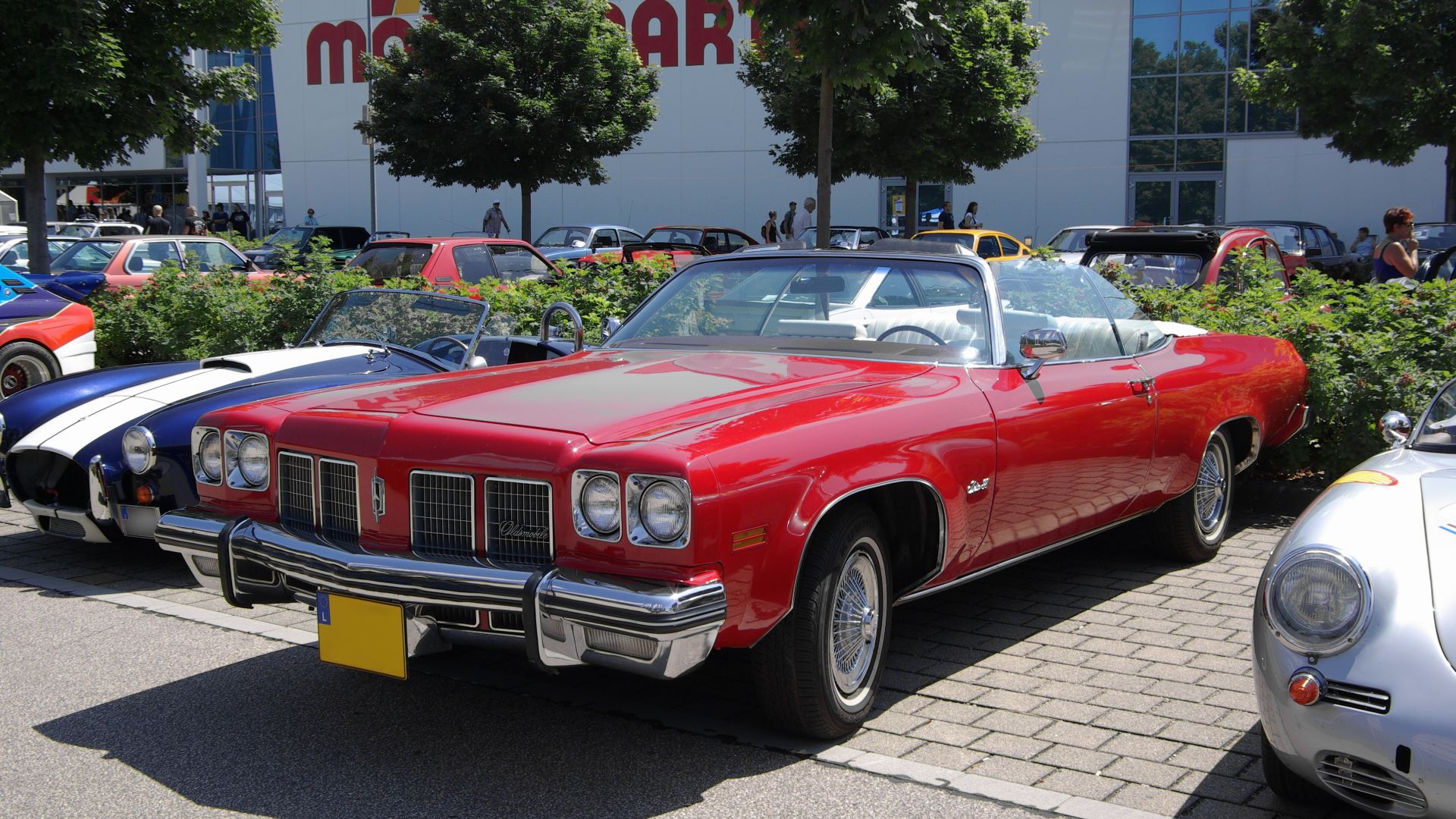 Berthold Werner, Wikimedia Commons
Pontiac Ventura
By 1971, the Ventura name had moved onto Pontiac’s version of Chevrolet’s Nova. It gave shoppers compact dimensions with Pontiac styling, and lasted through 1977. The Nova kept a stronger foothold in popular memory, while the Ventura became the one you might need to identify at a car show.
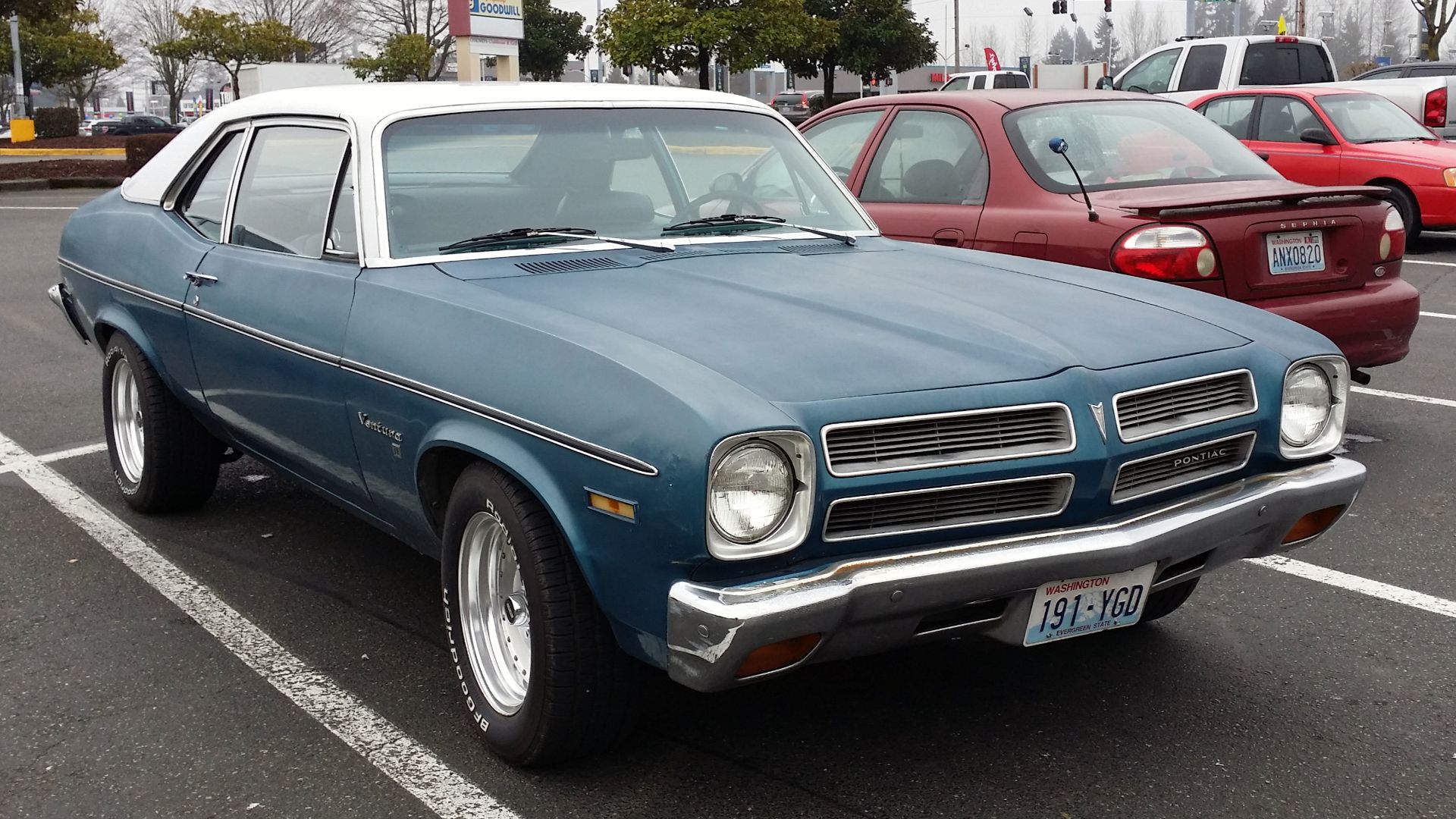 Eric Friedebach, Wikimedia Commons
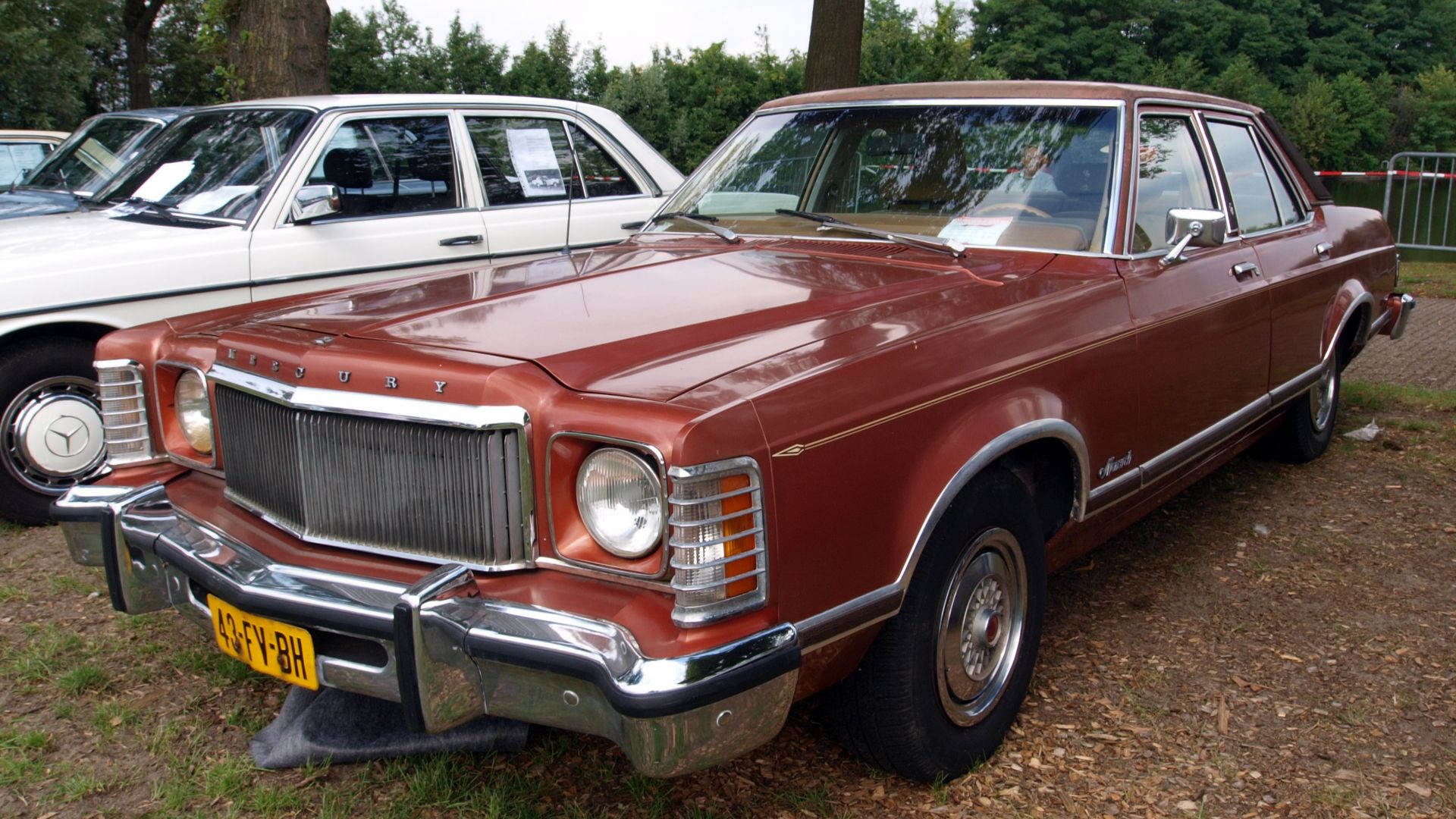
Mercury Monarch
The Monarch arrived for 1975 offering a more upscale take on the Ford Granada. Mercury produced more than 575,000 during its six-model-year run, so this wasn’t some obscure showroom experiment. It was a real success whose name now sounds like it belongs on an old appliance.
Oldsmobile Toronado
The Toronado gave Oldsmobile buyers a distinctive luxury coupe with front-wheel drive when that layout was still unusual in American cars. Its early-70s redesign leaned into comfortable cruising and Cadillac-like styling. Owners liked the look, and the name survived until 1992 before its long run finally ended.
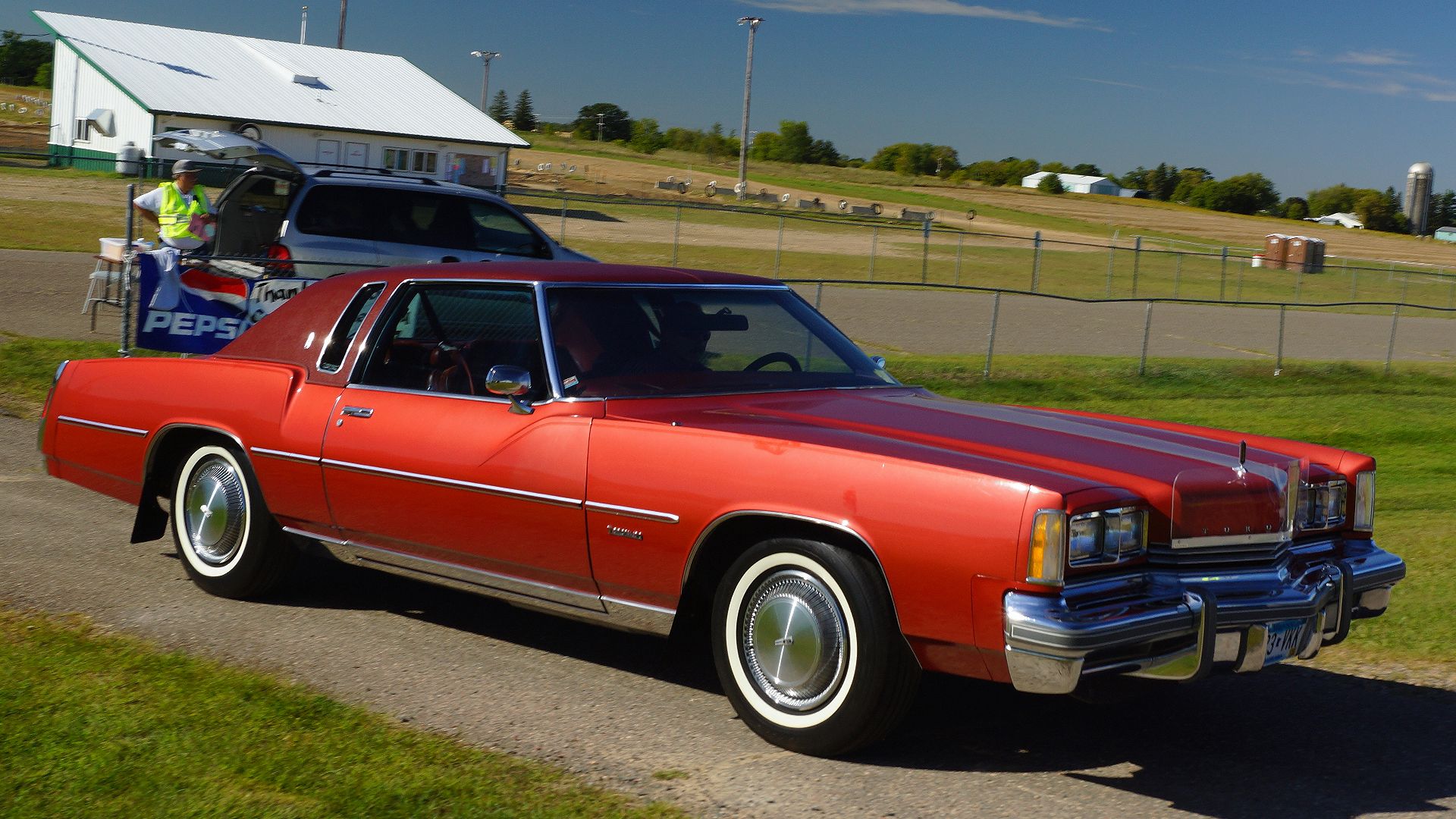 Greg Gjerdingen from Willmar, USA, Wikimedia Commons
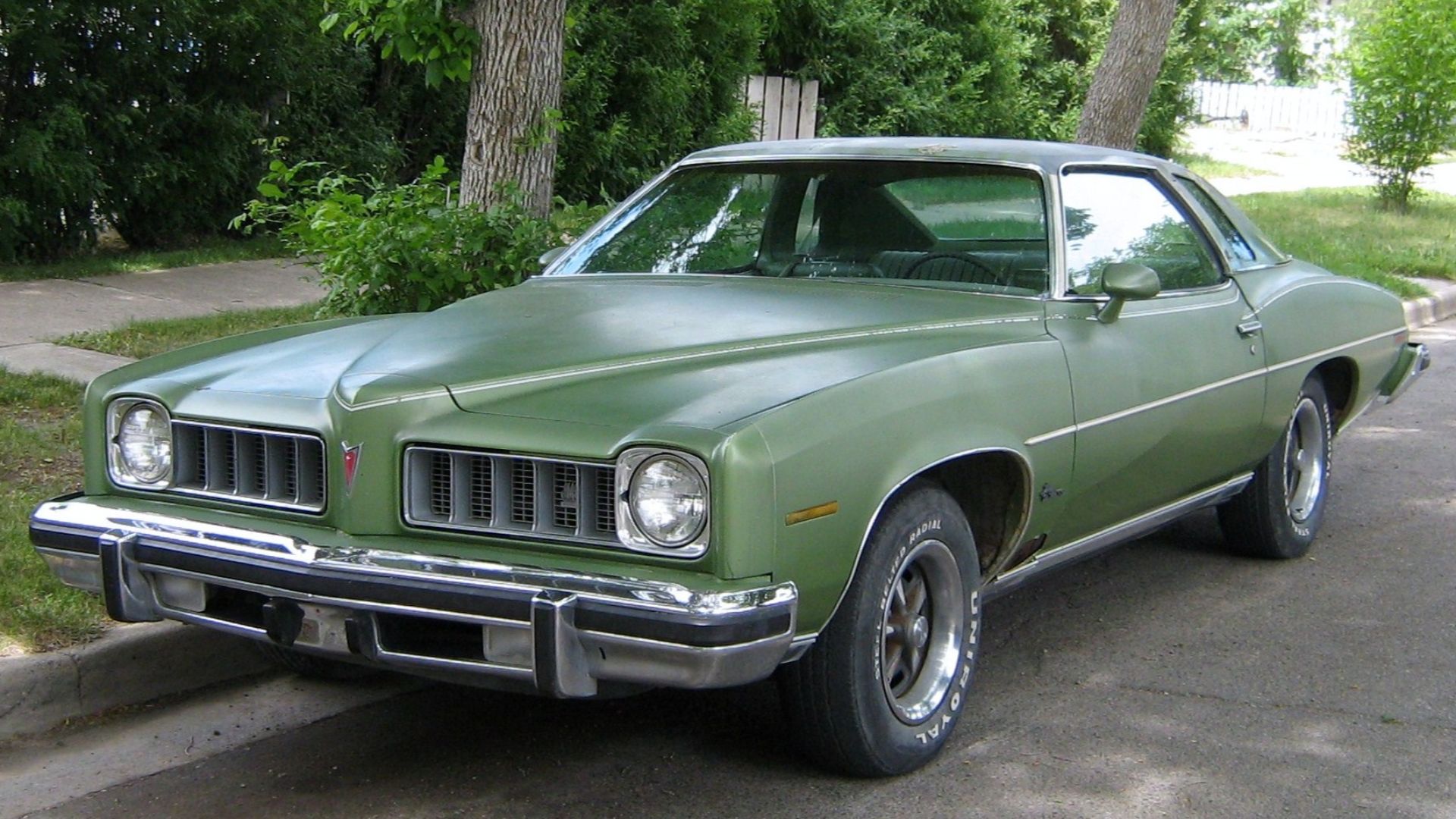
Pontiac LeMans
The GTO gets plenty of attention, but the LeMans handled more ordinary duties in Pontiac’s showrooms. Buyers could choose coupes, sedans, and wagons, and more than 136,000 sold for 1979 alone. For many families, this was the Pontiac they actually owned rather than the one they dreamed about.
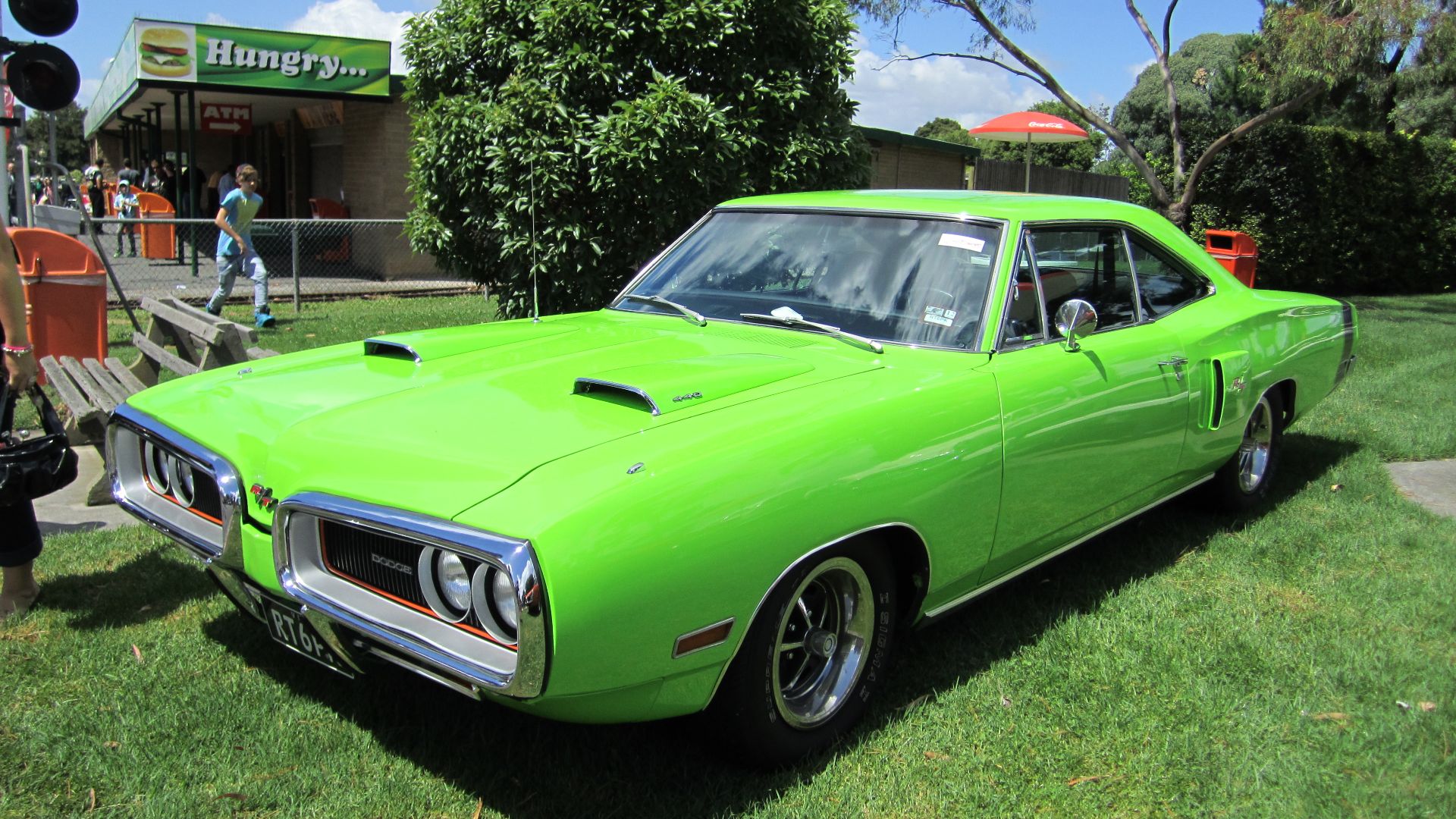
Dodge Coronet
The Coronet name had a performance side, but its 70s sedans and wagons also handled school runs, grocery trips, and family vacations. It lasted through 1976, before Dodge renamed the midsize line Monaco for 1977. The cars continued, but that familiar name stopped appearing on new ones.
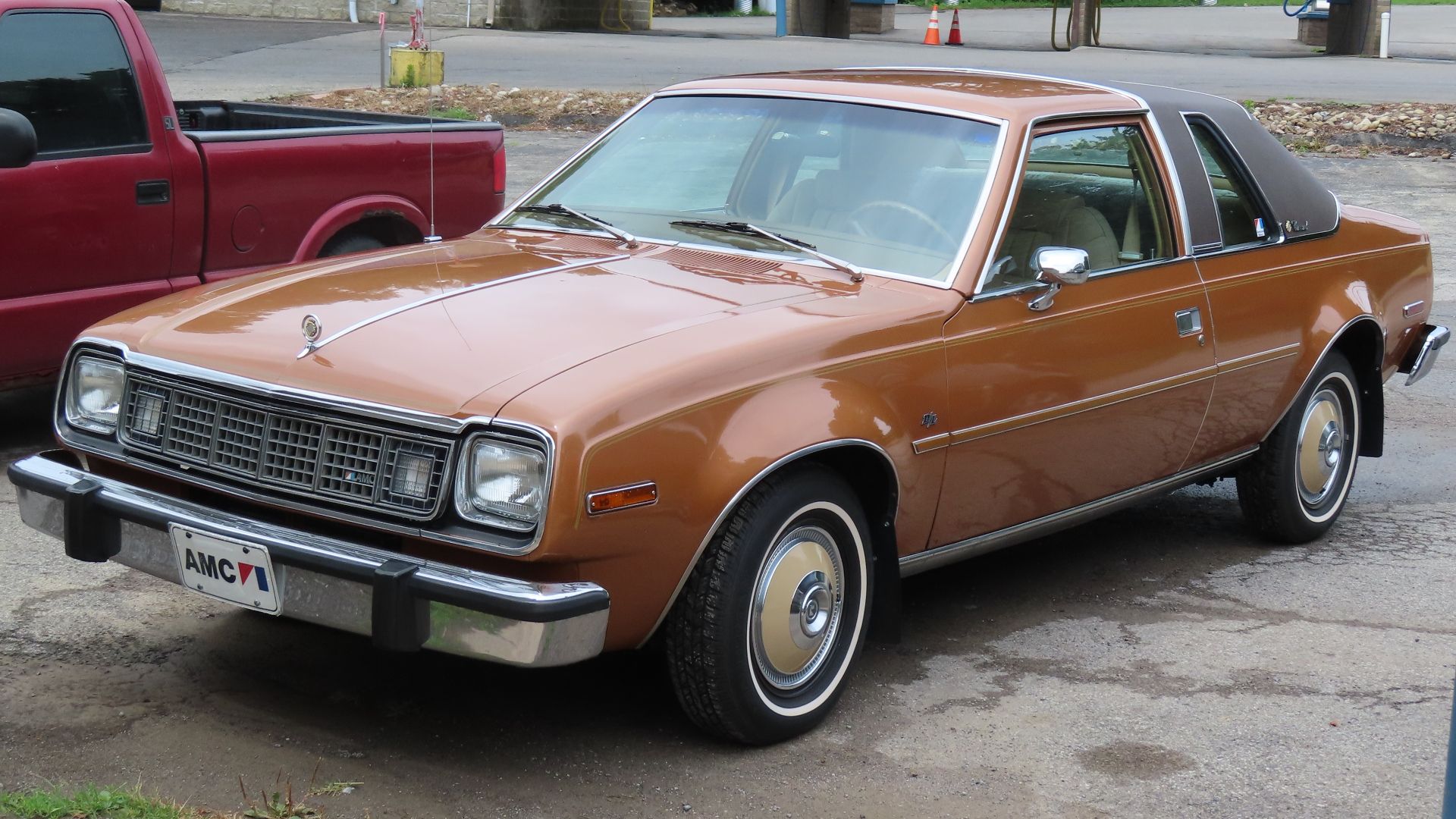
AMC Concord
The Concord arrived for 1978 by updating AMC’s Hornet into a more comfortable, upscale compact. It offered sedan, coupe, hatchback, and wagon choices, giving shoppers plenty of ways to buy into the idea. AMC was selling smaller-car practicality with enough extra comfort to make downsizing feel respectable.
 MercurySable99, Wikimedia Commons
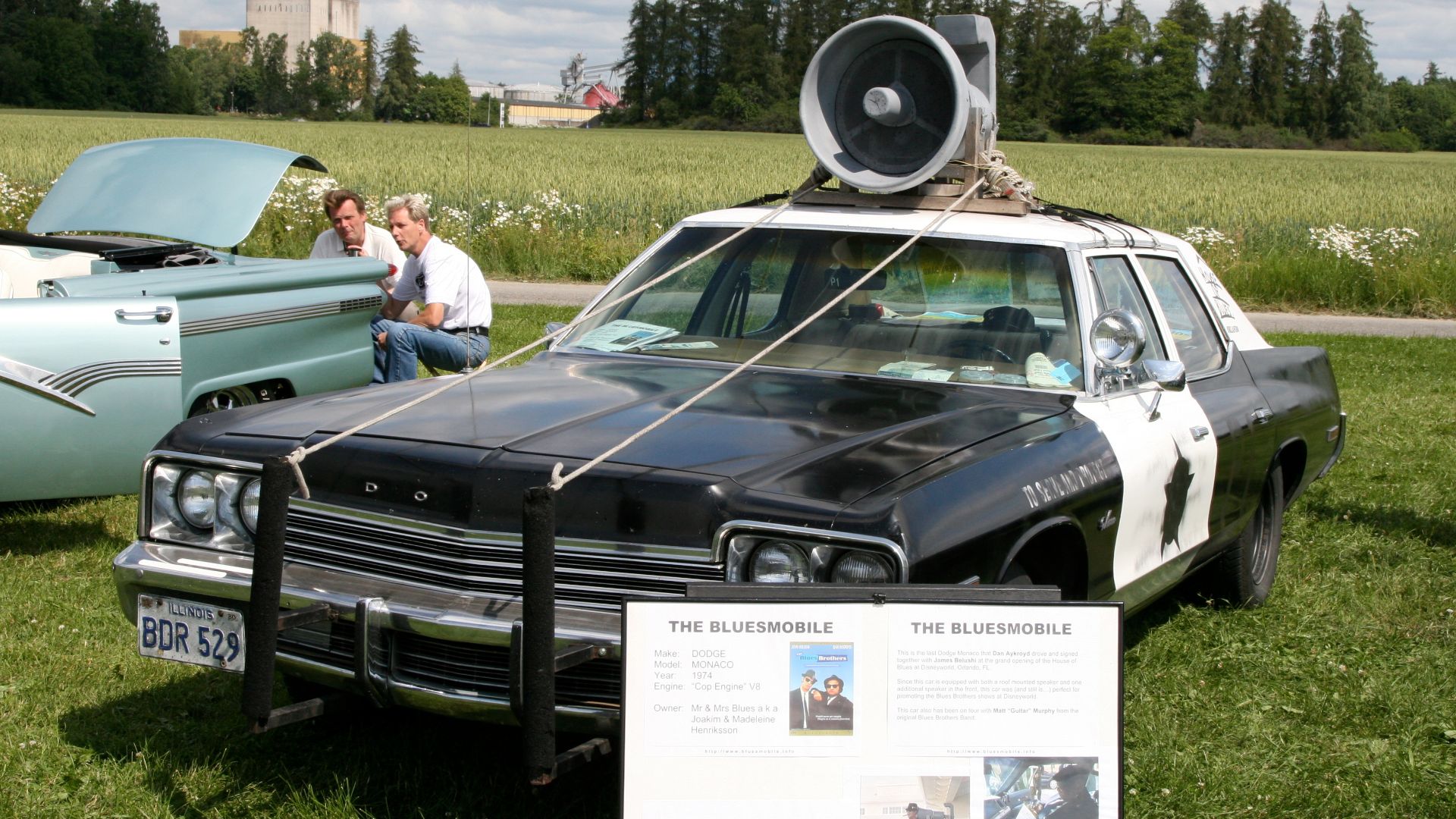
Dodge Monaco
The Monaco was a big Dodge that could serve as family transportation or wear a police department’s colors. A 1974 example became the Bluesmobile in “The Blues Brothers.” Even people who recognize that battered movie car might struggle to tell you the model name on its paperwork.
 Triple-green, Wikimedia Commons
Did Your Family Have One?
Some of these cars were first cars. Others carried the whole family on vacation or sat in Dad’s driveway for years. Now even their names need an introduction. Are we wrong?
You Might Also Like: