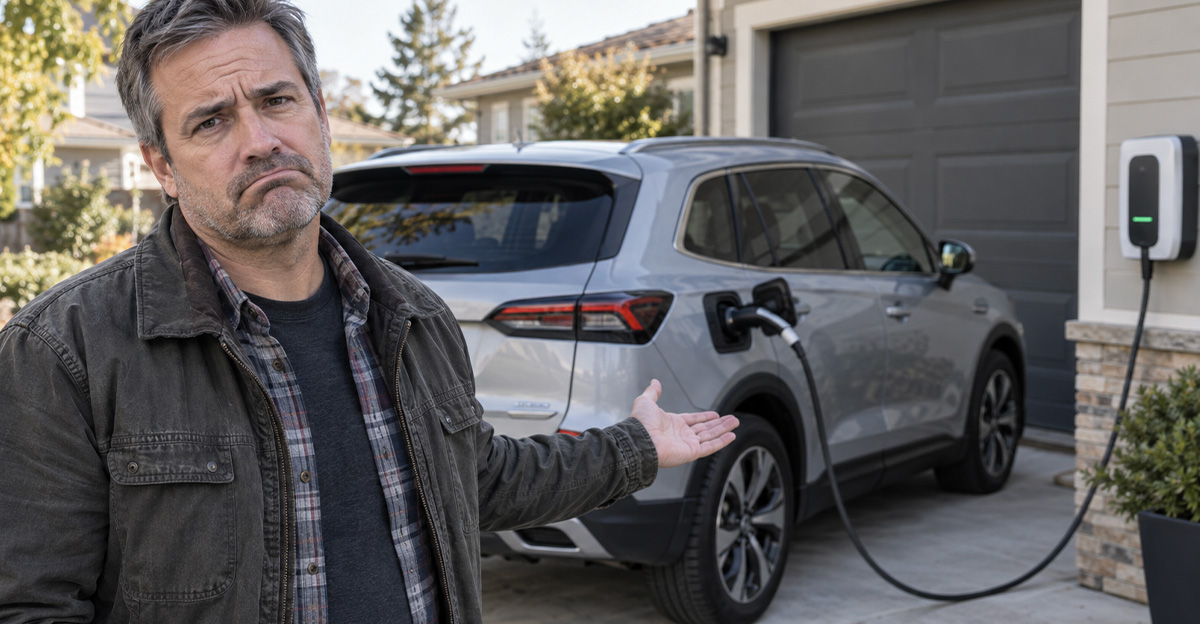
The Battery Report Is Not A Report Card
Buying a used EV can feel like somebody replaced the familiar dipstick and compression test with a spreadsheet from NASA. Suddenly, you are staring at percentages, kilowatt-hours, predicted range, and battery scores. The good news is that most of those numbers are easier to understand than they first appear.
Start With State Of Health
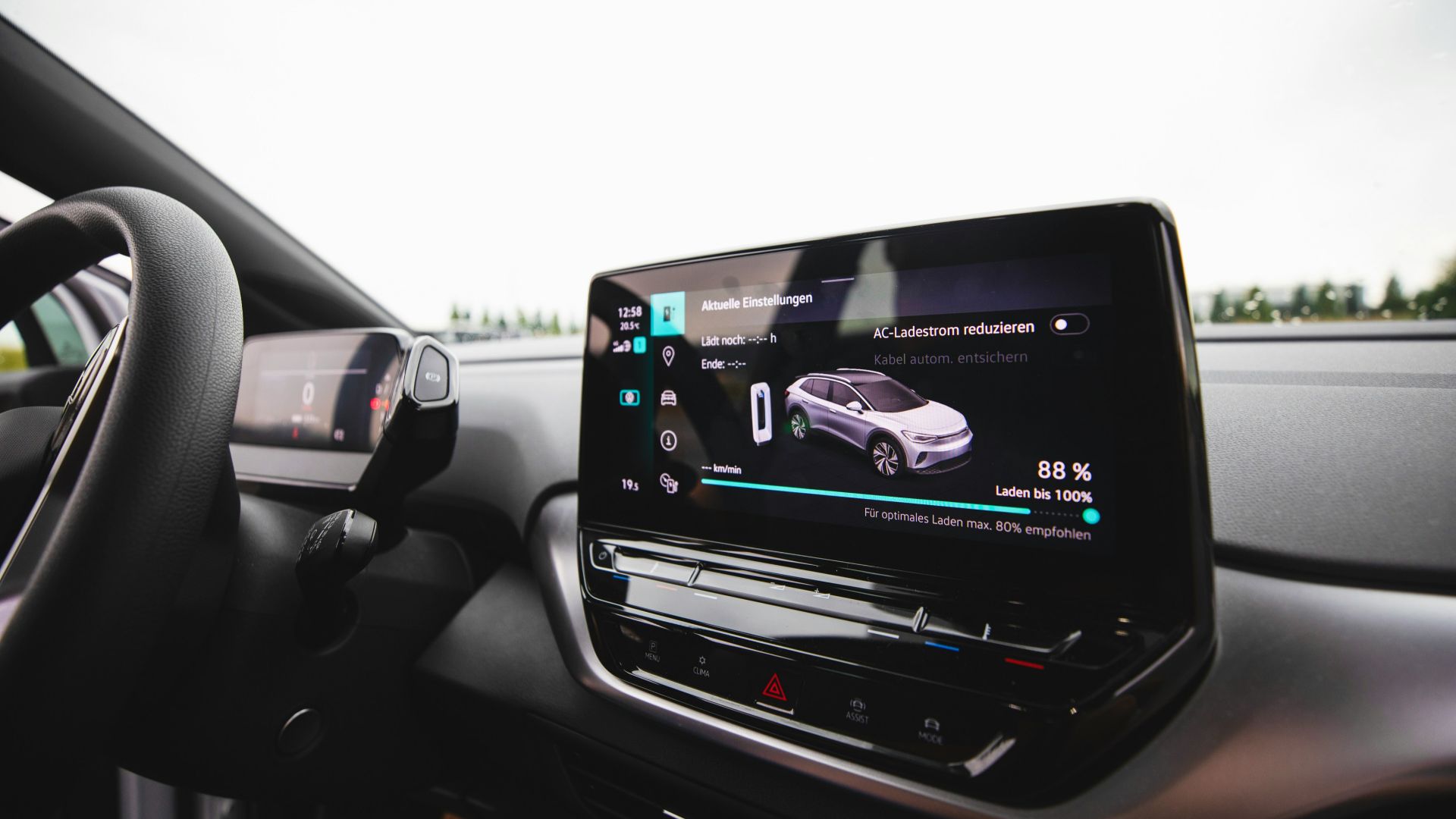
The number most buyers want to find is State of Health, usually shortened to SOH. Broadly speaking, it describes how much useful battery capacity remains compared with when the battery was new. A battery inevitably loses some capacity as it ages, so anything below 100% is not automatically cause for alarm.
Do Not Confuse Health With Charge
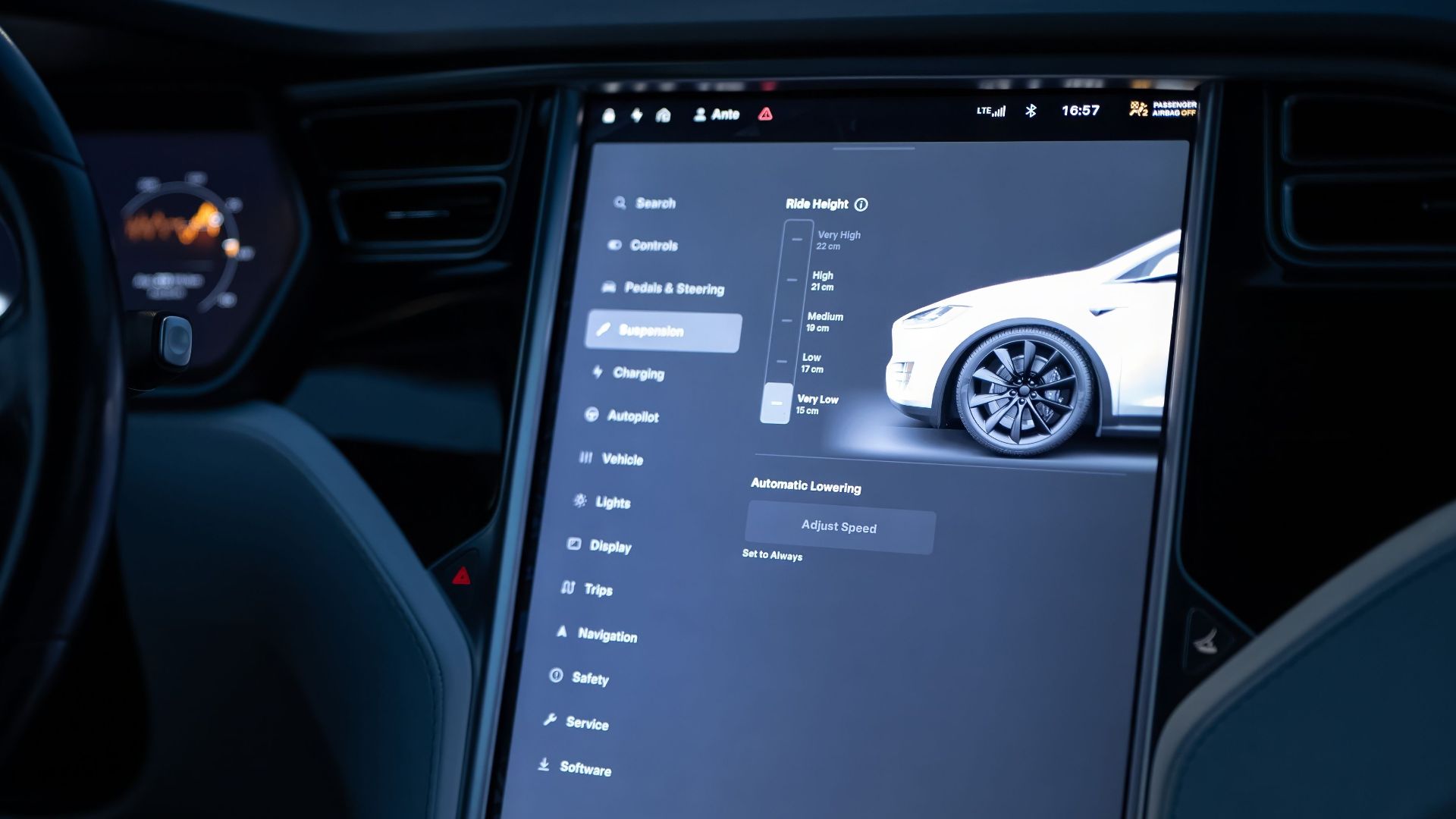
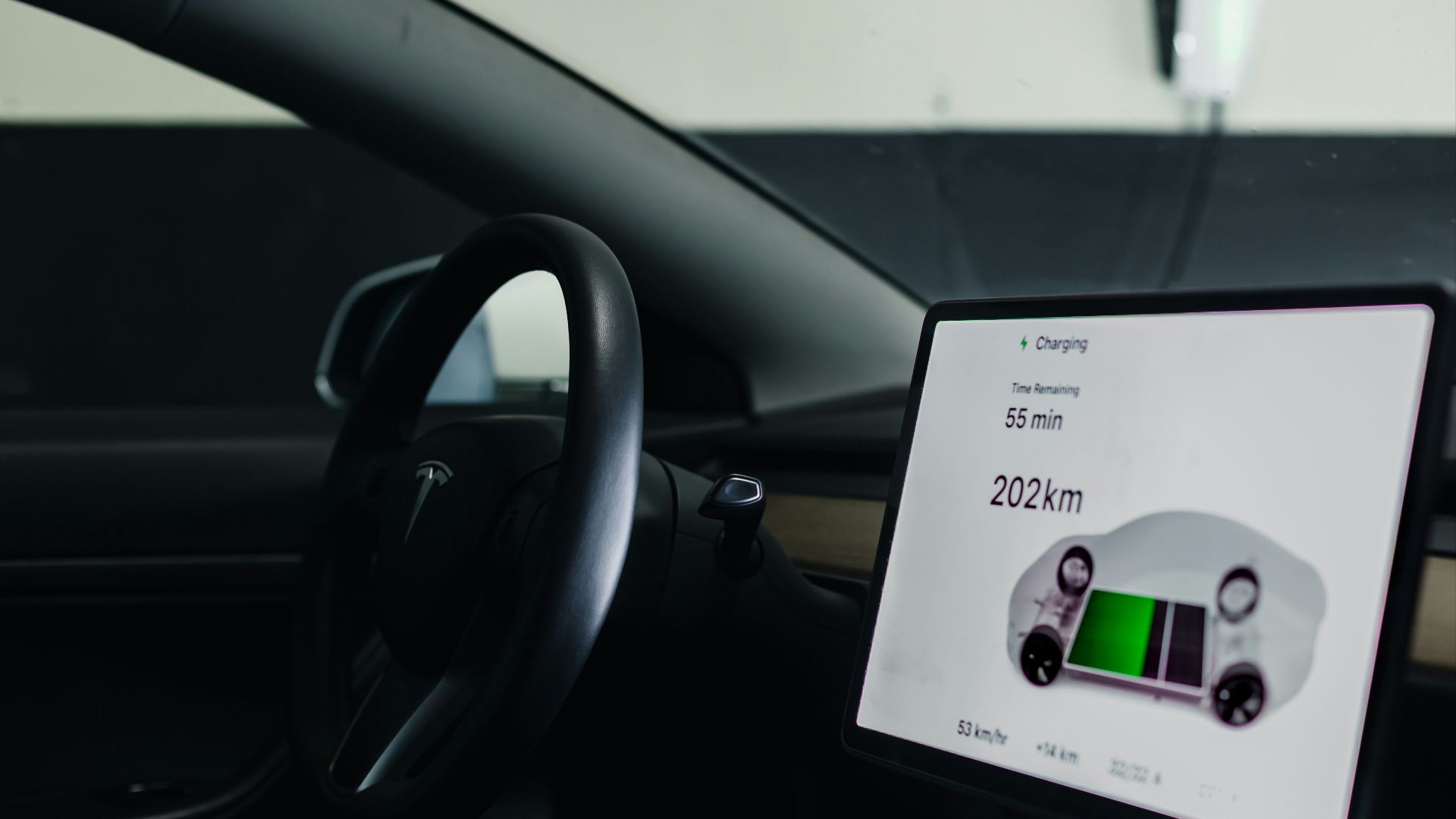
State of Health and State of Charge sound annoyingly similar, but they describe different things. State of Charge is simply how full the battery is right now. Think of it as the EV equivalent of the fuel gauge. State of Health is more like the condition of the fuel tank itself.
A Percentage Needs Some Context
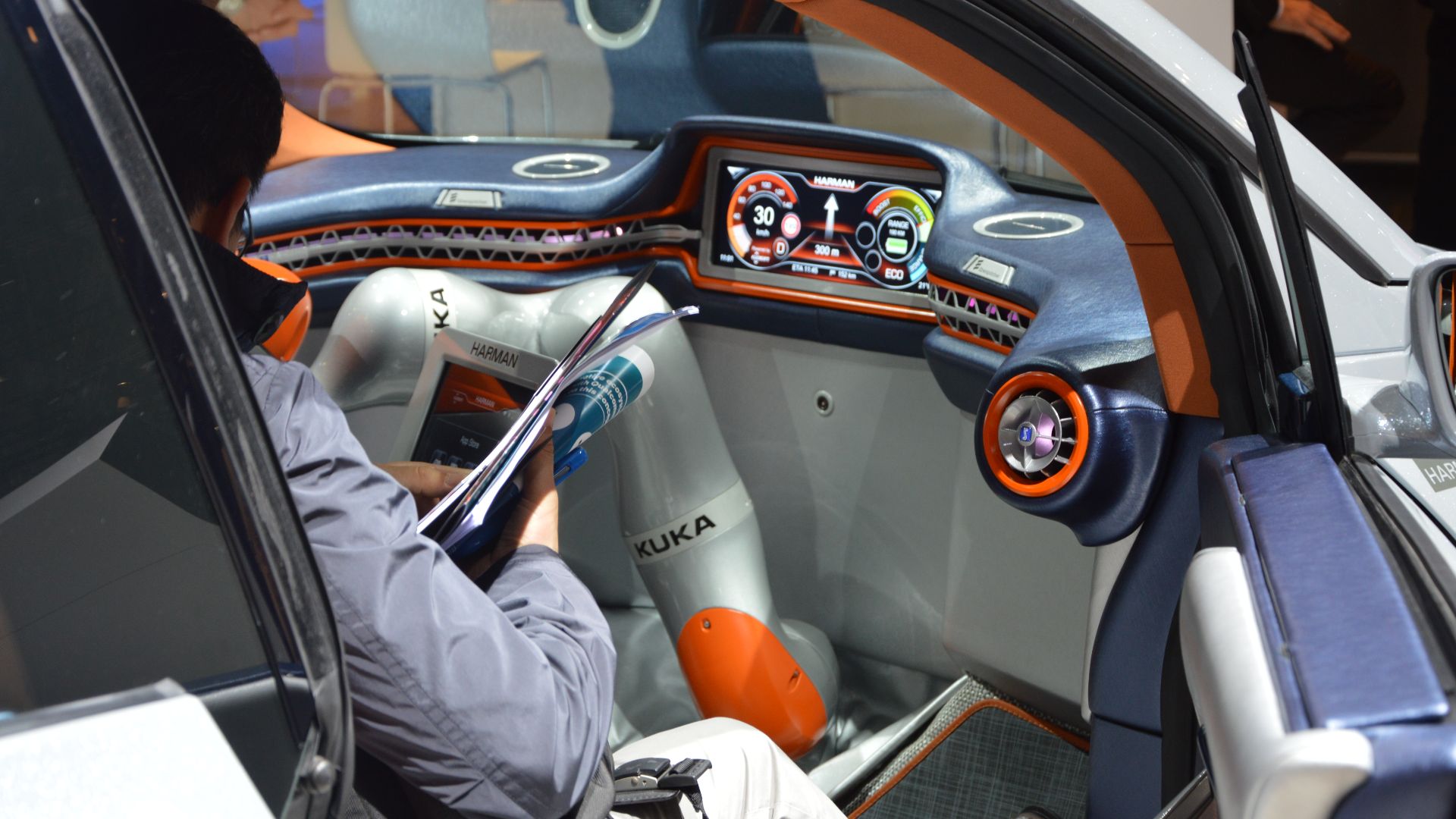
Suppose your report says the battery is at 91% health. That sounds pretty straightforward, but the number is only useful if you understand how the company calculated it. Different manufacturers, diagnostic tools, and independent battery reports can use different methods, so two percentages may not be perfectly comparable.
 Coolomon Tetris (also known as CoolT), Wikimedia Commons
Battery Capacity Is Measured In Kilowatt-Hours
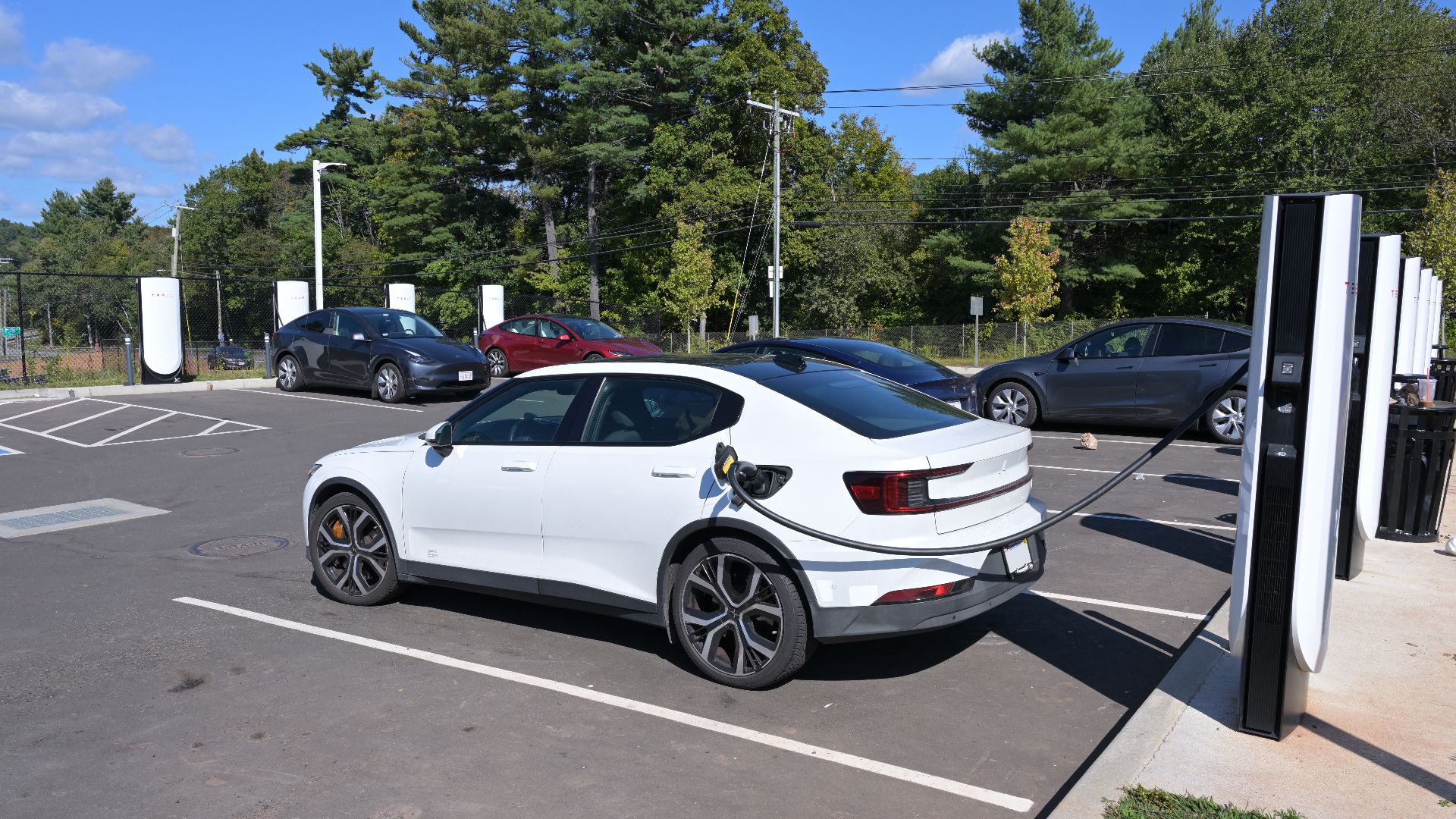
Instead of gallons, an EV stores energy in kilowatt-hours, or kWh. A battery that held a certain amount when new may hold somewhat less after years of service. That reduction in usable energy is what buyers generally mean when they talk about battery degradation. Less available energy usually means less potential driving range.
 4300streetcar, Wikimedia Commons
Gross And Usable Capacity Are Different
Here is another wrinkle that can make battery reports confusing. Automakers sometimes describe a battery using its total, or gross, capacity, while the driver only gets access to a smaller usable portion. That hidden buffer helps protect the battery, so do not automatically compare every kWh figure you find online.
 Priscilla Du Preez 🇨🇦, Unsplash
The Dashboard Range Is Not Battery Health
The miles showing beside the little battery symbol are not necessarily a laboratory measurement of battery condition. They are an estimate based partly on recent consumption and other conditions. A previous owner with a heavy right foot can make a perfectly decent battery look disappointing when you first start the car.

Weather Can Make Range Look Terrible
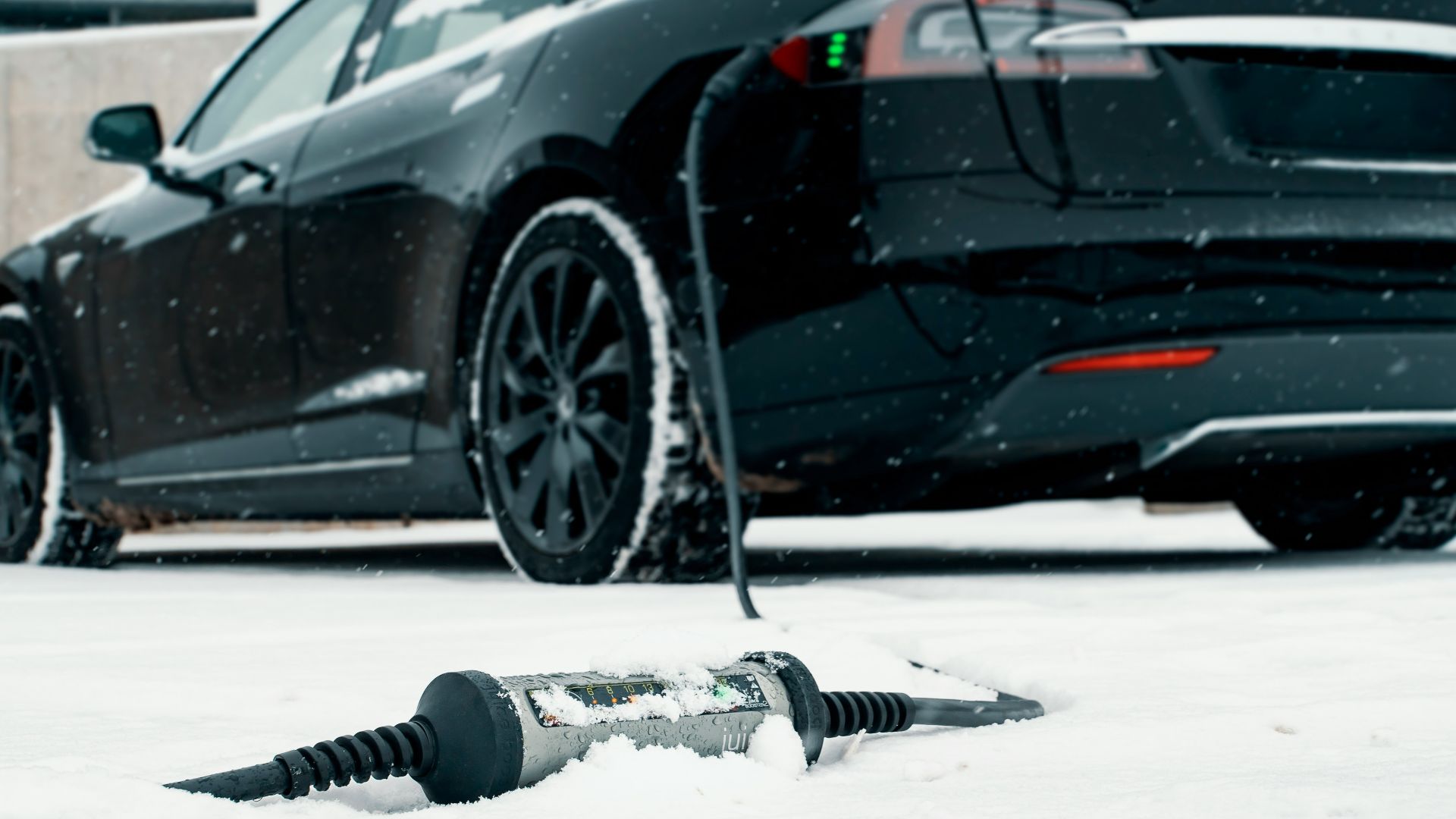
Cold weather is particularly good at frightening first-time EV owners. Low temperatures can reduce range temporarily because batteries operate differently when cold and the cabin requires energy for heating. That does not necessarily mean the battery suddenly degraded. A warmer day may produce a dramatically different result.
Your Right Foot Still Matters
Remember how a big-block V8 could empty a gas tank faster if you enjoyed the accelerator too much? Electricity works the same way. Hard acceleration, high speeds, hills, heavy loads, and aggressive climate-control use can all increase energy consumption. Range and battery health therefore should not be treated as identical measurements.

Highway Driving Changes The Picture
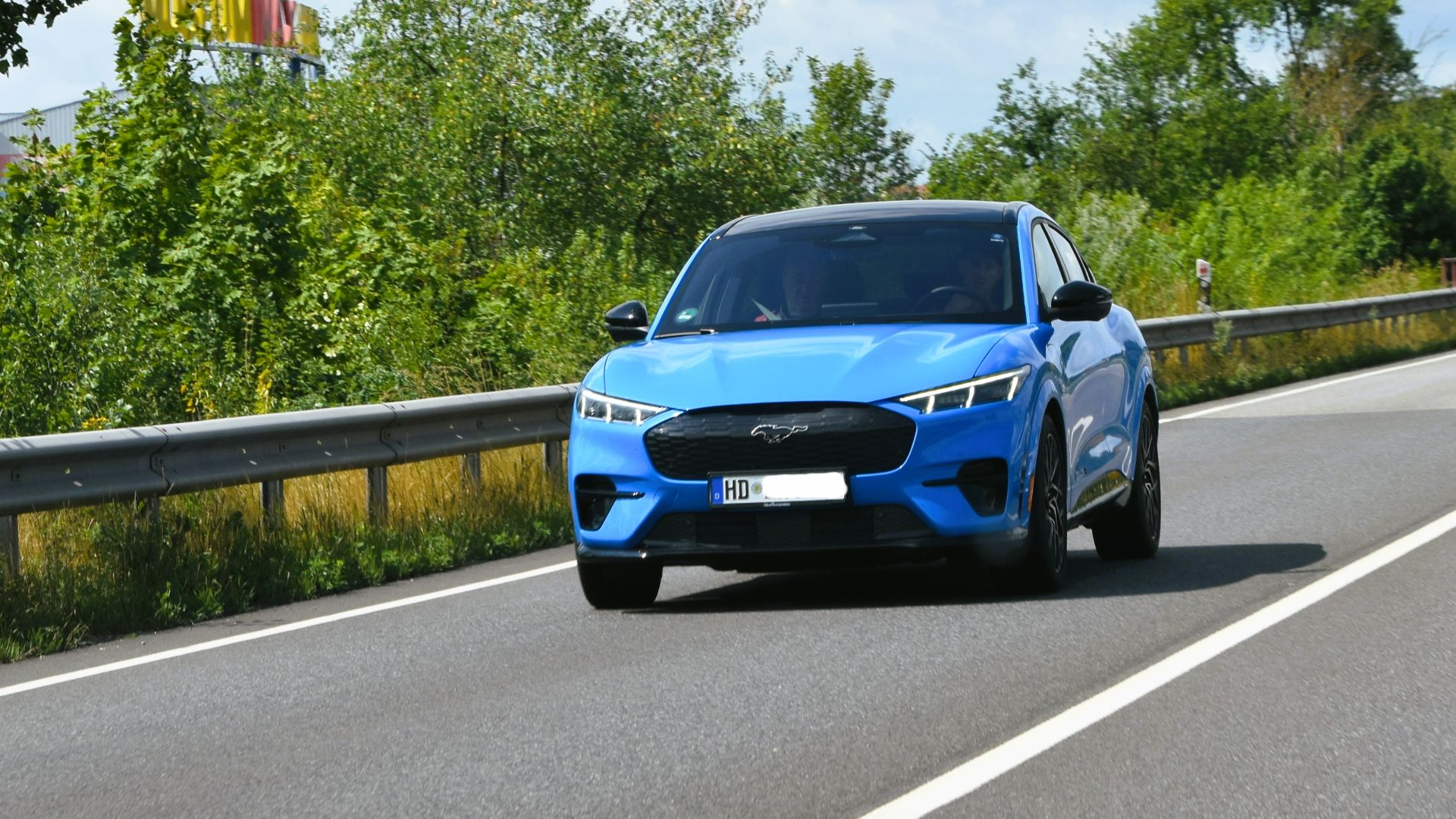
Many gasoline cars deliver respectable highway mileage, but EVs can behave differently because aerodynamic drag increases sharply with speed. A used EV that seems wonderful around town may lose range more quickly at 70 mph. If you regularly take long highway trips, make sure your test drive includes one.
 Charles from Port Chester, New York, Wikimedia Commons
Check What It Is Being Compared With
A useful battery report should ideally compare the vehicle with similar EVs of the same model, battery configuration, and age. Comparing a five-year-old crossover with a brand-new version can make normal aging look alarming. Independent reports may also provide model-specific context rather than simply displaying one mysterious percentage.
 Phillip Pessar, Wikimedia Commons
Age Can Matter As Much As Mileage
Traditional used-car shoppers have been trained to stare at the odometer first. With an EV, mileage remains important, but it does not tell the whole battery story. Batteries also age with time, temperature, charging patterns, and other factors. Two EVs with identical mileage can therefore have somewhat different battery histories.
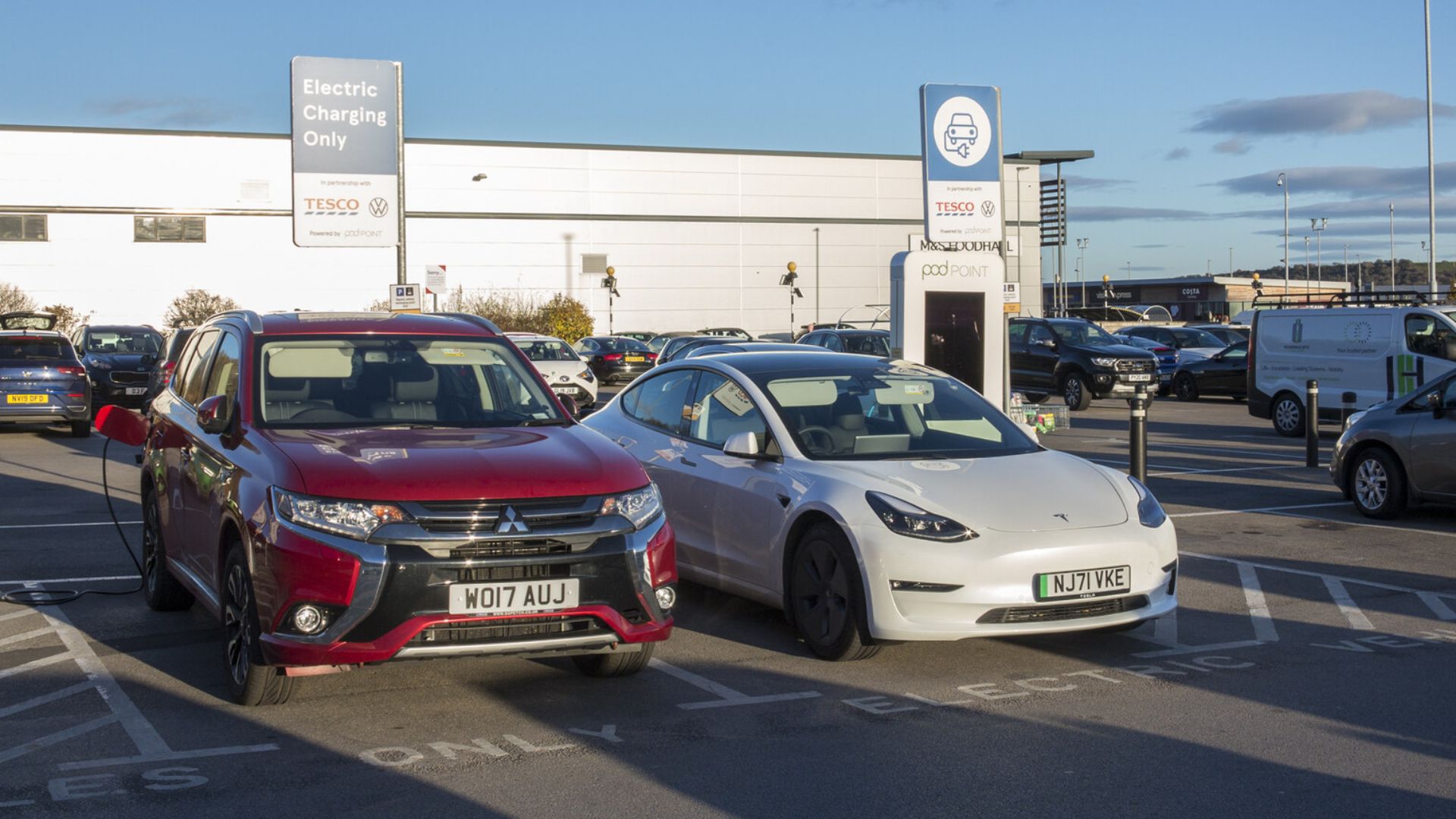 Trevor Littlewood , Wikimedia Commons
Ask About Extreme Heat
A battery that has spent years baking in severe heat may have experienced different aging than one living in a milder climate. Modern EVs generally use sophisticated battery-management systems, and many use liquid cooling to control battery temperature. Still, climate history is worth considering when evaluating an older vehicle.

Fast Charging Is Not Automatically Bad
Some buyers hear “DC fast charging” and imagine the previous owner slowly cooking the battery. Frequent fast charging can be one factor affecting battery aging, but the situation depends heavily on battery chemistry, thermal management, temperatures, and the vehicle itself. Ask about charging history, but do not treat one fast-charge session like a smoking gun.
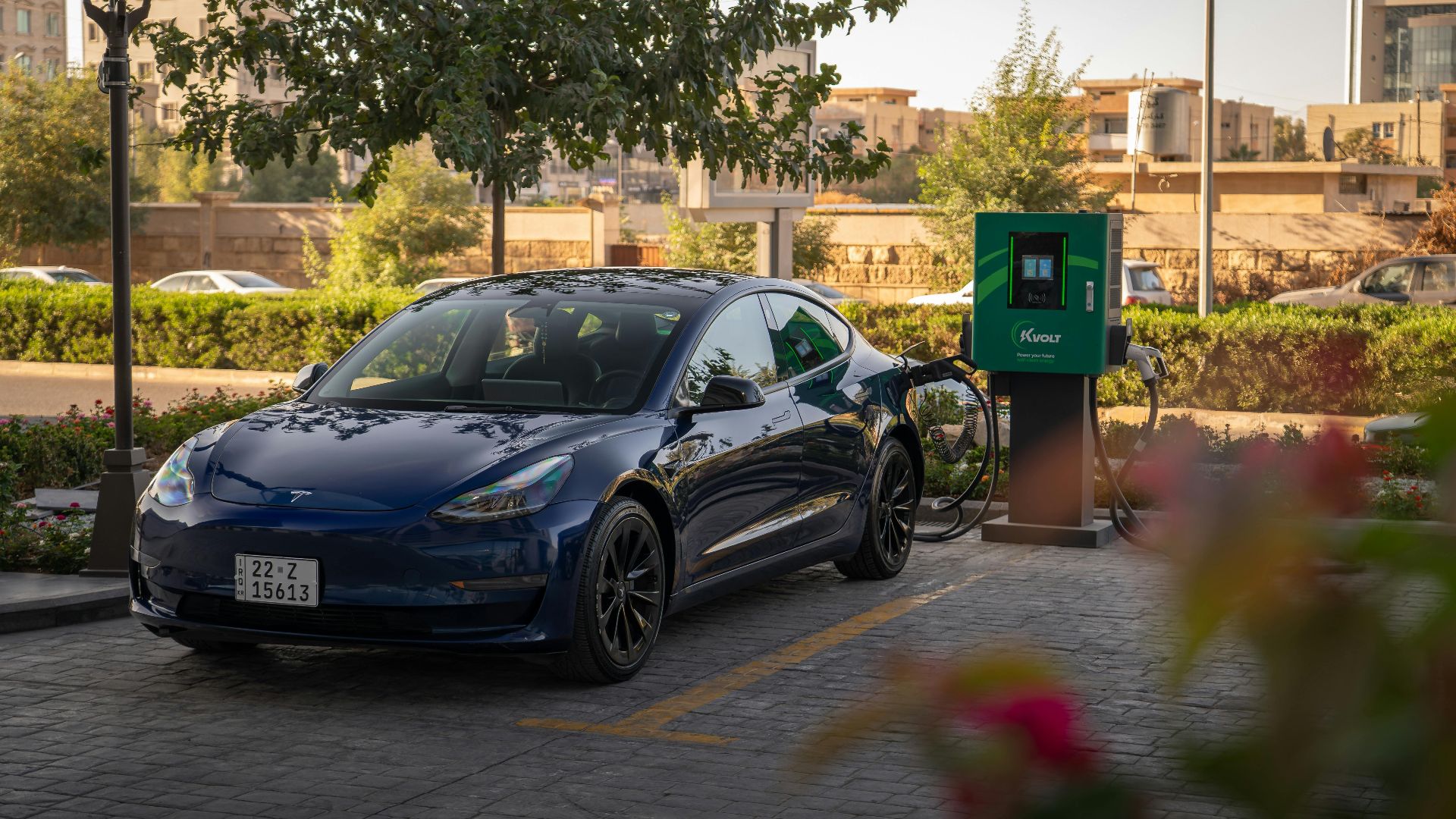
Charging Habits Tell Part Of The Story
Constantly leaving certain batteries at very high charge levels for long periods can contribute to aging, while manufacturers increasingly provide charging controls designed to protect the pack. Recommended habits vary by battery chemistry and vehicle, however. The owner’s manual matters more than somebody’s universal rule posted on an EV forum.
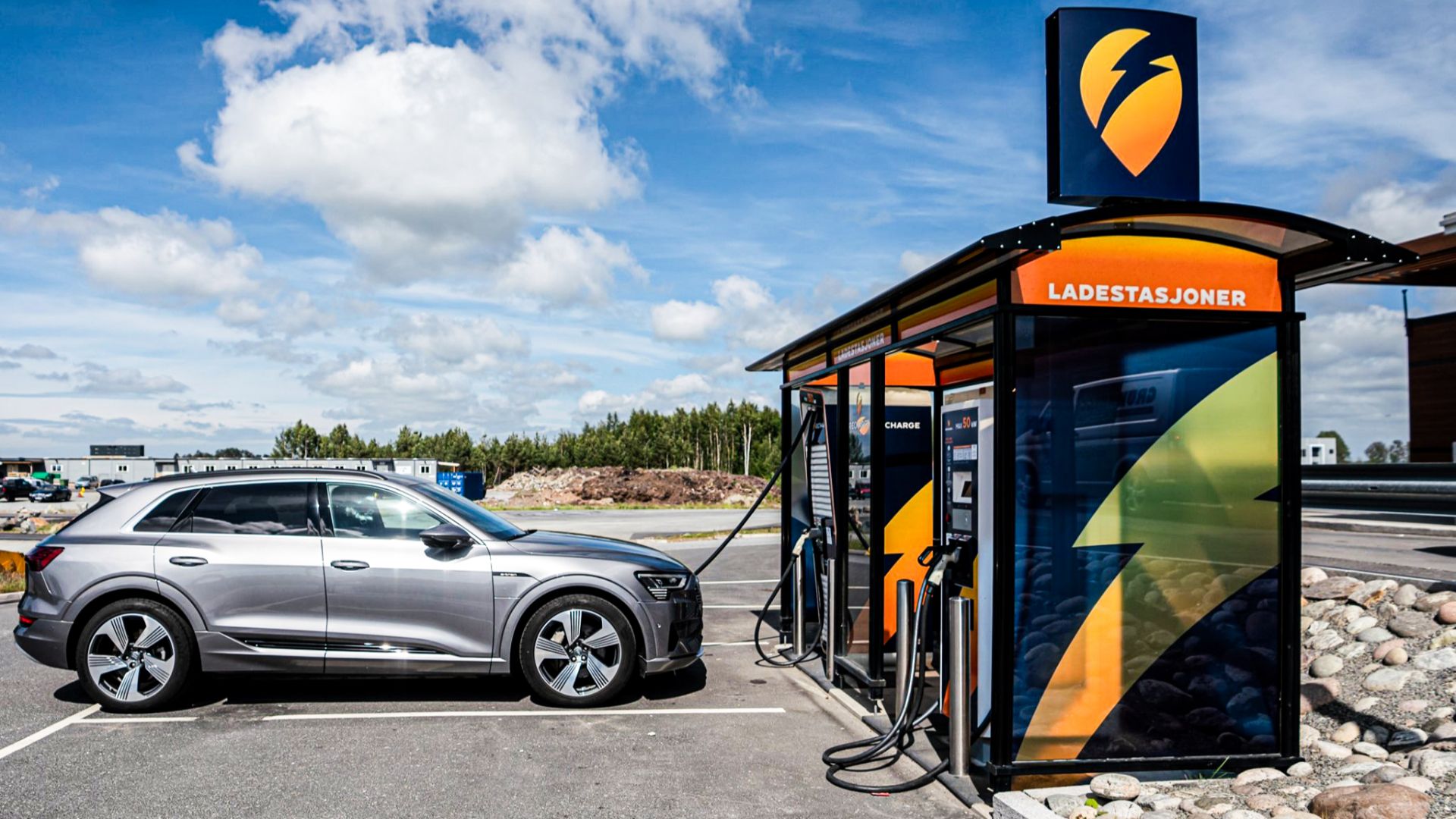
Find Out Whether The Battery Was Repaired
A replacement battery is not necessarily bad news. In fact, documented replacement of a faulty pack or module can be valuable information. Ask for repair invoices and warranty records. You want to know what was replaced, when the work happened, who performed it, and whether any relevant warranty coverage remains.
 Marcy Kaptur's Congressional Office, Wikimedia Commons
Read The Battery Warranty
Before worrying about an imperfect health score, find out what warranty remains on the battery. Coverage terms, time limits, mileage limits, and degradation thresholds vary by manufacturer and model. Get the actual warranty terms for the specific VIN rather than assuming every EV receives identical protection.

Ask Who Produced The Report
A glossy battery report can look wonderfully official without telling you much about how its numbers were created. Was the information taken directly from the vehicle? Was it calculated using connected-car data? Is it an estimate based on comparable vehicles? Understanding the methodology makes that attractive percentage far more meaningful.

One Reading Is Only A Snapshot
Battery condition is easier to understand when you have information collected over time. A single diagnostic reading can be useful, but outside temperature, recent charging, software behavior, and battery balancing can affect what you see. Some independent services therefore analyze repeated vehicle data rather than relying solely on one measurement.

Software Can Move The Numbers
Your battery did not magically grow new lithium overnight just because the estimated range increased after an update. Software changes and battery-management recalibration can alter estimates of capacity or available range. If a report suddenly changes, investigate the reason before concluding that the battery physically improved or deteriorated overnight.

Take The Car For A Proper Drive
Numbers are useful, but so is the oldest trick in used-car shopping: drive the thing. Note the battery percentage before leaving, cover a meaningful mixture of roads, and check energy consumption afterward. You are not conducting a scientific experiment, but obvious problems may reveal themselves more clearly behind the wheel.
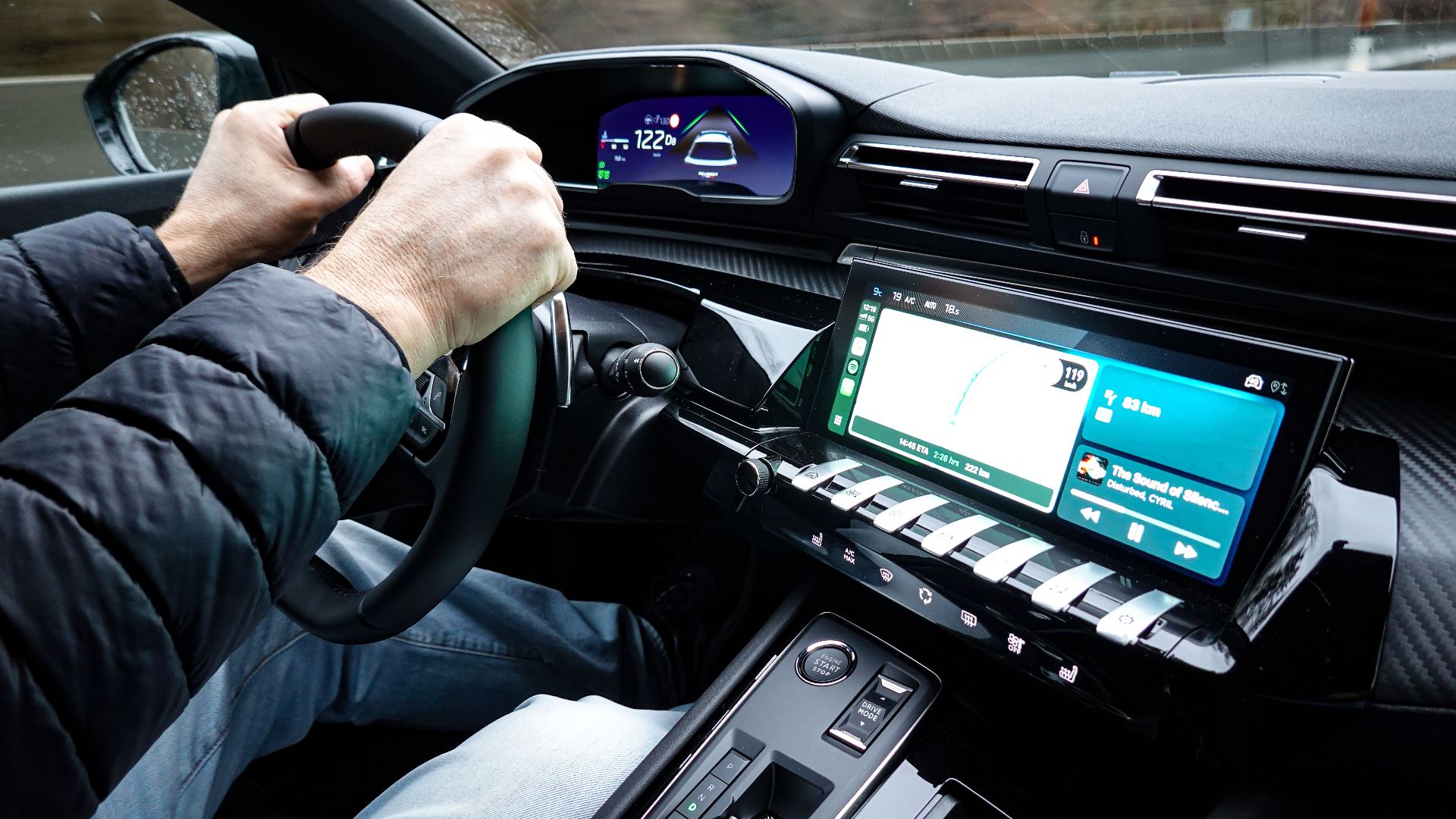
Test The Charging System Too
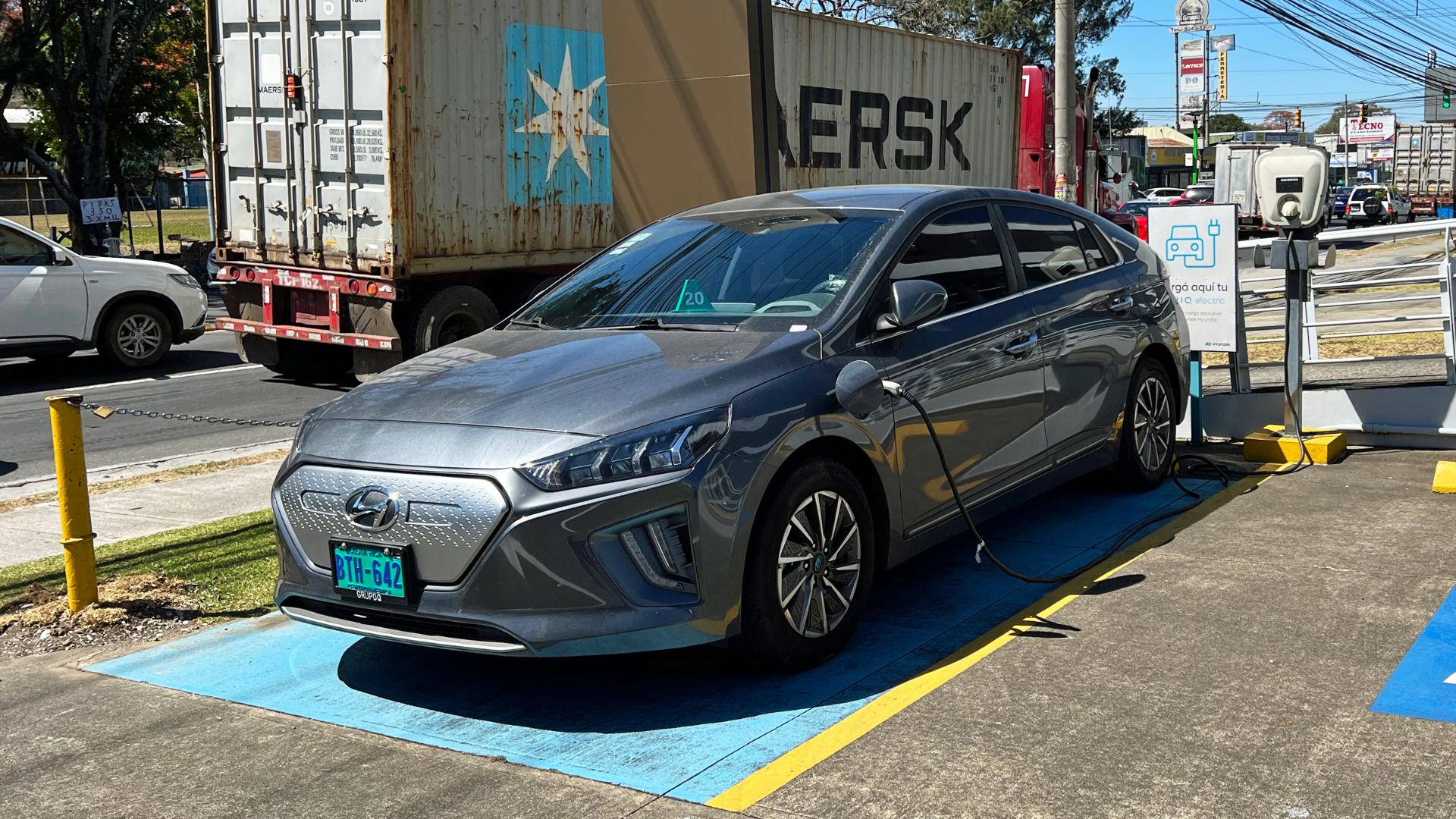
Do not buy a used EV after checking only whether it moves forward and backward. Plug it into an appropriate charger if possible. Confirm that charging begins normally, inspect the charge port, and ask whether the vehicle has experienced charging faults. A healthy battery is not much comfort if something else prevents you from charging it.
 Mariordo (Mario Roberto Durán Ortiz), Wikimedia Commons
Remember It Is Still A Car
EV shopping can become so battery-obsessed that buyers forget about tires, suspension, steering, wheel alignment, air conditioning, body damage, and brakes. EVs generally have fewer routine powertrain maintenance requirements than gasoline vehicles, while regenerative braking can reduce conventional brake wear. They still deserve a proper used-car inspection.
Check The Tires Carefully
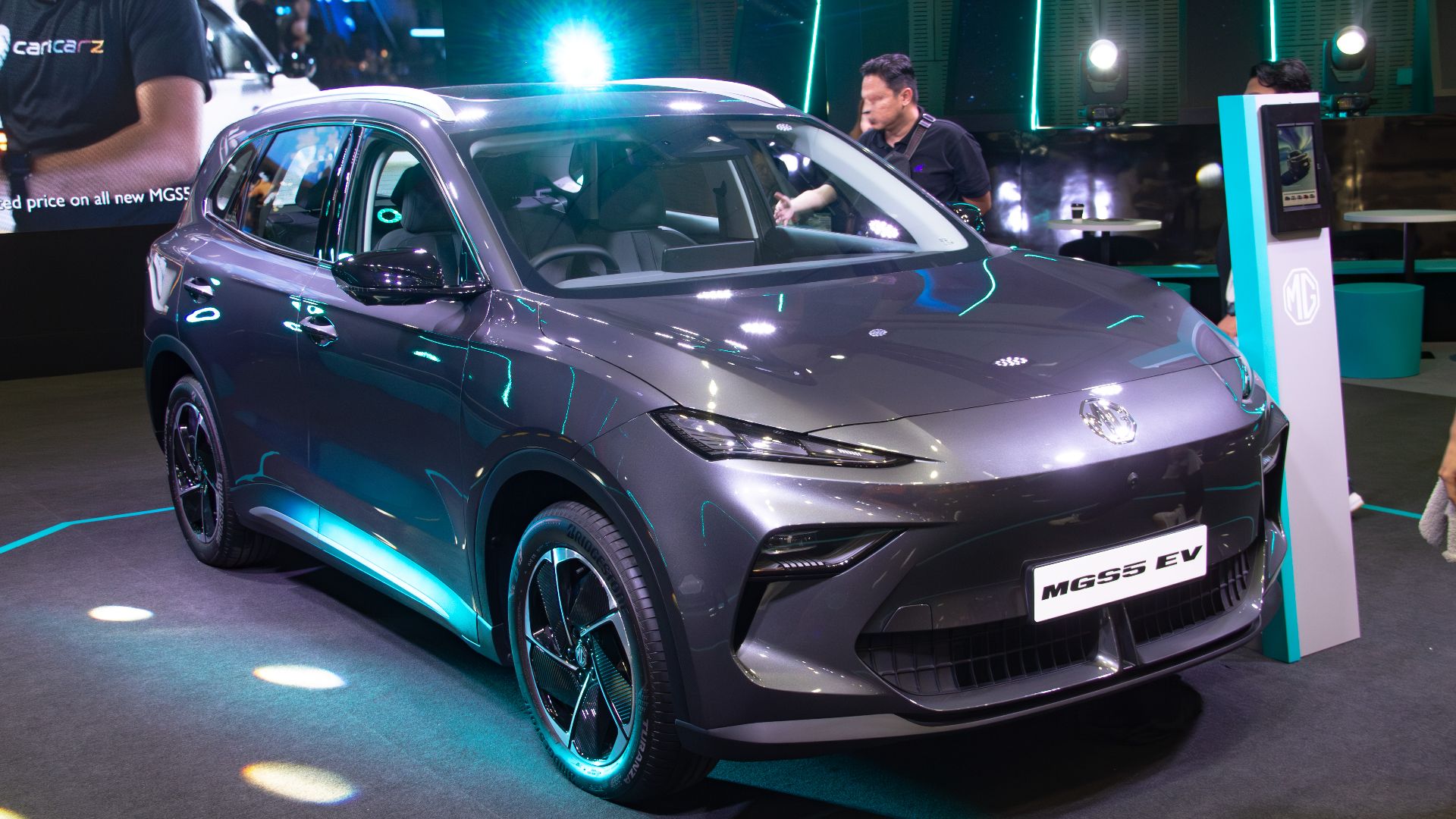
Tires matter enormously on an EV. Many electric vehicles are heavy, powerful, and capable of delivering instant torque, which can make neglected tires an expensive surprise. Incorrect tire pressure can also hurt efficiency. A disappointing range figure might therefore reflect something considerably cheaper to fix than a worn-out battery pack.
 Memory Stockphoto, Shutterstock
Make Sure The Range Fits Your Life
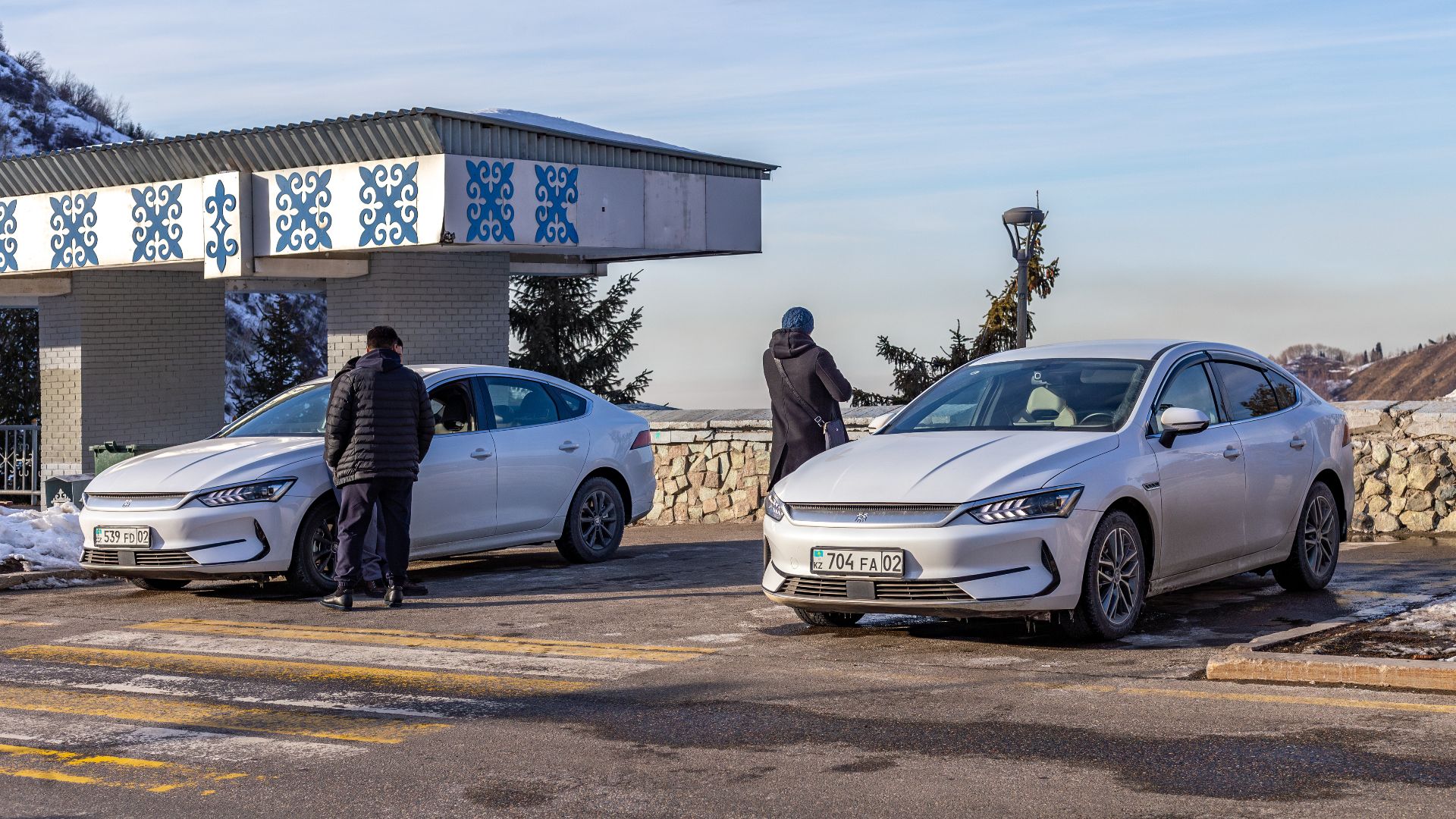
The most important number may not be 94%, 89%, or anything else on the health report. Ask whether the vehicle can comfortably handle your actual driving. A used EV with reduced capacity could still be an excellent commuter if you normally drive 25 miles a day and charge at home.
 Nikolai Bulykin, Wikimedia Commons
Do Not Demand A Perfect Battery
A used EV battery is supposed to be used. Expecting an older pack to perform exactly like one that rolled out of the factory yesterday is like rejecting a six-year-old gasoline car because its engine has accumulated some wear. The question is whether degradation is reasonable and whether the remaining capability meets your needs.

Translate The Report Into Real Life
Ultimately, the battery report is a tool, not a verdict. Look at remaining capacity, expected range, vehicle age, charging history, climate, warranty, and how the car actually performs. EV battery data can seem intimidating, but the underlying question is refreshingly old-fashioned: does this used car still do the job you need it to do?
Buy The EV, Not The Percentage
Baby Boomers have spent decades learning that a used car cannot be judged by one odometer reading, one shiny paint job, or one salesman’s promise. Apply the same wisdom to an EV. Understand the battery report, verify what you can, inspect the whole vehicle, and decide whether its remaining range works for your real-world driving.

You May Also Like:
The $3.3 Million Plymouth Is One Of Just Five Ever Made—And They Called It “The White Elephant”