When The Hype Train Derailed
The auto industry runs on excitement. Slick Super Bowl ads, dramatic concept reveals, breathless press releases promising to “change everything”—we’ve seen it all. But sometimes, after the smoke clears and the showroom lights dim, reality sets in. A handful of cars that looked like game-changers on paper ended up disappointing buyers with reliability woes, underwhelming performance, or prices that didn’t match the promise.
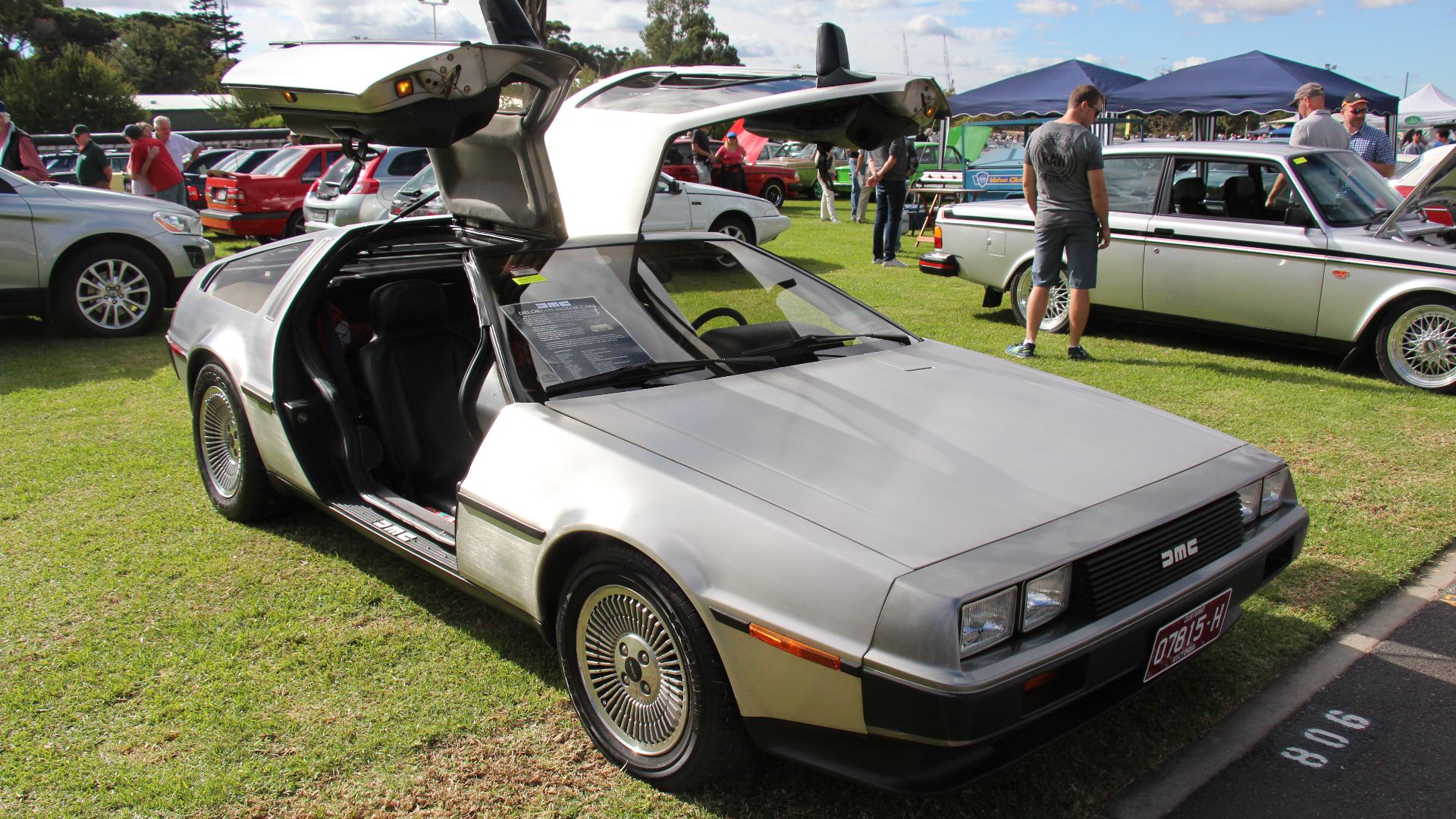
DeLorean DMC-12
Yes, it’s a pop culture legend. But in 1981, the DeLorean wasn’t a time machine—it was a slow, expensive sports car with a wheezy 130-horsepower V6. The stainless-steel body and gullwing doors were undeniably cool, but performance was nowhere near Porsche territory. Add quality control issues and a collapsing company, and the dream quickly rusted over (figuratively, of course).
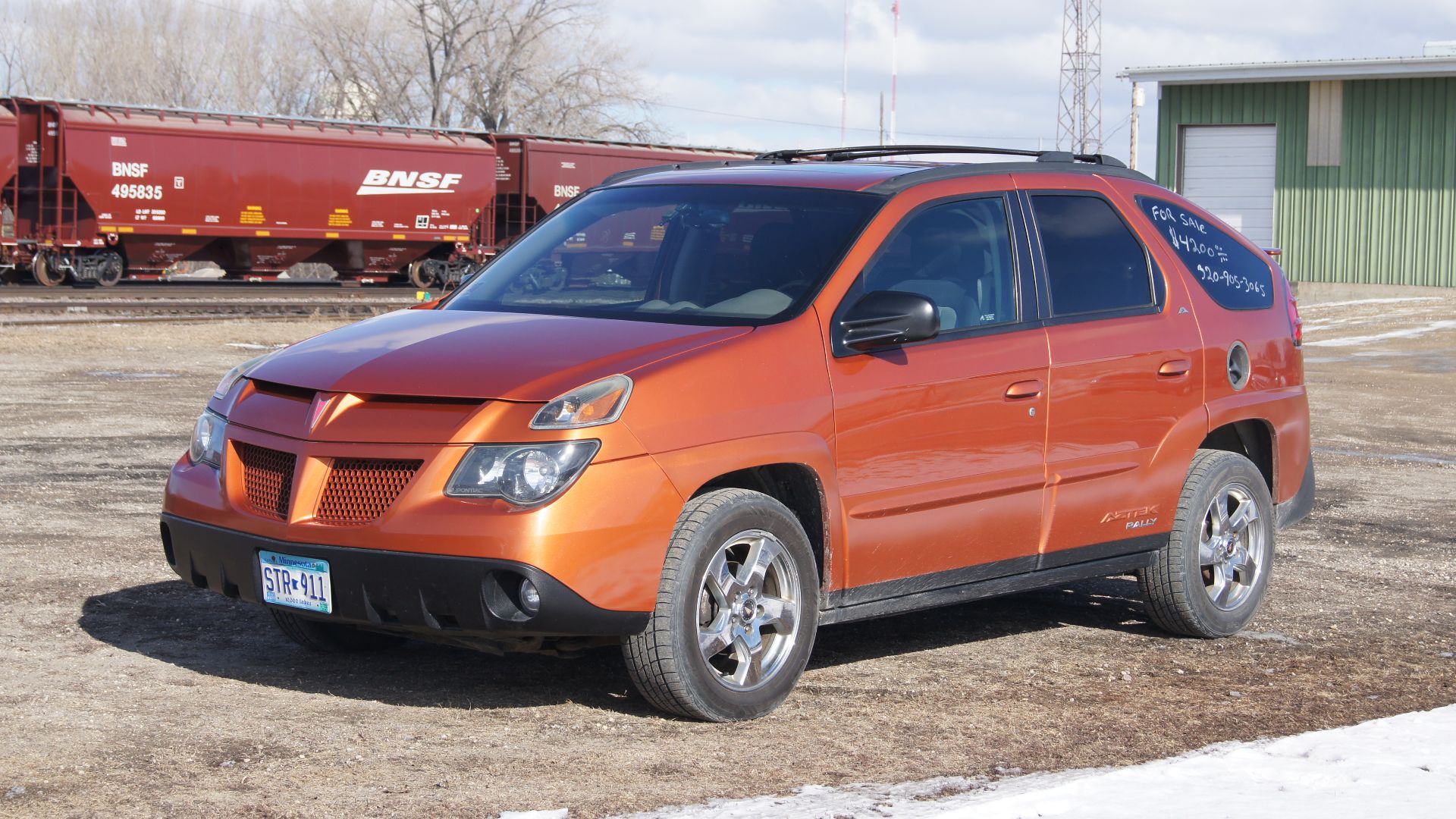
Pontiac Aztek
Pontiac promised edgy, outdoorsy versatility. What buyers got was one of the most awkward designs ever to roll off an assembly line. While the Aztek was actually practical, its polarizing looks and cheap-feeling interior left consumers scratching their heads. Even aggressive marketing couldn’t save it from becoming a punchline—at least until Breaking Bad gave it ironic redemption.
 Greg Gjerdingen from Willmar, USA, Wikimedia Commons
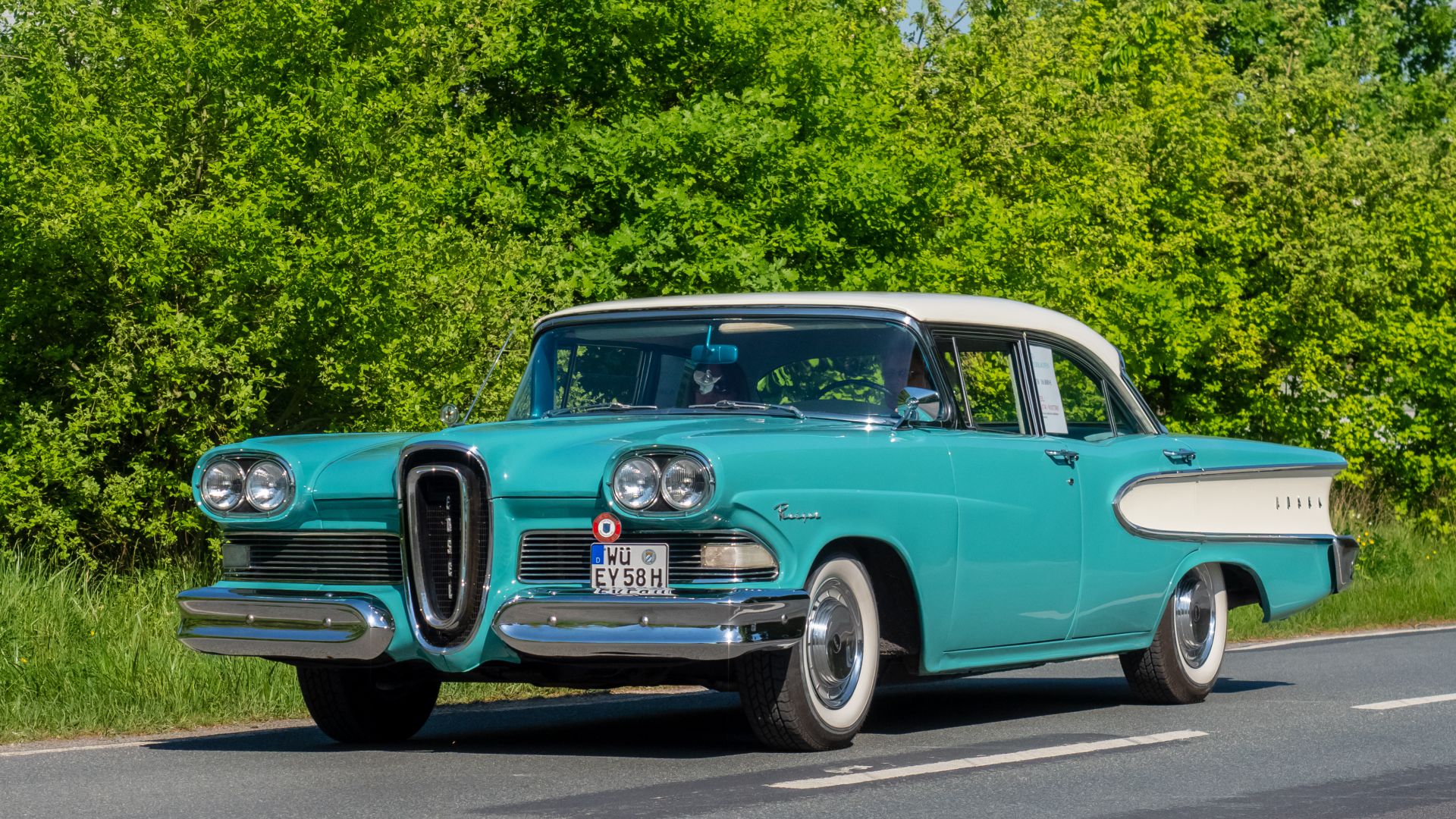
Ford Edsel
Perhaps the most famous flop in automotive history, the Edsel arrived in 1958 with massive hype and a massive marketing budget. Unfortunately, its controversial styling, quality problems, and unfortunate timing during a recession doomed it. Ford expected a revolution. Instead, it got a cautionary tale studied in business schools.
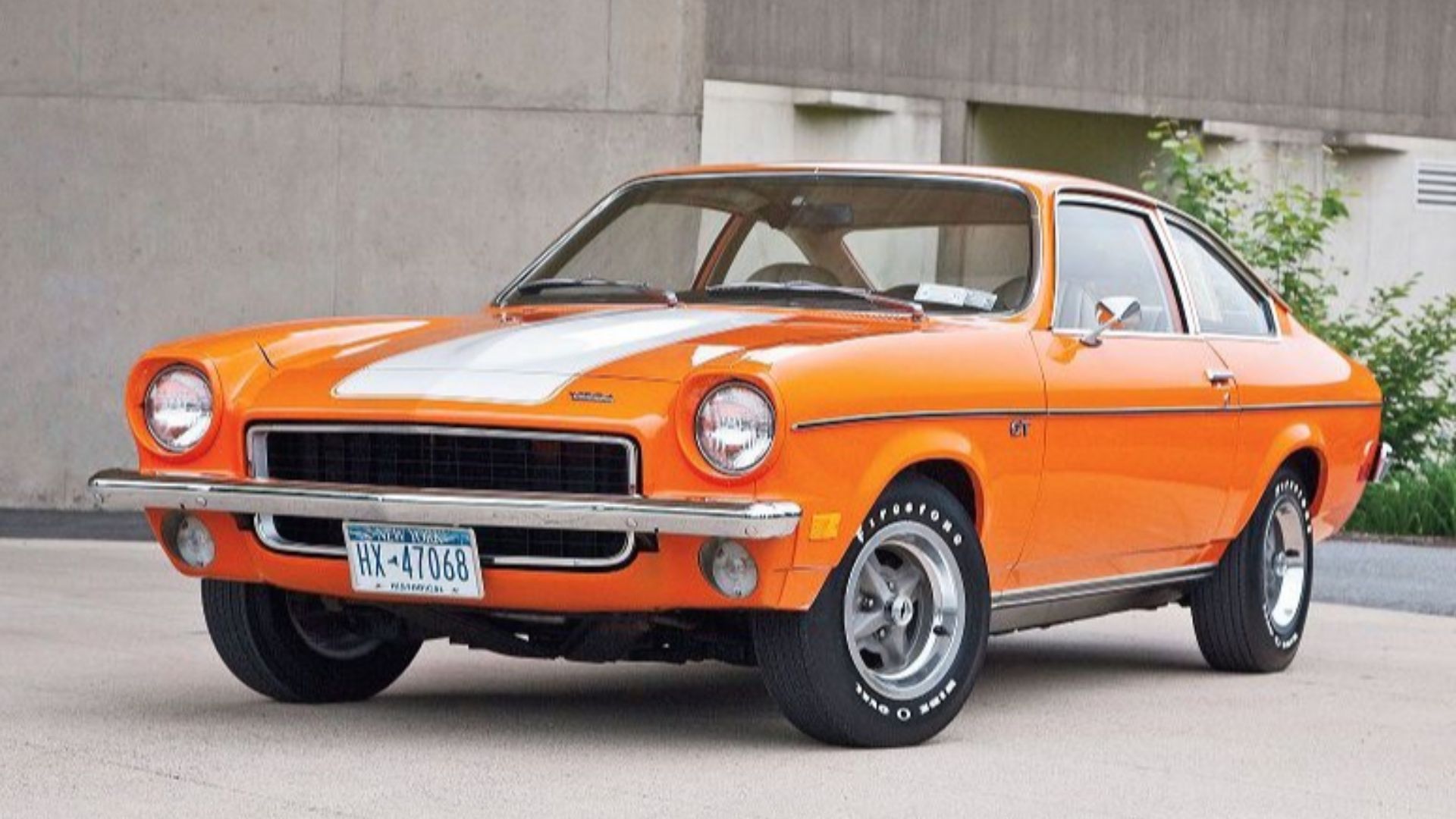
Chevrolet Vega
The Vega was supposed to be GM’s answer to fuel-efficient imports in the 1970s. Early buzz was strong. Then the aluminum engine started overheating, rust appeared faster than expected, and build quality issues piled up. It sold well at first, but its reputation deteriorated almost as quickly as its fenders.
 Vegavairbob (talk) 02:27, 20 September 2010 (UTC) Robert Spinello, Wikimedia Commons
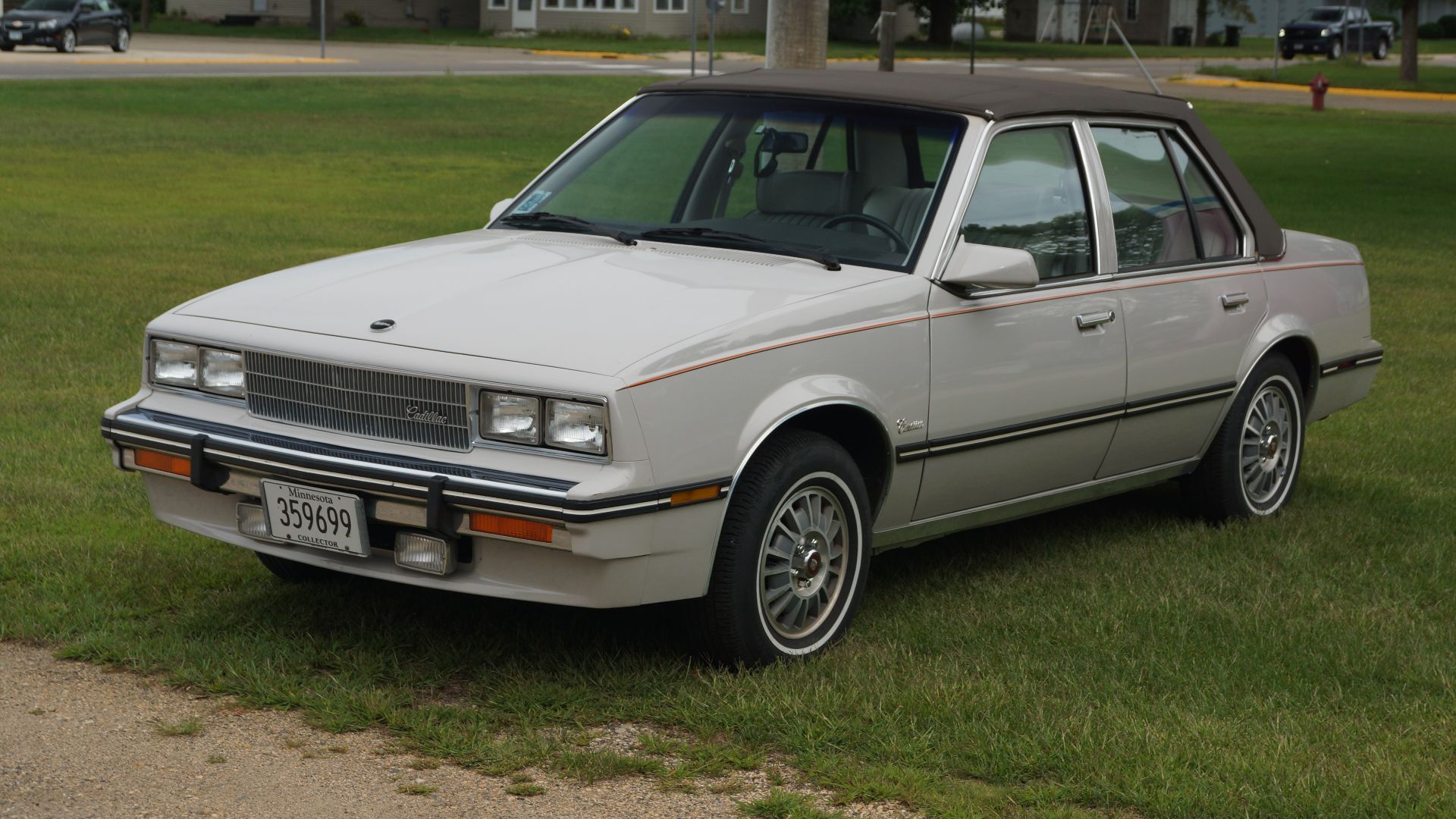
Cadillac Cimarron
Luxury buyers expected Cadillac refinement. What they got in 1982 was essentially a lightly dressed-up Chevrolet Cavalier with a much higher price tag. The Cimarron tried to lure import shoppers but ended up alienating Cadillac loyalists. It’s still remembered as a low point for the brand.
 Greg Gjerdingen, Wikimedia Commons
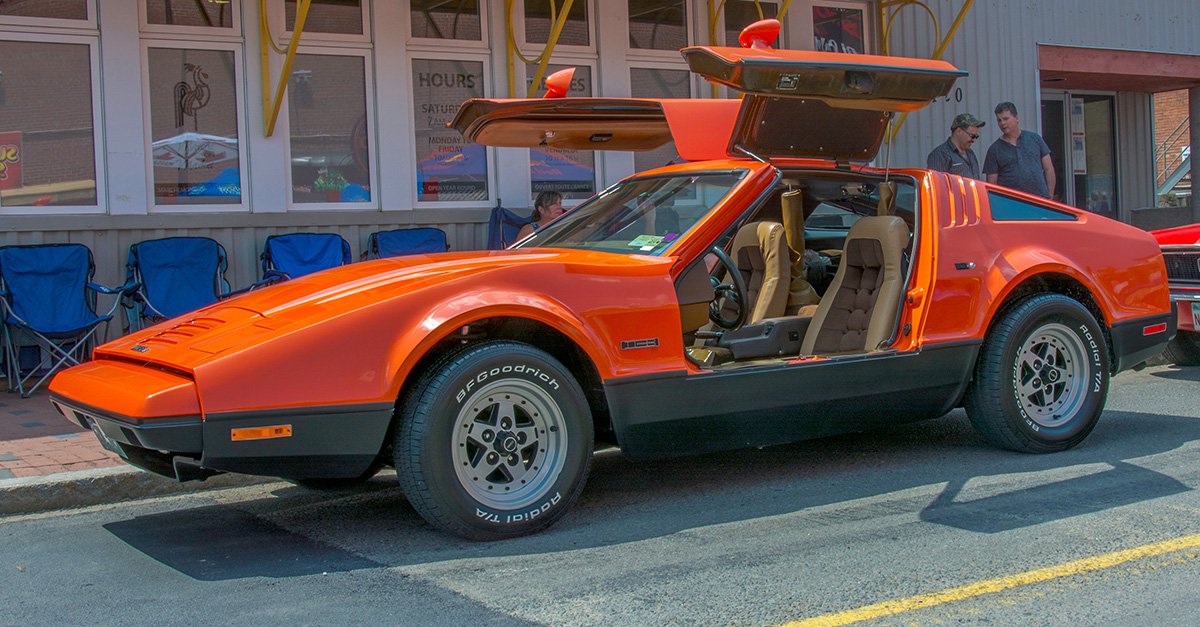
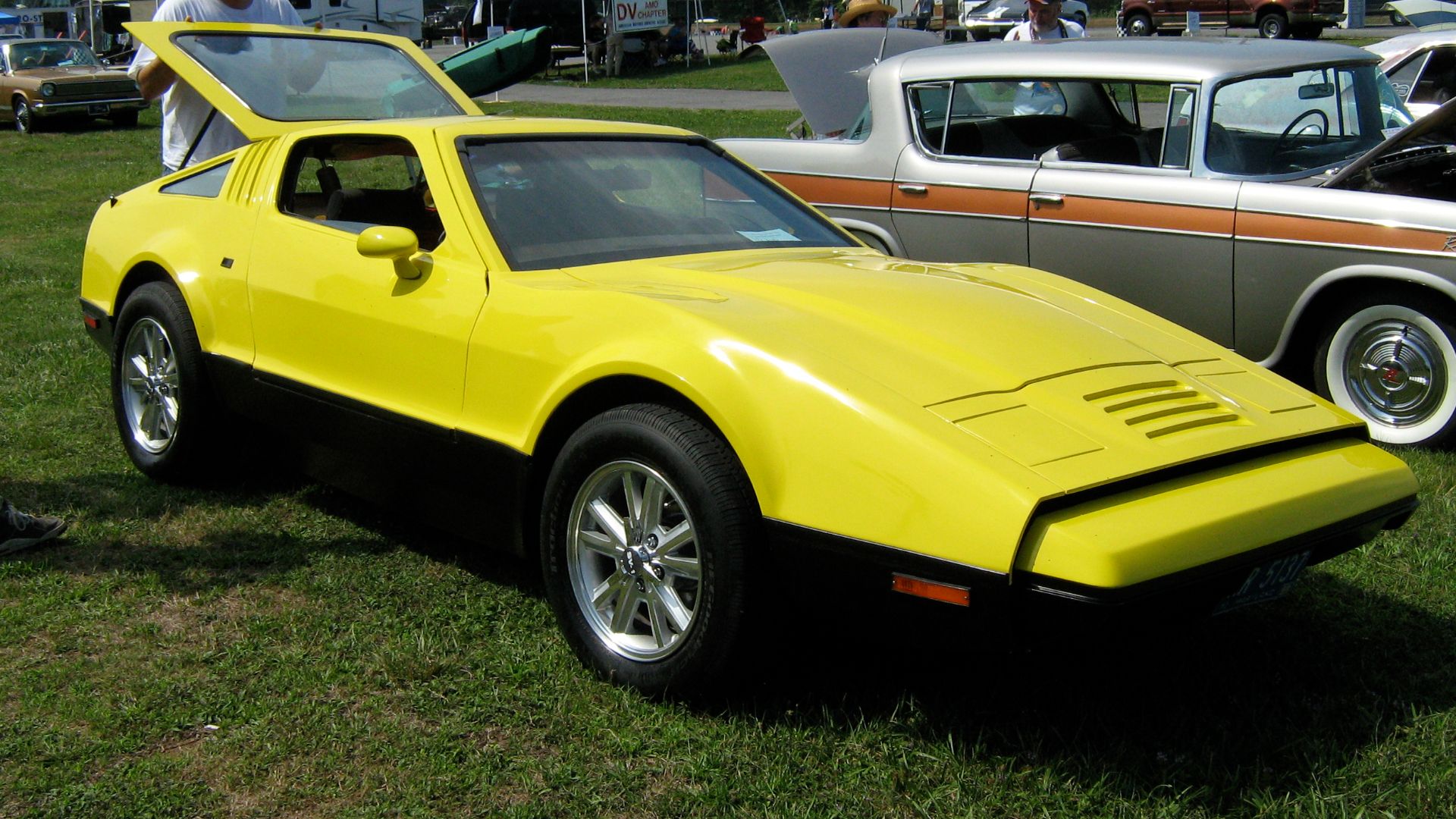
Bricklin SV-1
Marketed as a “safety sports car,” the Bricklin SV-1 featured dramatic gullwing doors and bold colors. Unfortunately, it also had questionable build quality and sluggish performance. Early cars struggled with reliability, and the company collapsed within two years. Bold ambition couldn’t overcome shaky execution.
 CZmarlin — Christopher Ziemnowicz, Wikimedia Commons
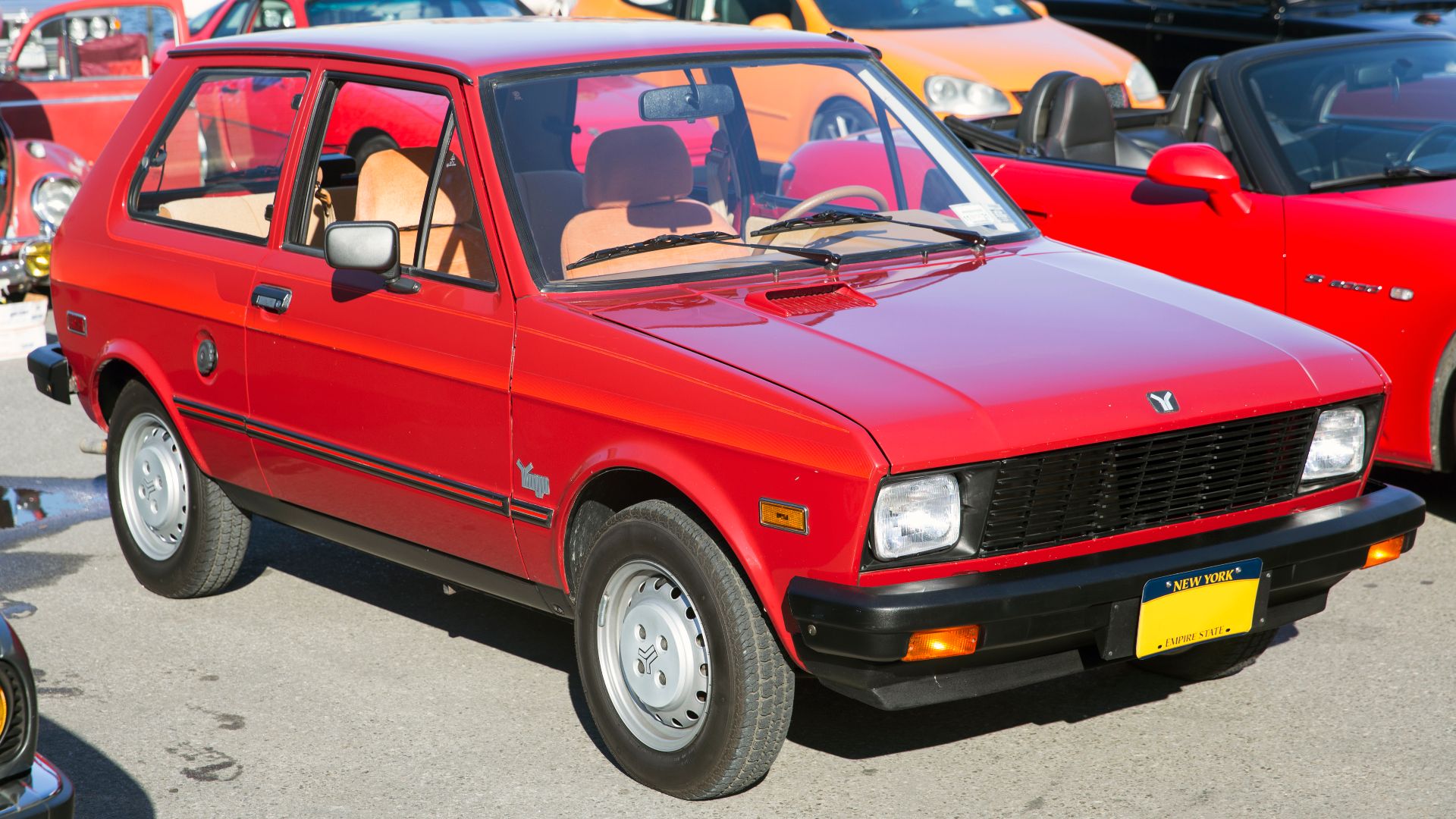
Yugo GV
The Yugo arrived in America in the mid-1980s with one major selling point: it was cheap. Really cheap. Hype centered on affordability, but consumers quickly discovered why. Poor reliability, flimsy construction, and minimal refinement made it feel like a disposable appliance rather than a real car.
 Mr.choppers, Wikimedia Commons
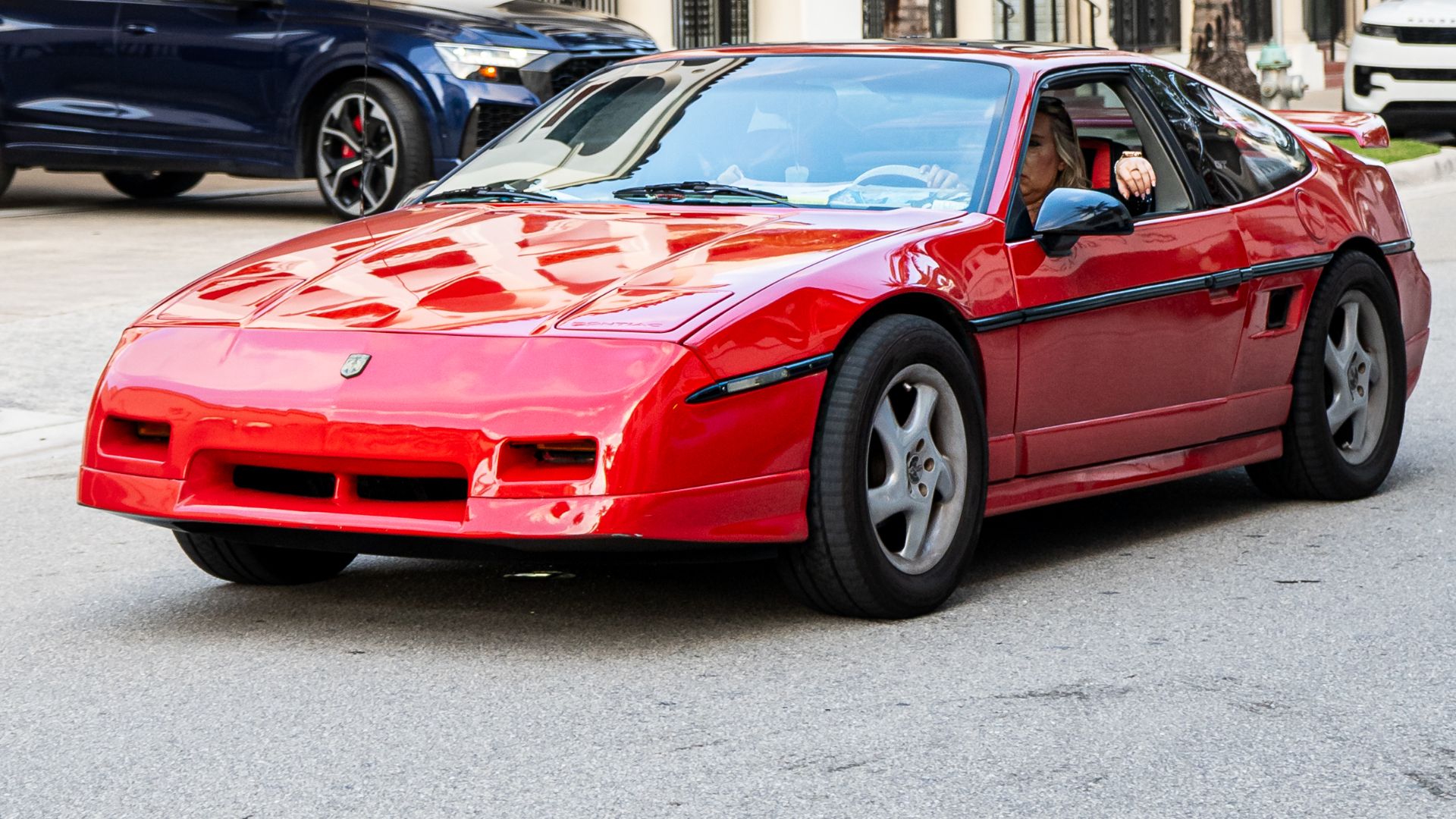
Pontiac Fiero
The Fiero had all the makings of a hit: mid-engine layout, sporty styling, and an affordable price. But early models were underpowered and plagued by reliability issues—including engine fires. By the time Pontiac improved it, the damage to its reputation was done.
 OWS Photography, Wikimedia Commons
Jaguar X-Type
Jaguar promised a compact luxury sedan to rival the BMW 3 Series. Instead, critics pointed out its heavy reliance on Ford Mondeo underpinnings. While not a terrible car, it lacked the distinct Jaguar magic buyers expected. The badge promised prestige; the drive felt ordinary.
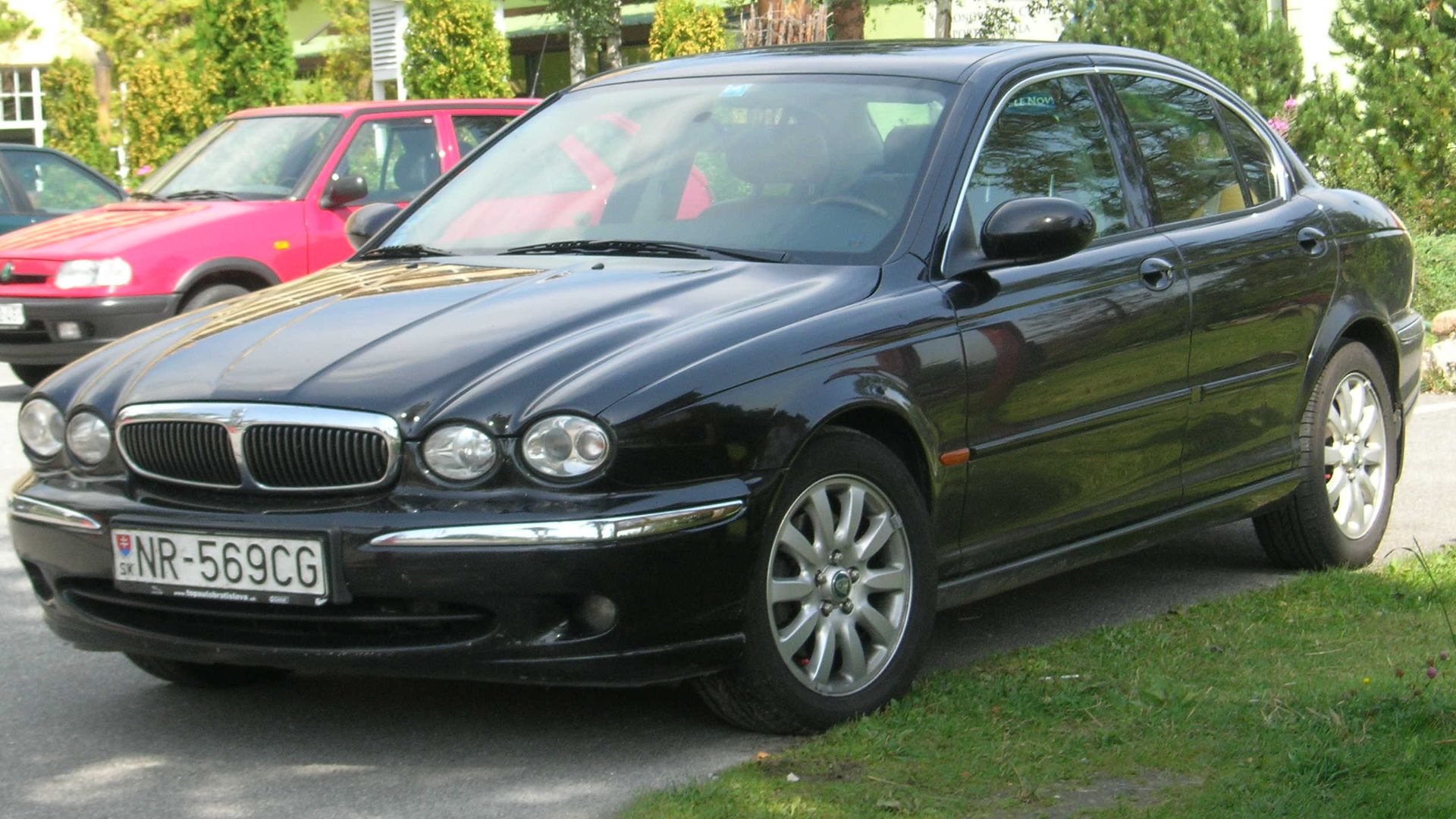 Midnight Runner, Wikimedia Commons
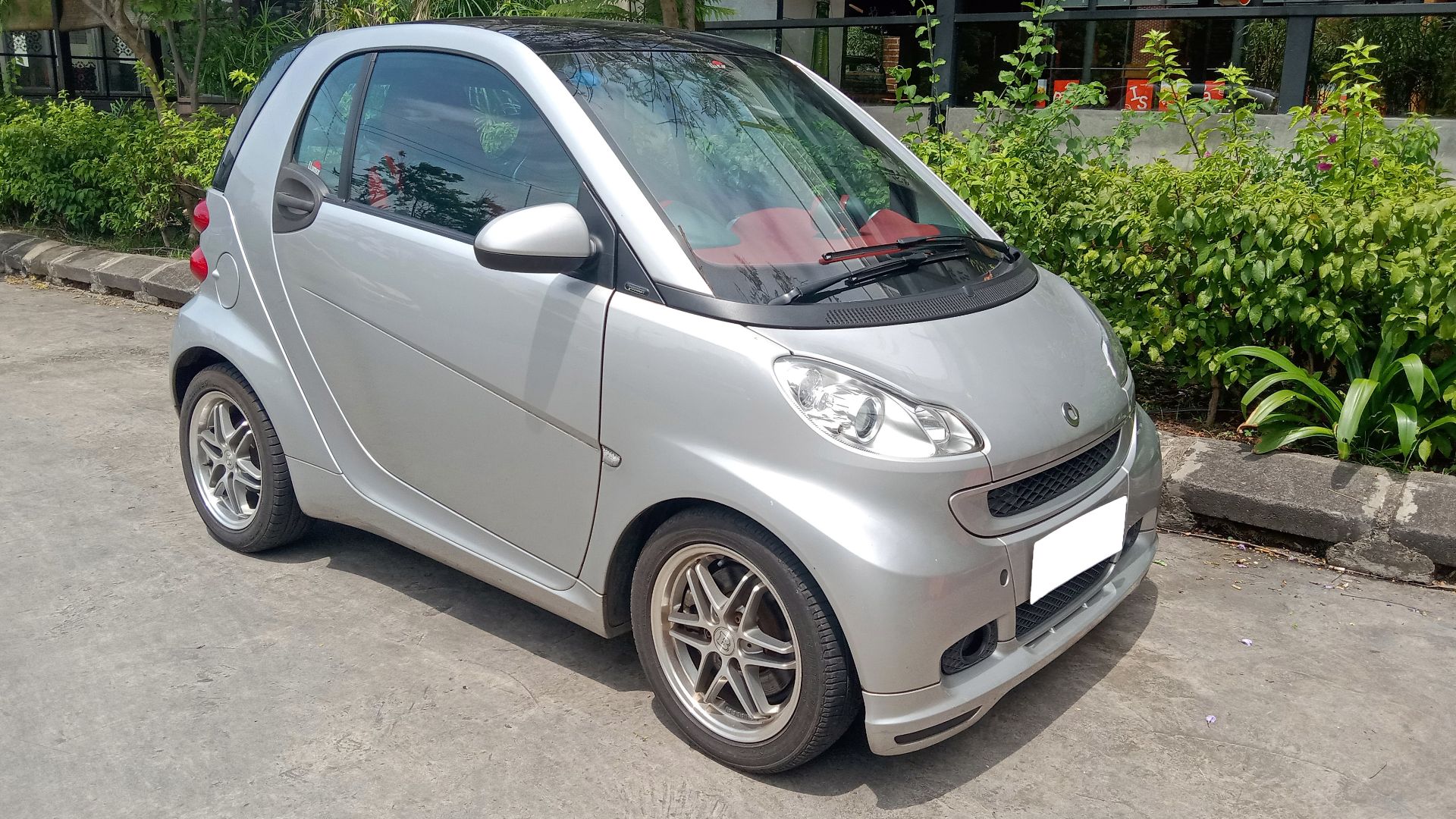
Smart Fortwo (Early U.S. Models)
When the Smart Fortwo landed in America, hype focused on its tiny size and city-friendly charm. But drivers found it underpowered, awkward on highways, and not nearly as fuel-efficient as expected. It was clever—but not clever enough for most Americans.
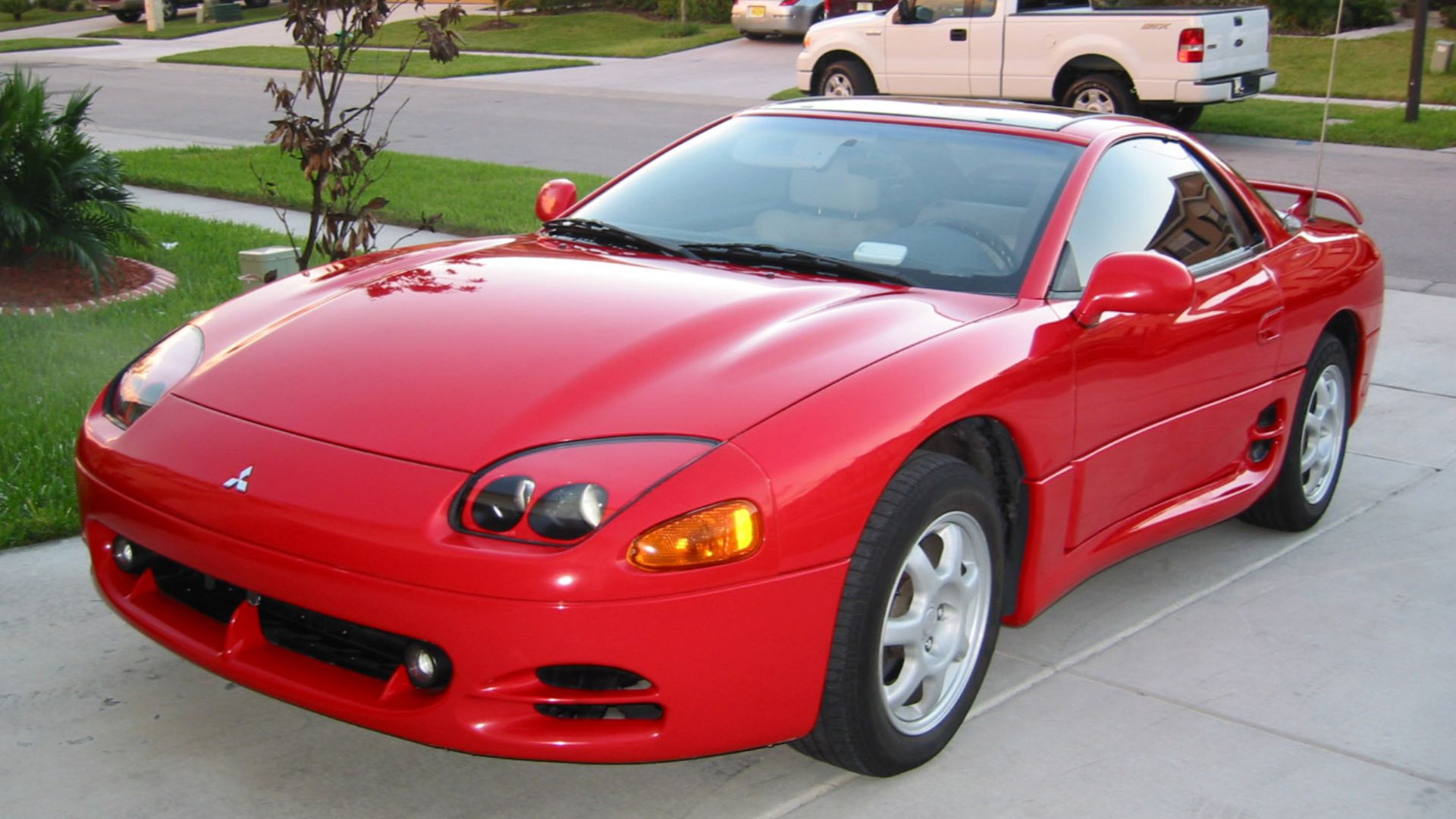
Mitsubishi 3000GT
On paper, the 3000GT was a tech marvel: all-wheel drive, active aerodynamics, twin turbos. Expectations were sky-high. In reality, it was heavy, complex, and expensive to maintain. While undeniably cool, it never quite lived up to the supercar-slaying hype.
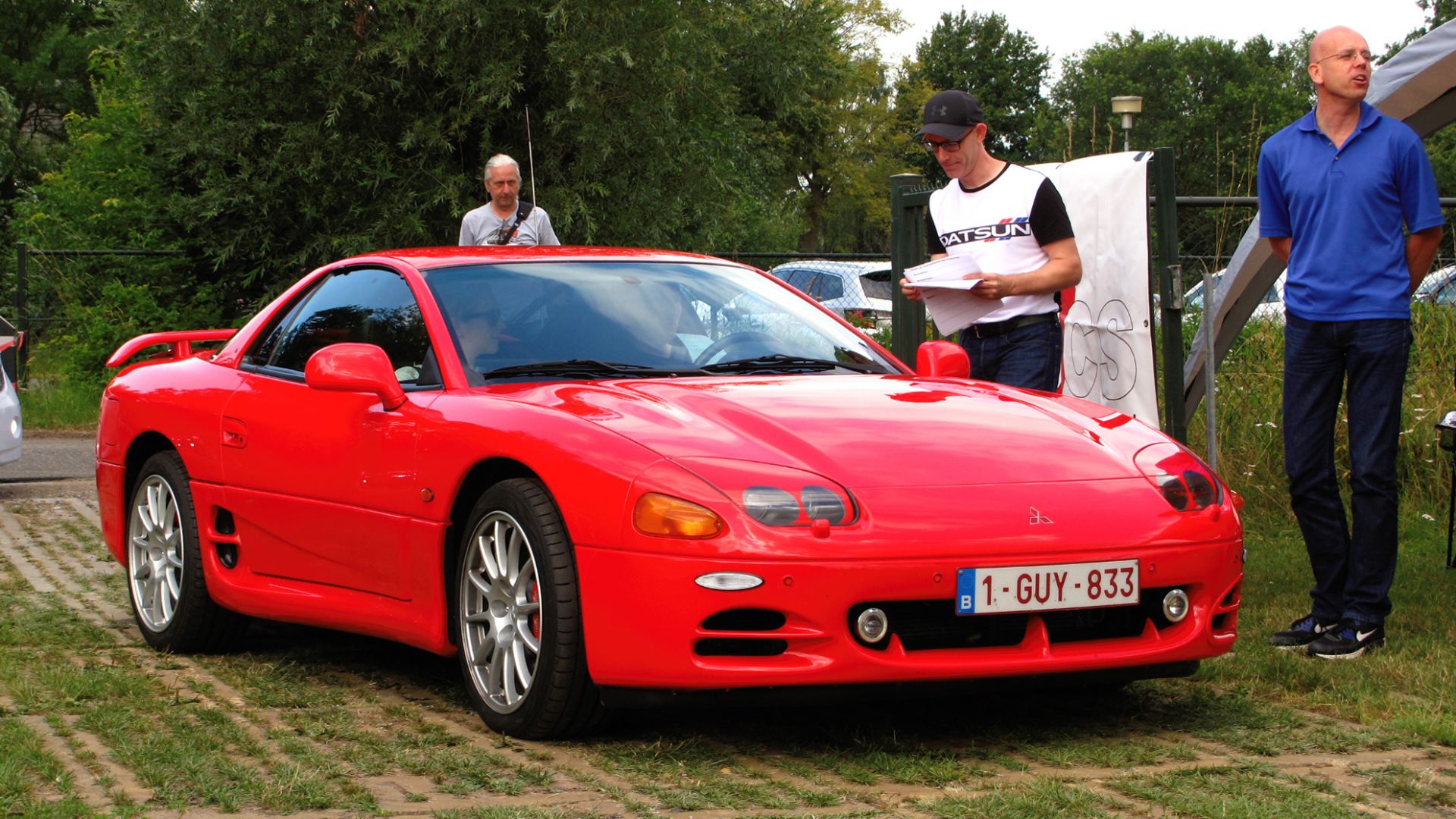 Rutger van der Maar, Wikimedia Commons
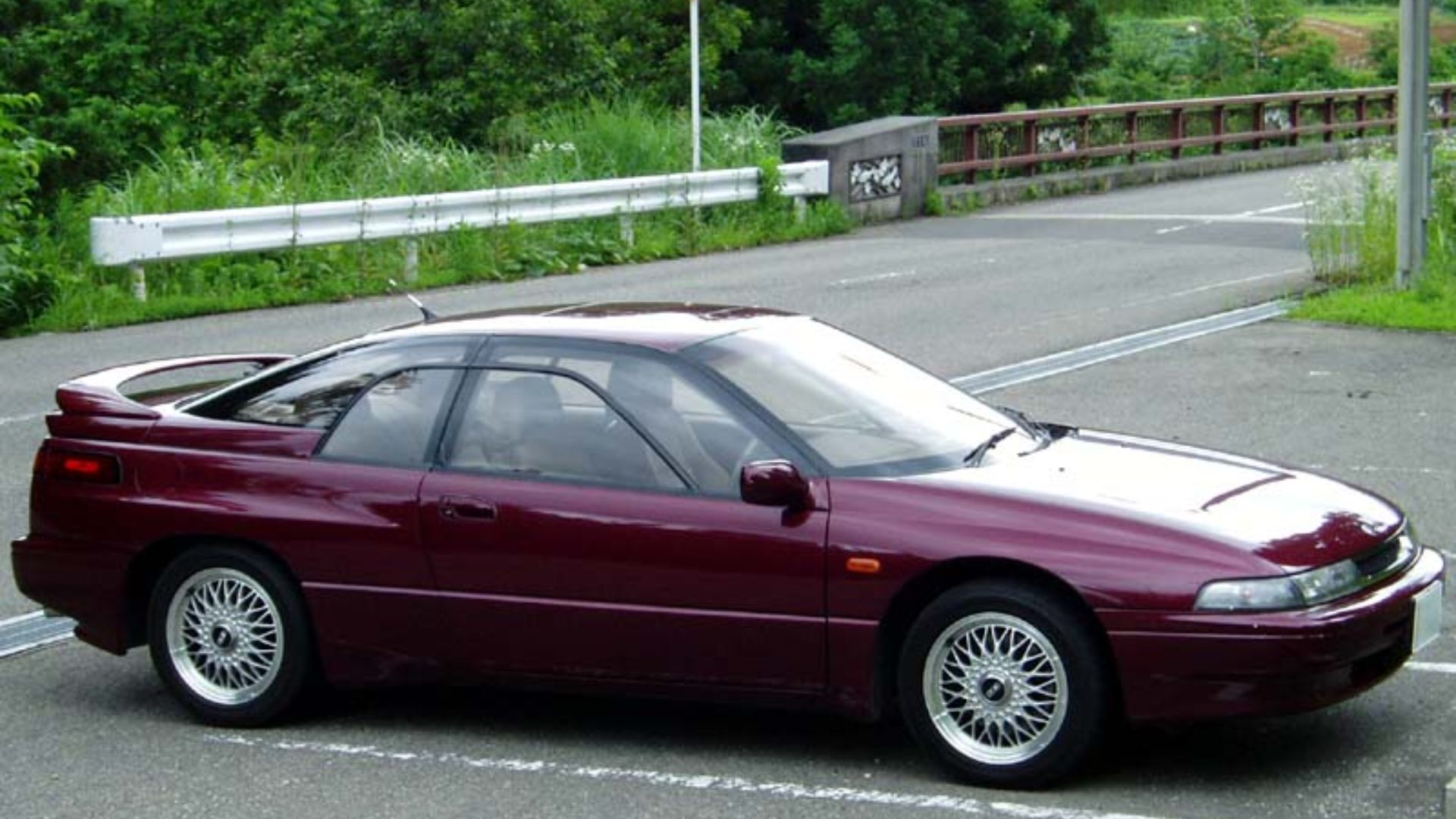
Subaru SVX
Subaru’s futuristic grand tourer stunned crowds with its aircraft-inspired window-within-a-window design. Unfortunately, it came only with an automatic transmission, cost more than buyers expected, and suffered transmission reliability issues. Sales fizzled despite its bold styling.
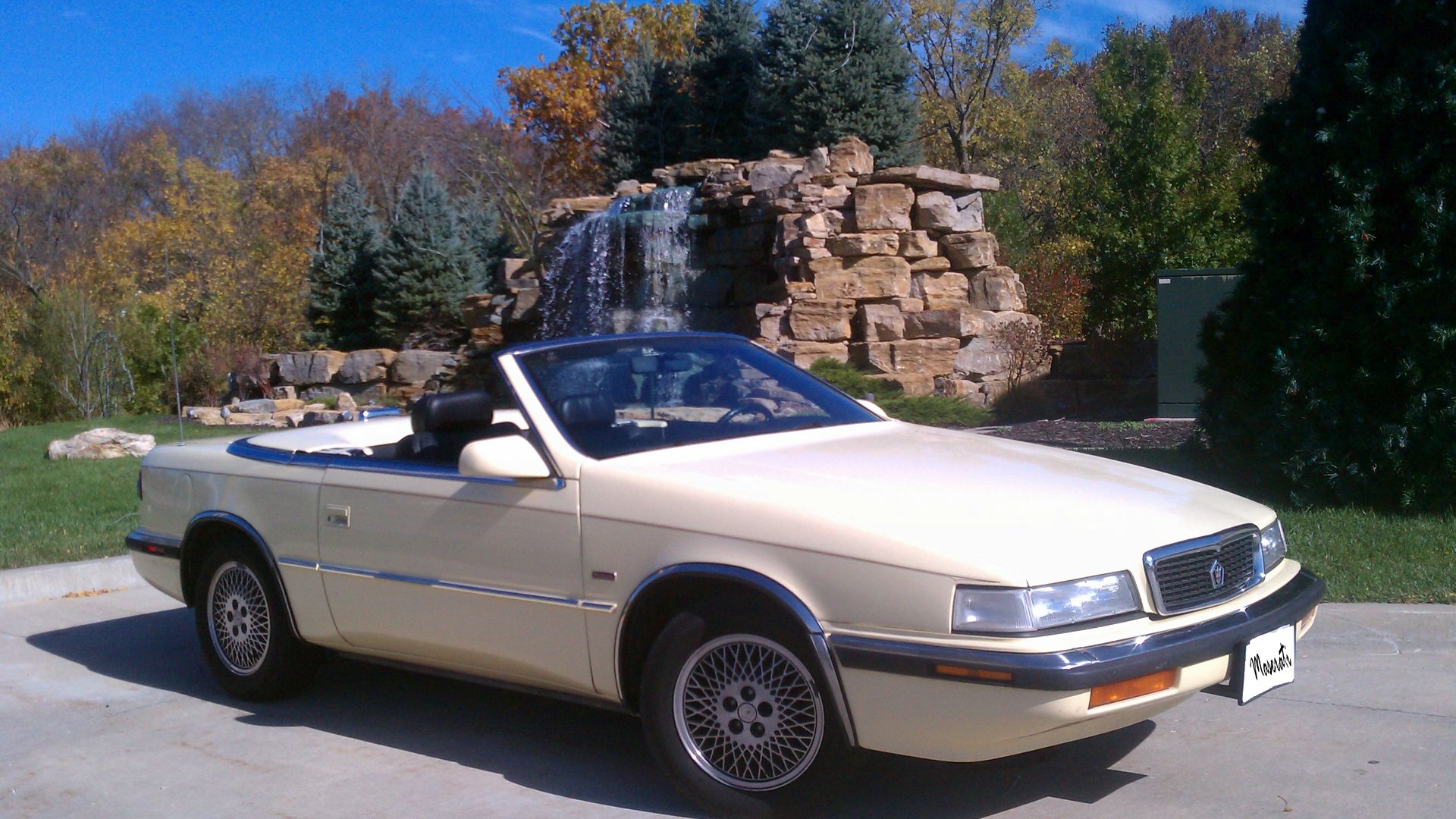
Chrysler TC By Maserati
A collaboration between Chrysler and Maserati sounds exciting, right? Buyers expected Italian flair and American luxury. Instead, they got a confusingly positioned convertible that felt neither truly exotic nor truly premium. The partnership generated headlines—but not lasting enthusiasm.
 Mesatrooper, Wikimedia Commons
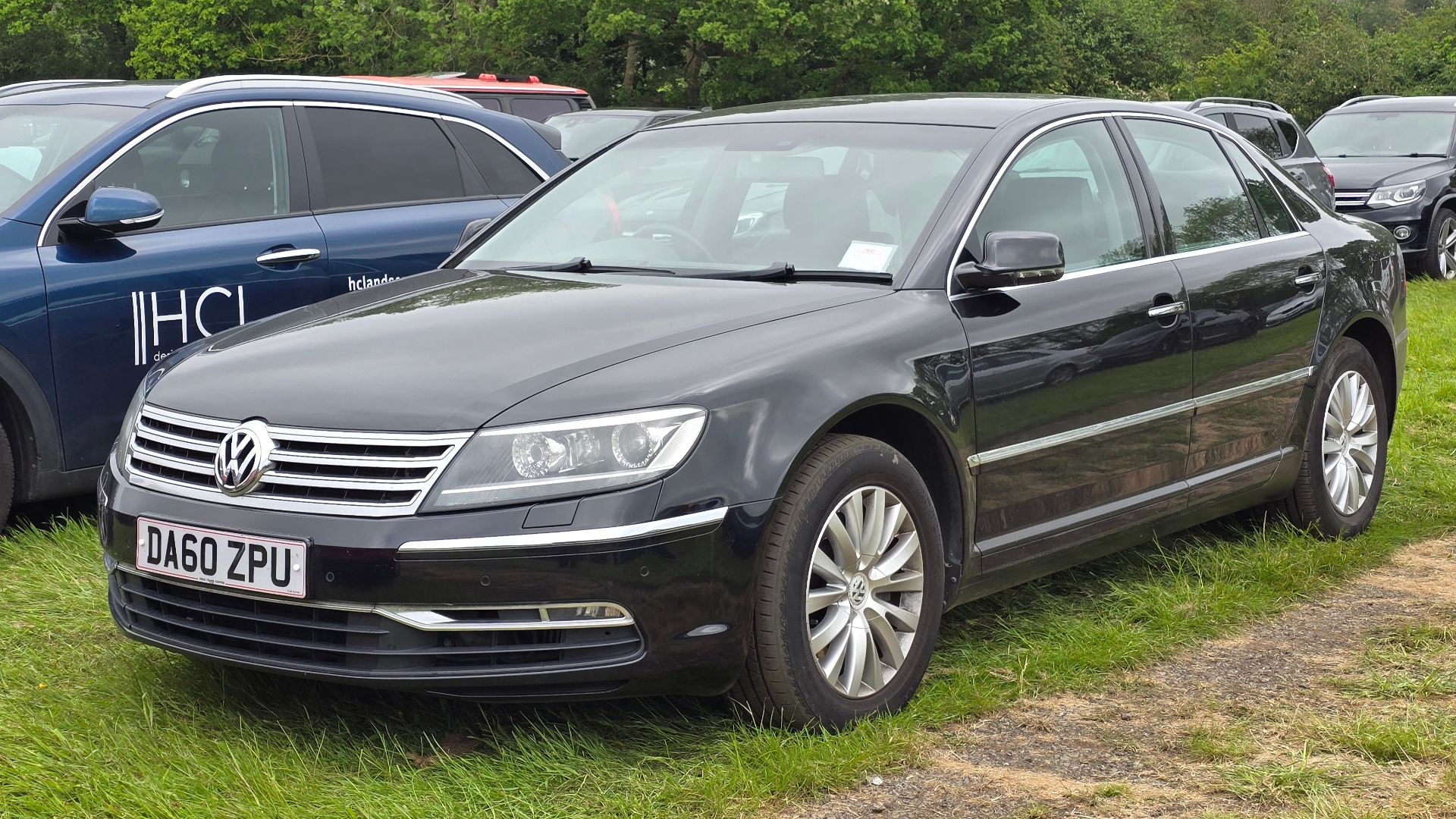
Volkswagen Phaeton
Volkswagen aimed to challenge Mercedes-Benz with the ultra-luxurious Phaeton. It was brilliantly engineered—but also shockingly expensive for a VW. Buyers struggled to reconcile six-figure pricing with a badge known for Golfs and Jettas. Prestige matters, and this one missed the mark.
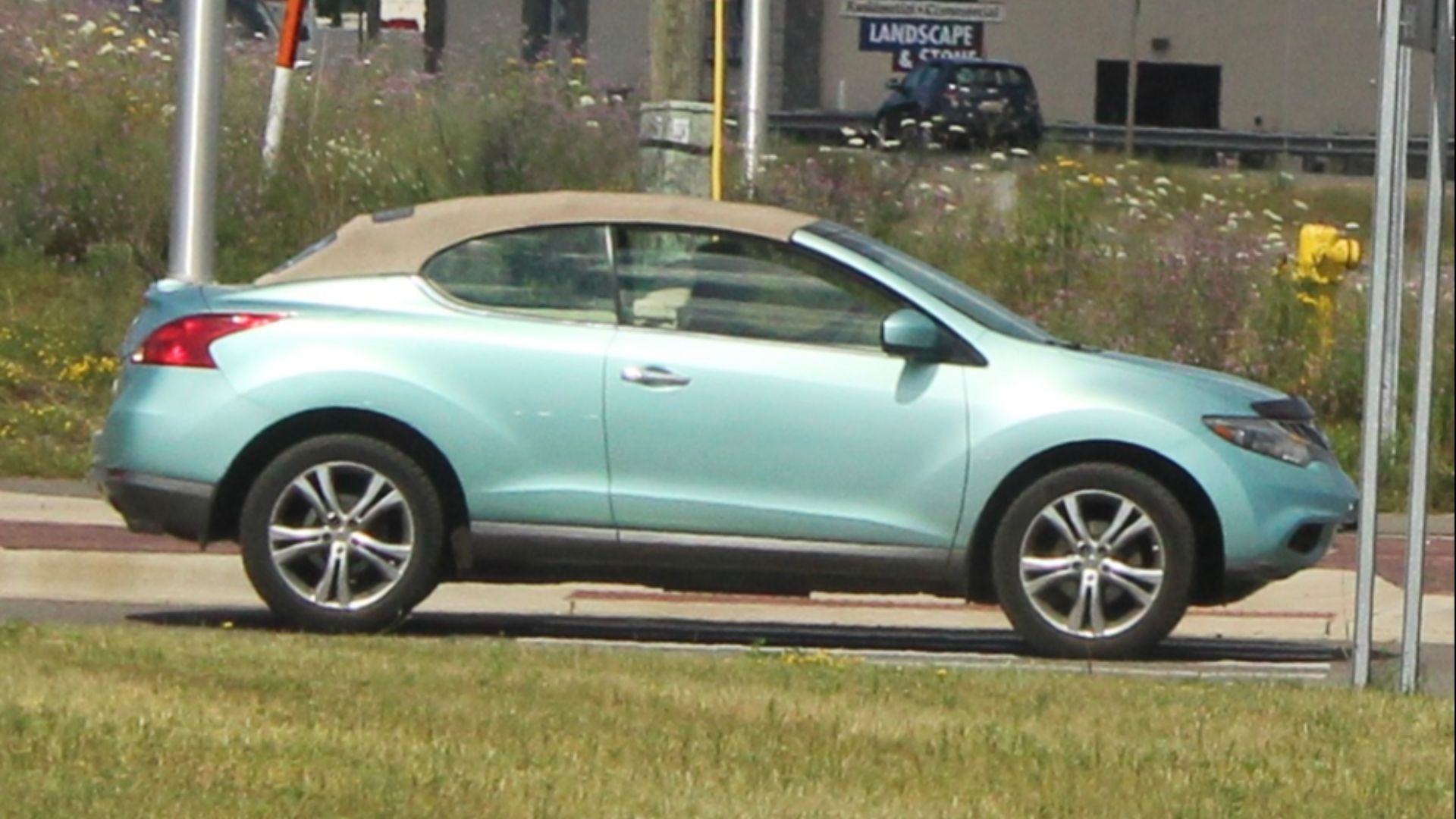
Nissan Murano CrossCabriolet
Nissan boldly combined an SUV and a convertible. The result? A niche vehicle few buyers asked for. It was expensive, impractical, and visually awkward. While it deserves credit for daring to be different, the CrossCabriolet became more curiosity than classic.
 Carlos Terrell, Wikimedia Commons
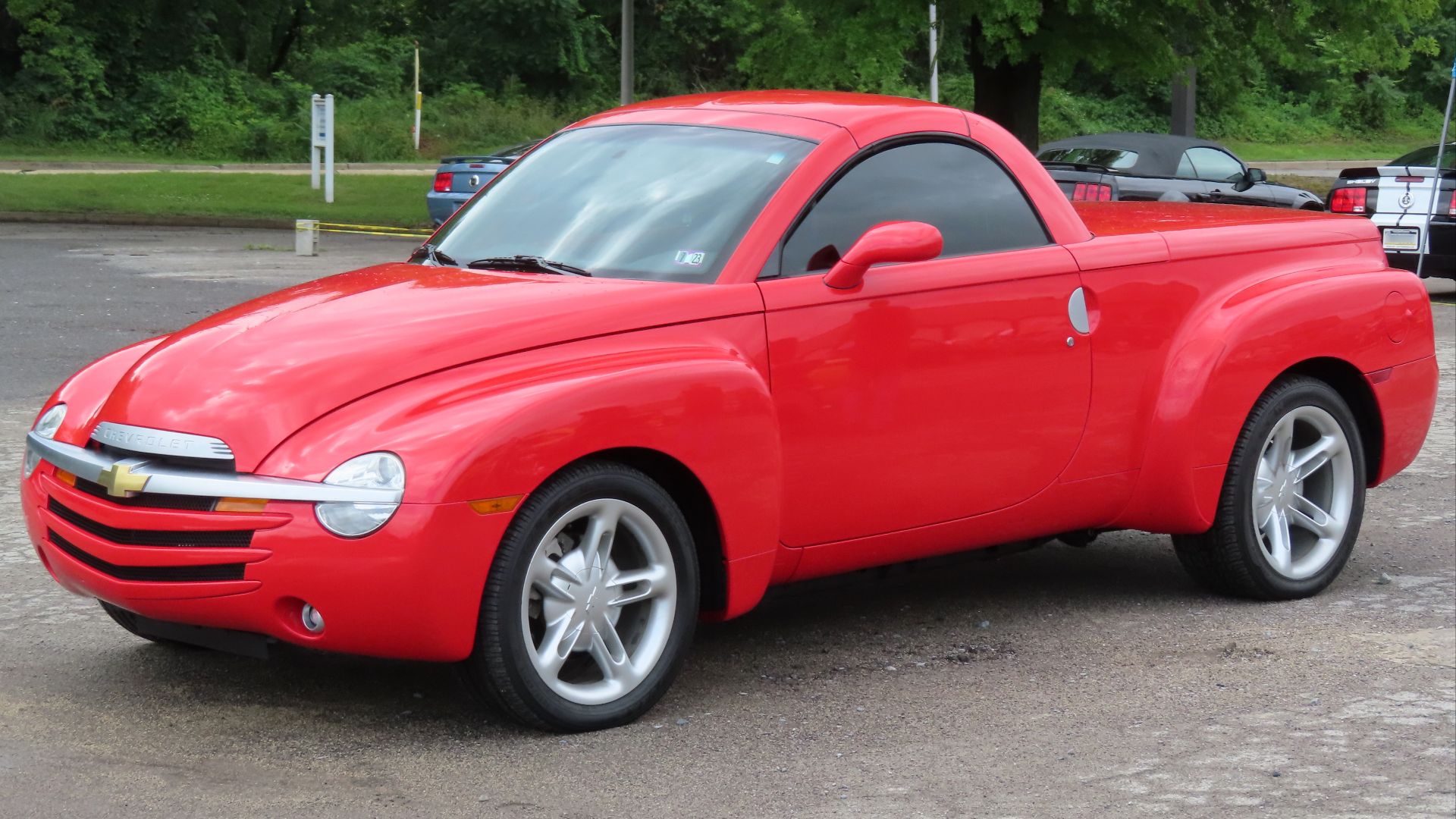
Chevrolet SSR
A retro-inspired pickup with a convertible hardtop should’ve been a home run. Instead, the SSR launched with modest performance and a hefty price tag. Later models improved power, but initial disappointment cooled enthusiasm for what could have been a cult favorite.
 MercurySable99, Wikimedia Commons
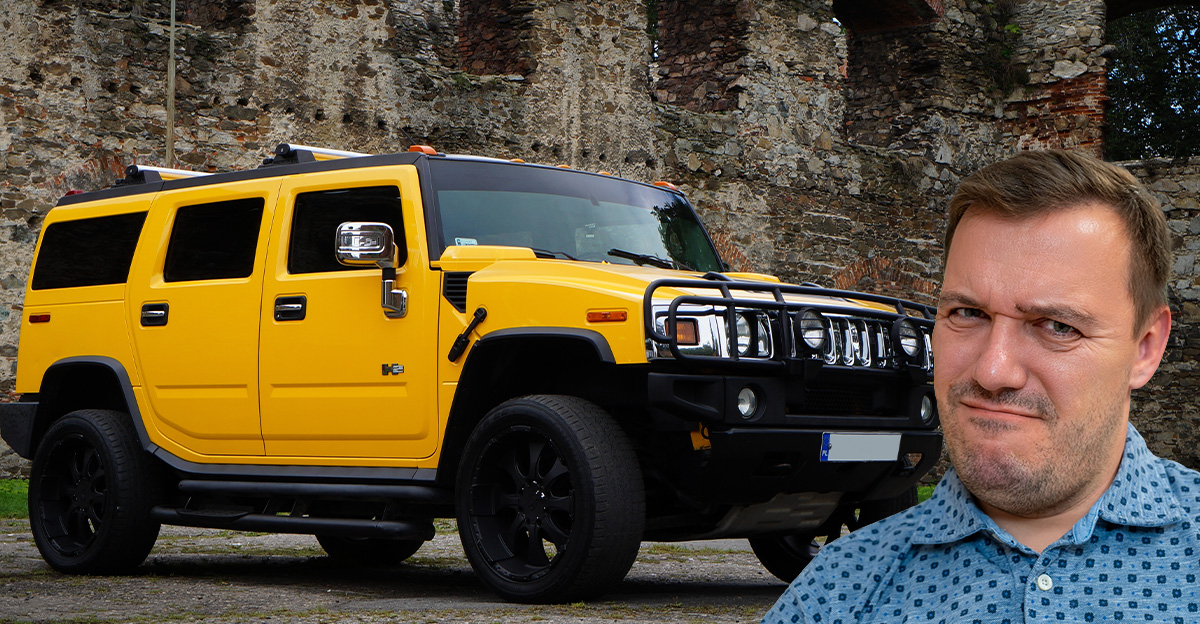
Hummer H2
The H2 rode a wave of early-2000s excess. It looked indestructible and commanded attention. But critics quickly pointed out its poor fuel economy, bulky driving dynamics, and questionable off-road credentials compared to its military-inspired image. Flashy? Yes. Practical? Not so much.
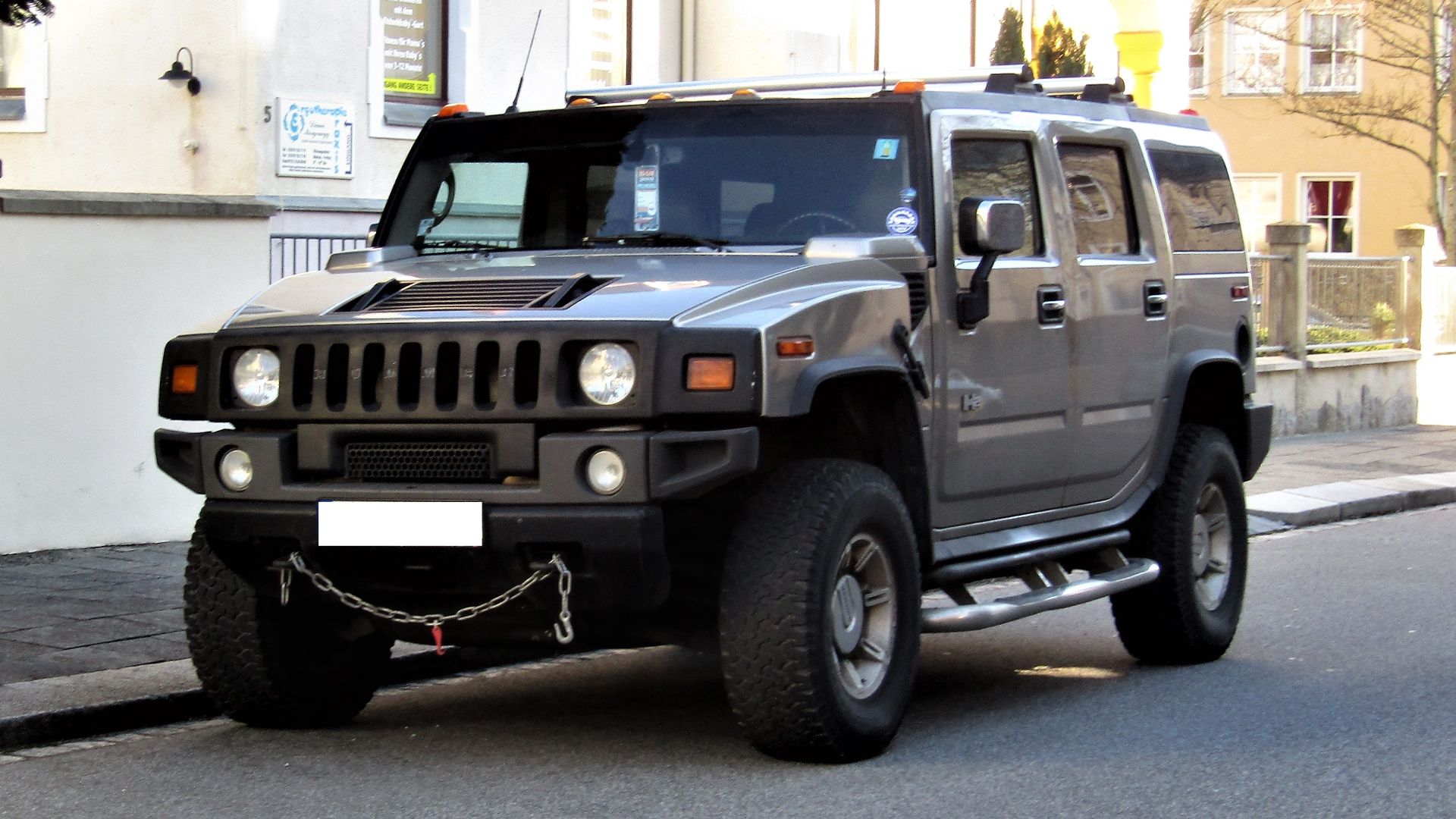 Fiver, der Hellseher, Wikimedia Commons
Tesla Model X (Early Production)
Tesla hyped the Model X’s Falcon Wing doors and cutting-edge tech. Early adopters, however, faced build quality issues and complex door mechanisms that didn’t always cooperate. While later updates improved matters, initial excitement was tempered by real-world frustrations.
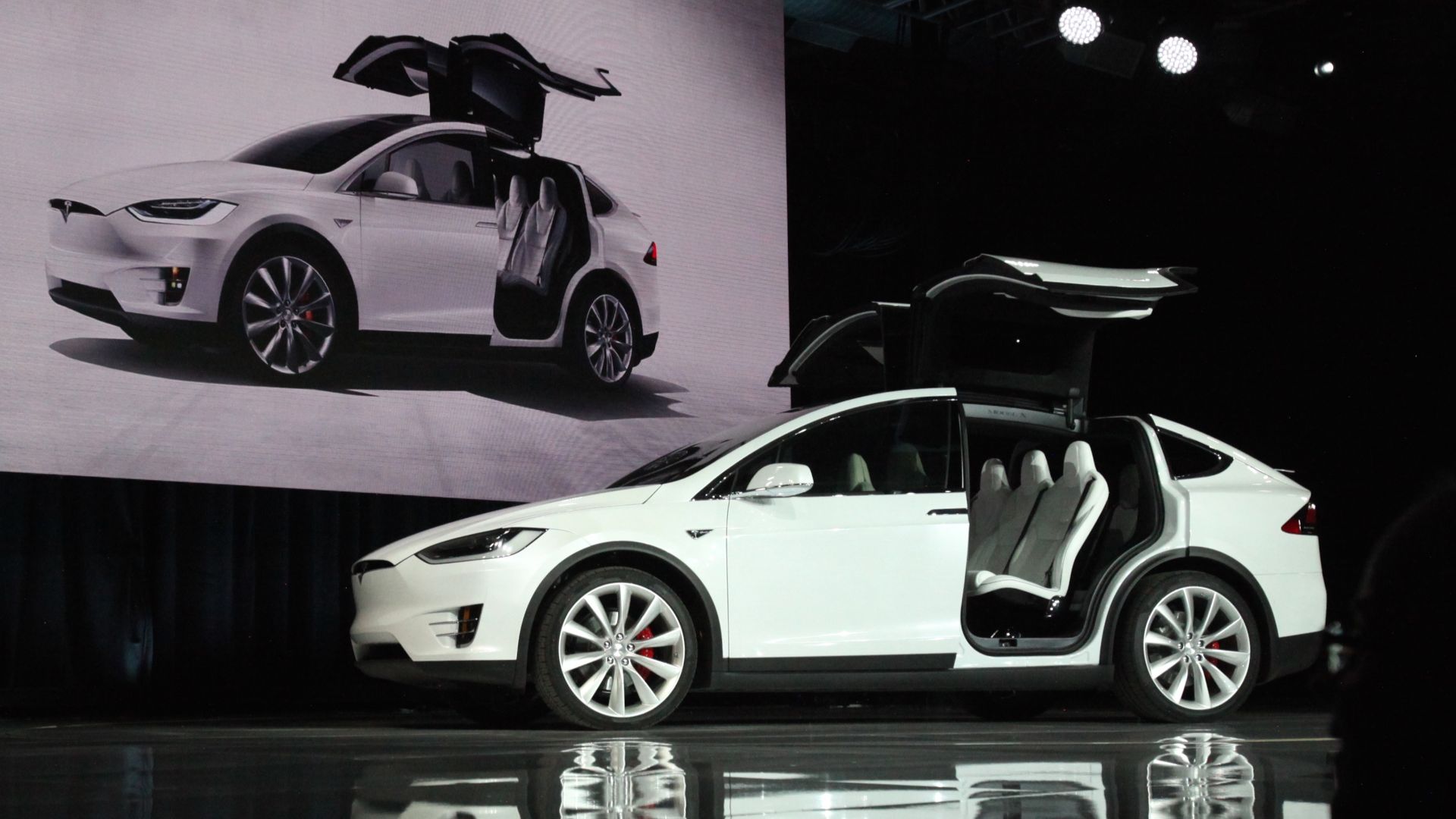 Steve Jurvetson, Wikimedia Commons
Ford Mustang II
Launched during the fuel crisis, the Mustang II aimed for efficiency. Unfortunately, it sacrificed the muscle-car spirit enthusiasts loved. While it sold well initially, performance fans felt let down by its tame engines and Pinto-based roots.
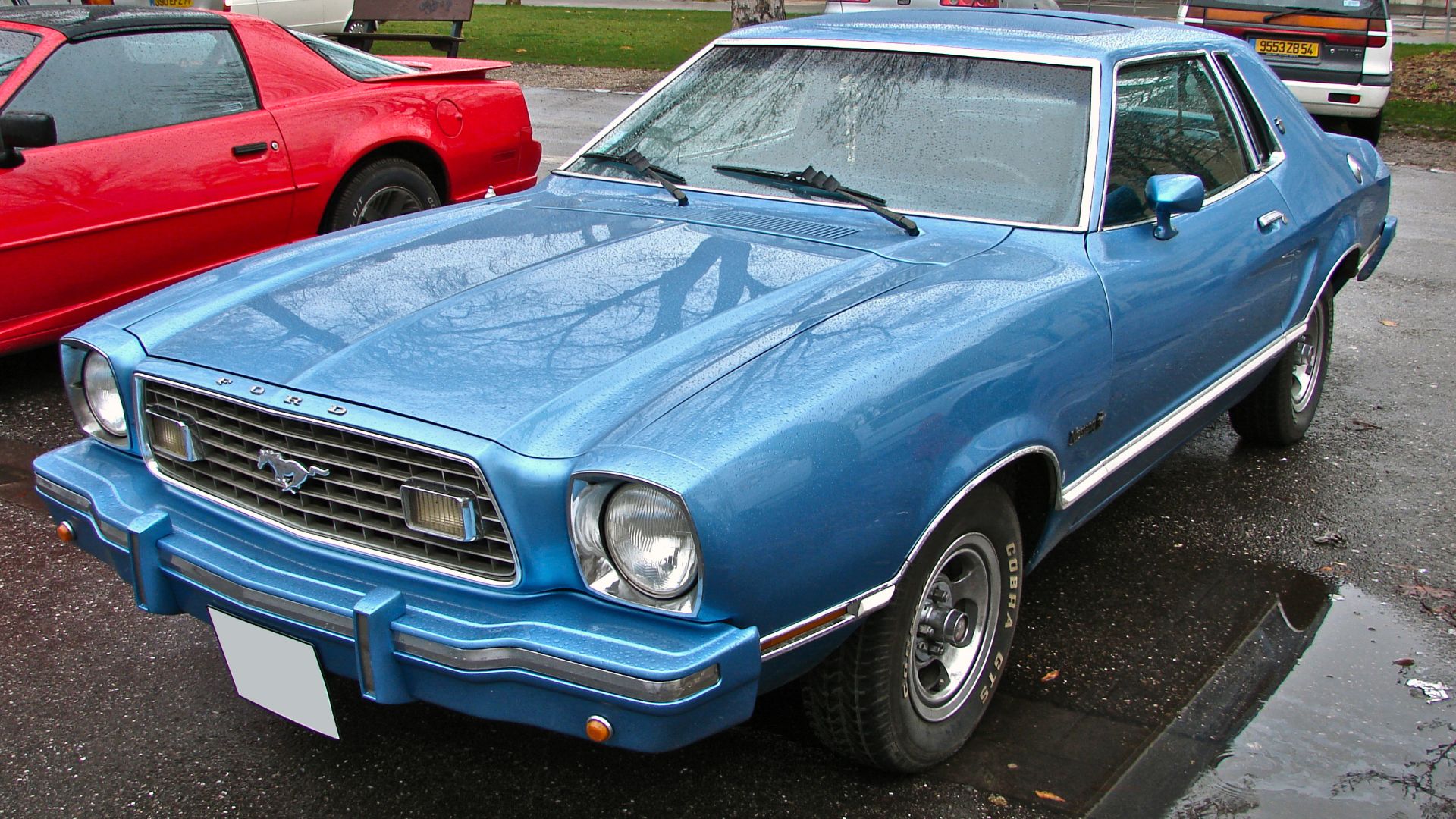 Alexandre Prevot from Nancy, France, Wikimedia Commons
Chevrolet Corvair
Marketed as innovative and affordable, the rear-engine Corvair gained attention for its unique design. But safety concerns—amplified by Ralph Nader’s criticism—hurt its reputation. Even though later improvements addressed issues, public perception never fully recovered.
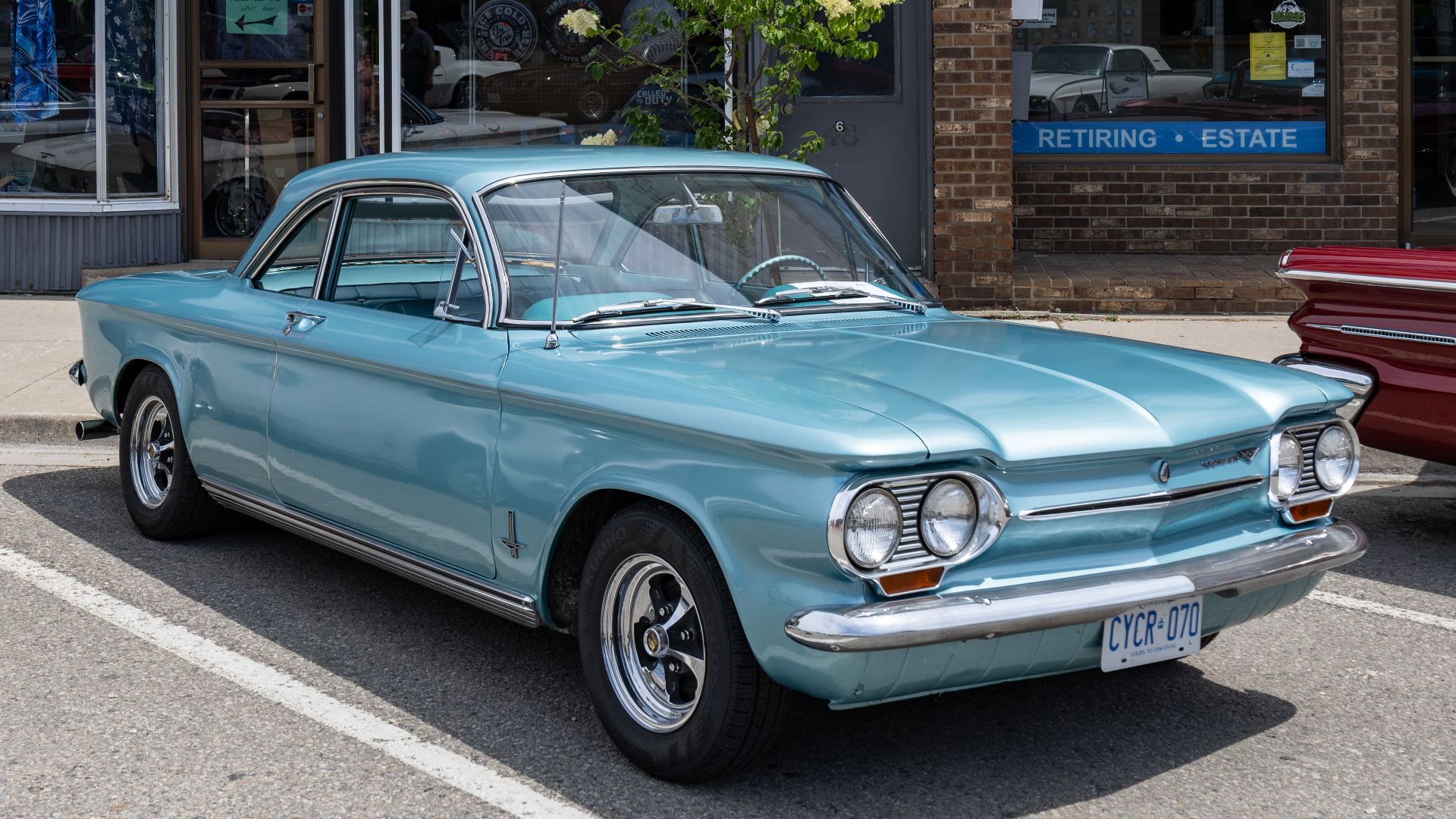 Crisco 1492, Wikimedia Commons
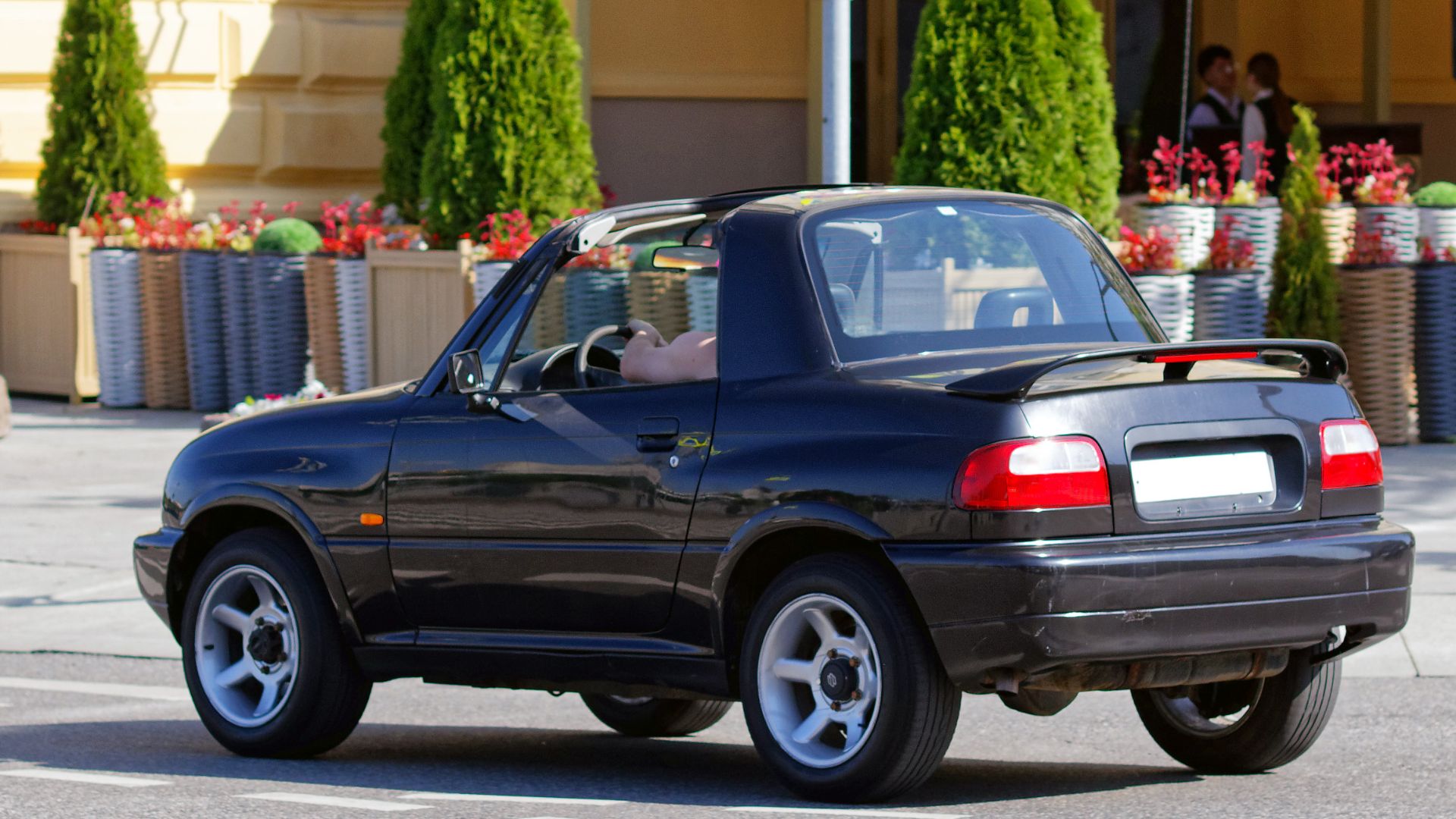
Suzuki X-90
The X-90 looked like a toy SUV with T-top panels and quirky styling. Hype centered on fun and uniqueness, but cramped space and awkward proportions made it more novelty than necessity. Buyers admired its boldness—just not enough to purchase it.
 Retired electrician, Wikimedia Commons
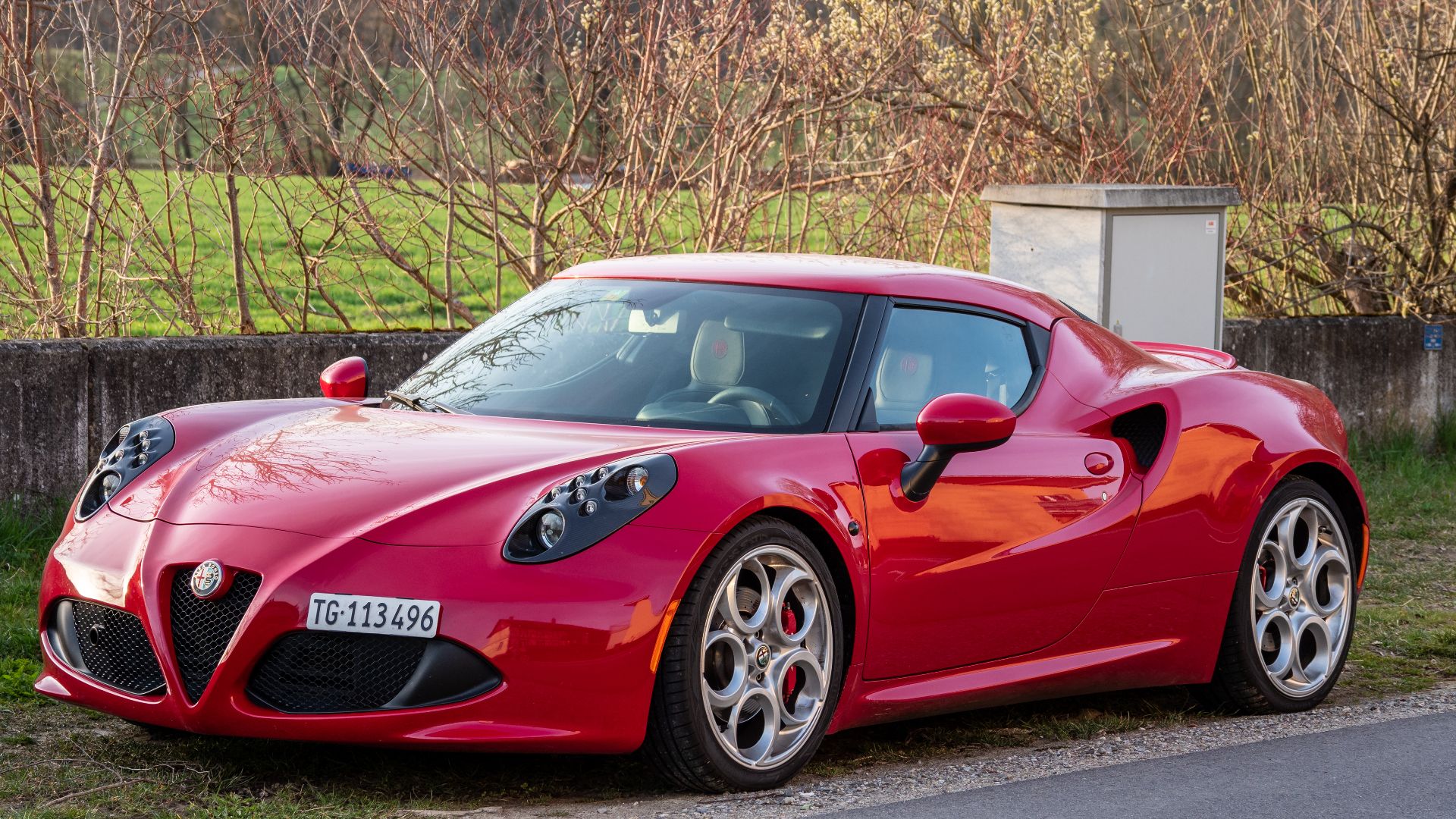
Alfa Romeo 4C
The 4C promised lightweight purity and Italian passion. It delivered thrilling handling—but also a harsh ride, minimal practicality, and a surprisingly unrefined cabin. For daily drivers expecting comfort along with charisma, it fell short.
 JoachimKohler-HB, Wikimedia Commons
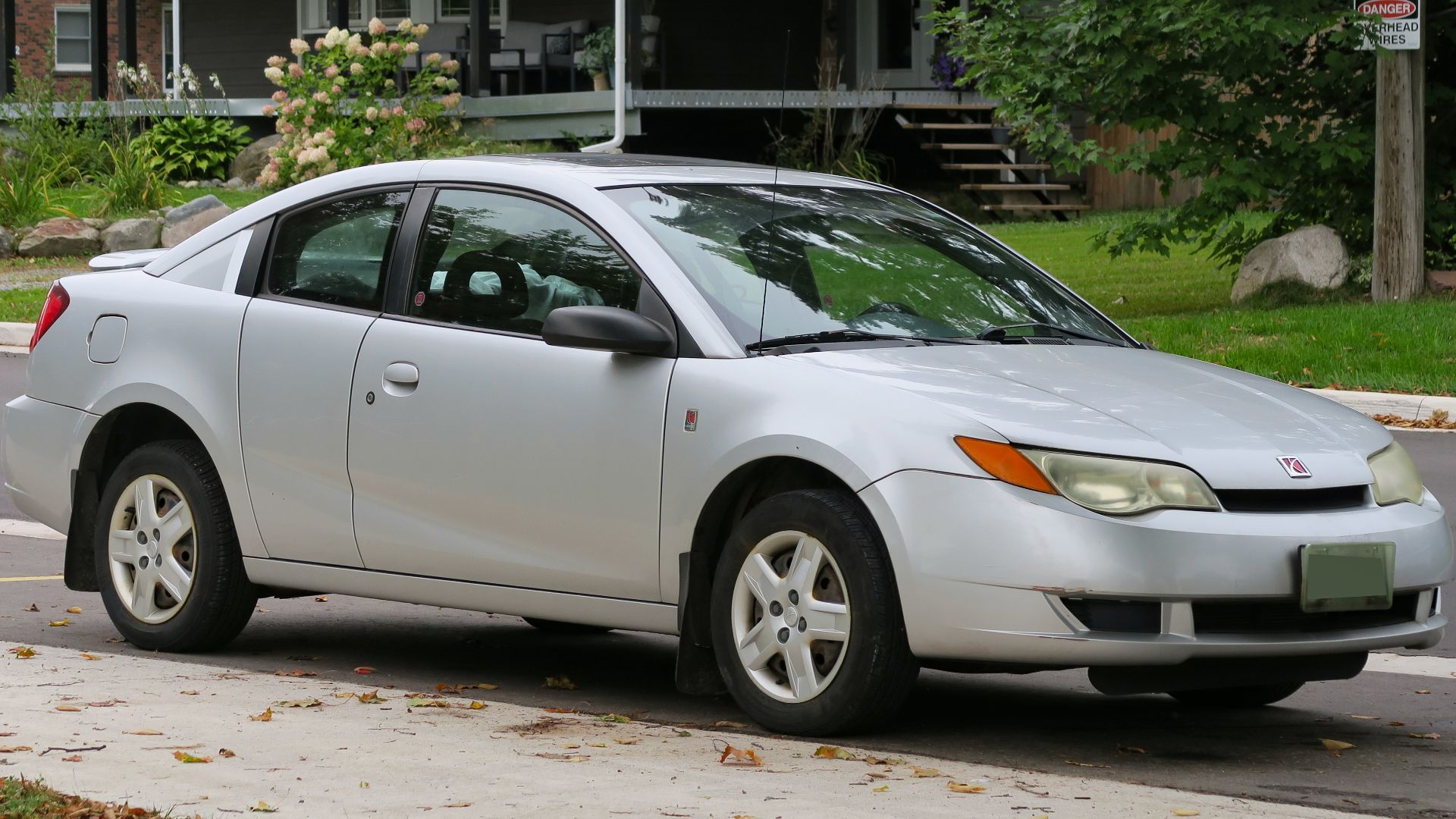
Saturn Ion
Saturn built its reputation on friendly dealerships and plastic body panels. The Ion, however, drew criticism for its odd center-mounted instrument cluster and cheap interior materials. It wasn’t disastrous—but it didn’t inspire loyalty either.
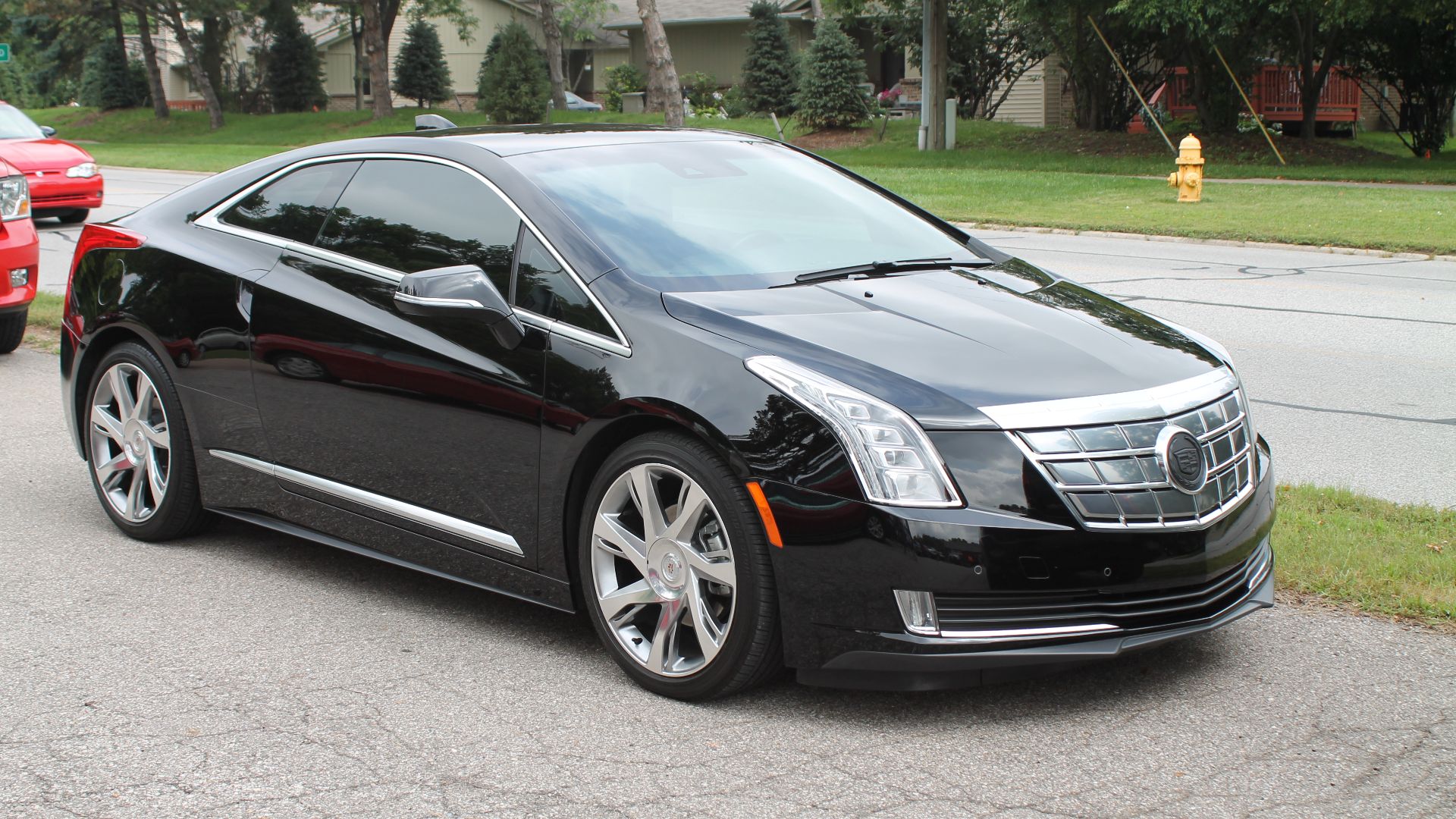
Cadillac ELR
The ELR was essentially a luxury version of the Chevy Volt with a dramatic design and a dramatically higher price. Buyers struggled to justify the markup. It was stylish and efficient, but the value proposition simply didn’t add up.
 priceman 141, Wikimedia Commons
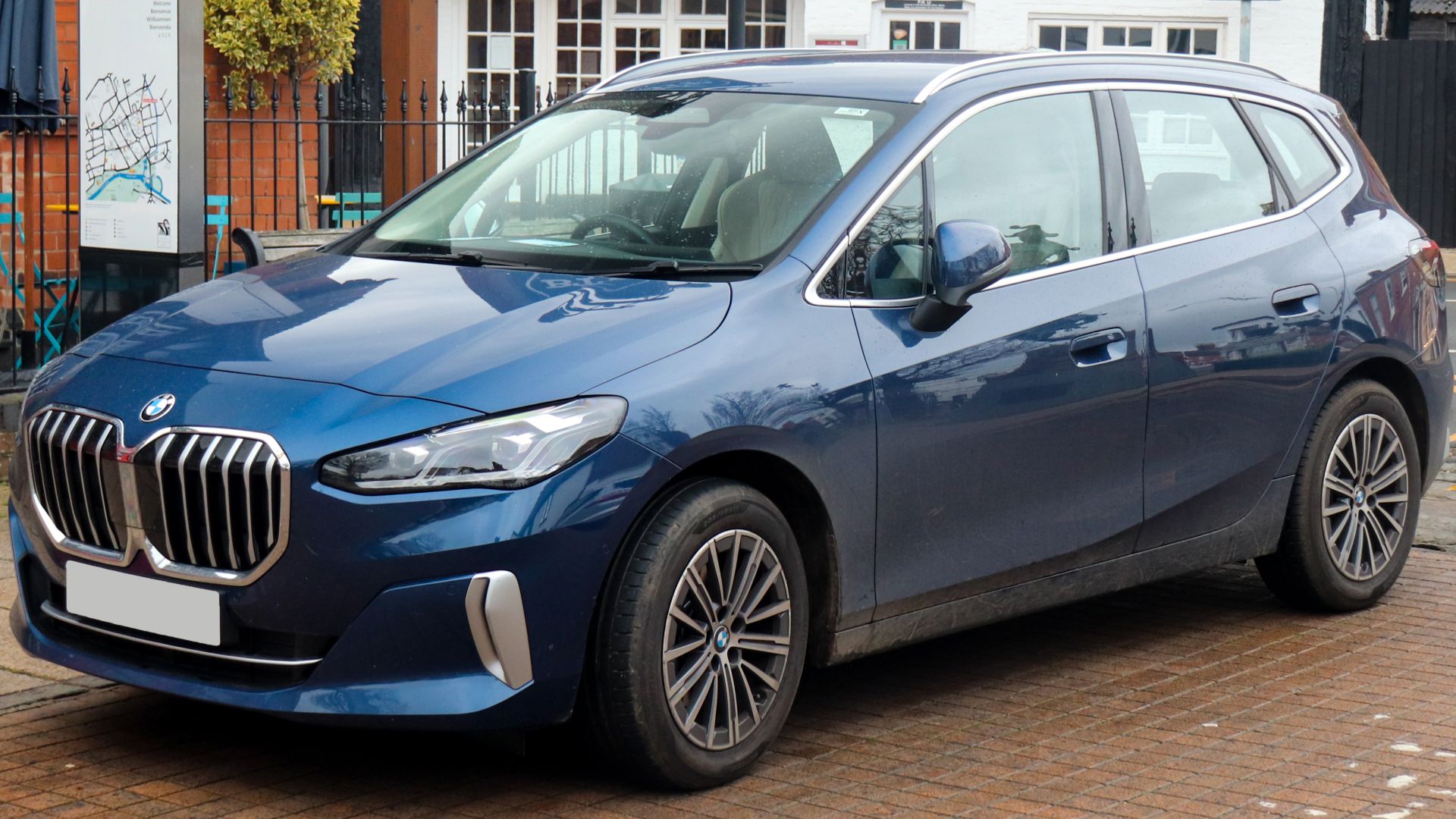
BMW 2 Series Active Tourer
BMW fans expect rear-wheel-drive balance and sporty handling. The front-wheel-drive Active Tourer emphasized practicality instead. While competent, it felt like a departure from brand identity, leaving enthusiasts less than thrilled.
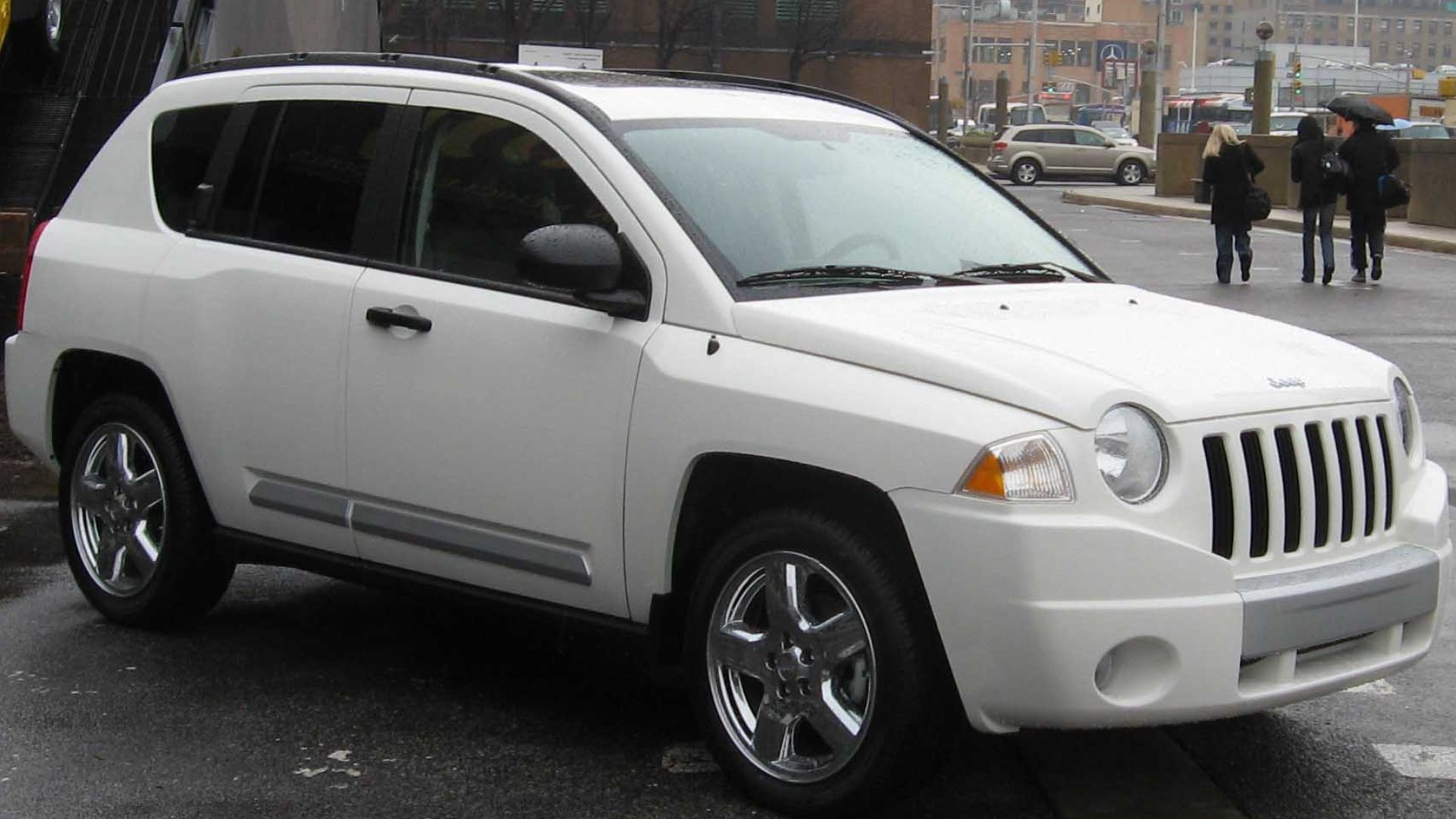
Jeep Compass (First Generation)
Jeep’s reputation is built on rugged capability. The first-generation Compass delivered car-like underpinnings and a cheaply finished interior. It lacked the off-road credibility buyers associated with the badge, resulting in widespread disappointment.
When Promise Outruns Performance
Hype is powerful. It fuels anticipation, sells preorders, and keeps the automotive world buzzing. But when a car’s real-world performance, quality, or value doesn’t match the promise, disappointment spreads quickly. The models on this list weren’t all terrible—some even developed cult followings—but they remind us that bold marketing can’t replace thoughtful execution.
 User Thaian07 on en.wikipedia, Wikimedia Commons
You May Also Like:
The Chevy HHR SS: The Turbo Wagon Nobody Asked For