Pontiac's Sports Car That Nearly Bested A Roadster Giant
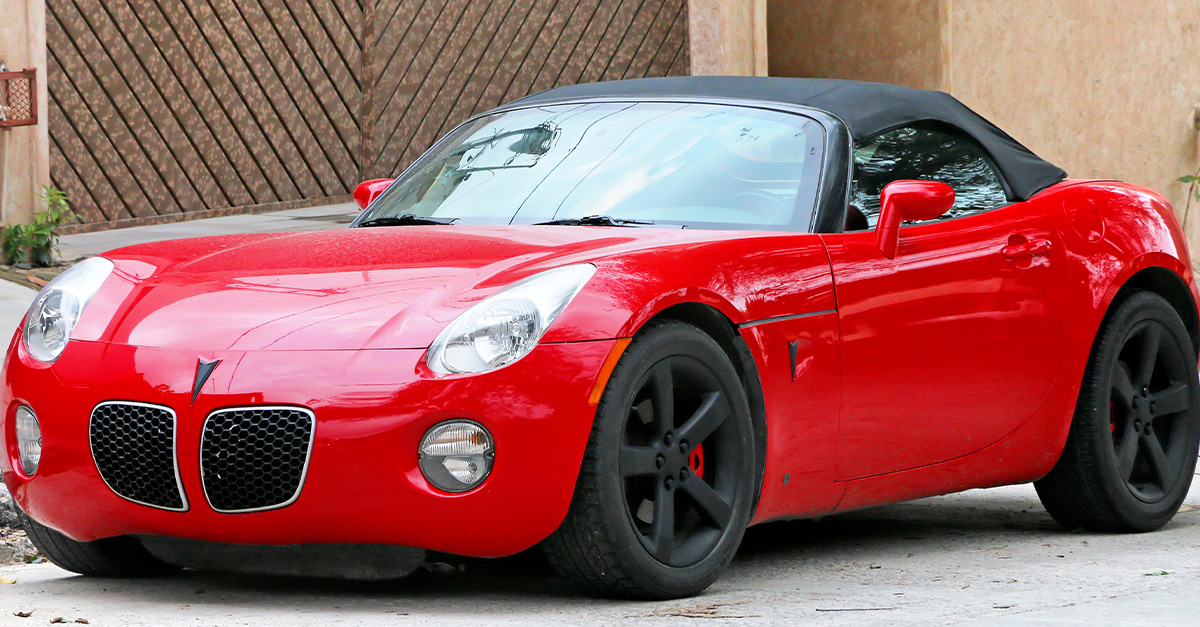
In the mid-2000s, when affordable roadsters were supposed to be the Mazda Miata’s uncontested kingdom, Pontiac showed up with a bold grin and a curve-hugging challenger. The Pontiac Solstice wasn’t just another two-seat convertible—it was GM’s moonshot to prove it could build a lightweight, fun, genuinely desirable sports car again. For a brief, shining moment, it looked like the Miata might finally have a real problem on its hands.
Pontiac’s Big Sports Car Comeback Plan
By the early 2000s, Pontiac was desperate for relevance. Once known for muscle and attitude, the brand had drifted into rental-car anonymity. GM needed a halo car—something emotional, stylish, and fun. The Solstice was born from that need: a clean-sheet roadster meant to inject excitement back into Pontiac showrooms and remind enthusiasts that GM still had passion.
 Greg Gjerdingen from Willmar, USA, Wikimedia Commons
A Concept That Stopped People Cold
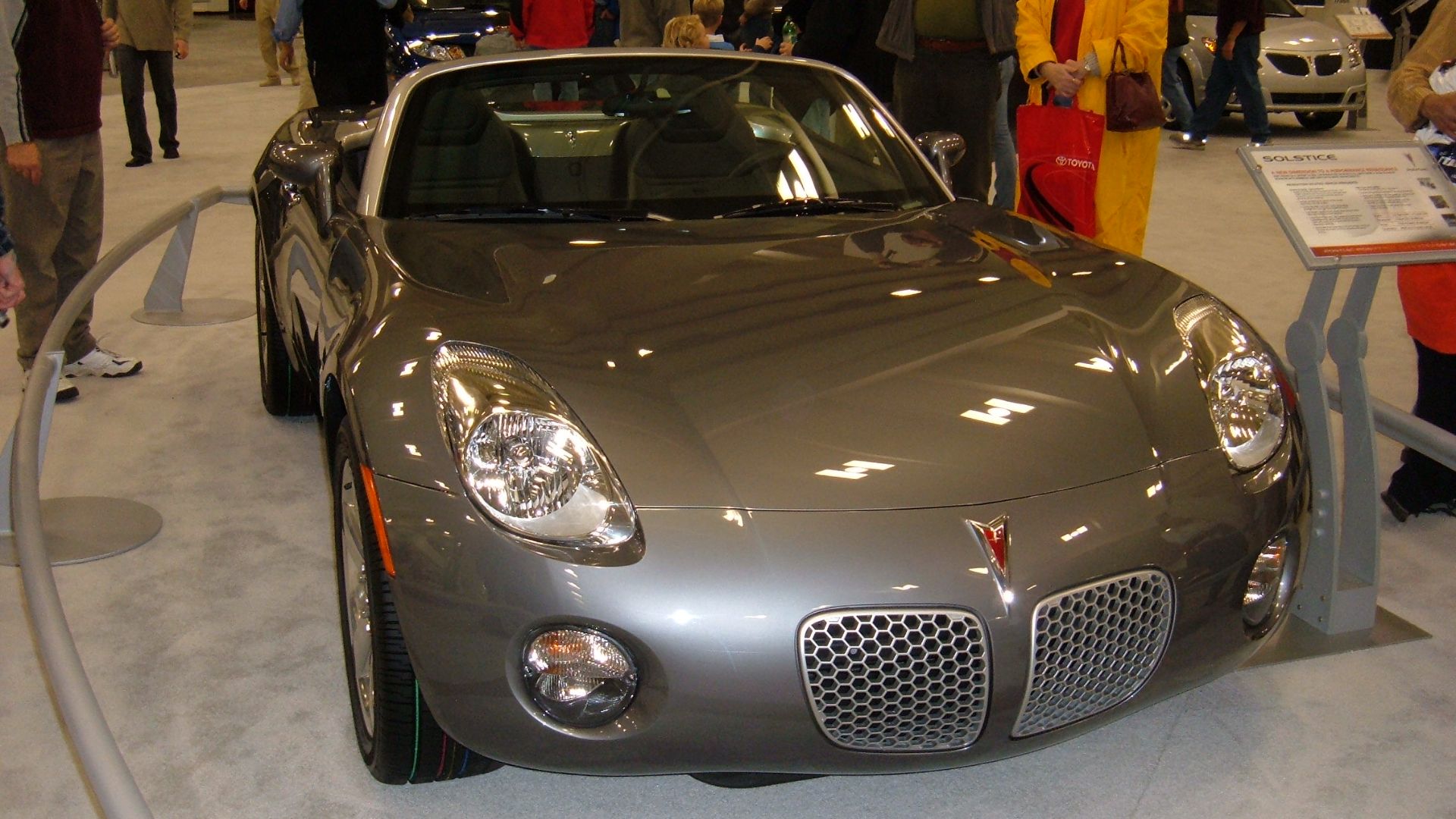
The Solstice debuted as a concept at the 2002 Detroit Auto Show, and reactions were immediate and loud. It was low, wide, and dramatic, with short overhangs and classic roadster proportions. Unlike many auto show fantasies, GM promised this one would make production with minimal changes. For once, that wasn’t marketing fluff.
 BrokenSphere, Wikimedia Commons
From Show Car To Showroom
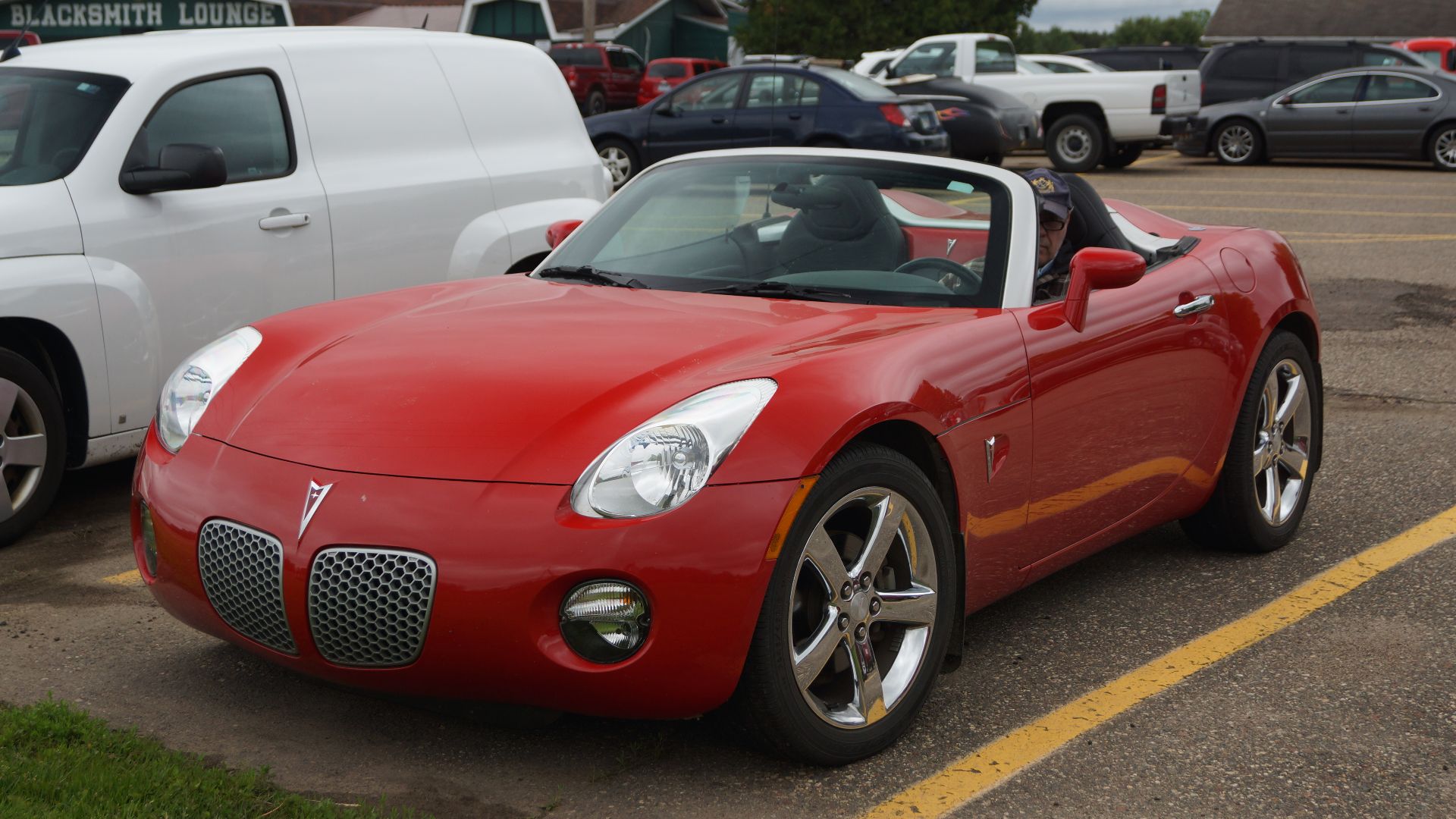
When the production Solstice arrived for the 2006 model year, it looked shockingly close to the concept. Sure, some edges were softened, but the essence remained. Pontiac had delivered on its promise, and that alone earned goodwill from car fans who were used to disappointment. This wasn’t a tease—it was the real deal.
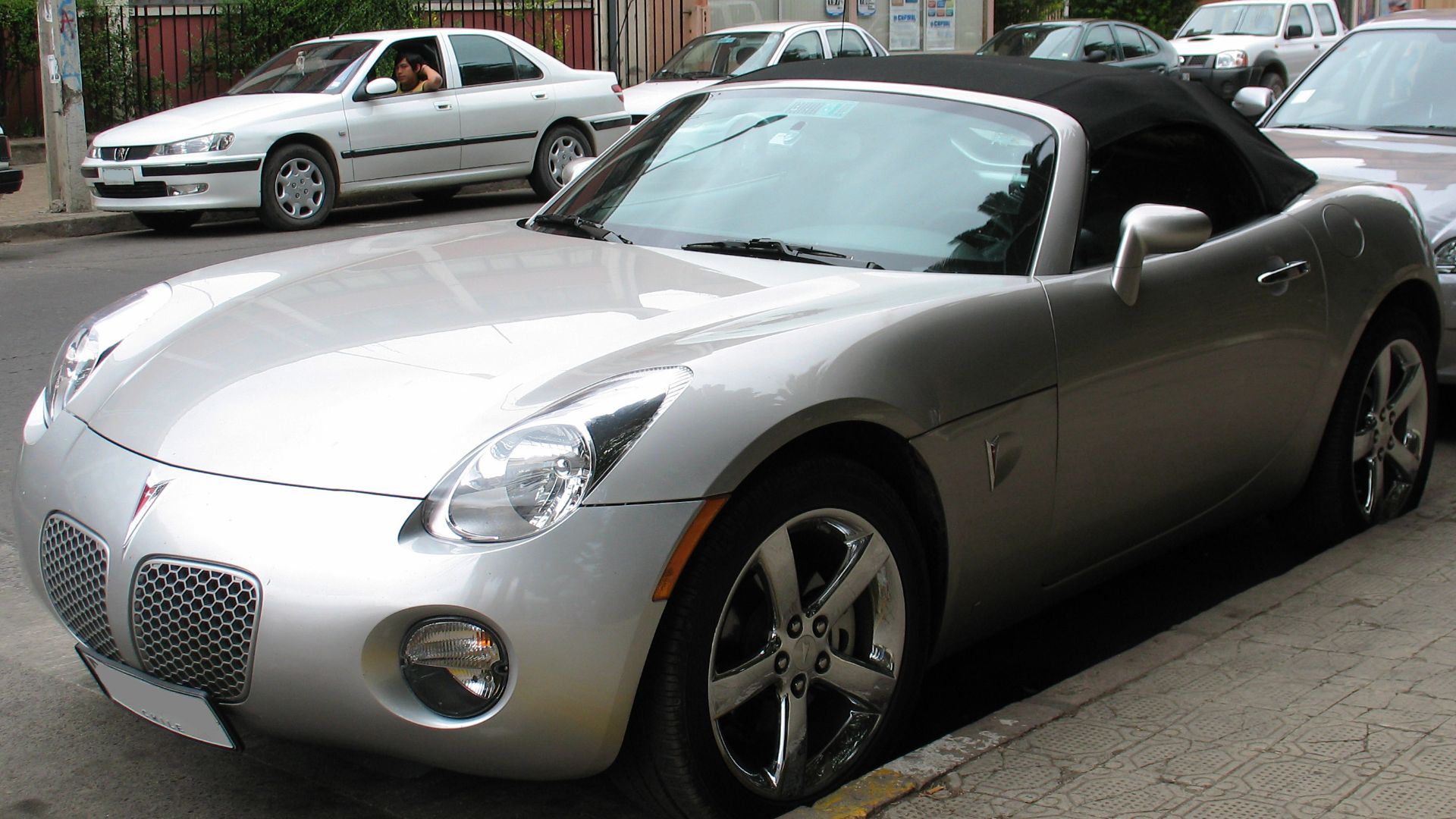 order_242 from Chile, Wikimedia Commons
Styling That Turned Heads Everywhere
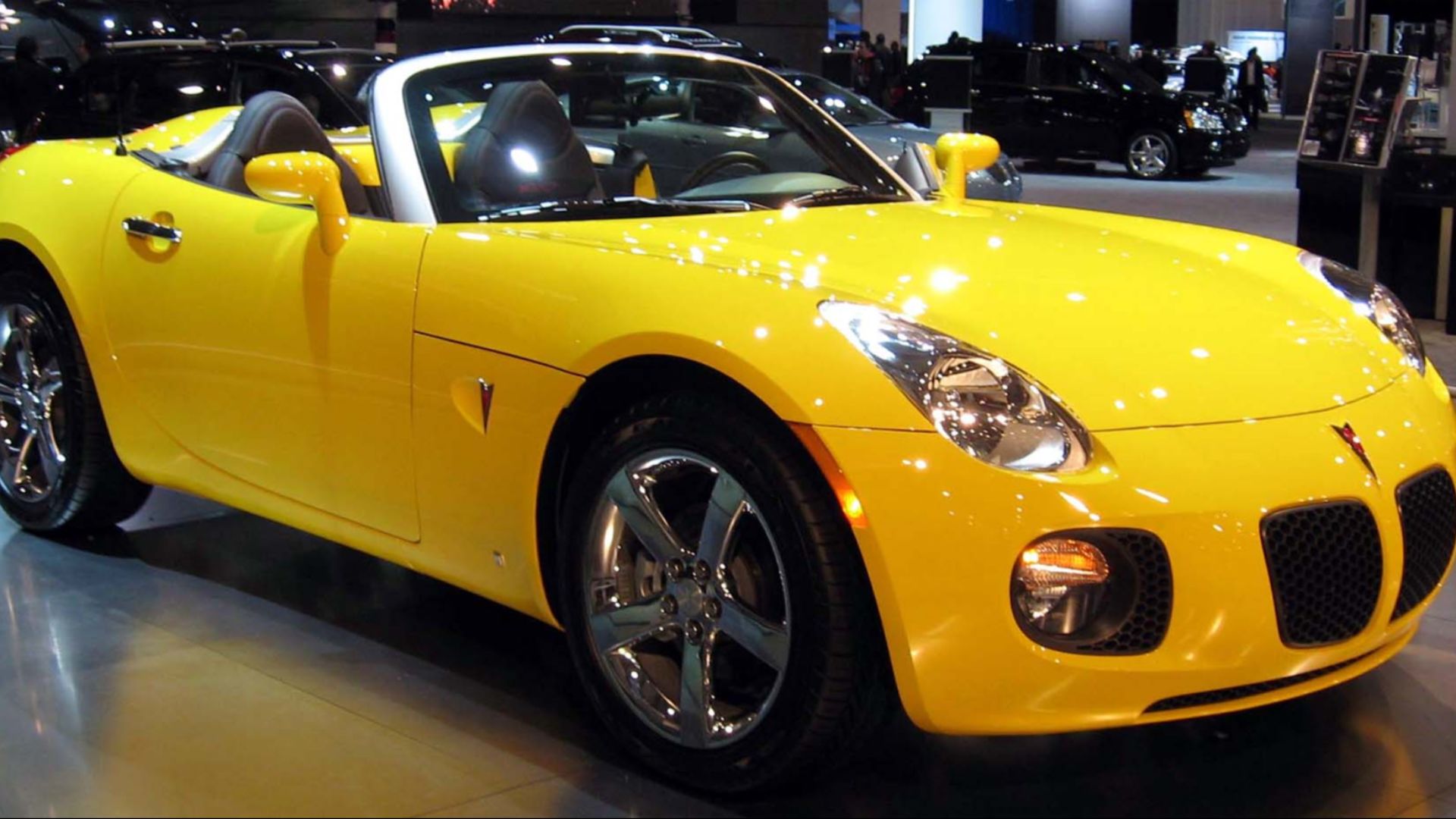
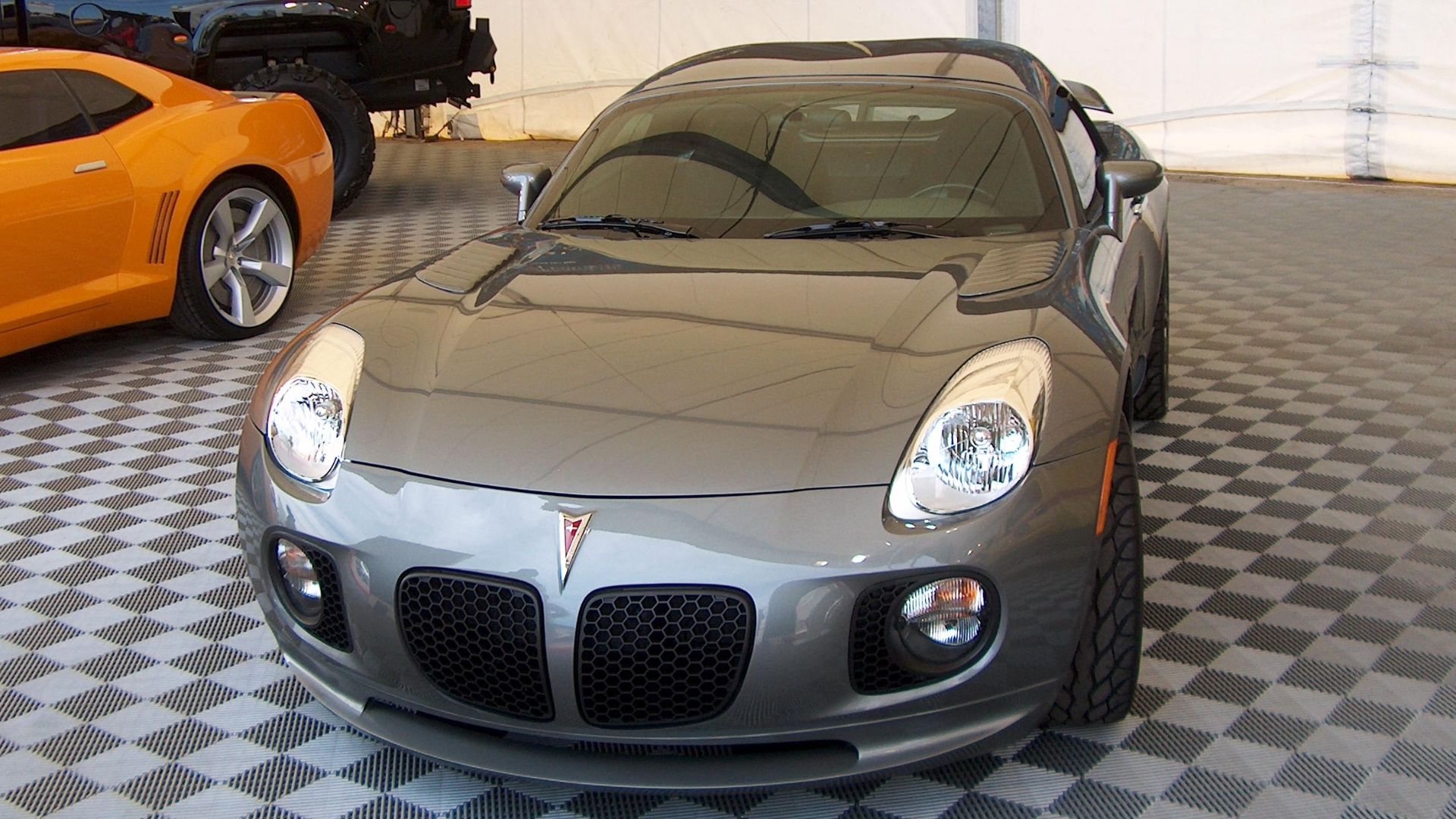
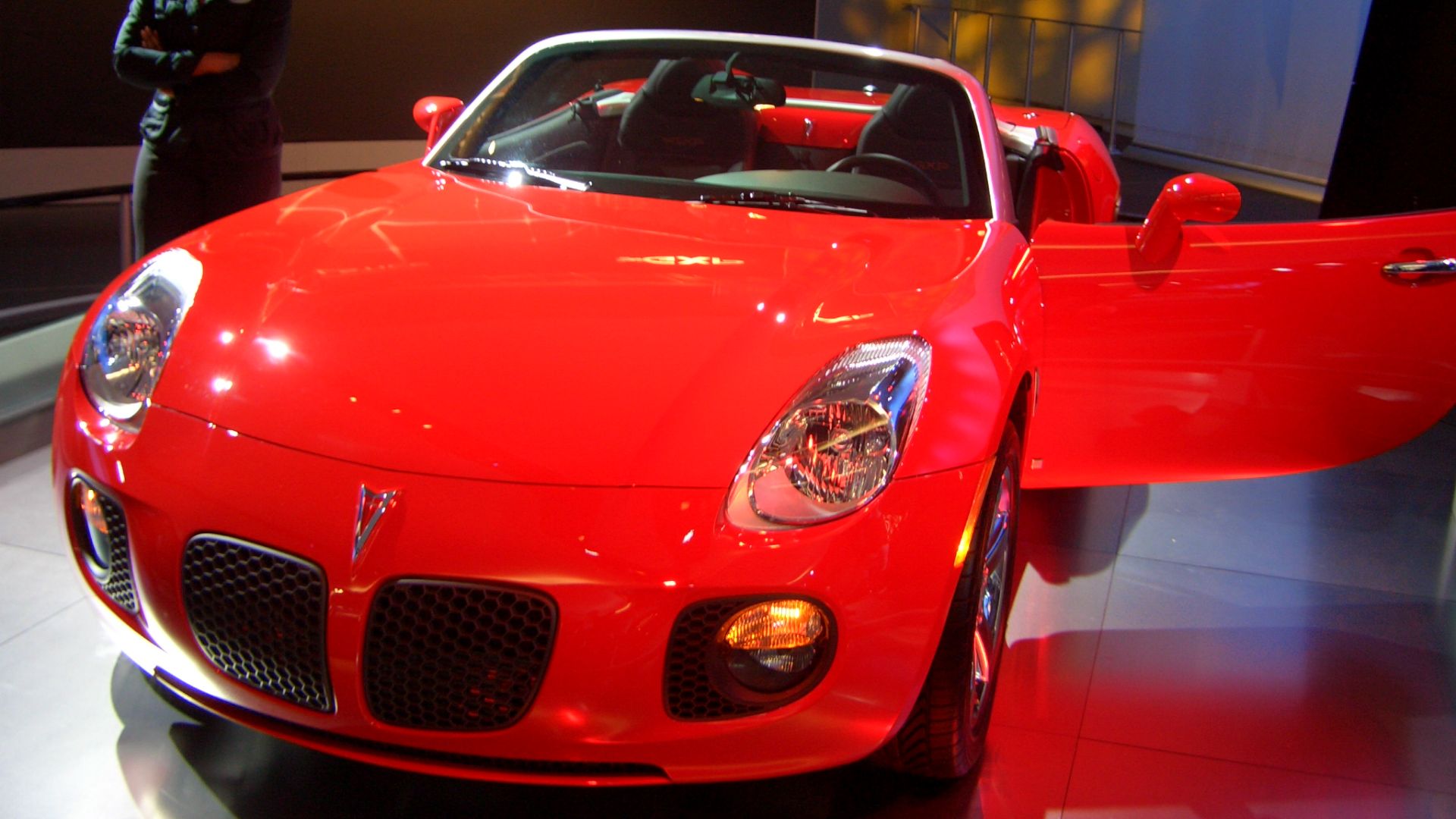
The Solstice’s design was its knockout punch. Long hood, pushed-back cabin, muscular rear haunches—it looked expensive and exotic despite its relatively affordable price. Park one next to a Miata, and casual observers almost always gravitated toward the Pontiac first. It had presence, drama, and undeniable curb appeal.
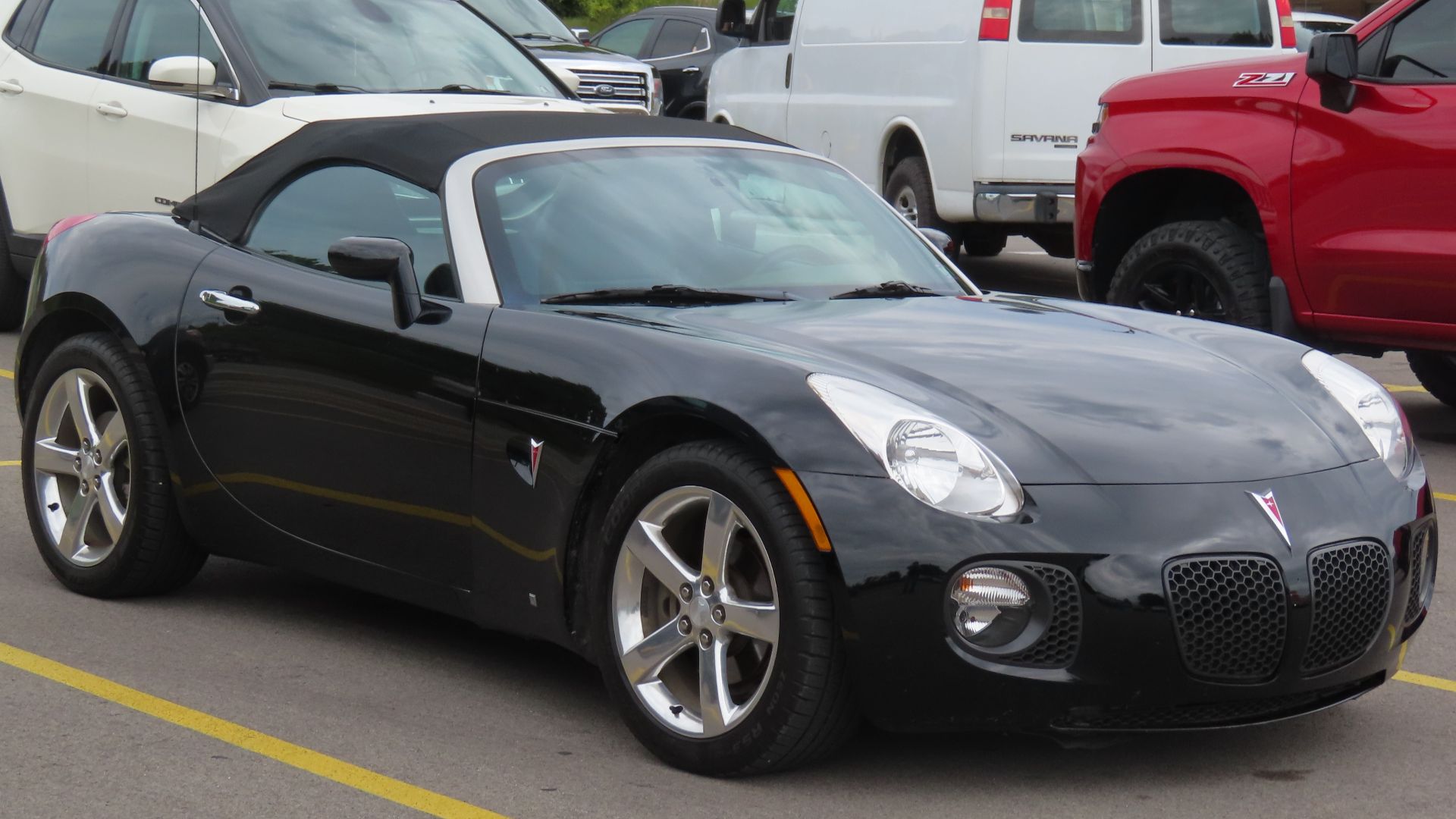 MercurySable99, Wikimedia Commons
A Platform With Big Ambitions
Underneath, the Solstice rode on GM’s new Kappa platform, designed specifically for small rear-wheel-drive sports cars. This wasn’t a warmed-over economy-car chassis. It featured a hydroformed steel frame, near-50/50 weight distribution, and proper sports car bones. GM was finally taking the segment seriously.
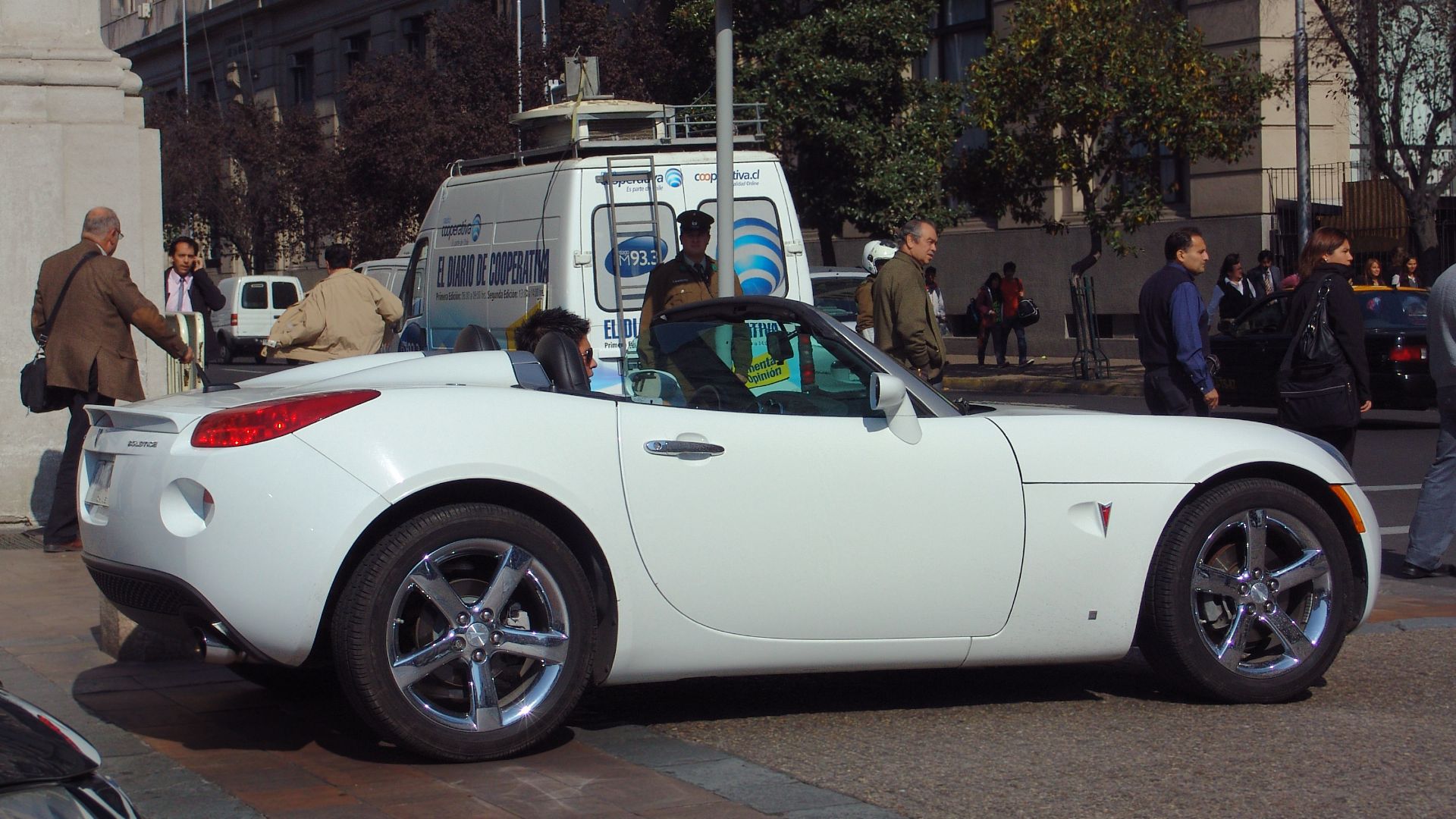 RL GNZLZ from Chile, Wikimedia Commons
Rear-Wheel Drive Done Right
Like the Miata, the Solstice sent power to the rear wheels—non-negotiable for purists. The layout promised balanced handling and old-school fun, a refreshing change from the front-wheel-drive norm dominating GM’s lineup. On paper, at least, Pontiac was playing by all the right rules.
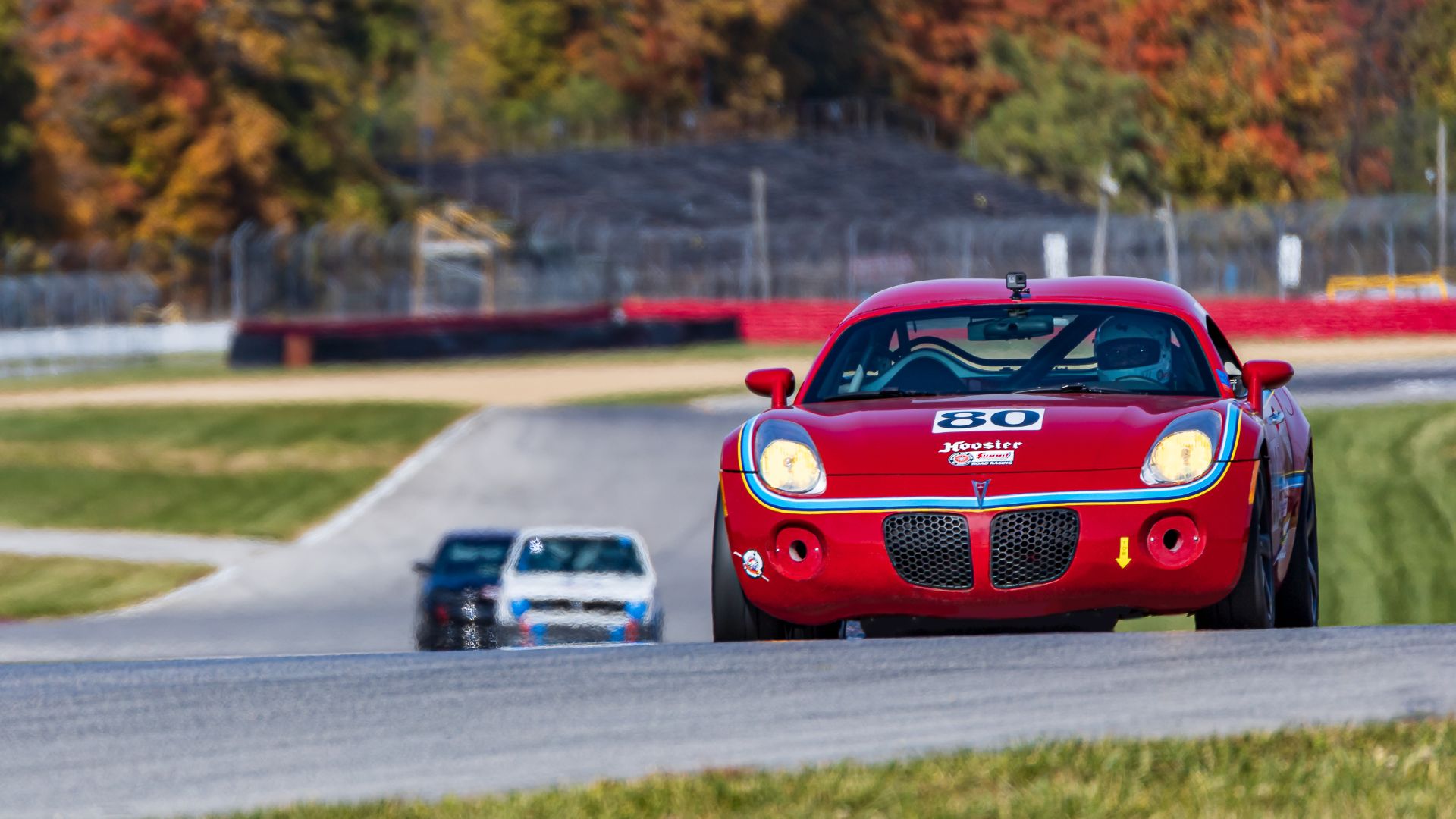 Robert Yorde from Ohio, USA, Wikimedia Commons
The Base Engine: Adequate, Not Electric
Early Solstices came with a naturally aspirated 2.4-liter four-cylinder making around 177 horsepower. It wasn’t slow, but it wasn’t thrilling either. Compared to the Miata’s rev-happy engines, the Pontiac felt more relaxed than razor-sharp. Still, the torque made it pleasant around town.
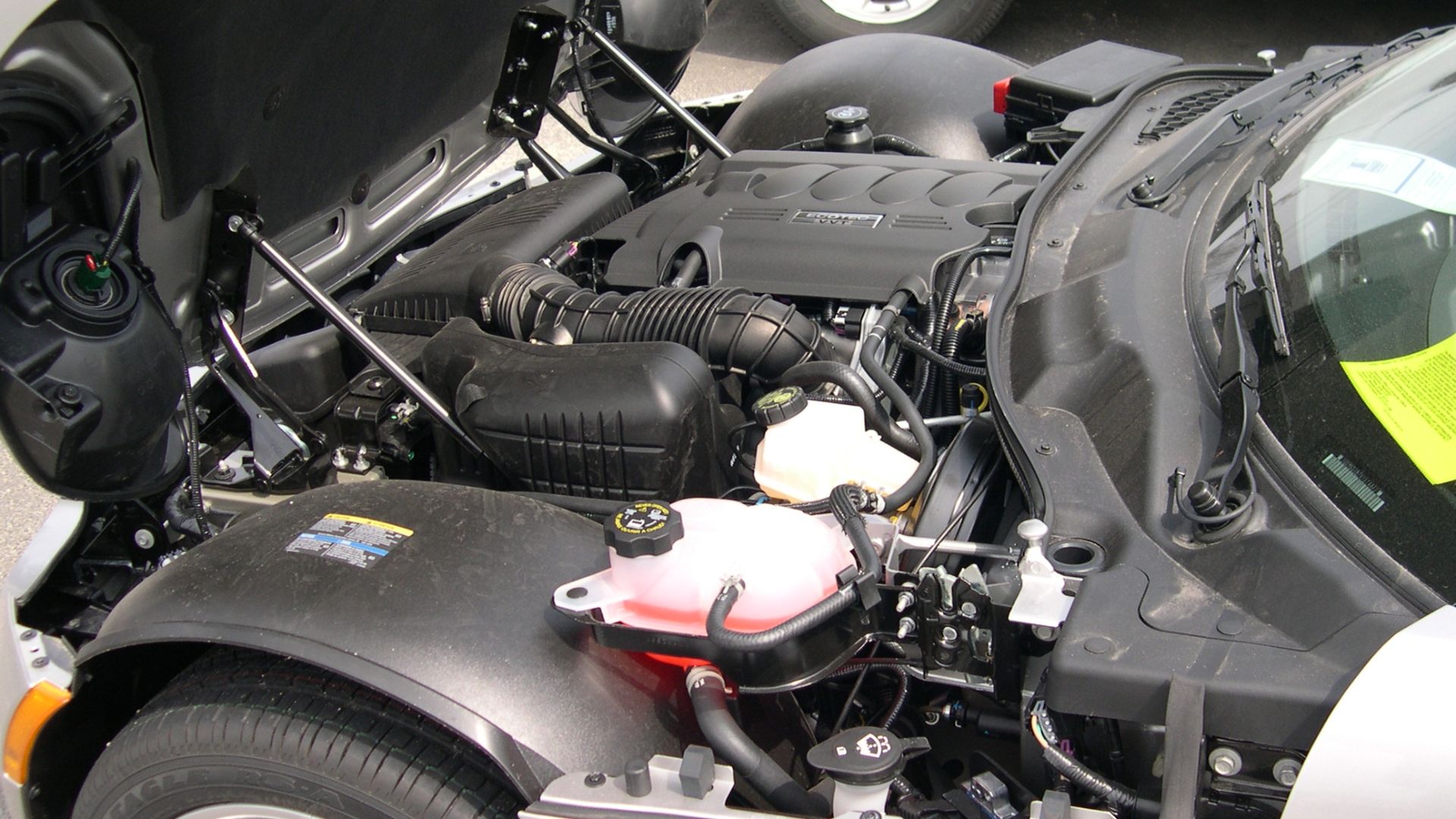
Enter The Solstice GXP
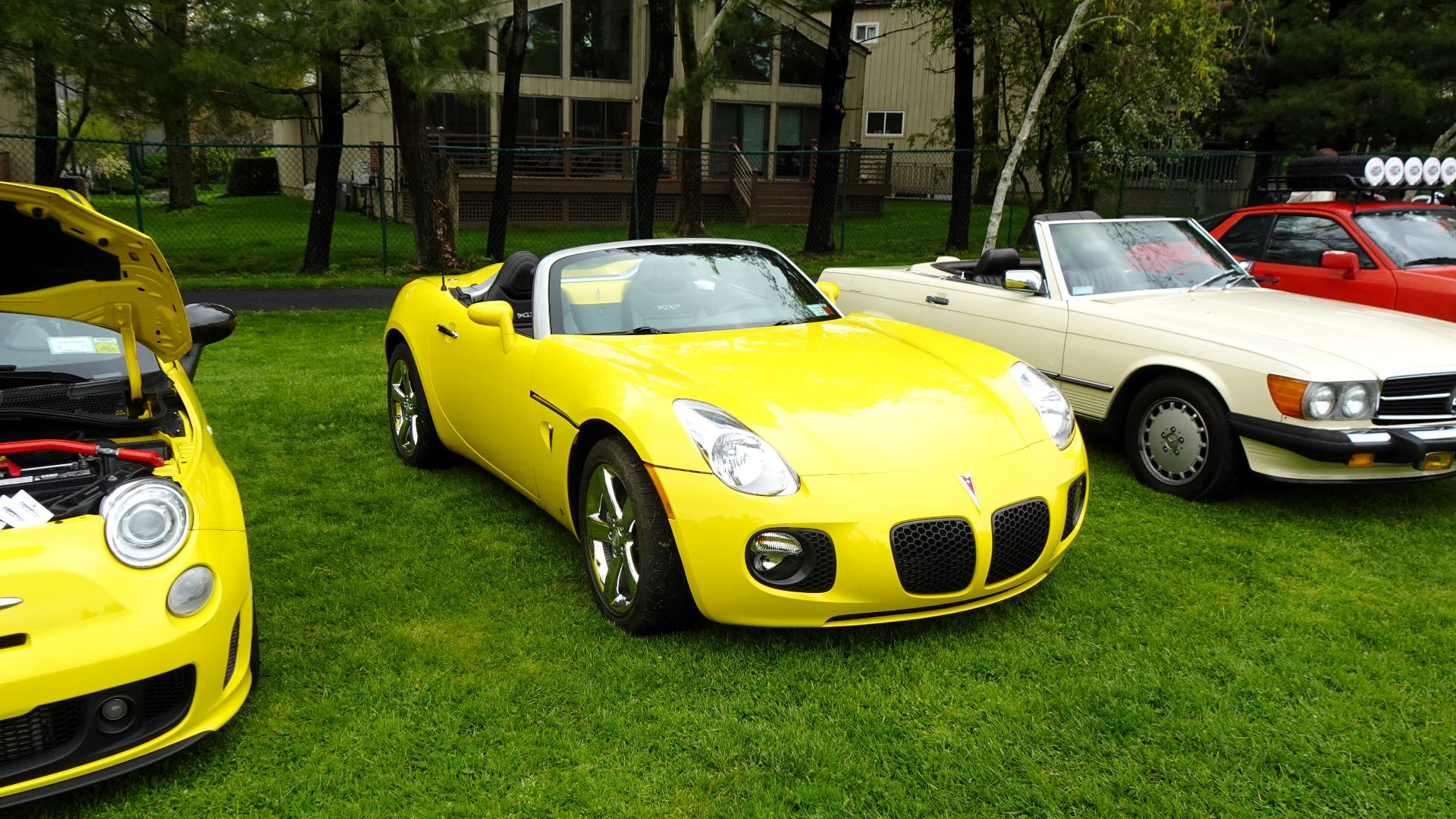
Then Pontiac dropped the bomb. For 2007, the Solstice GXP arrived with a turbocharged 2.0-liter four-cylinder pumping out up to 260 horsepower. Suddenly, this wasn’t just a Miata rival—it was a straight-up bully. The GXP could sprint to 60 mph in under five seconds, leaving the Mazda gasping.
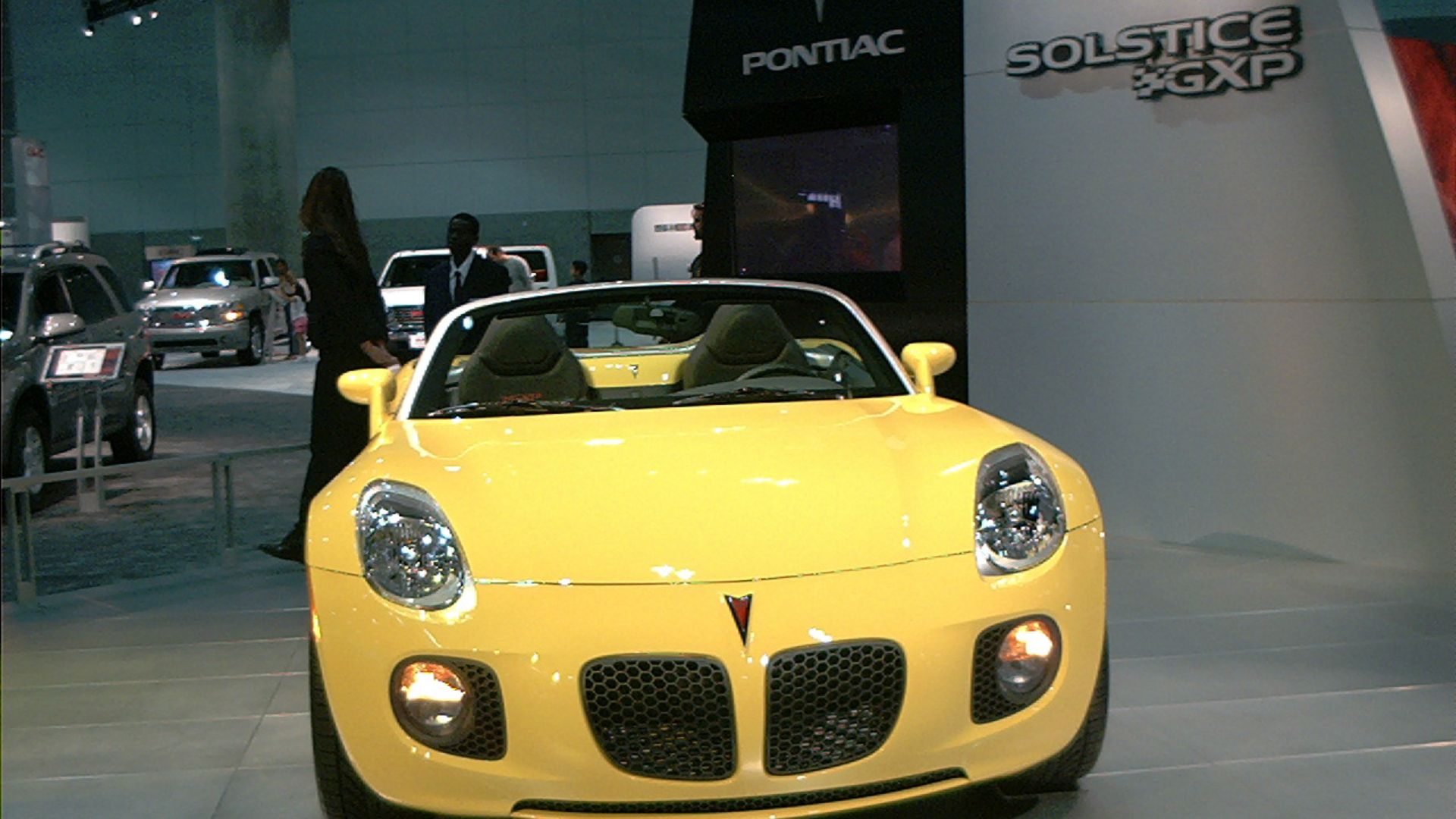 The Helper S at English Wikipedia, Wikimedia Commons
Straight-Line Speed The Miata Couldn’t Match
In terms of raw acceleration, the Solstice GXP embarrassed the Miata of its era. The turbo punch transformed the car into a genuine performance machine, one that could hang with much more expensive sports cars. On highway pulls and stoplight sprints, the Pontiac had the upper hand.
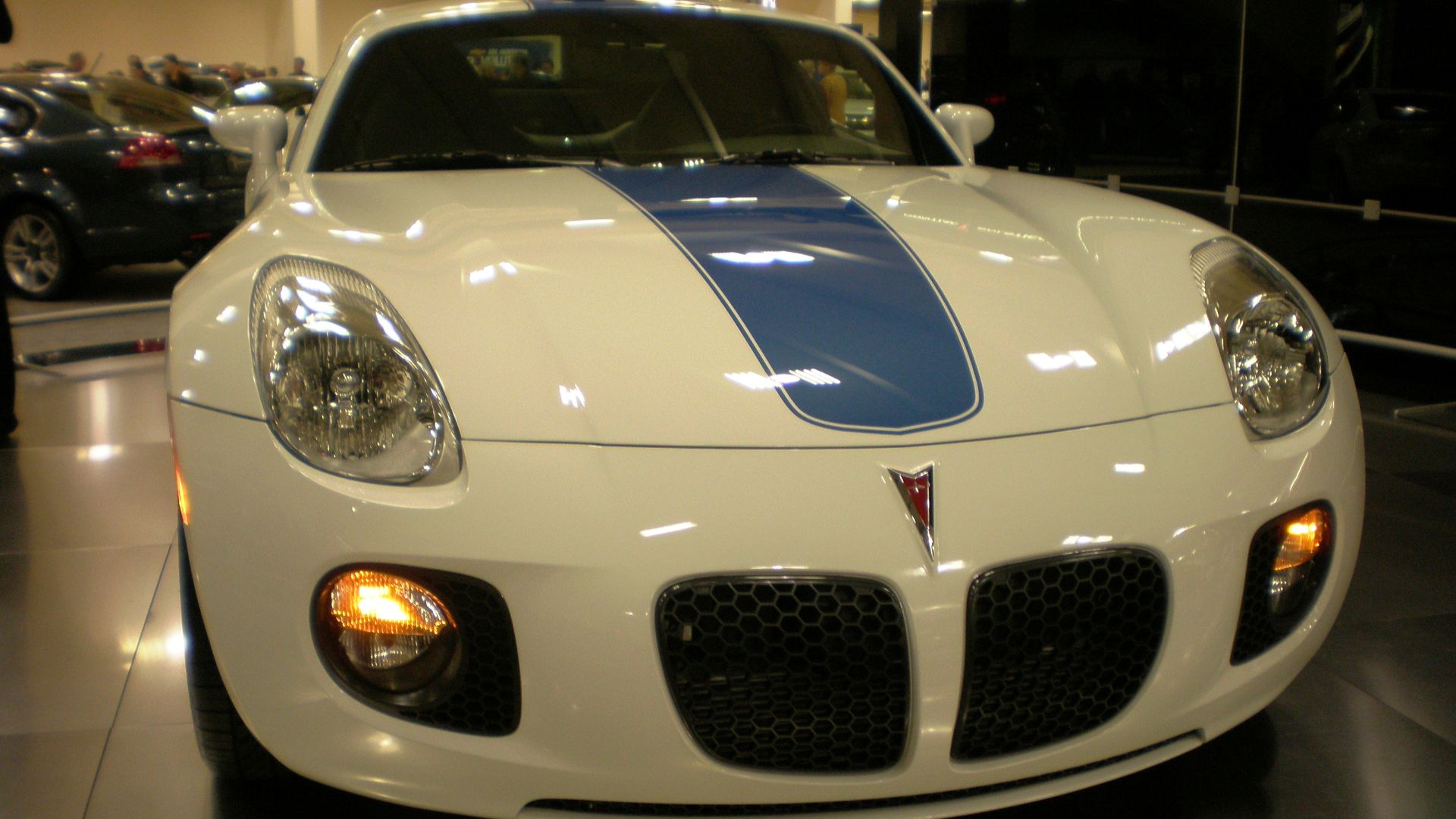 BrokenSphere, Wikimedia Commons
Handling: Good, But Not Quite Great
Here’s where the Miata fought back. While the Solstice handled well, it didn’t have the same telepathic steering or delicate balance as the Mazda. The Pontiac felt heavier and less eager to change direction. Fun? Absolutely. Benchmark-setting? Not quite.
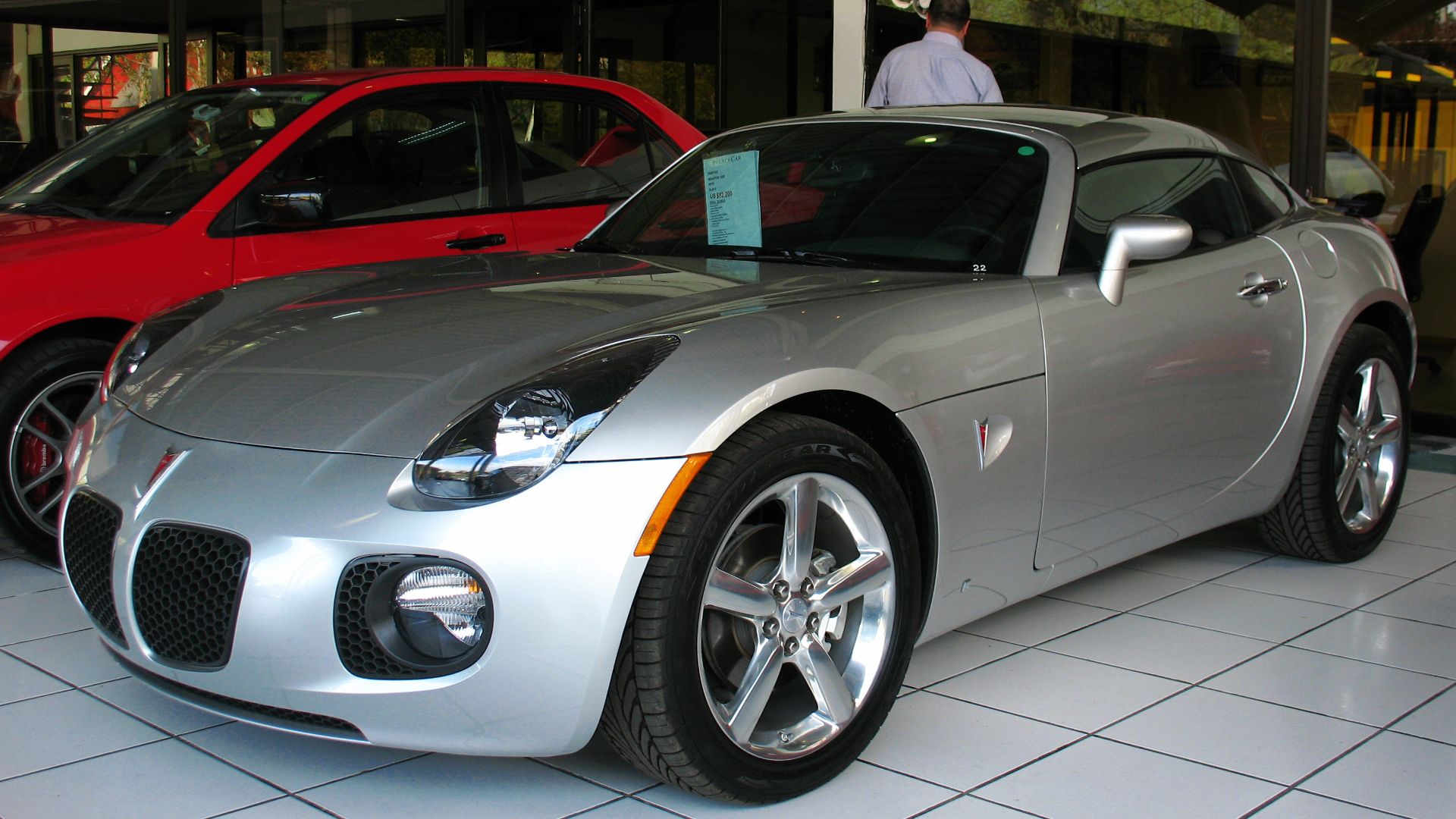 RL GNZLZ from Chile, Wikimedia Commons
Steering Feel And Driver Connection
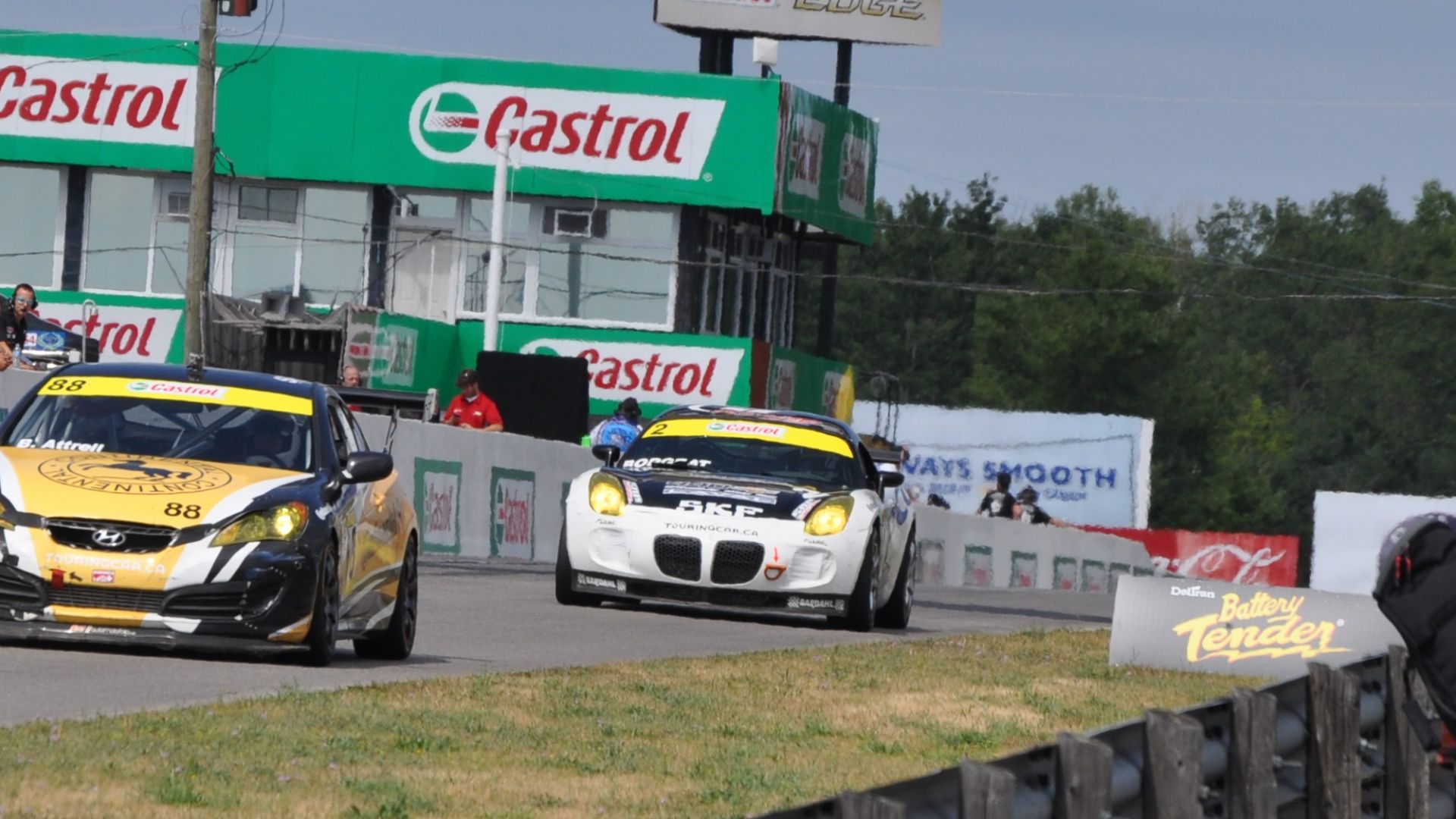
Miata fans often talk about steering feel like it’s a religion, and the Solstice simply couldn’t convert them. Its steering was accurate but numb by comparison. You drove the Solstice quickly; you danced with the Miata. That subtle difference mattered deeply to hardcore enthusiasts.
 Matt Clare from Burlington, Canada, Wikimedia Commons
The Manual Transmission Experience
Both cars offered manual gearboxes, but again, Mazda had the edge. The Solstice’s manual was fine—competent, even—but lacked the buttery smoothness and precision that made Miata shifts legendary. It was one of those small details that added up over time.
 Charles from Port Chester, New York, Wikimedia Commons
Interior Design: Style Over Substance
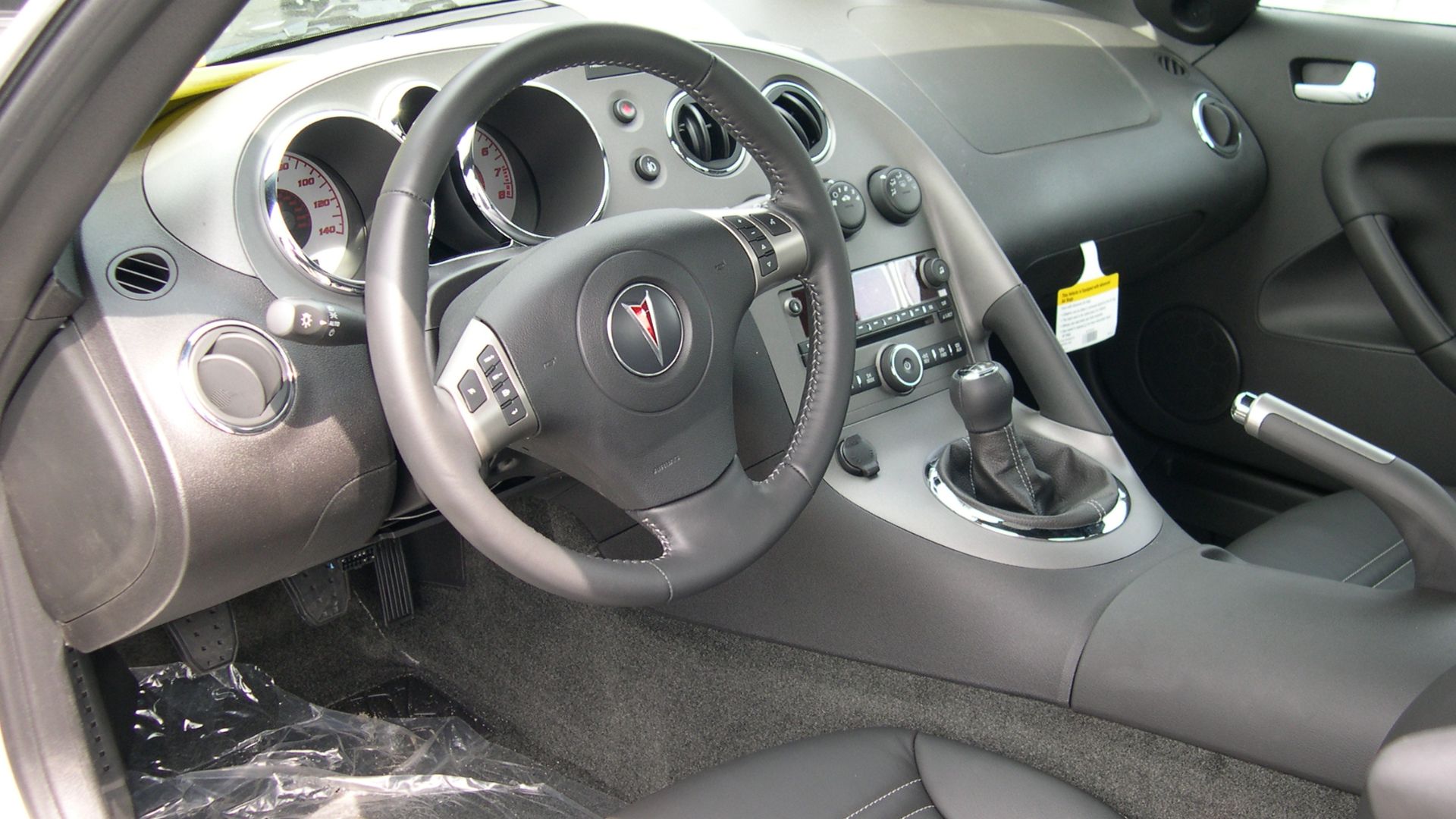
Inside, the Solstice looked sporty but felt cheap. Hard plastics, odd ergonomics, and limited storage reminded you this was still a GM product from the mid-2000s. The Miata’s interior wasn’t luxurious either, but it felt more thoughtfully designed and driver-focused.
That Trunk Situation Everyone Complained About
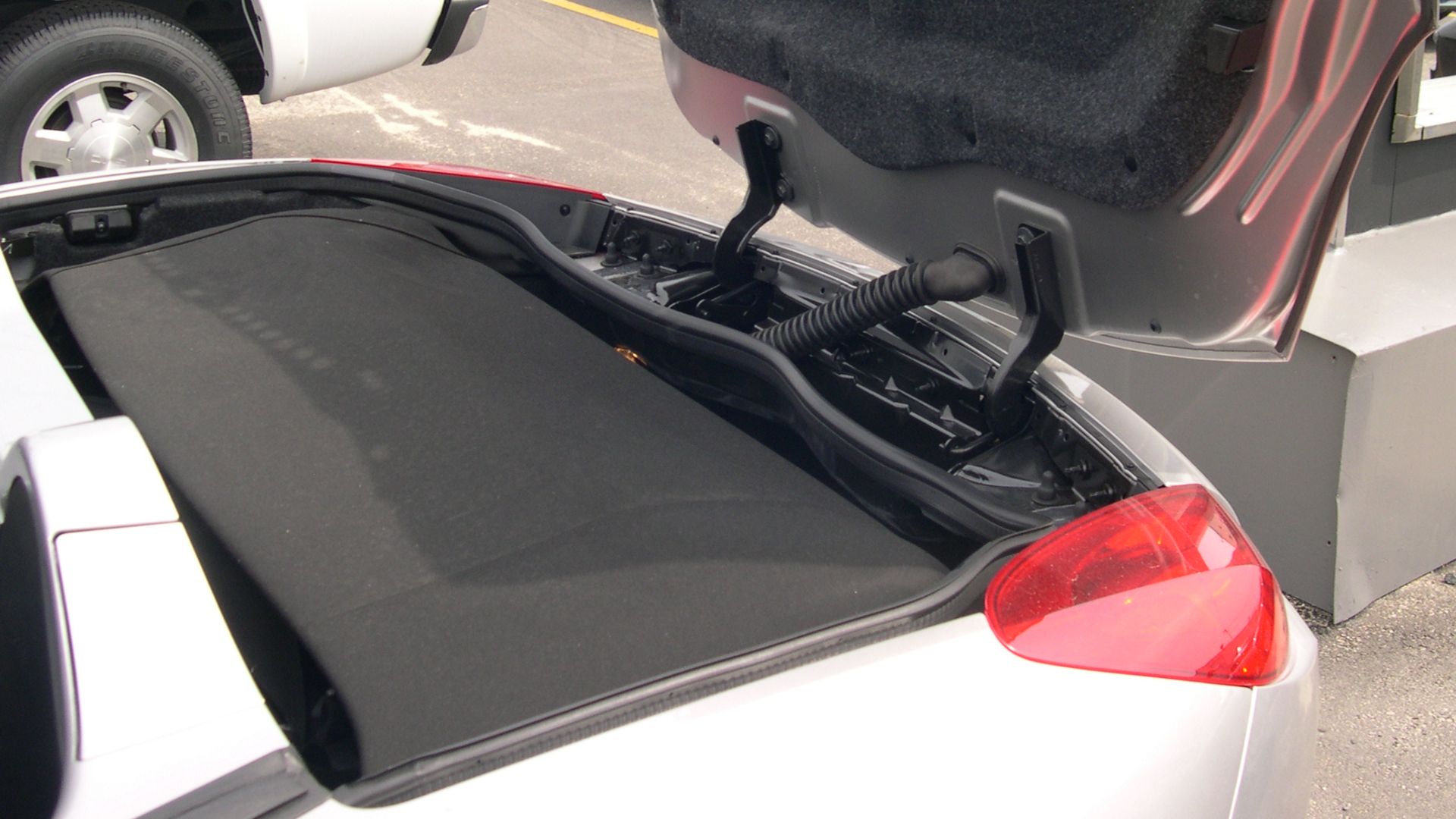
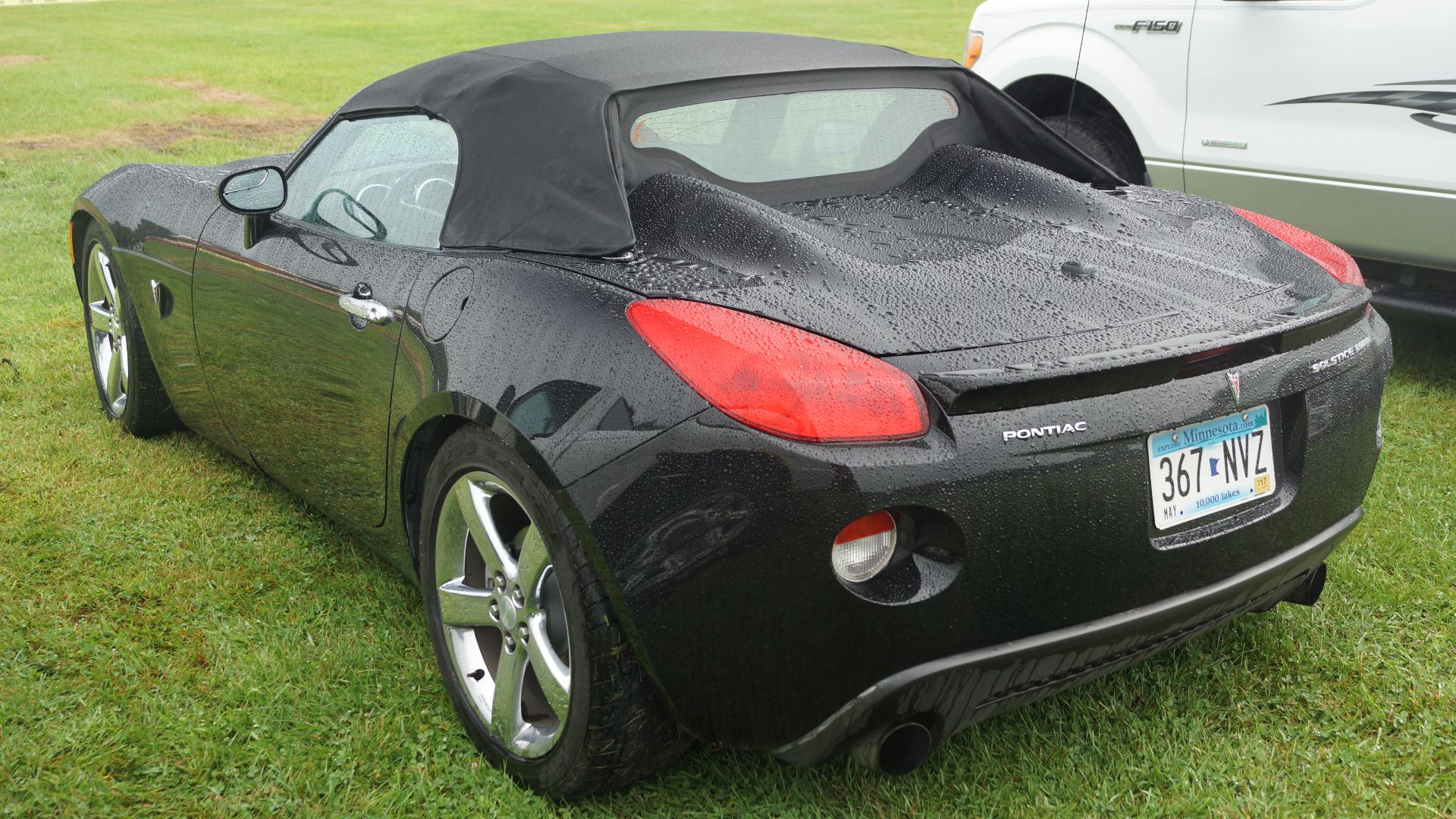
One of the Solstice’s most infamous flaws was its trunk. The shape and roof mechanism severely limited cargo space, especially with the top down. Weekend road trips required creativity and soft bags. The Miata, by comparison, felt downright practical.
Convertible Top Frustrations
Raising and lowering the Solstice’s soft top was a multi-step affair that demanded patience and flexibility. It wasn’t difficult, but it wasn’t elegant either. Mazda’s simpler, quicker top mechanism made open-air driving feel effortless by comparison.
 Greg Gjerdingen from Willmar, USA, Wikimedia Commons
The Saturn Sky Sibling Rival
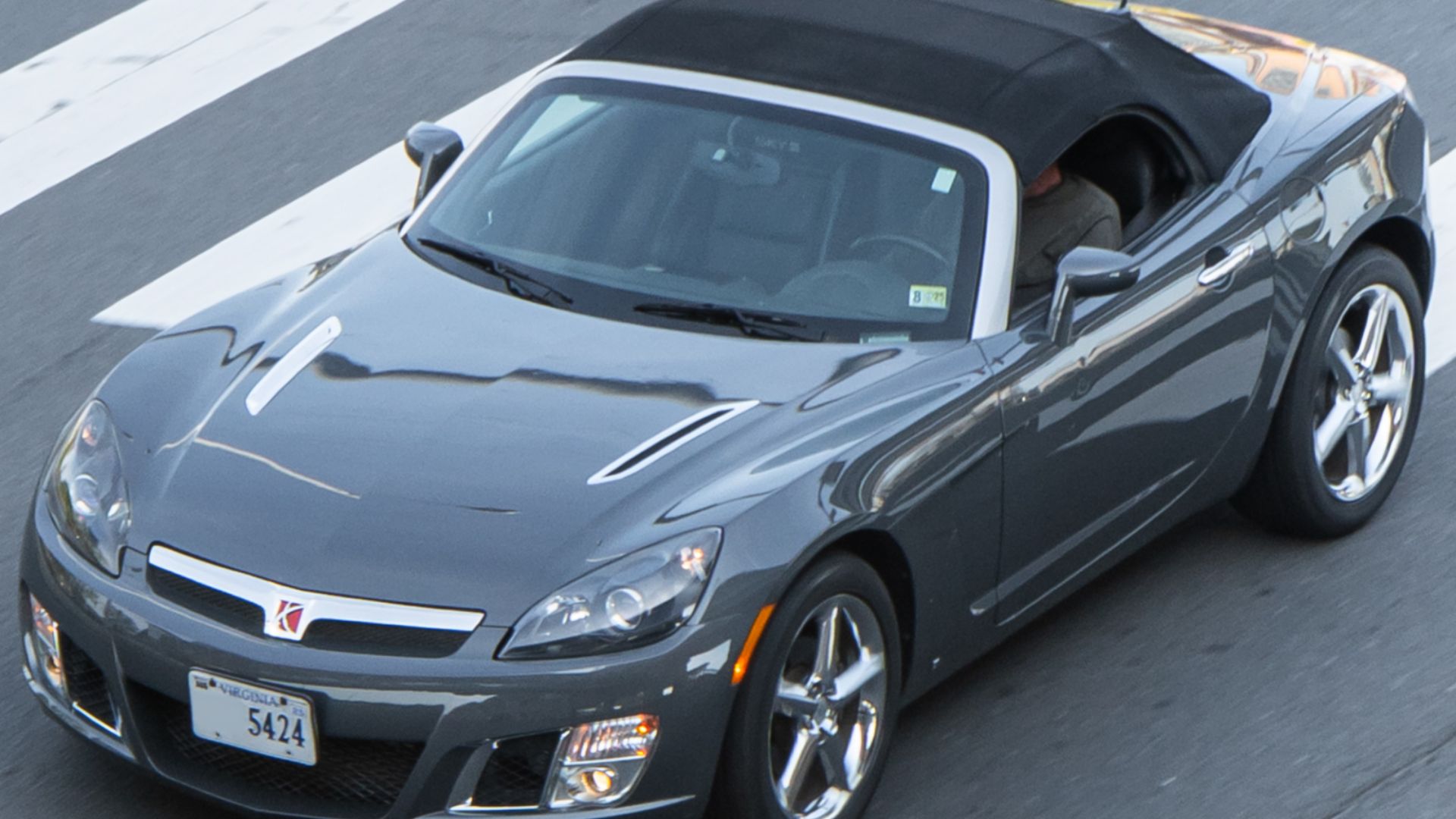
The Solstice wasn’t alone. Its sibling, the Saturn Sky, shared the same platform and mechanicals but wore sharper, more angular styling. Some buyers preferred the Sky’s look, but the Solstice generally felt more cohesive and classically beautiful.
 OWS Photography, Wikimedia Commons
Pricing That Made Waves
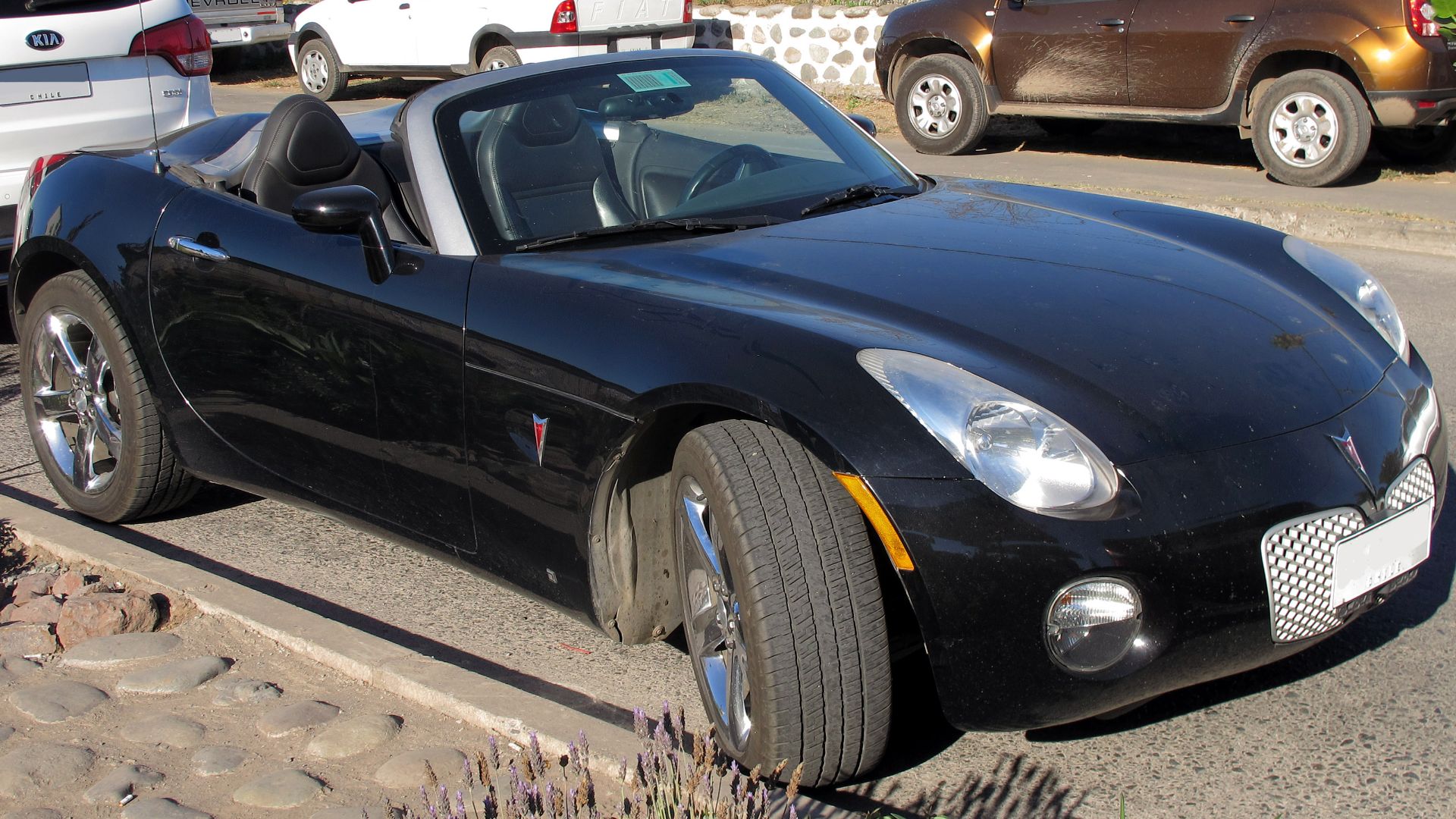
One area where Pontiac absolutely nailed it was pricing. The Solstice undercut many rivals while offering serious performance, especially in GXP form. You got turbo power, rear-wheel drive, and bold styling for a price that felt almost too good to be true.
 order_242 from Chile, Wikimedia Commons
Media Praise And Early Hype
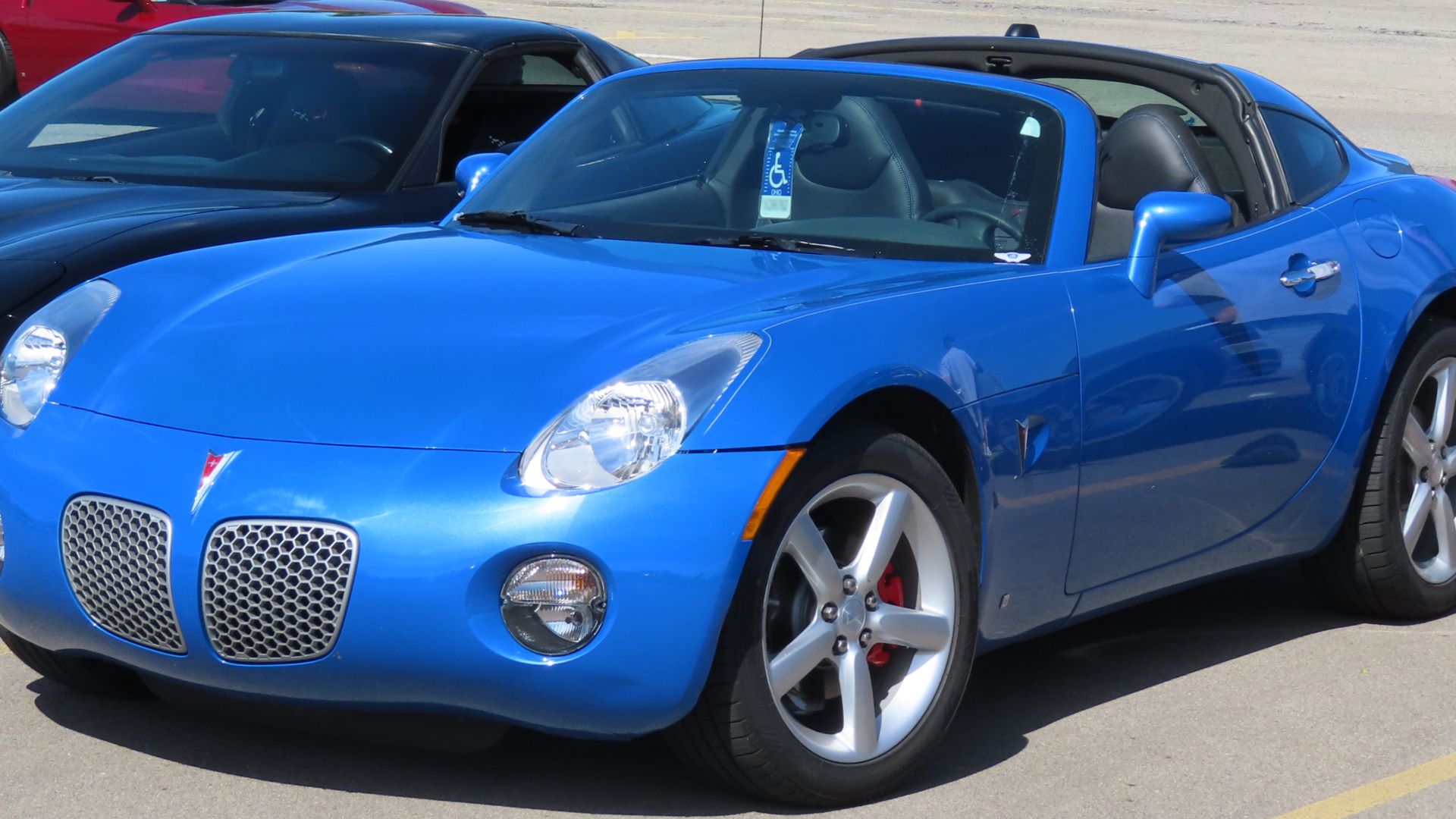
When it launched, the Solstice was showered with attention. Automotive journalists praised its looks and performance, especially the GXP. Headlines often framed it as the first true American alternative to the Miata—high praise in a segment dominated by Japanese precision.
 MercurySable99, Wikimedia Commons
Reliability And Ownership Reality
Long-term ownership was a mixed bag. Some Solstices proved reliable, while others suffered from typical GM-era issues: electrical gremlins, interior wear, and turbo-related concerns. The Miata’s reputation for bulletproof reliability remained a powerful advantage.
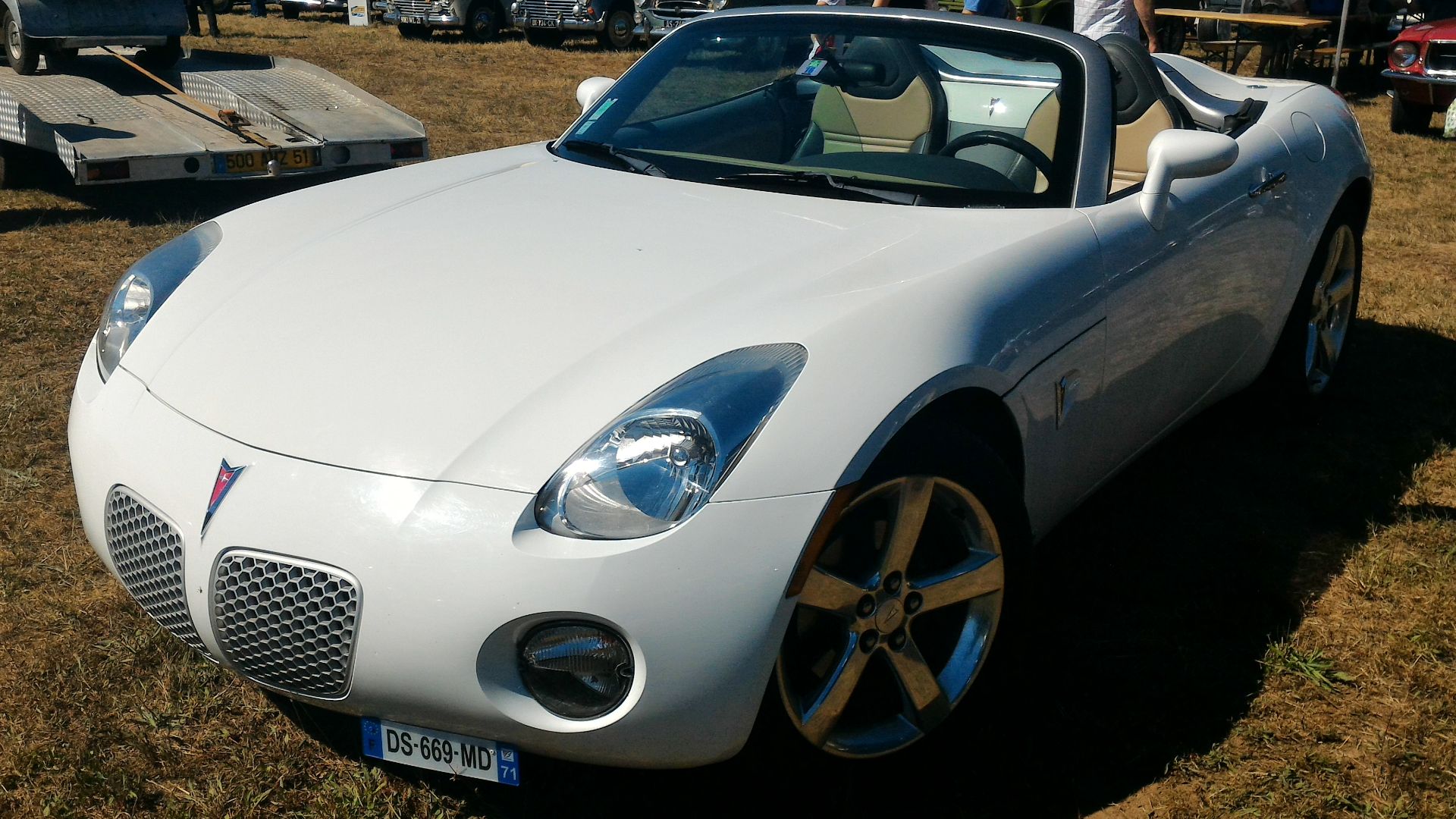 Guillaume Vachey, Wikimedia Commons
The Enthusiast Community Divide
Among enthusiasts, the Solstice sparked debate. Some loved its muscle-car attitude in a roadster body. Others felt it missed the philosophical point of a lightweight sports car. It didn’t replace the Miata—it challenged it from a different angle.
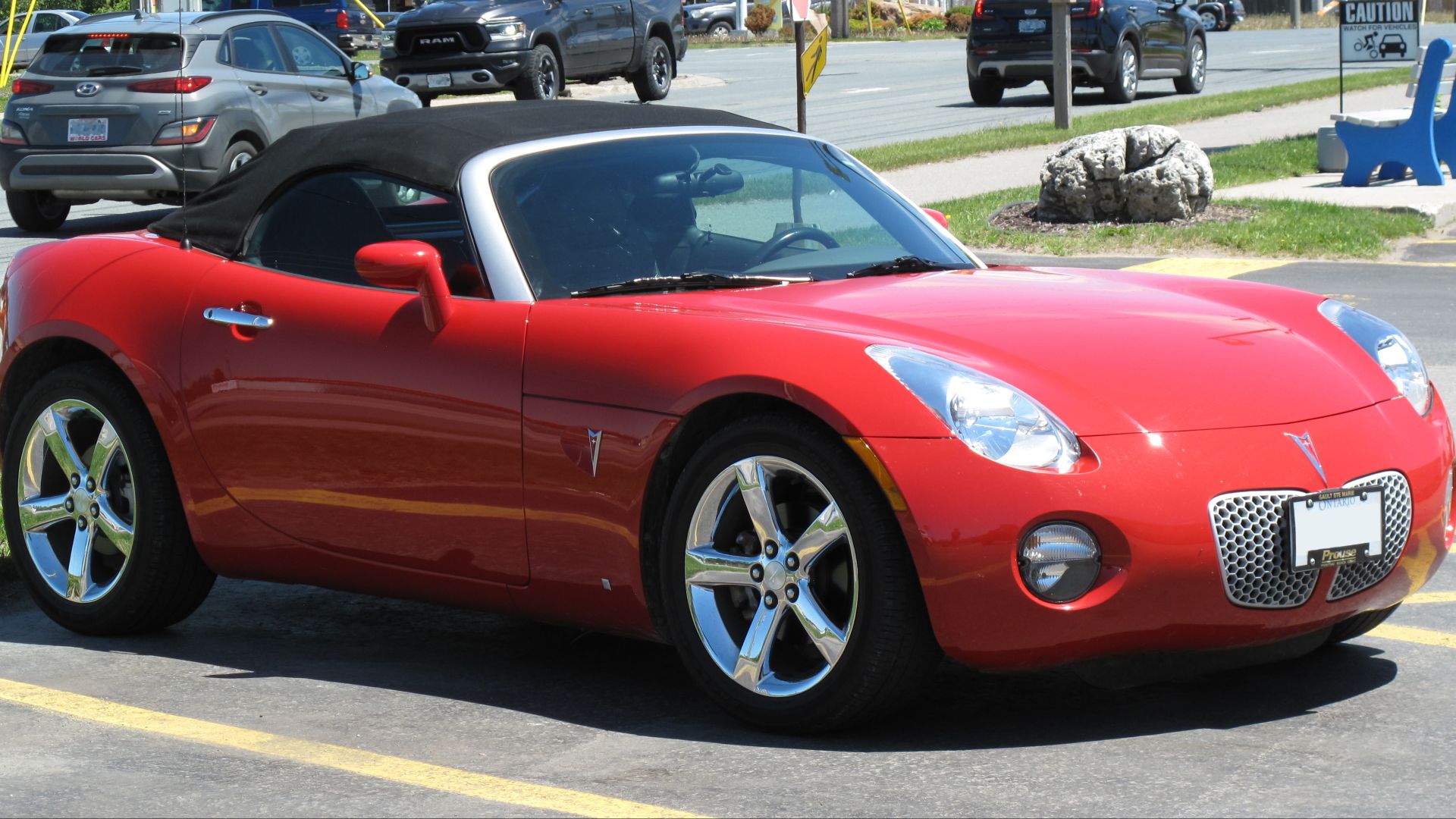
Pontiac’s Sudden Demise
Just as the Solstice was finding its footing, Pontiac was shut down in 2010 during GM’s bankruptcy restructuring. The roadster that could have evolved, improved, and maybe truly rivaled the Miata was gone almost overnight. Its story ended too soon.
 Greg Gjerdingen from Willmar, USA, Wikimedia Commons
What Could Have Been With A Second Generation
A lighter platform, better interior, sharper steering—there was so much potential for a second-generation Solstice. With refinement, it might have closed the gap entirely. Instead, it became a snapshot of what GM briefly got right before pulling the plug.
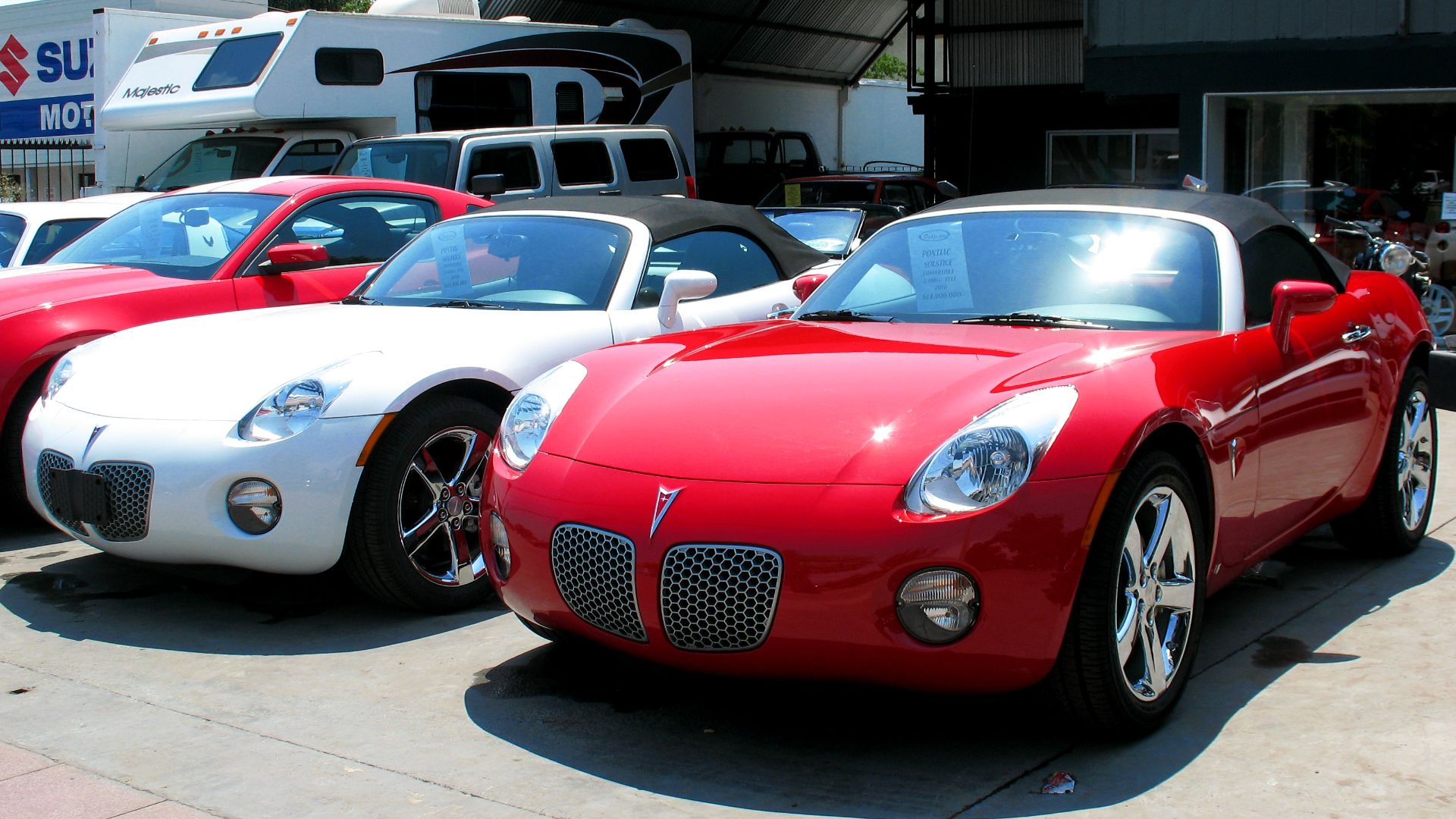 RL GNZLZ from Chile, Wikimedia Commons
The Solstice As A Used-Car Bargain
Today, the Solstice—especially the GXP—is a performance bargain. Prices remain relatively low, and the driving experience still feels special. It’s not perfect, but it offers drama and speed that few cars at its price point can match.
Why It Still Matters Today
The Solstice proved that American automakers could build compelling small sports cars when they tried. It challenged assumptions, stirred passion, and reminded people that fun didn’t have to be imported. That legacy still resonates.
 Mathewignash at English Wikipedia, Wikimedia Commons
The Roadster That Almost Beat Mazda
The Pontiac Solstice didn’t dethrone the Miata, but it came closer than almost anyone else dared. With stunning looks, turbocharged muscle, and undeniable ambition, it nearly rewrote the rules of the affordable roadster segment. Almost—but in the world of cars, “almost” can still be unforgettable.
 Global Reactions, Wikimedia Commons
You May Also Like:
The Latest In Helmet Safety Science Could Be The Push You Need To Buy That Bike
I was approved for financing, then the terms changed at signing. Is that normal?
The Porsche 914 Wasn’t Like The Others And That Was The Point