
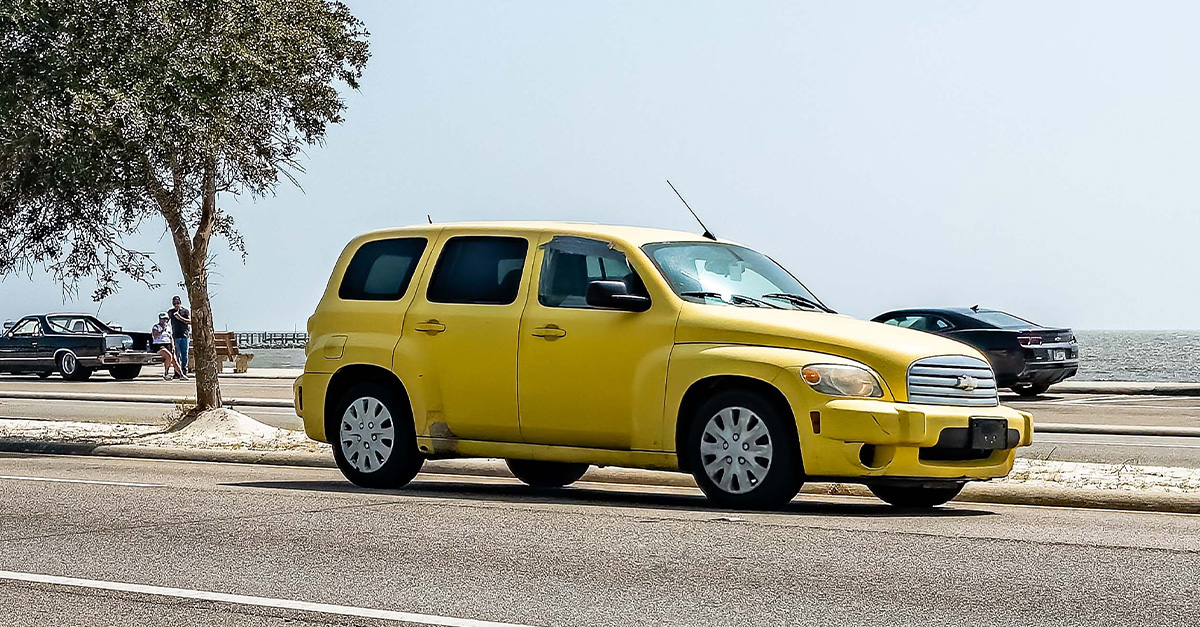
The Turbo Brick Rolls In
Every once in a while, the automotive world produces a car that feels like it slipped through a wormhole from an alternate reality. The Chevy HHR SS is one of those cars. It looks like a 1940s delivery wagon, sounds like a tuner car, and exists because someone at GM said, “What if… but faster?” Welcome to the story of the turbo wagon nobody asked for—and the weird joy it delivered anyway.
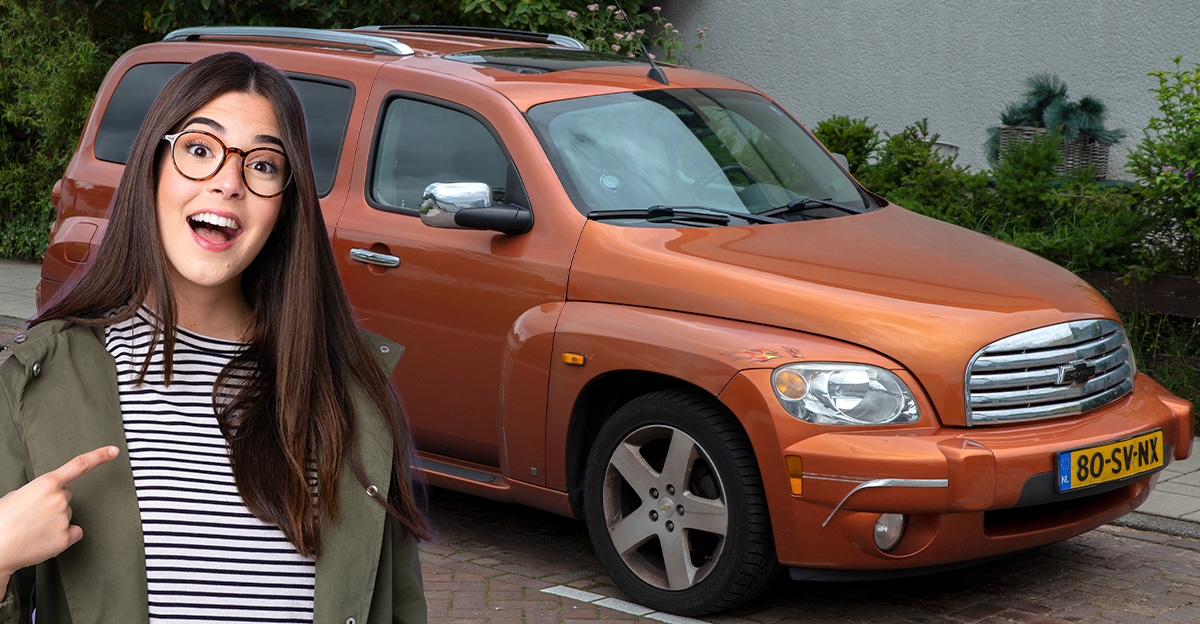
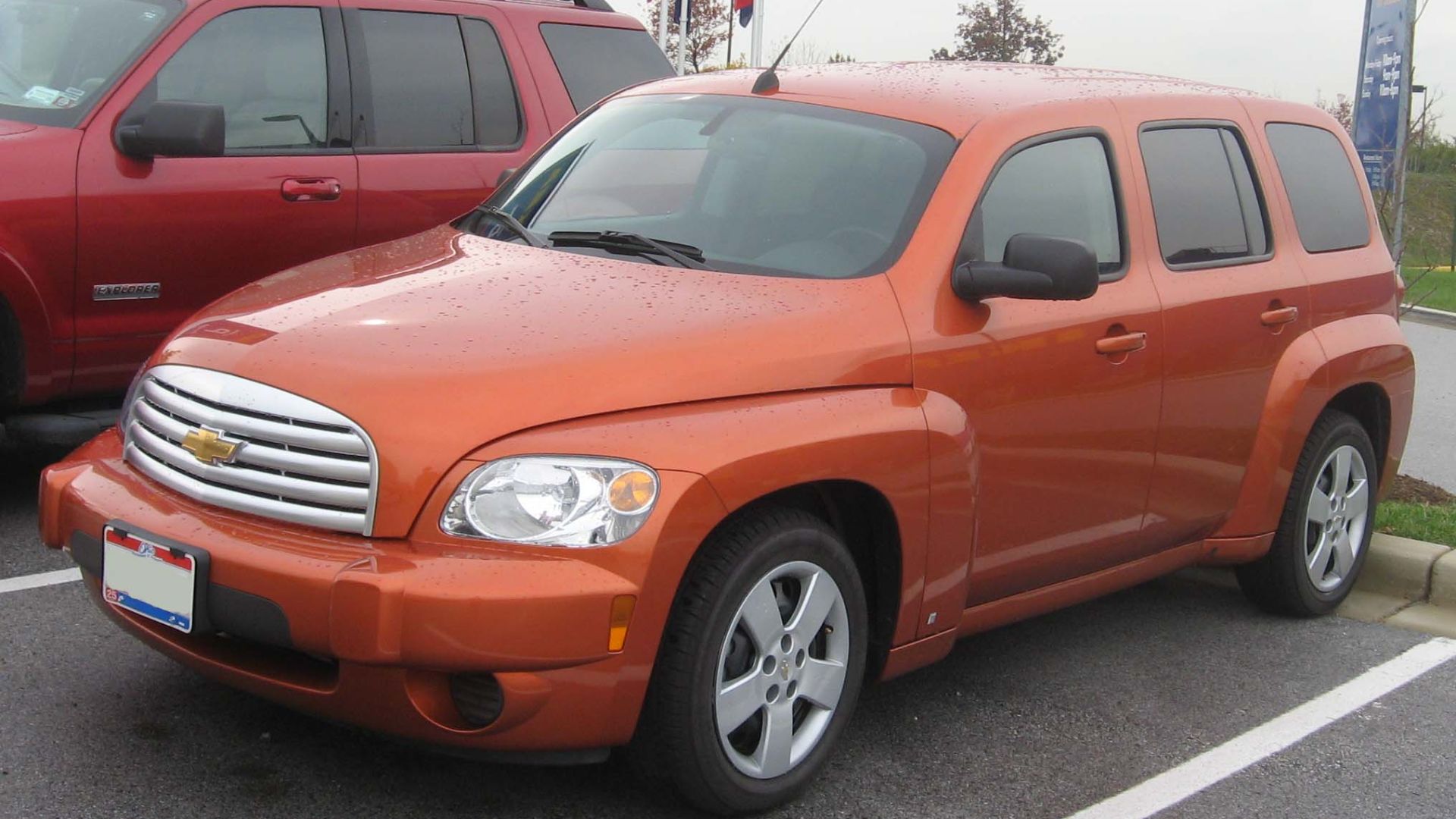
What Exactly Was The Chevy HHR?
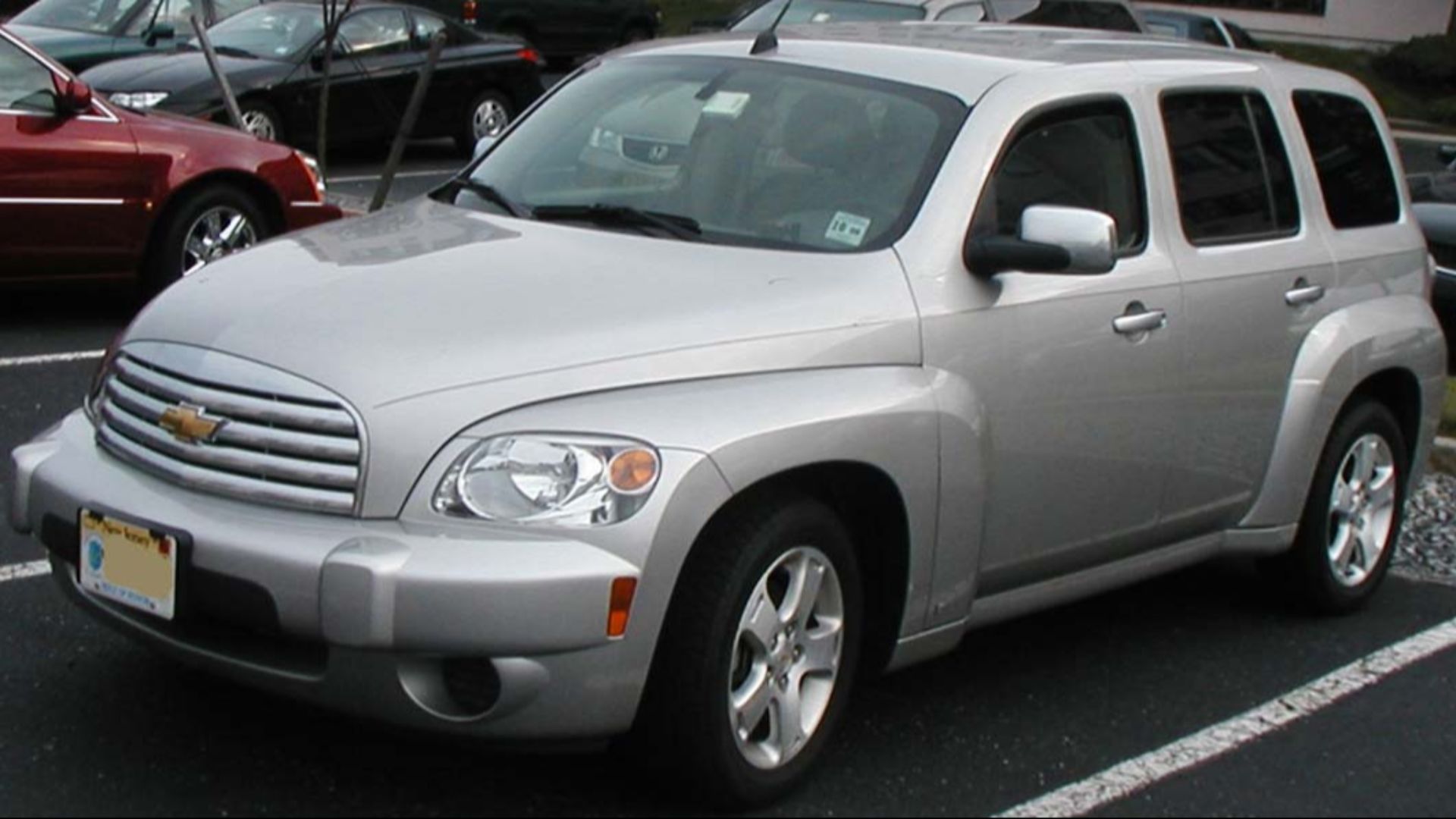
At its core, the HHR—short for Heritage High Roof—was Chevrolet’s retro-styled compact wagon, launched for the 2006 model year. It was meant to be practical, affordable, and vaguely nostalgic. Think PT Cruiser energy, but with a bowtie. No one saw it as sporty. It was the kind of car you bought because the dealer made you a very convincing offer.
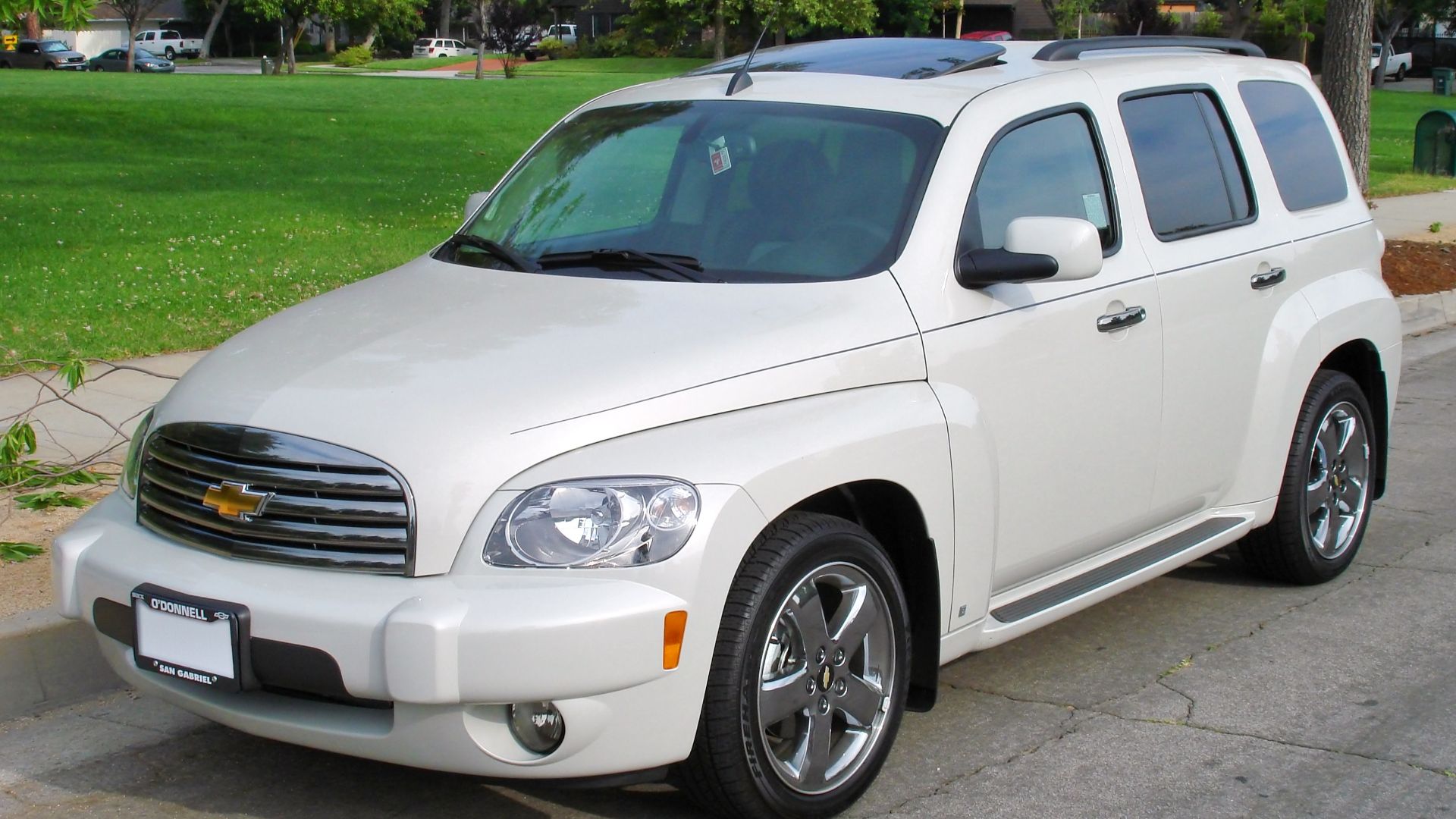 Rich Niewiroski Jr., Wikimedia Commons
Retro Styling Nobody Could Ignore
The HHR’s design leaned hard into throwback vibes, borrowing cues from late-’40s Chevy Suburbans. High roof, slab sides, upright windshield—it looked like it should be delivering bread, not carving corners. Love it or hate it, you always noticed one in traffic. That mattered in the mid-2000s, when anonymous blobs ruled the roads.
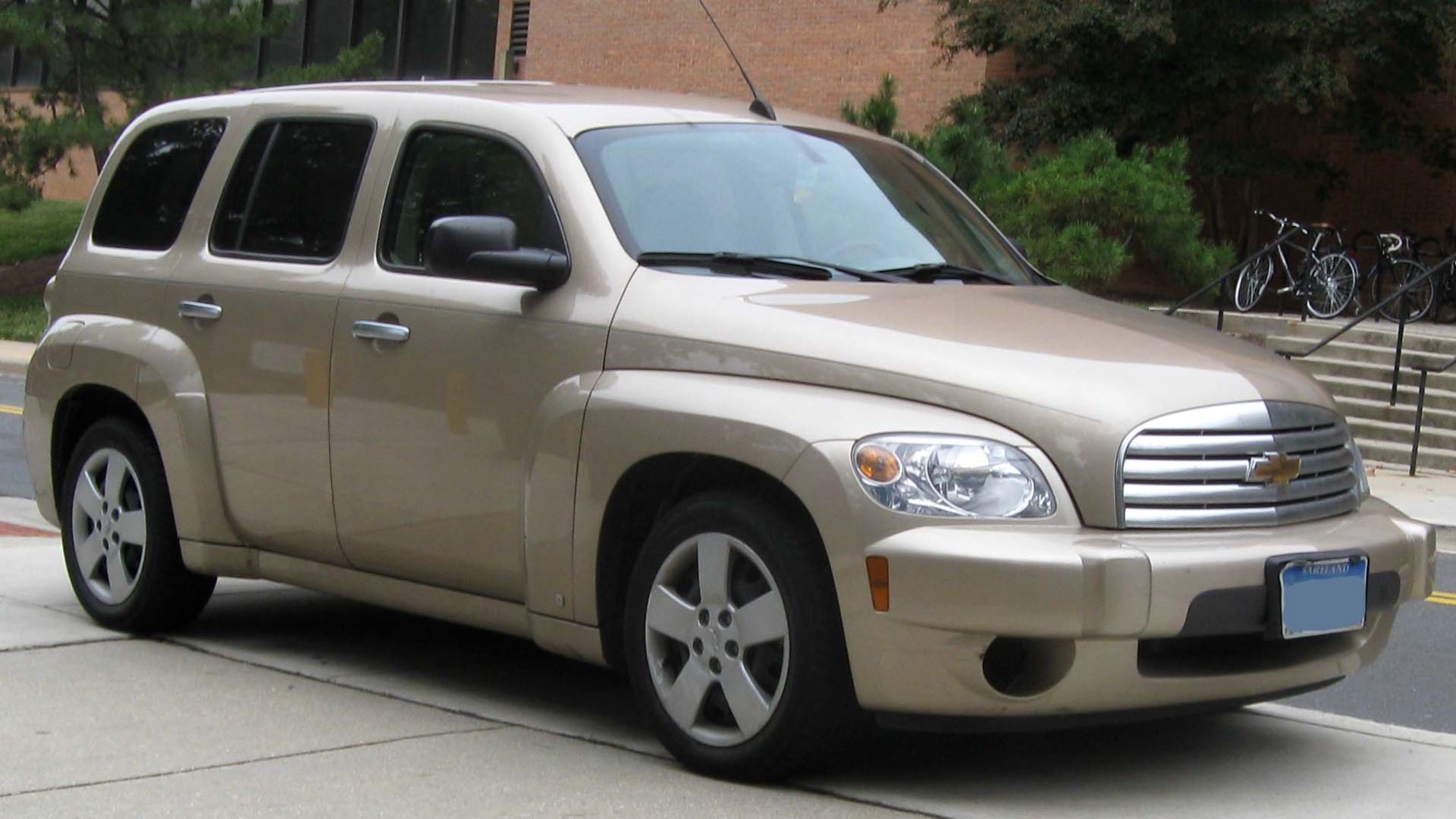
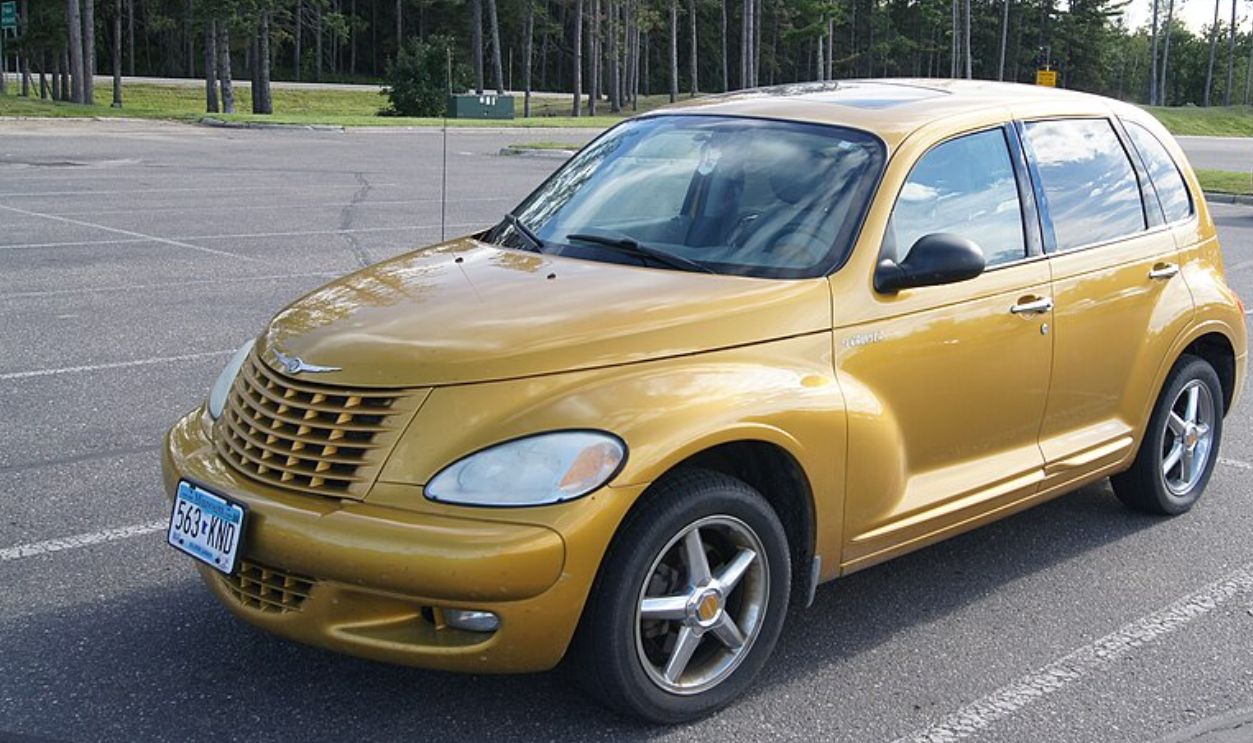
The PT Cruiser Comparison Was Inevitable
From day one, the HHR lived in the shadow of the Chrysler PT Cruiser. Both were retro, boxy, and polarizing. But while the PT Cruiser leaned into kitsch, the HHR tried to feel a little more serious—especially inside. Still, nobody walked past an HHR and thought, “That thing needs a turbo.”
 Greg Gjerdingen, USA, CC BY 2.0, Wikimedia Commons
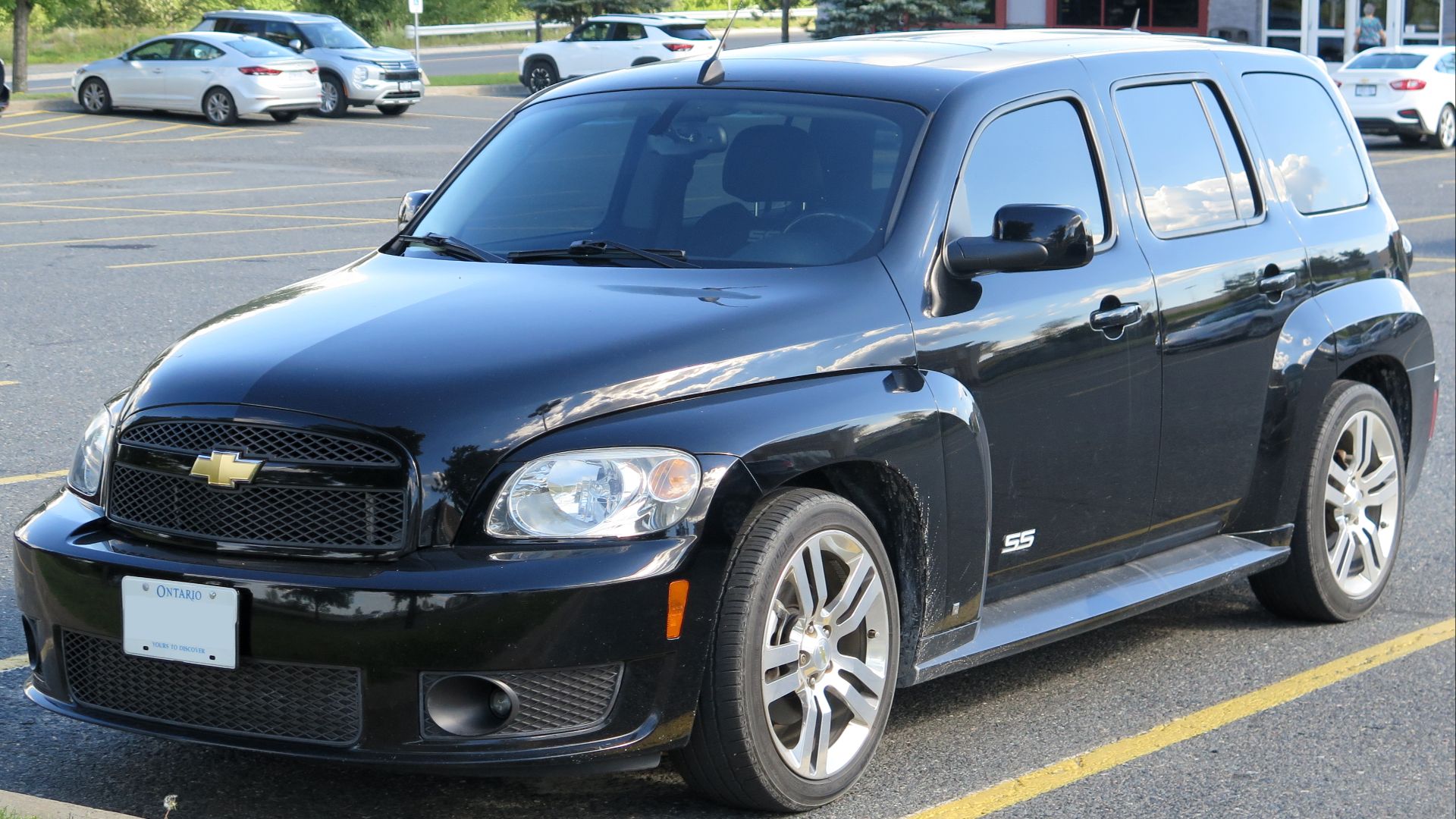
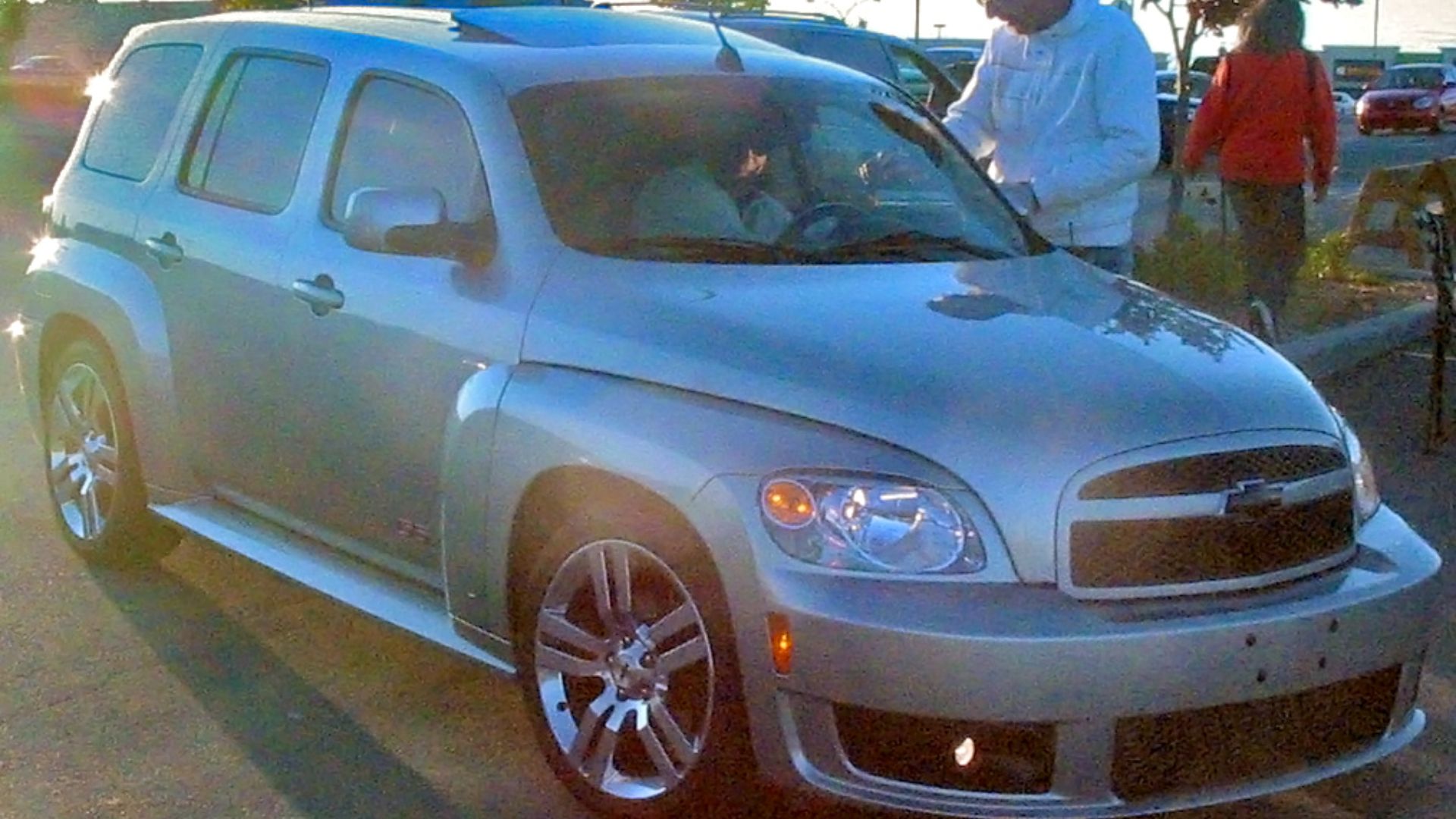
Enter The SS Badge
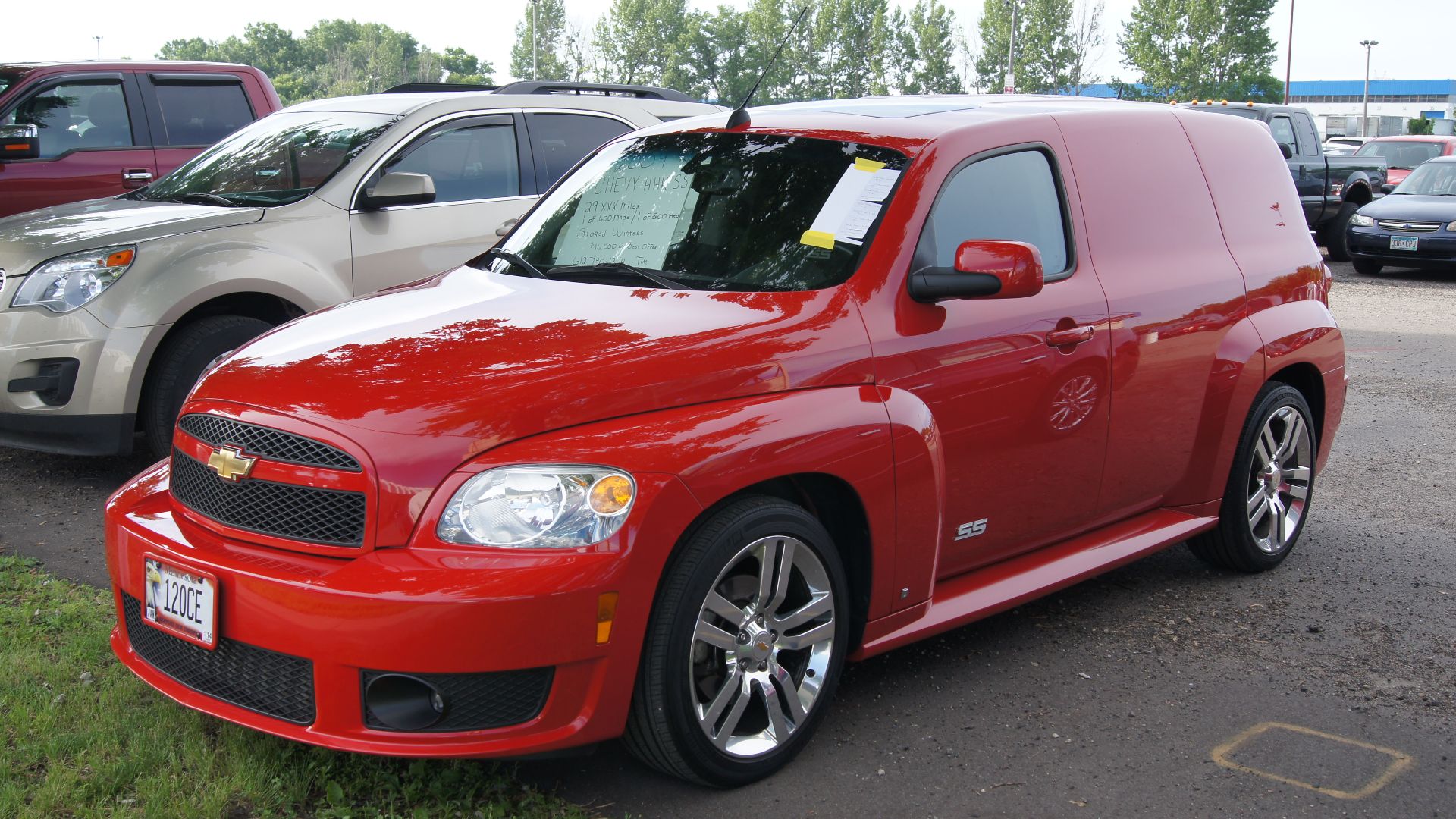
Chevy, of course, thought otherwise. In 2008, the HHR SS arrived, wearing one of the most storied performance badges in American car history. SS. Super Sport. Expectations were immediately confused. This badge had graced Camaros and Chevelles—now it was glued to a tall compact wagon. Bold move, General Motors.
 Greg Gjerdingen, Wikimedia Commons
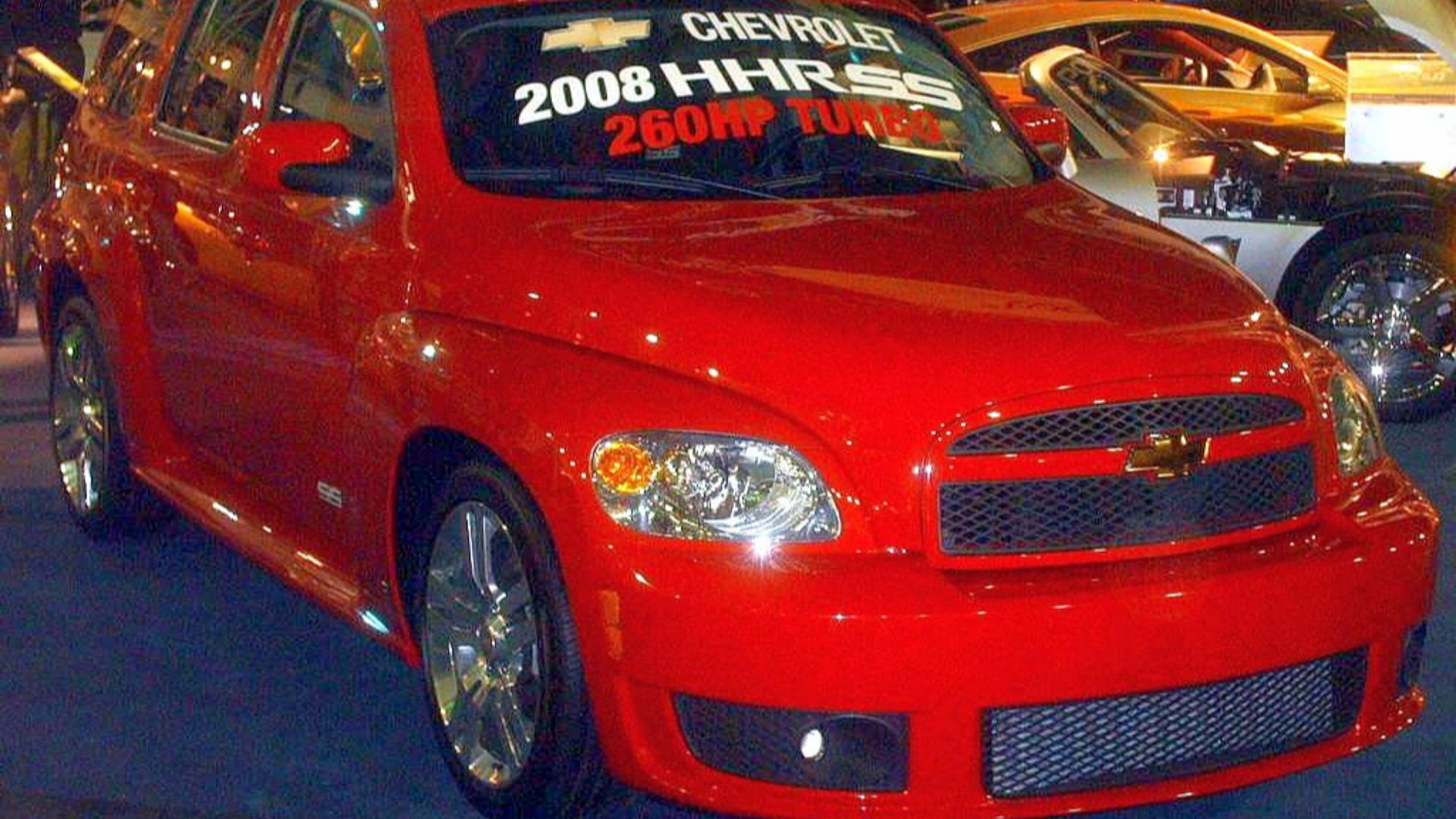
The Turbocharged Surprise Under The Hood
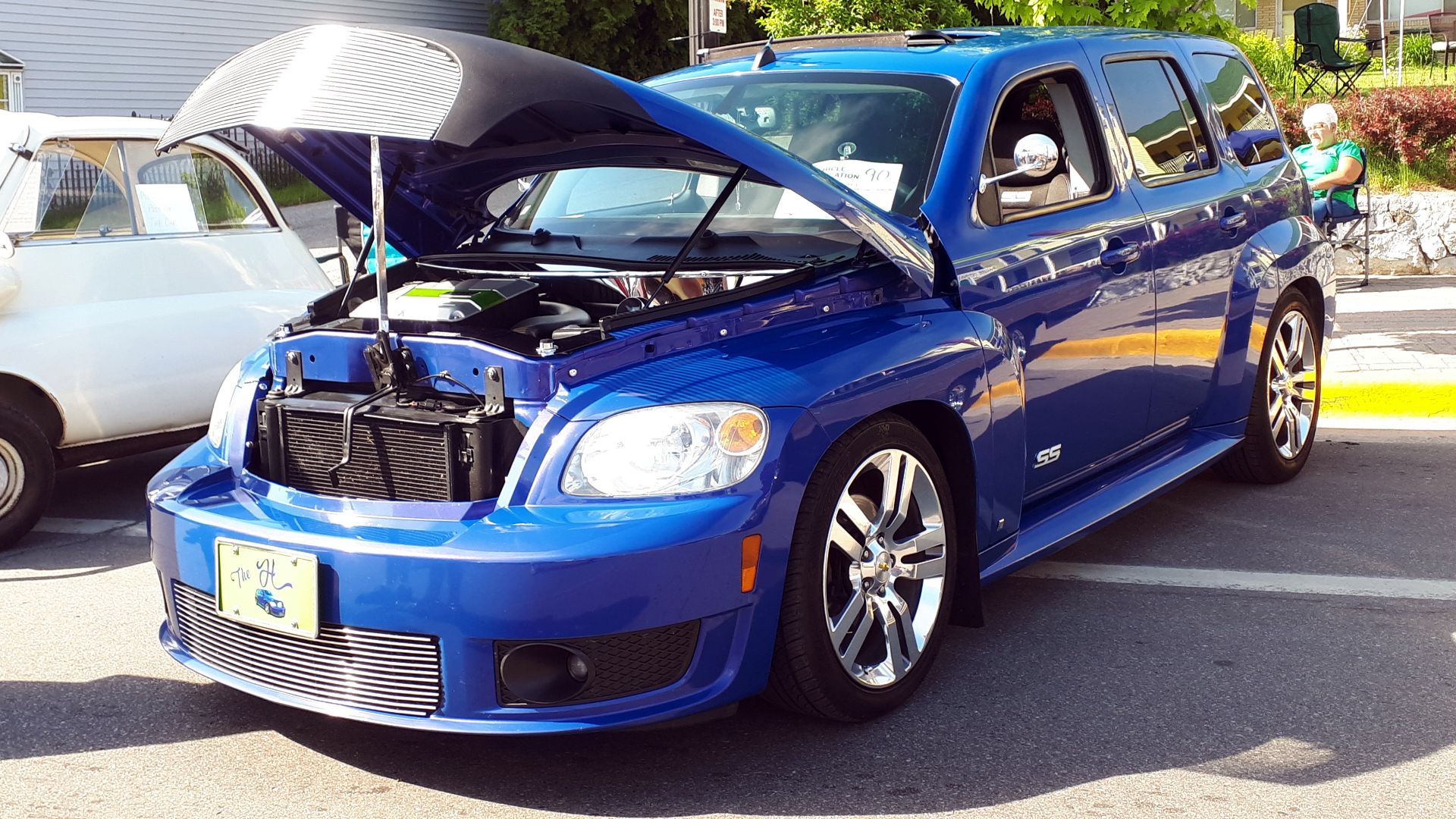
Pop the hood of the HHR SS and things get interesting fast. Chevrolet stuffed in a turbocharged 2.0-liter Ecotec four-cylinder, good for 260 horsepower and 260 lb-ft of torque. That was serious output for the time, especially in a car nobody expected to be quick. Suddenly, the HHR had something to prove.
 SsmIntrigue, Wikimedia Commons
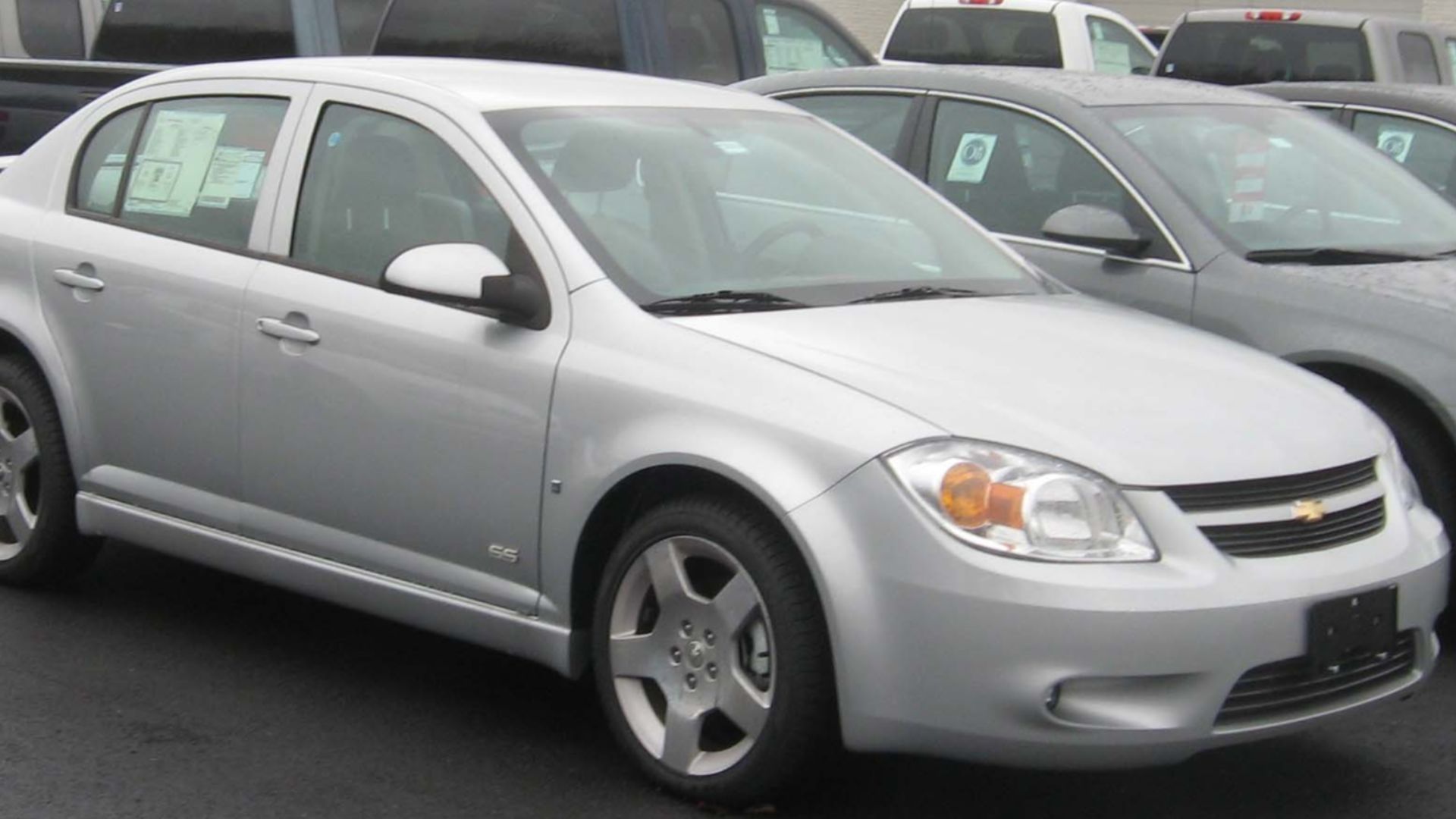
Shared DNA With The Cobalt SS
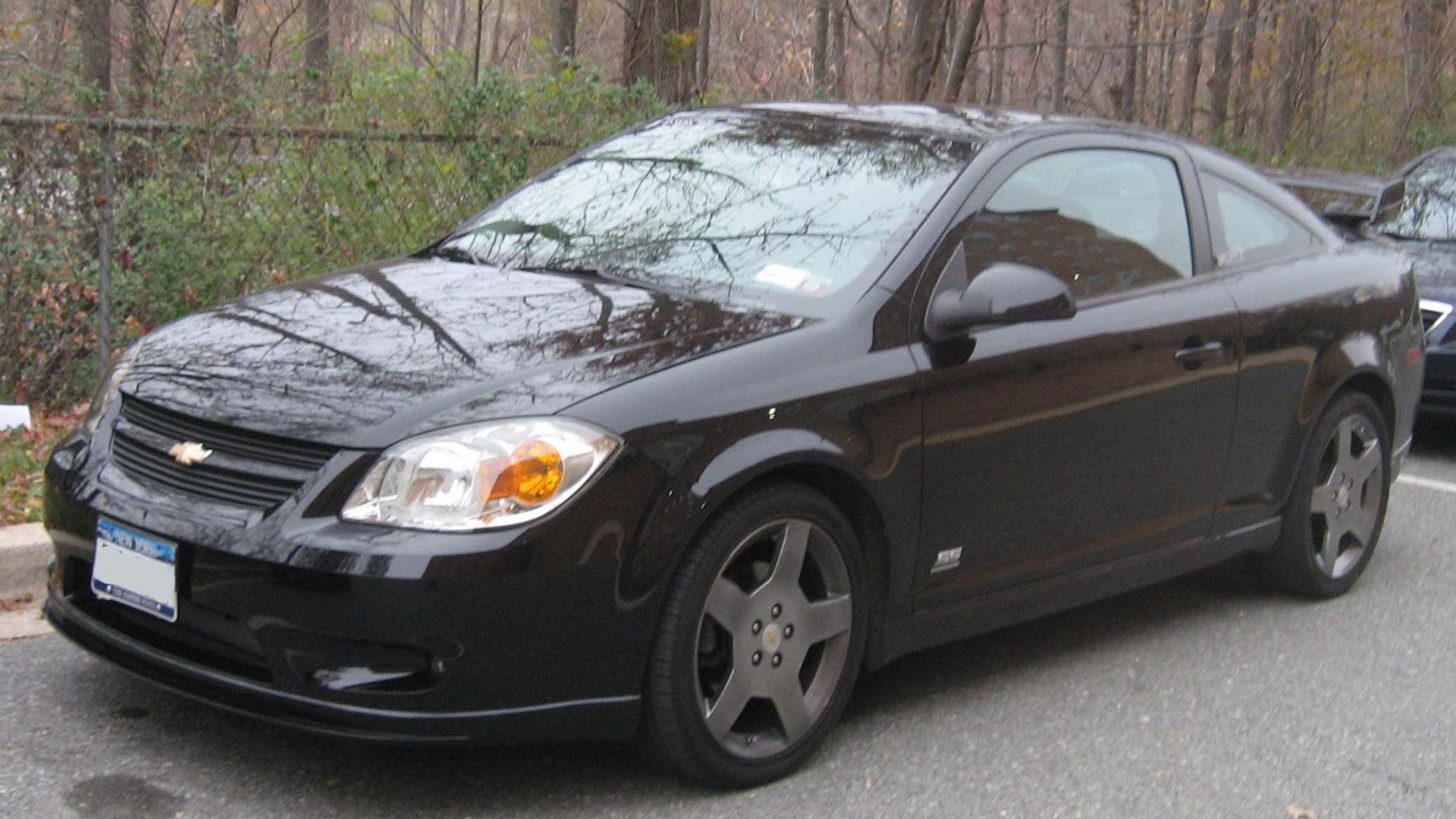
If that engine sounds familiar, it should. The HHR SS shared its mechanical bones with the legendary Cobalt SS Turbo. Same engine, same basic platform, same attitude—just wrapped in a shape that screamed “office park shuttle.” This was sleeper logic taken to its extreme.
Front-Wheel Drive And Zero Apologies
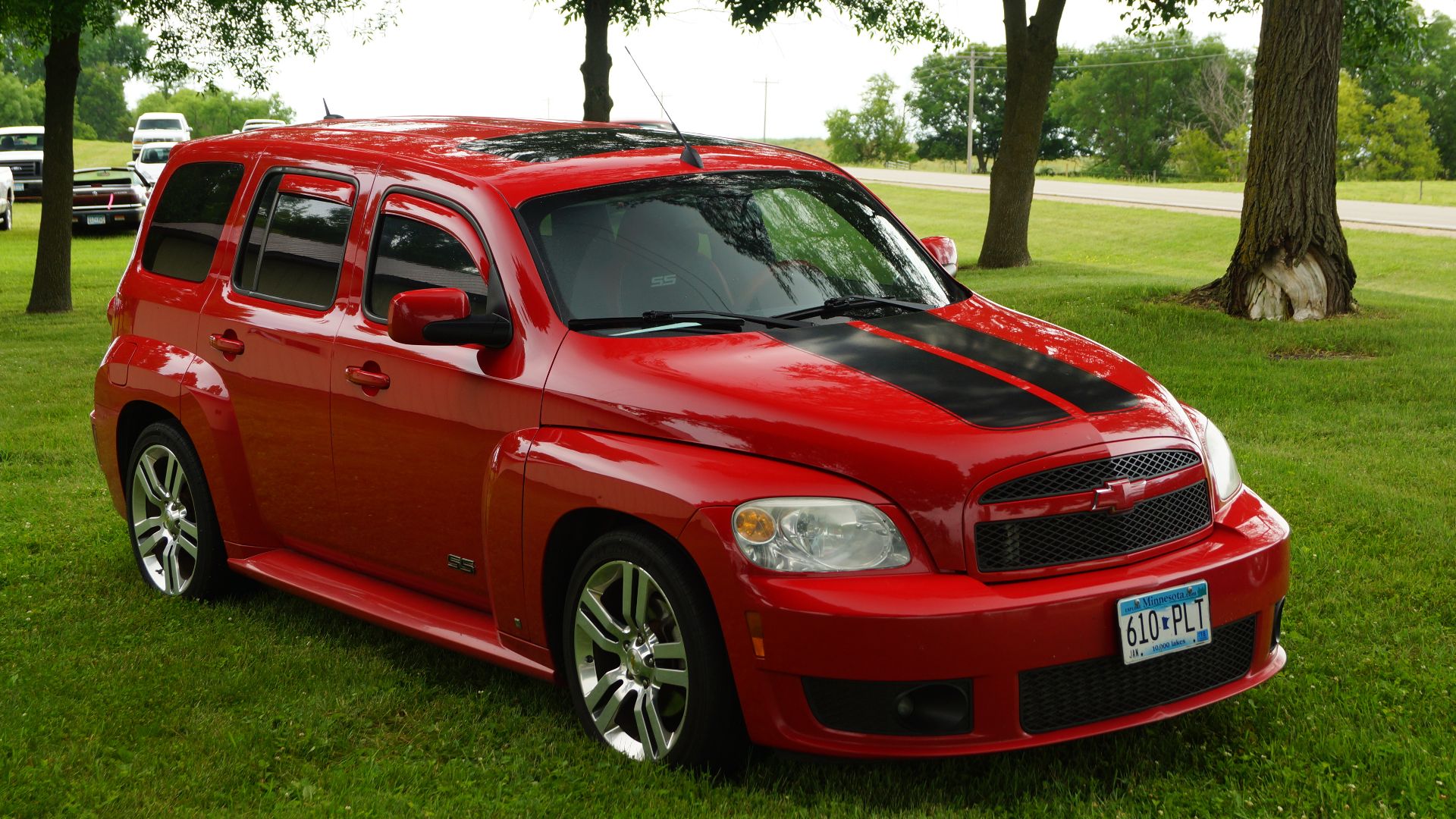
Yes, it was front-wheel drive. No, Chevy didn’t apologize. With a limited-slip differential and sticky tires, the HHR SS could actually put its power down. Torque steer was part of the experience, not a flaw. You didn’t drive it with fingertips—you wrestled it a little, and that was half the fun.
 Greg Gjerdingen, Wikimedia Commons
Manual Or Automatic, Choose Your Chaos
Buyers could choose between a five-speed manual or a four-speed automatic. The manual was the one enthusiasts wanted, delivering full engagement and maximum turbo drama. The automatic existed for people who wanted the weirdness without the workout. Either way, this was not your average grocery-getter.
Performance Numbers That Shocked Everyone
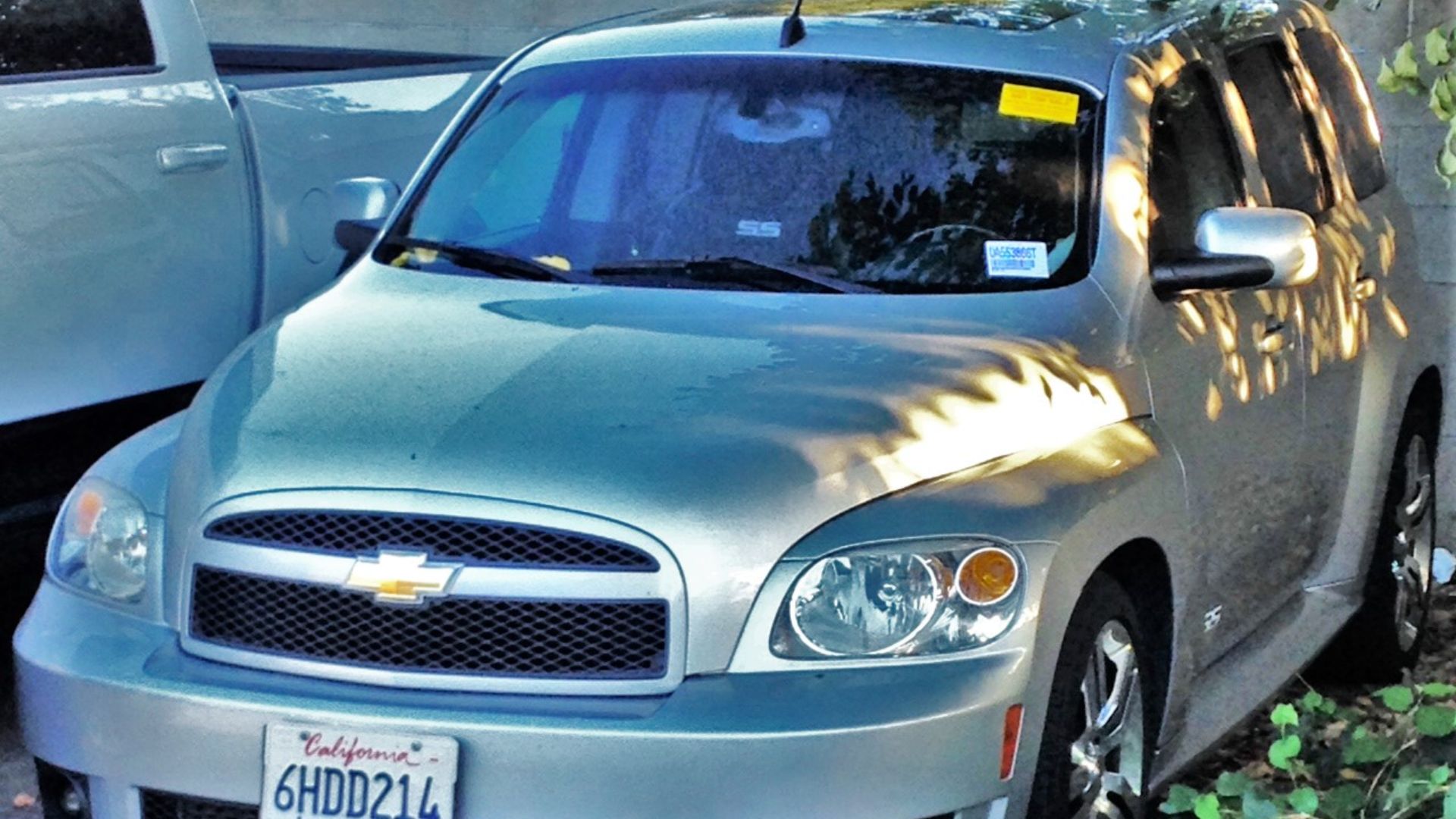
Zero to 60 mph in around 5.8 seconds. Quarter-mile times in the low 14s. These were hot hatch numbers in the late 2000s. In a tall, retro wagon. Watching an HHR SS pull on unsuspecting drivers was one of life’s underrated pleasures.
 Jeremy from Sydney, Australia, Wikimedia Commons
The Handling Was Better Than It Had Any Right To Be
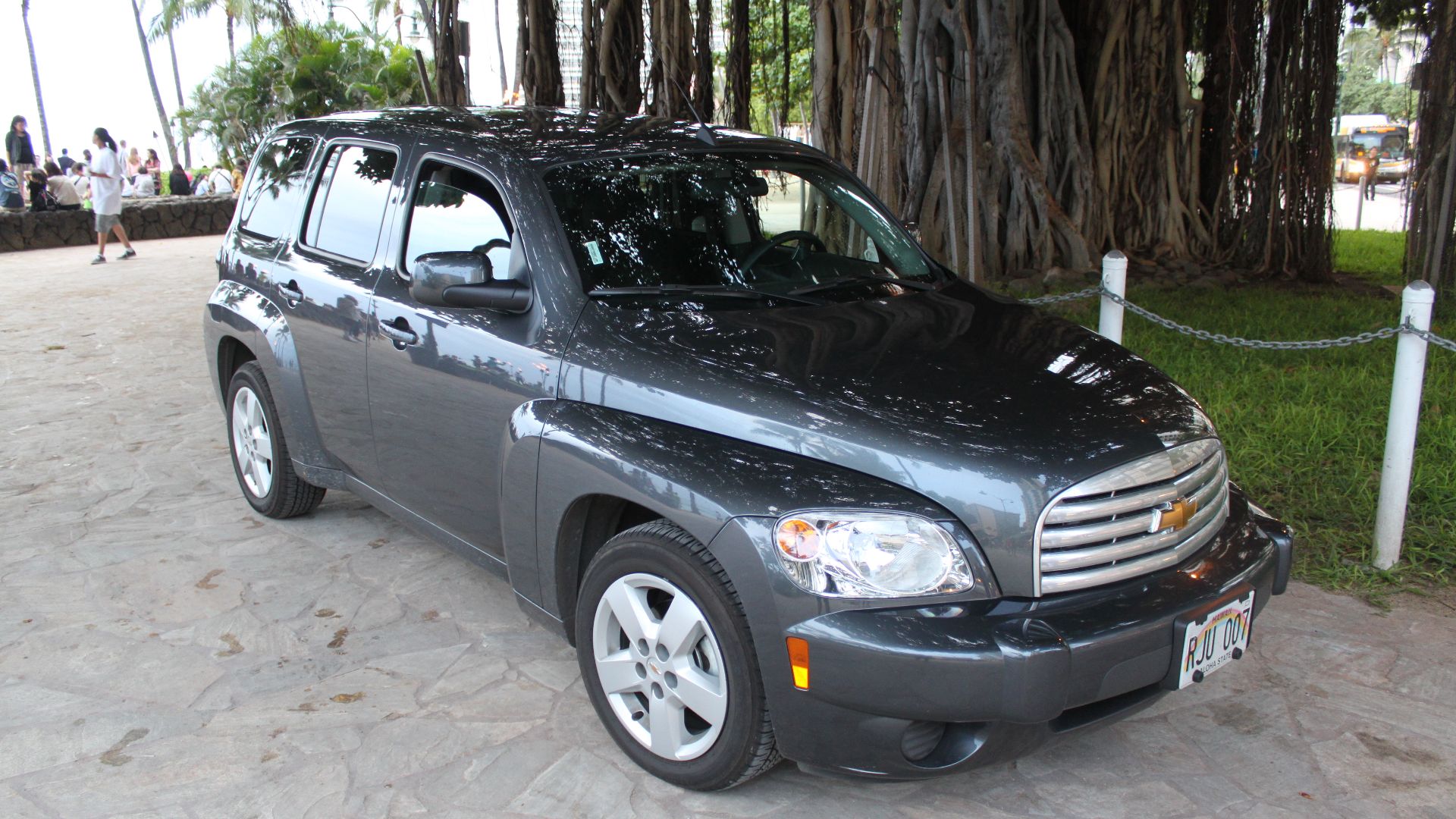
Thanks to a sport-tuned suspension, bigger sway bars, and Brembo front brakes, the HHR SS handled far better than its silhouette suggested. Body roll existed, sure, but grip was real. It wasn’t a track weapon, but it also wasn’t the joke people expected it to be.
 Captainpisslord, Wikimedia Commons
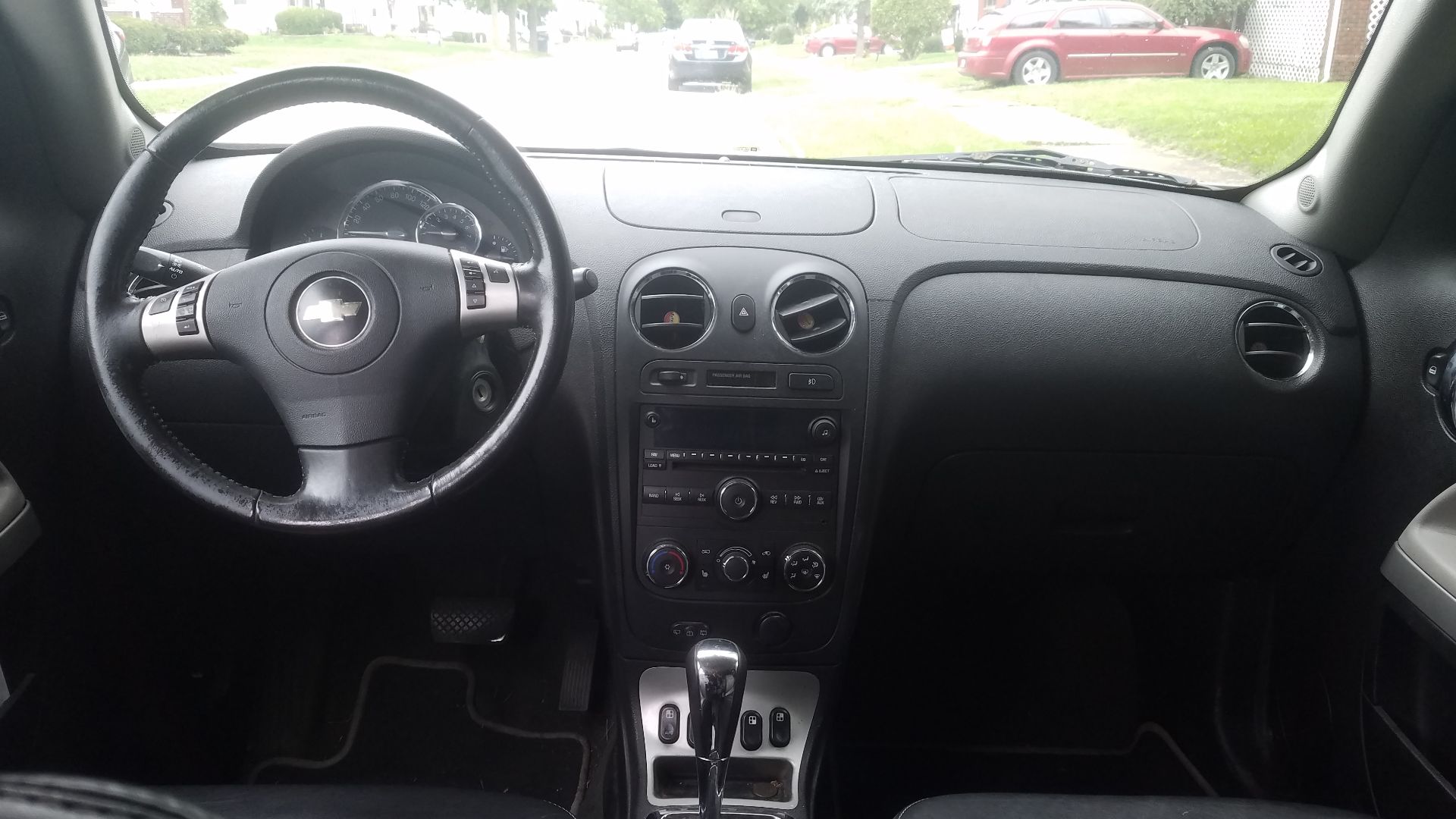
Interior: Surprisingly Serious Business
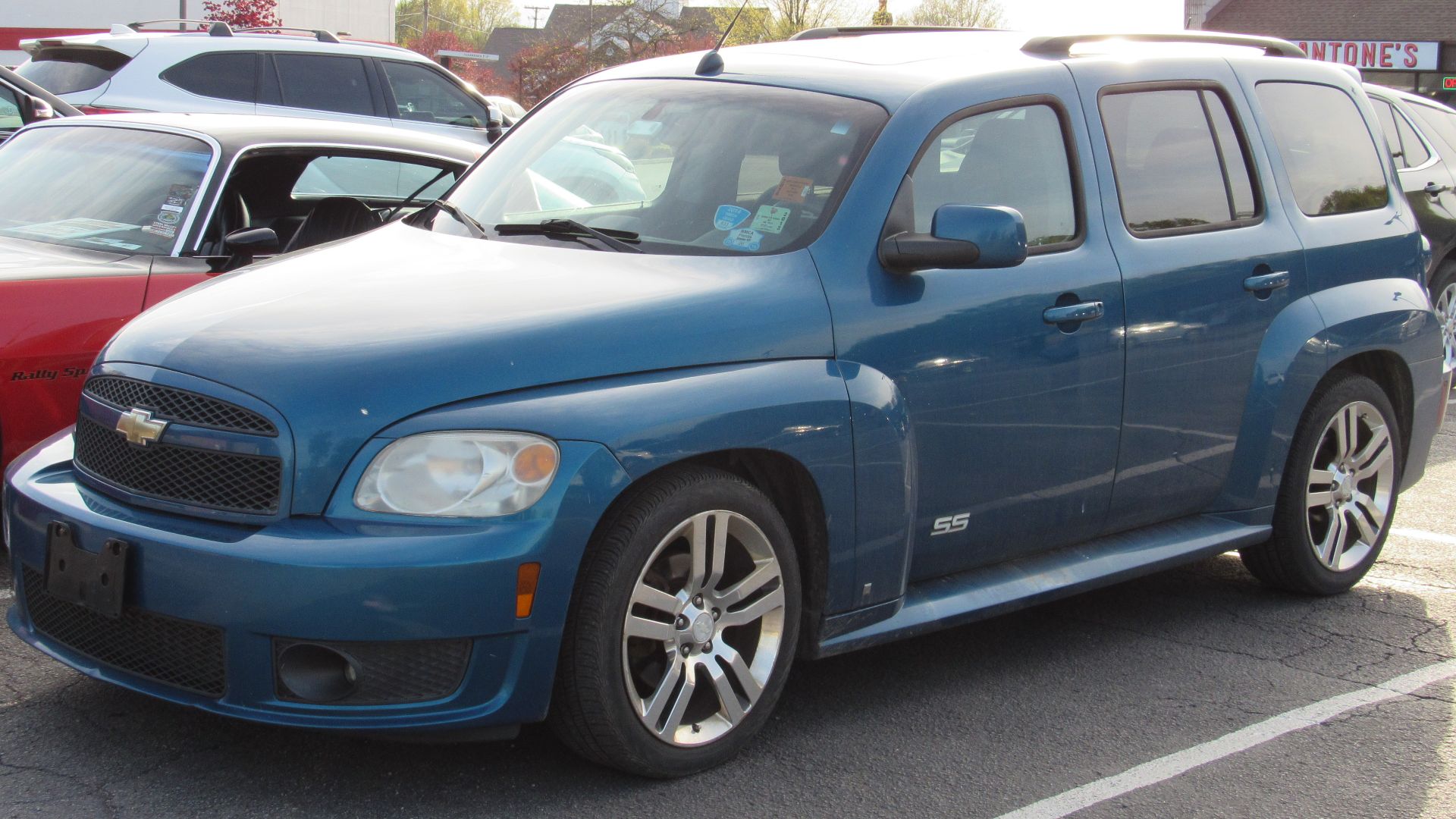
Inside, the SS got supportive sport seats, a flat-bottom steering wheel, and unique trim. It wasn’t luxurious, but it felt purposeful. Chevy clearly wanted drivers to know this was the “fast one.” The cargo area remained huge, because practicality never clocked out.
 deathpallie325, Wikimedia Commons
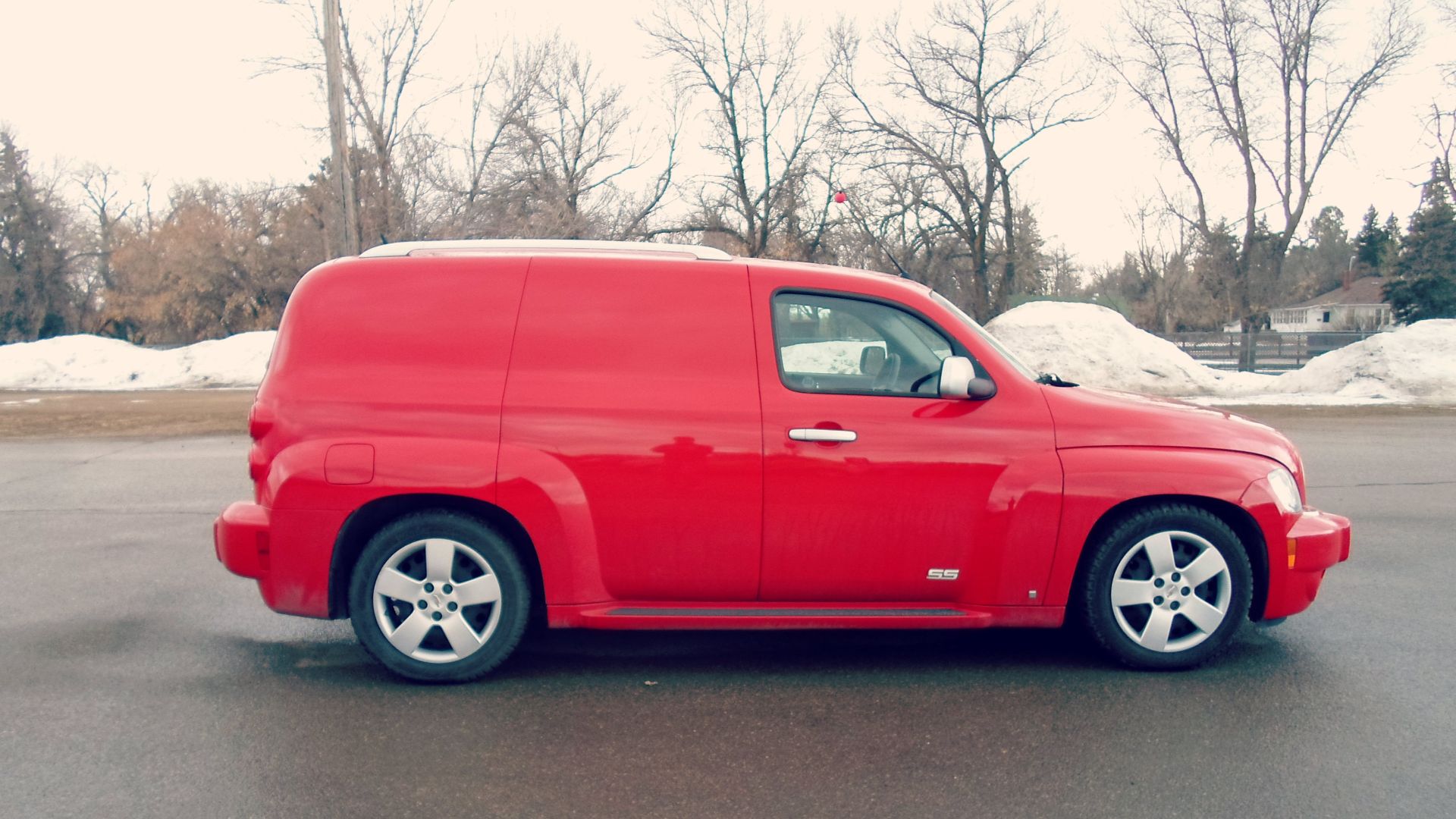
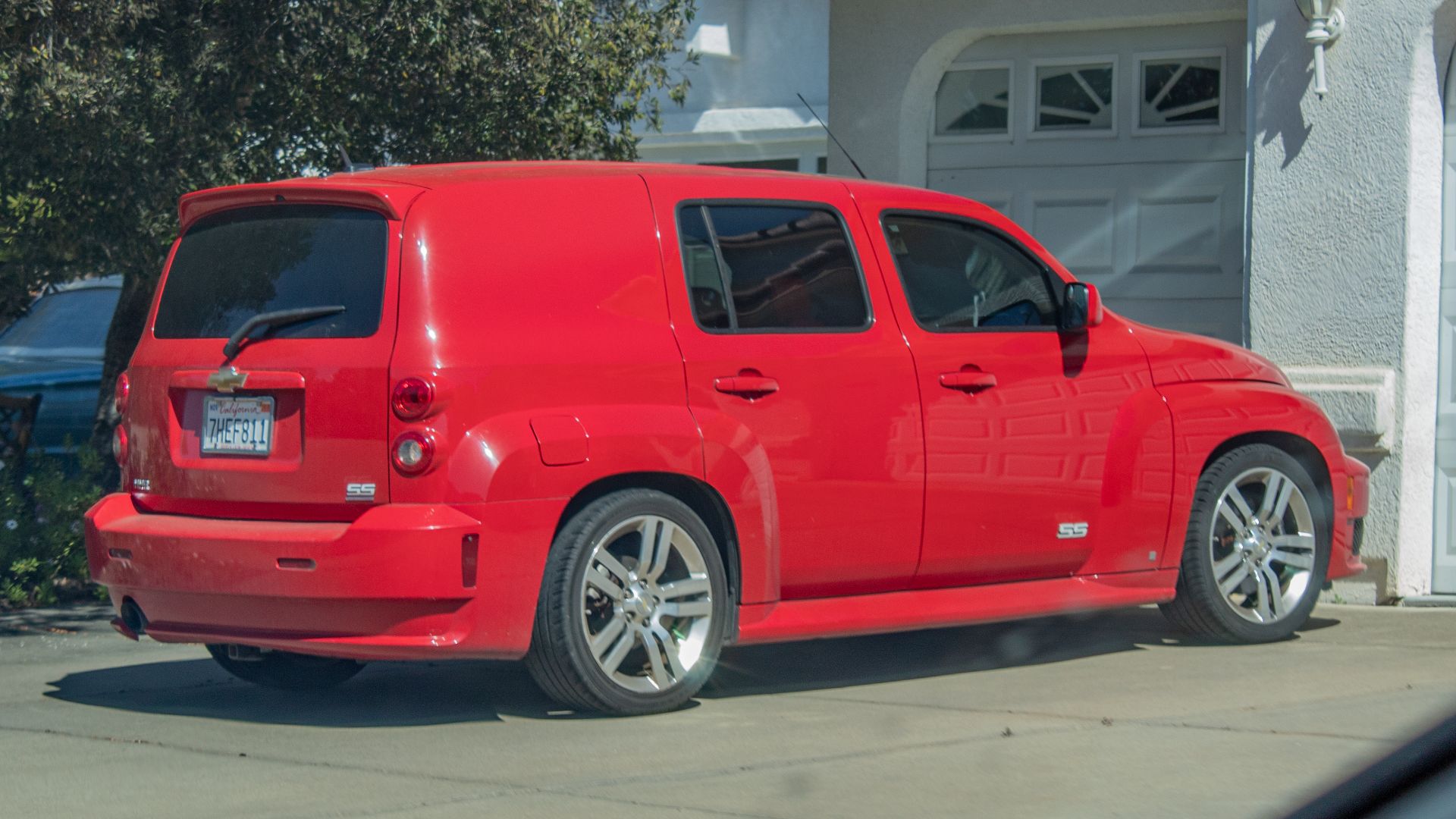
The Panel SS: Yes, That Was A Thing
For maximum confusion, Chevy even offered the HHR SS Panel—a two-door, windowless delivery-van version. Turbocharged. Manual. No rear seats. It looked like a fleet vehicle that accidentally drank an energy drink. Today, it’s one of the strangest factory performance cars ever sold.
 dave_7 from Lethbridge, Canada, Wikimedia Commons
Why Did Chevy Build This?
The honest answer: because they could. The late 2000s were a weird, wonderful time when GM’s performance skunkworks were allowed to have fun. If it fit the Delta platform, it could get the SS treatment. The HHR SS was a side quest that somehow made it to production.
The Market Reaction Was… Confused
Buyers didn’t quite know what to do with the HHR SS. It was fast, but looked odd. Practical, but priced like a hot hatch. Enthusiasts loved the idea, casual shoppers didn’t get it, and everyone else just stared. Sales were modest at best.
Enthusiasts Got The Joke Immediately
Car nerds, however, understood. The HHR SS was hilarious in the best way. It was a middle finger to convention, a sleeper with factory backing. If you knew, you knew—and if you didn’t, you probably got surprised at a stoplight.
Reliability And Real-World Ownership
Like many turbocharged cars of its era, the HHR SS wasn’t perfect. Timing chains, boost-related issues, and interior wear could crop up. But owners who stayed on top of maintenance were rewarded with a genuinely usable, genuinely quick daily driver.
Modding Potential Was Massive
Thanks to its shared platform with the Cobalt SS, aftermarket support was strong. Tunes, bigger turbos, suspension upgrades—the HHR SS responded eagerly. It wasn’t uncommon to see these wagons pushing far more power than stock, embarrassing much more expensive machinery.
The Sleeper Factor Was Off The Charts
This is where the HHR SS truly shined. Nobody expected it to be fast. Nobody. That made every acceleration run more satisfying. In a world of obvious performance cars, the HHR SS thrived on being underestimated.
The SS Badge Controversy
Purists scoffed at the idea of an SS wagon. To them, the badge had been diluted. But history shows that the SS name has always been flexible. The HHR SS may not have been traditional, but it absolutely earned its stripes through performance.
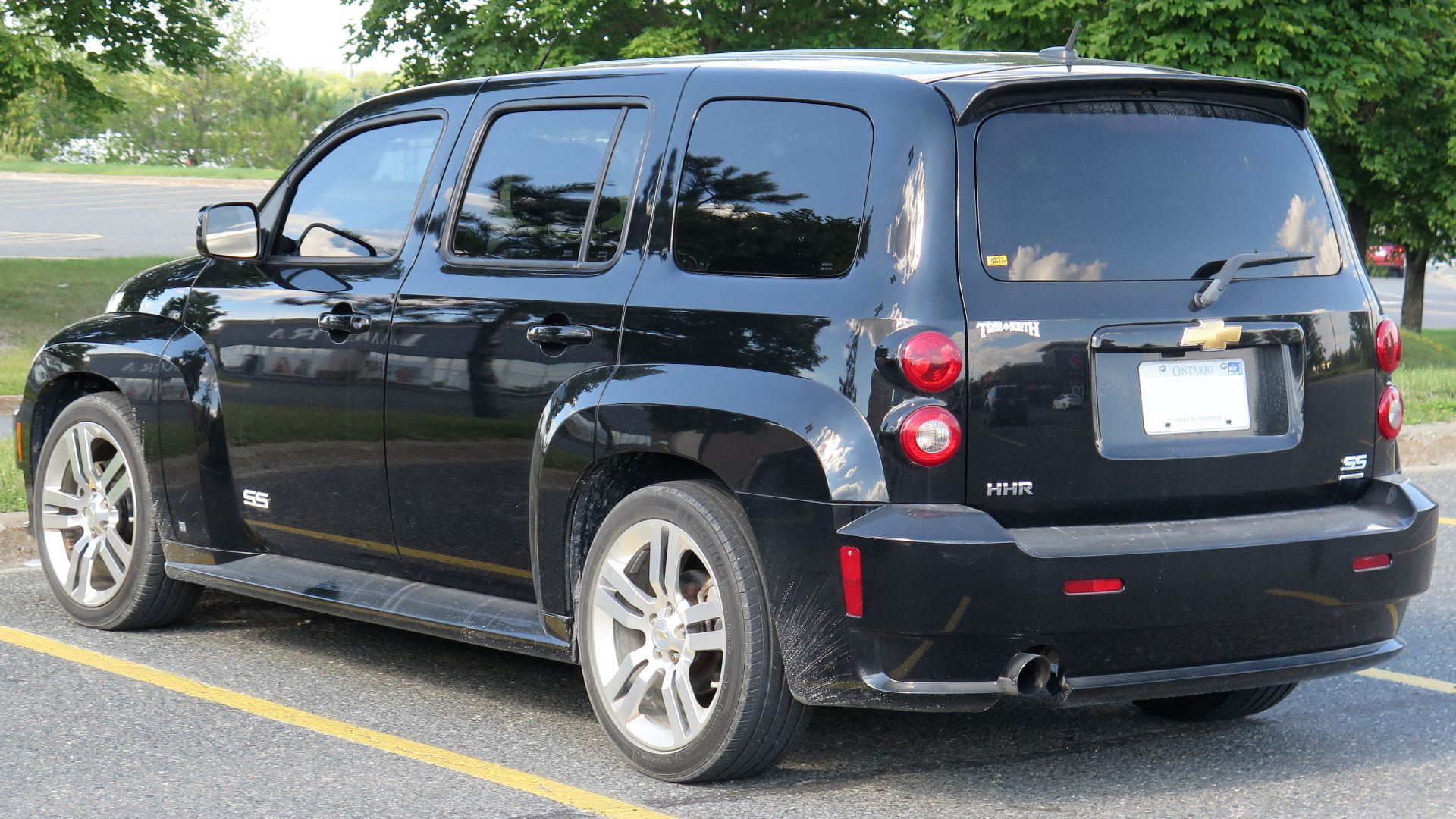
Production Was Brief And Finite
The HHR SS only lasted from 2008 to 2010. The financial crisis, shifting priorities, and changing tastes sealed its fate. It disappeared quietly, leaving behind a small but passionate fanbase and a very strange legacy.
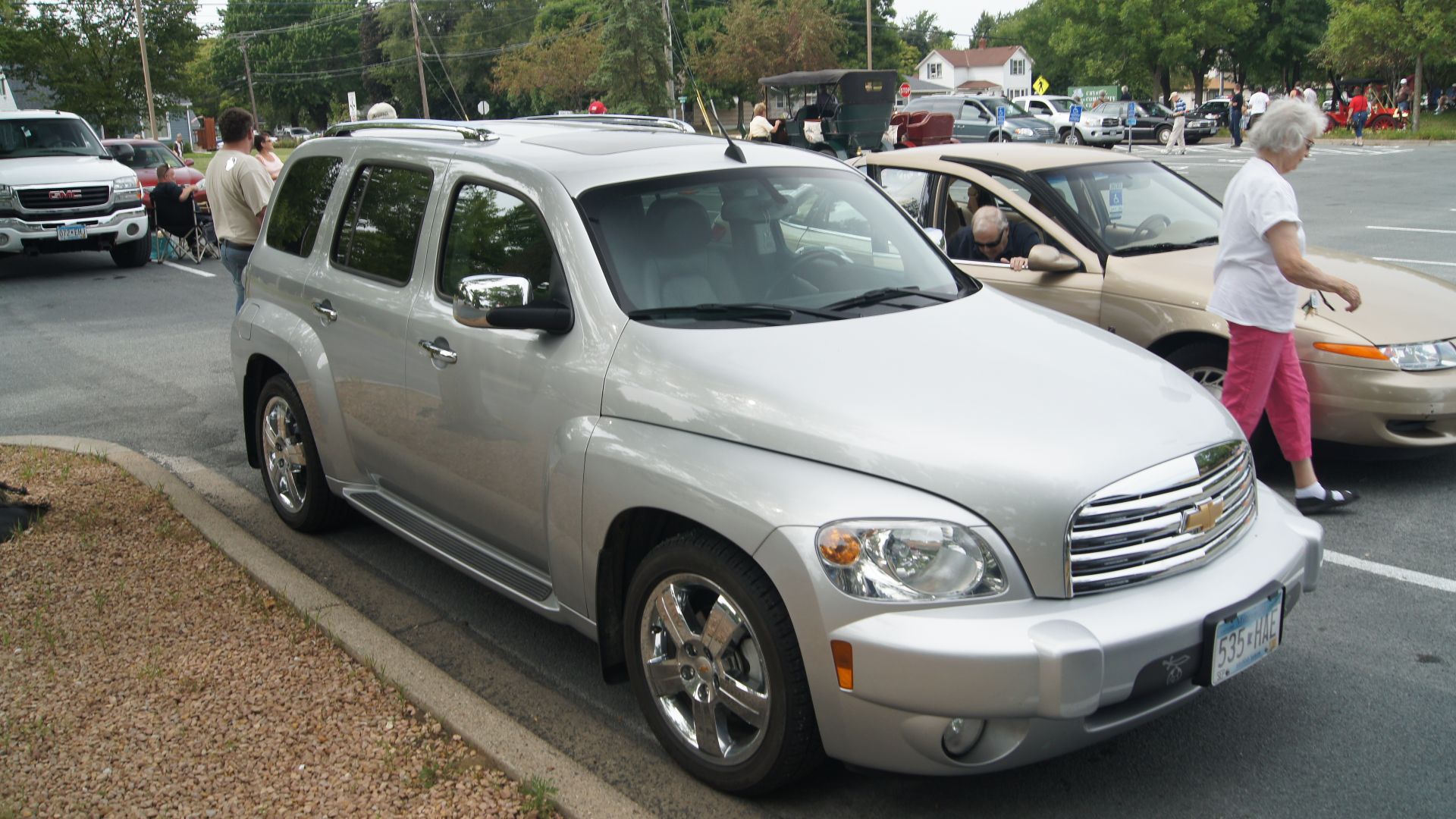 Greg Gjerdingen from Willmar, USA, Wikimedia Commons
How The HHR SS Looks Today
Years later, the HHR SS has aged into cult status. It’s still weird. Still divisive. Still capable of surprising speed. In a sea of crossovers, its unapologetic oddness feels almost refreshing.
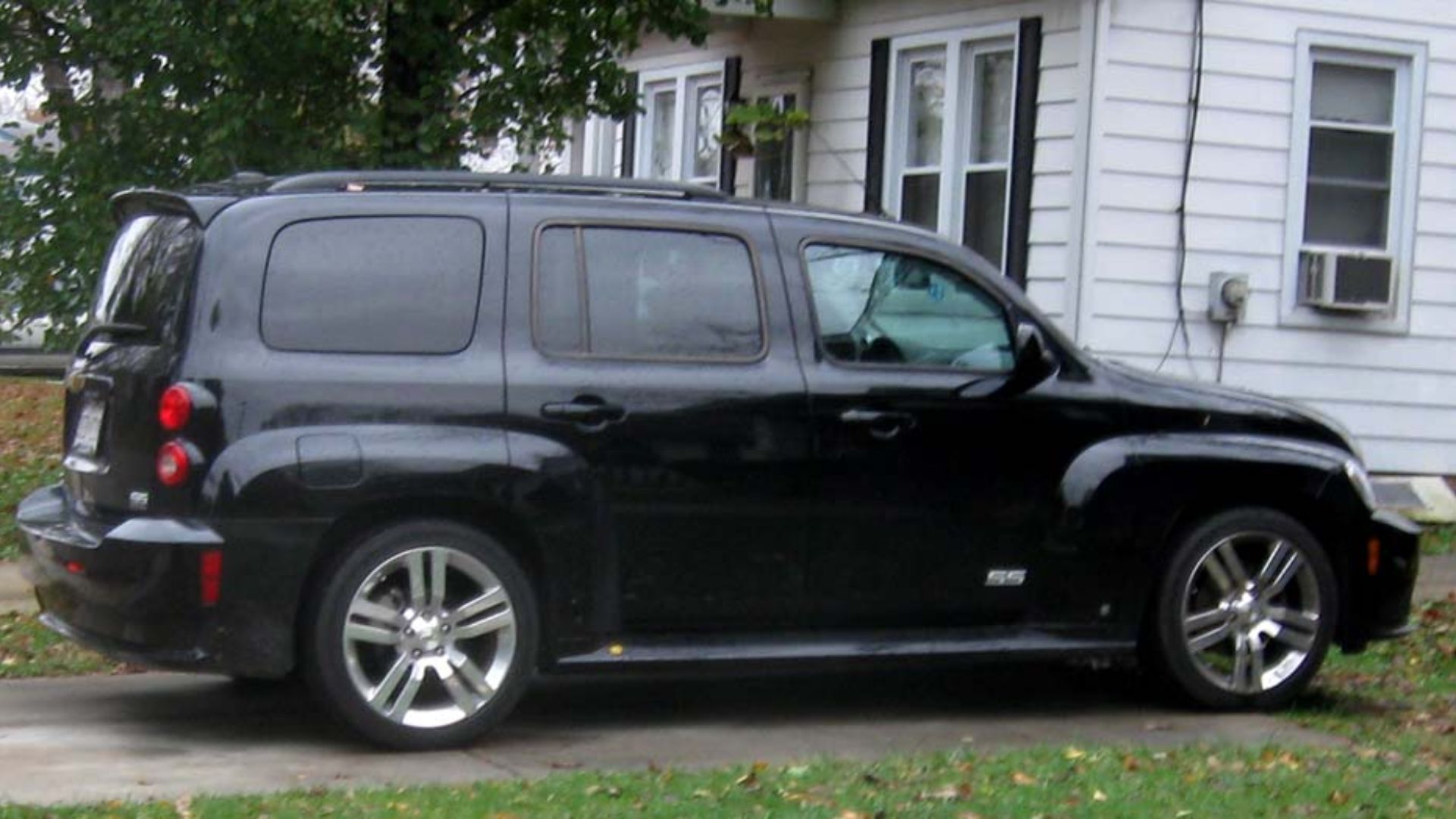
Values And Collectibility
Prices remain relatively affordable, but clean, unmodified examples—especially manual Panel SS models—are starting to get attention. It’s not a blue-chip collectible, but it is a future trivia answer waiting to happen.
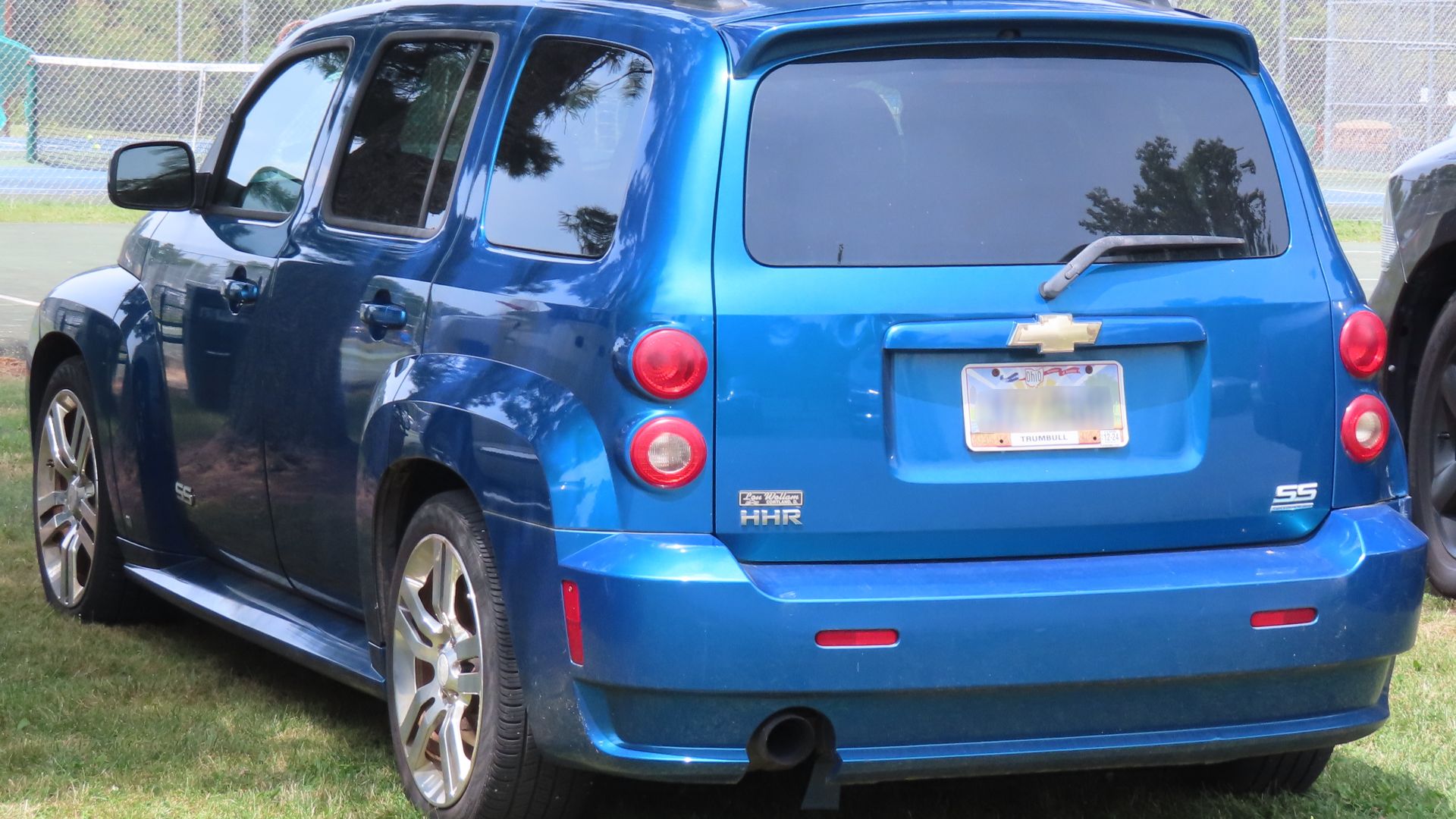 MercurySable99, Wikimedia Commons
The HHR SS In Automotive History
The HHR SS represents a moment when automakers took risks for fun, not just focus groups. It’s a reminder that performance doesn’t have to make sense to be enjoyable. Sometimes, the strangest ideas are the most memorable.
The Turbo Wagon Nobody Asked For—But Some Of Us Needed
The Chevy HHR SS was unnecessary, illogical, and completely brilliant. It didn’t save a brand or define an era—but it made the world a little more interesting. And in the end, that’s exactly why it deserves to be remembered.
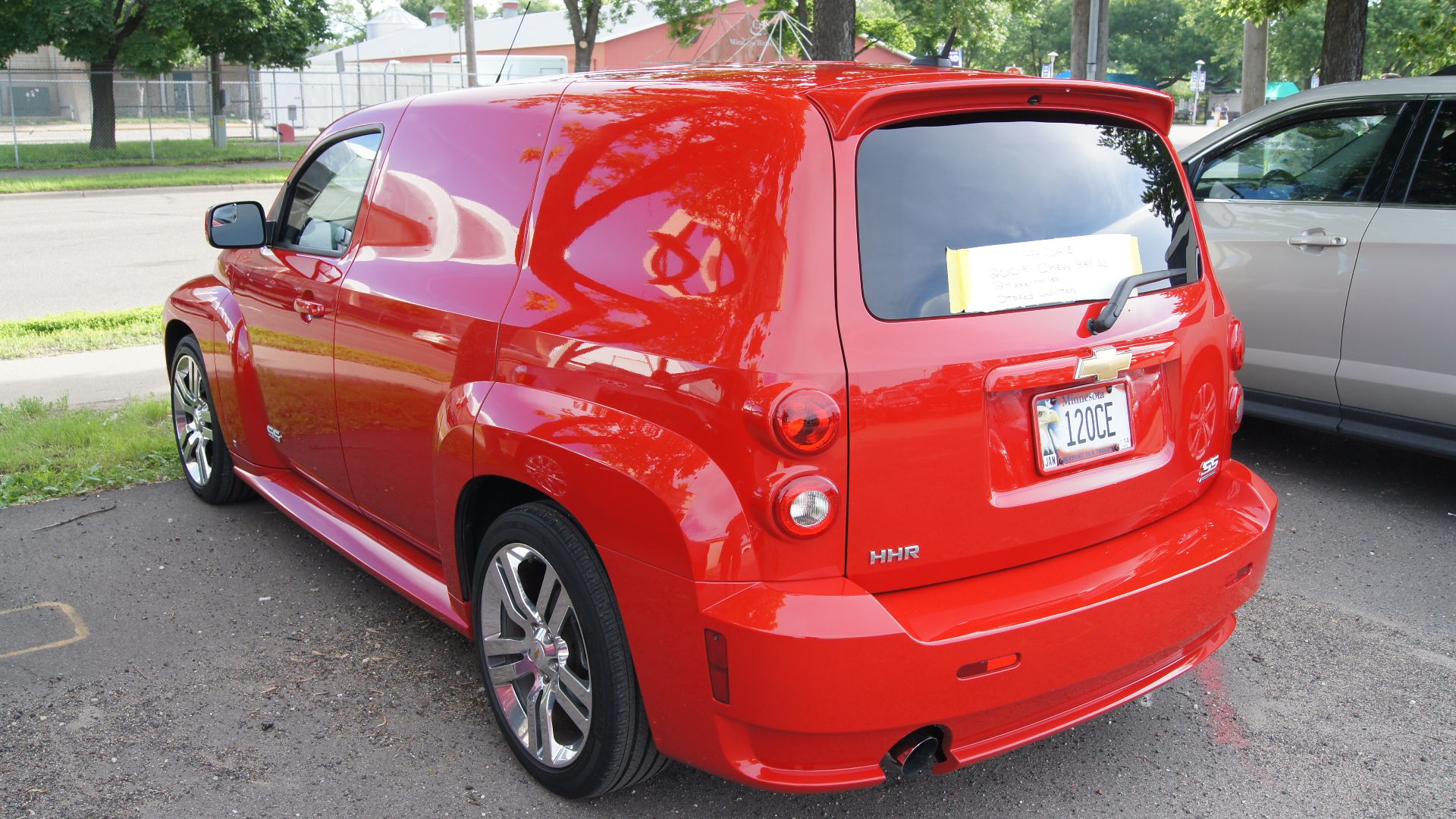 Greg Gjerdingen, Wikimedia Commons
You May Also Like:
The Latest In Helmet Safety Science Could Be The Push You Need To Buy That Bike
I was approved for financing, then the terms changed at signing. Is that normal?
The Porsche 914 Wasn’t Like The Others And That Was The Point

.jpg)