
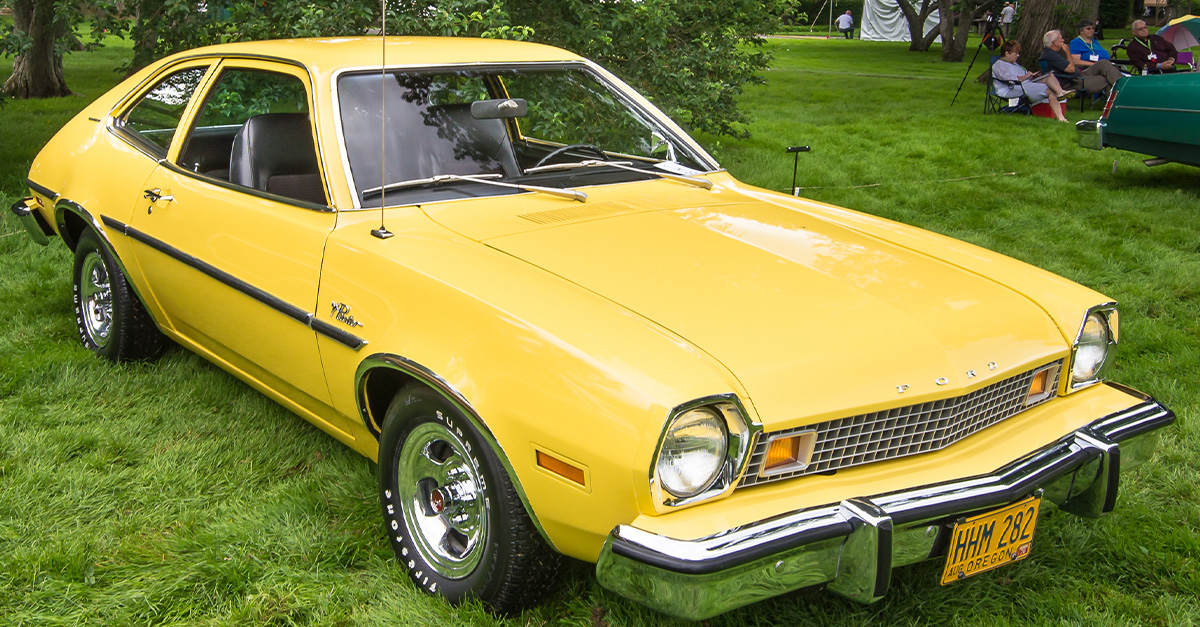
The Cars That Should’ve Stayed In The Garage
Before crash tests were broadcast in slow motion and five-star ratings became showroom bragging rights, the auto industry operated a little more like the Wild West. Seatbelts were optional. Airbags were science fiction. And safety? That was often an afterthought—something customers assumed was there, even when it wasn’t. It took a series of high-profile disasters, design flaws, and very public tragedies to force change. The following cars didn’t just make headlines—they helped shape the safety standards we take for granted today.
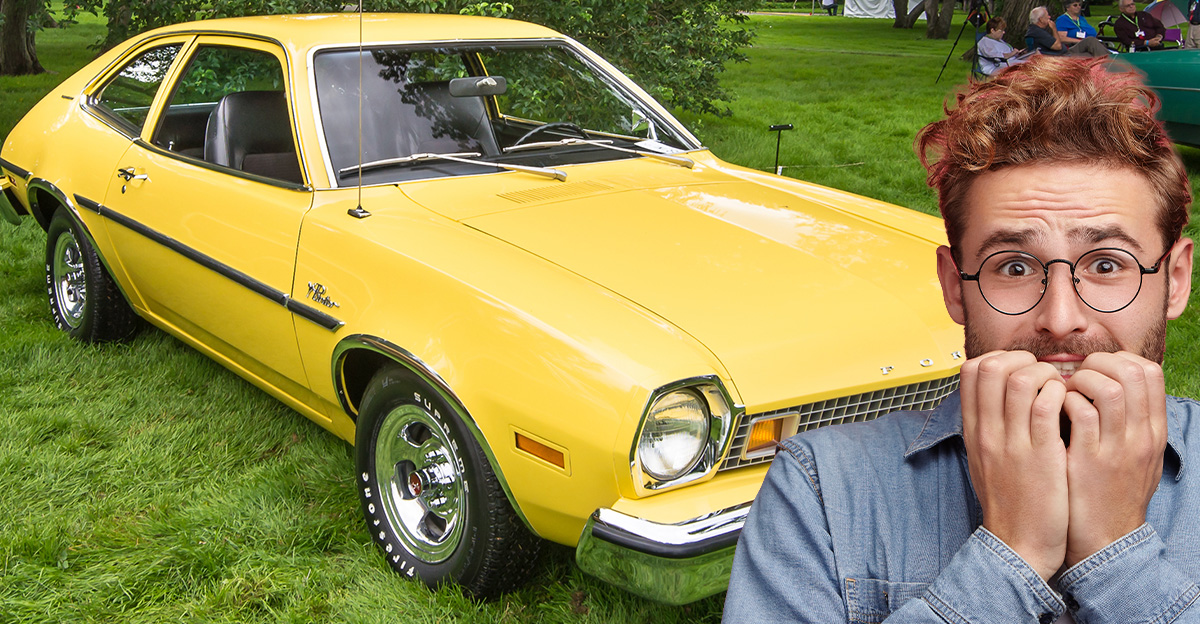
Ford Pinto
Few cars are more closely tied to safety reform than the Ford Pinto. Designed to be cheap and quick to market, it featured a rear-mounted fuel tank that could rupture in low-speed rear-end collisions. When internal memos revealed Ford weighed the cost of fixing the flaw against potential lawsuit payouts, public outrage exploded. The Pinto became a symbol of why federal oversight and stricter fuel system standards were necessary.
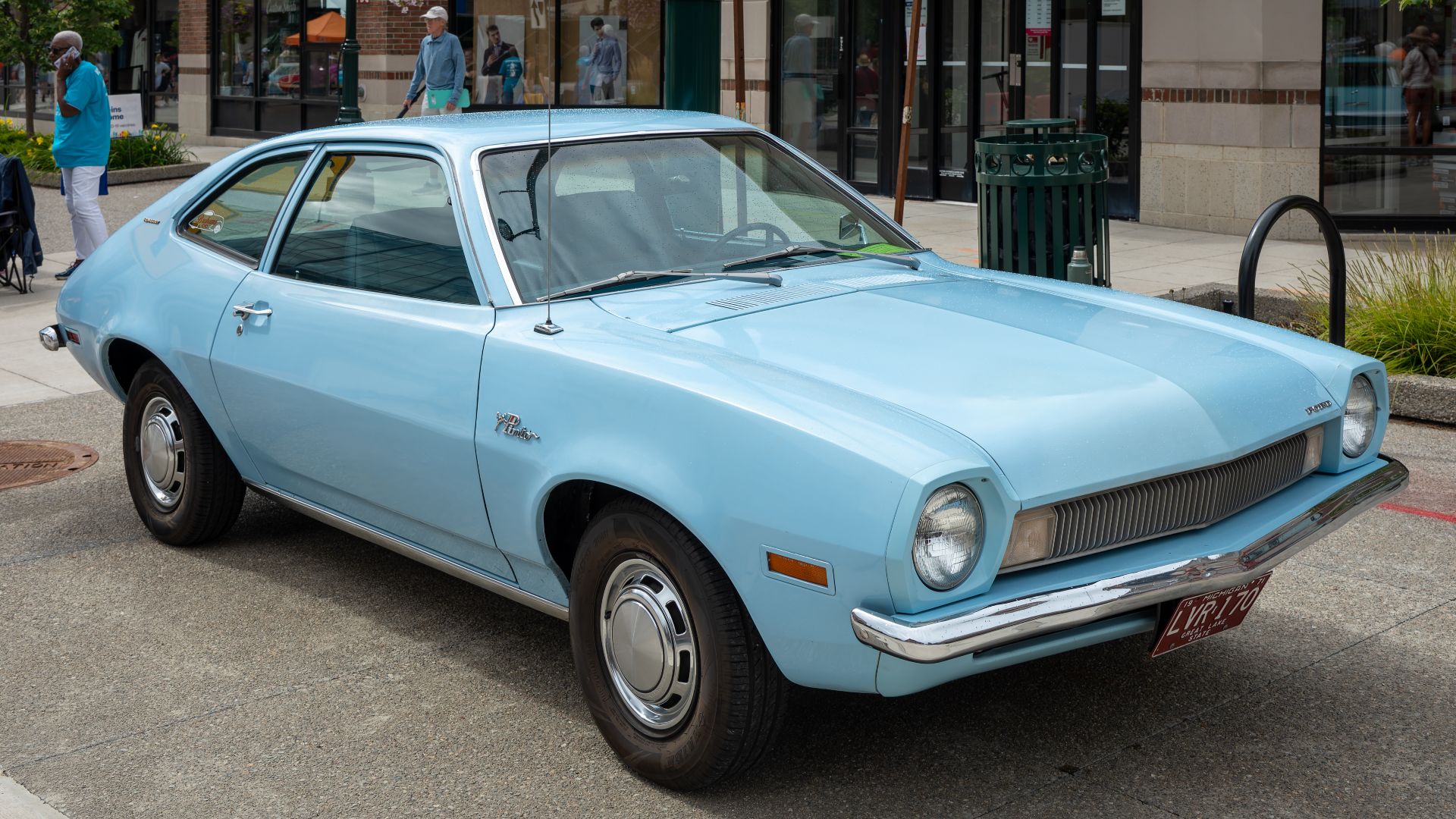 Mustang Joe, Wikimedia Commons
Chevrolet Corvair
The Corvair’s rear-engine layout and swing-axle suspension led to unpredictable handling and rollover concerns. Ralph Nader’s Unsafe at Any Speed brought the issue to national attention, igniting debates about corporate responsibility and ultimately accelerating the push for modern vehicle safety regulations.
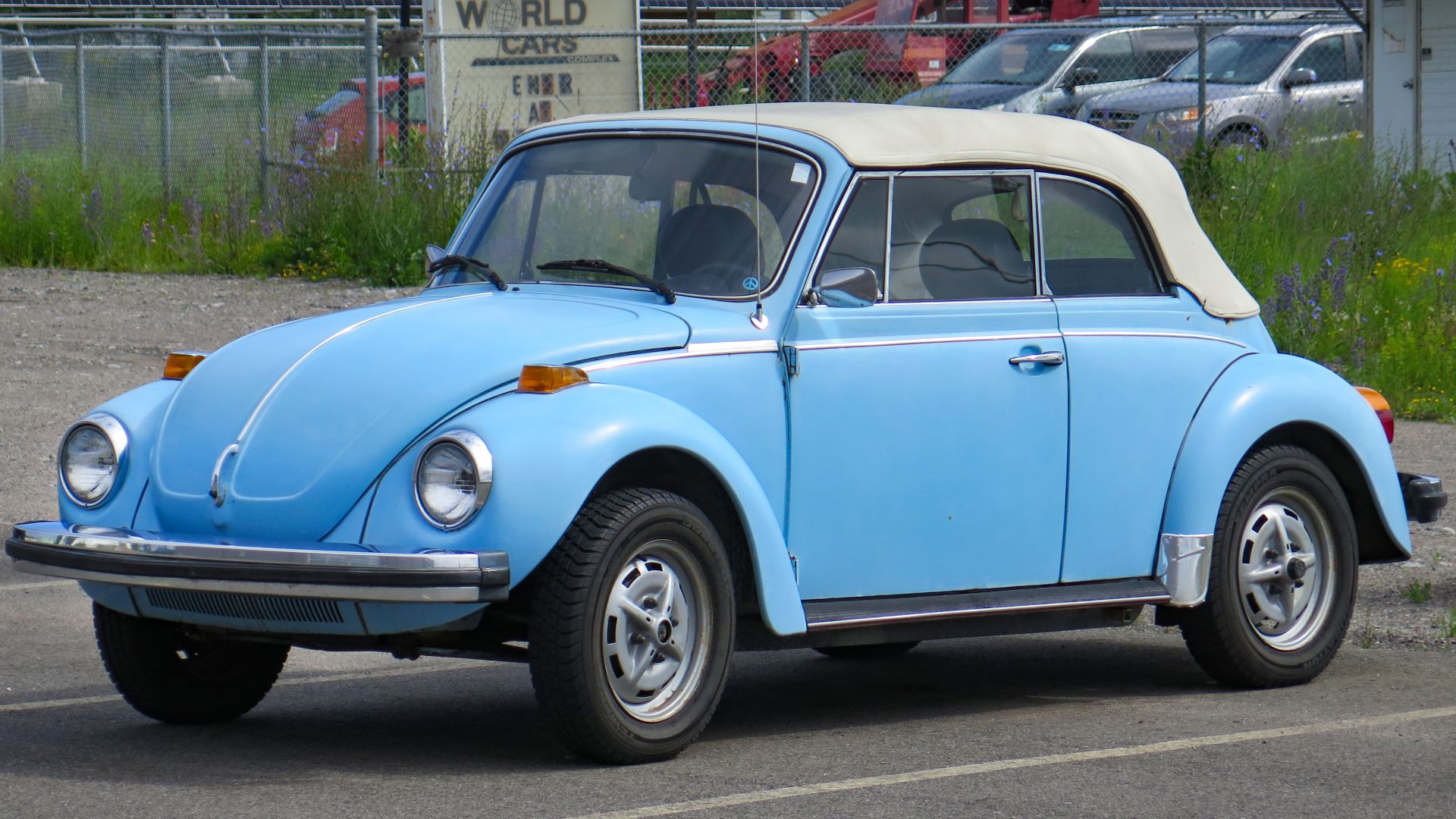
 Michael Barera, CC BY-SA 4.0, Wikimedia Commons
Volkswagen Beetle (Early U.S. Models)
Beloved though it was, early Beetles lacked many basic safety features, including reinforced structures and modern seatbelt systems. As crash testing improved in the U.S., the Beetle’s shortcomings highlighted the need for standardized occupant protection rules across all imported vehicles.
Chevrolet Bel Air (1959)
In a now-famous crash test conducted decades later, a 1959 Bel Air was pitted against a modern sedan—and it disintegrated. Though considered sturdy in its day, the Bel Air lacked crumple zones and structural reinforcements. It became a vivid demonstration of why evolving crash standards matter.
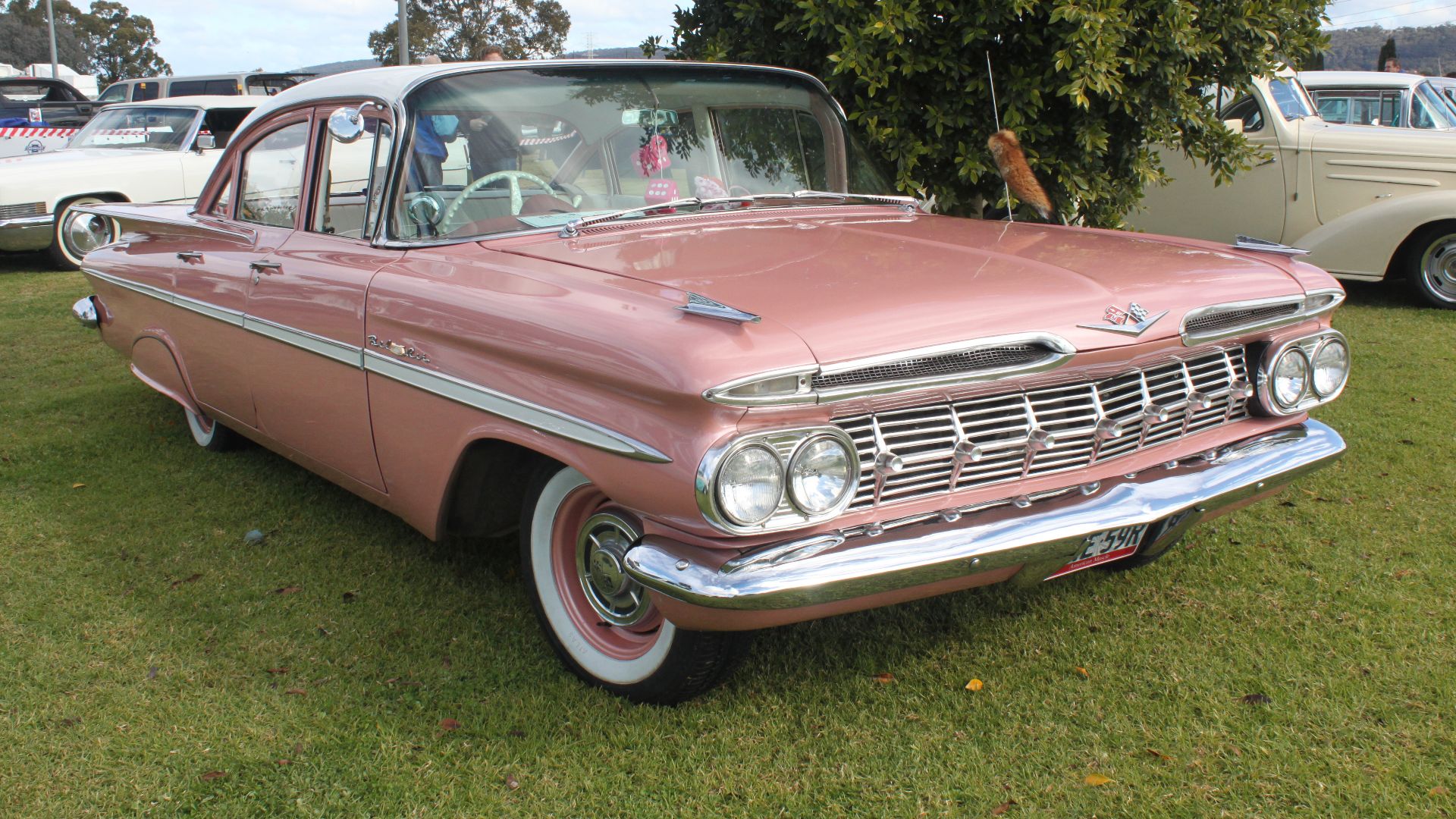 Jeremy from Sydney, Australia, Wikimedia Commons
Ford Bronco II
The Bronco II developed a reputation for rollovers due to its high center of gravity and short wheelbase. Mounting lawsuits and investigations pushed regulators to look more closely at SUV stability standards, influencing future design requirements.
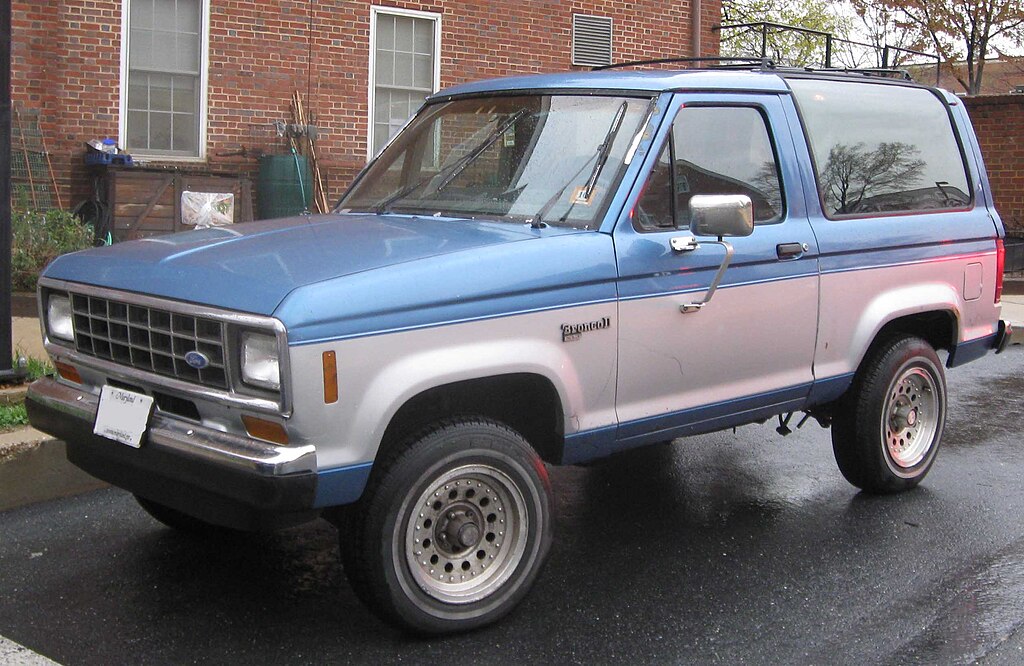
Suzuki Samurai
Consumer Reports labeled the Samurai a rollover risk after testing revealed stability concerns. The controversy intensified scrutiny around SUV safety testing procedures and rollover resistance ratings, reshaping how vehicles were evaluated.
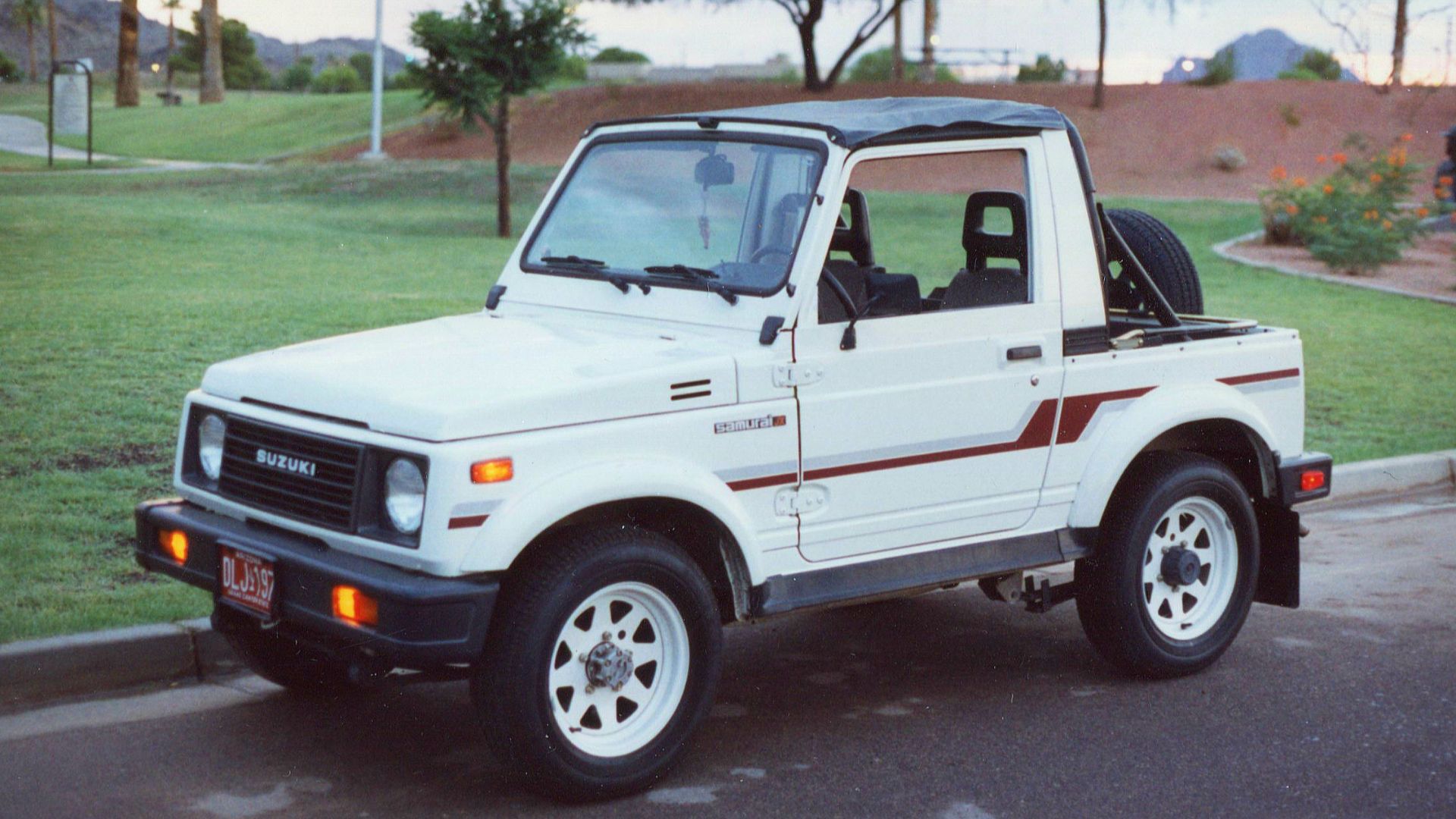
Jeep CJ-5
With its narrow track and short wheelbase, the CJ-5 was fun off-road but unstable in certain on-road conditions. Rollover claims and lawsuits contributed to increased attention on vehicle dynamics and stability standards for light trucks and SUVs.
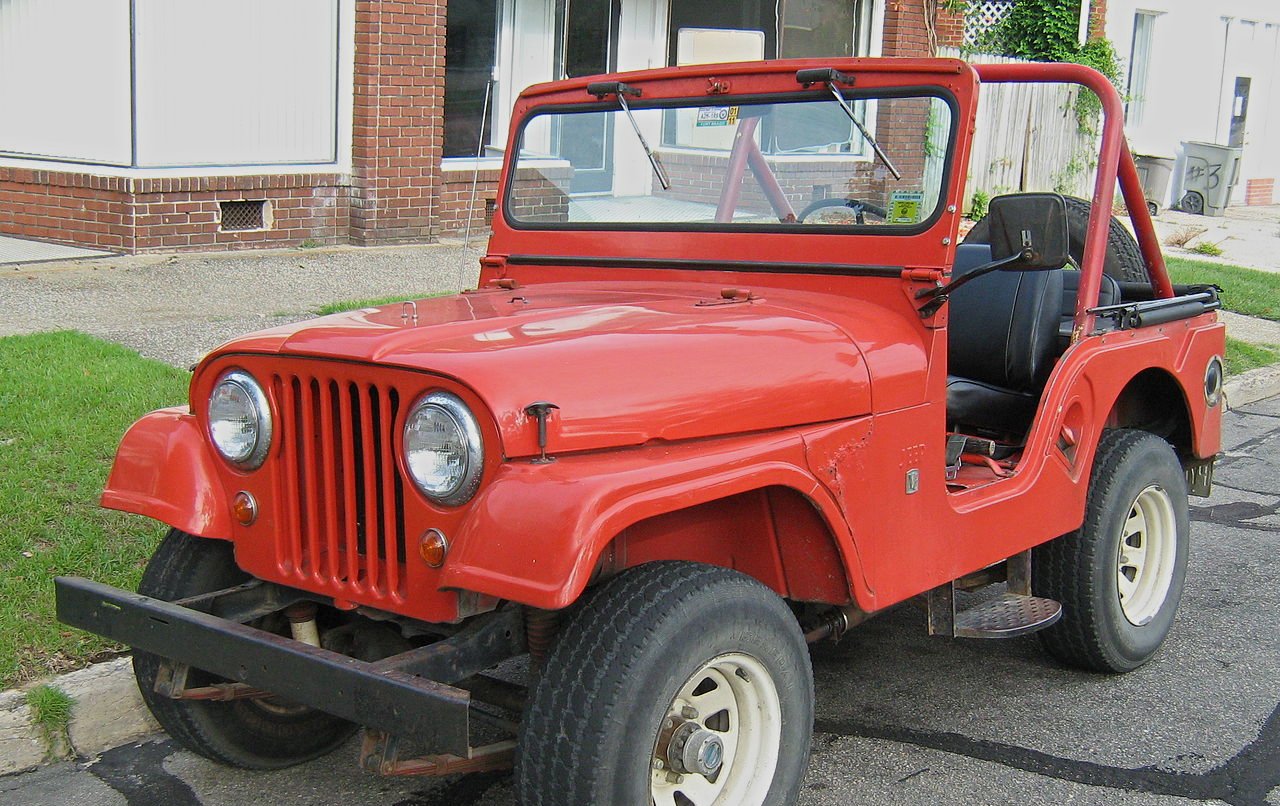 CZmarlin — Christopher Ziemnowicz, Wikimedia Commons
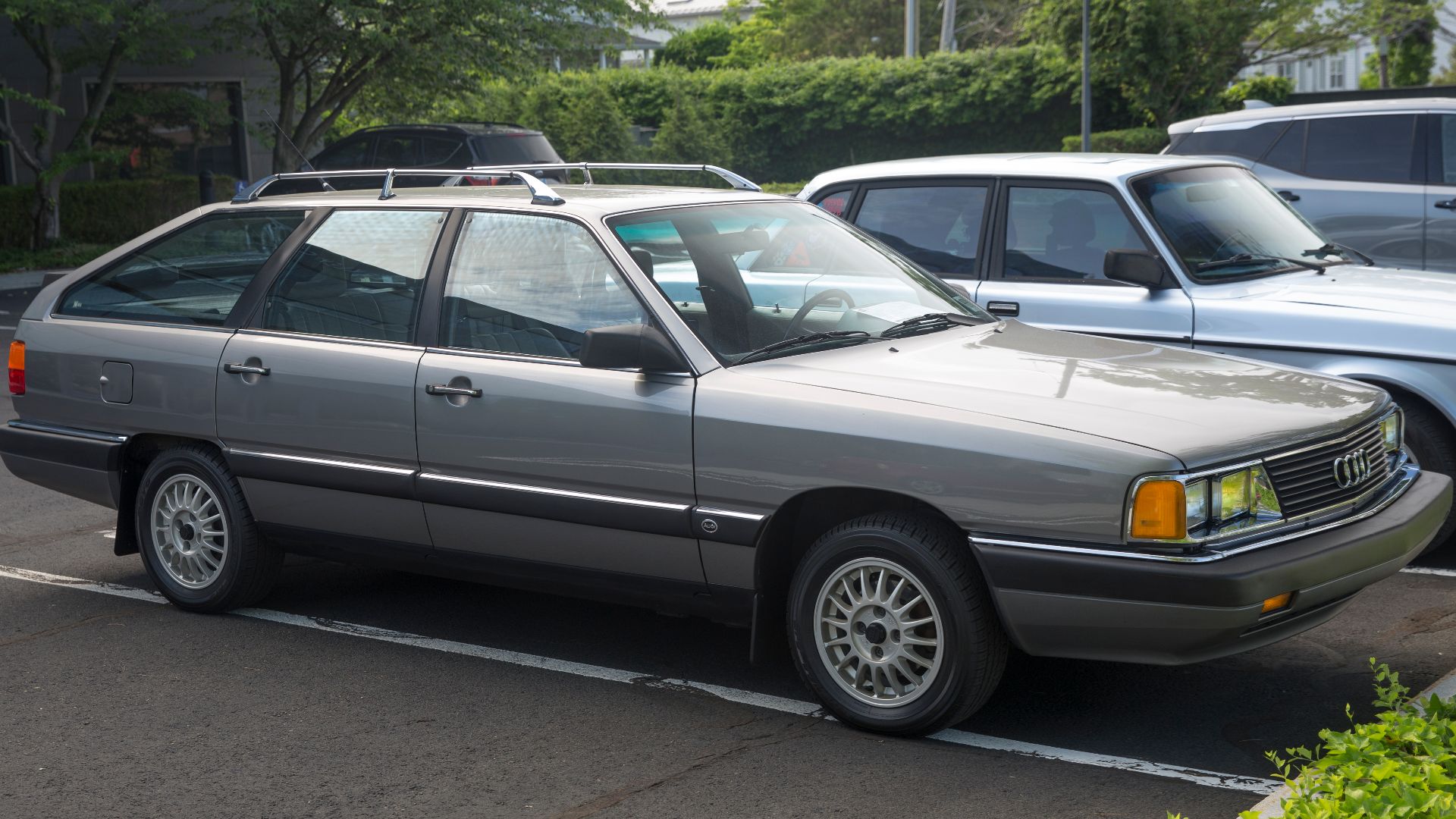
Audi 5000
Reports of unintended acceleration in the 1980s sparked national panic. Although later investigations attributed many incidents to driver error, the saga led to clearer labeling, improved pedal placement standards, and broader discussions about electronic throttle safety.
 Mr.choppers, Wikimedia Commons
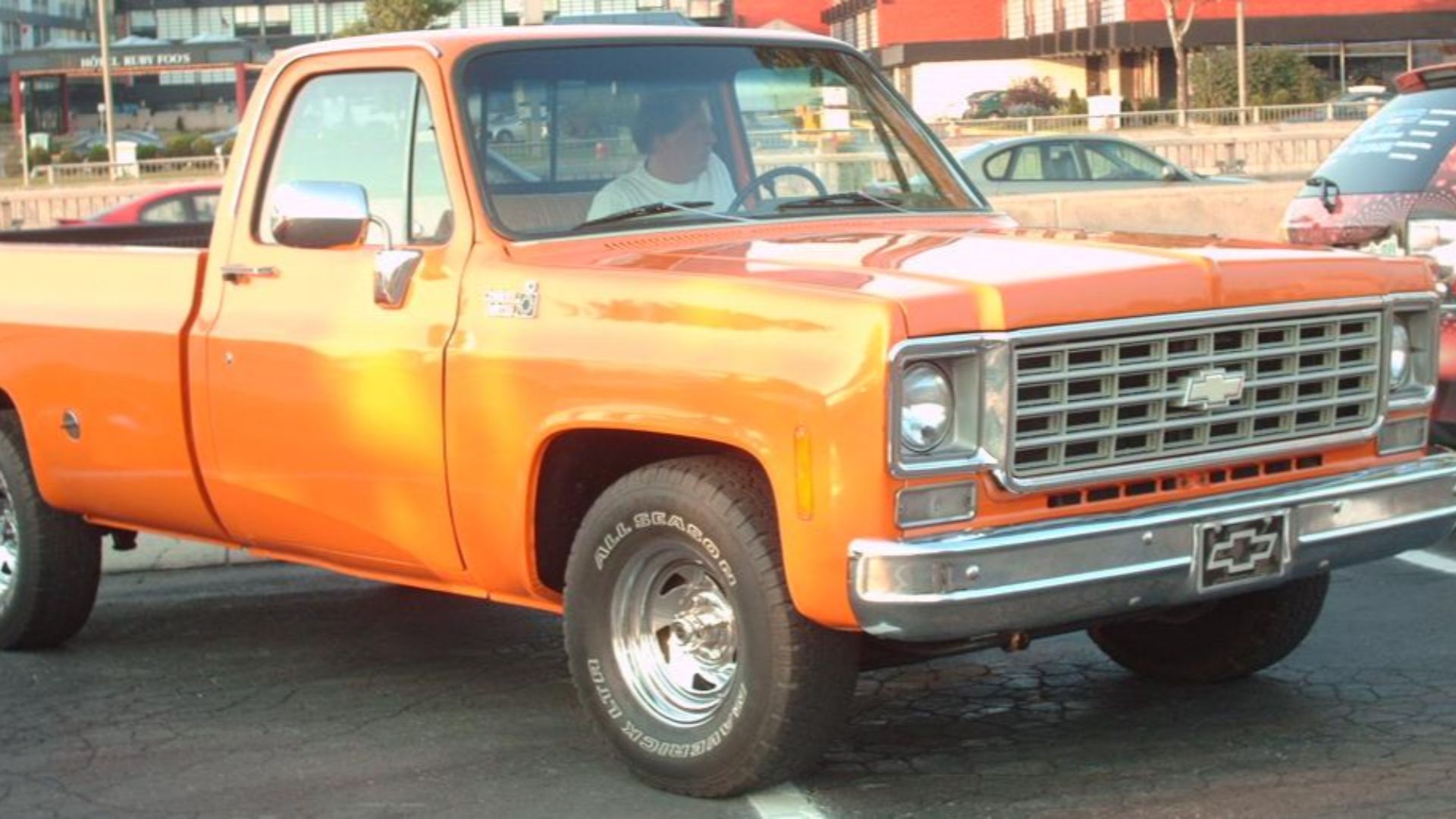
Chevrolet C/K Pickup (1970s–1980s)
Side-saddle fuel tanks mounted outside the frame rails made these trucks vulnerable in side impacts. Legal battles and crash investigations underscored the importance of safer fuel tank placement and stronger side-impact standards.
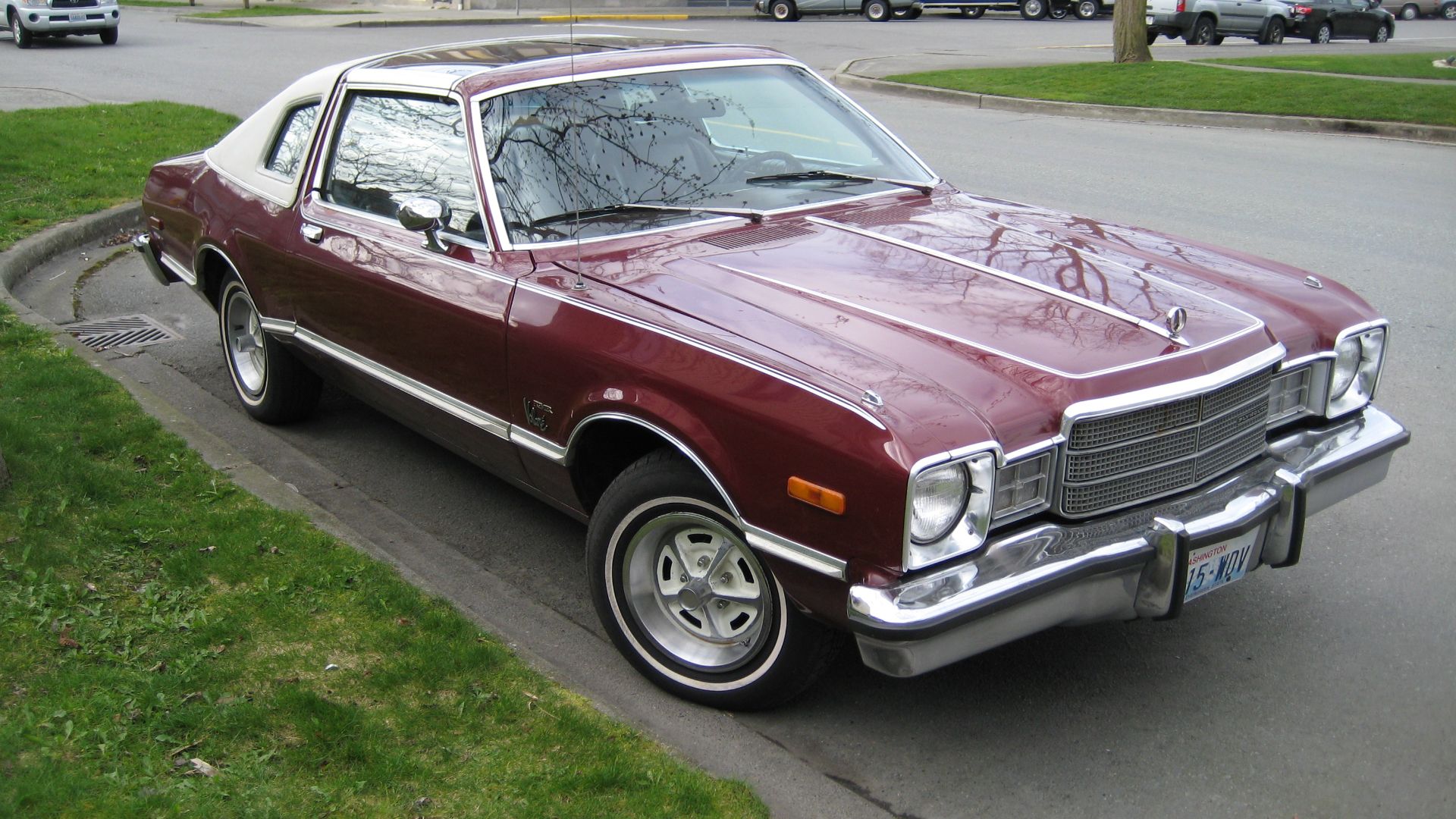
Plymouth Volare & Dodge Aspen
These compact cars suffered from premature rust and suspension failures. Structural integrity concerns helped push manufacturers and regulators to improve corrosion standards and durability testing.
 JOHN LLOYD from Concrete, Washington, United States, Wikimedia Commons
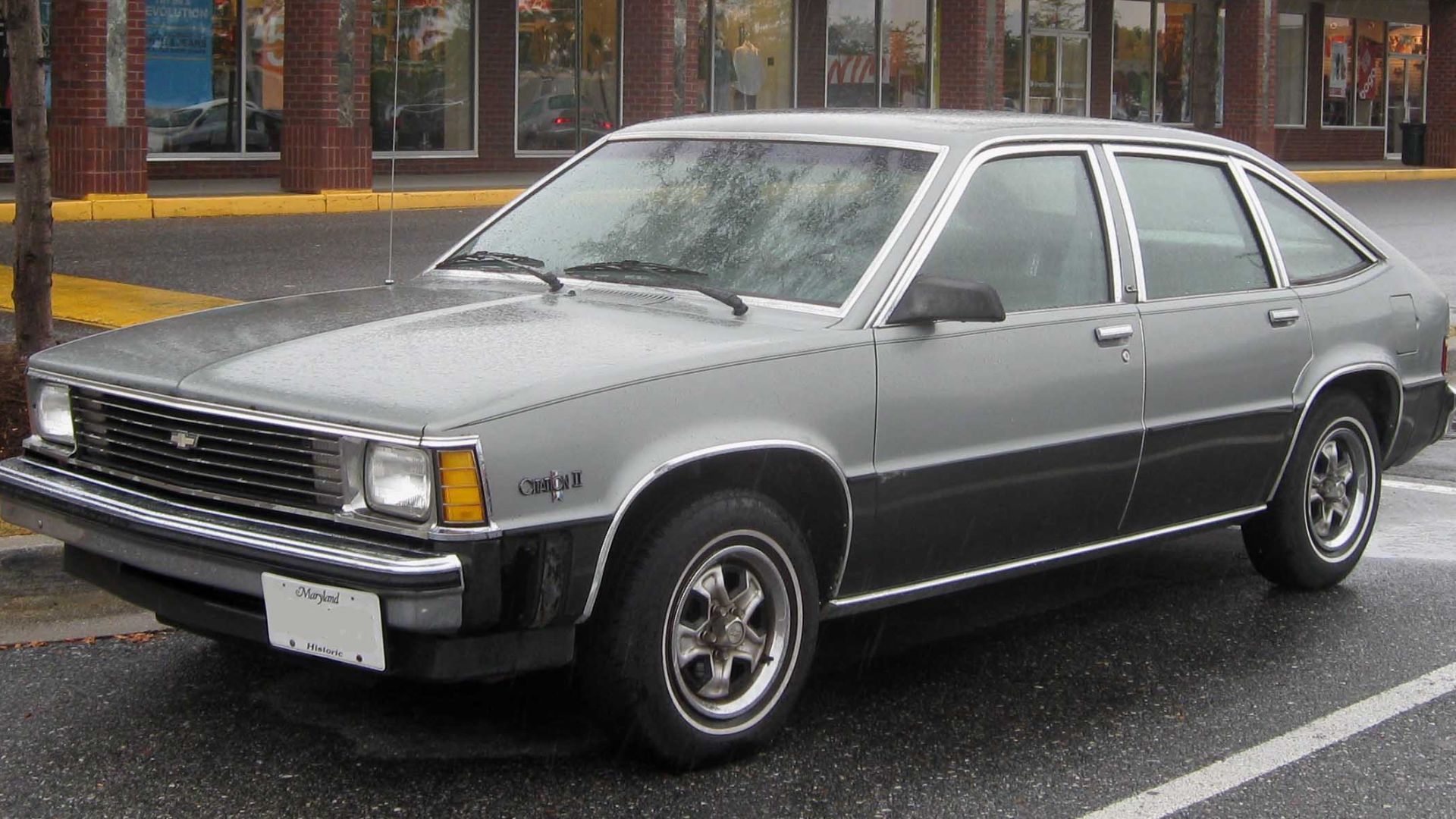
General Motors X-Cars (Citation, Phoenix, Omega, Skylark)
These front-wheel-drive pioneers were plagued by brake lockups and other early production defects. The widespread recalls emphasized the need for tighter quality control and stronger recall enforcement mechanisms.
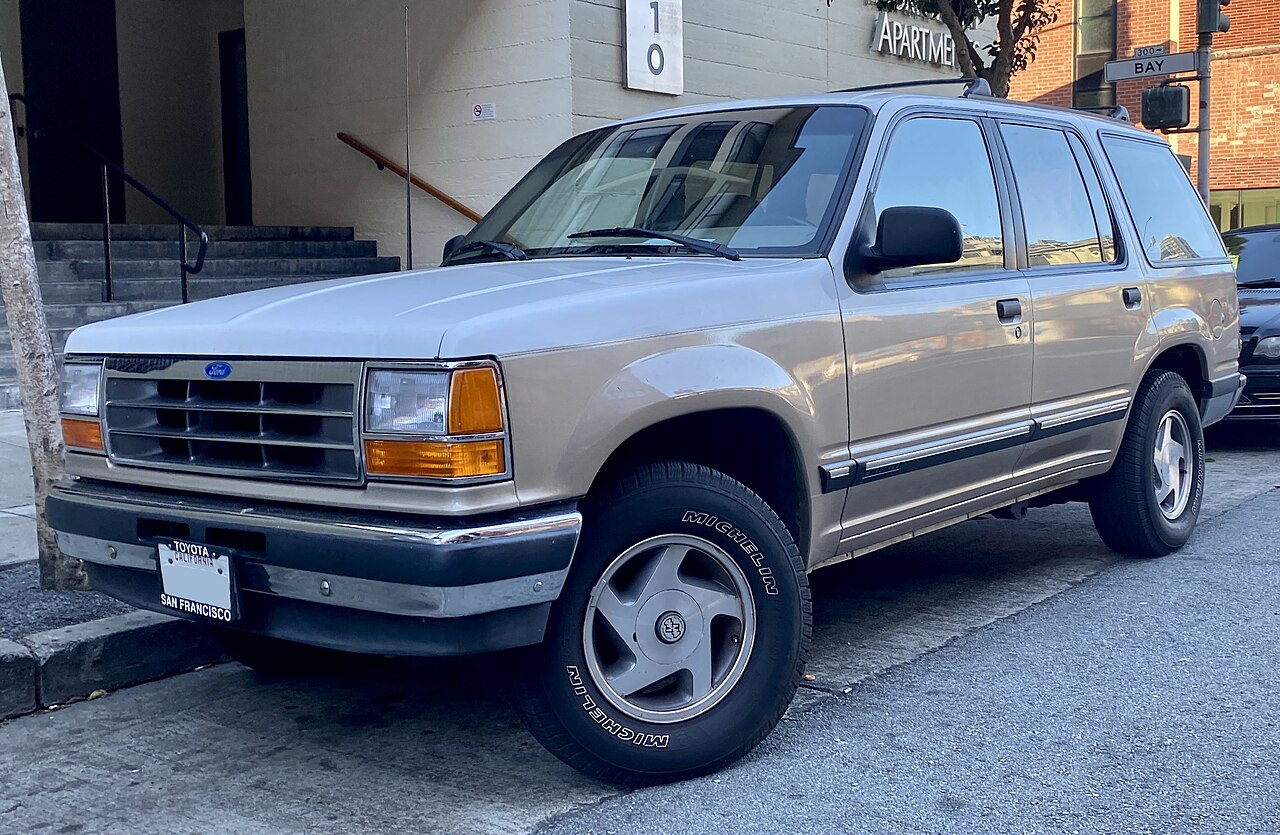
Ford Explorer (First Generation)
Paired with certain Firestone tires, early Explorers were involved in numerous rollover crashes. The crisis led to sweeping changes in tire monitoring systems, tire testing standards, and ultimately mandated the use of Tire Pressure Monitoring Systems (TPMS).
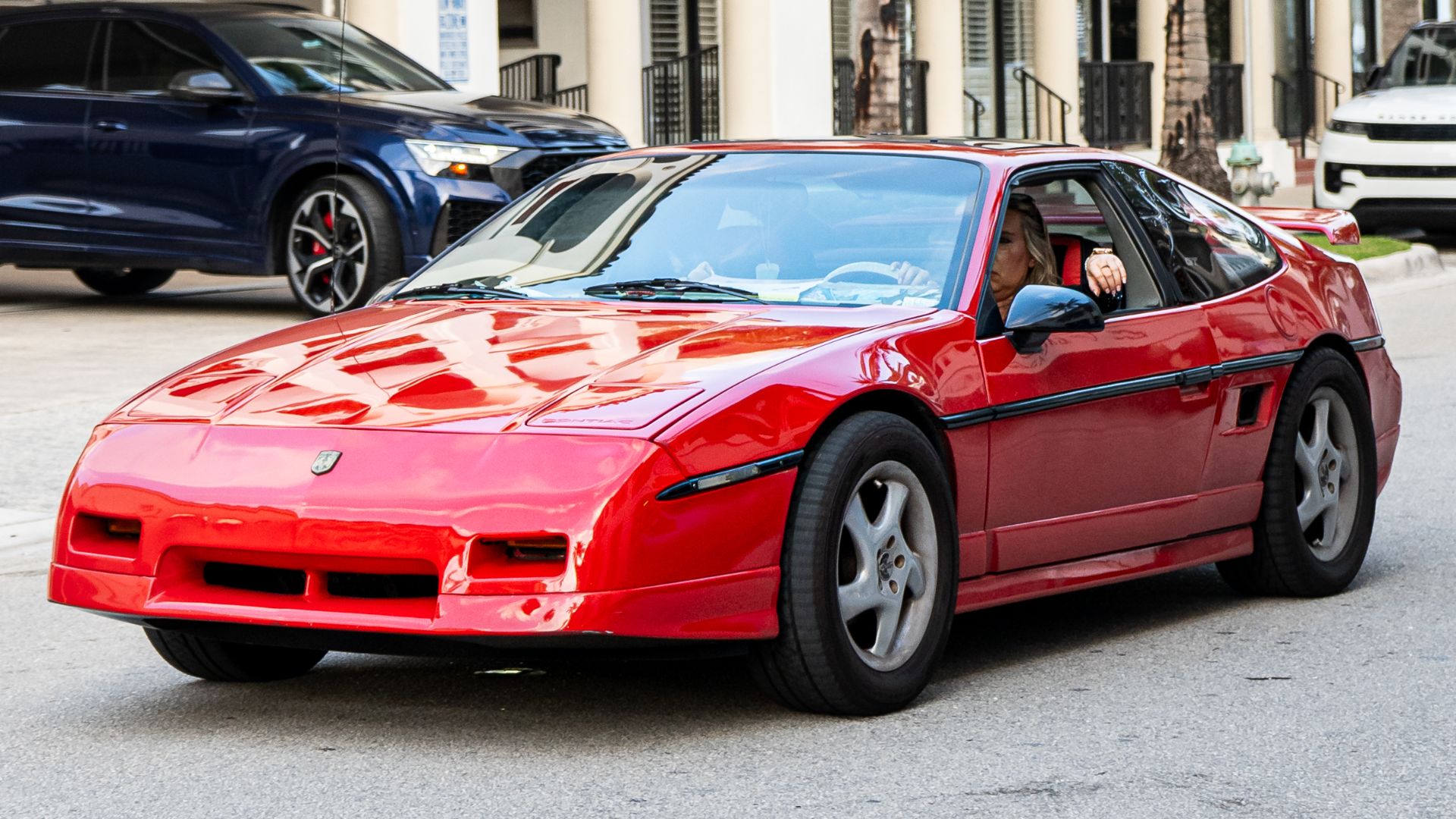
Pontiac Fiero
Early Fieros suffered engine fires due to oil leaks and connecting rod failures. The recalls and lawsuits highlighted the importance of thorough pre-production testing and rapid recall responses.
 OWS Photography, Wikimedia Commons
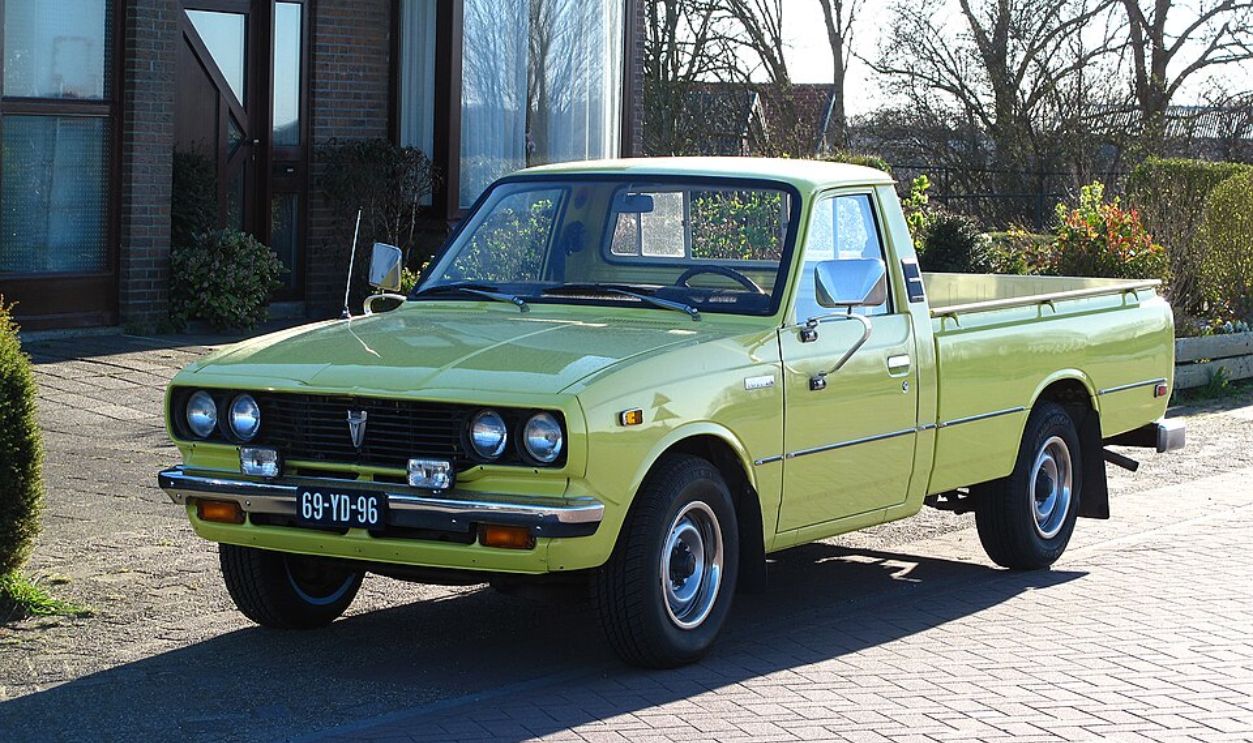
Toyota Hilux (1970s U.S. Models)
Early small pickups often lacked adequate crash protection and side-impact reinforcements. As consumer expectations evolved, vehicles like the Hilux prompted regulators to require stronger structural protections for light trucks.
 Rutger van der Maar, CC BY 2.0, Wikimedia Commons
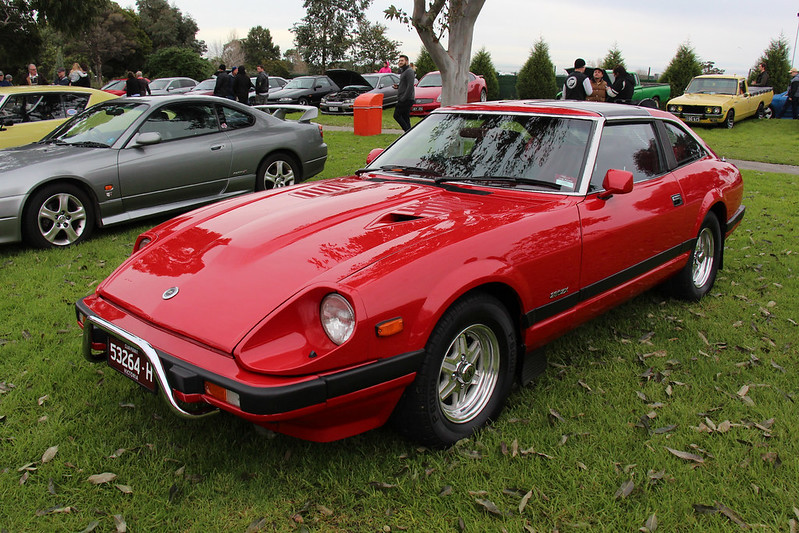
Datsun 280Z (Early U.S. Versions)
Though sporty and popular, early versions lacked modern side-impact protection and reinforced cabin structures. Their performance-focused design illustrated the trade-offs automakers once made between speed and safety.
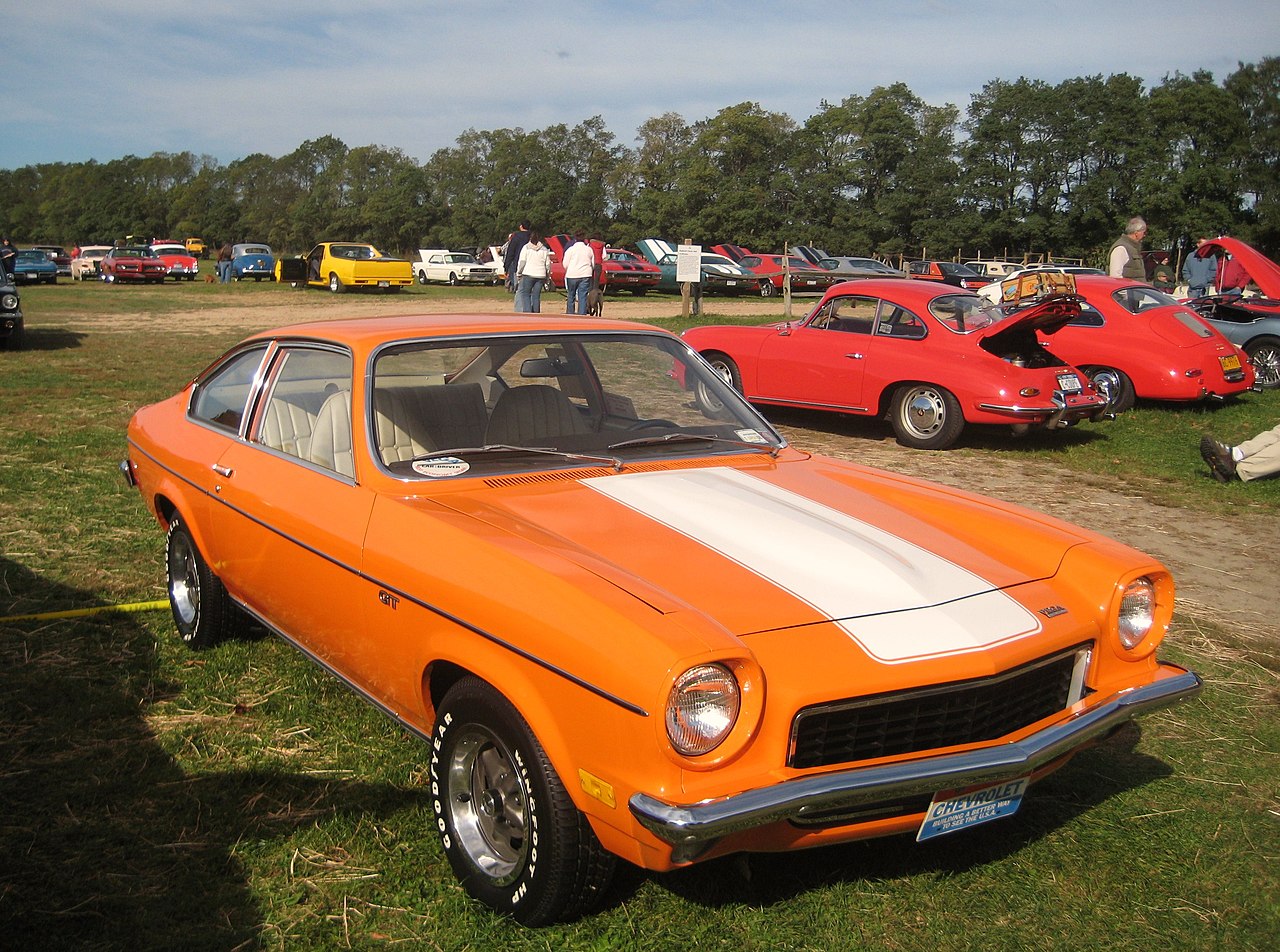
Chevrolet Vega
Beyond mechanical issues, the Vega’s structural durability raised questions about crashworthiness. Public dissatisfaction fueled broader calls for federal oversight in manufacturing standards.
 Robert Spinello, CC BY-SA 3.0, Wikimedia Commons
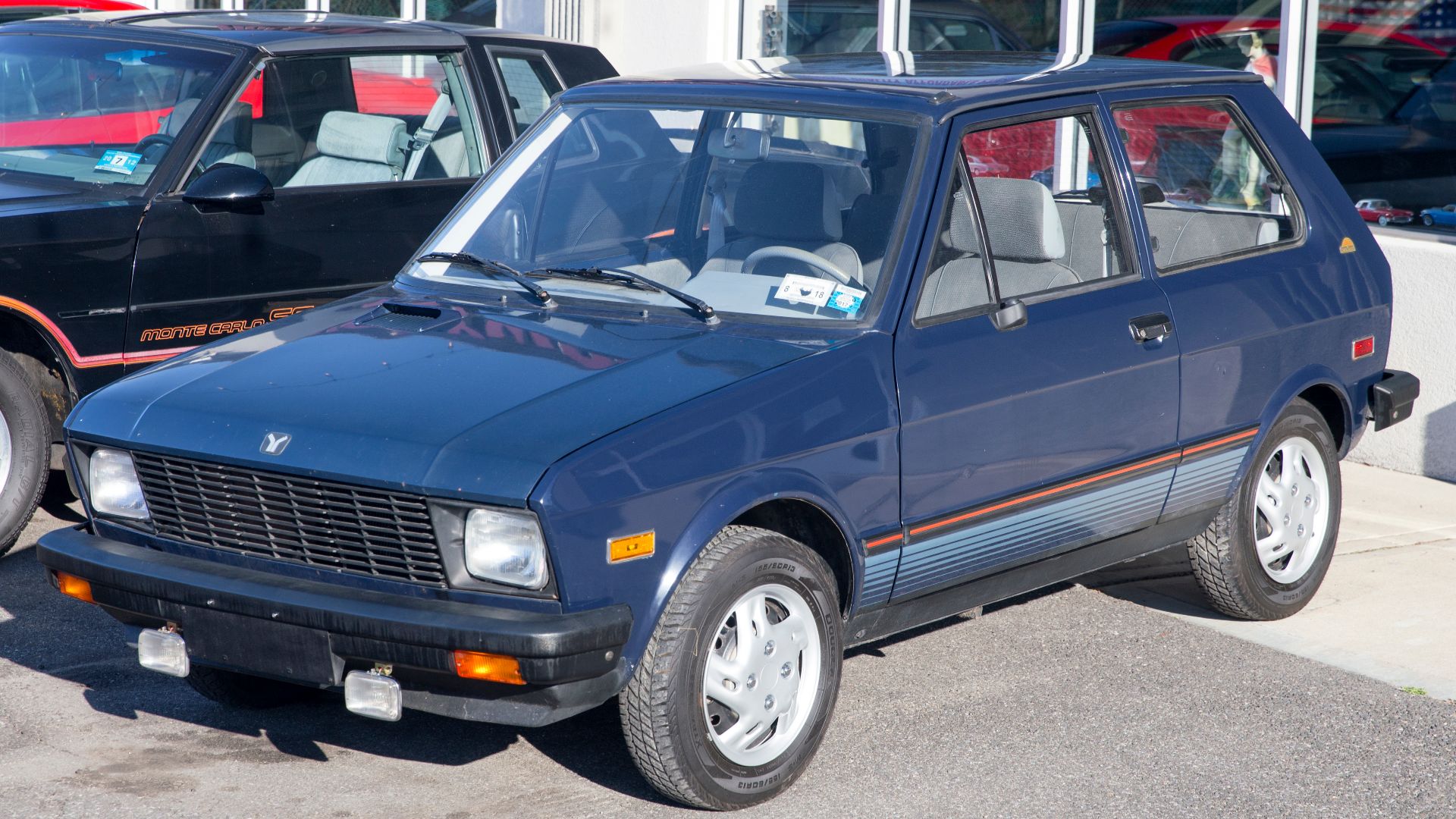
Yugo GV
Bare-bones design and minimal safety reinforcements made the Yugo feel outdated even upon arrival. Its shortcomings reflected why baseline federal safety requirements were essential for all vehicles sold in the U.S.
 Mr.choppers, Wikimedia Commons
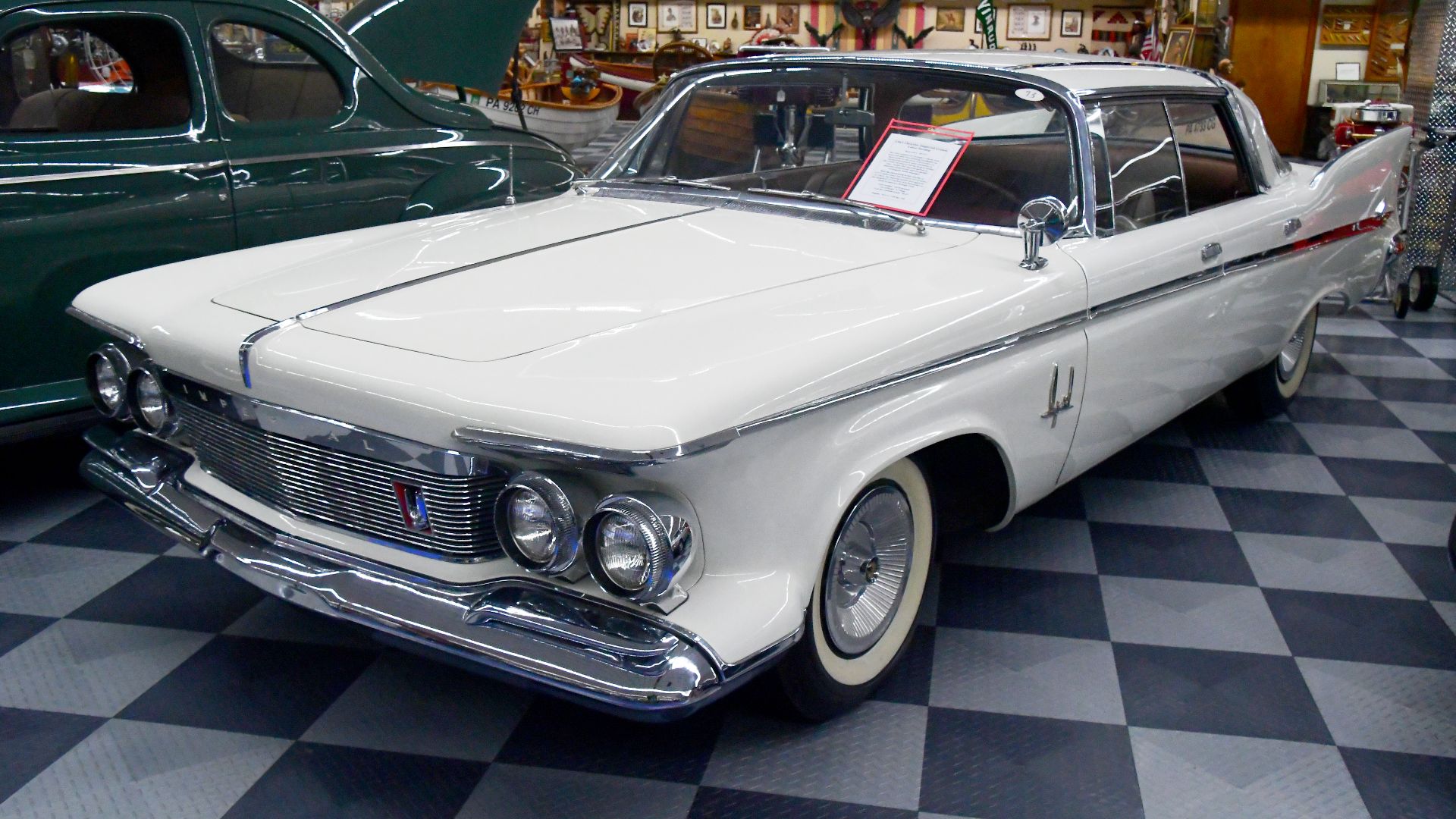
Chrysler Imperial (1960s Models)
Early experiments with anti-lock braking systems were ahead of their time but unreliable. The challenges of implementing new safety tech demonstrated why rigorous testing and standardized development protocols were crucial.
 Eric Friedebach, Wikimedia Commons
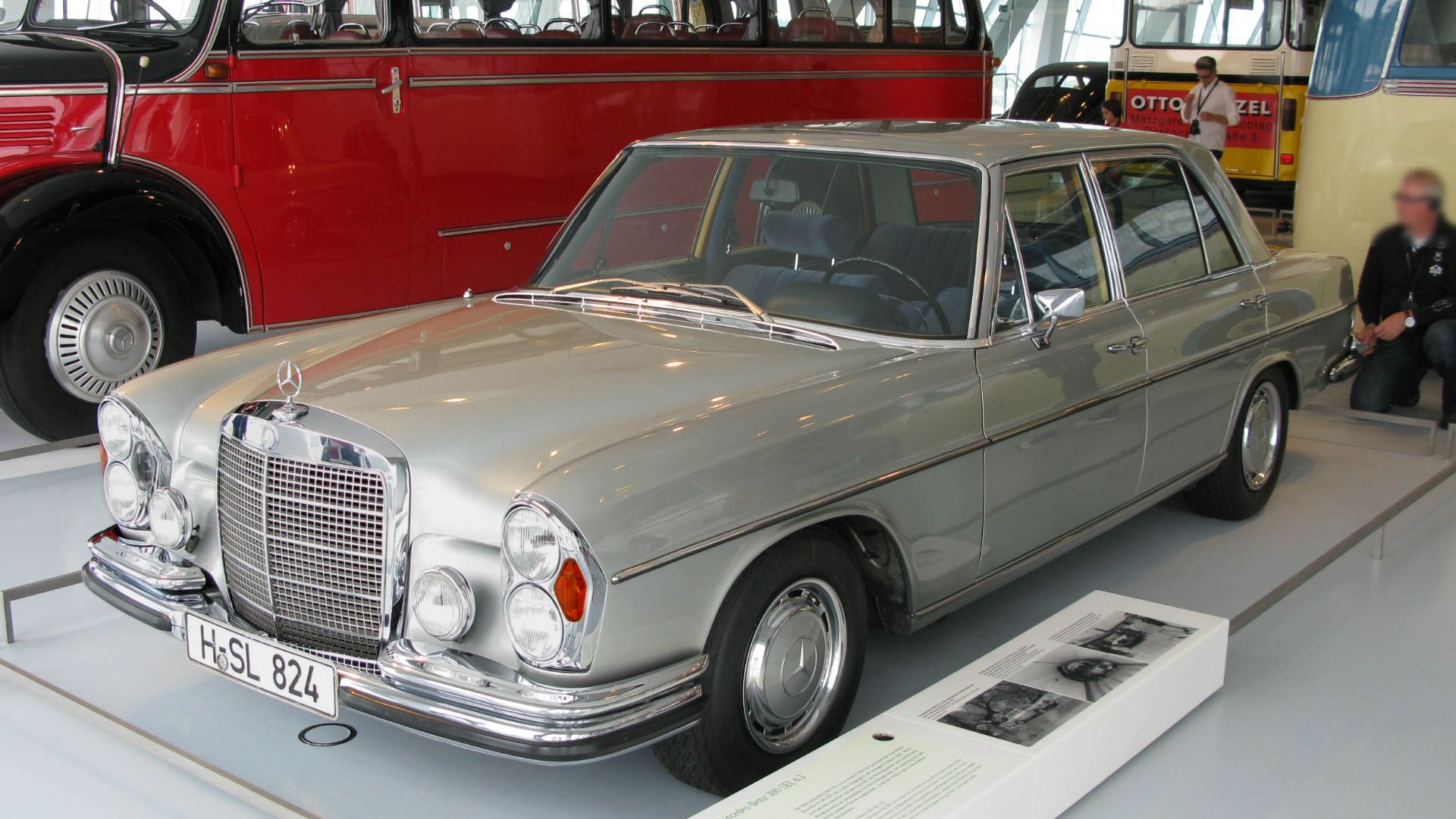
Mercedes-Benz 300SEL (Pre-Airbag Era)
Luxury didn’t necessarily mean safe in the pre-airbag era. High-profile crashes involving luxury cars underscored the need for universal airbag adoption rather than optional extras.
 Herranderssvensson, Wikimedia Commons
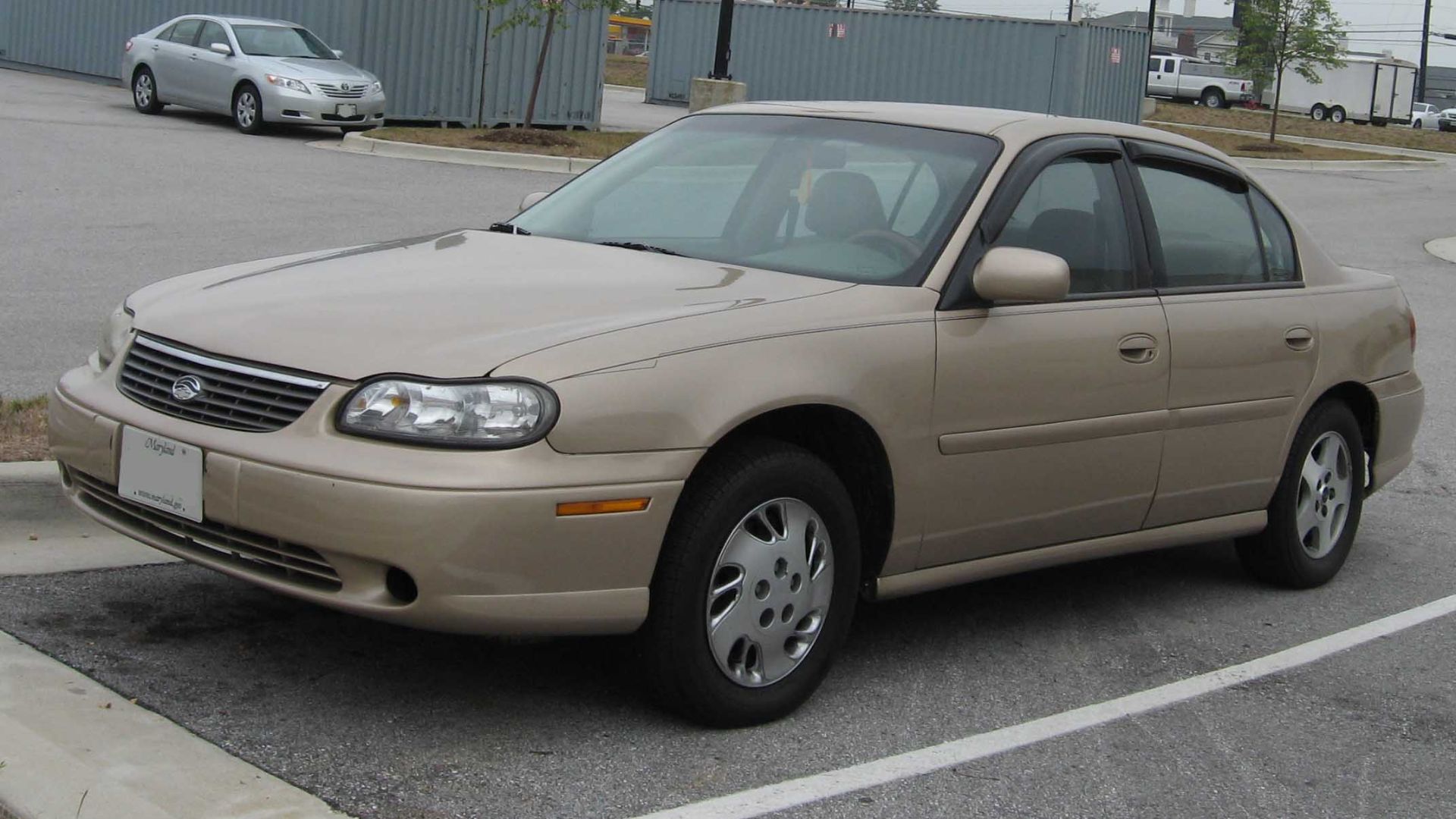
Chevrolet Malibu (1997 Model)
The Malibu earned poor ratings in early side-impact tests conducted by the IIHS. Those results pushed manufacturers to improve side-impact protection and accelerate curtain airbag development.
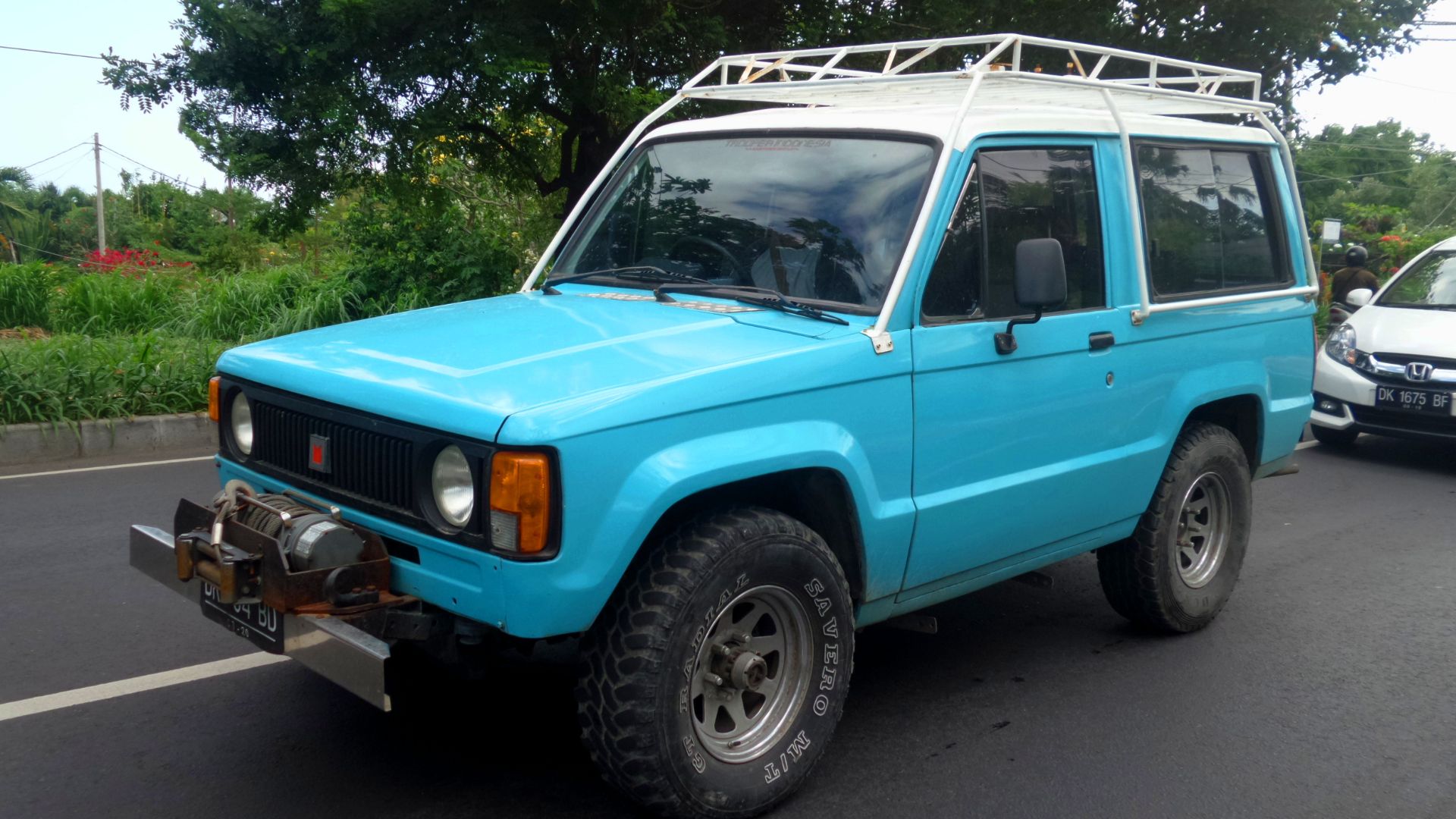
Isuzu Trooper
Concerns about rollover risk and stability testing controversies placed the Trooper in the spotlight. The debate fueled improvements in standardized SUV testing procedures.
 Sabung.hamster aka Everyone Sinks Starco aka BxHxTxCx, Wikimedia Commons
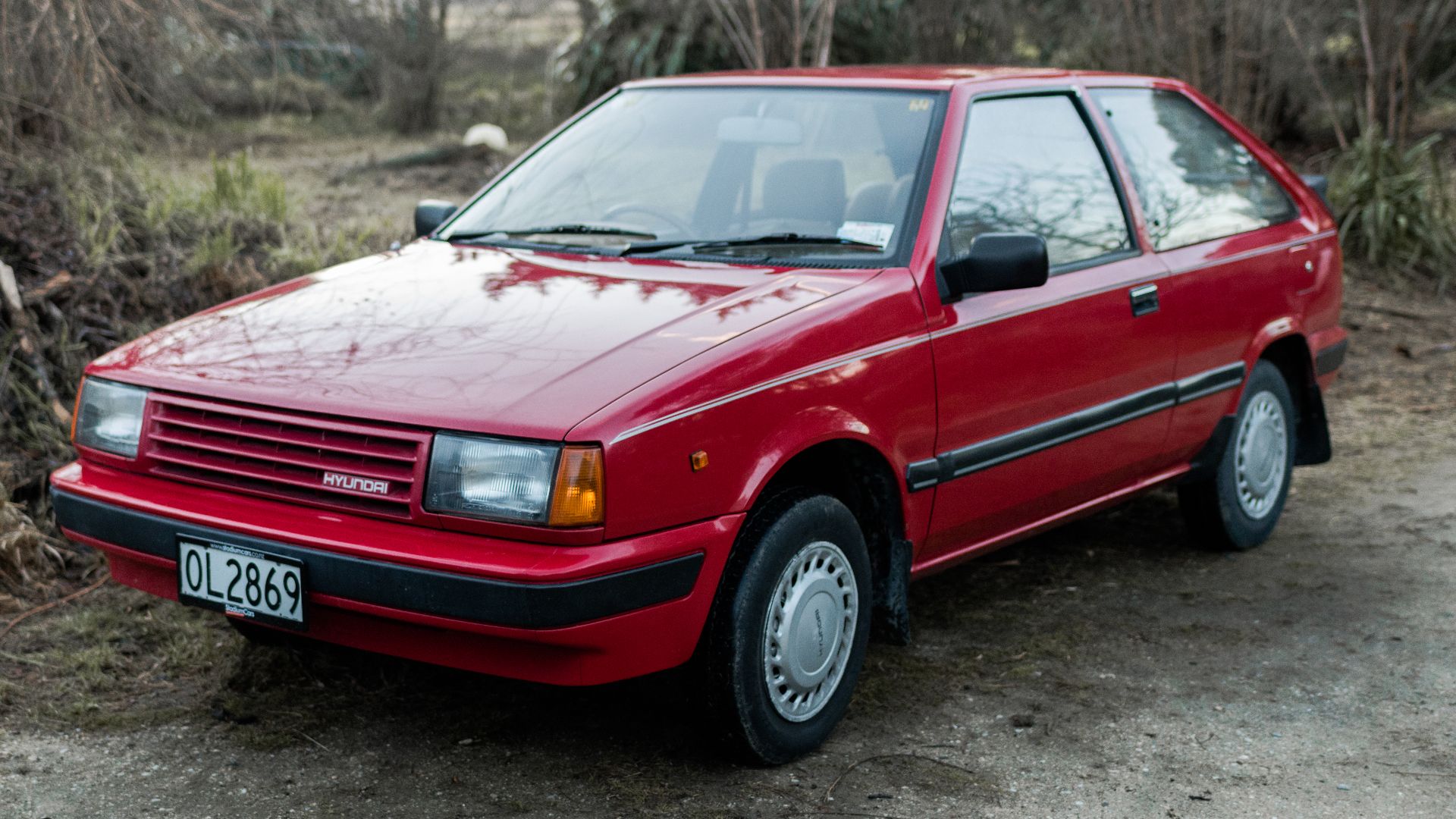
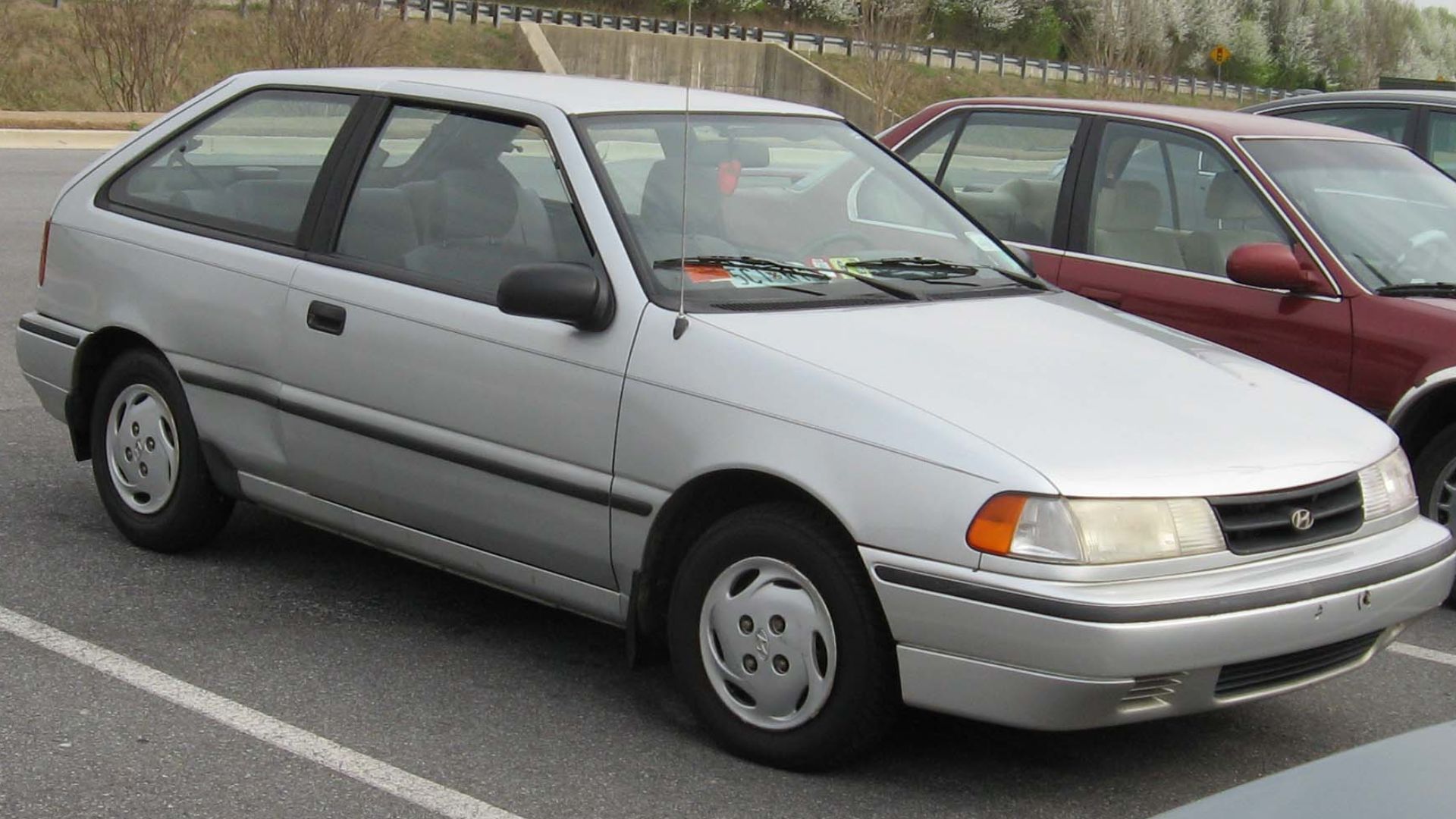
Hyundai Excel (Early U.S. Models)
Affordable but lightly built, early Excels struggled in crash tests. Their performance contributed to growing demand for higher minimum crashworthiness benchmarks.
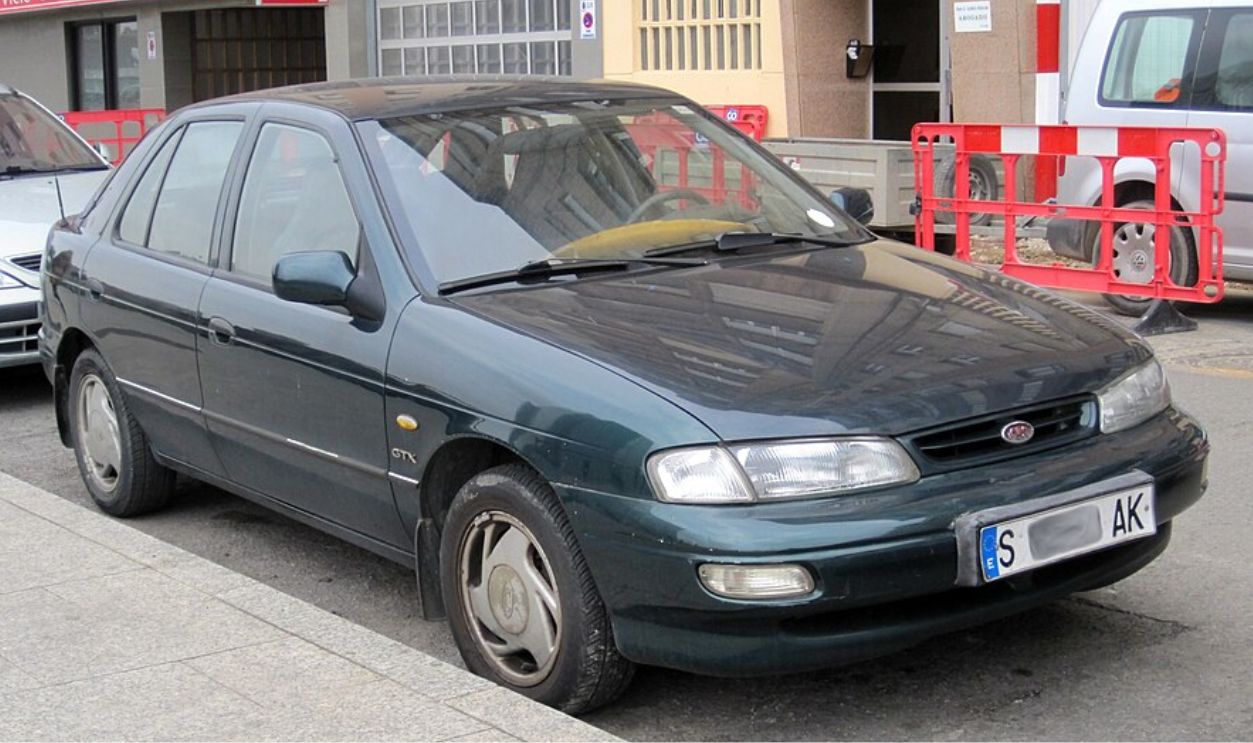
Kia Sephia (1990s Models)
Early crash test ratings exposed weaknesses in structural integrity. These findings pressured emerging automakers to meet stricter global safety expectations.
 Spanish Coches, CC BY 2.0, Wikimedia Commons
Chevrolet Corvair Greenbrier
The van variant of the Corvair inherited similar handling issues. Its design further emphasized the need for safer suspension systems and clearer stability standards.
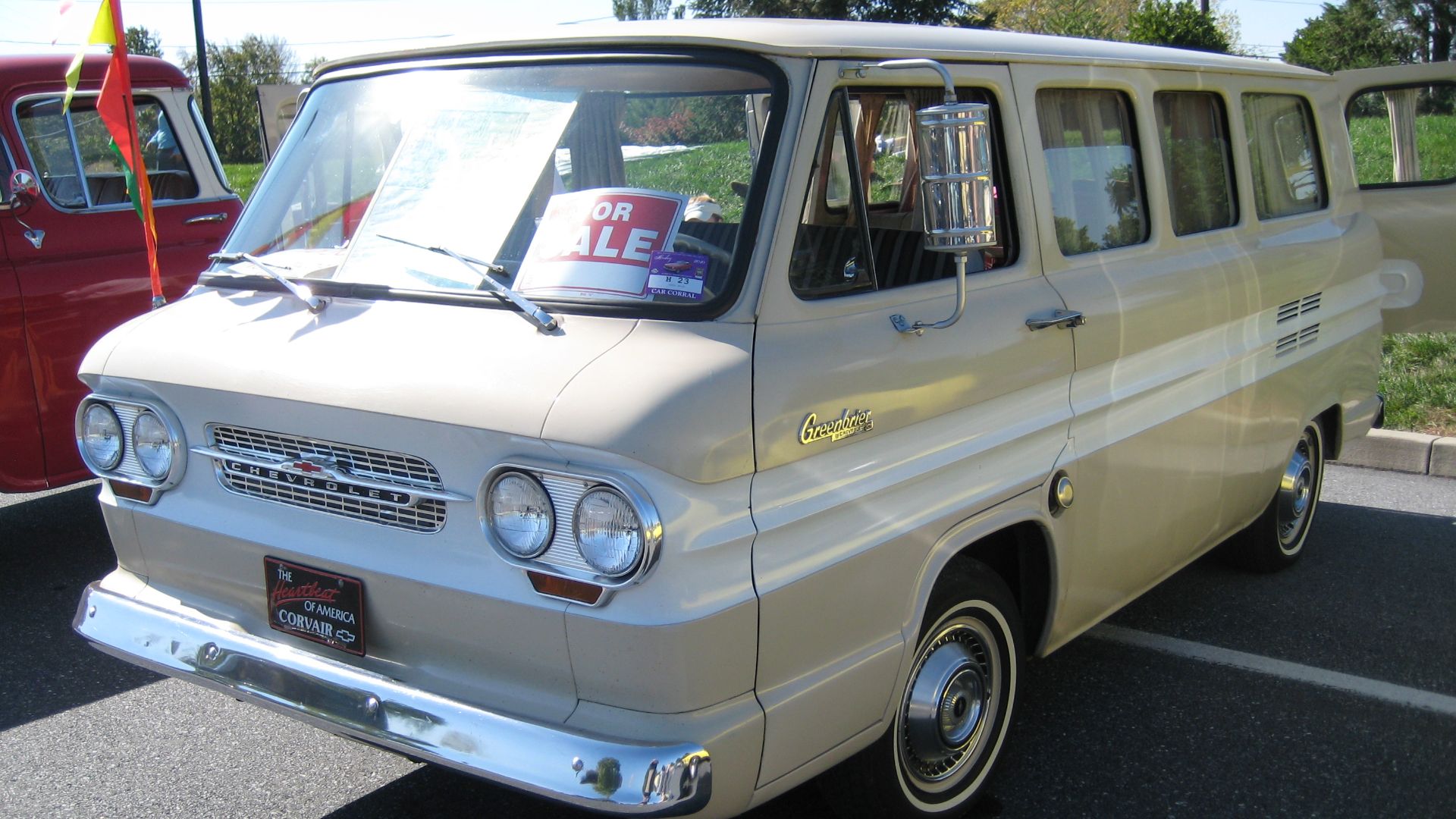 JOHN LLOYD from Concrete, Washington, United States, Wikimedia Commons
Ford Model T
The Model T revolutionized transportation—but safety simply wasn’t part of the equation. No seatbelts. No crash structure. No safety glass in early versions. Its simplicity serves as a reminder of how far regulations have come—and why they became necessary in the first place.
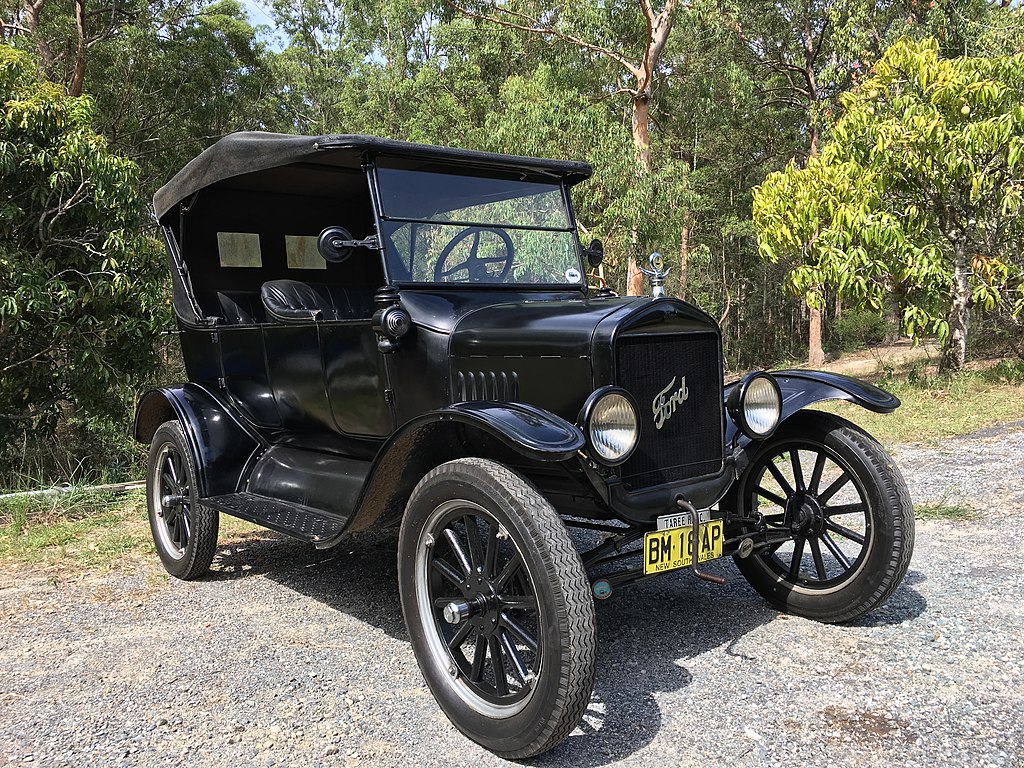 ModelTMitch, CC BY-SA 4.0, Wikimedia Commons
The Legacy Of Hard Lessons
Every regulation in your owner’s manual is written in response to something that went wrong. From fuel tank fires to rollover crises and structural failures, these cars forced uncomfortable conversations that ultimately saved lives. Today’s vehicles are safer than ever—not because manufacturers suddenly became cautious, but because history demanded accountability. The road to modern safety standards was paved with hard lessons, and these cars are the reason we learned them.
You May Also Like:
The Chevy HHR SS: The Turbo Wagon Nobody Asked For

.jpg)


.jpg)
