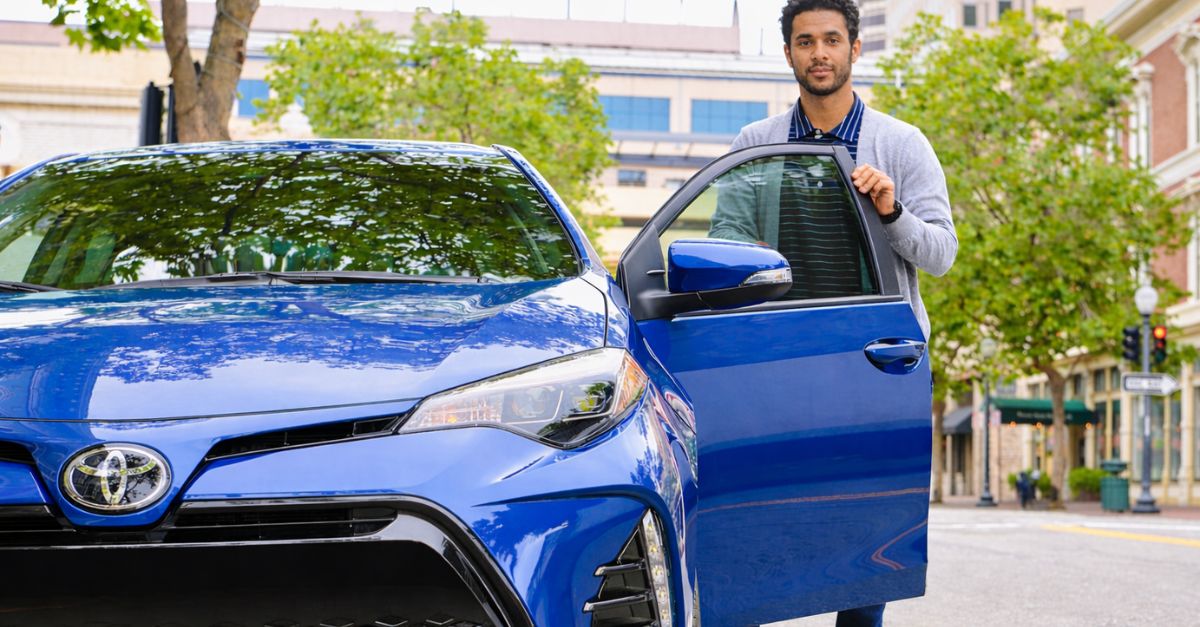
That Fresh-Car Feeling
There's nothing quite like climbing into a brand-new car and breathing in that distinctive smell. For generations, drivers have associated it with luxury, quality, and the excitement of a new purchase. But scientists have discovered something less appealing behind that familiar aroma, and automakers have good reasons to rethink it.
It's Not Actually A Fragrance
Despite what car air-freshener manufacturers might suggest, new car smell isn't a single scent. It's a cocktail of chemicals released by the materials used to manufacture vehicle interiors. Dashboard plastics, upholstery, carpets, insulation, adhesives, and seat foam all contribute to the unmistakable aroma that greets drivers when they open the door. The process responsible is called off-gassing, and it starts long before the car reaches the dealership.
The Chemistry Behind The Smell
Many interior components release substances known as volatile organic compounds, or VOCs. These chemicals can evaporate into the surrounding air at ordinary temperatures. Depending on the materials, the mixture may include compounds such as toluene, styrene, formaldehyde, and acetaldehyde.
Not every VOC is dangerous, and smelling something doesn't automatically mean you're being exposed to harmful concentrations. Nevertheless, some compounds found in vehicle cabins are associated with irritation and more serious health concerns.
What Scientists Have Discovered
In a 2023 study published in Cell Reports Physical Science, researchers monitored the air inside a new vehicle over 12 days. They measured 20 common VOCs and found that concentrations of formaldehyde and acetaldehyde sometimes exceeded the guideline limits used for comparison.
The findings raised concerns about prolonged exposure, particularly for people who spend many hours driving. However, the study examined one vehicle, and its modeled health risks shouldn't be interpreted as proof that every new car is dangerous.

Hot Weather Makes It Worse
Ever notice how that new car smell becomes stronger after your vehicle has been parked in the sunshine? There's a scientific explanation. Higher temperatures encourage interior materials to release chemicals more rapidly.
Researchers found that the temperature of the materials themselves, rather than simply the cabin air temperature, was particularly important. A dashboard baking beneath the windshield can become much hotter than the surrounding air, increasing chemical emissions even when nobody is inside the vehicle.
Automakers Are Rethinking Materials
Manufacturers have been working to reduce these emissions for years. Toyota has documented efforts to develop lower-emission adhesives, interior paints, and upholstery materials, while Volvo has used simulated sunlight to measure chemical emissions from heated cabins.
The goal isn't simply to eliminate an unpleasant odor. It's to reduce the release of potentially harmful substances without sacrificing the durability, comfort, or appearance customers expect from a new vehicle.
A New Generation Of Interiors
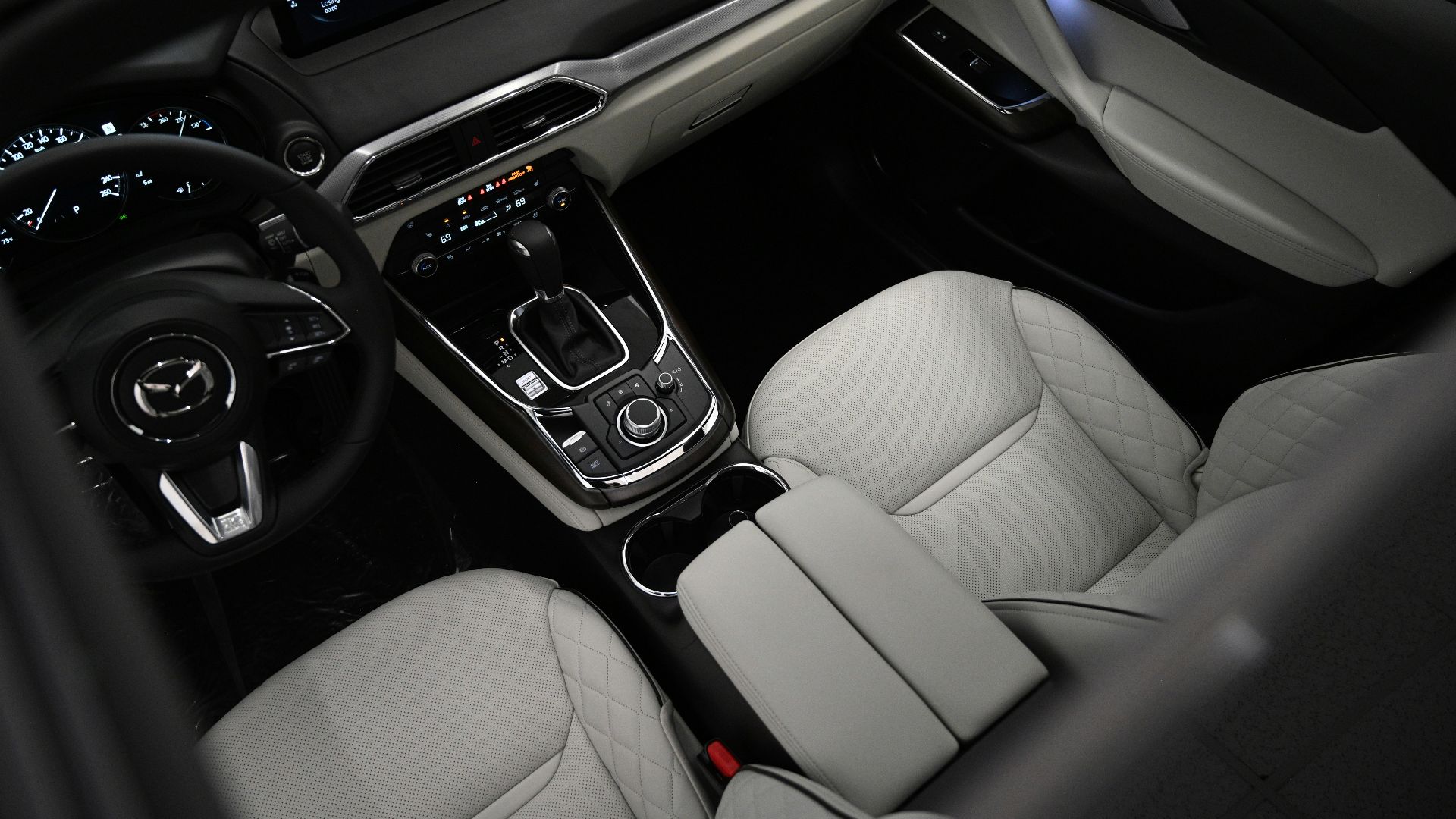
Automotive suppliers are developing alternatives to traditional interior materials. BASF, for example, produces lower-VOC polyurethane formulations suitable for dashboards, door panels, seating, and acoustic foam. Meanwhile, 3M offers lower-emission tapes and water-based adhesives for interior assembly.
These changes can help reduce chemical emissions at their source. However, a material described as low-VOC isn't necessarily completely emission-free, and manufacturers must still evaluate the finished cabin.
Even Smells Get Tested
Believe it or not, automakers employ specialists to evaluate how their vehicles smell. Volvo has described using trained evaluators to assess cabin odors after cars are heated under simulated sunlight.
The automotive industry also has standardized procedures for assessing odors from interior materials. SAE International's hot-odor testing practice helps manufacturers compare materials under controlled conditions. That means the smell of a new car can be evaluated almost as carefully as its appearance.
What Drivers Can Do
If you've recently purchased a new vehicle, there's no reason to panic. Exposure depends on the particular chemicals, their concentrations, and how long you're breathing them. Nevertheless, simple precautions can help.
Ventilate the cabin with fresh outside air, particularly after the vehicle has been sitting in the sun. Parking in the shade and using a windshield sunshade can also help limit interior temperatures. Avoid relying on heavily scented air fresheners to cover up chemical odors.
The Future Smells Different
New car smell has long symbolized the excitement of ownership, but its appeal may gradually fade as interior materials improve. Future vehicles might have less of that familiar chemical aroma, and that's not necessarily a bad thing.
After all, the best thing about a new car should be how it drives, not the chemicals passengers can smell inside it.
You May Also Like:
Car Features Drivers Paid Extra For 20 Years Ago That You'd Struggle To Find On A New Car Today
Things That Can Make A New Car More Expensive To Own Than Its Sticker Price Suggests