Getting Your First Car Was A Whole Different Experience
Remember getting the keys to your very first car? Back in the 1970s, owning a car meant learning a whole lot more than just driving. You practically had to become your own mechanic, navigator, and roadside rescue service. Today's young drivers might not believe half the things Baby Boomers had to know just to keep their cars running.
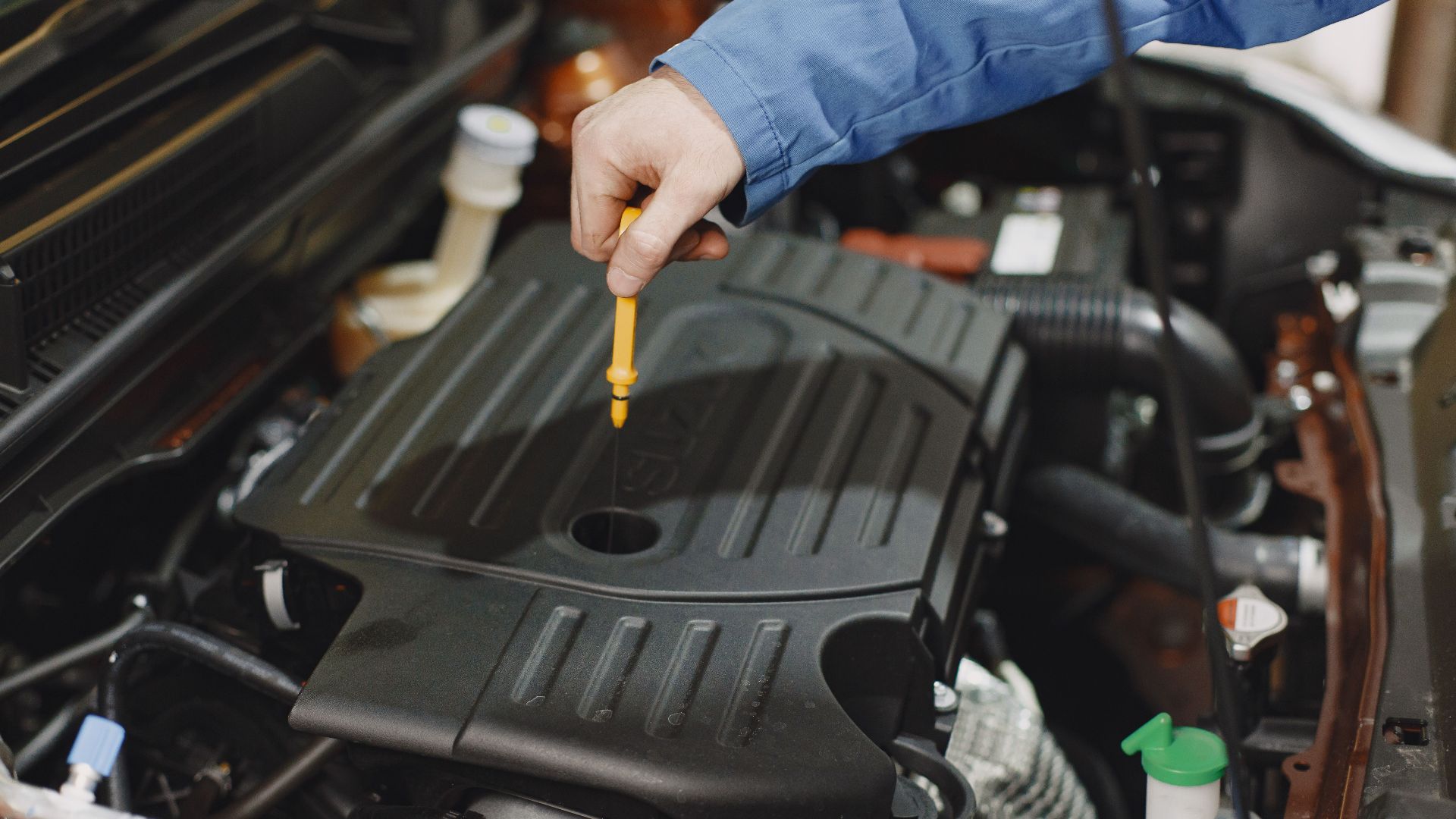
Checking The Oil Before Every Long Drive
Before heading out on a road trip, you popped the hood and pulled out the dipstick. Checking the oil was second nature, especially if you drove an older car that burned a little between changes. Forgetting could mean serious engine trouble, and nobody wanted that repair bill.
Knowing How To Pump The Gas Pedal
Starting a cold engine wasn't always as simple as turning the key. Many cars needed a carefully timed press or two of the accelerator to set the automatic choke. Too much pumping could flood the engine. Learning your particular car's starting routine was practically a rite of passage.
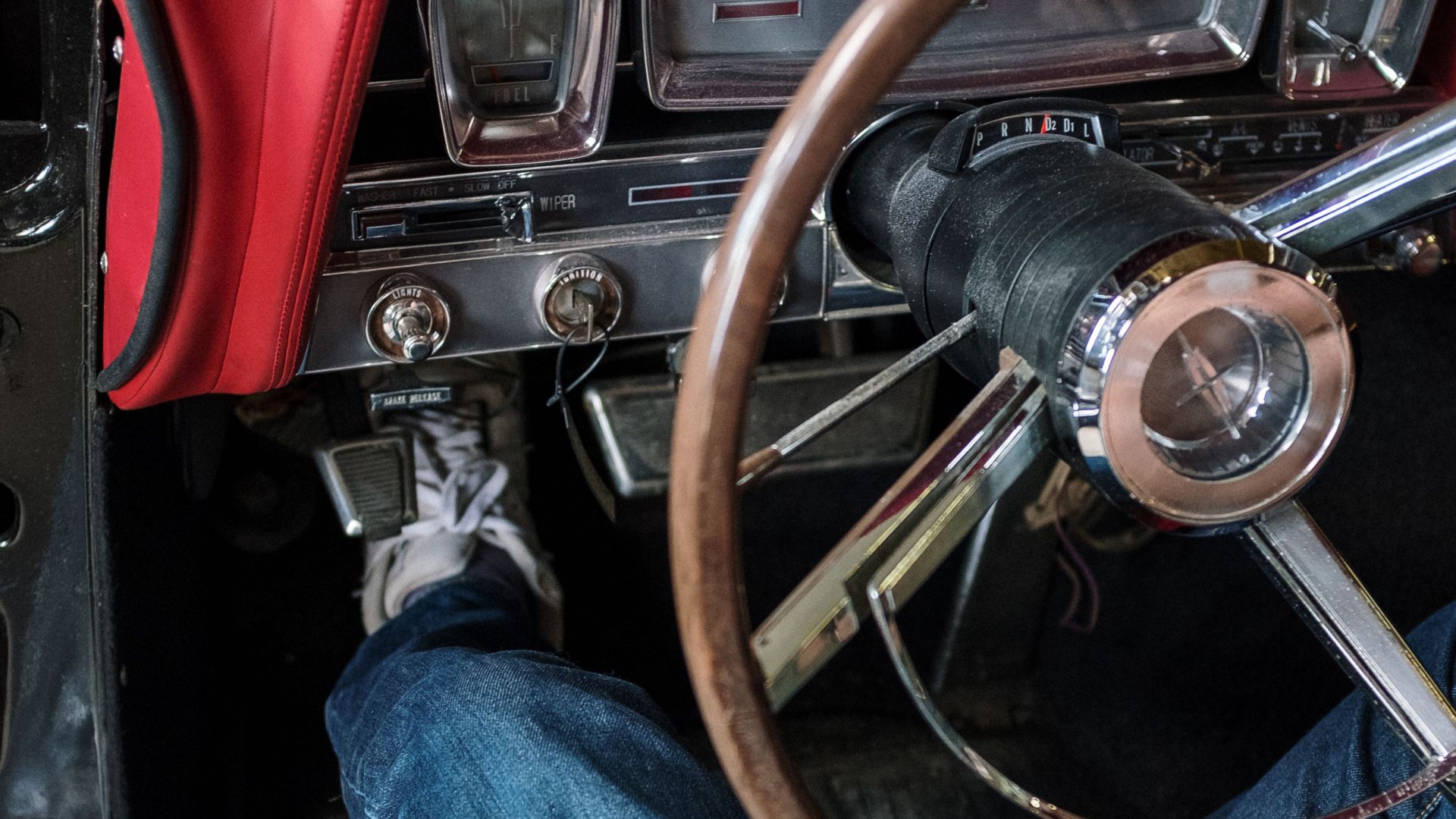
Learning To Drive A Manual Transmission
Three-speed and four-speed manual transmissions were familiar territory for many young drivers. You had to coordinate the clutch, accelerator, and gearshift without stalling at every stoplight. And if you learned on a car with a column-mounted shifter, you probably still remember the famous "three-on-the-tree."
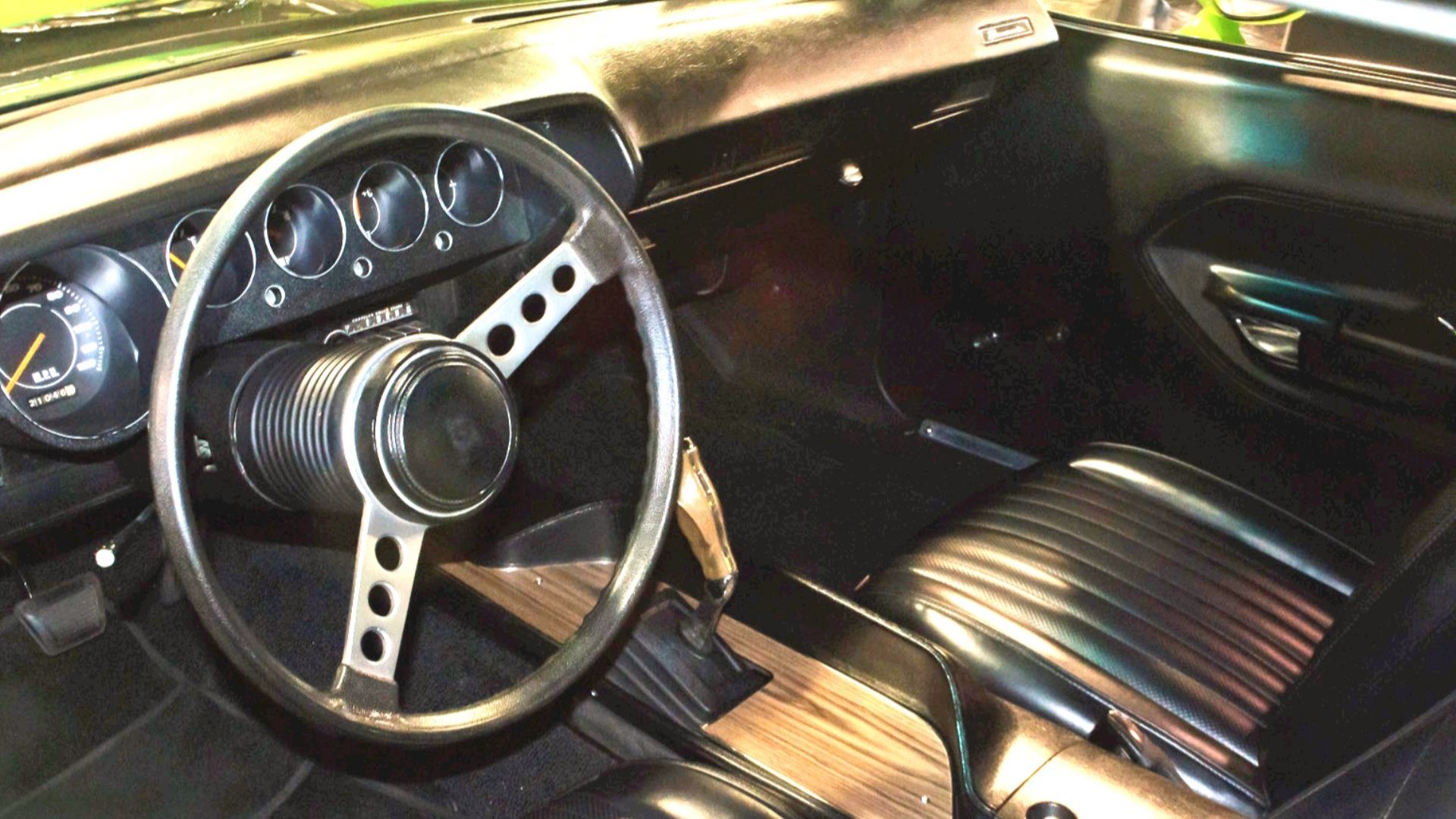 InSapphoWeTrust from Los Angeles, California, USA, Wikimedia Commons
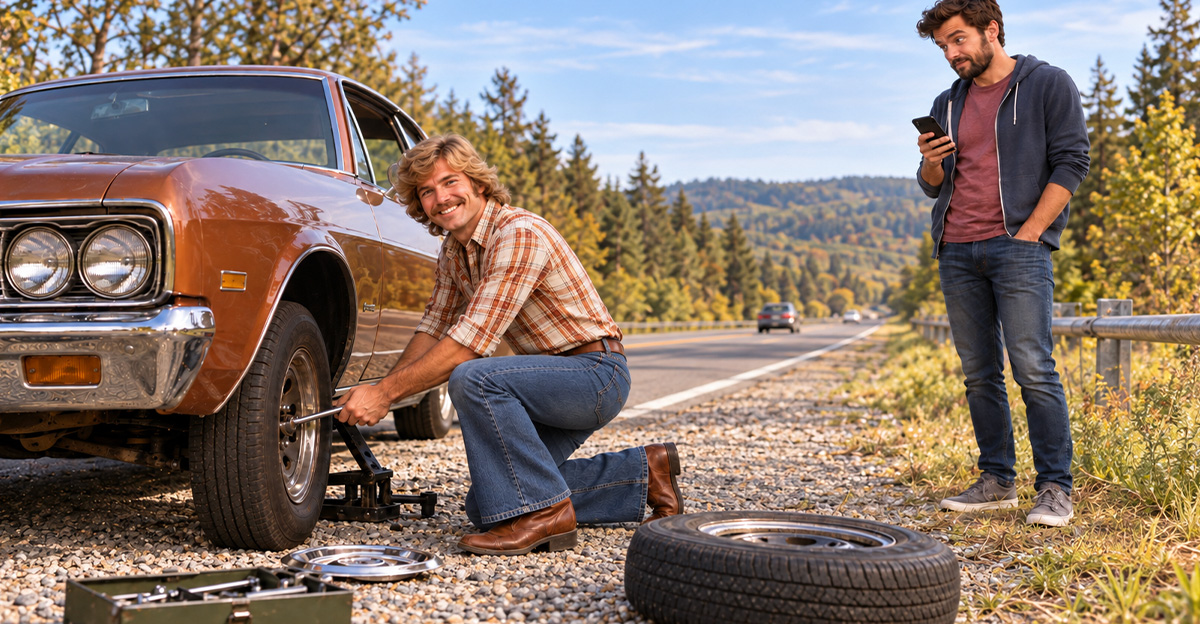
Changing A Flat Tire Yourself
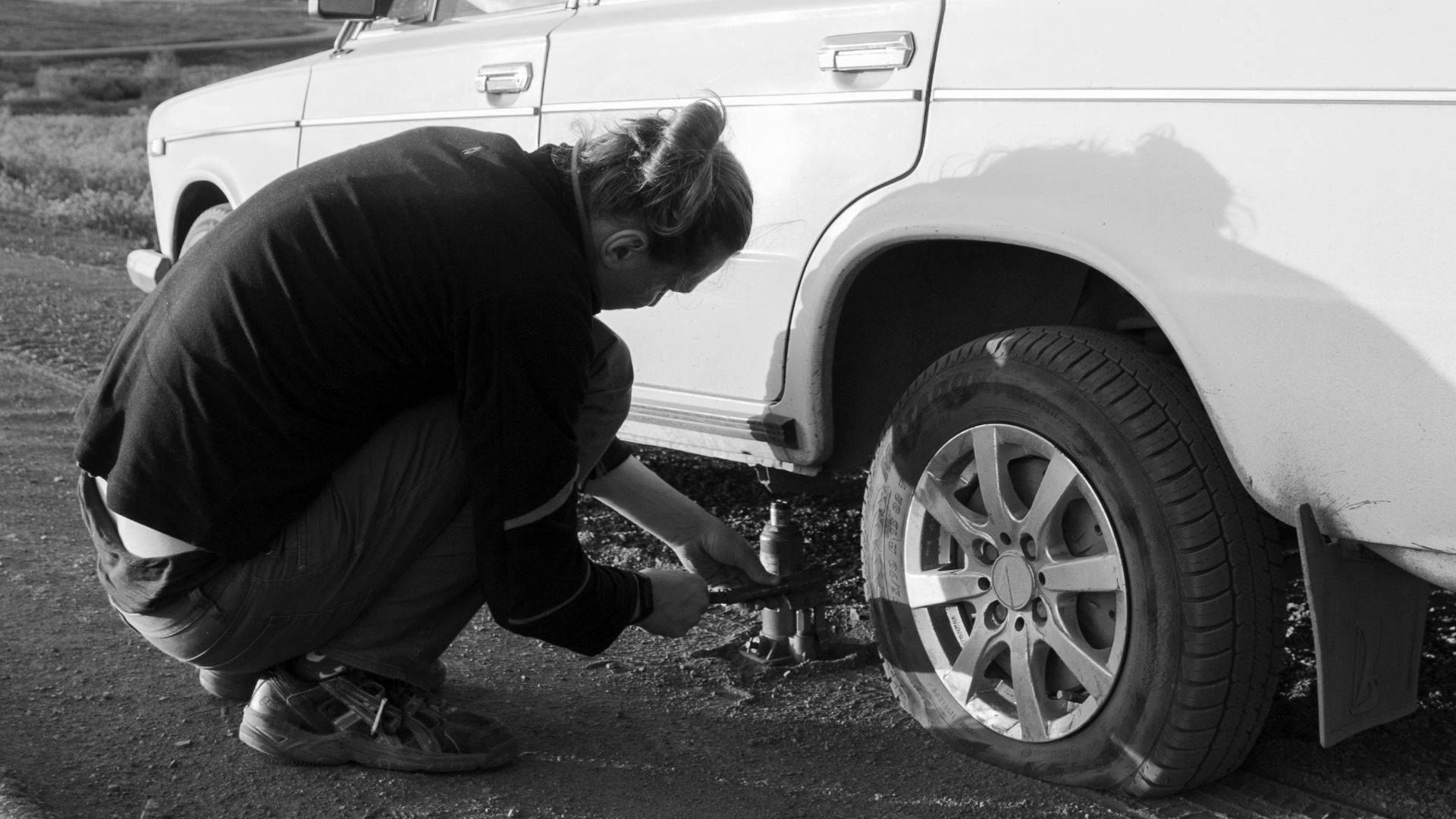
Getting a flat tire meant pulling over, opening the trunk, and getting your hands dirty. You were expected to know how to use a jack, loosen lug nuts, and install the spare. Calling someone for help wasn't always practical, especially when the nearest payphone was miles away.
Learning How To Jump-Start A Dead Battery
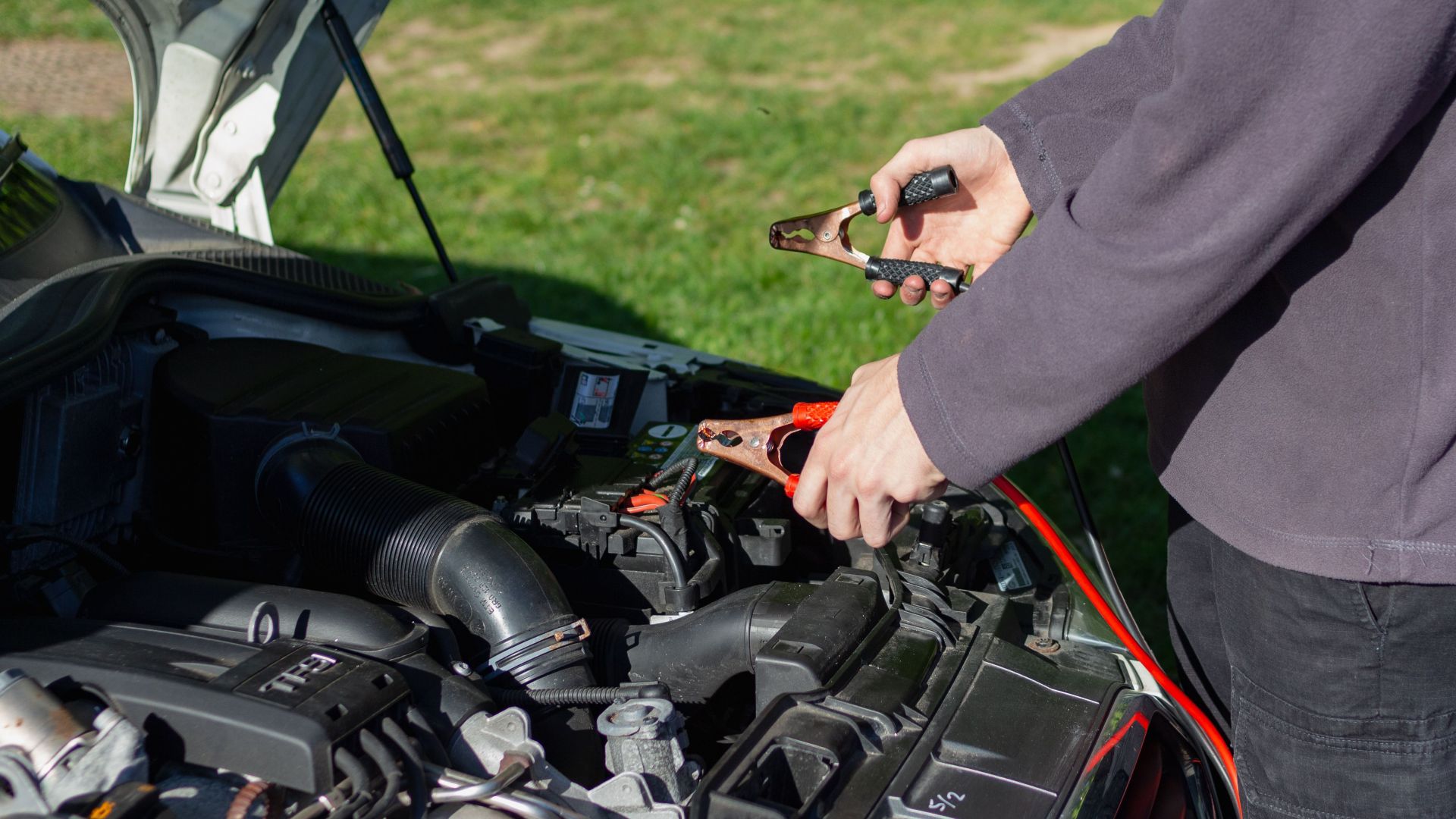
A set of jumper cables was practically standard equipment in many family trunks. You learned how to recognize a weak battery and find someone willing to help. There was no portable lithium jump starter waiting in the glove compartment. You needed another car and someone who knew what they were doing.
 Daniel @ bestjumpstarterreview.com, Pexels
Keeping A Toolbox In The Trunk
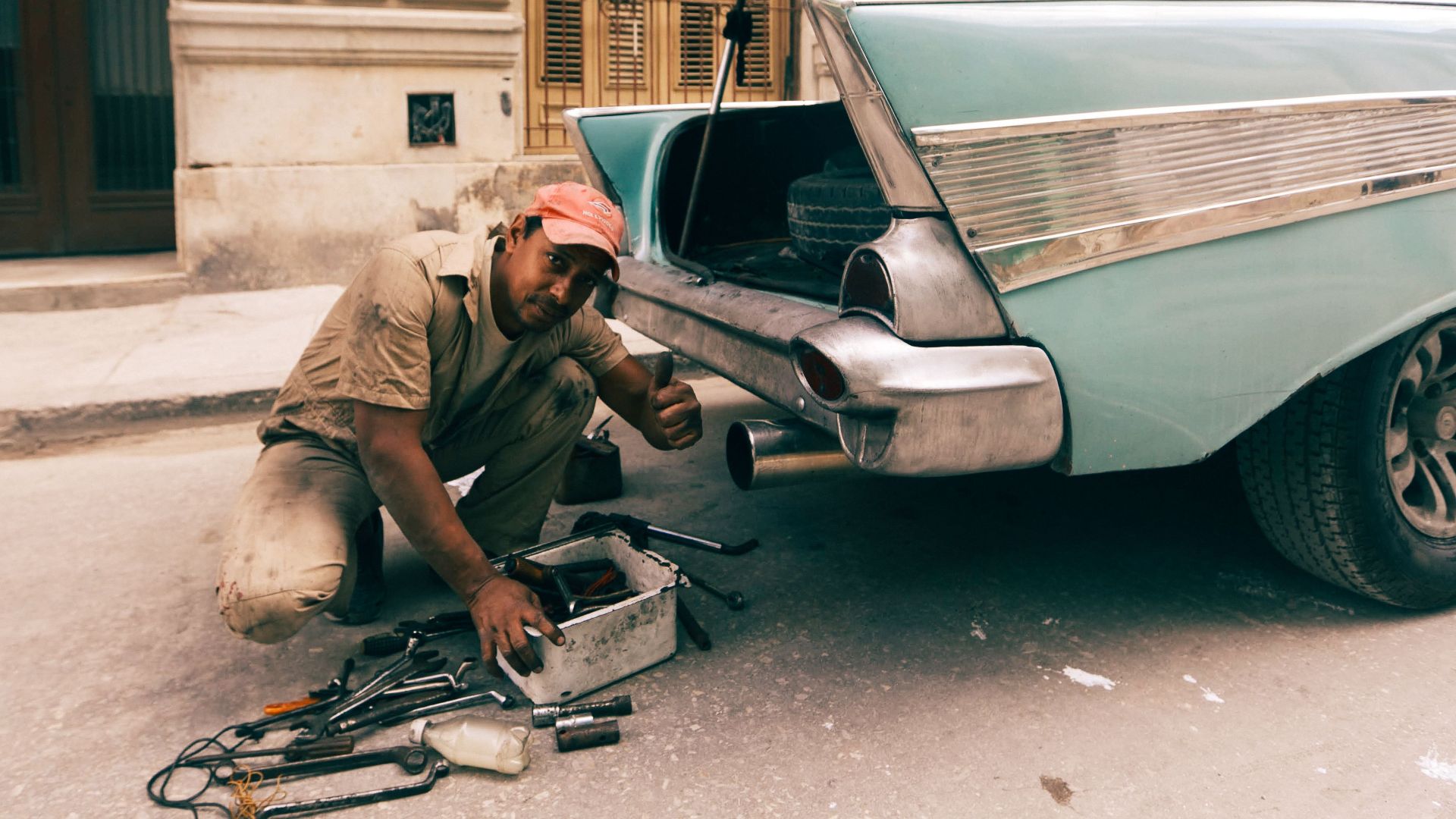
A few wrenches, screwdrivers, pliers, and a flashlight could make the difference between getting home and spending the night stranded. Many first-time car owners carried basic tools everywhere. If something rattled loose, you had a fighting chance of fixing it yourself rather than calling a tow truck.
Checking The Battery's Water Level
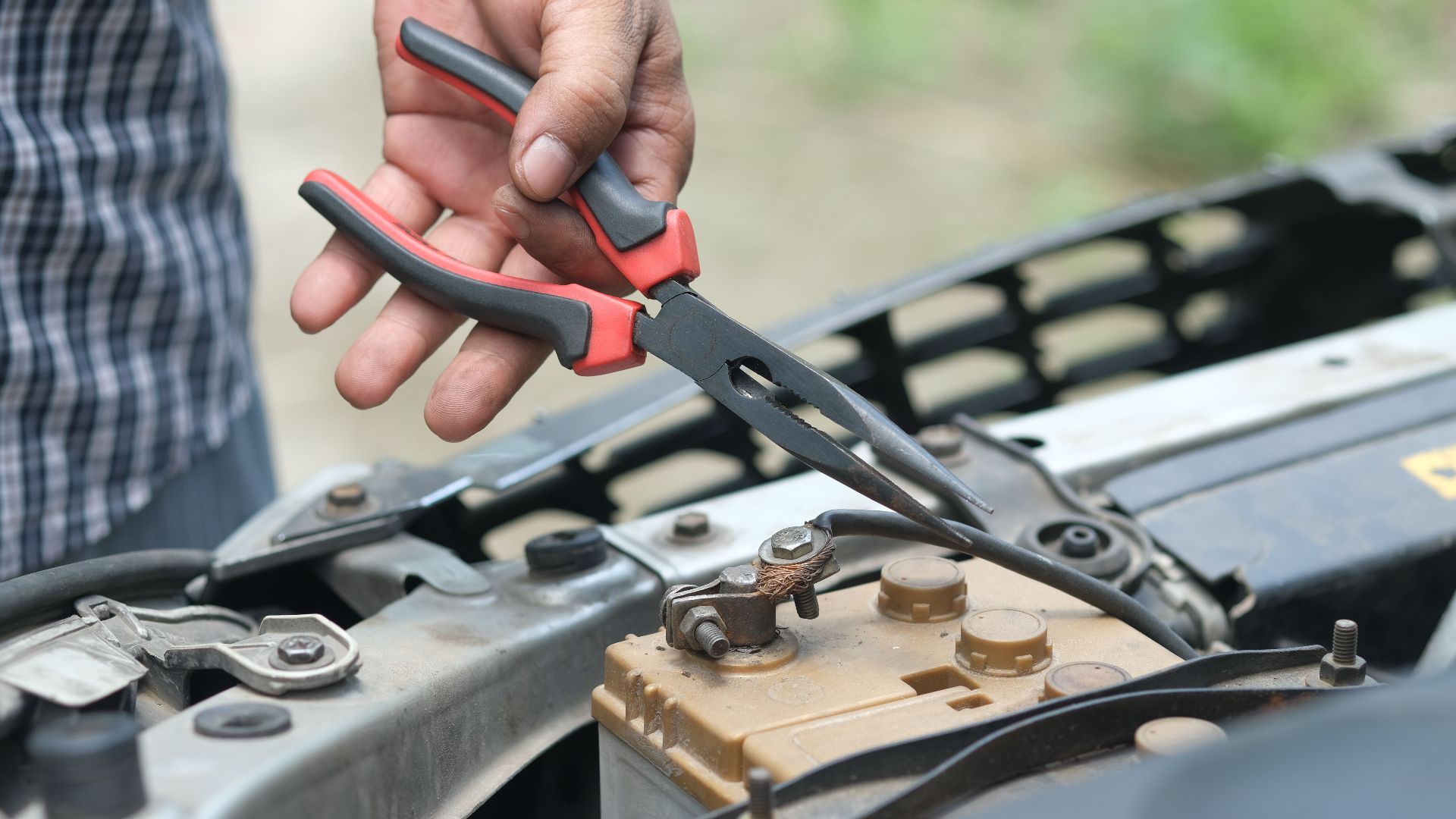
Many older car batteries had removable caps and needed occasional attention. Drivers learned to check the electrolyte level and top up serviceable batteries with distilled water when necessary. Modern maintenance-free batteries have made this ritual far less familiar. Back then, battery care could be another weekend chore.
Understanding What A Carburetor Did
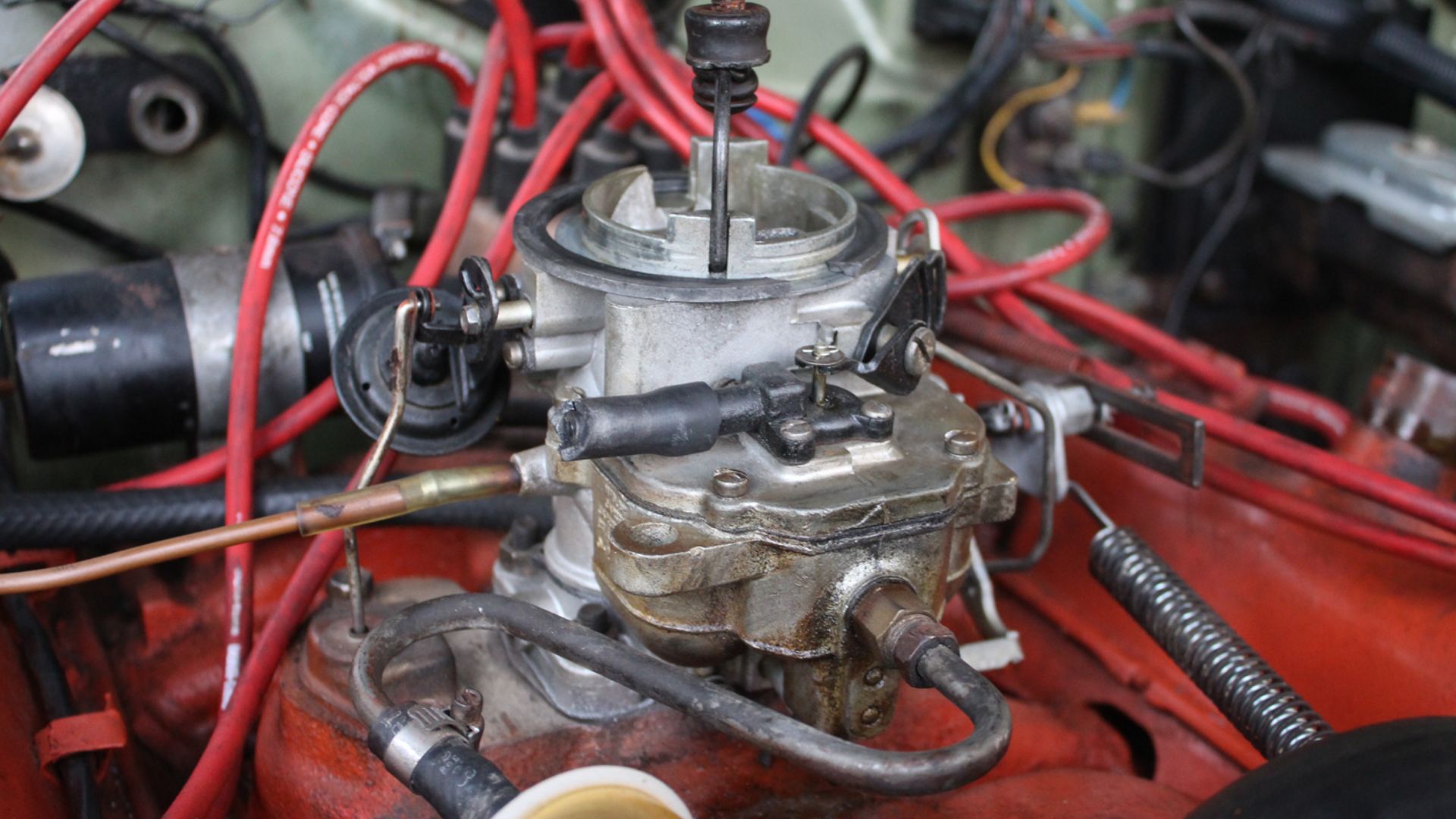
Before electronic fuel injection became commonplace, carburetors handled the job of mixing gasoline and air. Young drivers with mechanically temperamental cars learned about rough idling, hesitation, and flooding. You didn't necessarily know how to rebuild a carburetor, but you soon discovered how much trouble one could cause.
Changing Your Own Spark Plugs
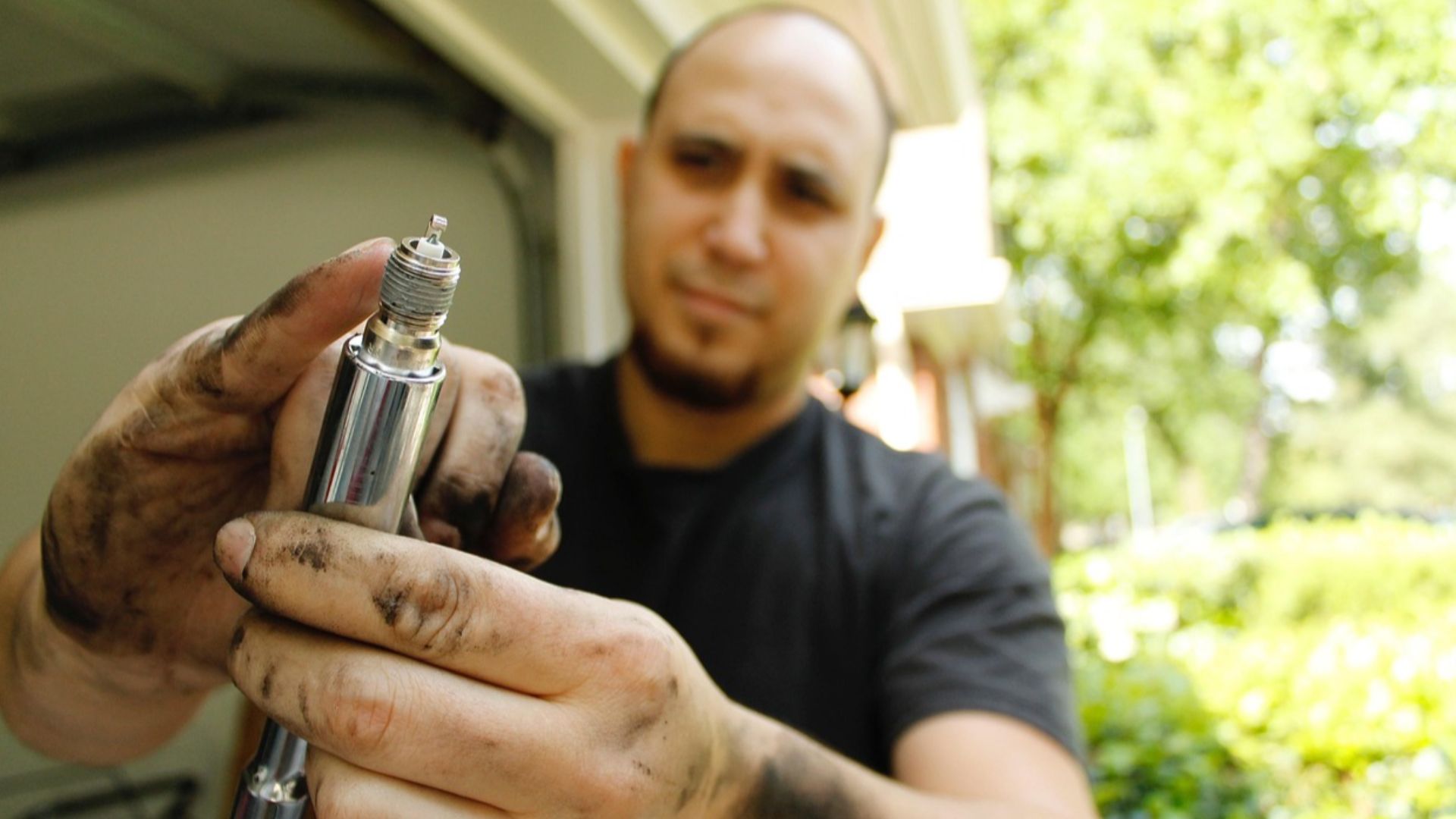
Spark plugs were a common part of routine tune-ups. Plenty of young car owners learned to remove old plugs, check the gaps, and install replacements. It wasn't especially glamorous, but getting a rough-running engine to behave again could make you feel like a professional mechanic.
Setting The Ignition Points
On older vehicles with breaker-point ignition systems, the points inside the distributor needed periodic adjustment or replacement. A feeler gauge became a useful little tool. Electronic ignition increasingly replaced these systems during the 1970s, but owners of older first cars still had to understand them.
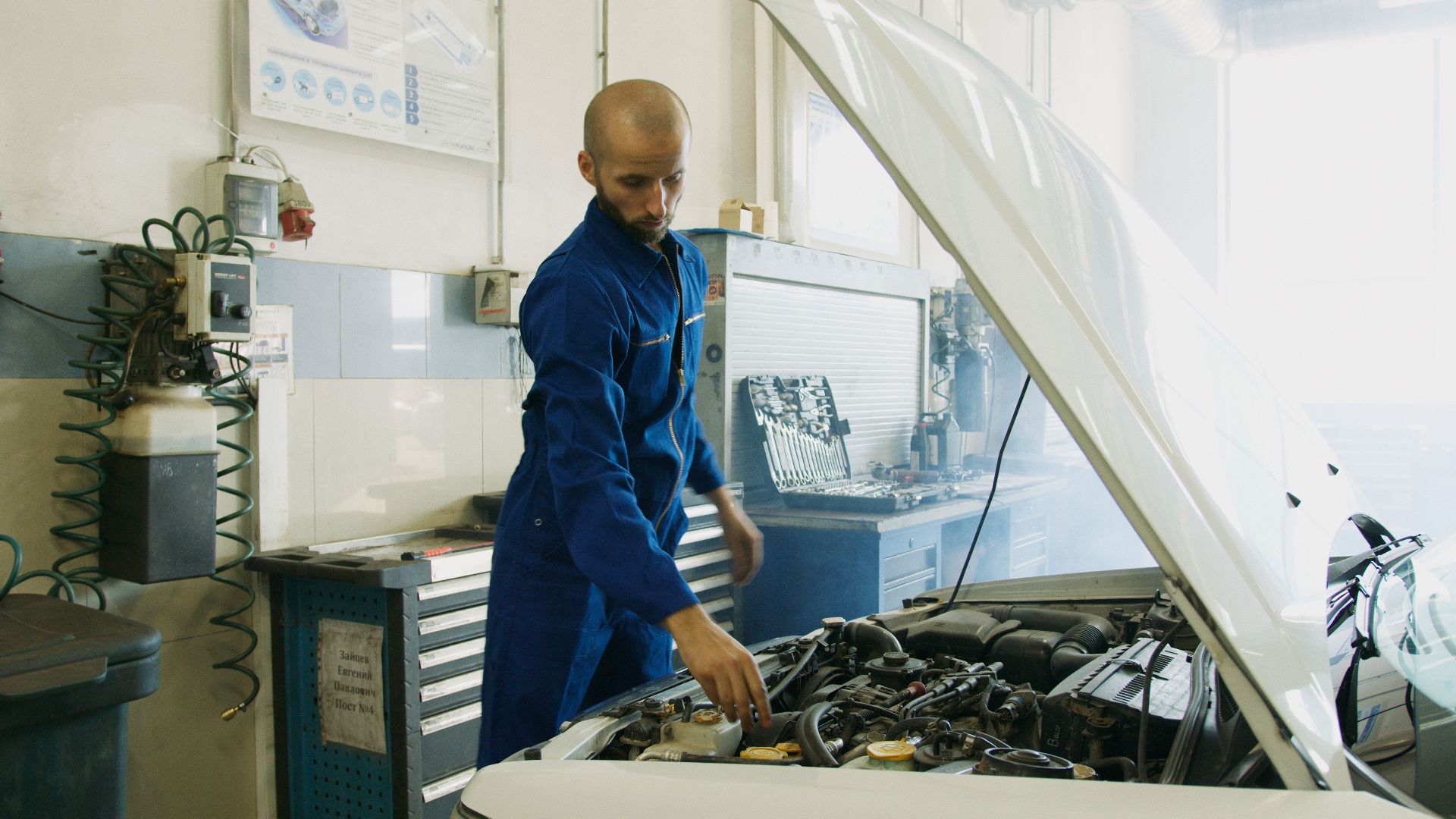
Knowing What To Do When Your Engine Overheated
Watching the temperature gauge climb could ruin an otherwise perfect summer drive. Young drivers learned to recognize overheating, pull over safely, and let the engine cool. Carrying extra coolant or water was common insurance. And opening a hot radiator cap? That was one lesson best learned without getting burned.

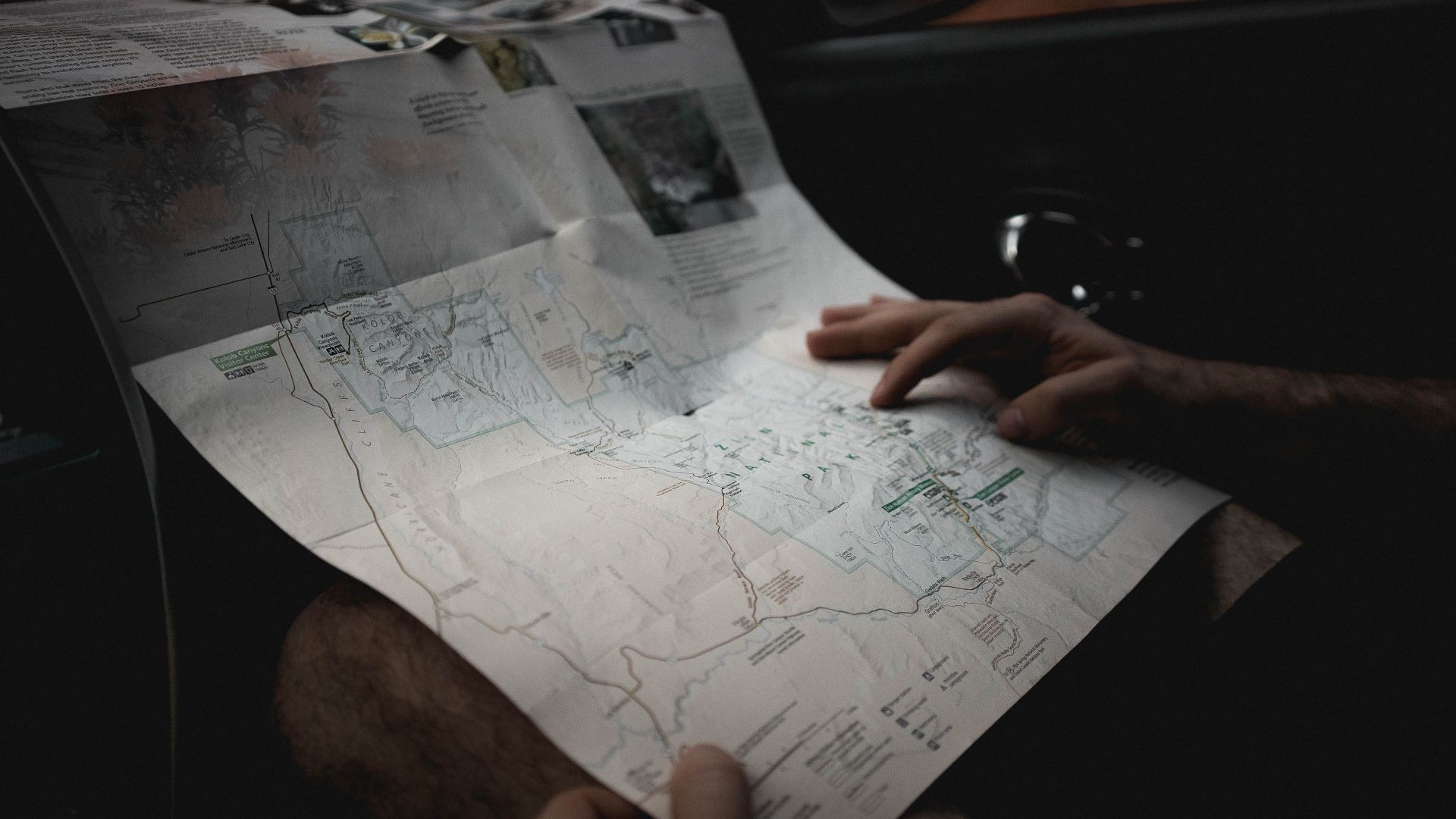
Reading A Paper Road Map
Before GPS and smartphones, directions came from road atlases, folded highway maps, and handwritten notes. Miss a turn and you might spend the next half-hour figuring out where you went wrong. AAA maps were road-trip essentials, and the person riding shotgun often became the family's official navigator.
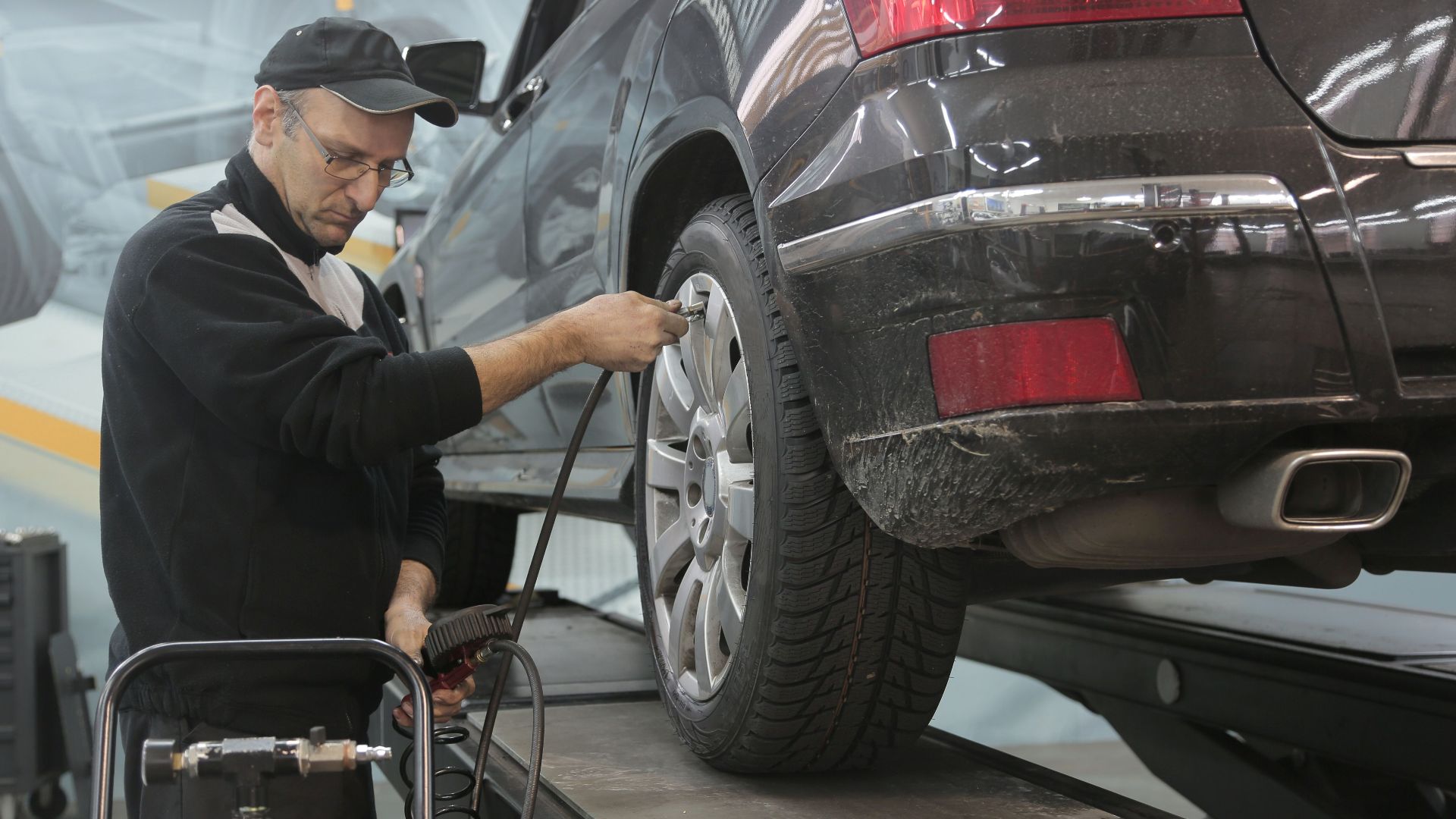
Knowing How To Read A Tire Pressure Gauge
Keeping tires properly inflated meant checking them yourself with a little handheld gauge. You couldn't rely on a dashboard display to tell you which tire needed air. Drivers learned to find the recommended pressure and check their tires regularly, often while stopping at a gas station.
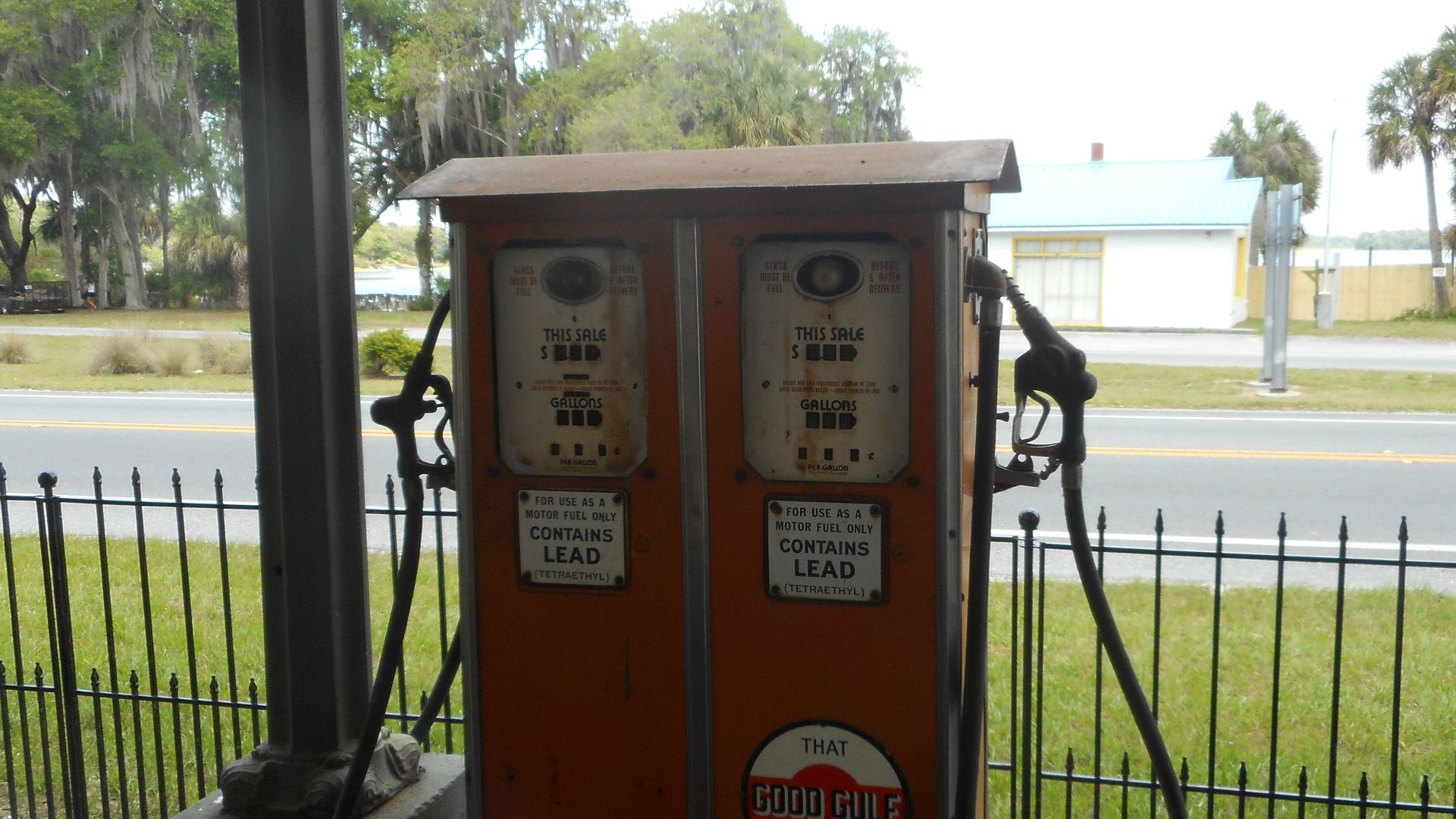
Understanding Leaded And Unleaded Gasoline
During the 1970s, gasoline choices were changing. Older cars frequently used leaded fuel, while many new American cars from the 1975 model year had catalytic converters requiring unleaded gasoline. Choosing the right pump suddenly mattered for more than price, and young drivers had to pay attention.
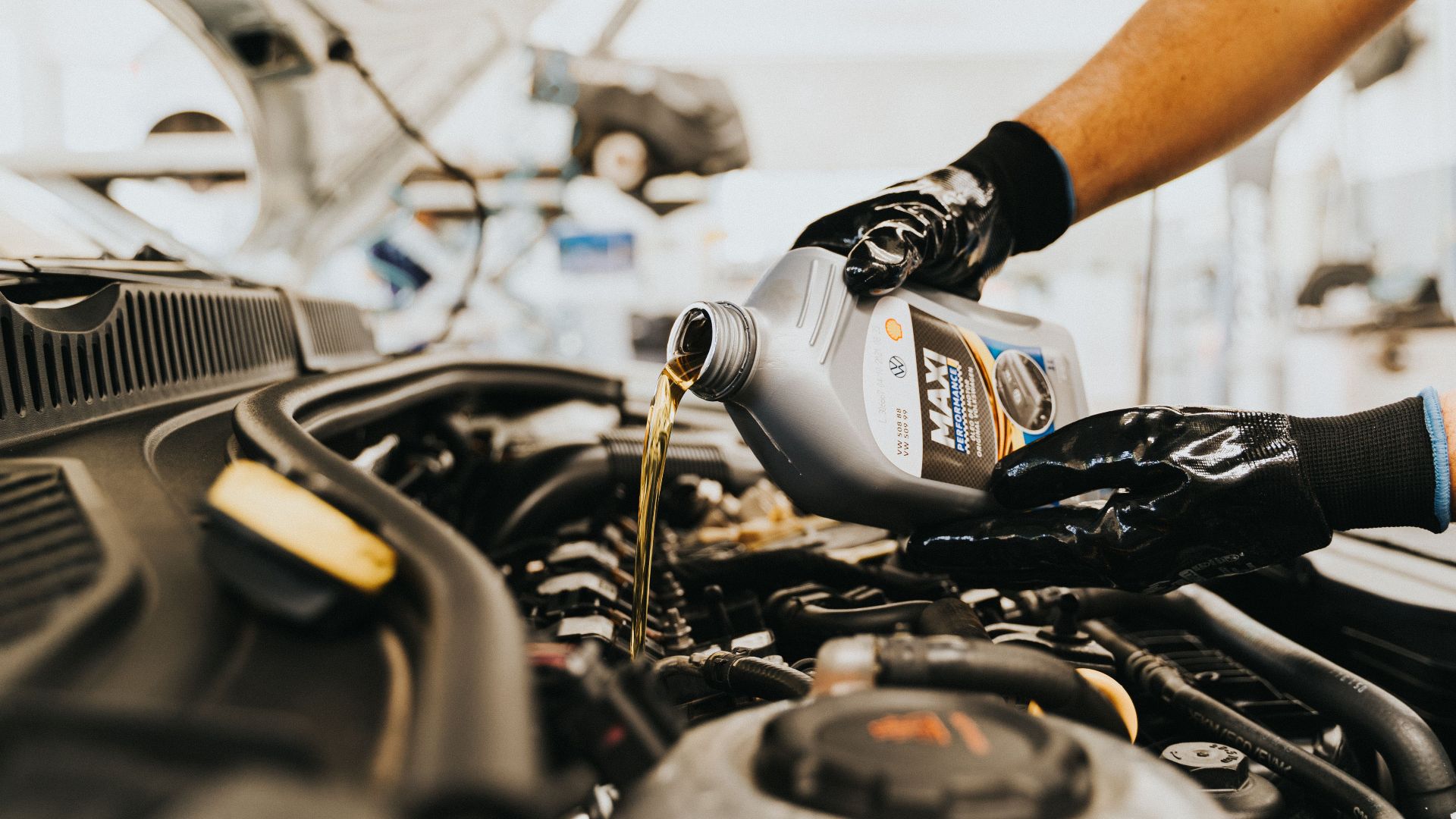
Remembering To Change The Oil Regularly
Oil changes were a major part of keeping an older car alive. Many drivers followed 3,000-mile intervals, although manufacturer recommendations varied. Some tackled the messy job themselves, armed with a drain pan and a wrench. Others visited their neighborhood mechanic, who probably knew their car by heart.
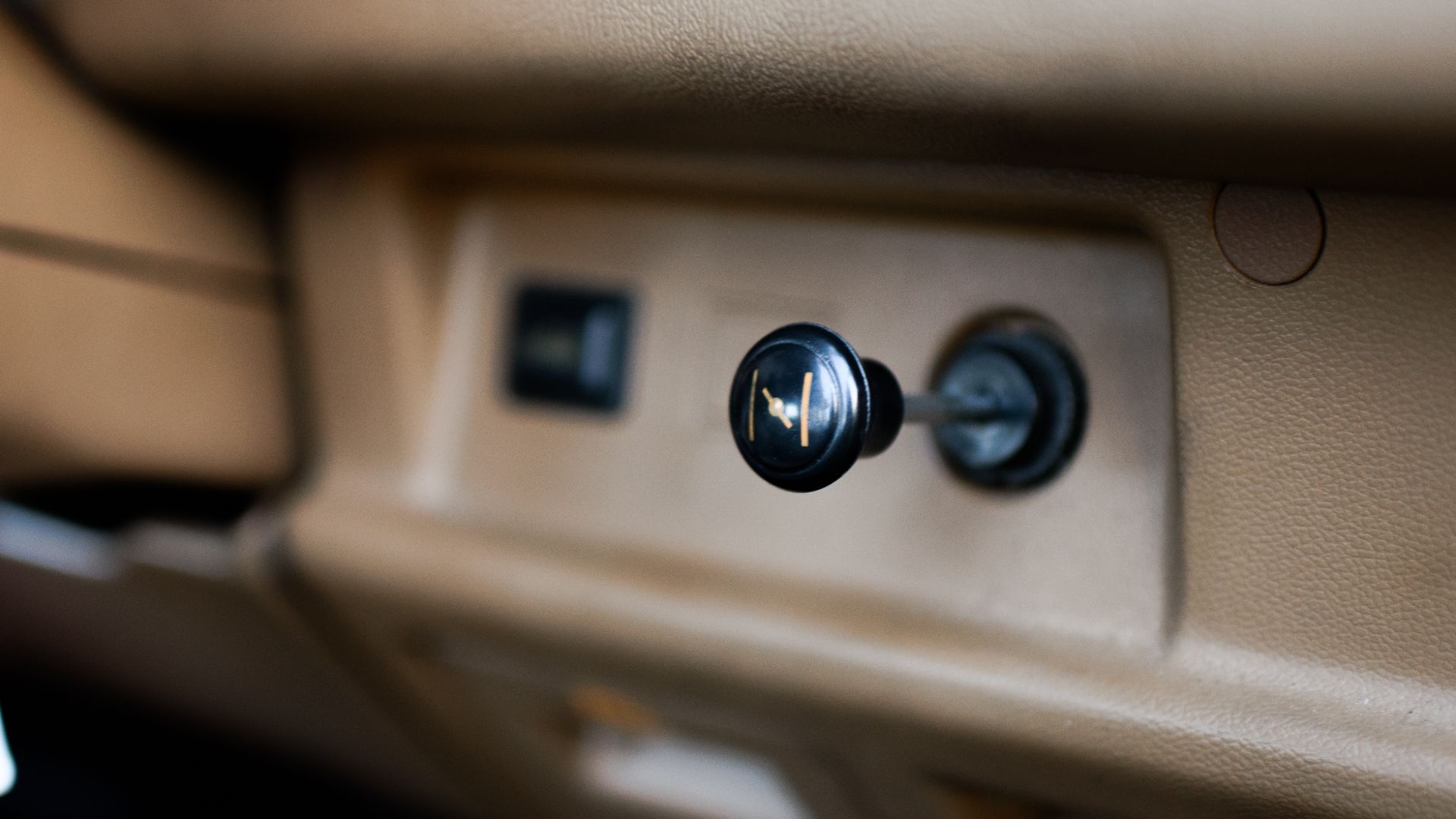
Learning How To Adjust A Choke
Some older cars, particularly those with manual chokes, required drivers to operate a dashboard control during cold starts. Pull it out, start the engine, and gradually push it back as things warmed up. Get the mixture wrong and the engine might stall or run terribly. Modern drivers rarely encounter this routine.
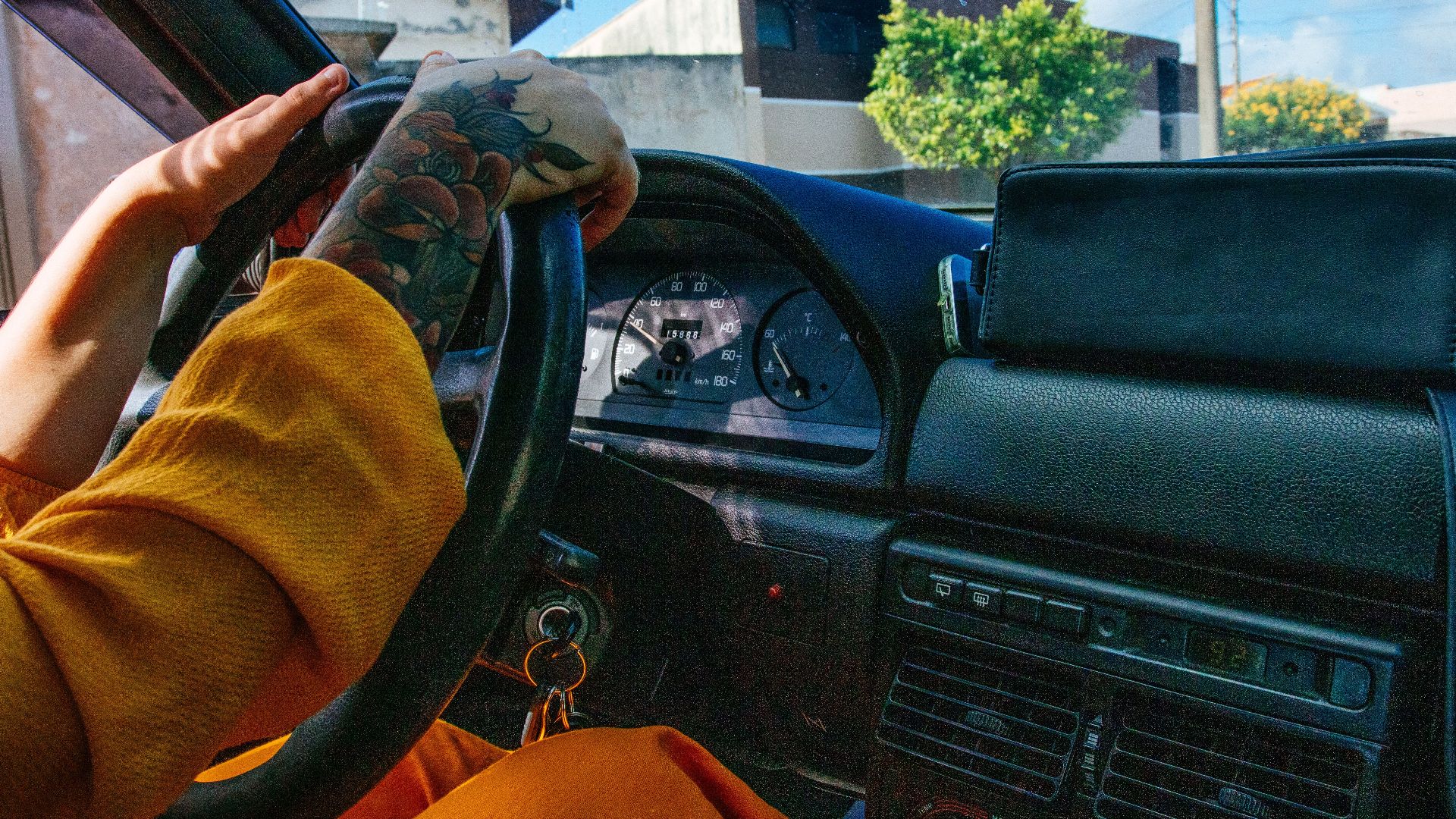
Getting Used To Driving Without Power Steering
Power steering wasn't standard on every affordable car, especially older models handed down to teenagers. Parking could become a serious upper-body workout. Turning the steering wheel at a standstill took real effort. Once the car started rolling, steering became easier, but parallel parking still required determination.
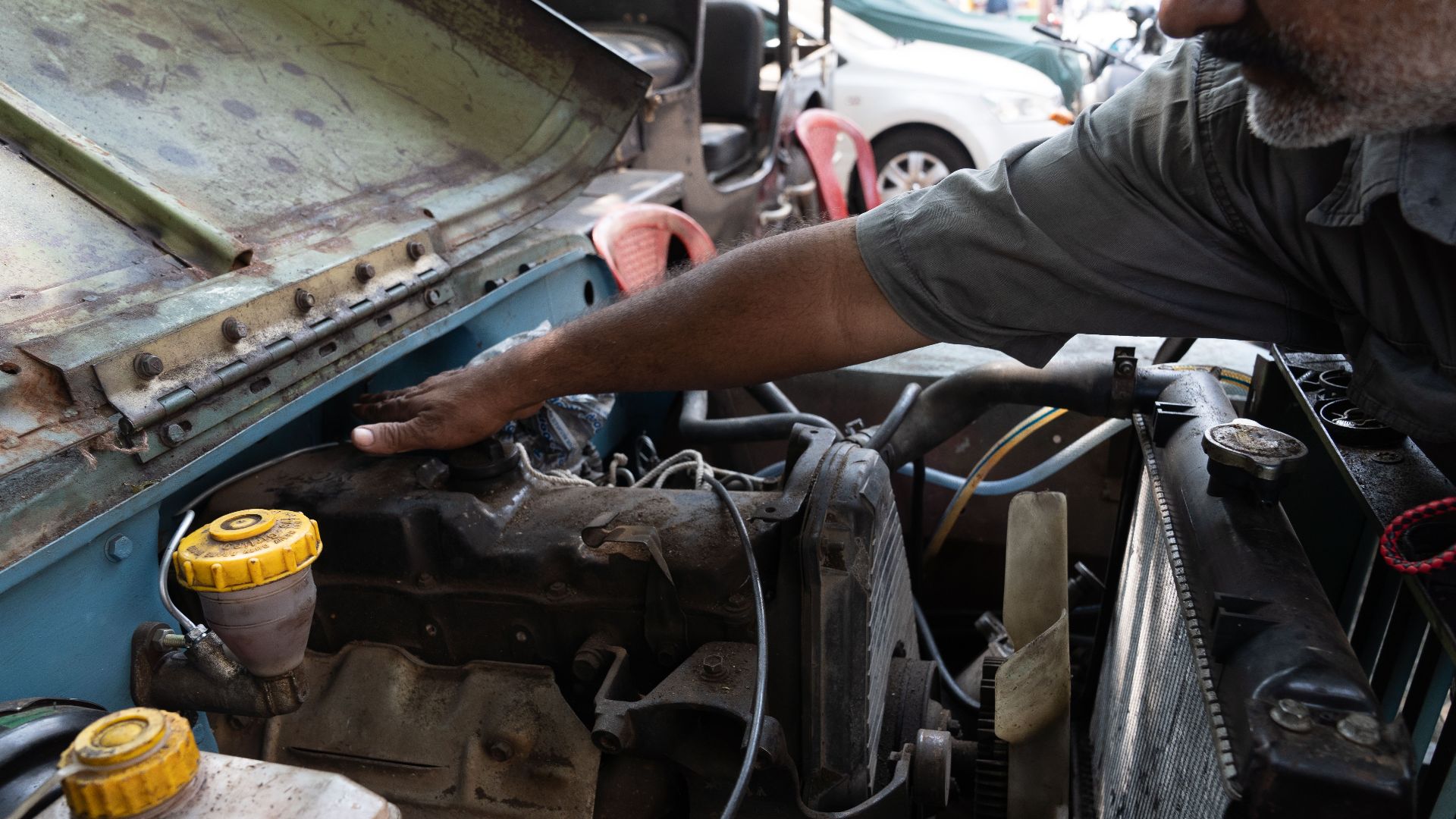
Checking Your Belts And Hoses
A quick inspection under the hood could reveal cracked rubber hoses or a worn fan belt before they stranded you. Young drivers learned to recognize suspicious leaks, fraying, and squealing noises. Replacing a belt was another job that mechanically inclined teenagers sometimes tackled in the family driveway.
Knowing How To Handle Drum Brakes
Many inexpensive older cars still relied heavily on drum brakes, which could require occasional adjustment and maintenance. Drivers learned that pulling to one side, squealing, or a changing brake pedal could mean trouble. Modern braking systems are generally more sophisticated, but back then, paying attention to how your car stopped was essential.
Carrying Emergency Cash And Coins
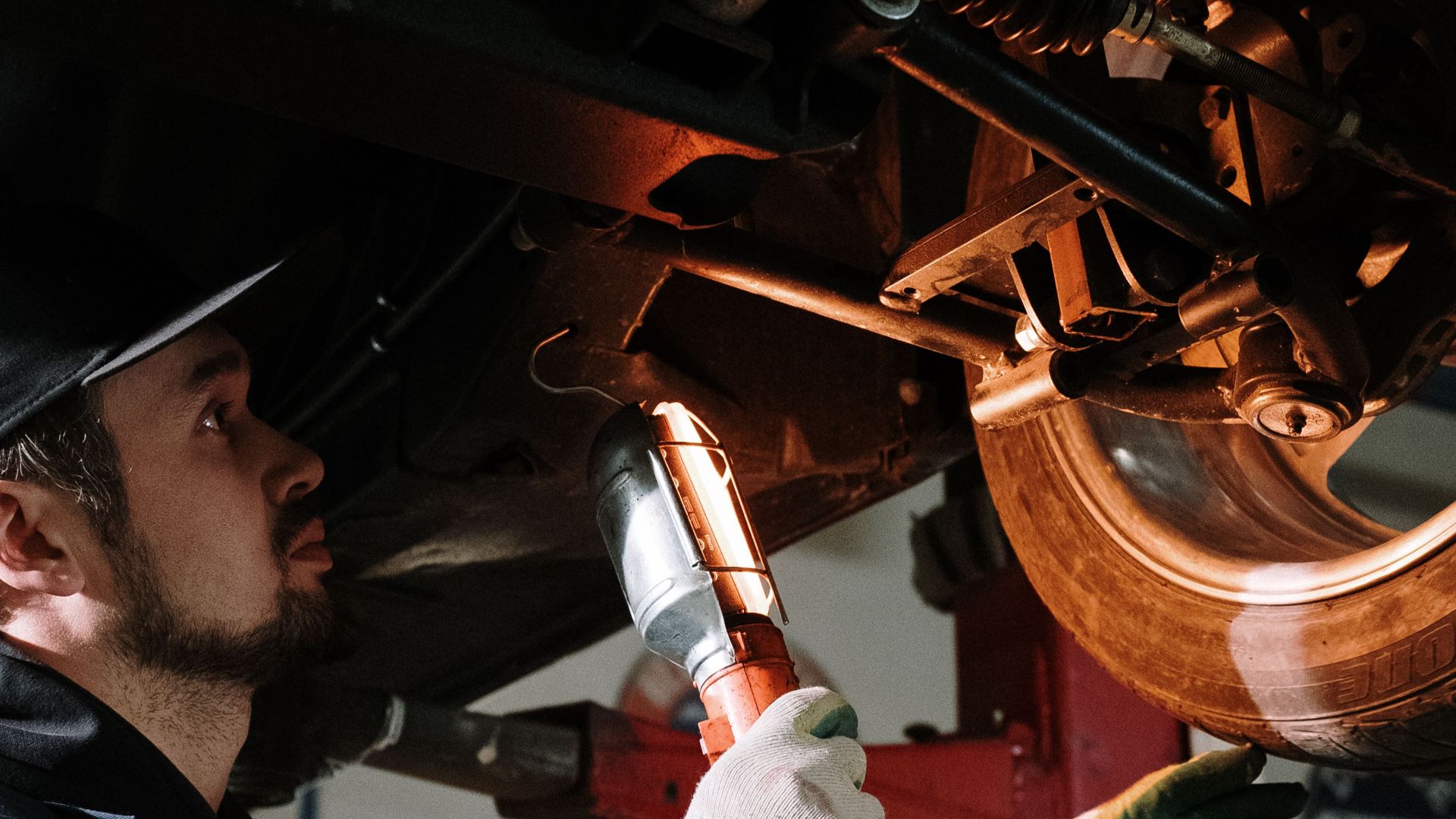
A breakdown far from home could become a real adventure. Without a cellphone, you needed coins for a payphone and enough cash for gasoline, a tow, or an unexpected repair. Some young drivers kept emergency money hidden in the glove compartment. That little stash could save your entire weekend.

Learning To Use A Timing Light
For young people who enjoyed working on engines, checking ignition timing was another useful skill. A timing light helped show when the spark plugs fired relative to the engine's movement. Adjusting the distributor correctly could improve how an older car ran. It was driveway mechanics before computer diagnostics became the norm.
Finding The Cheapest Gas Station In Town
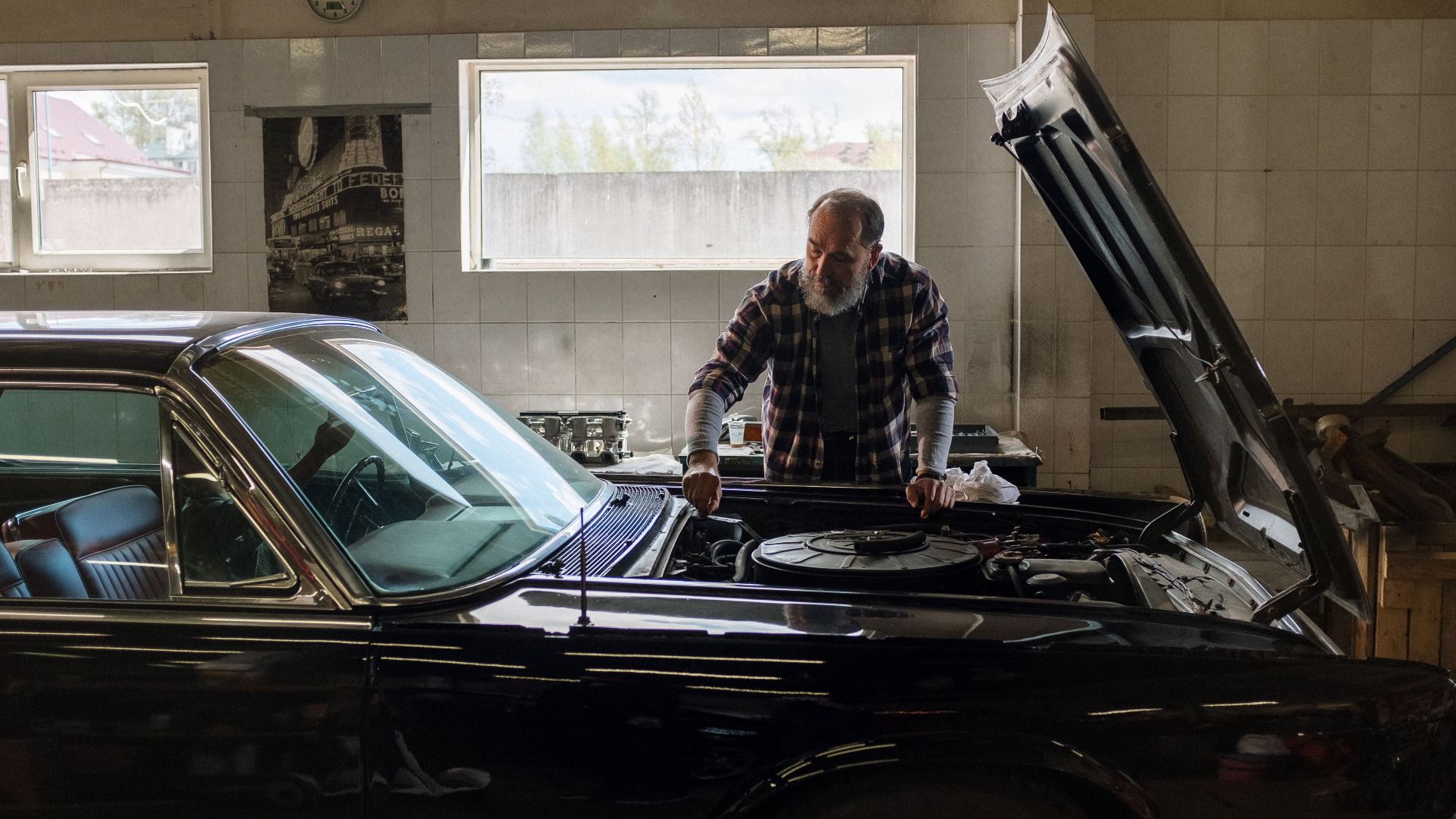
Every young driver seemed to know which neighborhood station offered the best gasoline prices. During the 1973 oil crisis and later shortages, finding available fuel could matter even more than saving a few cents. Long lines and station restrictions made filling the tank something drivers sometimes had to plan around.
Learning To Drive Without Electronic Assistance
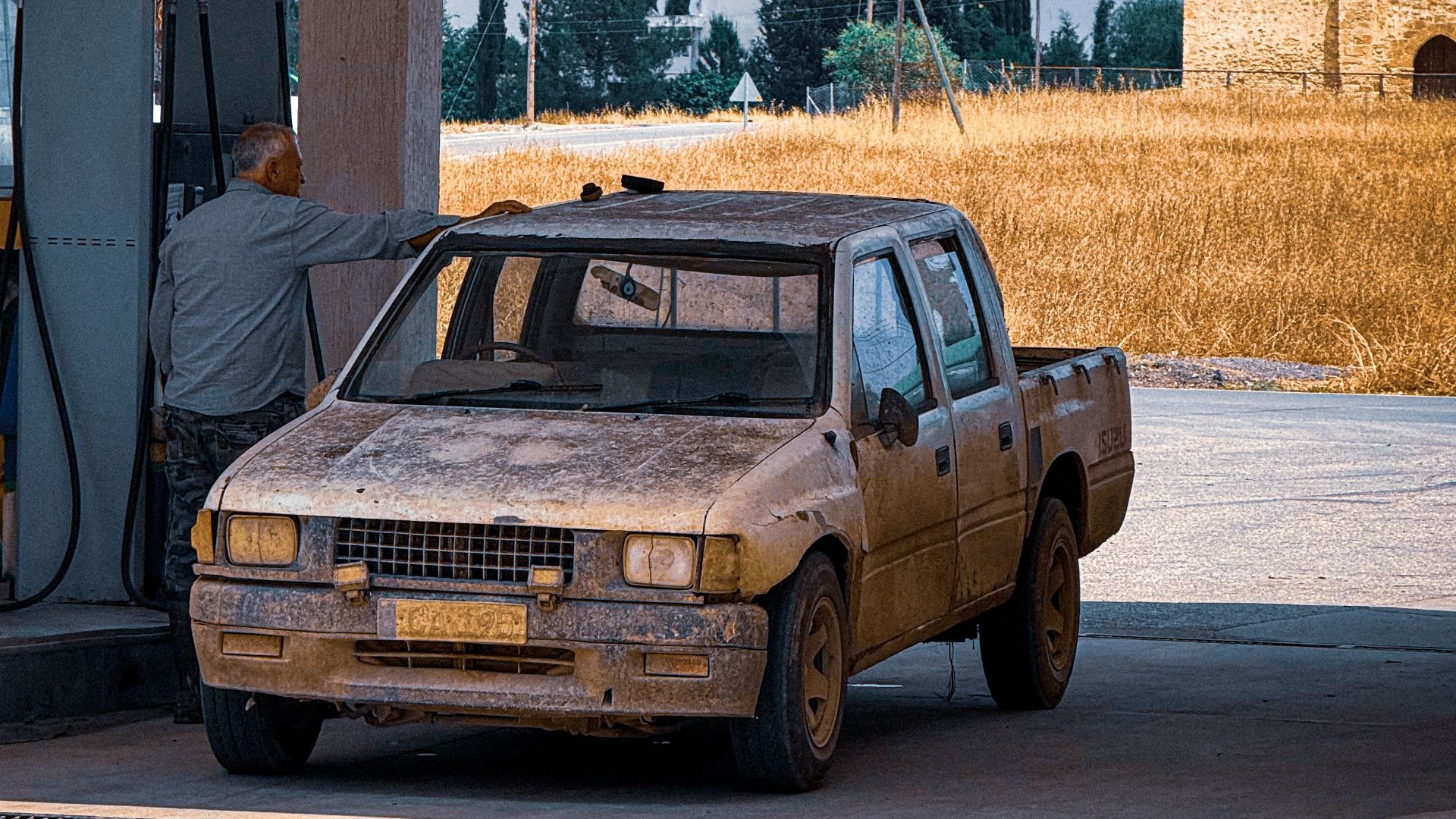
There were no backup cameras, blind-spot warnings, or parking sensors to rescue you from a mistake. Anti-lock brakes weren't a normal feature on affordable family cars, either. You relied on mirrors, judgment, and practice. Learning to park a large sedan without electronic assistance was an accomplishment worth remembering.
Knowing Your Local Mechanic Personally
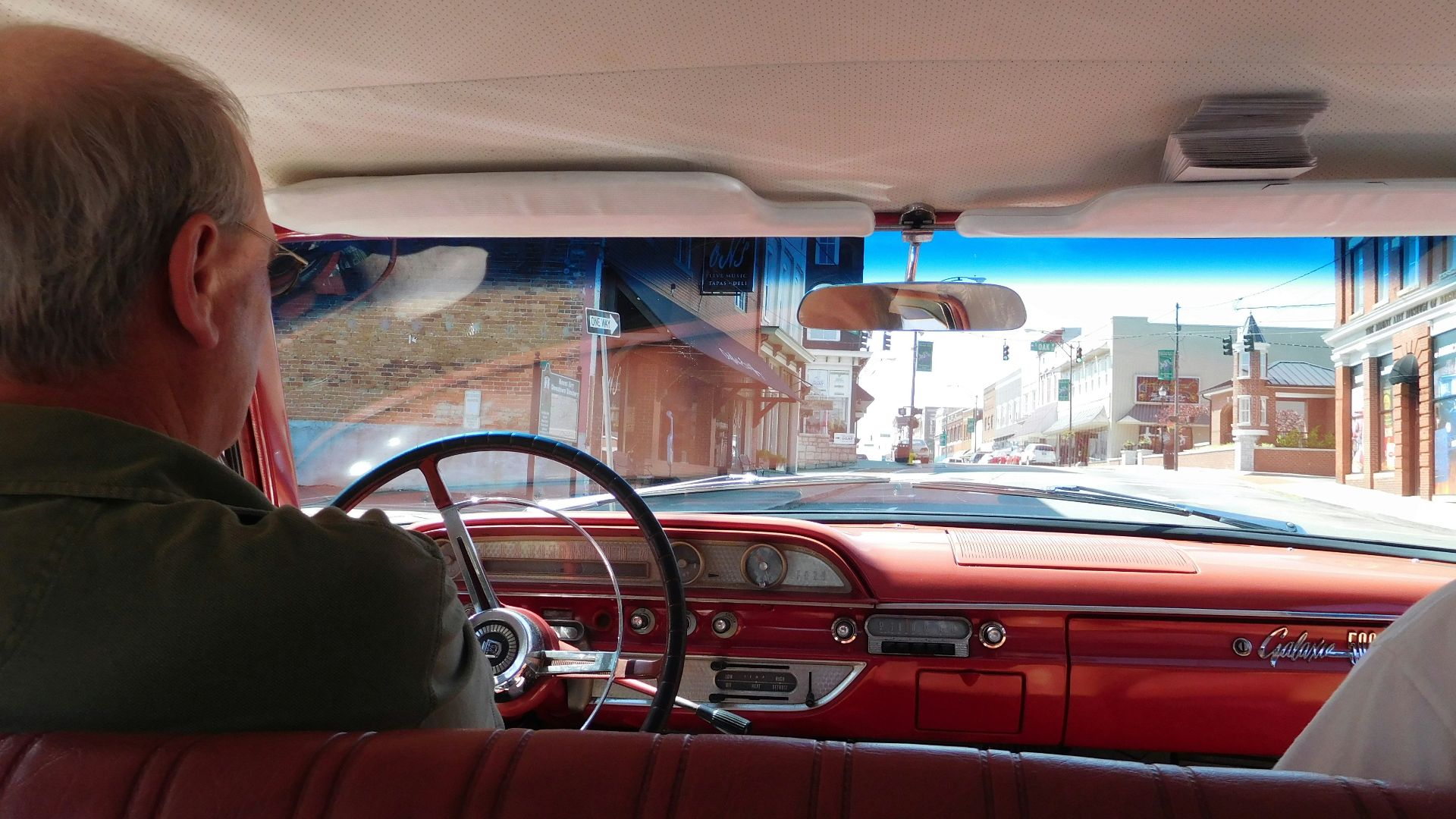
For plenty of families, a trustworthy neighborhood mechanic was almost as important as a good doctor. They knew your car's history, its strange noises, and probably your parents, too. Young drivers often learned to describe problems clearly because explaining that the engine made a "funny noise" didn't always help.

Keeping A Maintenance Notebook
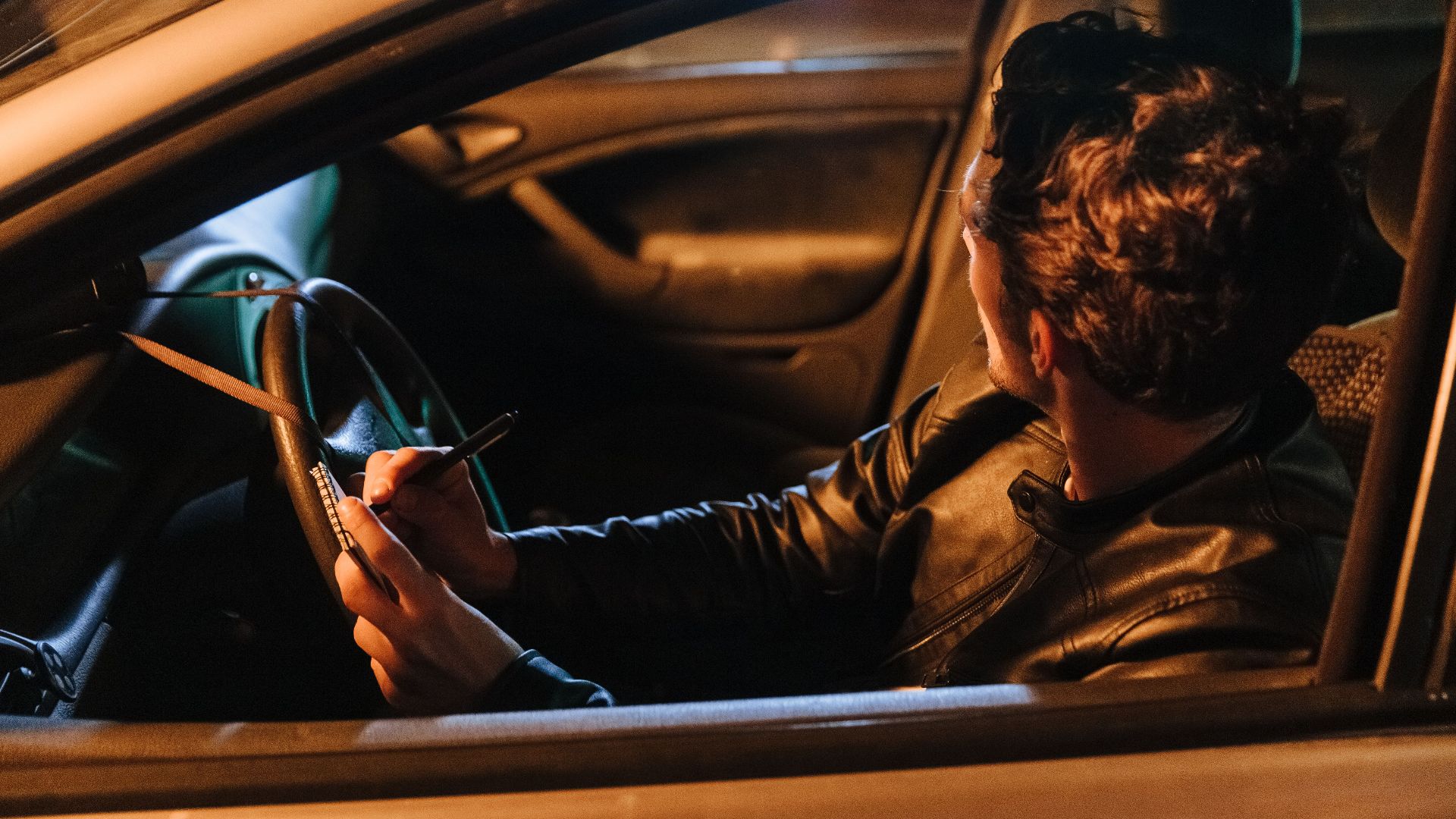
Before vehicle-maintenance apps, careful owners recorded oil changes, repairs, mileage, and expenses in a small notebook. Some tucked receipts into the glove compartment alongside the owner's manual. Those records helped you remember what had been fixed and what needed attention. They also made selling the car easier.
The Skills That Made First-Car Ownership Special
Owning your first car in the 1970s wasn't always convenient, but it certainly taught you independence. You learned to listen to an engine, recognize trouble, and solve problems without reaching for a smartphone. Modern cars are safer and easier to live with in many ways, but those old lessons are hard to forget. How many of these first-car habits do you still remember?

You May Also Like:
Car Safety Features That Started On Race Tracks Before Making Their Way Into Family Vehicles