The Price Tag Is Only The Beginning
A new car’s window sticker tells you what the vehicle costs to buy, not necessarily what it costs to own. AAA’s 2026 analysis estimated average new-vehicle ownership and operating costs at $12,863 per year. Depreciation, financing, insurance, fuel, maintenance, taxes, tires, and increasingly complicated technology can dramatically change the financial picture after you leave the dealership.

Depreciation Can Be The Biggest Expense
Depreciation does not arrive as a monthly bill, which makes it easy to overlook. AAA found depreciation remained the largest ownership cost in its 2026 study, with vehicles losing a weighted average of $4,422 annually. Two similarly priced cars can therefore have surprisingly different long-term costs if one retains substantially more value.
 Hryshchyshen Serhii, Shutterstock
A Long Loan Can Make A Cheap Payment Expensive
Stretching a loan over 72 or 84 months can make an expensive car look affordable on a monthly basis. The Federal Trade Commission warns that longer loans generally increase the overall cost because interest accumulates for longer. They can also leave drivers owing more than their vehicle is worth.
 f.t.Photographer, Shutterstock
Your Interest Rate Matters More Than It Seems
The selling price is only part of a financed purchase. Your annual percentage rate determines how much borrowing adds to the final bill, and the FTC recommends comparing financing offers instead of focusing solely on monthly payments. Even modest differences in APR become meaningful over several years.

Negative Equity Can Follow You Into The New Car
Trading a vehicle while owing more than it is worth does not magically erase the difference. That negative equity can be rolled into the financing for your replacement vehicle. You may therefore begin ownership of your shiny new car already financing debt left over from the old one.

Insurance Can Change The Math Completely
Always get an insurance quote before buying rather than assuming similarly priced cars have similar premiums. Insurers consider factors including the model’s repair costs, claims experience, safety characteristics, and replacement value. Higher trims can also cost more to insure because their components may be more expensive to replace.

Expensive Technology Means Expensive Repairs
Modern safety technology can prevent collisions, but damaged sensors are not cheap. AAA found ADAS components could account for up to 37.6% of total repair costs in the crash scenarios it studied. Radar, cameras, and ultrasonic sensors may require both replacement and specialized calibration.

Even A Windshield Can Become Complicated
A windshield is no longer necessarily just a large piece of glass. Cars with cameras mounted near the windshield may require calibration after replacement. In AAA’s study, the ADAS-related portion of windshield replacement averaged $360, illustrating how sophisticated driver-assistance equipment can turn routine damage into a more involved repair.

Side Mirrors Can Hide Pricey Electronics
Blind-spot monitoring, cameras, heating elements, motors, and warning lights have transformed some mirrors into complex electronic assemblies. AAA estimated that ADAS-equipped mirror components in its studied vehicles could add hundreds of dollars to repair costs. A parking-lot mishap can consequently be much more expensive than the damage appears.

Bigger Wheels Can Cost You Twice
Large wheels can increase the vehicle’s purchase price and continue costing you afterward. Edmunds notes that tires designed for larger wheels generally cost more than equivalent tires for smaller wheels. Larger wheels also tend to weigh more, potentially reducing fuel economy while exposing lower-profile tires to more road-damage risk.
 Hryshchyshen Serhii, Shutterstock
Run-Flat Tires Carry Their Own Premium
Run-flat tires can let you continue driving temporarily after losing pressure, potentially avoiding an immediate roadside stop. The trade-off is that they generally cost more than conventional tires. Cars equipped with specialized or unusually sized tires can therefore deliver an unpleasant surprise when the first replacement becomes necessary.
All-Wheel Drive Can Complicate Tire Replacement
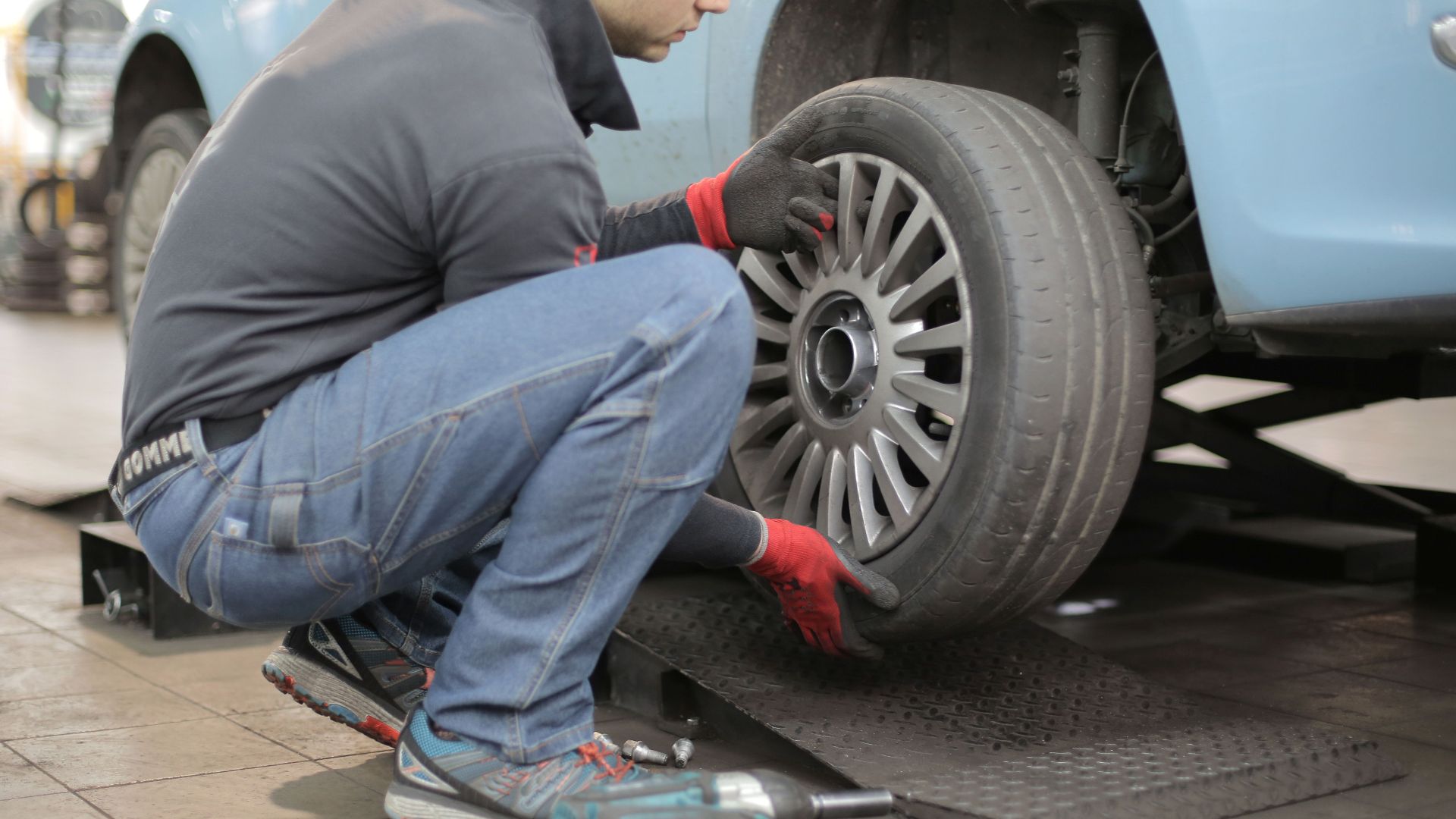
One damaged tire does not always mean buying just one tire. Differences in tire circumference can interfere with electronic systems, and some vehicles require closely matched tread depths. Depending on the vehicle and condition of the remaining tires, one unrepairable puncture can potentially turn into a much larger tire bill.

Premium Fuel Can Become A Permanent Expense
Check the fuel door and owner’s manual before buying. Some performance and luxury vehicles require premium gasoline, which means paying the higher pump price for every fill-up. Cars.com noted in 2026 that premium-fuel requirements remain common among luxury models, creating an ownership expense that is invisible in the MSRP.

Fuel Economy Still Matters
A bargain-priced vehicle that burns considerably more fuel can lose its advantage over years of commuting. AAA includes fuel as a major component of ownership costs and found substantial differences between vehicle categories and powertrains. Your annual mileage therefore matters almost as much as the efficiency number on the window sticker.

Vehicle Size Has A Price After Purchase
A larger vehicle often means more than a larger initial payment. In AAA’s 2026 analysis, half-ton pickups cost $1.10 per mile to own and operate, compared with 62 cents for small sedans. Fuel, depreciation, financing, tires, and other expenses can make buying more vehicle than you actually need particularly costly.

EV Charging Equipment Can Add To The Purchase
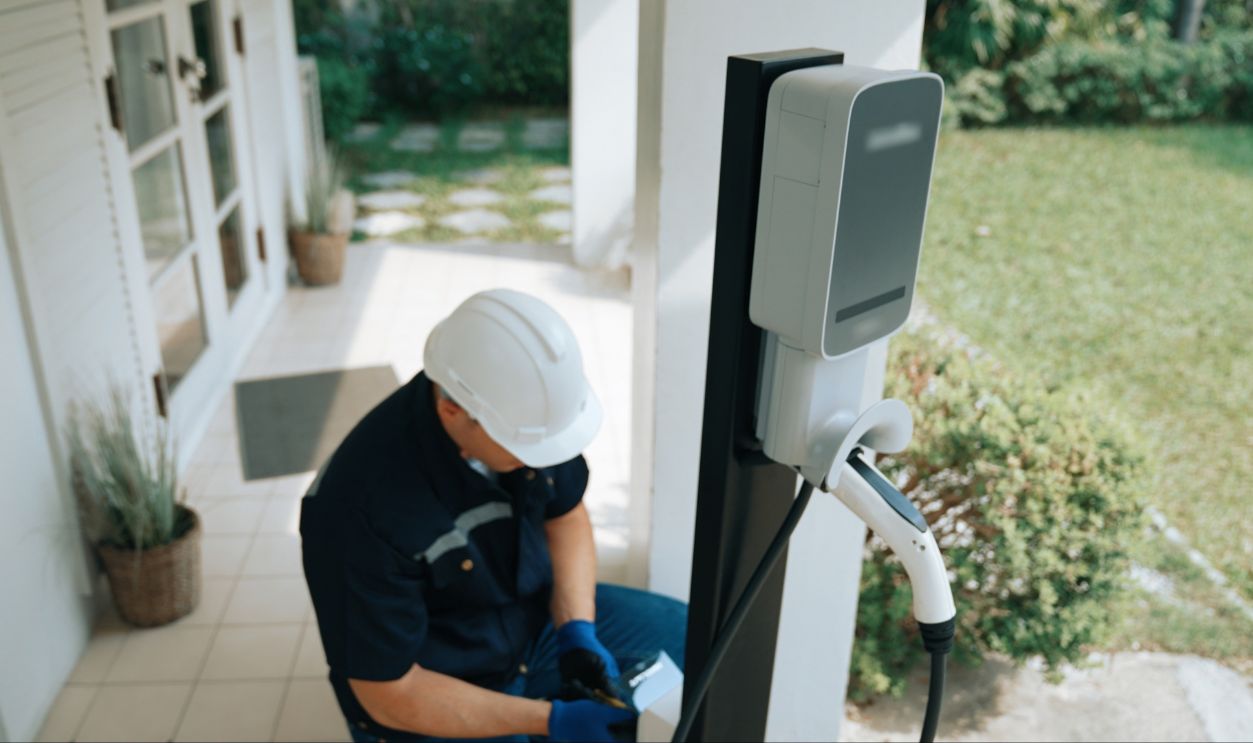
An electric vehicle eliminates trips to the gas station, but convenient home charging may require another investment. The Department of Energy says Level 2 charging equipment typically costs between $500 and $4,000 before installation and incentives. Electrical-service upgrades can increase the expense further in some homes.
 Summit Art Creations, Shutterstock
EV Depreciation Can Offset Fuel Savings
Lower energy costs do not automatically mean lower total ownership costs. AAA found EV charging costs were 66% to 70% below fuel costs for comparable gasoline vehicles in the categories it studied. However, higher depreciation, financing, and fees sometimes outweighed those savings, including among the medium sedans examined.

Taxes And Registration Do Not Disappear
The advertised price rarely represents the entire amount required to put a vehicle on the road. Taxes, title expenses, registration, and other government charges vary by jurisdiction and vehicle. Both AAA and major cost-of-ownership calculators include these expenses because they contribute to what owners actually spend.

Dealer Add-Ons Can Inflate The Loan
Rustproofing, protection packages, service contracts, gap products, and other extras can quickly change the final price. The FTC emphasizes that dealer add-ons are optional products and services that cost extra. Financing them is particularly important to notice because you can also end up paying interest on their cost.

An Extended Service Contract May Duplicate Coverage
New cars already include manufacturer warranties, while separately purchased service contracts may overlap with that protection. The FTC recommends comparing any service contract carefully with the factory warranty before buying. Coverage, exclusions, duration, deductibles, and prices can differ significantly between contracts.

Routine Maintenance Still Comes Due
A factory warranty does not mean every trip to the service department is free. Routine items such as oil changes, inspections, filters, tires, and other scheduled maintenance are normal ownership expenses unless a maintenance program specifically covers them. Following the manufacturer’s maintenance schedule also helps preserve the vehicle over time.

Dealership Maintenance Is Not Always Mandatory
Owners sometimes assume warranty protection forces them to pay dealership service prices. The FTC says a manufacturer generally cannot deny warranty coverage merely because routine maintenance or repairs were performed elsewhere. Owners should still follow required maintenance schedules and retain documentation showing the work was completed properly.

Connected Features Can Become Subscriptions
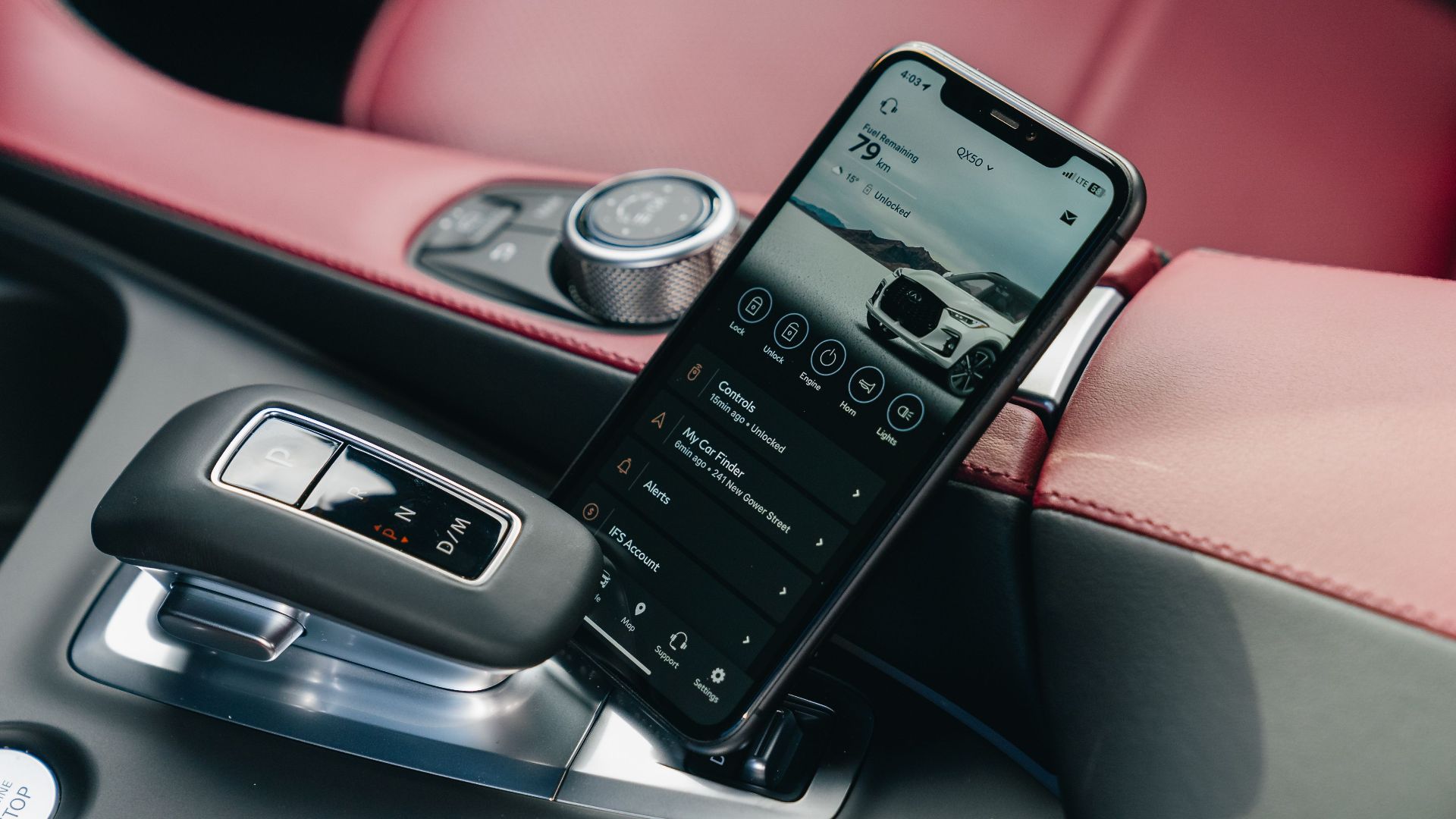
That impressive app functionality demonstrated during the test drive may be operating under a free trial. Automakers increasingly charge recurring fees for connected navigation, remote controls, Wi-Fi, security functions, and other digital services after introductory periods expire. Cars.com found subscription structures and prices vary widely among manufacturers.
Choosing A Higher Trim Can Raise Future Bills
A higher trim does more than increase the purchase price. Bigger wheels, specialized lighting, additional cameras, upgraded electronics, and more expensive interior components can all raise replacement or repair costs. Insurers may also charge more when a higher trim is costlier to repair than the basic version.

Tax Incentives Can Change Faster Than Buyers Expect
Do not build an ownership budget around an incentive without checking whether it still exists. In the United States, the IRS says the federal New Clean Vehicle Credit is unavailable for vehicles acquired after September 30, 2025. Old articles or dealership assumptions can therefore produce seriously outdated calculations.

Compare Total Cost, Not Just MSRP
The cheapest new car on the showroom floor is not automatically the cheapest car to own. Comparing depreciation, financing, insurance quotes, fuel or electricity, tires, maintenance, taxes, repair complexity, and subscriptions provides a much clearer picture. The sticker price gets your attention; everything that happens afterward determines what the car really costs.

You May Also Like:
How Much Electric Car Range Do You Need?
Sources: 1, 2, 3, 4, 5, 6, 7, 8, 9, 10, 11, 12, 13, 14, 15, 16