Yesterday's Luxury Is Today's Lost Technology
Remember when getting a fully loaded car meant adding features that made everyone jealous? Twenty years ago, automakers offered everything from elaborate entertainment systems to surprisingly clever mechanical gadgets. Some cost hundreds or thousands of dollars, while others required upgrading to expensive trim levels. Today, many have disappeared entirely, and a few survive only in unusual corners of the new-car market.
 KOTOIMAGES, Shutterstock Images
Cassette Players
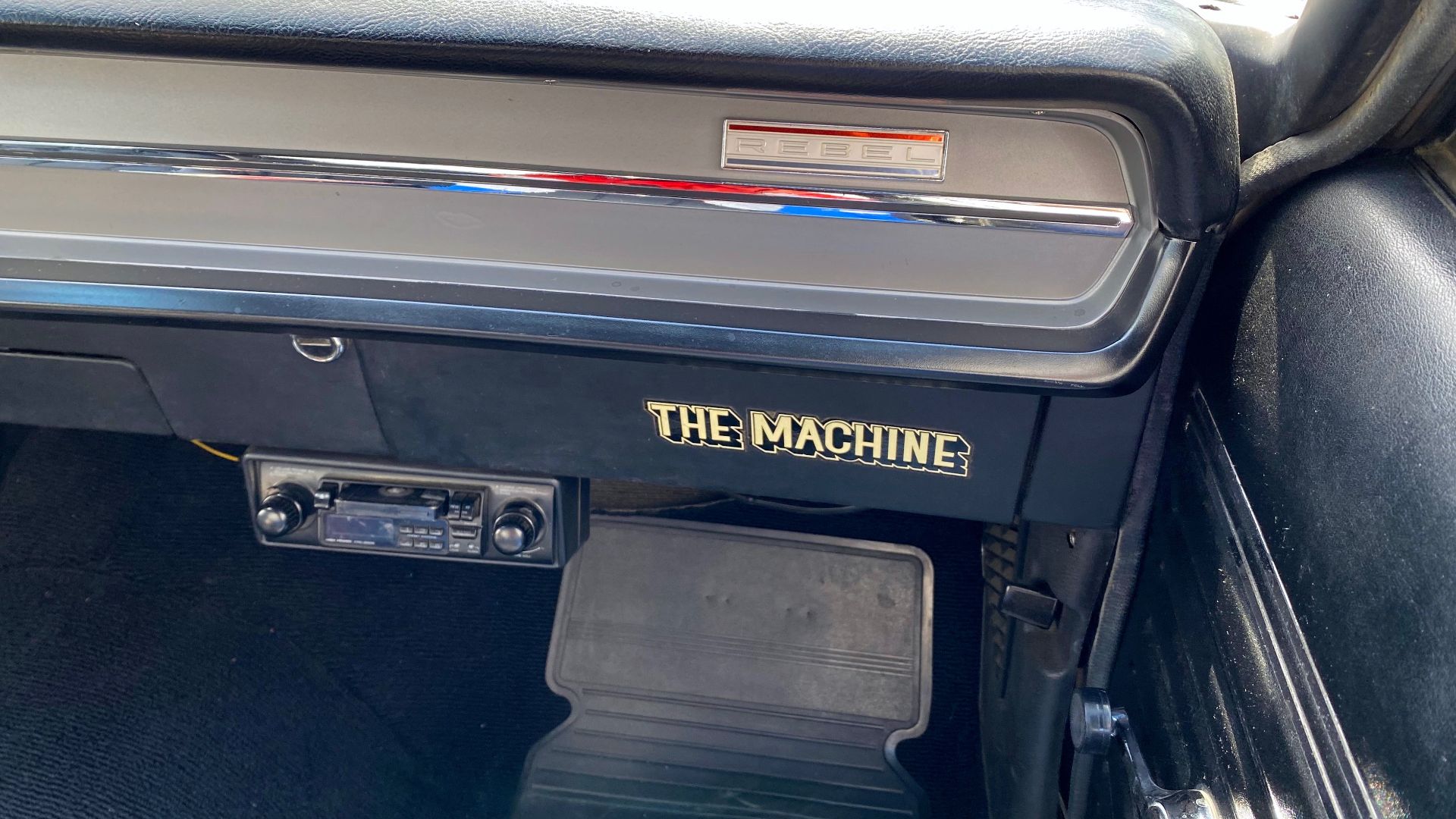
In 2006, buyers could still find cassette players in upgraded factory stereos, including certain Buick Rendezvous configurations. Drivers could keep enjoying their tape collections without installing aftermarket equipment. Today, factory cassette decks have effectively vanished from new-car showrooms, making that once-familiar slot a genuine automotive relic.
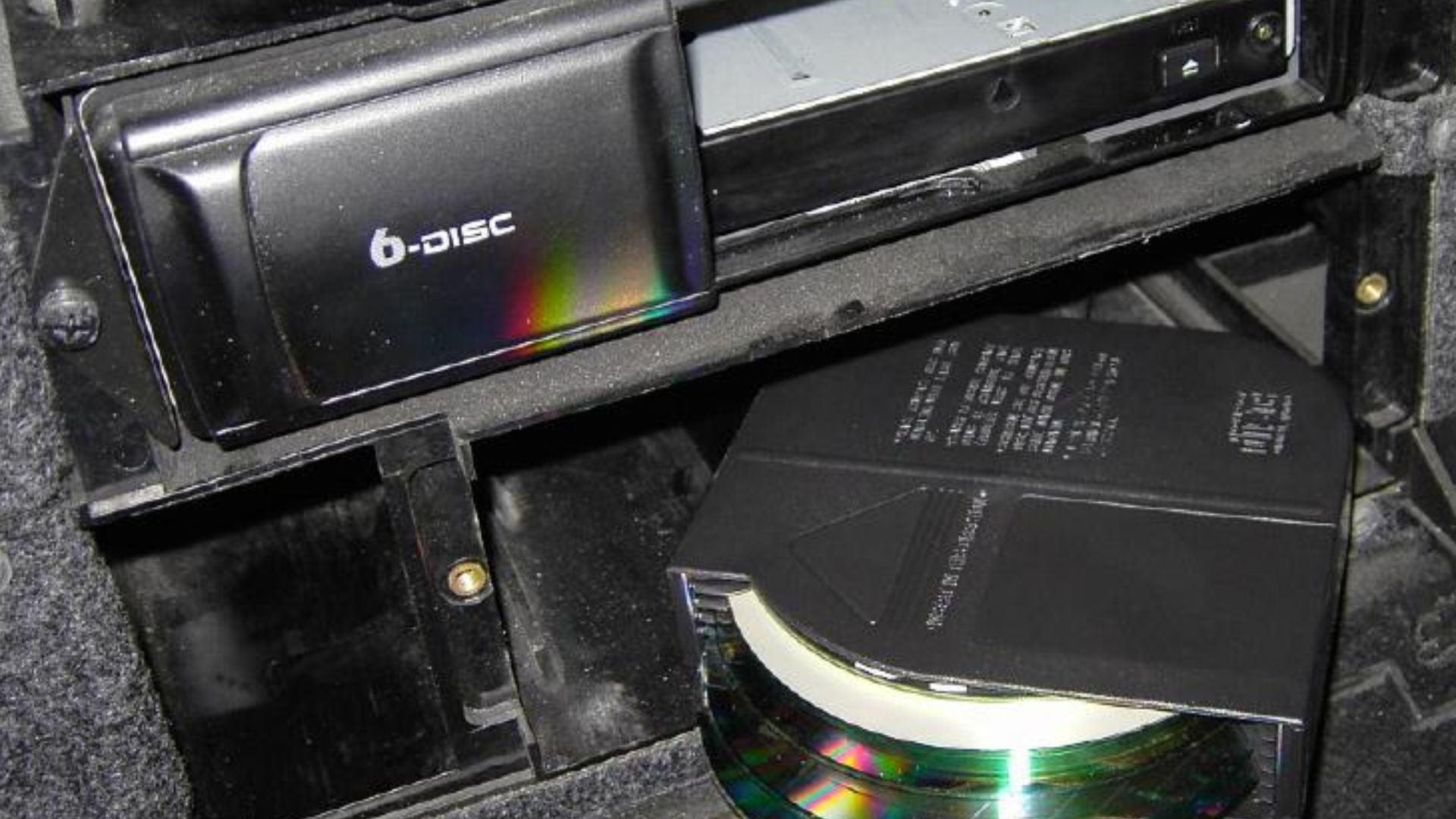
Six-Disc CD Changers
The 2006 Volvo V70 offered an optional six-disc changer with Dolby Pro Logic II audio. Drivers could load several albums without constantly swapping discs. By 2026, even single-disc players had become remarkably uncommon, with the Subaru WRX and Ascent among the last American-market vehicles offering them.
 Joonga at English Wikipedia, Wikimedia Commons
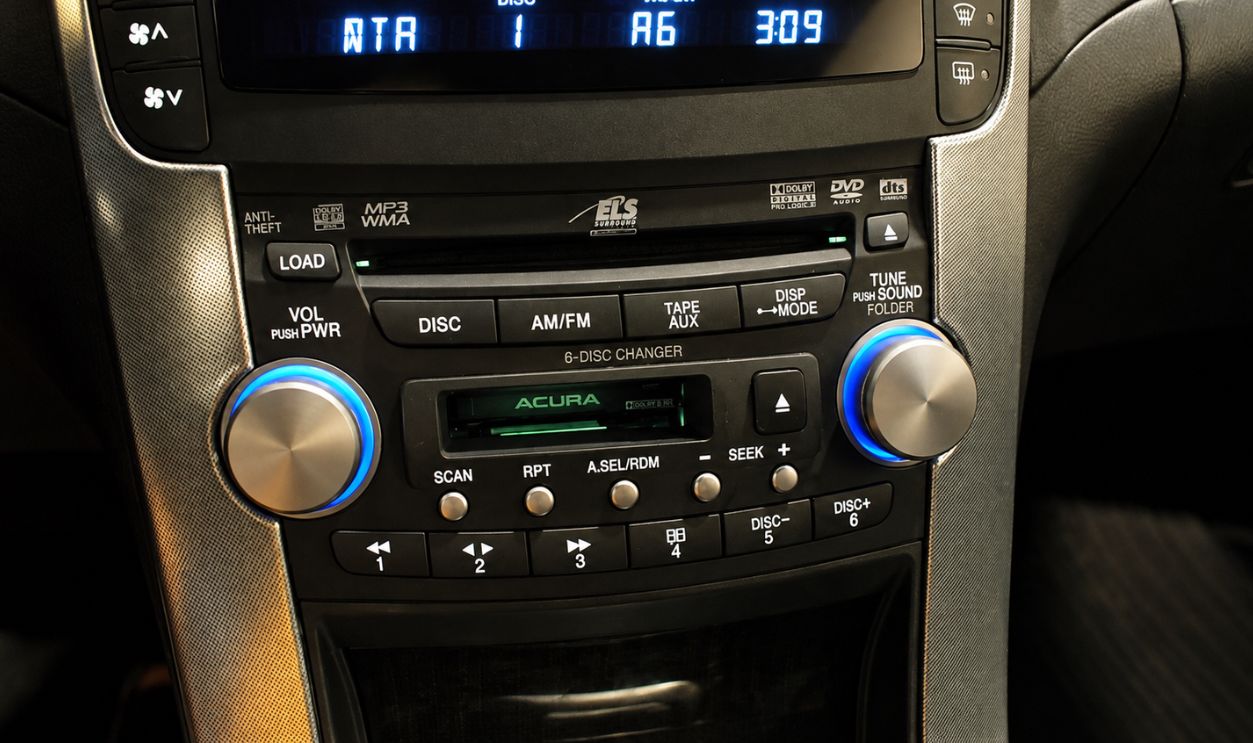
DVD-Audio Surround Sound Systems
The 2006 Acura TL featured a premium sound system capable of playing DVD-Audio discs in 5.1 surround sound. This technology promised an elaborate listening experience beyond ordinary CDs. Modern premium stereos emphasize digital sources and sophisticated speakers instead, leaving dedicated DVD-Audio playback largely forgotten.
 Acuratl si, Wikimedia Commons, Modified
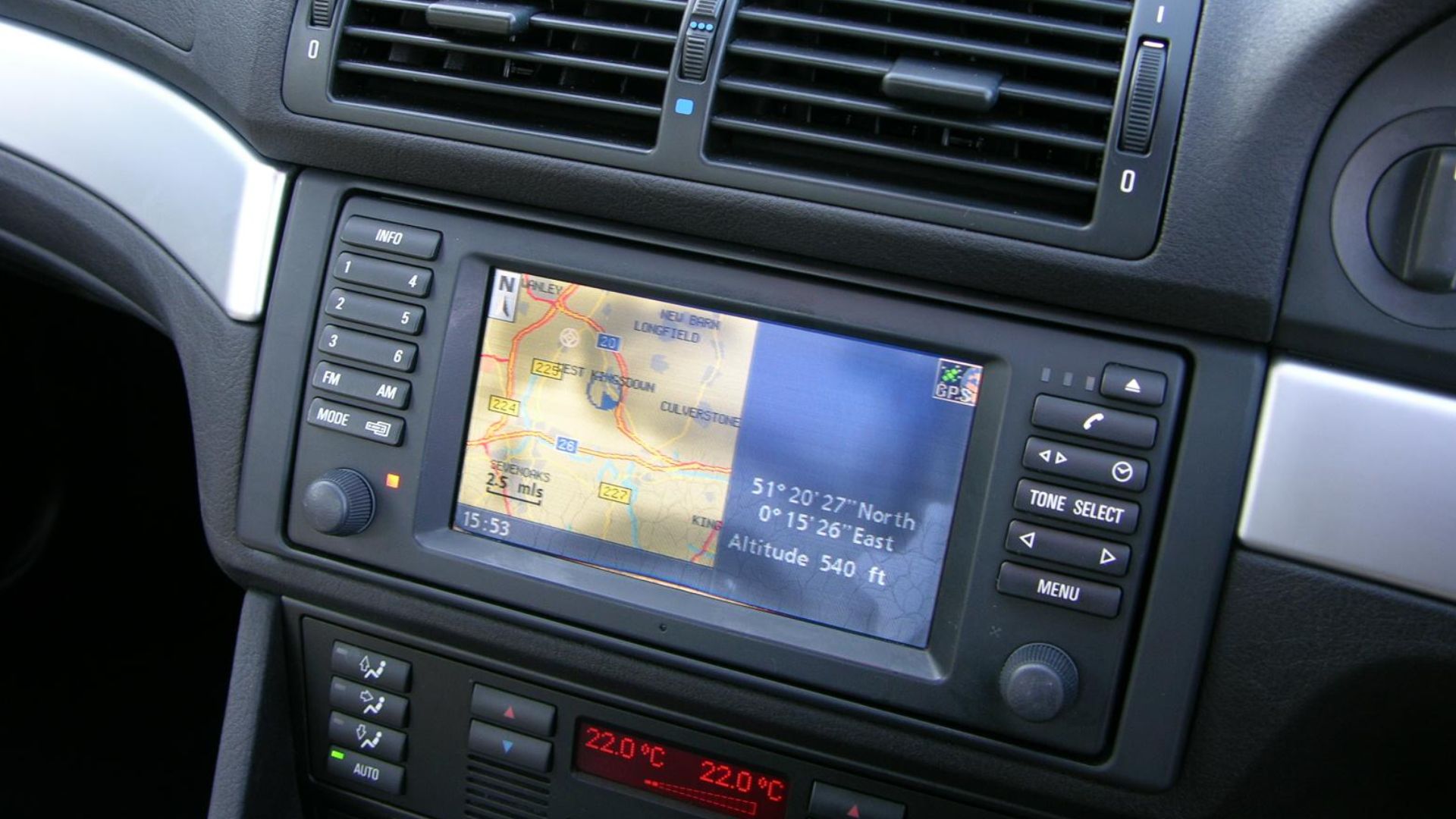
DVD-Based Navigation Systems
Before smartphone navigation became widespread, factory GPS systems were expensive upgrades. The 2006 Buick Rendezvous offered DVD-based navigation, complete with physical map discs requiring updates. Drivers could receive replacement navigation DVDs during their early ownership years. Today, downloadable maps and connected navigation have replaced that arrangement.
 The Car Spy, Wikimedia Commons
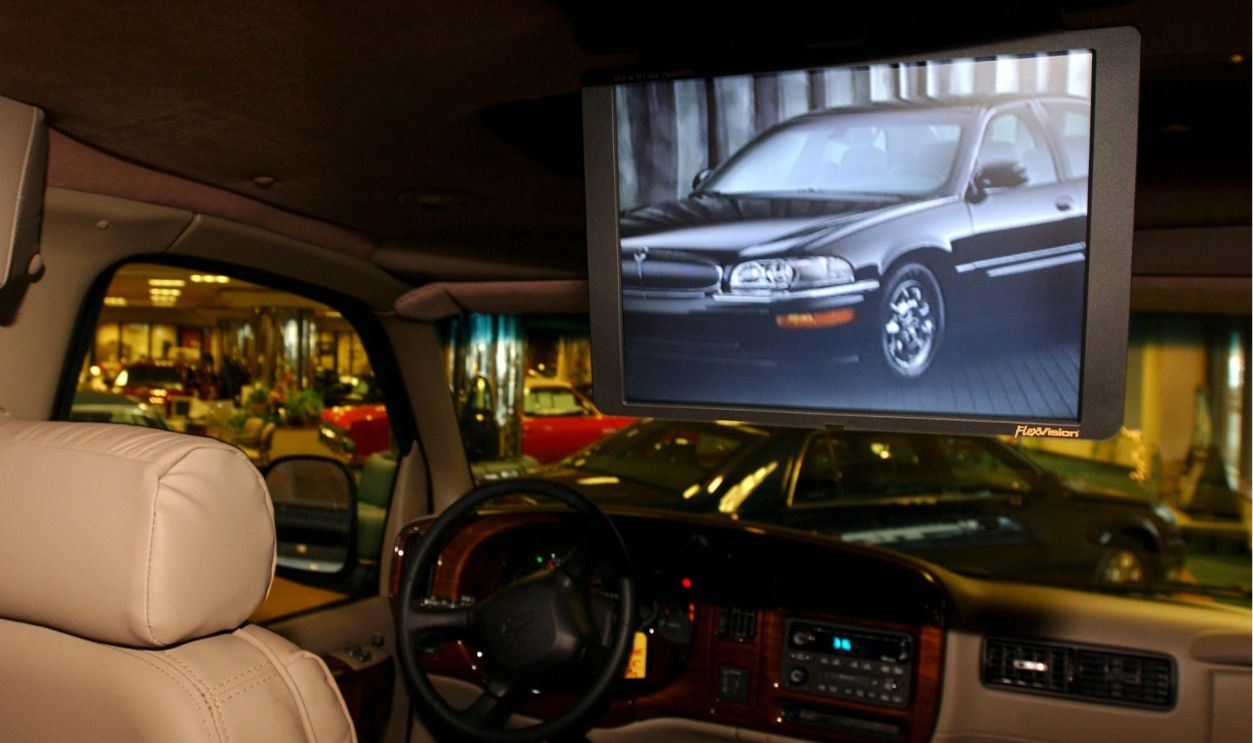
Flip-Down DVD Entertainment Screens
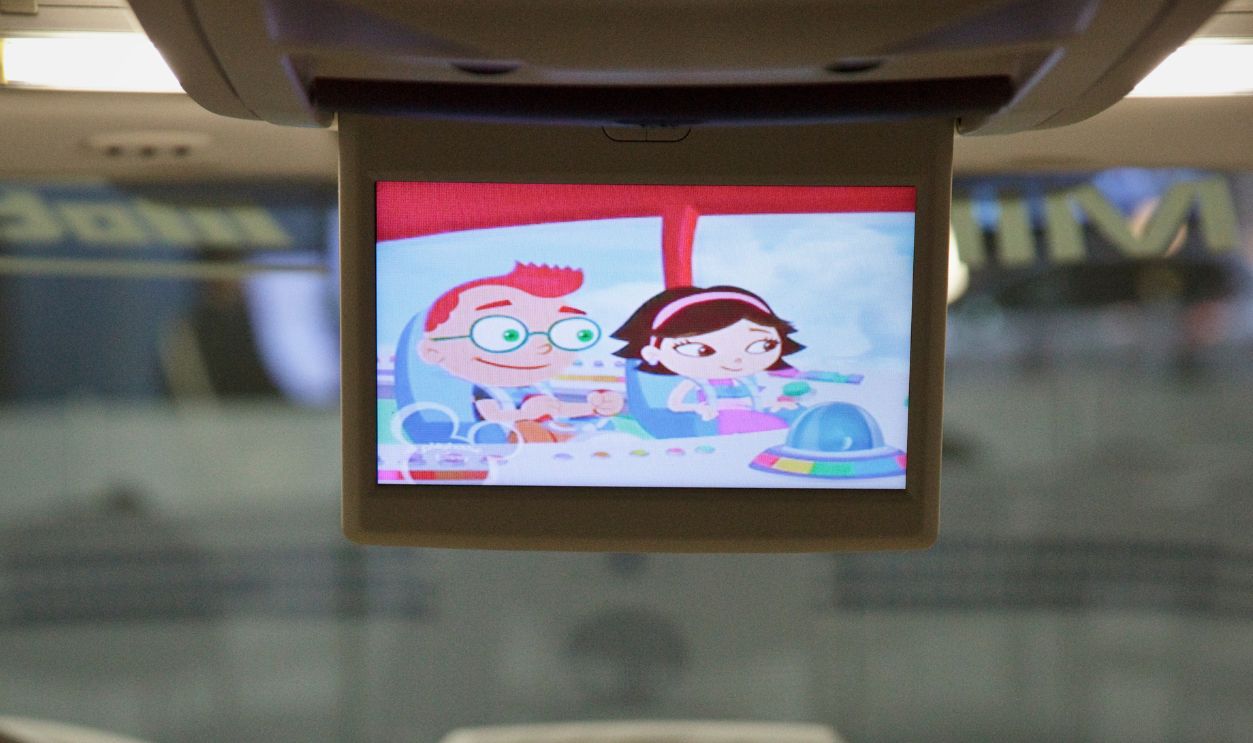
Families once paid extra for ceiling-mounted DVD entertainment systems, especially in SUVs and minivans. The 2006 Rendezvous offered a seven-inch overhead screen, wireless headphones, and a remote control. Today's entertainment systems increasingly use digital inputs and connected devices, making the old-fashioned built-in DVD player increasingly difficult to find.
Separate Rear-Seat Audio Controls
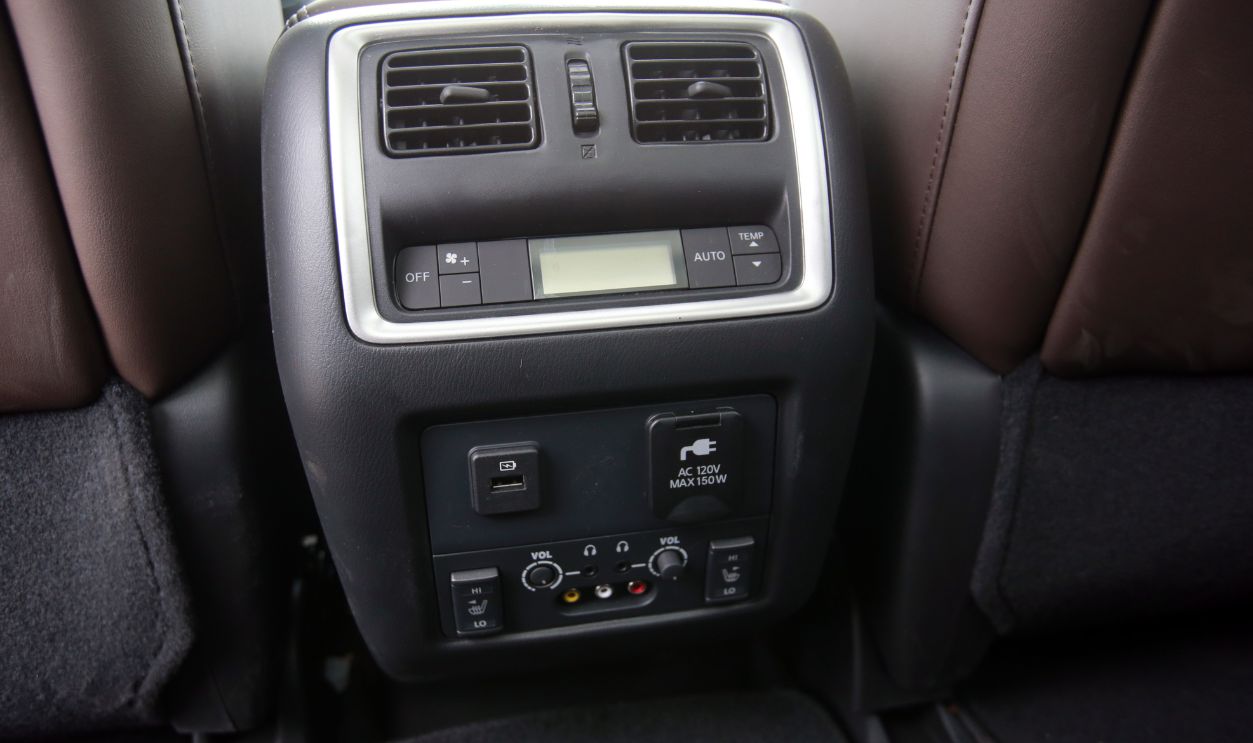
The 2006 Rendezvous also offered rear-seat audio controls allowing passengers to listen to something different from the driver. Headphone connections and dedicated buttons gave children their own listening experience. Modern vehicles may offer individual entertainment screens, but separate controls specifically for cassette, CD, and radio playback are largely gone.
 MediaNews Group/Boston Herald via Getty Images, Getty Images
Factory iPod Docking Systems
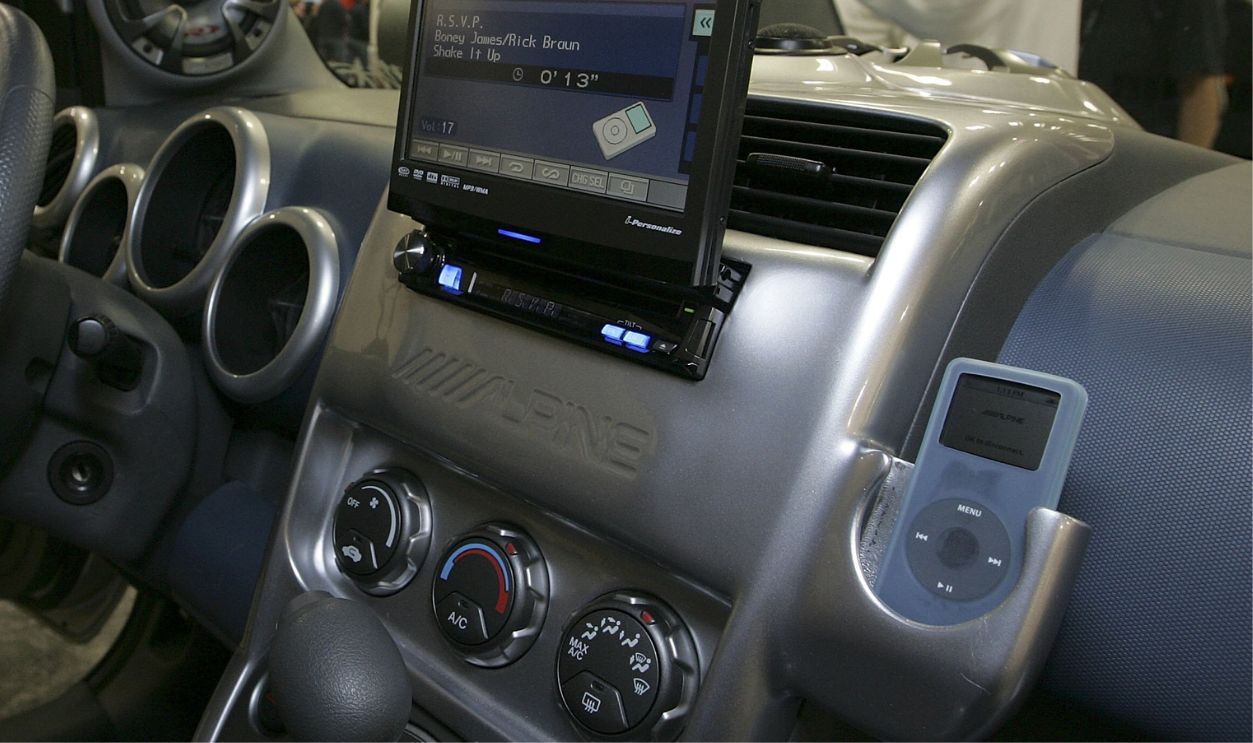
In 2006, BMW introduced an optional dealer-installed iPod interface connected through the glove compartment. Drivers could control playlists through the steering wheel and vehicle display. The system was designed around Apple's original dock connector. Today's wireless smartphone connections make such dedicated, model-specific music interfaces unnecessary.
Built-In Music Hard Drives
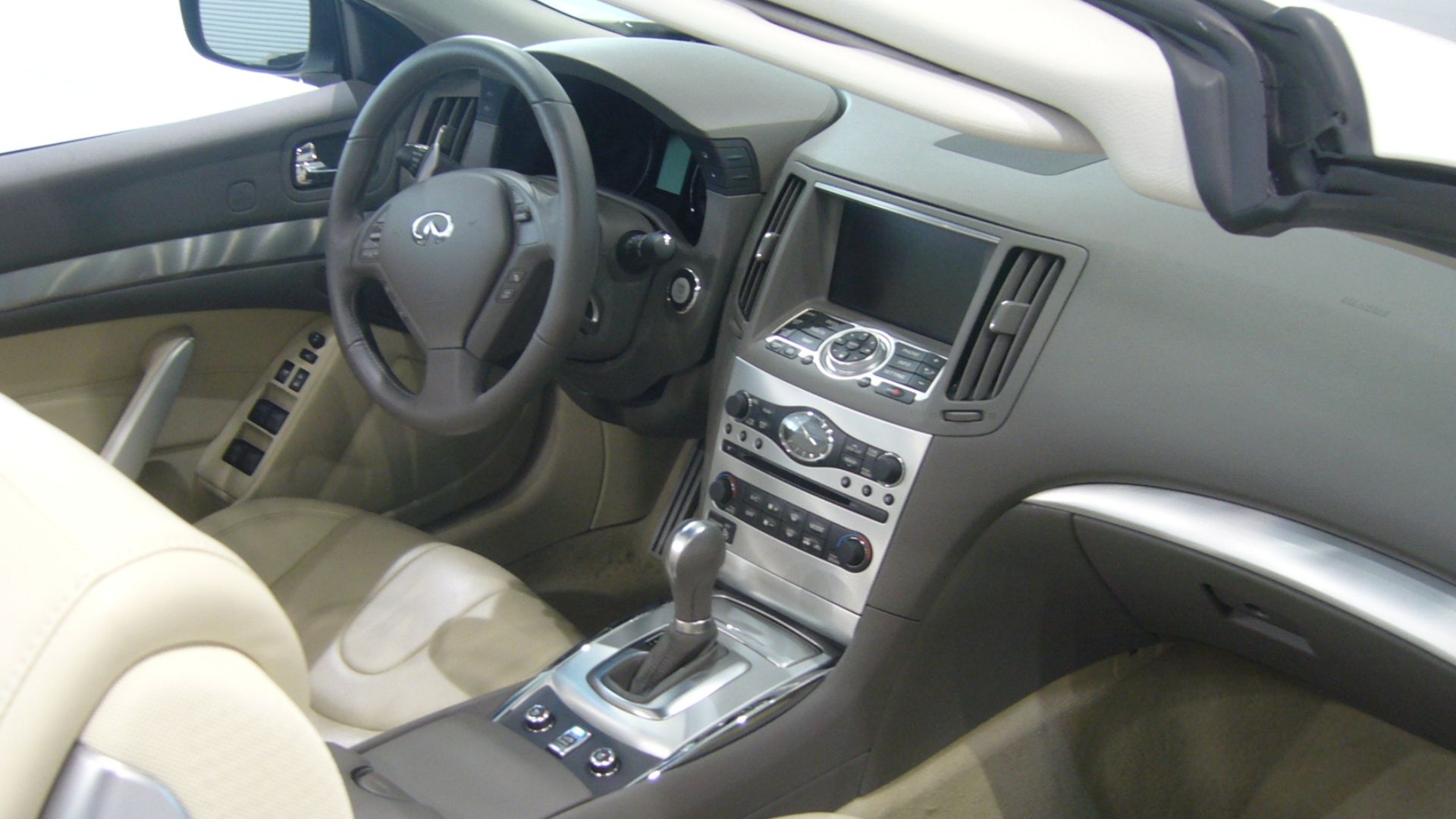
Before streaming services became central to car entertainment, some manufacturers offered internal music storage. The 2007 Infiniti G35's optional navigation package included a hard drive that could store music copied from CDs. Owners effectively built a permanent digital library inside their dashboards, without needing a separate player.
CompactFlash Memory Card Readers
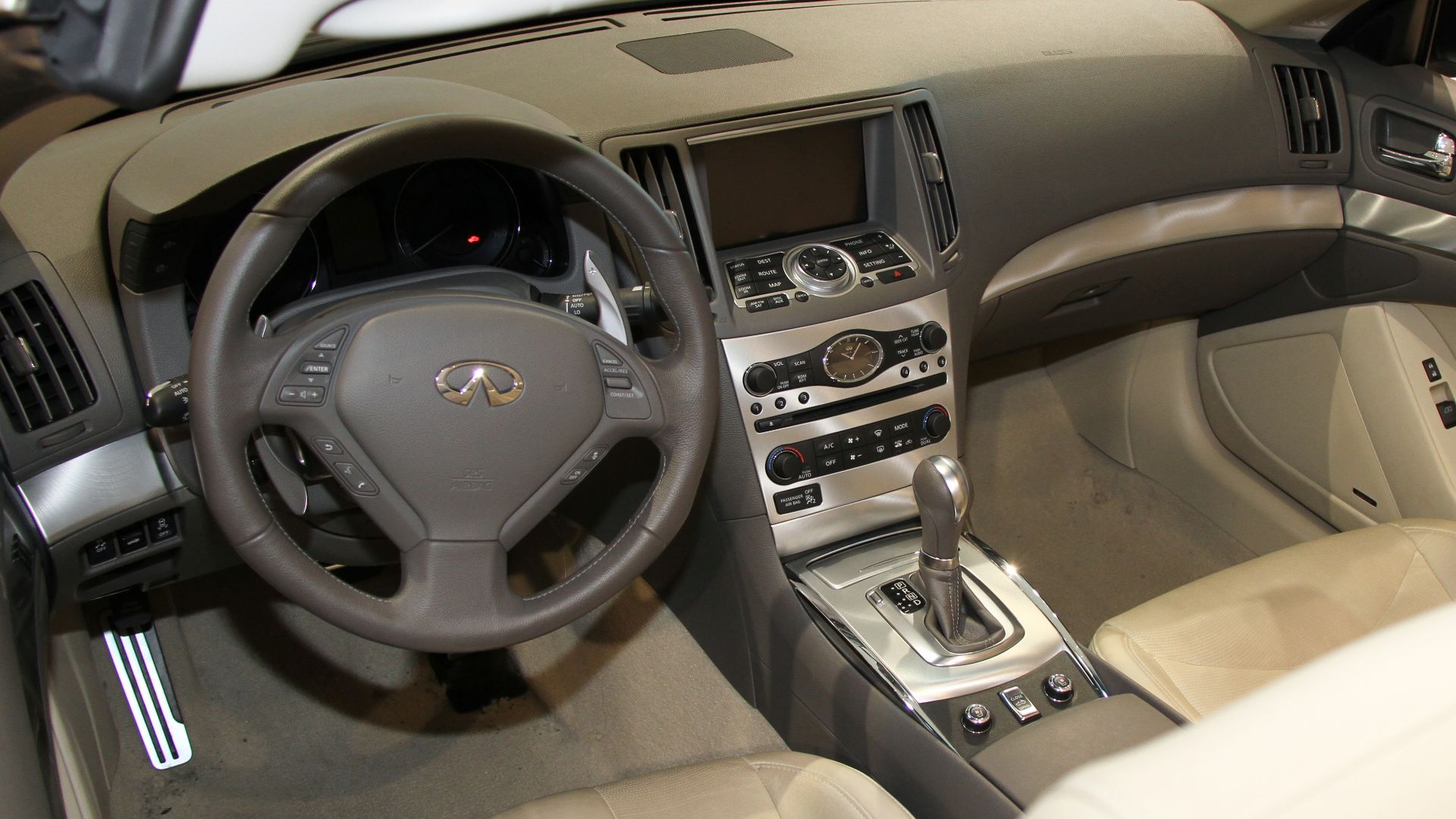
That same Infiniti G35 navigation package also offered a CompactFlash card slot for music files. Drivers could load songs onto a memory card and play them through the car's stereo. Modern vehicles generally favor USB connections, Bluetooth, or streaming, leaving dedicated CompactFlash readers behind.
Satellite Television For Back-Seat Passengers
In 2007, Sirius introduced Backseat TV for select 2008 Chrysler, Dodge, and Jeep vehicles. The optional service transmitted children's television programming to rear entertainment screens. It offered something different from watching DVDs: live satellite television. The service was discontinued around 2012, leaving its specialized equipment obsolete.
Built-In Car Telephone Handsets
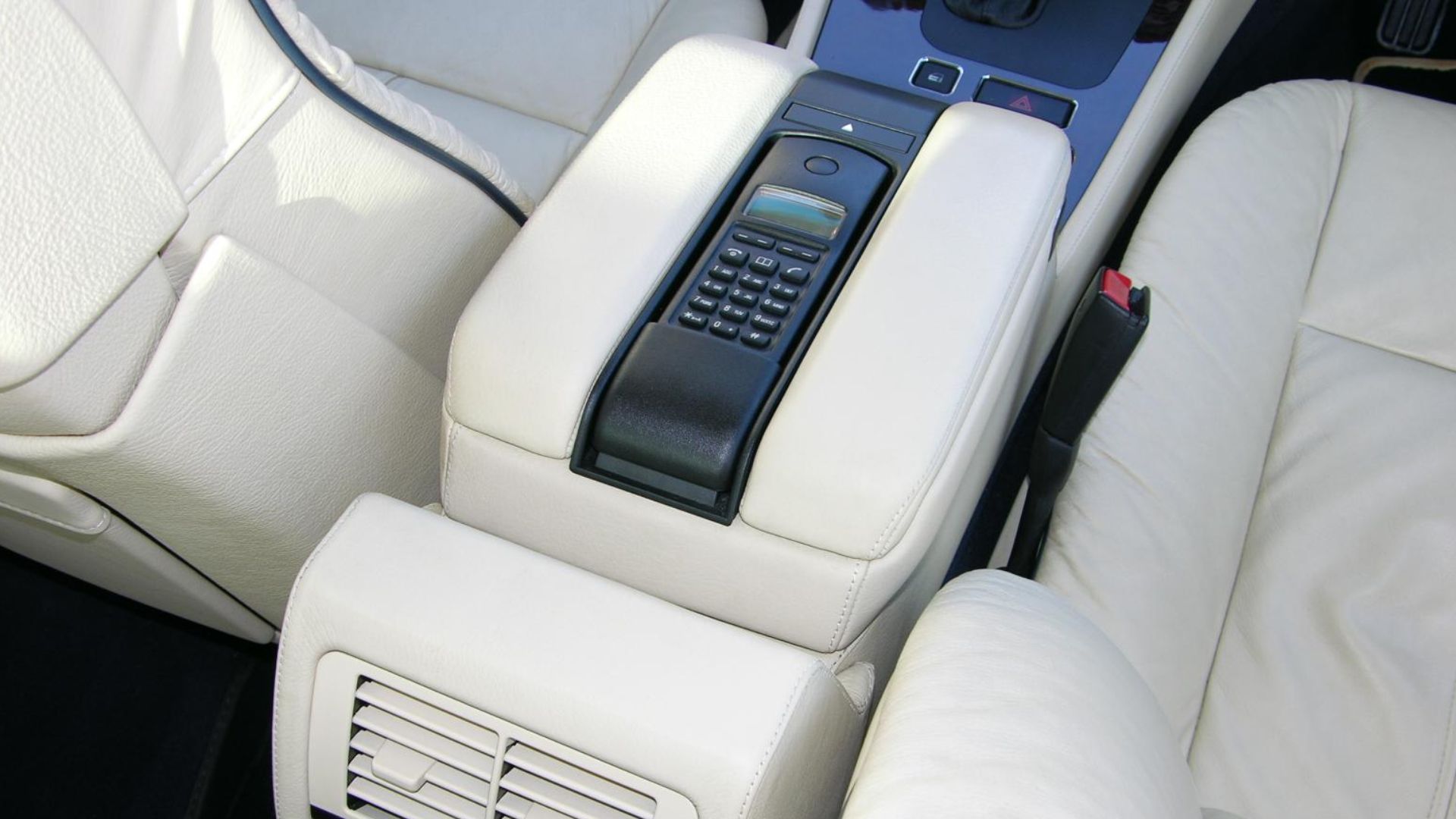
Some luxury vehicles offered factory telephone systems with actual cordless handsets. BMW even assigned a specific option code to its integrated car telephone equipment. Instead of pairing a smartphone, passengers could use a dedicated handset supplied with the vehicle. Bluetooth integration eventually made this expensive arrangement largely unnecessary.
 The Car Spy, Wikimedia Commons
Heated Windshield Washer Fluid
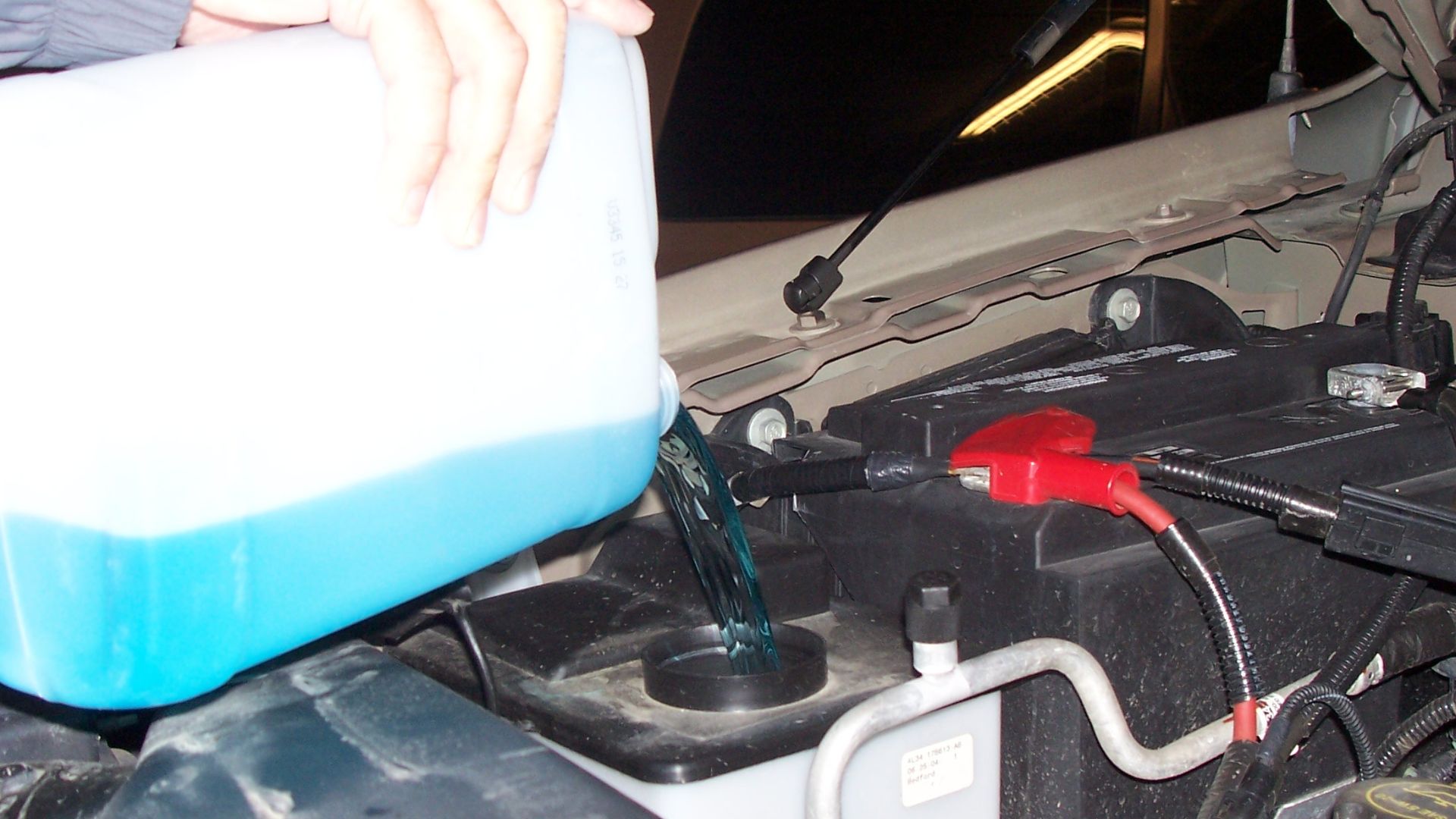
Certain 2006 General Motors vehicles offered a system that heated windshield washer fluid to help clear snow, ice, and grime. Unfortunately, electrical overheating problems prompted a major recall. GM ultimately instructed dealers to permanently disable and remove affected units, eliminating an unusual convenience feature altogether.
 Hamedog at English Wikipedia, Wikimedia Commons
Power-Adjustable Pedals
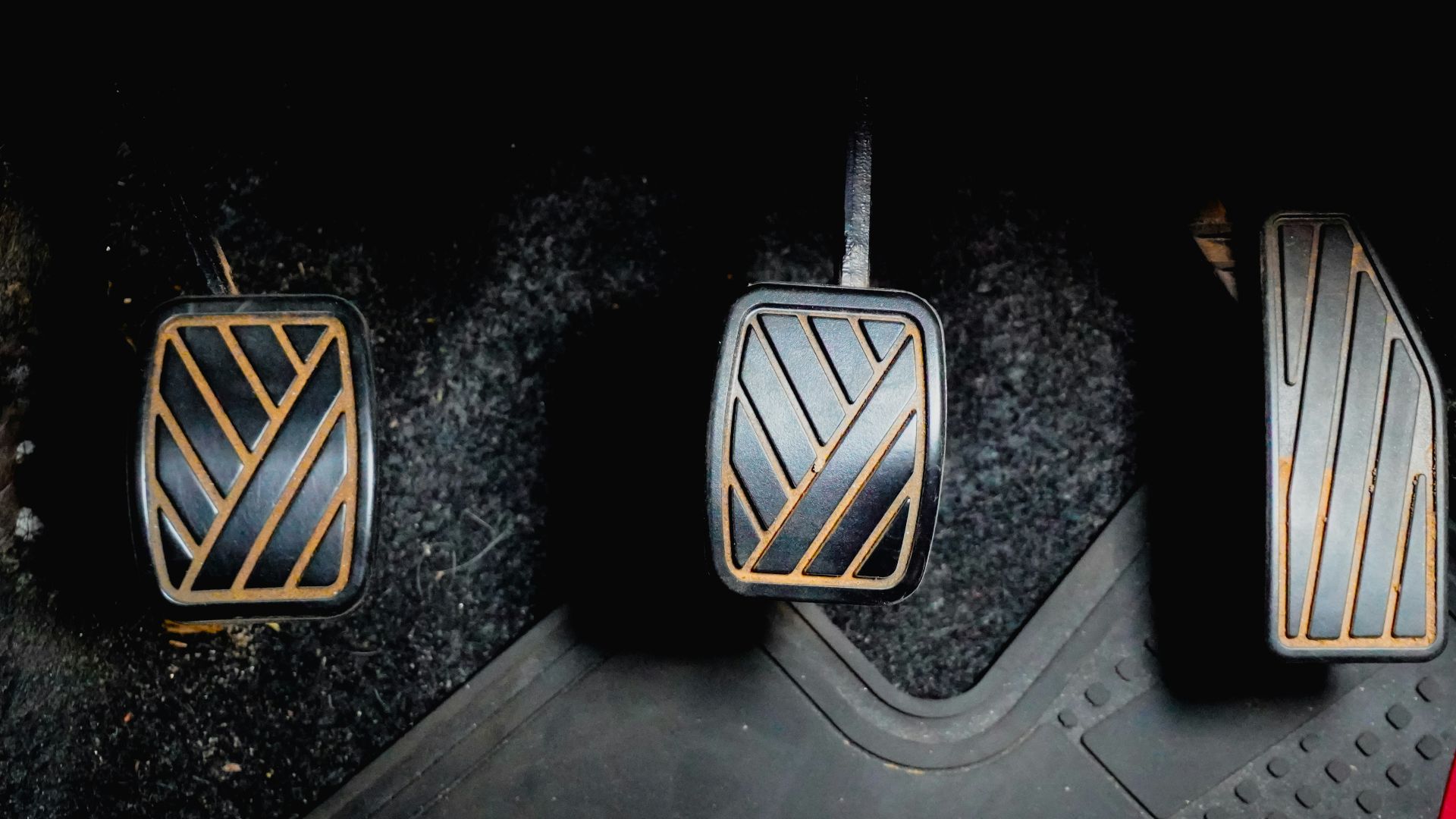
Higher-trim 2006 Ford Expeditions featured electrically adjustable accelerator and brake pedals. Drivers could move the pedals closer without repositioning their seats, providing another way to adjust their driving position. These systems haven't disappeared completely, but today they're concentrated in selected pickup trucks rather than ordinary passenger cars.
Retractable Headlight Washers
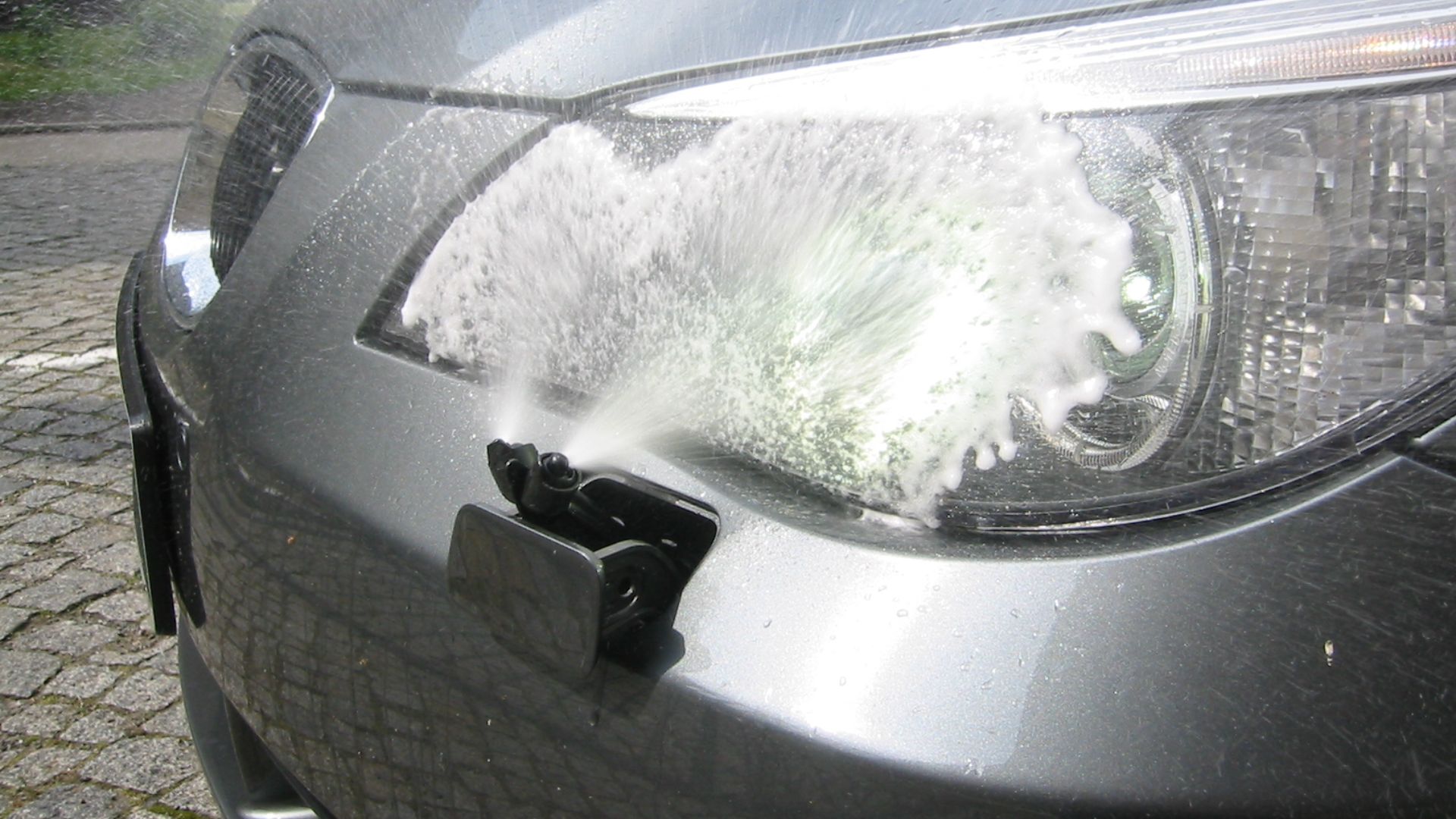
The 2006 BMW 3 Series offered retractable headlight washers through its Cold Weather Package. Small nozzles emerged from the bumper to spray the headlights with cleaning fluid. Volvo also included headlamp washers in its climate package. Once a recognizable luxury touch, dedicated washer jets are now uncommon in mainstream American-market vehicles.
 Conrad Nutschan, Wikimedia Commons
Xenon Headlight Upgrades
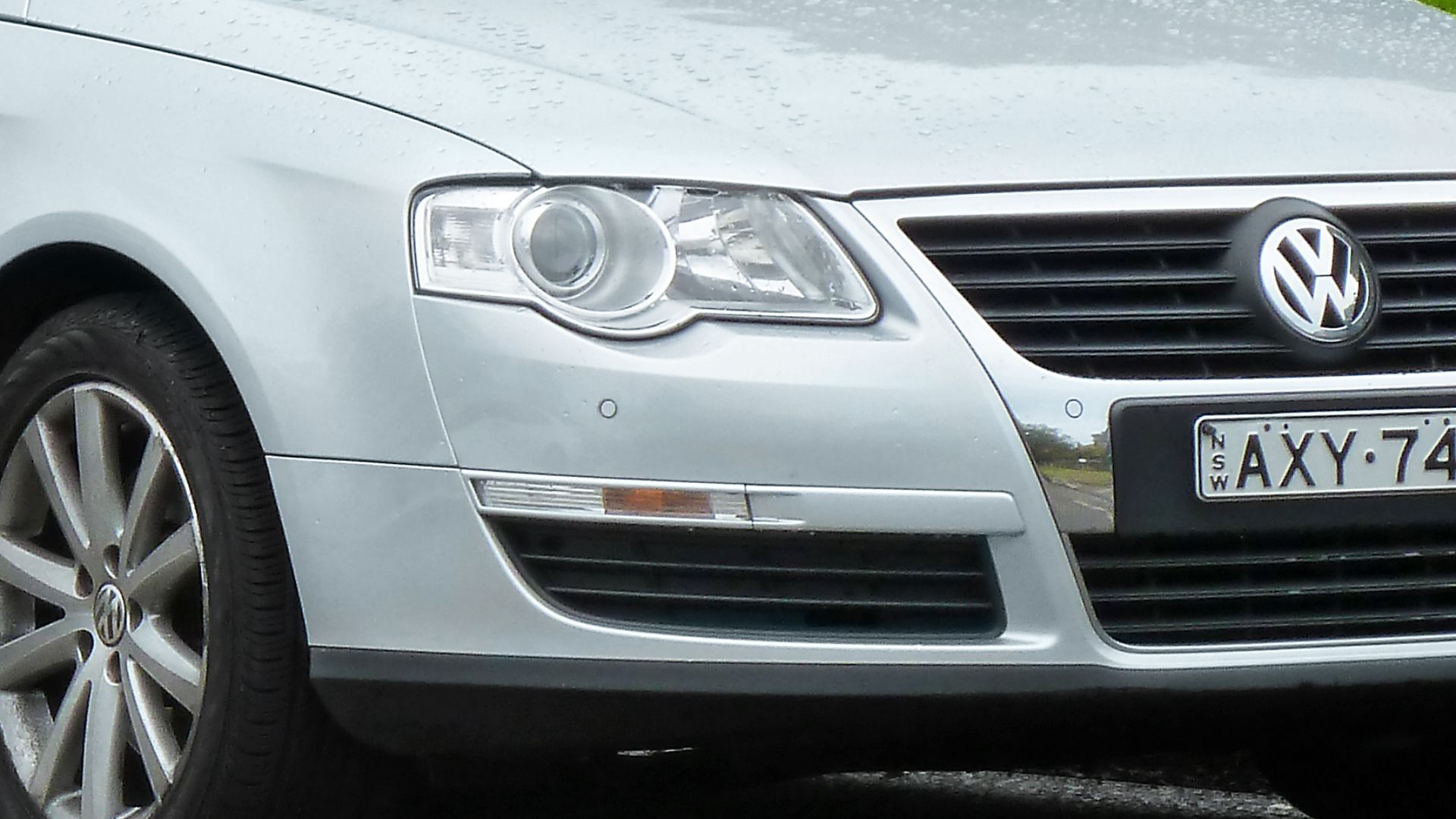
High-intensity discharge headlights, commonly called xenon lights, were desirable upgrades during the 2000s. The 2006 Volkswagen Passat offered steering-adaptive bi-xenon headlights among its available features. Although xenon lighting hasn't vanished completely, LED technology has become more widespread, reducing the appeal of those once-premium discharge lamps.
Infrared Night Vision
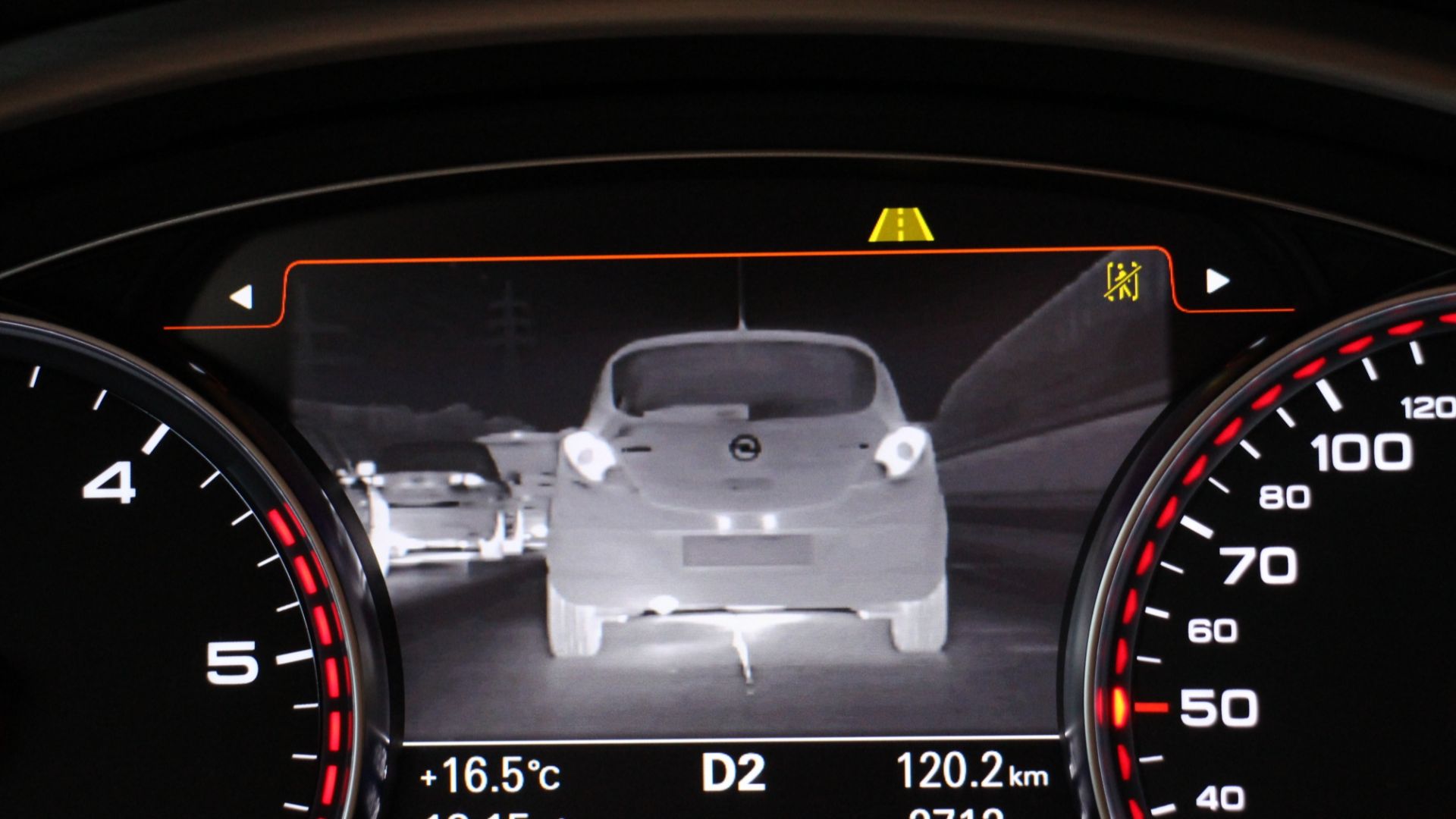
BMW expanded its infrared night-vision technology across several models in 2006. A thermal camera displayed people, animals, and objects beyond the headlights' reach on the dashboard screen. The technology survives on select luxury vehicles, including certain Cadillacs, but remains far from a typical showroom option.
 Robert Basic from Germany, Wikimedia Commons
Rear-Facing Third-Row Seats
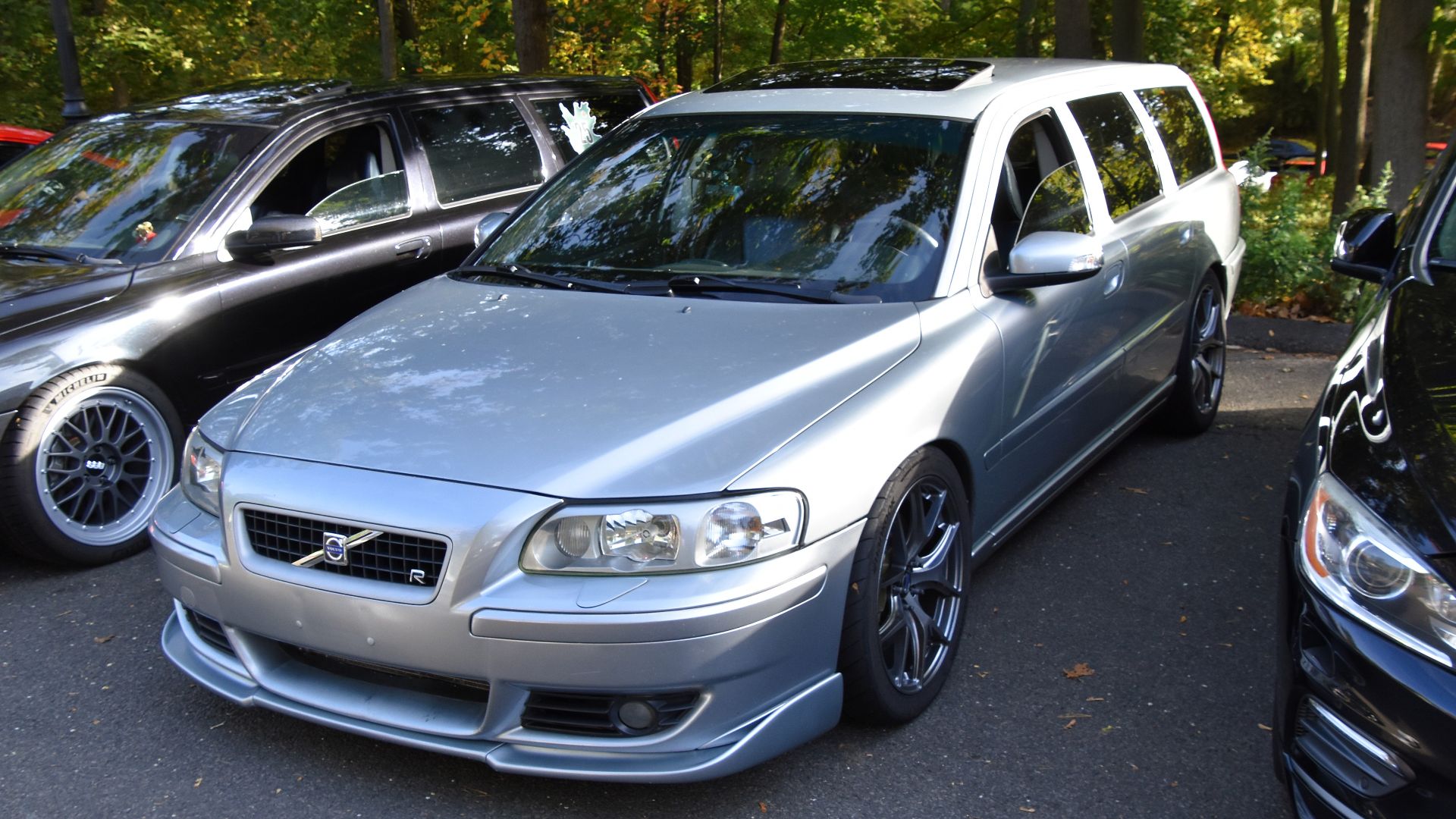
The 2006 Volvo V70 offered an optional rear-facing third-row seat, transforming its cargo area into additional passenger accommodation. This was a distinctive alternative to conventional forward-facing third rows. Modern SUVs generally use forward-facing seating, making factory rear-facing passenger seats remarkably difficult to find.
 Charles from Port Chester, New York, Wikimedia Commons
Built-In Ski Bags
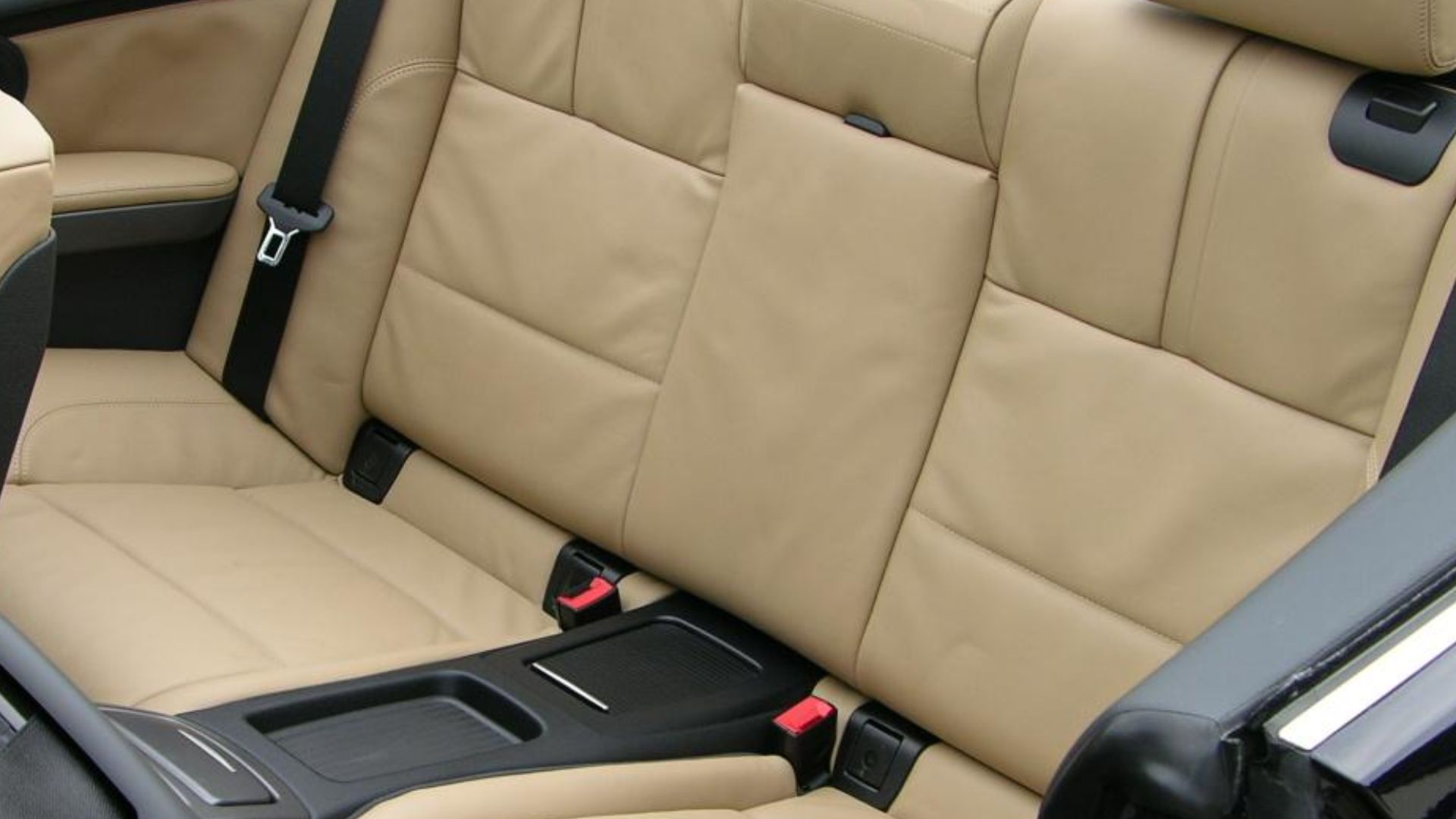
BMW once offered specially designed ski bags that extended through the rear center armrest. The 2006 3 Series included the arrangement among its optional equipment, providing a contained way to transport long winter-sports gear. Today's buyers are likelier to encounter folding seats, cargo organizers, or roof-mounted equipment.
 The Car Spy, Wikimedia Commons
Factory Smoker's Packages
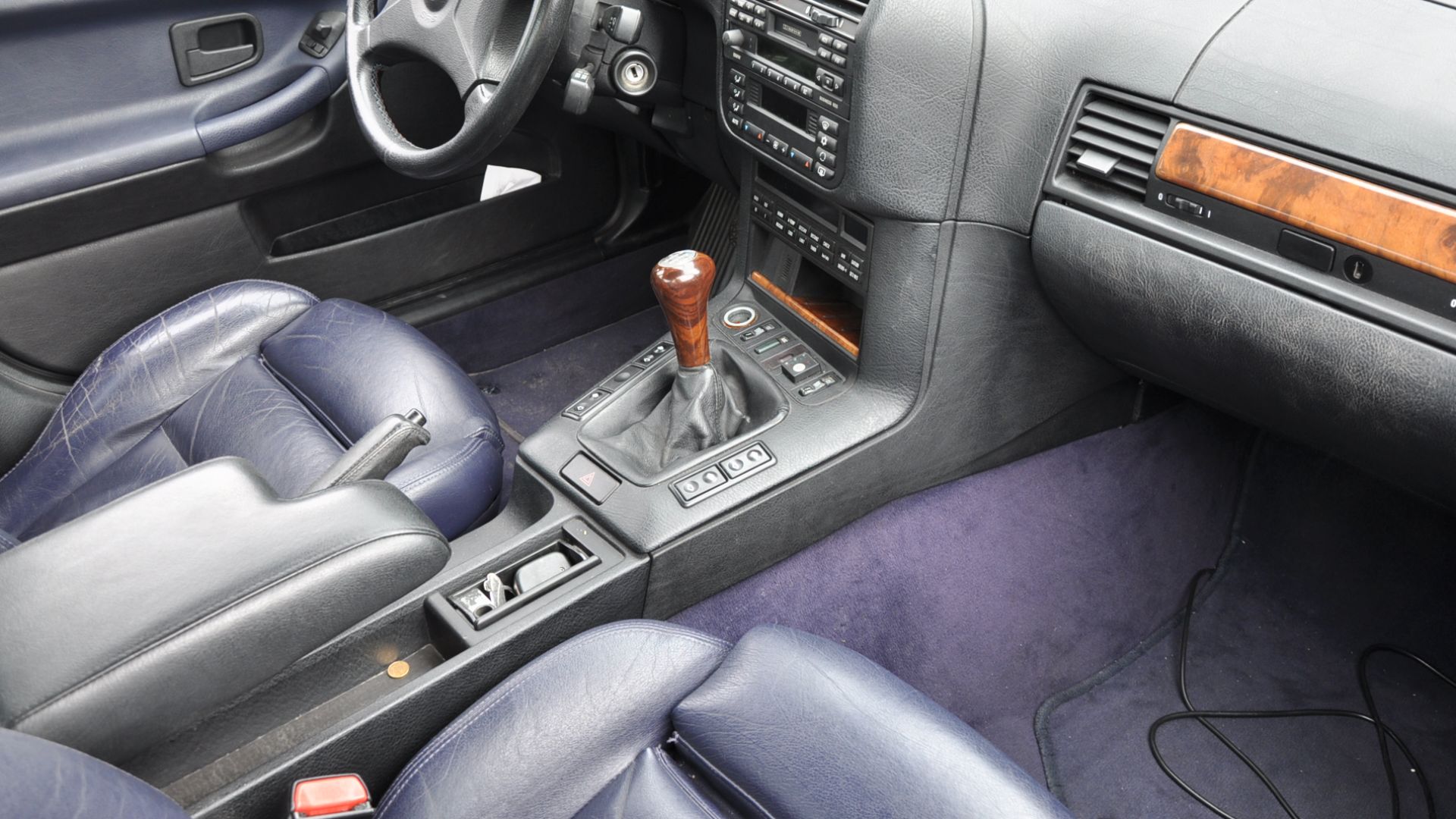
Automakers once offered dedicated smoking equipment as a factory configuration. BMW's smoker's package included an ashtray and lighter installed in the center console. Although electrical accessory sockets remain useful, traditional smoking kits are no longer prominent selling points in most new-car brochures.
Built-In Refrigerators
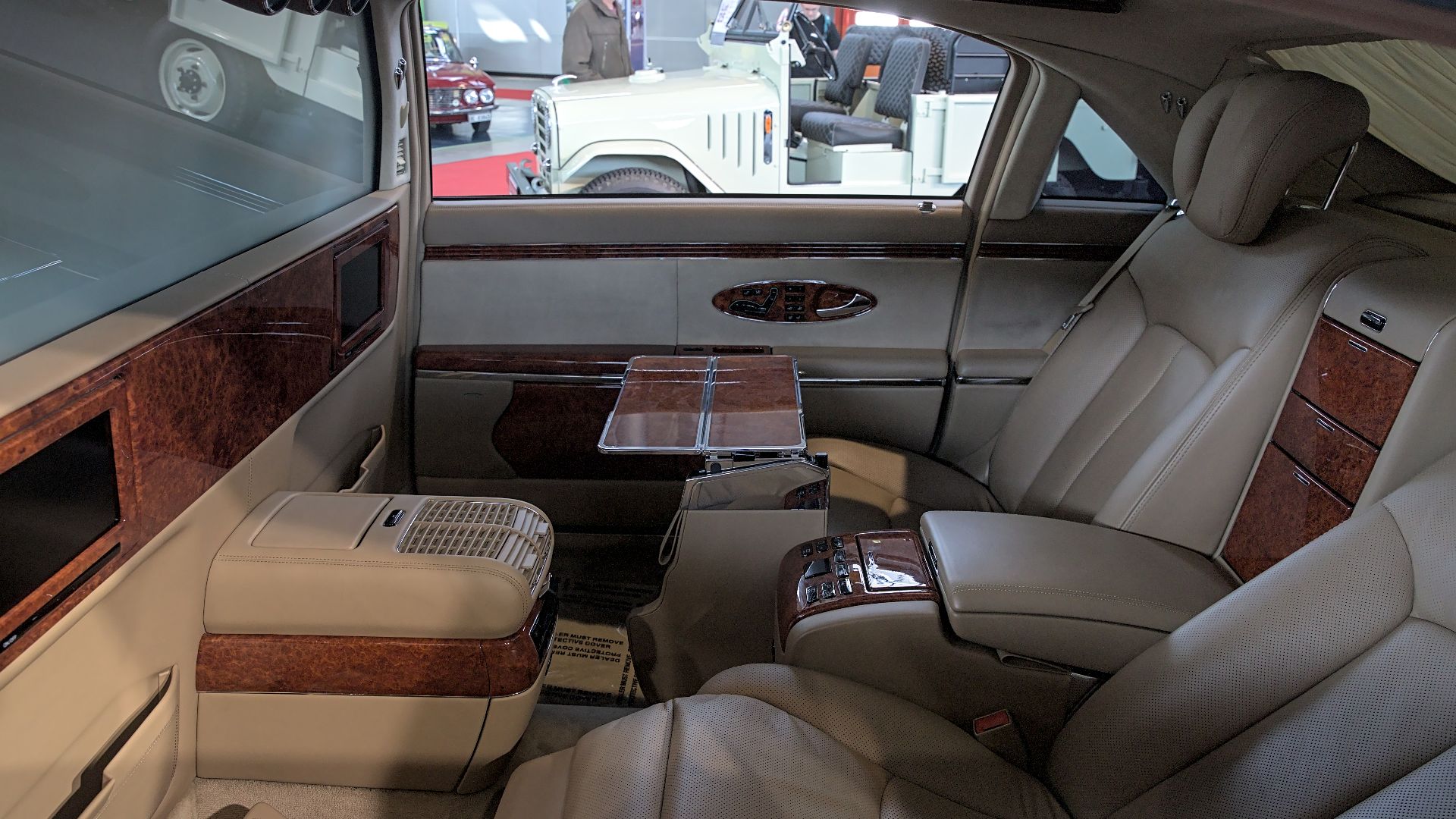
The 2006 Audi A8 W12 offered an integrated refrigerator behind the rear-seat armrest. It was the sort of lavish equipment associated with expensive flagship sedans. Refrigerated compartments haven't disappeared entirely: Toyota introduced a FridgeBox in the 2025 Sienna Platinum. Nevertheless, genuine built-in refrigerators remain unusual automotive luxuries.
 Alexander Migl, Wikimedia Commons
You May Also Like:
Cars With The Lowest Ground Clearance Ever Made—Would You Even Get One Into Your Driveway?
Electric car insurance is still expensive in 2026—but one important number is falling fast.
Top Mistakes Beginner RVers Make (And Regret)
Sources: 1, 2, 3, 4, 5, 6, 7, 8, 9, 10, 11, 12, 13, 14, 15, 16, 17, 18, 19, 20, 21, 22