
The Road To Work Suddenly Got A Lot Longer
One day your commute was predictable. The next, you're crawling through new road layouts, speed humps, narrowed lanes, and extra stop points. It feels like your city turned your daily drive into an obstacle course overnight.

Why This Frustrates So Many Drivers
When a commute doubles in length, frustration is a natural reaction. Drivers often feel they're paying the price for decisions they didn't ask for. That's one reason traffic-calming projects frequently spark heated local debates.

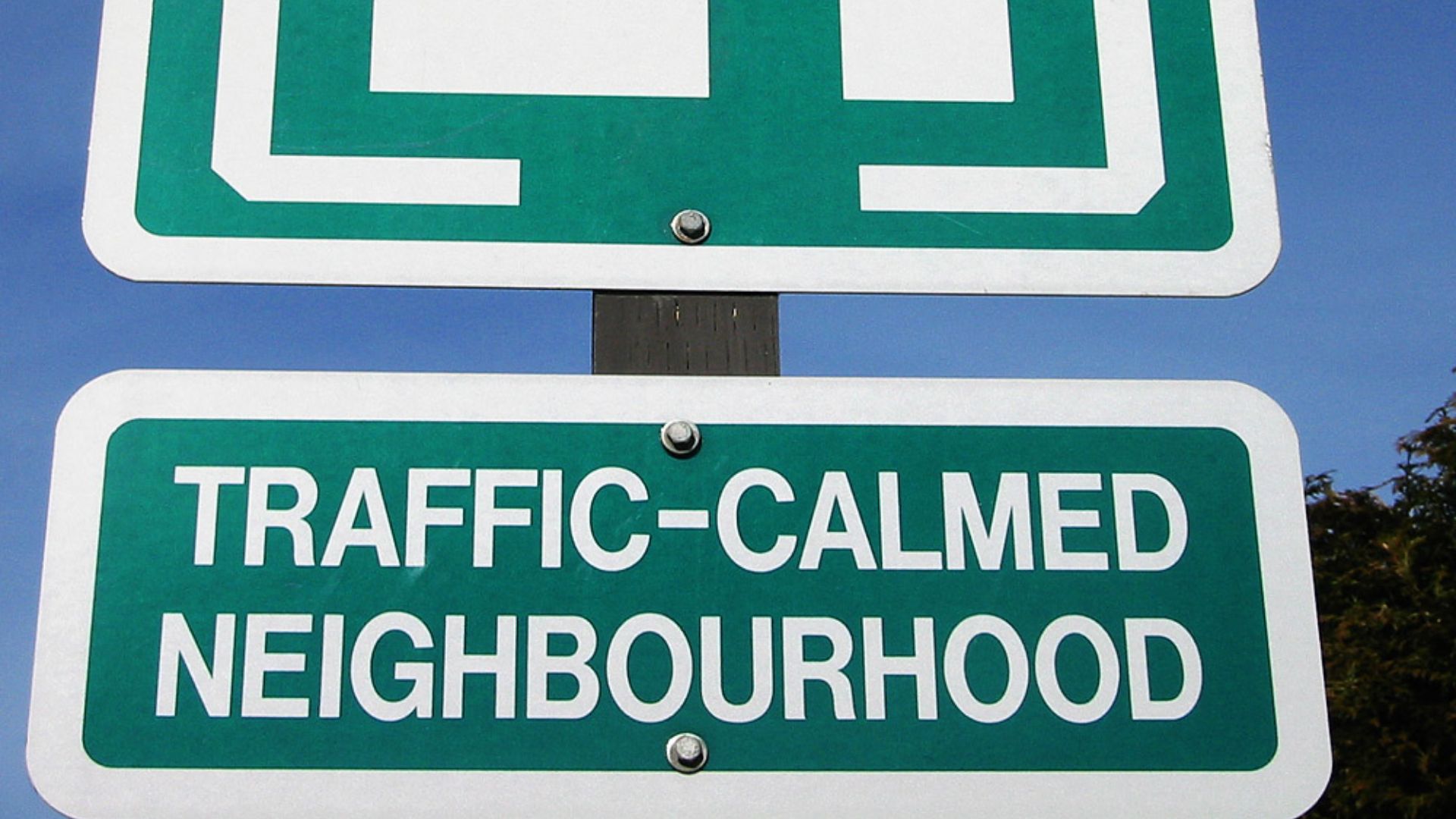
What Are Traffic-Calming Measures?
Traffic-calming measures are road design features intended to slow vehicles and reduce dangerous driving behavior. Cities use them to improve safety, especially in residential areas, school zones, and pedestrian-heavy corridors.
 Richard Drdul, Wikimedia Commons
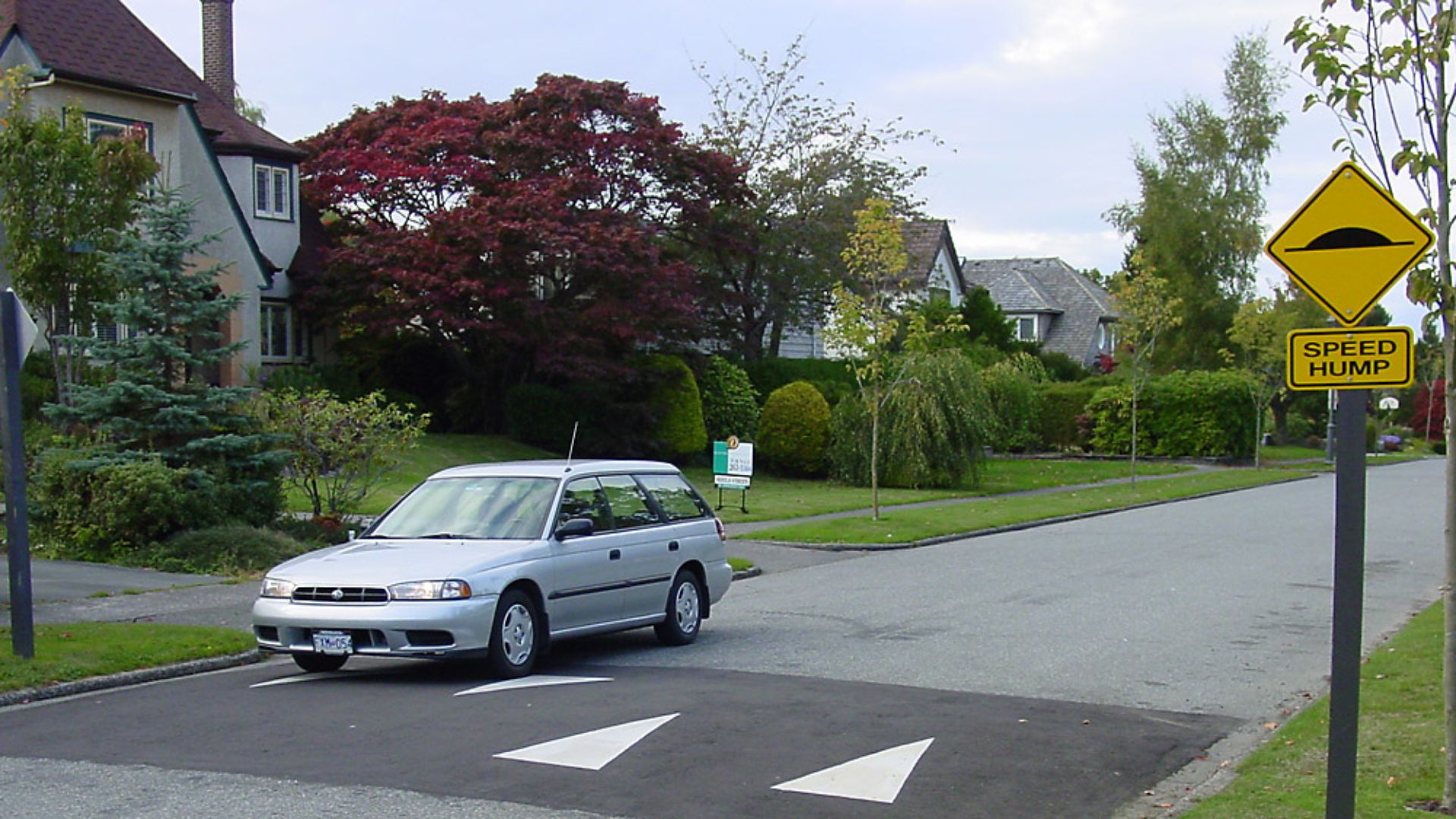
Speed Humps Are The Most Recognizable
Most drivers immediately think of speed humps. These raised sections of pavement force vehicles to reduce speed. While effective at slowing traffic, they're often among the least popular measures with commuters.
 Richard Drdul, Wikimedia Commons
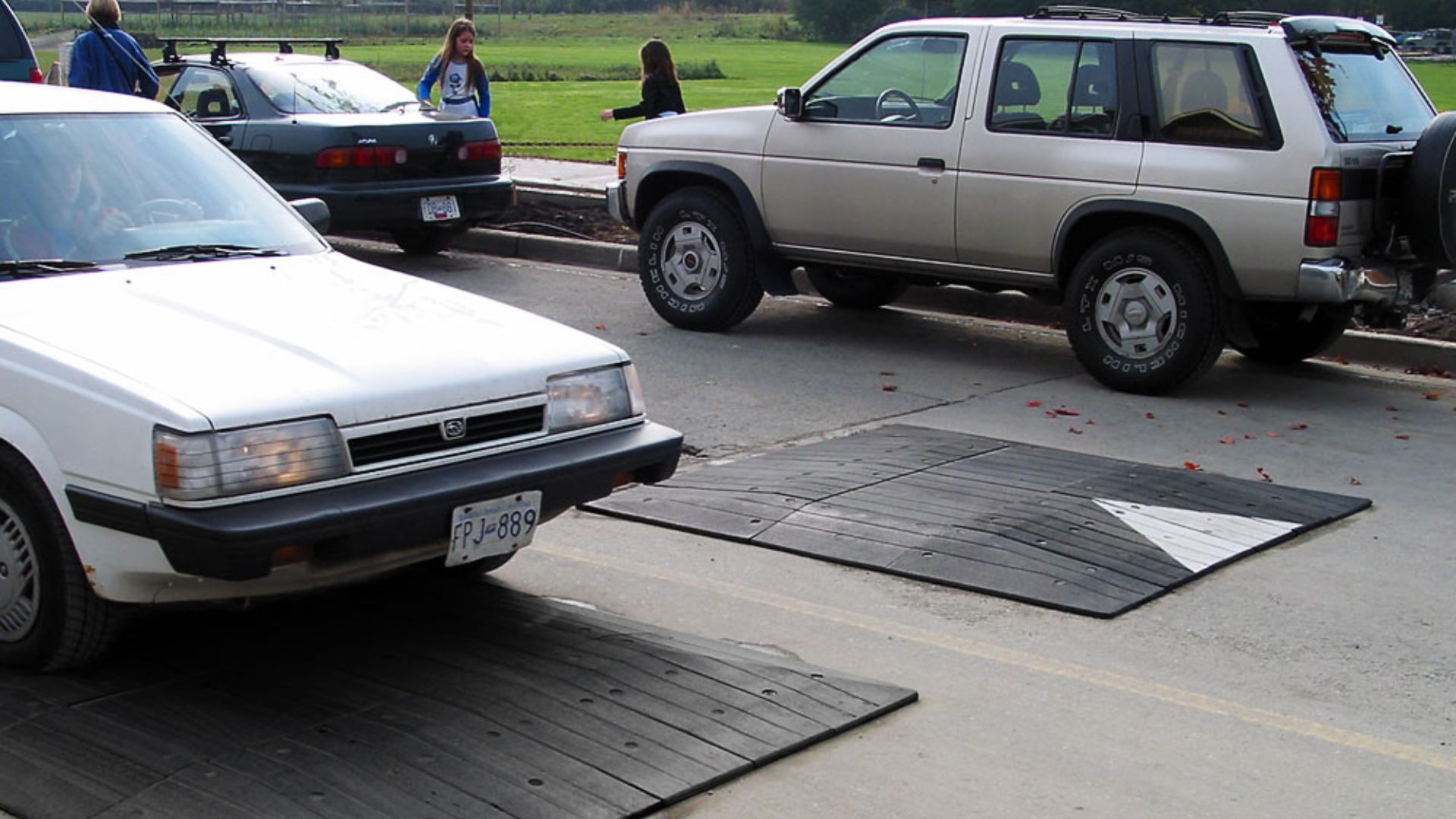
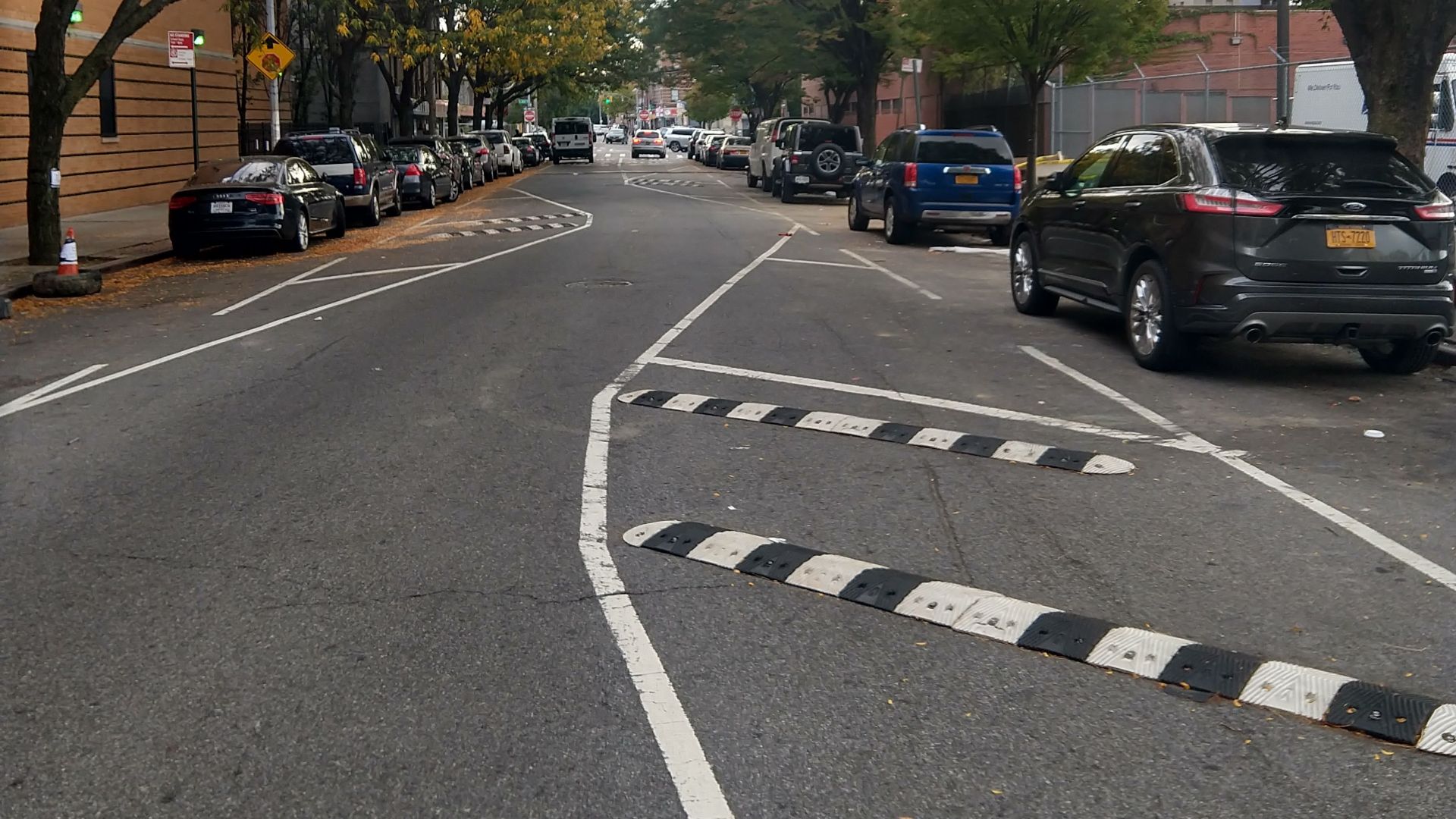
Speed Cushions Are Slightly Different
Speed cushions resemble speed humps but include gaps that allow emergency vehicles to pass more easily. Cities sometimes choose them to balance traffic control with emergency response needs.
 Richard Drdul, Wikimedia Commons
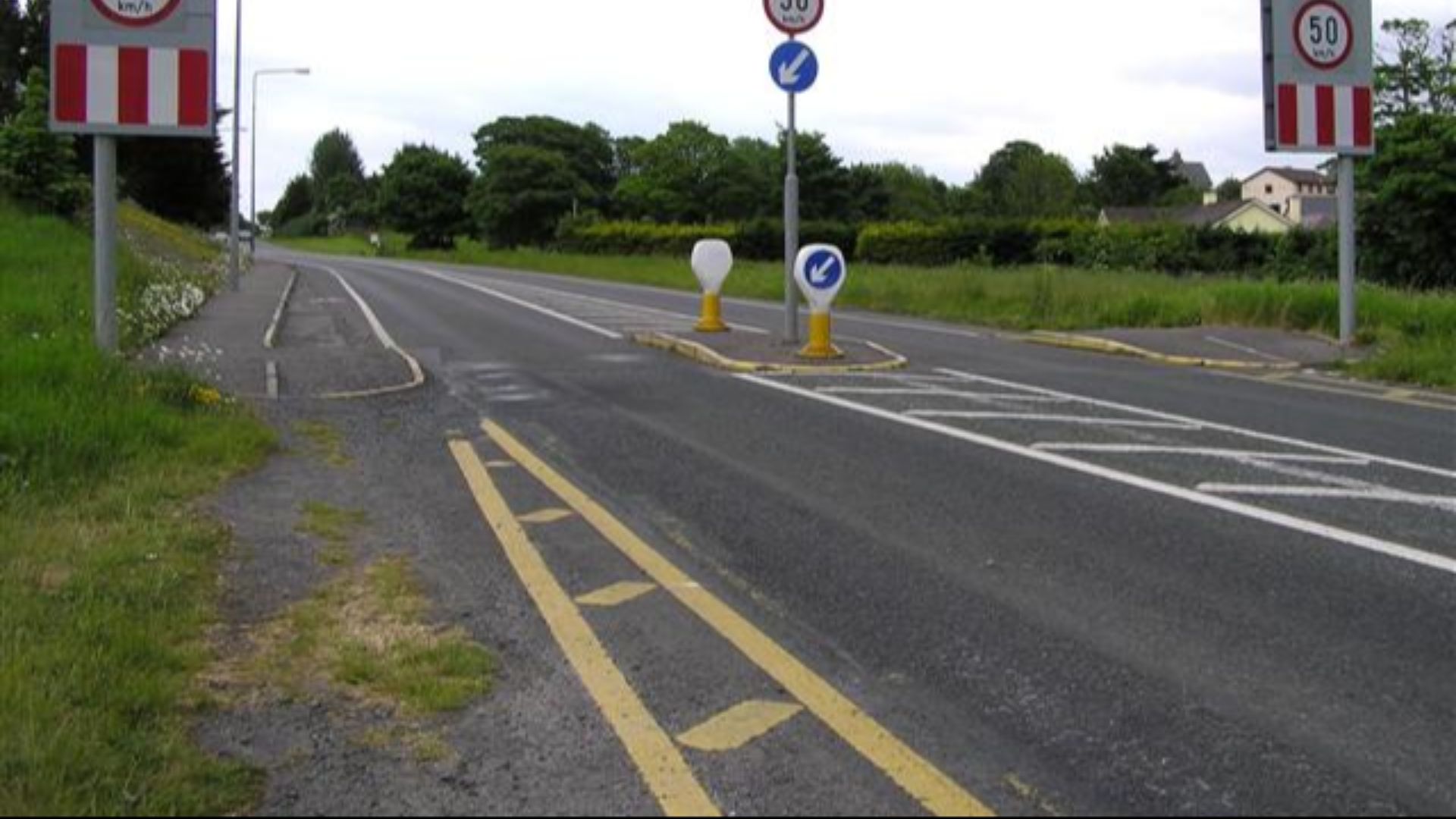
Road Narrowing Is Becoming More Common
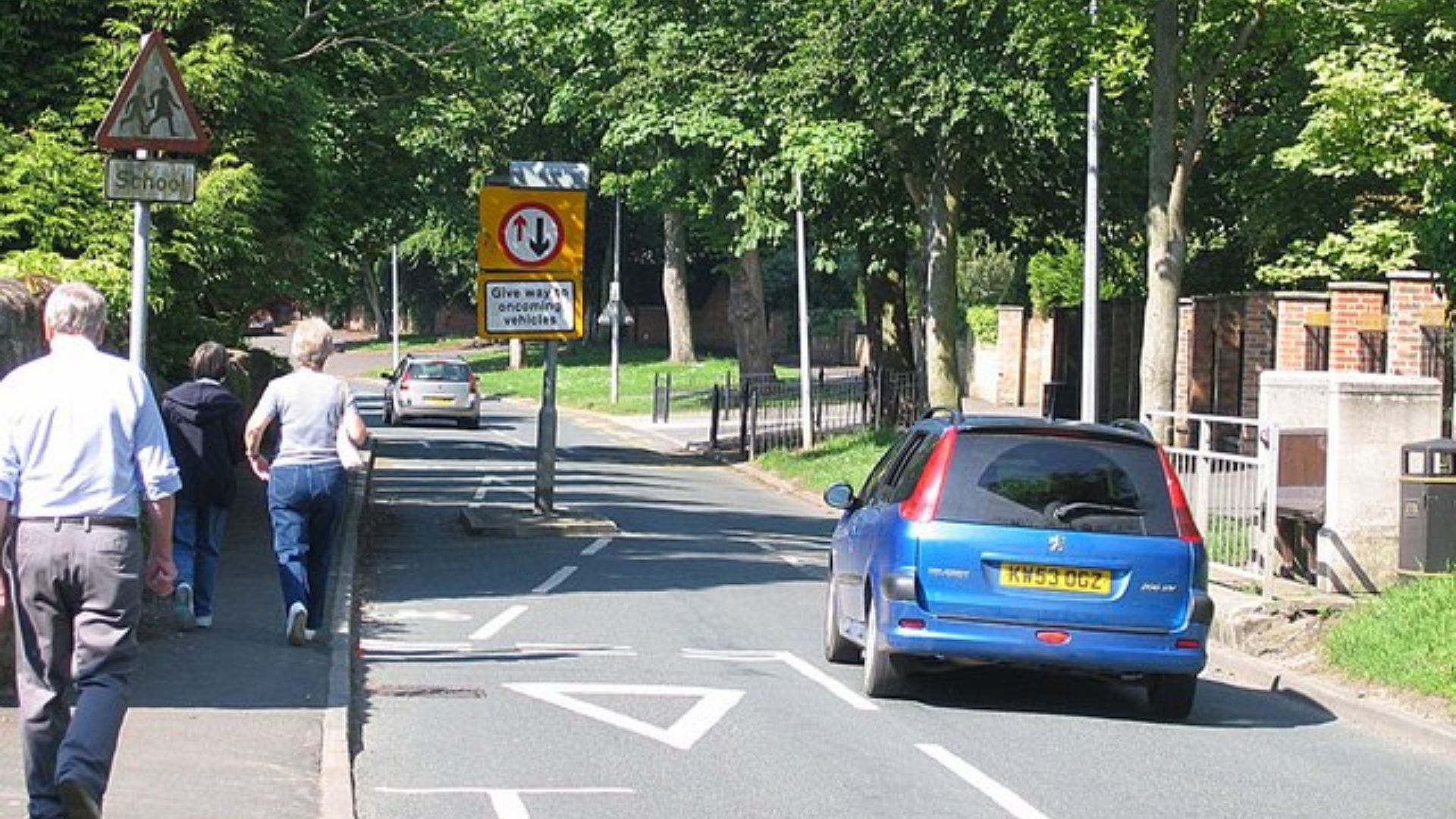
Some cities deliberately narrow lanes using curbs, planters, or painted buffers. The idea is simple: drivers tend to slow down when roads feel less wide and forgiving.
 Kenneth Allen, Wikimedia Commons
Chicanes Add Curves To Straight Roads
A chicane creates a slight zigzag in the roadway. Instead of driving straight through a corridor, motorists must steer around obstacles. These designs encourage lower speeds without requiring traditional speed bumps.
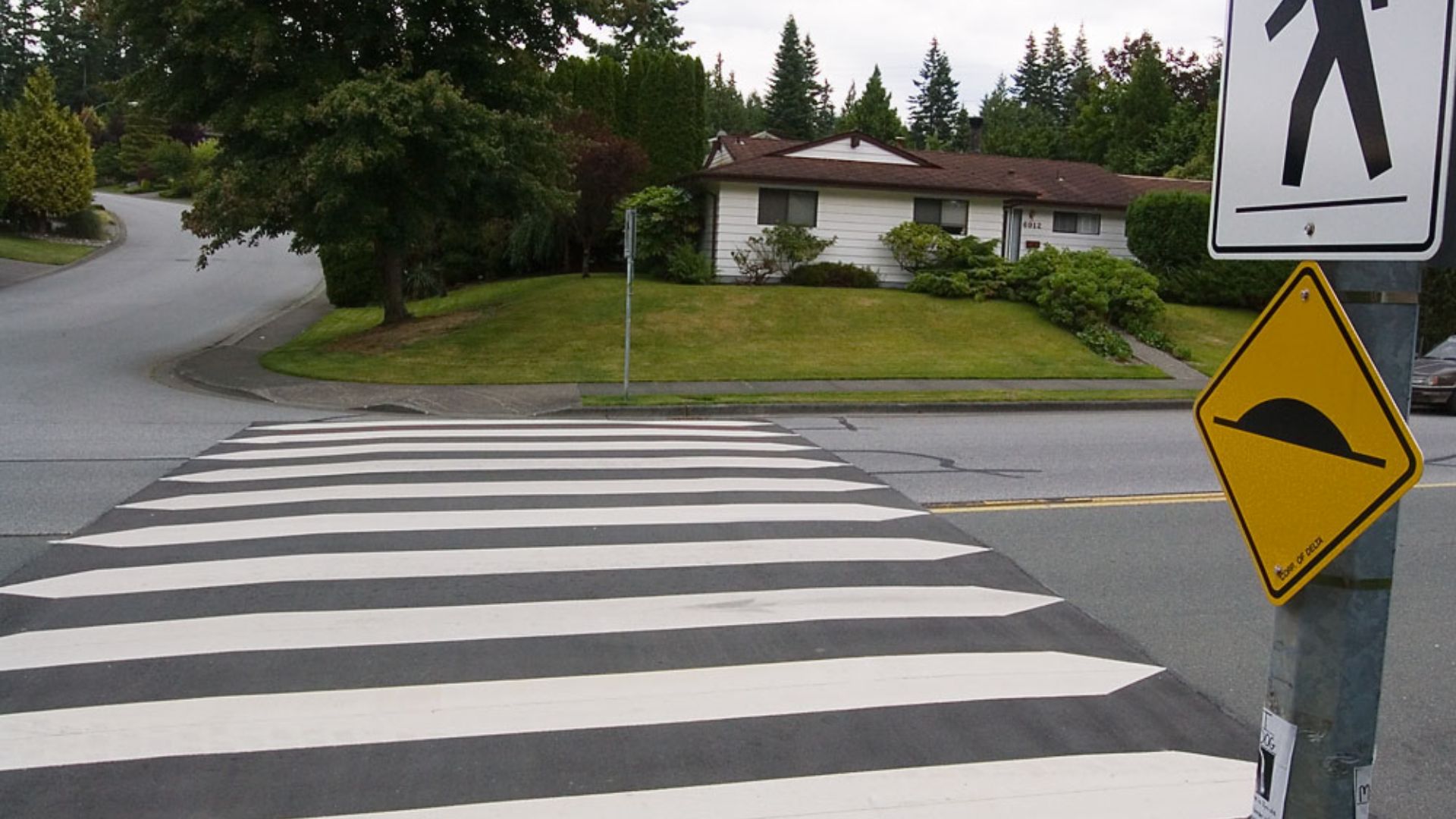
Raised Crosswalks Serve Two Purposes
These structures act as both pedestrian crossings and traffic-calming devices. Drivers slow down while pedestrians gain a more visible crossing point. Safety advocates often support them strongly.
 Richard Drdul, Wikimedia Commons
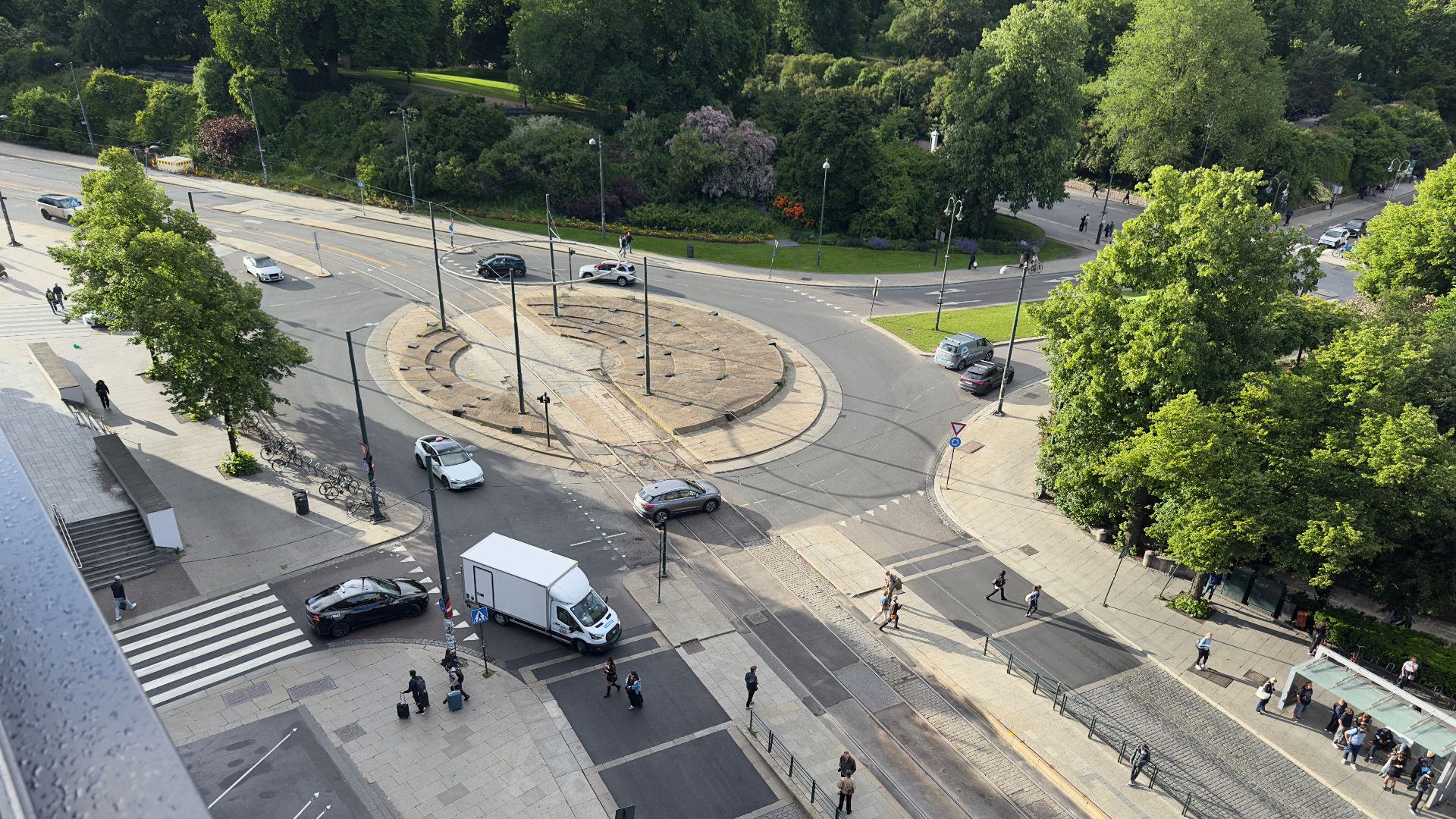
Traffic Circles Can Replace Stop Signs
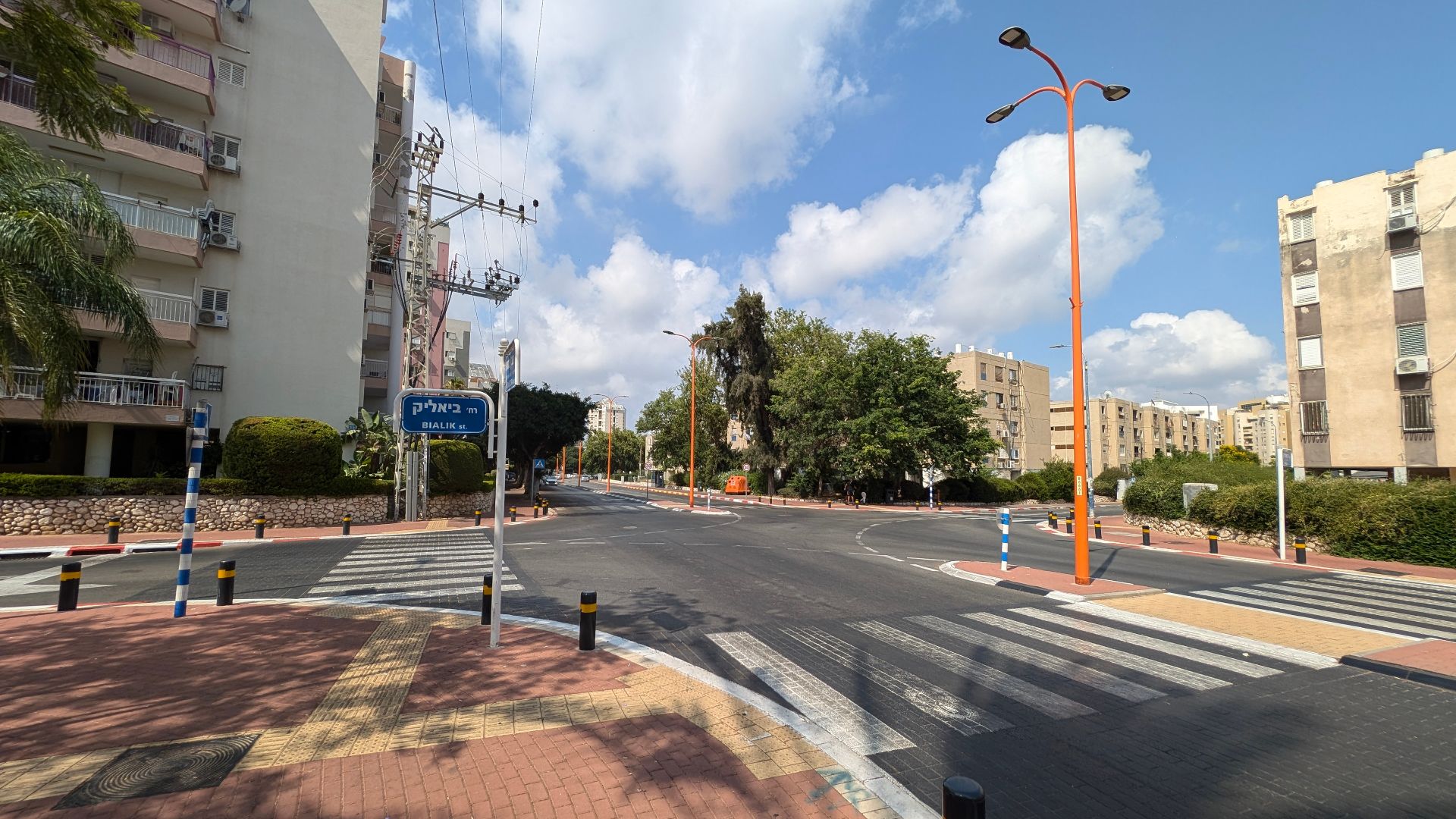
Small neighborhood traffic circles keep vehicles moving while reducing severe intersection collisions. Some drivers appreciate fewer complete stops, while others dislike the added complexity.
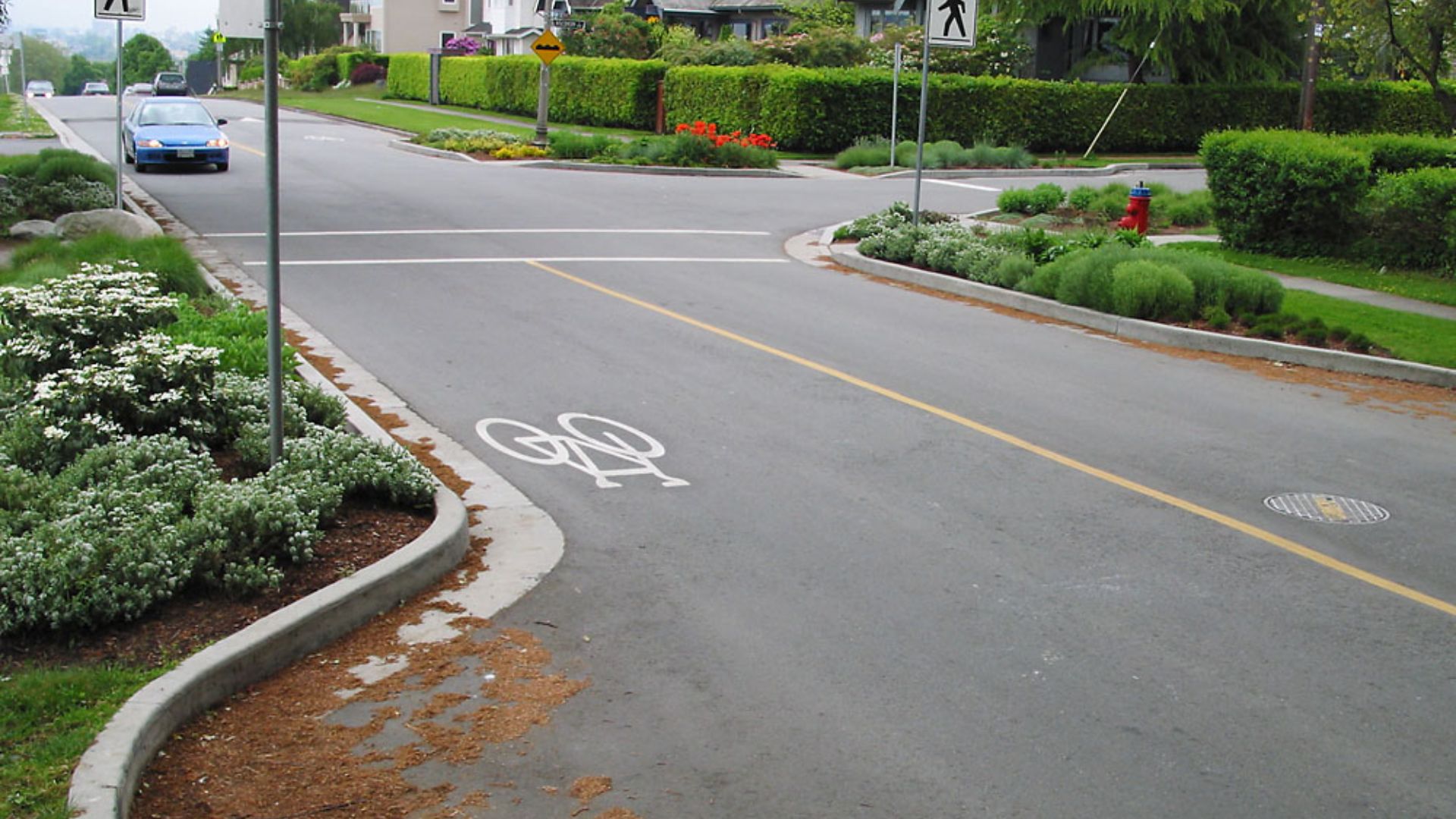
Curb Extensions Change Driver Behavior
Also known as bulb-outs, these sidewalk extensions narrow crossing distances for pedestrians. They can improve visibility but sometimes reduce maneuvering room for vehicles.
 Richard Drdul, Wikimedia Commons
Why Cities Install These Measures
The primary goal is usually safety. Transportation studies consistently show that lower vehicle speeds reduce both crash frequency and crash severity, especially for pedestrians and cyclists.
Speed Is The Real Target
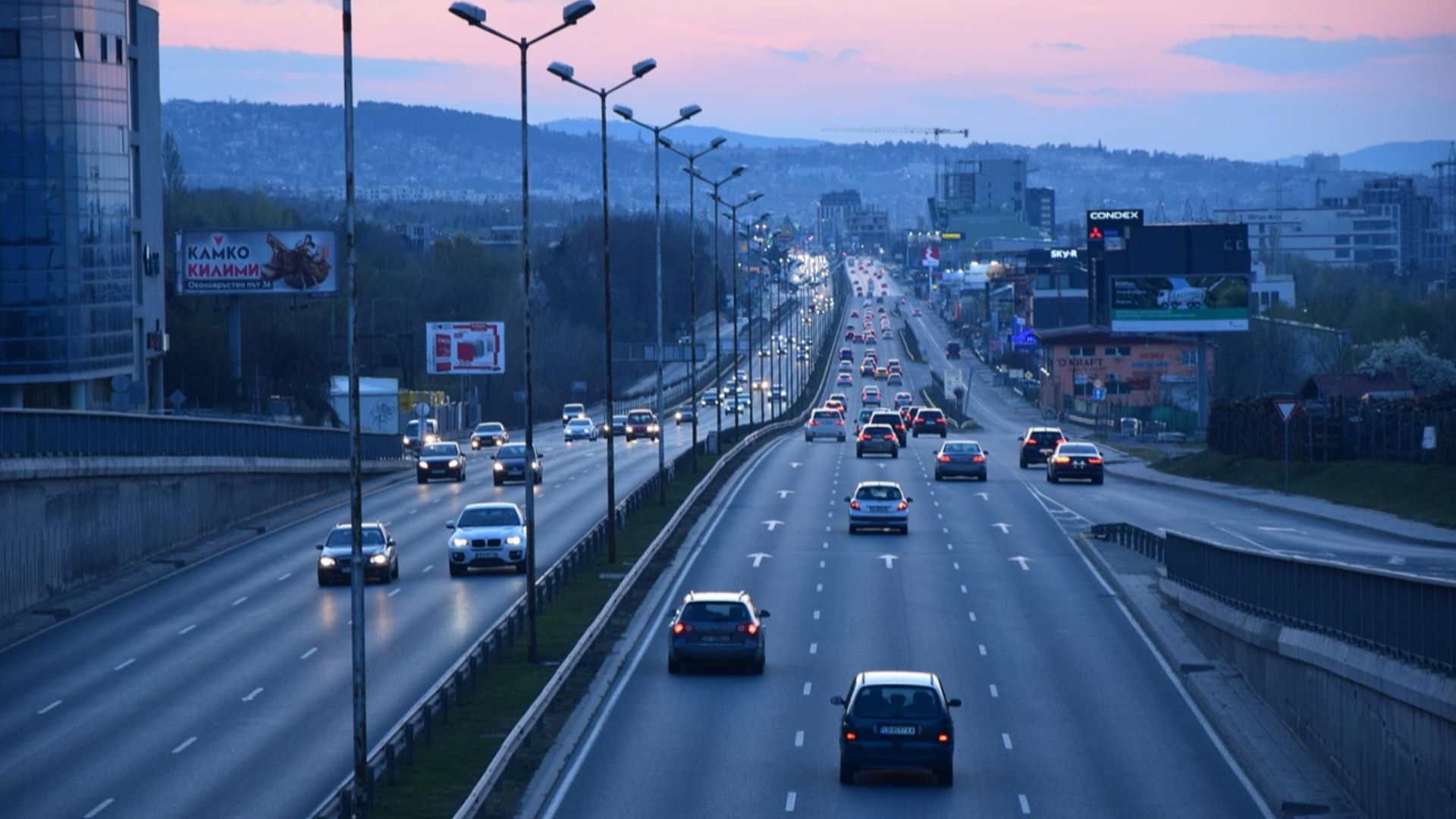
Traffic-calming projects are often designed around one principle: slower traffic tends to produce fewer serious injuries. City planners frequently view reduced speeds as worth some additional travel time.
Residential Neighborhoods Drive Many Decisions
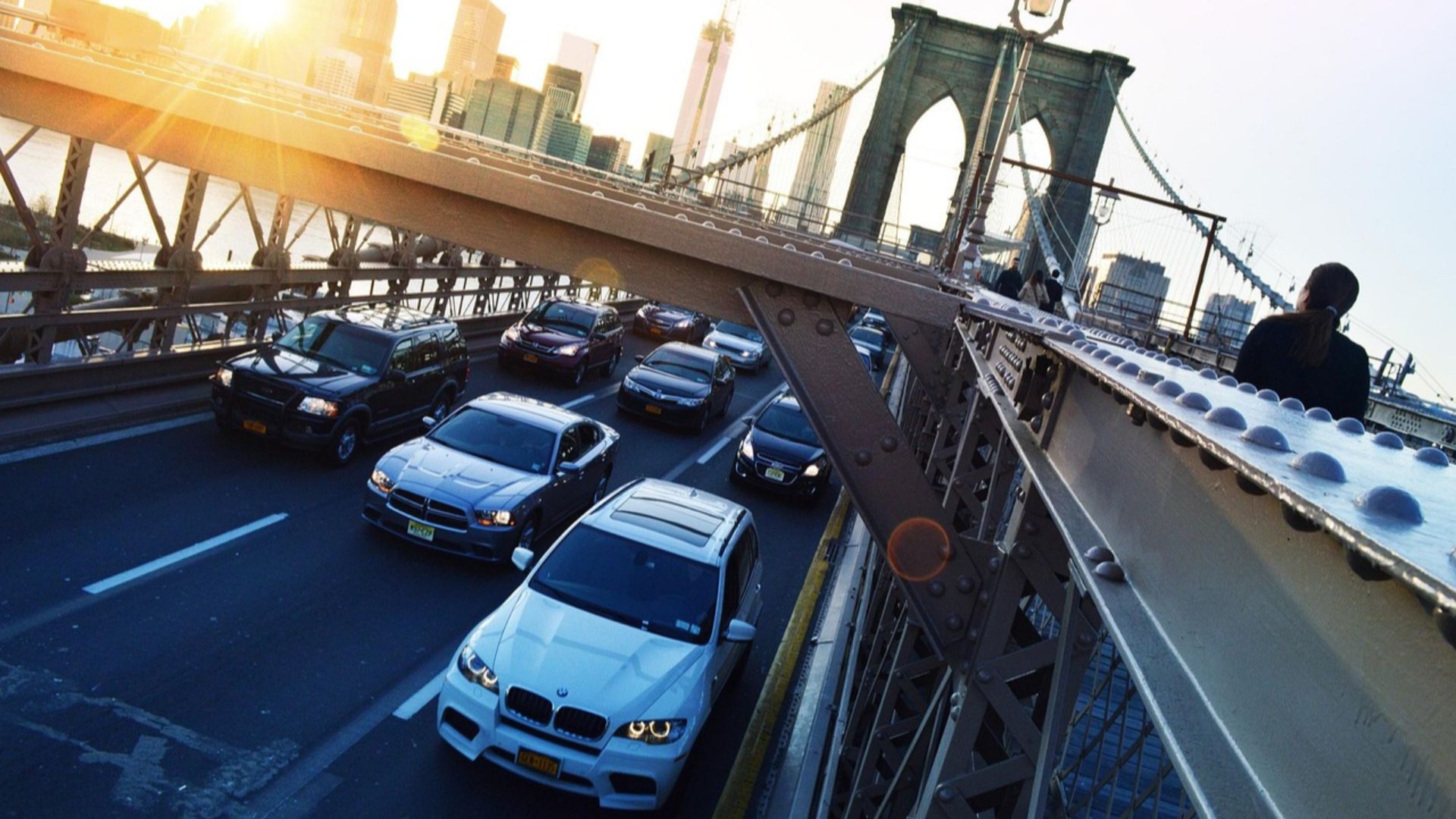
Residents often request traffic-calming after years of speeding complaints. A neighborhood experiencing frequent near-misses may push local governments to act even if commuters dislike the outcome.
 Hebrew hyphen, Wikimedia Commons
Schools Often Influence Projects
School zones are common locations for traffic-calming installations. Protecting children walking or biking to school is frequently cited as a major justification for these measures.

Emergency Services Sometimes Object
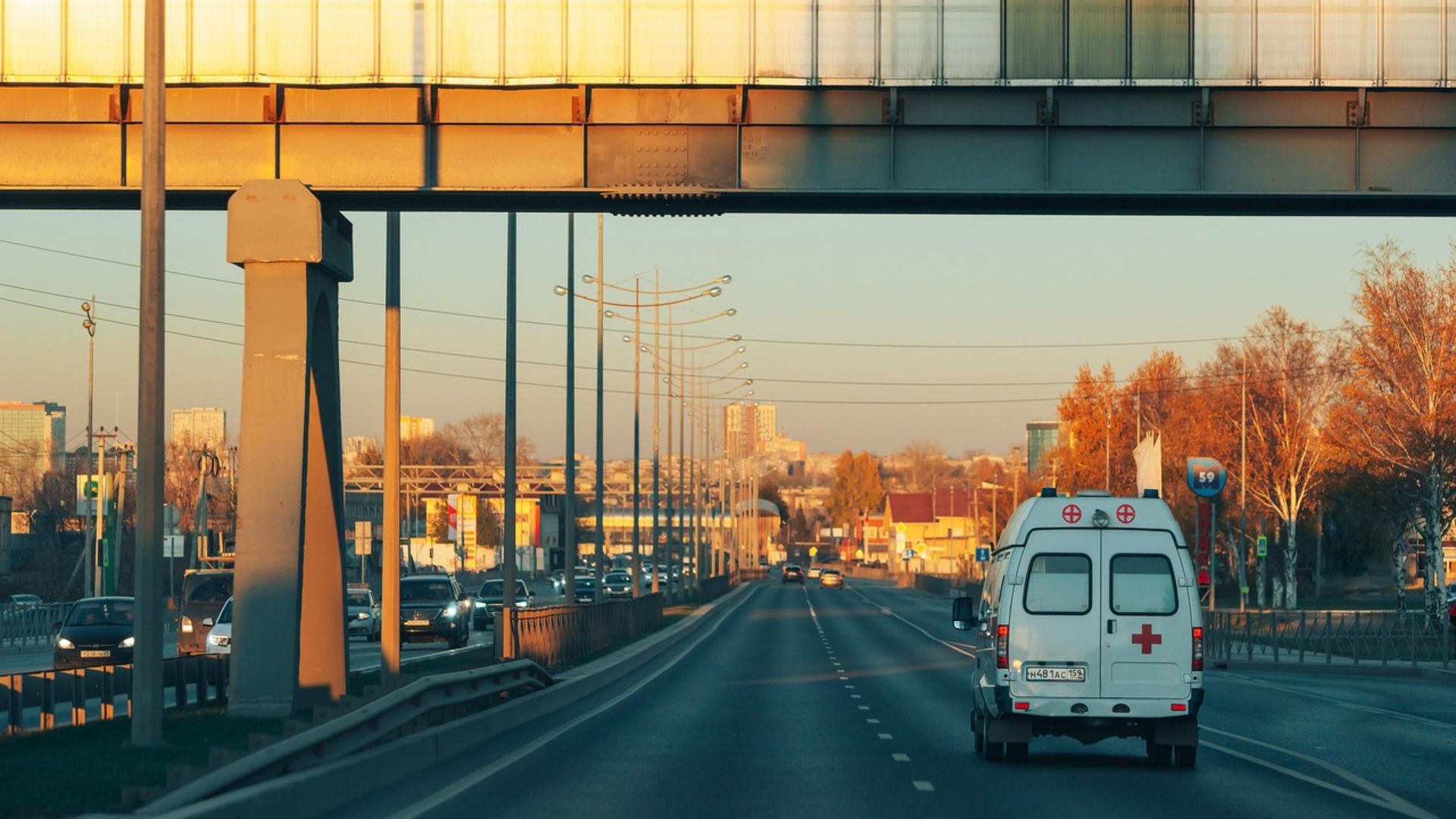
Not everyone supports traffic calming. Some emergency responders have expressed concerns that certain designs can increase response times, particularly when multiple speed-control features are installed.
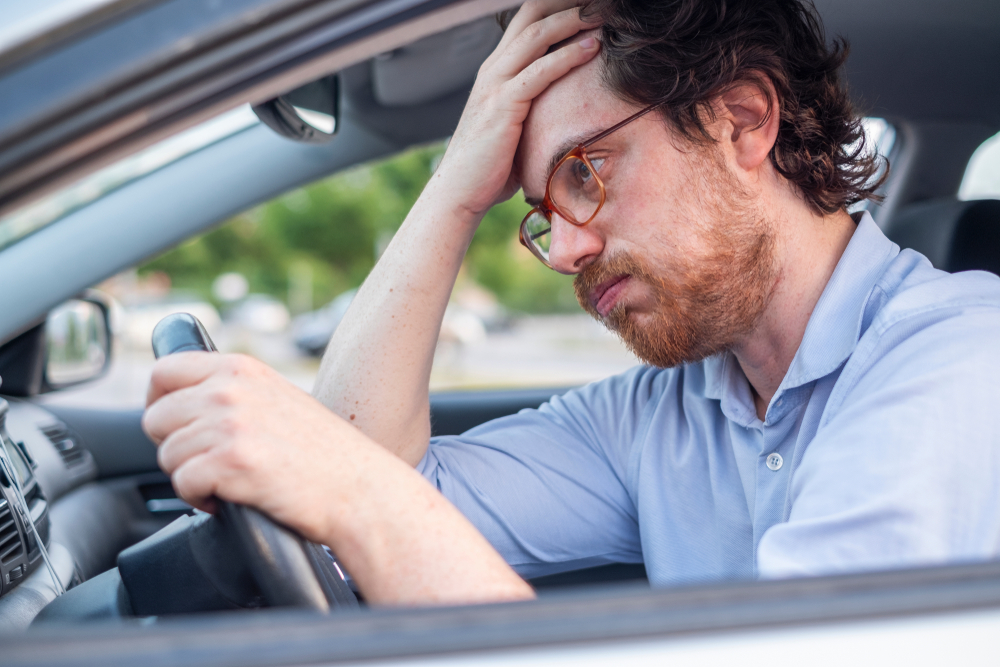
Drivers Often Feel Punished
Many commuters argue they are being penalized for the actions of a small number of reckless drivers. This perspective fuels much of the opposition surrounding new traffic-calming projects.
Supporters See A Different Picture
Residents living along busy roads often experience the issue differently. They may see slower traffic, reduced noise, and safer crossings as significant improvements to daily life.

That's Why Reviews Are So Mixed
Traffic calming creates clear winners and losers. Pedestrians, cyclists, and nearby residents may celebrate the changes. Daily commuters may view the exact same project as a major inconvenience.
 Roger Smith, Wikimedia Commons
Can You Get The Measures Removed?
Usually not easily. Once traffic-calming infrastructure is installed, removal often requires additional studies, public input, political support, and funding. Most projects remain in place for years.

You Can Attend Public Meetings
If a project significantly affects your commute, public meetings provide opportunities to voice concerns. Local governments often review feedback when evaluating future transportation decisions.

Data Matters More Than Complaints
Cities generally respond more strongly to evidence than frustration. Travel-time studies, traffic counts, and documented impacts may carry greater weight than generalized complaints alone.

Technology Can Help
Modern navigation apps often adjust routes based on changing traffic patterns. Sometimes a route that seemed slower immediately after installation becomes manageable once drivers adapt.

Consider Adjusting Departure Times
Leaving fifteen minutes earlier or later can sometimes produce surprising results. Traffic-calming projects often create bottlenecks during peak periods that diminish outside rush-hour windows.
 Centre for Ageing Better, Unsplash
Alternative Routes May Eventually Emerge
Drivers naturally adapt over time. As traffic patterns change, new preferred routes often develop. What feels unbearable during the first few months may improve later.

Public Transit May Become More Attractive
Some commuters use traffic-calming changes as a reason to reevaluate transportation options. Depending on your city, transit, cycling, or hybrid commuting schedules may become worth exploring.
Carpooling Can Reduce The Pain
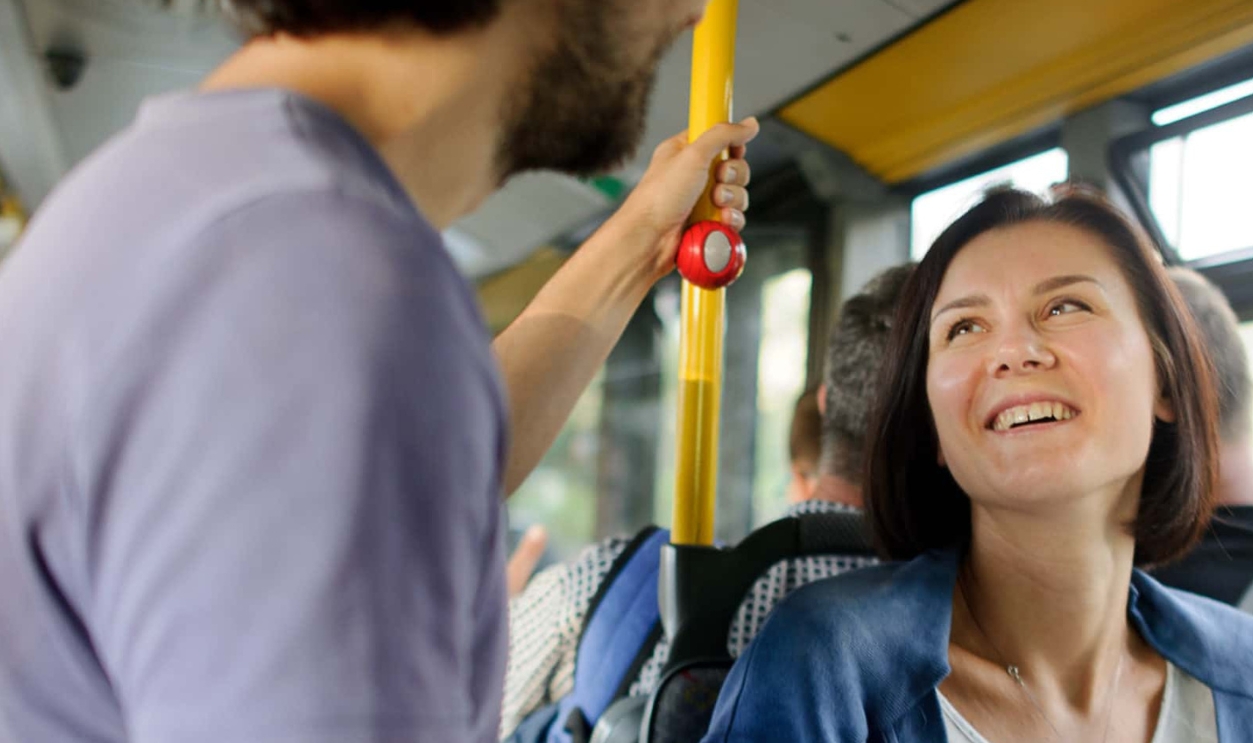
If travel times are unavoidable, sharing the commute can reduce both costs and stress. Many drivers find long delays easier to tolerate when they aren't driving alone.

Keep Expectations Realistic
Unfortunately, there is rarely a quick fix. If a city intentionally slowed traffic on a corridor, increased travel time may be part of the intended outcome rather than an unintended consequence.

The Question Most Drivers Ask
Can anything be done to restore your old commute? Sometimes minor adjustments occur after implementation. However, cities rarely reverse projects that show measurable safety improvements.

So What Do You Do Now?
Your best options are usually adaptation rather than elimination. Explore alternative routes, adjust travel times, participate in local transportation discussions, and monitor how traffic patterns evolve over several months.

The Answer Many Commuters Eventually Reach
The frustrating reality is that traffic-calming measures are often working exactly as designed. The challenge becomes finding ways to minimize the inconvenience while recognizing that cities typically install them because they believe the safety benefits outweigh the added travel time.

You May Also Like: