The Big Question Behind A Very Common Argument
Your friend has a point, even if they still don't have the best advice. Modern all-season tires really are far better than they used to be, and tire tech has come a long way over the past couple of decades. But don't get ahead of yourself just yet.
Technology or no, your friend's claim falls apart when you look at the latest testing from tire experts and safety groups.

Why This Debate Still Matters
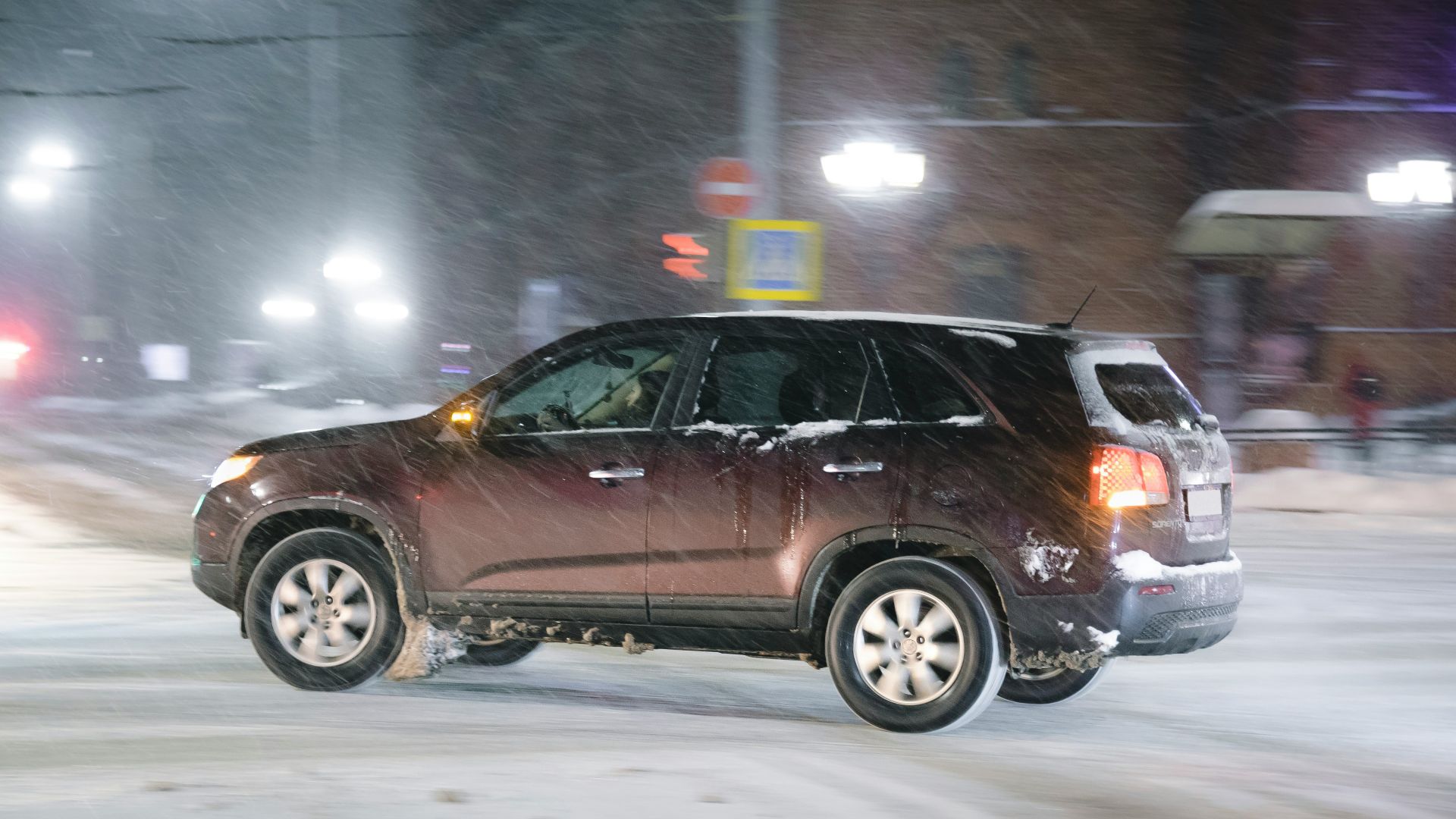
This isn't just a "matter of opinion" parking-lot argument . It comes down to what a tire does when temperatures drop, snow starts piling up, and a road that looked wet suddenly turns slick. That affects stopping distance, control, and whether your car feels steady or sketchy when the weather turns bad.
What All-Season Tires Were Originally Meant To Do
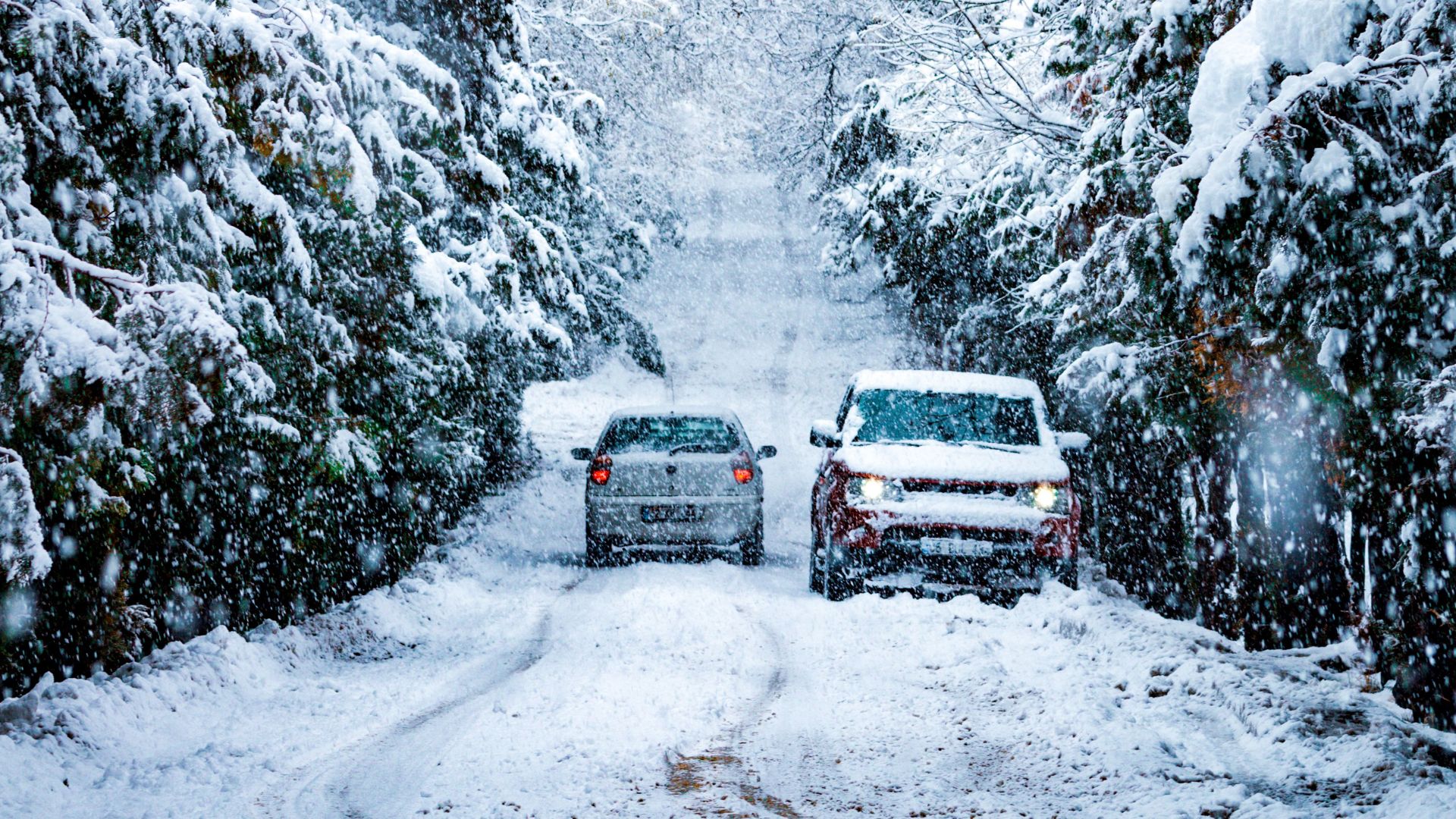
All-season tires were built as a compromise for year-round driving in a wide range of conditions. They are meant to deliver decent dry grip, wet traction, tread life, and some light-snow ability without making drivers swap tires every spring and fall. That convenience matters, and in many places it is enough.
What Winter Tires Were Built To Solve
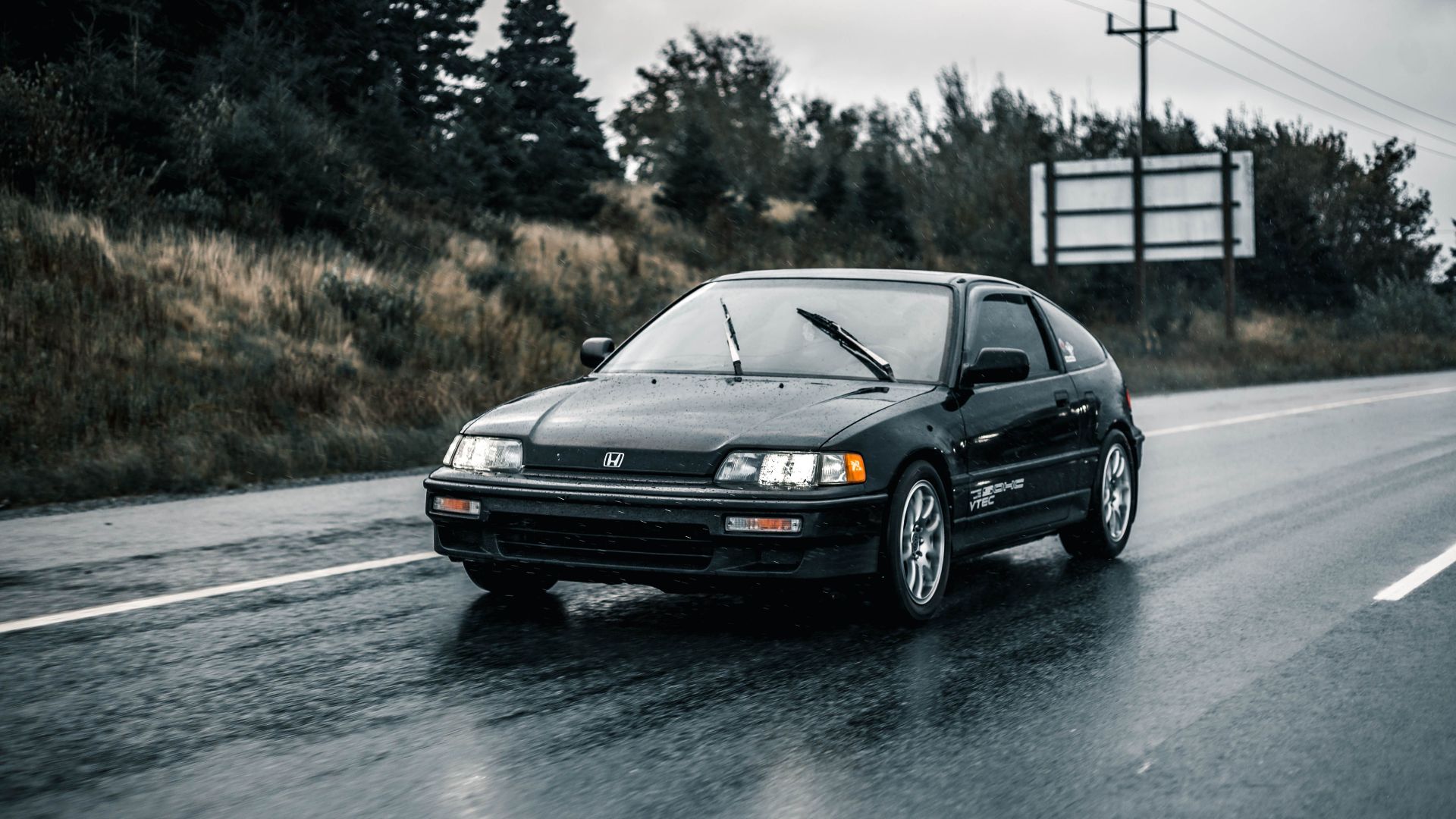
Winter tires were made for cold. Their rubber stays more flexible in low temperatures, and their tread design is tuned to grip snow, slush, and ice better. They are not built around long life in hot weather or sharp dry-road handling. That basic difference is why this debate still exists, even though all-season tires keep getting better.
The Industry Drew A Clearer Line In The Late 1990s
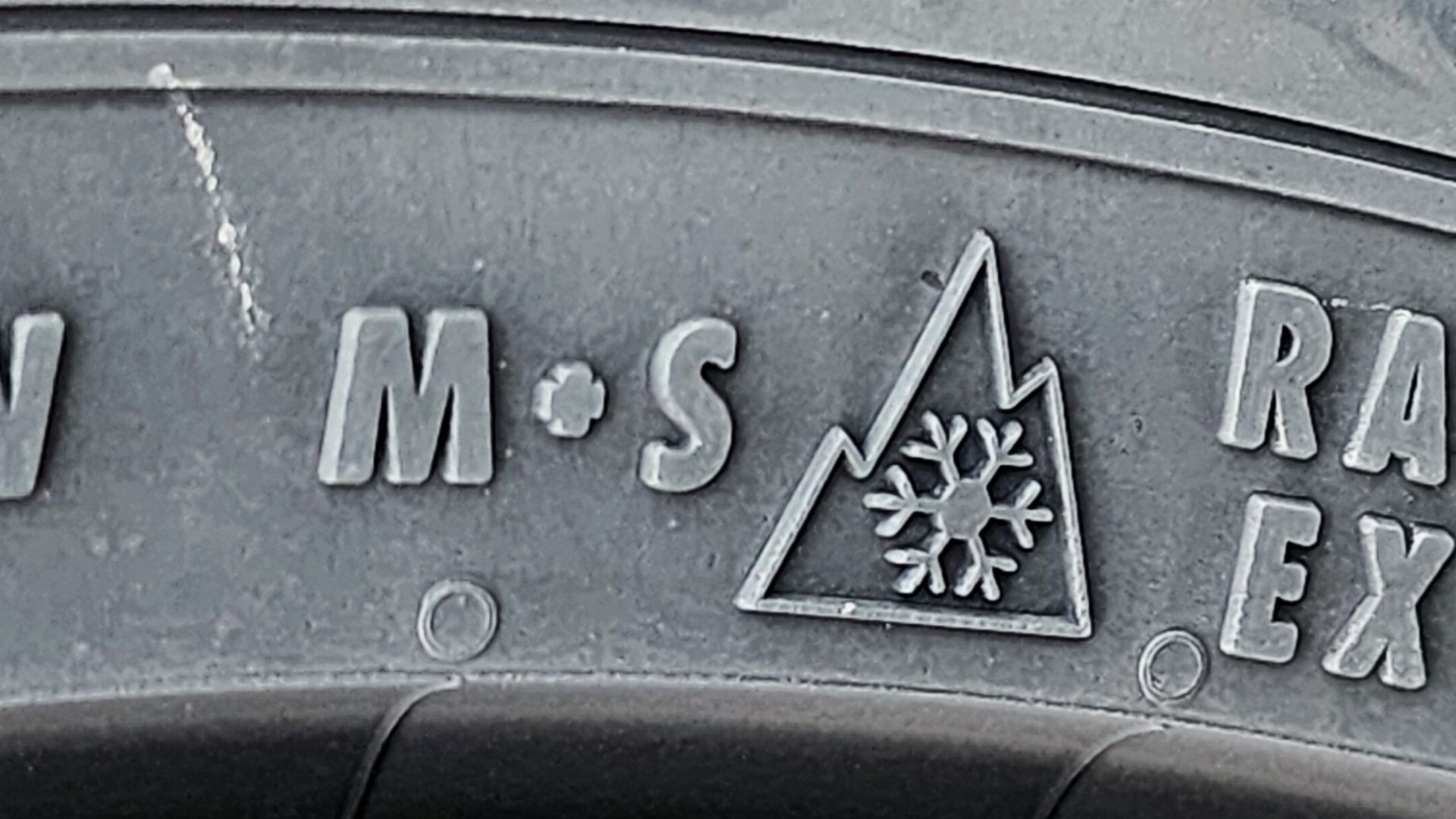
A big turning point came in 1999, when the Rubber Manufacturers Association and the Rubber Association of Canada announced a new way to identify tires meant for severe snow use. Tires that met the required traction standard could carry the mountain snowflake symbol, now better known as the Three-Peak Mountain Snowflake marking. That gave shoppers a much clearer way to tell the difference between a regular all-season tire and one that had actually met a set snow-traction benchmark.
 U.S. Army USAG-RP by Linda Lambiotte, Wikimedia Commons
What The Three-Peak Mountain Snowflake Actually Means
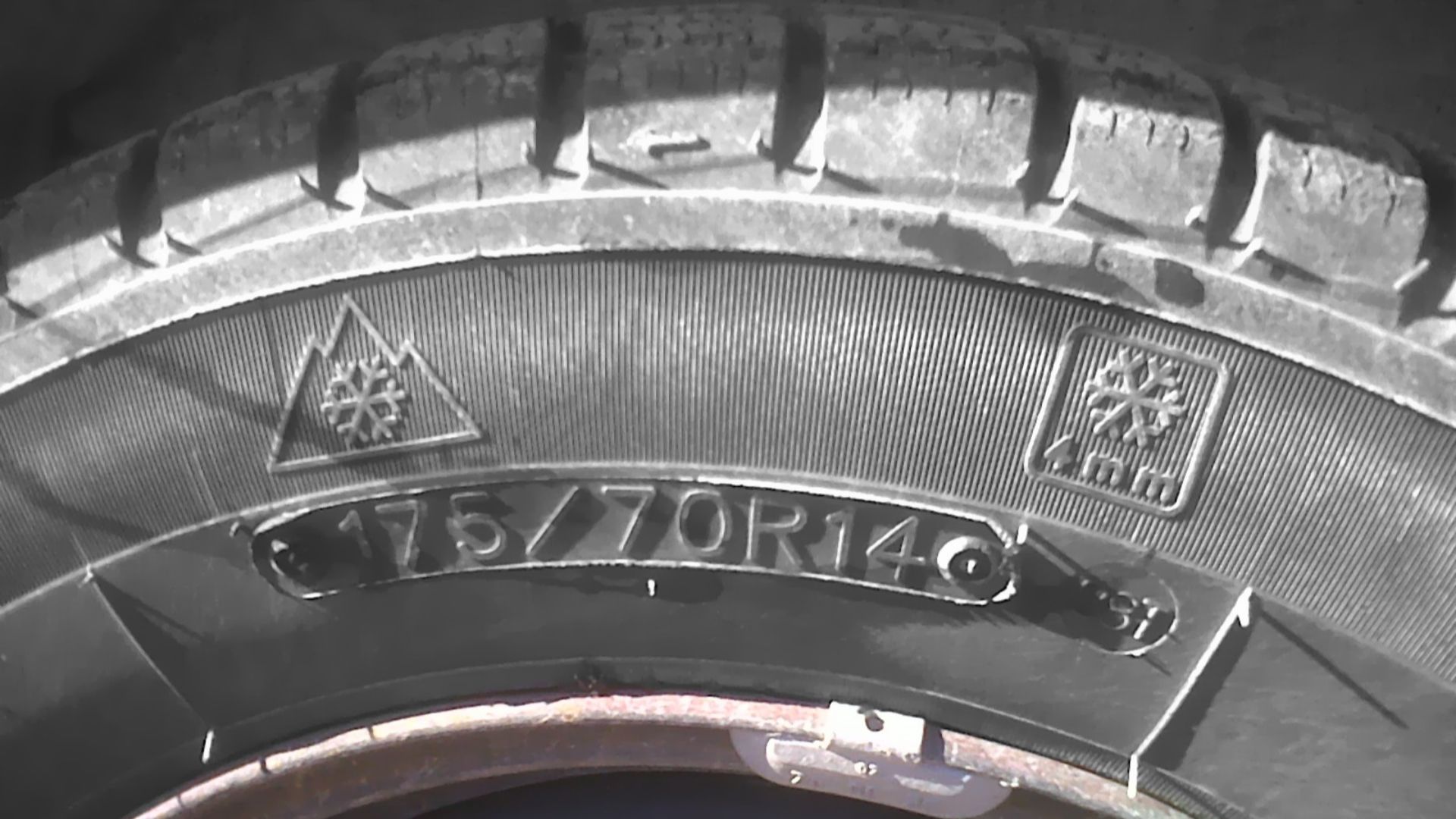
The Three-Peak Mountain Snowflake, or 3PMSF, is not just a badge on the sidewall. It means a tire passed a specific acceleration traction test in medium-packed snow compared with a reference tire standard used in North America and Europe. That matters because many all-season tires do not have it, while many winter tires do, and some newer all-weather tires do too.
All-Season And All-Weather Are Not The Same Thing
This is where a lot of people get mixed up. An all-season tire is usually a broad compromise. An all-weather tire is also meant for year-round use, but it also meets the 3PMSF severe snow standard. If your friend says all-season but really means all-weather, that changes the whole conversation.
Consumer Reports Has Been Blunt About The Difference
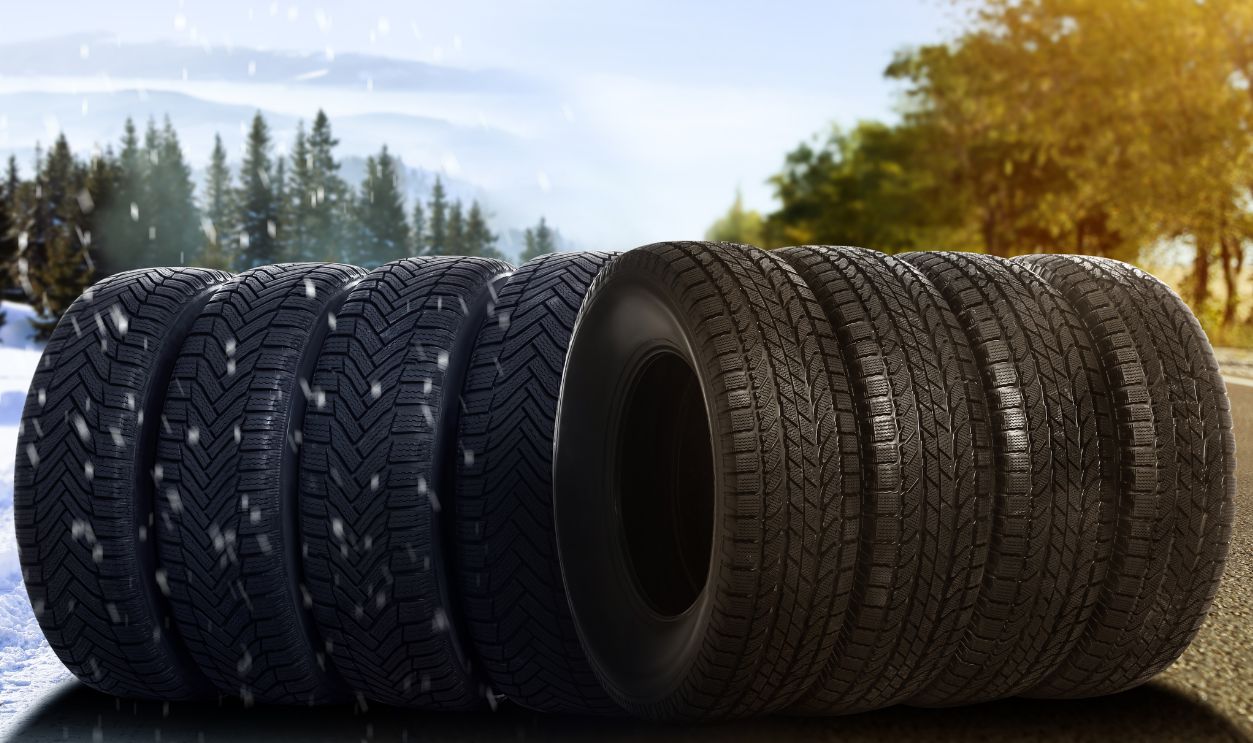
Consumer Reports has repeatedly said winter tires can offer much better snow traction than all-season tires. It also points out that all-season tires are, by definition, a compromise. That does not make them bad. It just means they usually are not the best tool for serious winter roads.
Tire Rack’s Testing Tells A Similar Story
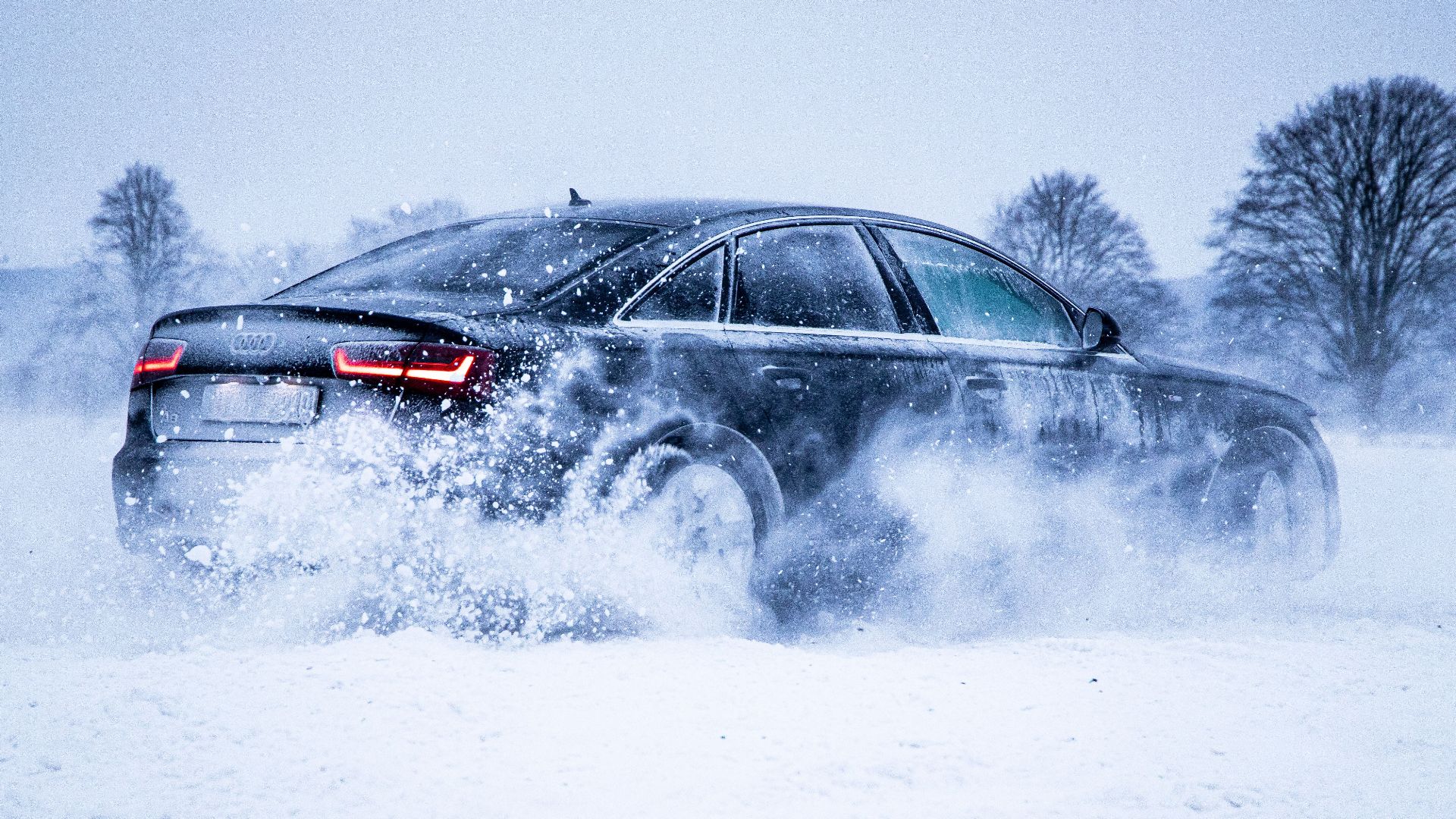
Tire Rack has spent years comparing winter tires, all-season tires, and all-weather tires in instrumented testing. Its results keep pointing in the same direction: winter tires stop shorter and stay more controlled on snow and ice. That matters because those comparisons come from side-by-side testing, not ad copy.

Car And Driver Reached The Same Bottom Line
Car and Driver has also tested winter tires against all-season options and landed in the same place. Winter tires improve braking and overall control in cold weather, especially once snow and ice enter the picture. The magazine has also stressed something many drivers miss: winter tires are not just about getting moving. They also help you stop and steer.
AAA Has Warned Drivers About Cold-Weather Grip
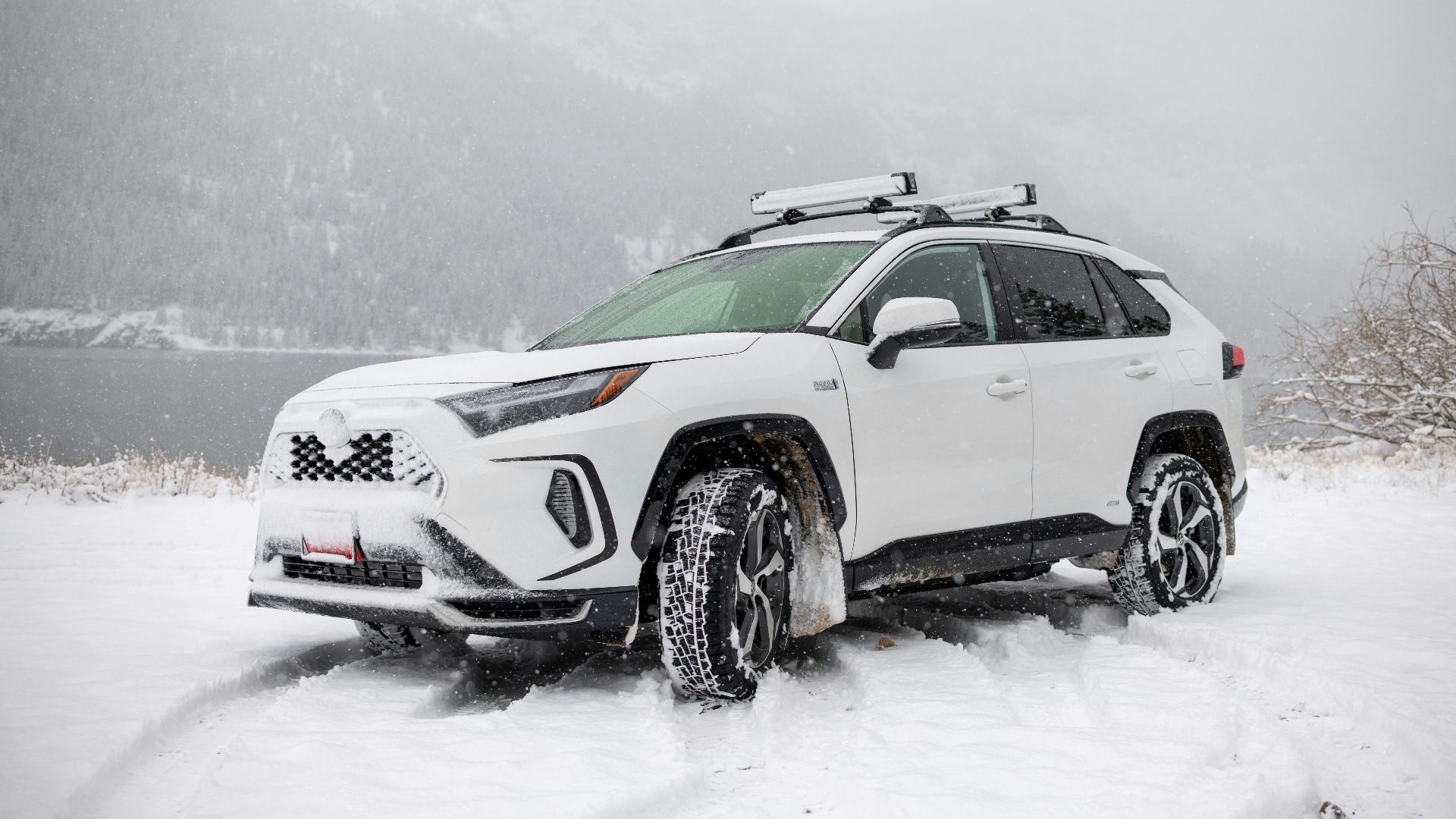
AAA has published guidance saying winter tires are built specifically for traction, handling, and braking in cold conditions, including snow and ice. AAA also notes that some all-season tires can stiffen up as temperatures fall, which can cut grip. That matters because plenty of winter crashes happen not in major storms, but during everyday cold snaps and surprise slick spots.

The Temperature Rule That Keeps Coming Up
You will often hear that winter tires start to make sense once temperatures are consistently around 45 degrees Fahrenheit or lower. Tire makers and safety groups keep coming back to that number because rubber behaves differently in the cold. Even on dry pavement, a tire designed for winter can stay more flexible and grip better than a typical all-season tire.
Cold Pavement Is Part Of The Story
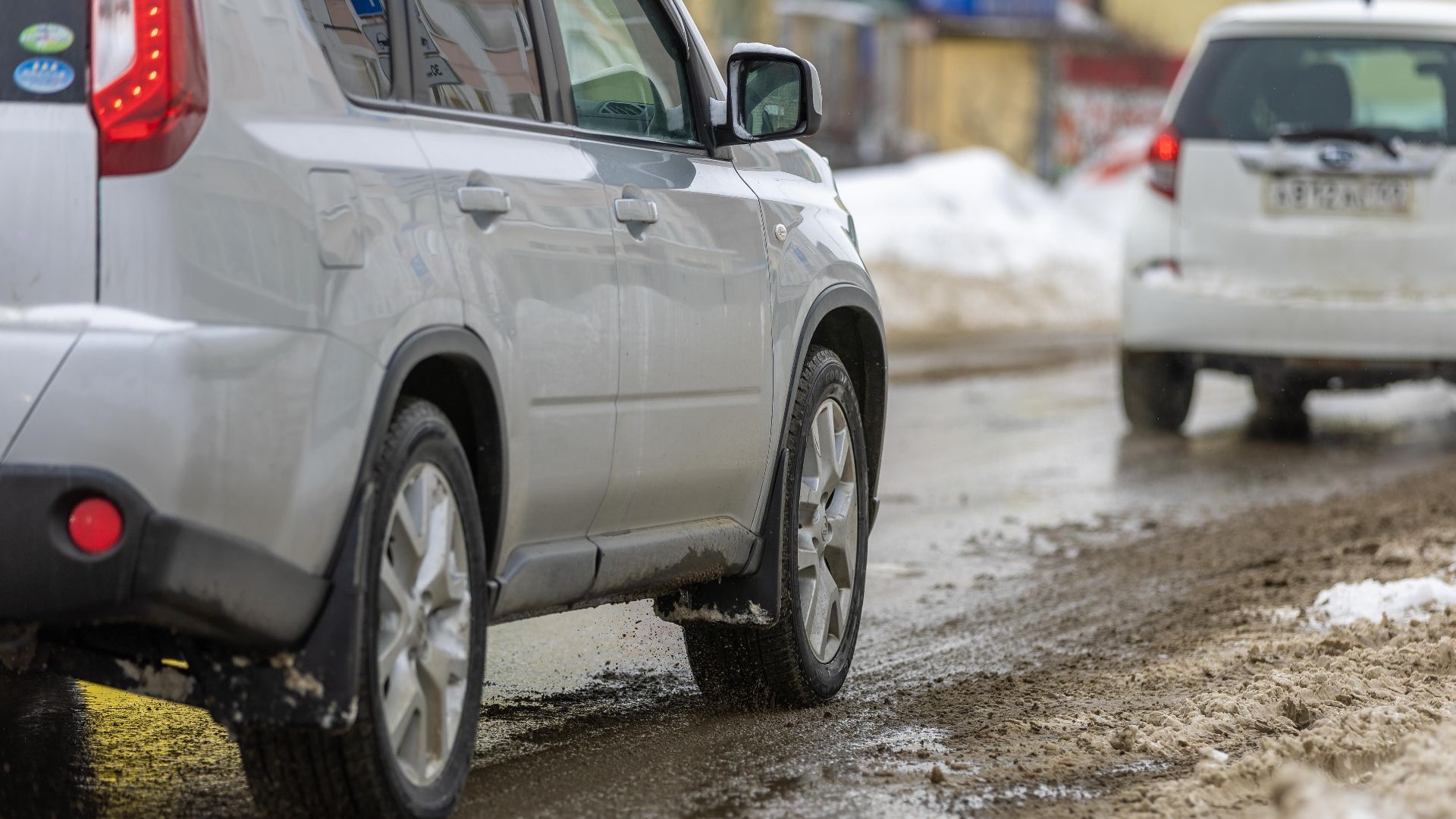
A lot of people think winter tires only matter if they drive through deep snow. That misses a big part of the story. Cold pavement by itself can change how a tire reacts when you brake or turn. If your mornings are regularly freezing, the question is not just whether it snows. It is how often you are driving on very cold roads.
Snow Braking Is Where The Difference Gets Hard To Ignore
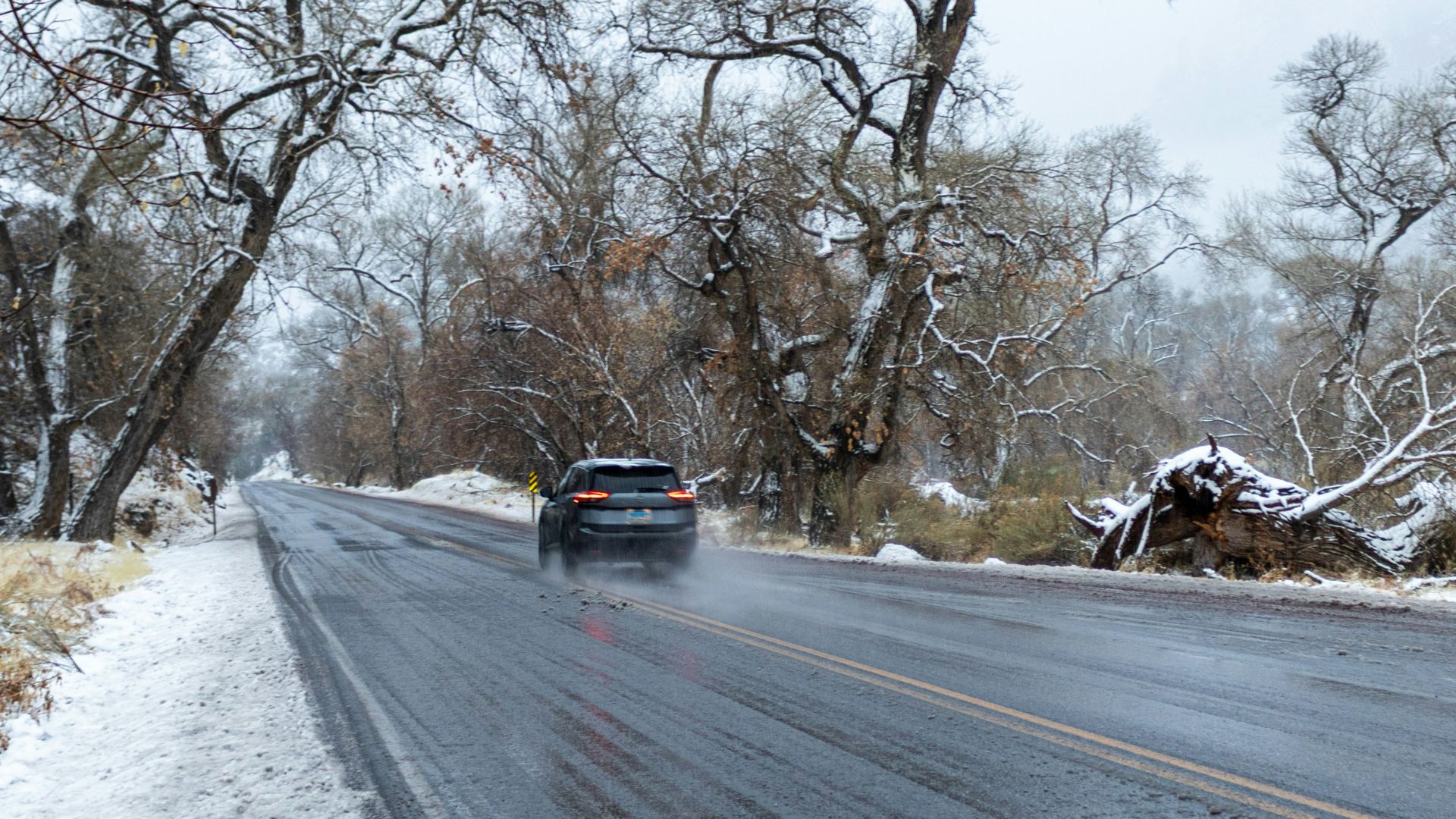
When independent testers compare stopping distances in snow, winter tires usually come out ahead. That can be the difference between stopping before an intersection and sliding farther than you expected. It is one of the clearest reasons experts still recommend winter tires in places with real winter.
Ice Is The Great Equalizer, But Winter Tires Still Help
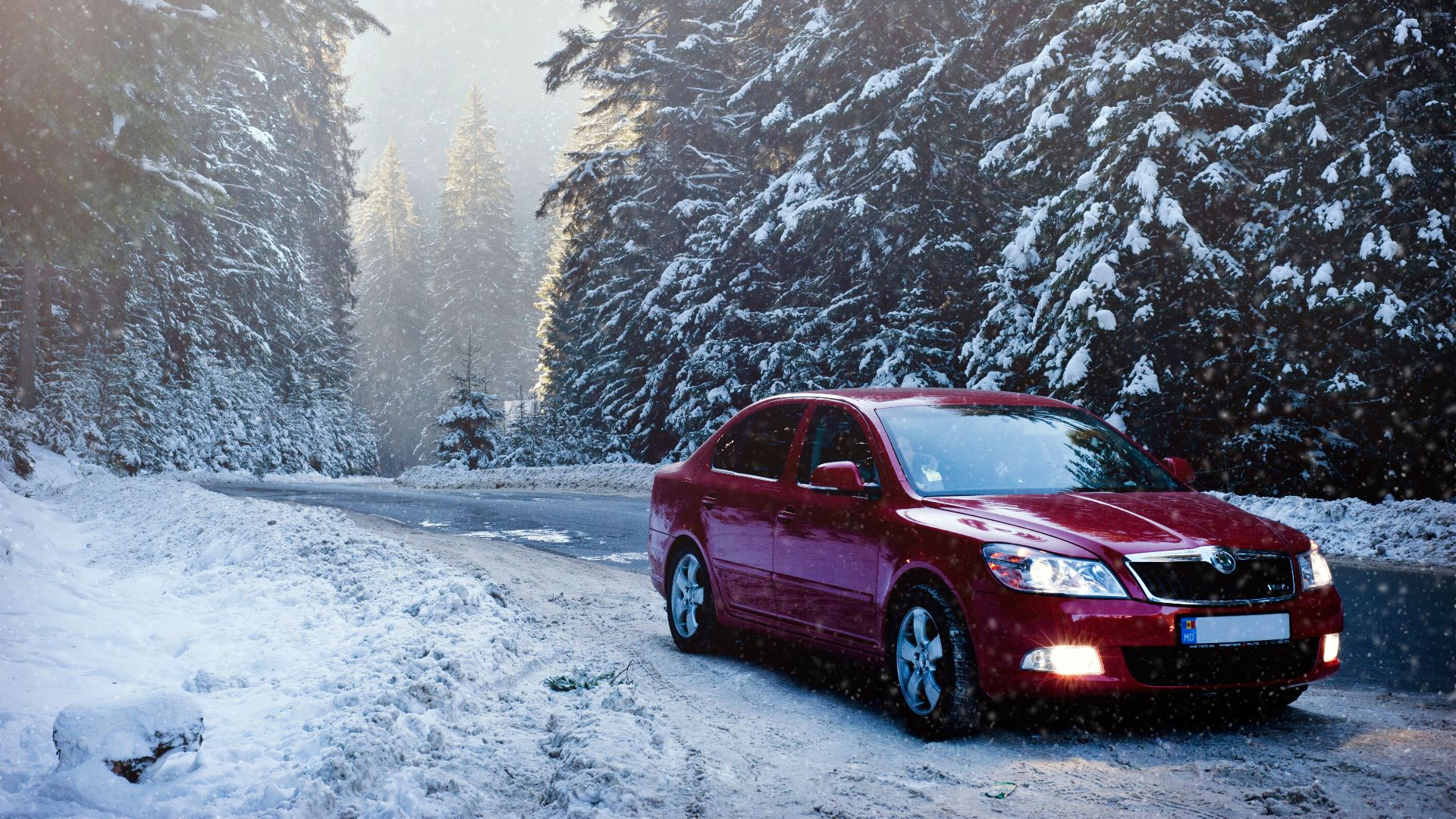
No tire can make ice feel like dry pavement, and that is worth saying plainly. Dedicated winter tires still tend to beat all-season tires on ice, but they are not magic. What they usually give you is more predictable behavior and a better shot at staying in control at lower speeds.

Acceleration Is Only Part Of The Safety Picture
Many drivers judge winter traction by one thing: can the car pull away from a stoplight without getting stuck. That makes sense, but it is only part of the picture. Braking and cornering matter just as much, and winter tires usually give you a bigger safety margin in both.

AWD Does Not Replace Winter Tires
This is one of the most stubborn myths in the car world. All-wheel drive can help a vehicle get moving, but it does not change how much grip you have for braking or turning. Consumer Reports, AAA, and tire experts have all made the same point: AWD helps, but it is not a replacement for the right tires in winter.
Modern All-Season Tires Really Have Improved
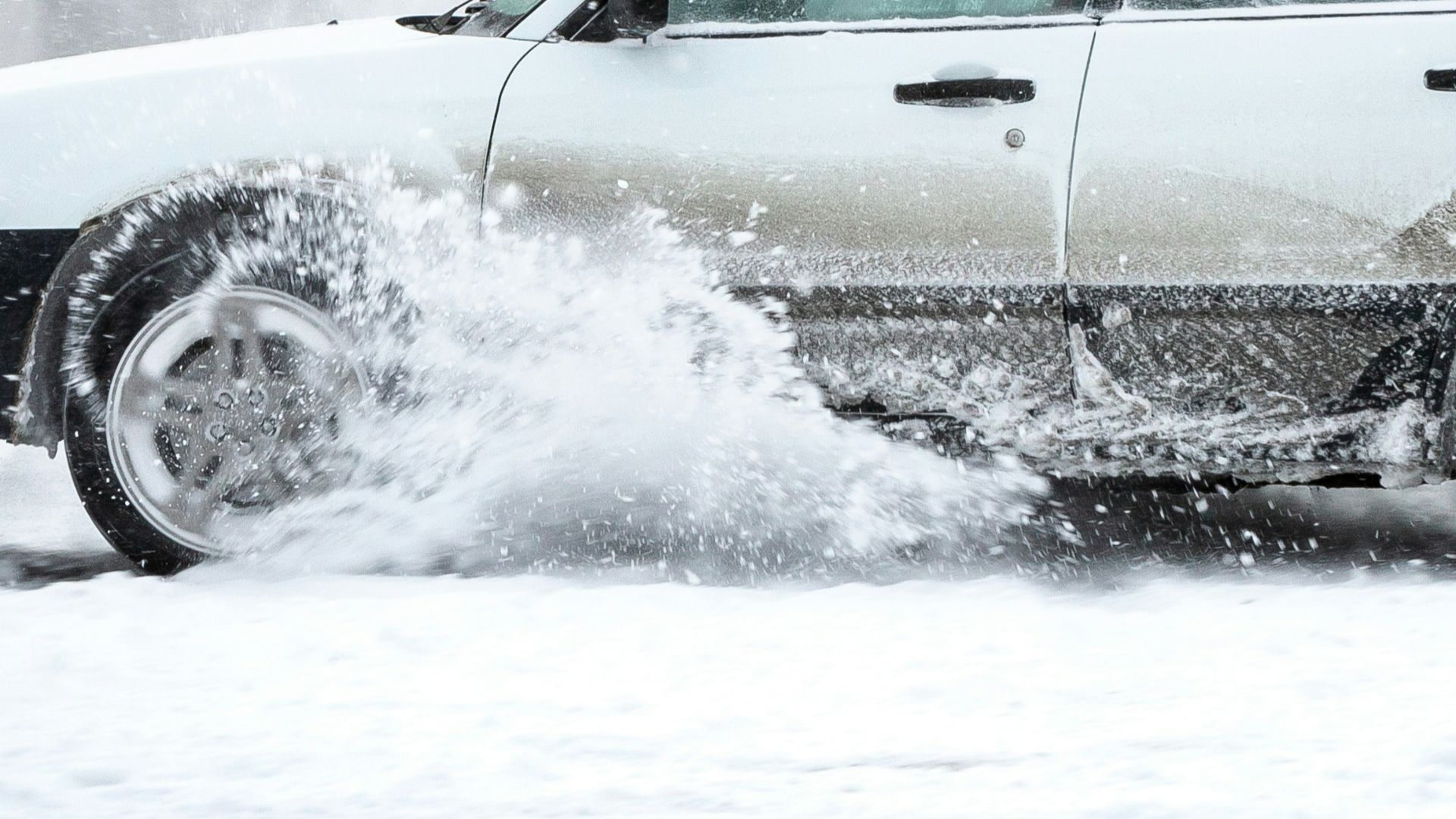
To be fair, this part is true. Today’s better all-season tires are often much stronger in wet grip, light-snow ability, and overall comfort than older ones were. For drivers in milder regions, those gains may be enough to skip the cost and storage hassle of a second set of tires.
All-Weather Tires Are The Real Disrupter
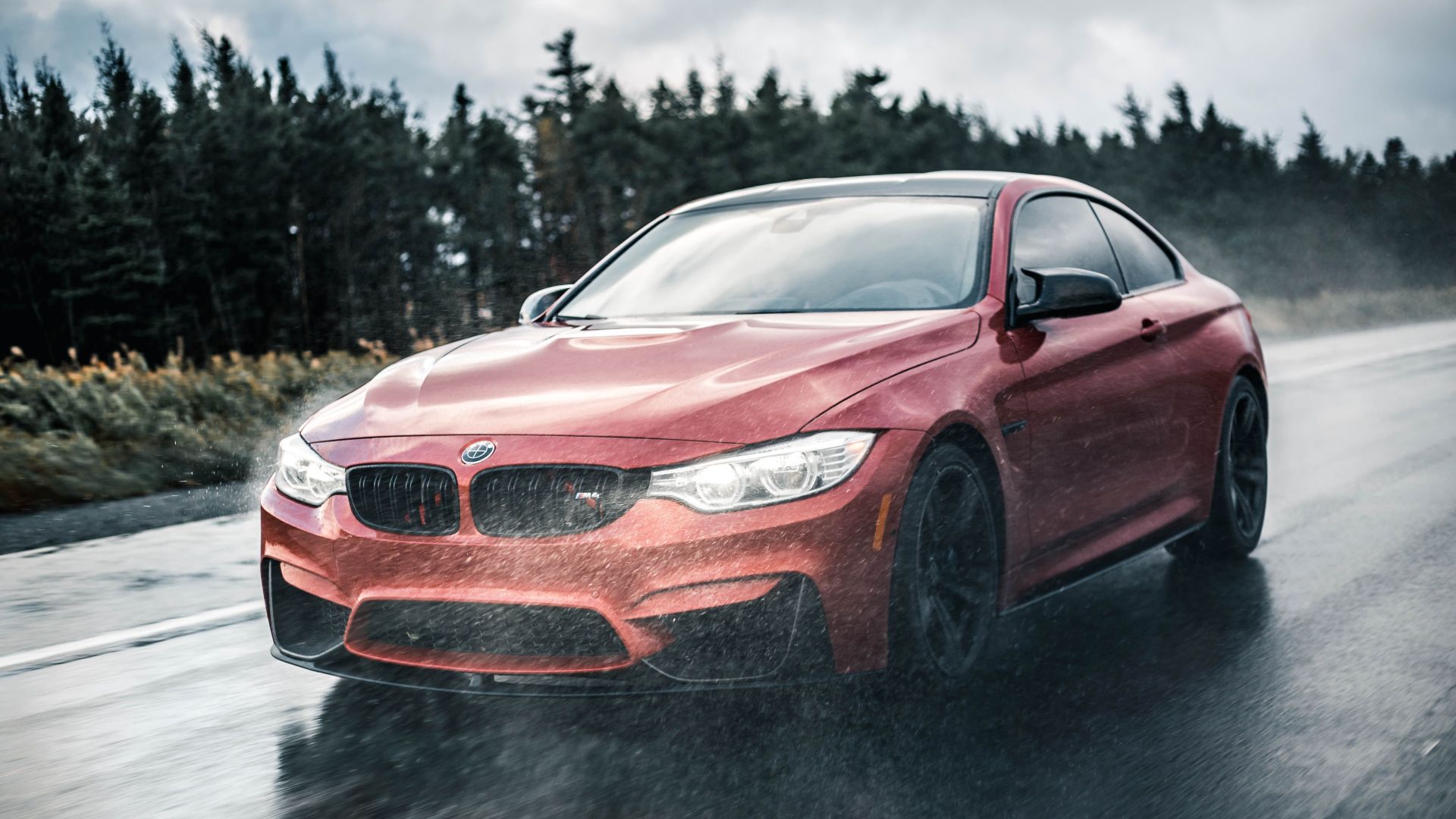
If any modern tire category has shaken up the old advice, it is all-weather tires. They are designed to stay on the car year-round while still meeting the 3PMSF severe snow standard. In a lot of climates, they can be a very practical middle ground between regular all-seasons and dedicated winter tires.
Why All-Weather Tires Change The Conversation
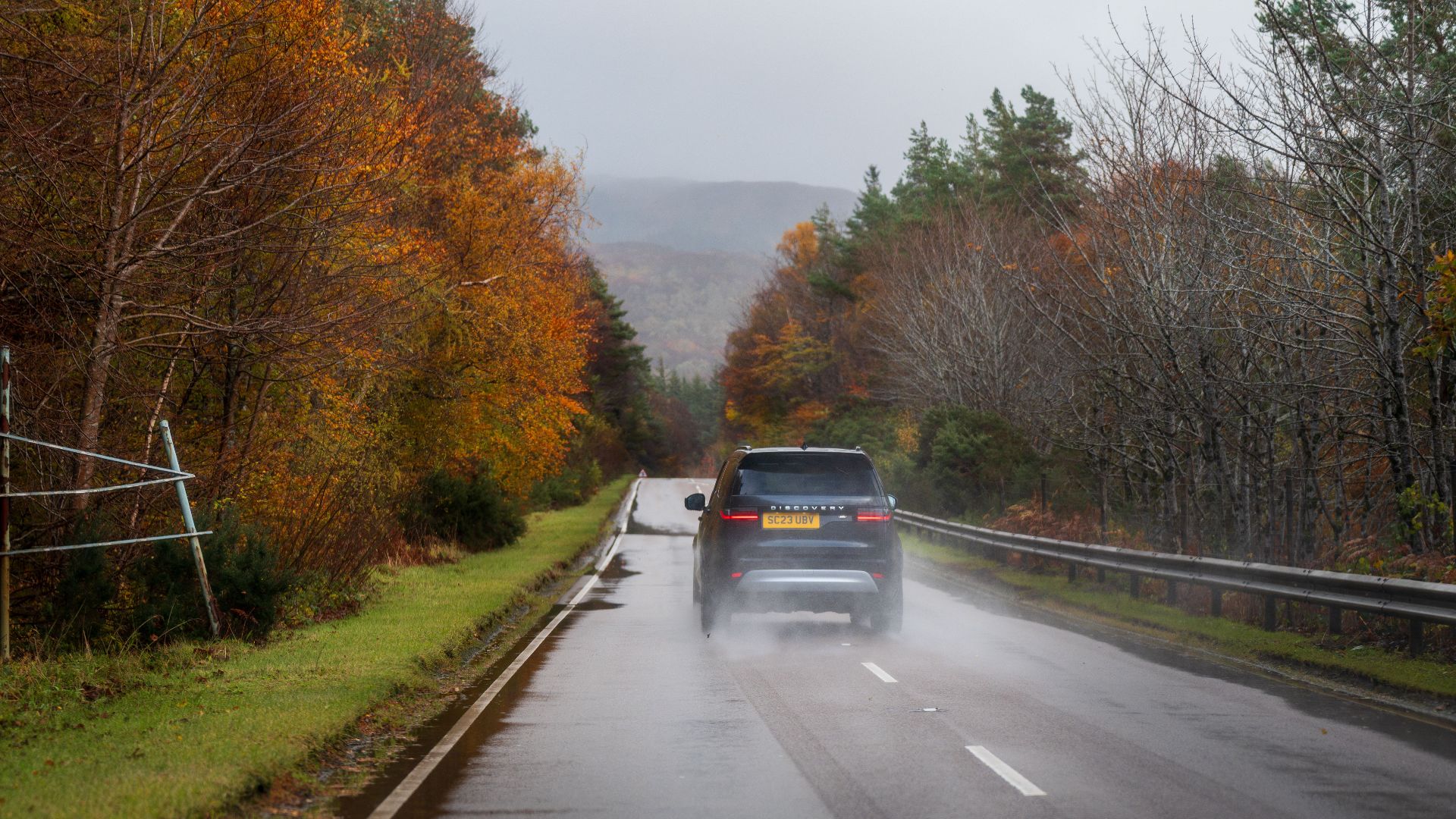
An all-weather tire can make your friend sound more right than wrong, depending on what they actually bought. If they are driving on a true 3PMSF-rated all-weather tire, they may have much better winter ability than a standard all-season tire would offer. Even then, many tests still show that a dedicated winter tire remains the best pick for the harshest snow and ice.
Your Climate Should Decide The Answer
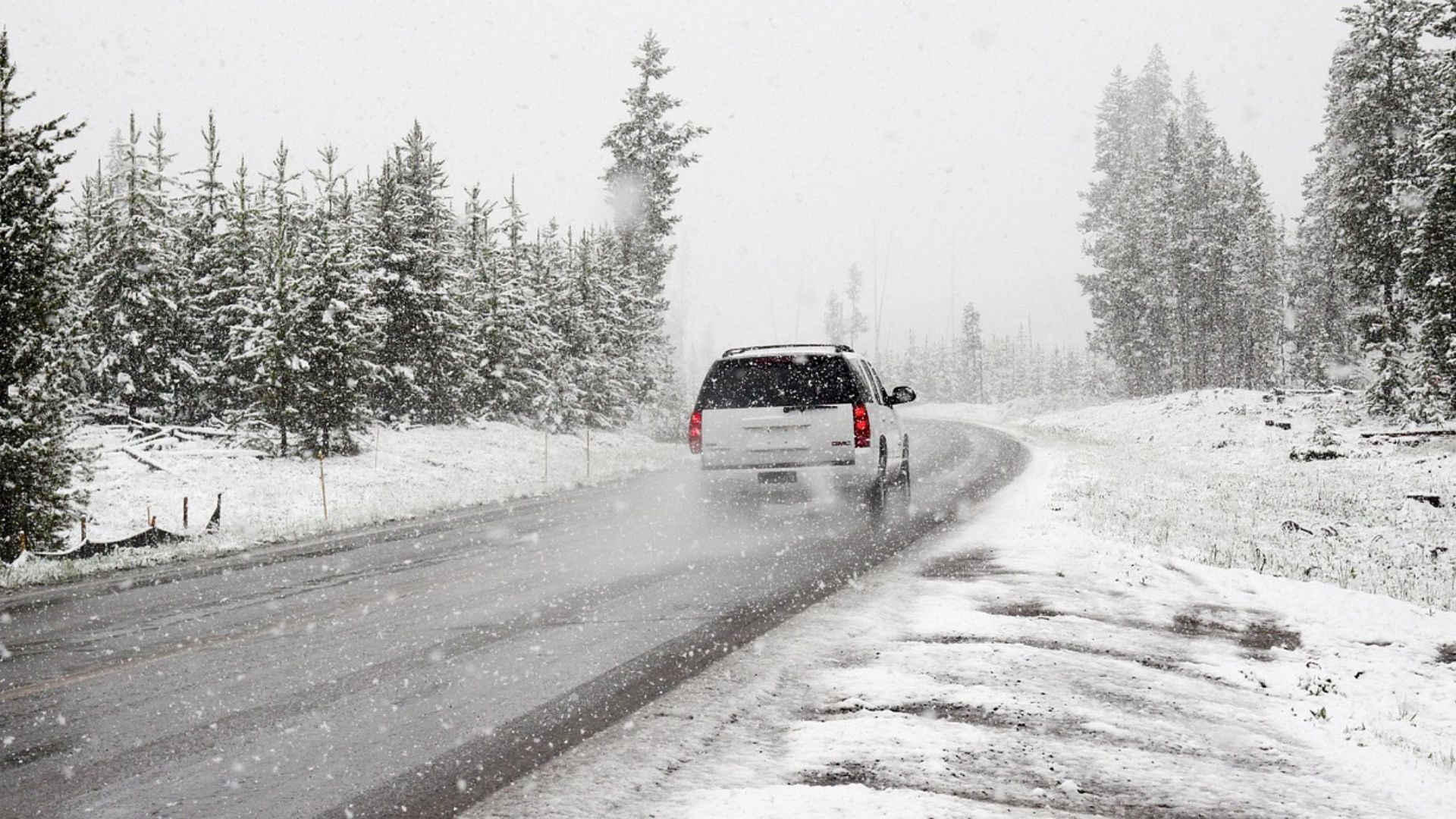
If you live somewhere with frequent snow, long stretches of cold, mountain driving, or regular ice, winter tires are still a smart buy. If winters are mild, roads get cleared fast, and temperatures only occasionally drop hard, a high-quality all-season or all-weather tire may be perfectly reasonable. Geography matters more than internet chest-thumping.
Your Driving Pattern Matters Too
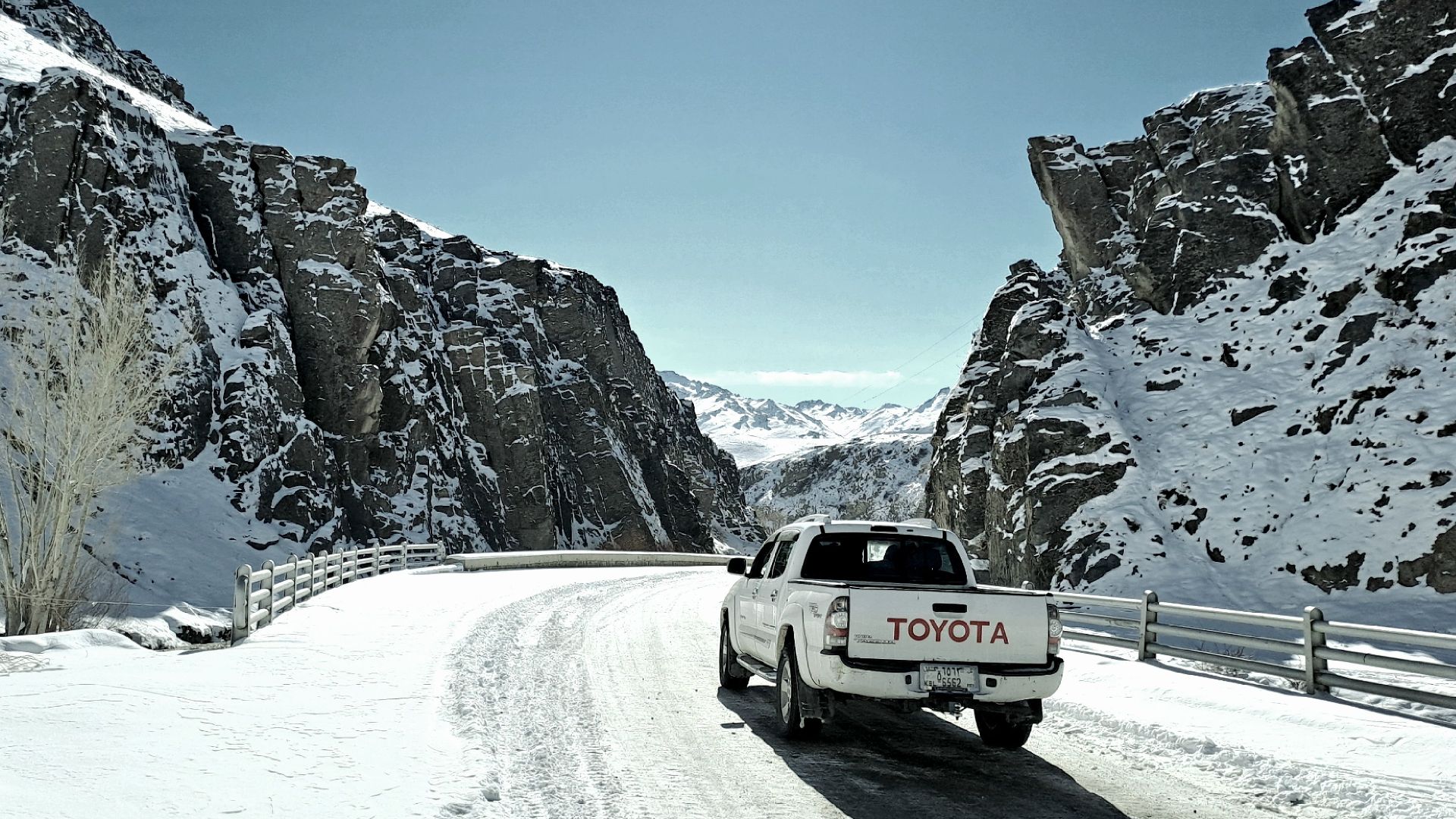
A commuter heading out before sunrise on untreated roads has very different needs from someone who works from home and can wait out a storm. The same goes for drivers who deal with hills, rural roads, or long highway trips in winter. The more often you face real winter conditions, the stronger the case for dedicated winter tires.

There Is Also A Cost Argument That Cuts Both Ways
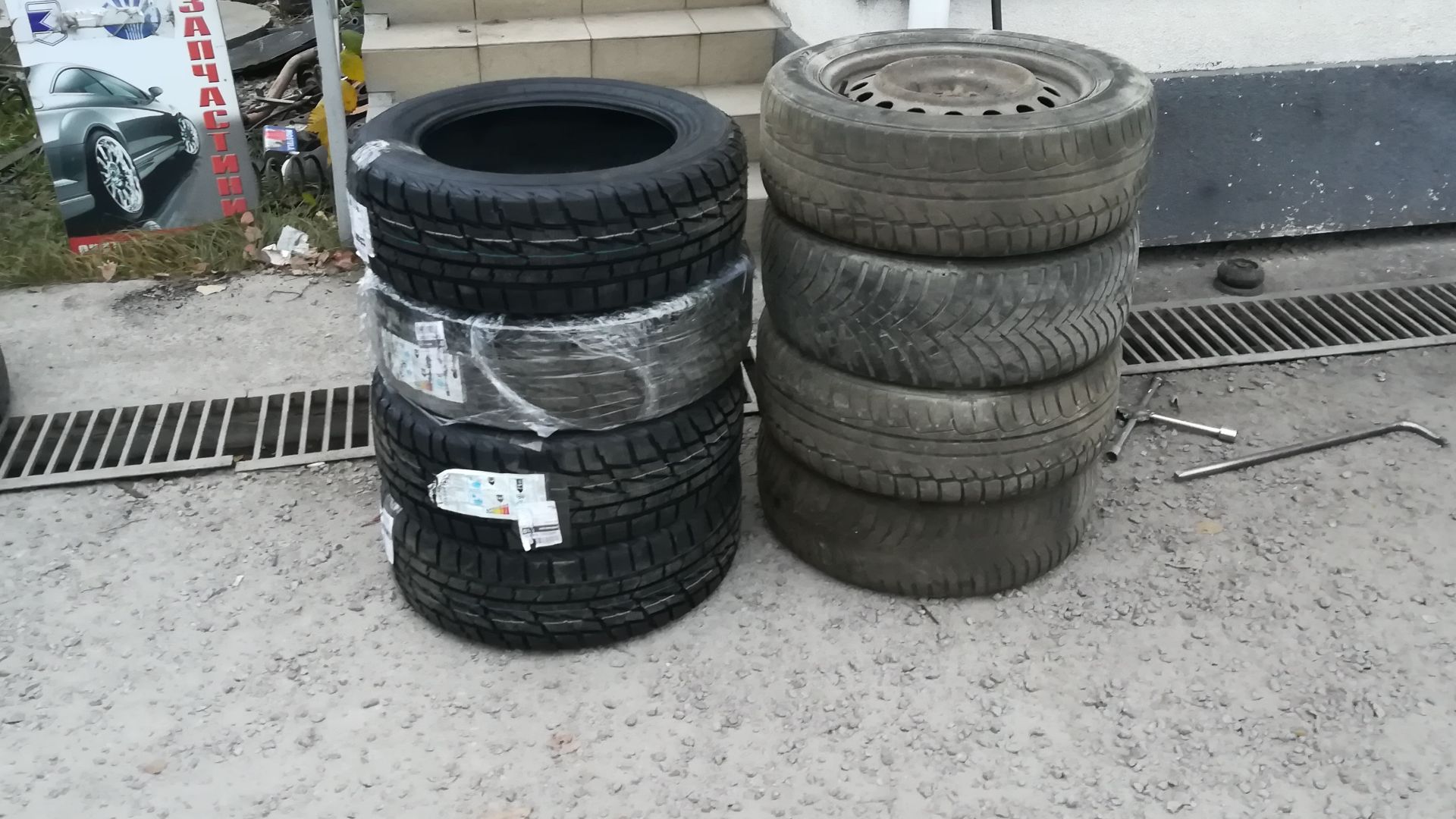
Winter tires cost money up front, and storage or an extra set of wheels adds to that. But running two sets of tires can also spread out wear, so your main set is not taking every mile in every season. The real money question is not just the purchase price. It is whether better winter grip is worth the hassle and expense for how and where you drive.
What Safety Experts And Testers Broadly Agree On
Across AAA, Consumer Reports, Tire Rack, and major car publications, the overall message is pretty consistent. Regular all-season tires may be good enough for some drivers and some climates, but they have not made winter tires outdated. When winter gets serious, dedicated winter tires still have the advantage.
So Is Buying Winter Tires A Waste
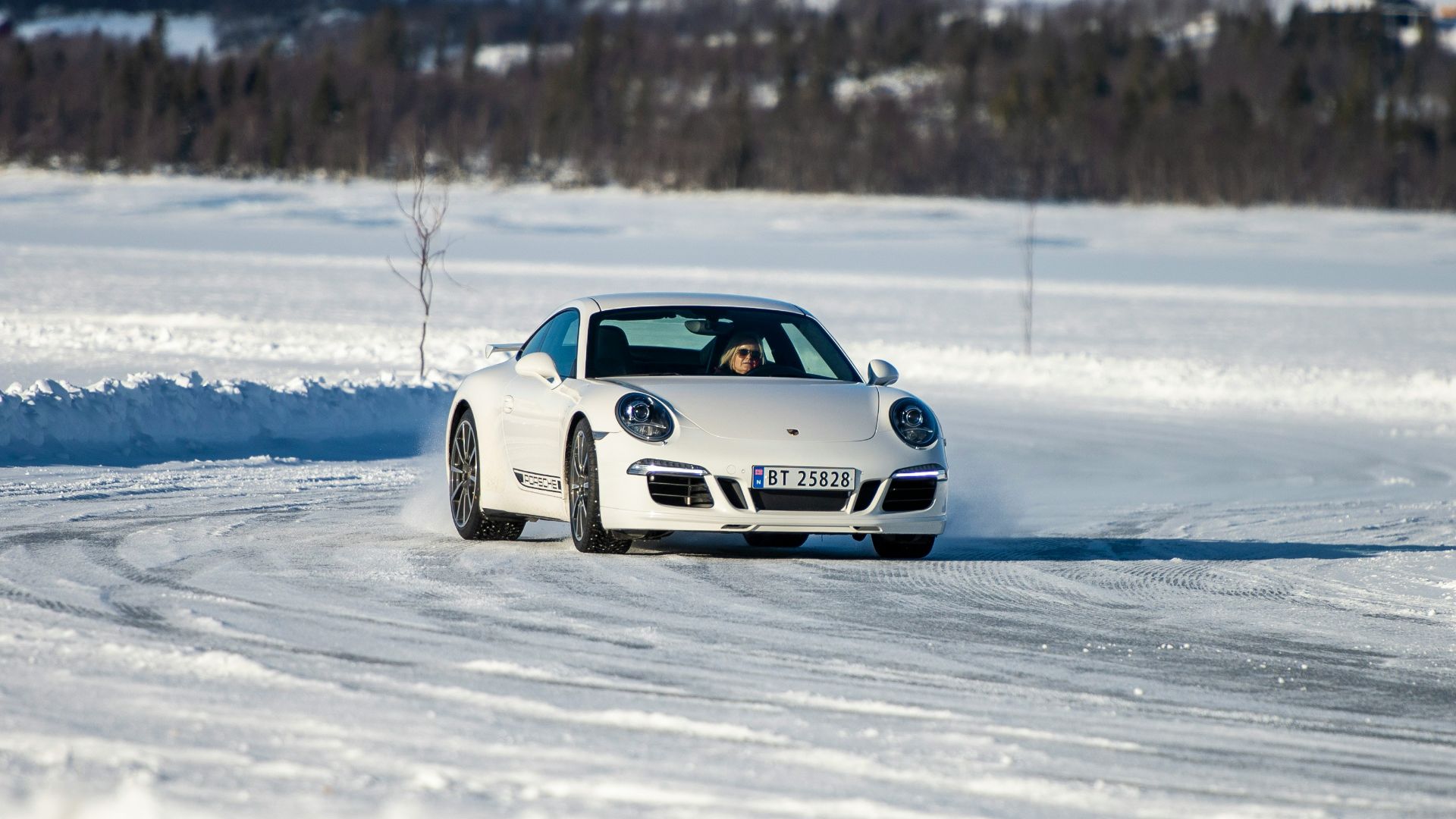
For drivers in places with a real winter, no. It is still one of the most effective ways to improve braking, traction, and control when temperatures drop and roads get slick. For drivers in milder climates, though, the smarter move may be a good all-season tire or, better yet, a true all-weather tire with the Three-Peak Mountain Snowflake symbol.
The Practical Bottom Line
Your friend is partly right, but not completely. Modern all-season tires are better than ever, yet the best testing still shows that dedicated winter tires perform better in true winter conditions, while all-weather tires offer the strongest year-round compromise. The real question is not whether winter tires are outdated. It is whether your roads, temperatures, and driving habits make them worth it.