The Tree Has Officially Become My Problem
It started with a few sticky spots on the windshield. Now the hood looks like somebody glazed it with maple syrup every time you park in your own driveway. The tree belongs to your neighbor, but the branches are hanging over your property. So surely you can grab a saw and make the problem disappear. Right?
It Seems Like An Easy Call
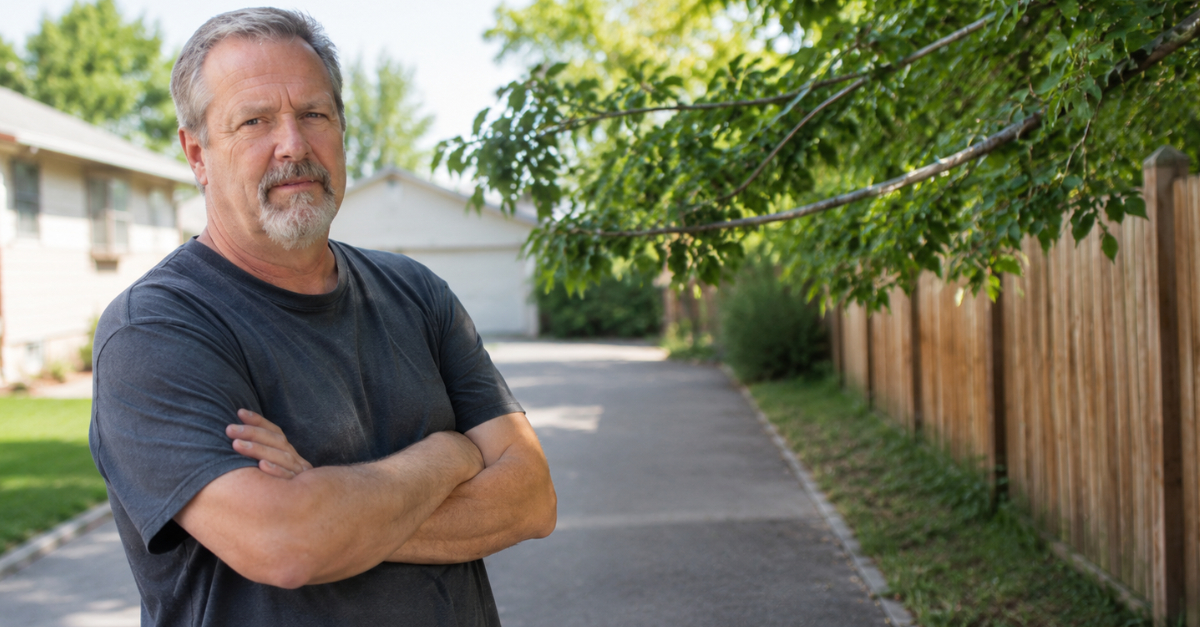
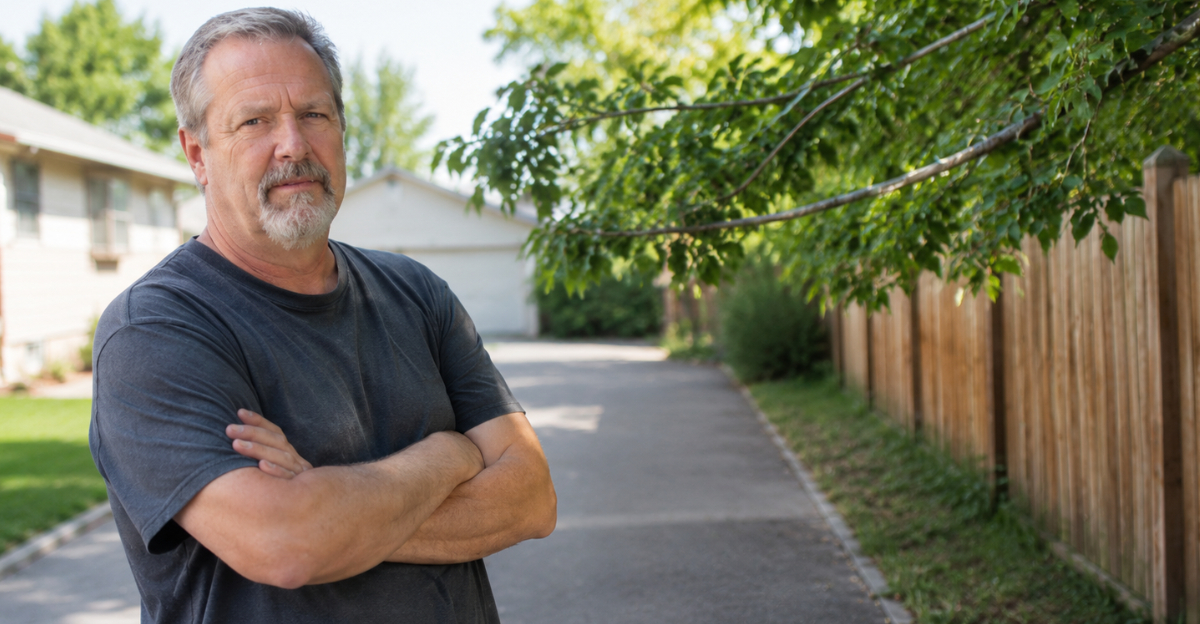
The branches are hanging over your driveway. The sap is landing on your car. And you’re not planning to touch the actual tree trunk sitting in your neighbor’s yard. From a common-sense standpoint, this feels pretty straightforward. Your property, your driveway, your problem to solve. Property law, however, has a few more questions before you start cutting.
Trees Make Property Lines Weird
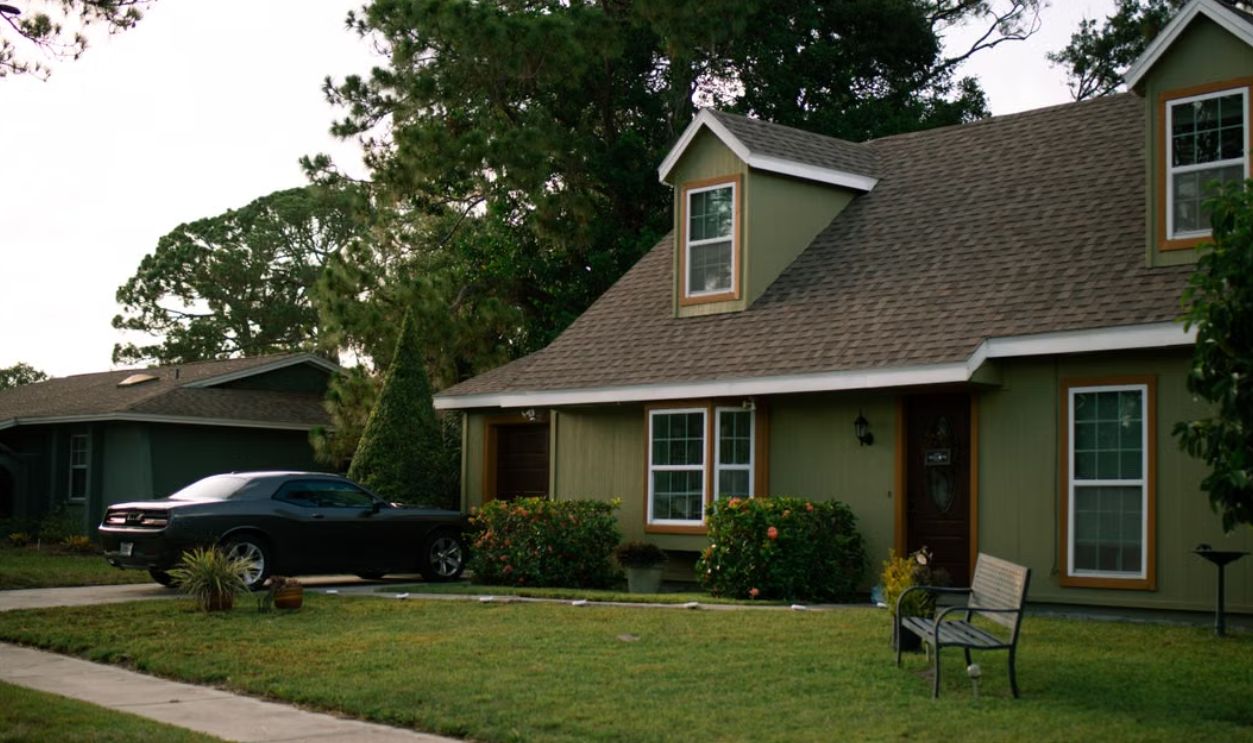
The trunk may be entirely in your neighbor’s yard while the branches stretch halfway across your driveway, the roots head underground in every direction, and the sap lands wherever it wants. The tree can clearly belong to your neighbor while part of it is just as clearly hanging over your property.
And That's Where The Property Line Matters
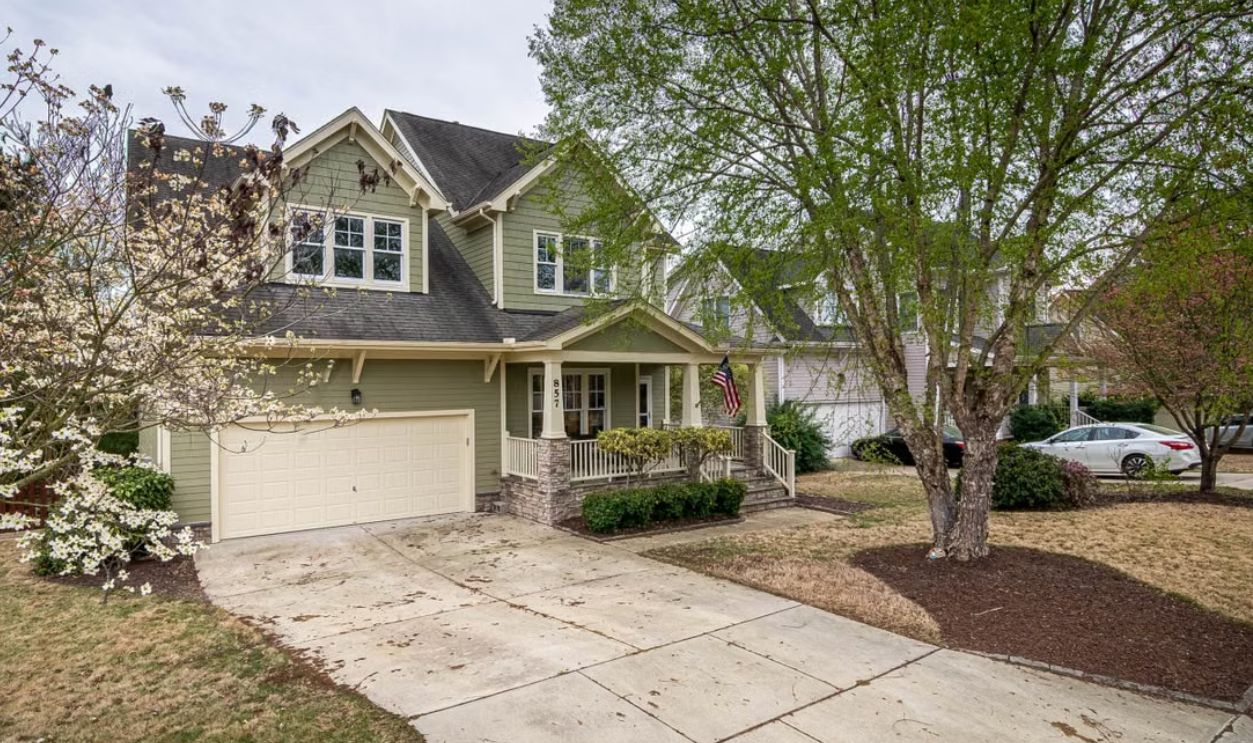
The real question isn't whether the branch is annoying you. It's exactly where that branch sits in relation to the property line. That distinction determines what you can potentially do about it—and how quickly a little trimming job can turn into a much bigger neighbor dispute.
So Yes, You Usually Can Trim It
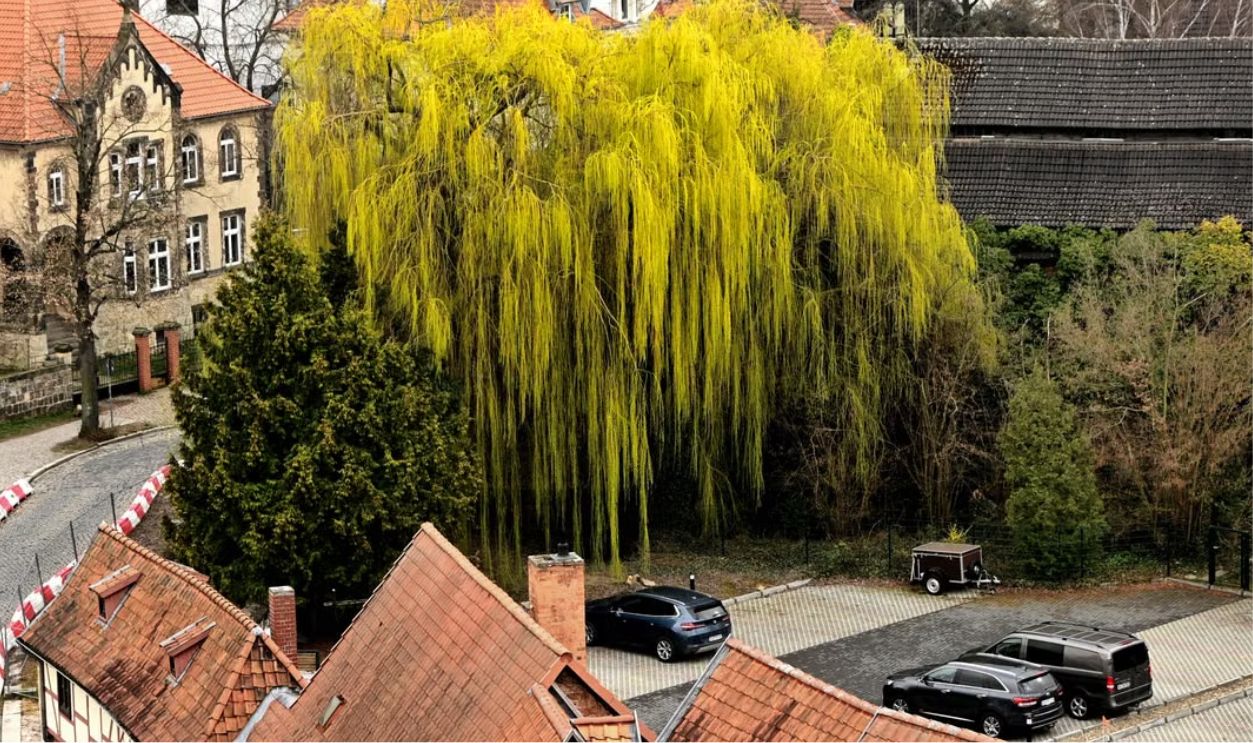
In many states, property owners generally have what lawyers call a “self-help” right to trim branches from a neighboring tree that extend across the property line. In other words, you usually do not have to spend the next 20 years letting your neighbor’s tree drip sap onto your car simply because the trunk happens to be next door.

But Only To The Property Line
This is the part people tend to forget. You generally get to trim the portion hanging over your property. You do not suddenly gain custody of the entire maple tree because it dripped something sticky on your Subaru. Your trimming rights normally stop where your property does.

You Usually Don't Need Their Permission First
In many places, you generally don't need your neighbor's permission before trimming branches that have crossed onto your property. You may not even be required to warn them first. Your trimming right comes from where the branches are, not whether your neighbor approves. Still, a quick heads-up can prevent a pretty awkward conversation when they hear a saw outside.

That Means No Reaching Over The Fence
If a branch extends six feet over your driveway, you may be able to remove those six feet. That does not necessarily mean you can reach another four feet into your neighbor's yard because the cut would look better there. New York courts, for example, have specifically said self-help does not extend past the property line.
And Definitely Don't Walk Into Their Yard
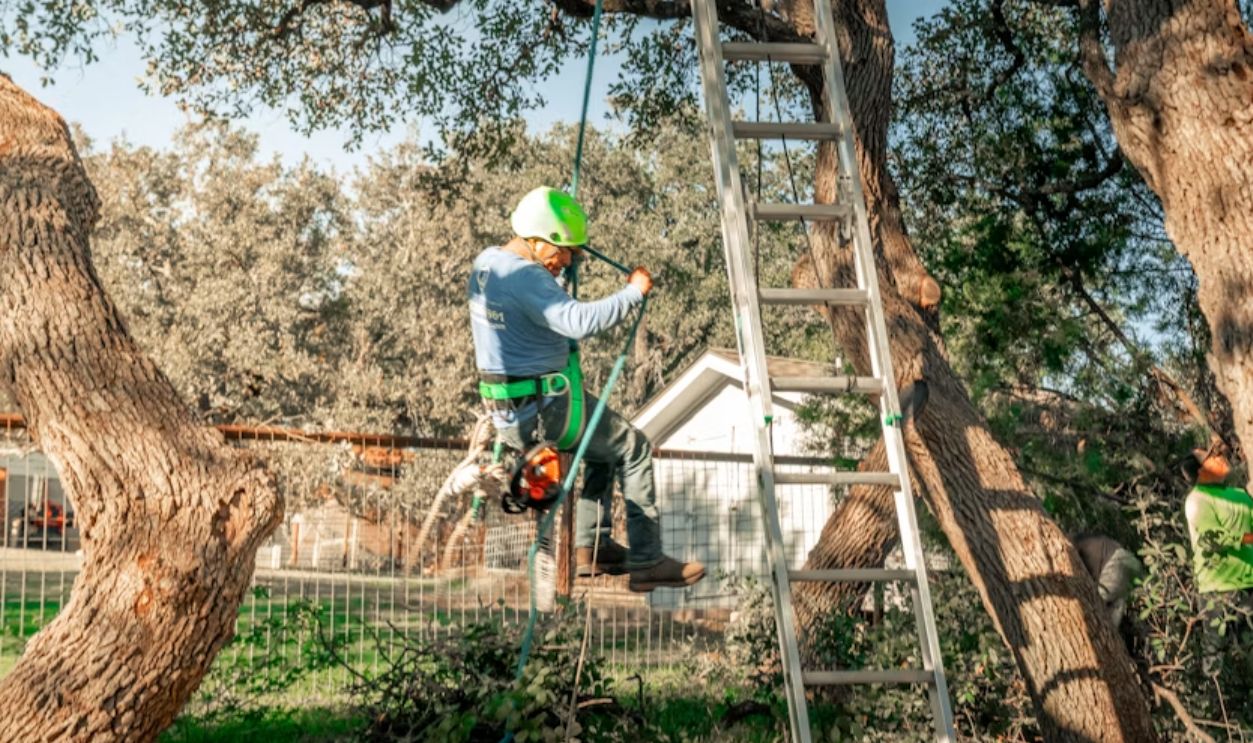
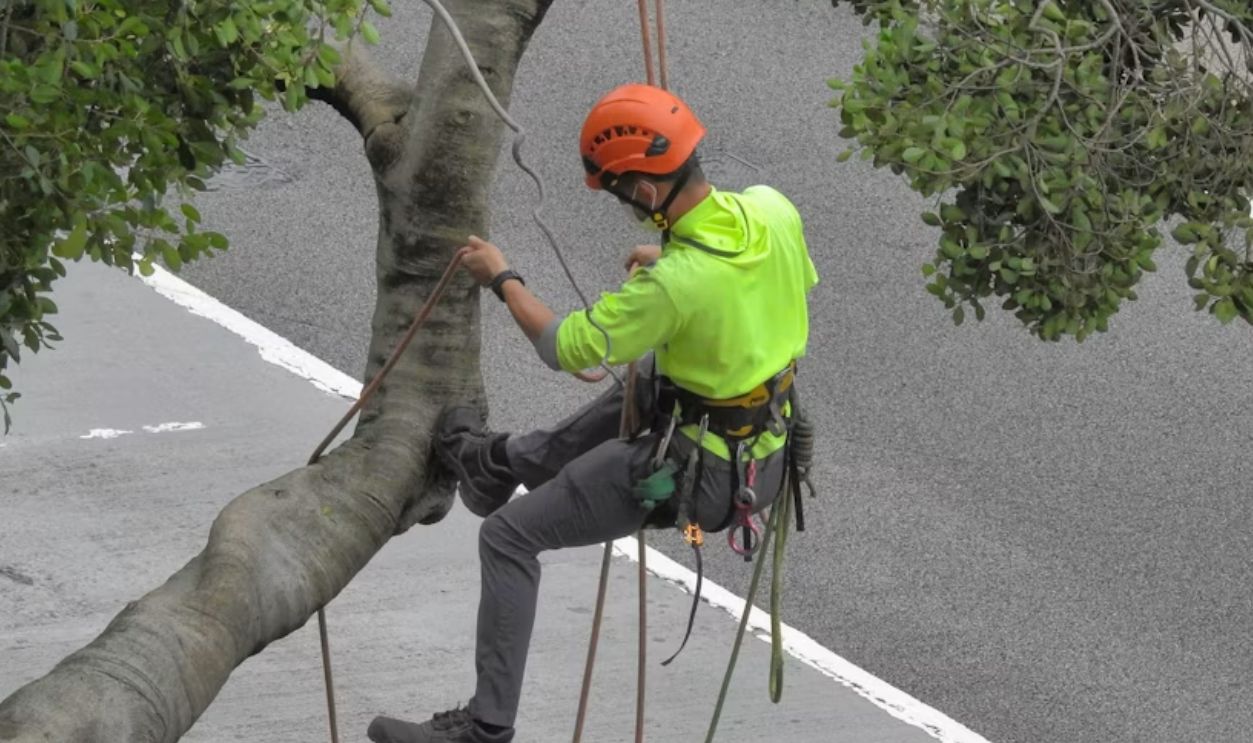
The tree may be causing the problem, but the ground beneath its trunk still belongs to your neighbor. Generally, trimming rights do not give you permission to enter the adjoining property, climb their tree from their side, or start removing limbs from portions that never cross the boundary.
Here's Where Things Get Interesting
Let's say the property line runs directly beneath one giant limb. You cut the limb exactly at the line and never set foot next door. That sounds pretty bulletproof. Except there is another question you need to ask before firing up the chainsaw: what happens to the rest of the tree after you're finished?
But You Still Have To Protect The Tree
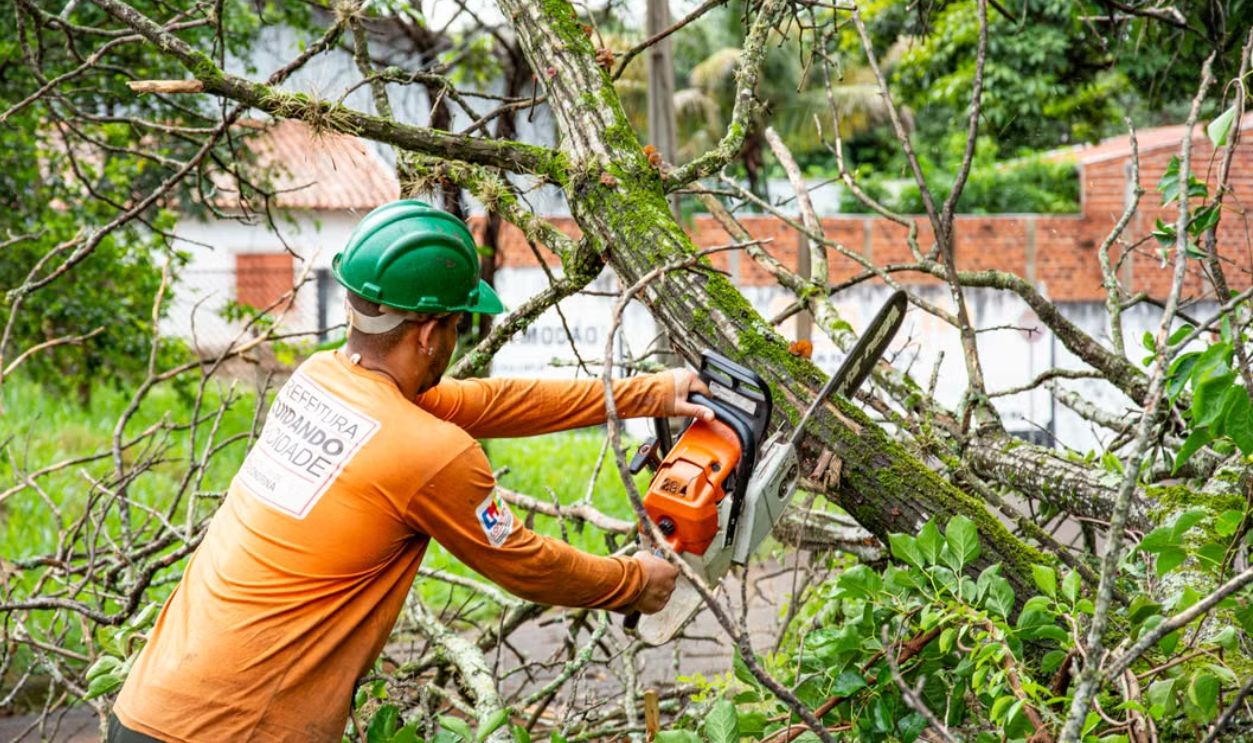
The property line is not a free pass to make any cut you want. Even when a branch hangs over your land, you generally have to avoid trimming it in a way that seriously damages, destabilizes, or destroys the tree. That becomes especially important with large structural limbs where one seemingly simple cut could affect the entire tree.
You Generally Can't Destroy The Tree
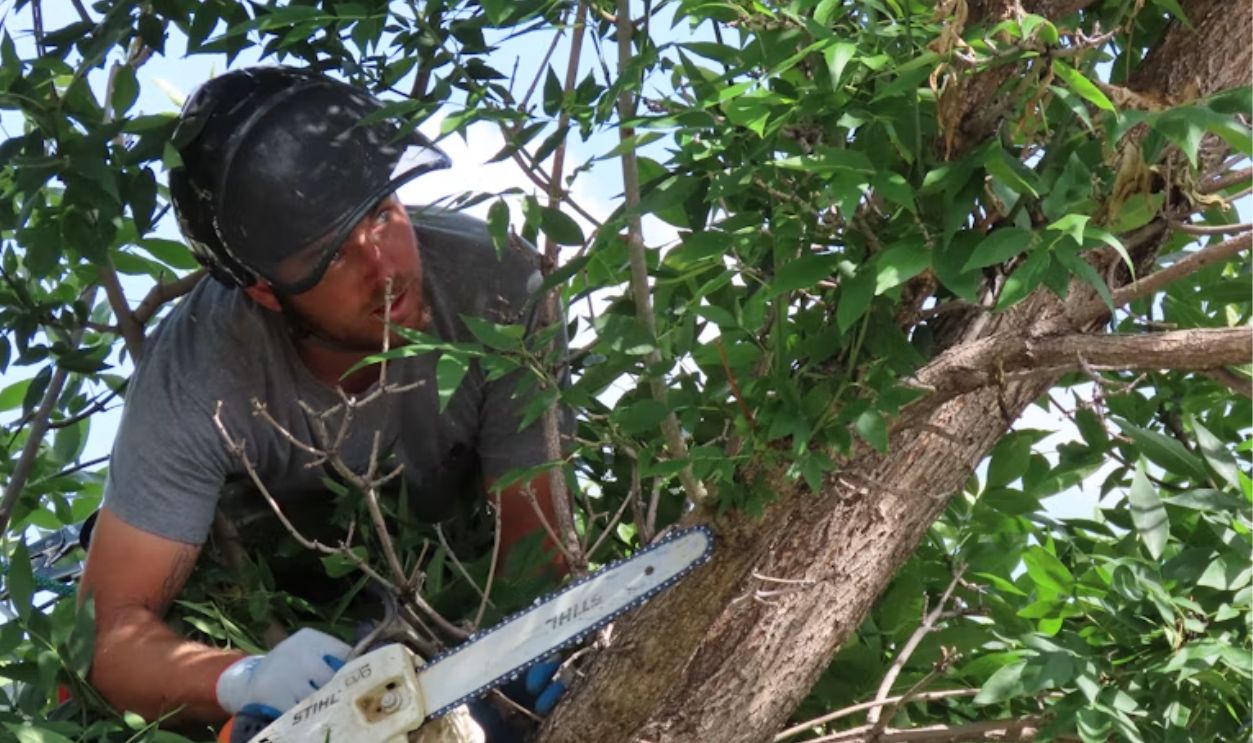
Courts in some states have made clear that permissible trimming does not extend to destroying or seriously damaging the tree's main support systems. So even if every inch of the branch you want gone is hanging over your driveway, what that cut does to the rest of the tree can still matter.
A Giant Limb Changes The Equation
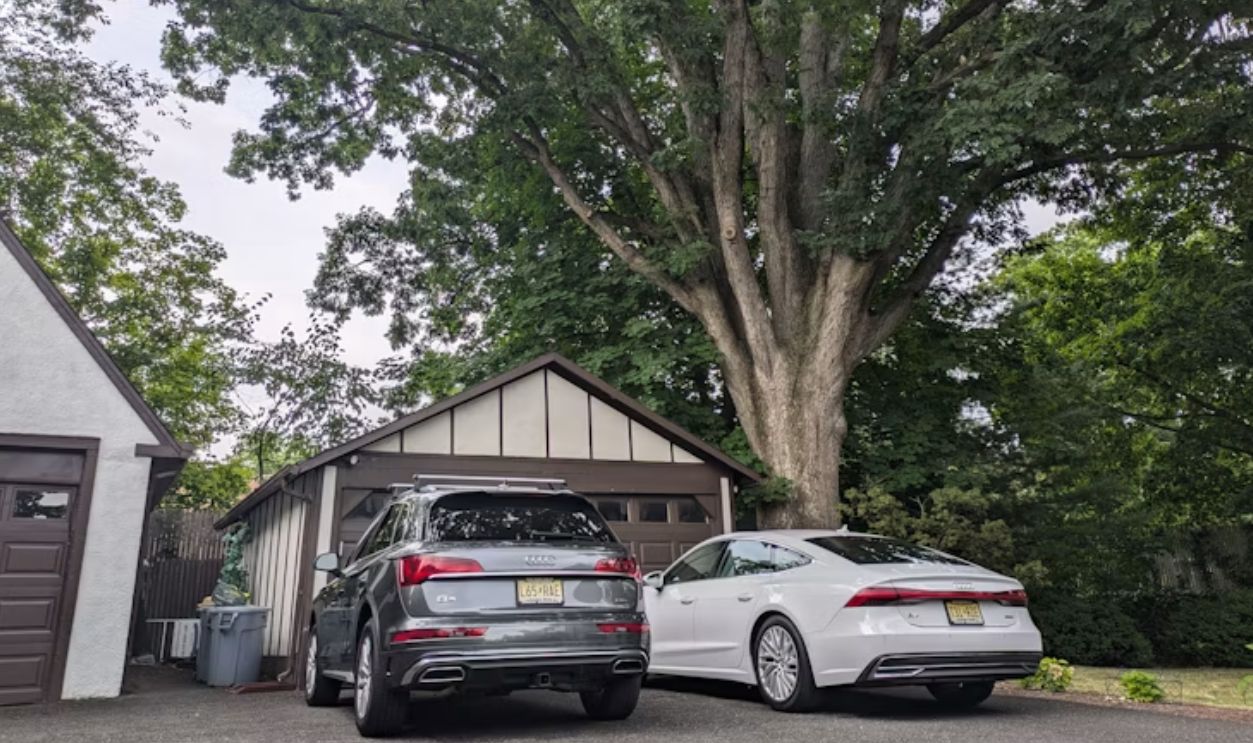
Snipping a few smaller branches hanging over your car is one thing. Removing a huge structural limb from one side of a mature tree is something else entirely. If the cut could weaken the tree, this is where calling an arborist starts making a lot more sense than standing in the driveway with a chainsaw and confidence.
Crossing The Line Could Get Expensive
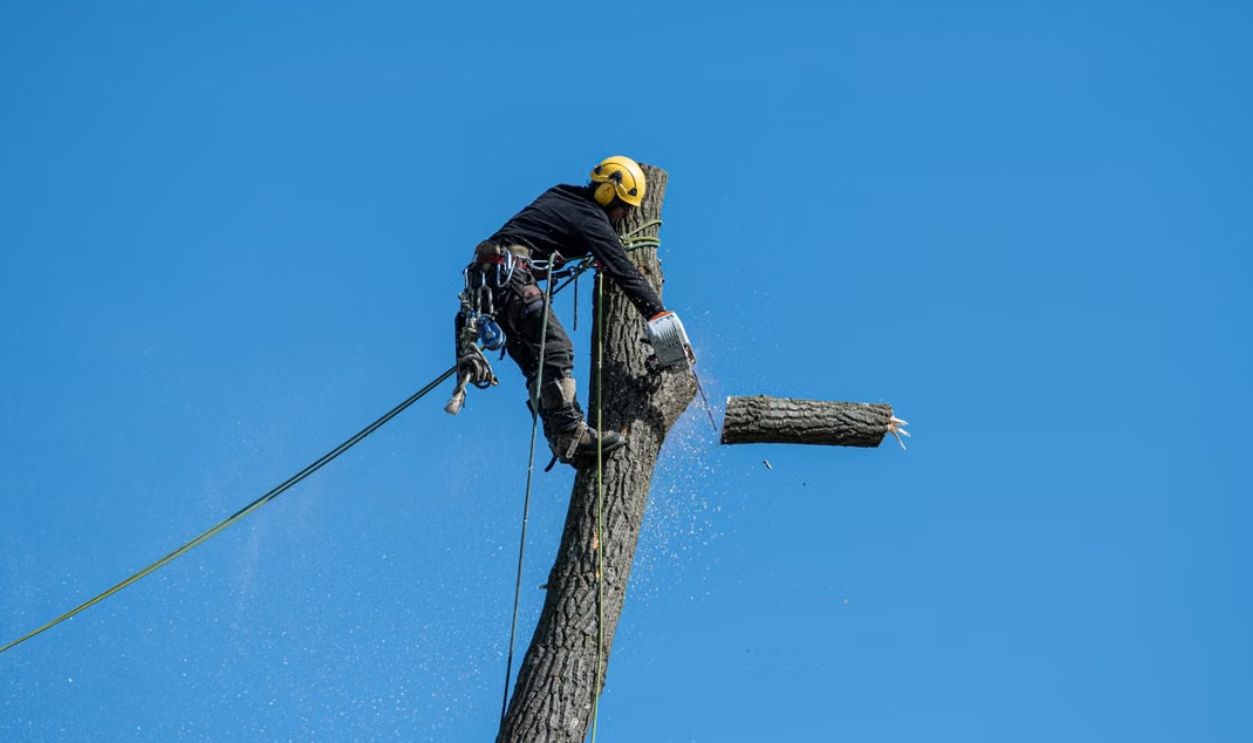
Crossing the property line and wrongfully damaging your neighbor's tree could get expensive. California, for example, allows multiple damages in certain cases involving wrongful injury to trees on someone else's land. Other states have their own rules, which is why “I only cut what was bothering me” may not end the argument.
So Maybe Don't Eyeball The Property Line
That old fence may look like the boundary. It may even have been there since Jimmy Carter was president. Neither fact guarantees it is actually sitting on the surveyed property line. Before making a consequential cut, it helps to know exactly where your land ends and your neighbor's begins.
The Trunk Location Matters Too
If the entire trunk stands on your neighbor's property, the tree usually belongs to your neighbor even when parts of it extend onto yours. California, for example, expressly says a tree whose trunk stands wholly on one owner's land belongs exclusively to that owner, even when its roots grow into another property.
 Clyde Charles Brown, Wikimedia Commons
A Boundary Tree Can Be Different
Now imagine the trunk itself straddles the property line. You may be dealing with a boundary tree instead of simply your neighbor's tree. California, for example, considers trees whose trunks stand partly on adjoining properties to belong to those owners in common. Suddenly that chainsaw decision gets considerably more complicated.
But What About All That Sap?
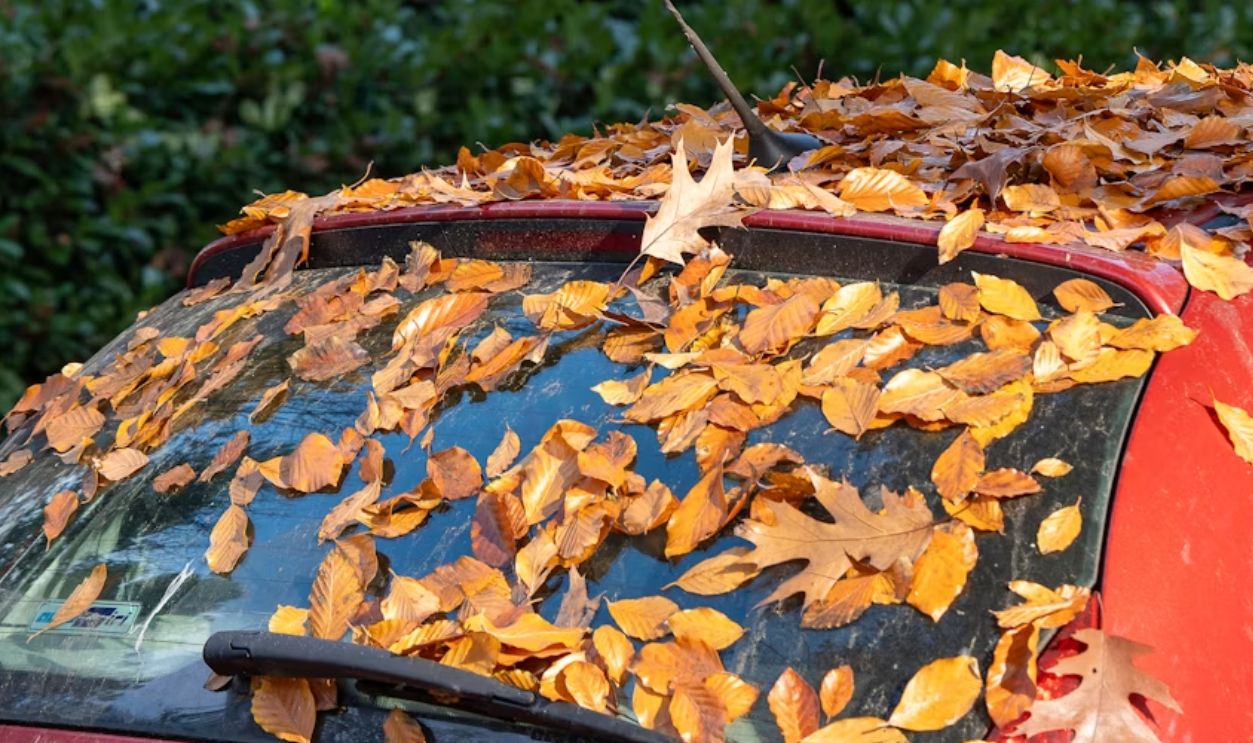
This is probably what started the argument in the first place. Sap is covering the car, leaves are clogging things up, and every morning your driveway looks like the tree spent the night throwing a party. Unfortunately, being extremely annoying and being legally actionable are not always the same thing.
Healthy Trees Get A Lot Of Leeway
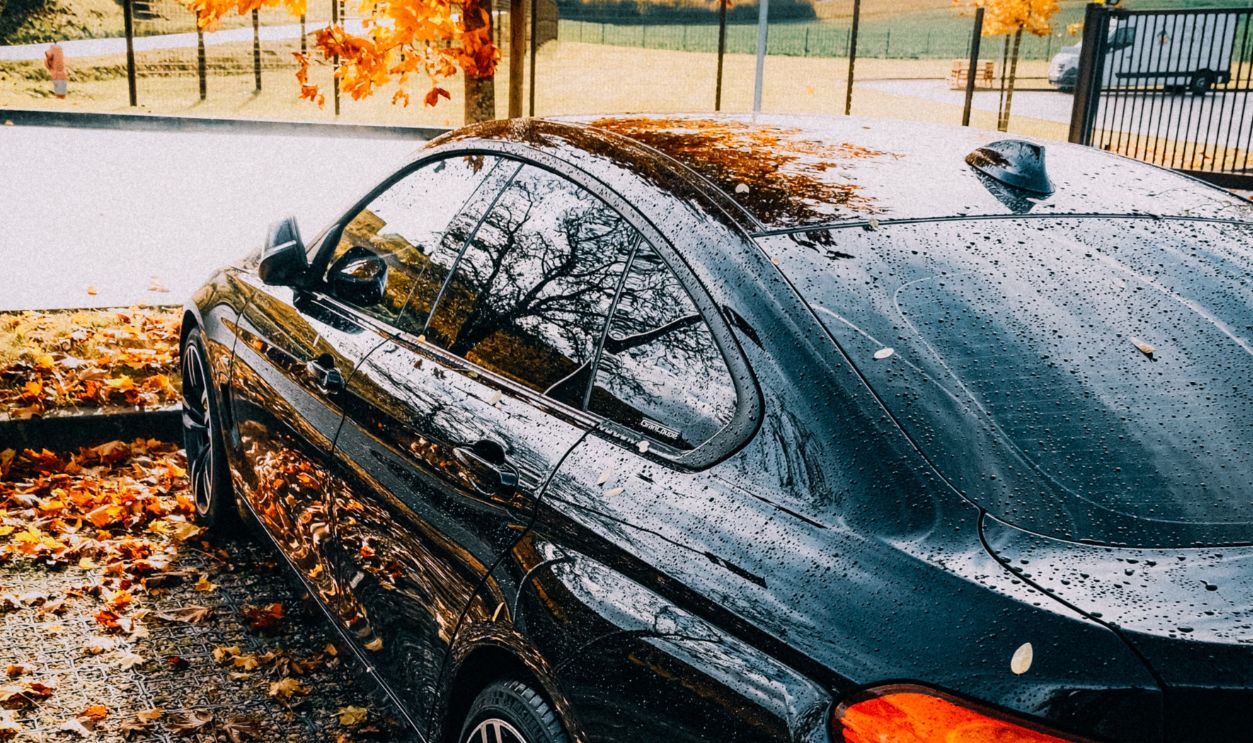
In a Massachusetts case involving leaves, branches and sap falling onto a driveway from a healthy neighboring tree, the state's highest court held that allowing that natural debris to fall was not unreasonable conduct supporting negligence or private-nuisance liability. The neighbor's remedy was essentially to trim what overhung the property.
So The Sap Doesn't Automatically Become Their Bill
You may hate cleaning it off your paint, but that does not necessarily mean your neighbor owes you detailing money or has to remove a healthy tree. Courts can distinguish between normal tree behavior, including leaves, shade, flowers, fruit and similar debris, and vegetation causing actual property damage or a genuine hazard.
Actual Damage Can Be A Different Story
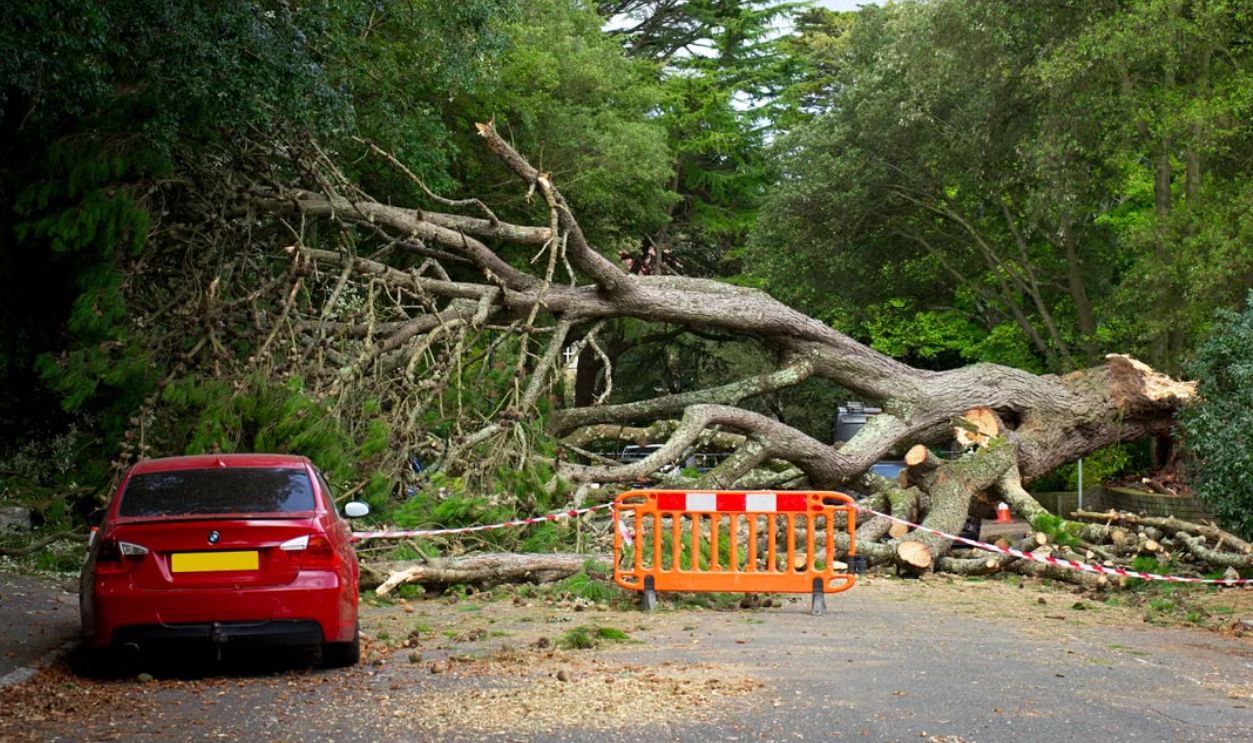
The situation becomes much more serious if roots are cracking structures, limbs are damaging your house, or a dangerous tree is threatening property. Tennessee's Supreme Court, for example, held that encroaching vegetation can potentially become a nuisance when it causes actual harm or presents an imminent danger of harm.
A Dangerous Tree Is Not The Same As A Messy Tree
A healthy tree dropping sticky sap on your sedan is irritating. A visibly decayed tree leaning toward your garage with a cracked limb hanging over the roof is another situation entirely. Courts have treated hazardous or defective trees differently from ordinary healthy trees doing ordinary tree things.
And Notice Can Suddenly Matter
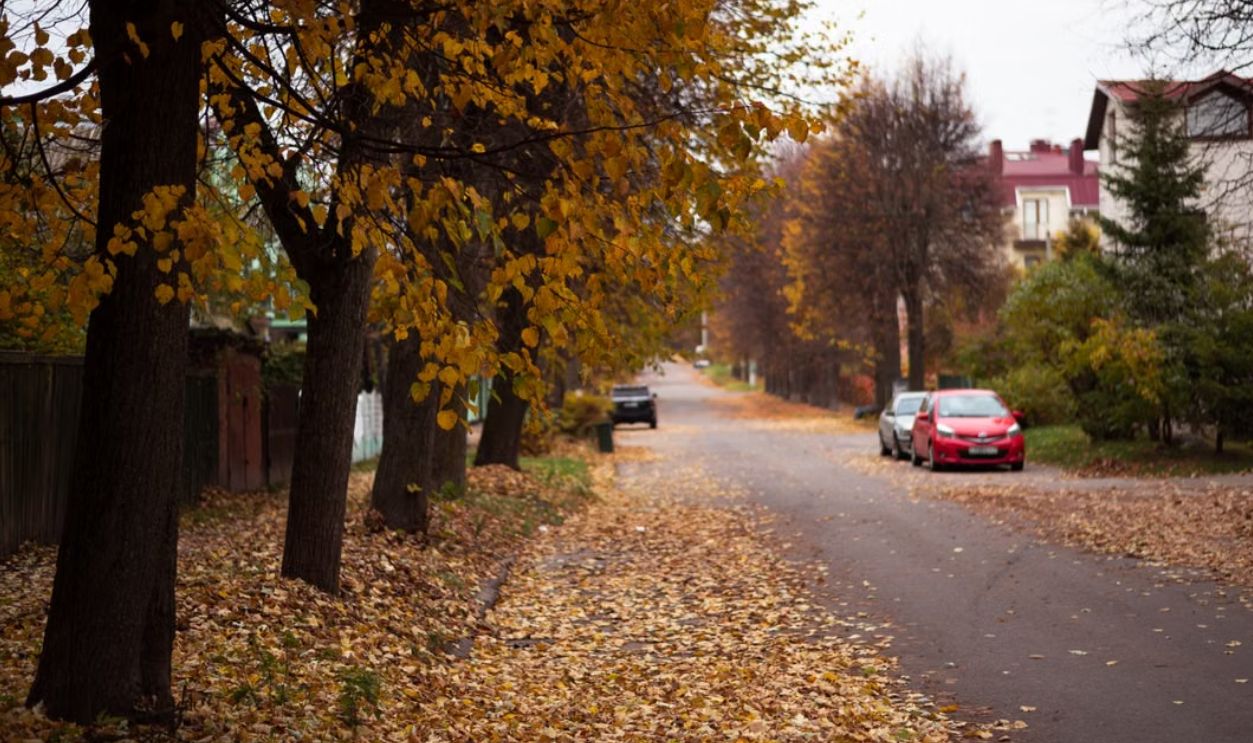
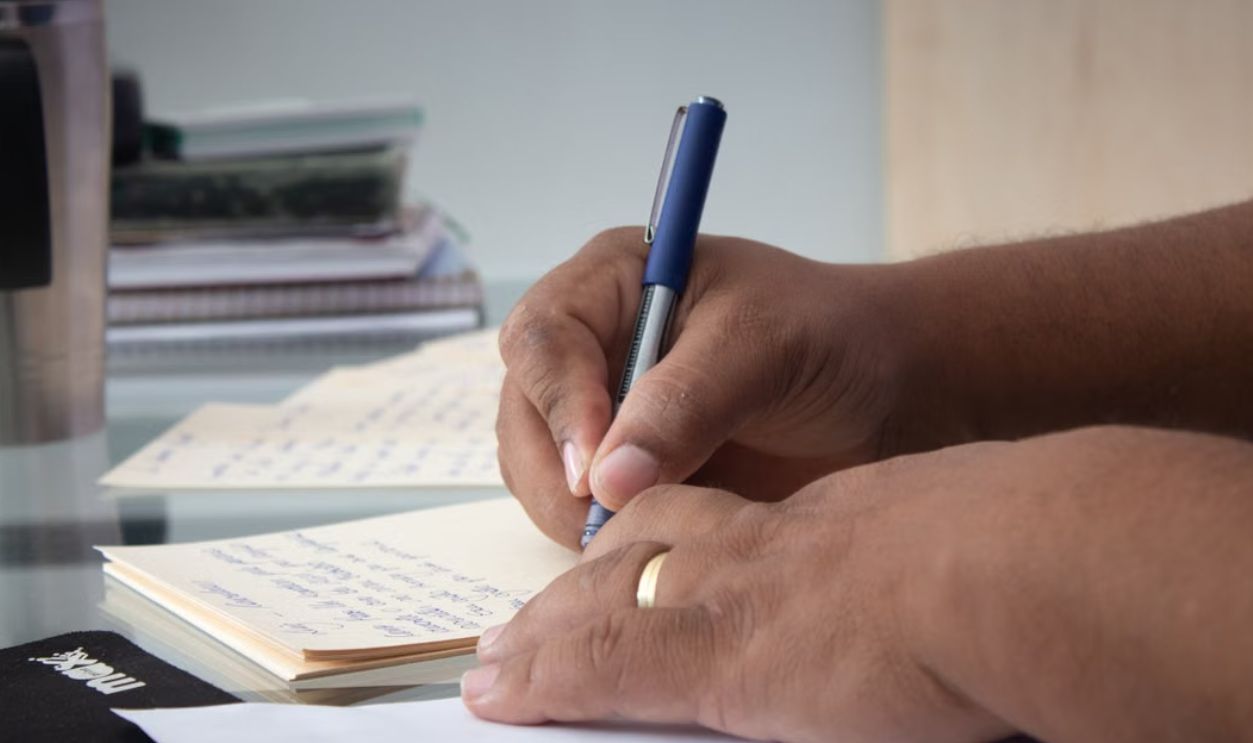
If you believe the tree is genuinely hazardous, putting your concerns in writing can become important. It creates a record that the owner was alerted to the condition instead of everybody trying to remember a conversation beside the mailbox eight months later after a 500-pound branch lands somewhere expensive.
You Might Have More Than Self-Help
Tennessee is a good example of why self-help isn't always the whole story. Its Supreme Court held that encroaching branches or roots can support a nuisance claim when they cause actual harm or pose an imminent danger of actual harm. Other states may draw that line differently.

But Don't Assume Your Neighbor Has To Pay
For ordinary overhanging branches, the usual self-help approach generally means you arrange and pay for trimming on your side. Getting your neighbor ordered to remove a tree, or recovering money for damage, is a much different question and depends heavily on the law and facts where you live.
There's Also The City To Think About
Property rights are not the only rules in play. Some cities regulate pruning or other work involving certain protected, heritage or specially located trees, including trees on private property. Portland, for example, requires permits for some heritage trees and certain native trees in regulated areas.
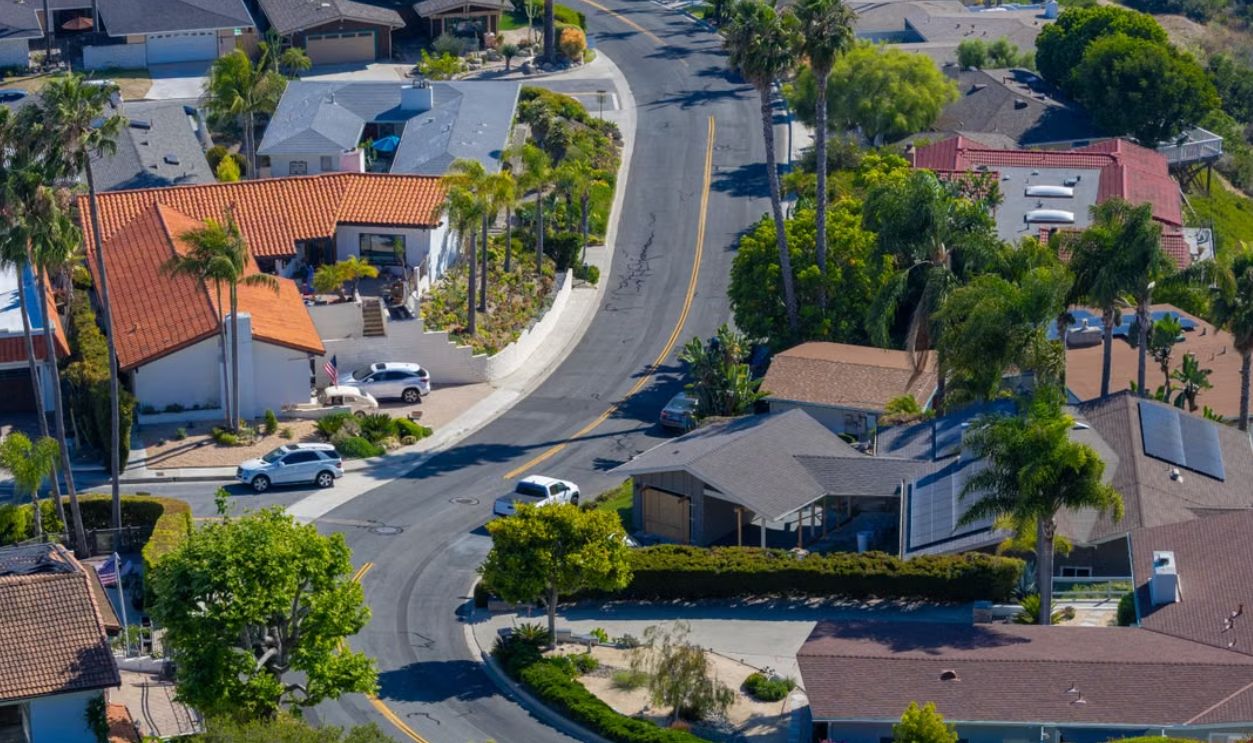
Your City's Tree Rules Can Be Surprisingly Specific
Austin regulates protected and heritage trees on private property and can require review for significant pruning of regulated trees. Seattle also has its own Tree Protection Code. So before dramatically reshaping a huge old tree, checking local ordinances is considerably cheaper than discovering afterward that your city cares about that oak almost as much as your neighbor does.
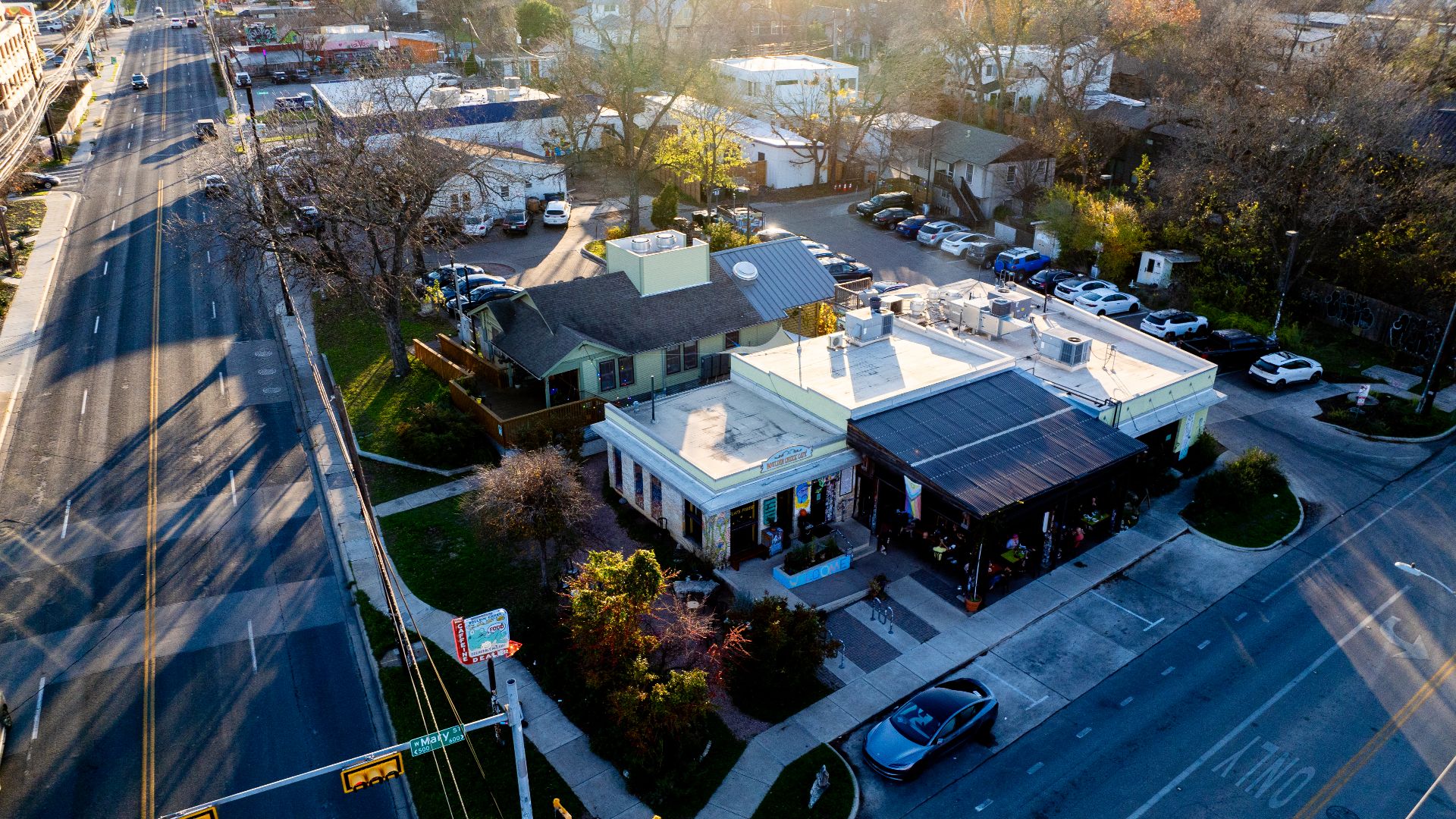
Power Lines Are Another Hard Stop
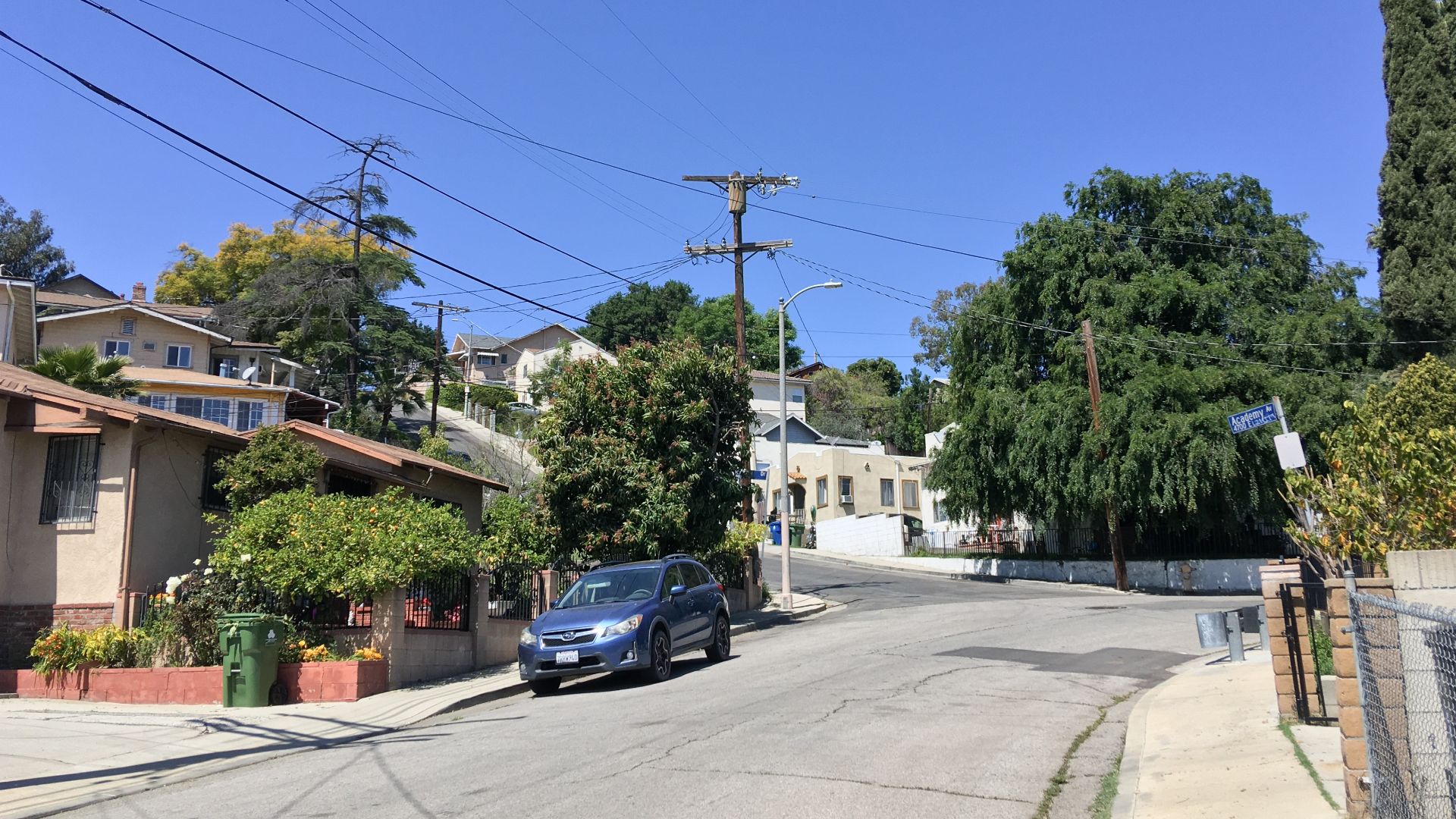
If the offending branches are anywhere near electrical or utility lines, this stops being a Saturday-afternoon DIY project. University of Minnesota Extension specifically advises homeowners not to prune near electrical or utility wires and instead to contact the utility company or appropriate municipal workers.
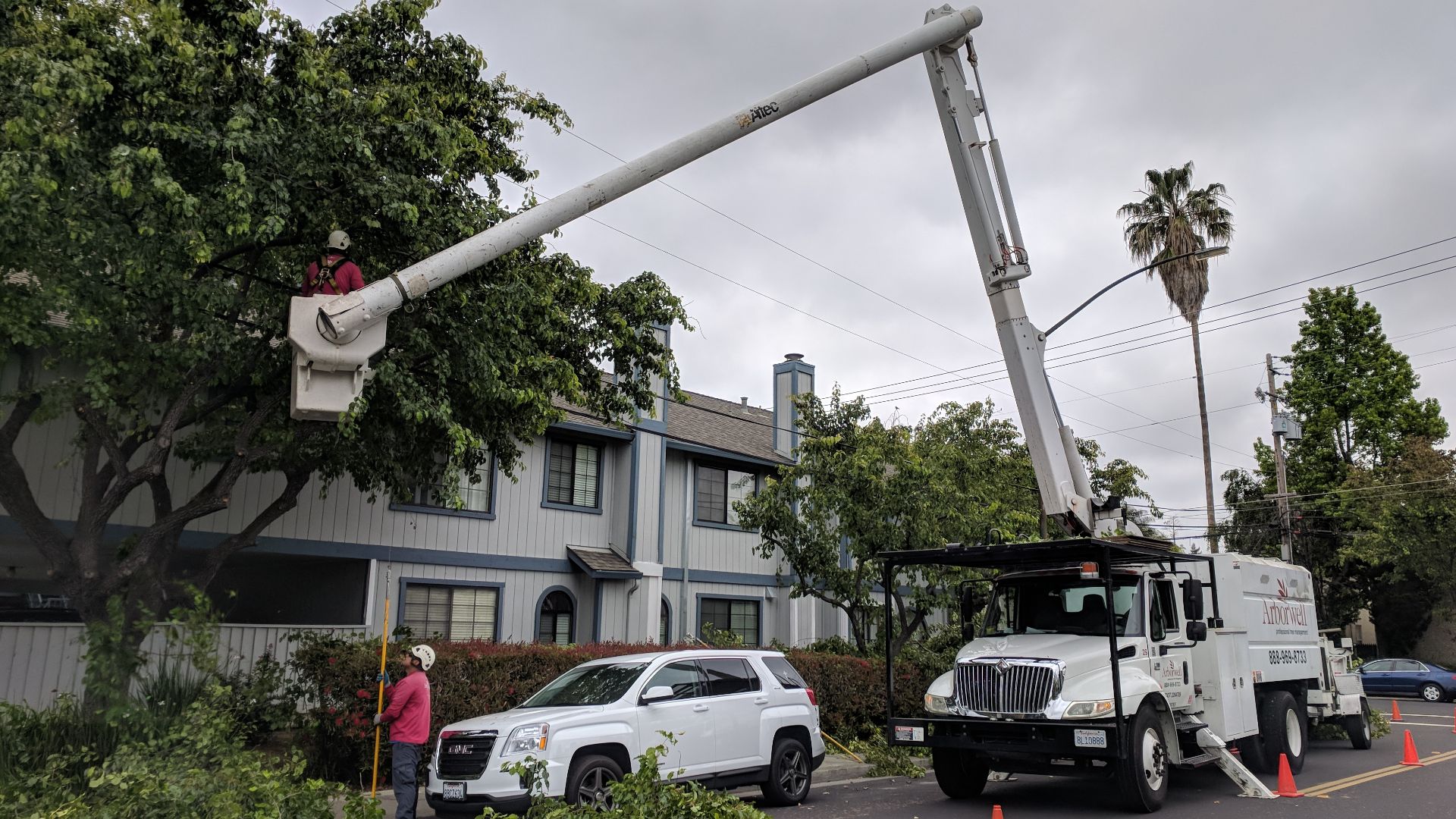 Grendelkhan, Wikimedia Commons
The Smart Move Is Usually Pretty Boring
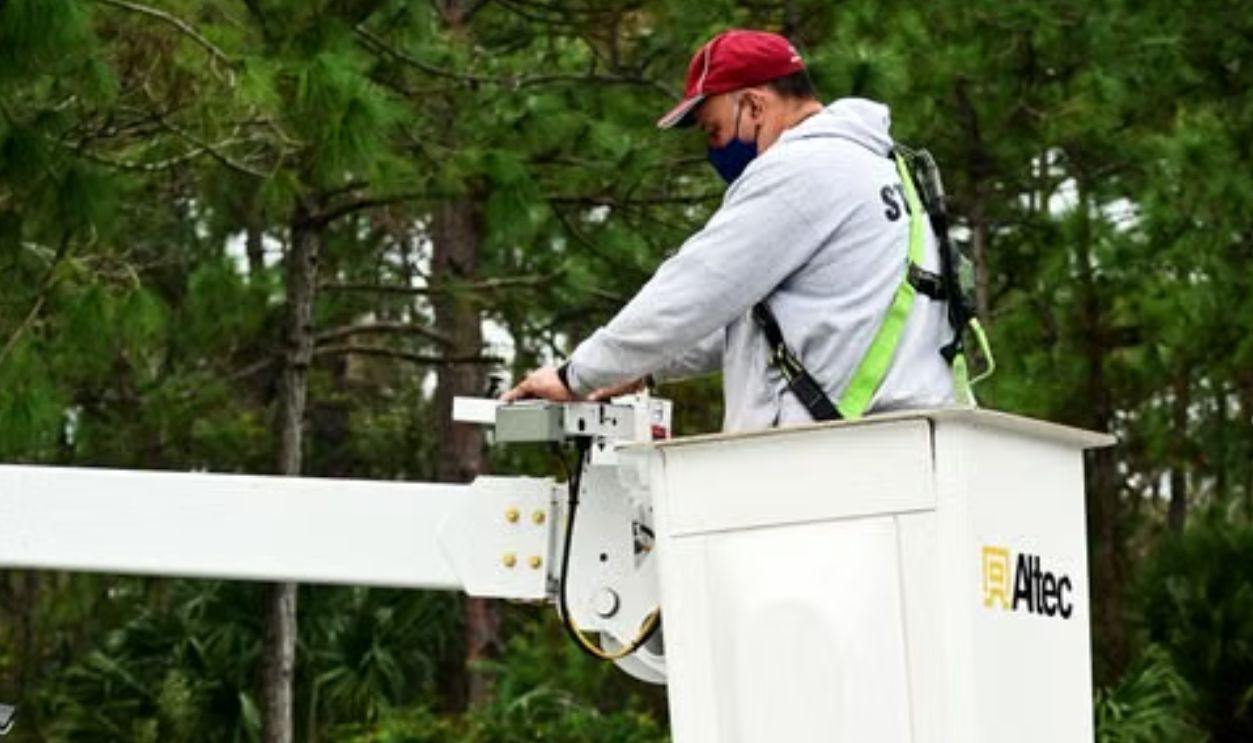
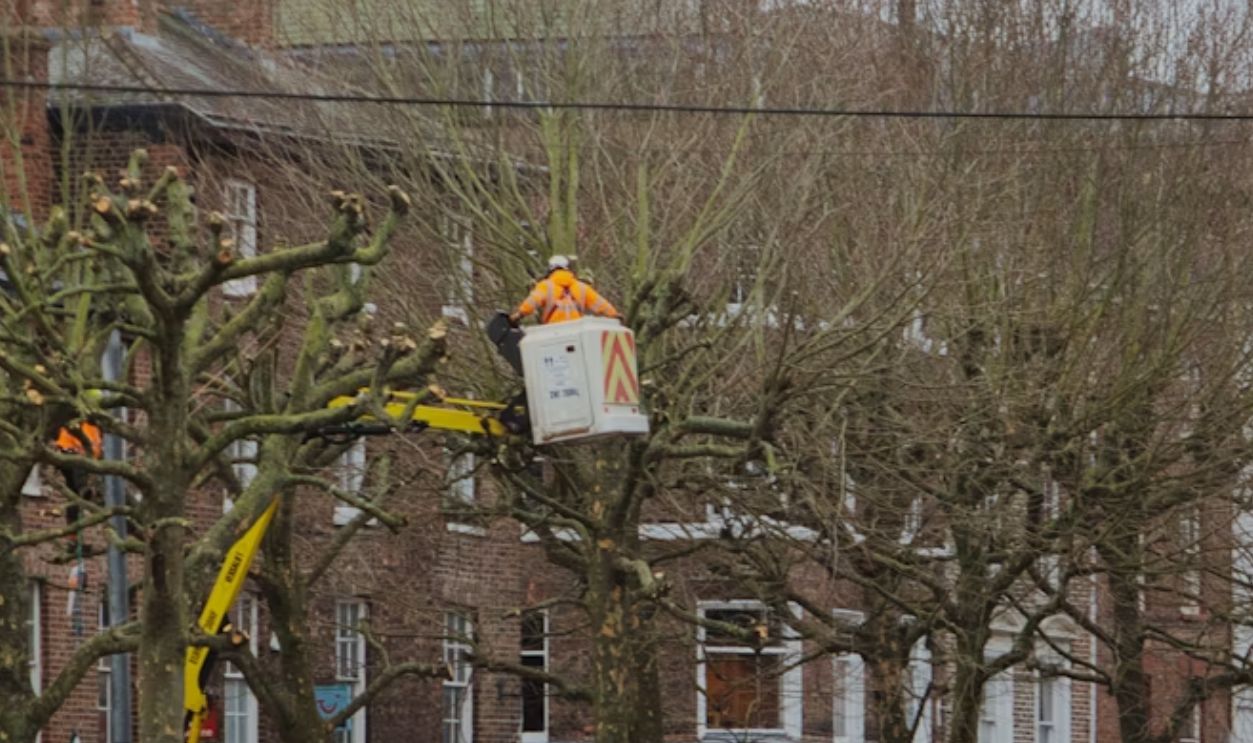
You may not legally have to ask your neighbor before trimming ordinary branches on your side, but telling them what you're planning is still usually smart. For a small job, that conversation might solve the whole thing. For a major limb, getting a qualified arborist involved can protect the tree—and keep a routine trimming job from becoming a much bigger argument.
Take Pictures Before Anything Gets Cut
Photograph the branches, the driveway, the tree and where you understand the property line to be. If sap or falling limbs have caused actual damage, photograph that too. Nobody expects a neighborhood tree dispute to turn into a legal fight right up until two neighbors are standing outside arguing over a stump.

And Get The Arborist's Opinion In Writing
If an arborist thinks a particular cut could destabilize or seriously damage the tree, that is worth knowing before the saw comes out. Proper pruning is about more than making branches disappear, and aggressive or inappropriate pruning can leave a tree weaker than when you started.
Your Neighbor May Actually Agree
There is also the shocking possibility that a five-minute conversation solves everything. Maybe your neighbor hates the branches too. Maybe they'll split the trimming cost. Maybe they've been meaning to call an arborist for six months. Not every suburban dispute needs to become Law & Order: Property Line Unit.

So Can You Cut The Branches?
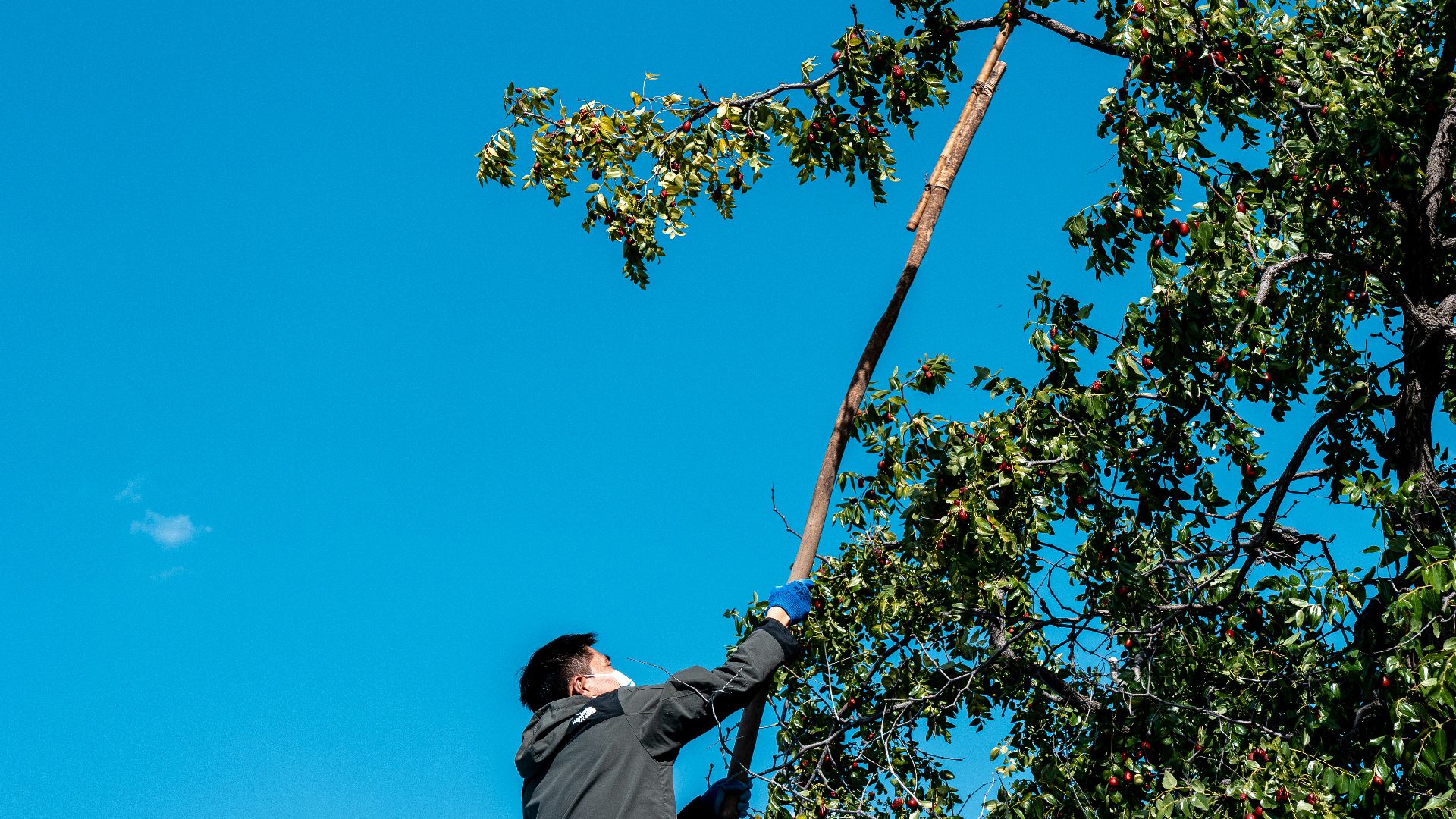
Usually, yes, but not quite with the blank check the original question implies. You can generally trim branches that cross onto your property back to the property line, and in many places you don't need your neighbor's permission first. But you generally cannot trespass, cut farther than the boundary, or trim the tree in a way that seriously damages or destroys it.
The Property Line Is The Important Part
So if your neighbor's tree is dripping sap all over your car, you probably aren't required to spend the rest of your life parking under it and quietly muttering. Just know where the property line actually is, make sure the tree can safely handle the trimming, and check the local rules before making any major cuts. Because explaining a sticky hood to your neighbor is annoying. Explaining a ruined $10,000 tree to their lawyer is considerably worse.

You Might Also Like:
Compact Cars From The 70s That Once Sold By The Millions. Did You Own One?