Their Tree Fell On My Car, So Why Am I Paying For It?
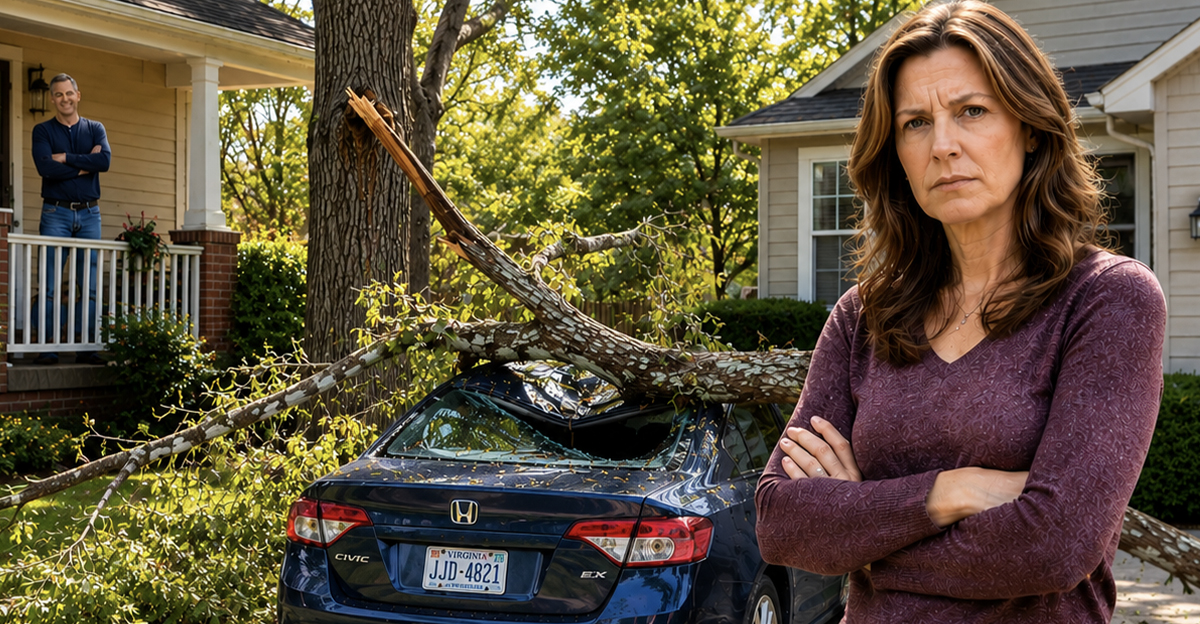
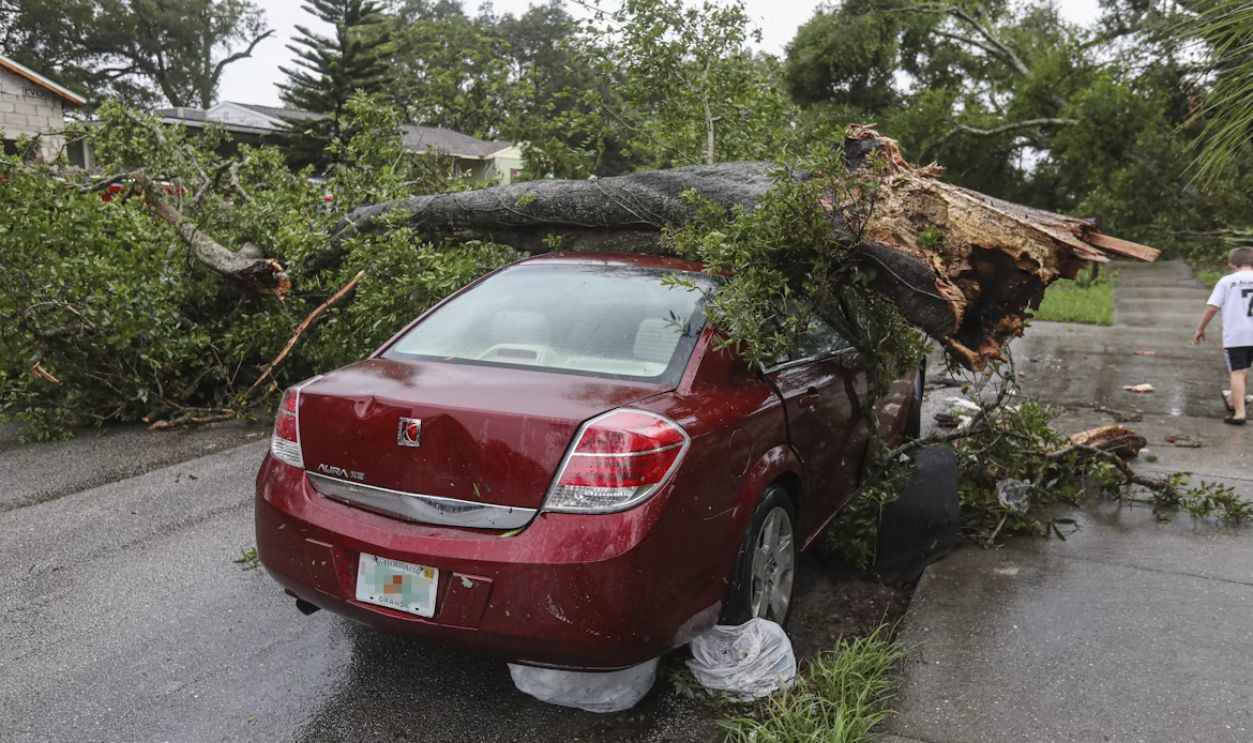
Few property disputes are more frustrating than walking outside and discovering a neighbor's tree has damaged your parked car. Most people assume the tree owner must automatically pay because the tree came from their property. Then the neighbor refuses responsibility, the insurance companies start asking questions, and suddenly the situation becomes much more complicated. The good news is that you still have options, but it all depends on why the tree fell and whether anyone was negligent.
Tree Damage Is Not Automatically The Neighbor's Fault
One of the biggest misconceptions in these situations is that the owner of the tree is automatically responsible for any damage it causes. In many states, that’s not how liability works. Simply owning the tree doesn’t necessarily make someone financially responsible when a branch or entire tree falls. The circumstances surrounding the damage usually matter much more than the location of the trunk.
Storms Change The Legal Analysis
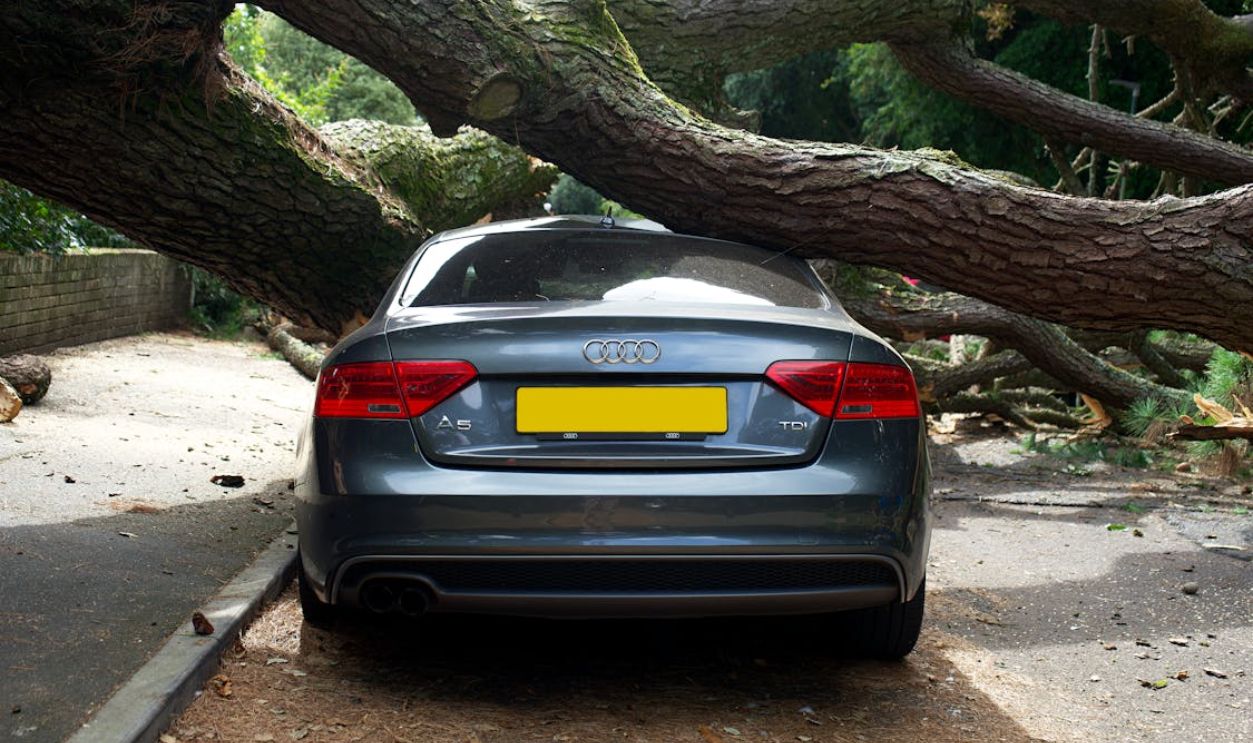
If a healthy tree falls during a severe storm, hurricane, tornado, or other major weather event, the damage is often considered an "act of God" by insurers and courts. In those situations, neither property owner may have done anything wrong. As a result, the vehicle owner's own insurance frequently becomes the primary source of compensation. This surprises many people who assume the tree owner must always pay.
Negligence Is Usually The Key Question
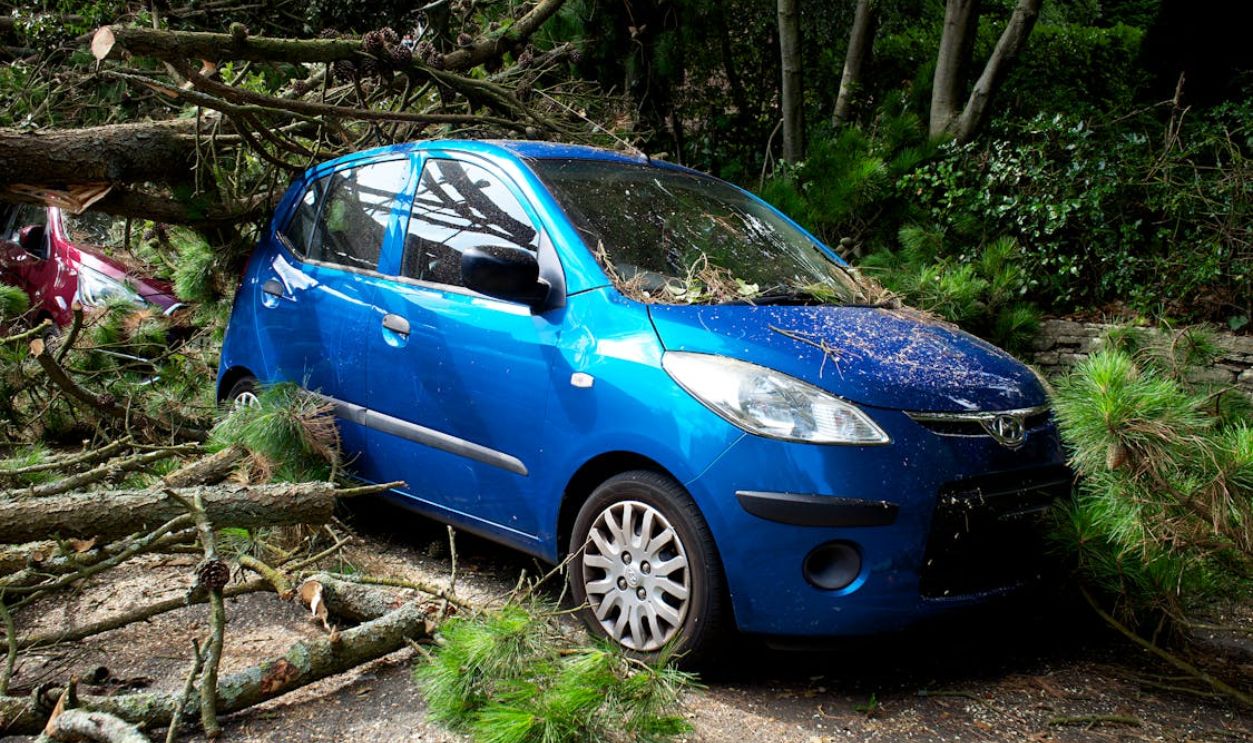
The biggest issue is often whether the neighbor knew or should have known that the tree posed a danger. If the tree was visibly dead, diseased, rotting, leaning dangerously, or dropping large branches before the incident, the neighbor may face a stronger argument for liability. The law often focuses on whether a reasonable property owner would have recognized and addressed the hazard before damage occurred.
A Healthy Tree Is Different From A Dangerous Tree
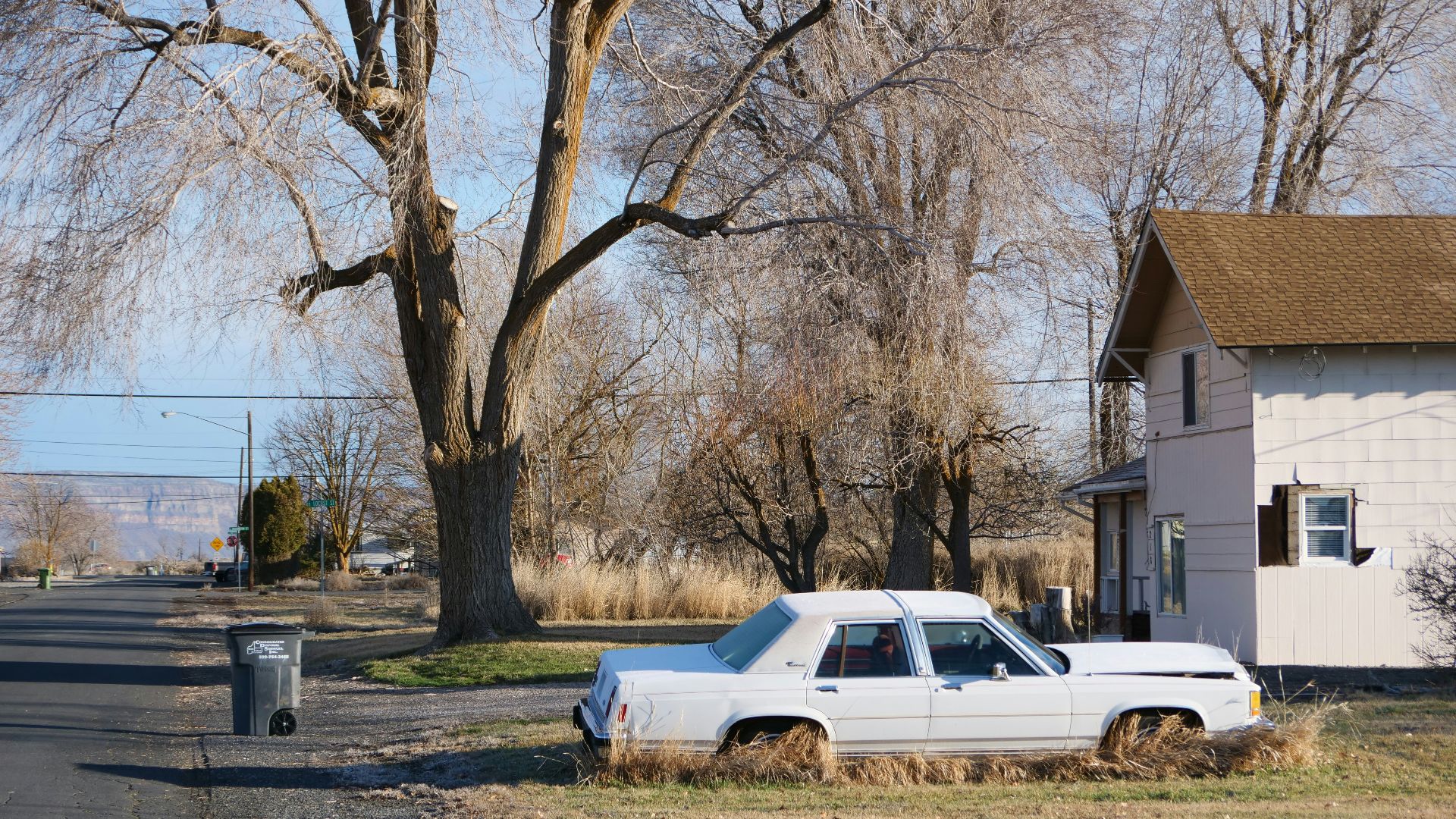
Courts often distinguish between healthy trees that fail unexpectedly and trees that showed obvious warning signs beforehand. If a healthy tree is blown over during an unusually strong storm, proving negligence may be difficult. If the tree had been dying for years and everyone in the neighborhood knew it was a problem, the situation can look very different. Evidence about the tree's condition often becomes critical.
Photos Should Be Your First Priority
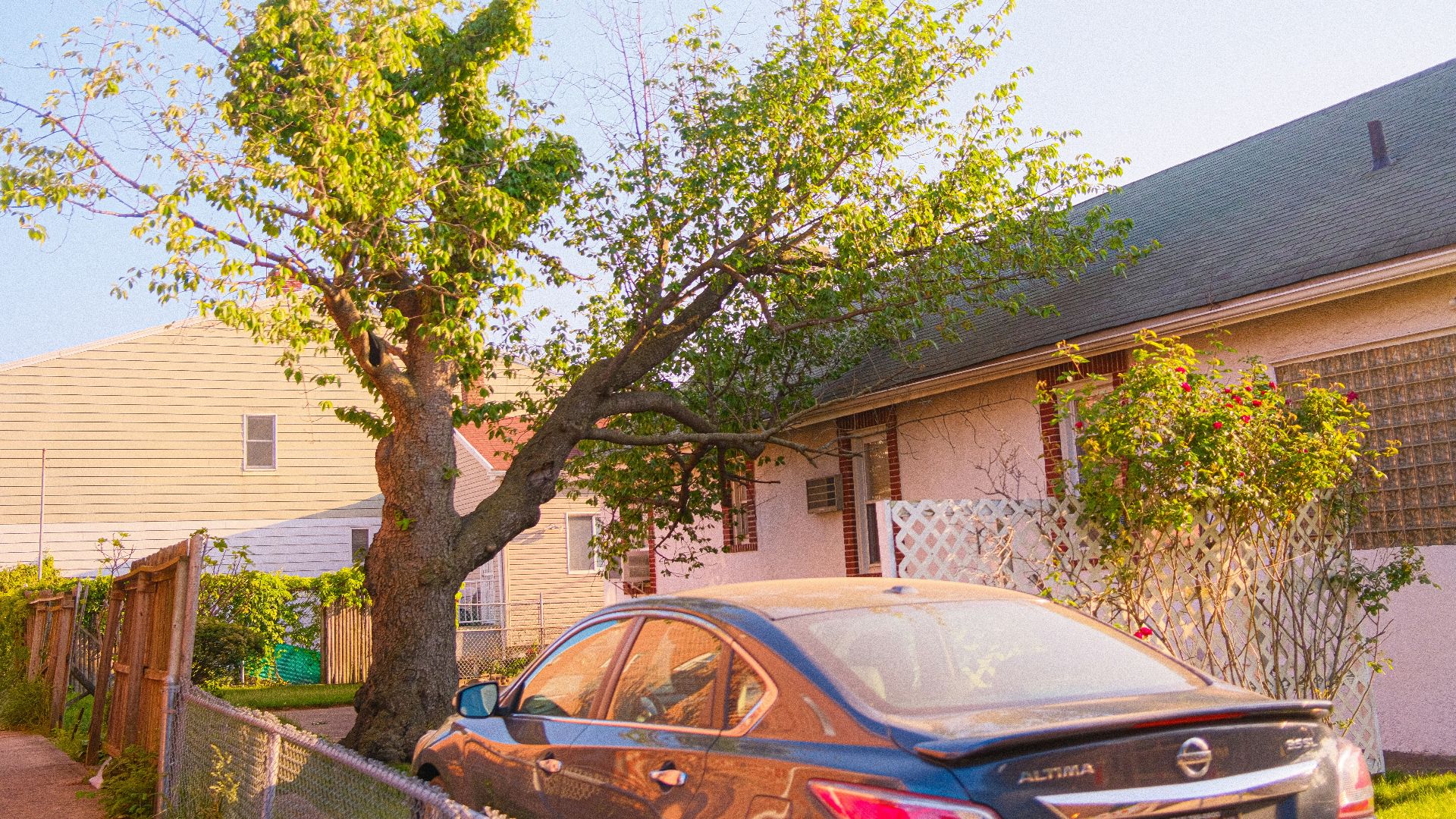
If it is safe to do so, take photographs immediately after the incident. Document the damage to the vehicle, the fallen tree, broken branches, the stump, surrounding property, and any visible signs of decay or disease. These images may become extremely important later if there is disagreement about the tree's condition. The more evidence you preserve early, the stronger your position usually becomes.

Look For Signs Of Prior Problems
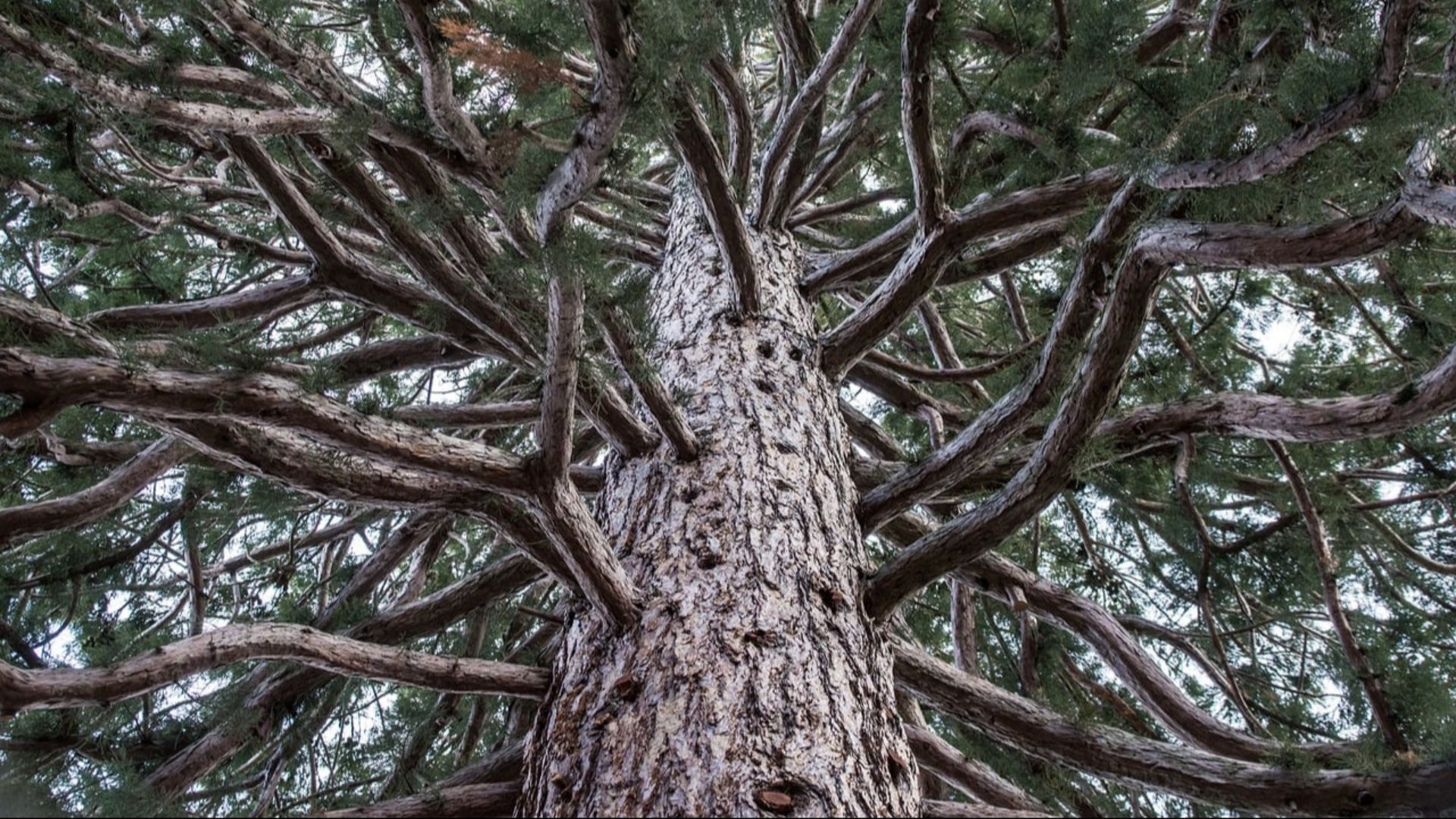
Evidence that the tree was already unhealthy can help support a negligence claim. Large dead limbs, hollow sections, visible rot, fungal growth, splitting trunks, insect infestations, and extensive dead foliage may all become relevant. If those conditions existed before the tree fell, they may help establish that the risk was foreseeable. That doesn’t guarantee success, but it can strengthen your argument.
Neighbors Sometimes Knew About The Problem
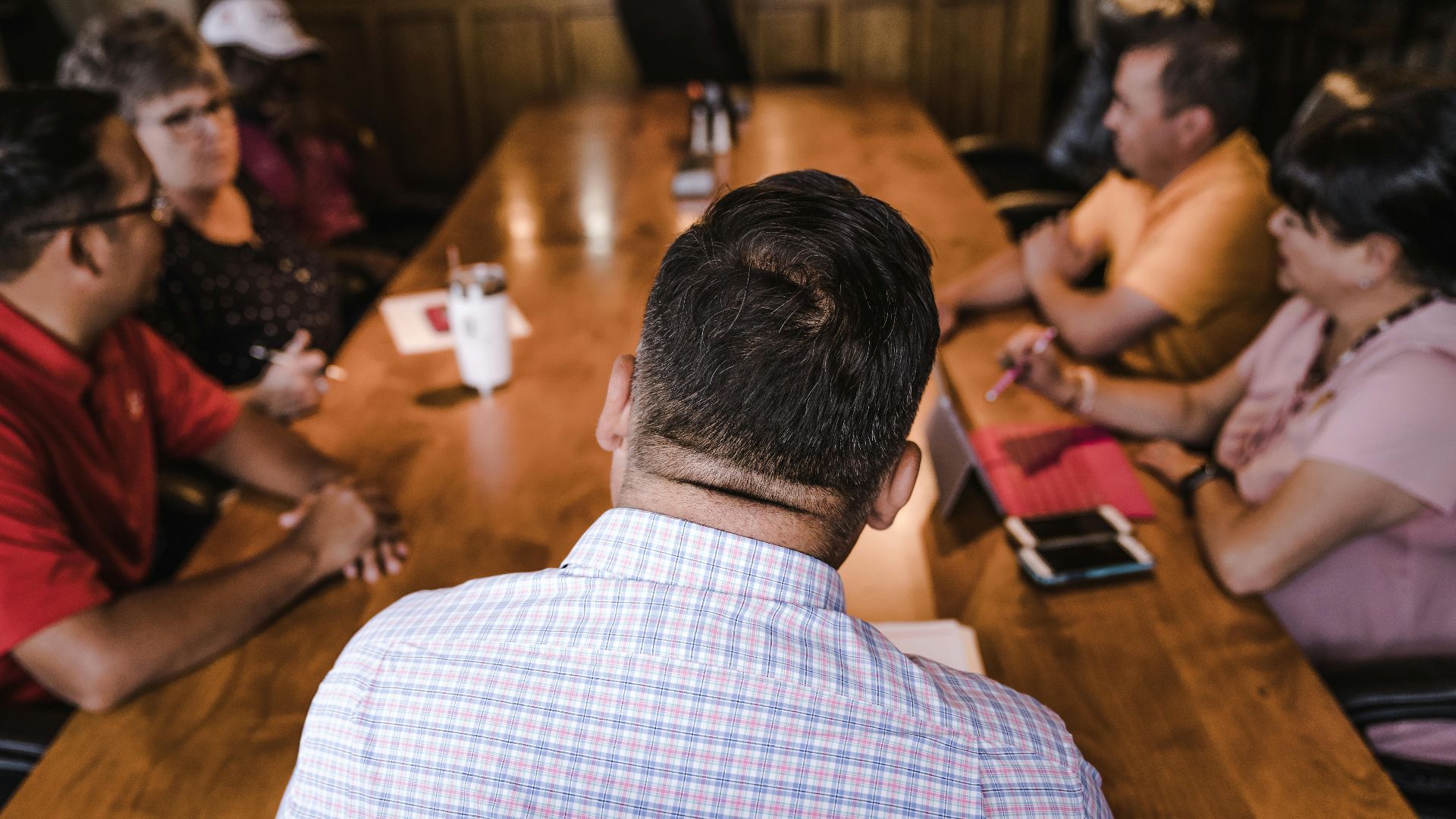
In some cases, other neighbors may have noticed the tree's condition long before the damage occurred. Someone may remember discussing concerns with the owner or seeing previous branches fall from the same tree. Witnesses can sometimes help establish that warning signs existed before the incident. Those observations may become valuable if liability is disputed.
Previous Complaints Can Matter
If you or other neighbors previously warned the tree owner about the condition of the tree, those conversations may become important. Written complaints, emails, text messages, homeowner association records, or municipal notices can help demonstrate that the owner had notice of a potential problem. Prior warnings often play a major role in negligence cases involving trees.

Homeowners Insurance May Become Involved
If the neighbor appears responsible, their homeowners insurance may ultimately handle the claim. Many homeowners policies provide liability coverage for property damage caused by the insured's negligence. However, the insurer will usually investigate before agreeing to pay. The company may challenge whether the owner knew about the danger or whether the tree failure was truly foreseeable.

Your Auto Insurance May Be Faster
Even if you believe the neighbor is responsible, your own auto insurance may provide the fastest path toward repairing the vehicle. Comprehensive coverage often applies to damage caused by falling trees, branches, and other non-collision events. Your insurer may then investigate whether another party was responsible and potentially seek reimbursement through subrogation.

Comprehensive Coverage Can Be Extremely Valuable
Many drivers do not realize that comprehensive coverage exists specifically for situations like this. Unlike collision coverage, comprehensive insurance generally applies when the damage is caused by events such as storms, vandalism, theft, fire, falling objects, or animal strikes. A fallen tree typically falls into this category. The coverage can save enormous headaches when liability is unclear.
Your Deductible Still Applies
One downside to using your own comprehensive coverage is that you will usually have to pay the deductible. That can feel unfair when the tree came from someone else's property. However, paying the deductible may still be preferable to waiting months for a liability dispute to be resolved. If your insurer later recovers money from the neighbor's insurer, the deductible may potentially be reimbursed.

Don't Assume The Neighbor Is Being Honest
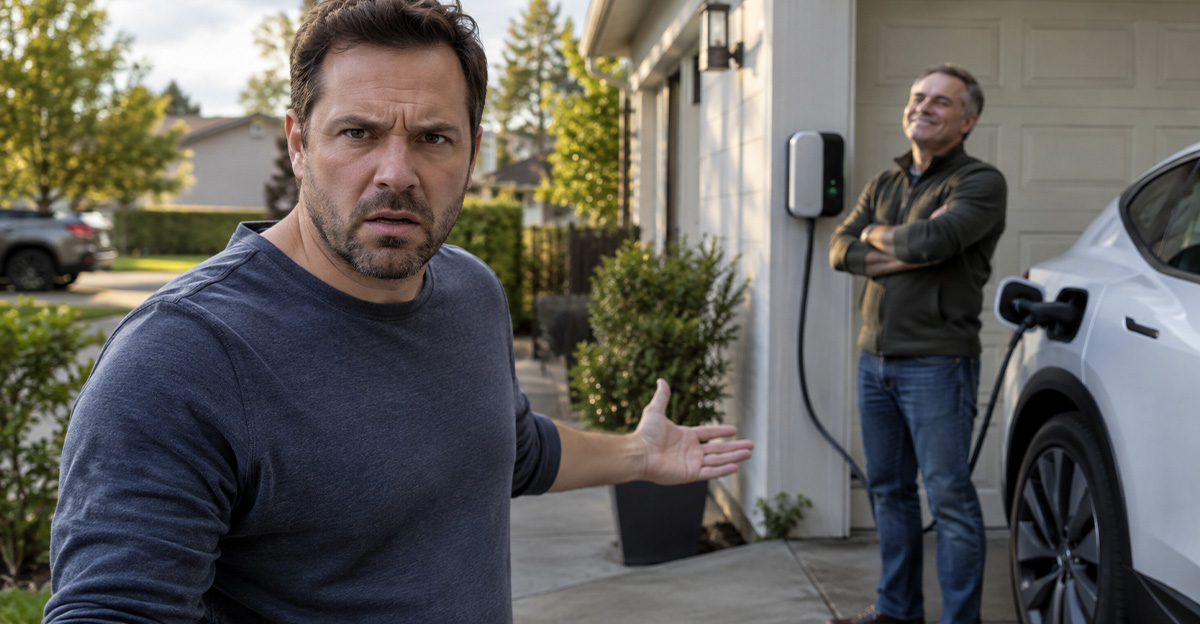
Some neighbors immediately deny responsibility simply because they do not understand the law themselves. Others assume that if they refuse to cooperate, the problem will disappear. A denial from the neighbor is not the same thing as a legal determination of liability. Insurance companies, attorneys, and courts often evaluate the facts independently.

Stay Calm When Speaking To The Neighbor
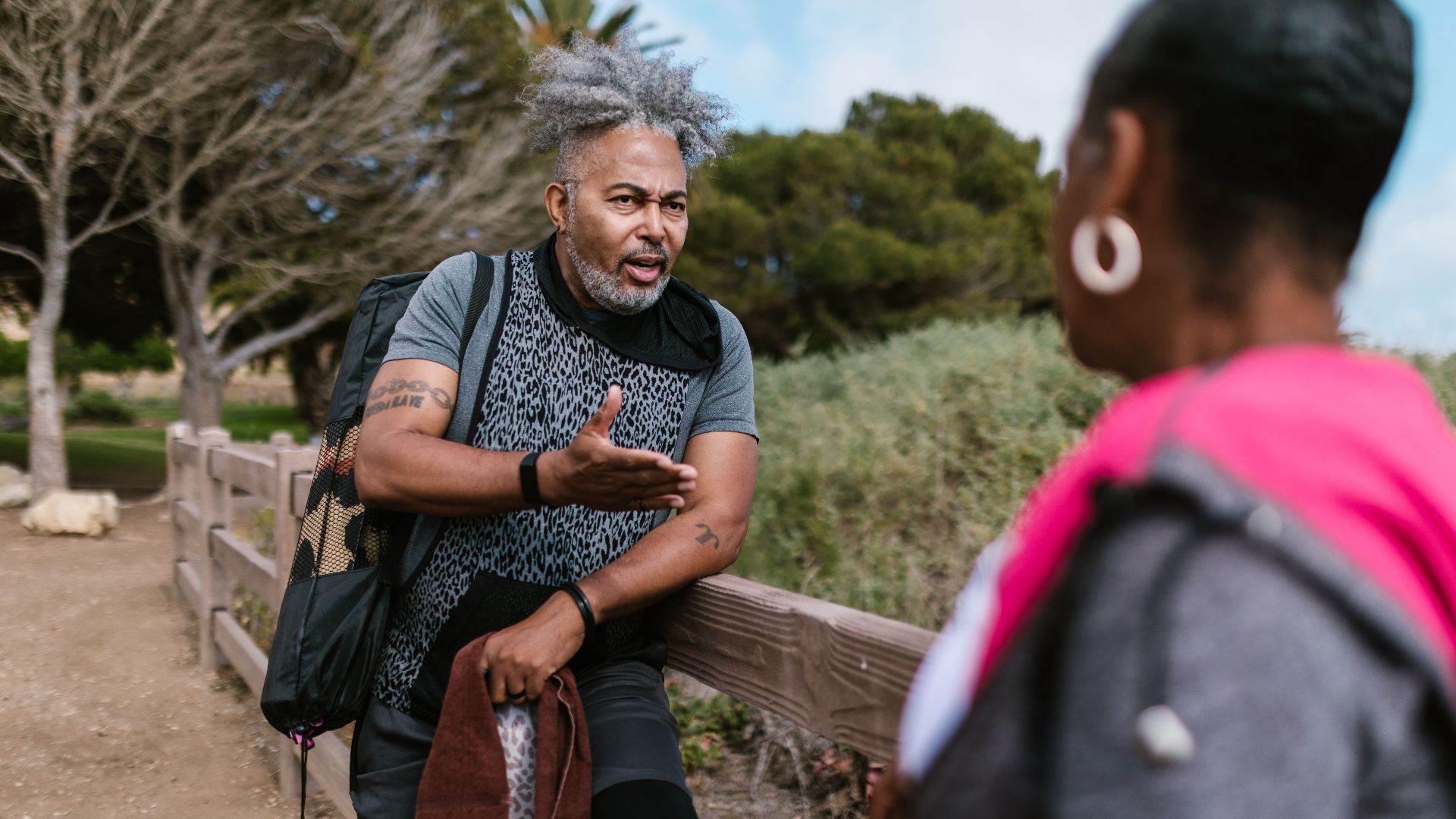
As tempting as it may be to confront the neighbor angrily, that approach rarely helps. A calm discussion focused on facts and insurance information often produces better results. The goal is to gather information and preserve the relationship if possible. Hostile arguments can make an already difficult situation much harder to resolve.
Ask For Their Insurance Information
If the circumstances suggest the neighbor may be responsible, ask for their homeowners insurance information. Many disputes are ultimately resolved between insurance companies rather than between neighbors directly. Having the policy information allows the claim investigation to begin. It also signals that you are taking the matter seriously.
 Henri Mathieu-Saint-Laurent, Pexels
An Arborist Can Sometimes Help
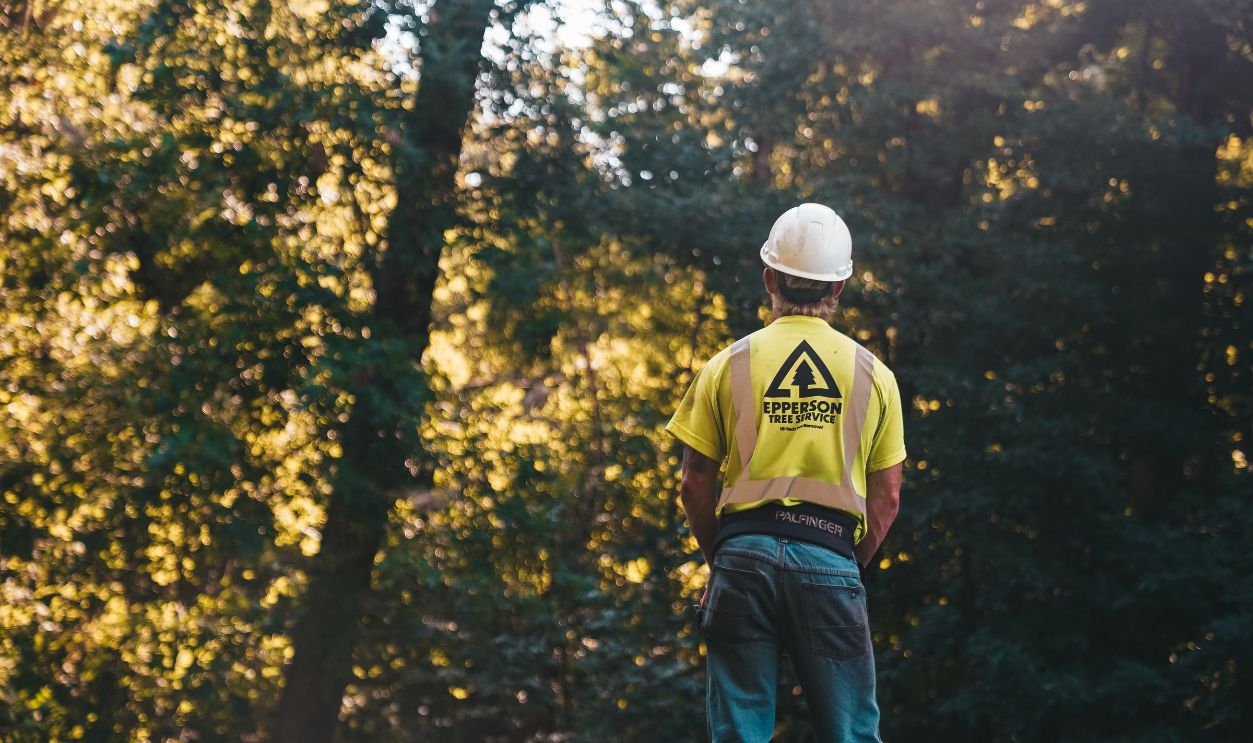
When the condition of the tree becomes a major issue, an arborist may provide useful information. These professionals can evaluate signs of disease, decay, structural weakness, and long-term deterioration. In some cases, an arborist's opinion helps establish whether the tree owner should have recognized the danger. Expert evaluations can become particularly valuable in larger claims.
Municipal Records May Reveal A History
Sometimes cities or counties have records involving dangerous trees. Prior complaints, inspection reports, code violations, or removal orders may reveal that concerns existed before the incident occurred. Those records can strengthen a claim that the owner knew about the risk. It is worth investigating if the circumstances suggest a long-standing problem.
Small Claims Court Is Sometimes An Option
If the damage amount falls within local limits and negotiations fail, small claims court may be worth considering. These cases often rely on photographs, witness statements, repair estimates, insurance records, and evidence regarding the condition of the tree. The process is generally less expensive than a full civil lawsuit. For some vehicle owners, it provides a practical path forward.
Laws Vary From State To State
Tree liability laws can differ significantly depending on where the damage occurred. Some states place greater emphasis on notice and negligence, while others handle certain aspects differently. Local court decisions can also influence how these disputes are resolved. Understanding your state's specific rules can help you evaluate the strength of your case.
Homeowners Associations May Play A Role
If the incident occurred within a community governed by a homeowners association, additional rules may apply. Some associations maintain records of complaints about dangerous trees or impose maintenance obligations on property owners. While the association may not be financially responsible, its records could prove useful during the investigation.

Don't Wait Too Long To Act
Evidence tends to disappear quickly after tree-related incidents. Cleanup crews remove debris, damaged trees get cut down, and memories begin to fade. Reporting the damage promptly, preserving evidence, and contacting insurers early can help protect your rights. Delays often make disputes much harder to prove.

The Neighbor May Not Be Liable At All
One of the hardest realities for vehicle owners to accept is that the neighbor may genuinely have no legal responsibility. If a healthy tree fell unexpectedly during severe weather and there were no warning signs, your own insurance may ultimately be the proper source of compensation. That outcome feels unfair to many people, but it is common in tree-damage cases.
Focus On Getting The Car Fixed First
When emotions are running high, it is easy to become fixated on proving fault immediately. In many cases, the smartest move is focusing on getting the vehicle repaired through whatever coverage is available while the liability investigation continues. Insurance companies are often better equipped to pursue reimbursement than individual vehicle owners. Getting back on the road may be more important than winning the argument right away.
You Still Have Options Even If The Neighbor Says No
A neighbor's refusal to pay doesn’t automatically mean the case is over. The outcome depends on the condition of the tree, whether warning signs existed, the circumstances of the incident, and the available insurance coverage. Whether that means pursuing the neighbor's homeowners policy, using your own comprehensive coverage, gathering evidence of negligence, or consulting an attorney, there are often more avenues available than people initially realize.

You May Also Like: