That Note On Your Windshield Feels Bossy For A Reason
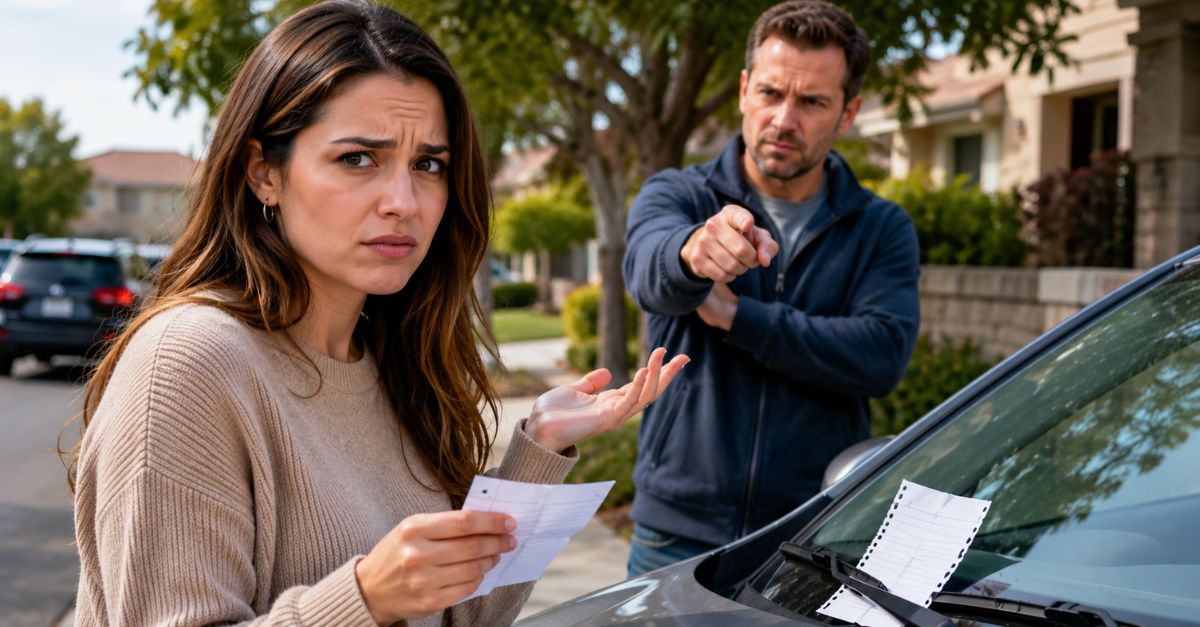
Nothing sours a normal parking job faster than finding a stranger’s note under your wiper. Even when it's just a neighbor with a marker and a strong opinion, finding the note on your car feels like it carries some weight. But before you do anything, it's worth asking: Does this person actually have any legal power to tell you where to park?
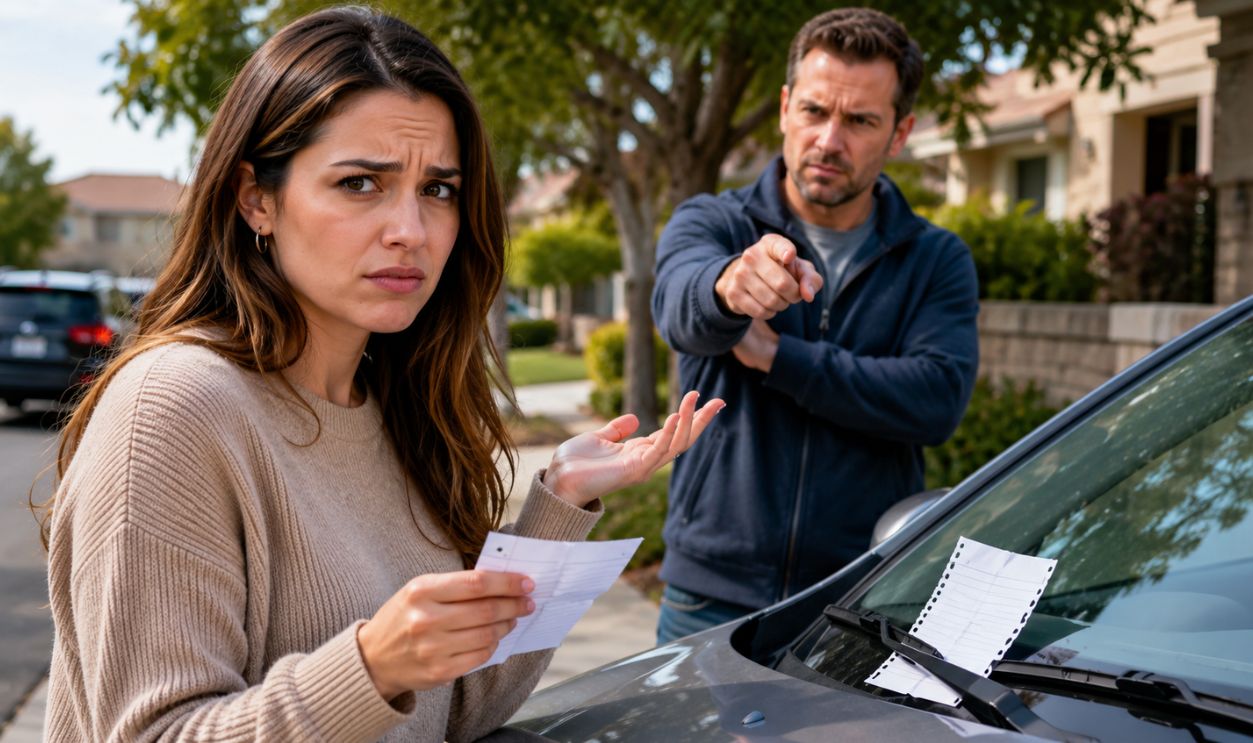
The Short Answer Is Usually No
Most of the time, no. A neighbor does not get legal authority over your car just because they live nearby. If the street is public and you are parked legally, their note is usually just a complaint, not an order. Actual authority usually comes from local government, police, parking enforcement, property owners, or an HOA acting within its written rules.
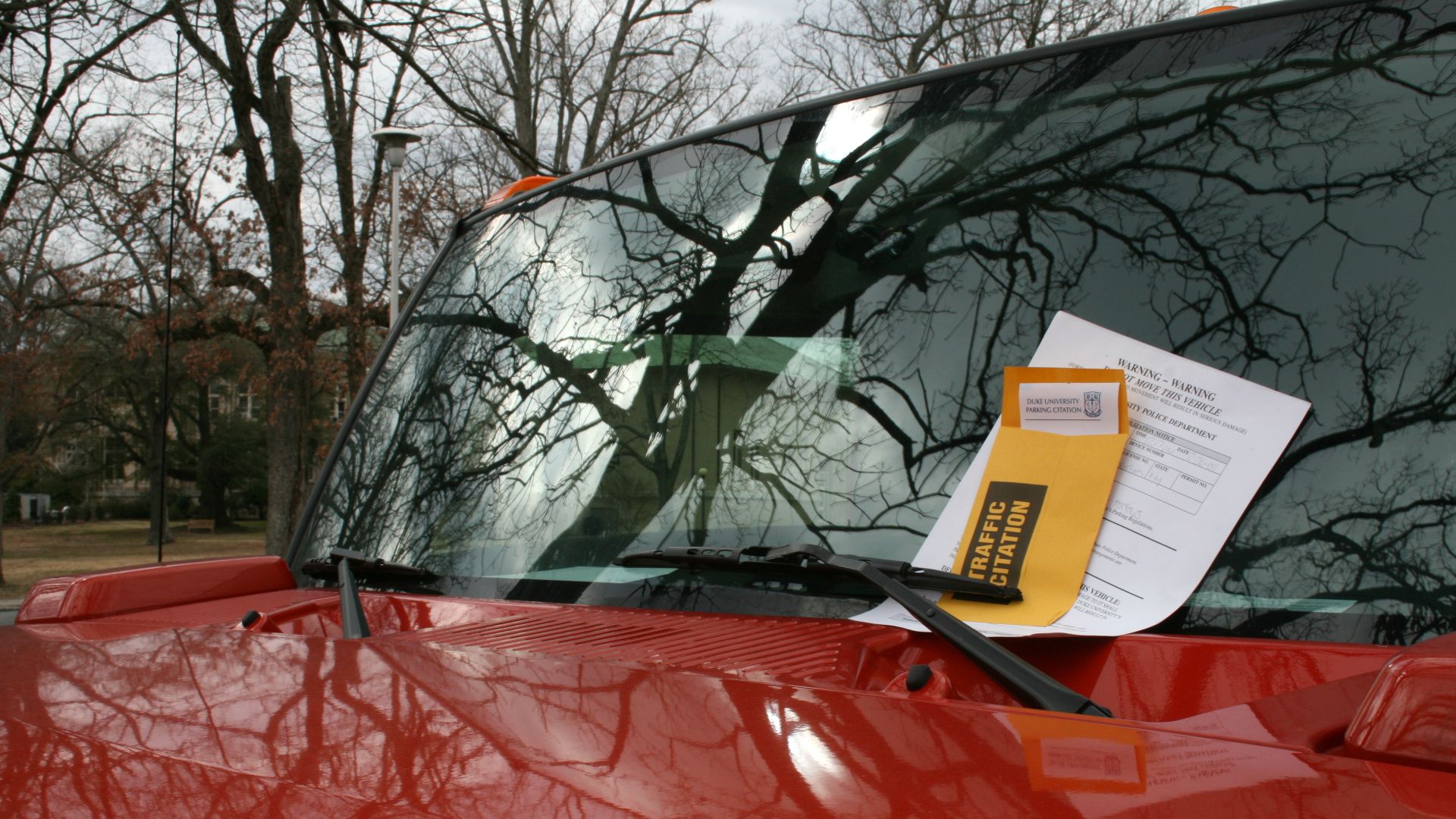 Ildar Sagdejev (Specious), Wikimedia Commons
Start With One Big Question
The first thing to figure out is whether you are parked on a public street or on private property. That changes almost everything. A public curb and a private lot may look similar, but the rules behind them are very different.

Public Streets Are Usually Governed By Local Law
On a public street, parking rules are usually set by the city or county through local ordinances, posted signs, and enforcement agencies. A neighbor cannot create a no-parking zone because they do not like seeing your car outside their house. If there is no sign, permit rule, street cleaning restriction, or local law being broken, their note is not the same thing as a ticket.
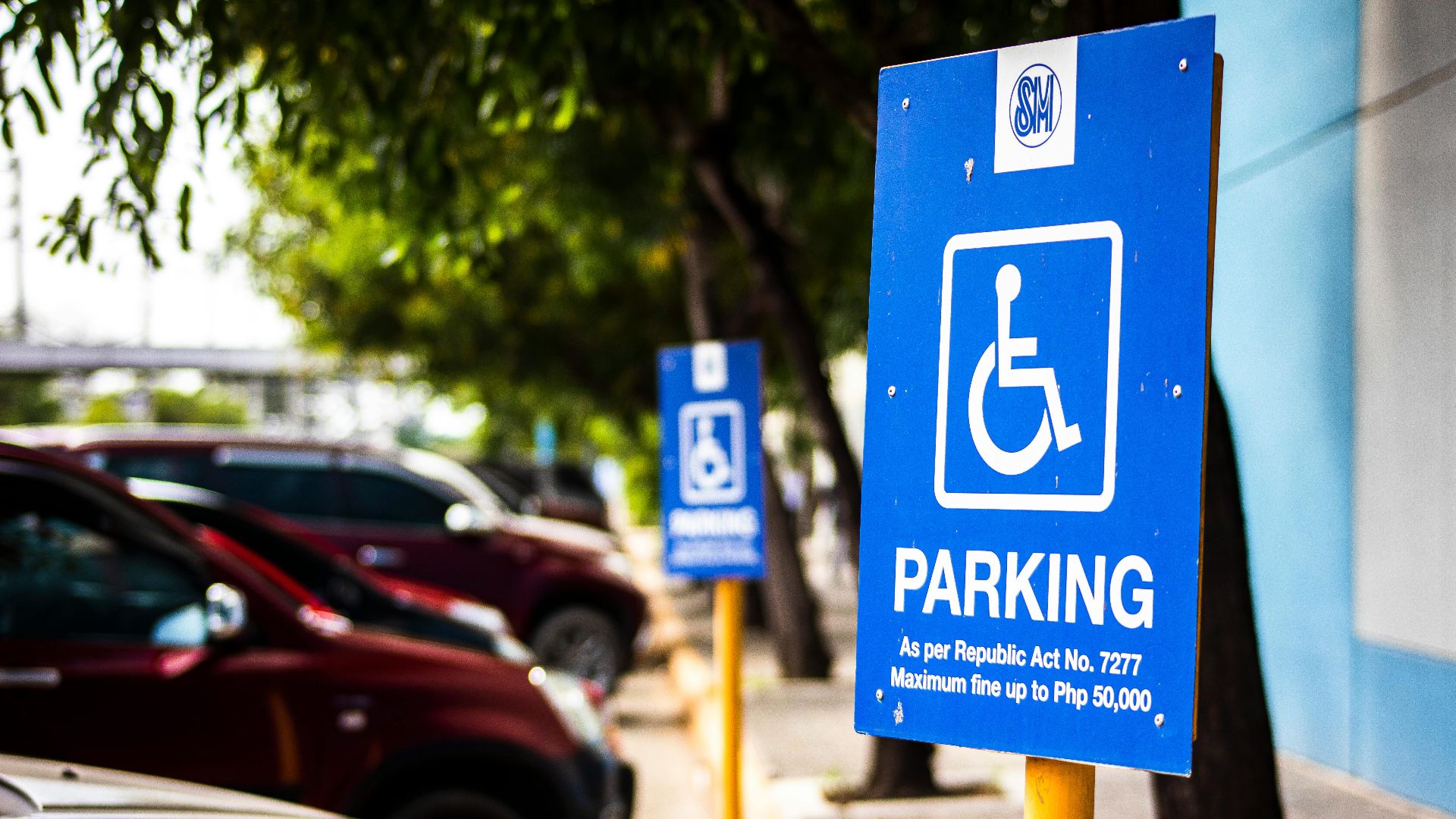
Private Property Changes The Equation
If you are parked in a private lot, apartment complex, condo area, driveway, or other privately controlled space, the owner or manager may set parking rules. Even then, a neighbor usually does not have authority unless they own the property, manage it, or are acting under actual community rules. The note might point to a real rule, but you should check before treating it like law.
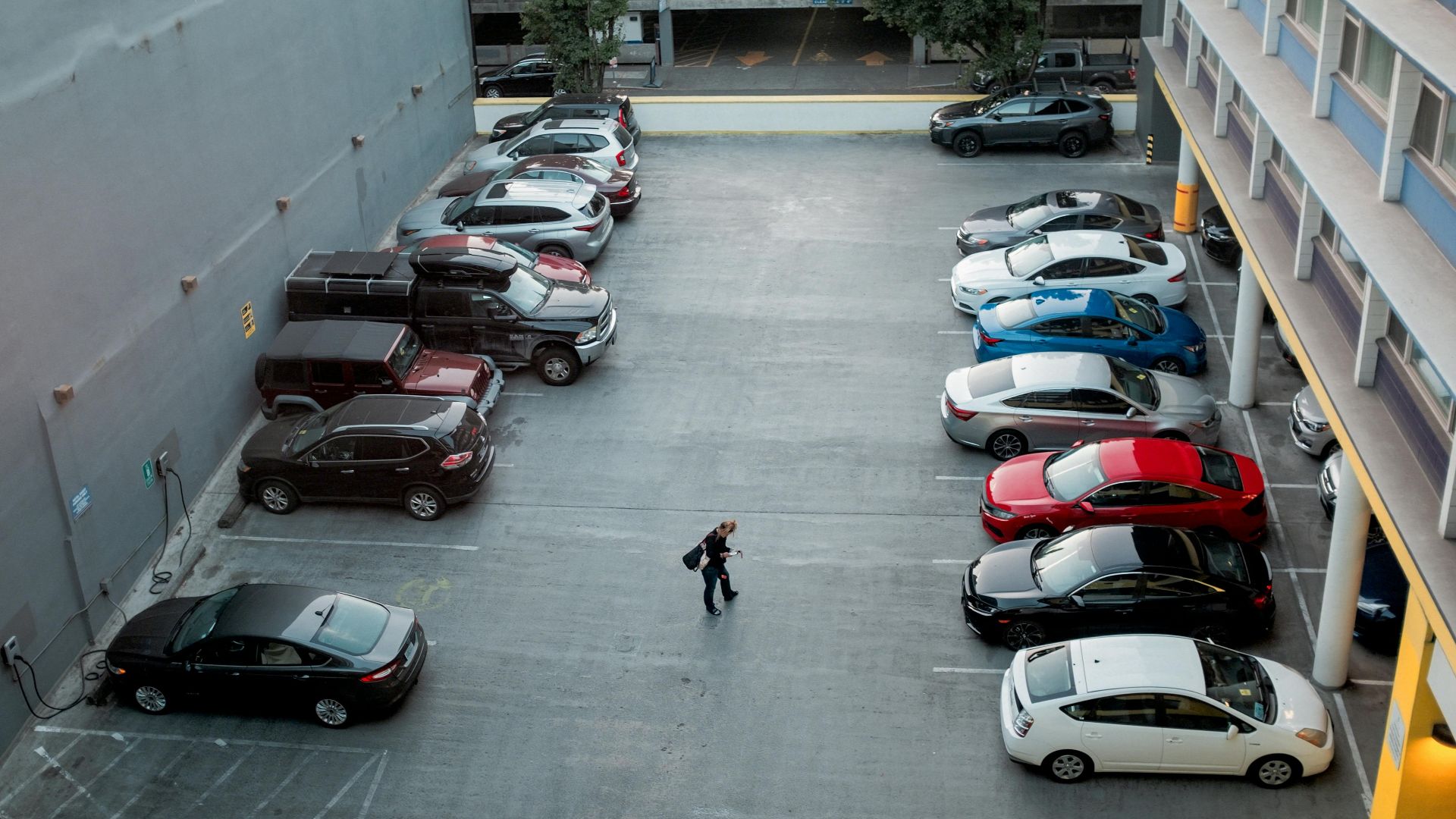
HOAs Can Have Real Power, But Only Within Limits
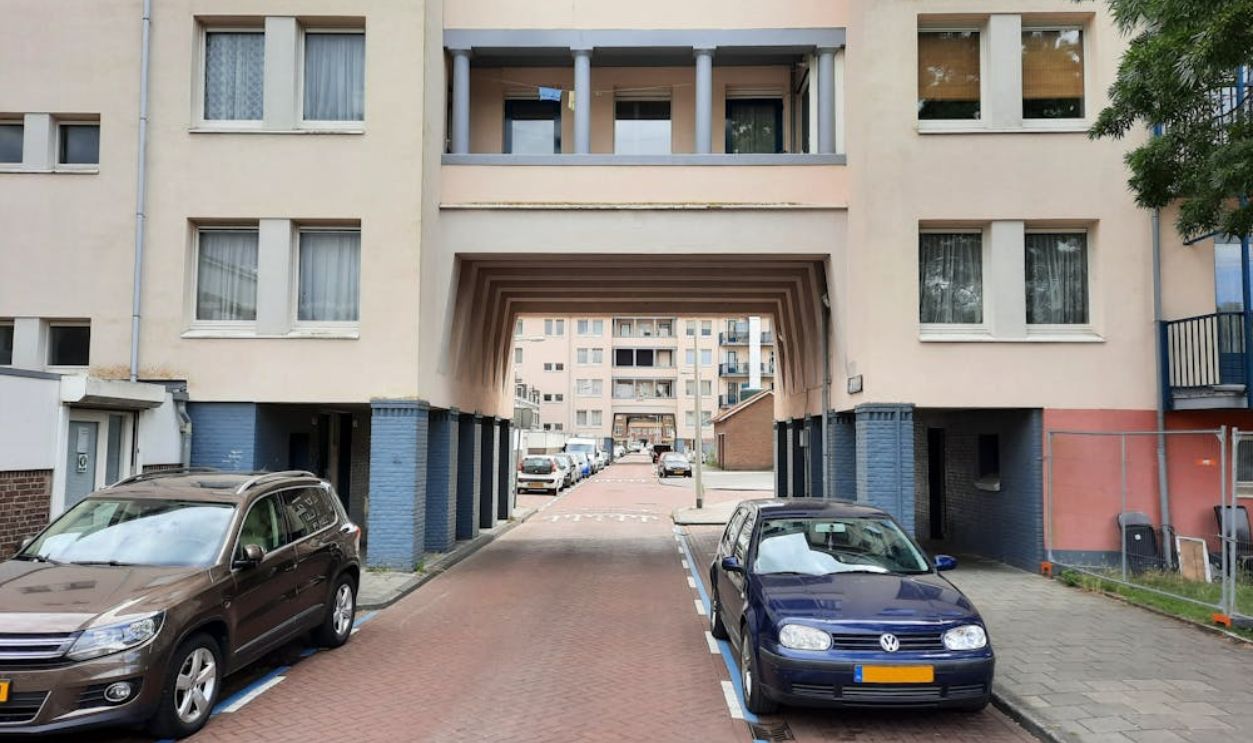
Homeowners associations can regulate parking when their governing documents allow it. That authority usually comes from recorded covenants, conditions, and restrictions, along with bylaws and adopted rules. A random resident does not become the parking police unless the HOA has actually given them some formal role, and even then they still have to follow the association’s process.
What HOA Rules Normally Look Like
HOA parking rules often cover guest spaces, RVs, blocking sidewalks, overnight street parking, or using garages for storage instead of cars. The Community Associations Institute explains that associations get their powers from governing documents and state law. That matters because a valid parking rule should be tied to an actual document, not just a neighbor’s annoyance.

A Note Is Not The Same As Enforcement
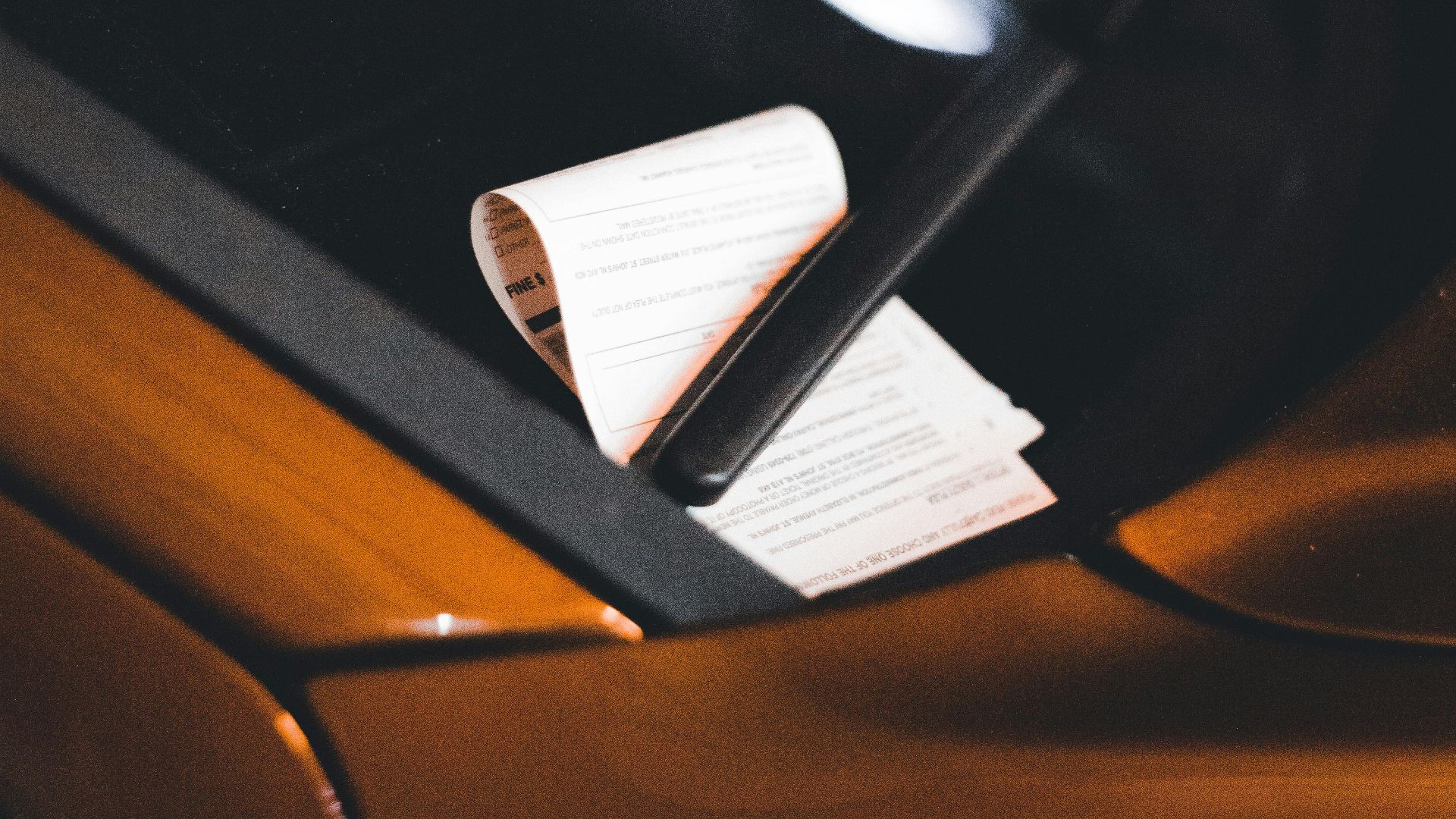
A handwritten note can be rude, passive-aggressive, or meant to scare you, but it usually is not legal enforcement by itself. Real enforcement tends to involve a citation, a warning from a landlord or HOA, a towing notice that follows state law, or action by local parking officials. If the note has no official source behind it, it may have no legal force at all.
Who Actually Has Authority On A Public Street
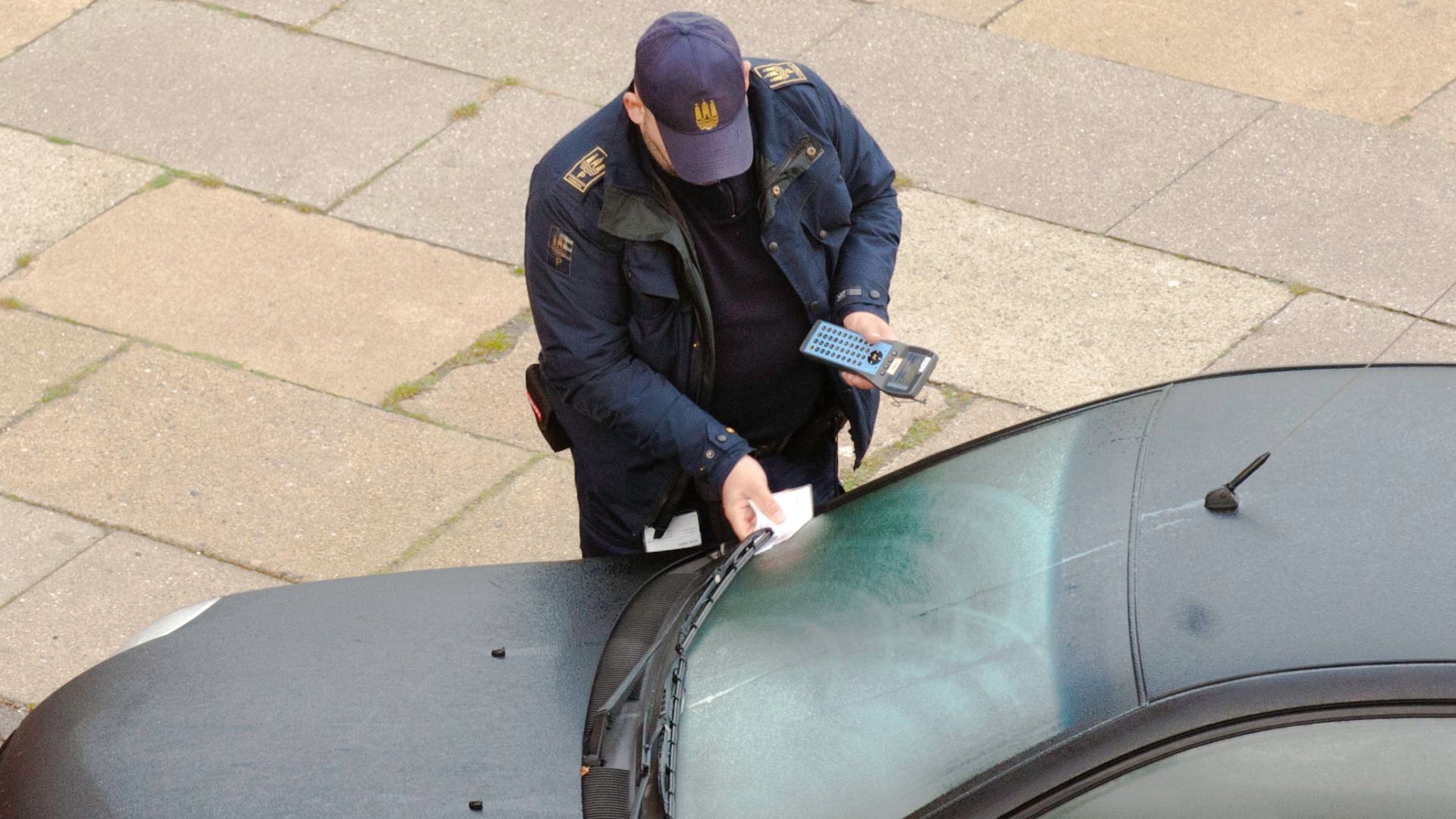
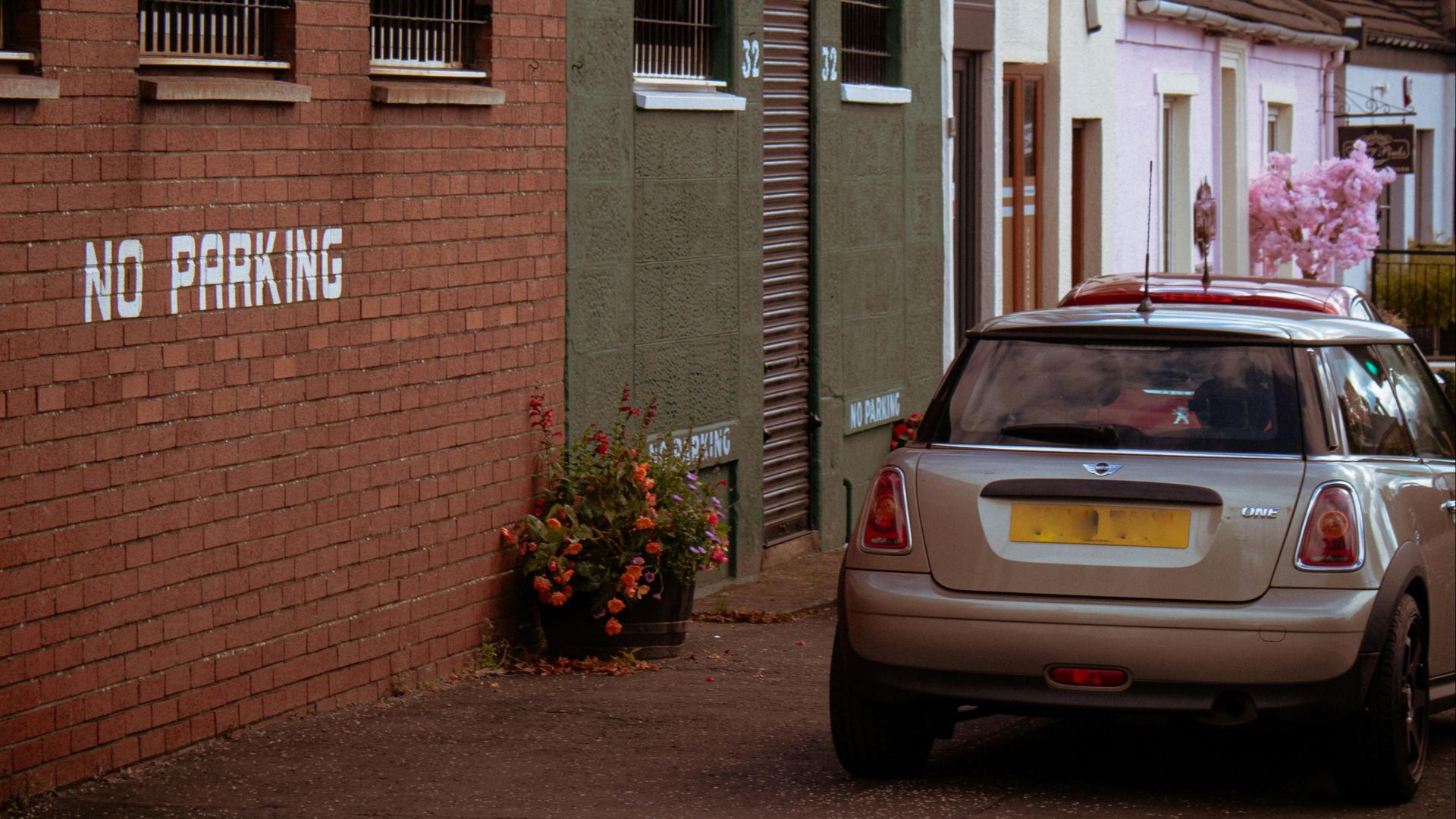
On public roads, authority usually belongs to city parking enforcement, police, and other agencies named by local law. The Federal Highway Administration’s Manual on Uniform Traffic Control Devices makes clear that traffic control devices, including parking signs, are public regulatory tools, not personal preferences. Your neighbor cannot turn the curb into a private reserved zone with paper and tape.
 heb@Wikimedia Commons (mail), Wikimedia Commons
Signs Beat Opinions Every Time
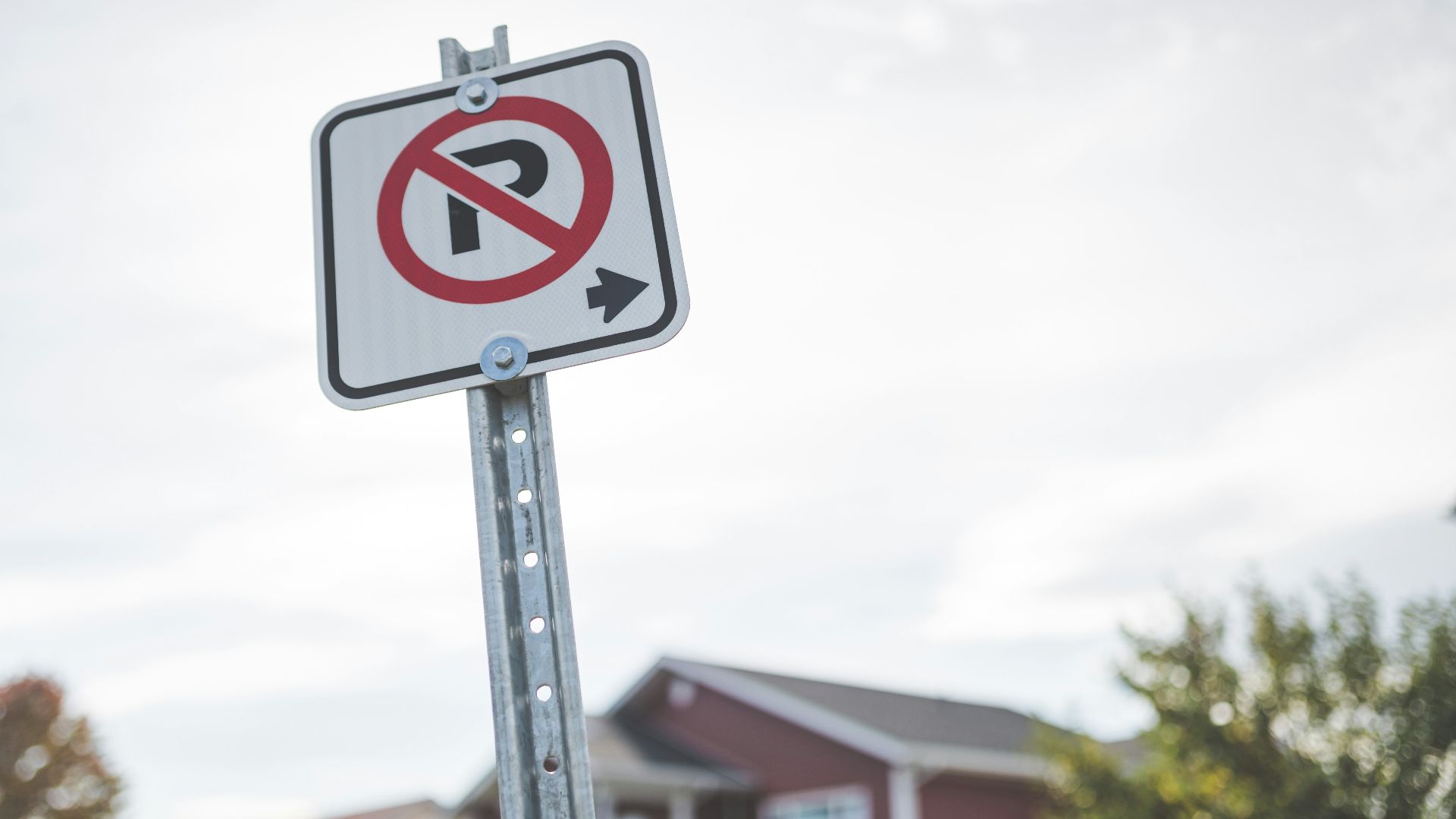
If there is a posted sign, curb marking, permit zone, fire hydrant rule, or street cleaning schedule, that is what matters. Notes left by residents do not override legal restrictions, and they do not create new ones either. When in doubt, trust the sign, the local code, and the parking map, not the note on your windshield.
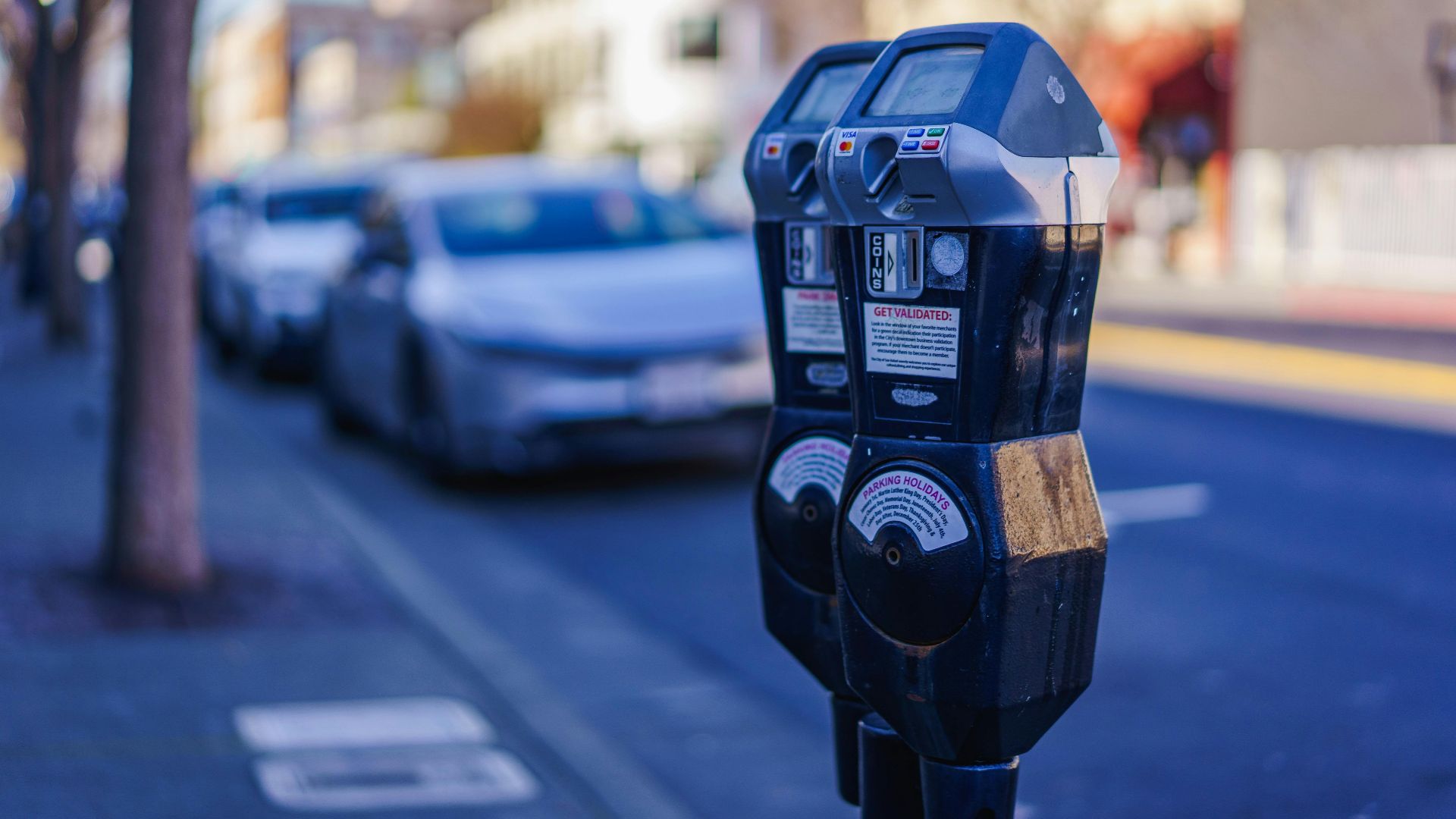
Some Cities Have Long-Stay Parking Limits
One place people get confused is long-term parking on public streets. Many cities ban leaving a car in one spot for 72 hours or more, even if it is otherwise parked legally. The National Highway Traffic Safety Administration also warns drivers to know local parking restrictions because state and local laws vary. So the answer can depend on your exact city.
Your Neighbor Might Be Right About A Rule
Here is the catch: a rude note can still point to a real violation. Maybe your city has permit-only parking, a snow route rule, or a ban on blocking mailboxes or sidewalks. The note itself has no authority, but the rule behind it may still be enforceable by the proper agency.
Driveways, Mailboxes, And Sidewalks Are Common Flashpoints
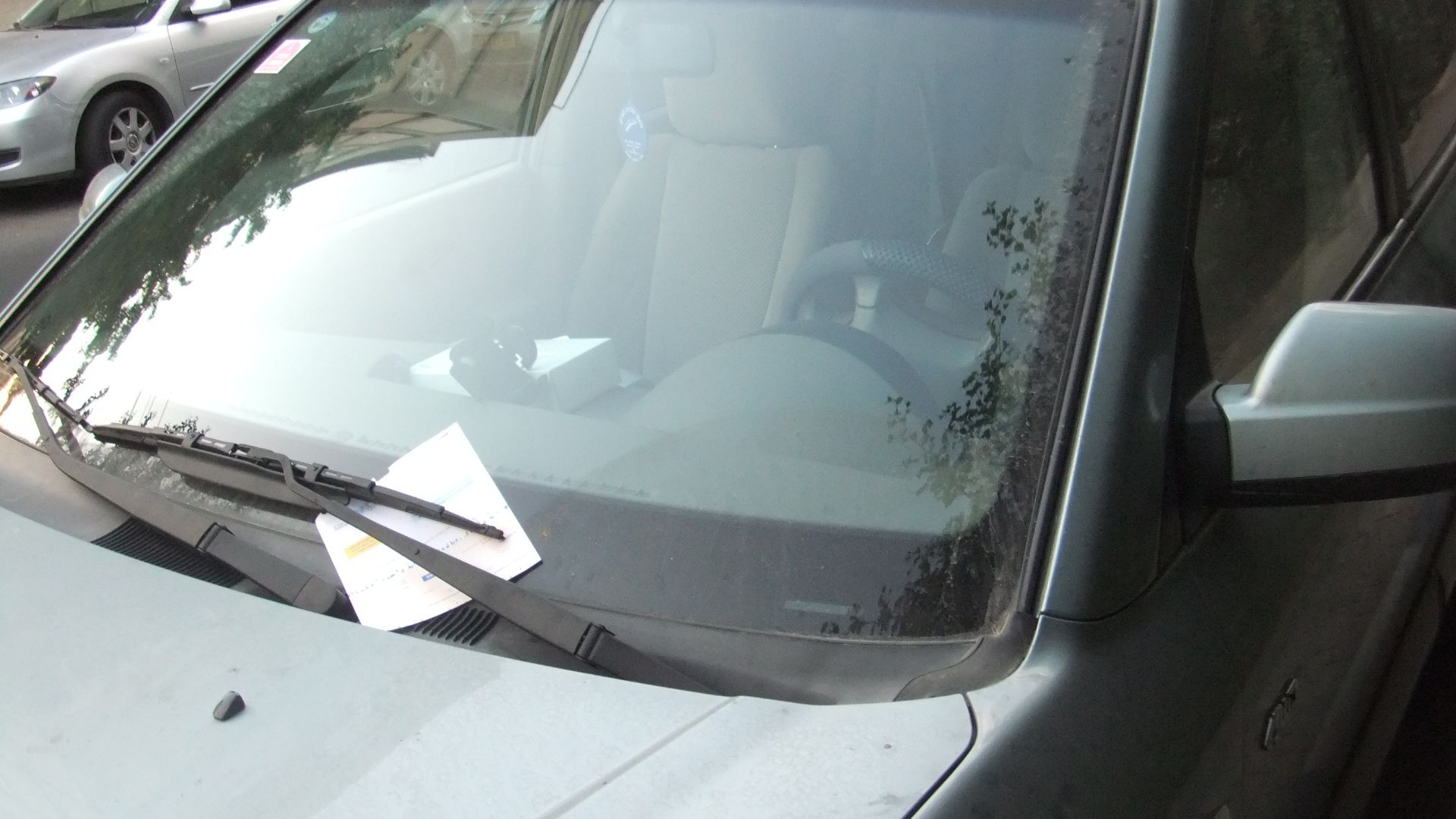
People often leave notes when they think someone is blocking a driveway apron, crowding a mailbox, or making a sidewalk hard to use. Local laws on these issues vary, and some are surprisingly specific. Before brushing the complaint aside, check your city’s parking code or transportation department page.
Fire Hydrants And Corners Are Not Negotiable
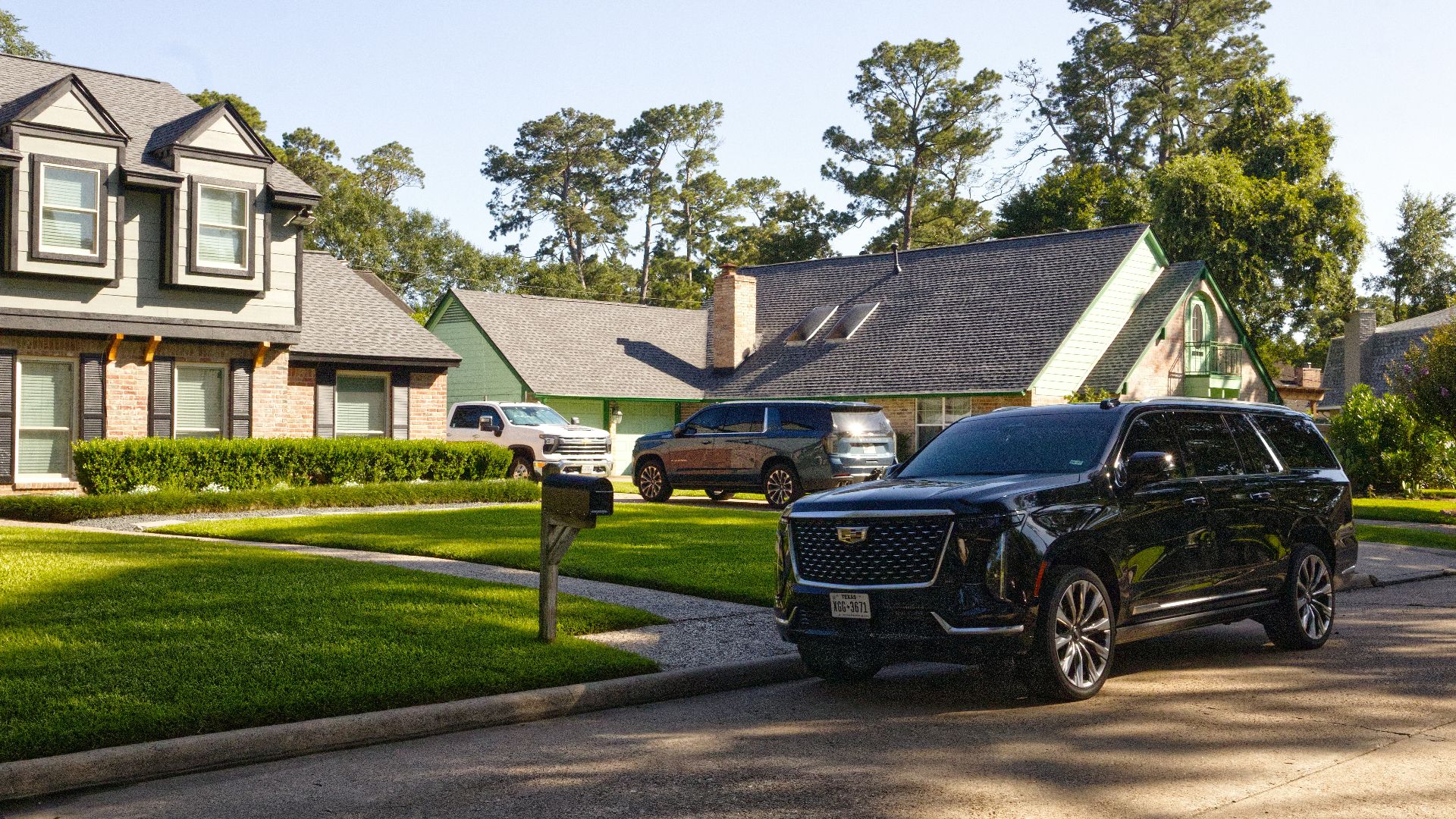
Some no-parking areas are strictly enforced because they affect safety and visibility. Fire hydrant clearance, parking too close to an intersection, and stopping in crosswalk areas are classic examples covered by state and local law. If your neighbor mentions one of those, check fast, because that is where tickets and tows are much more likely.
Apartment Complexes Add Another Layer
In apartment communities, parking authority often belongs to the landlord or property manager through the lease and posted lot rules. A resident next door may just be repeating what management told them, or they may be making it up. Ask management for the written policy before moving your car because of a note alone.

Condos And Co-Ops Usually Have Written Parking Rules
Condo associations often assign spaces, regulate guest parking, and set towing procedures in recorded documents or board-approved rules. If a neighbor says you are in “their” spot, there should be a map, deeded assignment, or written rule behind that claim. If there is no paper trail, treat the note as something to check, not a command to follow.
Towing Is Heavily Regulated In Many States
Even when a car is parked the wrong way on private property, towing is not a free-for-all. State laws often require posted signs, property owner approval, notice rules, or specific towing procedures. The National Conference of State Legislatures notes that towing rules are set at the state level and differ widely, which is another reason a neighbor usually cannot just have your car removed on their own.

What To Do Before You Respond
Take a photo of the note, your car, nearby signs, curb markings, and the exact location. That gives you a record if the issue turns into complaints, towing threats, or actual damage. It also helps you confirm whether you were parked legally at that moment.

Check The Written Rules Yourself
Look up your city parking code, permit program, HOA documents, lease, or condo rules. Do not rely on a neighbor’s version, because people often get details wrong or overstate their rights. A quick search can tell you whether you are dealing with a real rule or just a very committed busybody.

If It Is A Public Street, Call The City Not The Neighbor
If you want a clear answer, contact your city’s parking enforcement office, non-emergency police line, or transportation department. Ask whether the location has any parking restrictions, permit requirements, or time limits. That gets you an answer from the people who can actually issue citations, not the person who can only issue opinions.

If It Is Private Property, Ask For The Policy In Writing
On private property, ask the landlord, manager, HOA board, or condo association for the parking rule in writing. Ask where the rule appears and how it is enforced. Written rules matter because they show whether the neighbor is correctly describing policy or just trying to claim space that is not theirs.

Do Not Escalate A Windshield War
It is tempting to answer with your own note, but that can turn into a feud fast. A calm conversation or a request for clarification from the actual authority is usually a better move. If the notes keep coming, turn hostile, or make threats, save them and report the behavior to management or local police if needed.

Harassment Is A Different Issue
One note is usually just annoying. A pattern of repeated notes, threats, stalking, or tampering can cross into harassment. Laws vary by state, but nobody gets a free pass to intimidate you over a parking dispute. Good records matter if the situation starts looking less like a complaint and more like targeted harassment.
Never Ignore Damage Or Tampering
If the notes come with scratches, flat tires, broken mirrors, or anything else done to your car, this is no longer about parking etiquette. Photograph everything and contact police and your insurer if needed. Your neighbor may have no parking authority, and they definitely do not have the right to damage your property.

There Is One Situation Where The Note Carries More Weight
If the person leaving the note is the property owner, the building manager, an HOA board member acting under actual rules, or an authorized enforcement agent, their warning may reflect real authority. Even then, the rule should still exist in writing or on posted signs. The power comes from the law, lease, deed, or association documents, not from the note itself.

Being Right Legally Does Not Always Solve The Daily Problem
You may be fully allowed to park in a legal spot and still decide it is not worth the weekly drama. That is a personal choice, not a legal surrender. Still, it helps to know whether you are choosing peace or following a real rule, because those are not the same thing.

The Best Rule Of Thumb
If your neighbor is not the government, the property owner, the manager, or an HOA acting under valid documents, they probably do not have authority over your parking. They may have feelings, preferences, and a stack of sticky notes. What they usually do not have is the power to make up parking law.
Bottom Line For Drivers
When a note shows up on your windshield, separate the message from the messenger. Figure out whether the spot is public or private, check the real rules, and deal with the actual authority if one exists. In most cases, your neighbor can ask, complain, or grumble, but they cannot legally tell you where to park.