The Champions Of Sensible Shoes
Some cars are designed to turn heads. Others seem designed to disappear into an office parking lot. Yet many of history’s plainest-looking vehicles became enormous successes, earning devoted owners through reliability, comfort, value, or sheer stubborn durability. These cars prove that excitement is not always required to build a legend.

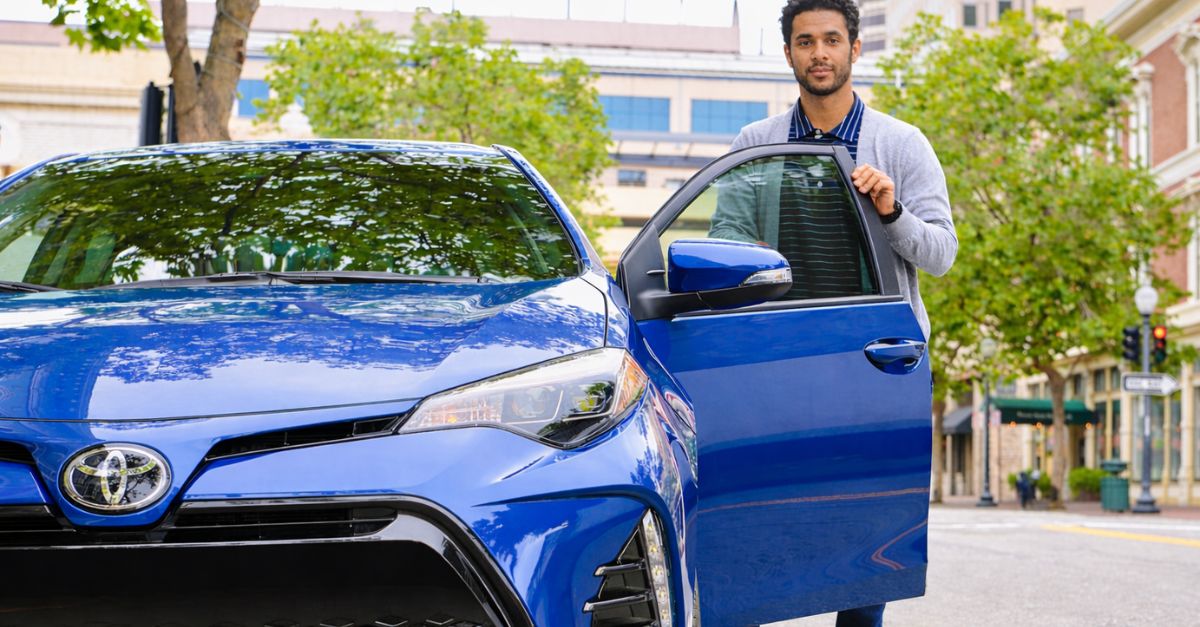
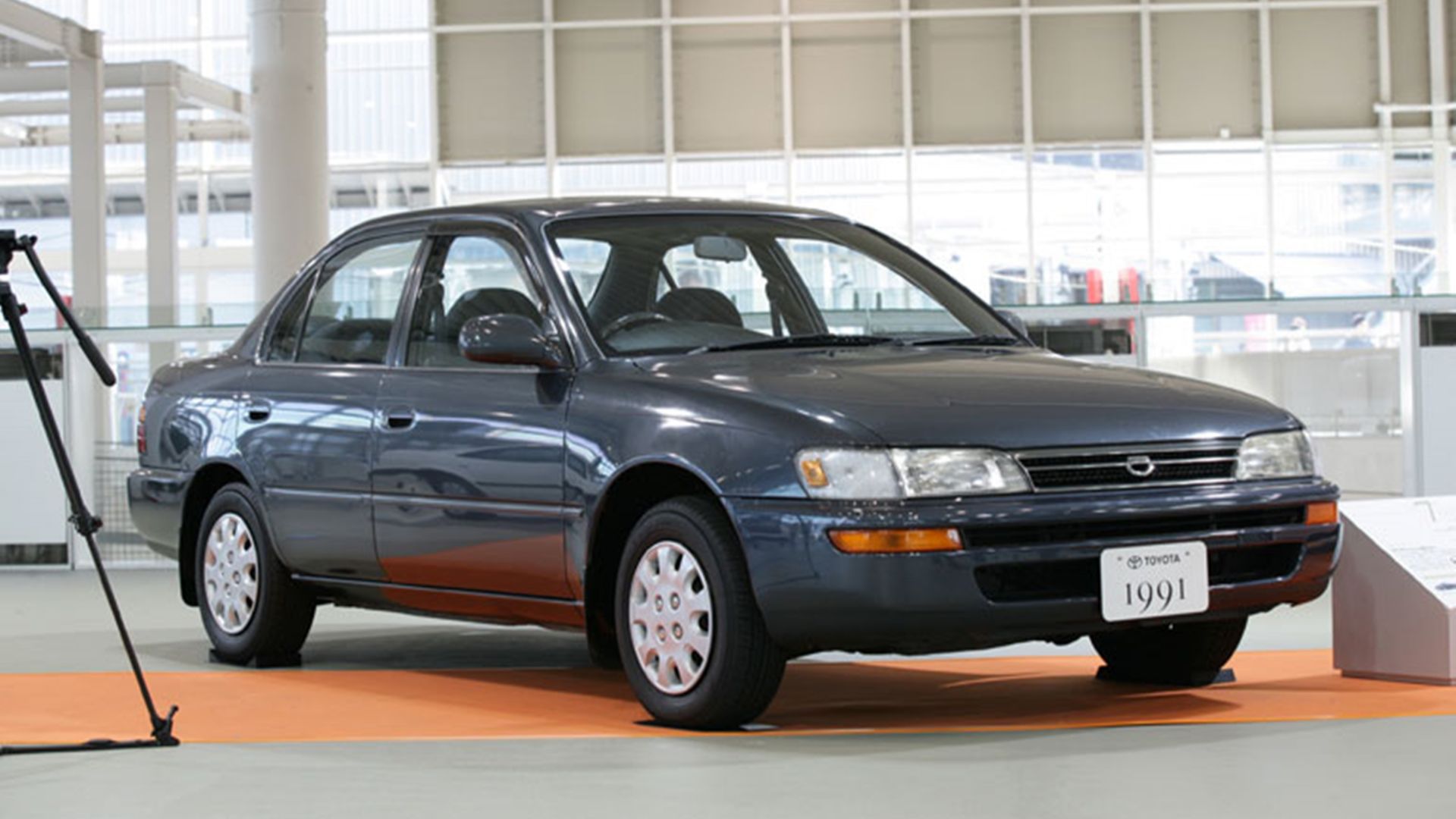
Toyota Corolla
For decades, the Corolla looked like the automotive equivalent of a beige cardigan. That hardly mattered. It was affordable, economical, easy to maintain, and seemingly impossible to discourage. By 2021, Toyota had sold 50 million Corollas, making ordinary transportation one of the greatest commercial successes in automotive history.
Honda Accord
The Accord rarely shouted for attention, but owners noticed how thoughtfully everything worked. It combined sensible cabins, excellent engines, and unusually enjoyable handling for a family car. Honda says more than 25 million have been sold across over 160 countries, while devoted drivers keep replacing old Accords with newer ones.
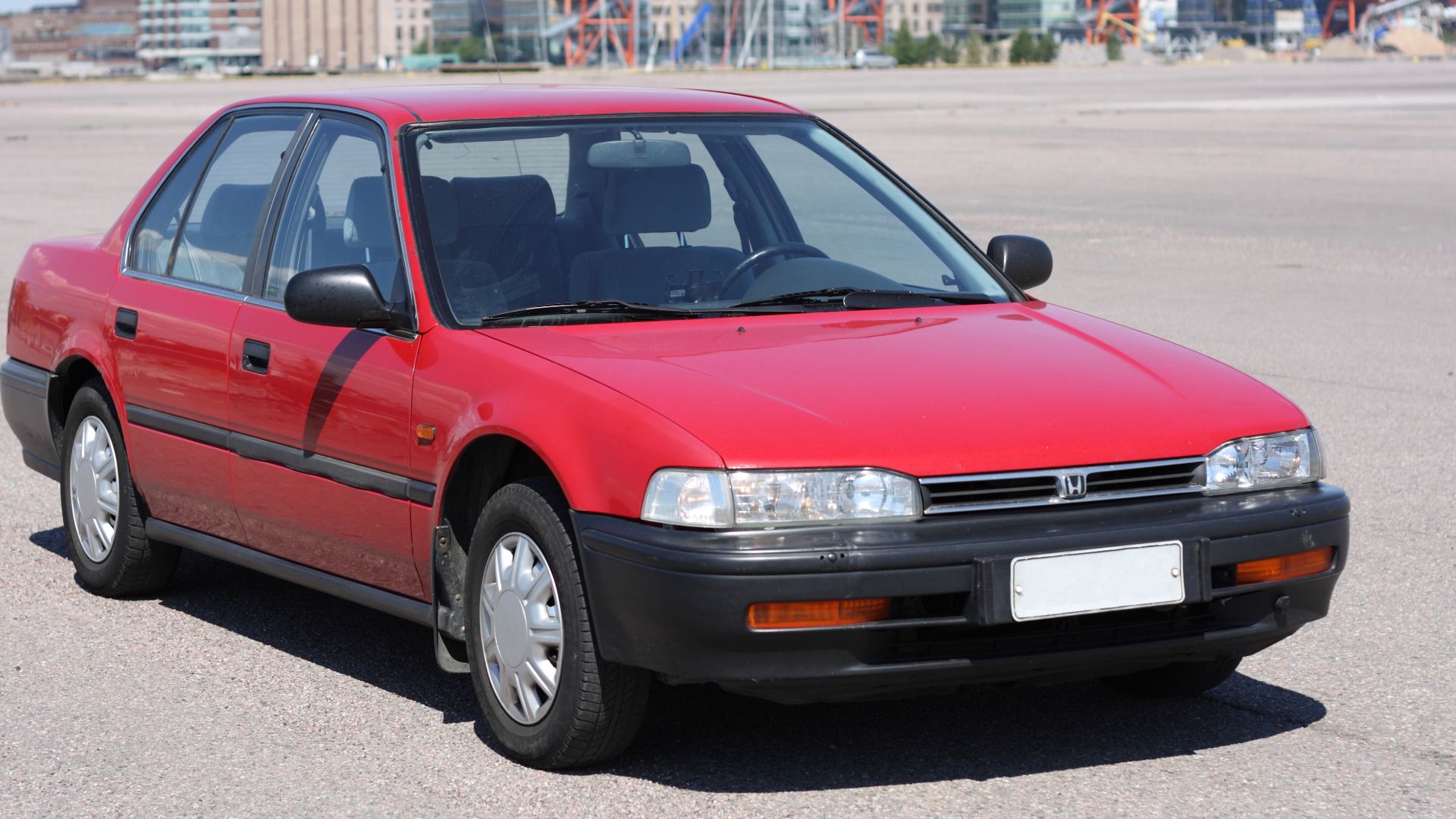 MattiPaavola, Wikimedia Commons
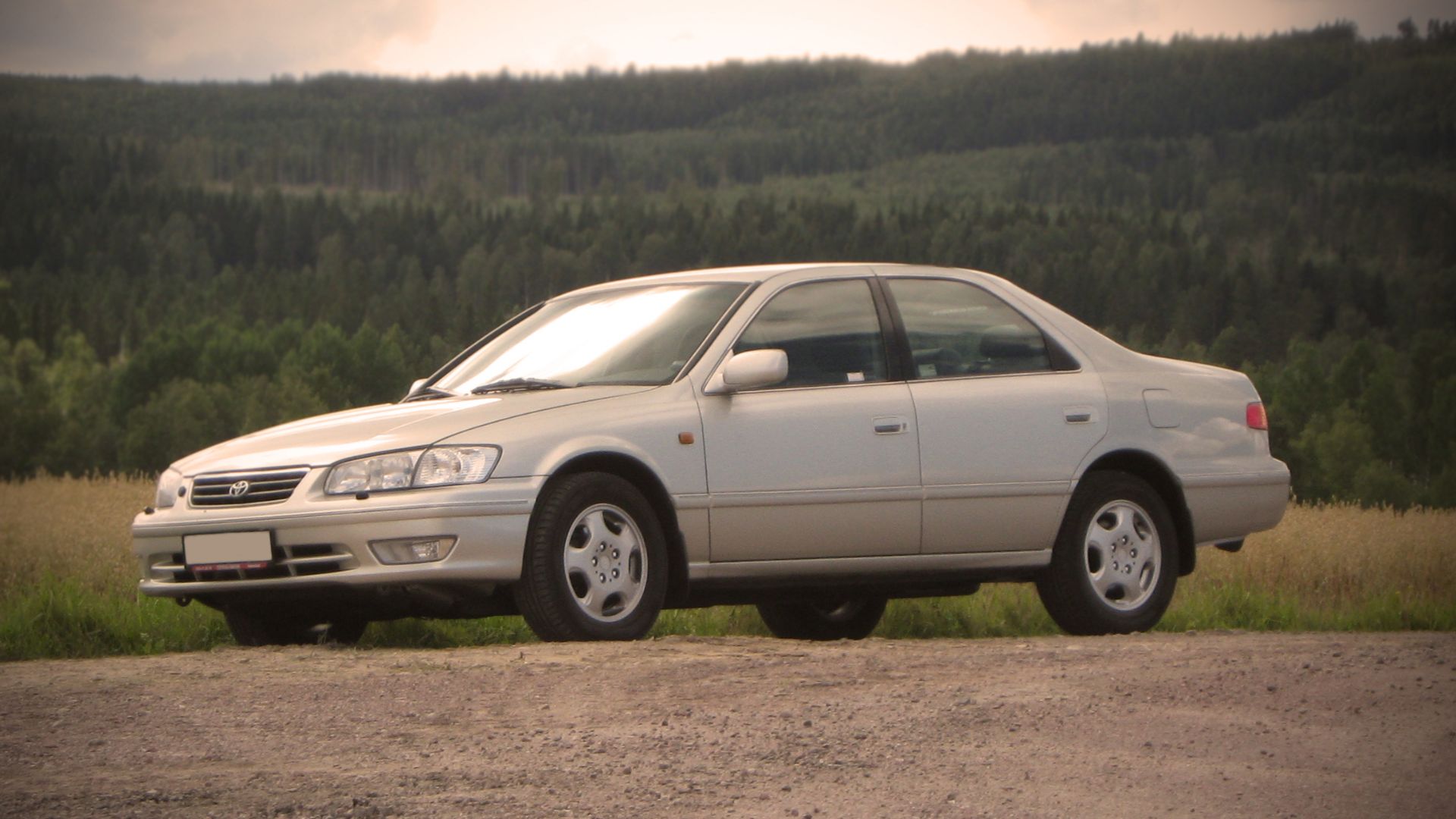
Toyota Camry
The Camry built an empire by being reassuringly predictable. Its styling often blended into traffic, but its comfortable ride, durable mechanical parts, and strong resale value created generations of repeat buyers. Beginning in the late 1990s, it became America’s dominant passenger car and remained near the top for decades.
Honda Civic
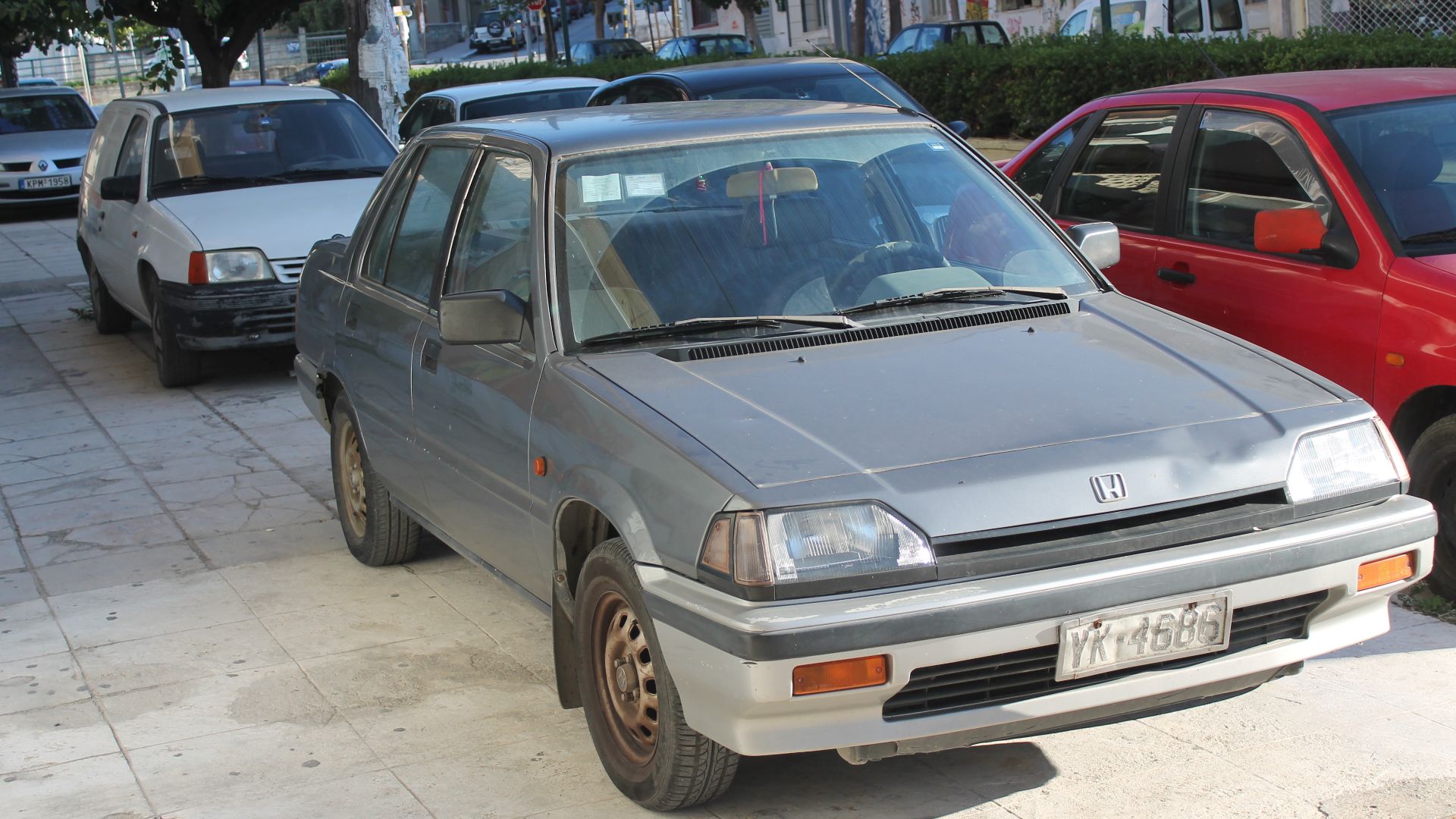
Basic Civics once looked like tidy little appliances, yet there was real cleverness beneath the modest bodywork. Commuters loved their efficiency, while enthusiasts discovered that the lightweight cars were surprisingly fun and easily modified. With global sales approaching 30 million by its 50th anniversary, the Civic appealed to practically everyone.
 Charlie from United Kingdom, Wikimedia Commons
Ford Taurus
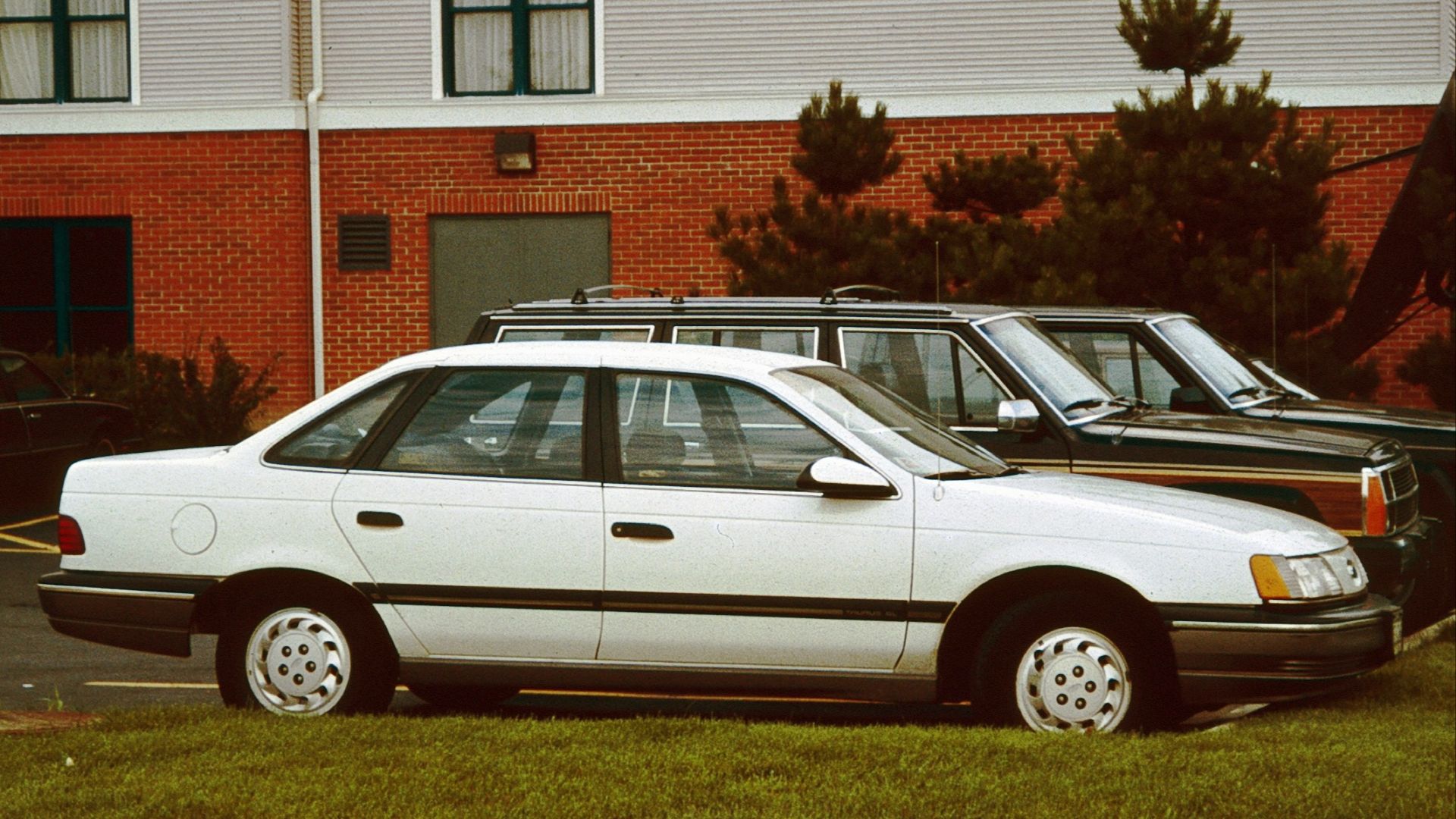
Later Tauruses became anonymous rental-car regulars, but the nameplate was once a genuine American phenomenon. Ford built more than eight million over 34 years, and the Taurus led US passenger-car sales during much of the early 1990s. Families, fleets, and performance fans even found different reasons to love it.
Ford Crown Victoria
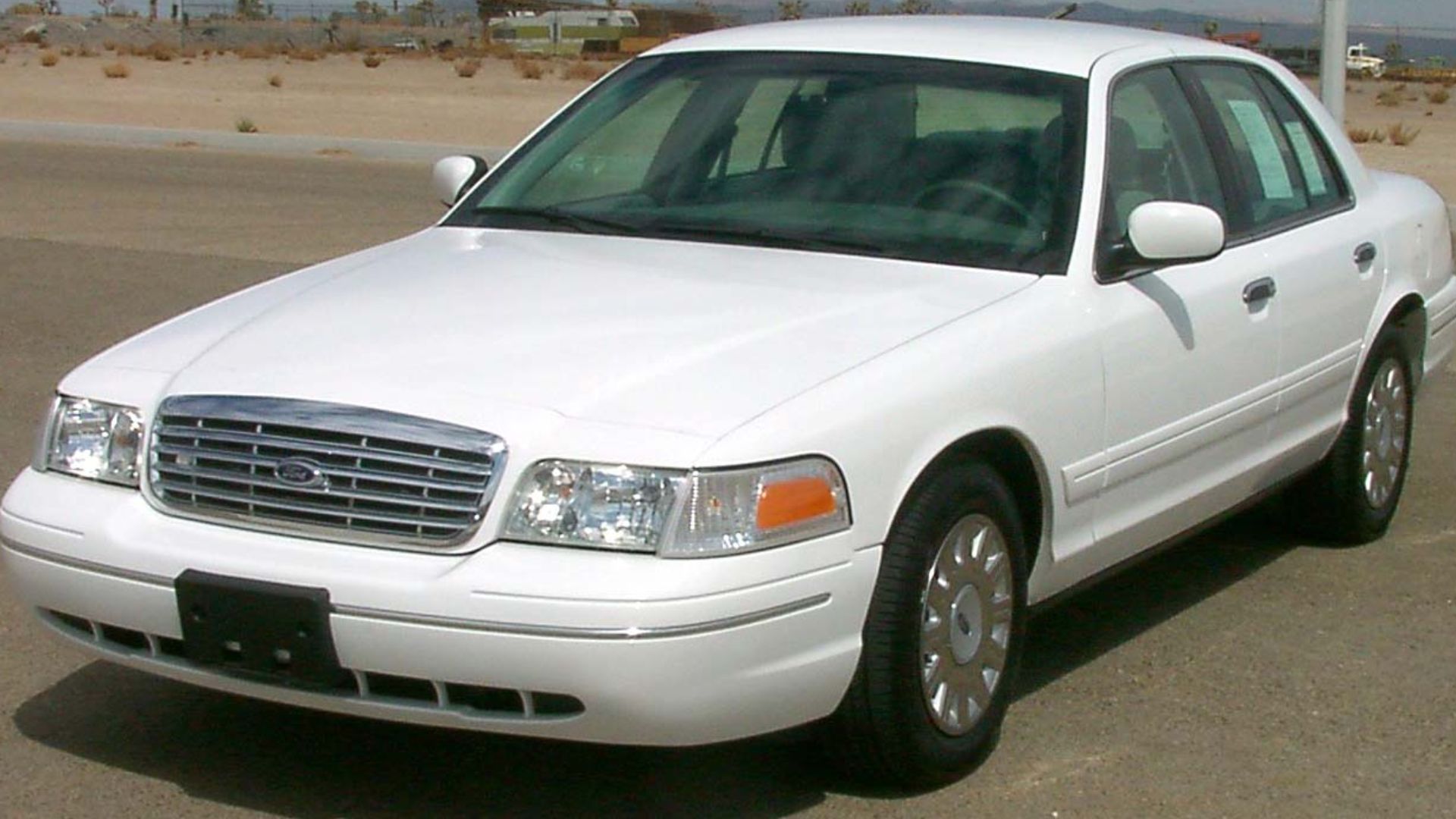
The Crown Victoria resembled a large, rectangular sofa wearing hubcaps. That was exactly the appeal. Its simple rear-wheel-drive construction, spacious cabin, and heavy-duty character made it beloved by police departments, taxi operators, and civilian owners. Today, surviving Crown Vics have developed a passionate following among backyard mechanics and former fleet-car fans.
 U.S. National Highway Traffic Safety Administration, Wikimedia Commons
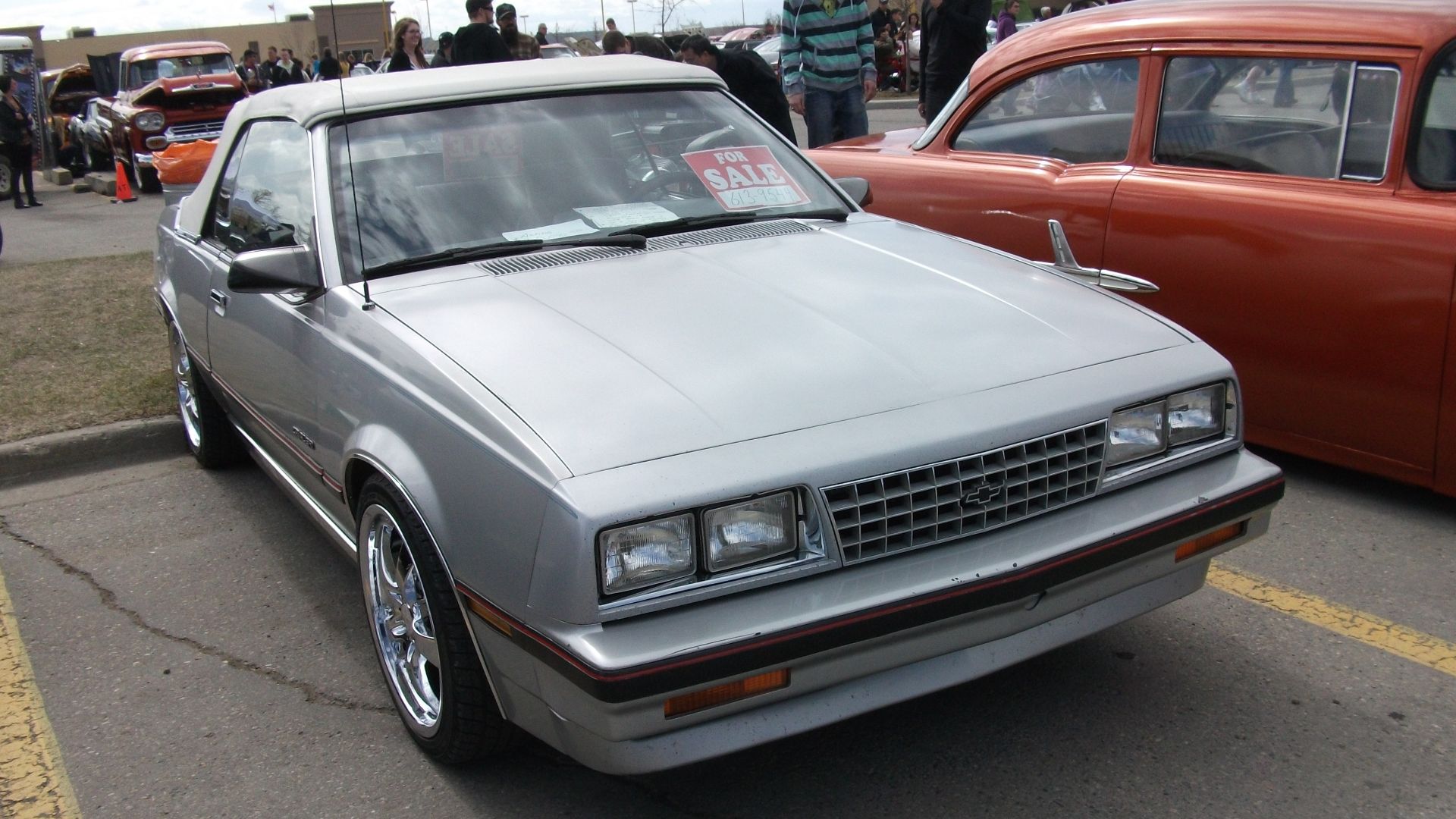
Chevrolet Cavalier
Nobody mistook the Cavalier for an exotic machine. Chevrolet offered it in enough body styles and price ranges to place one in seemingly every neighbourhood, however. It became America’s best-selling passenger car in both 1984 and 1985, proving that cheap, straightforward transportation could beat far more glamorous competition.
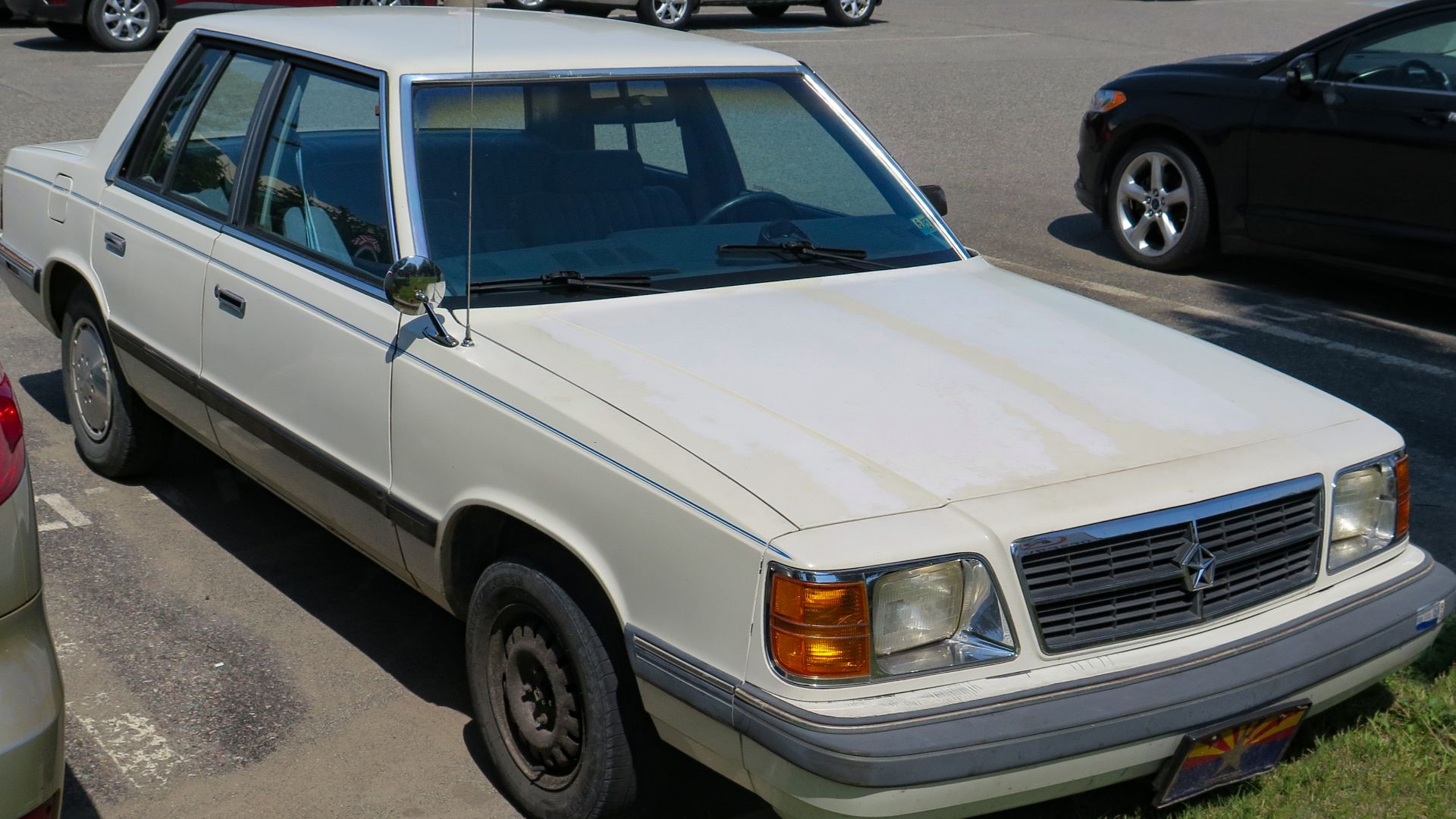
Dodge Aries And Plymouth Reliant
Chrysler’s original K-cars were boxy enough to make a filing cabinet look aerodynamic. Still, the Aries and Reliant arrived when the company desperately needed affordable, fuel-efficient models. More than two million K-platform cars were sold during the 1980s, helping Chrysler survive and creating a loyal community that still celebrates them.
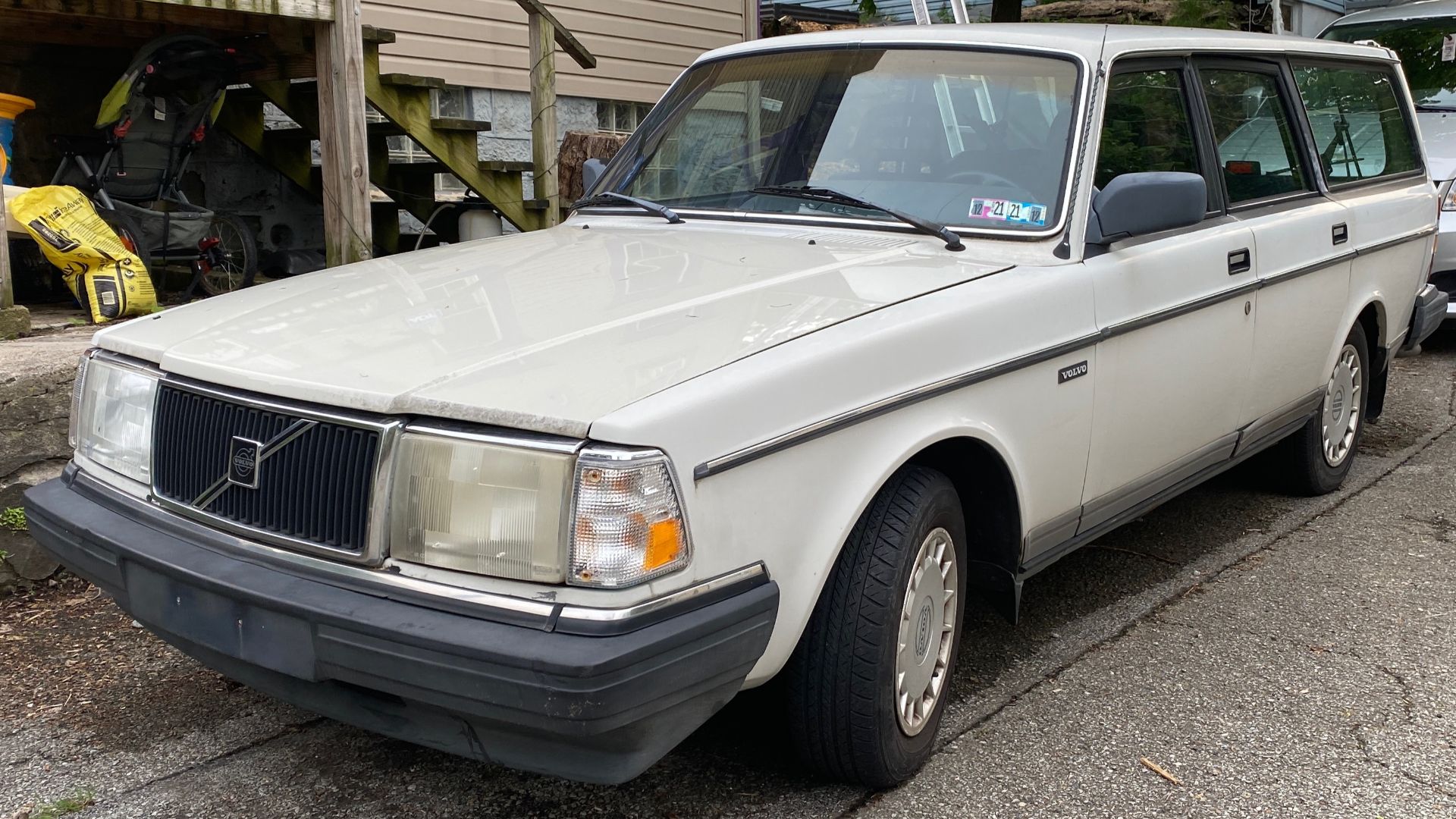
Volvo 240
With its upright windows and ruler-straight body, the Volvo 240 looked like a brick that had learned to drive. Owners adored its safety, practicality, and famously sturdy construction. Volvo produced more than 2.8 million examples over 19 years, and many remain on the road looking nearly as square as ever.
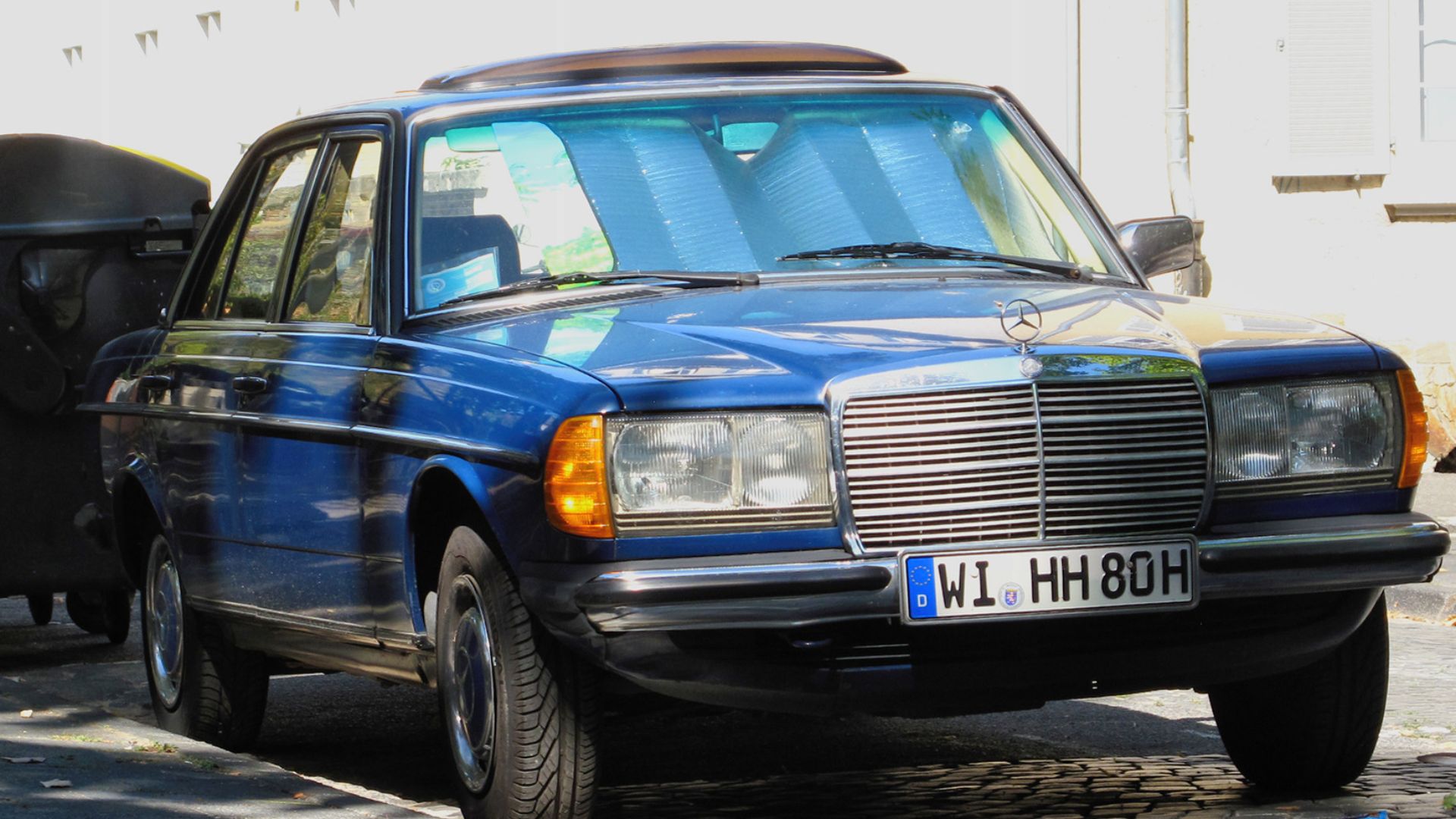
Mercedes-Benz W123
The W123 was elegant, but hardly flashy. Taxi drivers, families, diplomats, and long-distance travellers valued it for tremendous durability and calm road manners. Nearly 2.7 million were built, making it Mercedes-Benz’s most successful model line at the time. Survivors now attract collectors who appreciate engineering more than chrome-covered drama.
 Rutger van der Maar, Wikimedia Commons
Volkswagen Golf
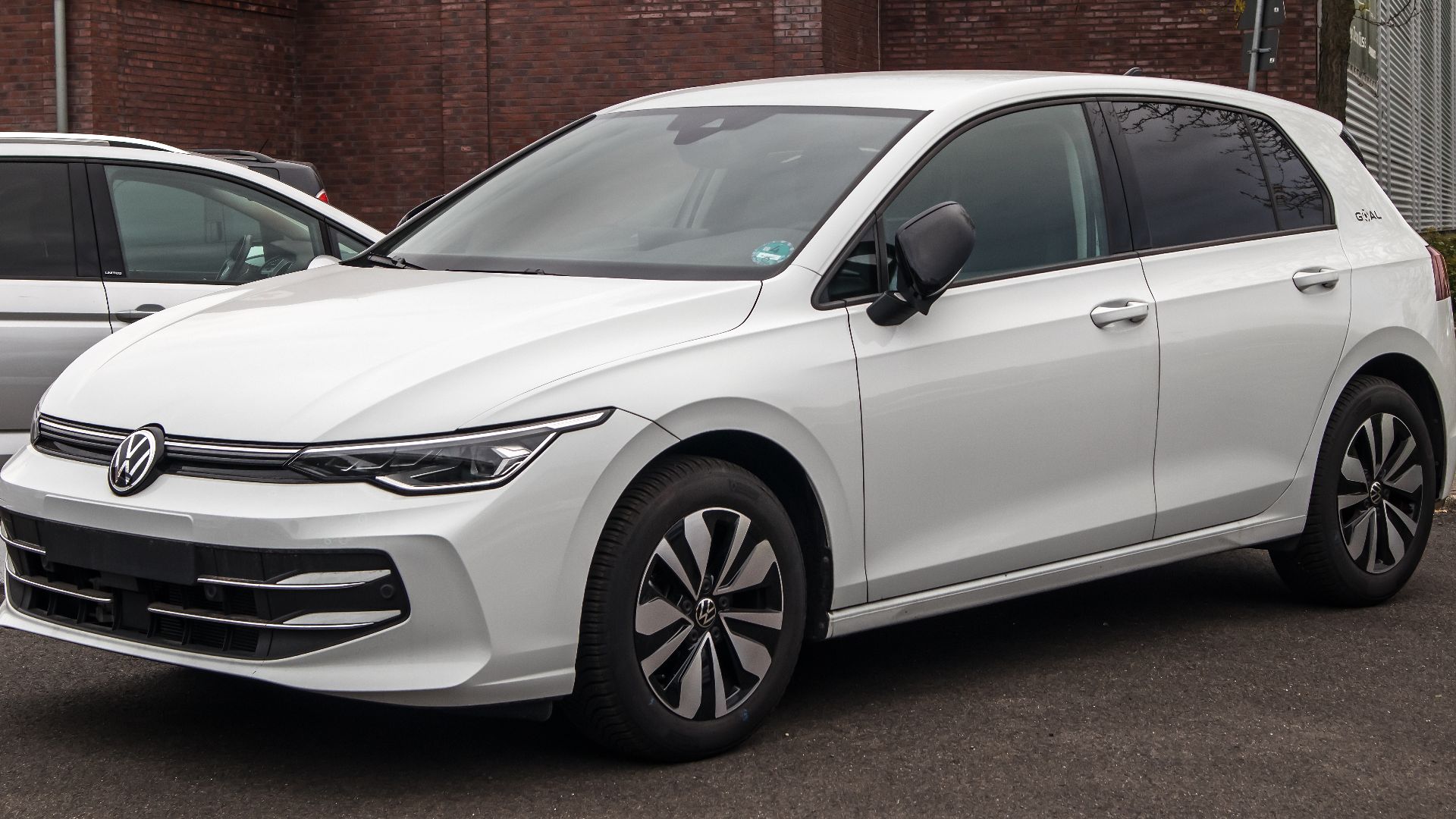
The ordinary Golf was frequently overshadowed by its famous GTI sibling. Most buyers, however, simply wanted a practical hatchback that fitted almost any lifestyle. Volkswagen has produced more than 37 million Golfs since 1974, making its clean, uncomplicated shape one of the most familiar and successful designs ever created.
Volkswagen Passat
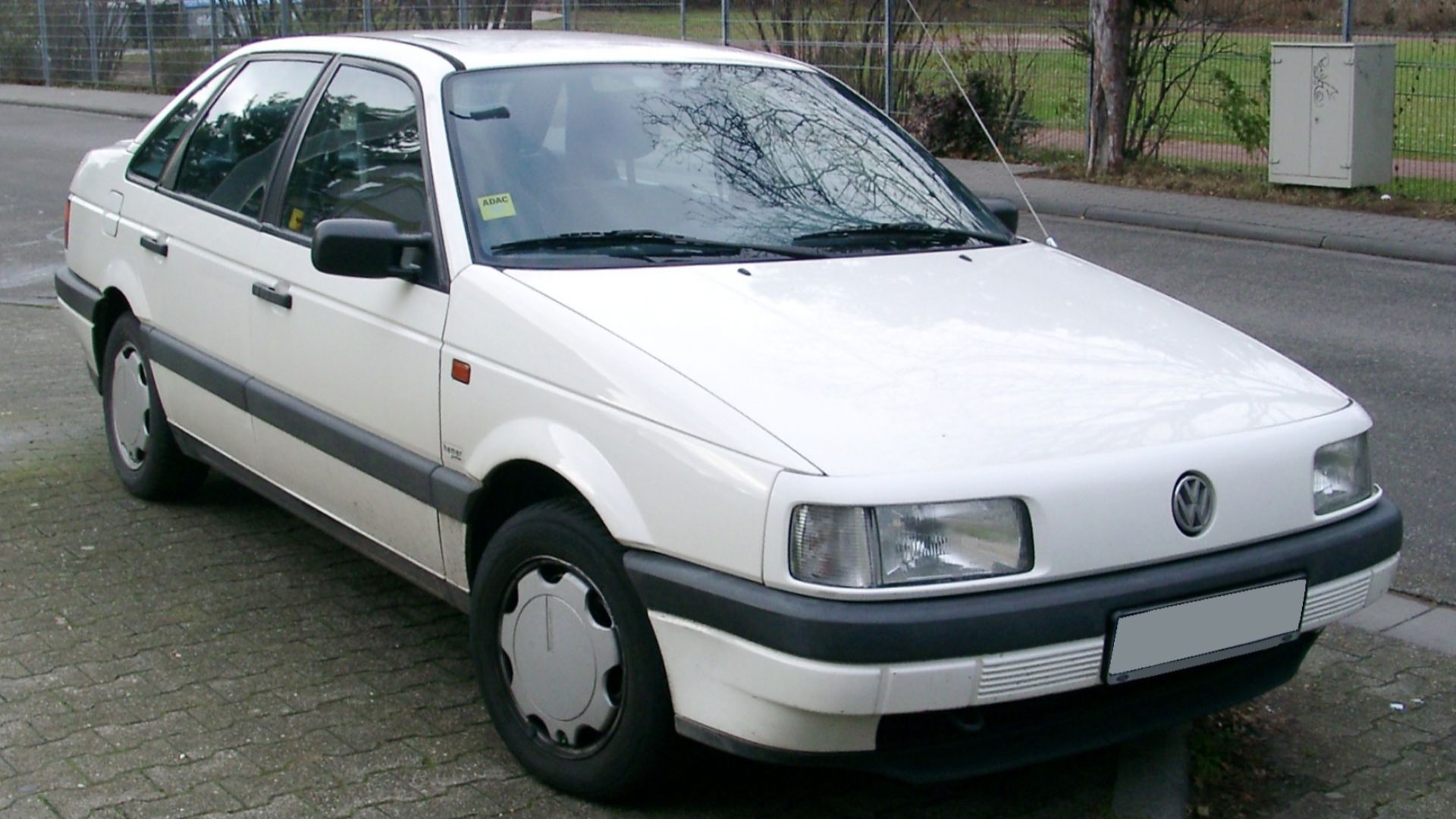
The Passat spent decades quietly transporting families, sales representatives, and luggage without demanding applause. Its restrained appearance concealed roomy interiors and solid long-distance ability. By 2019, Volkswagen was preparing to build the 30-millionth example, making the understated Passat one of the most successful midsize cars the world has seen.
 Rudolf Stricker, Wikimedia Commons
Ford Escort
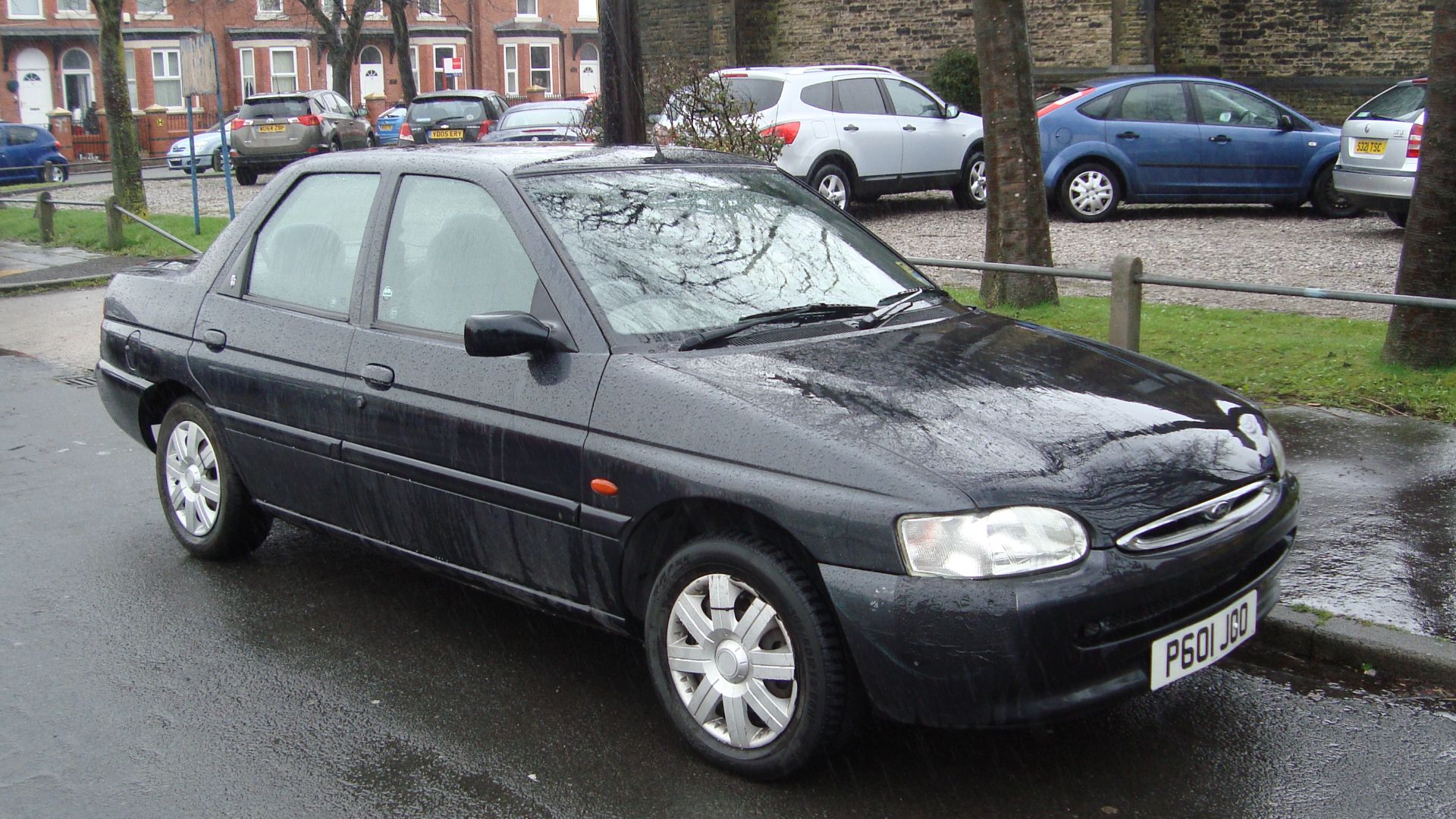
Most everyday Escorts were humble hatchbacks and saloons rather than fire-breathing rally machines. They were affordable, familiar, and available in countless versions. More than 4.1 million were sold in Britain alone, while sporty XR and RS editions helped transform ordinary Escort ownership into a surprisingly enthusiastic subculture.
 Kieran White from Manchester, England, Wikimedia Commons
Opel And Vauxhall Astra
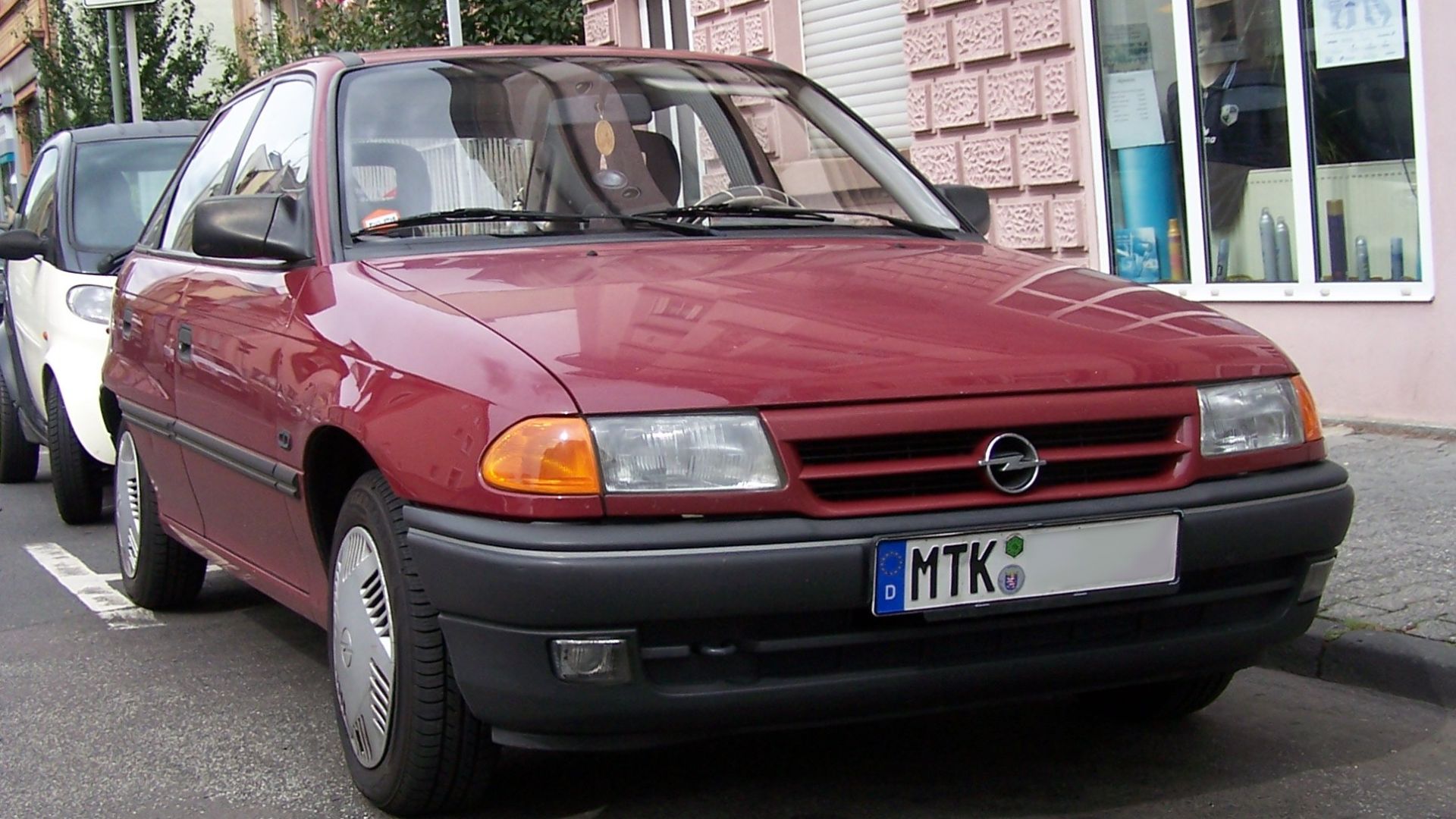
The Astra mastered the art of looking perfectly acceptable without looking particularly memorable. That made it ideal for families, company fleets, and practical drivers across Europe. Together with its Kadett predecessor, Opel’s compact-car family reached roughly 22 million vehicles, supported by owners who valued affordability and easy everyday use.
 No machine-readable author provided. Melkom assumed (based on copyright claims)., Wikimedia Commons
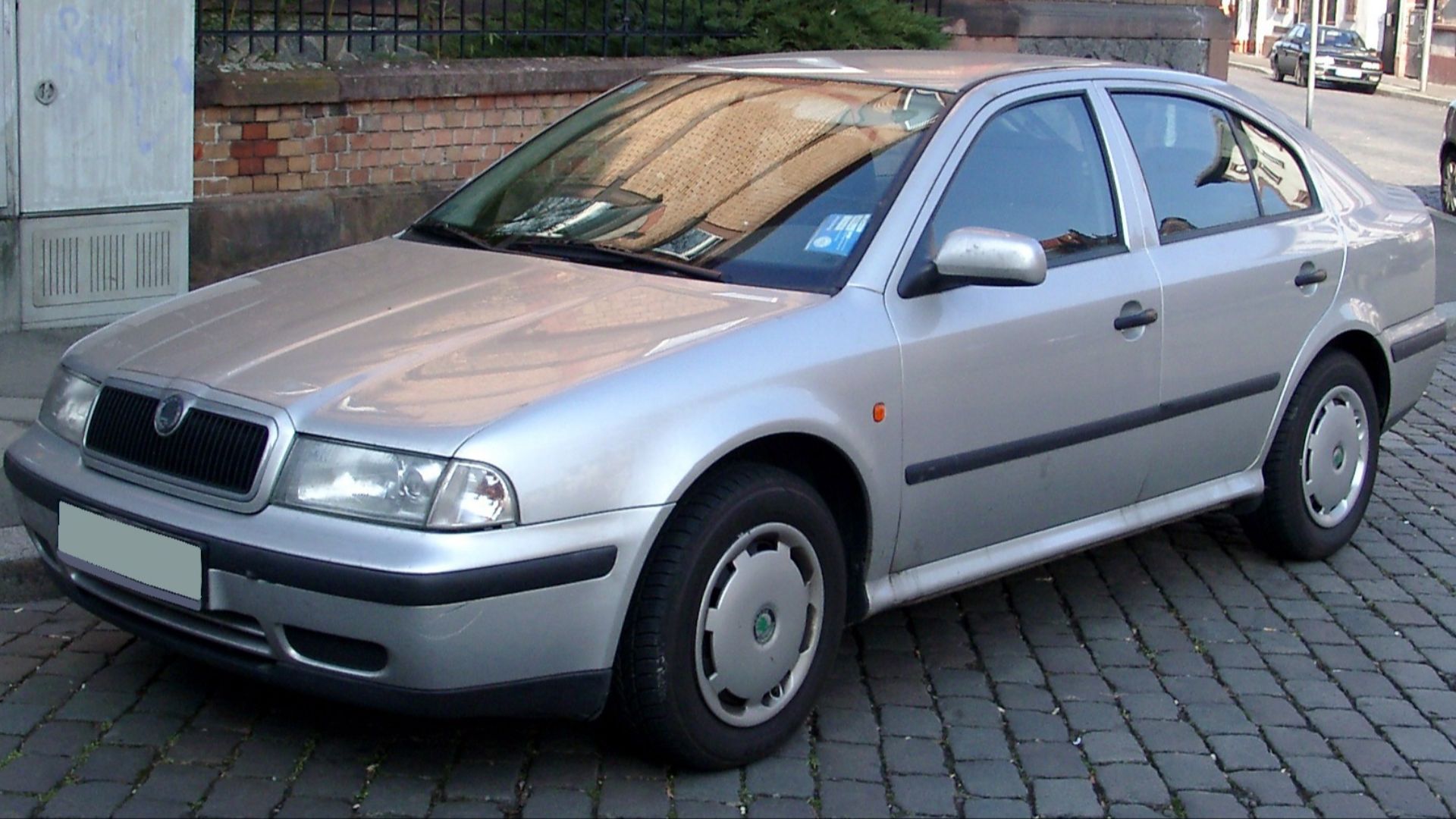
Škoda Octavia
The Octavia often resembled a business suit on wheels, but its sensible shape hid an enormous cabin and outstanding value. Taxi drivers, families, and fleet managers became some of its strongest supporters. Since the modern version arrived in 1996, Škoda has produced more than seven million examples.
 Rudolf Stricker, Wikimedia Commons
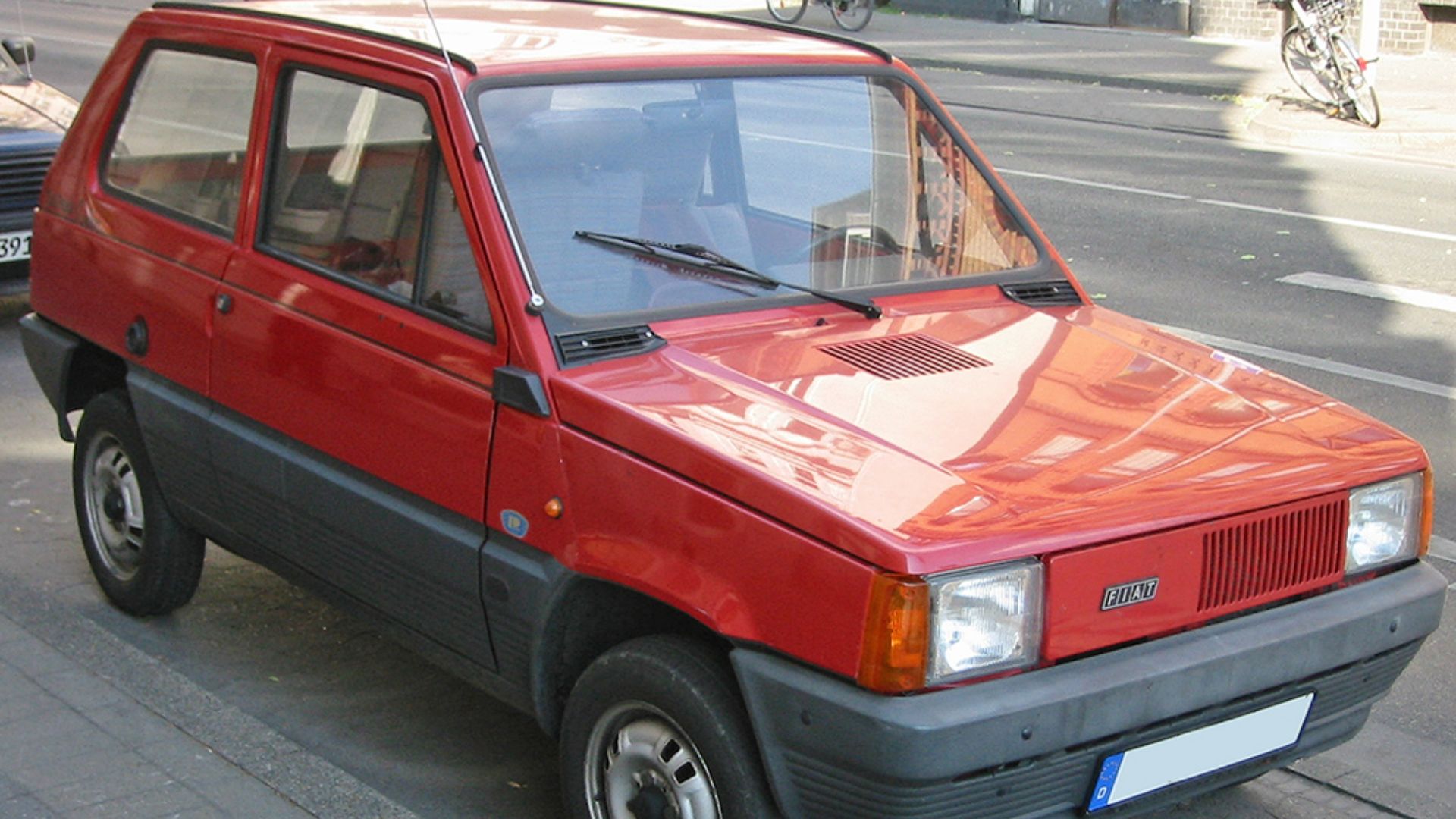
Fiat Panda
The original Panda was essentially a metal box with seats, windows, and an engine attached. Its simplicity became its greatest strength. It was cheap, useful, and remarkably capable, especially in four-wheel-drive form. Nearly eight million Pandas have been produced, and Italian buyers have repeatedly made it their country’s favourite car.
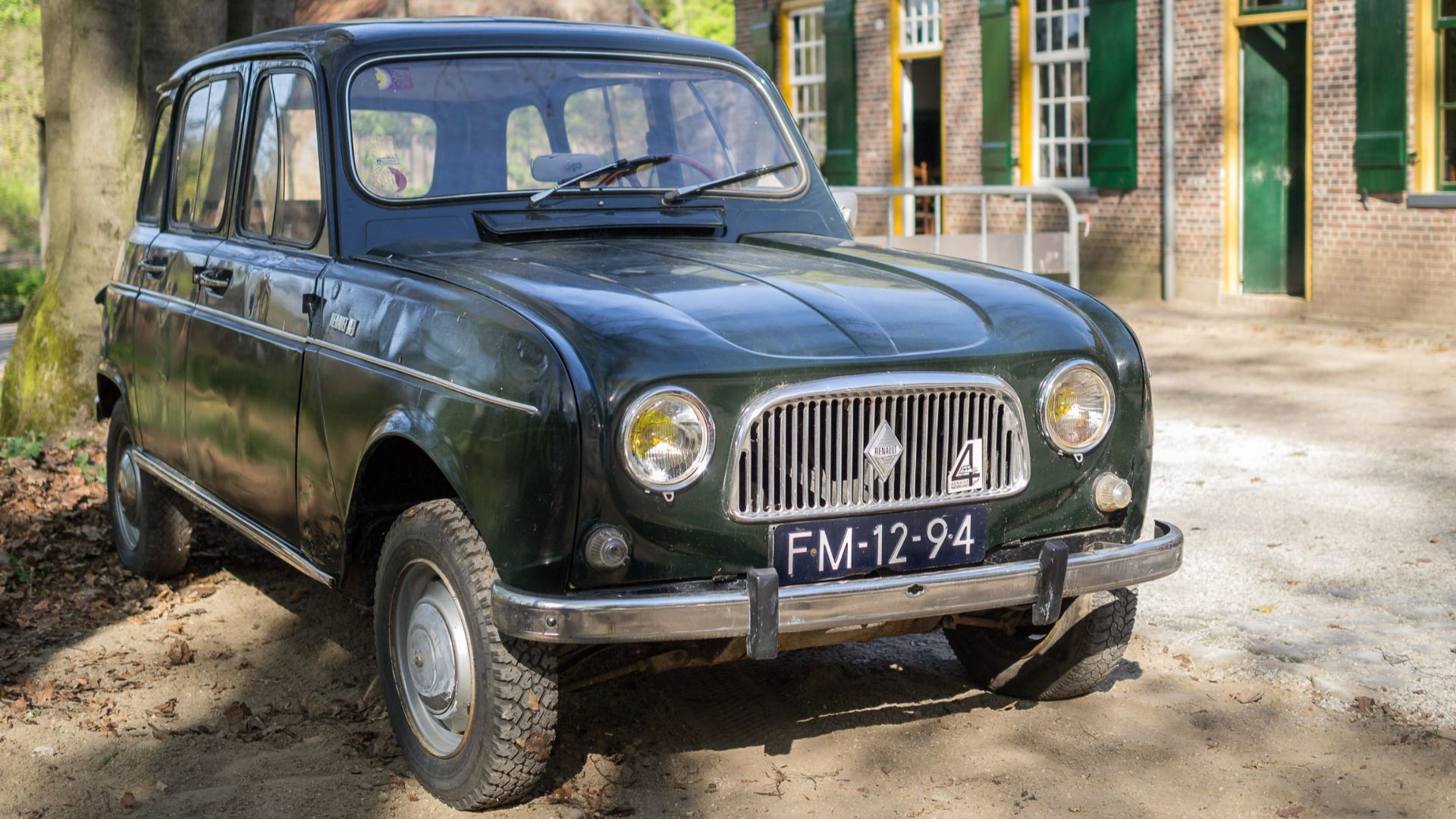
Renault 4
The Renault 4 looked modest even when it was new, but its flexible cabin, soft suspension, and rugged nature made it useful almost anywhere. More than eight million were built across several continents. Farmers, students, families, and adventurers adopted it, turning a basic French hatchback into a genuine cultural favourite.
 Baykedevries, Wikimedia Commons
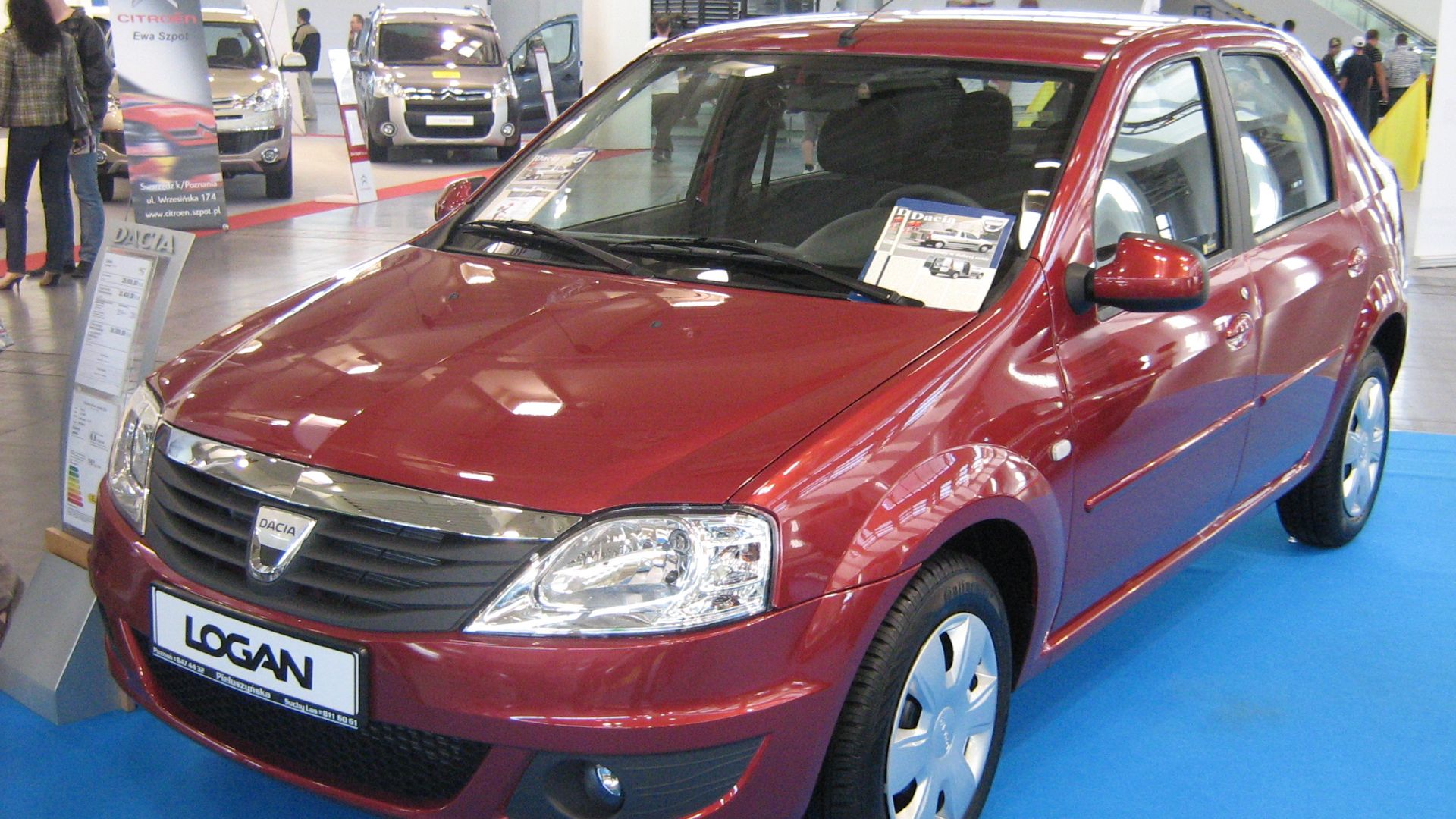
Dacia Logan
The Logan was intentionally designed without costly styling tricks. It offered lots of space, simple mechanical parts, and an affordable price, particularly in markets where buyers needed durability more than luxury. Sold under several different brands and names, the Logan family passed an estimated four million global sales by 2018.
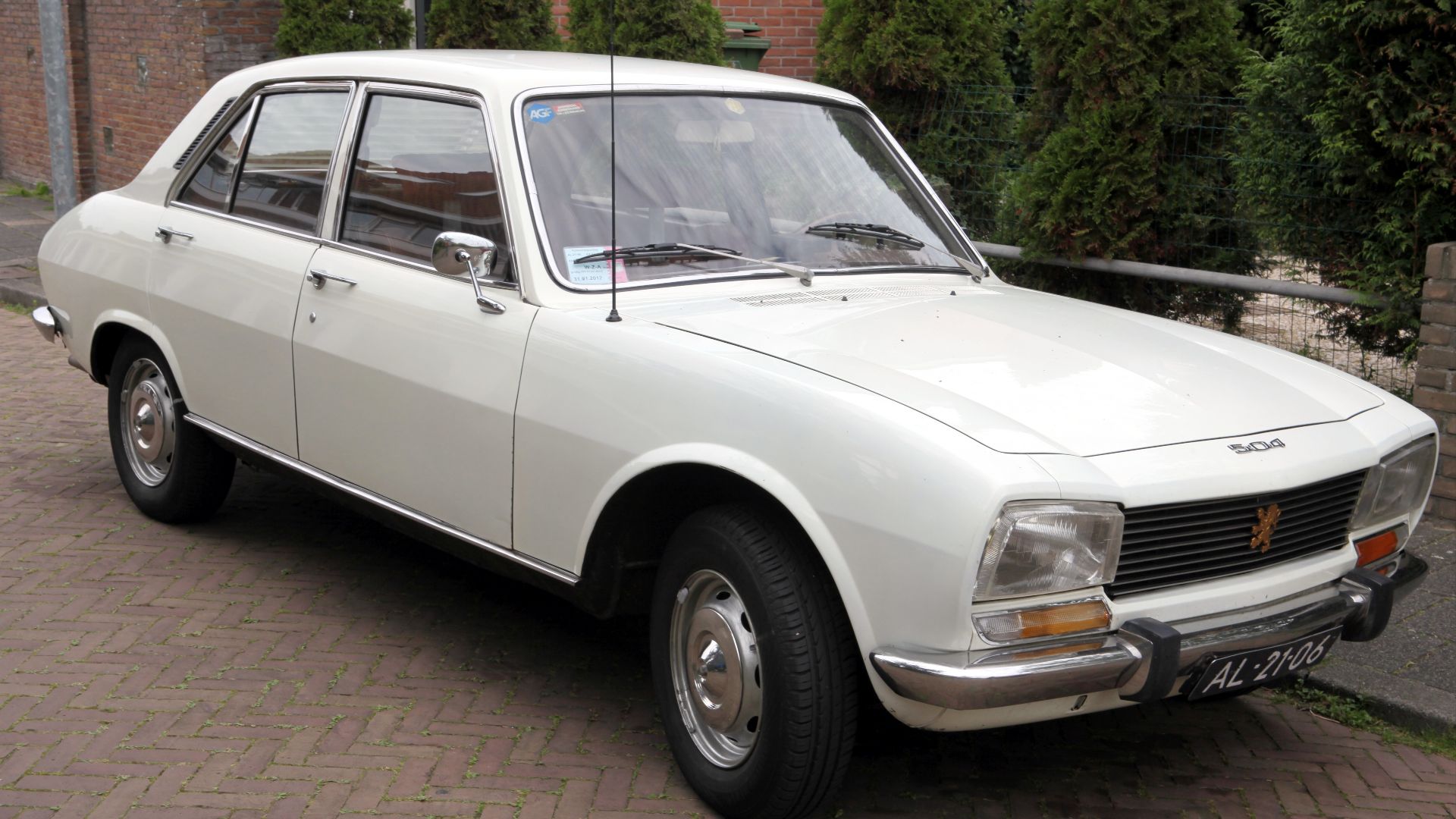
Peugeot 504
The Peugeot 504’s saloon body was conservative, but the car beneath it earned a mighty reputation. Comfortable suspension and tough mechanical components allowed it to survive punishing roads across Africa, South America, and beyond. Production continued in some countries for decades, creating loyal communities far from its original French home.
 Joost J. Bakker, Wikimedia Commons
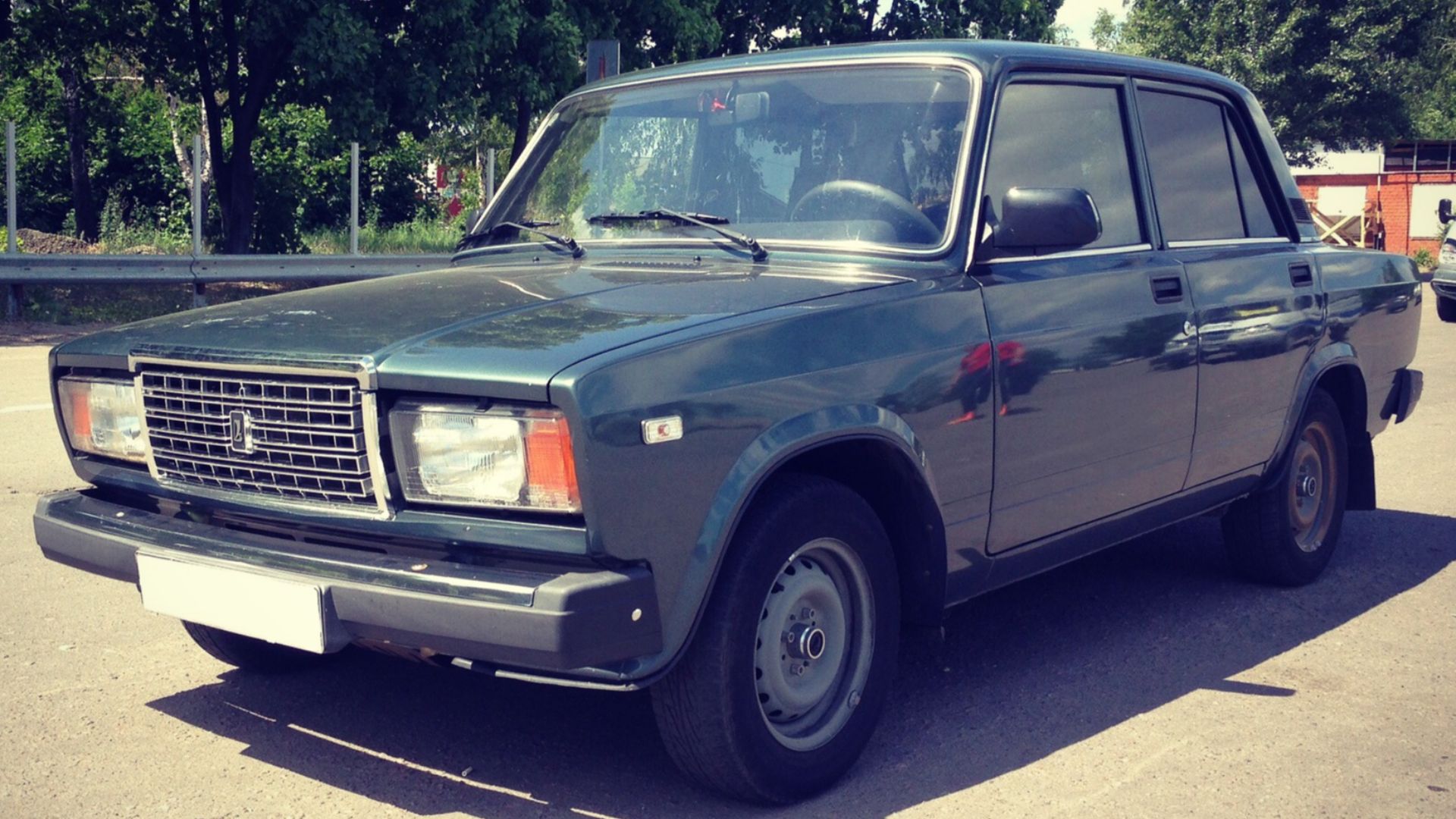
Lada Riva
The Lada Riva looked outdated almost from the moment it appeared, and then it remained in production for decades. Its ancient design was simple enough to repair with basic tools, which mattered enormously in difficult conditions. More than 14 million related classic Ladas left the original Russian production lines.
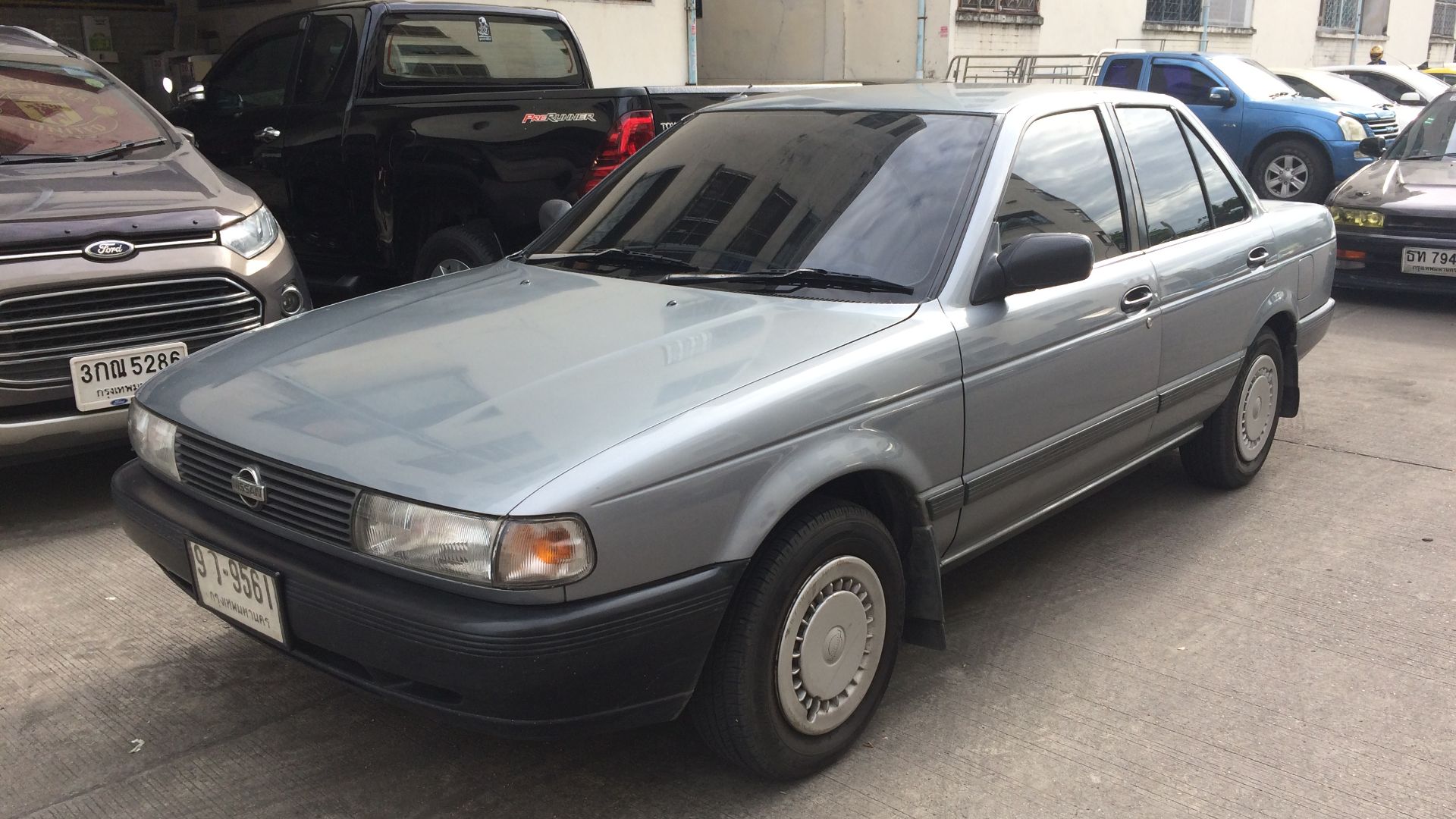
Nissan Sentra
The Sentra rarely became anyone’s bedroom-wall poster, but it became a dependable fixture in millions of driveways. Its combination of low running costs, straightforward controls, and compact dimensions attracted commuters and first-time buyers. During several years in the 1980s and 2010s, American annual sales exceeded 200,000 units.
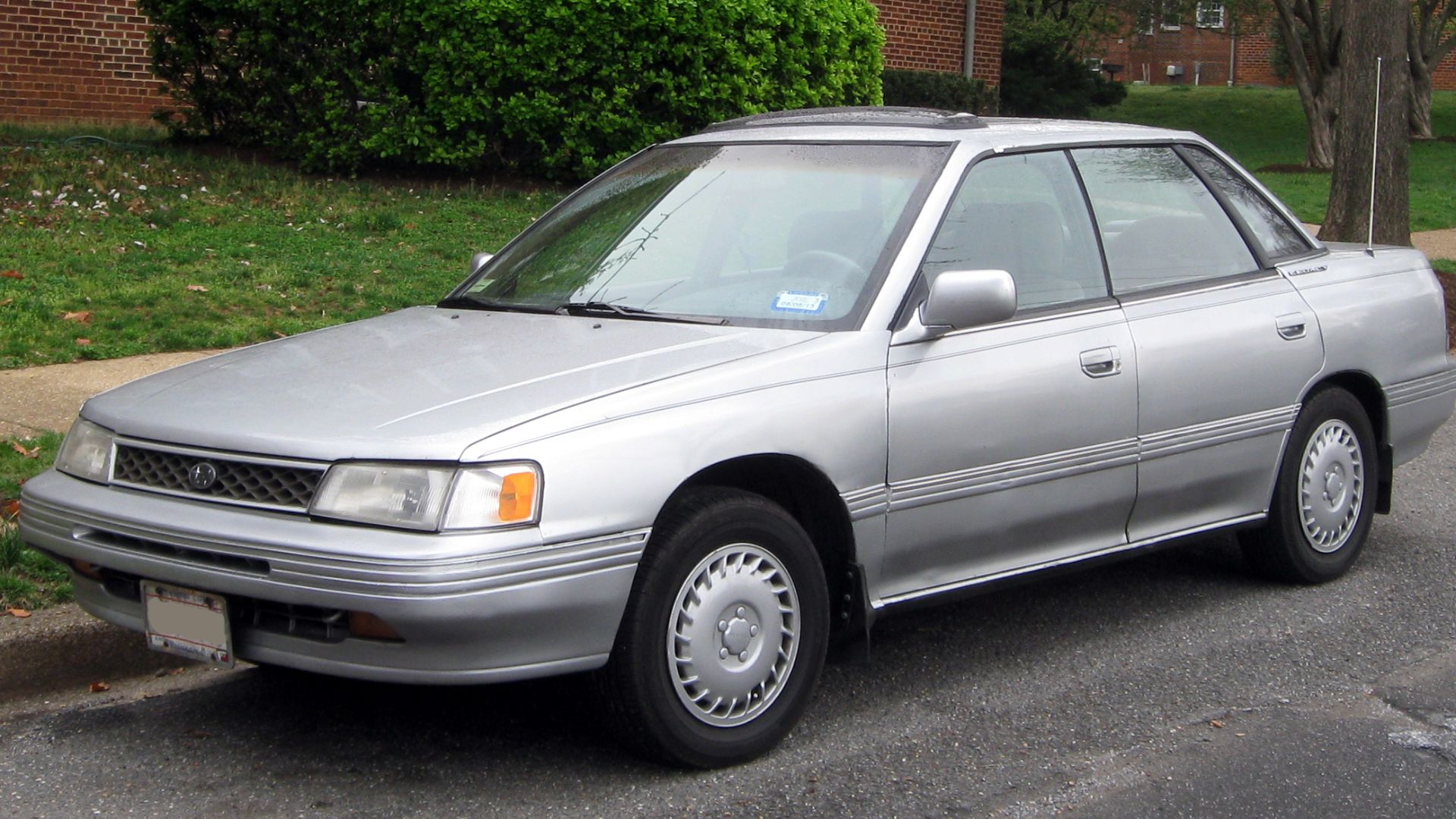
Subaru Legacy
The Legacy often looked more conservative than its unusual mechanical layout suggested. Standard or widely available all-wheel drive made it a favourite in snowy regions, while wagons developed especially loyal followings. Subaru sold its three-millionth Legacy in 2005, long before production of the durable nameplate finally ended.
Mazda 626
The Mazda 626 quietly spent more than three decades competing with better-known family cars. It came as a saloon, hatchback, coupé, and wagon, giving practical buyers plenty of choice. Owners appreciated that it combined Japanese dependability with sharper driving manners than its anonymous appearance suggested.
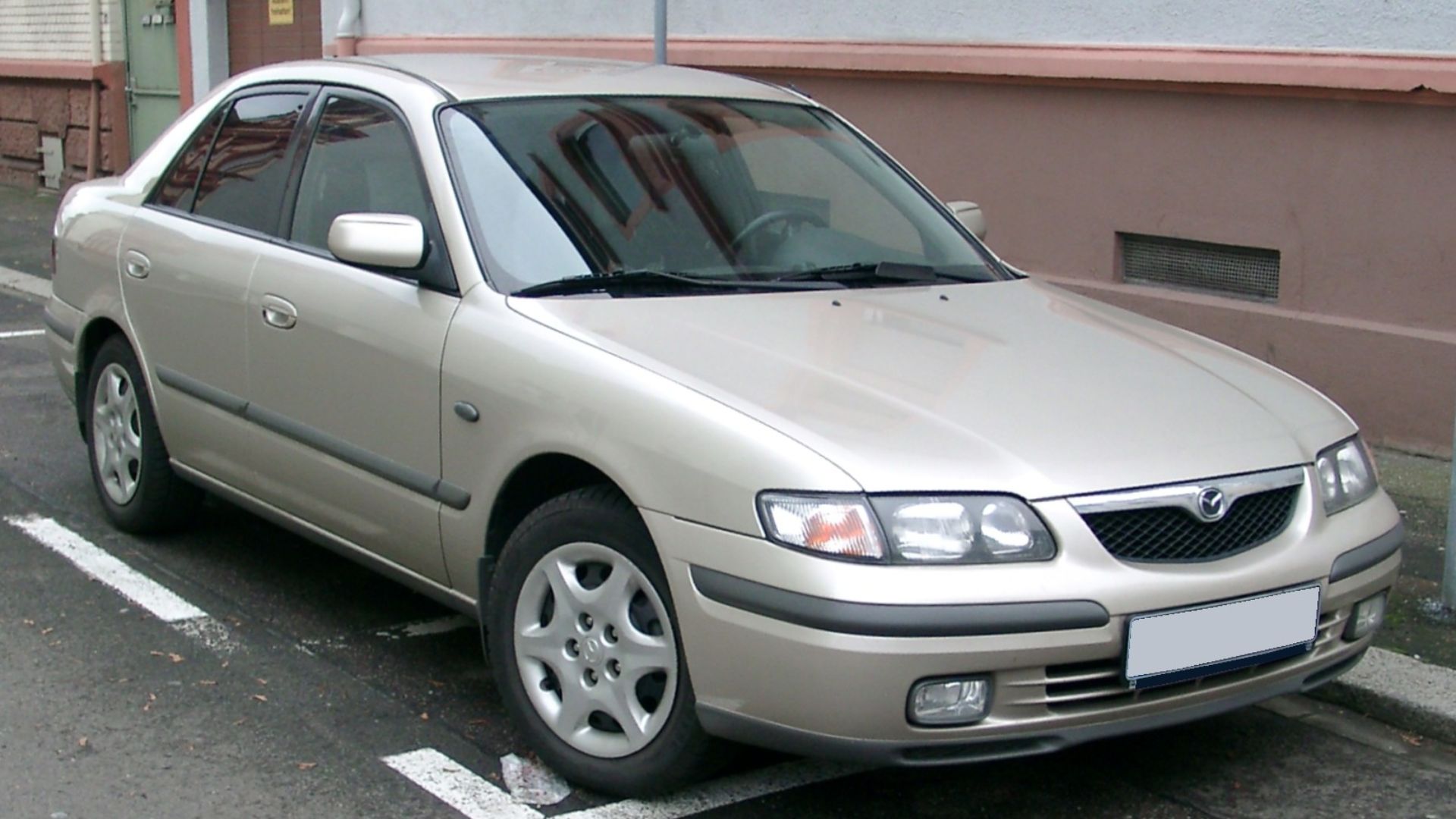 Rudolf Stricker, Wikimedia Commons
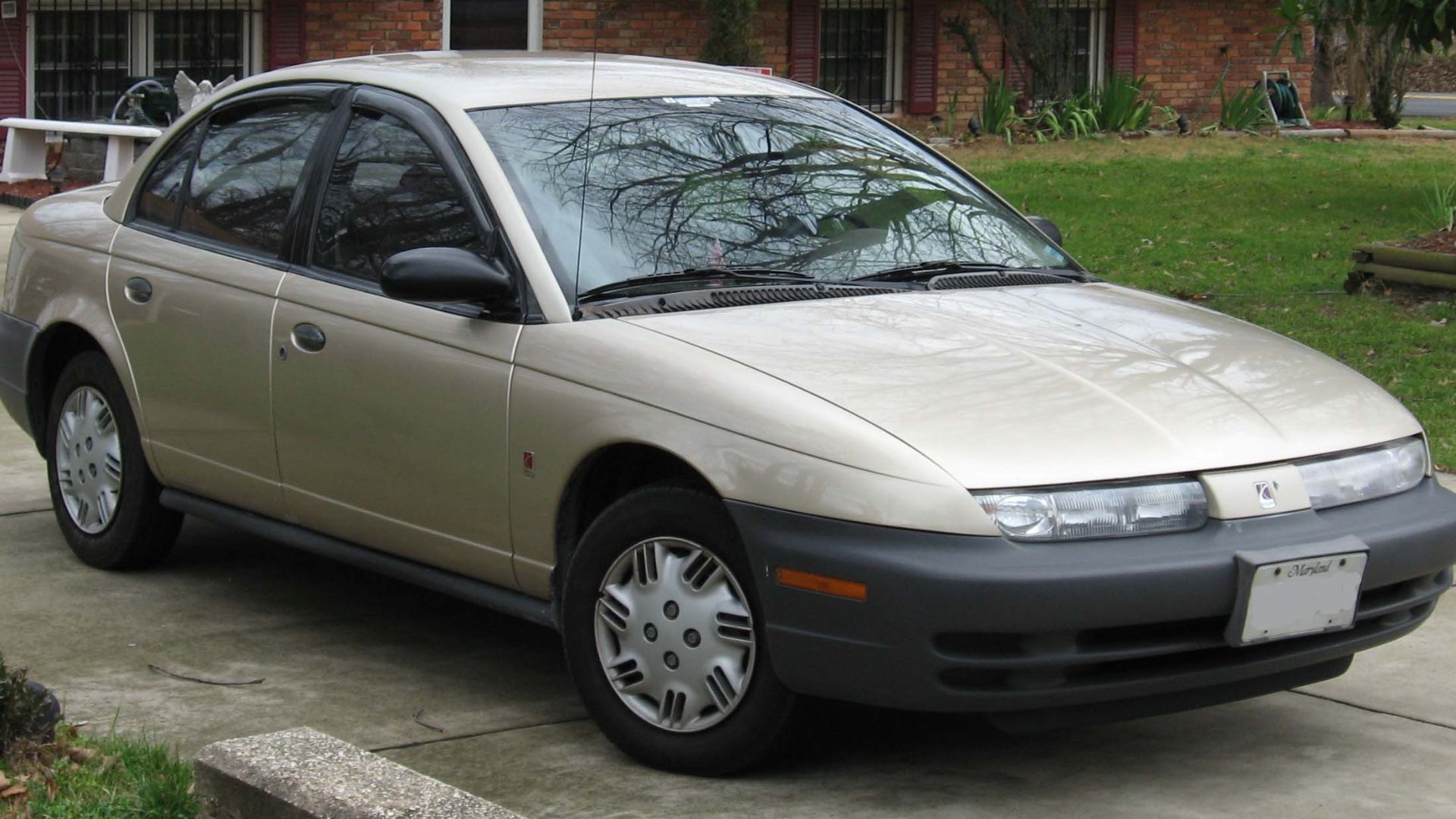
Saturn S-Series
The S-Series looked like another small 1990s commuter, but Saturn owners treated the brand almost like a club. Dent-resistant polymer body panels, straightforward engineering, and no-haggle dealerships made the cars feel different from typical General Motors products. Even today, dedicated owners keep these lightweight plastic-panelled survivors running.
Buick LeSabre
Late-model LeSabres were masters of elderly-neighbour camouflage. Behind the soft styling sat roomy seats, a smooth ride, and Buick’s durable 3.8-litre V6. The formula worked so well that the LeSabre was North America’s best-selling full-size car when production ended after the 2005 model year.
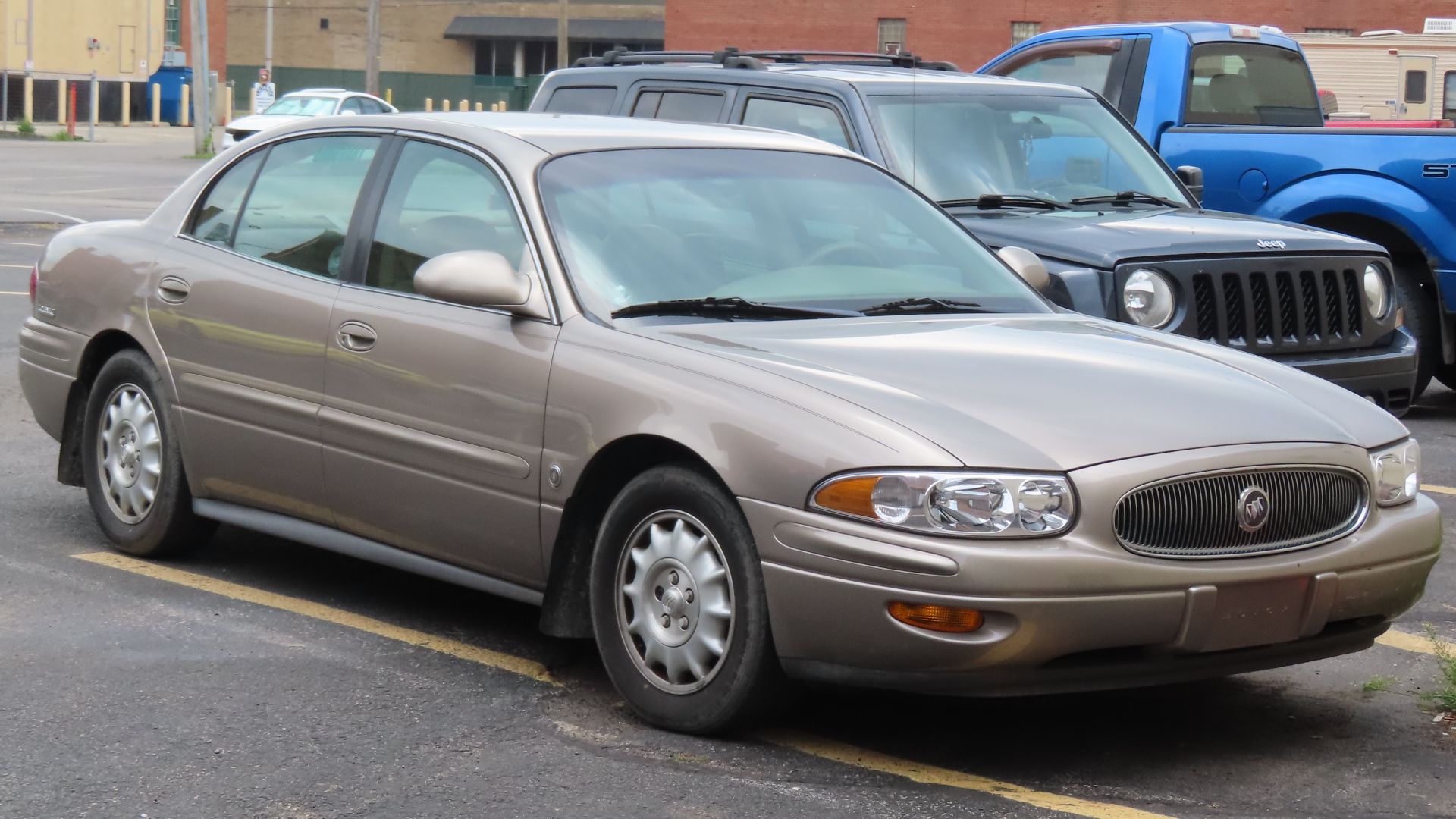 MercurySable99, Wikimedia Commons
Boring Was Often The Smart Choice
These cars did not succeed despite looking ordinary. In many cases, their modest styling was part of the attraction. They promised comfort, value, dependability, and freedom from unnecessary nonsense. Sports cars may dominate posters, but sensible machines dominate memories—and sometimes the sales charts, too.
You May Also Like:
Every Motor Trend Car Of The Year Winner From The 1970s—And The Car That Actually Should Have Won