

Small Cars Changed Everything
The 1970s transformed the North American automotive market. Rising fuel prices, stricter emissions regulations, and growing competition from overseas convinced millions of buyers that smaller cars made more sense. Some of these cars became icons, others became cautionary tales, but together they reshaped the industry forever.
 AYO Production, Shutterstock; Factinate
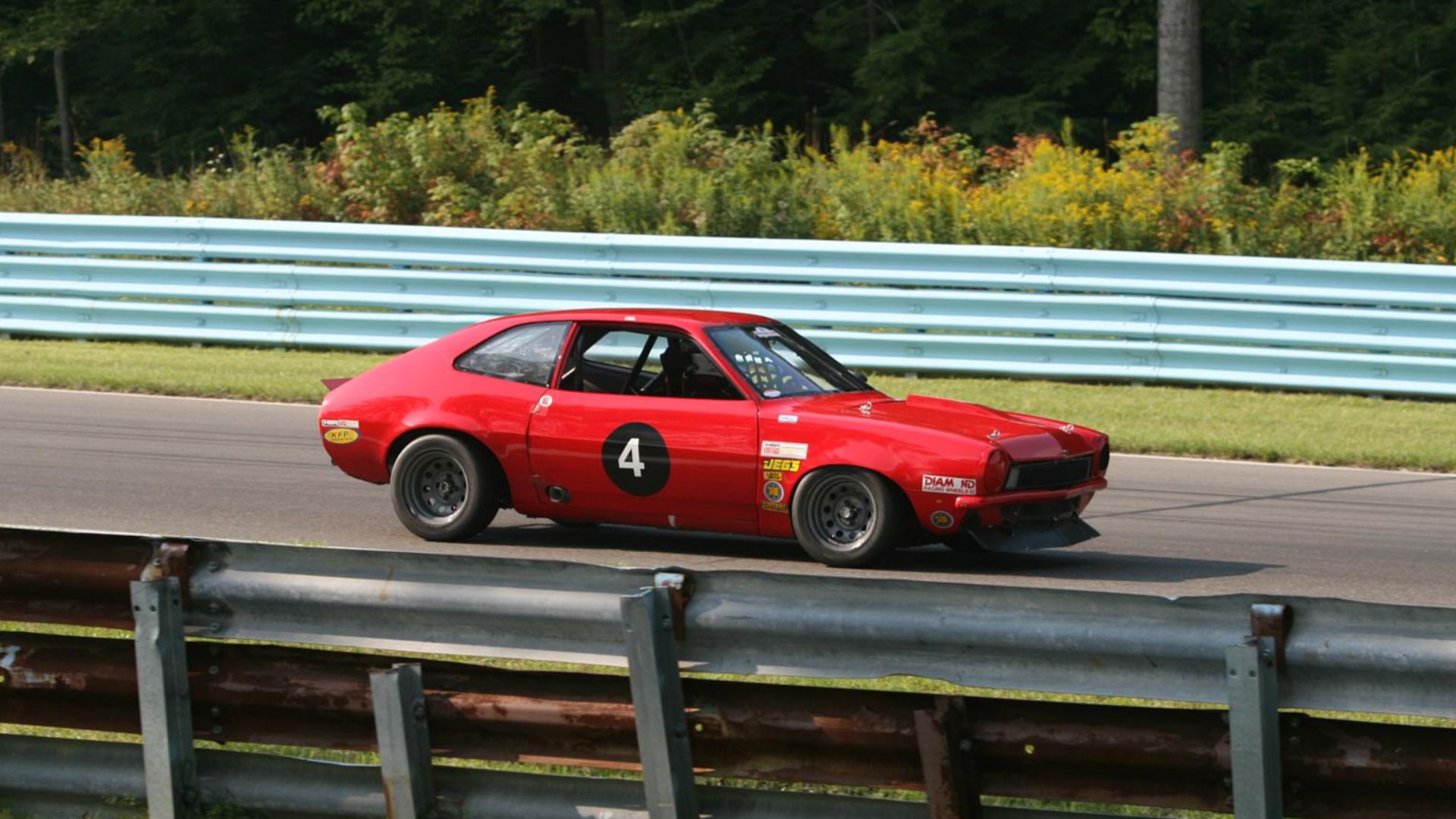
Ford Pinto
Introduced for 1971, the Ford Pinto became Ford's answer to the growing popularity of imported economy cars. More than three million Pintos were built during its decade-long production run, making it one of the most successful compact cars of its era despite the safety controversy that later overshadowed it.
 Nathan Bittinger from Rochester, NY, USA, Wikimedia Commons
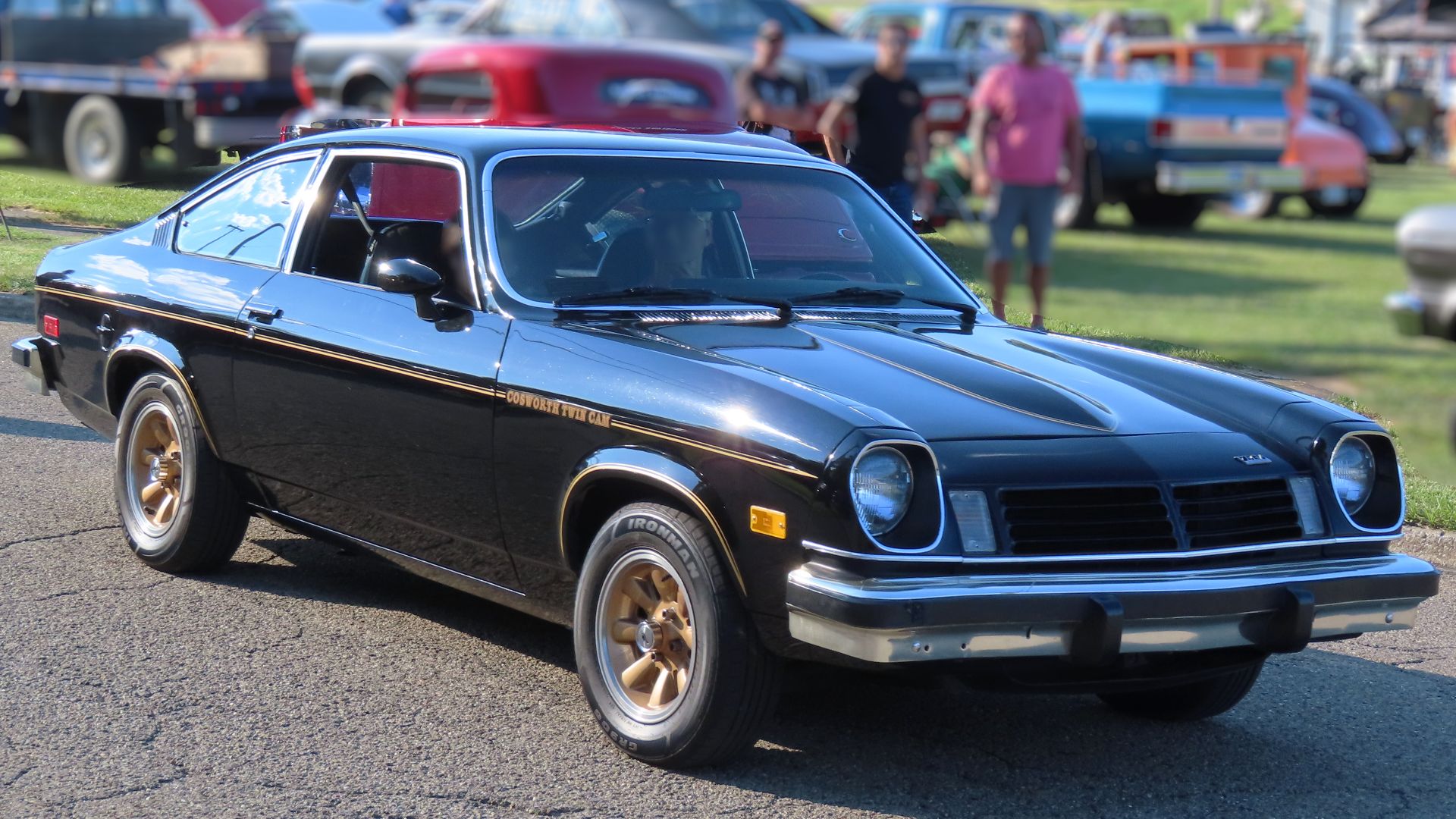
Chevrolet Vega
General Motors invested heavily in the Chevrolet Vega, hoping it would dominate the new subcompact market. Initially, buyers loved its styling, handling, and affordability. Unfortunately, serious engine durability and rust problems eventually damaged its reputation despite strong early sales.
 MercurySable99, Wikimedia Commons
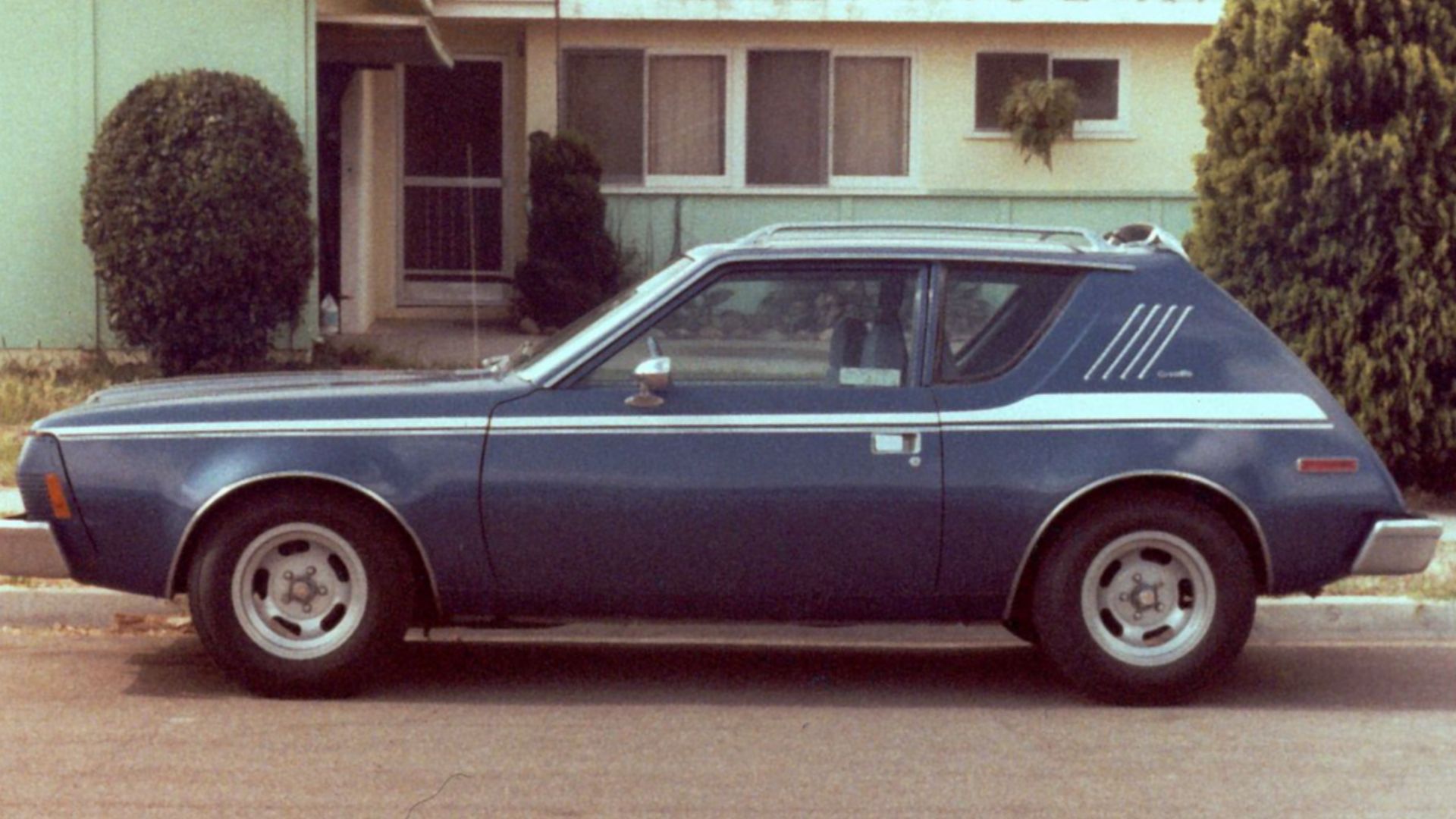
AMC Gremlin
The quirky AMC Gremlin reached dealerships before either the Pinto or Vega. Developed on a limited budget by shortening the AMC Hornet, it became an instant conversation piece and proved surprisingly successful for American Motors throughout much of the decade.
 Users Interiot, Rsduhamel on en.wikipedia, Wikimedia Commons
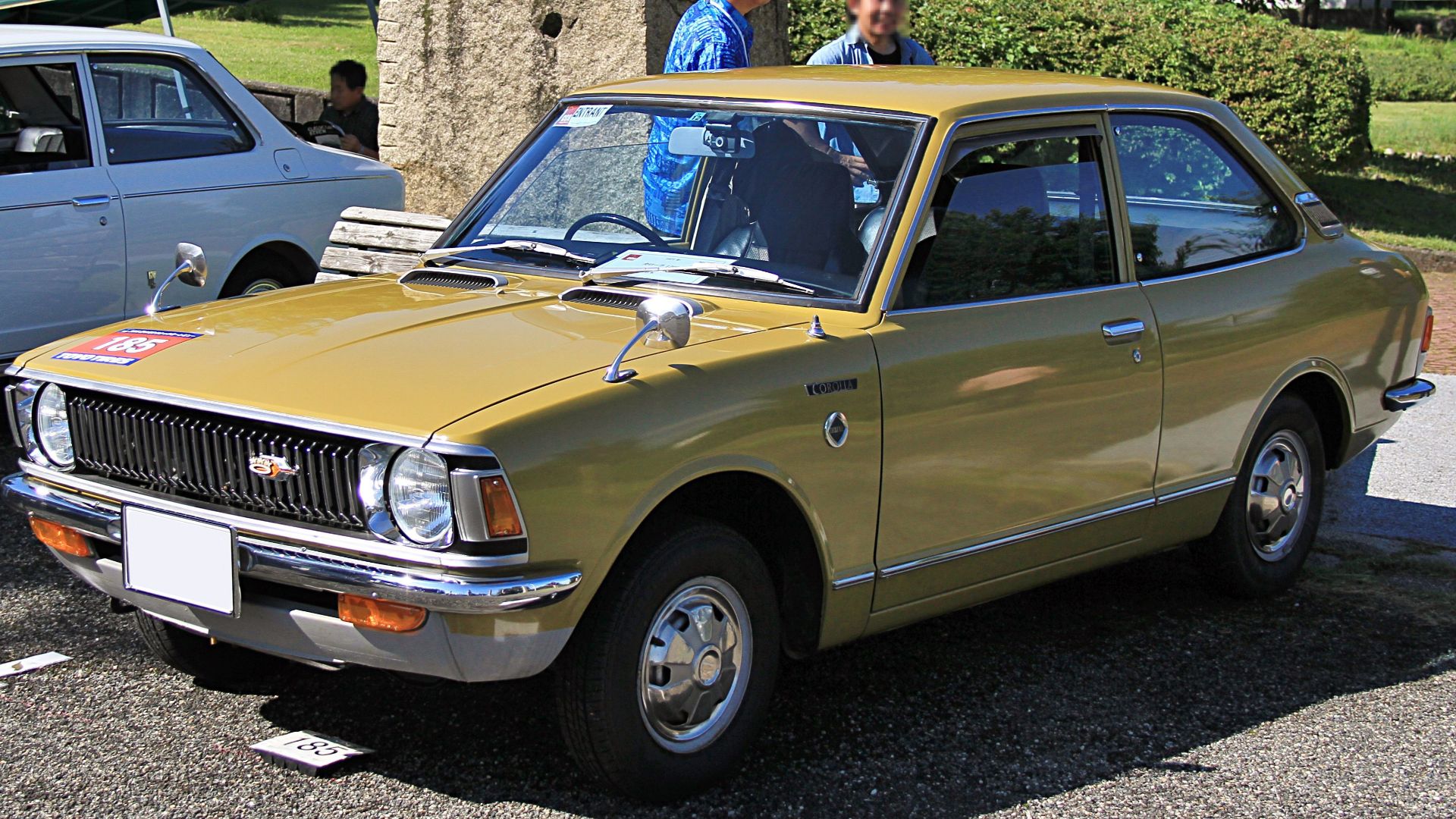
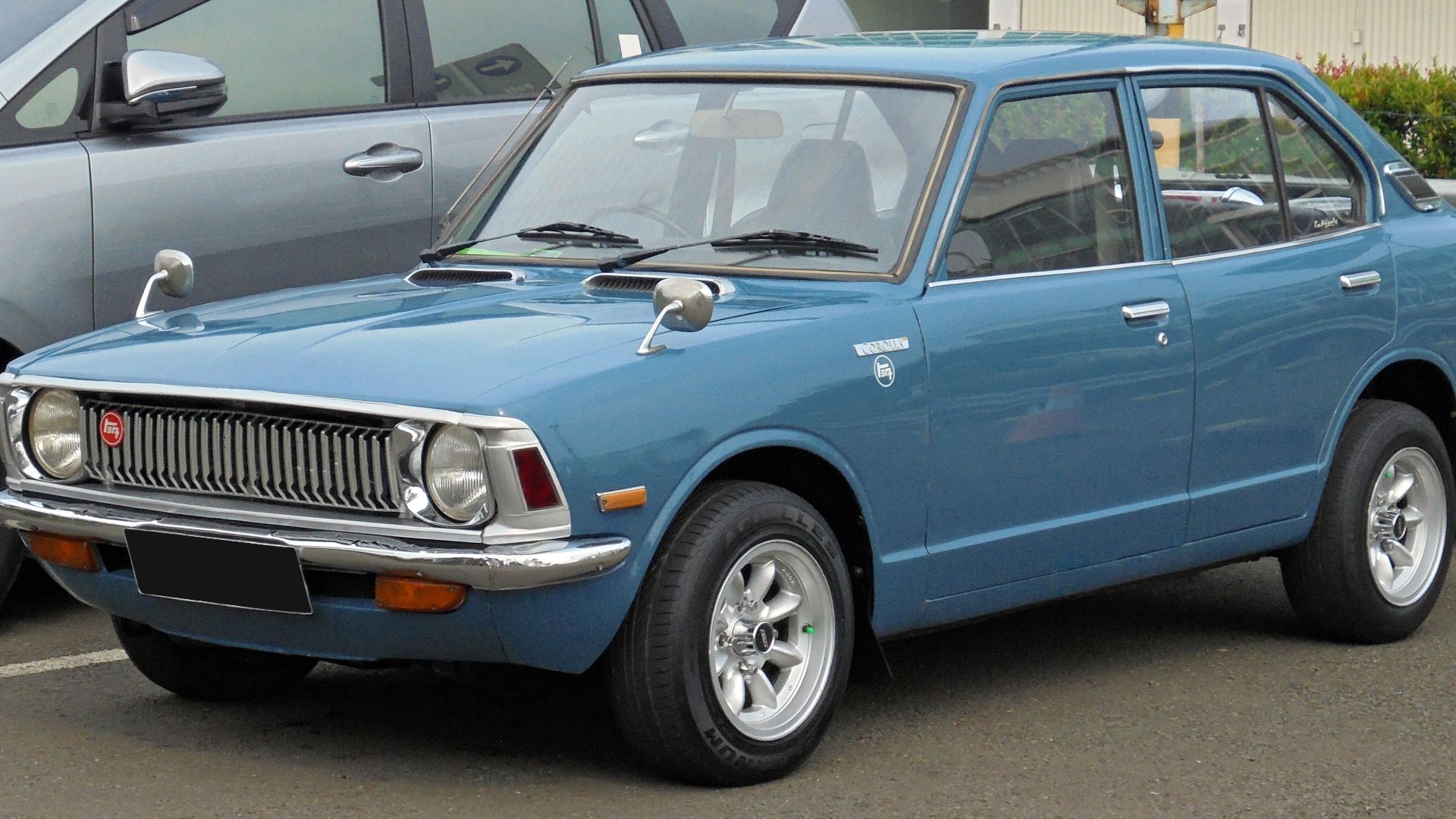
Toyota Corolla
The Toyota Corolla quietly became one of America's favorite imports during the 1970s. Reliable, inexpensive, and remarkably fuel efficient, it steadily built Toyota's reputation and demonstrated that Japanese automakers were becoming serious long-term competitors in the United States.
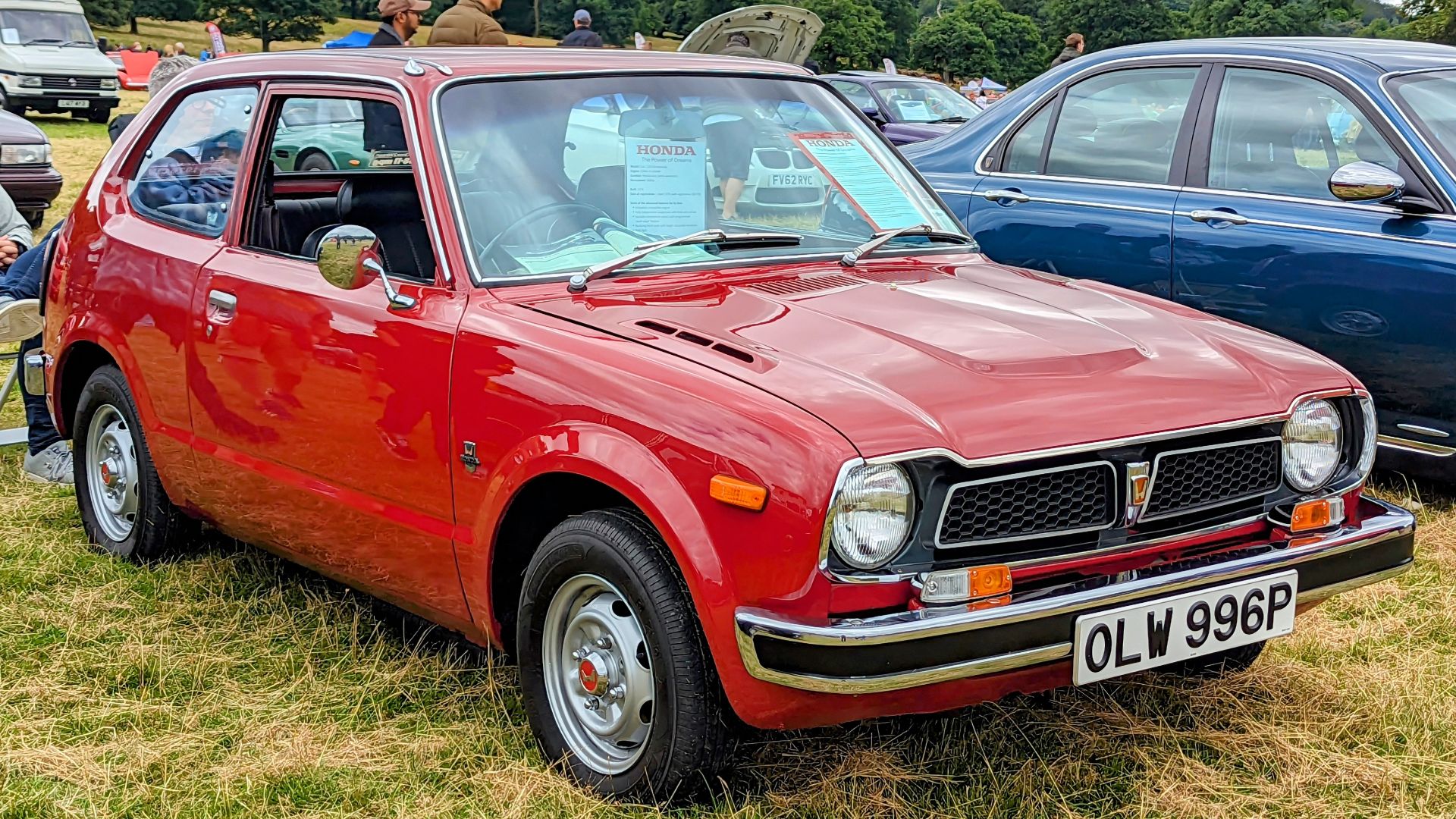
Honda Civic
Arriving in North America during the energy crisis, the Honda Civic earned praise for exceptional fuel economy and dependable engineering. It quickly became one of the defining economy cars of the decade and laid the foundation for Honda's enormous future success.
Datsun 510
The Datsun 510 combined affordability with surprisingly sporty handling. Its European-inspired suspension and strong reliability made it popular with ordinary commuters while also developing a devoted following that continues decades after production ended.
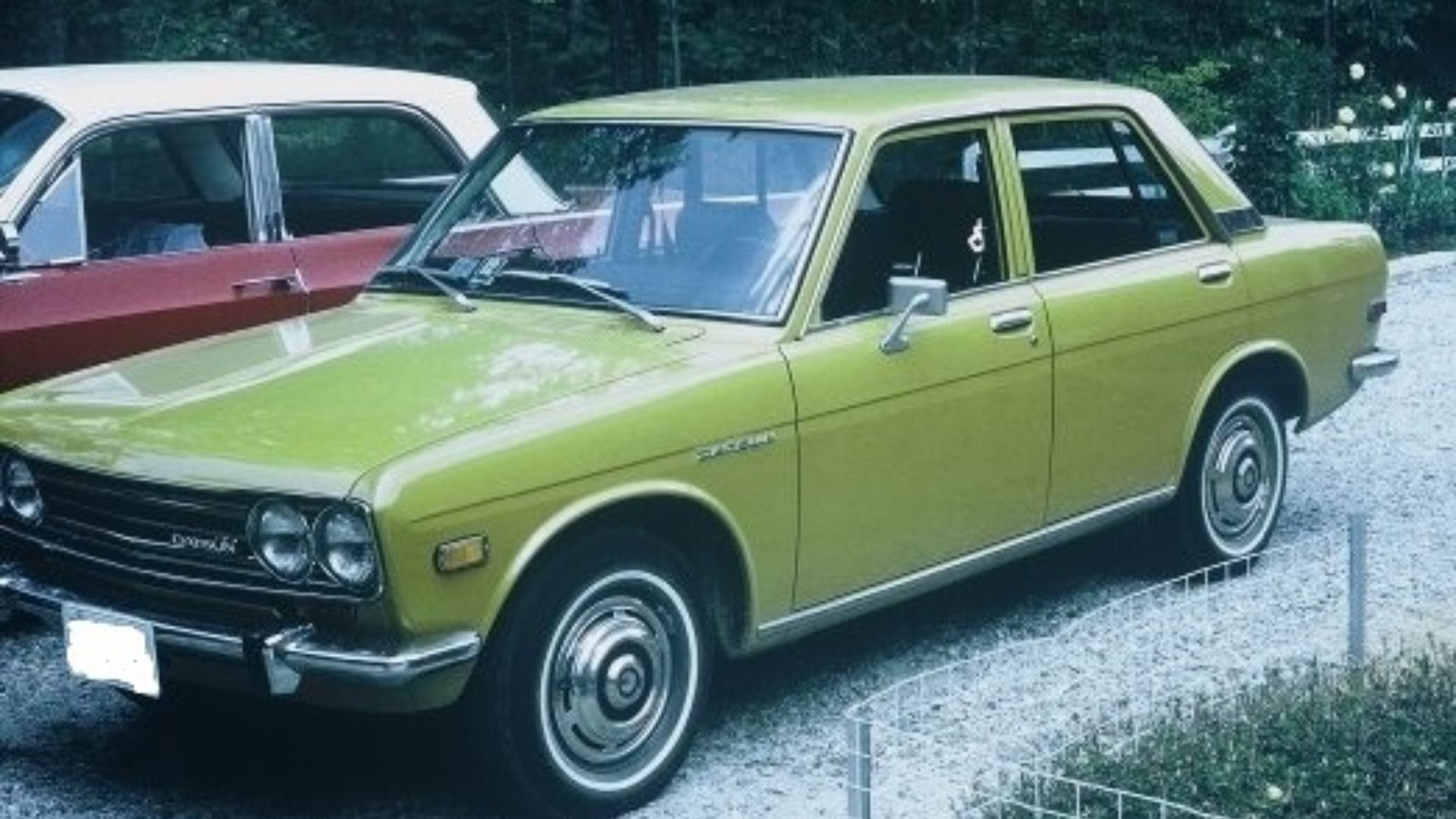 The Founders Intent, Wikimedia Commons
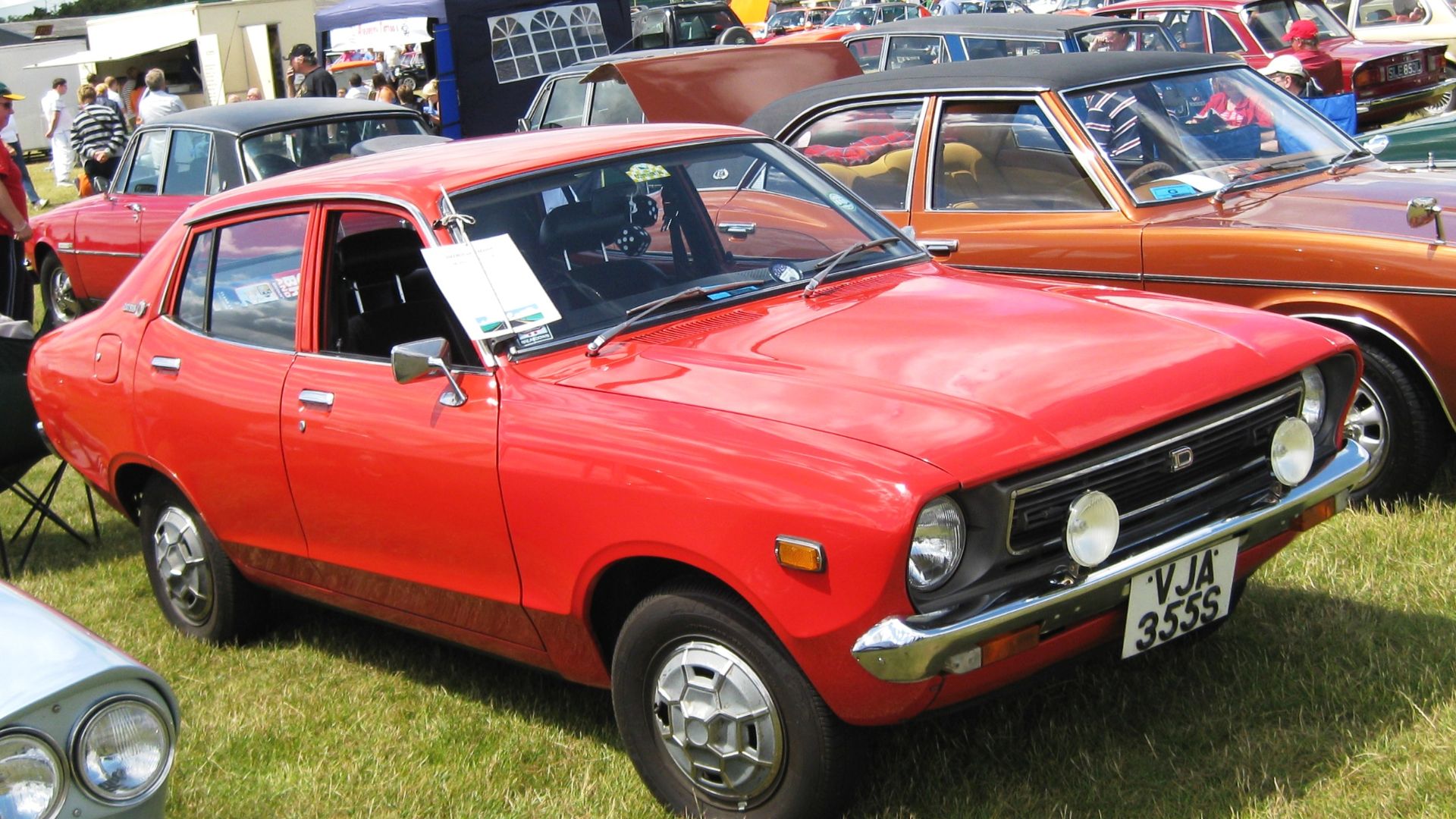
Datsun B210
Replacing the 1200 series, the Datsun B210 became another sales success thanks to excellent fuel economy, mechanical simplicity, and competitive pricing. Thousands of American families discovered Japanese reliability through this humble little sedan.
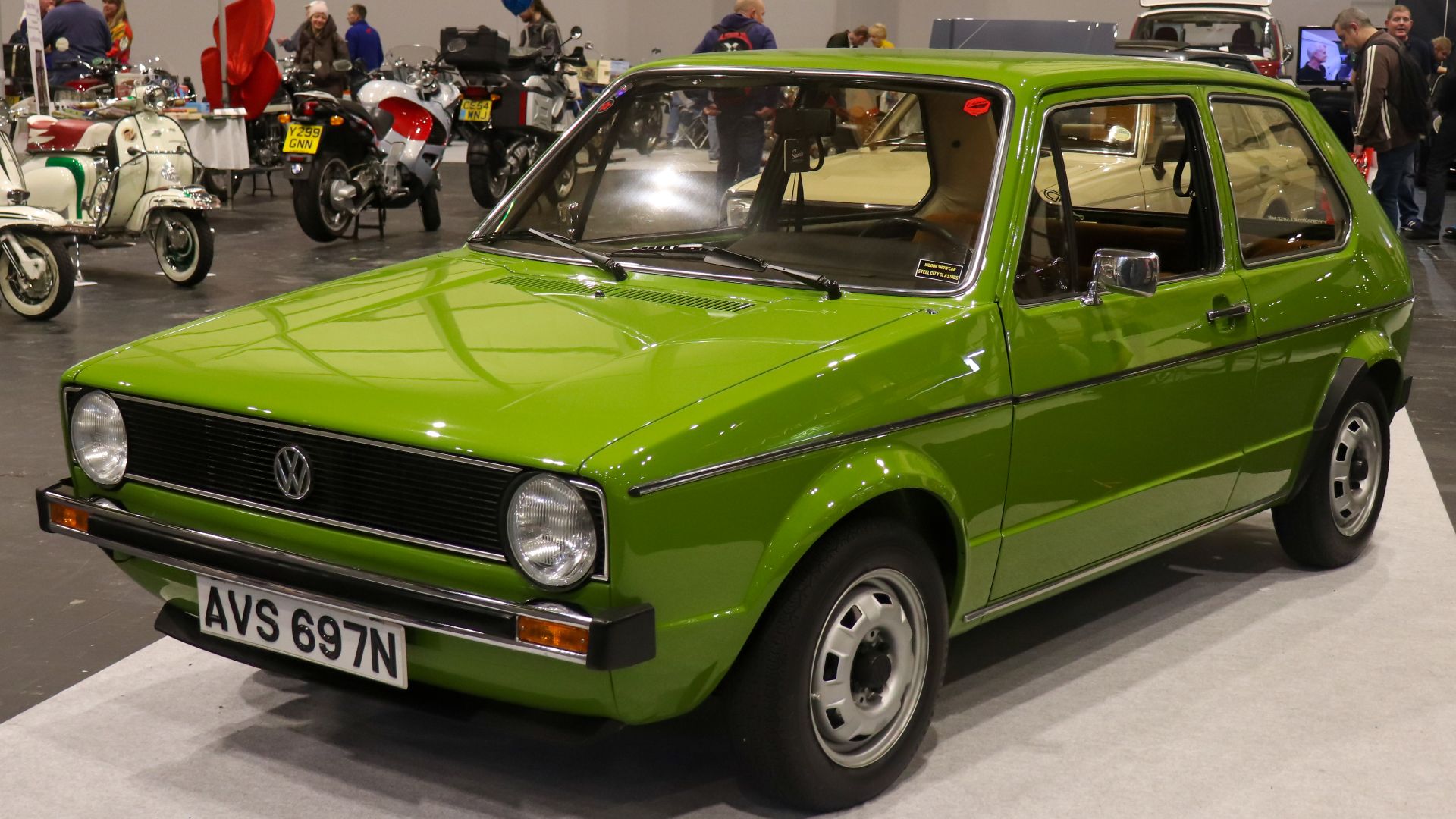
Volkswagen Rabbit
Volkswagen replaced the aging Beetle with the front-wheel-drive Rabbit in North America during the mid-1970s. Modern engineering, hatchback practicality, and impressive fuel economy helped it become one of the decade's most influential compact cars.
Volkswagen Beetle
Although introduced decades earlier, the Beetle remained a strong seller through much of the 1970s. Its familiar shape, affordable price, and simple engineering continued attracting buyers even as newer front-wheel-drive competitors began changing expectations.
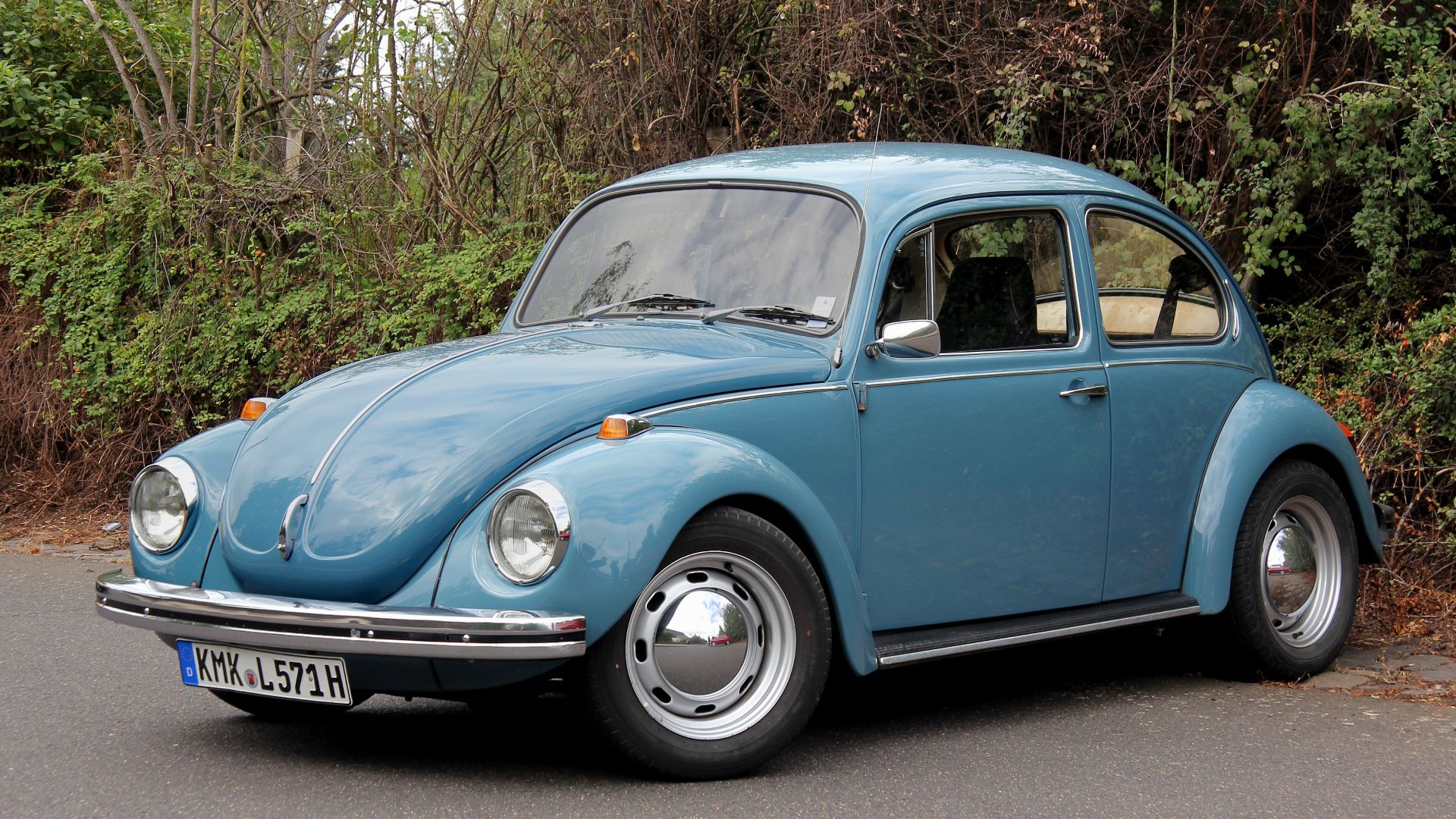 Lothar Spurzem, Wikimedia Commons
Chevrolet Chevette
Introduced for 1976, the Chevette became General Motors' true world car. It emphasized economy over excitement and ultimately became one of America's bestselling small cars by appealing to budget-conscious buyers seeking dependable basic transportation.
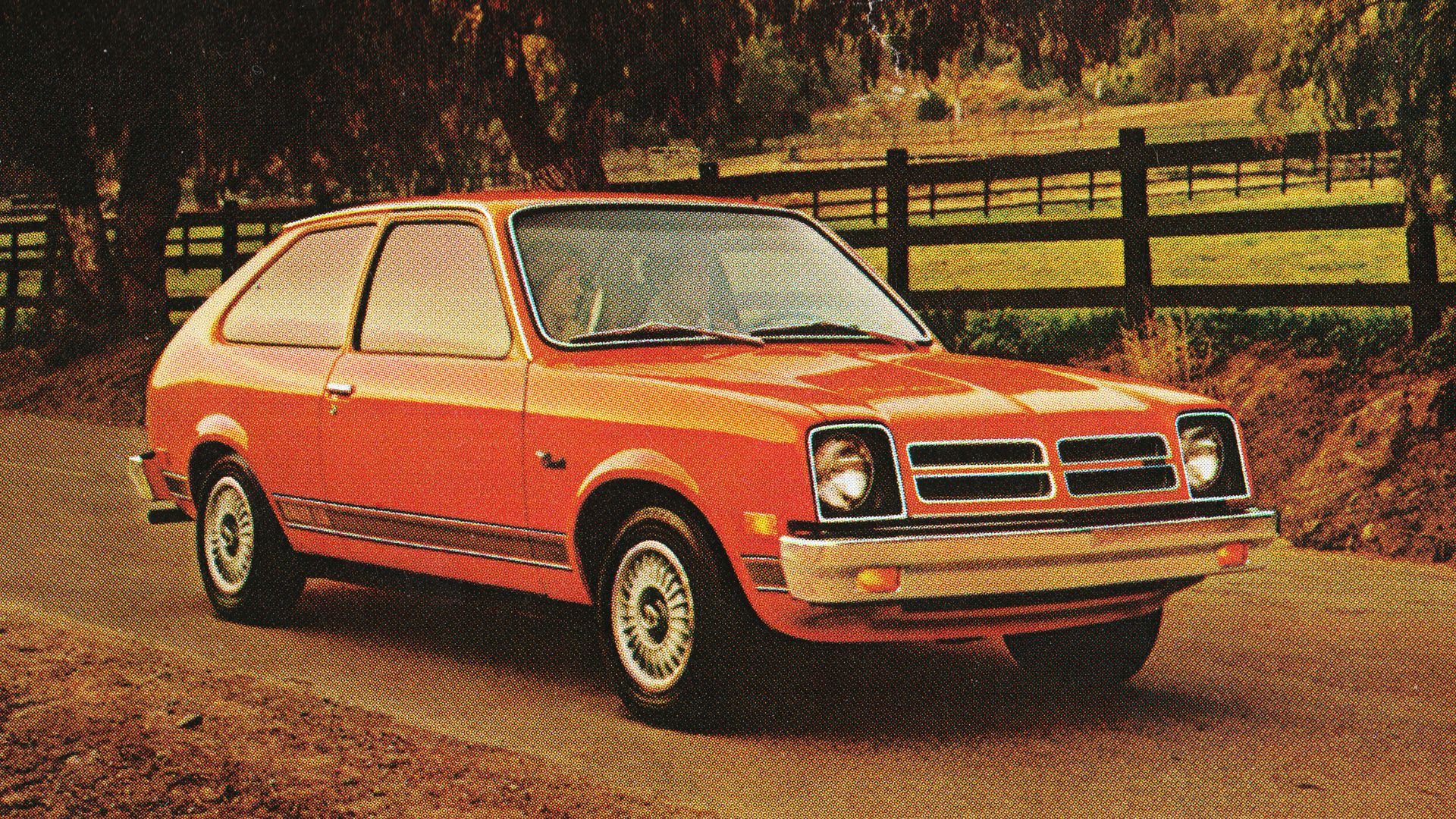 Chevrolet pre-1978, Wikimedia Commons
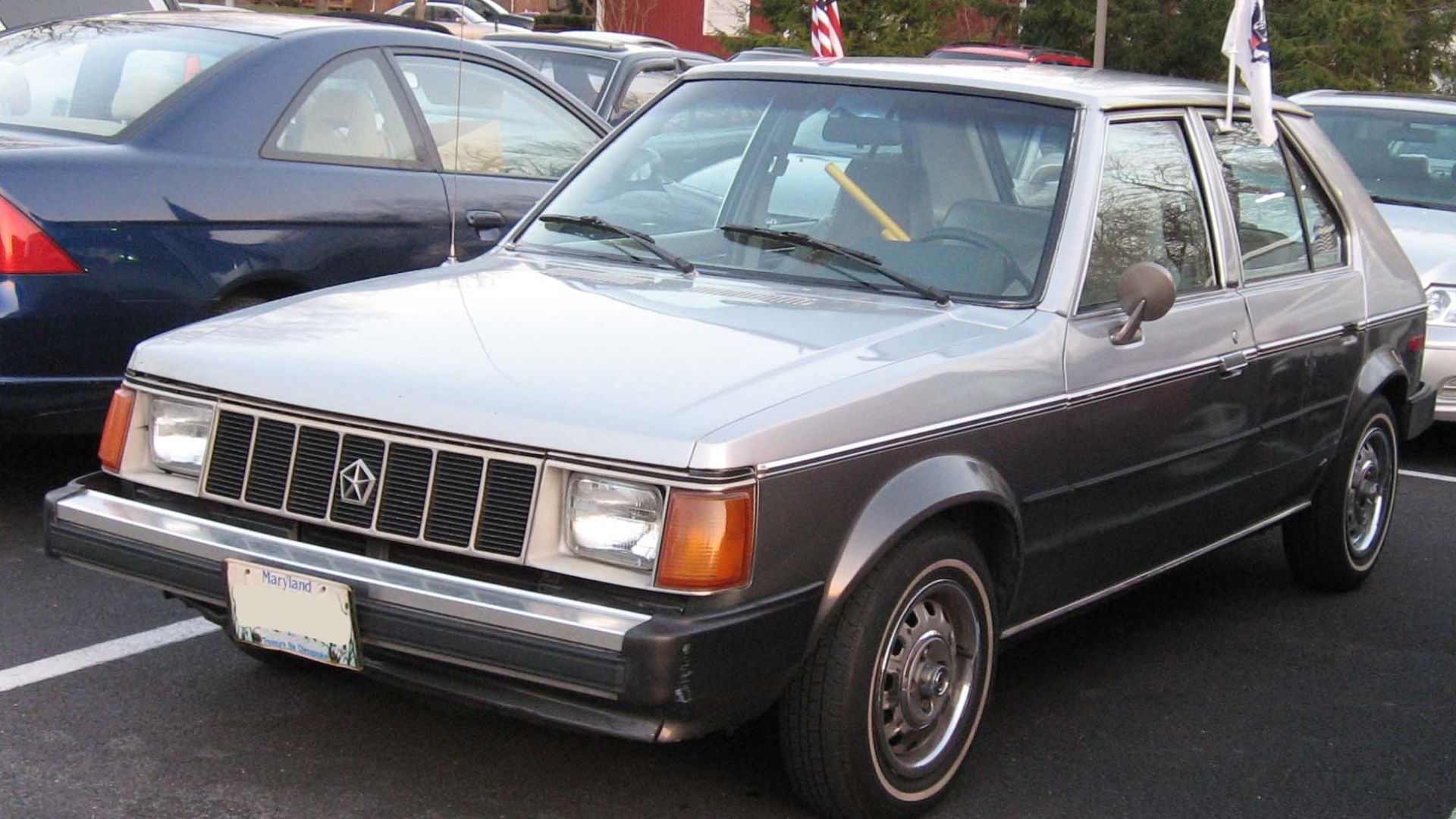
Plymouth Horizon
Introduced near the end of the decade, the front-wheel-drive Plymouth Horizon represented Chrysler's move toward modern compact design. Its efficient packaging previewed the direction American compact cars would follow throughout the 1980s.
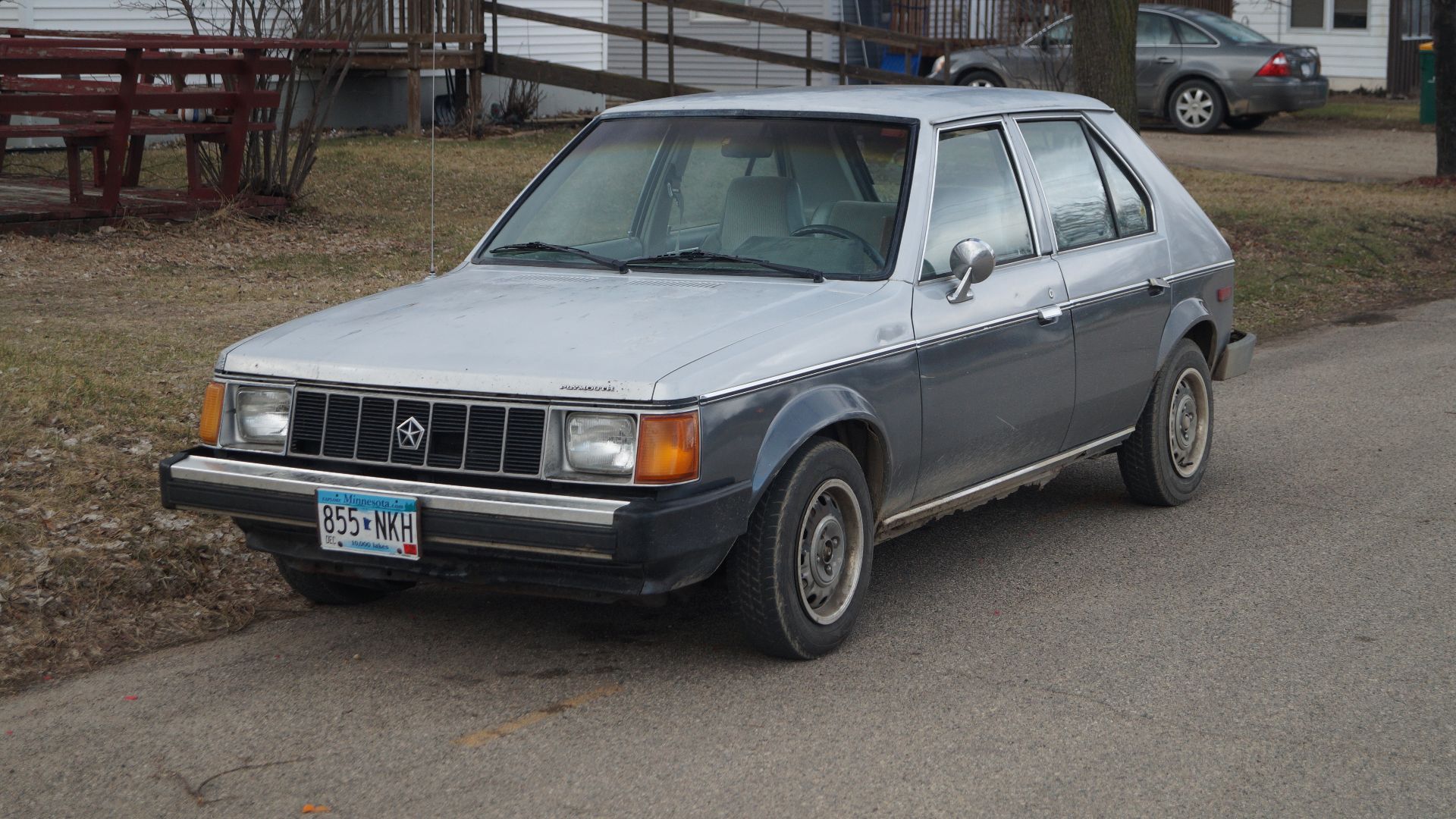 Greg Gjerdingen, CC BY 2.0, Wikimedia Commons
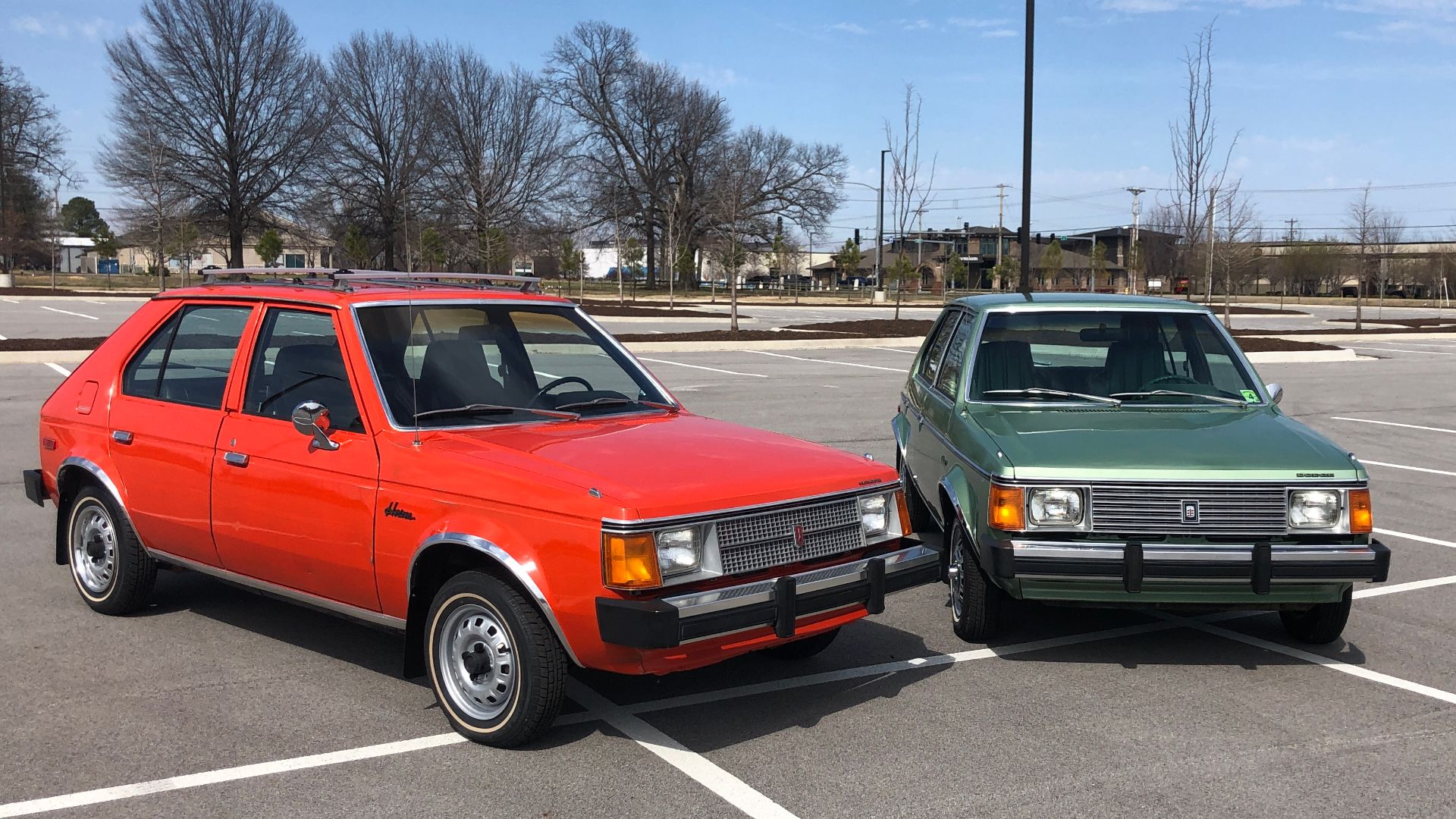
Dodge Omni
Mechanically identical to the Plymouth Horizon, the Dodge Omni became Chrysler's first successful front-wheel-drive compact. Buyers appreciated its roomy interior and respectable fuel economy during an era increasingly focused on efficiency.
Chevrolet Monza
Built on the Vega platform, the Chevrolet Monza corrected many of its predecessor's weaknesses while offering sleeker styling and optional V8 power. It became one of Chevrolet's most successful compact offerings during the second half of the decade.
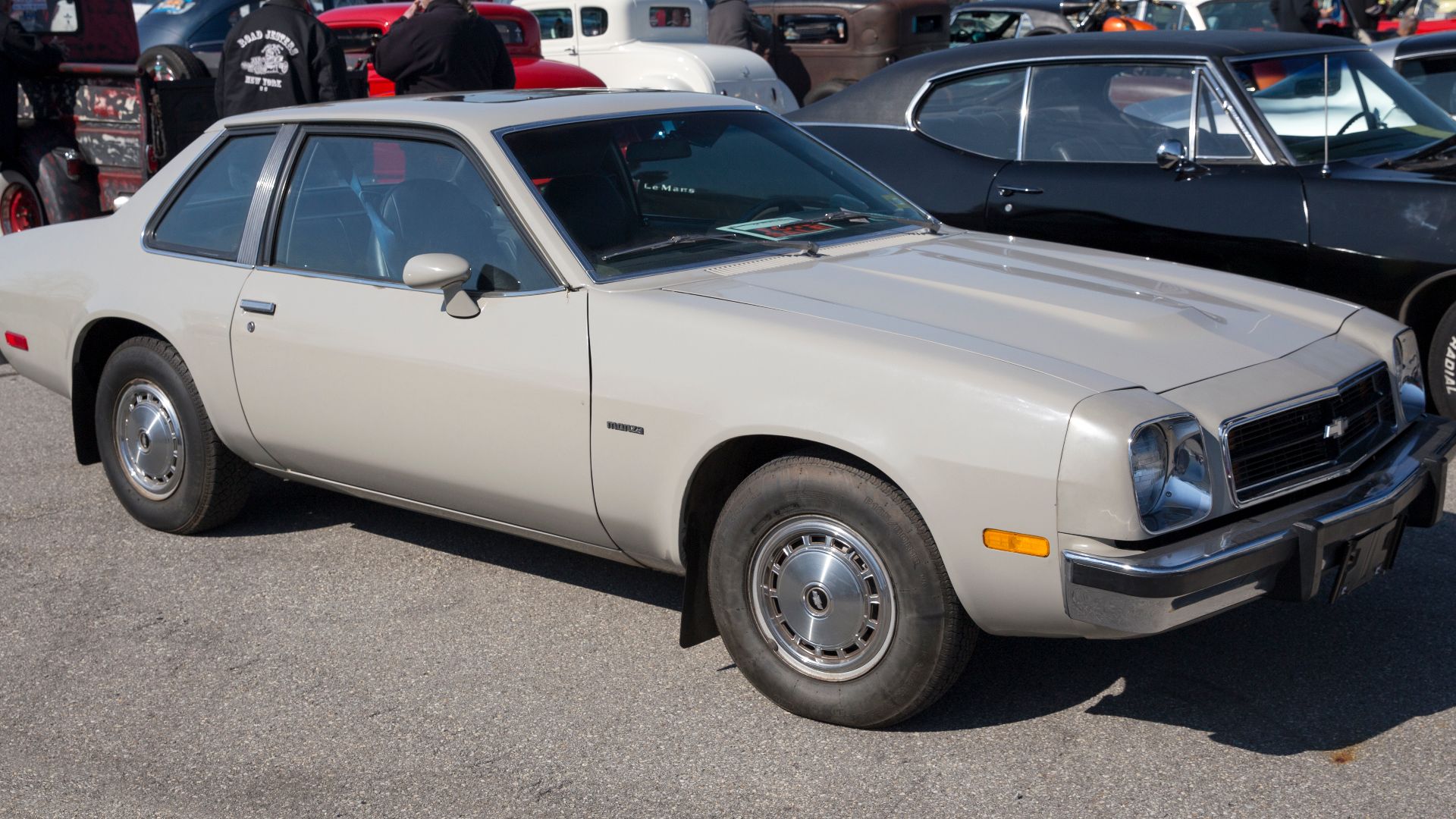 Mr.choppers, Wikimedia Commons
Pontiac Astre
Pontiac's Astre shared its basic engineering with the Chevrolet Vega but featured unique styling touches. Although it inherited many of the Vega's mechanical shortcomings, it still attracted buyers seeking a compact Pontiac alternative.
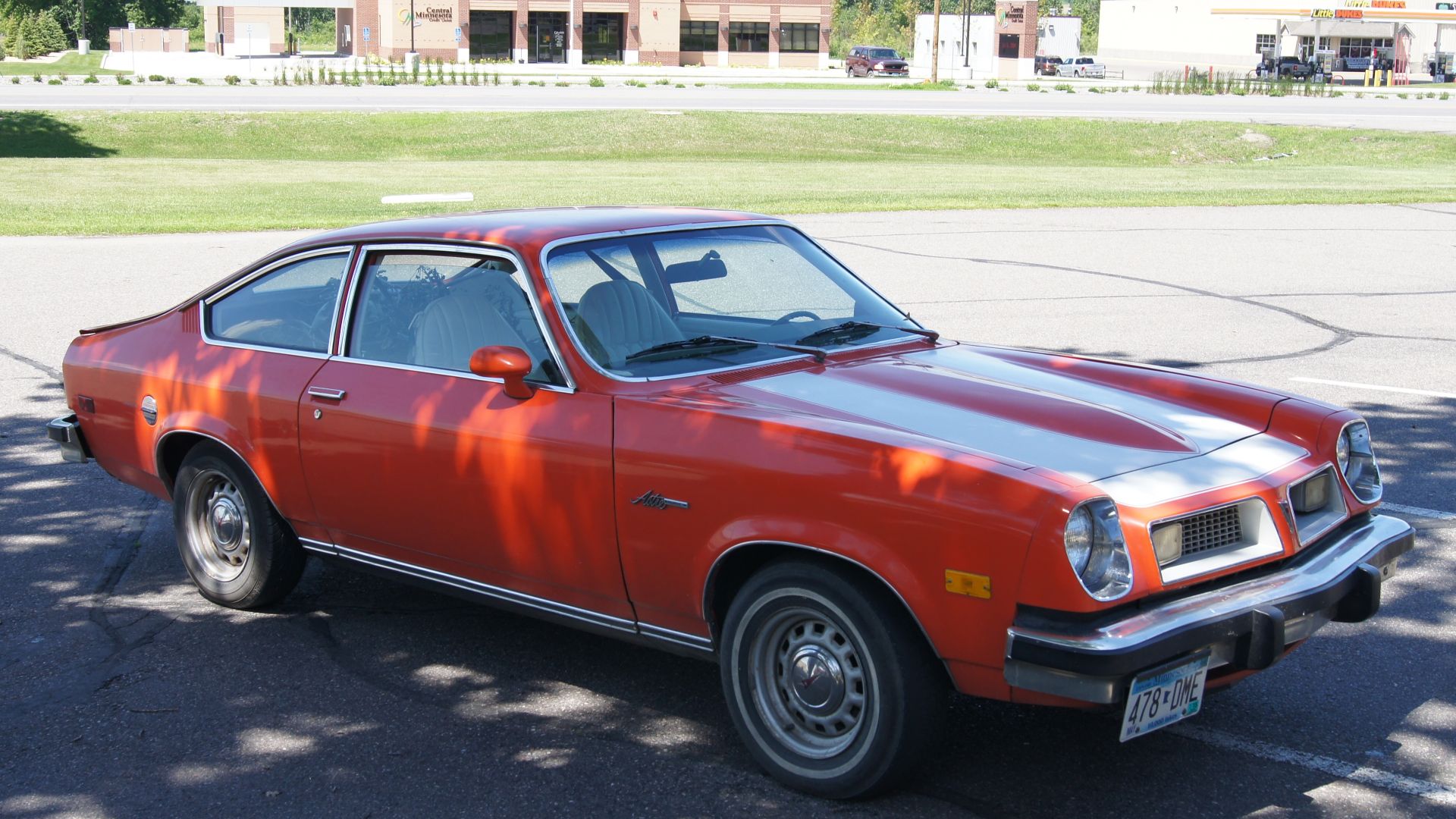 Greg Gjerdingen, CC BY 2.0, Wikimedia Commons
Buick Skyhawk
The Buick Skyhawk demonstrated that compact cars could also be somewhat upscale. Sharing GM's H-body platform, it offered more luxurious trim while still appealing to buyers who wanted a smaller, more fuel-efficient vehicle.
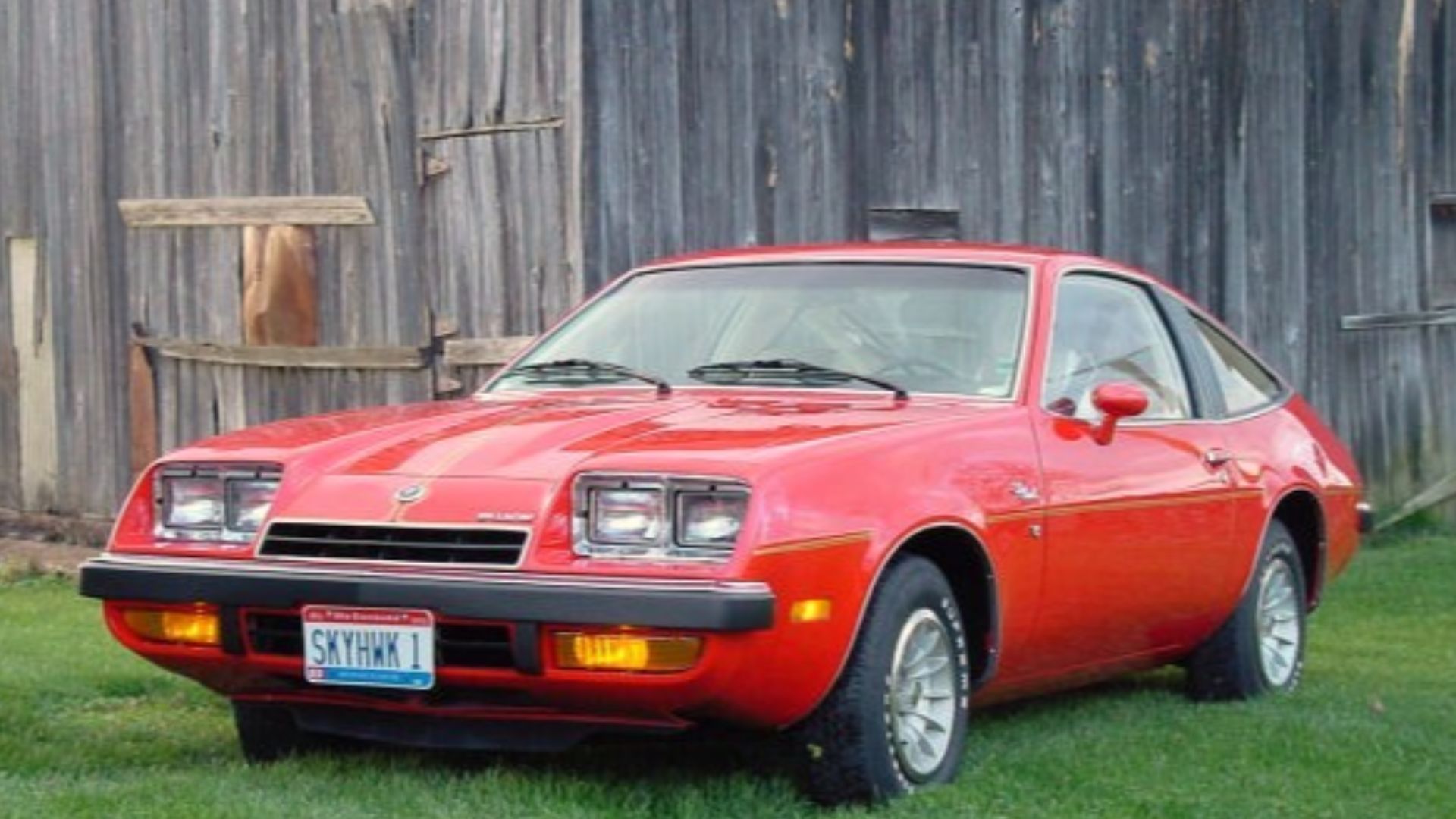 Bradley L. Conley, Wikimedia Commons
Mercury Bobcat
Mercury's Bobcat essentially rebadged the Ford Pinto with revised styling and upgraded trim. It gave Mercury dealers an economical entry-level model while benefiting from the Pinto's widespread popularity.
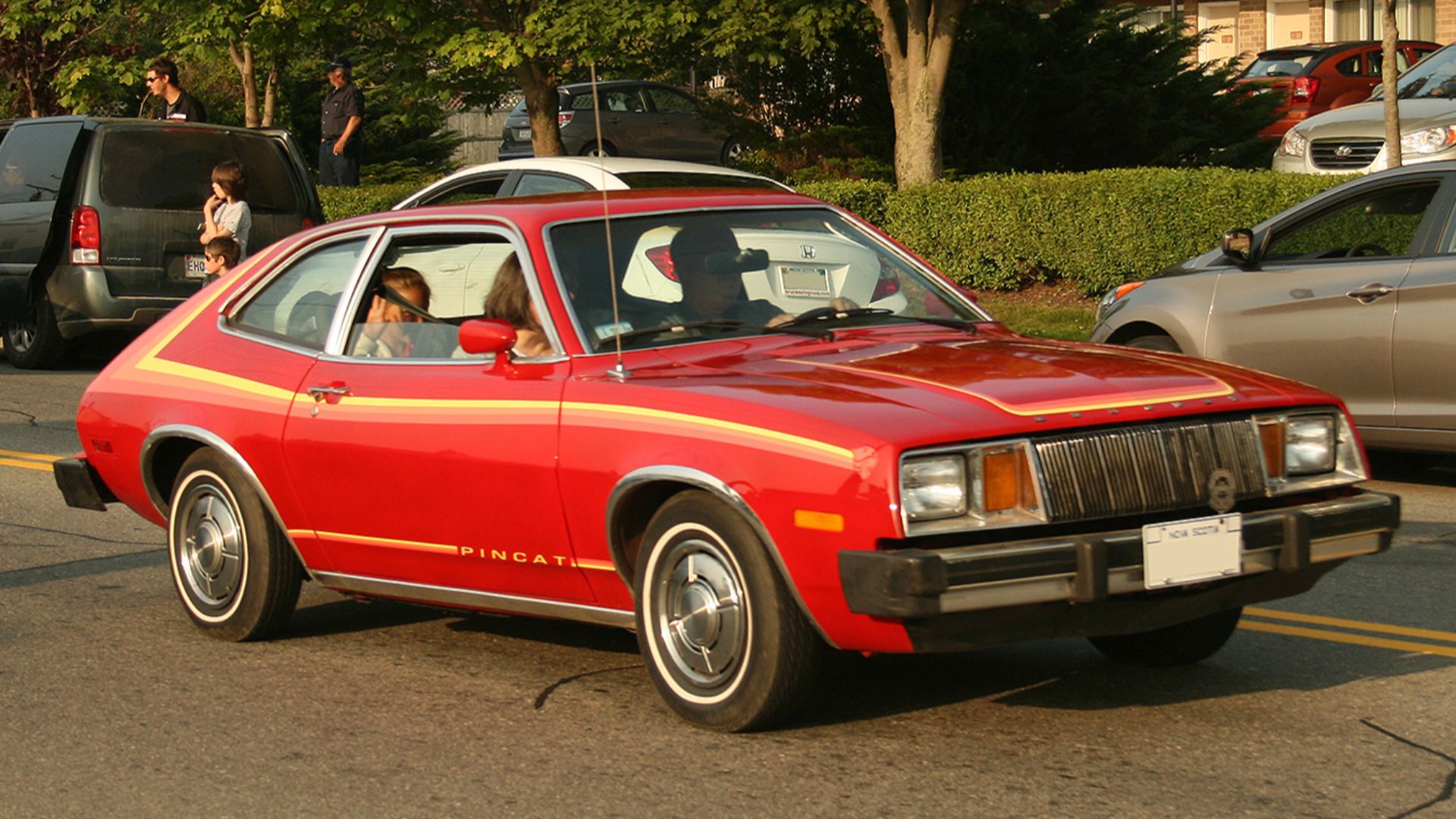
Mercury Capri
Imported from Europe, the Mercury Capri provided sporty styling in a compact package. It appealed to younger buyers seeking something more distinctive than traditional American economy cars while helping Mercury broaden its customer base.
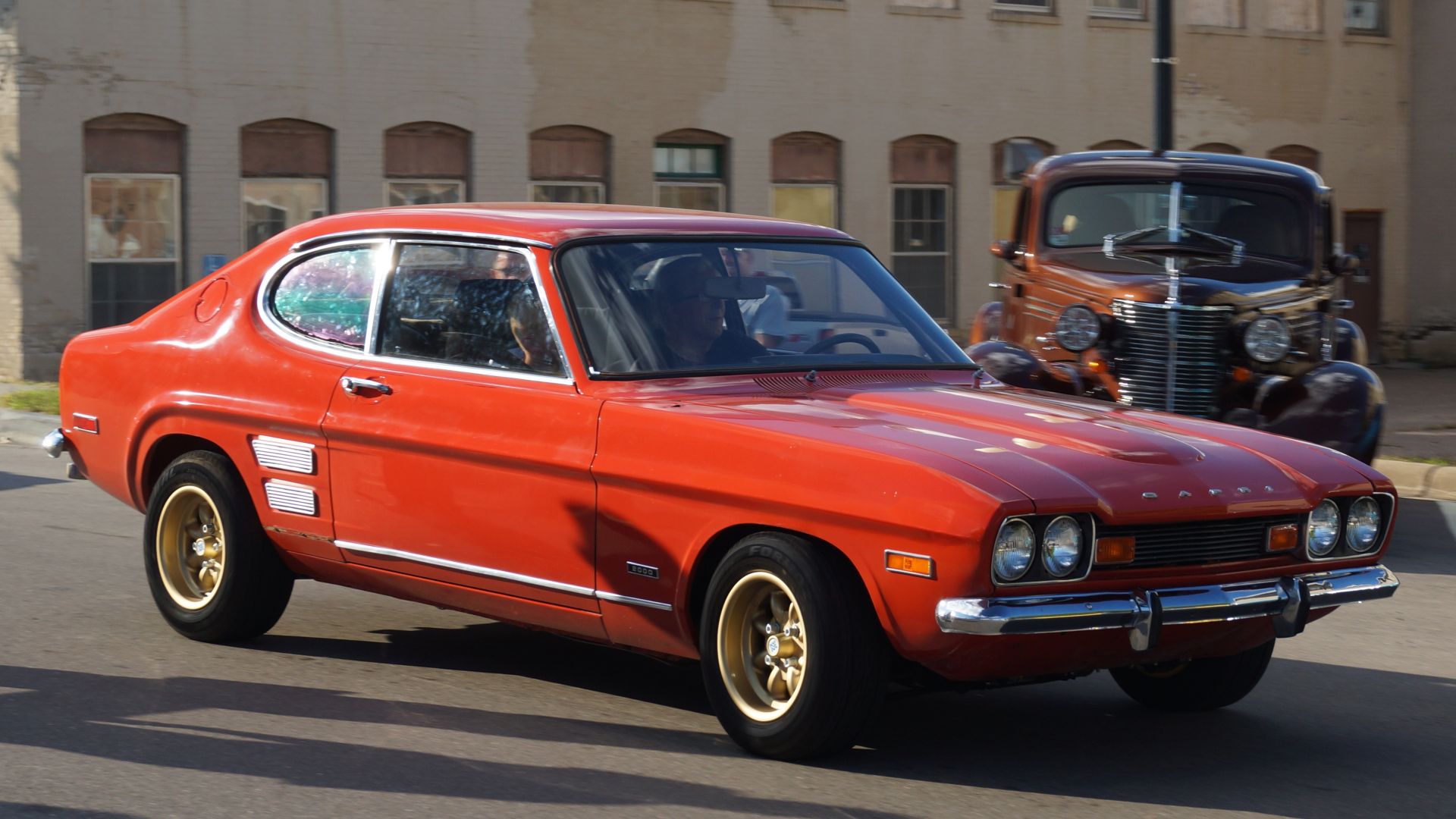 Greg Gjerdingen, CC BY 2.0, Wikimedia Commons
Mazda GLC
Mazda's Great Little Car lived up to its marketing slogan. The GLC combined lightweight engineering, good fuel economy, and dependable mechanicals, helping Mazda strengthen its growing presence in North America during the late 1970s.
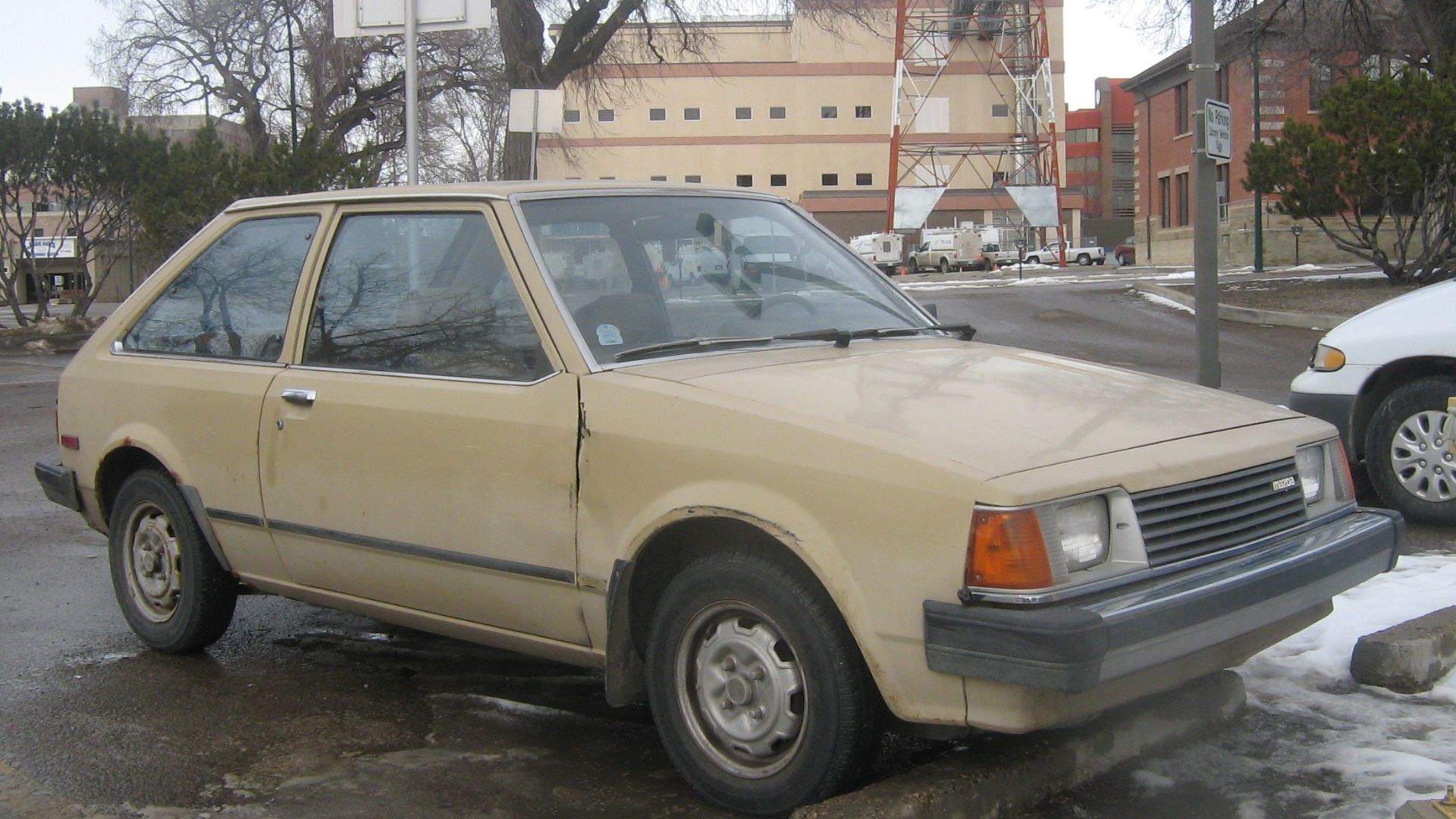
Subaru DL
Subaru's compact sedans and wagons introduced many American buyers to horizontally opposed engines and practical all-weather capability. Although sales were modest compared with larger competitors, Subaru established the loyal customer base it still enjoys today.
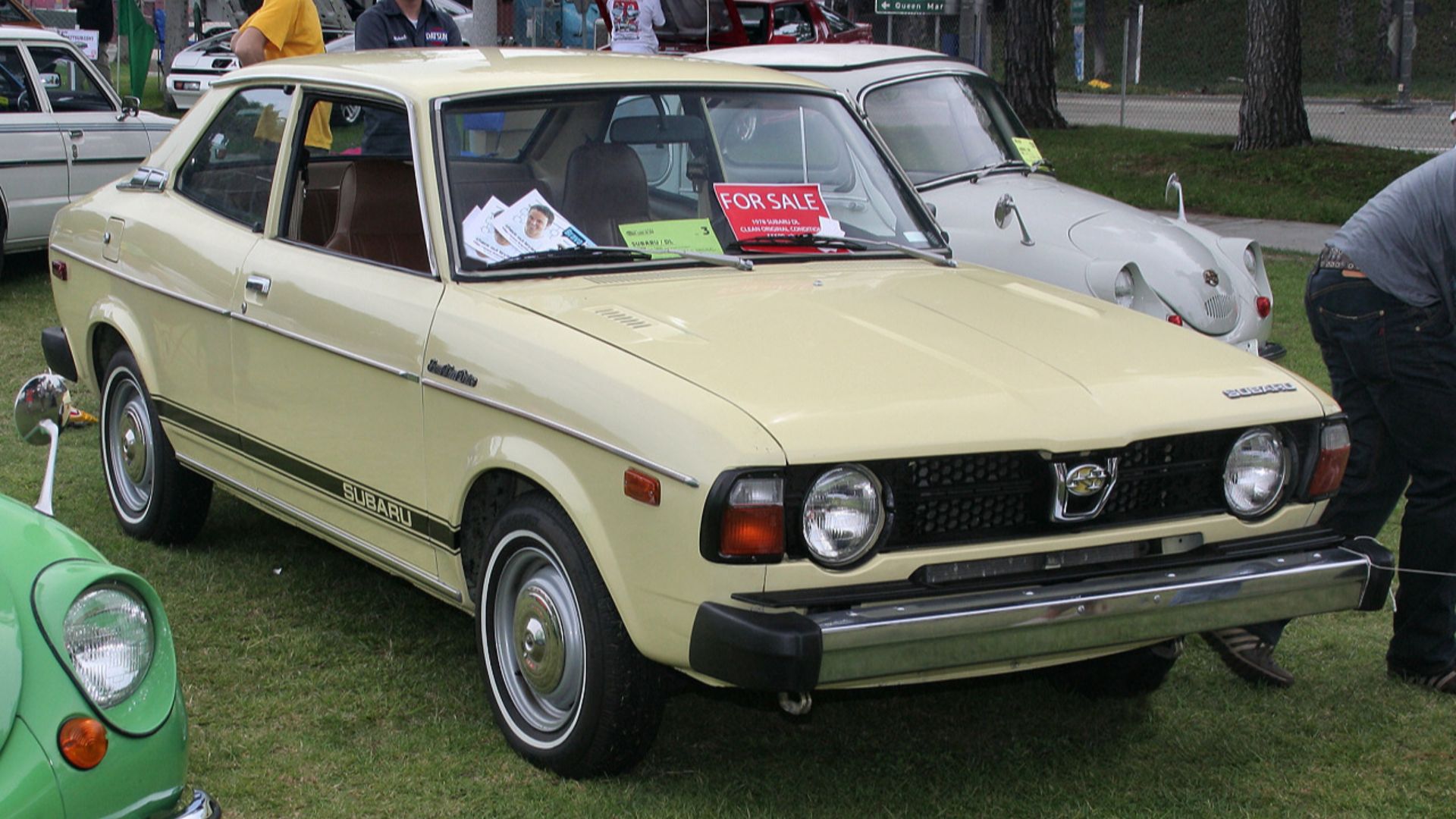 Rex Gray from Southern California;cropped by uploader Mr.choppers, Wikimedia Commons
Fiat 128
The Fiat 128 showcased advanced front-wheel-drive engineering and efficient packaging. While rust and reliability issues hurt its long-term reputation, its design influenced numerous later compact cars produced around the world.
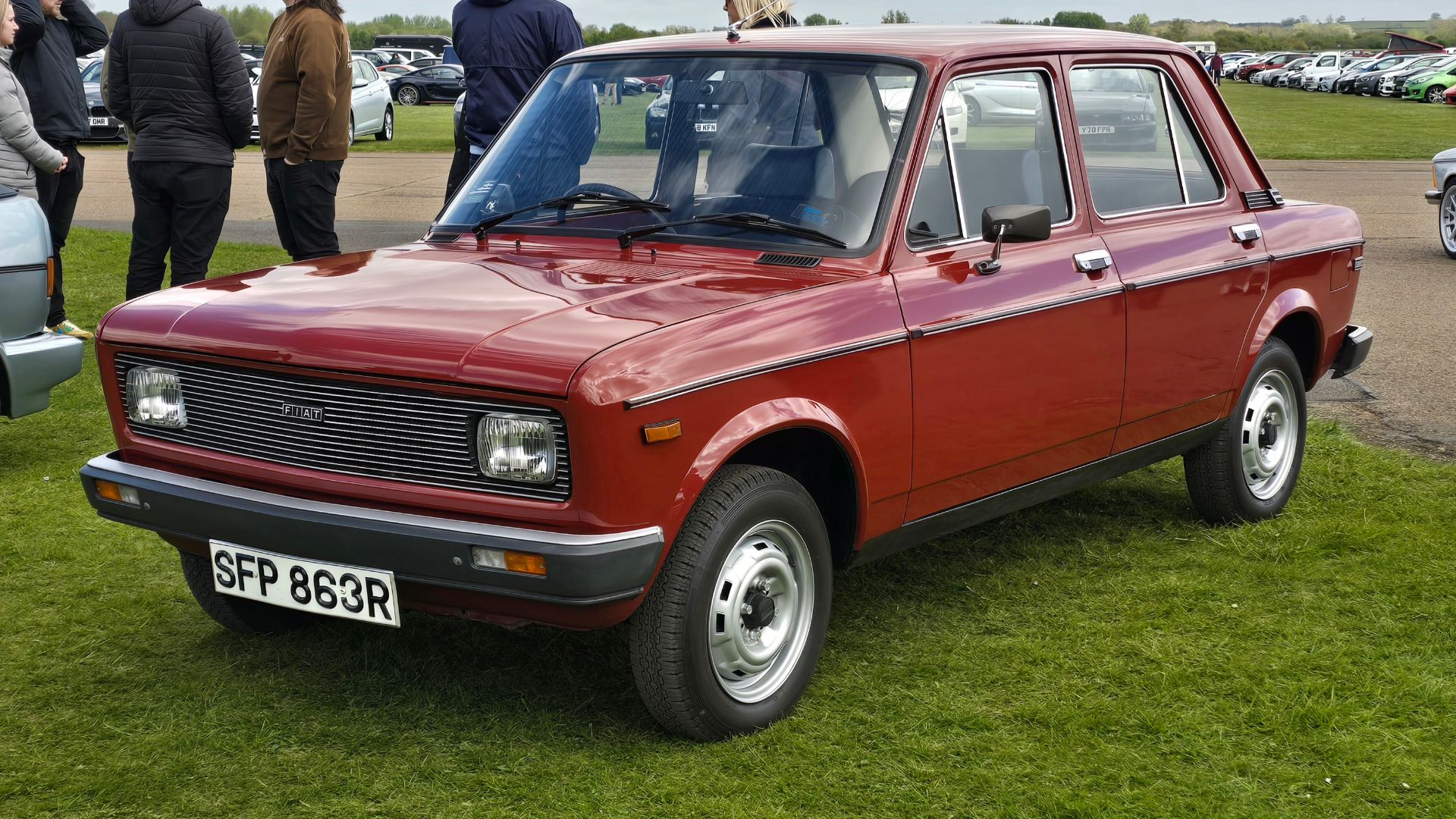
Renault Le Car
Known elsewhere as the Renault 5, the Le Car arrived in North America late in the decade. Its cheerful styling, hatchback practicality, and European personality earned a devoted following despite limited sales compared with Japanese competitors.
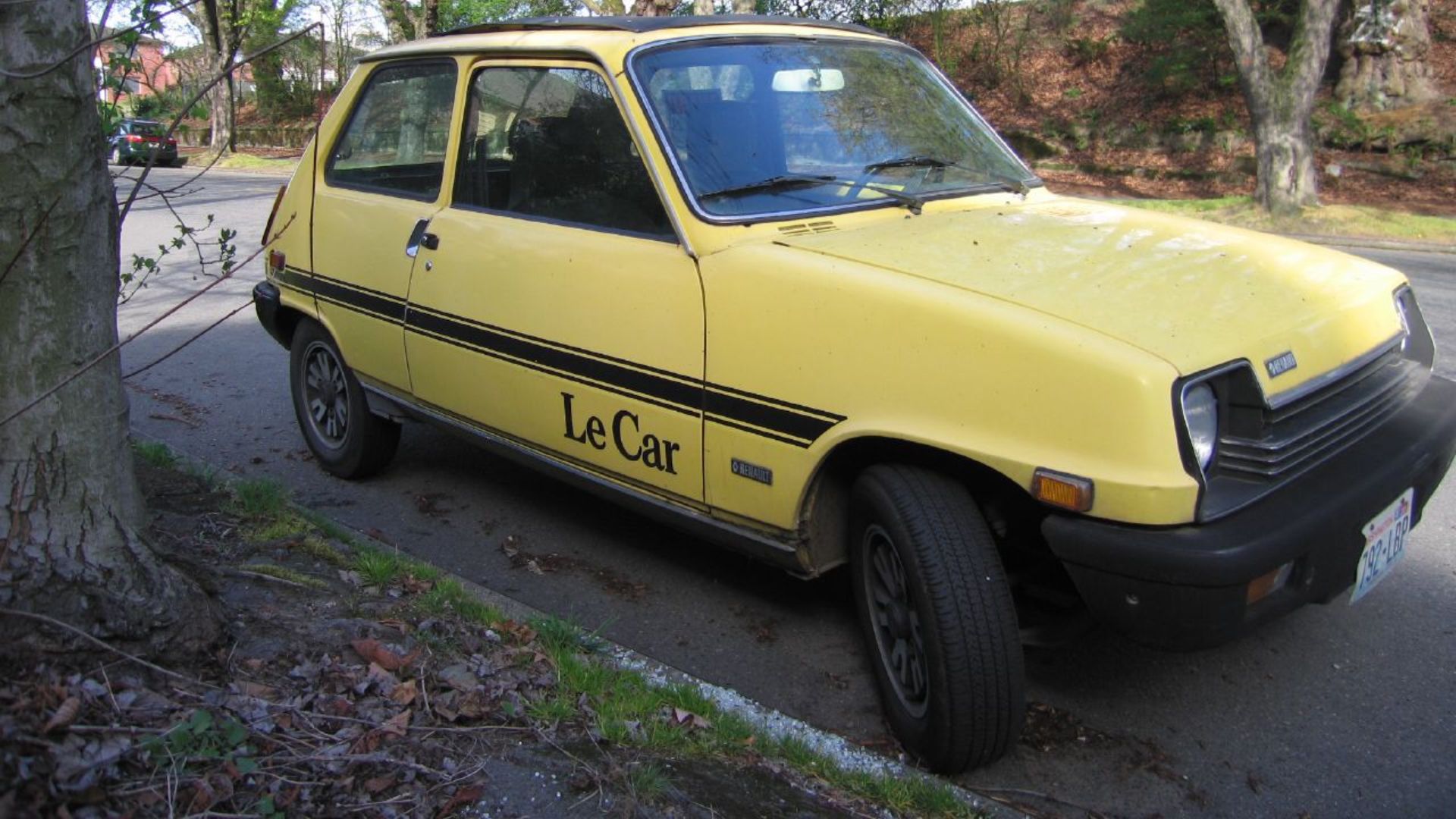 Jonathan Kellenberg from Seattle, WA, Wikimedia Commons
Fuel Prices Changed Buying Habits
The 1973 oil crisis dramatically altered consumer priorities. Buyers who had previously favored large V8-powered sedans suddenly began seeking economical compact cars capable of traveling farther on every gallon of gasoline.
 Warren K. Leffler, U.S. News & World Report Magazine, Wikimedia Commons
Imports Went Mainstream
Japanese manufacturers spent the decade proving their reliability and quality. By offering dependable, fuel-efficient transportation, companies like Toyota, Honda, Datsun, and Mazda steadily increased market share at the expense of Detroit's traditional dominance.
Detroit Had To Adapt
Ford, General Motors, and Chrysler initially viewed compact cars as secondary products. The success of imports forced all three companies to invest heavily in entirely new generations of smaller, more efficient vehicles throughout the decade.
Front-Wheel Drive Took Hold
By the late 1970s, front-wheel drive was emerging as the future of compact cars. Models like the Volkswagen Rabbit, Dodge Omni, and Plymouth Horizon demonstrated better packaging efficiency and influenced nearly every compact developed during the following decade.
The Compact Car Revolution
Many of these cars have disappeared from today's roads, but their influence remains enormous. They permanently changed what North American buyers expected from everyday transportation and paved the way for the efficient, practical compact cars that dominate roads today.
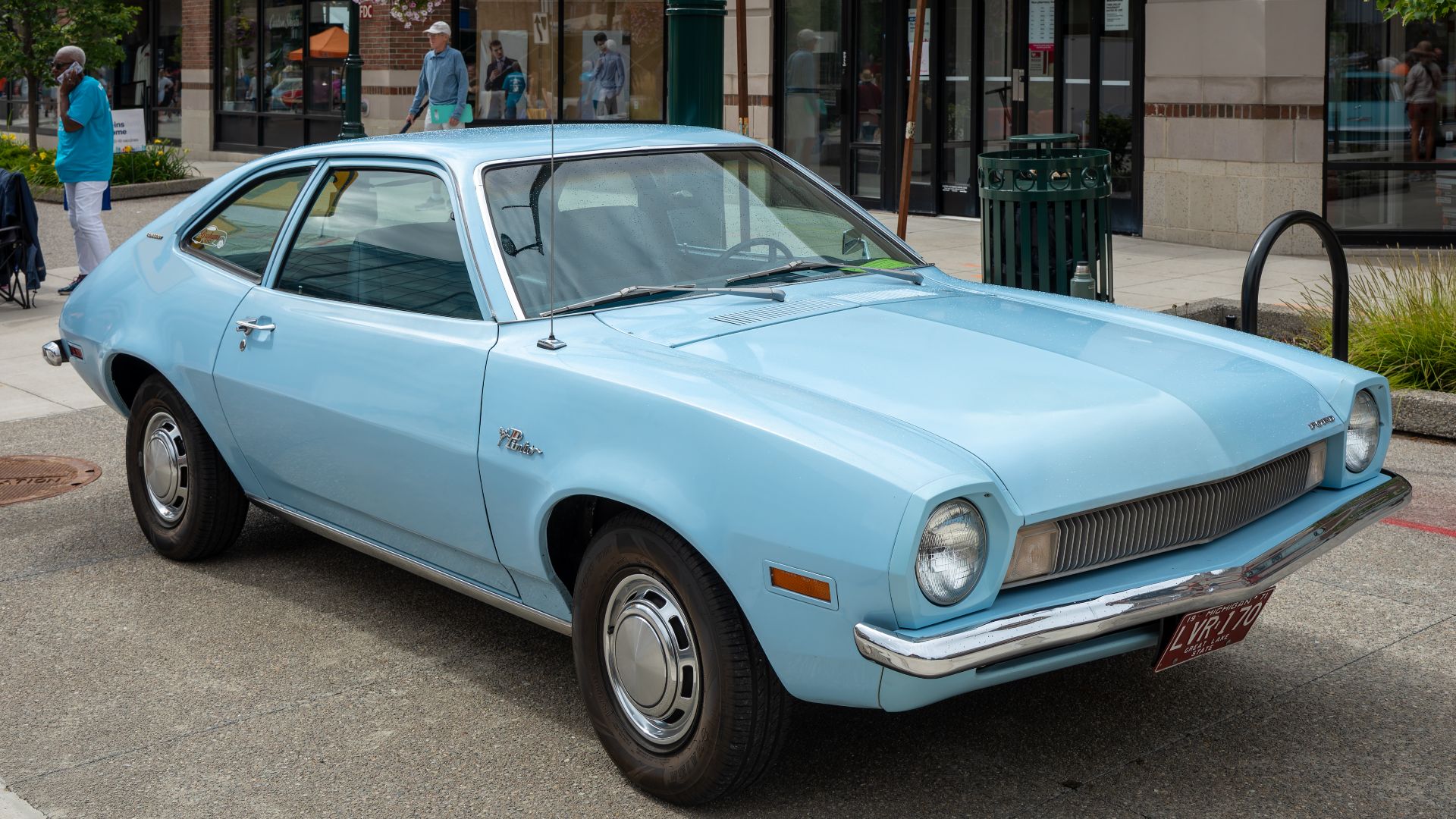 Mustang Joe, Wikimedia Commons
You May Also Like:
Cars From The 1970s That No One Remembers—Seriously, Do You Remember Even 5 Of These Vehicles?
Every Motor Trend Car Of The Year Winner From The 1970s—And The Car That Actually Should Have Won
If You Were A 70s Teen, These Cars Definitely Appeared In Your Dreams

.jpg)
.jpg)
.jpg)