One Outlet, Two Very Different Ideas About “Shared”
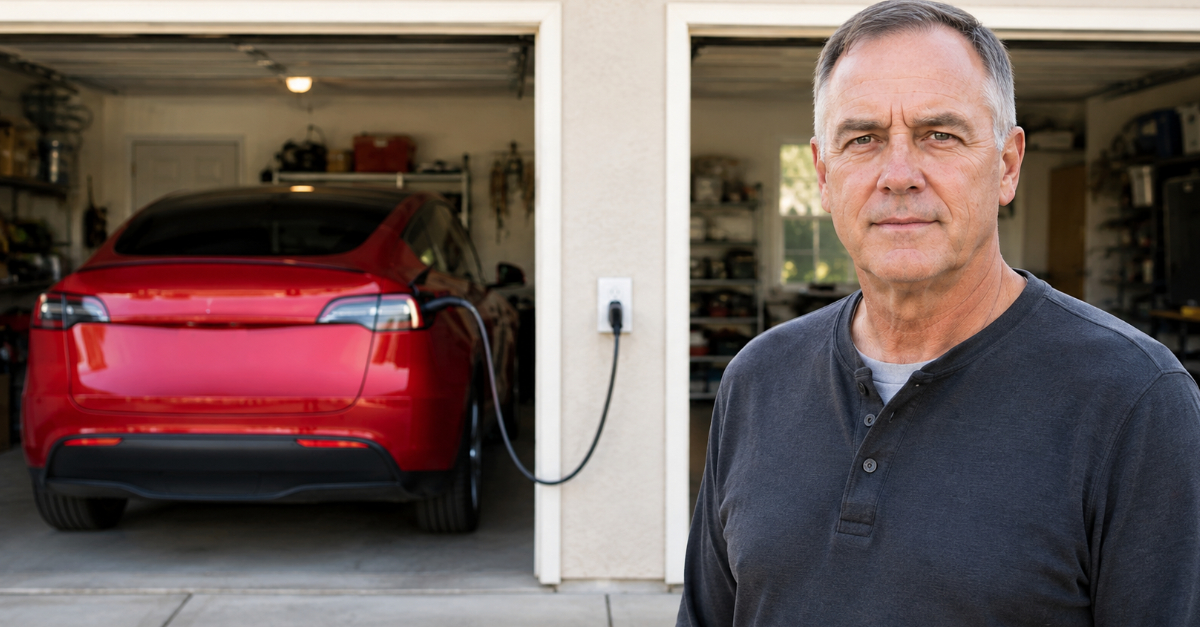
A shared garage can make boundaries fuzzy fast. One neighbor sees an outlet beside both parking spaces and thinks it is there for everyone. The other sees an EV plugged into it for hours and starts wondering exactly whose electric bill is filling that battery. So who is actually paying?
Start With The Meter
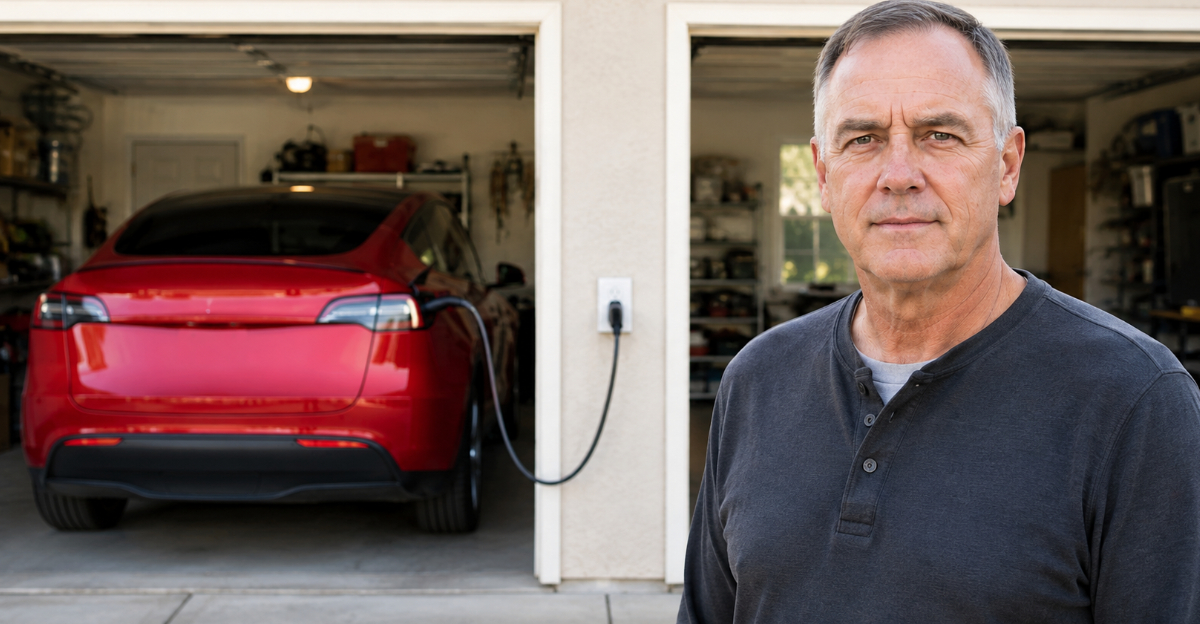
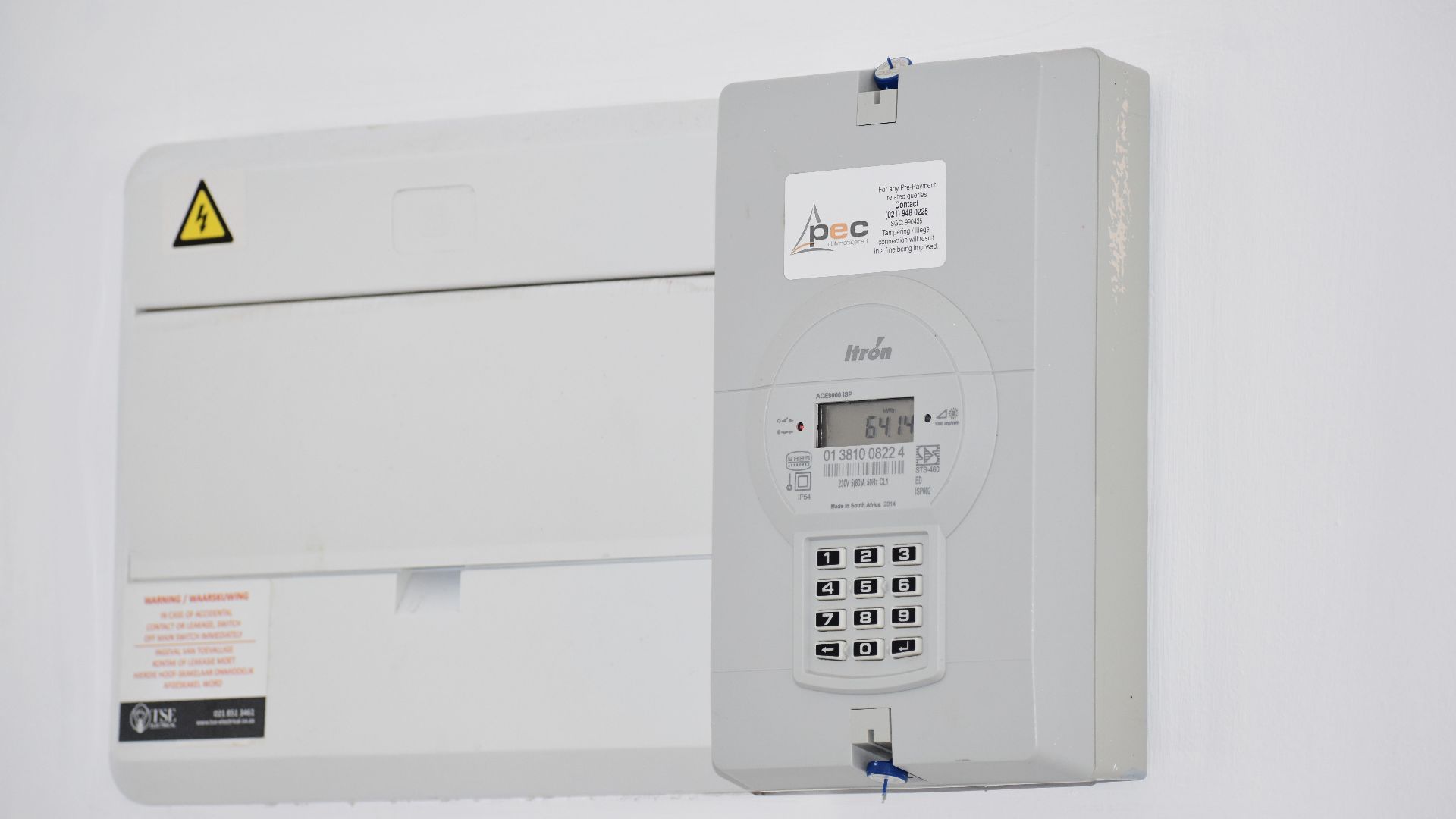
The outlet being in a shared garage does not necessarily mean the electricity is shared. What really matters is which electrical meter and utility account supplies that outlet. Until that is figured out, it is impossible to know whose money is actually being used.
It Could Be Connected To One Unit
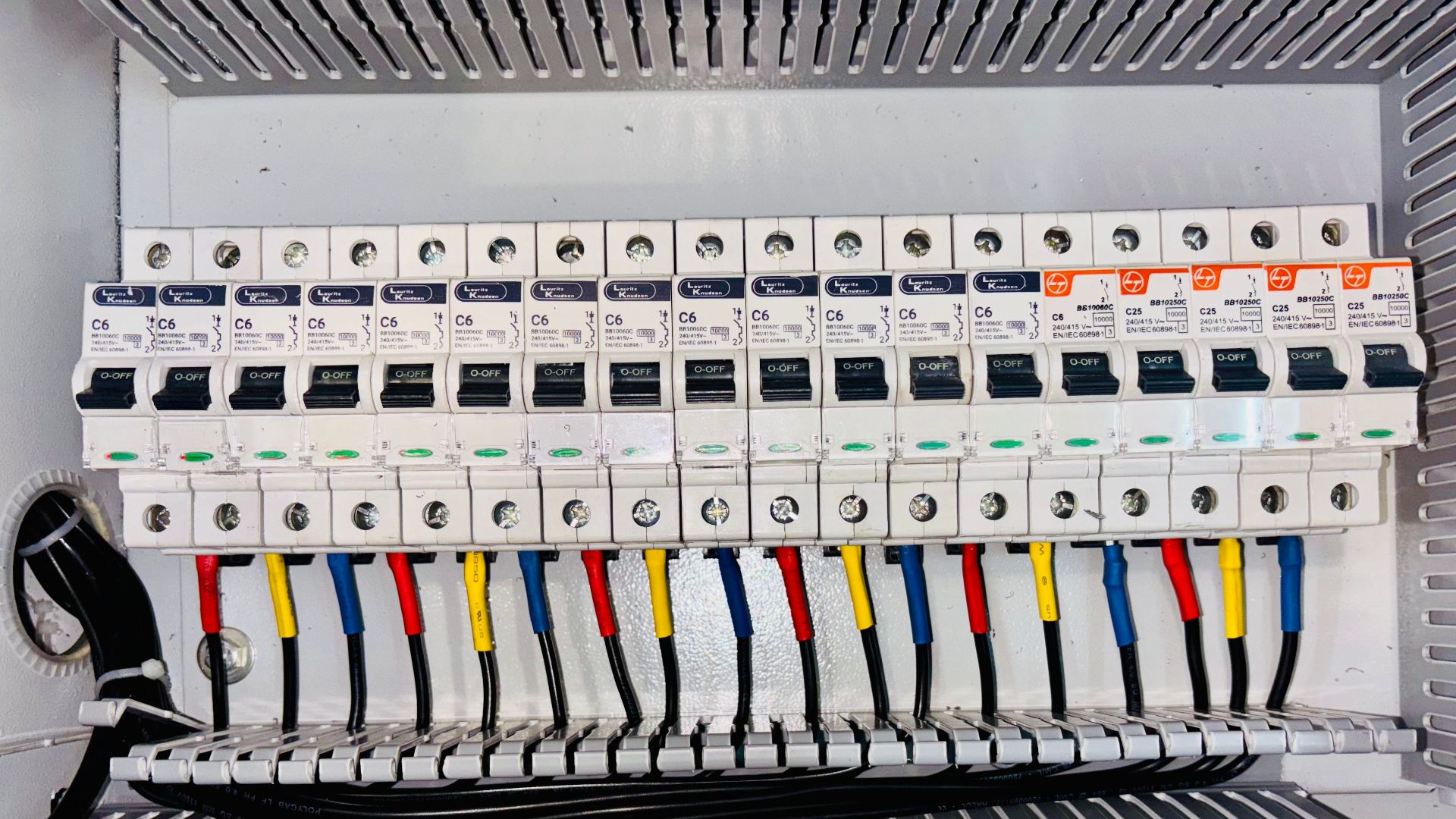
In some older, converted or unusually wired multi-unit properties, an outlet sitting in a common-looking garage may actually be connected to one resident’s electrical panel. Modern electrical codes generally separate common-area circuits from individual dwelling circuits, but unusual setups still exist. If the outlet is on one resident’s meter, that resident gets billed for the electricity the EV uses.
Or It Could Be Common-Area Electricity
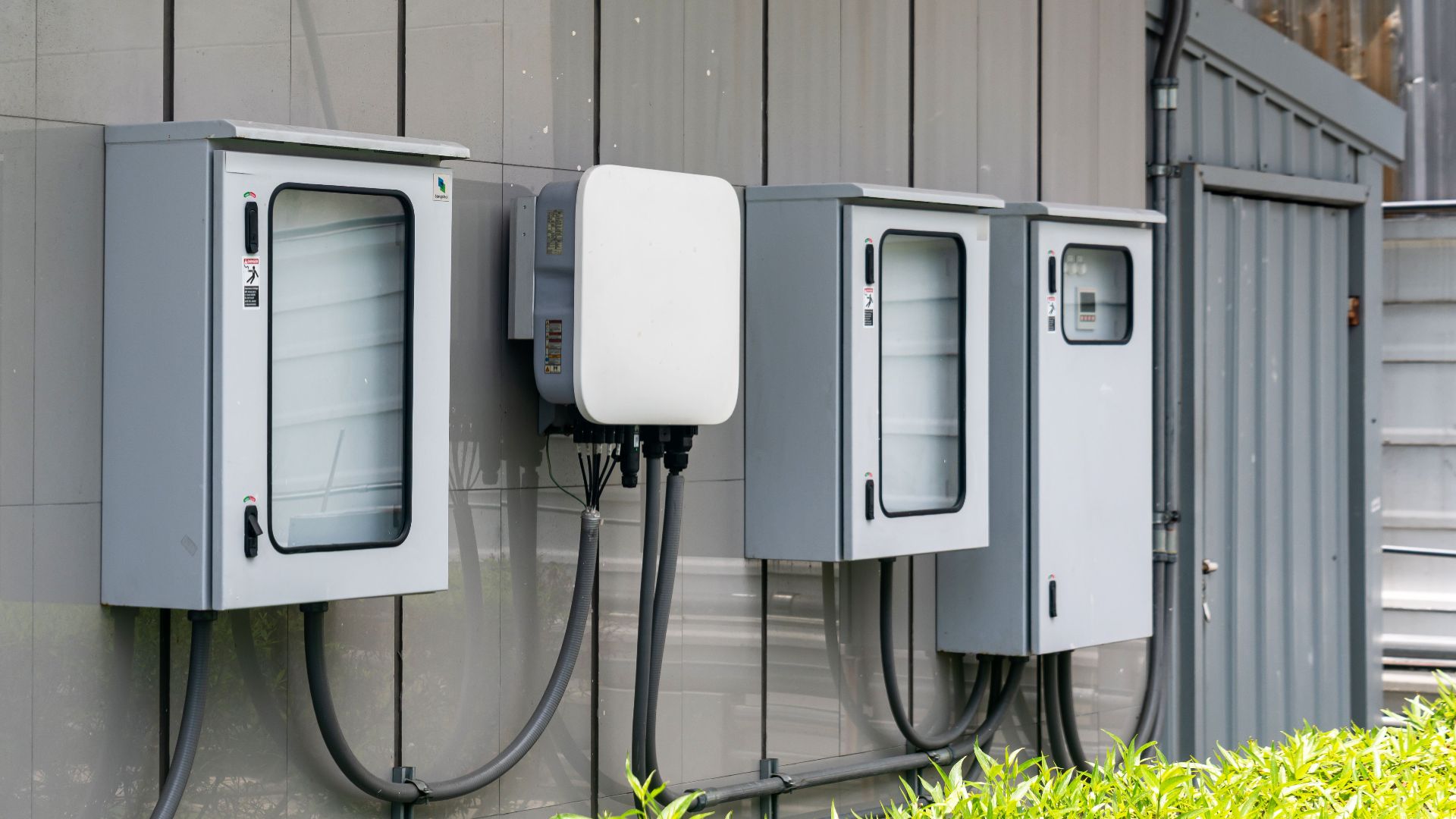
The outlet might instead be connected to a common-area meter paid by a landlord, condo association or homeowners association. That changes who receives the electric bill, but it does not make the electricity free. Someone is still paying for every charging session.
And That Someone Could Be Everyone
If a condo or HOA pays the garage electricity from common funds, owners may effectively be sharing the cost through their dues or assessments. U.S. Department of Energy guidance for multifamily EV charging specifically identifies metering and billing as issues properties need to address so charging costs can be assigned appropriately.

A Shared Outlet Is Not Automatically A Free Charger
This is the part that can cause arguments. Having access to an electrical outlet is not necessarily permission to use it for any purpose whatsoever. Charging an EV can mean drawing electricity continuously for hours, which is very different from briefly plugging in a vacuum or power tool.
Even A Regular Wall Outlet Can Charge An EV
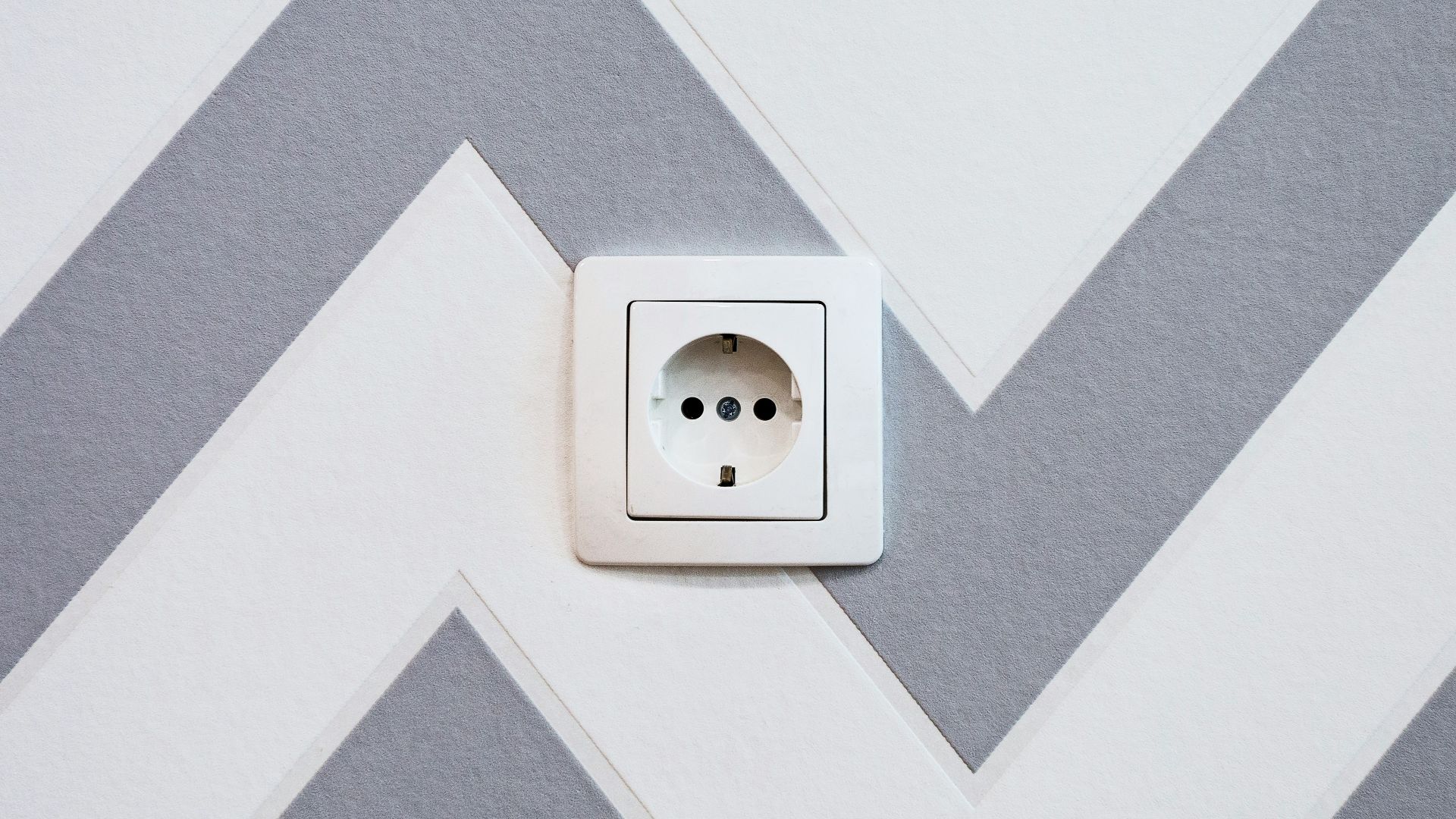
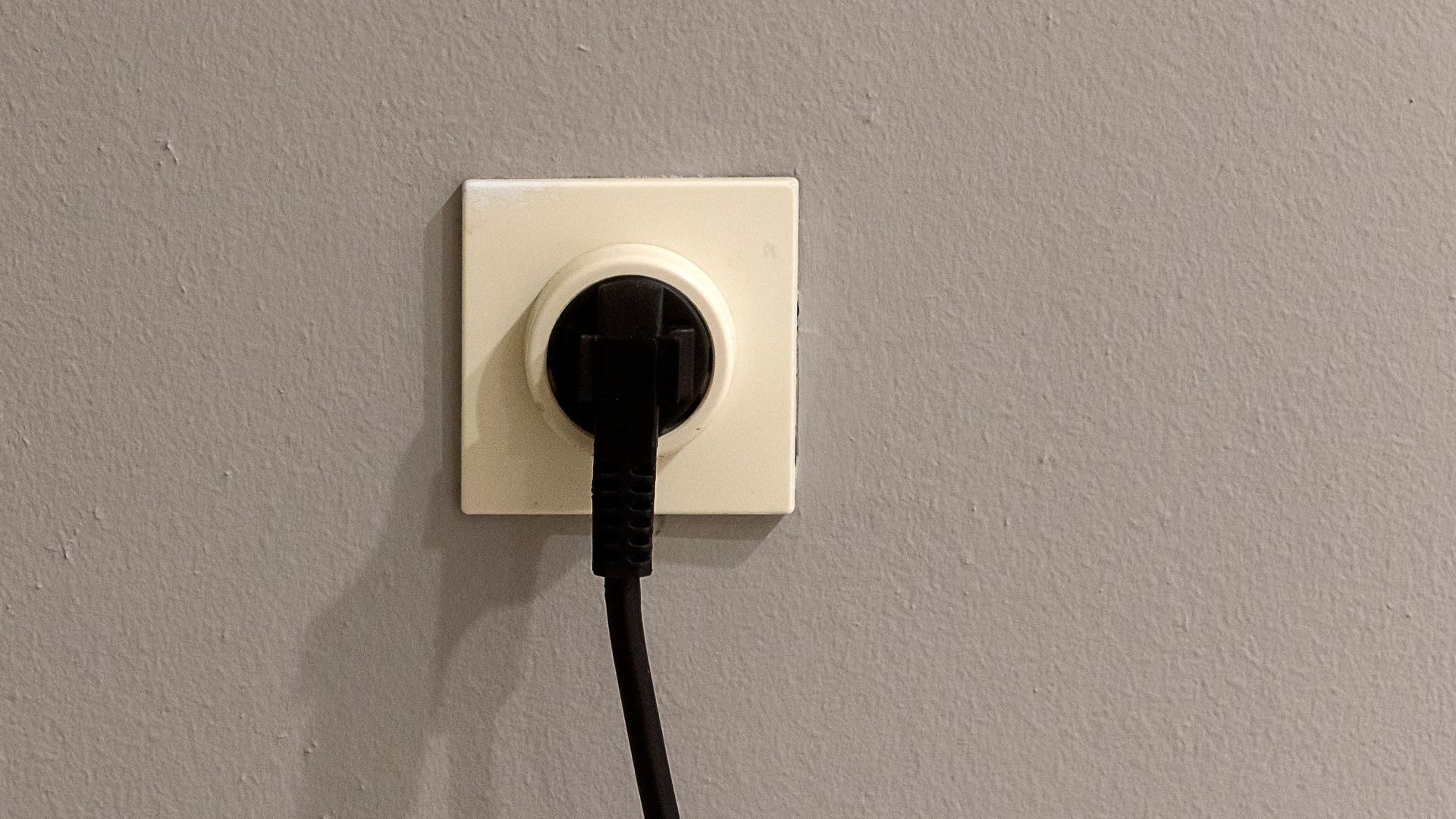
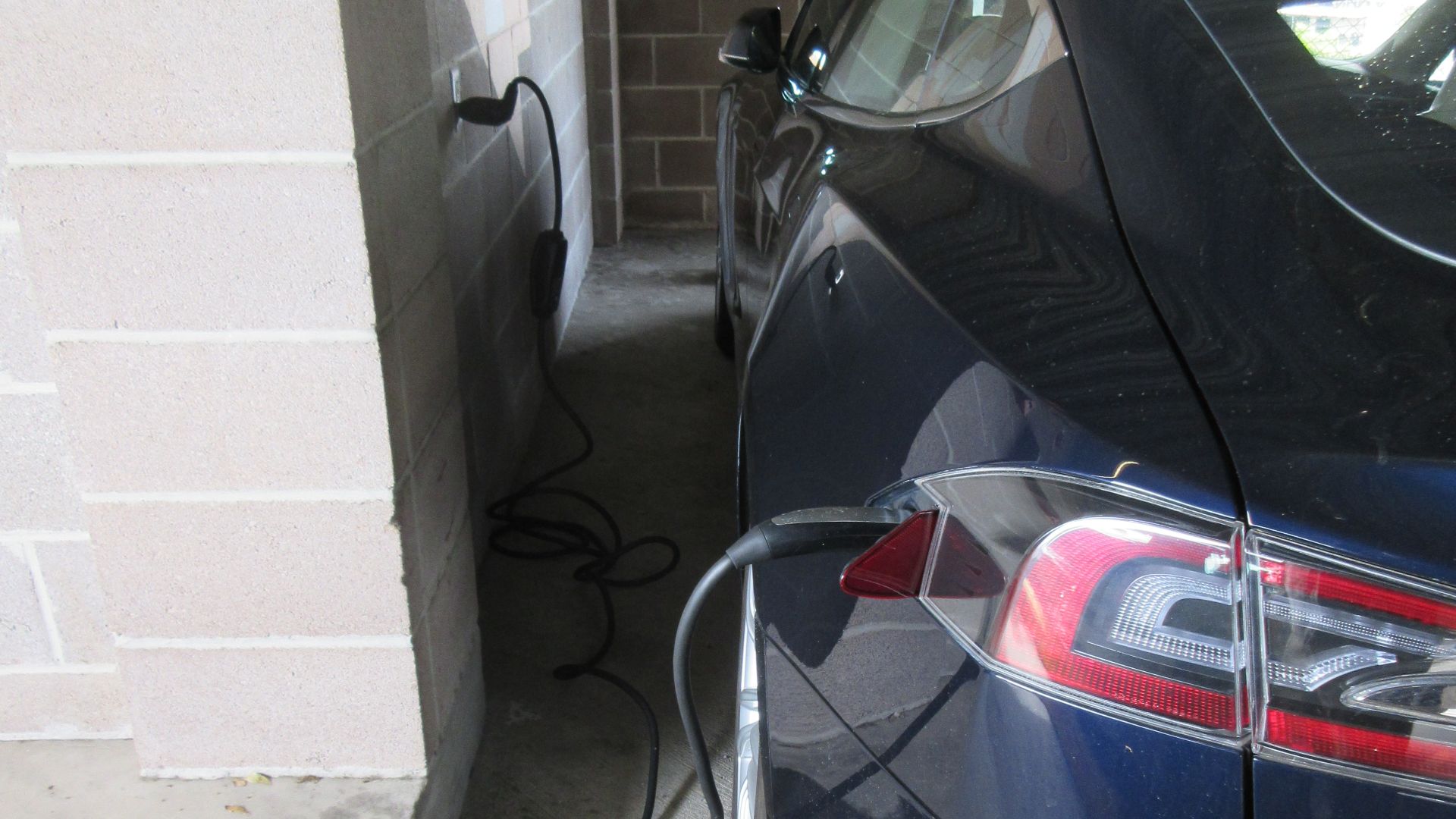
No special charging station is necessarily required. Level 1 EV charging can use an ordinary 120-volt household outlet. The U.S. Department of Energy says this type of charging generally adds only a few miles of driving range each hour, but the vehicle may remain connected for many hours at a time.
It May Be More Money Than It Looks
A typical Level 1 EV cord can draw around 1.4 kilowatts. Leave it plugged in for eight hours and that is roughly 11 kilowatt-hours of electricity. At the May 2026 U.S. residential average electricity price, that works out to about $2 a night, or roughly $60 a month if it happens every day.
 Infrogmation of New Orleans, Wikimedia Commons
Check The Electric Panel
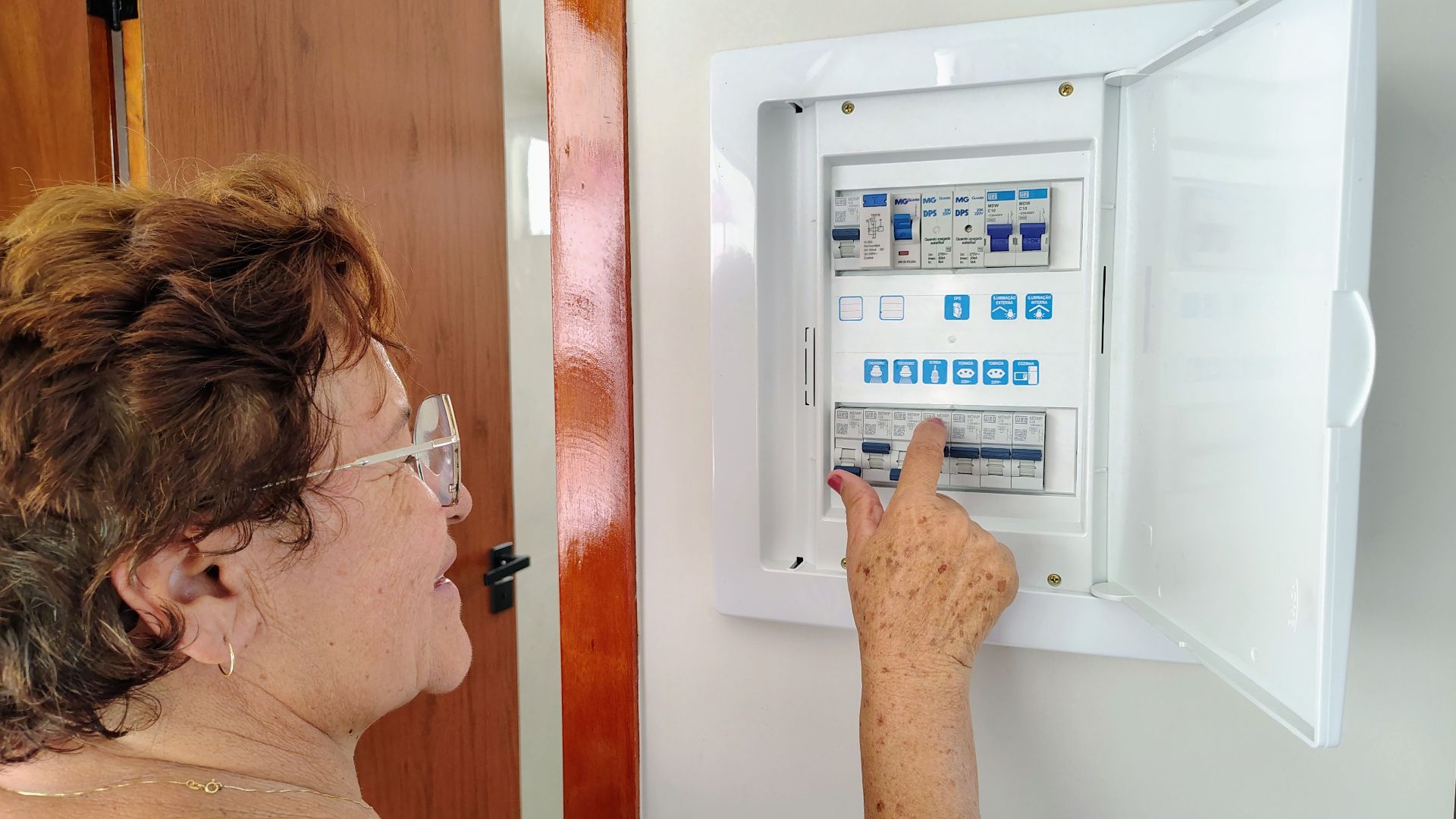
If the setup allows it, identifying the circuit feeding the garage outlet can quickly answer part of the mystery. A labeled breaker panel may show whether the receptacle belongs to one unit or to the building’s common electrical system. A landlord, property manager or electrician may also know.
Then Check The Paperwork
In a condo or HOA, the declaration, bylaws, rules and parking agreements may address electrical outlets, common utilities or EV charging. In a rental, the lease may say whether electricity is included, individually billed or apportioned among residents. Those details can completely change the answer.

Rental Properties Can Get Complicated
Utility billing rules for tenants vary considerably by location. Some jurisdictions tightly regulate when landlords can transfer electricity costs to tenants or divide common utility expenses. That means a landlord cannot necessarily invent a new EV fee or simply split an unexplained bill however they want.
Condo Rules Can Matter Just As Much
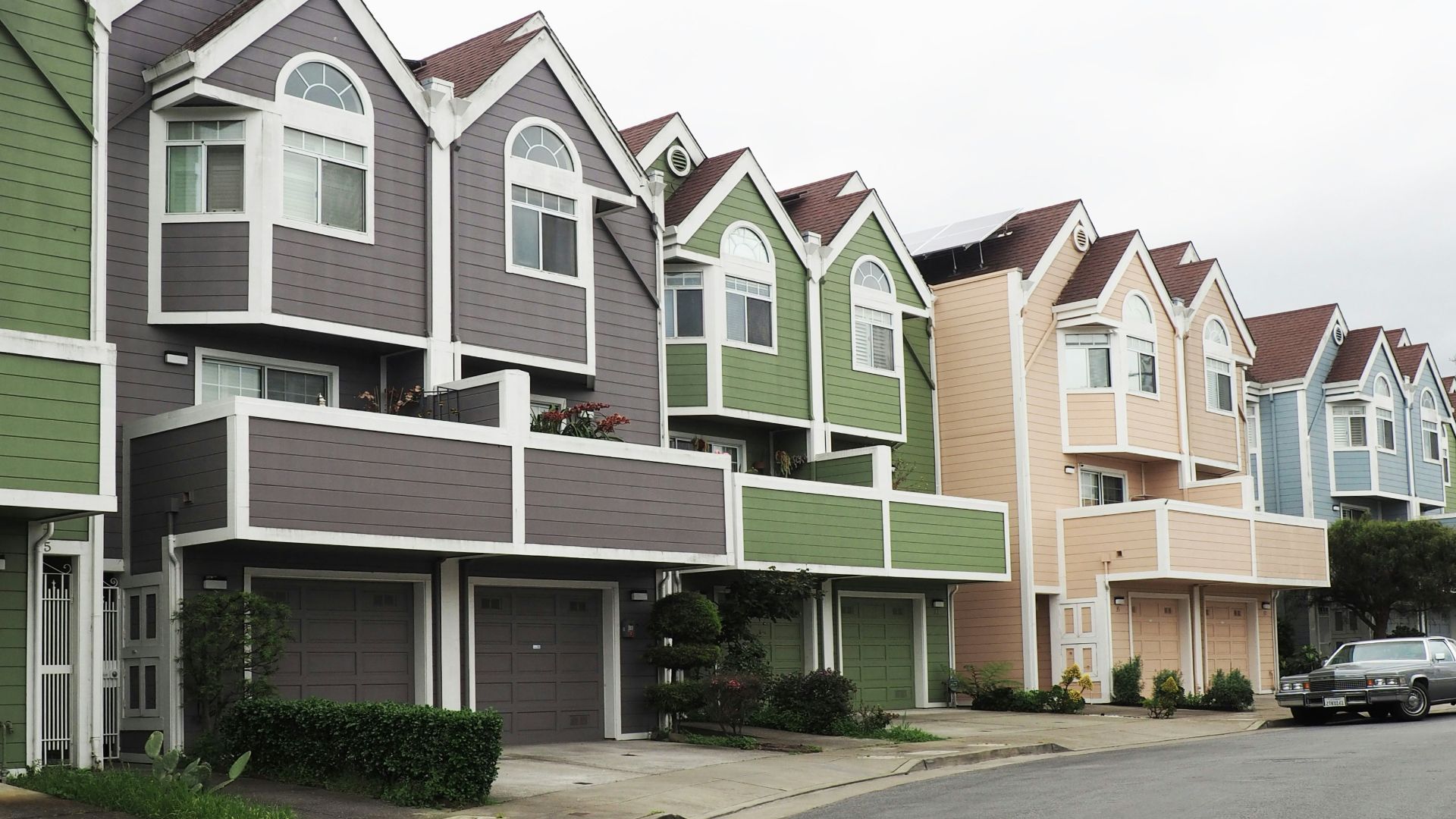
A condo board may allow owners to charge EVs while requiring them to reimburse the association for the electricity. Other buildings use monthly charging fees, dedicated meters or networked chargers capable of tracking individual consumption. The important part is that the arrangement is established instead of assumed.
A “Right To Charge” Doesn't Mean Free Electricity
Some states have laws that make it harder for landlords, condo boards or homeowners associations to prevent residents from installing EV charging equipment. But that does not automatically give someone the right to use communal electricity for free. In several states, residents using individually installed chargers are specifically responsible for the electricity they consume.
There Is A Reason Buildings Install Separate Meters
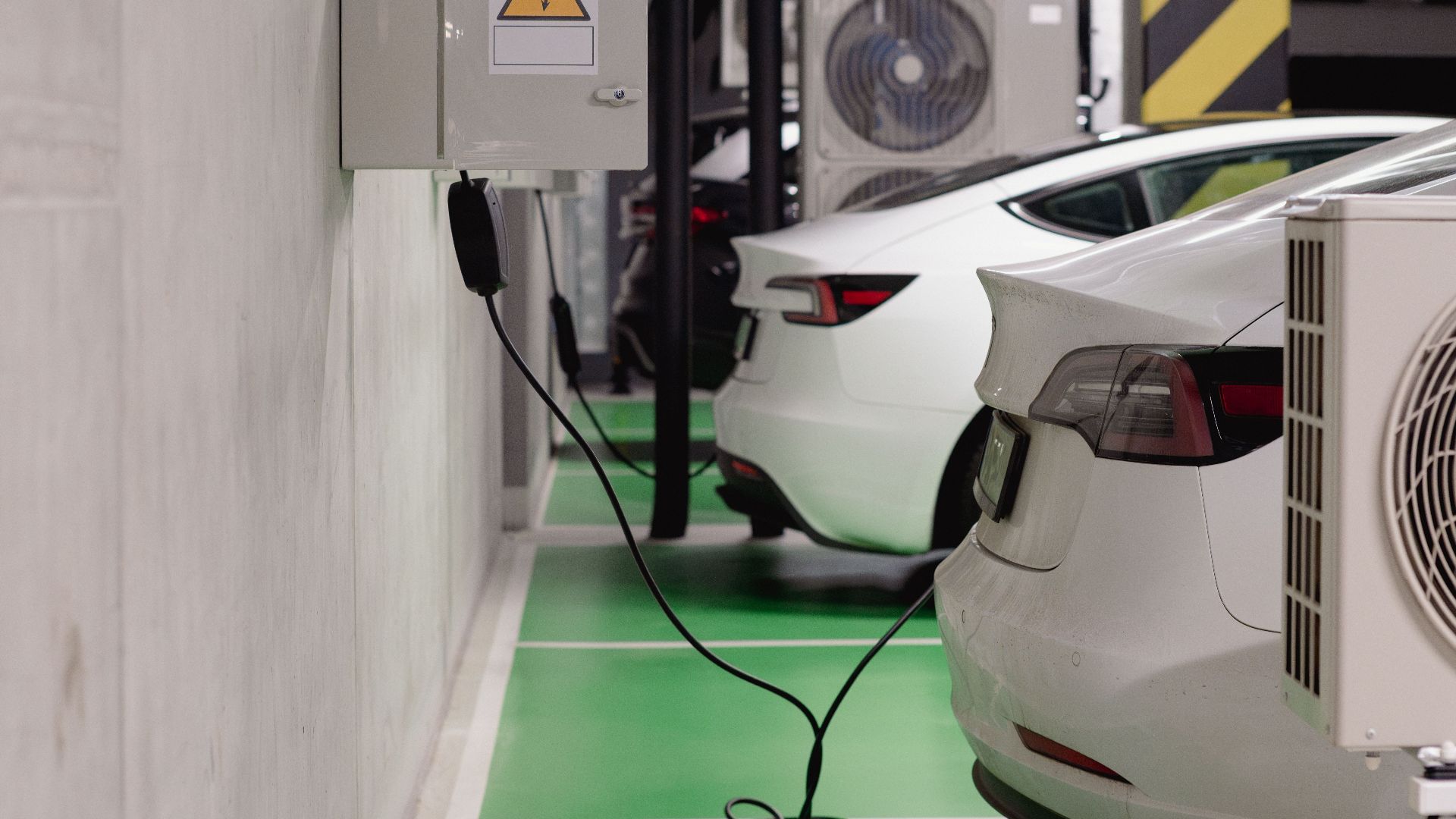
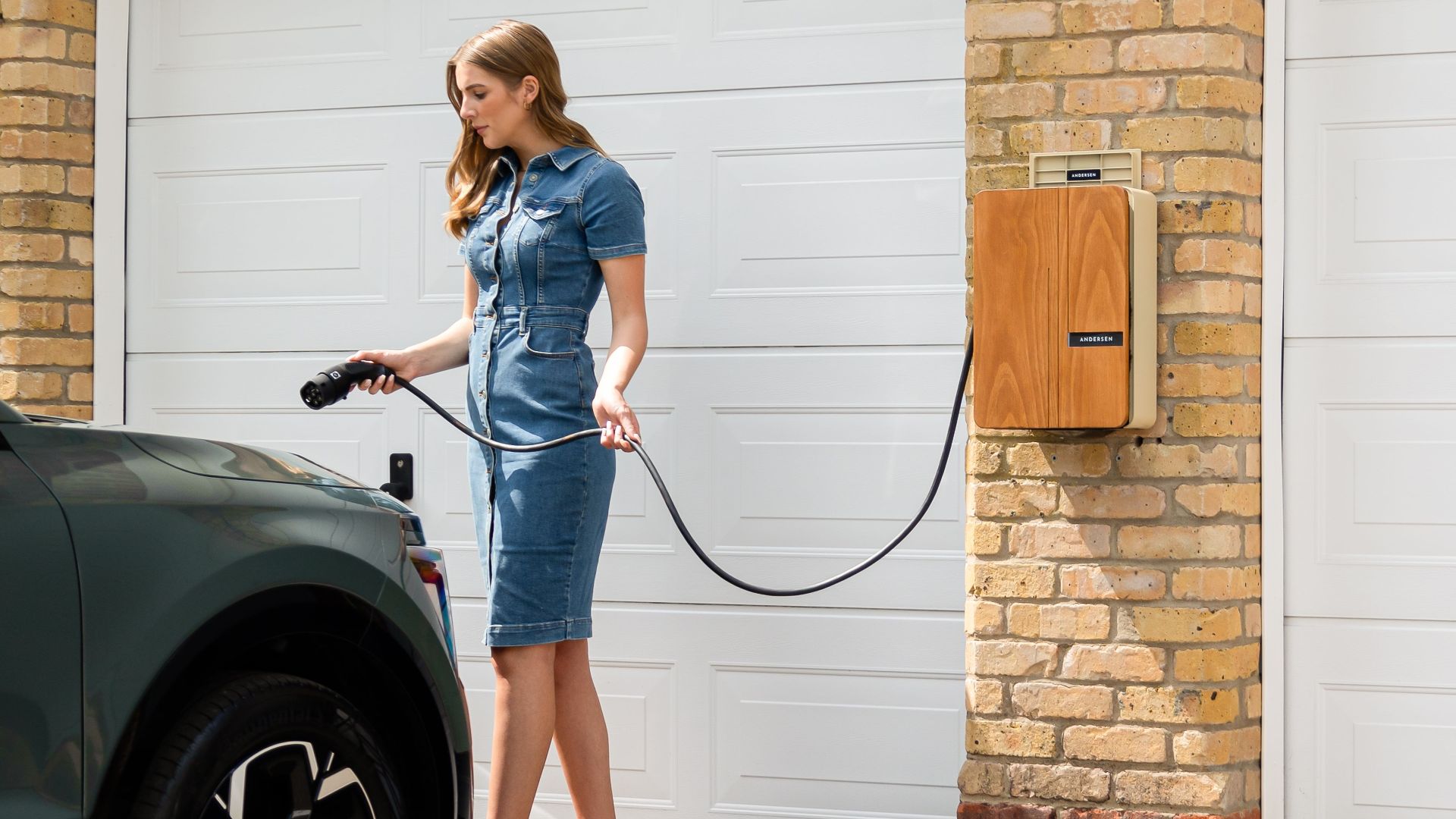
A separate EV meter or individually monitored charger removes most of this argument. Instead of trying to guess how much one vehicle consumed, the building can track the electricity used for charging and assign that cost to the person who actually used it.
Permission Matters Too
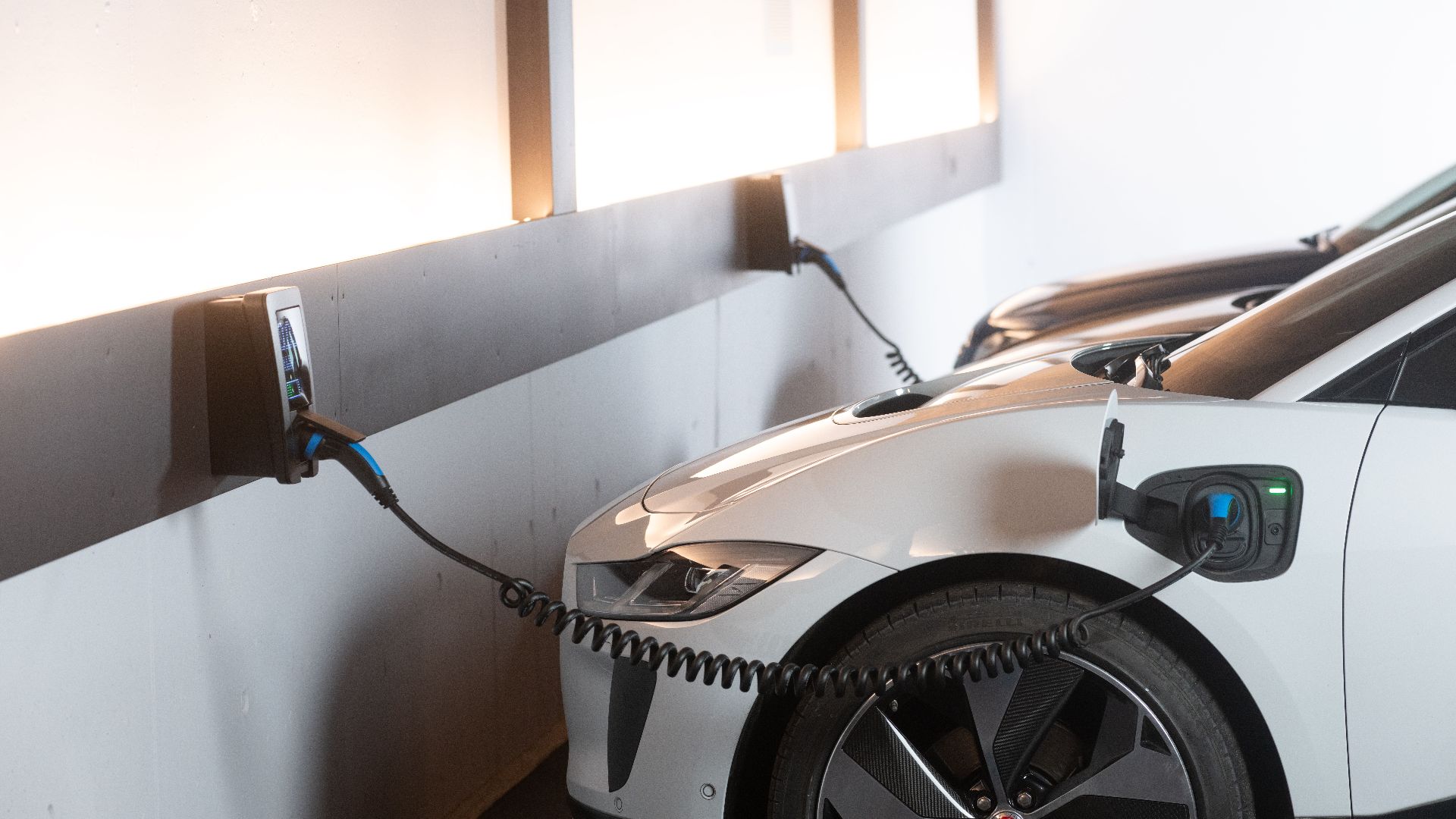
Access to a shared outlet does not by itself establish permission to use it for EV charging. A lease, condo declaration, HOA rule or building policy may regulate or prohibit that use, and some properties require approval before residents can use existing outlets or install charging equipment.

There May Also Be A Safety Issue
EV charging creates a sustained electrical load, so not every old garage outlet should automatically become a charging point. Department of Energy guidance says Level 1 charging should use an appropriate 120-volt outlet with a dedicated branch circuit available. Exact requirements depend on the electrical code adopted where the property is located, but building management may have good reasons beyond the electric bill for requiring approval.
Do Not Start With A Guess At The Bill
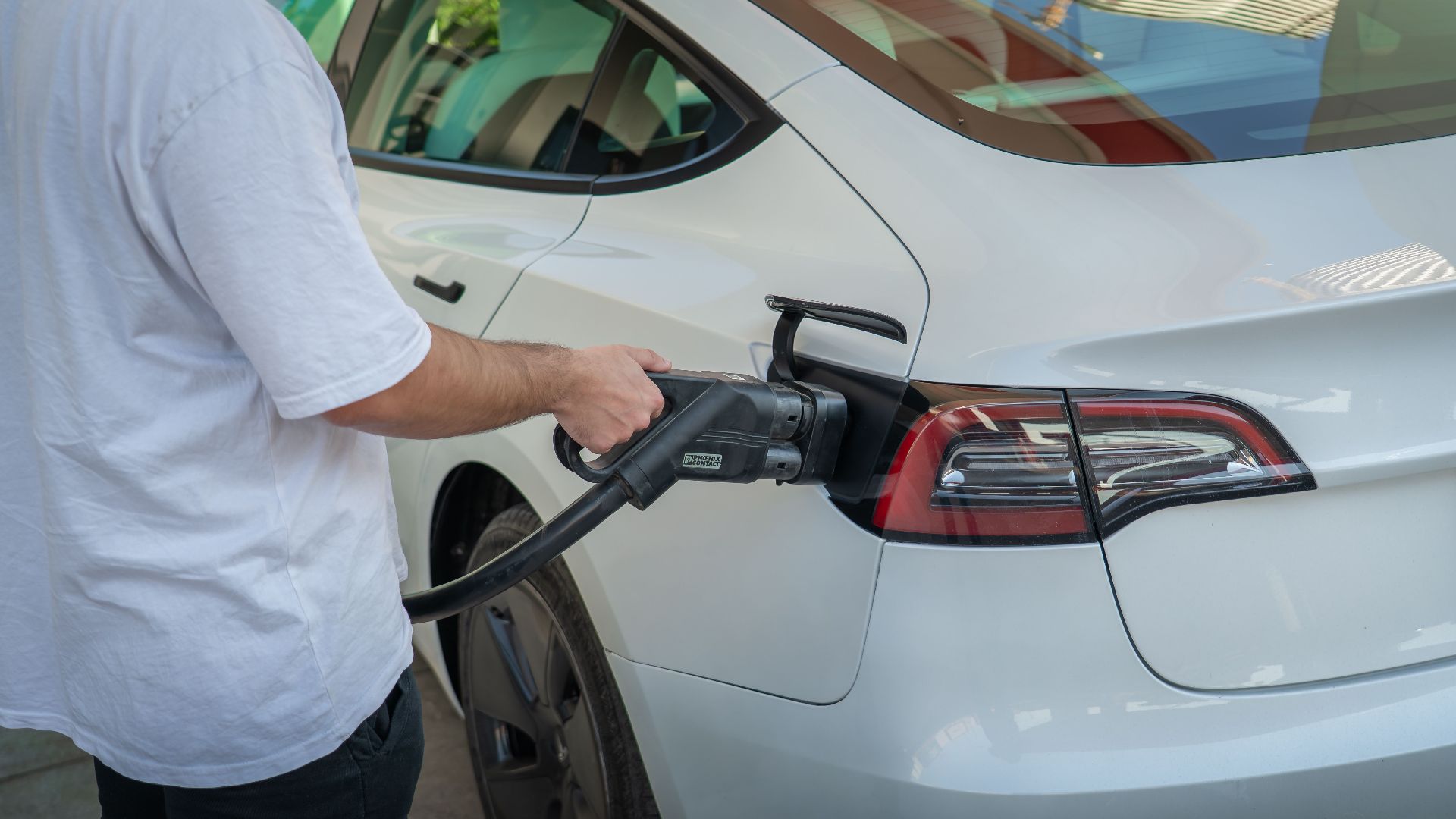
Before demanding a specific amount from the neighbor, determine where the outlet gets its power and how electricity is billed. Without knowing the circuit, charging duration, vehicle consumption and applicable electricity rate, a random dollar figure could turn a legitimate complaint into an unnecessary argument.
 https://kaboompics.com/, Pexels
Document What Is Happening
If the charging continues, keeping a simple record can help. Note when the vehicle is plugged in, how long it remains connected and which outlet is being used. If the issue eventually goes to a landlord, condo board or property manager, specifics are much more useful than “he does this all the time.”

Then Put The Issue In Writing
A short message to the landlord, HOA, condo board or neighbor can establish that the outlet was being used without permission and ask who is responsible for the electricity. It also gives whoever manages the property a chance to clarify the rules before the dispute gets bigger.

The Solution May Be Surprisingly Simple
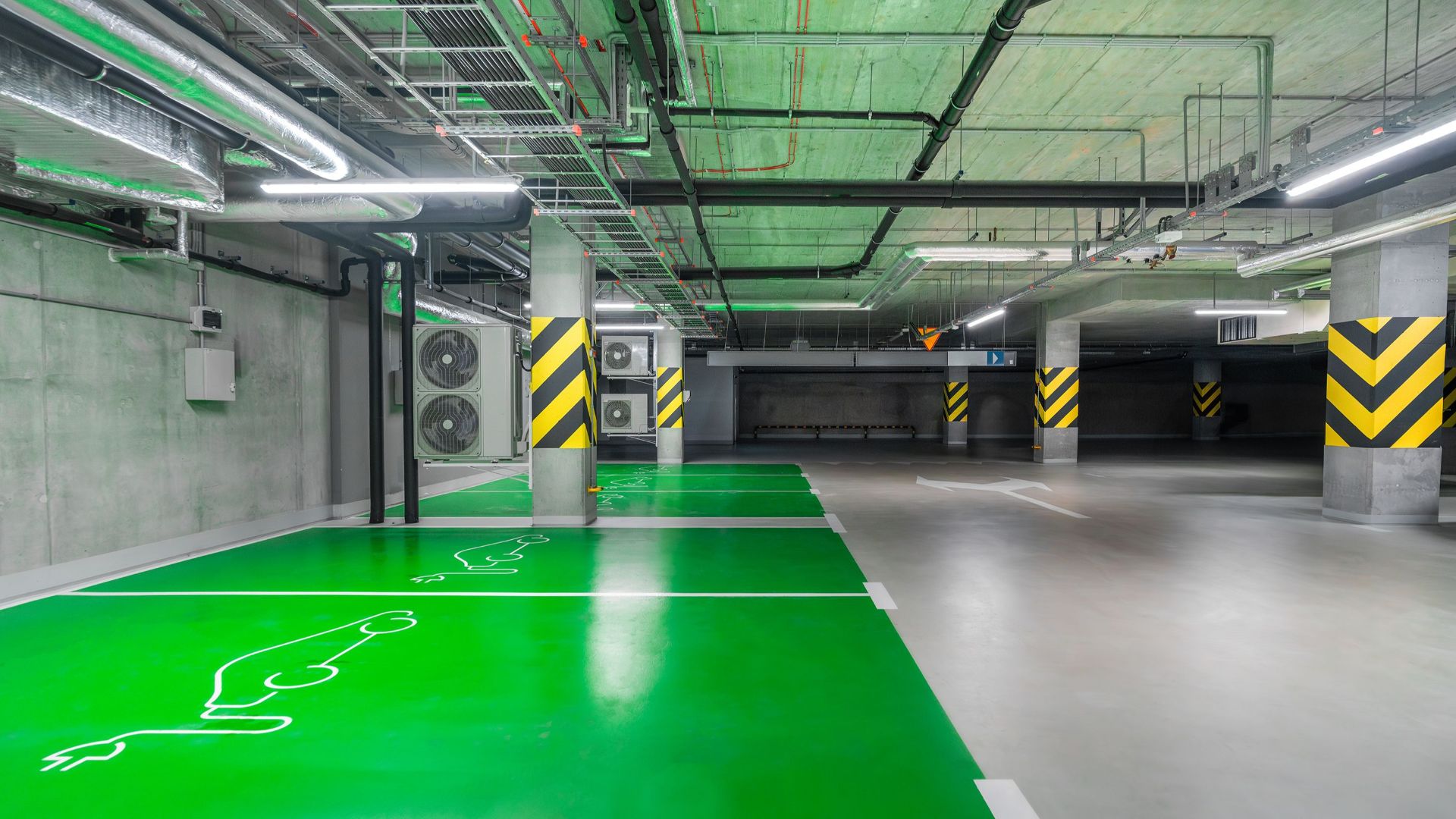
If EV charging is allowed, the cleanest outcome may be a dedicated charger, submeter, usage-tracking device or agreed monthly reimbursement. Plenty of multi-unit properties already use arrangements like these specifically because charging a private vehicle from communal electricity creates exactly this problem.
But The Neighbor Should Not Assume Everyone Else Will Pay
Whether the neighbor personally owes money depends on the property setup, governing documents and local law. But an outlet being accessible in a shared garage does not automatically turn the electricity behind it into a complimentary amenity for one resident’s EV.

So, Who Pays?
First find out whose meter feeds the outlet. If it runs through one resident’s meter, that resident is initially getting the charge on their bill. If it runs through a common meter, the landlord, association or residents may be paying collectively. From there, the lease, condo rules and local law determine who should ultimately reimburse whom.
You Might Also Like:
My mechanic says my turbocharged engine needs stricter maintenance than older cars. Is that true?