
Is The Turbo Worth It?
The engine runs fine, but the maintenance warnings sound intense. Turbocharged cars aren’t necessarily fragile, but they can be less forgiving when a few key services get ignored.
A Turbocharger Adds Heat And Speed
A turbocharger uses exhaust energy to spin a turbine, which drives a compressor that forces more air into the engine. That lets a relatively small engine produce considerably more power. The trade-off is that the turbo operates at very high temperatures and extremely high rotational speeds, so lubrication and cooling matter a lot.
 Crisco 1492, Wikimedia Commons
Older Naturally Aspirated Engines Were Simpler
A traditional naturally aspirated engine doesn’t have a turbocharger, its oil feed lines, boost plumbing, wastegate controls, intercooler, or associated hardware. Fewer components mean fewer things that can leak, clog, seize, or fail. That doesn’t make every old engine more reliable, but the basic system is less complicated.
Modern Turbo Engines Work Hard For Their Size
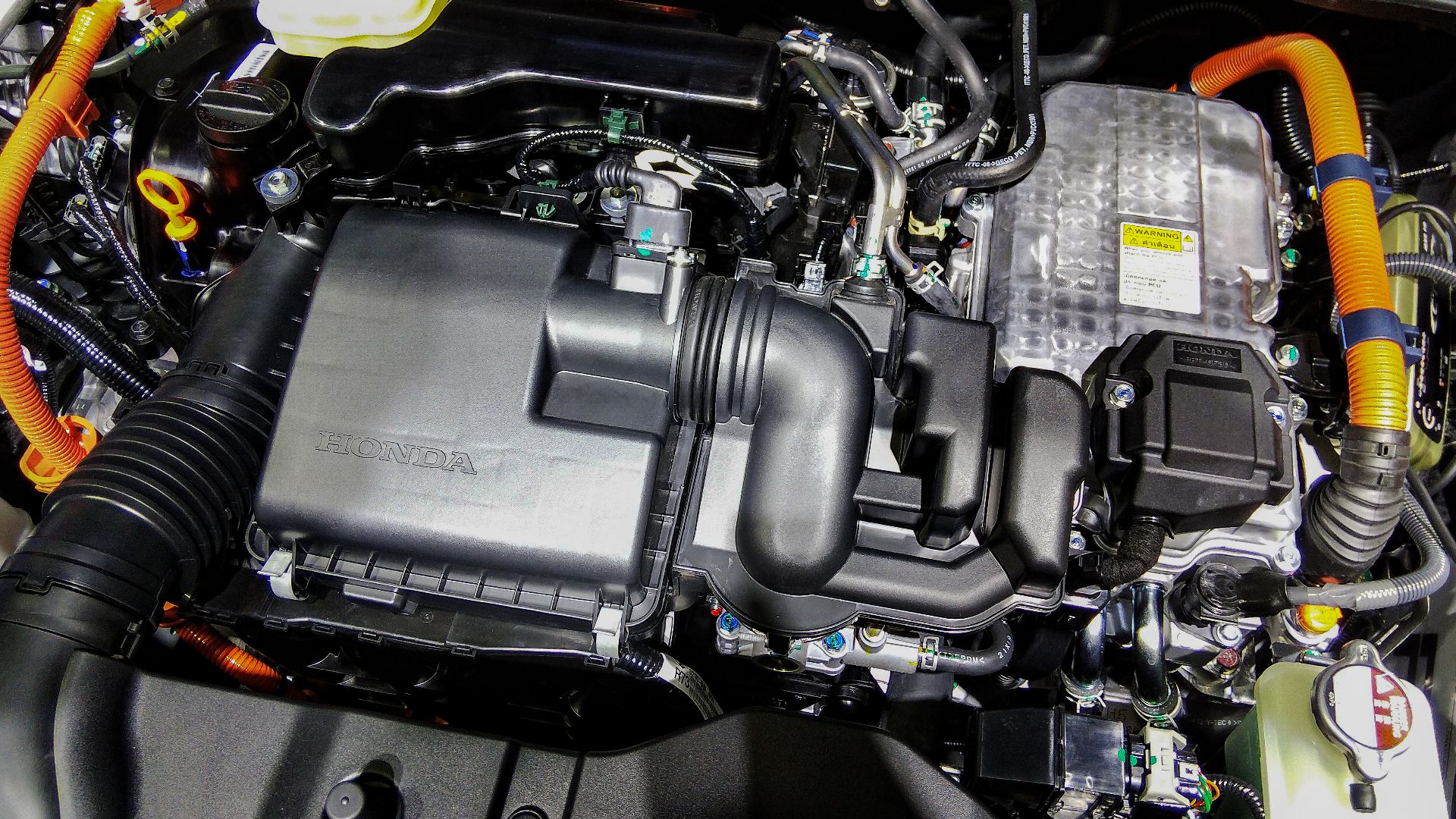
Automakers increasingly use smaller turbocharged engines to produce the power once expected from larger engines. AAA notes that turbochargers allow manufacturers to use smaller engines while still delivering strong performance. That means a relatively small amount of oil and coolant may be protecting an engine producing substantial heat and power.

Oil Is The Big One
Engine oil doesn’t just lubricate the pistons and bearings. It also flows through the turbocharger and protects its rapidly spinning shaft and bearings. Turbocharger manufacturer Garrett Motion says contaminated oil is one of the biggest causes of turbo failure, which explains why mechanics are especially serious about oil maintenance on these engines.
Skipping Oil Changes Can Hurt The Turbo First
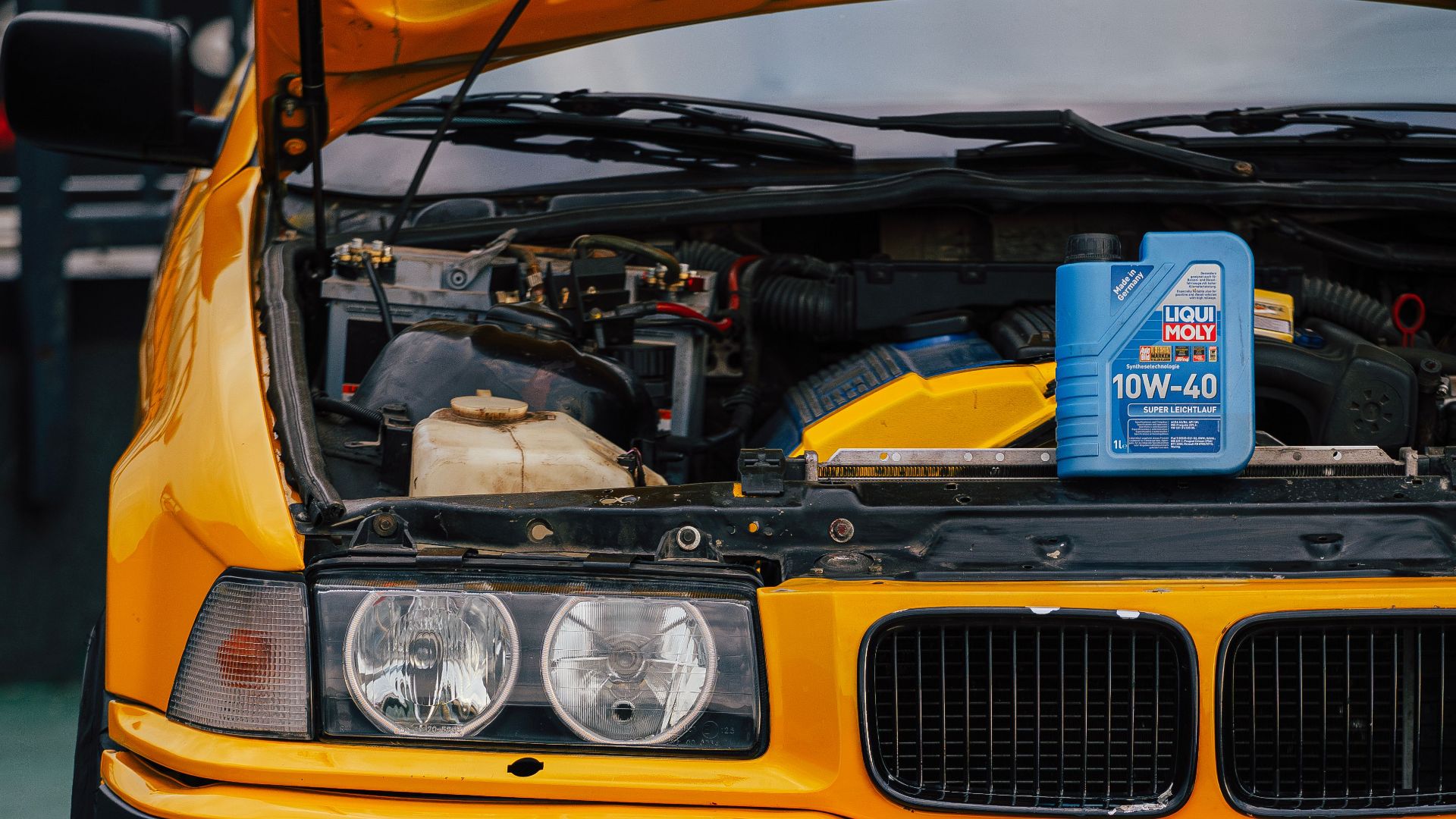
Old oil collects combustion byproducts, soot, fuel contamination, moisture, and tiny metal particles. Automotive supplier MAHLE notes that even very small particles can damage turbocharger bearings because of the speeds involved. Stretching an oil interval far beyond the manufacturer’s schedule can therefore become much more expensive than simply changing the oil on time.
Use The Exact Oil Specification
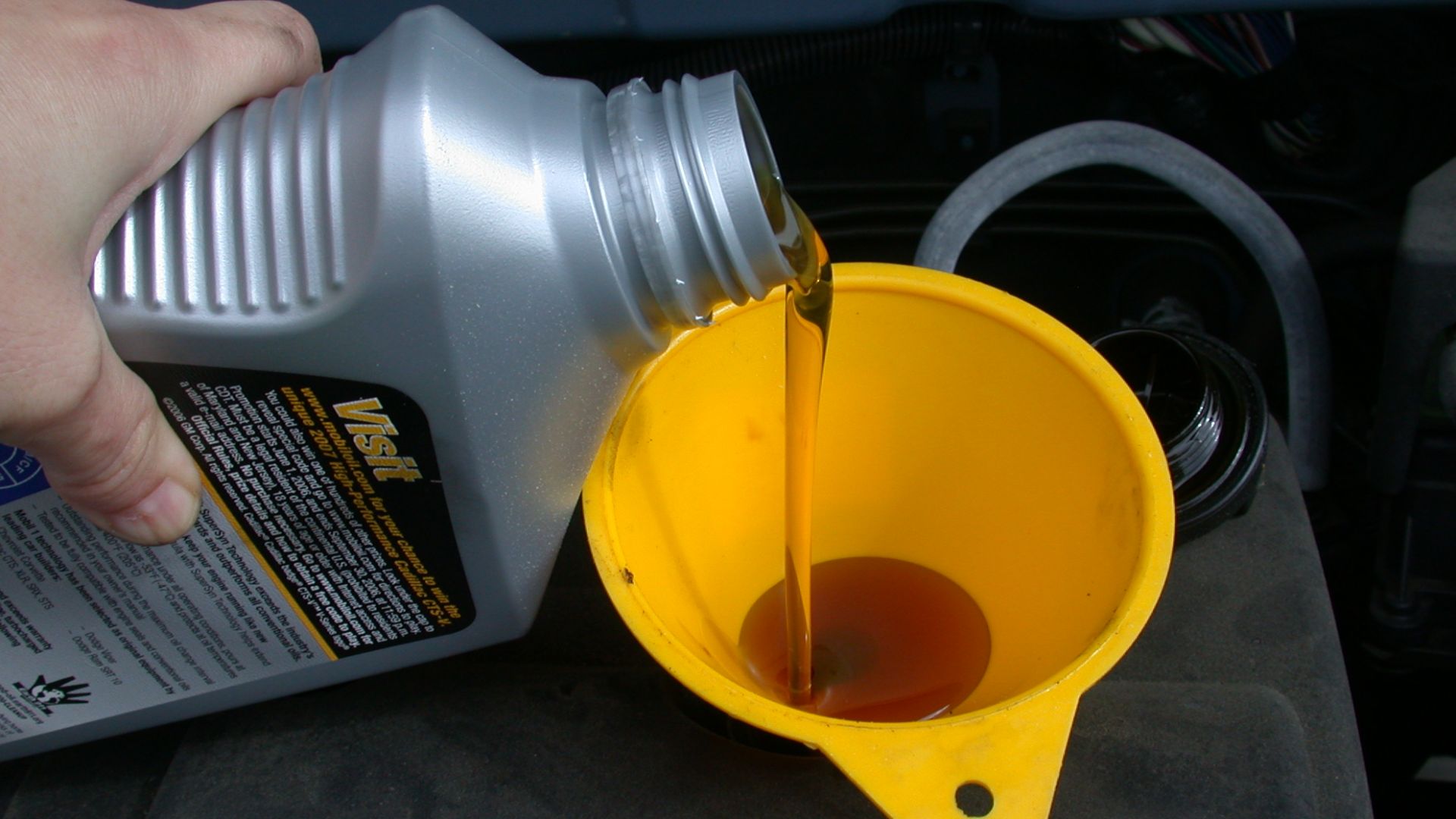
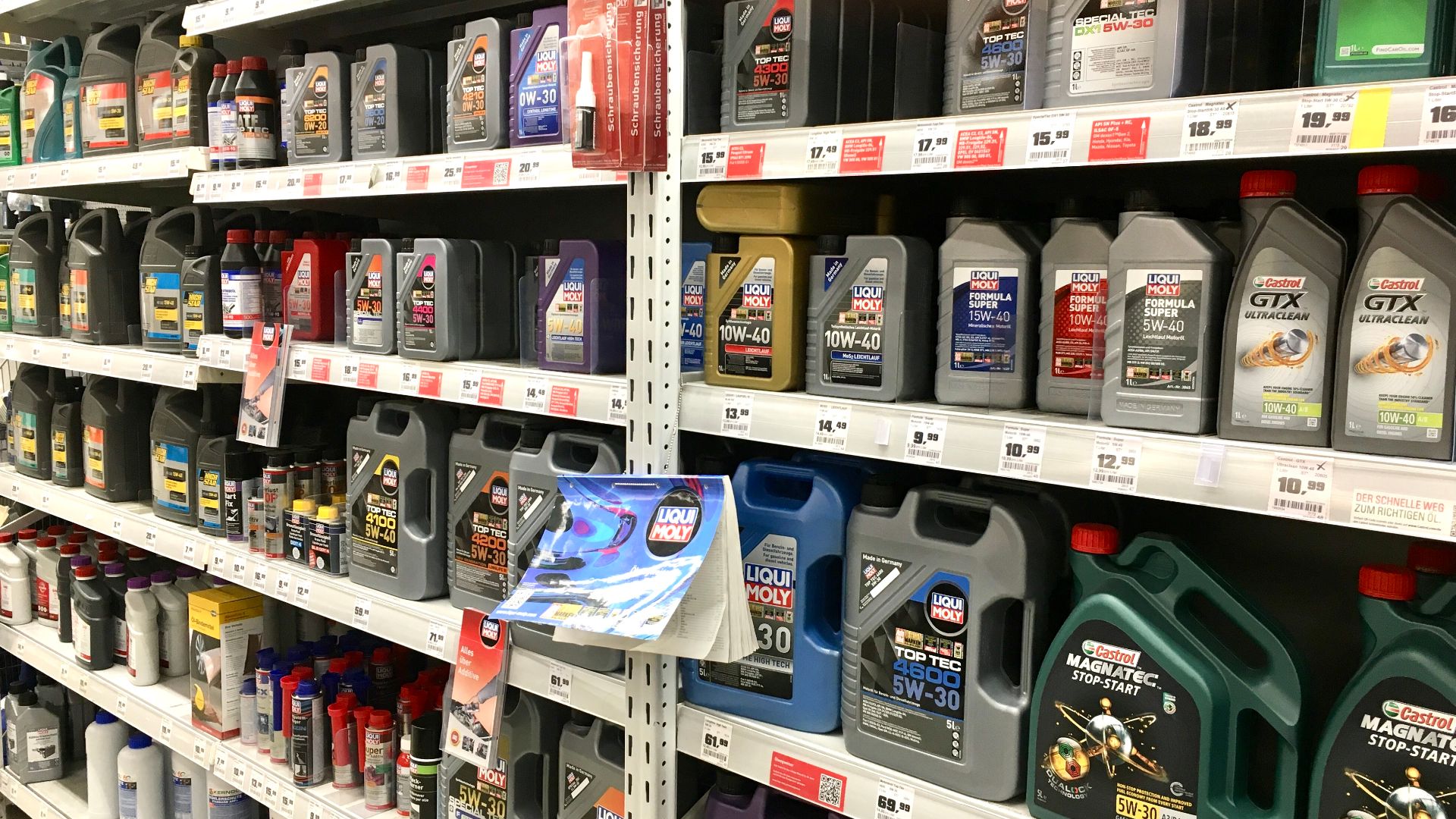
“5W-30” or “0W-20” doesn’t always tell the whole story. Modern engines may require an oil that meets a specific manufacturer standard for viscosity, additives, deposit control, and high-temperature performance. MAHLE specifically advises using only engine oils approved by the vehicle or engine manufacturer.
 Pittigrilli, Wikimedia Commons
Synthetic Oil Is Often Recommended
Synthetic oil generally handles extreme temperatures and oxidation better than conventional oil. AAA notes that conventional oil can degrade more readily under heat and specifically points out that turbochargers require substantial oil flow under high-temperature conditions. Whether synthetic oil is mandatory still depends on the owner’s manual.
 NASA Armstrong Flight Research Center / NASA/Ken Ulbrich, Wikimedia Commons
Don’t Automatically Fall Back To The 3,000-Mile Rule
Stricter maintenance doesn’t mean every turbo car needs an oil change every 3,000 miles. Modern oil, engine management, and materials have allowed many vehicles to use far longer intervals. AAA says many modern vehicles now specify roughly 5,000 to 7,500 miles or more, depending on the vehicle and operating conditions.

Follow The Severe-Service Schedule When It Fits
Short trips, stop-and-go traffic, extreme temperatures, towing, mountain driving, prolonged idling, and dusty conditions may qualify as severe service. Under those conditions, the manufacturer may specify shorter oil-change intervals. Consumer Reports also notes that some turbocharged engines may require more frequent oil changes.
 Vieve Forward , Wikimedia Commons
Check The Oil Level Between Services
A perfect service history won’t protect an engine that runs low on oil between changes. Check the level according to the owner’s manual, particularly before long trips. Car and Driver calls maintaining the correct oil level one of the most important things an owner can do for long engine life.

Low Oil Can Damage A Turbo Very Quickly
A turbocharger depends on a continuous oil supply. Garrett warns that inadequate lubrication can cause catastrophic turbo damage within seconds. That makes ignoring a low-oil warning especially risky on a turbocharged engine.
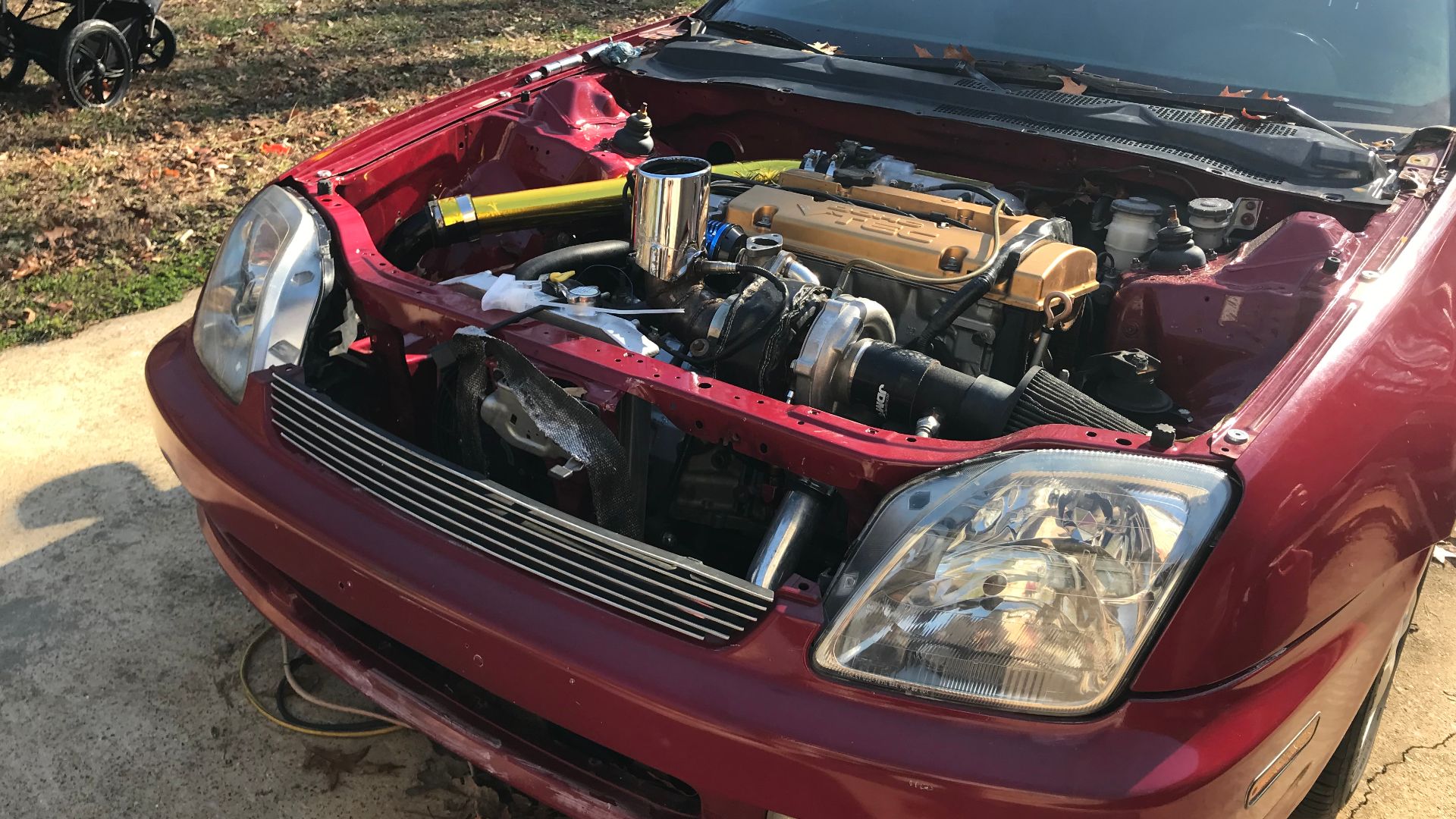 Natelee2003, Wikimedia Commons
Cooling System Maintenance Matters Too
Turbochargers and turbo engines generate substantial heat. Many modern turbochargers are water-cooled in addition to being lubricated by engine oil. Keeping the coolant at the correct level and replacing it according to the manufacturer’s schedule helps protect the entire engine from excessive heat.
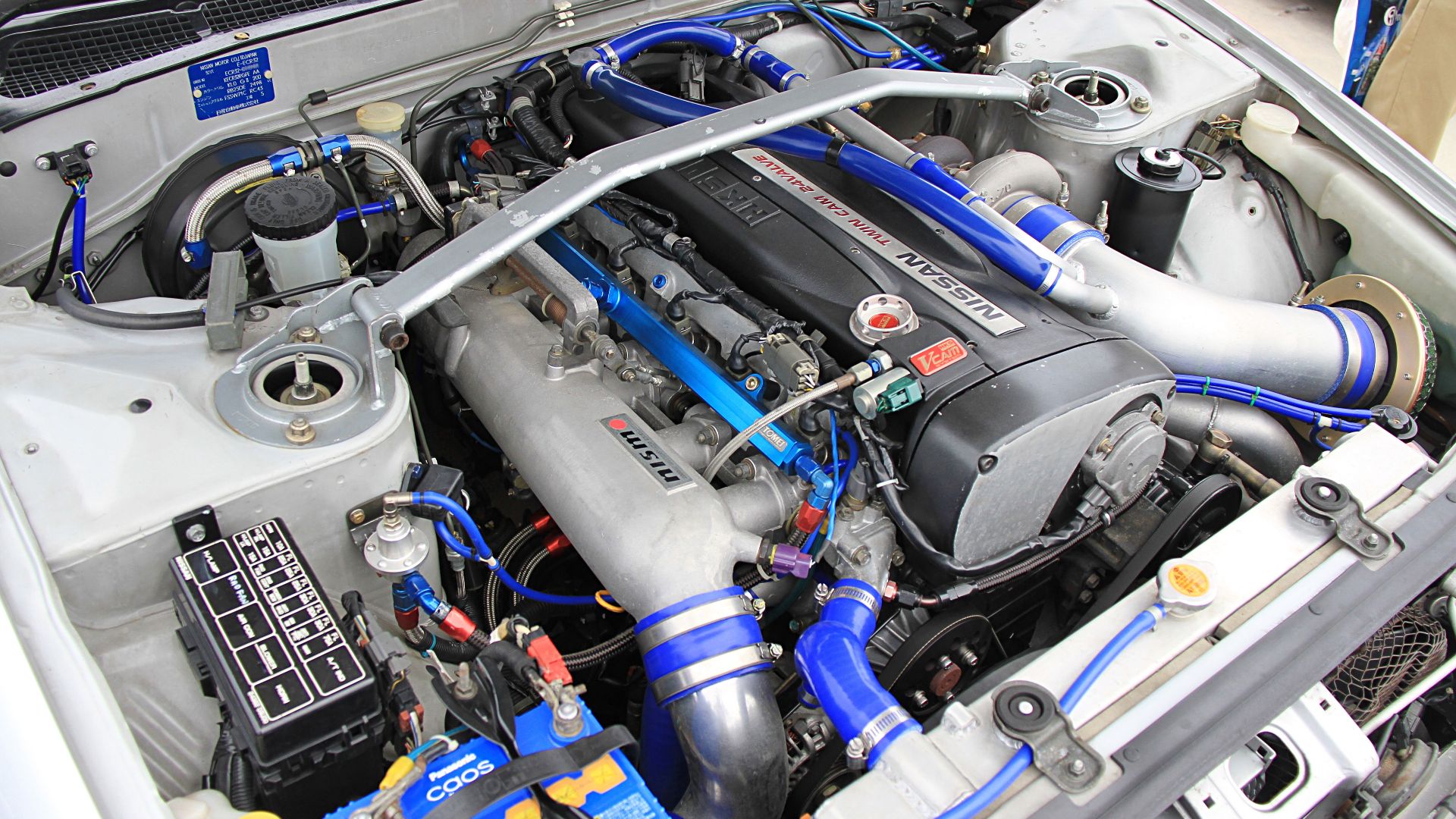
Don’t Ignore Coolant Leaks
A slow coolant loss that might initially seem minor can become more serious under heavy load or hot weather. A turbocharged engine may spend long periods operating under high thermal stress. If the coolant level repeatedly drops, find the leak rather than continually topping it up.

The Old “Idle Your Turbo For Five Minutes” Rule Has Changed
Older turbocharged cars were sometimes left idling after every drive to prevent hot oil from cooking inside the turbo. Modern vehicles often use water-cooled turbochargers, improved oils, and better thermal management, so lengthy cooldown periods generally aren’t necessary after ordinary driving. You should still follow the instructions for your particular vehicle.
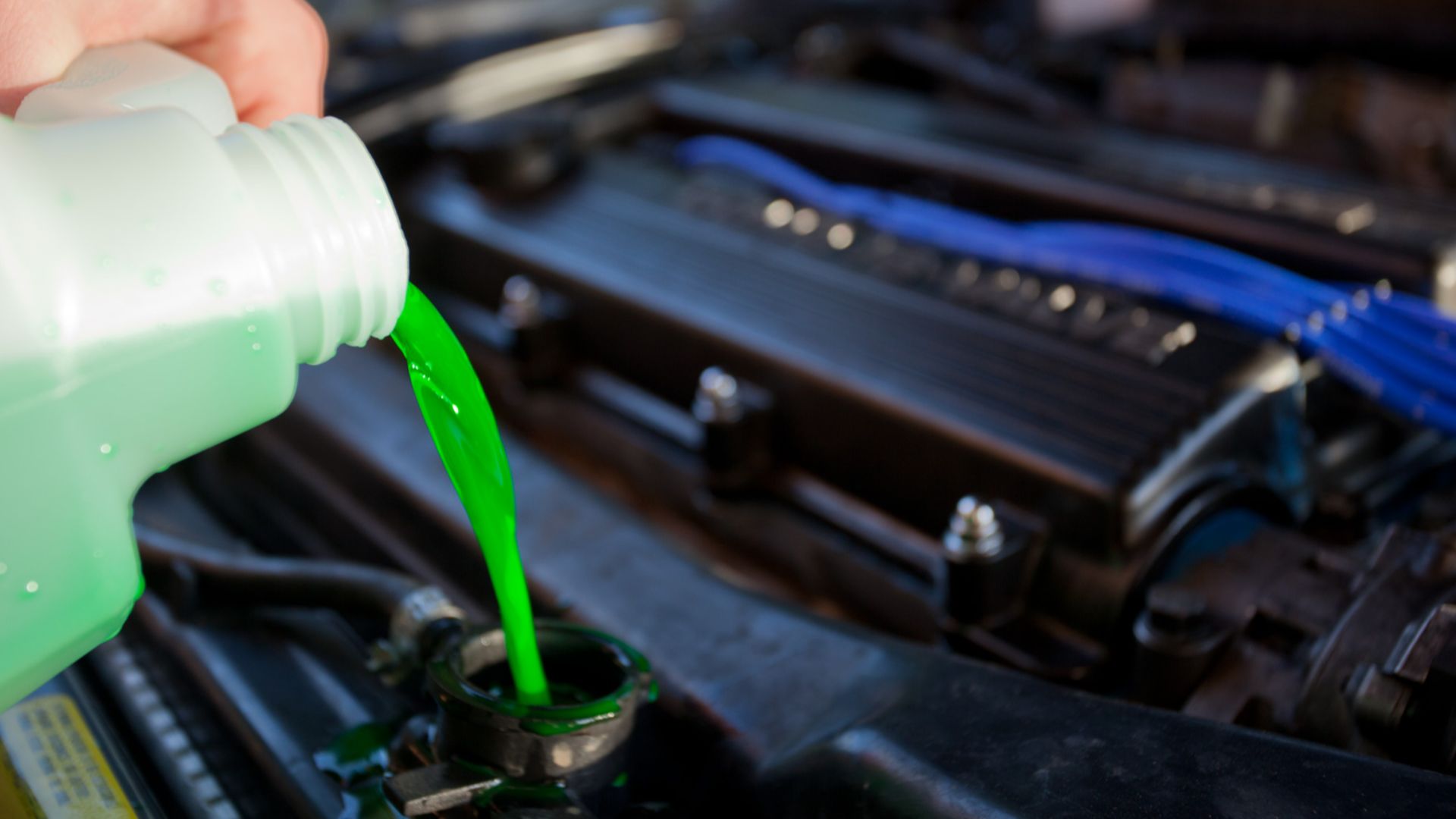
Hard Driving Is A Different Story
After sustained high-speed driving, towing, a long mountain climb, or track use, the turbo may be extremely hot. MAHLE recommends allowing the engine to cool under moderate operation after high-load driving. That can be as simple as driving gently for the final few miles instead of immediately shutting the engine off after maximum effort.

You Usually Don’t Need To Warm It Up For 10 Minutes Either
Modern fuel-injected engines generally don’t need long stationary warmups. Start the engine, give it a moment for oil circulation, and drive gently until temperatures rise. Avoid full-throttle acceleration or heavy boost immediately after a cold start.

Air Filters Matter More Than They Look
The turbocharger compressor pulls in a huge volume of air. A damaged, badly clogged, or improperly installed air filter can restrict airflow or allow debris into the intake. Follow the filter schedule and make sure the airbox is properly sealed after service.
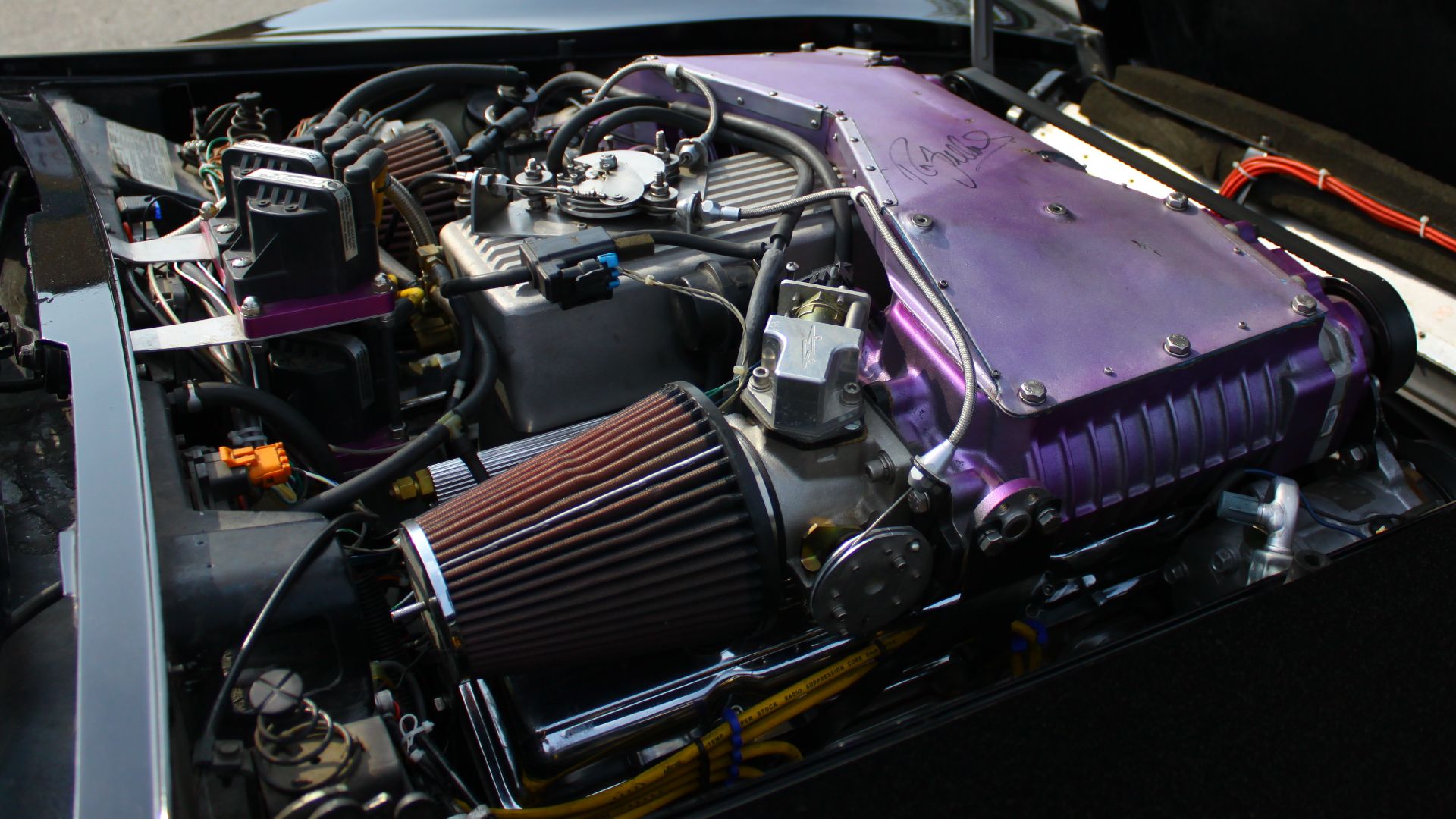 Shane K from Mississauga, Canada, Wikimedia Commons
Intake Leaks Can Cause Trouble
Turbo engines depend on pressurized intake plumbing between the turbocharger, intercooler, and engine. Loose clamps, split hoses, and leaking connections can reduce performance and trigger warning lights. Garrett recommends checking couplers, clamps, charge piping, and intercoolers when diagnosing turbo-system problems.

Pay Attention To New Whistles Or Whines
Turbochargers naturally make some noise, so a faint whistle isn’t automatically a problem. A suddenly louder whine, siren-like sound, scraping noise, or major change in boost response deserves inspection. Consumer Reports notes that blue-gray exhaust smoke combined with an unusual high-pitched turbo noise can indicate turbocharger trouble.

Blue Smoke Is Another Warning
Blue or bluish-gray exhaust can indicate that engine oil is being burned. That may come from the engine itself, the crankcase ventilation system, or turbo-related problems. Don’t assume the turbo is automatically at fault, but don’t ignore the symptom either.
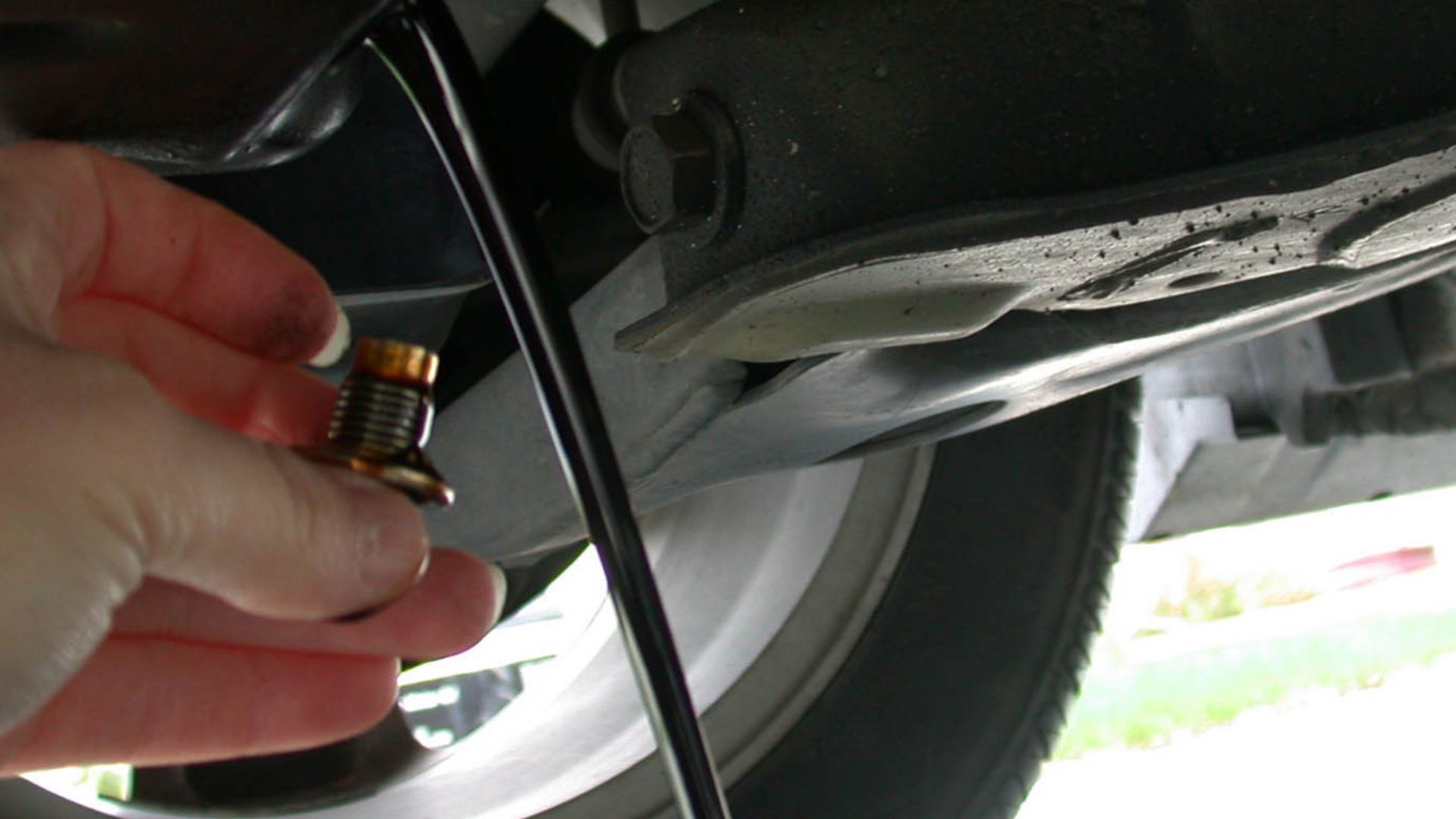
Loss Of Power Can Be Something Simple
A vehicle that suddenly feels slower may have a leaking boost hose, failing sensor, wastegate issue, or intercooler leak rather than a destroyed turbo. Proper diagnosis matters because replacing a turbocharger without fixing the underlying problem can waste a lot of money.

Don’t Modify Boost Without Understanding The Consequences
Performance tunes can increase turbo speed, cylinder pressure, heat, and stress on the cooling and lubrication systems. MAHLE warns that overspeeding can cause major turbo damage. More power may also require shorter service intervals or upgraded supporting components.

Modern Turbos Aren’t Automatically Unreliable
Turbocharging has become mainstream, and modern turbochargers are far more developed than early designs. Reliability varies far more by specific engine family, model year, maintenance history, and engineering than by the word “turbo” alone. Consumer Reports has found troublesome turbo applications, but that doesn’t mean every turbocharged engine is destined to fail.
 Dinkun Chen, Wikimedia Commons
Your Mechanic Is Mostly Right, But Don’t Overdo It
A turbocharged engine doesn’t necessarily need constant servicing, special additives, or 3,000-mile oil changes. What it does need is less tolerance for neglect. Use the exact oil specification, follow the correct interval, monitor oil and coolant levels, treat warning signs seriously, and drive gently when the engine is cold or has just worked extremely hard. The maintenance schedule may not look dramatically stricter than an older car’s, but ignoring it can carry a much higher price.

You May Also Like: