
Everyone Gets The Bill
Your condo association wants to install electric-vehicle chargers and expects every owner to help pay, even though most residents still drive gasoline-powered cars. That understandably raises questions about fairness, but whether the HOA can impose the expense depends heavily on state law and your association's governing documents.
Start With The Documents
Condo ownership comes with contractual obligations contained in the declaration, bylaws, covenants, and other governing documents. Those documents typically explain what constitutes common property, what expenses the association may incur, how assessments are allocated, and when owners must vote before major improvements can proceed.

HOAs Have Far-Reaching Power
An HOA is not simply a neighborhood club whose decisions you can ignore. Depending on state law and its governing documents, an association may collect assessments and spend money maintaining or improving common property. Owners can therefore find themselves financing projects they personally opposed or may never use.
Fairness Is Different
The fact that you do not use something does not necessarily exempt you from paying for it. Condo owners routinely share expenses for elevators, swimming pools, landscaping, security systems, roofs, and other amenities regardless of individual usage. An EV charging system might similarly qualify as a common improvement.

But Authority Has Limits
That does not mean a board can spend unlimited amounts on whatever it wants. State condominium statutes and the association's governing documents can establish spending authority, voting requirements, assessment procedures, and restrictions on altering common areas. A sufficiently large charger project could require approval beyond a simple board decision.

Improvement Or Maintenance?
One important question is how the project is classified. Replacing worn electrical equipment may resemble maintenance, while installing an entirely new charging network looks more like a capital improvement. That distinction can affect whether the board can authorize the expense itself or needs approval from owners.
The Wiring Gets Expensive
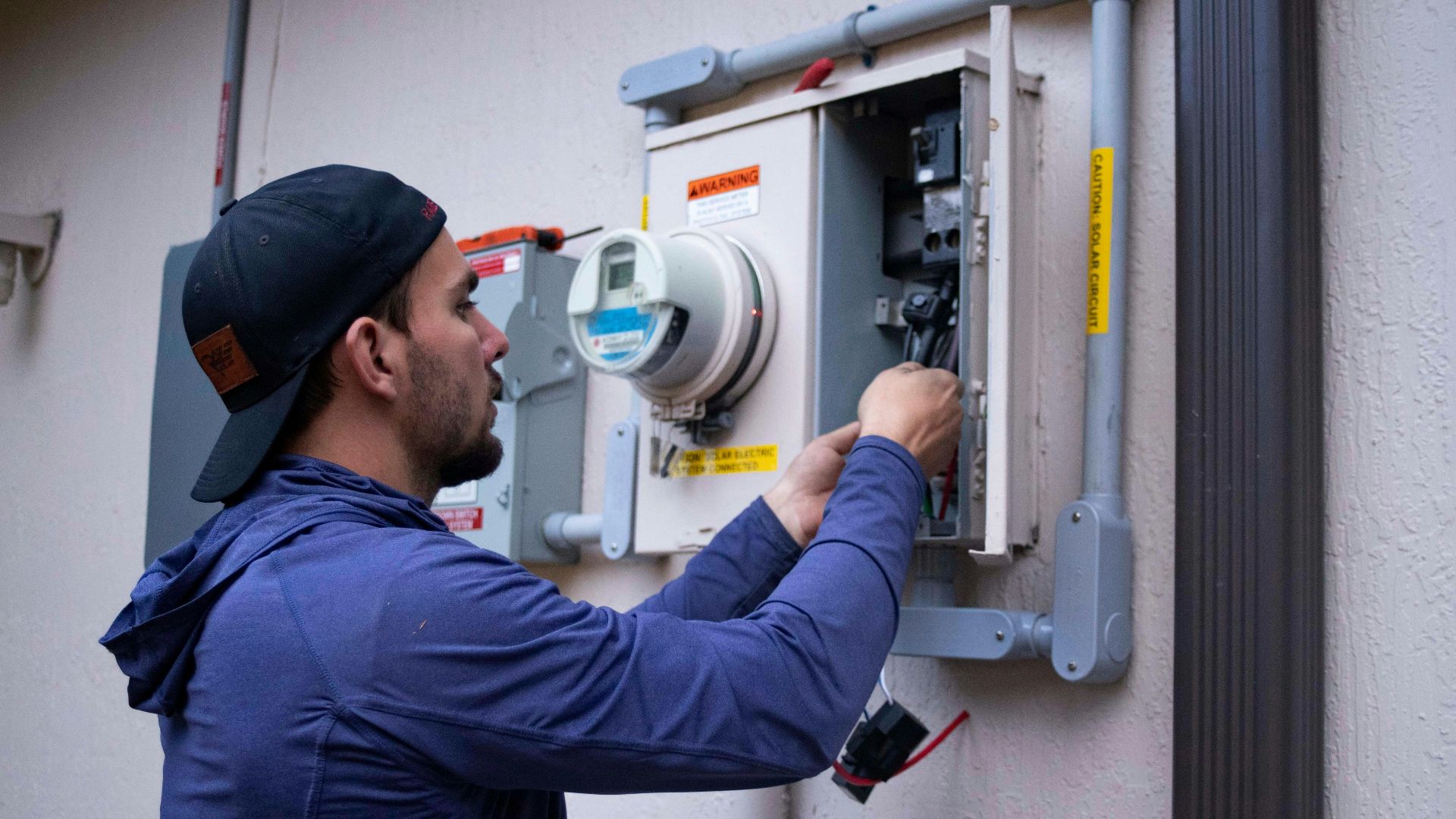
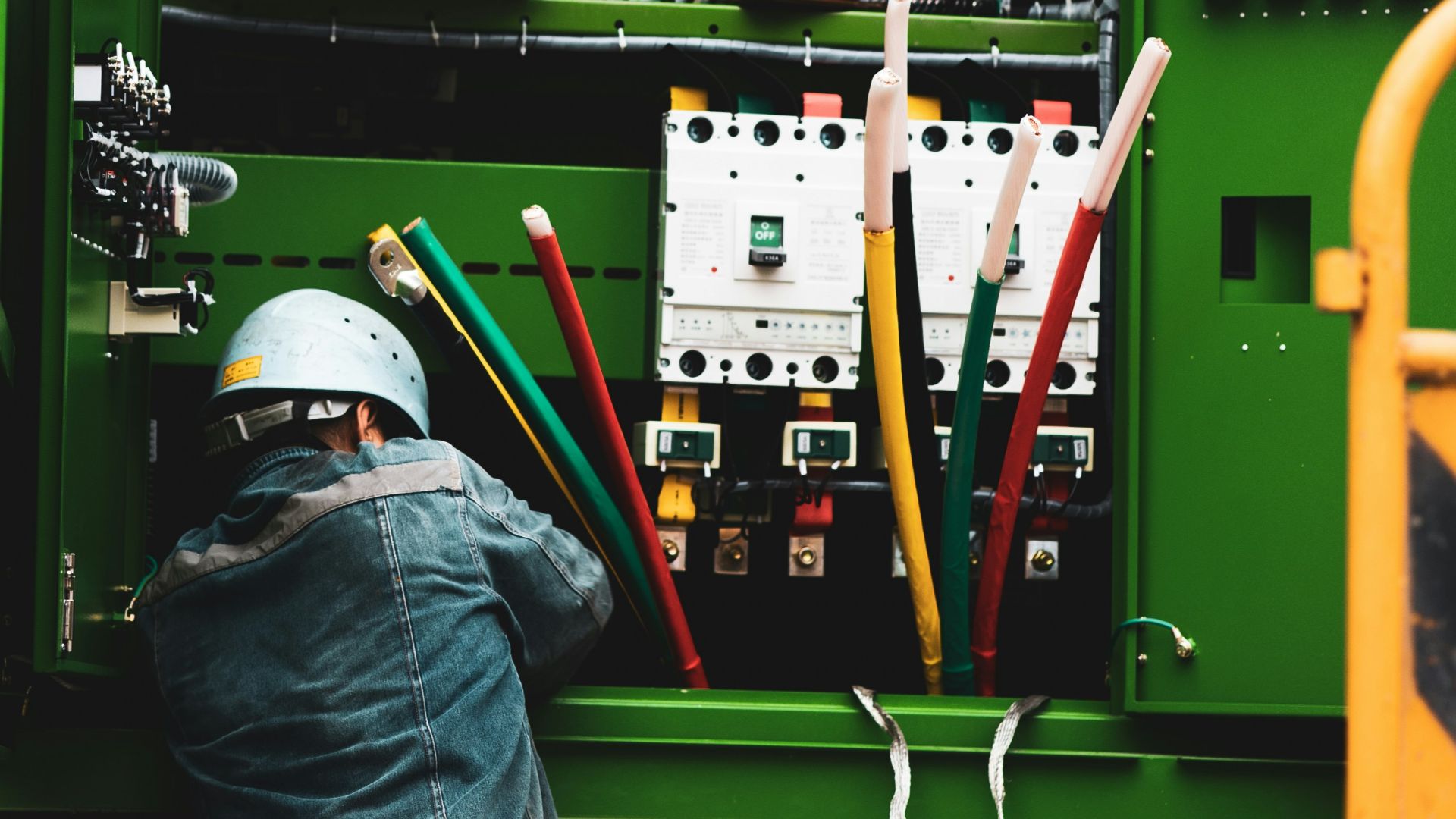
The chargers themselves may be only part of the bill. Older condominium complexes can require additional electrical capacity, panels, transformers, conduit, trenching, meters, networking equipment, and parking modifications. Preparing dozens of spaces for future charging can therefore become a substantial infrastructure project.
Think Beyond Today's EVs
Your board may argue that today's vehicle mix is not the point. Electrical infrastructure can last for decades, while residents and vehicles continually change. The association may believe installing capacity now will prevent expensive piecemeal installations and make the development more attractive to future EV-owning buyers.
Right-To-Charge Laws Matter
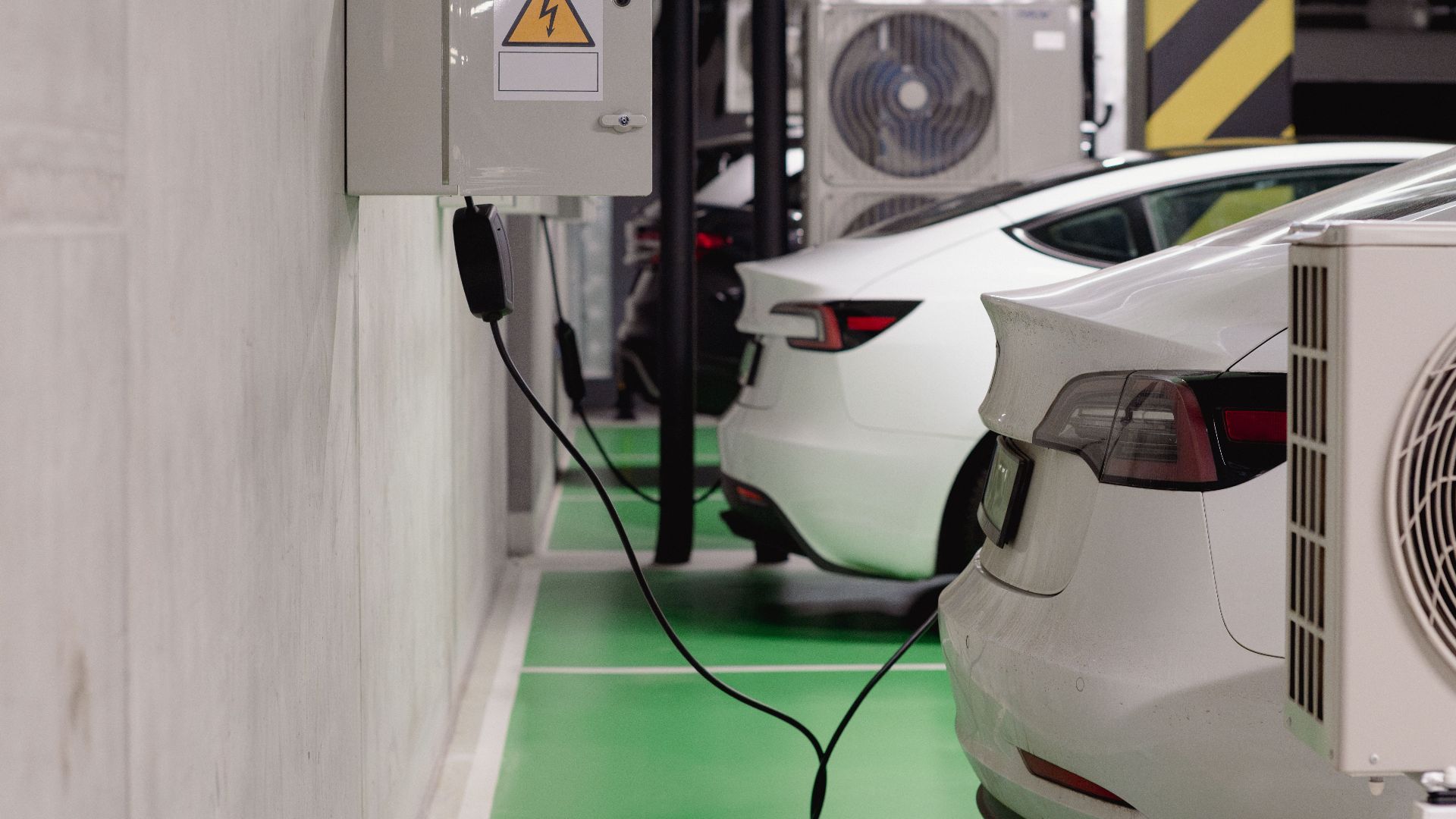
Several states have enacted laws limiting an HOA's ability to prevent residents from installing EV charging equipment. California, for example, prohibits common-interest developments from effectively banning or unreasonably restricting chargers in an owner's unit or designated parking space, although reasonable restrictions remain permissible.

That Is Different
A homeowner's legal right to install a charger does not automatically mean every neighbor must subsidize that person's equipment. California provides a useful example: under certain individual installations, the requesting owner can be responsible for installation, electricity, maintenance, repair, insurance, and related costs.

Shared Chargers Change Things
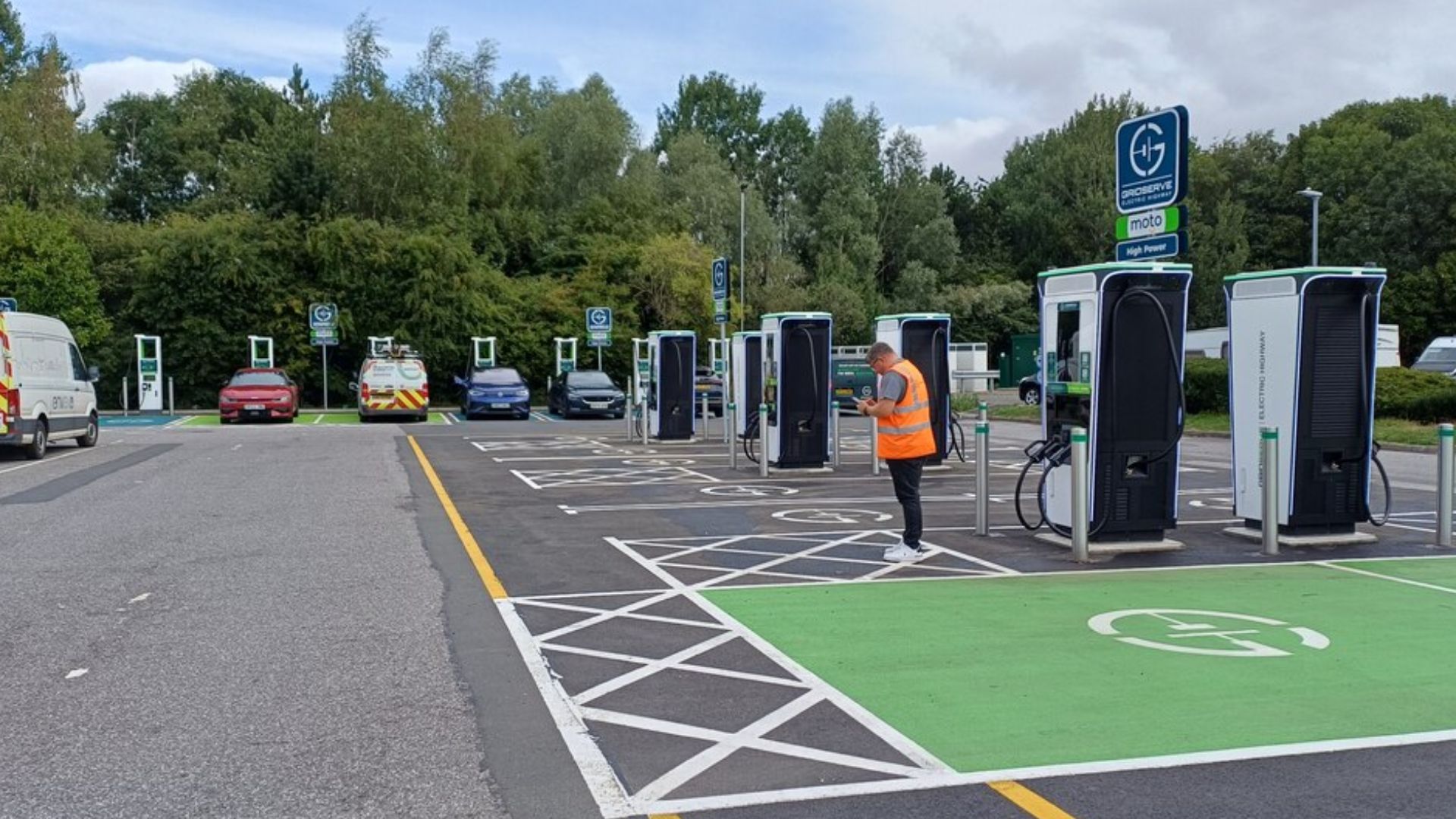
The equation changes when the association installs chargers in common areas for everyone rather than accommodating one resident. California law, for example, expressly contemplates an association or owners installing common-area charging stations for all members, with the association establishing appropriate terms for their use.
 David Martin , Wikimedia Commons
Who Uses Them?
Even if everyone contributes toward infrastructure, electricity does not necessarily have to become another communal expense. Networked chargers can identify individual users and support billing arrangements. Owners should ask whether drivers will pay for the electricity they consume and contribute toward operating and maintenance costs.

Ask For The Numbers
Before fighting the proposal, request the actual financial analysis. How many chargers are planned? What electrical upgrades are necessary? How much will owners pay? What are the projected maintenance expenses? Most importantly, determine whether the quoted assessment represents the project's gross cost or its expected net cost.

Incentives Could Matter
This is where an apparently puzzling decision may start making financial sense. The Department of Energy notes that multifamily properties and HOAs may have access to state or utility incentives for charging infrastructure. Available programs vary dramatically according to location and can change over time.

Grants Can Be Substantial
Some programs specifically target multifamily properties. Massachusetts, for example, has offered grants covering 60% of qualifying Level 1 or Level 2 charger costs, up to $50,000 per address. Vermont has offered eligible multifamily applicants, including homeowner associations, grants as high as $100,000.
Rebates Change The Math
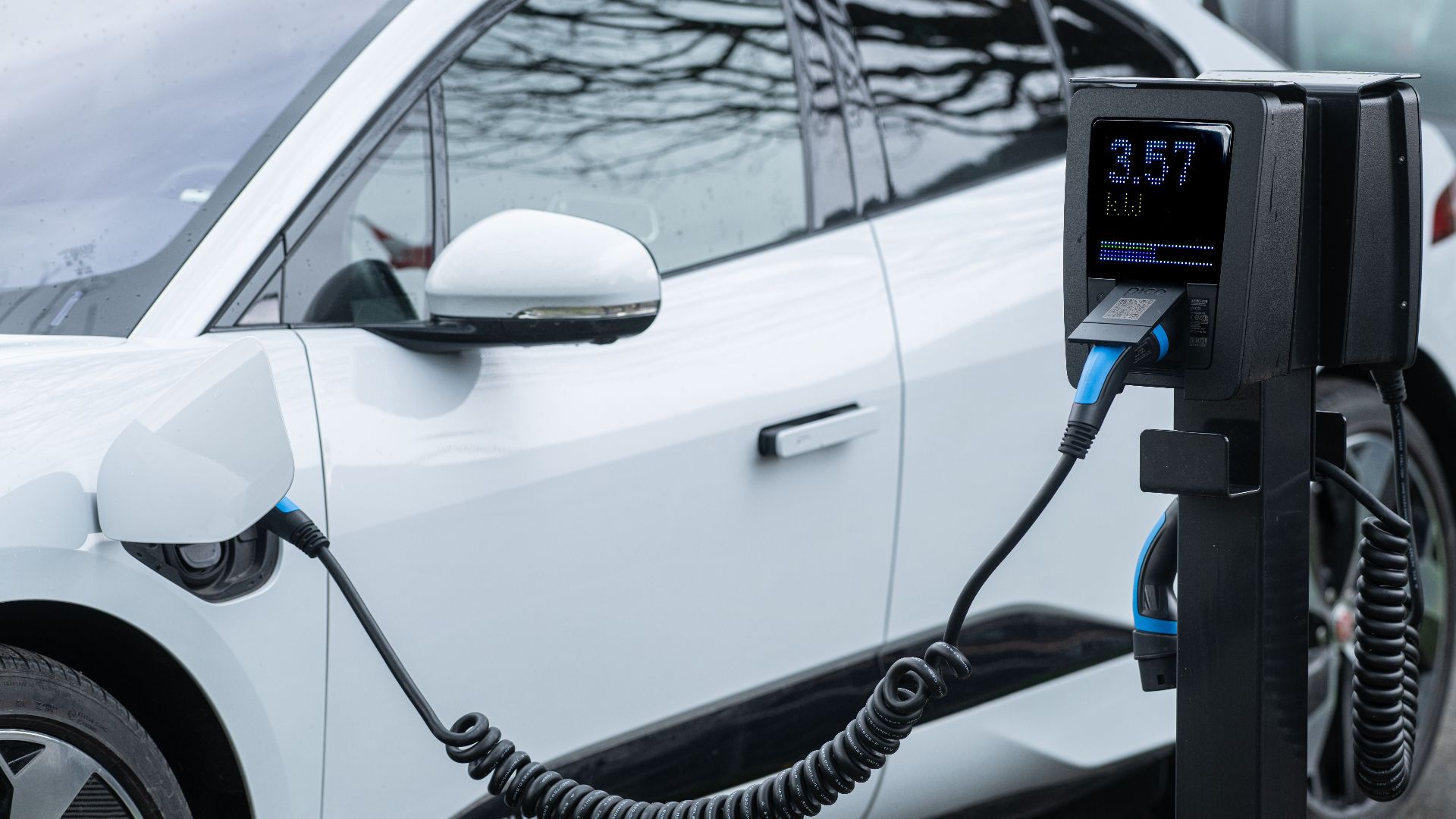
Other programs can reduce costs differently. New Jersey's multifamily incentive has offered up to $4,000 toward eligible dual-port Level 2 chargers, rising to $6,000 for certain qualifying developments. Utilities around the country also offer charger and installation incentives.
Check Federal Timing
Federal incentives deserve careful attention, especially because the rules recently changed. The IRS says the Section 30C Alternative Fuel Vehicle Refueling Property Credit applies only to qualifying equipment placed in service by June 30, 2026, and qualifying property must also satisfy geographic and other eligibility requirements.
 Carol M. Highsmith, Wikimedia Commons
Timing May Explain Everything
If your board has suddenly become enthusiastic about chargers, an expiring incentive or closing application window could be contributing to the urgency. That does not automatically justify the project, but owners should determine whether delaying installation would mean forfeiting grants, rebates, utility assistance, or other financial support.

Demand A Net Price
Owners should not be asked to evaluate a scary headline number without context. Request an itemized proposal showing equipment, electrical upgrades, labor, professional fees, incentives, grants, rebates, and anticipated revenue. Then calculate what each household actually pays after every available subsidy has been applied.

Consider Future Value
Even gasoline-car owners receive something from a building-wide infrastructure upgrade if it improves the property's competitiveness. The Department of Energy identifies EV charging among features that can enhance multifamily marketability. That does not prove the project will raise your condo's value, but future buyer demand deserves consideration.

Challenge It Properly
If you believe the board has exceeded its authority, start with documents rather than outrage. Obtain meeting minutes, contracts, engineering reports, budgets, voting records, and the relevant declaration and bylaws. For a major assessment, consider having a local condominium or HOA attorney review the project's authorization.

The Bottom Line
Yes, your HOA potentially can make non-EV owners contribute, particularly when charging infrastructure qualifies as a properly authorized common improvement. But that power is not unlimited. Before paying or challenging the assessment, determine exactly what your state law, governing documents, voting rules, and available incentives say.

You May Also Like: